 the Cold War during the first half of the '80s hit levels of tension unseen since the '60s, pop culture responded accordingly with plenty of songs,
 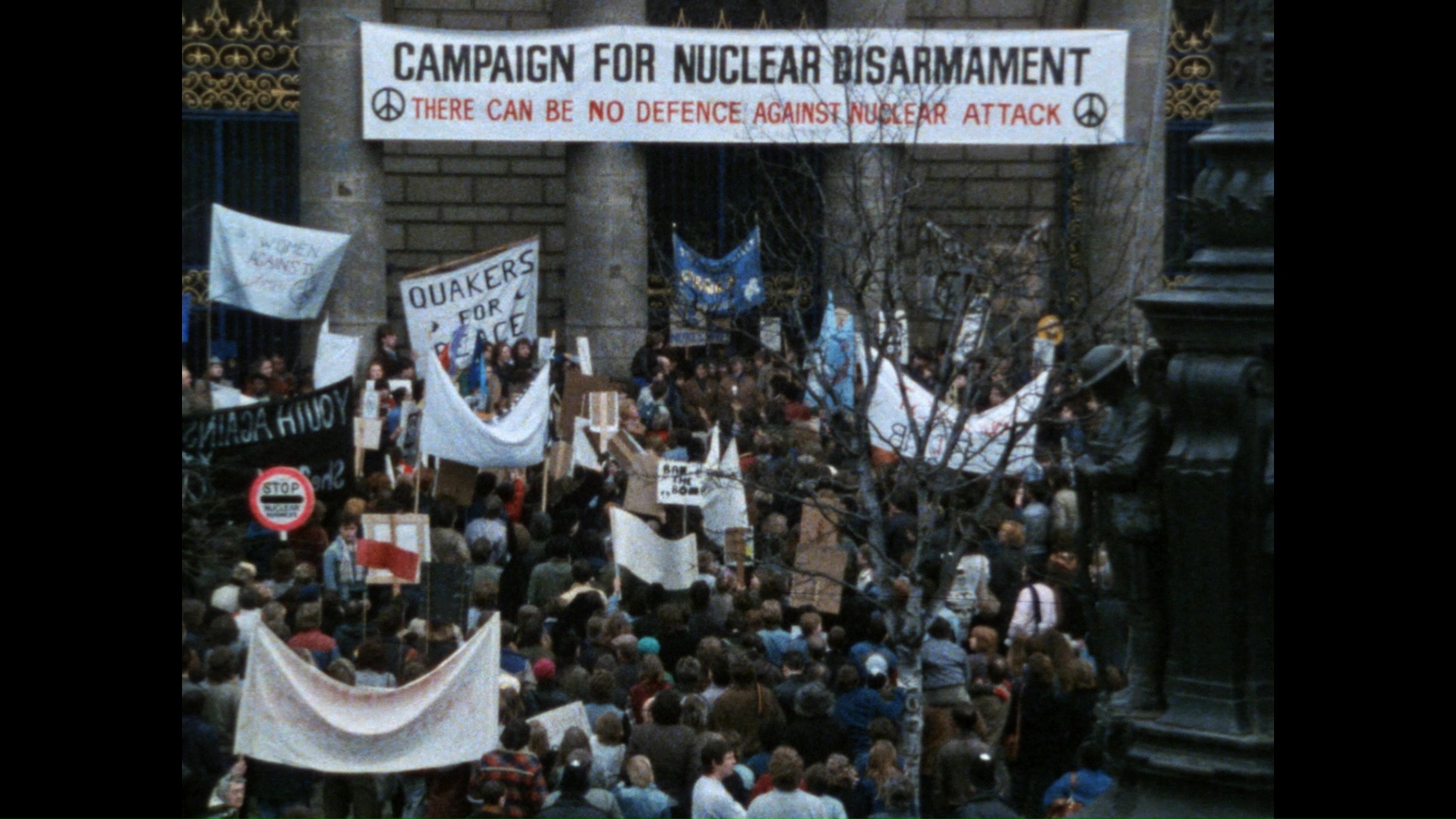 novels, and particularly films devoted to resolving the U.S.-Soviet conflict before it led to a nuclear nightmare. By the end of Reagan's first term in office, audiences were traumatized with big screen titles like When the Wind Blows, WarGames, Testament, and Wrong Is Right, while the small screen offered nightmare fuel like Special Bulletin, World War III, and most notorious of all, The Day After. Needless to say, thousands of children who had to watch some of these films for social studies assignments wound up with plenty of mental scars, exactly as intended.
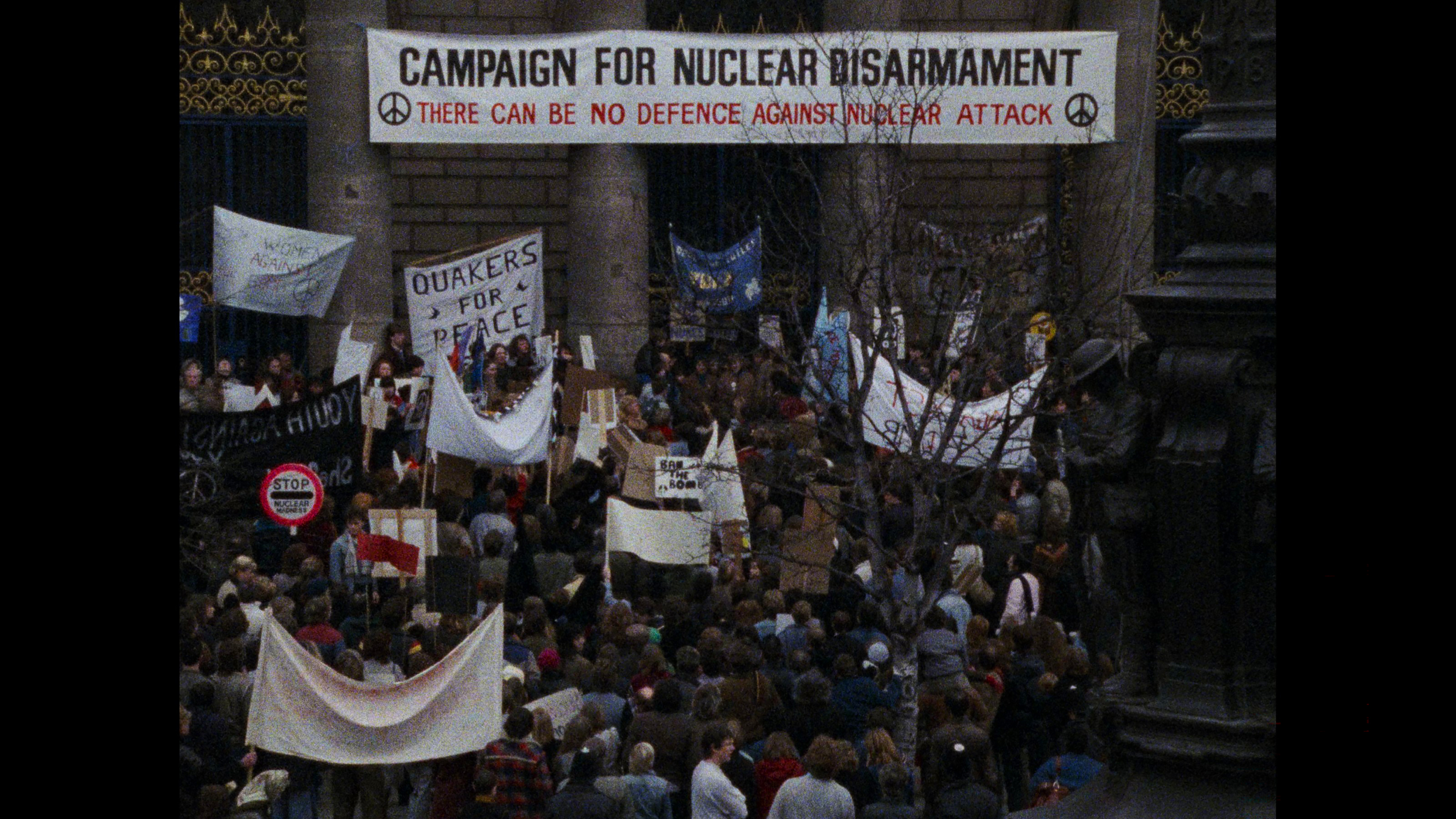
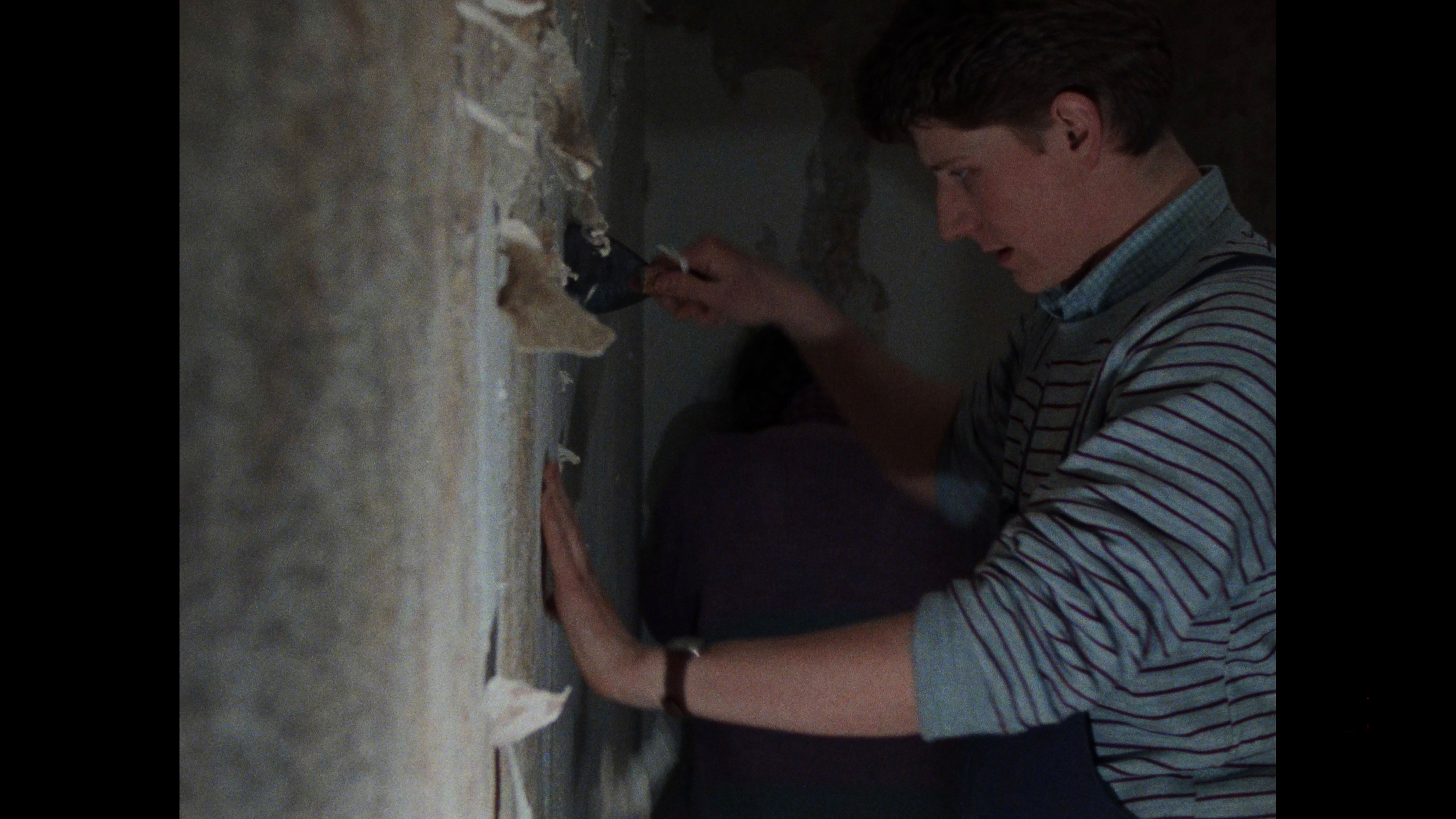
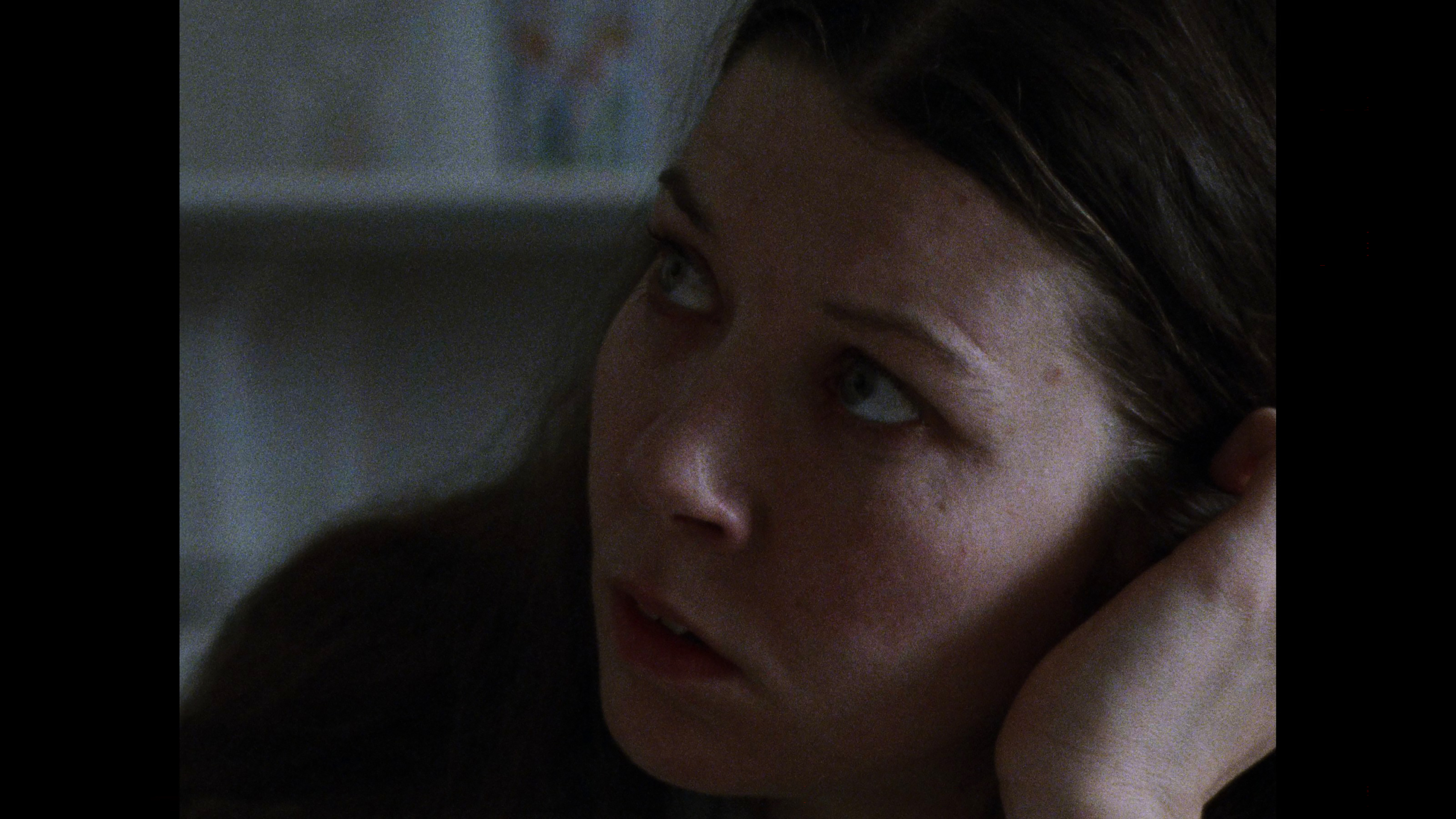
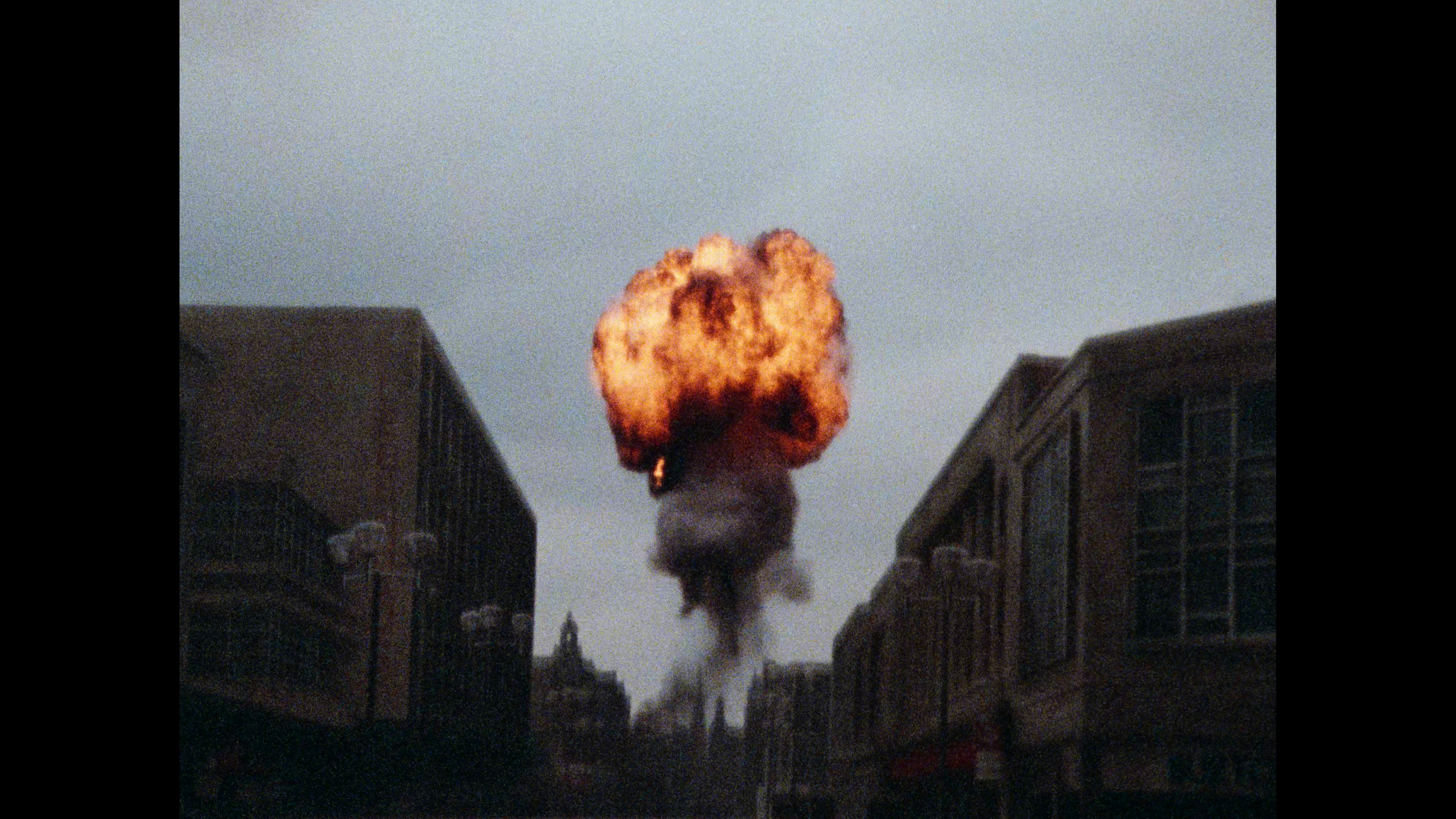
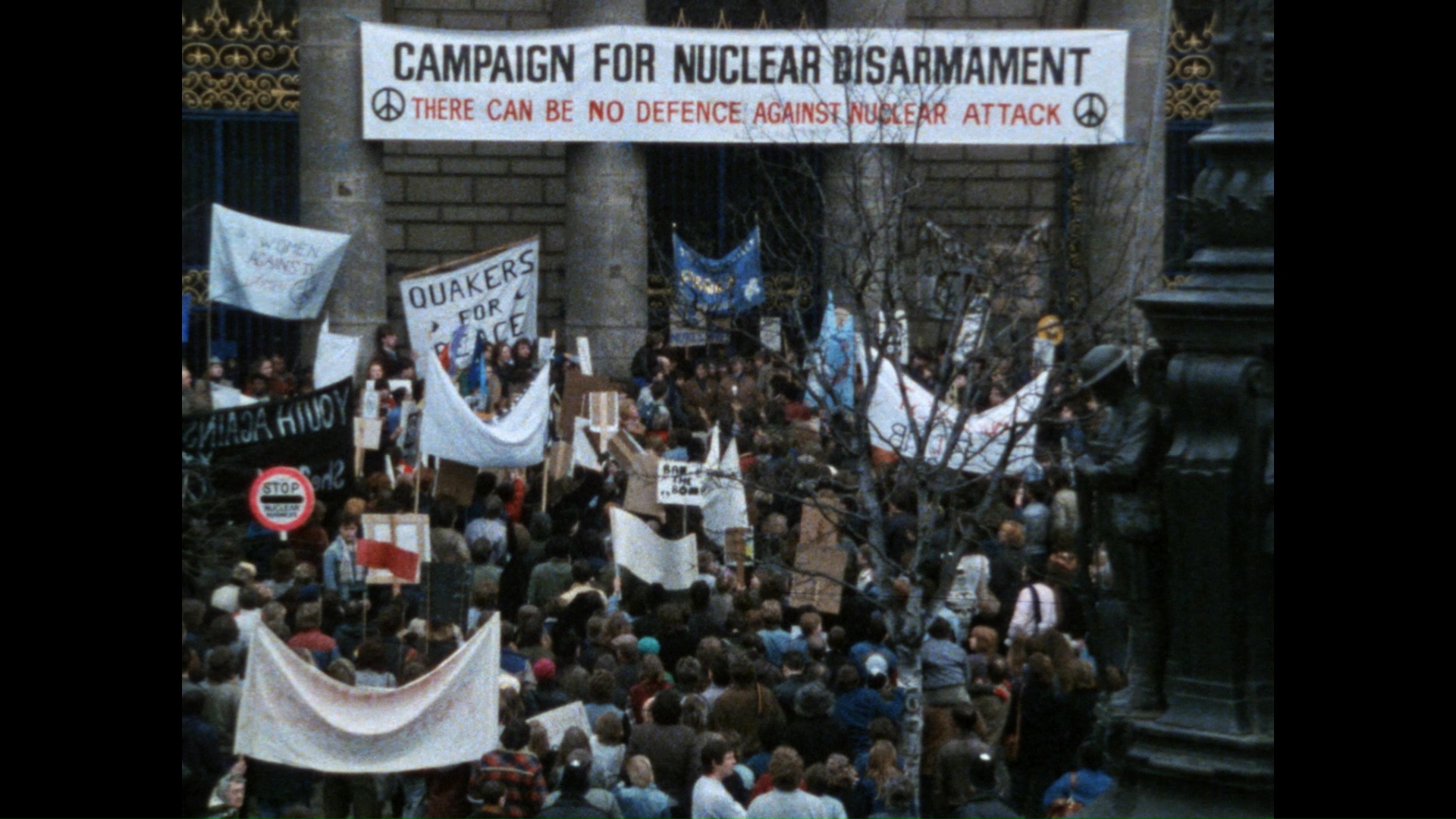
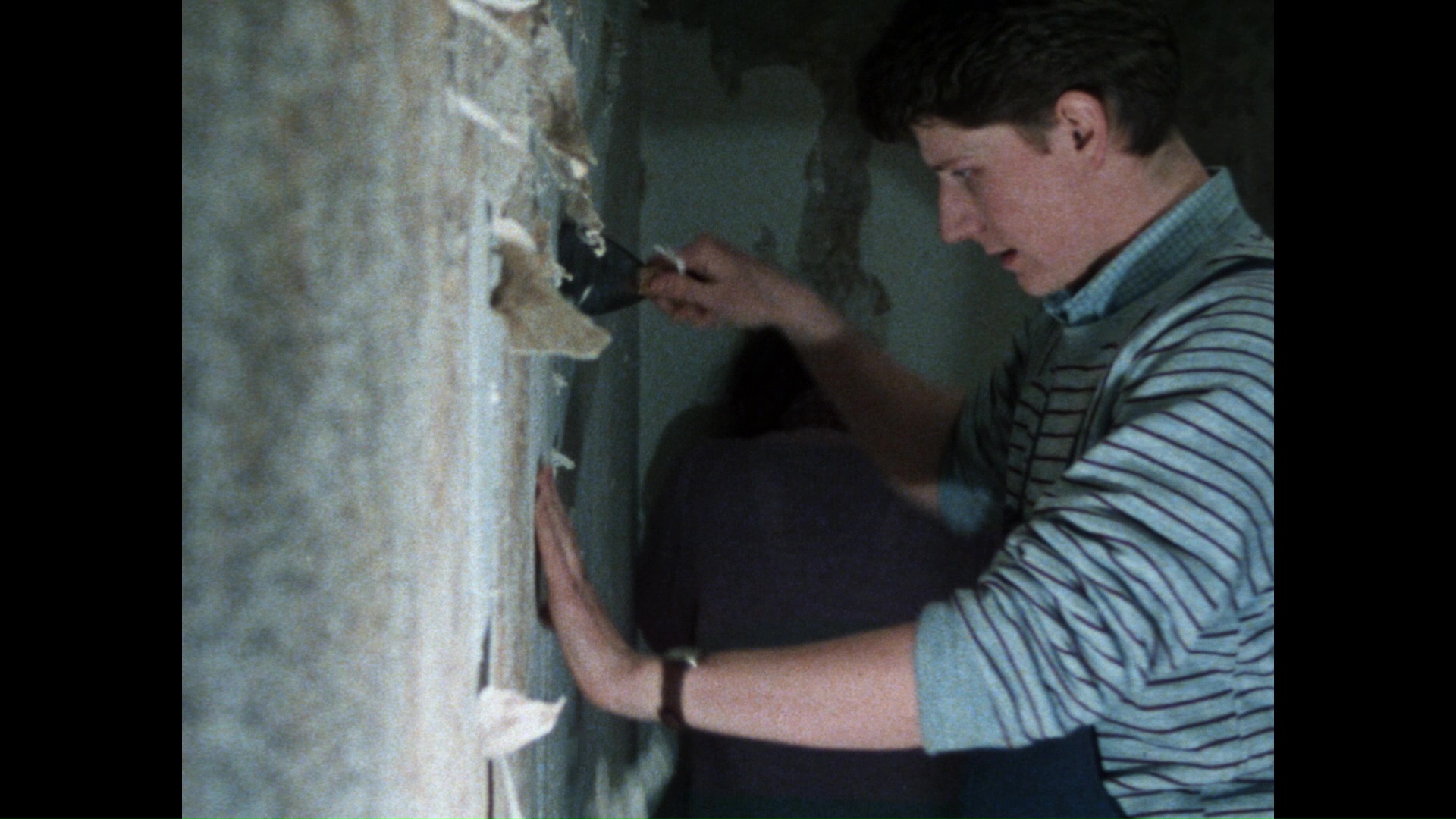
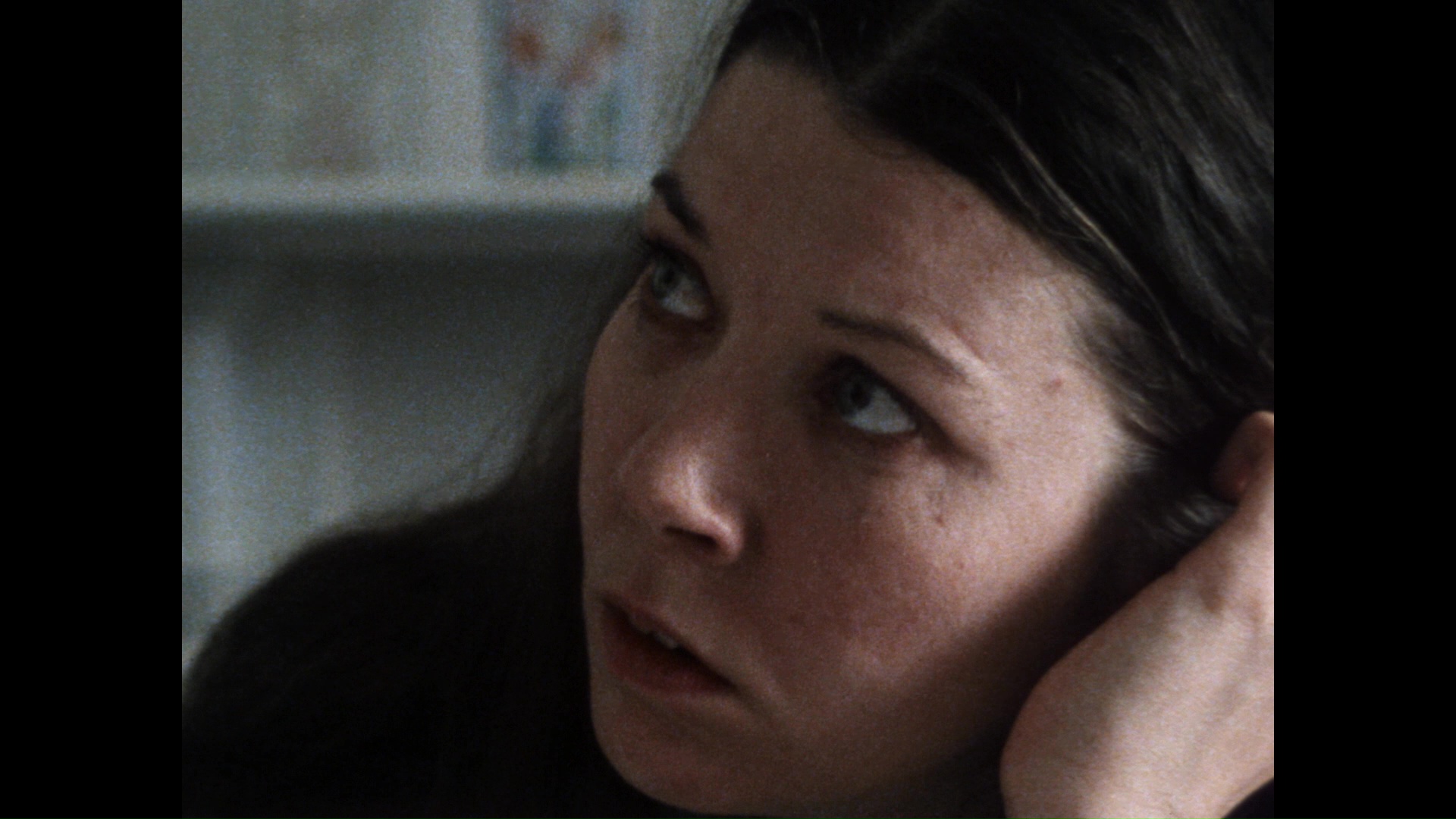
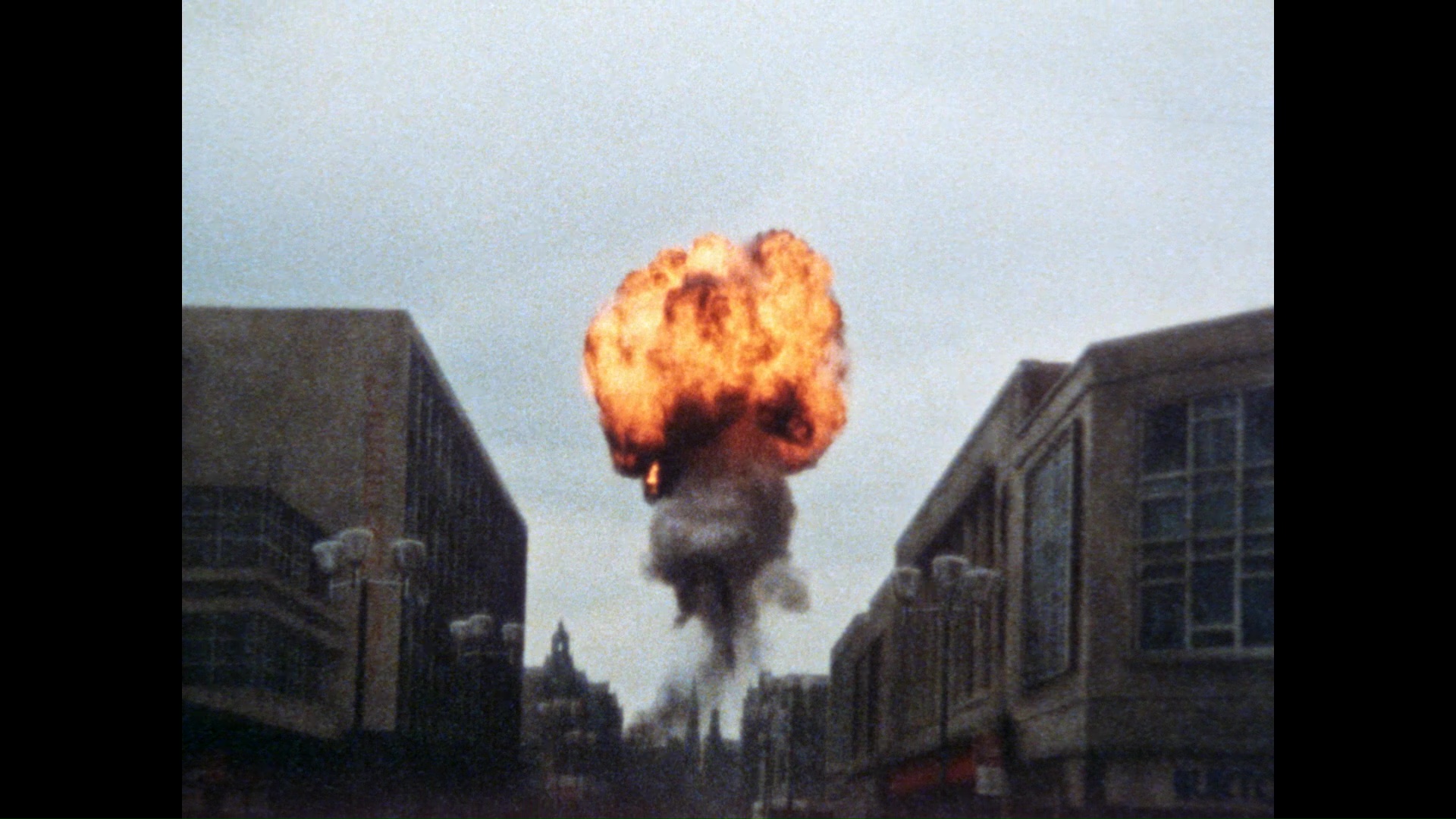
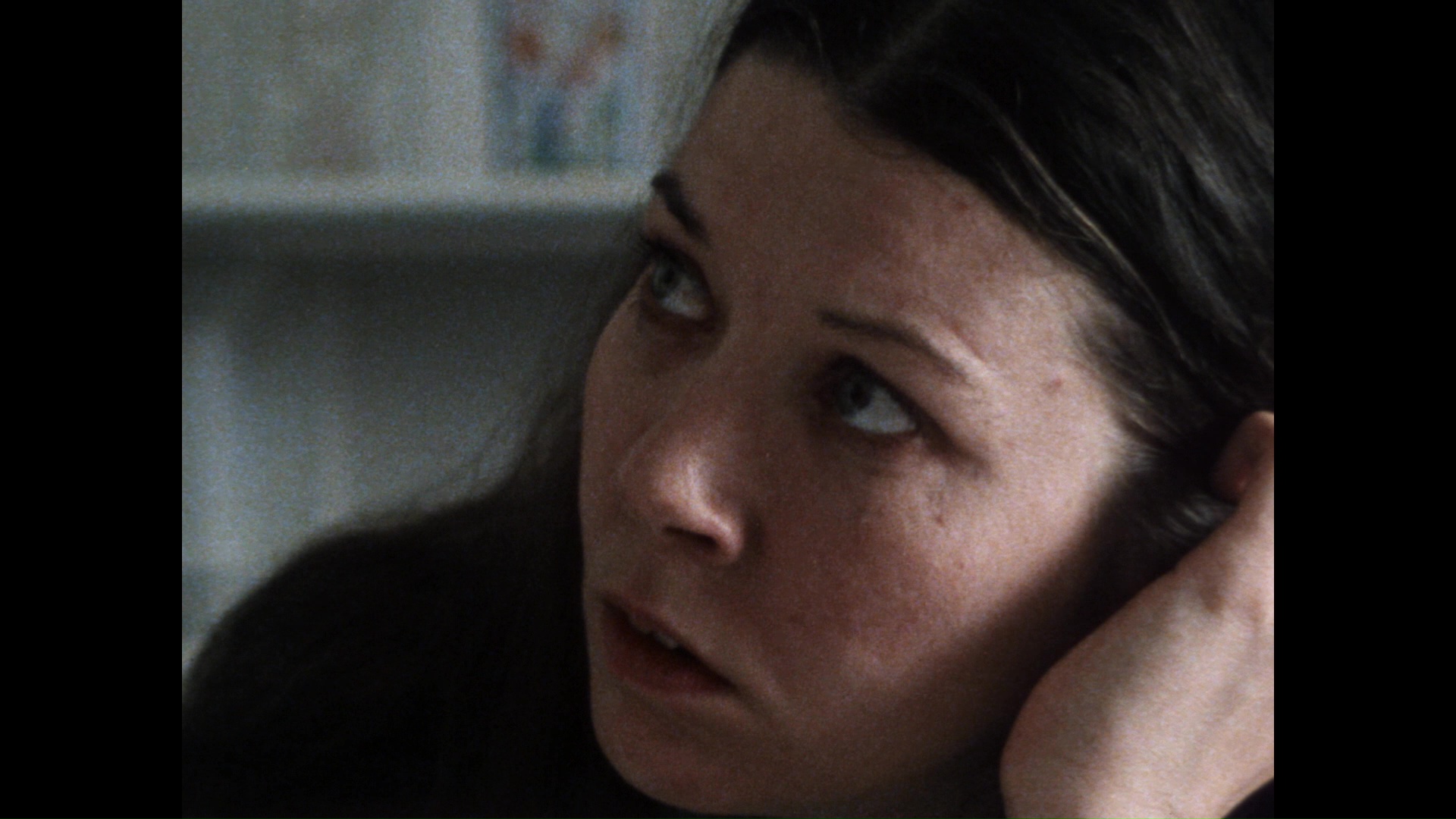
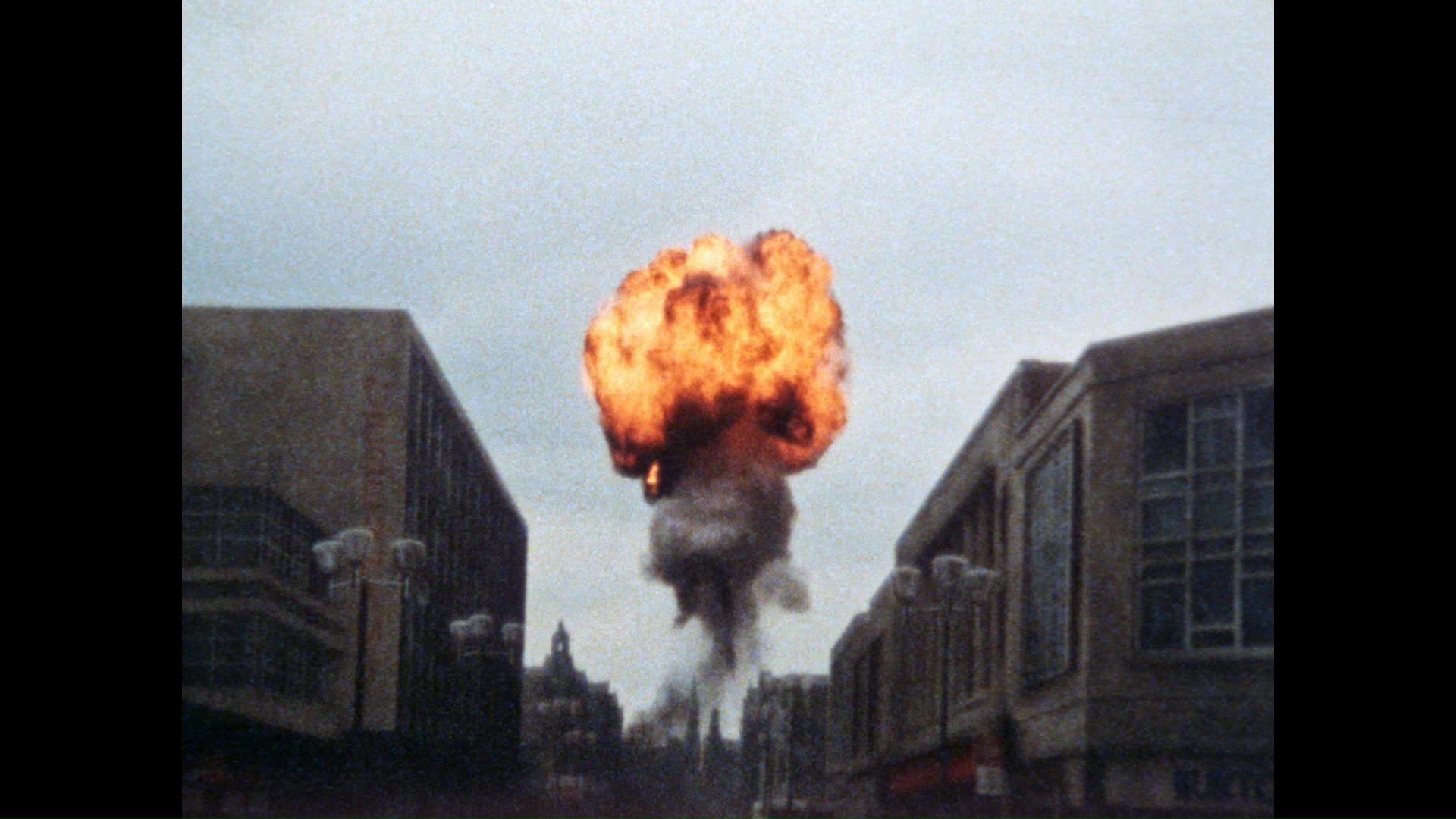
Perhaps the most unsparing of all of the '80s nuclear panic films actually came from the U.K. in the form of Threads, which first aired on the BBC in September of 1984 and instantly became the stuff of legend. Shot on grainy film stock with a cold, clinical approach (not quite docudrama but somewhere near the vicinity), it plays out almost like a horror film as the residents of Sheffield cope with the threat of a nuclear conflagration with military maneuvers increasing in the area. Day to day life consists of having a pint at the pub, farming, or spending quality family time, but all that comes undone when the American and Soviet situation leads to the unthinkable. Ruth (Meagher), who has become pregnant by boyfriend Jimmy (Dinsdale) and had planned to get married, finds her entire family horrifically affected by the nuclear onslaught, which also takes its toll on Jimmy's parents. Radiation poisoning, lack of basic 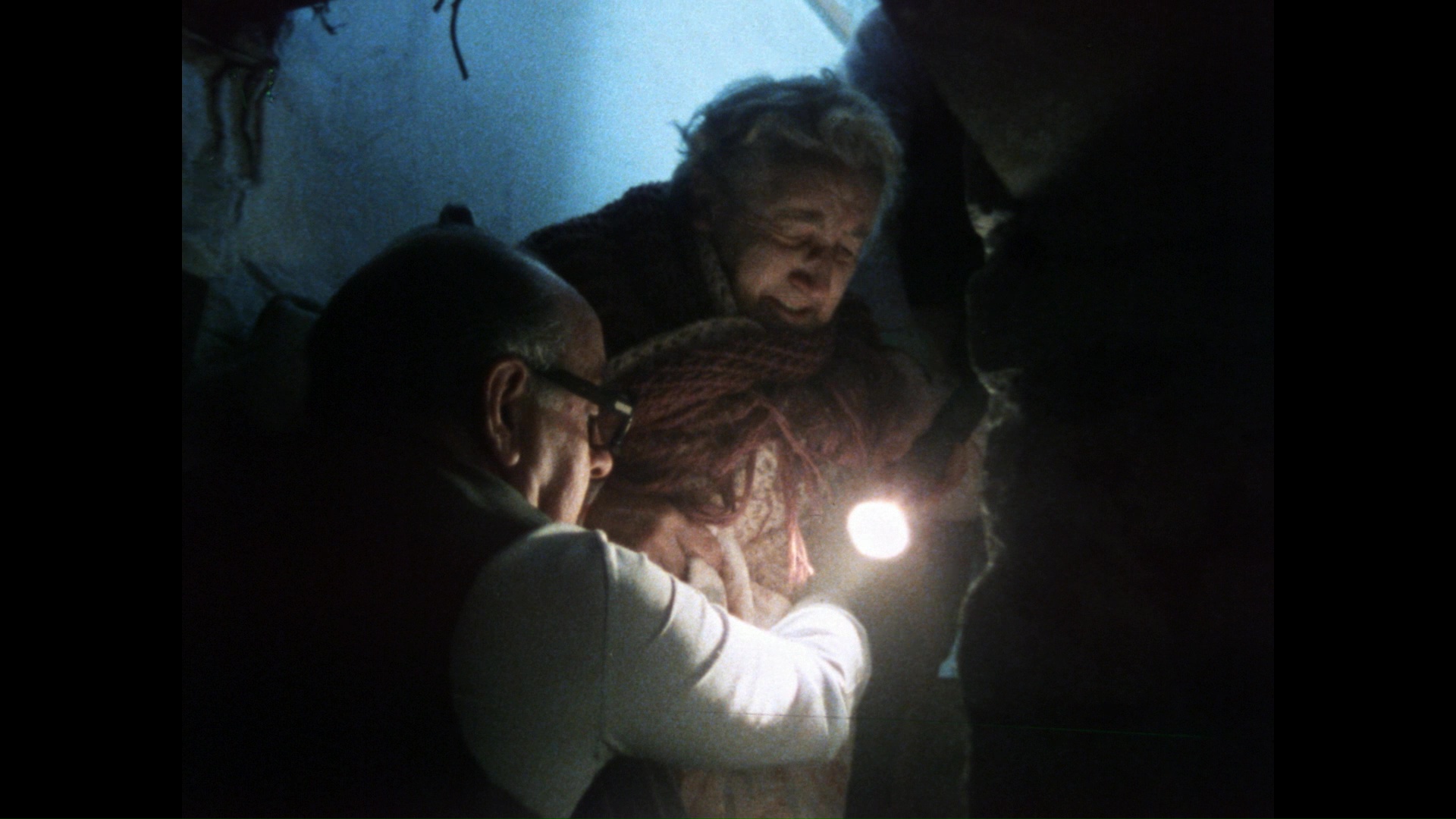 resources, and inability to farm cause a major breakdown in social order, which is just a prelude of the ongoing horror to
 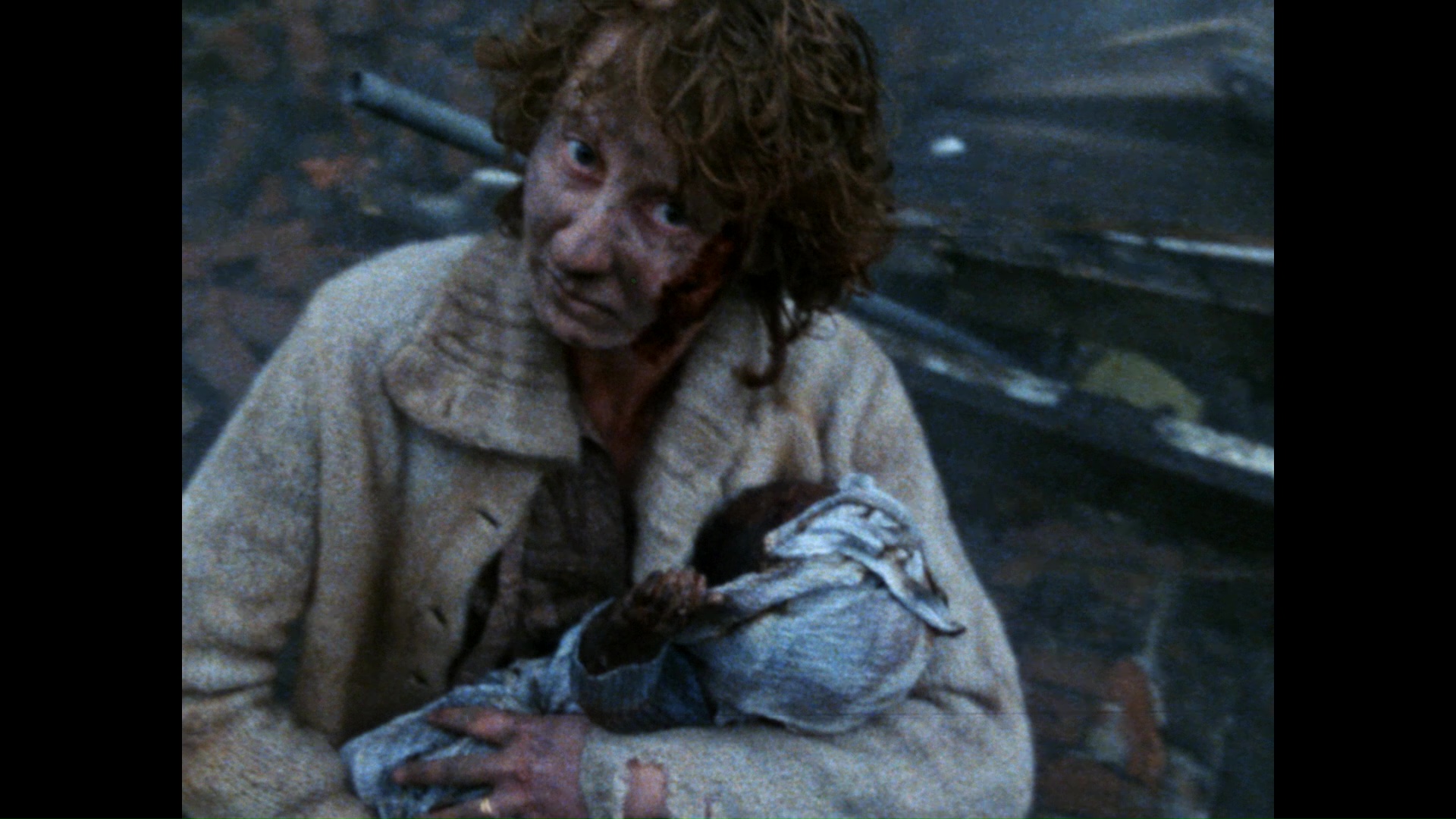 come.
come.
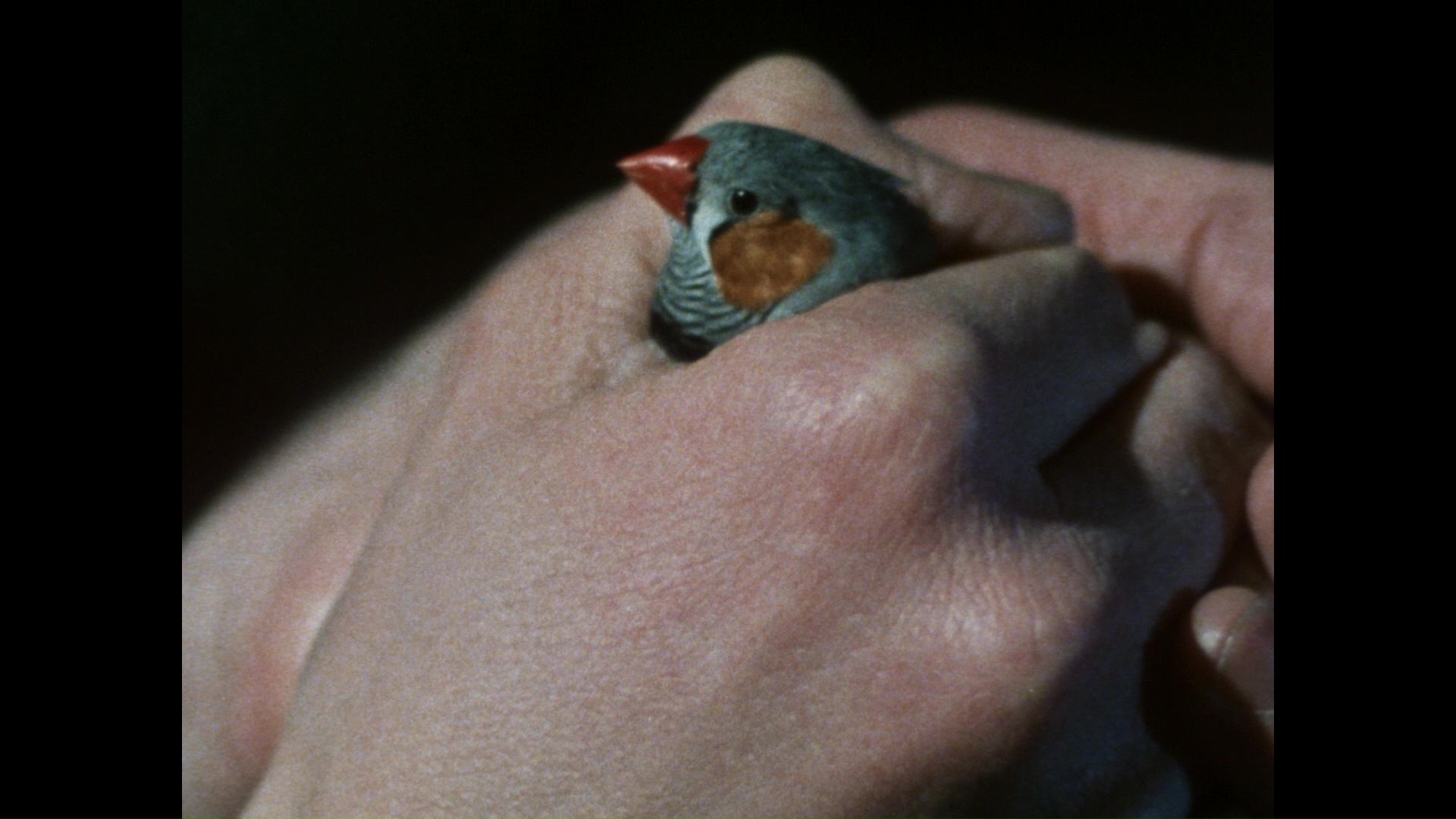
As harrowing as a film can possibly be, Threads is a tough film to forget and, sadly, still timely with international conflicts still leaving the door open for the nightmares depicted in this film. The kitchen-sink realism approach is a smart move here with believable, unknown actors populating the proceedings and the first 45 minutes painting a gradual, ominous version of how any kind of preparations could go terribly wrong. What still gives the film so much punch is its attention to little relatable details, such as the consequences of having food as the only viable currency or even a brief, jolting shot of an E.T. doll in flames.
 orchestral music over the
  opening narration and Chuck Berry's "Johnny B. Goode" turning up multiple times.
  nuclear film wave, and the cultural circumstances that have kept it relevant today. Also
  included are U.S. and reissue trailers.
 In 2026, Severin revisited the film as a three-disc edition featuring a UHD and two Blu-rays, with a greatly improved new 4K scan from the original 16mm A/B rolls. The difference in detail is obvious with much more finer and more textured film grain, greater detail, and more color gradation in landscapes and faces. It will never be a pretty film by any means, but this is a substantial upgrade all around with the Dolby Vision grading on the UHD pulling as much out of it as possible. The DTS-HD MA 2.0 English mono track sounds excellent and features those very welcome English SDH subs, plus the Jackson commentary. A new audio commentary with Meagher and TV historian Simon Farquhar expands greatly on her prior interview as they chat about the casting process, the experience of seeing the final result for the first time, the advantages of being familiar with the shooting locations, the nuclear fear in the air that spread through popular culture, real-life local preparations, and the film's legacy.
The Meagher, Dunn, Robilliard, and Thrower featurettes are all ported over here, plus the U.S. trailer (which is the only extra on the UHD to give the film itself more breathing room). The bonus Blu-ray is devoted to the documentary Survivors: The Spectre of Threads (110m19s), bringing together a slew of actors (including many local extras), historians, local politicians, and the major players including Jackson, painting a vivid picture of the grim climate at the time, the economic tensions in Sheffield, and plenty more; among the highlights are an unexpected She-Devils on Wheels art sighting, an account of the first screening in Sheffield during conflict over its impending broadcast, and a very young child extra at the time recalling the pandemonium of shooting the bomb drop scene and his mother's erroneous sole IMDb credit as "woman who wets herself." The number of contributors rounded up here is truly astounding and will make you go back and watch the main film again (if you can handle it) with different eyes. And yes, they cover the legendary tennis court scene with the traffic warden who serves as the wild punchline at the end of the doc. Also interesting is the bit on the film's U.S. premiere on TBS, including the full opening crawl that replaced the original explanation of the title itself. Also on the disc is "Immediate and Real" (12m44s) with Julie McDowall (author of Attack Warning Red! How Britain Prepared for Nuclear War) explaining how this film plays an important role in public awareness about the threat of nuclear annihilation and leaped forward from the ground broken by The War Game, as well as the evolving British mindset about the most pressing issue of the era.