B&W, 1965, 48 mins. 16 secs. / 46 mins. 22 secs.
Directed by Peter Watkins
Severin Films (UHD & Blu-ray) (US R0/RA 4K/HD), BFI (Blu-ray & DVD) (UK RB/R2 HD/PAL), Project X (DVD) (US R1 NTSC)
A strong contender 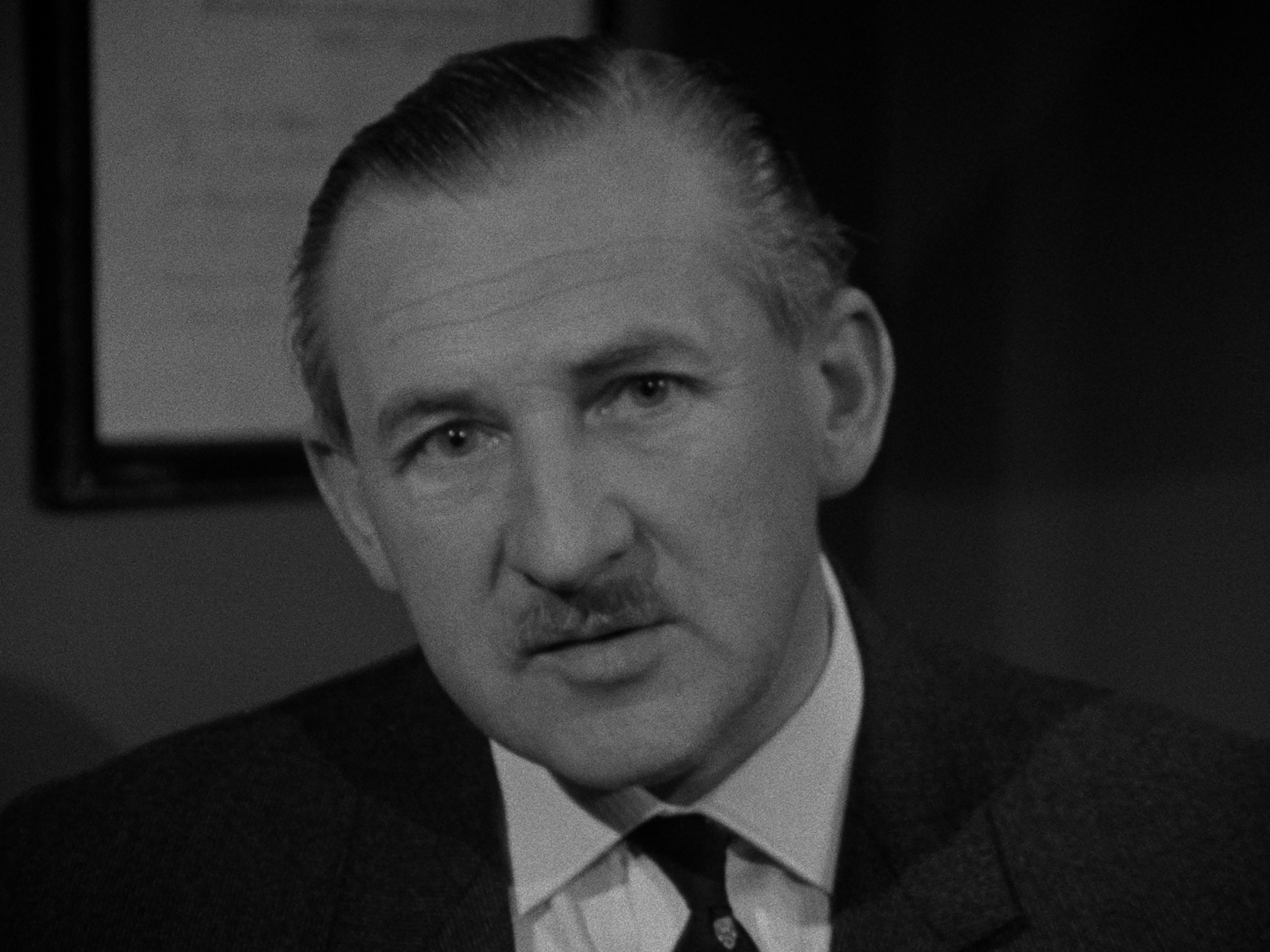 for the most
  controversial filmmaker in British history, Peter Watkins never seemed to flinch from any subject he approached. His actual theatrical feature career doesn't contain a huge number of titles, with the cult favorites Privilege and Punishment Park ranking among them, but his work clearly left its mark and remains a vital commentary on how we interact with modern media. Two of his earliest high-profile works for the BBC, Culloden and The War Game, were often linked together on home video due to their powerful subversion of how people accept what they're told when it comes to warfare and aggression, with the latter remaining the most notorious entry in his filmography.
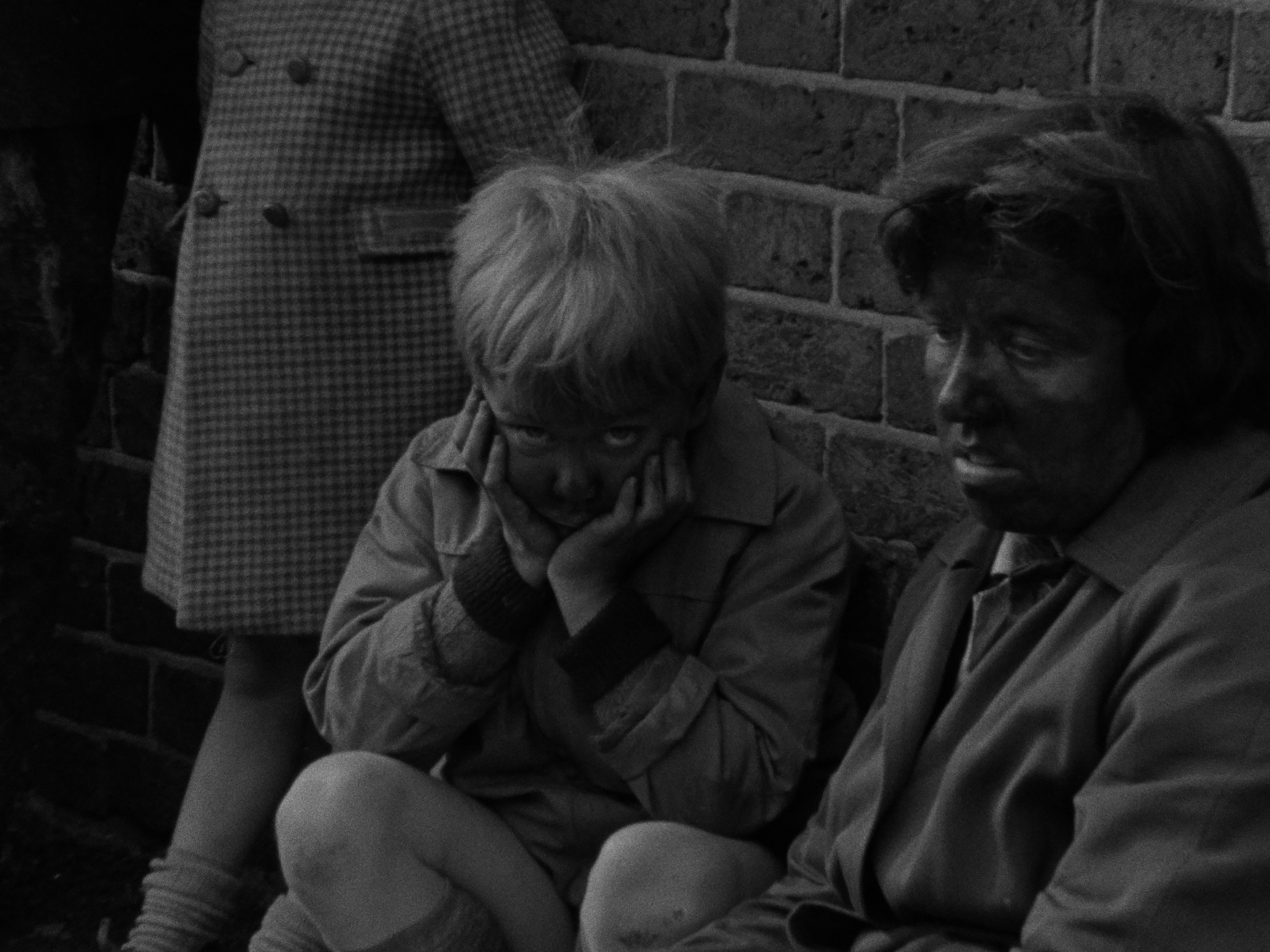
Vietnam War coverage was becoming a common factor in news coverage when Watkins made Culloden in 1964, three years before anti-war protests would become a major turning factor in the conflict. The public and critical respect given to that film was soon to shift when Watkins was enlisted by the BBC to make a follow-up project, The War Game. Commissioned as part of The Wednesday Play series, the film presents reenacted interviews with various public officials commenting about public policies and safety procedures in the event of a nuclear attack, intercut with increasingly harrowing footage of atomic blasts striking Britain and the civilian casualties that ensue (with detached voice over rattling off statistic that directly counter what we've heard before). From there we follow a one-year period after the Soviet missile attack, showing how the interim government's rationing and rampant public panic and sickness call the future of any society at all into question.
This was hardly the first depiction of a nuclear attack (On the Beach preceded it by six years), but The War Game clearly broke ground for the depiction of the disconnect between the cataclysmic destructive nature of nuclear weapons and the propaganda being fed to the public about its necessity and safety measures. Later films including Threads, Testament, The Day After, and When the Wind Blows are all direct descendants of Watkins' film, which was yanked by the 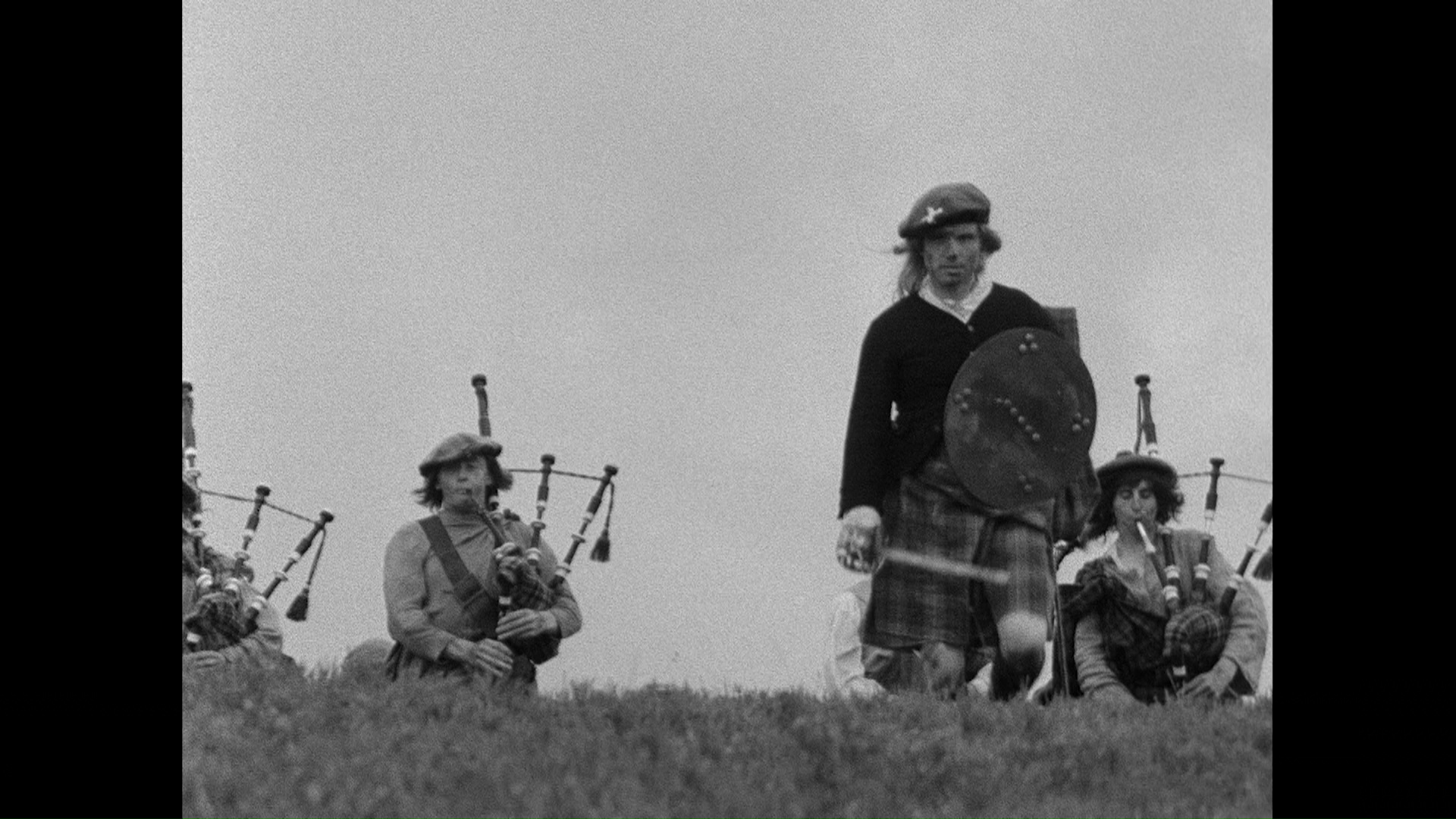 BBC before its scheduled airing but shown on a limited basis in screening rooms on request. Ultimately the decision to ban the film was shamed when it went on to win an Academy Award for Documentary Feature, and incredibly, it remained
  unaired in its native country until two decades later.
The BFI Blu-ray and DVD dual-format edition from 2016 followed in the steps of prior SD editions from its own label in the U.K. and Project X (via New Yorker) in the U.S. A preexisting John Cook commentary is carried over here for Culloden and a Patrick Murphy one for The War Game (both are excellent) along with "The War Game Controversy," an 18-minute piece by Patrick Murphy explicating more generally about the furor caused by the program, including later revelations validating Watkins' argument that there was no effective protection against a nuclear attack. The LPCM mono audio sounds as pristine as possible given the intentionally lo-fi nature of how these were produced, and the film is presented at 25 fps (more on that below). BBC editor Michael Bradsell (who popped up on the BFI releases of Ken Russell: The Great Composers and The Great Passions and The Devils) gets an informative 21m44s piece here about his interactions with Watkins and the BBC at the time, explaining how to mimic the look and style of modern documentaries of the era. Also included is "Culloden on Location, which features 8 minutes of amateur home movie footage (in color!) with Cook providing commentary for the silent coverage, including glimpses of a 28-year-old Watkins and frequent Ken Russell cinematographer Dick Bush setting up the elaborate outdoor battle shots. A "War Game Book" gallery offers a still-frame option to go through the entire (very stark) tie-in publication (a sort of docu-novel with plentiful photos, and the liner notes booklet features new essays by Cook (who presents an updated, detailed account of The War Game's strange fortunes through the offices of the BBC and the UK government), David Archibald, and a director bio by William Fowler.
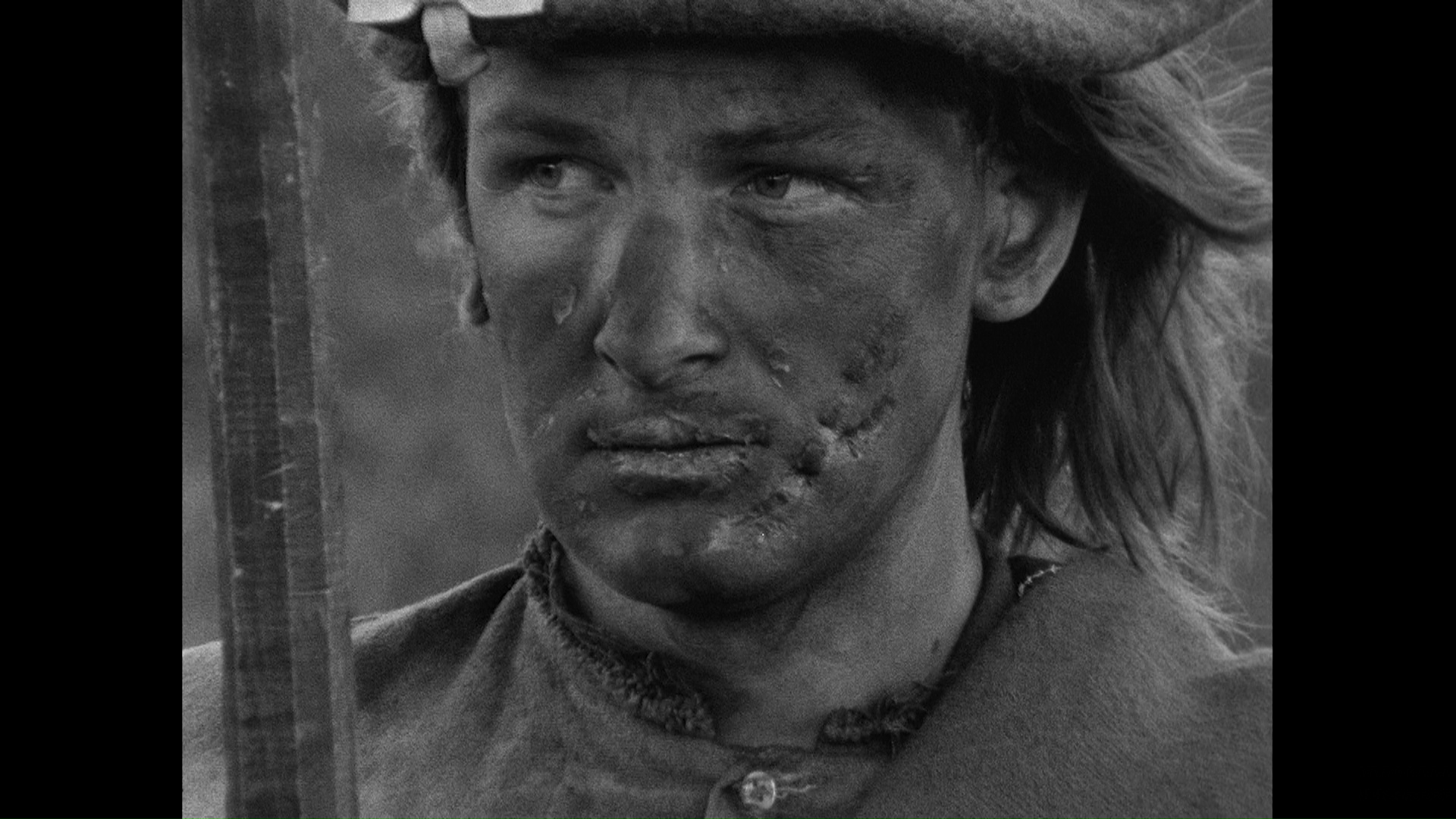
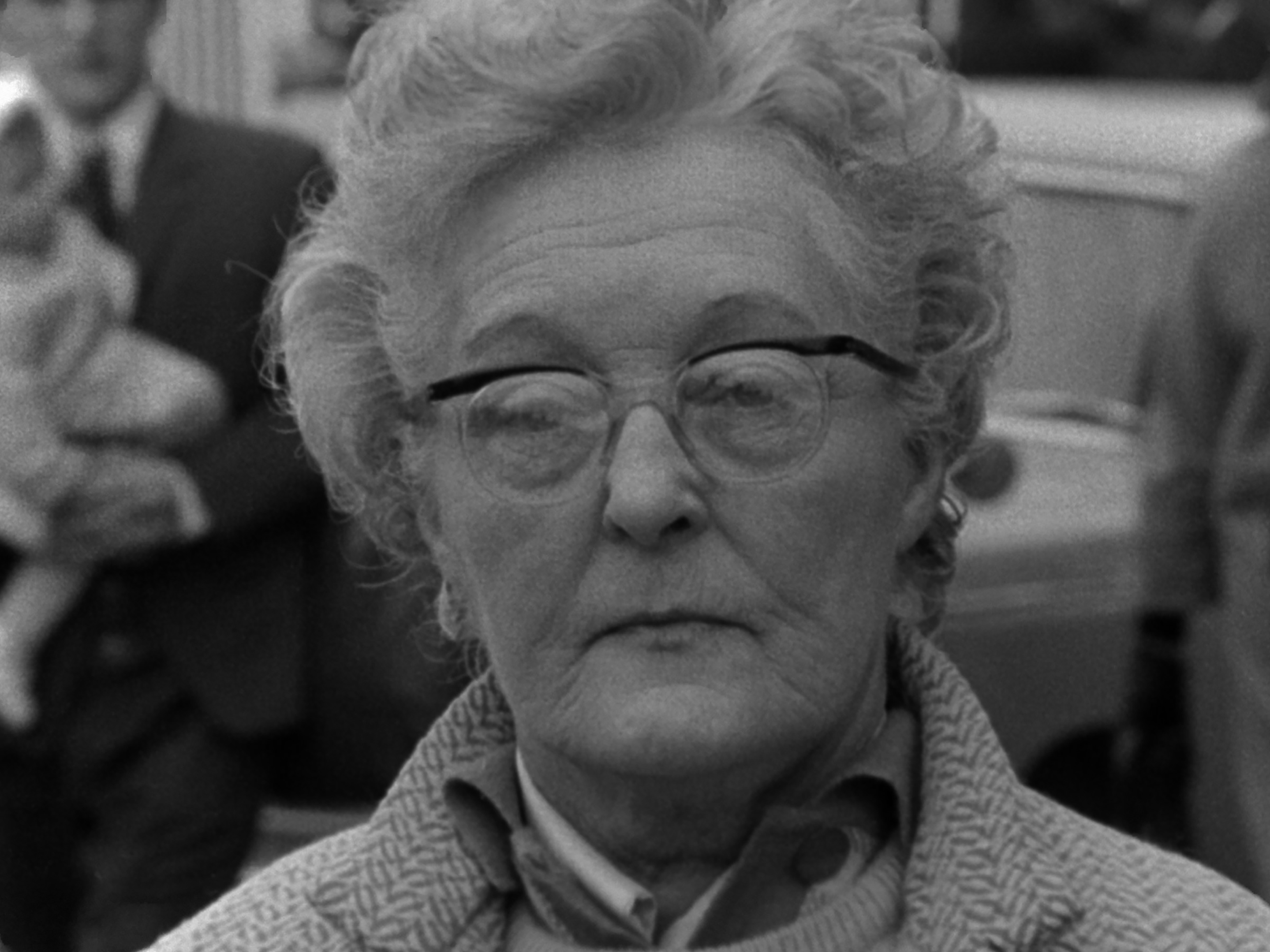
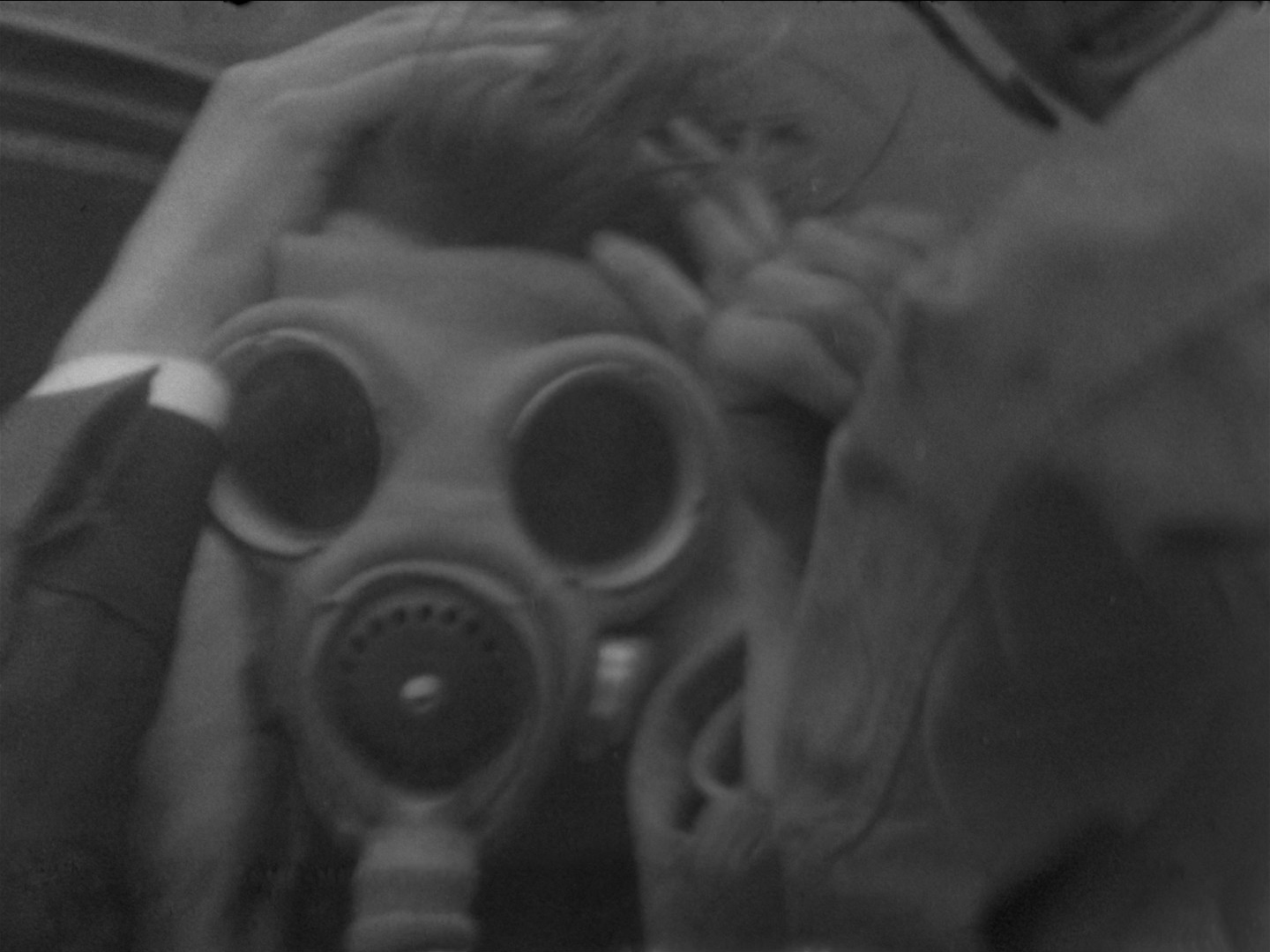
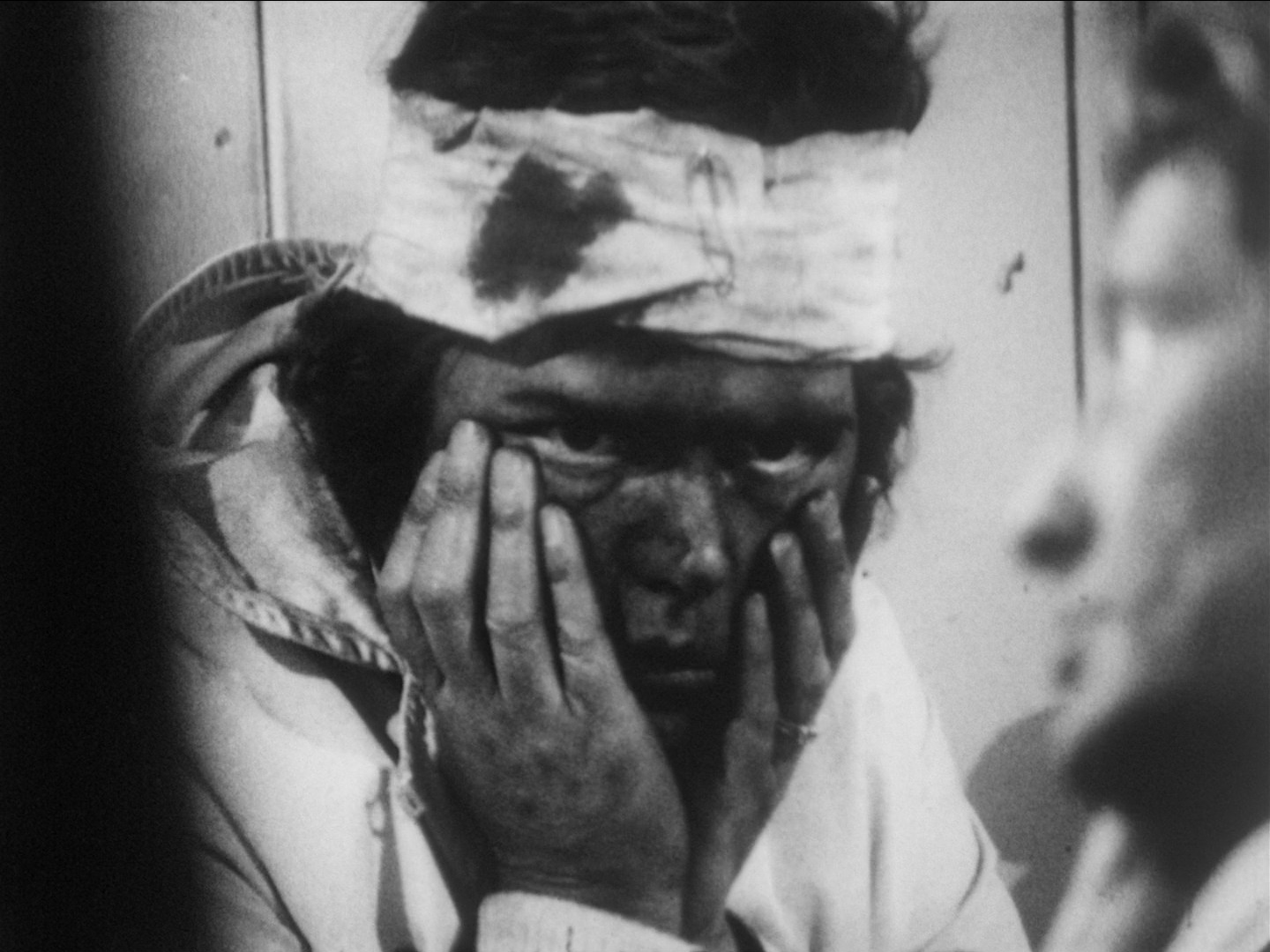
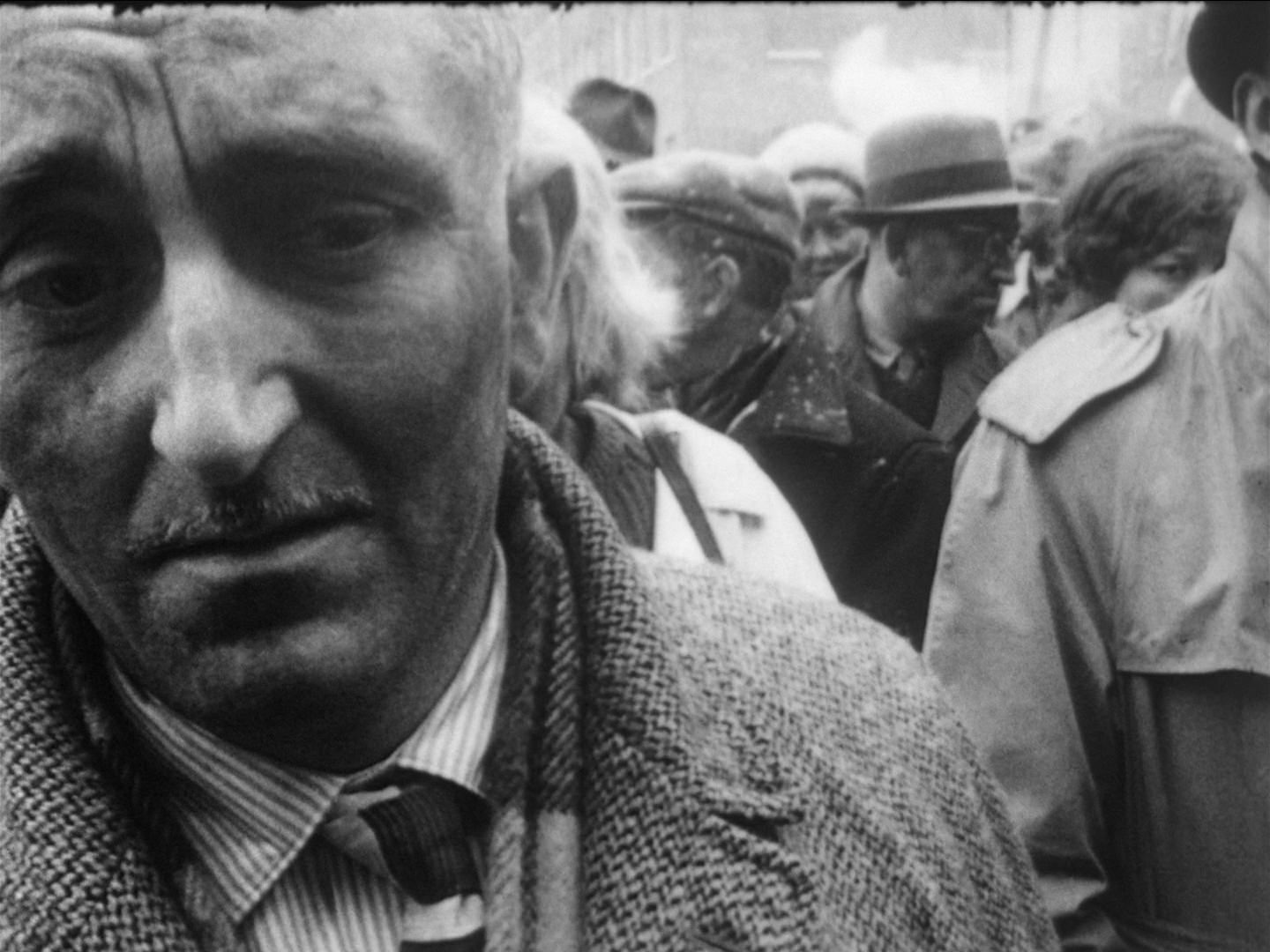
In 2026, Severin Films brought the film back to the U.S. for the first time in decades with a UHD and Blu-ray set (or standalone Blu-ray), plus a limited slipcover edition with a reprint of Watkins' 1967 book. The new scan is touted as a 4K one from the original 16mm A/B rolls for the first time, and the difference  here is most striking in the black levels which are far deeper and more impressive here. Detail also improves quite a bit, and the framing shifts slightly tighter without the extra debris-laden space on the edges seen on the BFI disc. It also runs at standard film speed (23.98 fps), coming in almost two minutes longer. The DTS-HD MA English 2.0 mono track sounds excellent and features optional English SDH subtitles. An audio commentary by Kim Newman and Sean Hogan is as lively and informative as you'd expect, balancing genre-related observations (like without Watkins you'd never have a Blair Witch Project or This Is Spinal Tap) and extensive factual coverage of the BBC scandal and the film's enduring impact. A 6m45s intro by filmmaker Alex Cox explains how this film played a key role in the creation of the "docudrama" and made a strong impression on him as a child, while "Conflict by Design" (24m59s) goes very in-depth with production designer Anne Davey Orr about her collaborations with Watkins on this film and Culloden as well as her artistic background via drama and sculpture (and not knowing who Michael Caine
 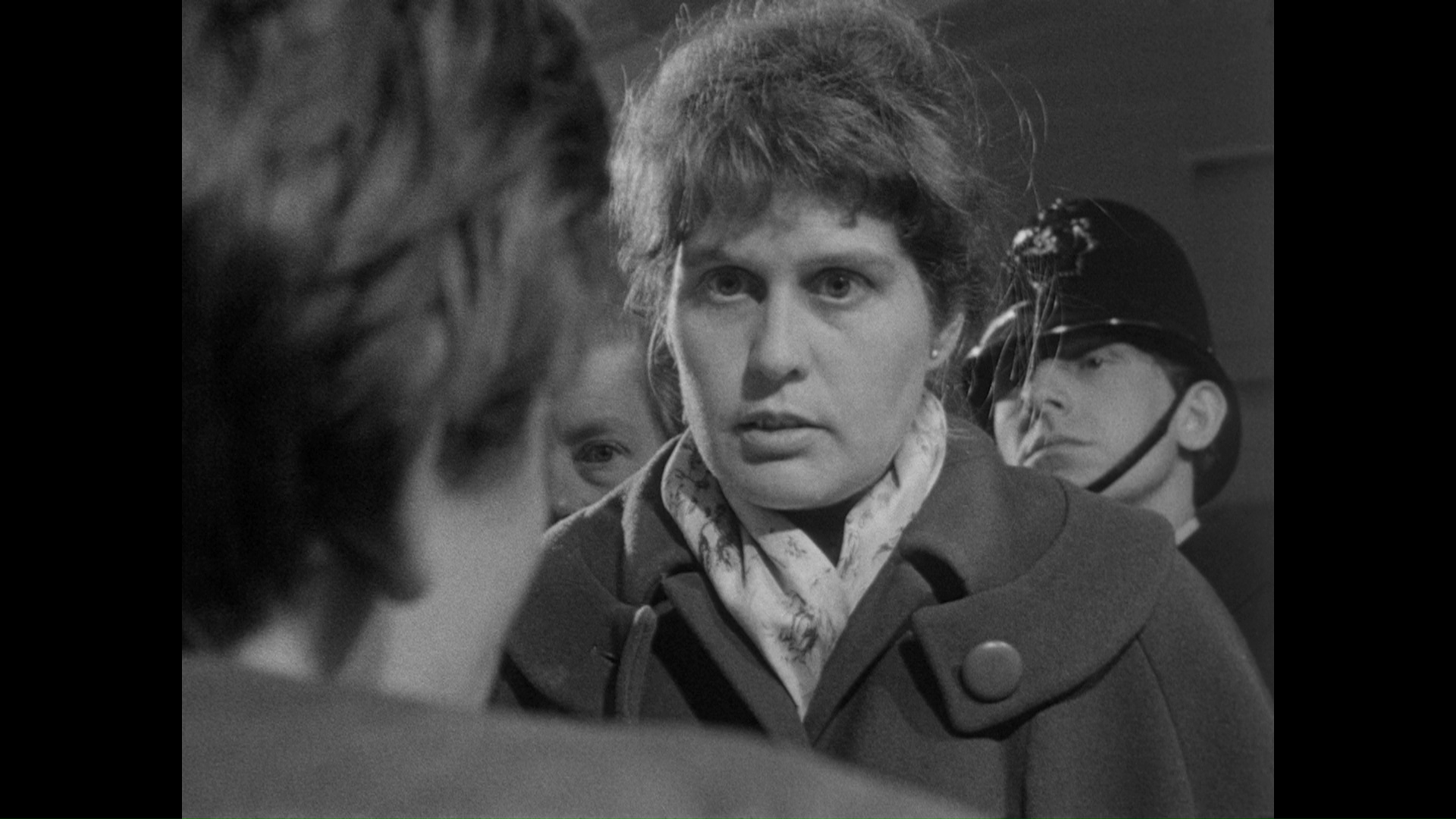 was).
was).
In "Who Banned The War Game?" (47m8s), Watkins historian Professor John Cook lays out the extremely complex and often misunderstood process of the film's intended broadcast fate, the internal process that led to it being pulled, and the company logistics that it put into motion that reverberated long after-- with plenty of recently declassified documentation shedding new light on the narrative. In "Games of Fact and Fiction" (17m34s), Dr. Alexandra Heller-Nicholas and Stephen Broomer delineates how this film and its predecessor used television techniques and visual grammar to create a convincing and unsettling viewing experience with shocking levels of verisimilitude. In "The War Game at Cine City" (12m41s), journalist Eric Veillette covers the film's journey to Canada where it cleared the strict Ontario censors and caused a stir in Toronto in 1967. You even get to see some archival footage of an actual screening there, too. "Nuclear Britain" (30m40s) features Attack Warning Red!: How Britain Prepared For Nuclear War author Julie McDowall examining the state of the Cold War when this film was made and how the post-Hiroshima political climate hung over the world for years, yielding hordes of nightmarish imagery here and beyond once the joy of World War II victory faded. The Bradsell interview from the BFI disc appears next, followed by a 1983 Watkins presentation about the film (44m38s) from The Australian Film Television And Radio School exploring how his work played a role in and commented on mass media and its relaying to the public, a stark contrast to his "eccentric troublemaker" reputation. Then producer John Ellis delivers his own intro (2m2s) to "The War Game in Sheffield" (43m13s), a thorough look from the show Visions at Watkins drumming up participation in a proposed remake of the film in 1982 where Threads would also be filmed very shortly. Finally the special features wrap up with a trailer and two Watkins short films, 1959's The Diary of an Unknown Soldier (16m30s), and 1961's The Forgotten Faces (18m55s), showing rougher early examples of his documentary-style techniques that would be refined into his more impactful masterpieces to come.
Severin Films (UHD)

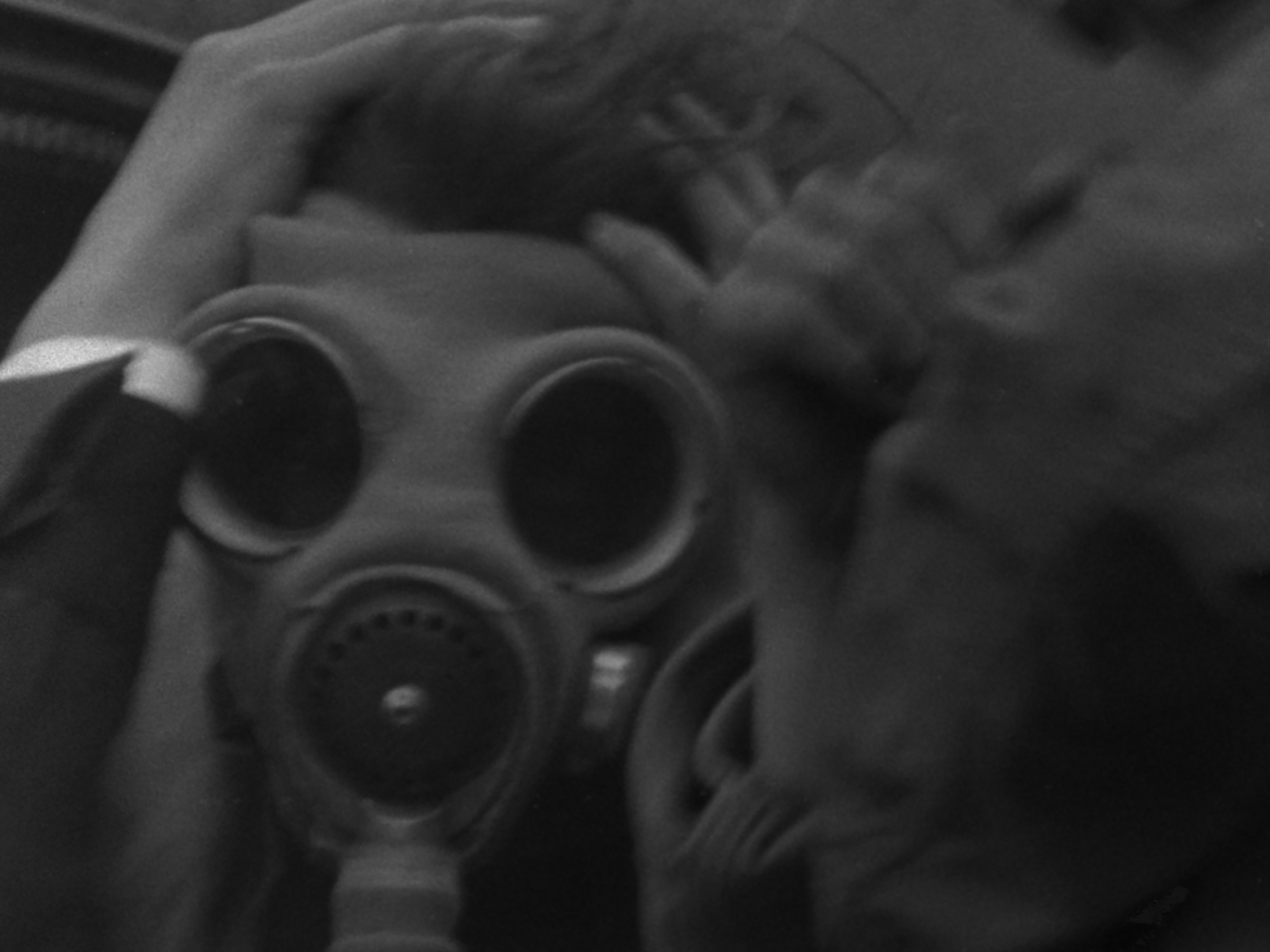
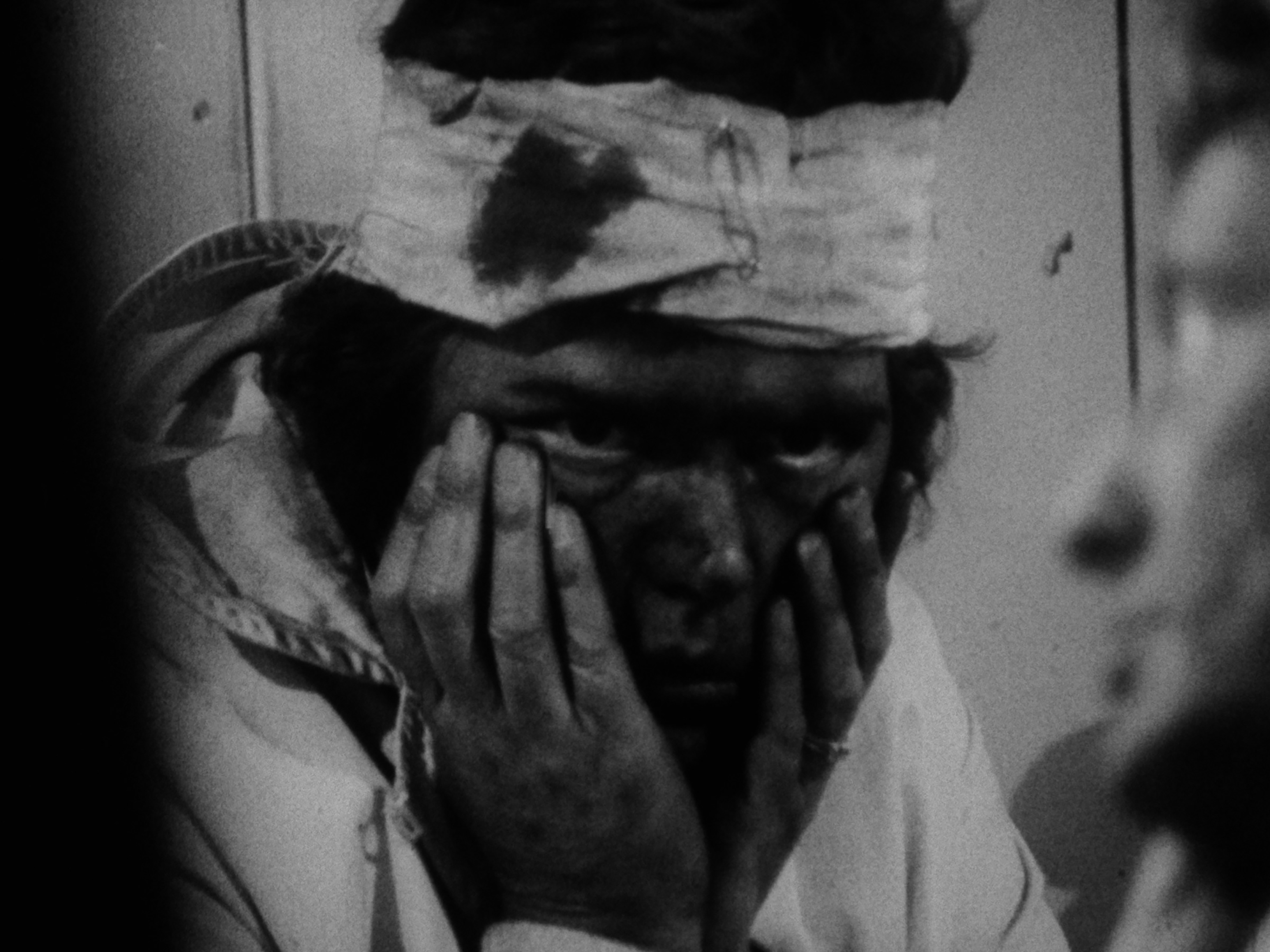
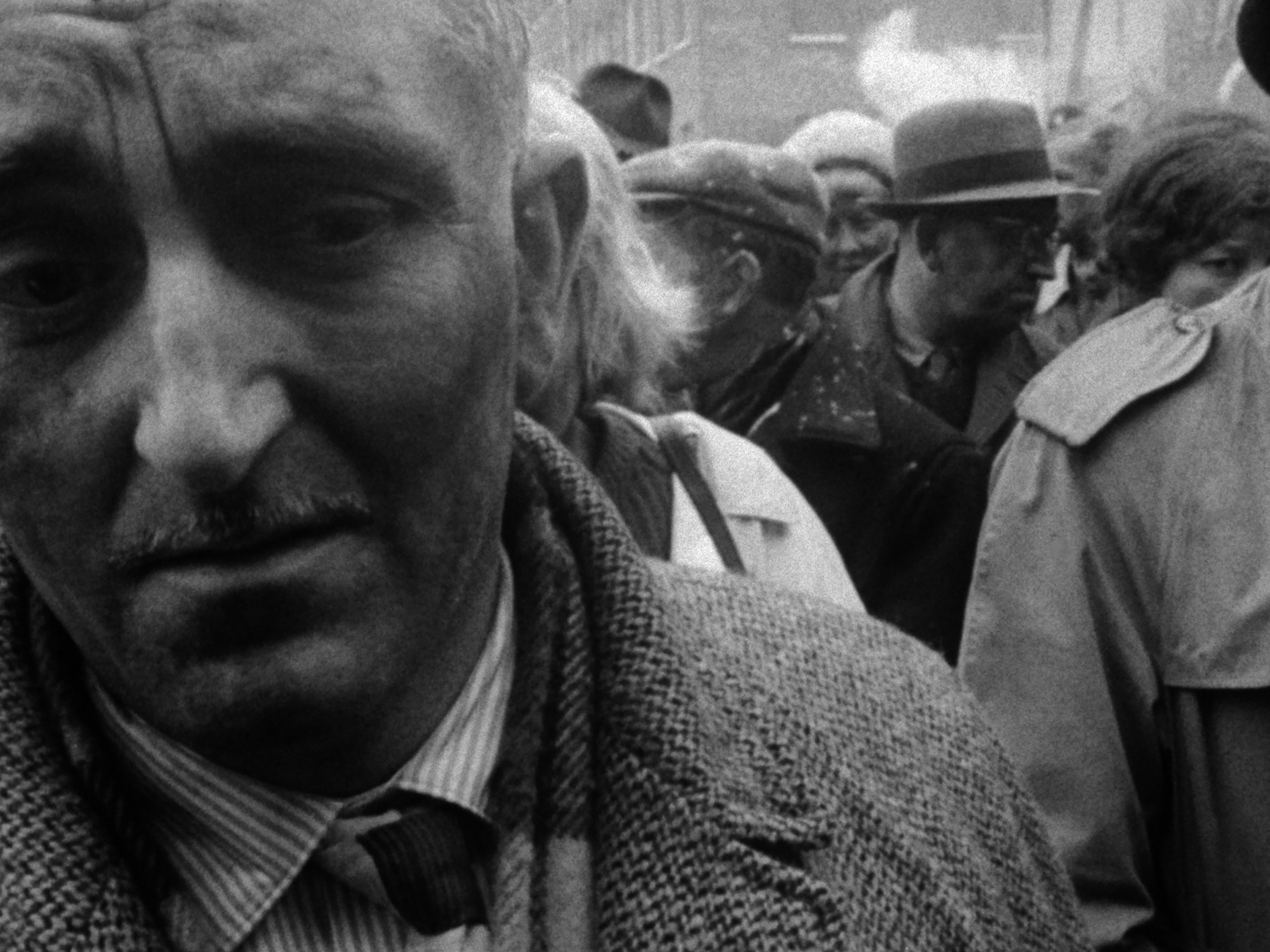
BFI (Blu-ray)

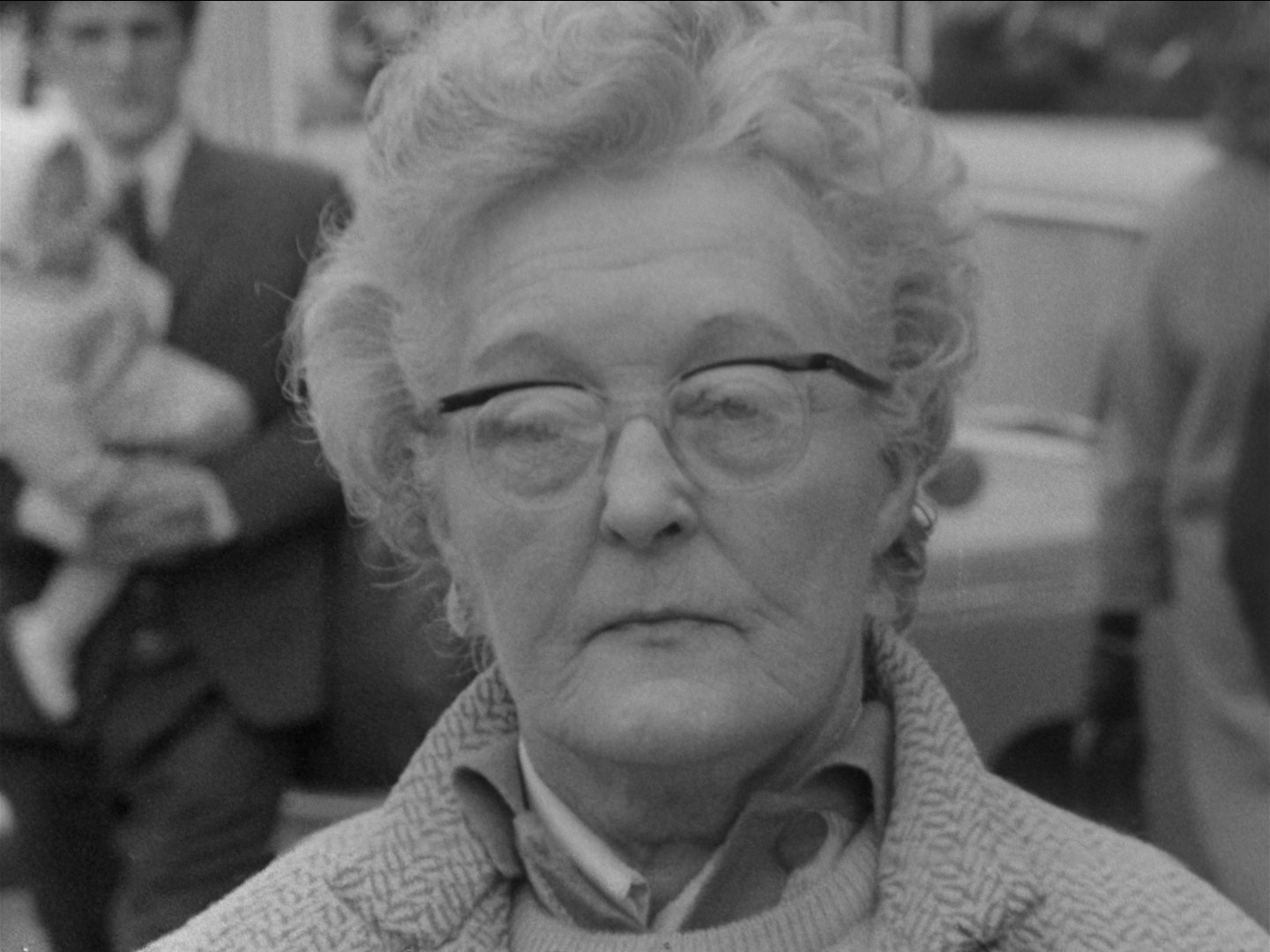
Updated review on October 15, 2026
