Color, 1983, 111 mins. 12 secs.
Directed by Tinto Brass
Starring Stefania Sandrelli, Frank Finlay, Franco Branciaroli, Barbara Cupisti
Cult Epics (UHD, Blu-ray & DVD) (US R0 4K/HD/NTSC), Raro (DVD) (Italy R0 PAL) / WS (1.66:1) (16:9), Wicked Vision (Blu-ray) (Germany R0 HD), Arrow Video (Blu-ray & DVD) (UK RB/R2 HD/PAL) / WS (1.78:1) (16:9)
Following the long, harrowing process of  making Caligula for
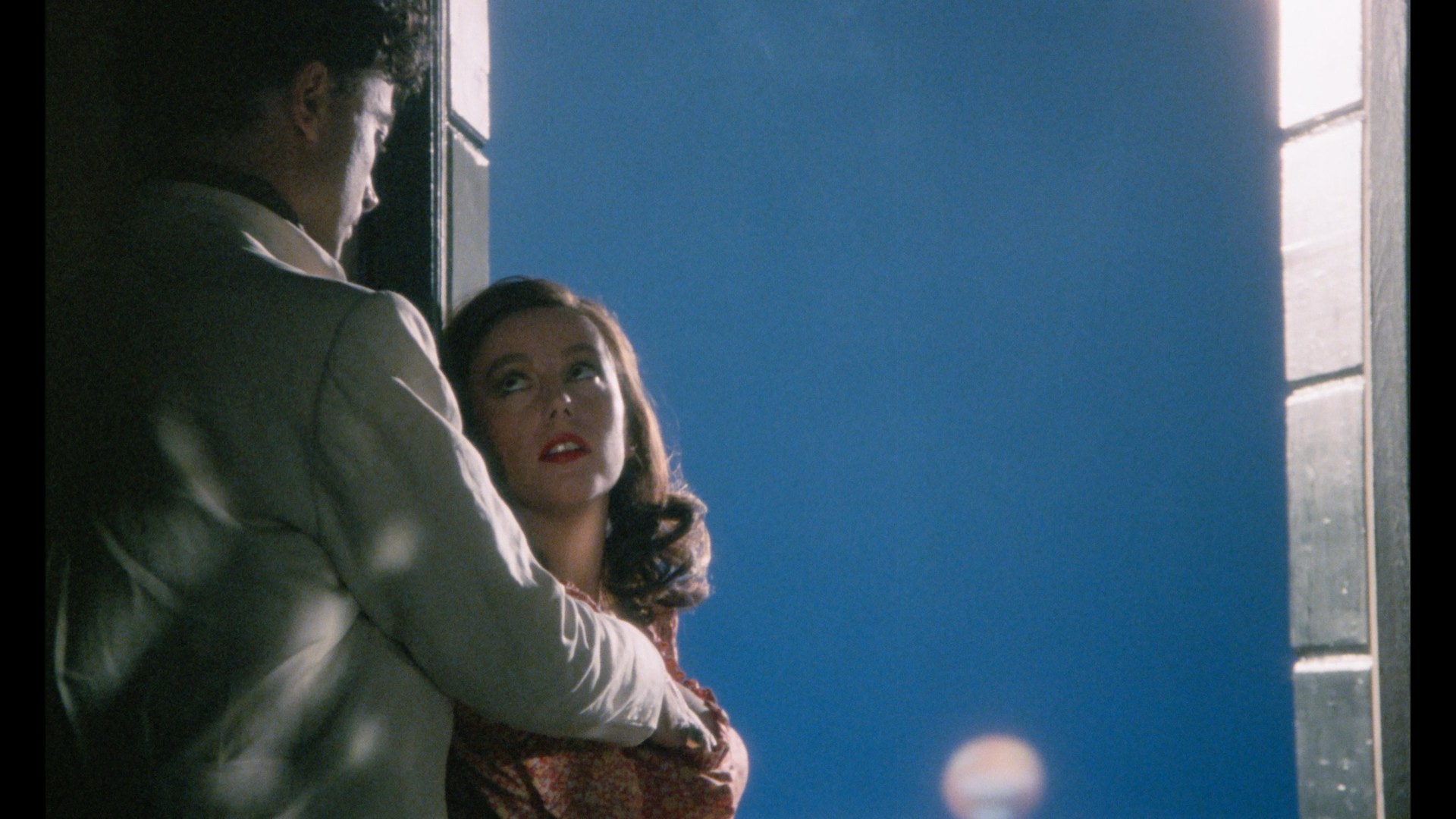
 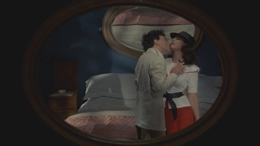 Penthouse in the late 1970s and engaging in various legal battles, director Tinto Brass took a while to find his footing again. He was primarily known for his experimental counterculture films, but the success of his earlier Nazi shocker Salon Kitty had proven his ability to blend extreme sexuality with visual opulence. That turned out to be the path he would follow for the rest of his career, first attempting a nonlinear erotic comedy with Action in 1979 and then finally scoring a hit in 1983 with The Key. The tantalizing blend of '40s Italian style and bold, graphic sexuality made it one of his strongest films, creating a template he would follow for many future films to come.
The plot of The Key is derived from the novel Kagi by Jun'ichirô Tanizaki, which has been adapted numerous times including 1959's Odd Obsession by Kon Ichikawa and another little seen version made the same year in '83 by Akitaka Kimata. The original 1956 novel was written in diary form between the husband and wife, with a sexual frankness that made it one of the more controversial works for the author (who also wrote the often-filmed Manji).
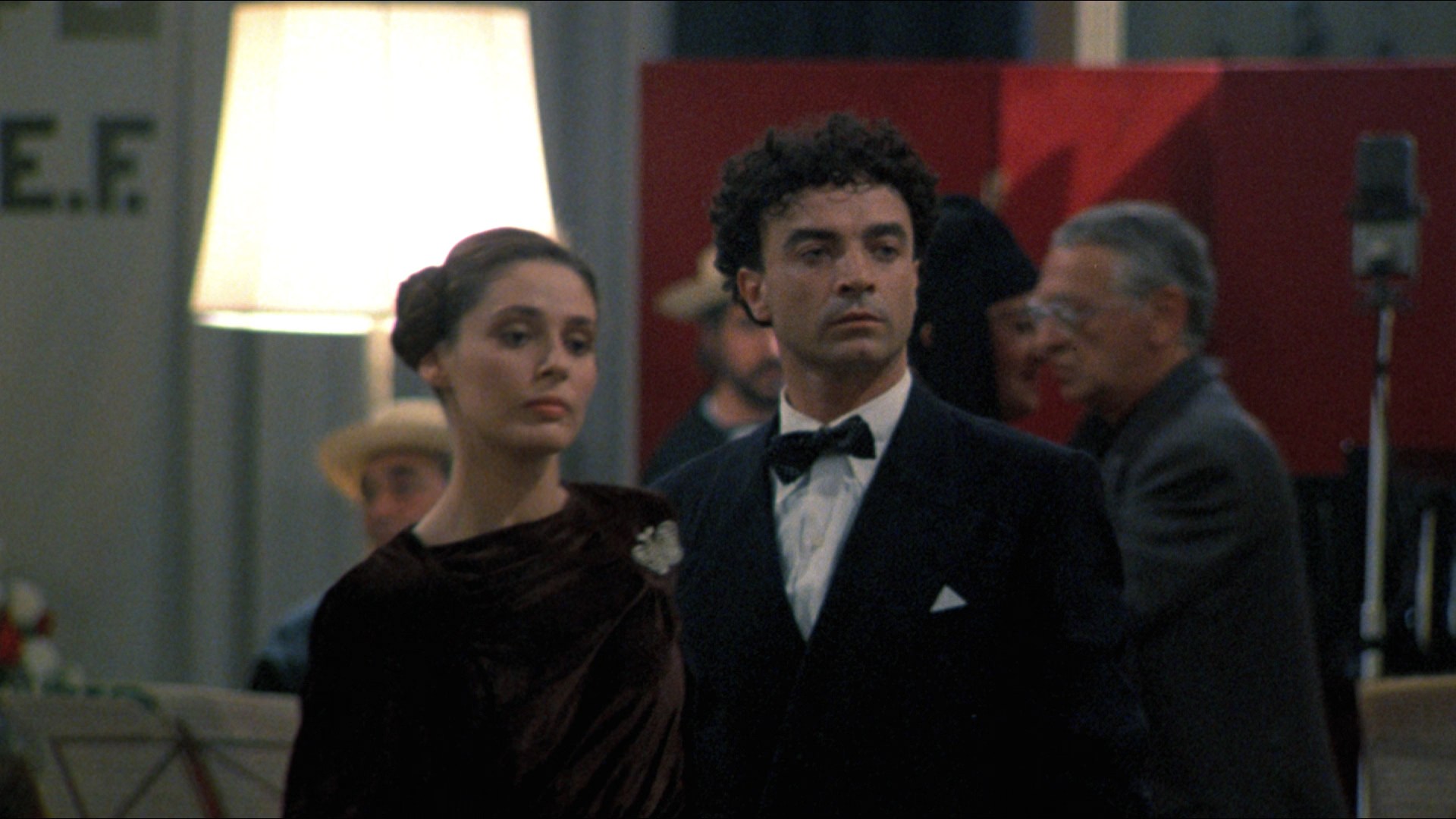
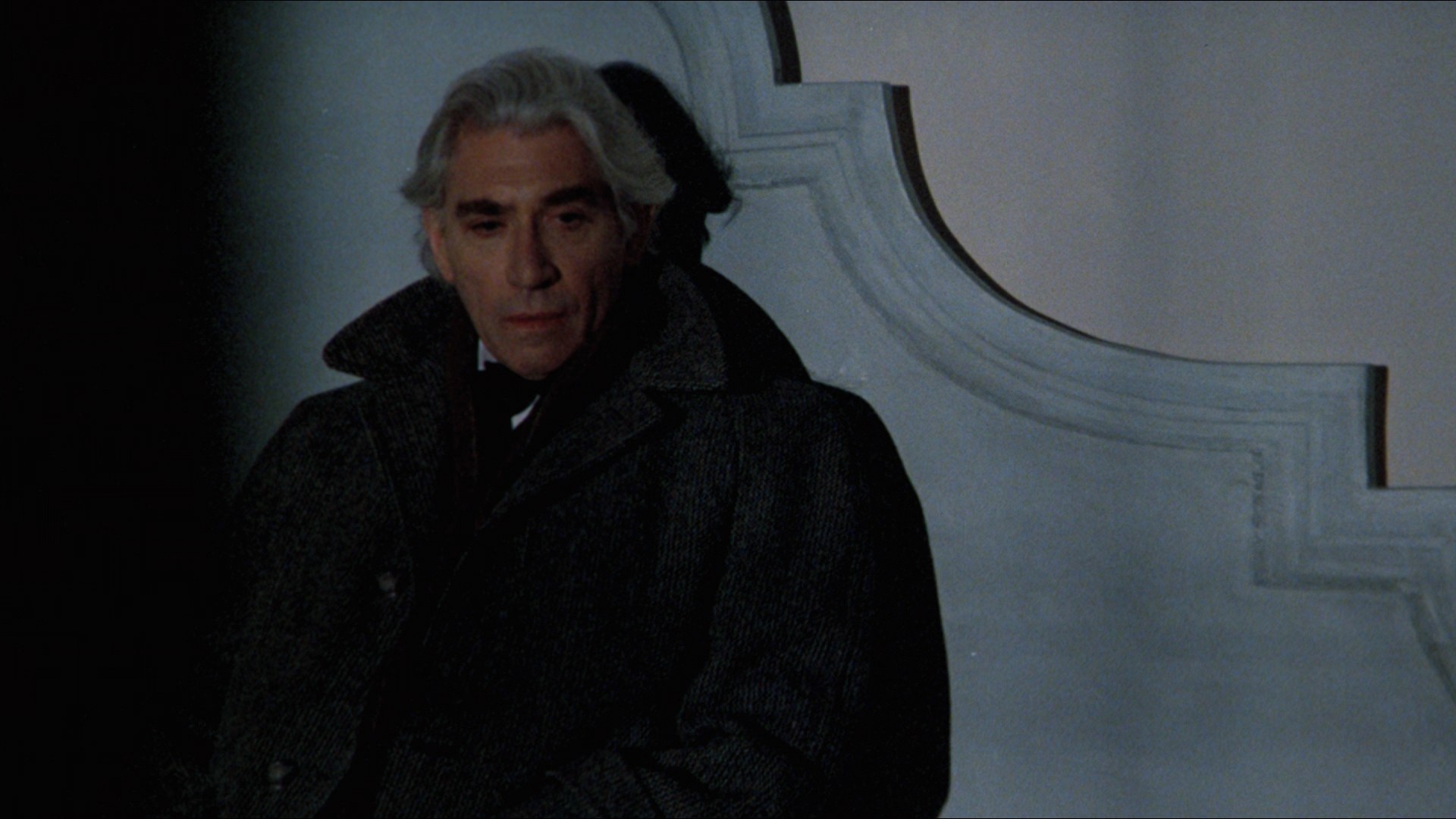
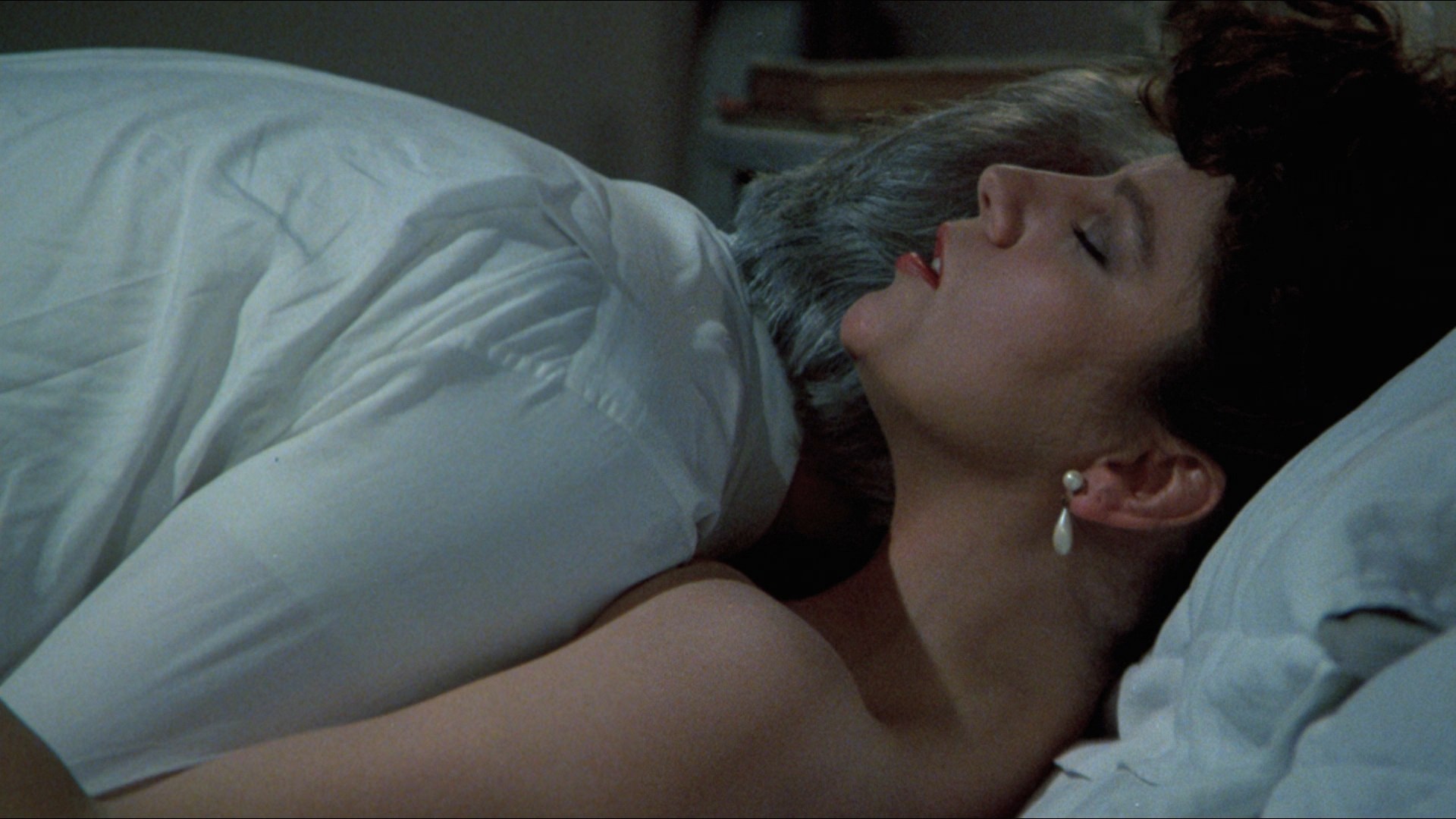
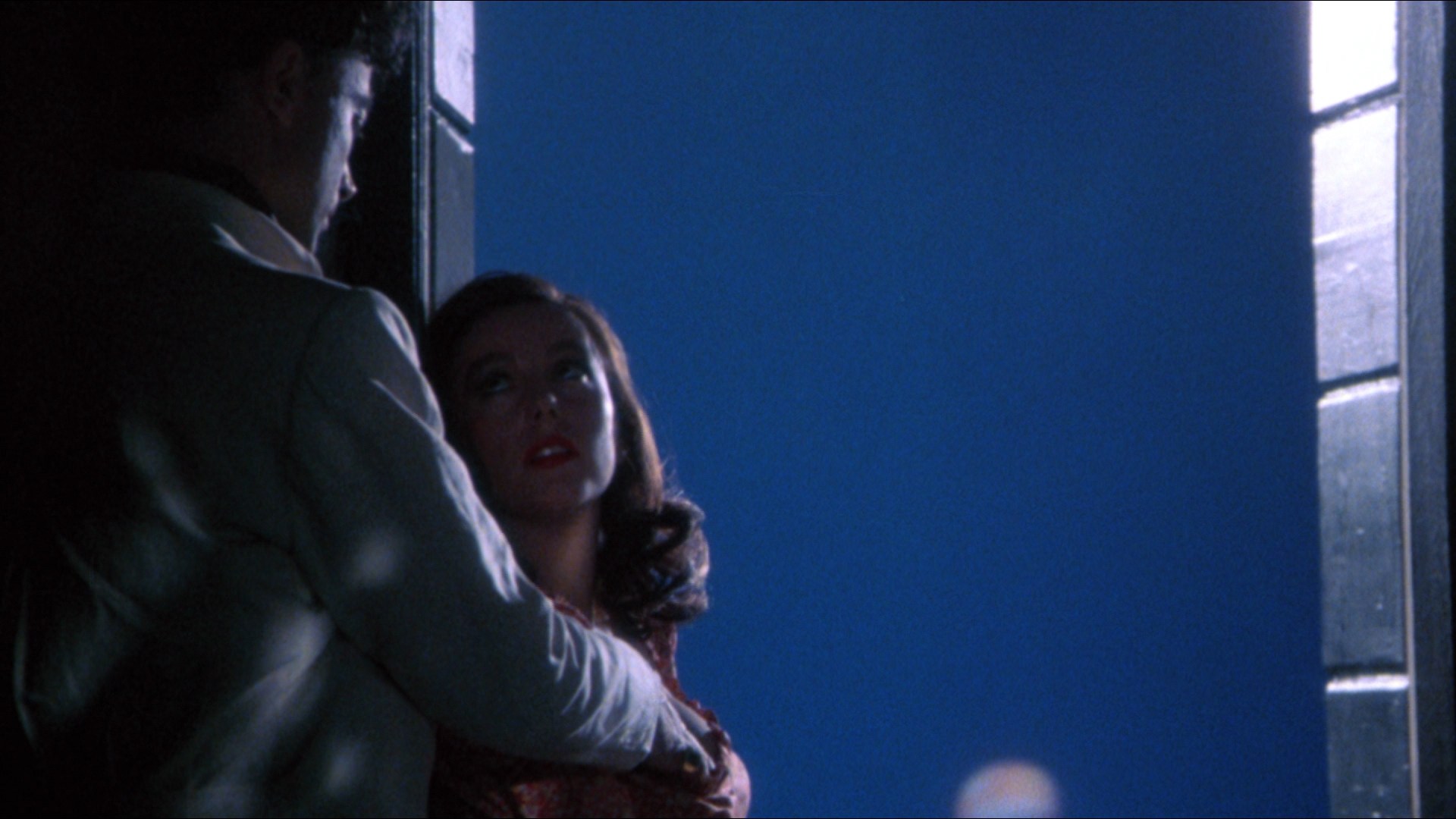
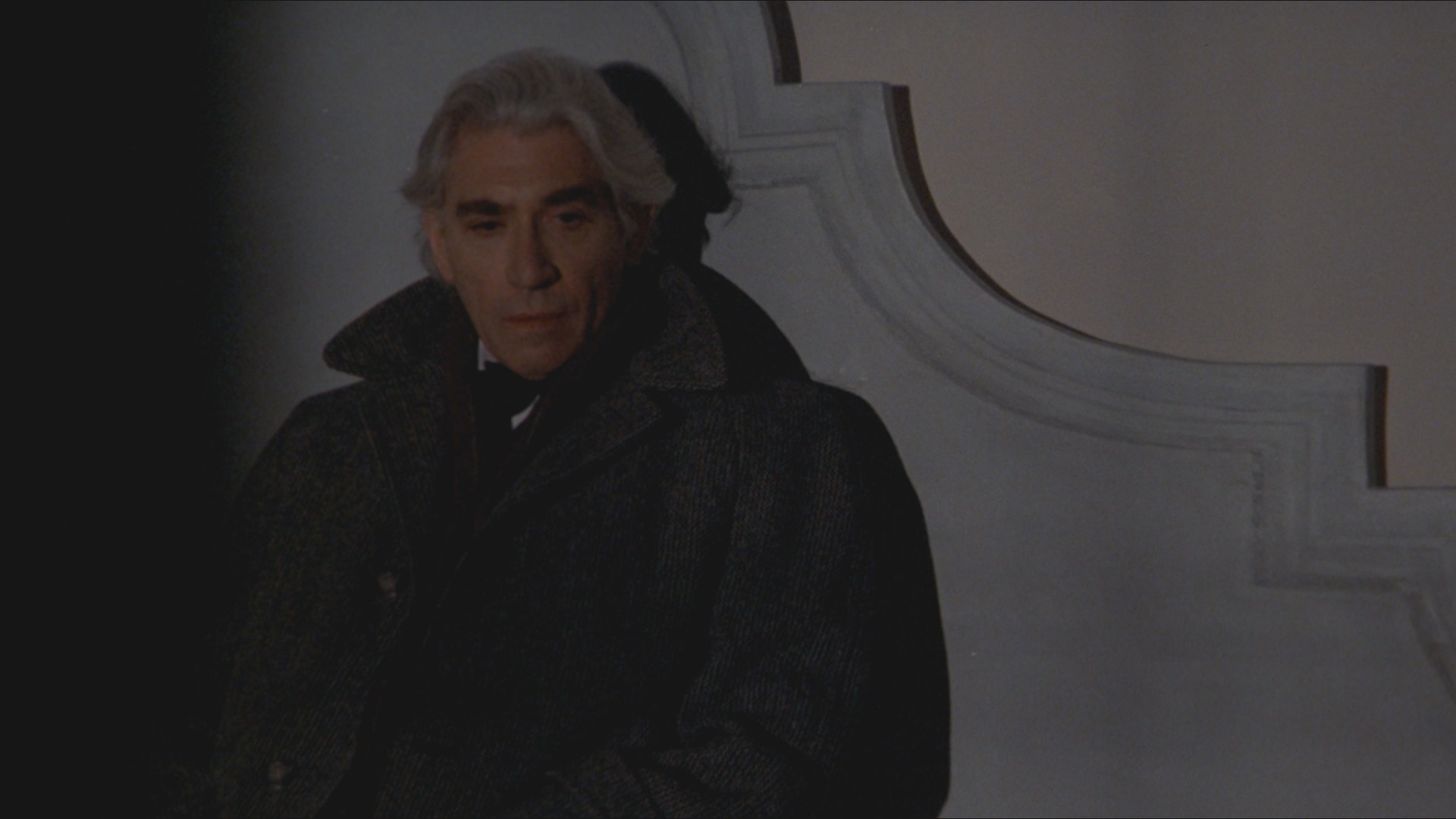
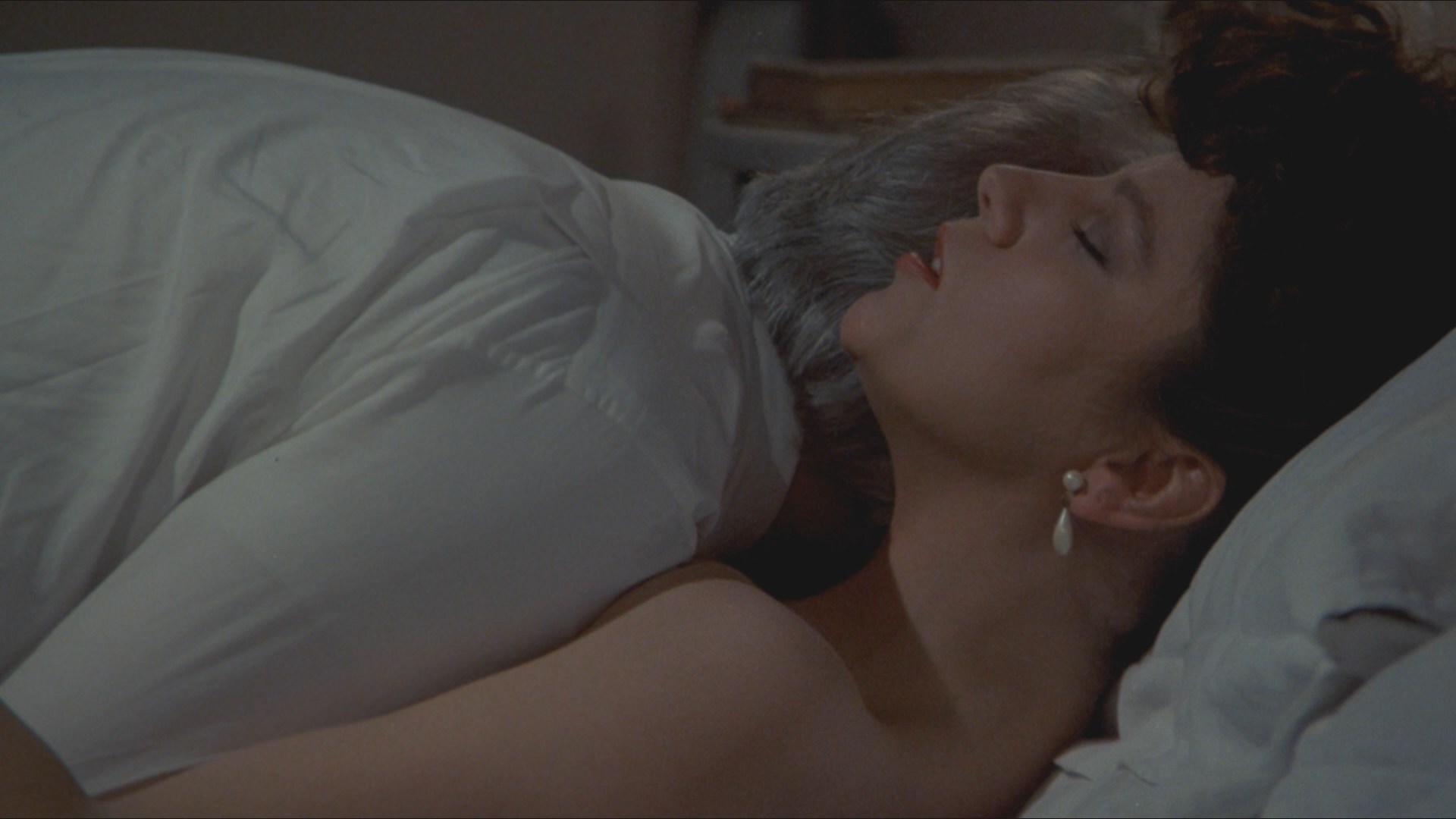
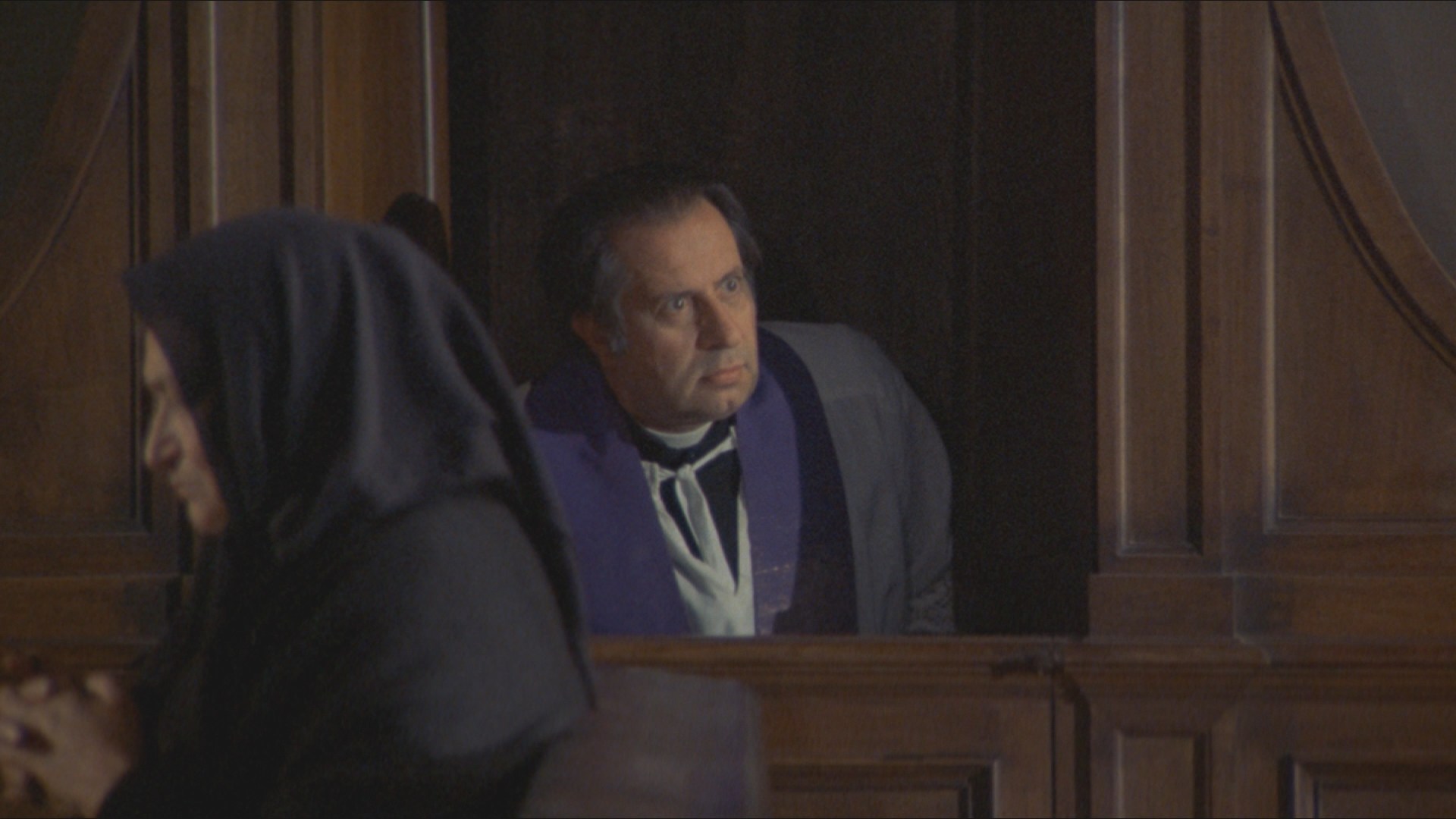
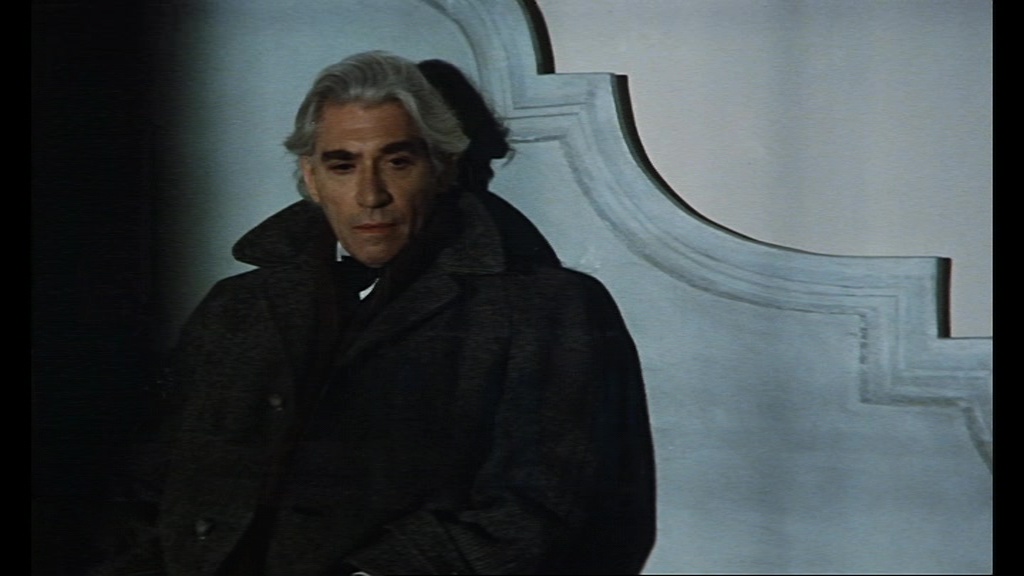
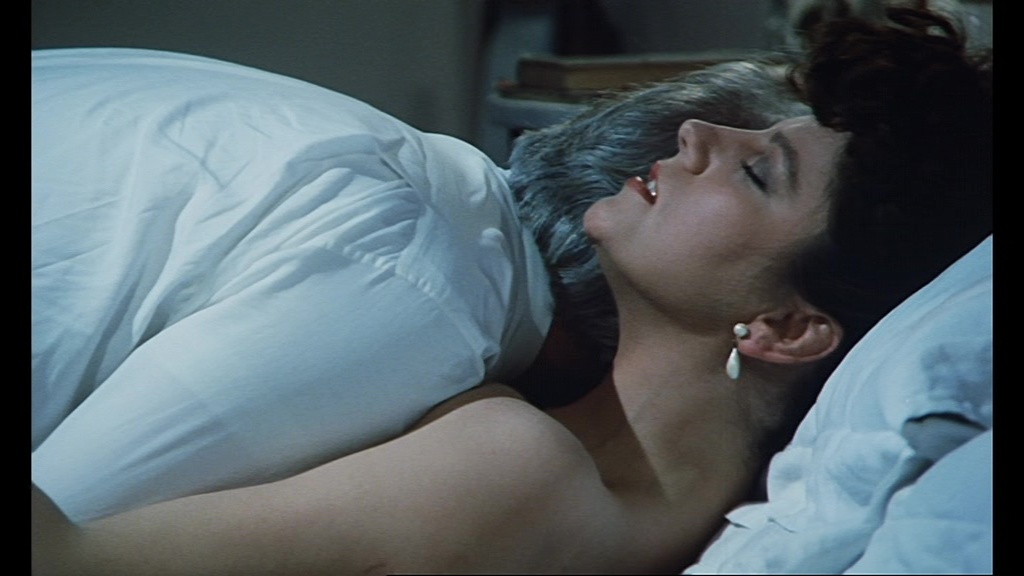
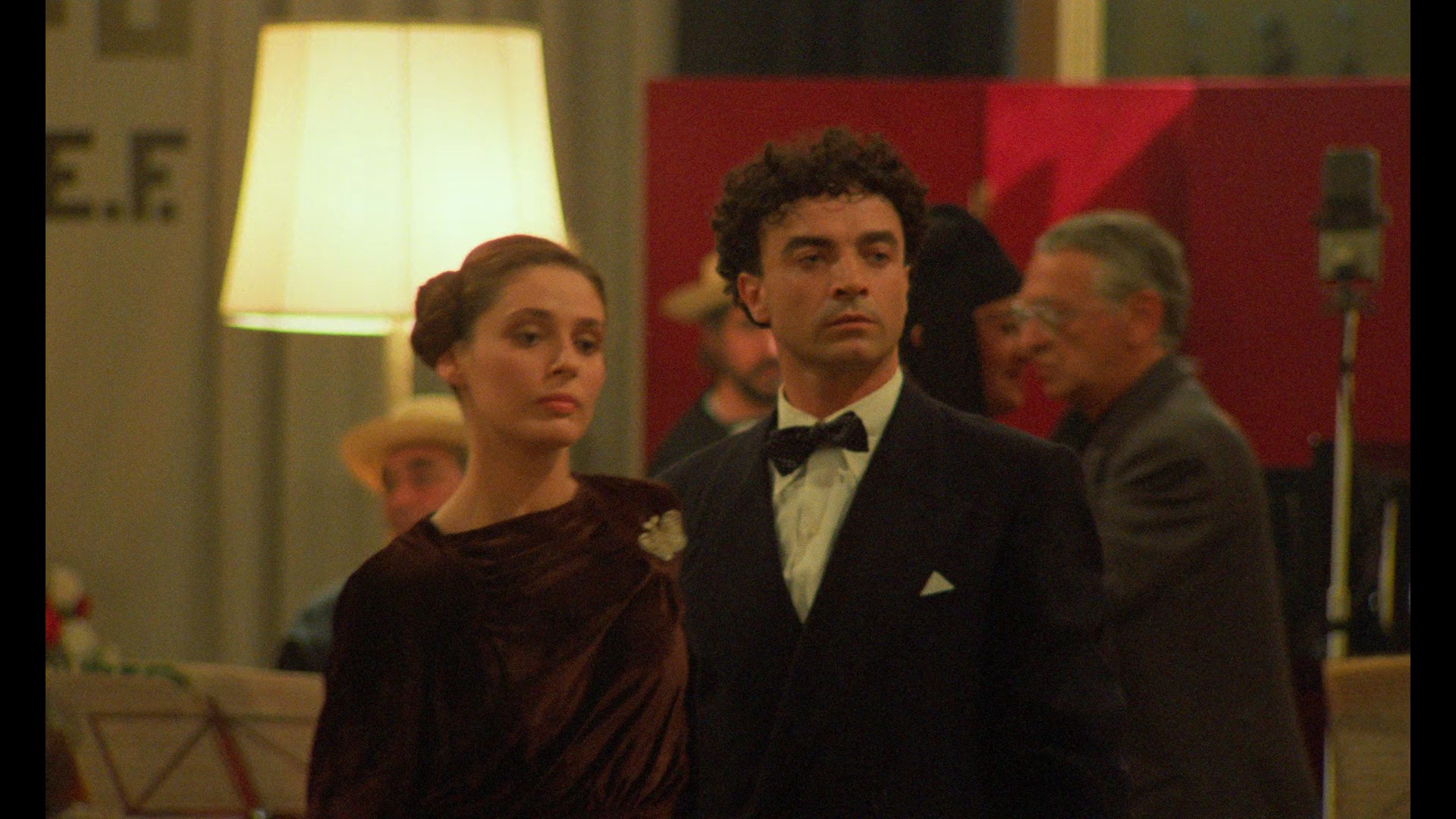
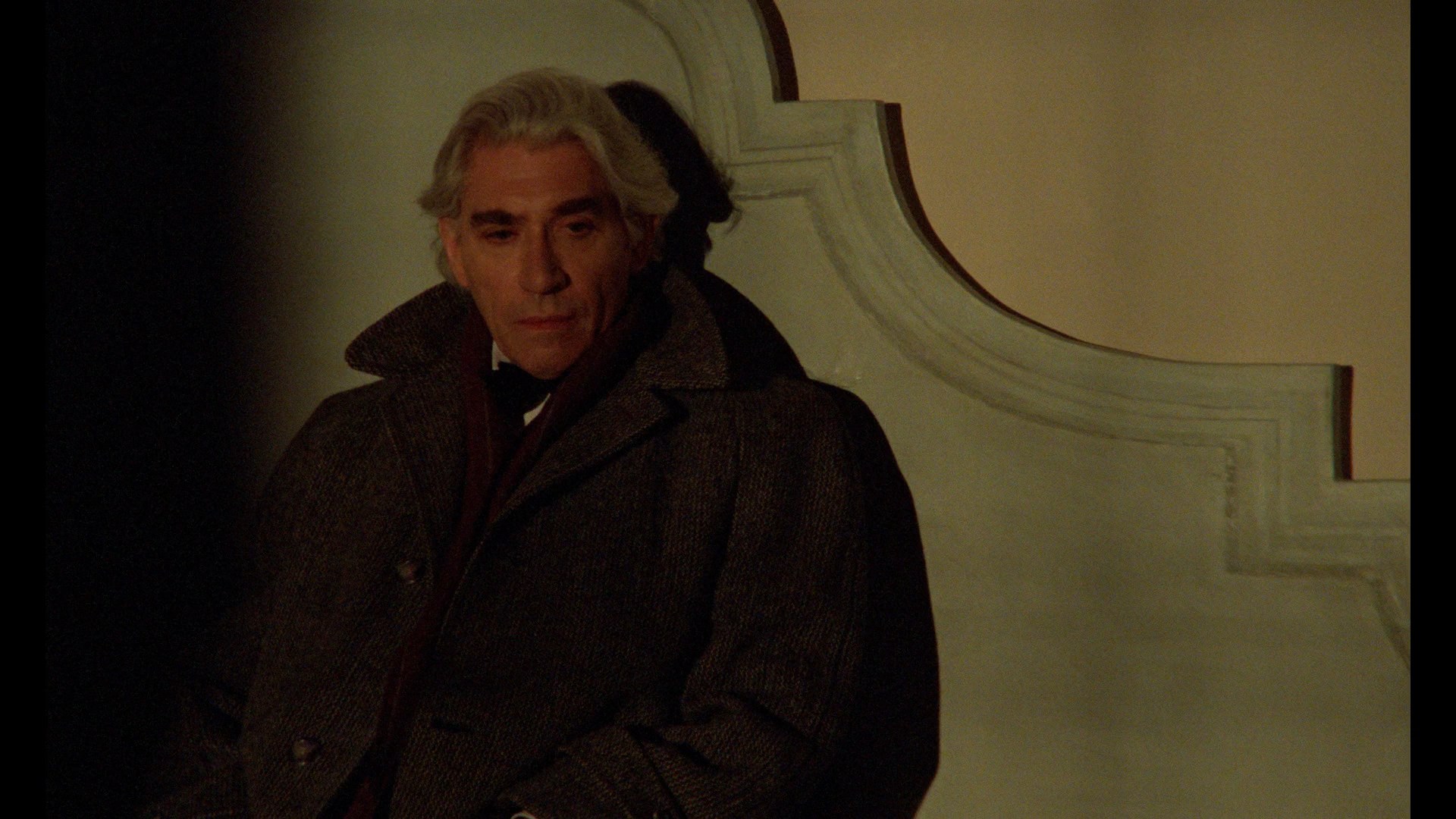
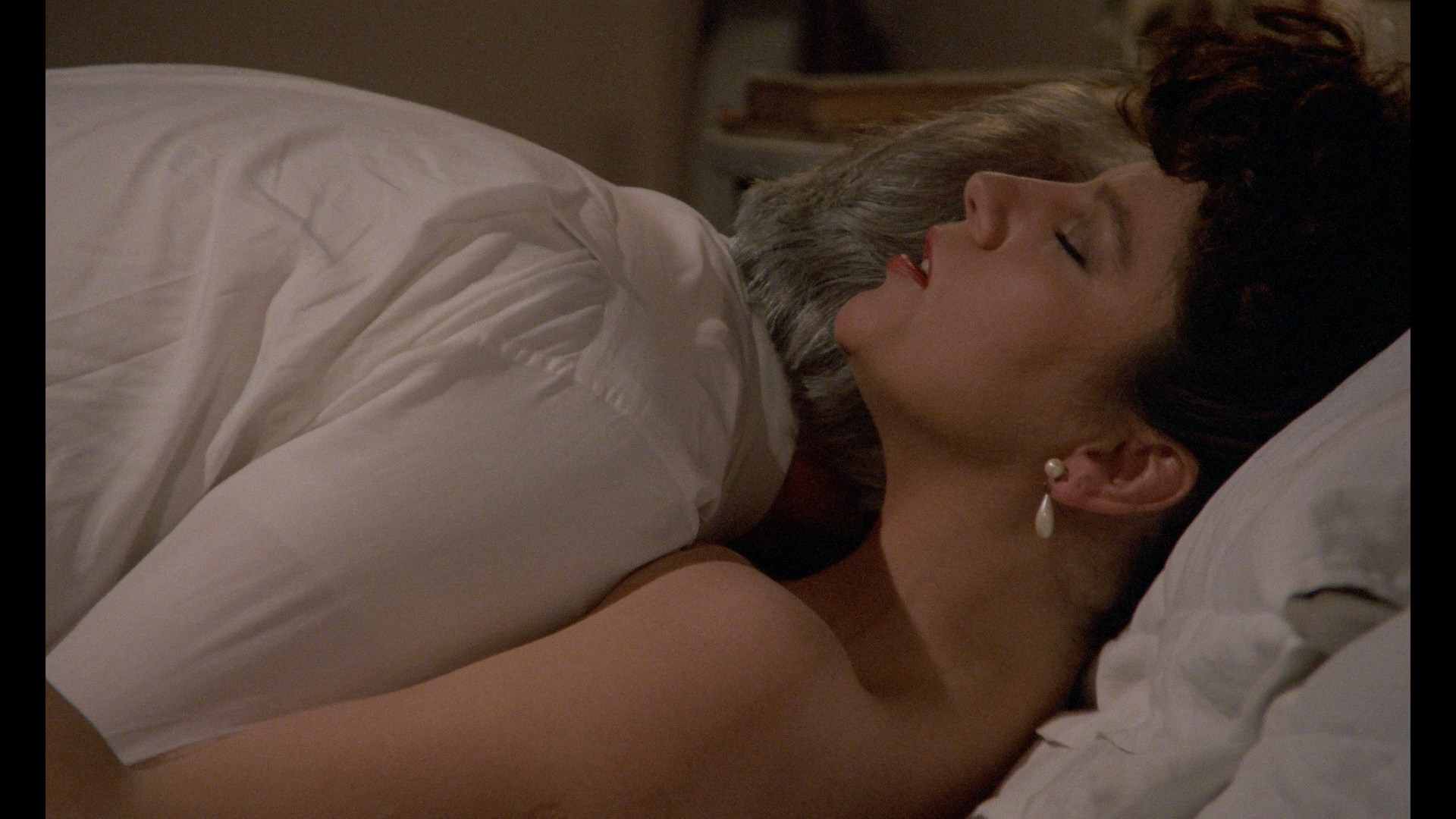
In quite a scandalous role at the time, Stefania Sandrelli (a veteran of Bernardo Bertolucci films like The Conformist and 1900 as well as Black Belly of the Tarantula) stars as Teresa Rolfe whose much older husband, Nino (British film vet Finlay), encourages his aging libido by pushing his wife into 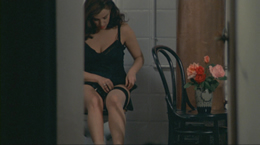 an affair with their studly future son-in-law, Laszlo (Branciaroli). It's all set into motion when Nino deliberately leaves out his diary containing jealous thoughts and fantasies, pushing his wife into a string of sexual adventures. Needless to say, Nino's fascist-sympathizing daughter,
 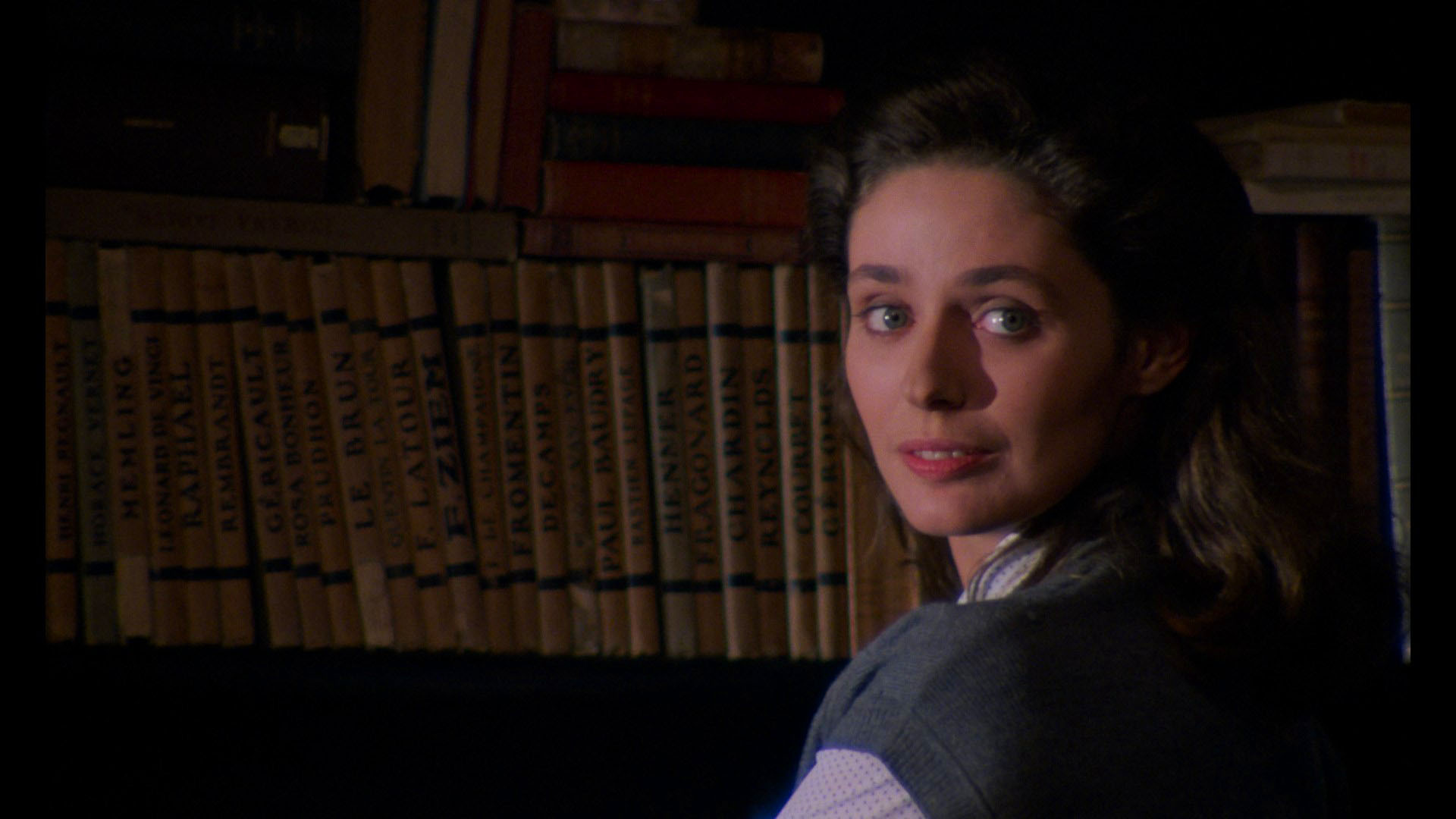 Lisa (Stage Fright's Cupisti), is no match in the sack but has own role to play in their mind games.
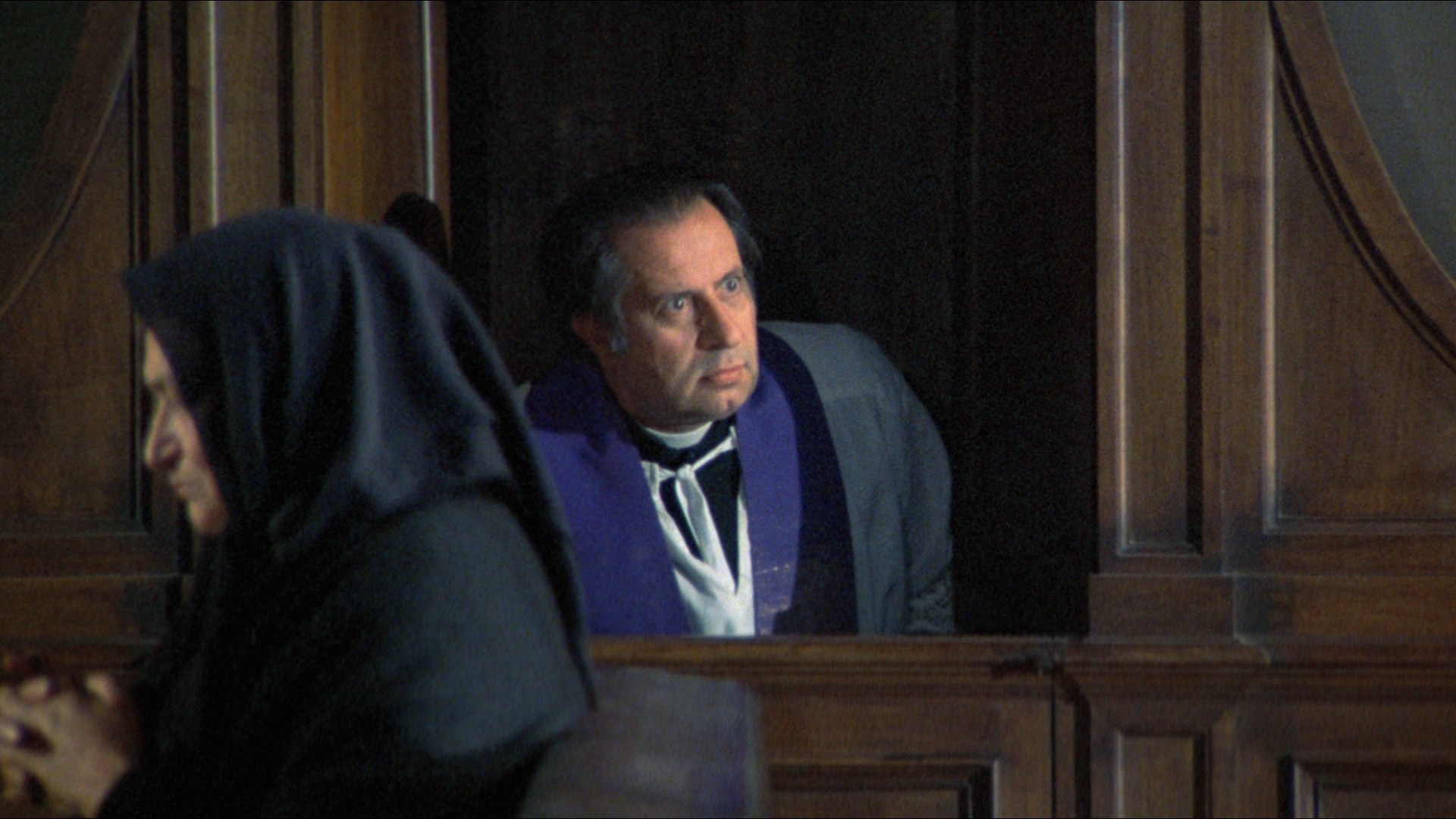
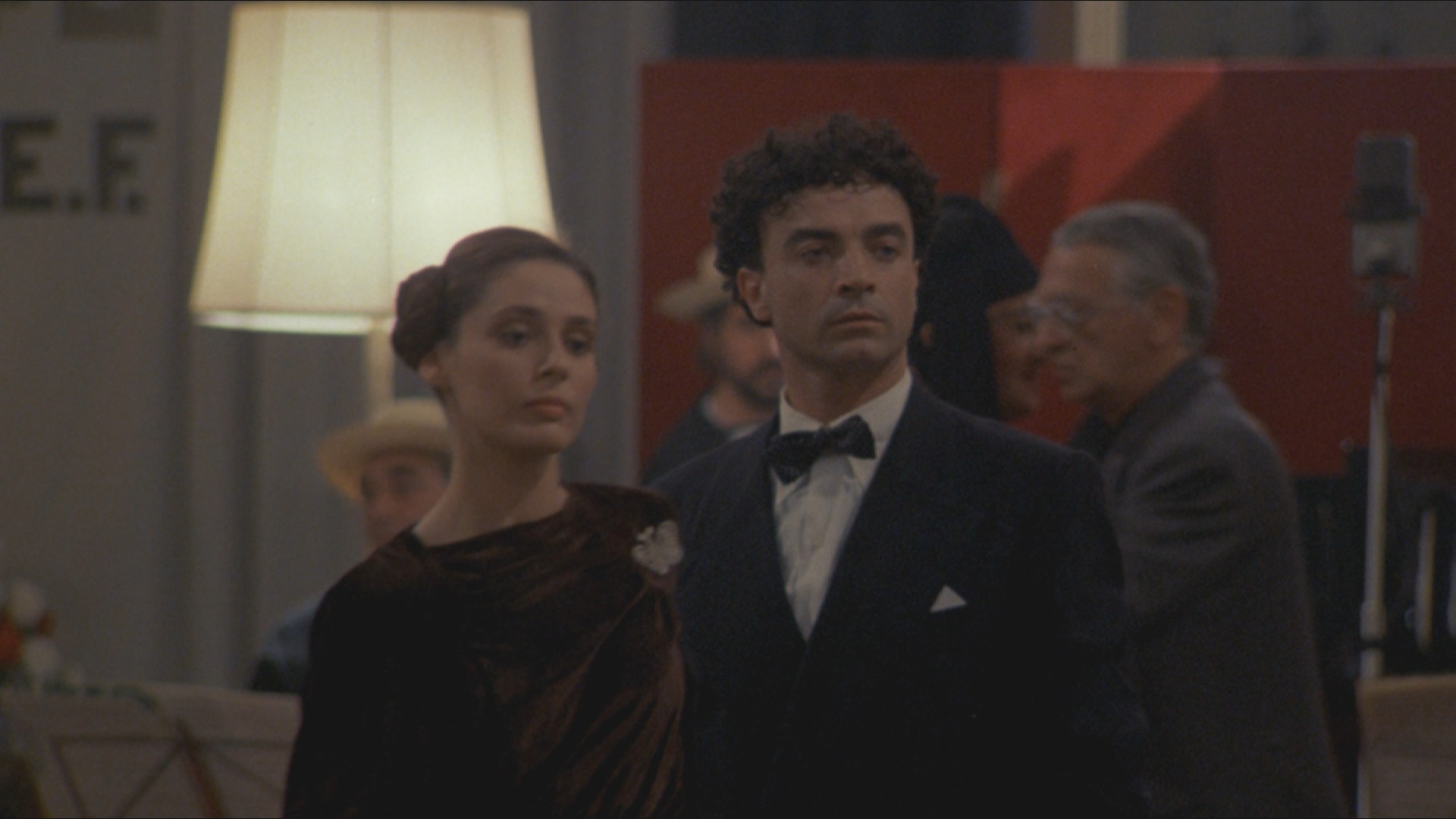
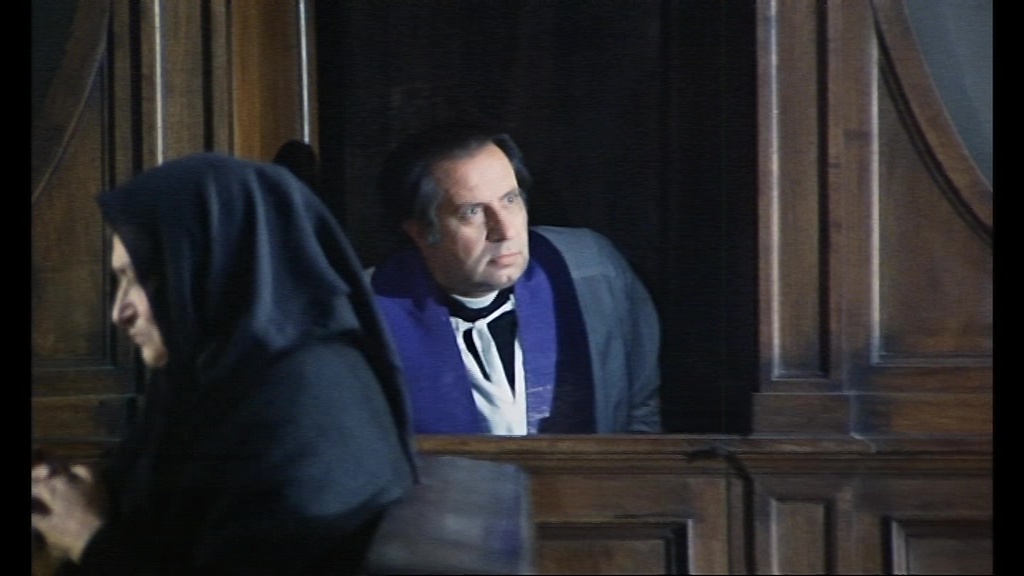
One of the classiest of Brass's films, The Key sports a lush period setting in pre-World War II Venice, with Mussolini's rise to power mirroring the increasing decadence of the characters. The vintage setting proved to be ideal for his cinematic style, and he returned to it several more times including his later underrated classic Senso '45. The visual potency is enhanced by Sandrelli, giving her all with an uninhibited powerhouse performance, along with a game supporting cast and a catchy Ennio Morricone score that set the tone for future bouncy Brass music to come.
Almost every country got to see this film before the United States who came very late to the game after gray market copies were traded around for years. The film was officially released on DVD in virtually identical transfers in both the U.S. and U.K. in 2001, letterboxed at 1.66:1. For some reason both DVDs claimed to be 16:9 enhanced, but neither actually were. The U.S. Cult Epics transfer of the Italian version incorporated about 12 minutes of footage trimmed from English prints, and a remastered anamorphic version was eventually released as part of the label's discontinued Tinto Brass Collection box set. The Cult Epics DVD also contained a substantial and funny 17-minute video interview with Brass, a photo gallery, filmographies for Brass and Sandrelli, and the original European trailers for this film, Miranda, and All Ladies Do It. A 2006 DVD from Raro in Italy (first released in Italian only, then reissued 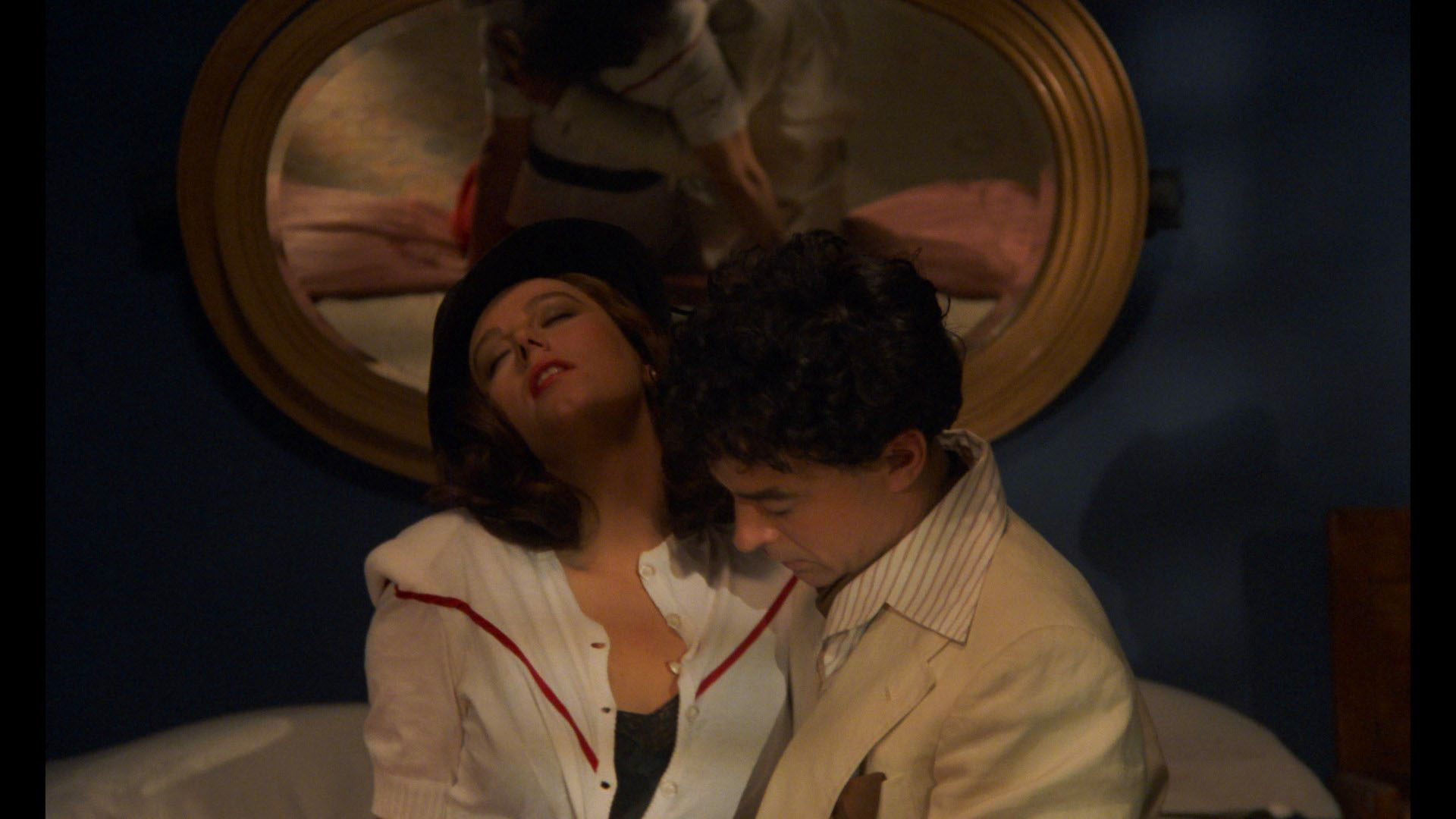 with English subtitles) was an interesting variant, running 110m38s at PAL speed and reinstating numerous relatively explicit shots on nudity including a lot of Branciaroli's
 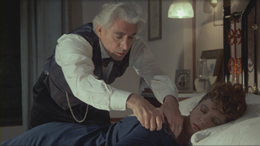 prosthetic phallus, a device that would become common in the director's later films to get around censors. Image quality isn't great as the source element has a lot of damage and dirt (as well as hot contrast), but it's worth it for fanatics because this is the only version to reinstate an inessential but mildly interesting chunk of deleted footage at the 36-minute mark with Finlay nearly passing out at a social art function, followed by a quick shopping moment with Sandrelli and Branciaroli attending to Finlay after the incident. A 28m41s Brass interview (in Italian with English subs) is also included along with the trailer.
The 2013 dual-format U.K. release from Arrow contained a Blu-ray edition that clocks in at 110m44s with those naughtier shots put back in. You get two audio options here, English (the language in which it was shot with some of the actors looped later) with occasional scenes involving Venetian locals in Italian, and fully Italian with newly translated English subtitles. The bilingual track makes more sense given Finlay is playing an Englishman and the language difference is referenced multiple times, but either way works. Also included are the original trailer, reversible cover art with the original poster art on the back, and liner notes by encyclopedic Brass expert Alexander Tuschinski. As for the transfer itself, the 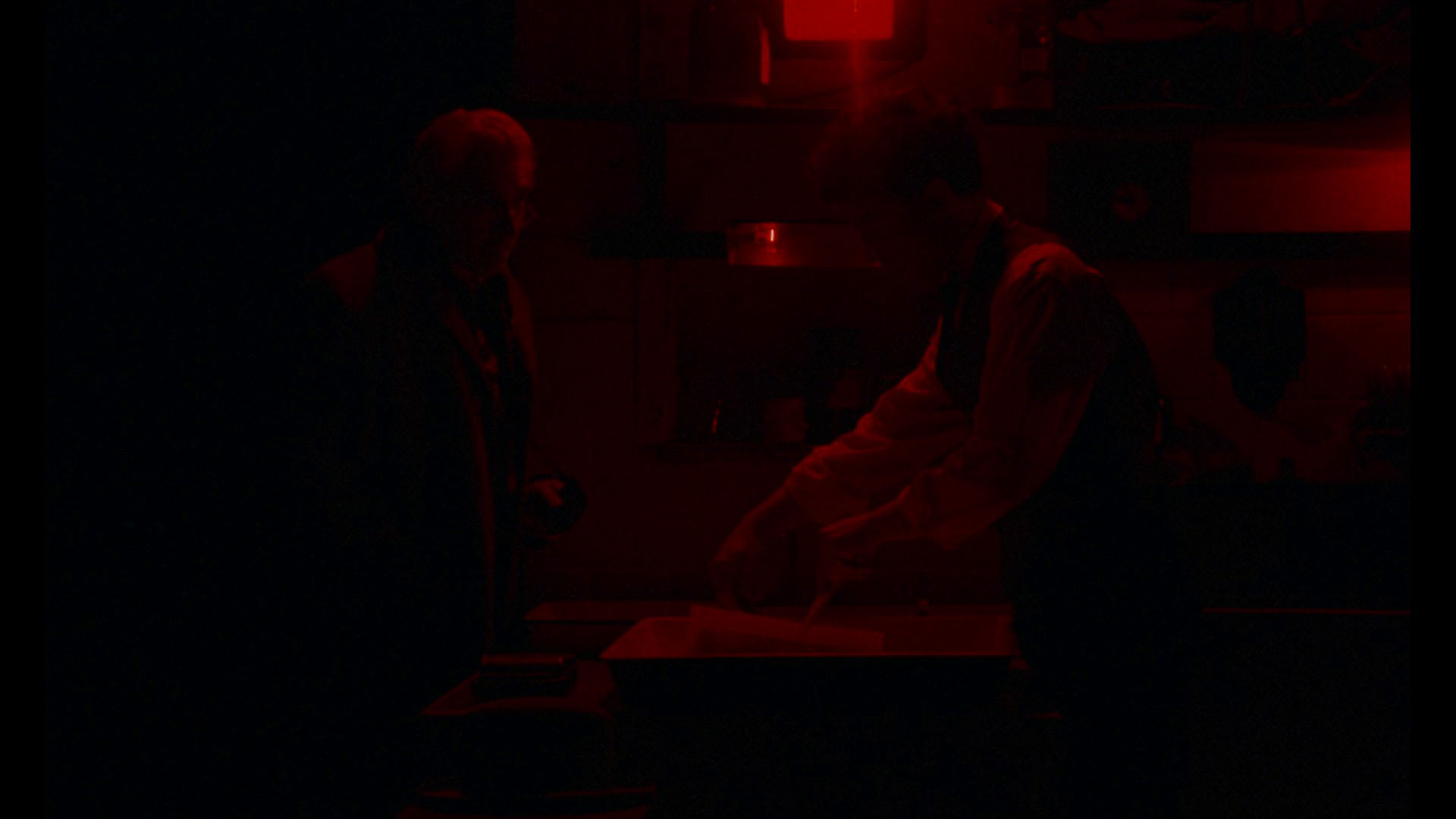 1.78:1 framing has extra visual information on the left and right sides as well as a
 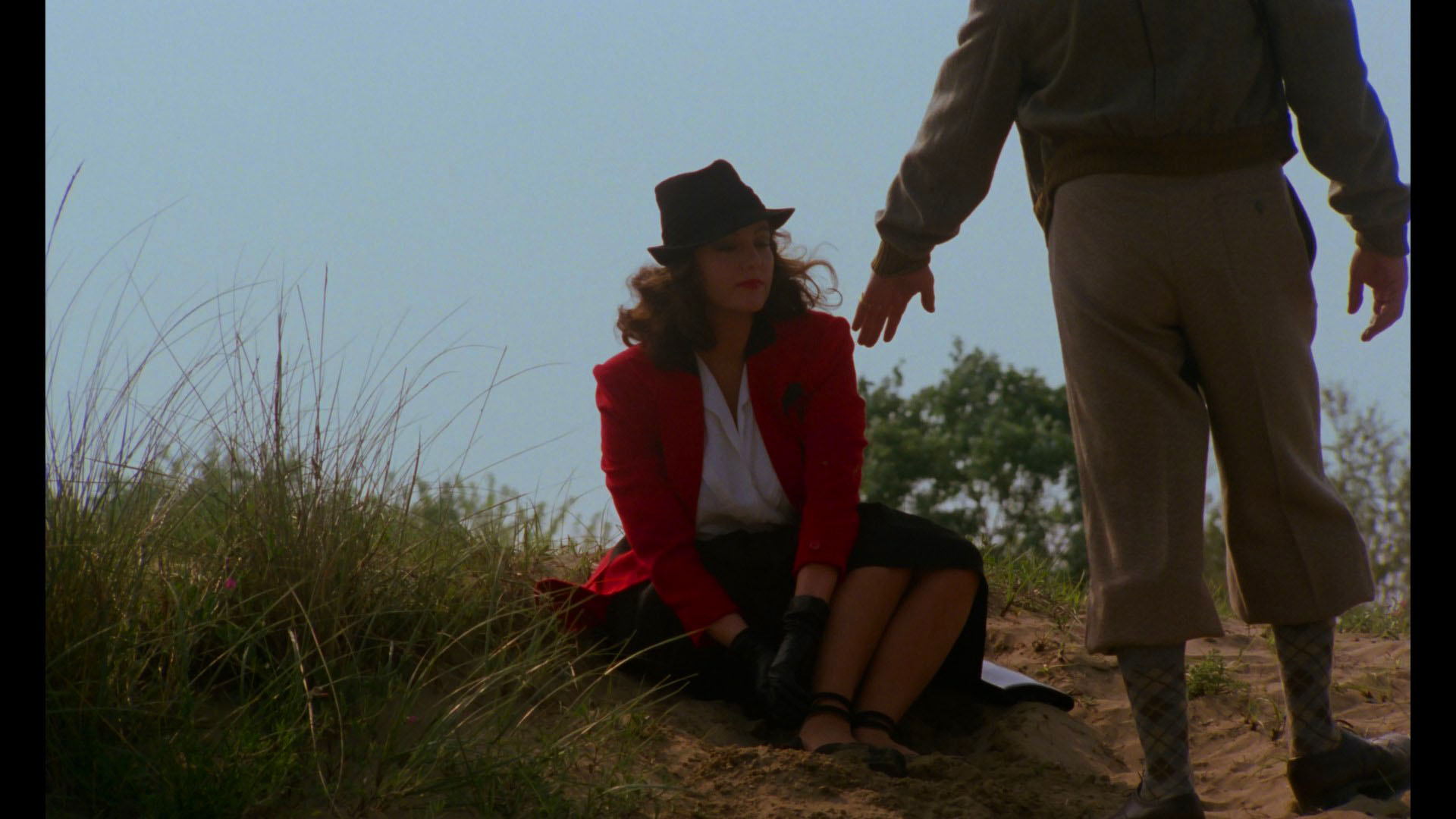 sliver more on top than earlier options, losing only a very minor shred at the bottom. On the downside, the color timing is a complete mess with pale, milky blacks and a nasty grayish teal cast over everything.
A subsequent Wicked Vision Blu-ray from Germany looks like it comes from the same scan as the Arrow based on the 110m46s running time and identical framing, albeit with far superior color timing. Here you get the original hybrid and Italian tracks plus German audio, with German and English subtitles, the trailer (from the bad Arrow-era master), the Brass interview from the Cult Epics disc, German credits sourced from VHS, that additional 4m41s deleted sequence presented separately (as it apparently couldn't be sourced for HD), and a 2m44s gallery.
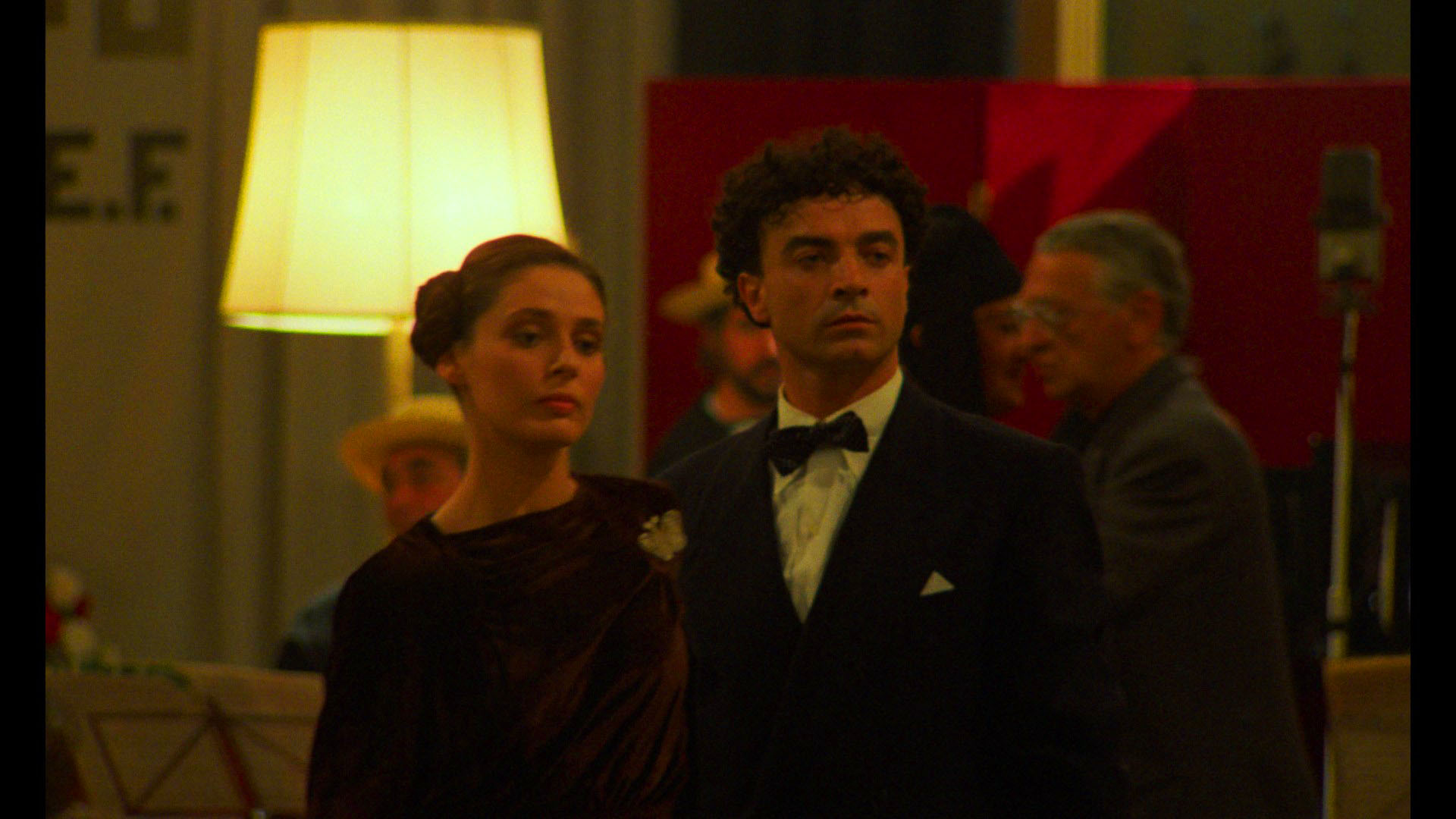
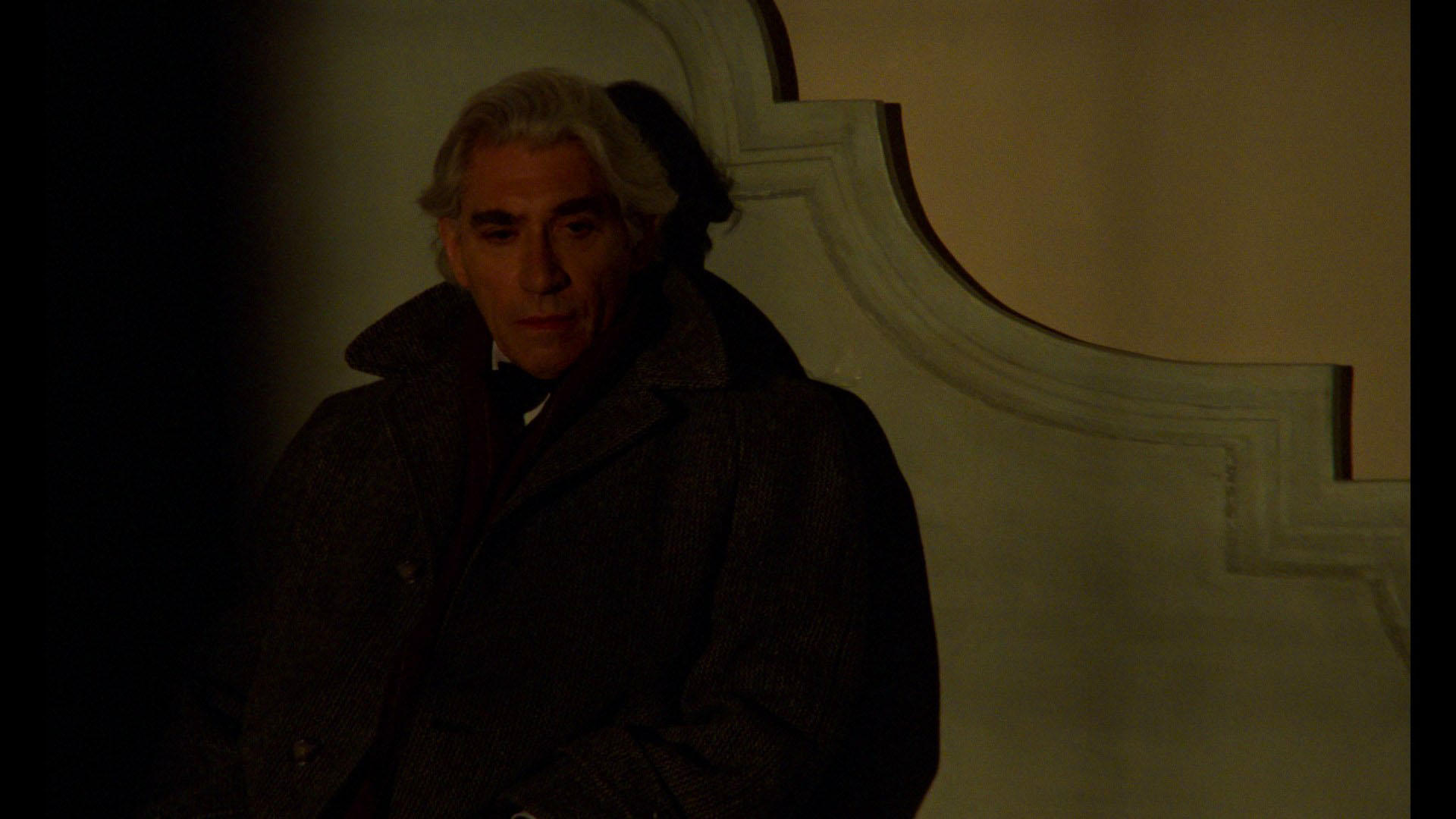
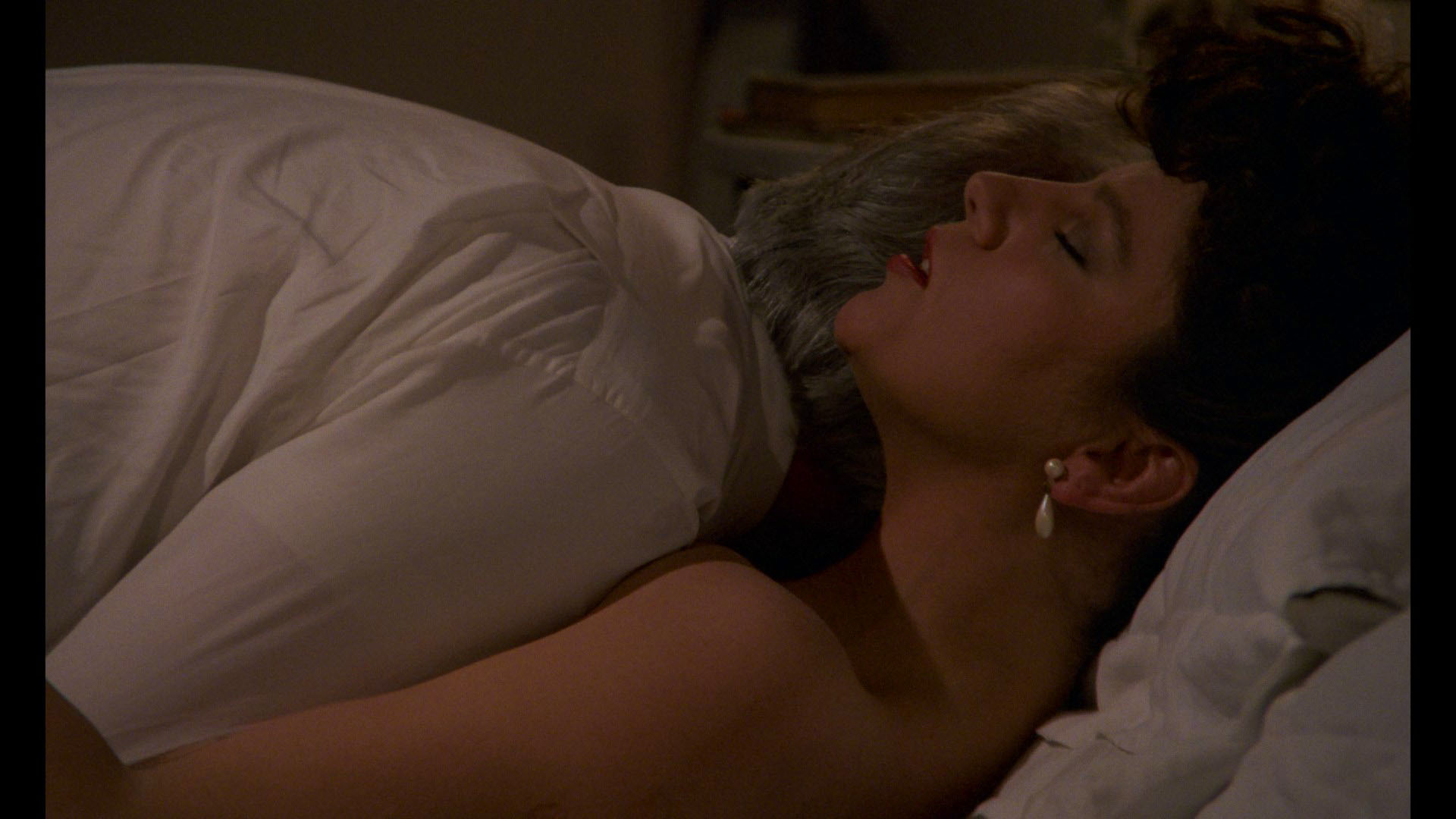
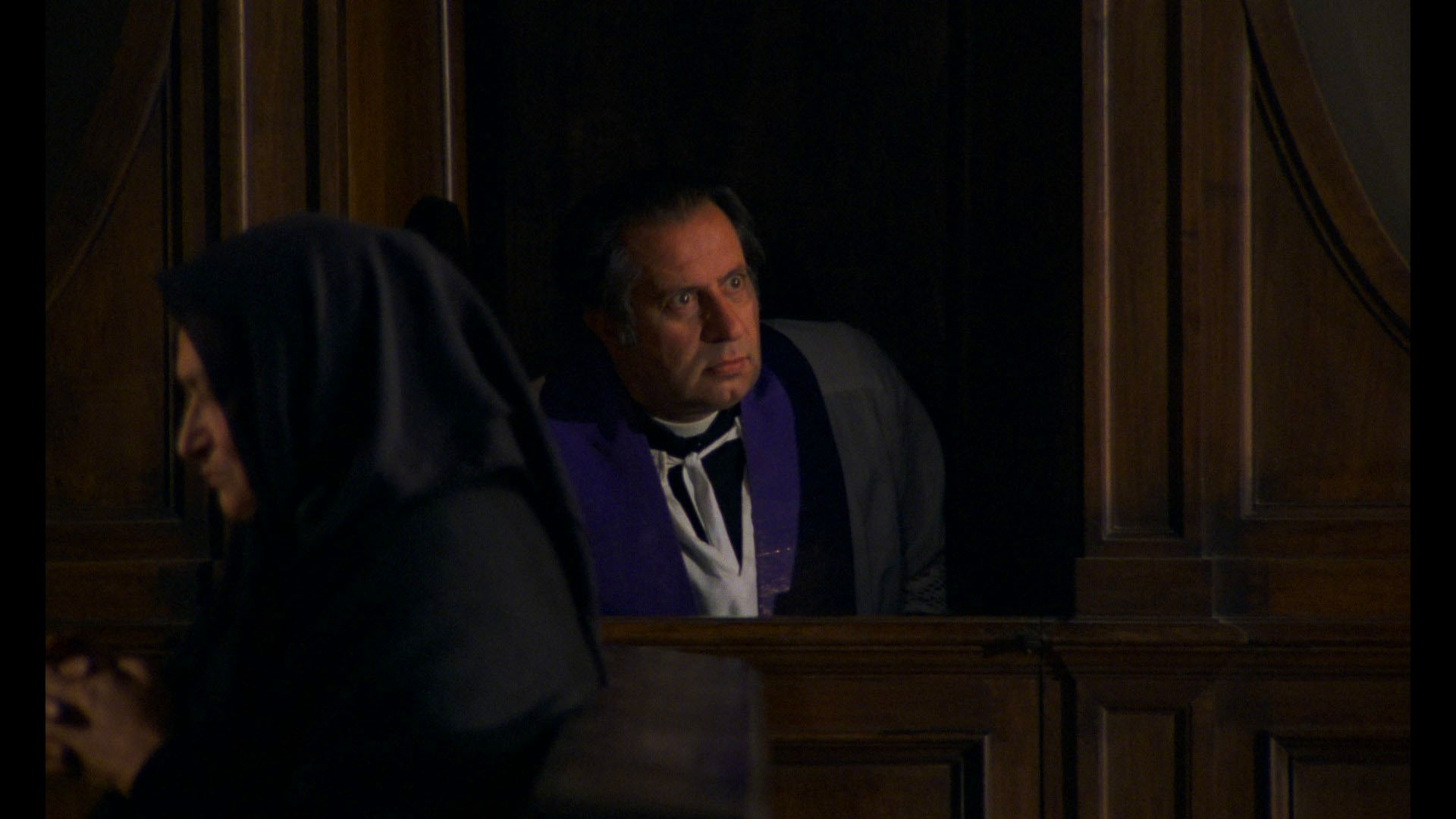
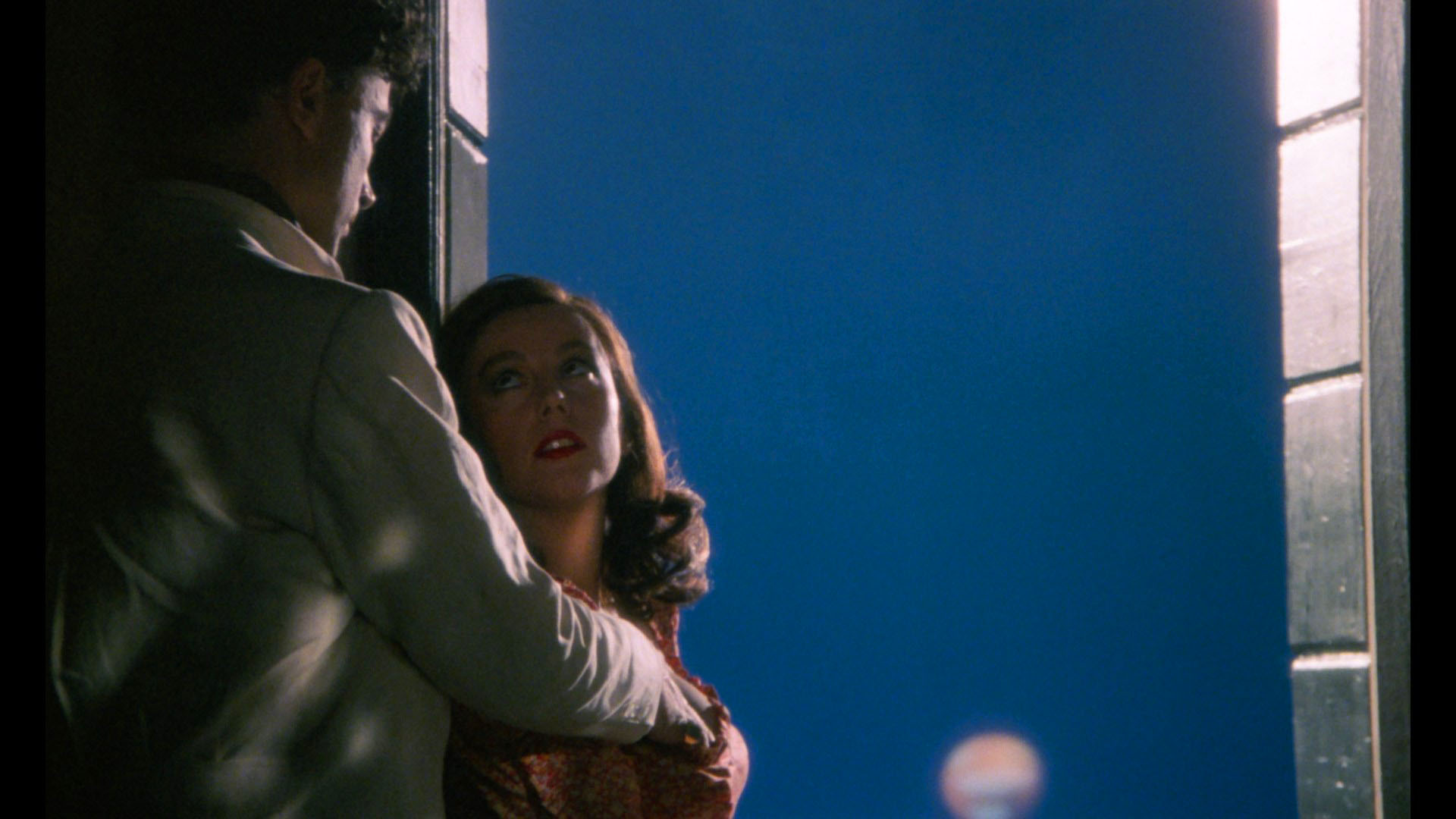
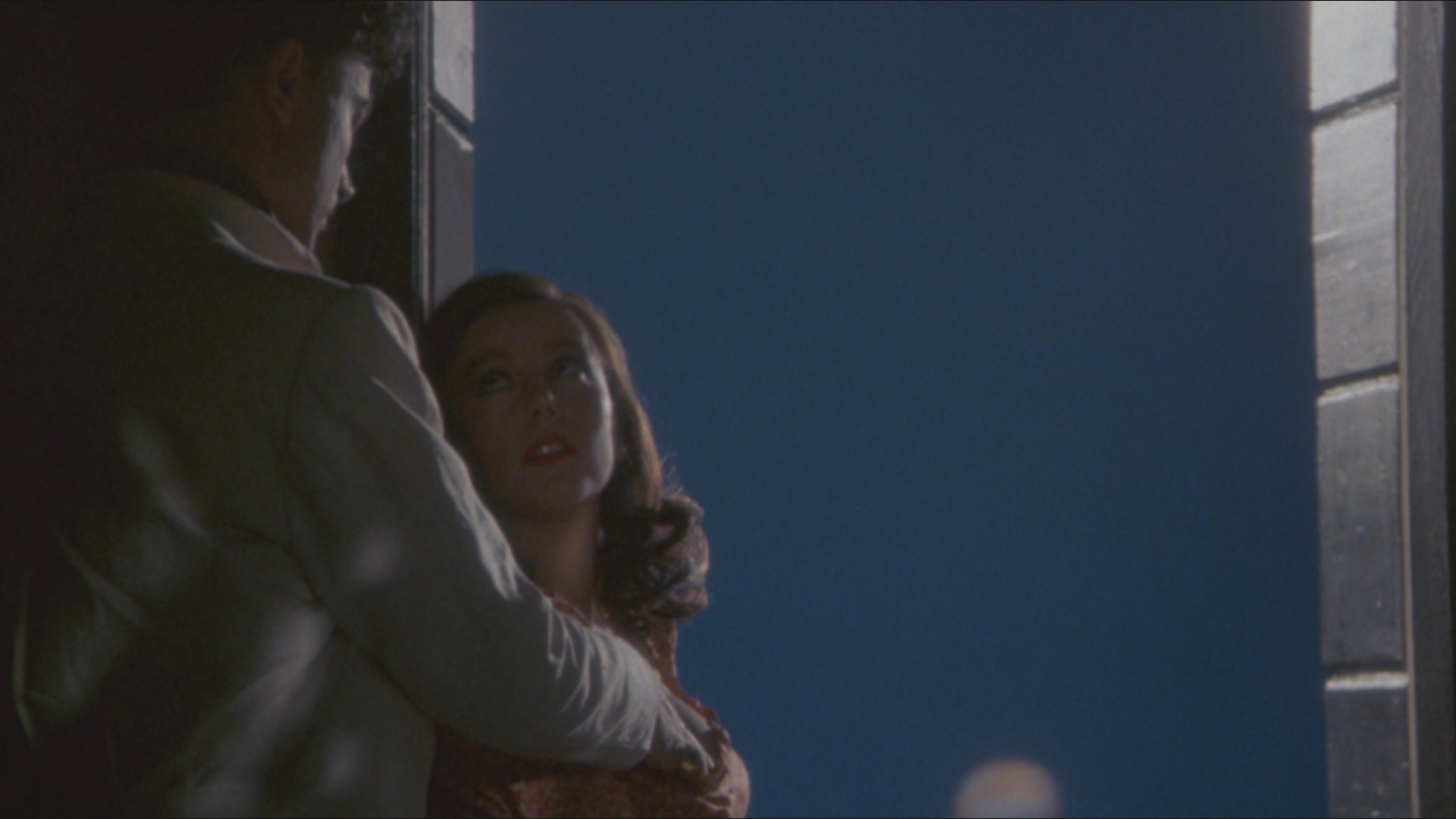
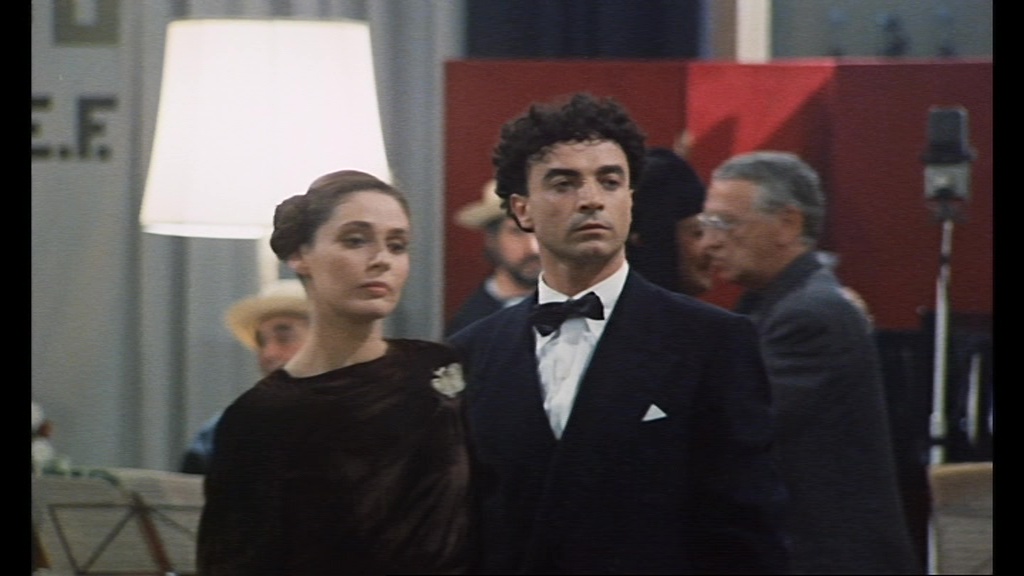
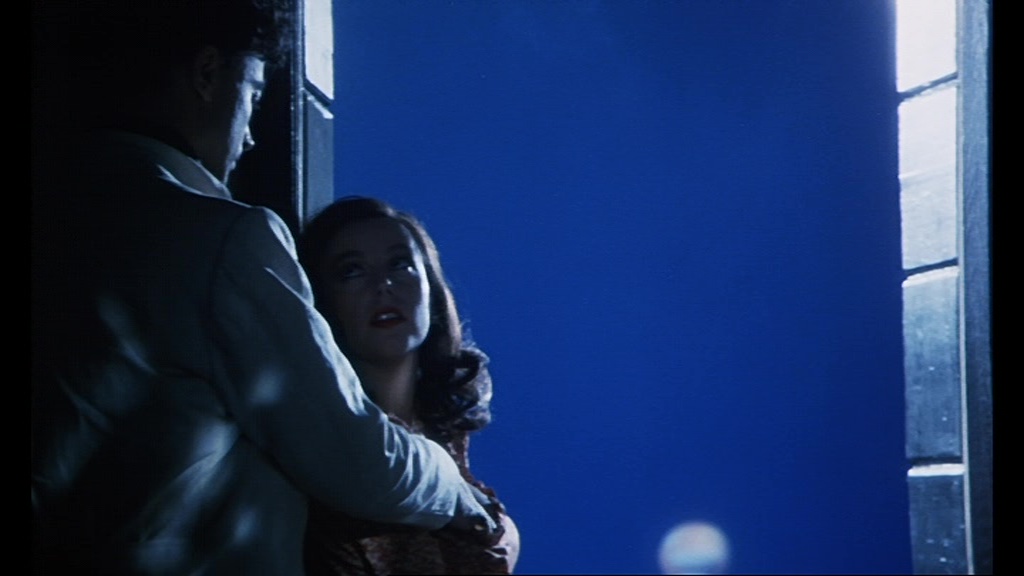
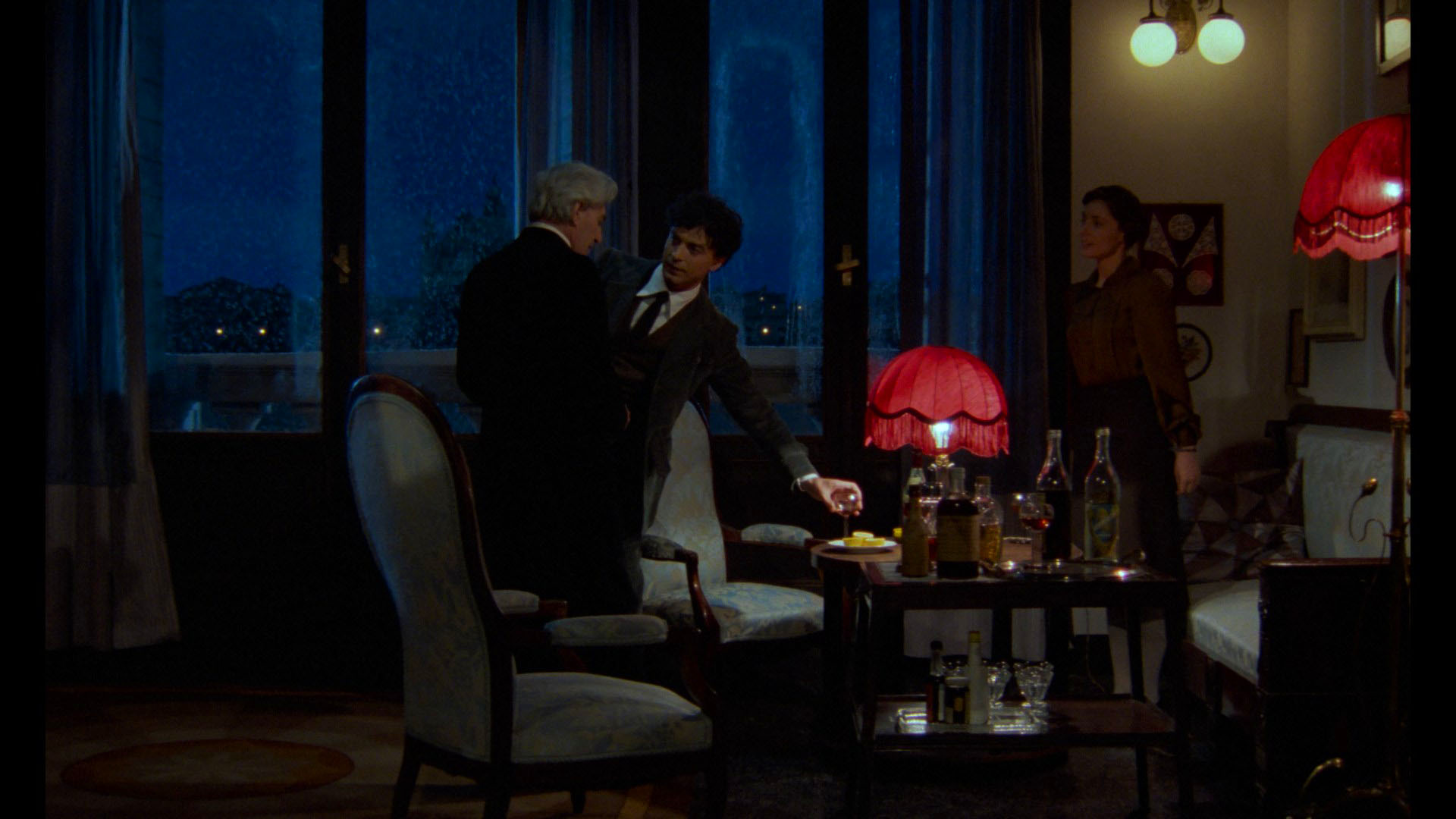
In 2026, Cult Epics revisited the film as a UHD and Blu-ray set featuring a new 4K scan from the original camera negative with the HDR color grading making it by far the most attractive presentation to date. The reds and blues really liven up here as do flesh tones, and the golden light sources here really glow with a warmth that wasn't conveyed in earlier releases. Much appreciated here is the restoration of the original, more spacious 1.66:1 framing which looks pleasing and well composed here. Running 111m12s, this has everything from the various cuts around including all the raunchier shots with only that deleted sequence from the Raro absent here. The bilingual English-Italian audio is the one option here which 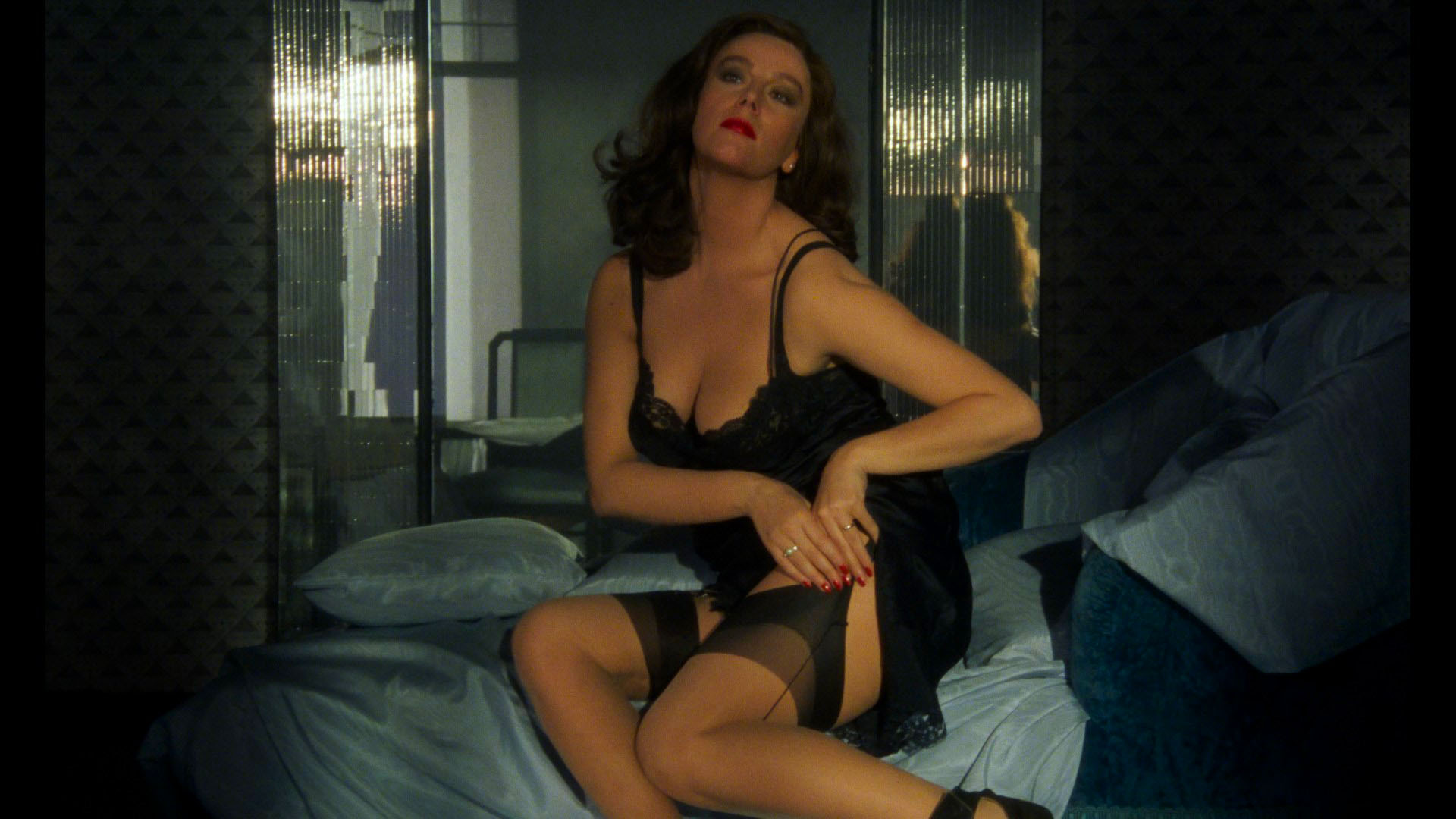 makes sense,
  sounding nice in its DTS-HD MA 2.0 mono option with optional English subtitles. A new audio commentary by Eugenio Ercolani and Marcus Stiglegger is illuminating listening as they cover the vital role this plays as a transitional film in Brass' output, the impact it had on the Italian moviegoing public, the significance of setting the story in fascist Italy, some fun cameos, the distinctive treatment of jealousy here, Sandrelli's career after her major breakthrough in Divorce, Italian Style, and plenty more.
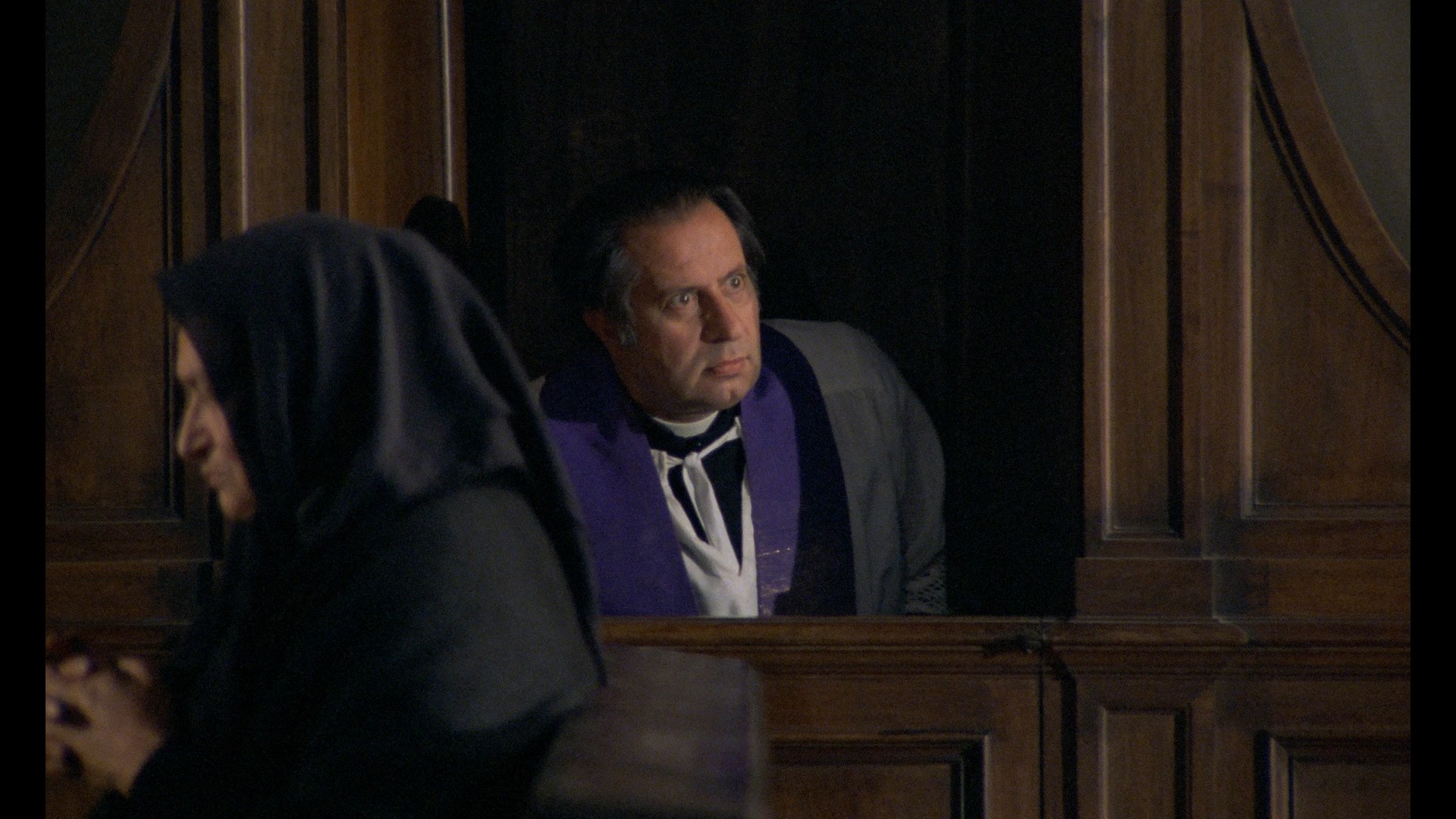
In "Brass’ Talisman" (38m55s), Branciaroli seems very cheerful and relaxed chatting about the differences between theater and film acting, auditioning for this with Ricky Tognazzi, the challenge of shooting a movie in English, his work before this on Private Vices, Public Virtues, the very Catholic Finlay's surprise at the content of the production, the experience of acting naked at length with Sandrelli (but never taking it any further), and more. Also, his Tinto impression is hilarious. "Keyhole Venice" (7m34s) offers a look at the Venetian locations of the film pointing out specific points on maps with a then-and-now comparison accompanied by Morricone's score, with that soundtrack also presented as a 32m5s listening option all by itself. In "Sensuous Morricone" (28m29s), Four Flies Records' Pier Paolo De Sanctis offers a thorough overview of the loosening of cinematic narratives around the time of Morricone's work on Teorema and the often whimsical, unique voice the composer brought to his more "libertine" assignments like this. Also included are the archival 16m52s Brass interview, a 10m14s reel of outtakes of Venetian scenery from principal photography, a poster and lobby card gallery (2m45s), a general and very NSFW Brass photo gallery (2m48s), and trailers for this film, Cheeky!, Frivolous Lola, and All Ladies Do It. An insert booklet is also included featuring Ercolani's essay "Stefania Sandrelli: From Sicily to Venice" charting the star's life and career including the classic Sicilian-set Seduced and Abandoned and other Pietro Germi films, her Bertolucci work, and of course her major comeback with The Key which she remained proud of for very good reason.
Updated review on March 12, 2026