
 between his wildly experimental early '70s films and the notorious, overstuffed Caligula, director Tinto Brass' Salon Kitty proved to be one of his biggest international hits. At first glance it seemed like a particularly lavish and perverse entry in the "Nazi chic"
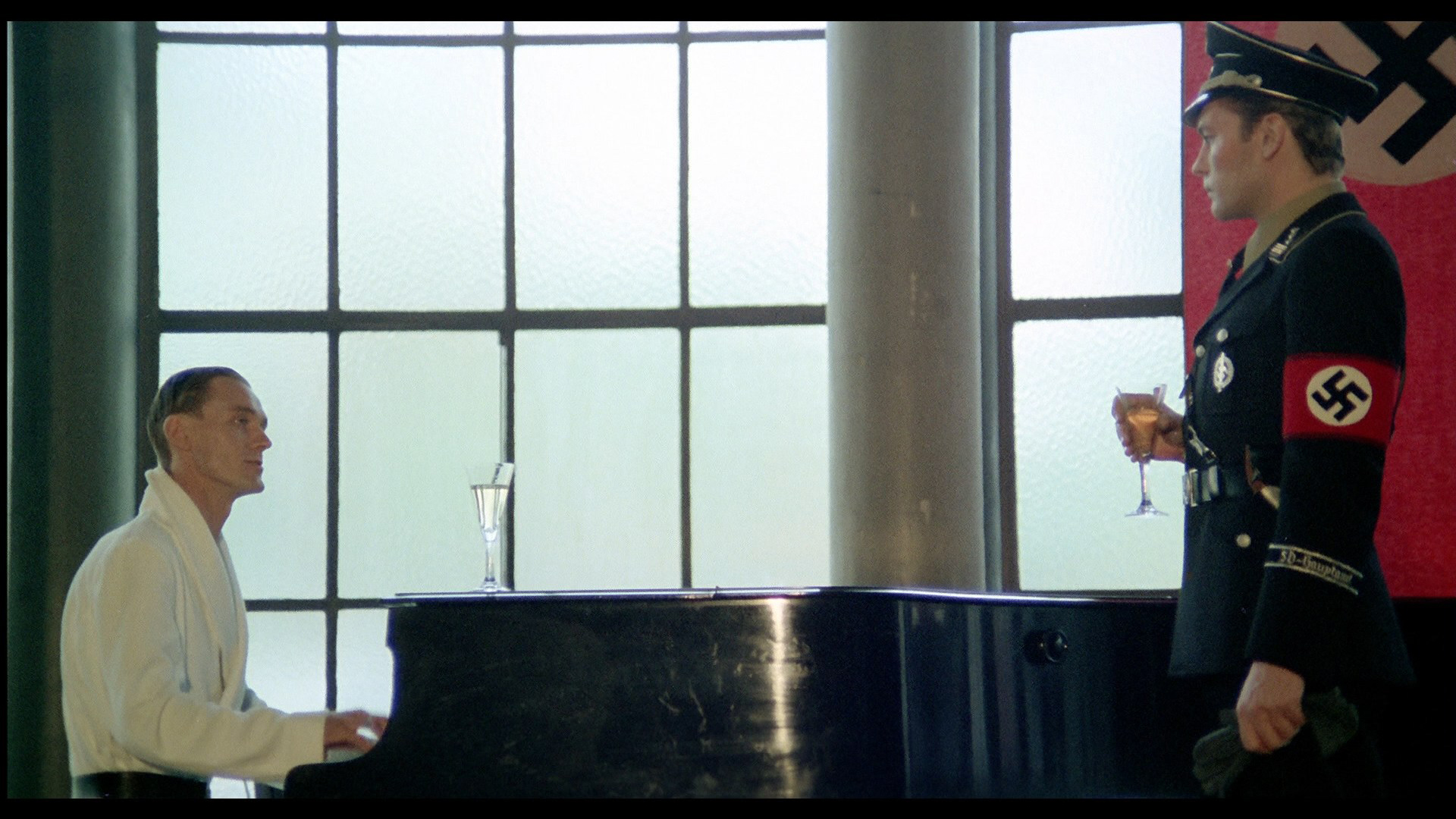
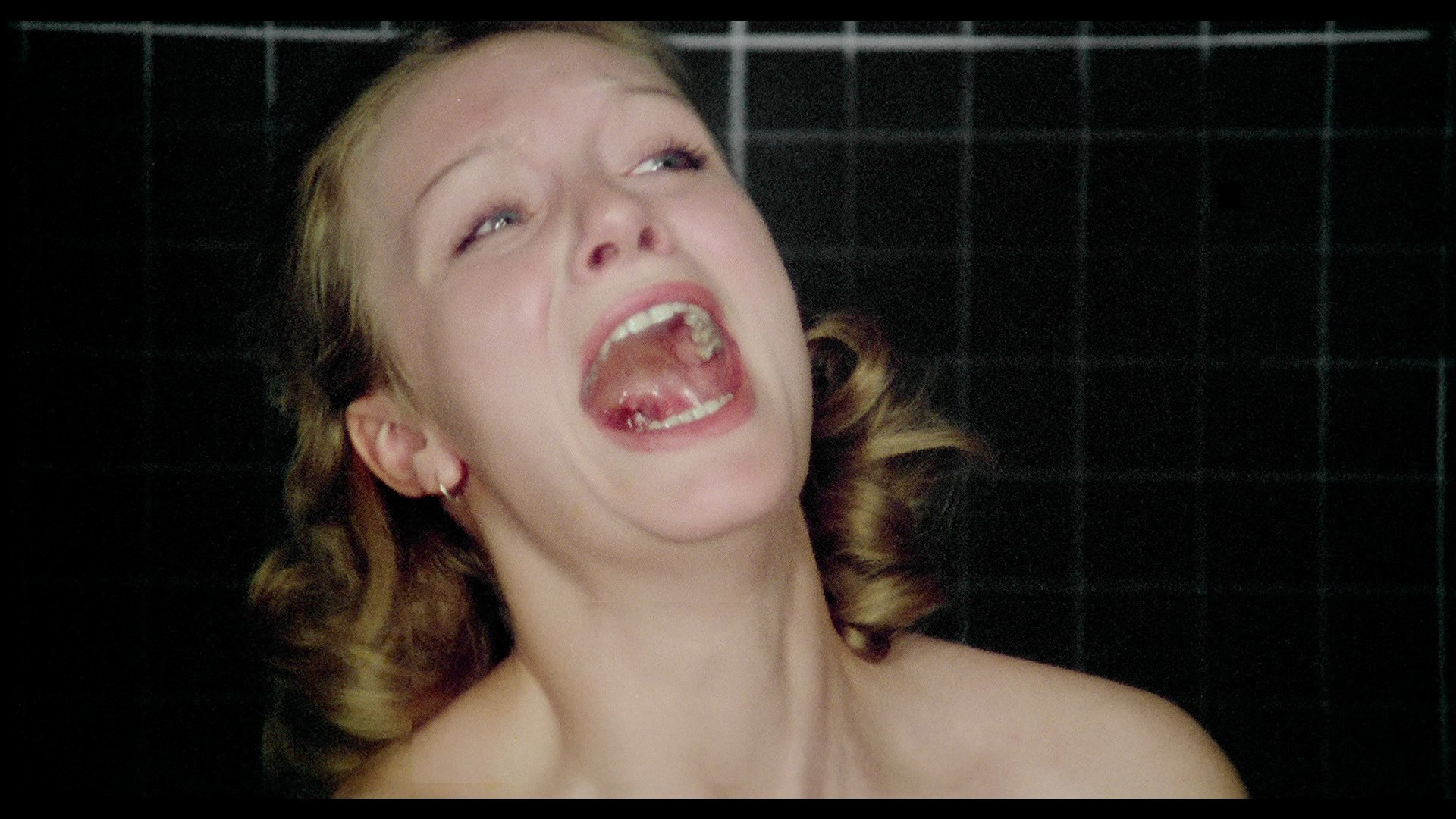
 fad sweeping the world's theater screens, kicking off with Luchino Visconti's The Damned, drawing in mainstream directors for films as wildly diverse as The Garden of the Finzi-Continis and Salo, and reaching its kinky mainstream apex with The Night Porter. Going so far as to cast the Visconti film's cross-dressing fascist protagonist, Helmut Burger, Brass seems to be taunting viewers with the opening half hour of his opus, going right for the gag reflex with a succession of extreme images that vividly set the scene without much of a plot in sight. Decadent cabaret acts, depraved sex involving beautiful women with amputees and dwarves (and The Beast in Heat's leering hairball, Sal Boris), a giant gymnasium orgy with naked Aryan youths running around in front of a film camera, a pig slaughterhouse, and eviscerated corpses of multiple races splayed out on a coroner's slab are just a few of the sights in Brass' deviant cinematic carnival. Fortunately a storyline does actually kick in after the 30 minute mark, and things settle into more of typical Brass groove as he explores the workings of a brothel run by Kitty (Ingmar Bergman regular Thulin). Nazi leader Helmut Wallenberg (Berger) implements a clever plan to load the place up with the most physically alluring Aryan females at hand and, augmented with hidden listening devices, use them as tools to report any dangerous pillow talk from their soldier clients back to headquarters. One of the prettiest of the girls,
 Margherita (Caligula's Savoy), becomes a favorite but has conflicted feelings when she develops an attachment to one of her regulars, who isn't entirely pleased with Hitler's agenda.
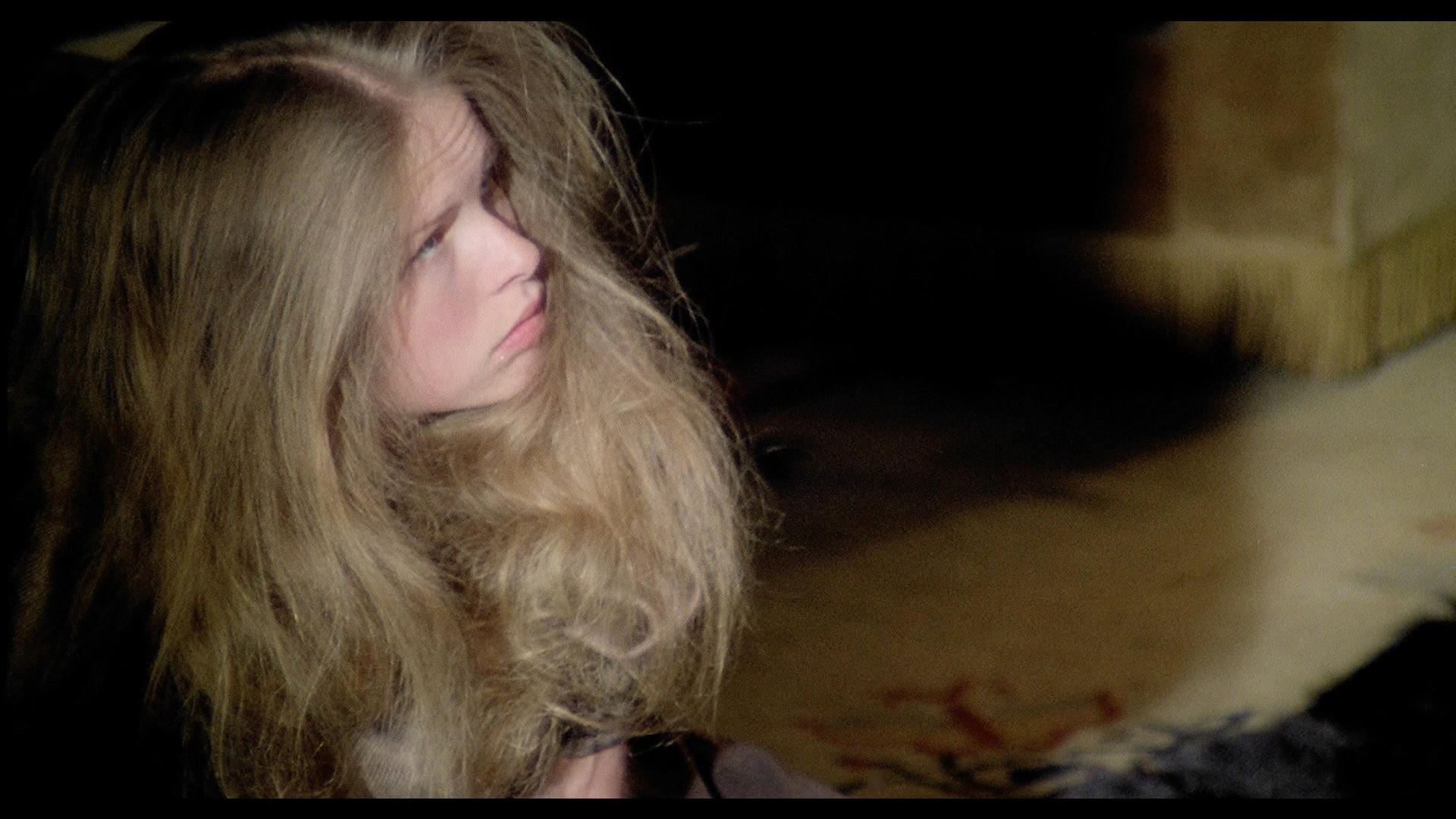
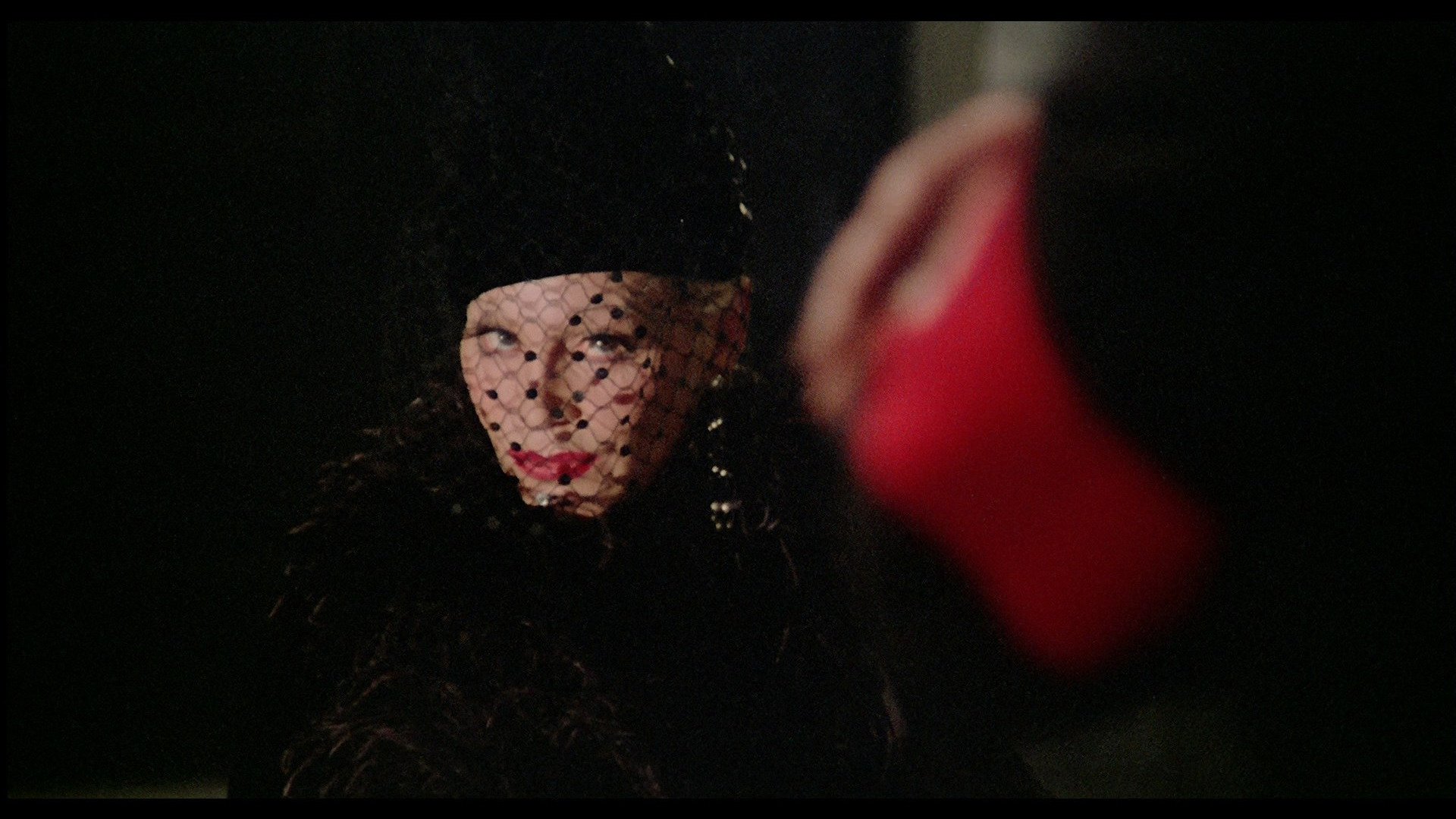
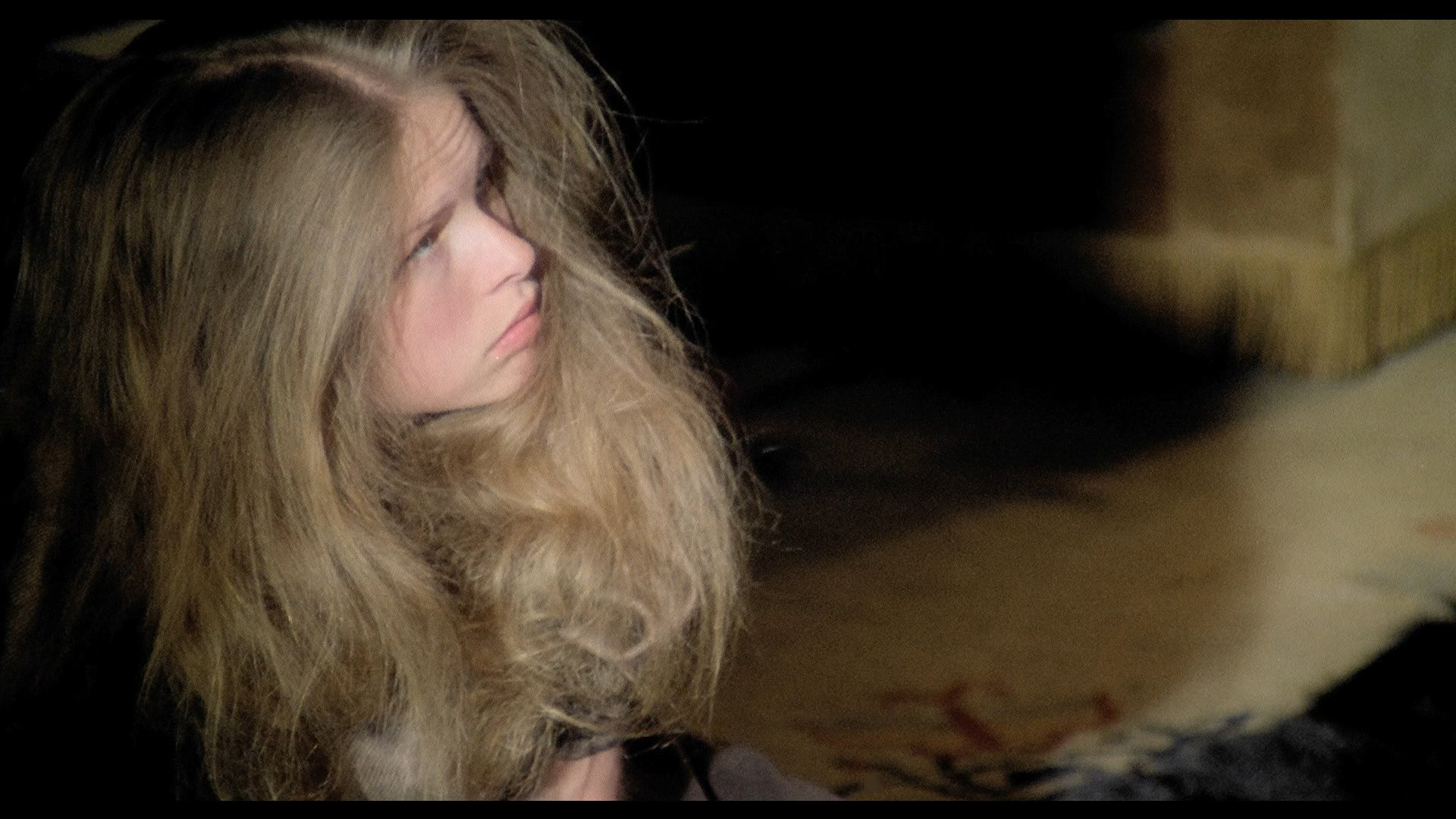
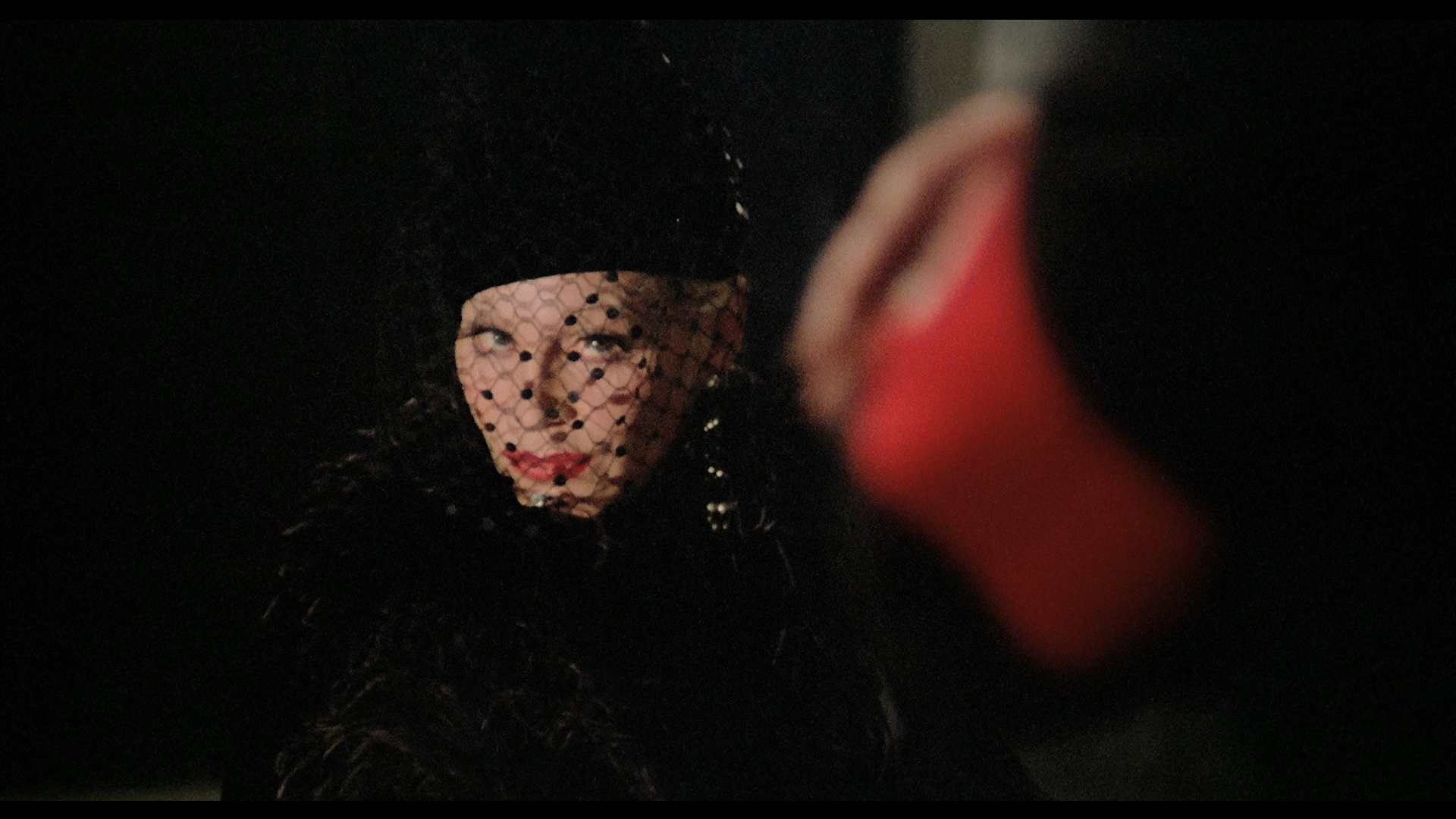
 dismay. One of the biggest problems was the severe cutting imposed on the film, with America in particular getting a gutted 110-minute cut under the title Madam Kitty that still got slapped with an X rating. Not surprisingly, most European countries got edited versions as well with the UK getting a print only slightly longer than the American one. What is unexpected is the nature of the trims; while some of the more explicit shots were indeed lost, the biggest casualty was Brass' anti-fascist message. In particular, the most haunting scene in the film was lopped out in almost every territory as it depicts a young Jewish boy visiting a public aquarium with his family only to encounter a particularly harsh, cold-blooded Nazi woman in the dark. It's a purely symbolic scene without any overt sex or violence, but its chilling distillation of the fascist mindset proved far too much for most censorship boards. As for the early graphic scenes, it's worth noting that most audiences never had the chance to view them in their proper context; the succession of "perfect" Aryan coupling, "deviant" experiments, and butcher shop procedures make an unsettling point about an organized fascist plan to use the "meat" at its disposal for personal gain at any price.
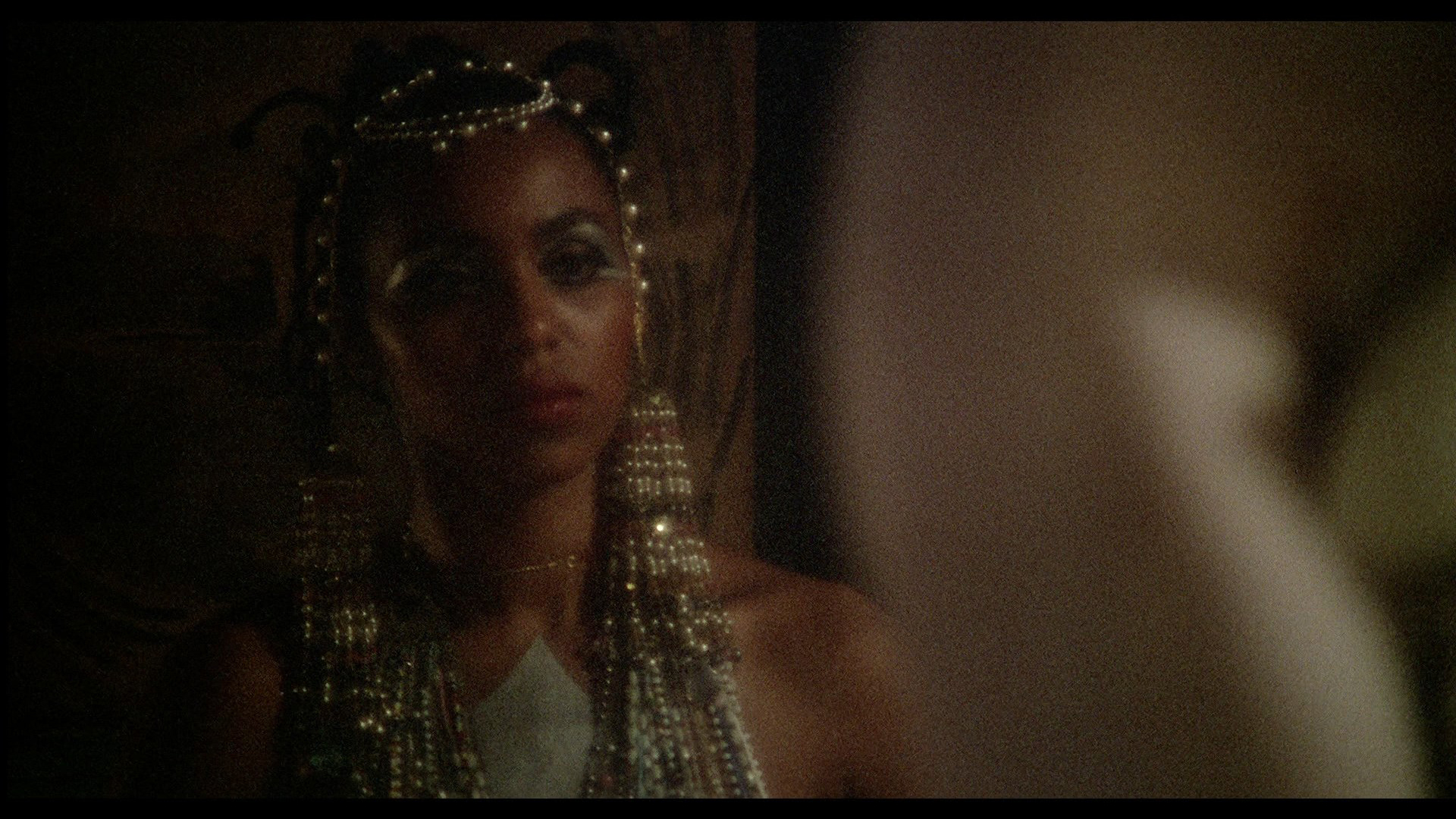
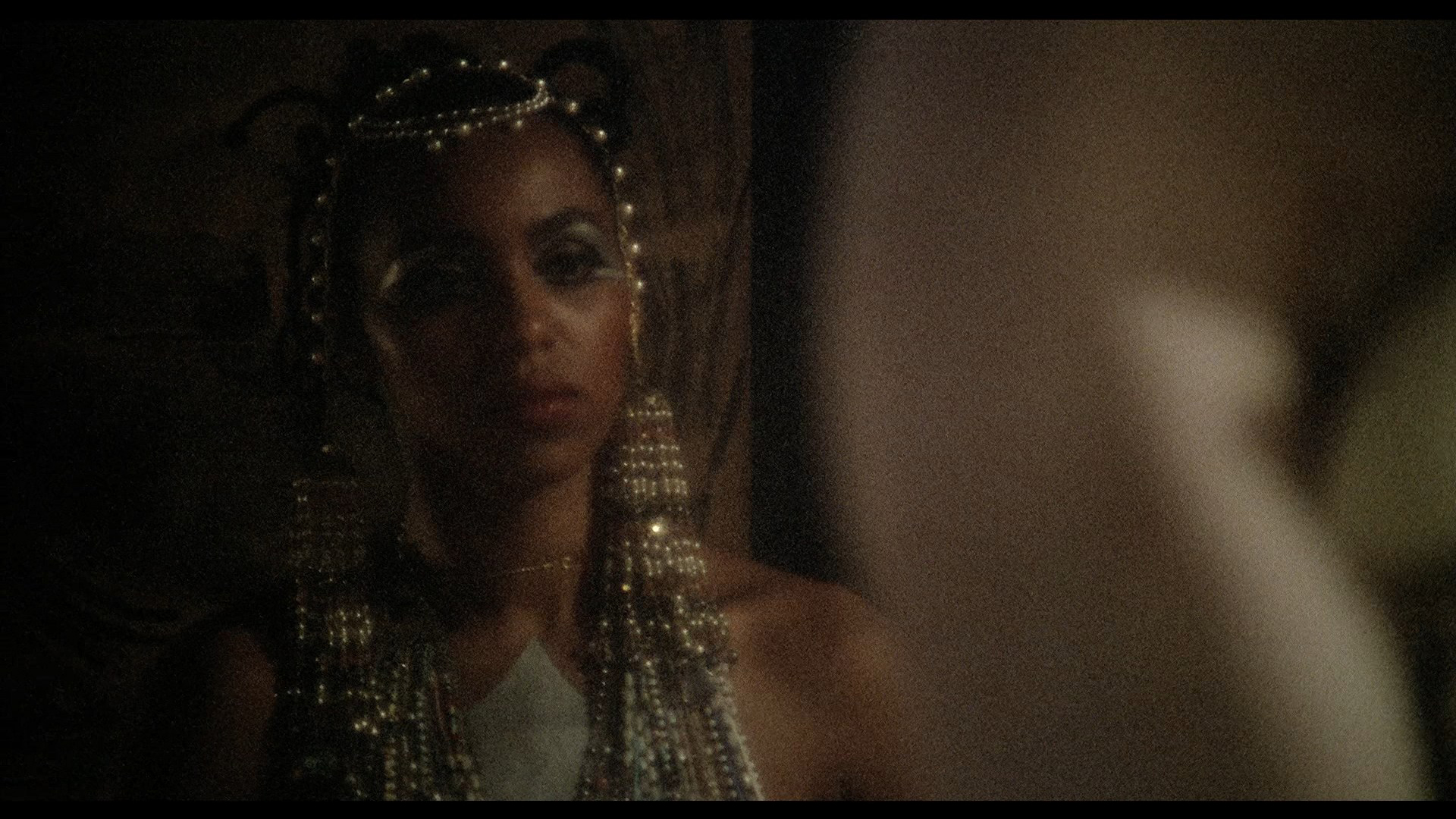
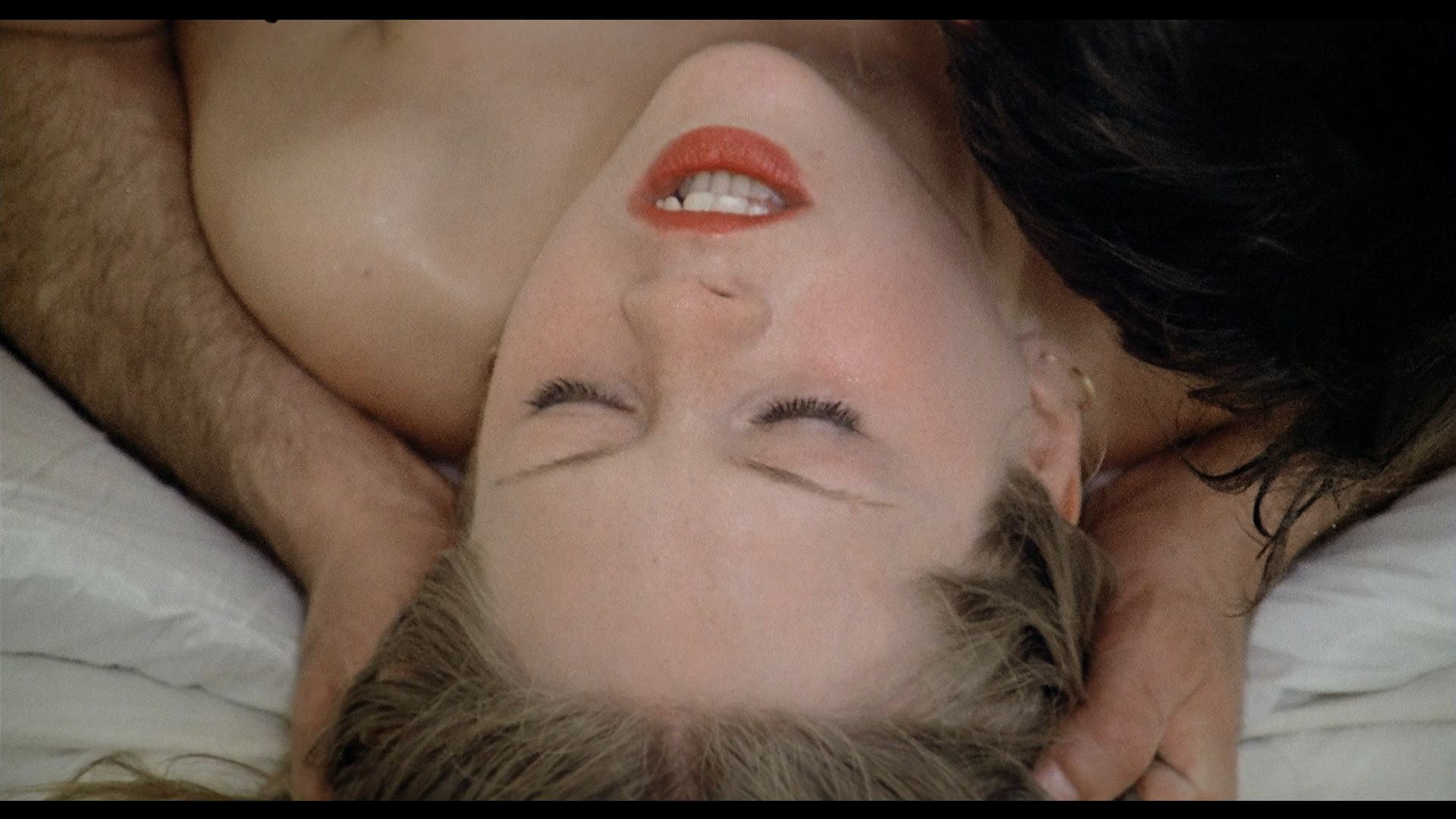 series of striking designs, with Kitty's colorful parlor and Margherita's mirror-lined boudoir (shades of Camille 2000) just a few of the visual highlights. Regular Brass composer Fiorenzo Carpi also supplies an evocative,
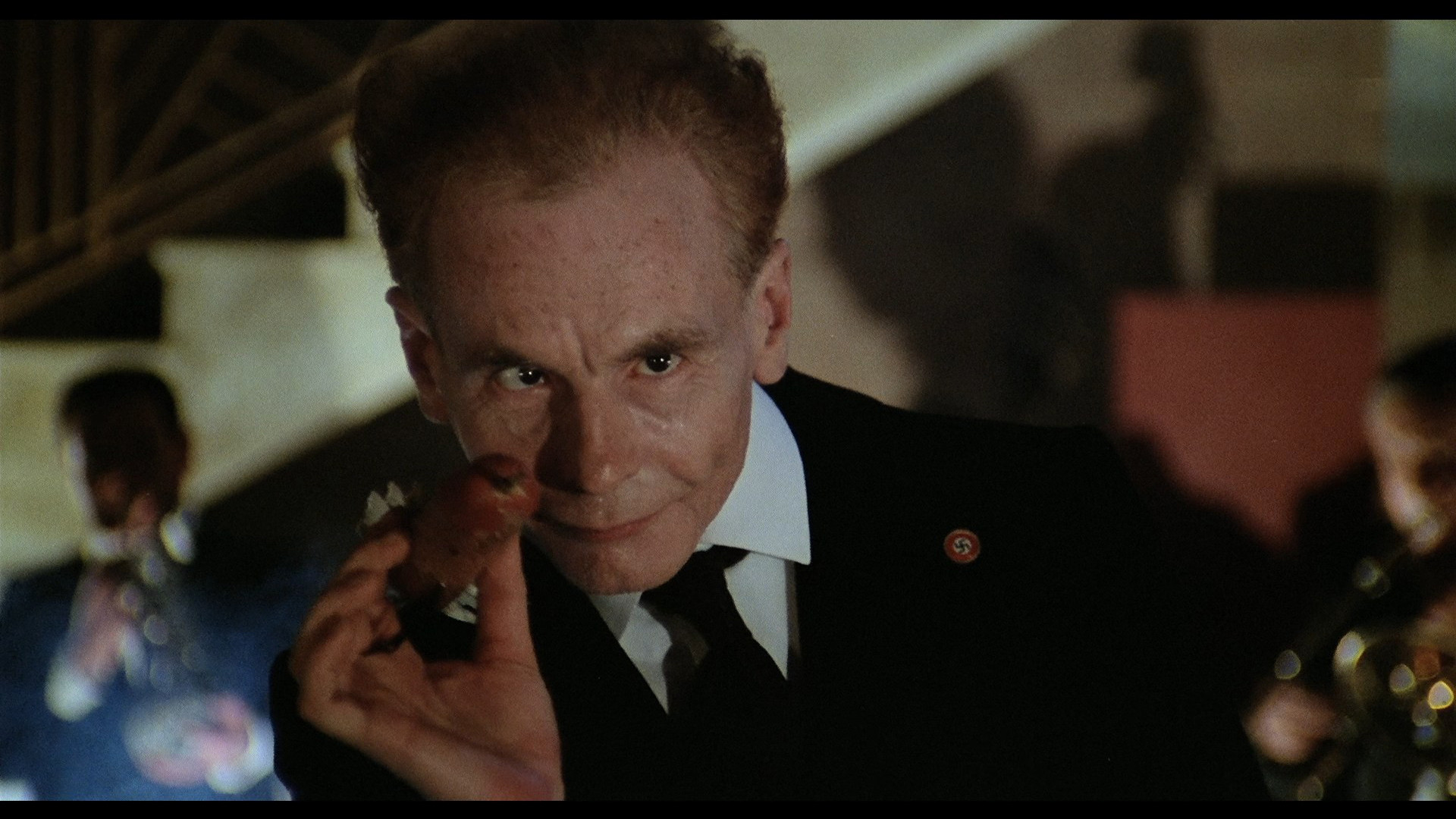 period-specific soundtrack, with Basket Case 2's Annie Ross of all people supplying Thulin's vocals. None of the actors really get to exhibit an emotion beyond "ice cold," but Savoy is gorgeous and surprisingly alluring here given her notoriously flat performance to come in Caligula. Apart from Thulin, none of the well-known cast members are shy about shedding their clothes either; while Savoy gets the bulk of the film's exposure, you also get flashed by Tina Aumont (also in Torso and Brass' The Howl) in a sultry lesbian grope on a couch, Eaten Alive's Paola Senatore, the typically exhibitionistic Berger, and even Tenebrae's John Steiner.
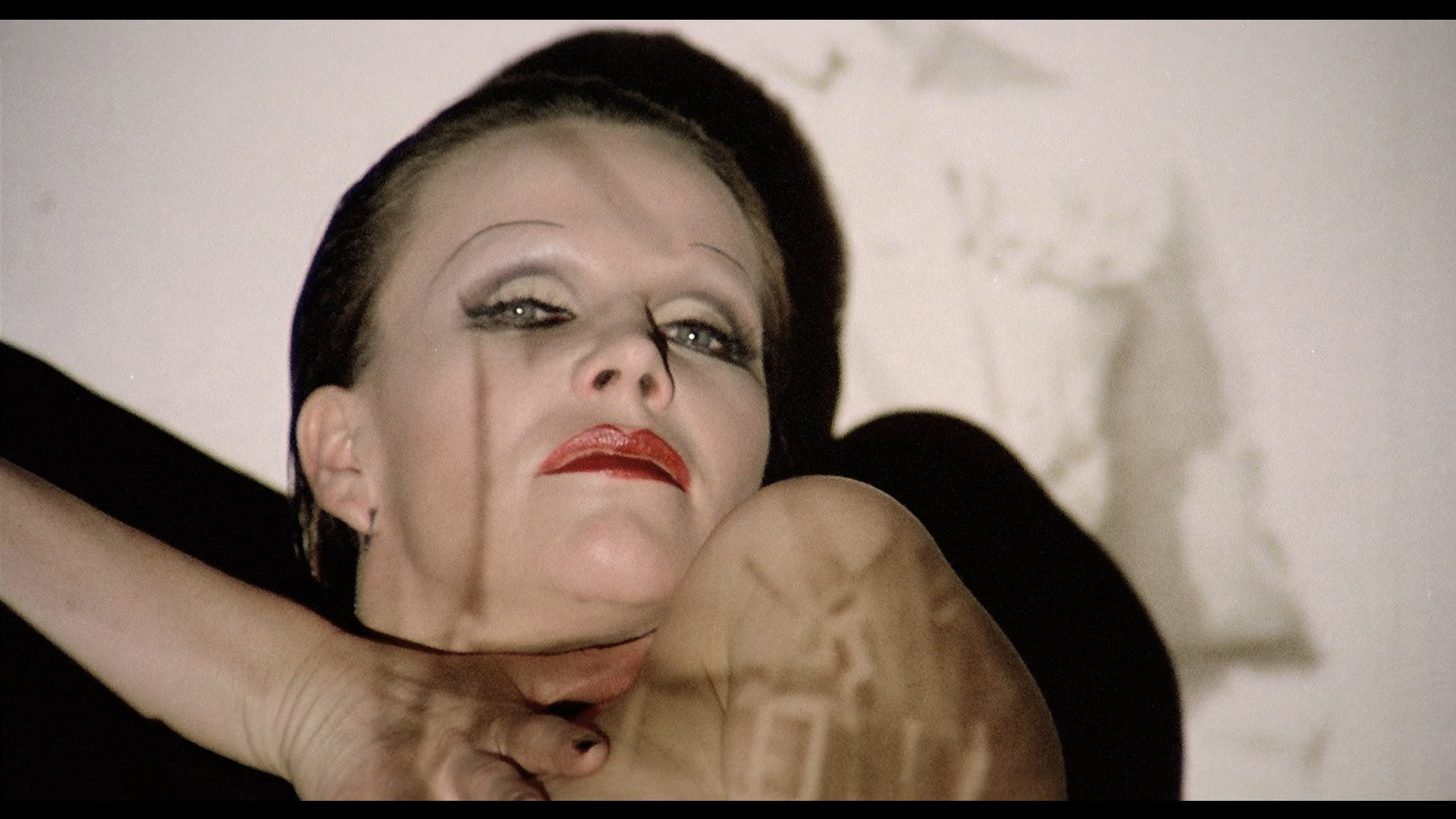 experience to endure for over two hours. French and Spanish subtitles are also included.
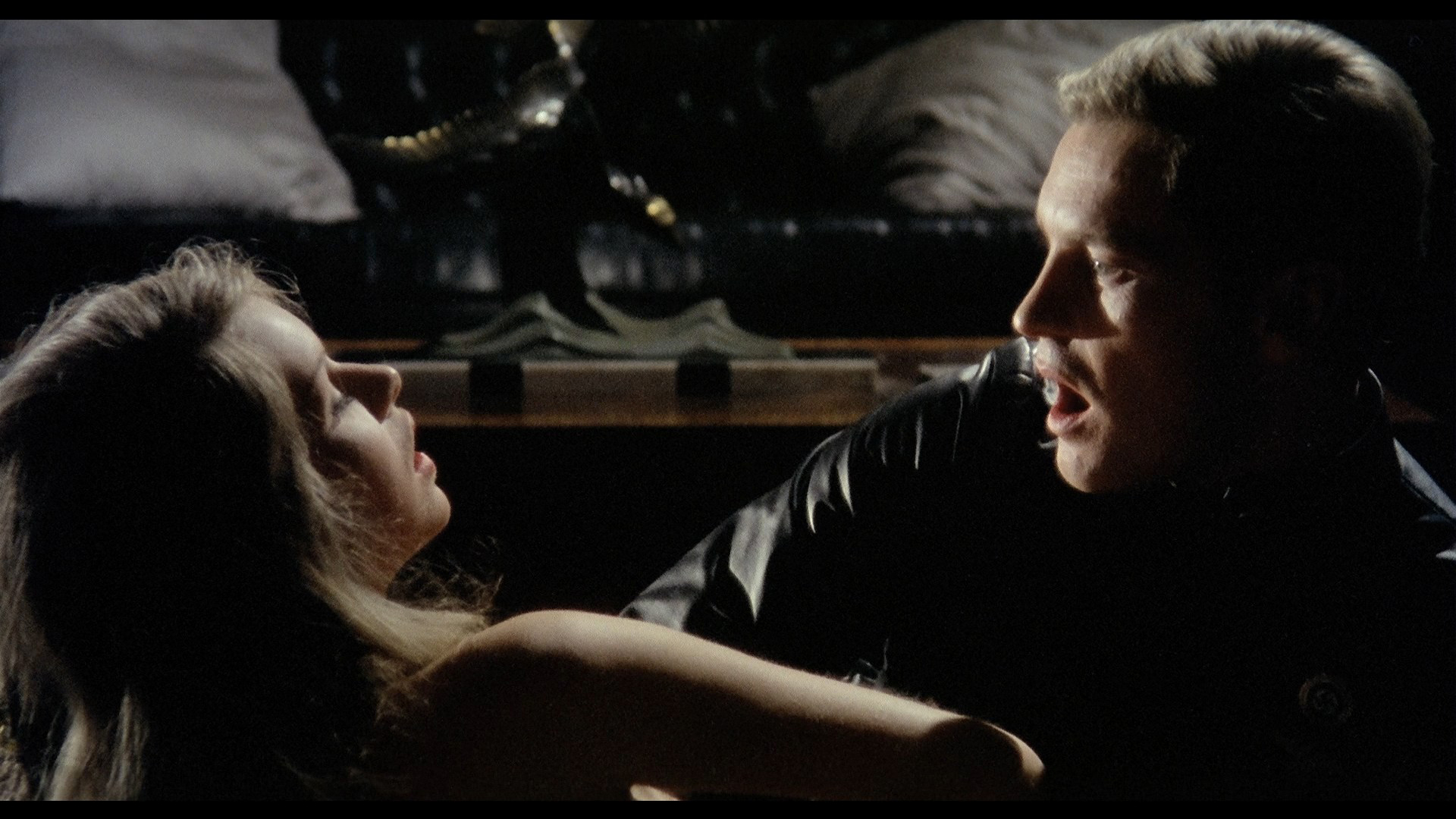 Adam who looks back fondly on Brass and the film itself. Both versions are now discontinued, though the single-disc DVD can still be had for a decent price. A subsequent UK release from Argento carries over the uncut transfer and the Brass interview.
Cult Films
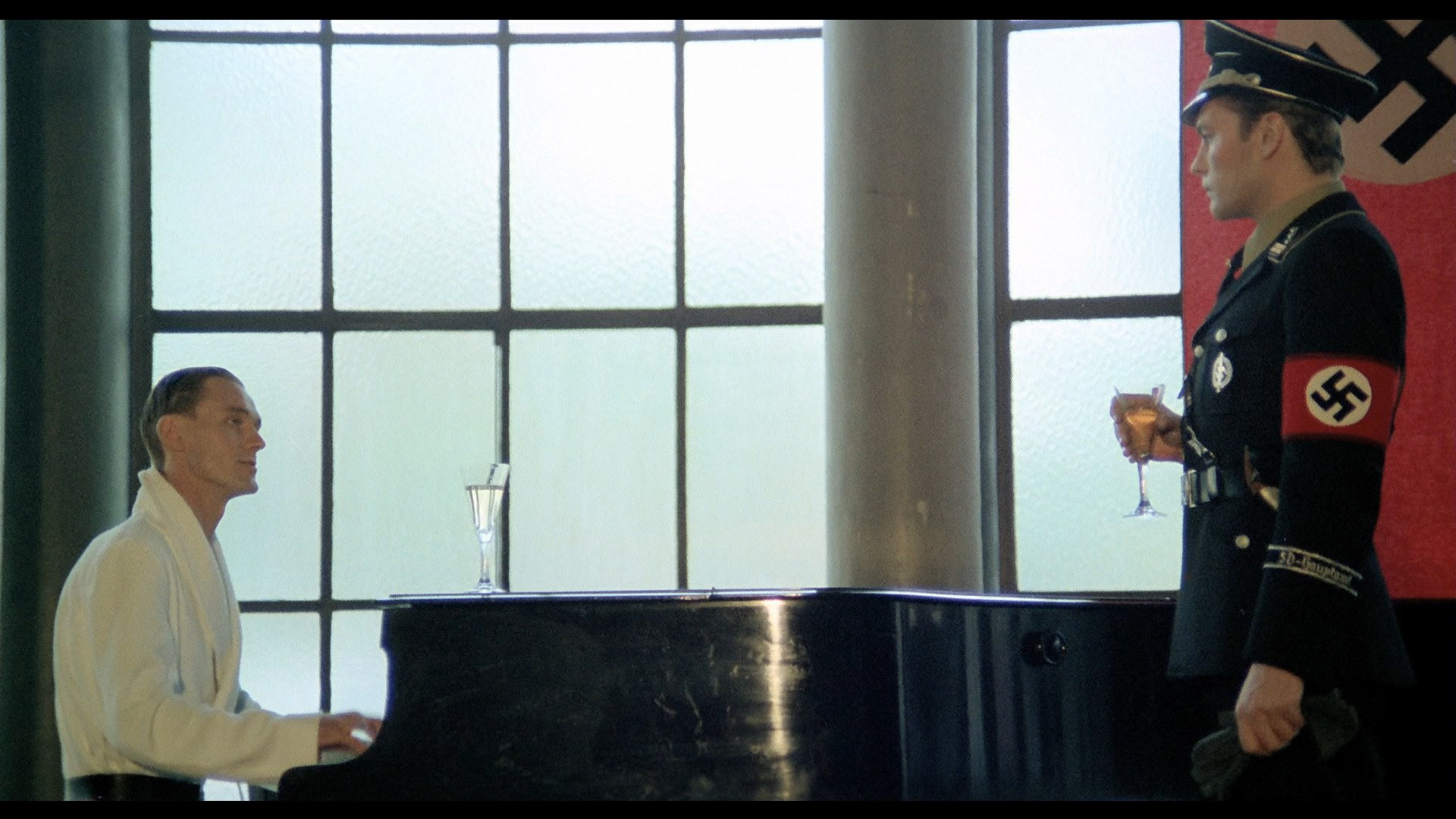
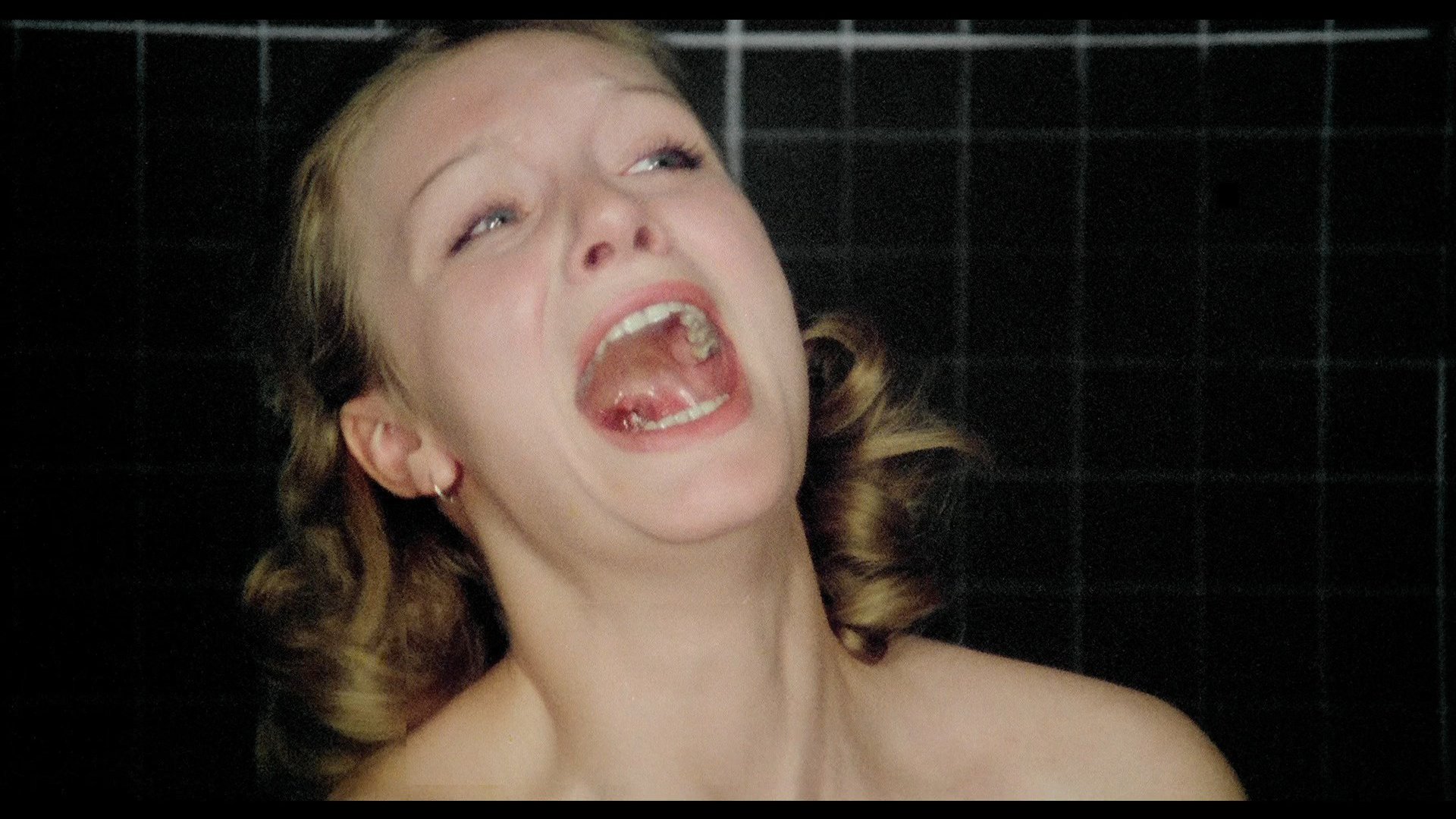
Blue Underground