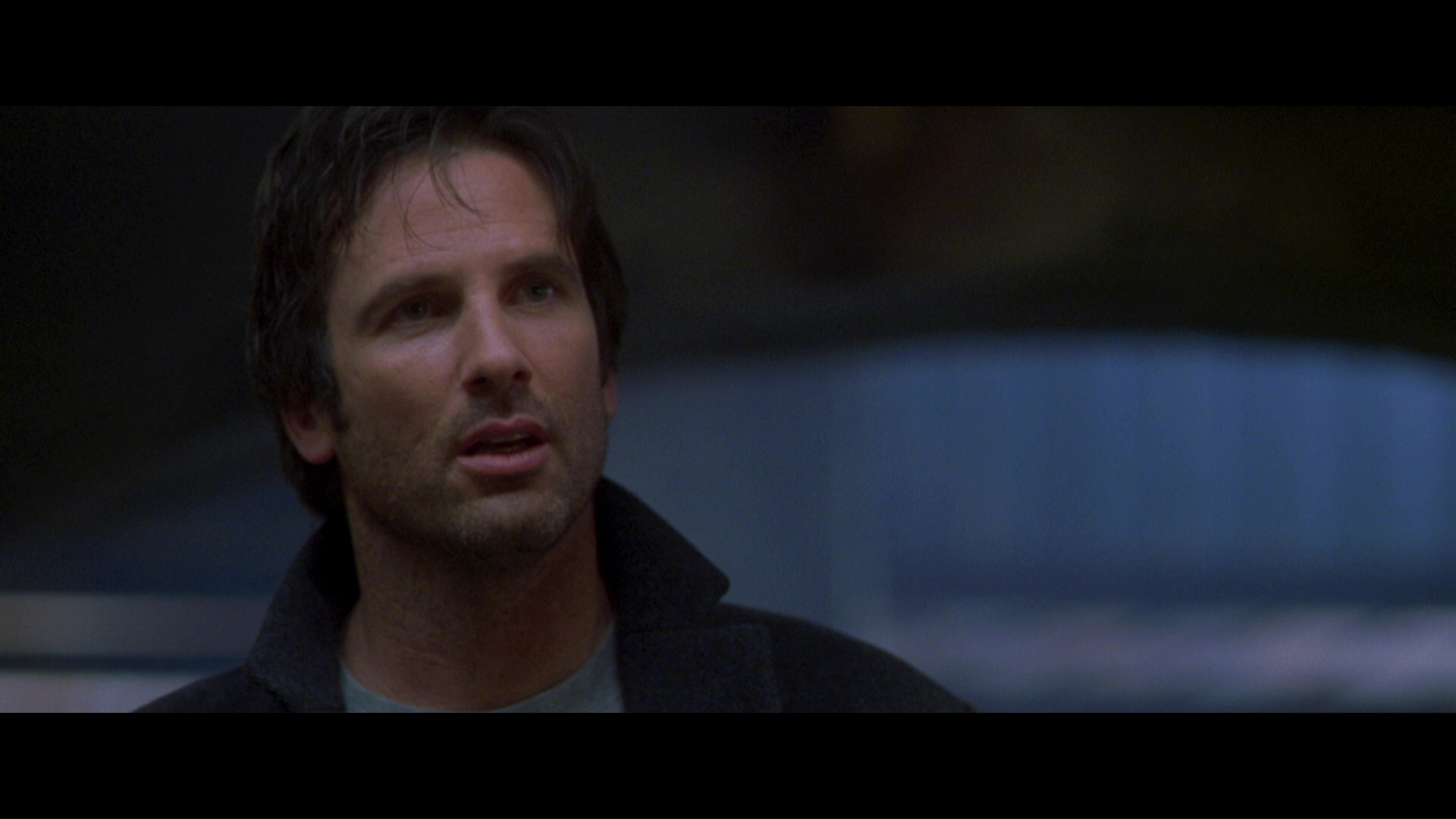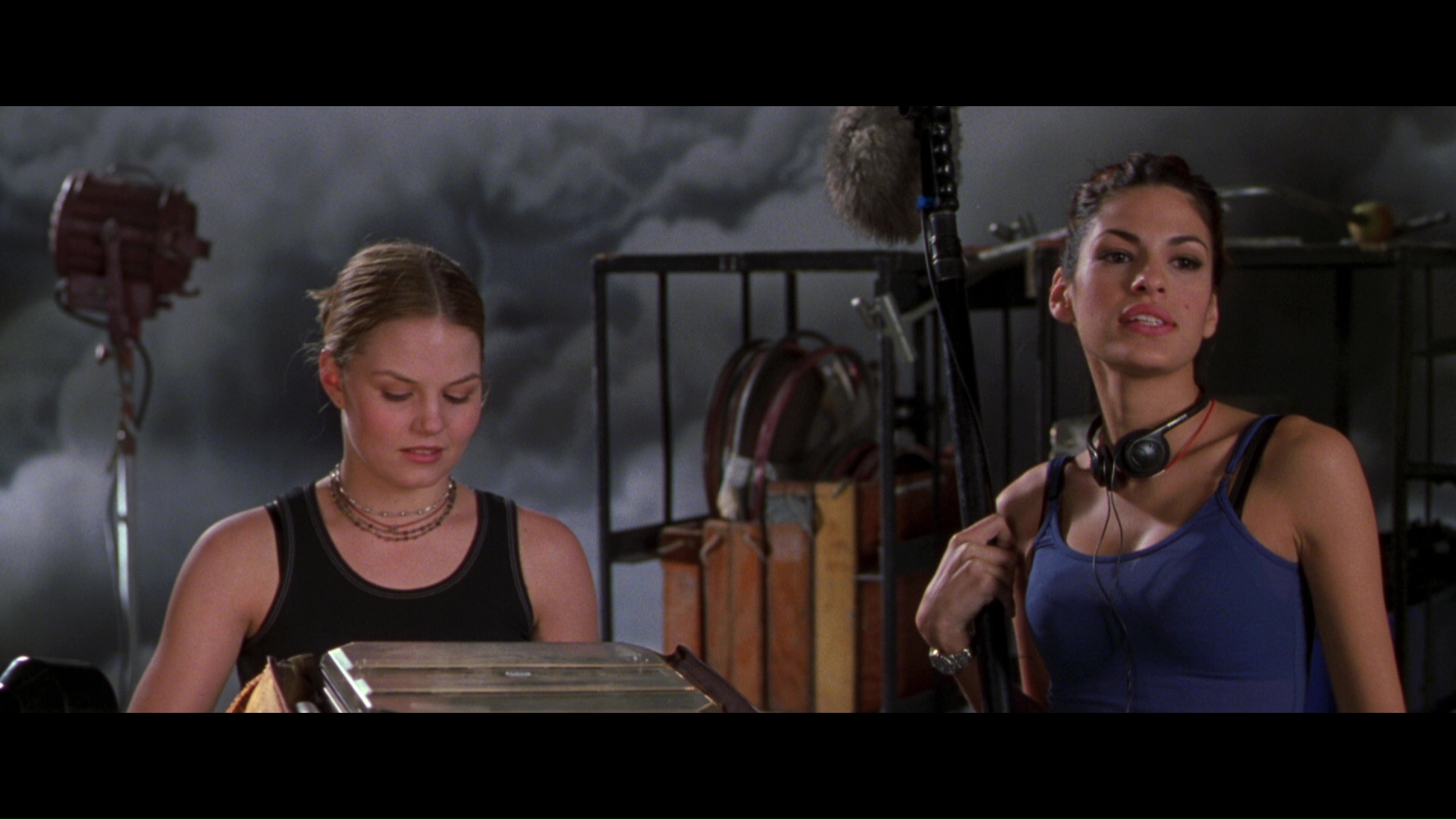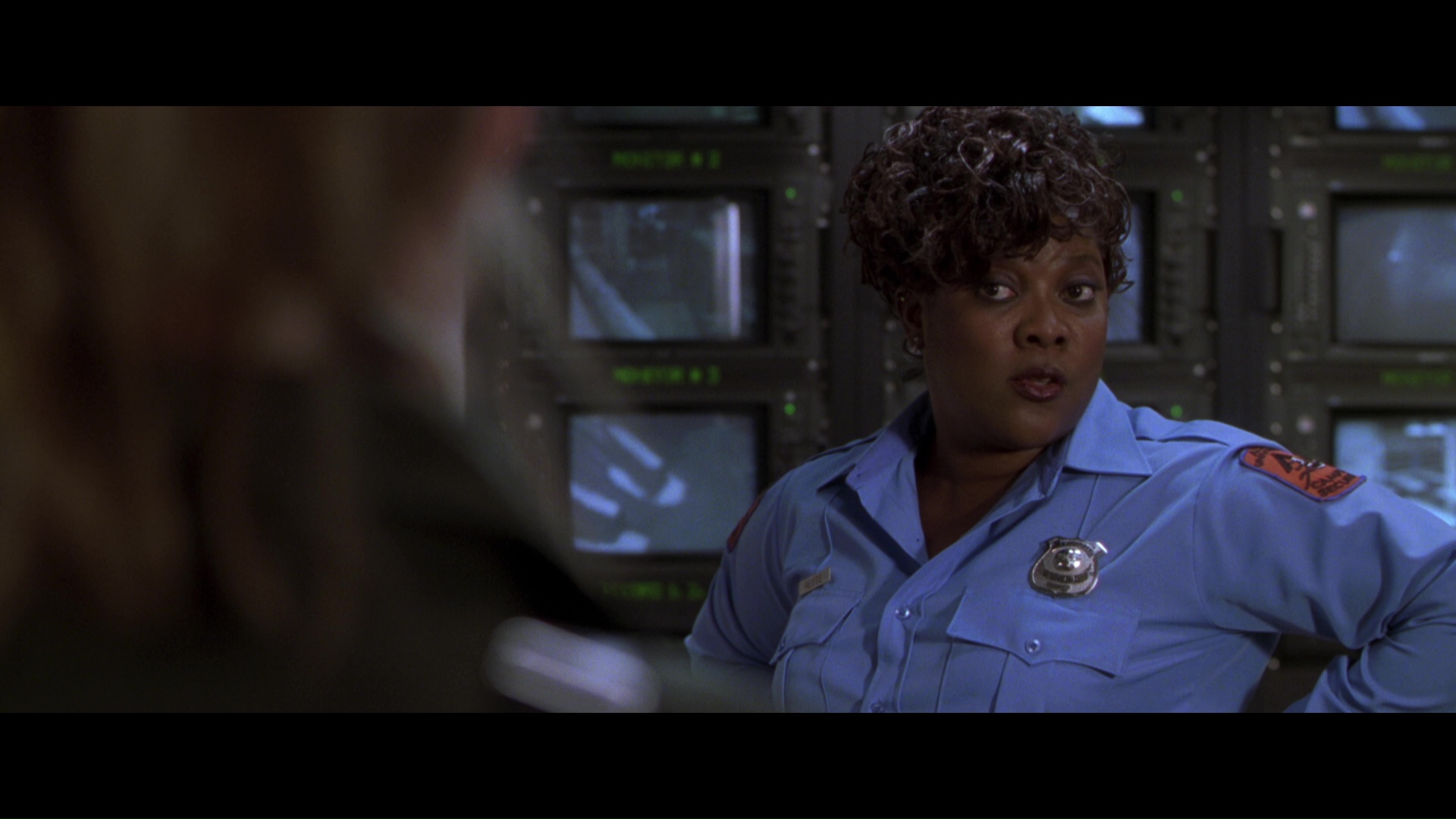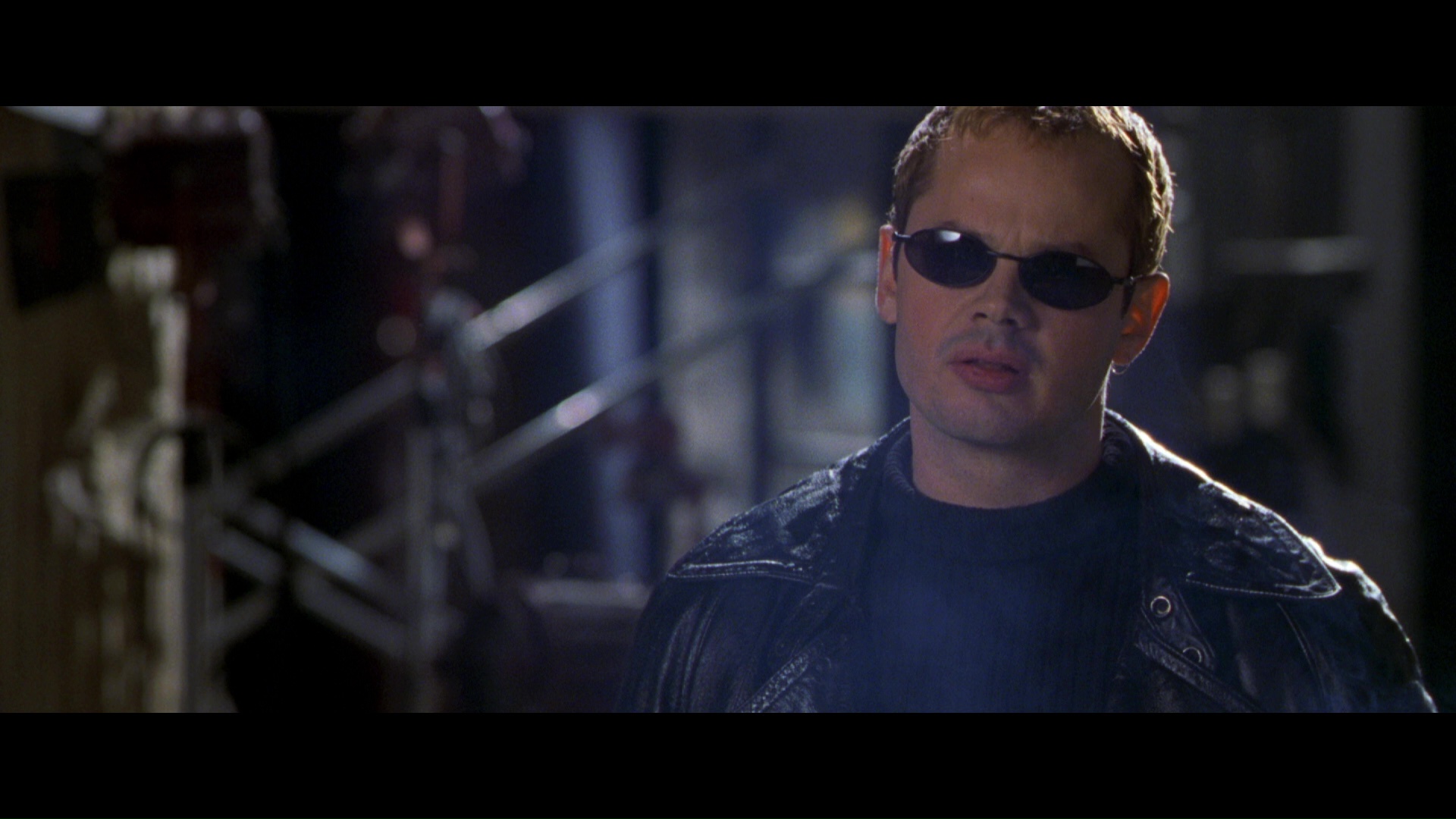
URBAN LEGEND
Color, 1998, 99 mins. 38 secs.
Directed by Jamie Blanks
Starring Jared Leto, Alicia Witt, Rebecca Gayheart, Michael Rosenbaum, Loretta Devine, Joshua Jackson, Tara Reid, John Neville, Robert Englund, Danielle Harris, Natasha Gregsoon Wagner
88 Films (Blu-ray) (UK RB HD), Scream Factory (Blu-ray) (US RA HD), Sony (Blu-ray & DVD) (US R0 HD/NTSC), Via Vision (Blu-ray) (Australia R0 HD) / WS (2.35:1) (16:9)
URBAN LEGENDS: FINAL CUT
Color, 2000, 98 mins. 21 secs.
Directed by John Ottman
Starring Jennifer Morrison, Matthew Davis, Hart Bochner, Loretta Devine, Joey Lawrence, Anson Mount, Eva Mendes, Jessica Cauffiel, Anthony Anderson, Michael Bacall, Marco Hofschneider, Jacinda Barrett
88 Films (Blu-ray) (UK RB HD), Scream Factory (Blu-ray) (US RA HD), Sony (DVD) (US NTSC R0), Via Vision (Blu-ray) (Australia R0 HD) / WS (2.35:1) (16:9)
URBAN LEGENDS: BLOODY MARY
Color, 2005, 93 mins. 5 secs.
Directed by Mary Lambert
Starring
Kate Mara, Tina Lifford, Robert Vito, Ed Marinaro, Lillith Fields
88 Films (Blu-ray) (UK RB HD), Sony (DVD) (US NTSC R0), Via Vision (Blu-ray) (Australia R0 HD) / WS (2.35:1) (16:9)
slasher film
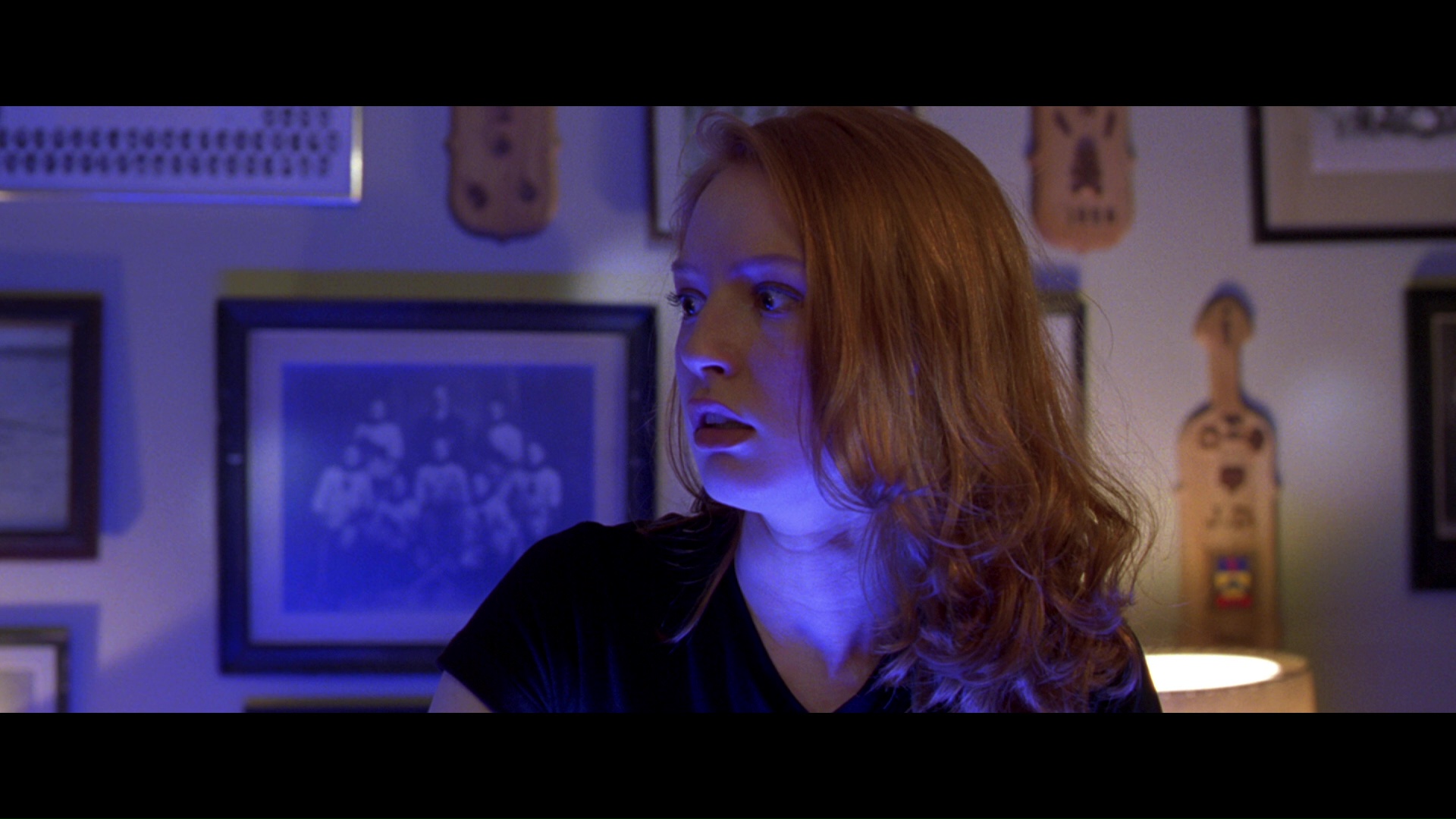
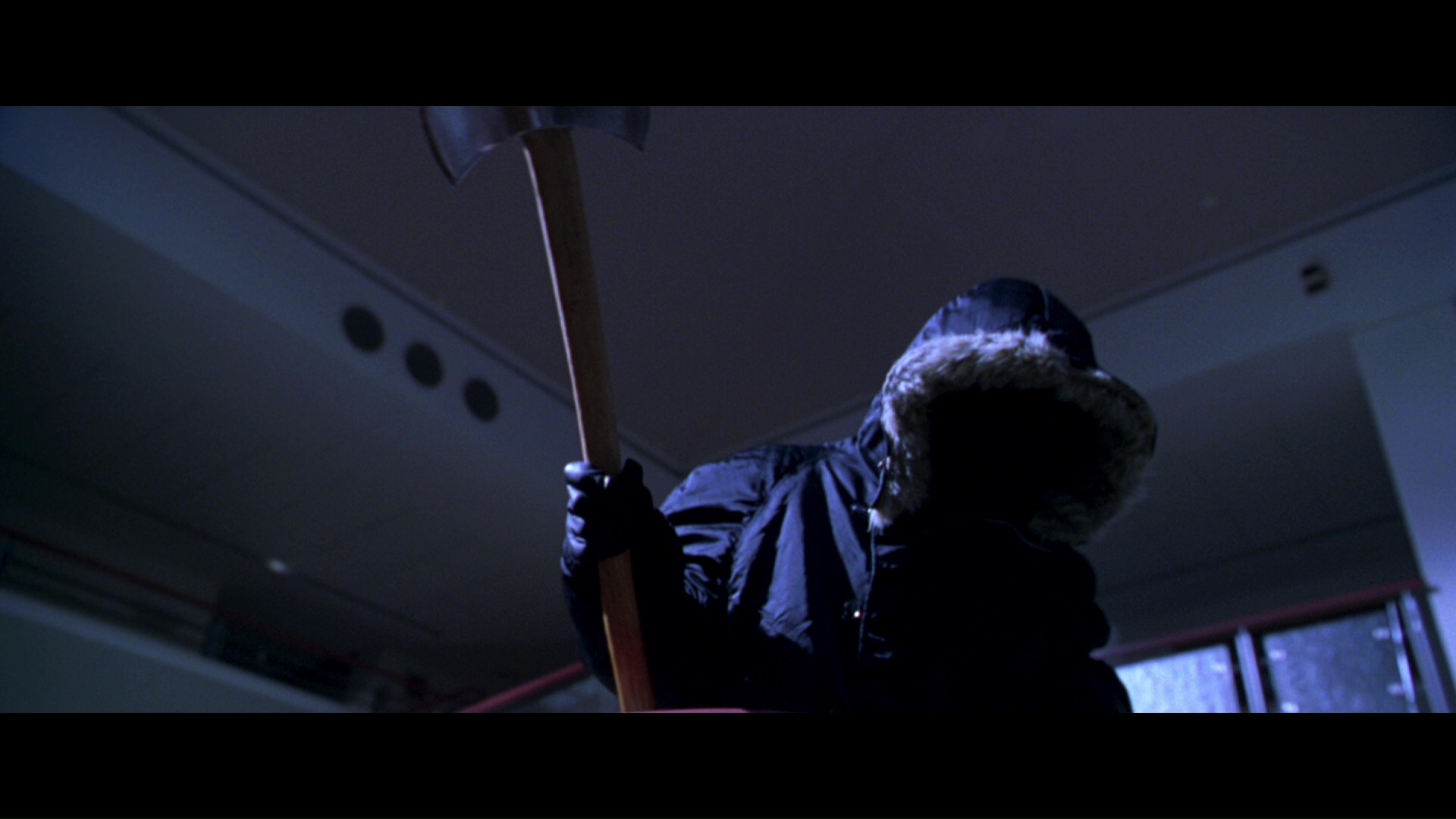
had been written off as dead and gone by the end of the '80s, but everyone was in for a big surprise when Wes Craven's Scream took the world by storm in 1996. Complete with a marquee-worthy cast and a witty, self-reflexive attitude to the stalk-and-slash craze, it ignited a new wave of knife-wielding horror films with uncannily similar posters that filled theaters for the next five years or so. While Dimension Films was busy pumping out Scream sequels and imitators, other studios scrambled to ride the wave as well with Columbia Pictures releasing two of the most successful: I Know What You Did Last Summer in 1997 and Urban Legend in 1998. The latter was the feature debut of a young first-time Australian director, Jamie Blanks, a horror fan who had gotten attention with his striking short film, Silent Number. Production company Phoenix Pictures felt confident enough in his abilities to entrust him with the $15 million production, which turned out to be one of the very best and most visually striking entries in the entire neo-slasher cycle. Blanks' love of the horror genre extended to giving roles to some very welcome faces like Robert Englund, Danielle Harris, and Brad Dourif, and he was soon handed another high-concept slasher project from Warner Bros., the ultimately problem-plagued but underrated Valentine released in 2001. By that point the slasher fever was breaking, and Blanks was back off to Australia where he helmed the excellent Storm Warning and a remake of Long Weekend. Over the next twenty years, Urban Legend continued to
amass a significant fan following, spawned
two sequels (2000's Urban Legends: Final Cut and 2005's unrelated direct-to-video entry, Urban Legends: Bloody Mary), and on its 20th anniversary in 2018, earned a mammoth two-disc Scream Factory special edition that easily outranked the treatment given to any of its peers. An expanded version of that same presentation would go on to join its two sequels in a lavish UK set from 88 Films, which means you get to enjoy the definitive releases of the series on either side of the pond.
slasher film in the classic style (though it avoids nudity and has very little sex, in keeping with tastes of the
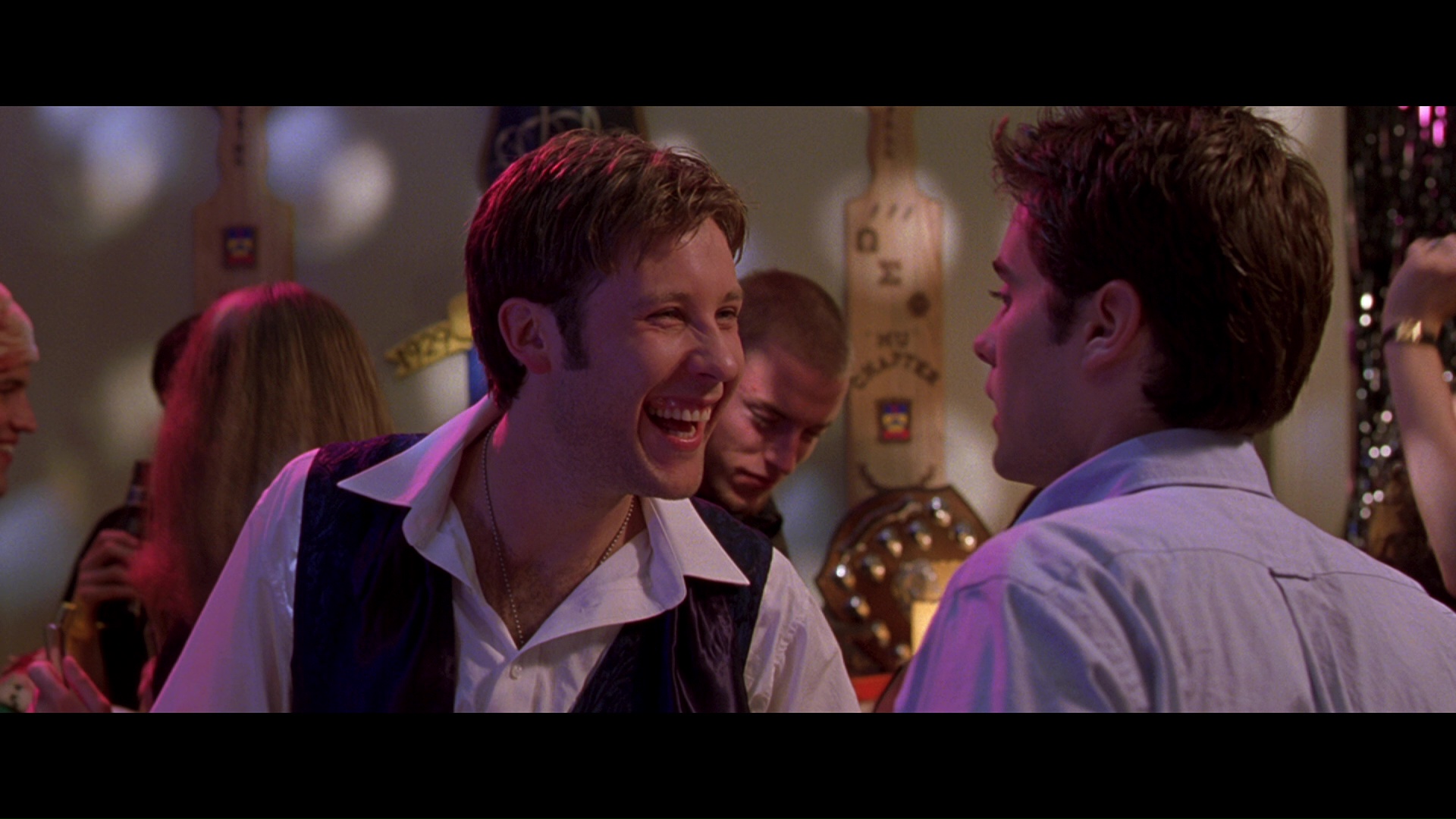
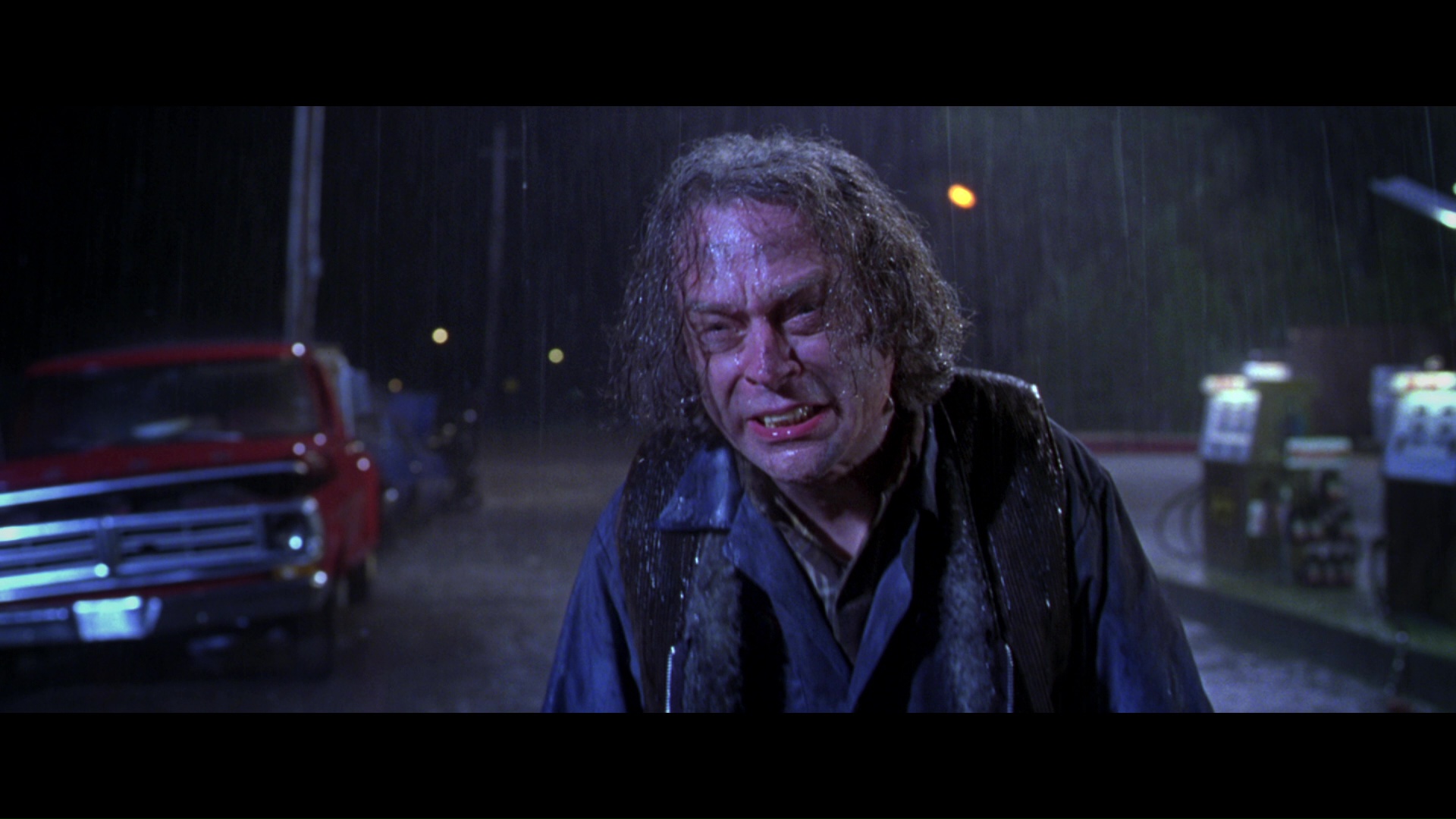
era). It's an impeccably mounted film with stylish and colorful scope photography, an energetic score by Christopher Young (Hellraiser) including a haunting theme inspired by his earlier work on Dream Lover, and a slew of appealing performances from the cast with everyone really getting into the right spirit. The biggest MVP is the cast member playing the killer, whose climactic "why I did it" speech is an outrageous highlight and one of the greatest in the entire genre; to say any more about it would spoil the fun. Unlike I Know What You Did, this film also plays fair with its audience by sticking to the rules it sets up and delivering an unmasking that's built on what's come before and makes sense, albeit in a grandiose and wonderfully absurd sort of way.
impressing everyone right out of the gate. A behind-the-scenes featurette (10m9s) is also included showing Young at work, a deleted (long) comic sex scene with Reid and Rosenbaum, and the creation of an automotive death scene. The same disc was later included in a three-disc Australian set of the entire trilogy, and it's the same right down to the Sony label itself.
However, the stakes were definitely raised with the Scream Factory two-disc Blu-ray set, which comes with a slipcase and, for the first 750 orders directly from the company, a poster of the new cover art. The transfer itself is identical to the earlier one, which is fine since that one still holds up extremely well; however, there is a very faint rolling pattern that can be spotted to varying degrees depending on the type of monitor or screen you're using, though most probably won't notice it. The usual DTS-HD MA English 5.1 mix is also featured along with the original commentary track. (English SDH subtitles are also included.) A new addition here is an audio commentary with Blanks, producer Michael McDonnell, and director's assistant Edgar Pablos, moderated by Crystal Lake Memories author Peter M. Bracke. The tone here is much more production oriented and tonally different since it's looking back from a considerable distance of time, with everyone very enthused about revisiting the film. What's interesting is that the track was recorded at the same time as the assembling of the rest of the special features (over twenty participants, some barely caught before they would have become unavailable), so it's also a warm account of how this entire edition came together. The theatrical trailer is also included. 
Medavoy and creative executive Nick Osborne, director of photography James Chressanthis, editor Jay Cassidy, and production designer Charles Breen. Among the highlights are riotous clips of Blanks' very gory early films, a funny in-joke involving the school crest, the profane finale of John Neville's last day of shooting as the ill-fated dean, memories of the premiere in Westwood, Harris's foot injury that posed an issue with her big scene, Leto's overzealous running skills just after shooting Prefontaine, the logistics of Reid's harrowing stairwell
scene (which actually looks even scarier in the production footage), and a hilarious prank anecdote by Witt about a makeup person who turned out to be a huge fan of the film. Extra props for using that familiar Albertus font, too. After that you get two extra batches of extended interviews (39m44s and 33m46s) with Young, Englund, Rosenbaum, Pablos, McDonell, Harris, Matthews, and Chressanthis. After that it's three big chunks of behind-the-scenes footage from the shoot in chronological order (17m,16m20s, and 20m40s), including coverage of several major death scenes, an awesome bit with Brad Dourif reprising a dramatic moment from Child's Play in front of the gas station, casual chats with the cast between takes, and a fun peek at making priceless climactic showdown. Also included are the archival featurette, a reprise of that deleted sex scene (2m40s) but this time without timecode, four TV spots (1m36s), and a brief gag reel (2m14s).
sequel that caused
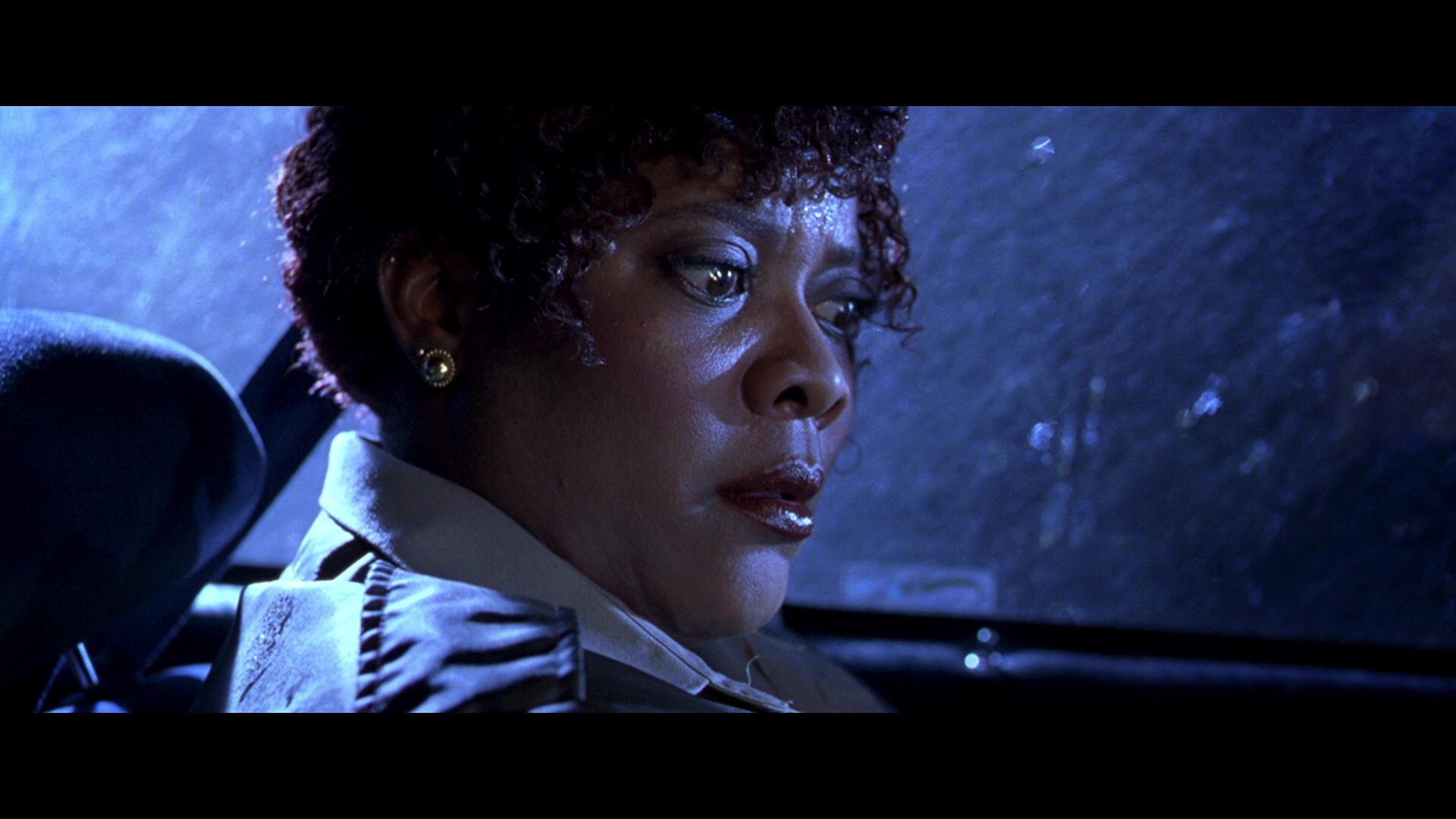
more than a bit of head scratching when it was first announced, Urban Legends: Final Cut was clearly intended to be the next step in a franchise to compete with Scream (whose third installment also opened in 2000) and the ongoing Chucky and Final Destination series. However, this entry had a few unexpected wrinkles that made it more intriguing than the average slasher film, namely following a different set of characters (apart from a welcome return appearance by a promoted Loretta Devine and a fun last minute cameo at the end) and handing directorial reins to John Ottman. A multitasker best known for editing and scoring almost all of Bryan Singer's films all the way back to their debut, Public Access, Ottman performed multiple duties on this film as well; though it would prove to be his only directorial feature, Final Cut acquitted itself honorably enough and would go on to spawn a third, direct-to-video entry from Mary Lambert, the unconnected Urban Legends: Bloody Mary.
based on famous
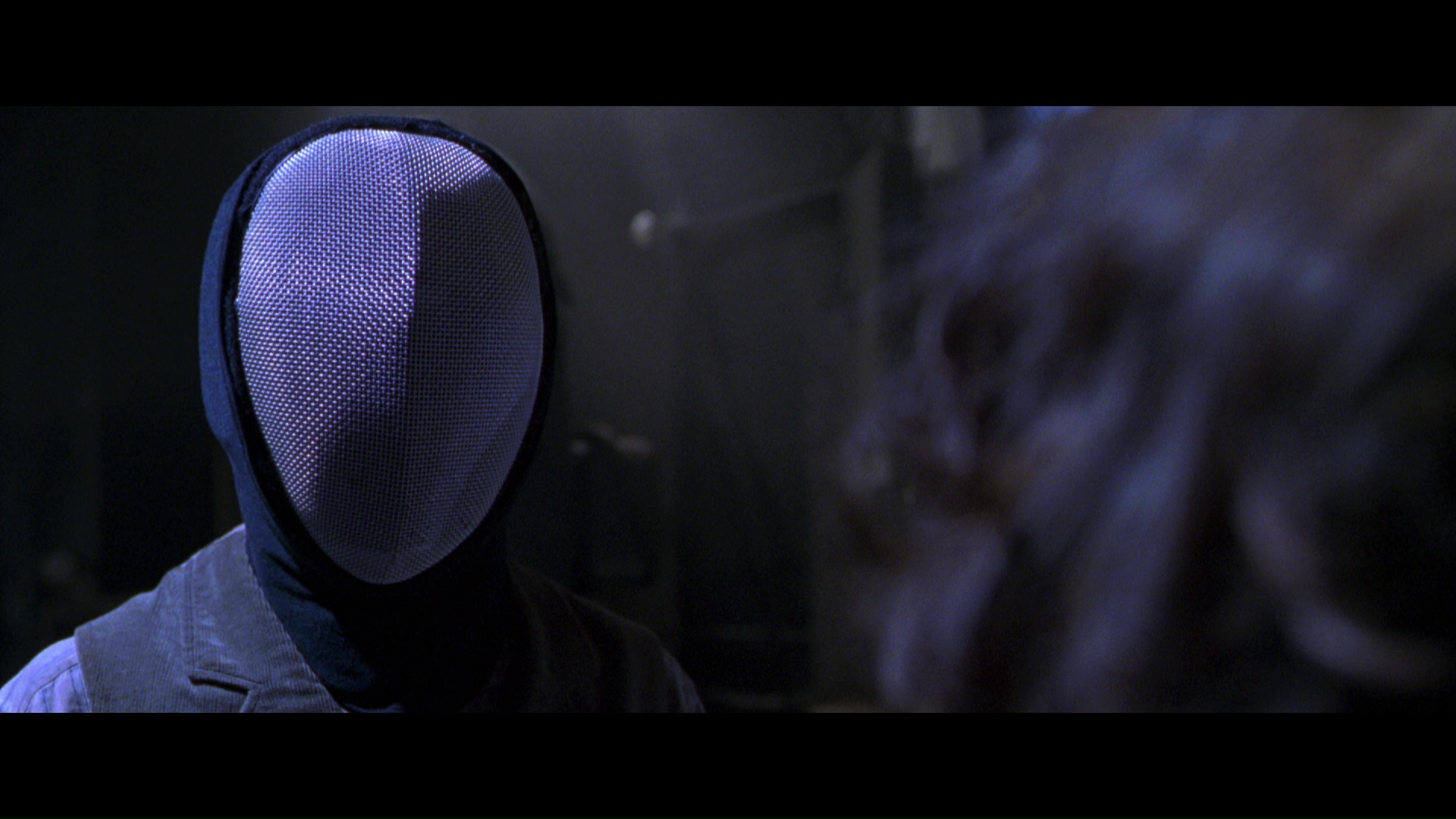
urban legends. A nasty spat involving plagiarism accusations results in a crew shakeup, but even worse, a maniac wearing a fencing mask is starting to kill off the students using the urban legend idea in real life.
and notes
significant editing and production issues along the way), a batch of deleted character development scenes (8m29s), an EPK-style featurette (3m35s), a gag reel (4m59s), and the theatrical trailer. An HD master was later struck around the same time the first film hit Blu-ray and made the rounds for a long time on the Sony Movie Channel, but it didn't hit physical media until its inclusion in a 2017 Australian box with the other two films in the series (retaining the preexisting special features).
and Michael McDonnell, executive
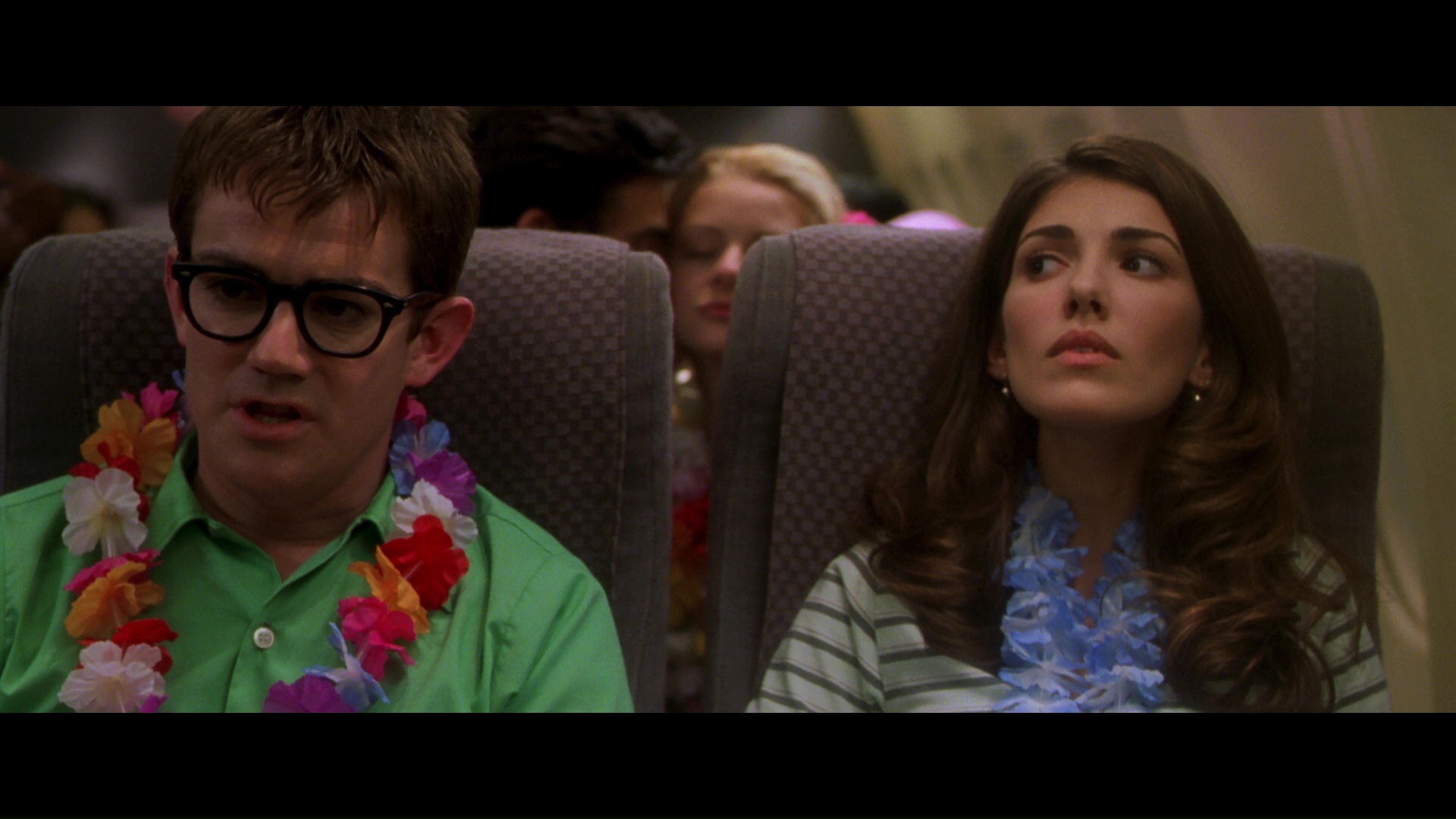
producers Nick Osborne and Brad Luff, Phoenix Pictures Chairman And CEO Of Phoenix Pictures Mike Medavoy, first film writer Silvio Horta, and Devine and Rebecca Gayheart, all participants seen in Scream Factory's two-disc set of the first film. It's an interesting snapshot of how the film came together with the wheels in motion right after the release of the first one, though they reinforce the questionable idea that Ottman was aiming for more of a thriller than a horror film -- given that this one amps up the gore and body count considerably. They also explore some additions made to the film after test screenings, most notably the addition of the kidney sequence (which was written after the fact by Horta). A new interview with Cauffiel (16m41s) is easily the most memorable thing on the disc, especially as she recalls some potent details about shooting the "mile high" opener, her intense reaction to shooting a death scene, and other memories of the Vancouver shoot.
and anyone familiar with the
podcast knows they've been champions of this one as an underrated entry for years. They get to show their love here with another brisk track that points out the film's positive aspects and dissects its sort-of postmodern take on the slasher formula, as well as noting how it takes some really peculiar turns along the way and how they first encountered it.
During a sleepover,
she and two friends along with her brother, David (Vito), end up invoking the legend of Bloody Mary that supposedly brings the notorious girl back, which results in a major gap of lapsed time and a string of murders on campus patterned after urban legends. Now with the help of the one witness from the original event who knows the whole story, time is running out before Bloody Mary's kill list is complete.
essentially taking the lead from the Australian one from Via Vision with DTS-HD MA 5.1 and 2.0 English options
with optional English SDH subtitles. The Sony-supplied master is watchable if unspectacular, with a gritty digital look that's been inherent in the source in prior editions as well. The preexisting extras ported over here include an audio commentary with Lambert (in discussion with journalists Dave Wain and Matty Budrewicz), which is cheerful and informative even if the flow is kind of odd at times. Obviously it's always good to hear from Lambert though, especially early on as she explains how she took on the film as a different perspective on how women are sidelined when it comes to issues like date rape. Also included are the trailer and the original making-of featurette (17m26s) highlighted by Lambert chatting about the film on set and glimpses of some cast members being interviewed in full gory makeup.