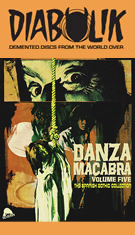
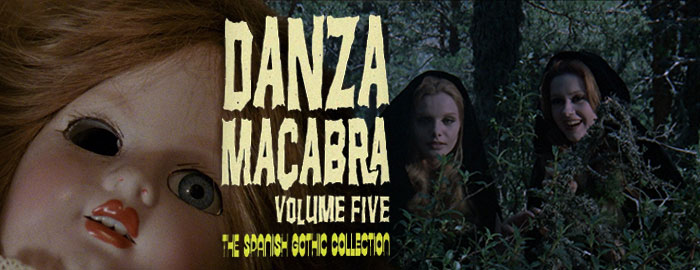
STRANGE VOYAGE
B&W, 1964, 92 mins.
Directed by Fernando Fernán Gómez
Starring Carlos Larrañaga, Tota Alba, Lina Canalejas, Jess Franco, María Luisa Ponte
Severin Films (Blu-ray) (US R0 HD)
EXORCISM'S DAUGHTER (HOUSE OF INSANE WOMEN)
Color, 1971, 111 mins. 27 secs. / 95 mins. 53 secs.
Directed by Rafael Moreno Alba
Starring Analía Gadé, Francisco Rabal, Helga Liné, Espartaco Santoni, Pilar Bardem
Severin Films (Blu-ray) (US R0 HD), Code Red (Blu-ray & DVD) (US R0 HD/NTSC) / (1.85:1) (16:9)
THE DRACULA SAGA
Color, 1973, 91 mins. 43 secs.
Directed by León Klimovsky
Starring Tina Sáinz, Tony Isbert, Helga Liné, María Kosty, Narciso Ibáñez Menta
Severin Films (Blu-ray) (US R0 HD), BCI Eclipse / Deimos Entertainment (DVD) (US R0 NTSC) / WS (1.85:1) (16:9)
THE TURN OF THE SCREW
Color, 1985, 118 mins. 20 secs.
Directed by Eloy de la Iglesia
Starring Pedro Mari Sánchez, Queta Claver, Asier Hernández, Cristina Goyanes
Severin Films (Blu-ray) (US R0 HD), Gato Barbieri Films (Blu-ray) (Spain R0 HD) / WS (1.66:1) (16:9)
After shifting gears from Italy to Spain with its third Danza Macabra Blu-ray set, Severin Films returns again with its fifth installment featuring 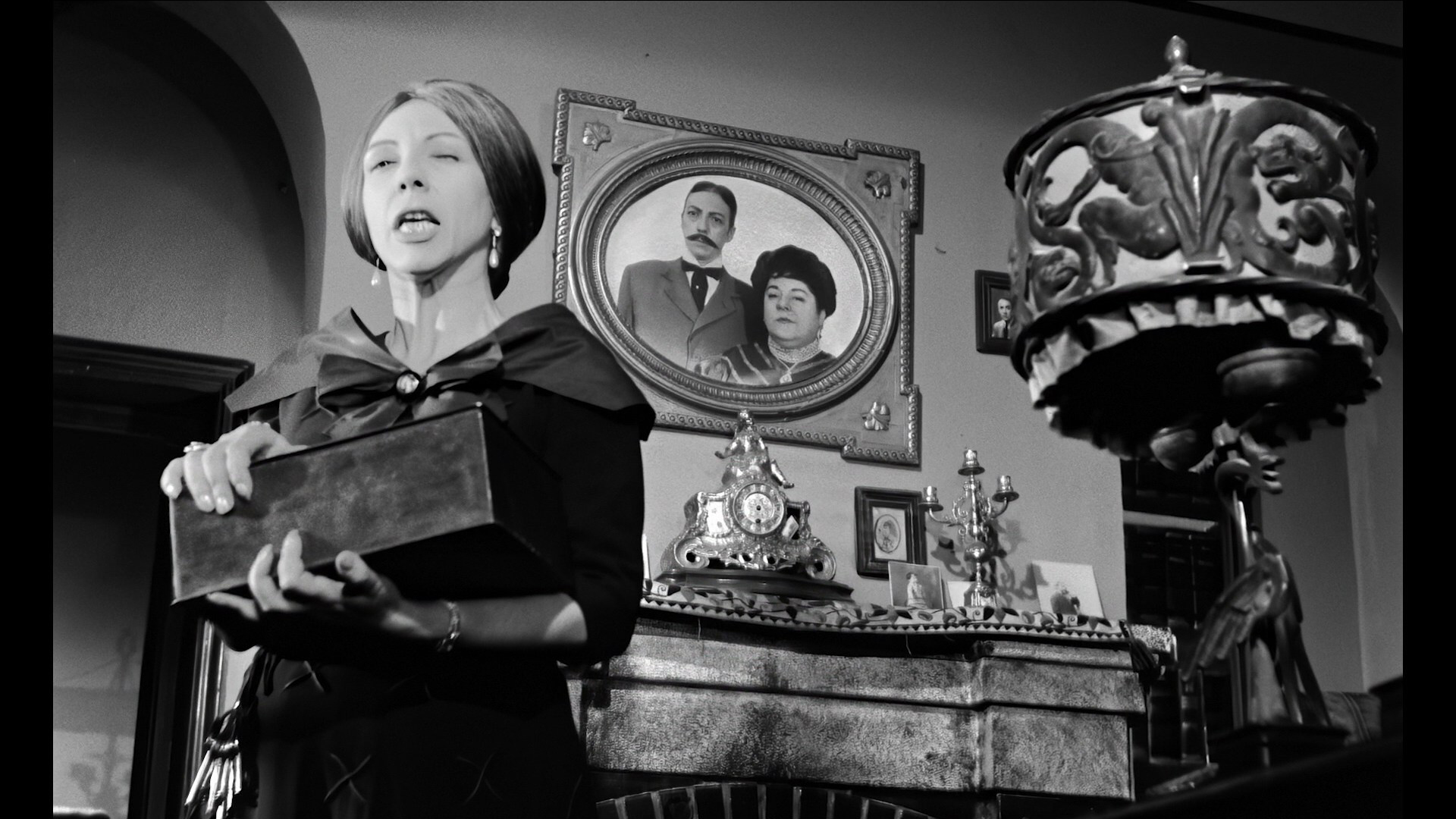 five
five 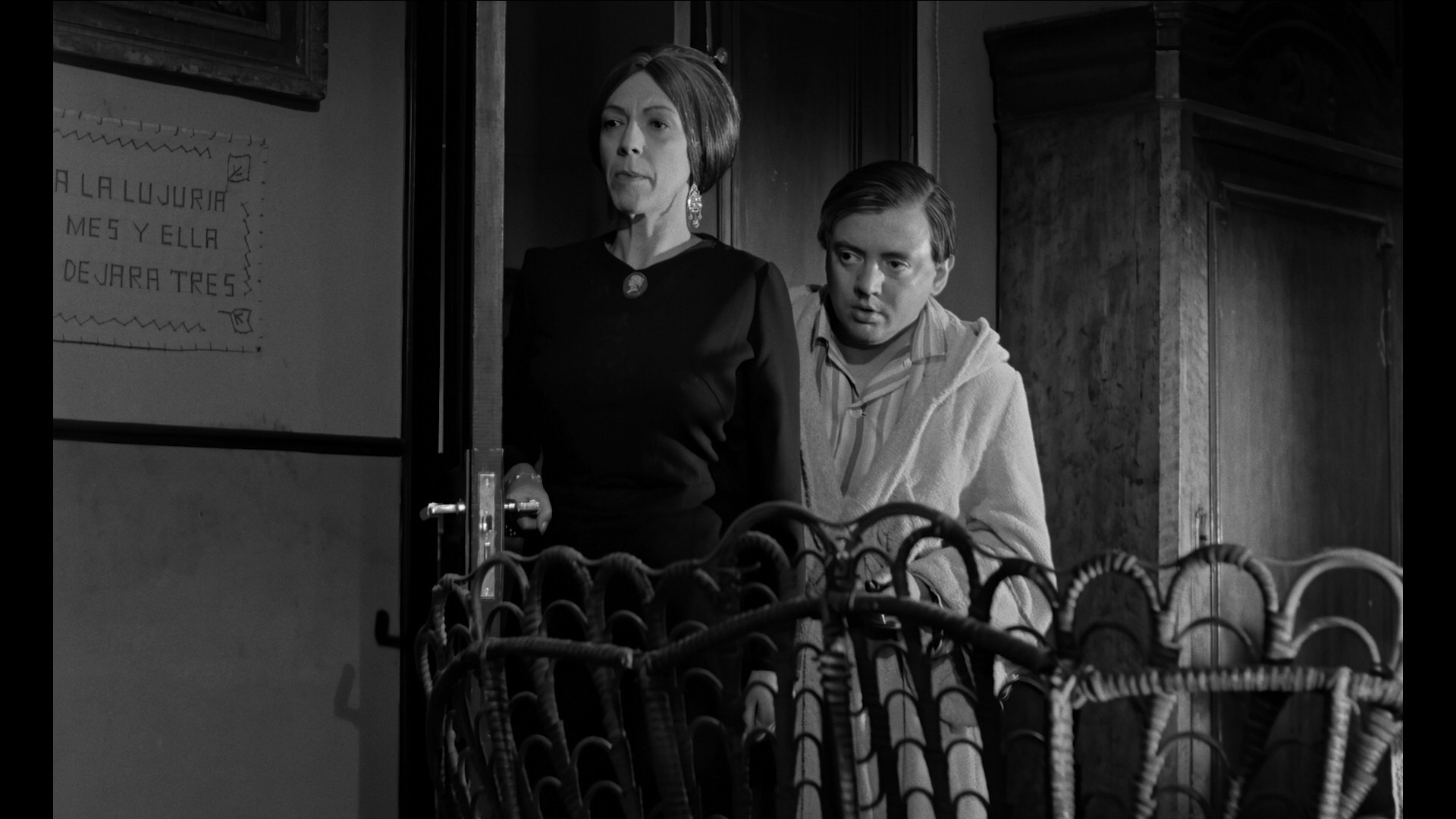 discs devoted to a quartet of '60s and '70s films including one heavy hitter. Only half of the films really qualify as either horror or gothic, but all are fascinating and great to have looking beautifully restored with the usual substantial array of extras.
A quirky gem that would probably never earn a release on its own, 1964’s Strange Voyage (El extraño viaje) is a dark comedy from the astoundingly prolific actor-director Fernando Fernán Gómezk, here sold largely on the presence of the one and only Jess Franco in a supporting role (and he’s very effective). Inspired by a real-life crime, our story takes place in the dusty outskirts of Madrid where oddball siblings Pequita (Aparicio) and Venancio (Franco) live under the thumb of their older sister, Ignacia (Alba), since their parents are no longer alive. The extremely conservative town abides by the church (and gossip), the perfect breeding ground for Ignacia to plan to bolt off with the family funds complicated by her Norma Desmond-esque relationship with the crooning Fernando (Larrañaga), who goes through some hurdles you won't believe. Of course, her neurotic brother and sister are less than enthused when they believe their home is being sold off to create a spa, and due to fears of homelessness, things get crazy. The story mainly makes way for the array of townspeople spilling in and out of the frame here, starting with a memorable early 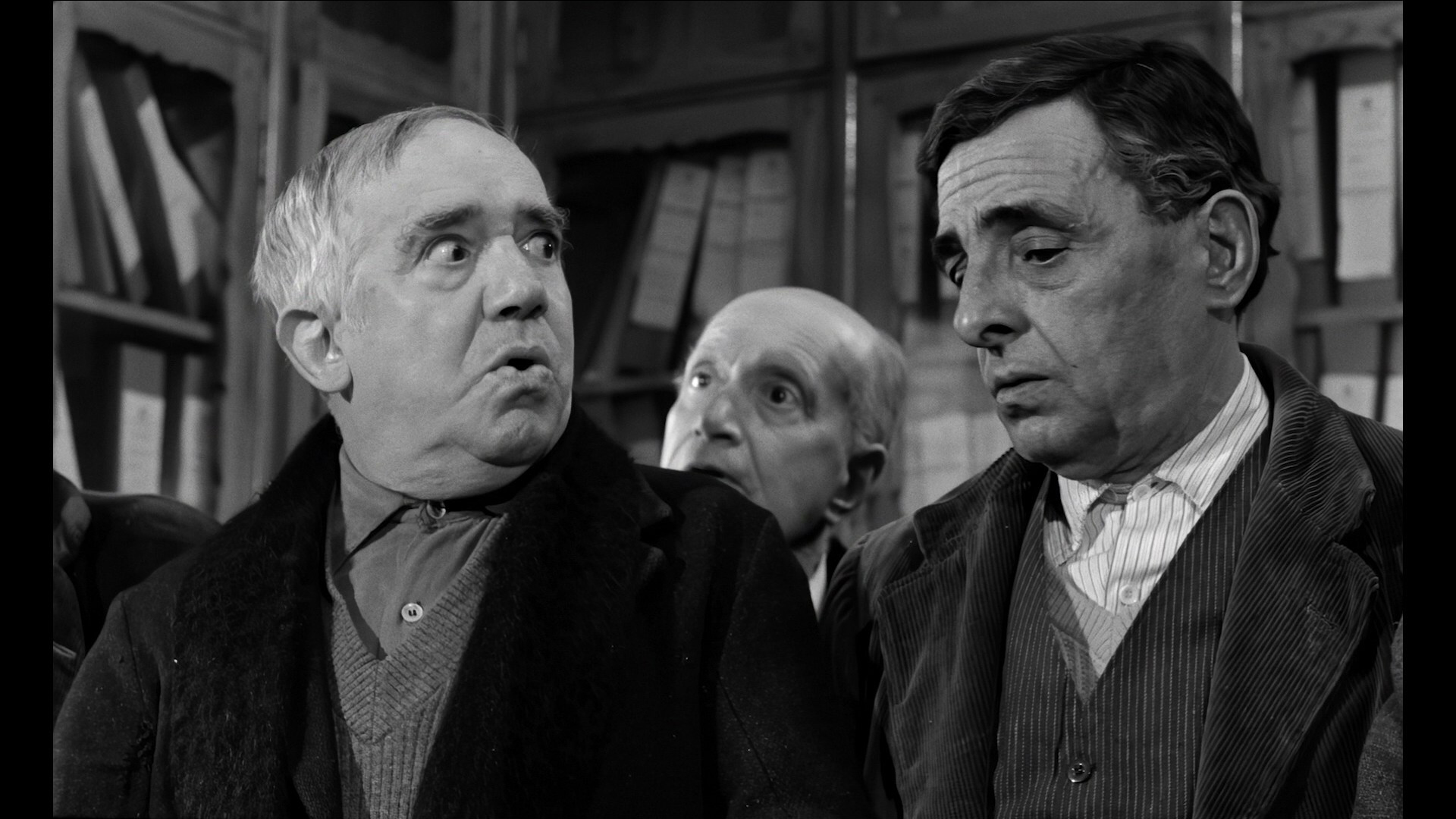 bit with uptight elders clucking their tongues in a bar at free-spirited kids
 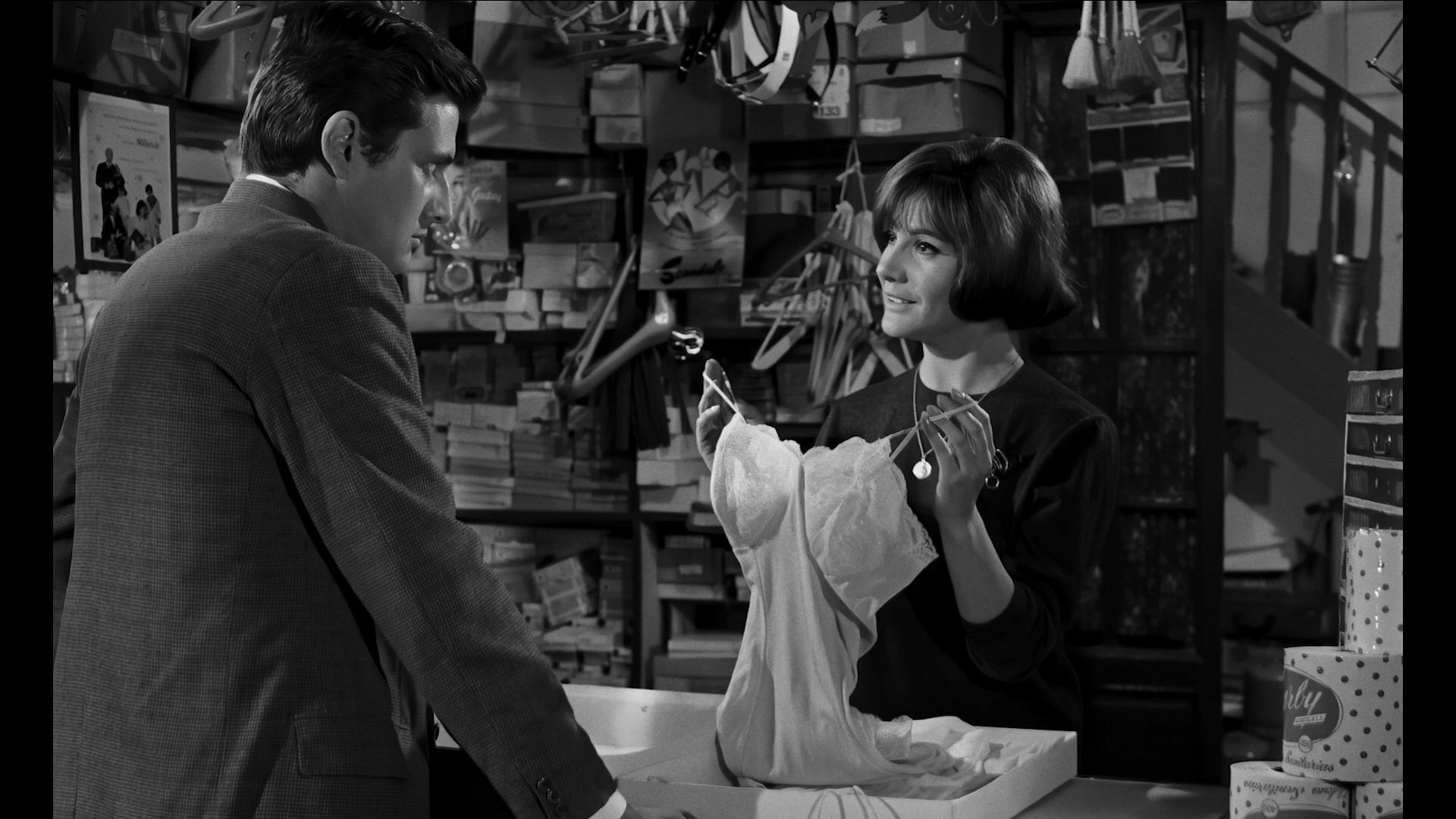 twisting their hearts out.
Barely shown in local theaters four years after its completion (and even then mainly on screens in the outskirts to avoid the government's ire), Strange Voyage was impossible to see in watchable quality until it underwent a meticulous restoration in 2021. The Severin Blu-ray is a perfect way for this one to find an audience, especially those looking for something that feels like the Addams Family by way of Luis Buñuel. The presentation looks and sounds pristine, framed at 1.66:1 with gorgeous black levels and detail; the DTS-HD MA Spanish 2.0 audio features solid English subtitles. A new audio commentary by Dr. Adrian Smith focuses largely on the director while also covering the culture in Spain when the film was shot versus during its eventual release, the backgrounds of the actors, and more. In "A 'Rara Avis' Duo" (15m22s), regular contributor Ángel Sala of the Sitges Film Festival gives a useful thumbnail history of Gómez and Franco during the Franco regime and points out how the film parodies one popular homegrown hit, while "The Multifaceted Mind Of Fernando Fernán Gómez" (24m14s) with filmmaker Helena de Llanos, granddaughter of Gómez, goes into his many creative pursuits including writing from a young age and primarily considering himself an actor despite the multiple hats he wore. Finally "Facing The Sun: Strange Voyage's Promise Of Broken Dreams" (19m53s) is a video essay by the Nasty Pasty Podcast's Andy Marshall-Roberts about the film's subversion of the typical tourist depiction of Spain with the horrors of fascism roiling under (or on) the surface as shown in the Hitchcock-inspired imagery here. A 2021 reissue trailer is also 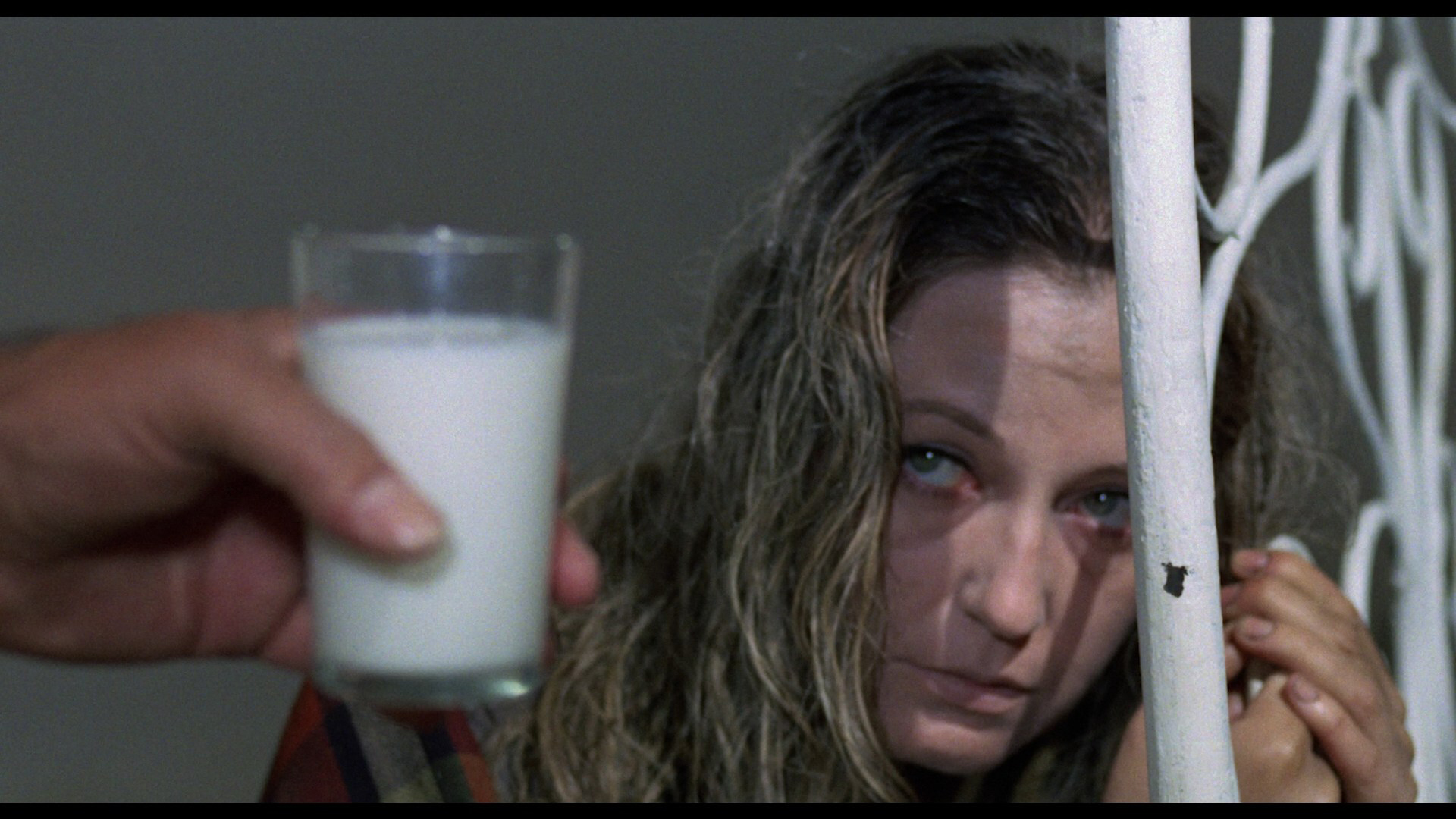 included.
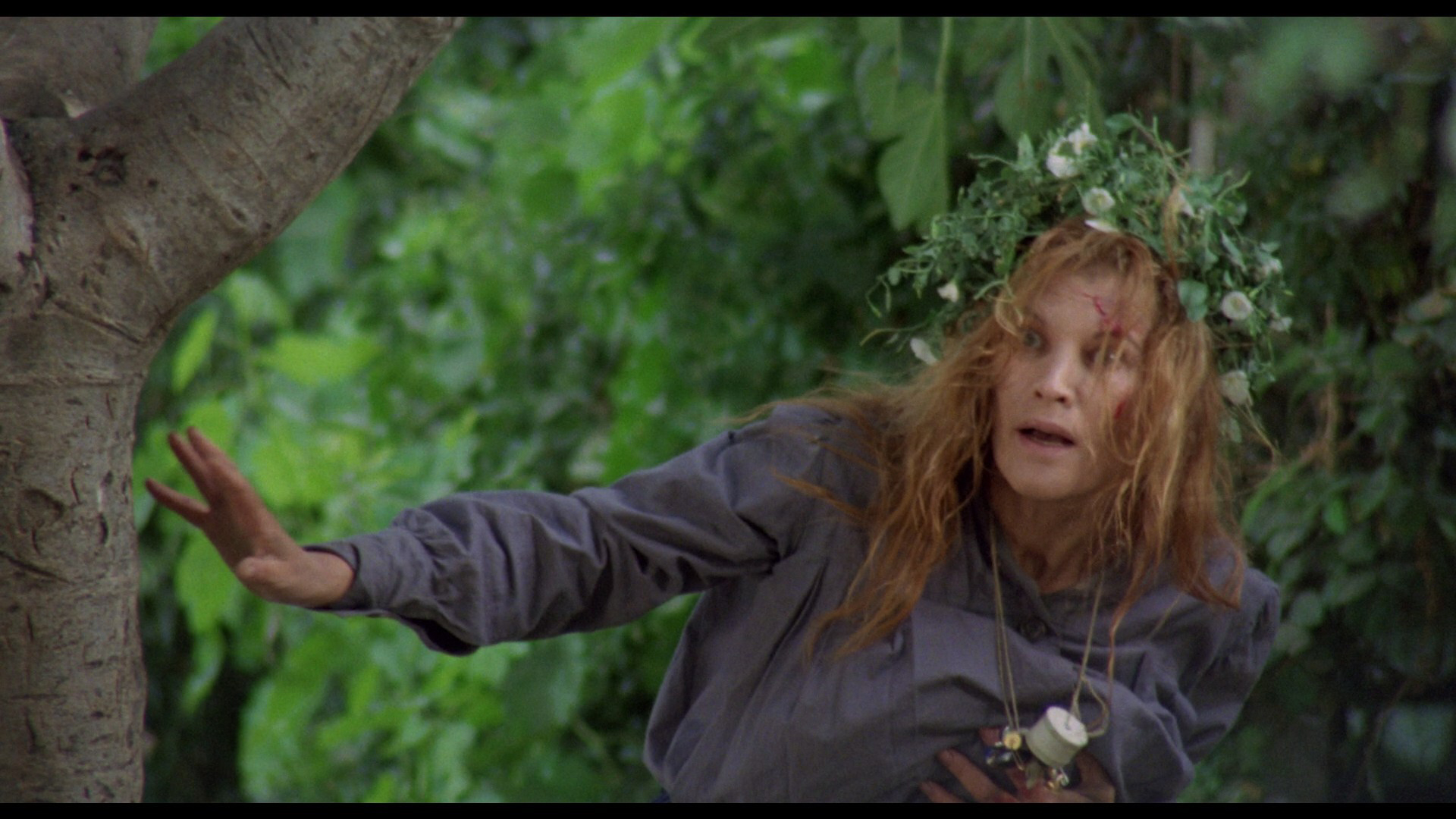 Released the same year as Ken Russell's The Devils and featuring a somewhat similar attitude (albeit much milder execution), House of Insane Women (on-screen title: House of the Insane Women) is a somber insane asylum melodrama originally released as Las melancólicas. Thanks to the fact that the main character is suffering from the trauma of seeing her mother undergo an exorcism, this one was retitled Exorcism's Daughter and passed off as a clone of a certain hit 1973 Warner Bros. film, confusing a lot of patrons in the process. That title returns for the Severin release, which presents the film in far better condition than the quasi-public domain and gray market versions we've had floating around for decades.
The main insane woman here is Tania (Gadé), who's confined to a terrifying institution filled with cats, vermin, and constant sound of Latin prayers. The women of all ages, shapes, and sizes are overseen by nuns who only seem slightly more stable, as well as a guard who apparently thinks he's a general. Enter Dr. Alba (Santoni), a liberal physician with some new hypnosis techniques to explore the damaged psyche of Tania, whose childhood trauma watching her mother subjected to the religious torments of her fellow villagers was enough to push her off the deep end. Meanwhile the other 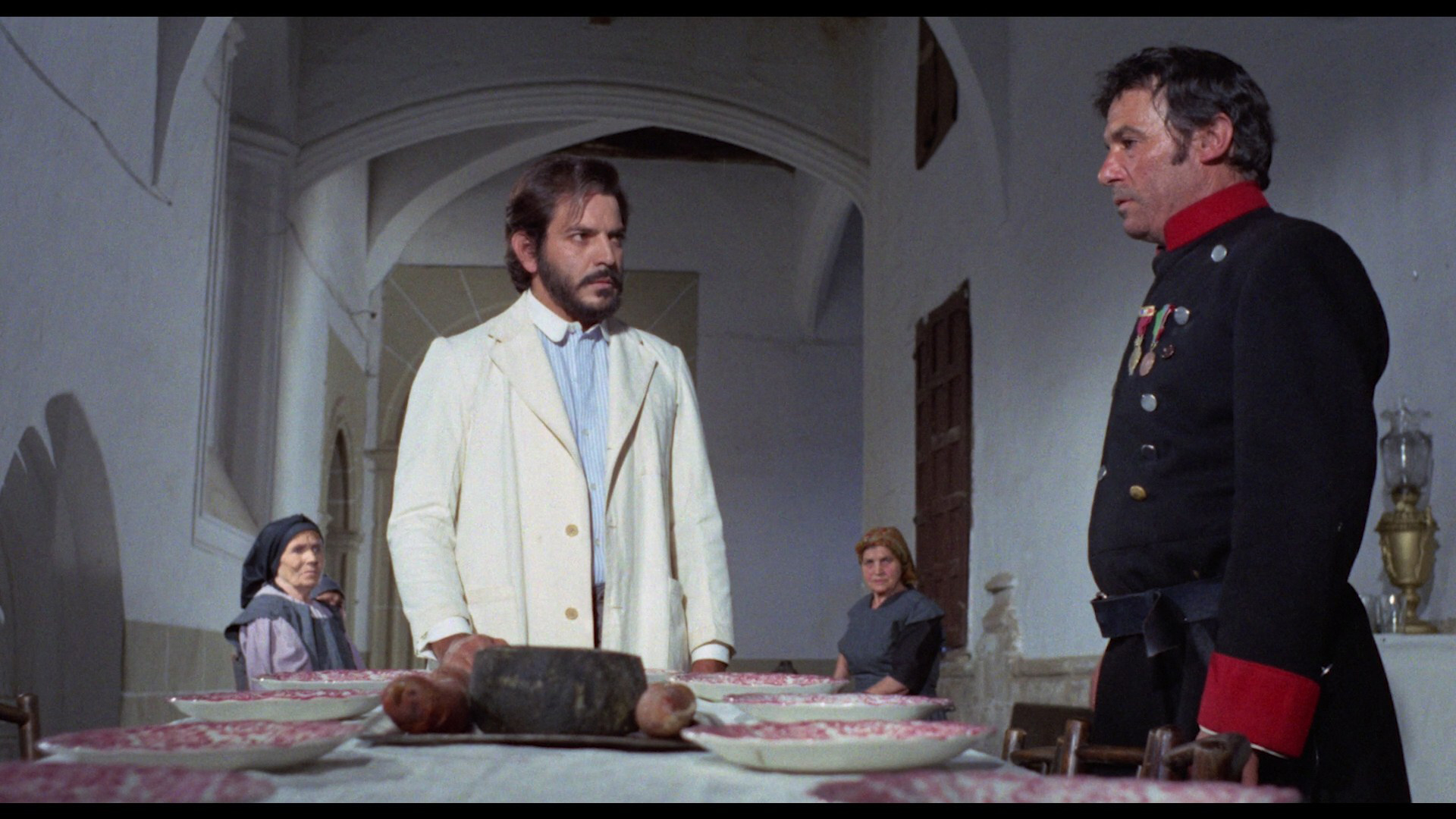 inmates are pawned off for sexual favors, and while Dr. Alba promises to find a way to free Tania, her future may be very much in doubt.
Obviously this isn't really a horror film per se, though many viewers might find its grungy depiction of mental illness fairly disturbing (with moments that feel a lot like what would come along later on TV's 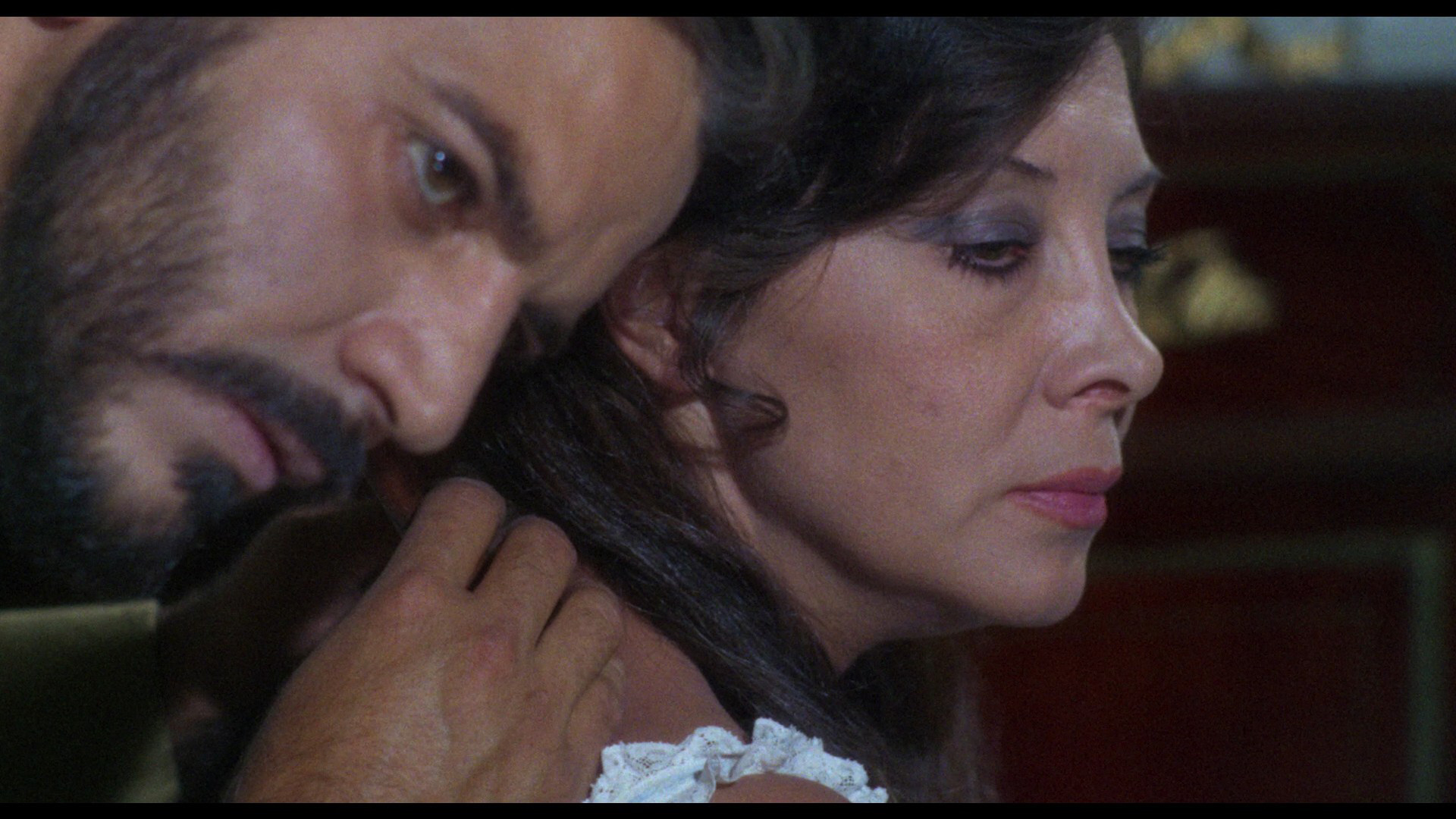 American Horror Story: Asylum). The sleaze quotient consists mainly of a naked orgy scene with a couple of the more nymphomaniacal patients being handed off for a night of debauchery; for the most part, this is stern dramatic stuff worth checking out as long as you know what you're getting into. However, horror fans will probably get a kick out of seeing Spanish horror goddess Helga Liné as an insatiable inmate, in between her appearances in So Sweet... So Perverse and Horror Express.
Something Weird unleashed this one back in the '80s on VHS under the Exorcism's Daughter title as part of their "Sexy Shocker from the Vault" series, in a flat letterboxed transfer from a pretty chewed-up theatrical print. Code Red revisited it on DVD in 2013 (paired up with The Night of a Thousand Cats) under the Insane Women title (amusingly spliced in with the audio from the main titles temporarily dropping out, a practice common for retitlings in the '70s), and while it's also inflicted with its fair share of splices and damage, it's at least a marginal step up in terms of detail. Interestingly, the editing of the opening act is somewhat different between the SW and CR editions, with much more intercutting in the latter and a somewhat different sequence of events. The same beige-looking print was trotted out again on Blu-ray in 2017 from Code Red as a double feature with another Something Weird staple, Passion Plantation. The Severin release easily tramples on all of its predecessors, looking immaculate with far better color than any other option out there. On top of that you get two discs' worth here featuring the usual 95-minute English version as well as the 111-minute Spanish one with English subtitles, both in comparable quality. The English dub has a more endearing grindhouse feeling while the Spanish one is much more authentic, albeit extremely long at nearly two hours; try both and see which one you prefer. The Spanish version has the theatrical trailer, while the English version's disc has the bulk of the extras including an audio commentary by author Matt Rogerson exploring the film's ties to other Euro-cult films, the depictions of religious hysteria and the treatment of mental illness, the panicked treatment of women who broke from social norms, and the impact of the exorcism background on our protagonist. Then Sala returns for "A Film That Stands Apart" (17m11s) examining how this melodrama tips its hat at the horror genre and makes some subversive stabs at the mid-'70s status quo, followed by "Madwoman In The Attic: Exorcism's Daughter and the Female Gothic" (14m6s) with Kat Ellinger tracing this through the history of madwoman narratives like "The Yellow Wallpaper" and Jane Eyre.
That brings us to 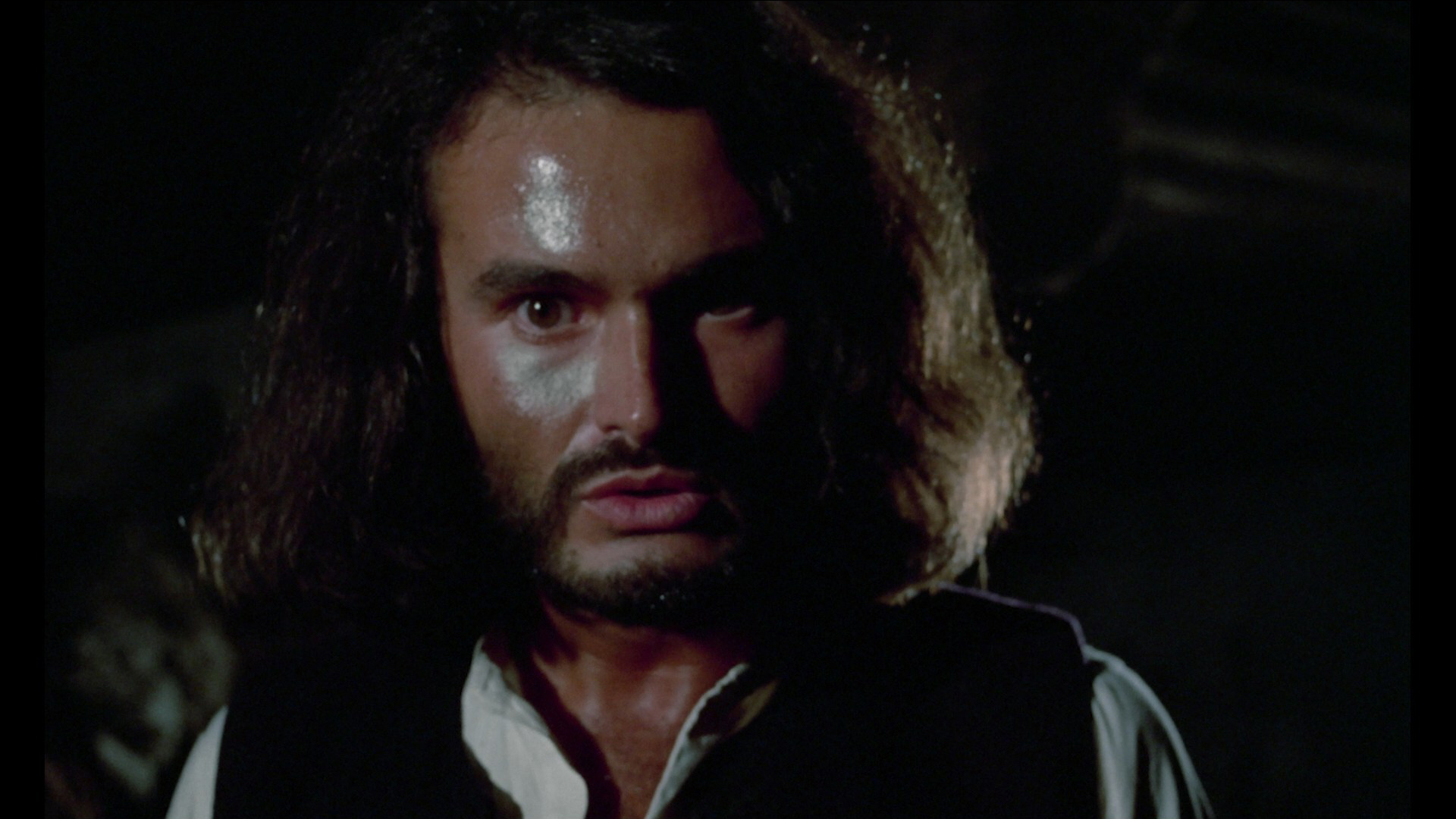 the most beloved film in the set on disc three, The Dracula Saga, a highly effective bloodsucker chiller from León Klimovsky
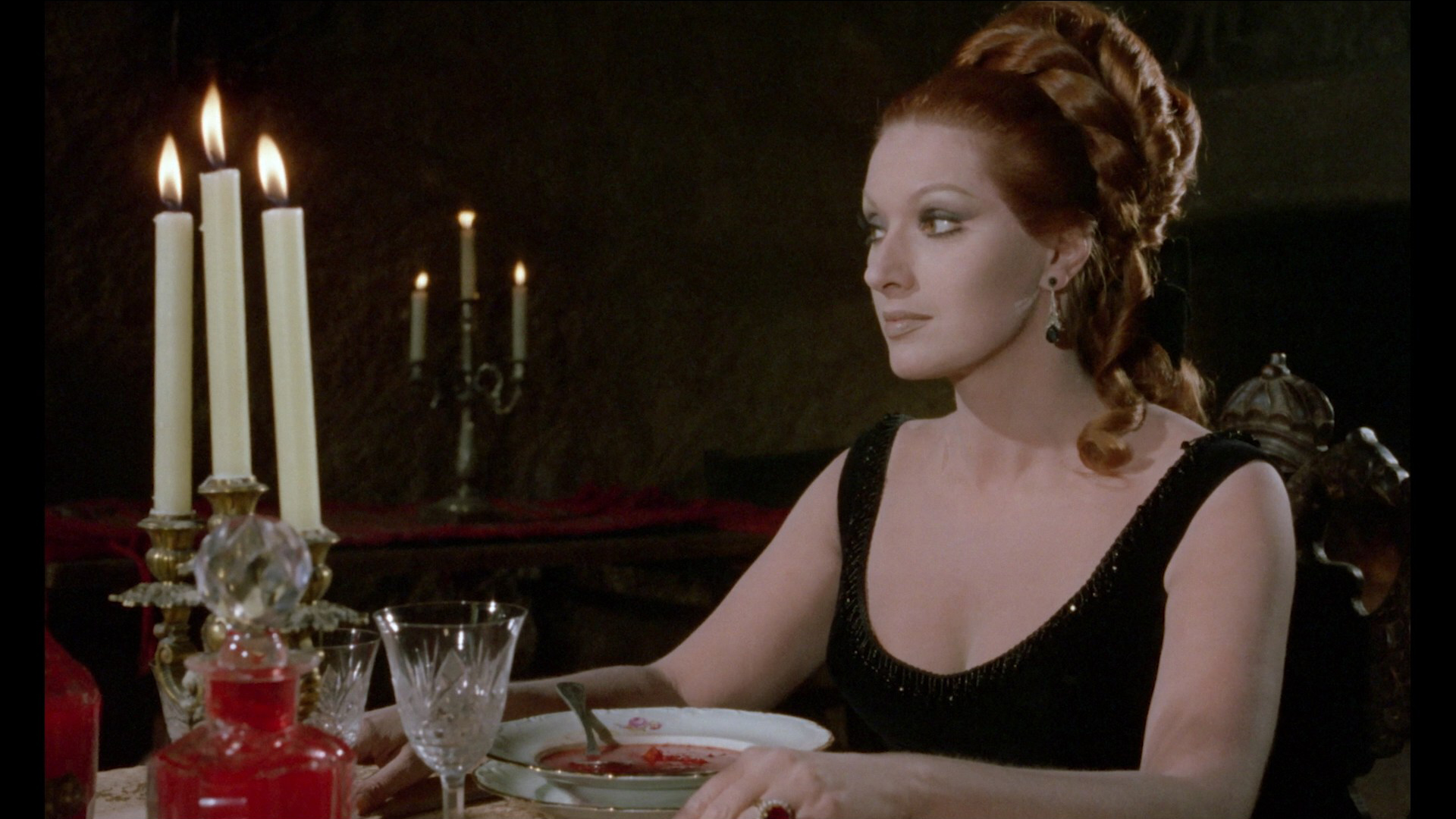
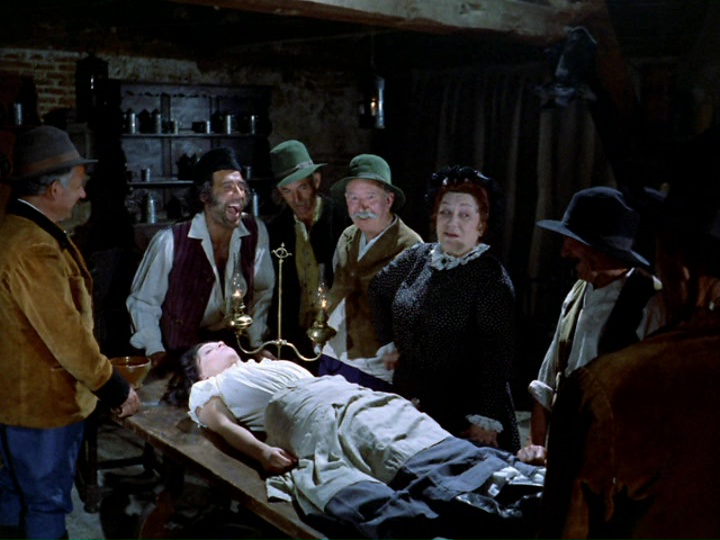
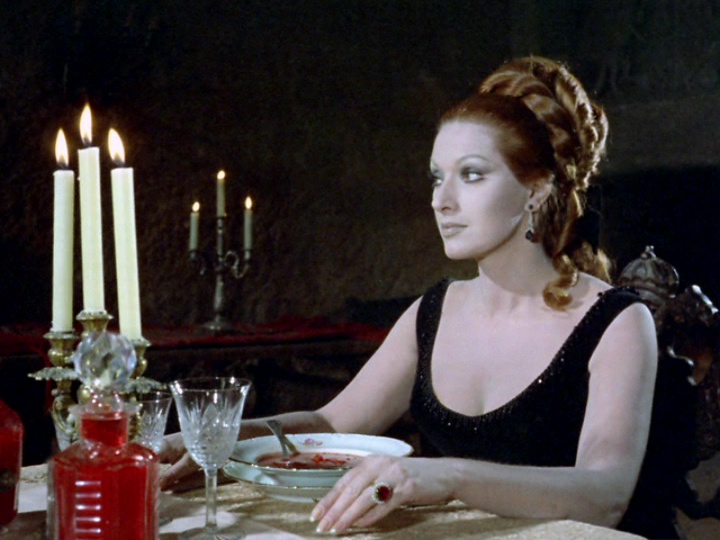
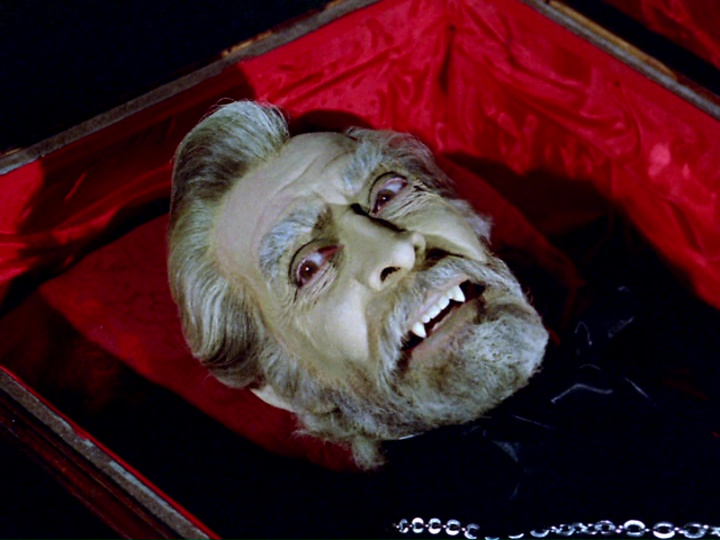
 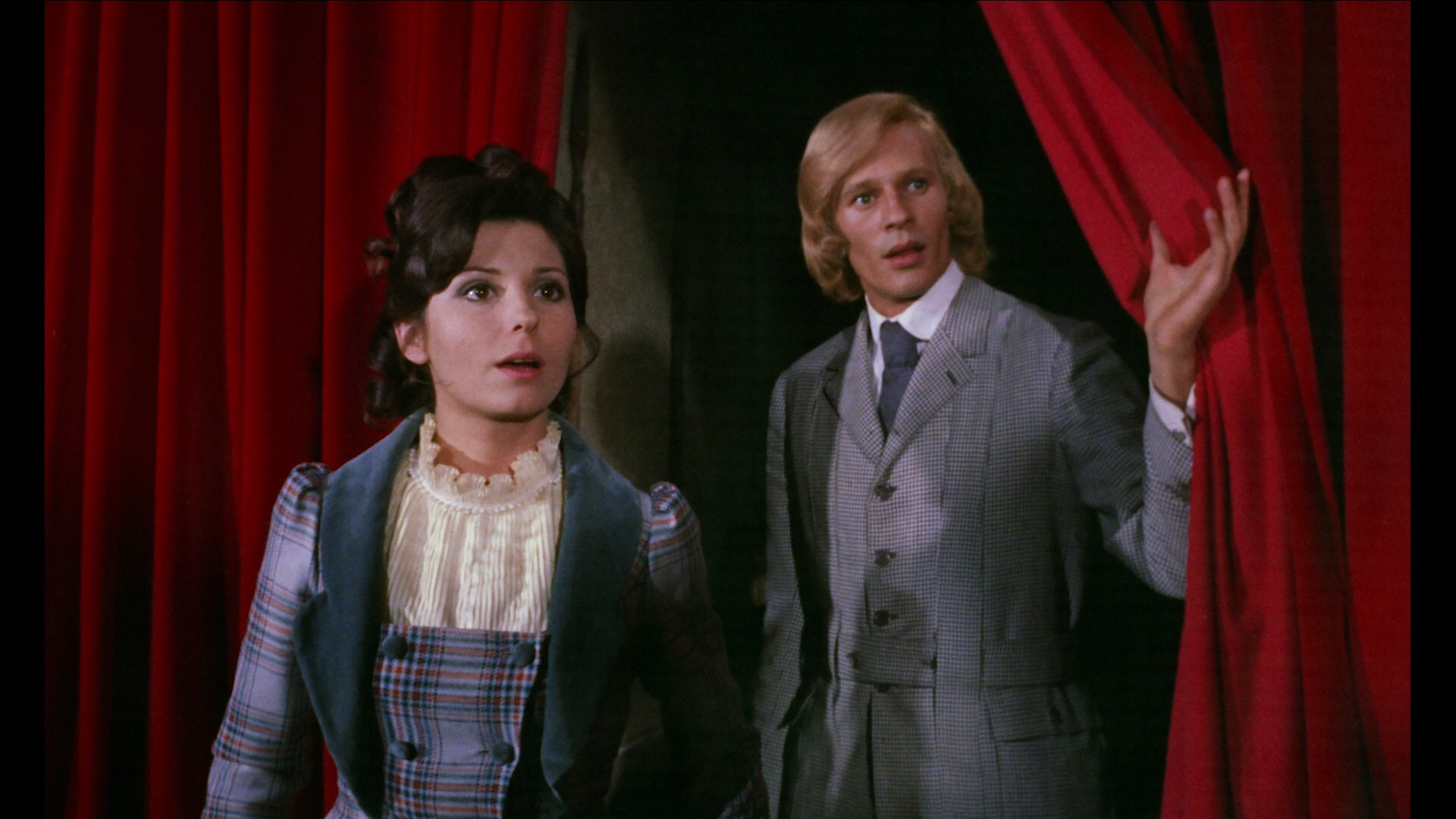 tucked in between his two other vampire favorites, The Vampires Night Orgy and Strange Love of the Vampires. Shuffled around for a few years on the double and triple-bill circuit in the U.S. in the mid-'70s, this one really picked up a following when it hit VHS from All Seasons Entertainment and earned enthusiastic write-ups in various fanzines. One of the most Hammer-inspired films of the peak Spanish horror cycle, this one charts the nightmarish experiences of pregnant Berta (Sáinz) and her husband Hans (Tragic Ceremony's Isbert) when they go to visit her grandfather (Menta), whose castle is nested next to a town of irate superstitious villagers. Upon arrival they meet a strange collection of characters including the very vampire bride-like Munia (Liné again, of course) and Xenia (Kosty), and after many nightmares and odd occurrences, it turns out that... well, look at the title and you can figure out who grandpa really is. Despite being undead, the vampires have been reproducing somehow but are turning out monstrous due to inbreeding (the full effects of which are quite grotesque when they're unveiled) and Berta's little miracle might be just what the family ordered.
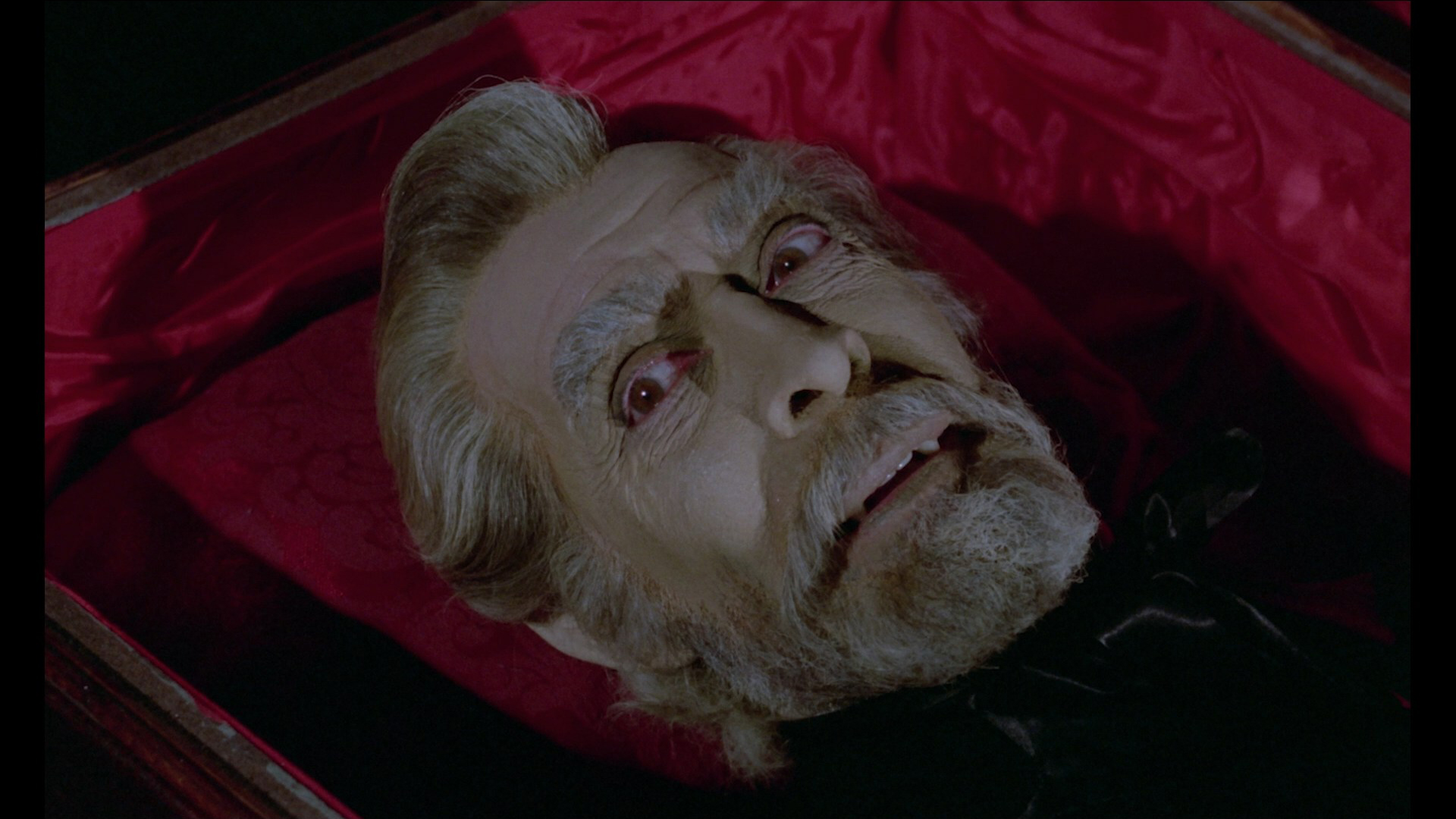
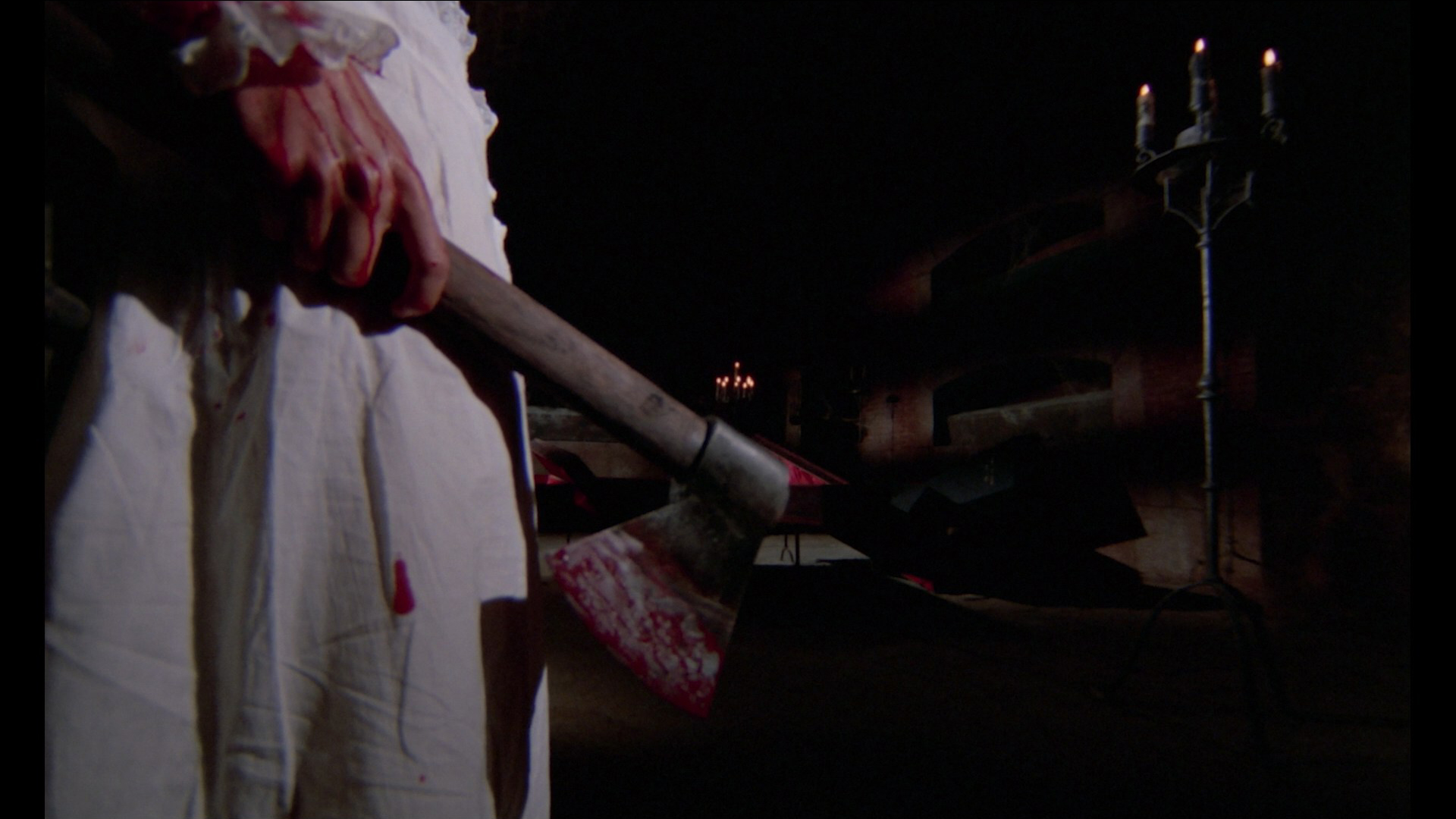
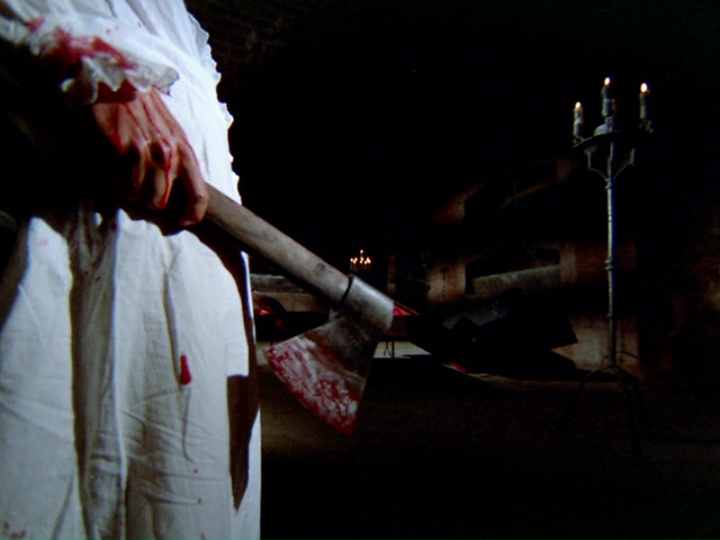
A mixture of traditional gothic atmosphere, gaslighting thriller, and eventually wild blood-spraying hacking and slashing, The Dracula Saga is a highly entertaining chiller seemingly tailor made to be shown on TV late at night where its crazier plot turns work perfectly on a susceptible viewer's mind. Horror vet Menta is a standout here as the aged Count, working a great pair of fangs so well he was understandably the centerpiece of the poster art pretty much everywhere. Sáinz is great as well, gradually losing her grip on reality in what amounts to a bloodsucking version of Rosemary's Baby 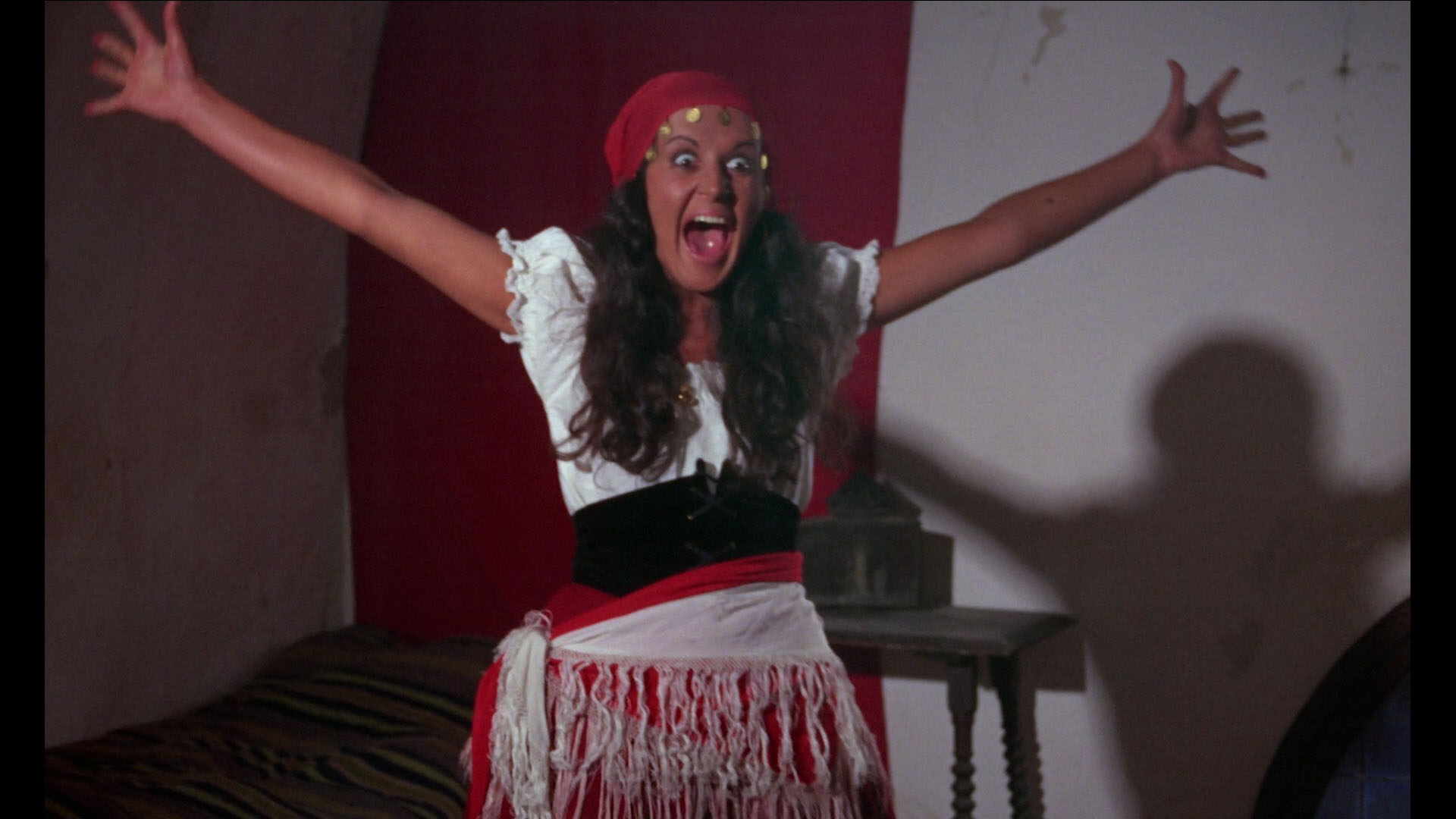 albeit paying
 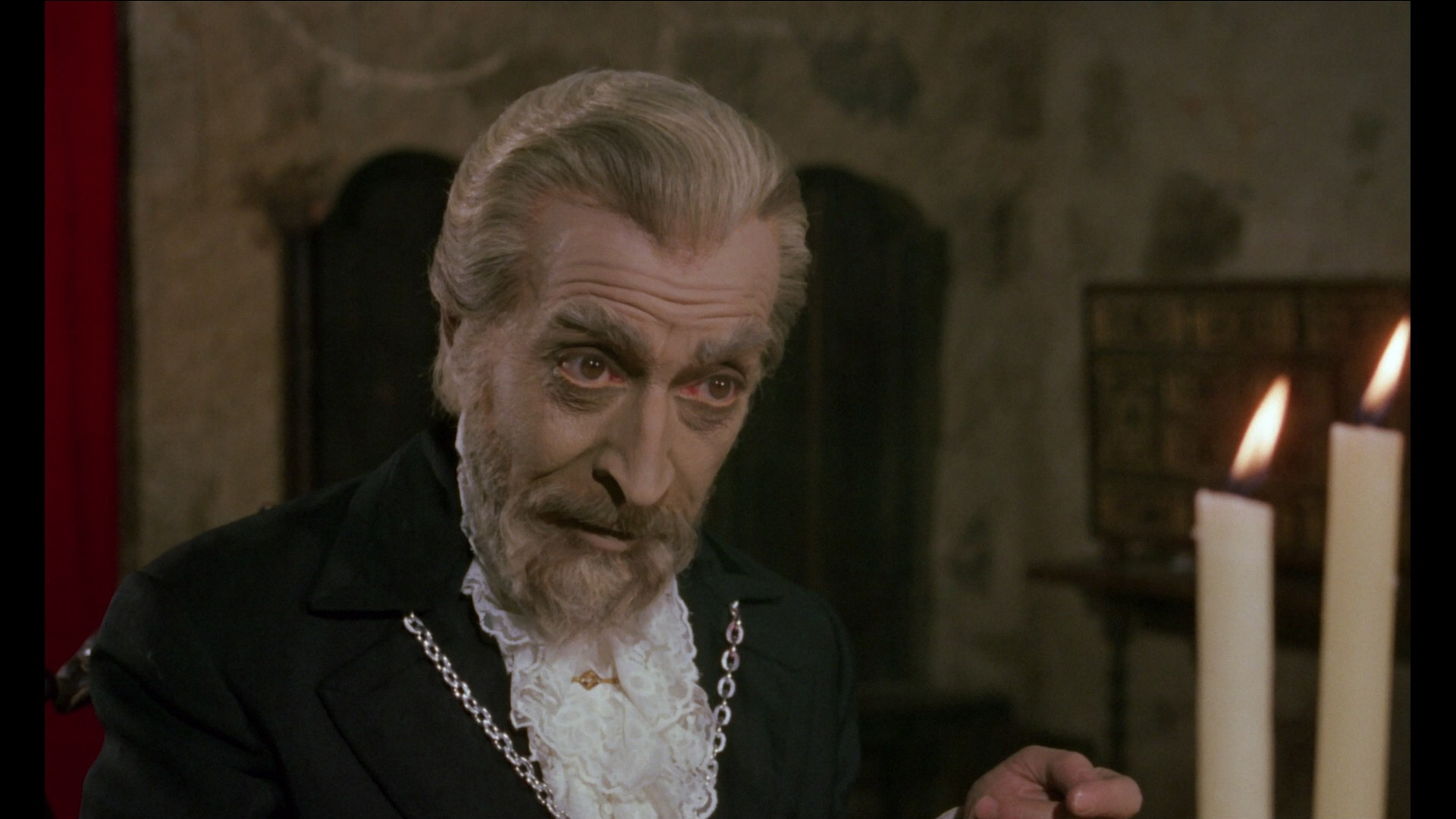 off in a very different way during the rousing final ten minutes. It also doesn't hurt that this is a rare Spanish horror film that actually got a really good English dub; while the Spanish original is still ideal, you're fine watching it either way here.
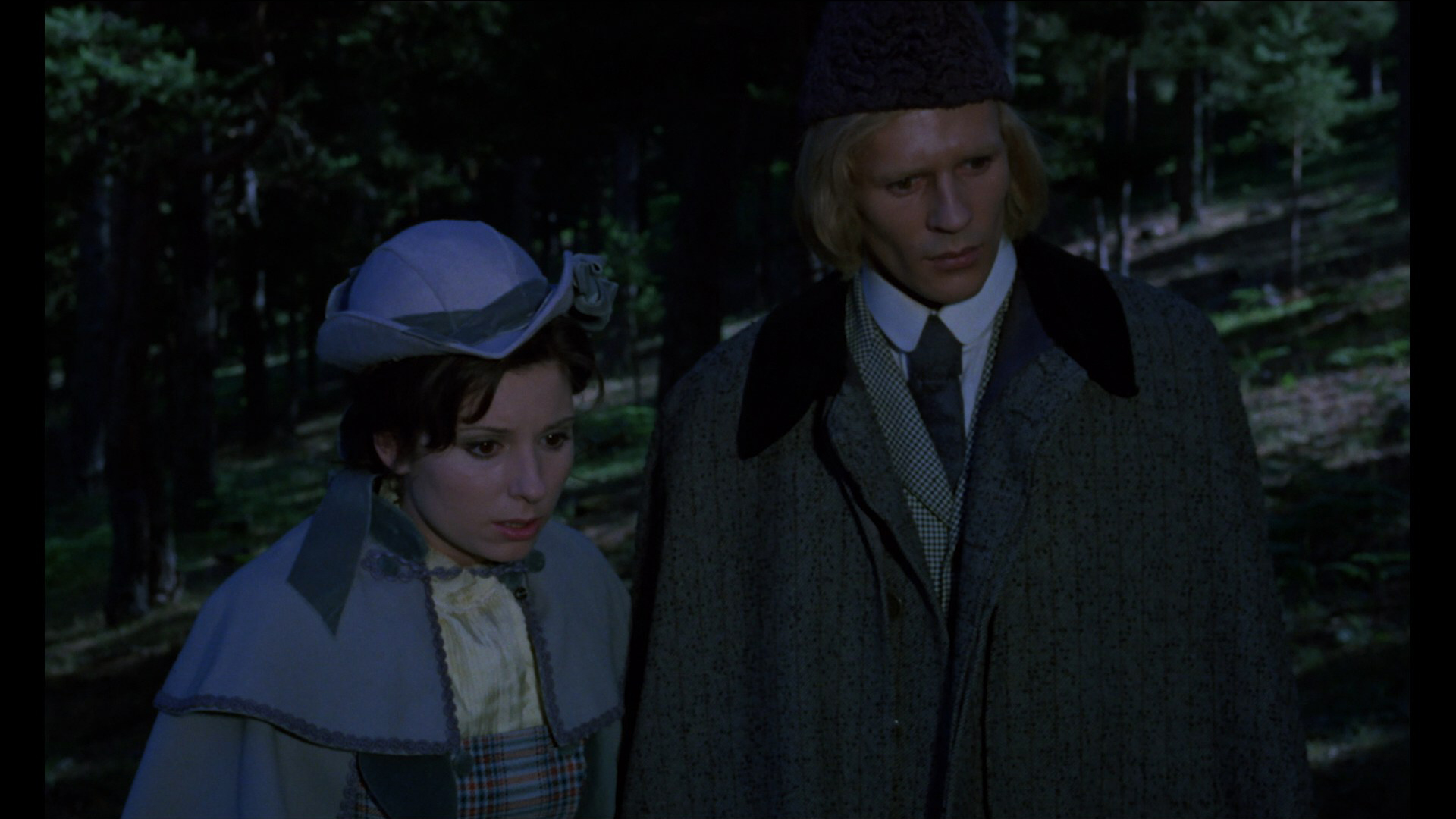
The first really good release of this film came from BCI Eclipse sublabel Deimos as part of its great line of Spanish horror DVDs in 2008. Presented at 1.331: with Spanish or English audio with optional English subtitles, it looked quite nice at the time and came with a trailer and a four-minute reel of alternate clothed takes for the bits of fairly subdued topless nudity in the familiar export version. The Severin Blu-ray features a fresh scan from the negative and looks gorgeous, here adjusting the framing to 1.85:1 (as it would have been seen theatrically) with more info on the sides and extraneous material cropped on the top and bottom. The contrast in particular looks better here, with richer and more convincing flesh tones than the harsher appearance of the DVD; as usual you get the export version here with all the nudity intact. As usual the Spanish and English tracks are included (comparable excellent quality as DTS-HD MA 2.0 mono) with good optional English subtitles, and here NaschyCast's Rod Barnett and Troy Guinn do the commentary honors with a typically excellent survey of Klimovsky, '70s Spanish horror, the major actors, links to other Euro vampire movies, and more. In "Klimovsky's Vampires" (15m54s), Sala examines the booming Spanish monster movie output at the time, the impact of Klimovsky and Paul Naschy, and the major differences and similarities among the director's vampire output which seemed to have a particular resonance with him. In "The Spanish Hammer: The Rise And Fall Of Profilmes" (20m37s), production company Profilmes' production and sales executive Lluís Ferrando relates how the film's production company rose with some fairly prestigious productions but really hit its stride by setting up offices in Barcelona for a great run of horror films by Amando de Ossorio, Klimovsky, Naschy, and more. However, the real highlight here is when he pulls out his company scrapbook showing off tons of great promotional material including rosters of upcoming titles for international film markets. Finally in "Inheritance As Horror: Blood, Tradition And The Gothic in The Dracula Saga" (12m55s), Ellinger looks at the depictions of vampirism and related bloodletting tropes in literature and some connected films as commentary on corrupted civilizations and an idea that exploded in the 1970s via filmmakers ranging from Jess Franco to Andy Milligan... 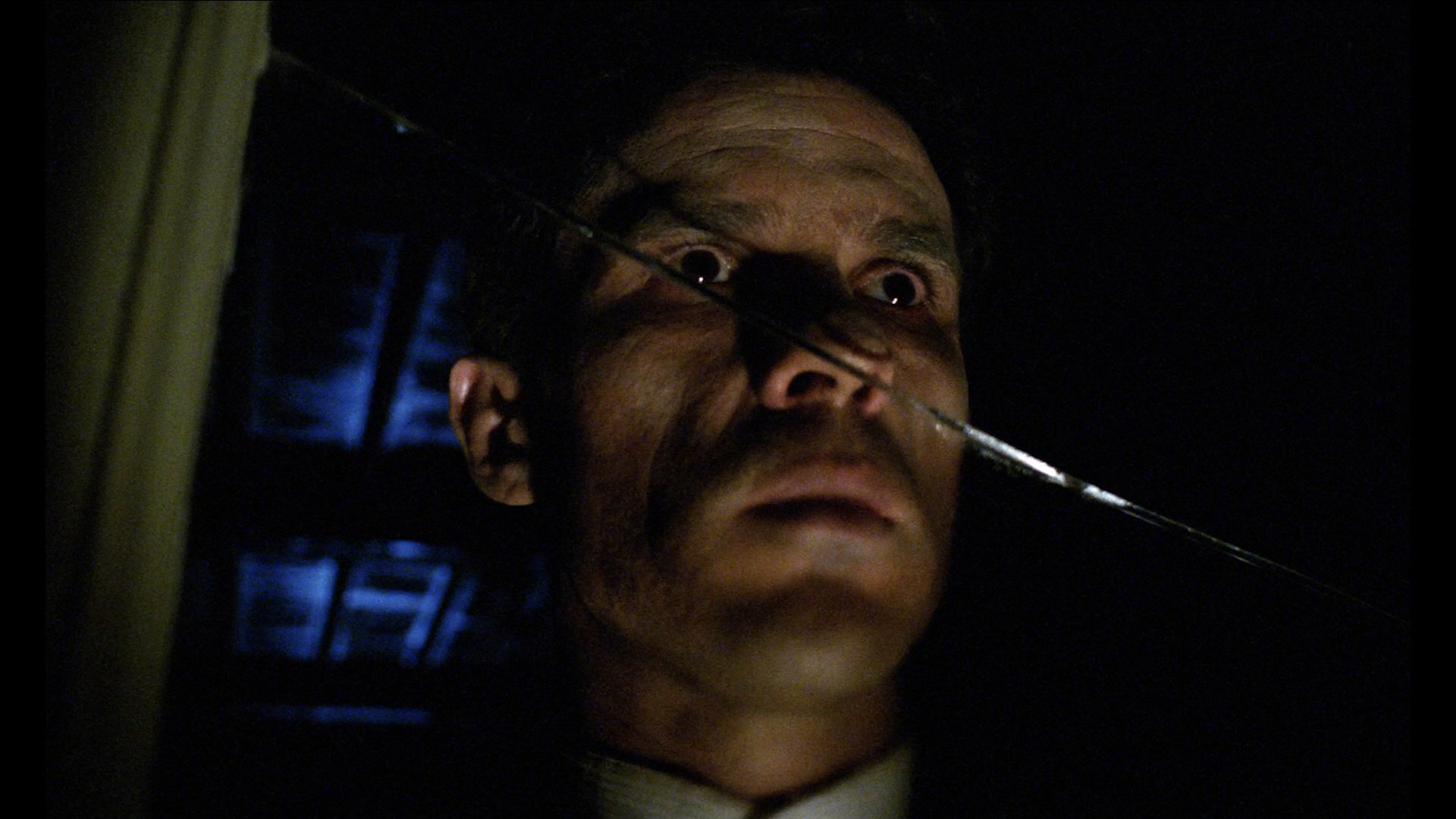 and
and 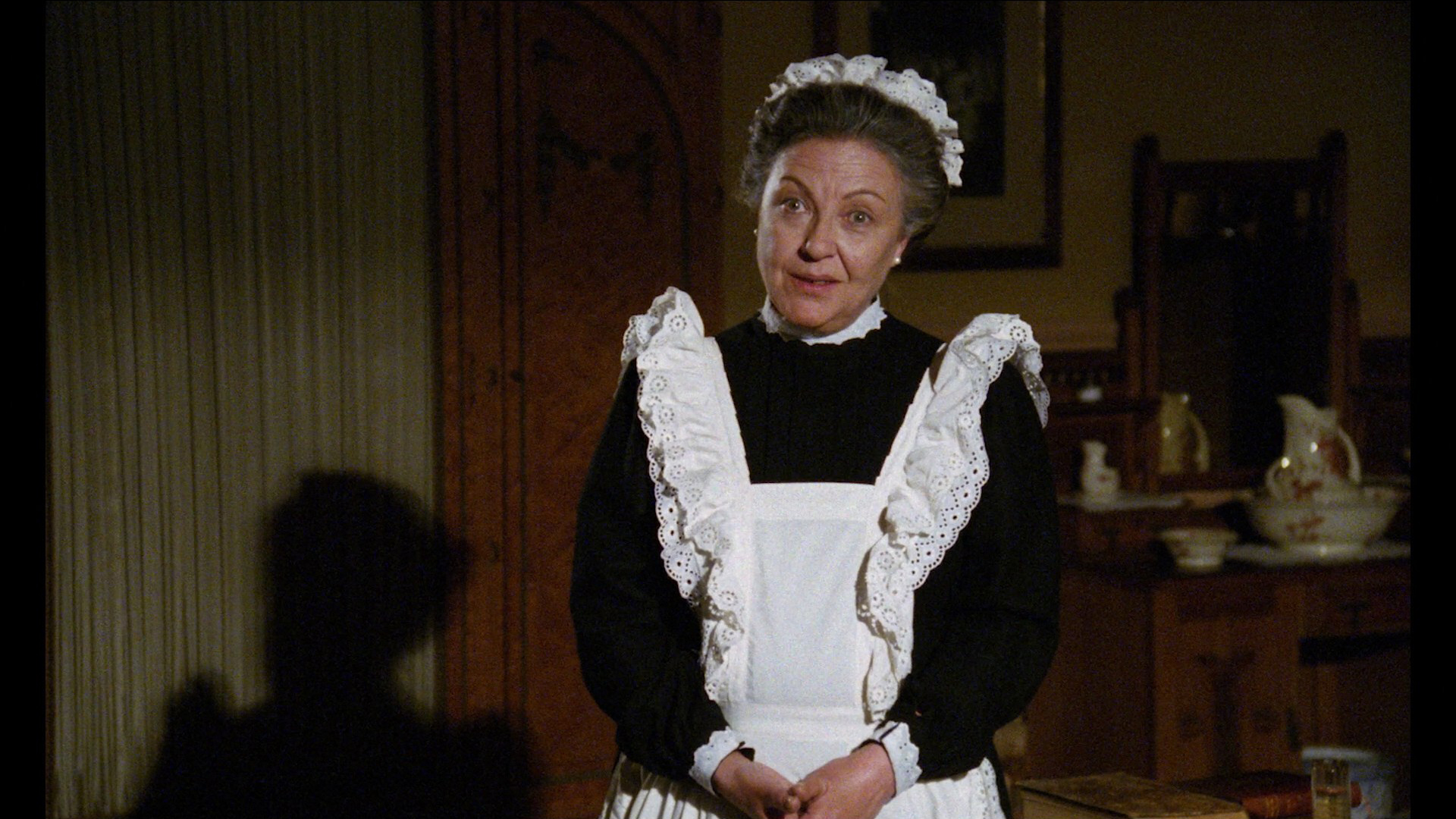 Klimovsky, of course. The usual English trailer is also included.
Finally we get to the last horror film directed by Eloy de la Iglesia (Cannibal Man, The Glass Ceiling), 1985's The Turn of the Screw (Otra vuelta de tuerca), a fascinating and surprisingly faithful adaptation of the Henry James novella with one big chance: swapping the gender of the main character. The uneasy ambiguity of the source material takes on a different tone when the "governess" is now a young man tormented by his sexuality, in this case Roberto (Sánchez) who returns to his farming community after leaving his seminary studies and is referred by the parish priest to a new job working as a live-in teacher to a pair of children after their previous governess, Cristina, committed suicide a year ago. The older boy, Mikel (Hernández), is away at jesuit school while Flora (Goyanes) lives a quiet, solitary existence with the one remaining housekeeper, Antonia (Claver). As it soon transpires, Mikel returns and has been expelled from school, apparently influenced by the corrupting influence of Cristina and her lover, the estate groundsman Pedro, who were "shameless, absolutely brazen" lovers. Roberto takes it upon himself to save the children from their traumatic past, but the dead have a much stronger hold than he had anticipated.
We've had many, many adaptations of this source over the decades including an opera, a Dan Curtis '70s TV 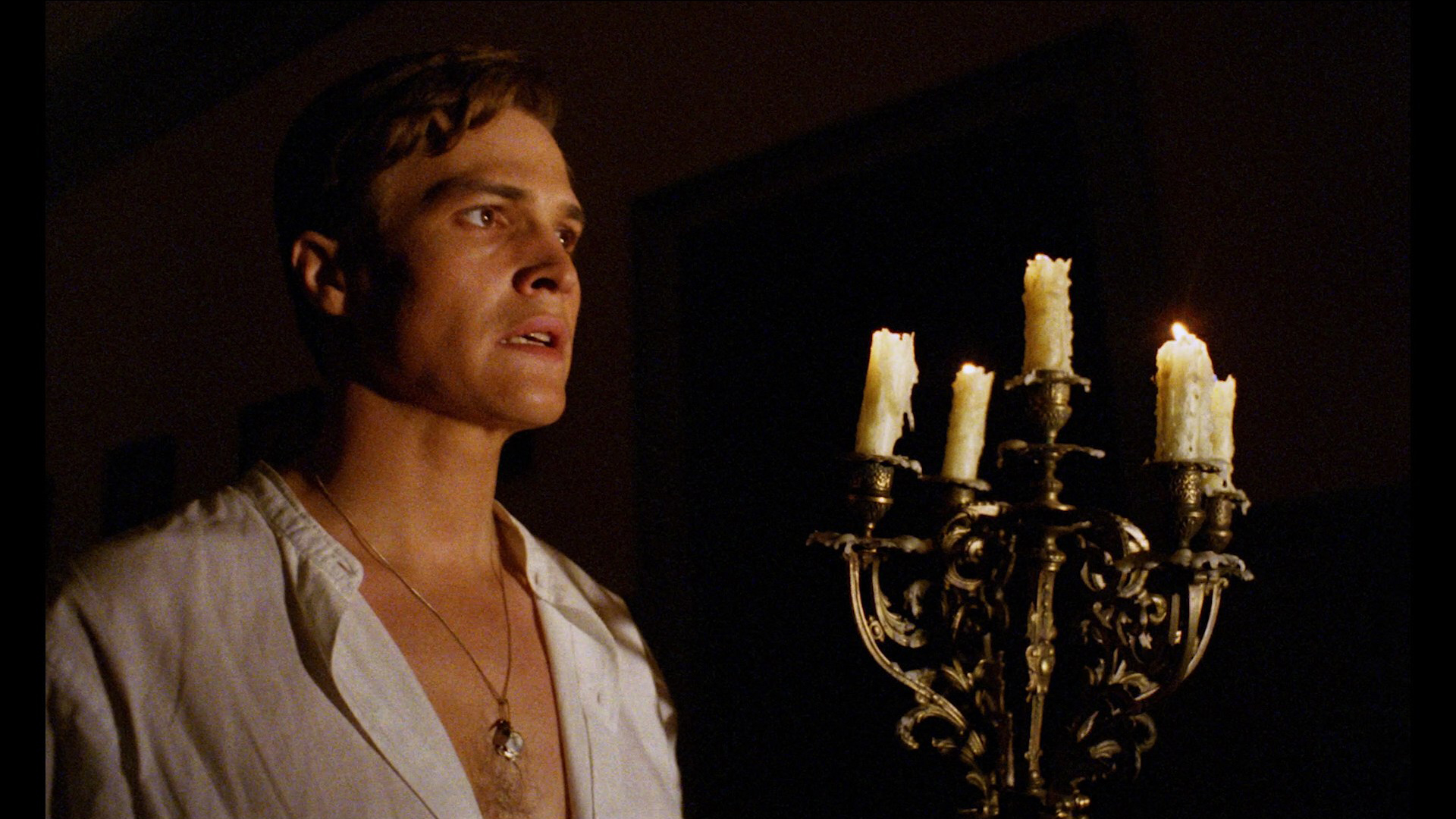 version, the prequel The Nightcomers, the classic The Innocents, and more recently the much-despised but still interesting The Turning. This one doesn't really feel like any of those, with the seaside Spanish setting and bright colors giving it a strange, off-kilter atmosphere that makes the increased implied sexuality even more potent. The actors are all excellent, with Hernández and Goyanes worth
 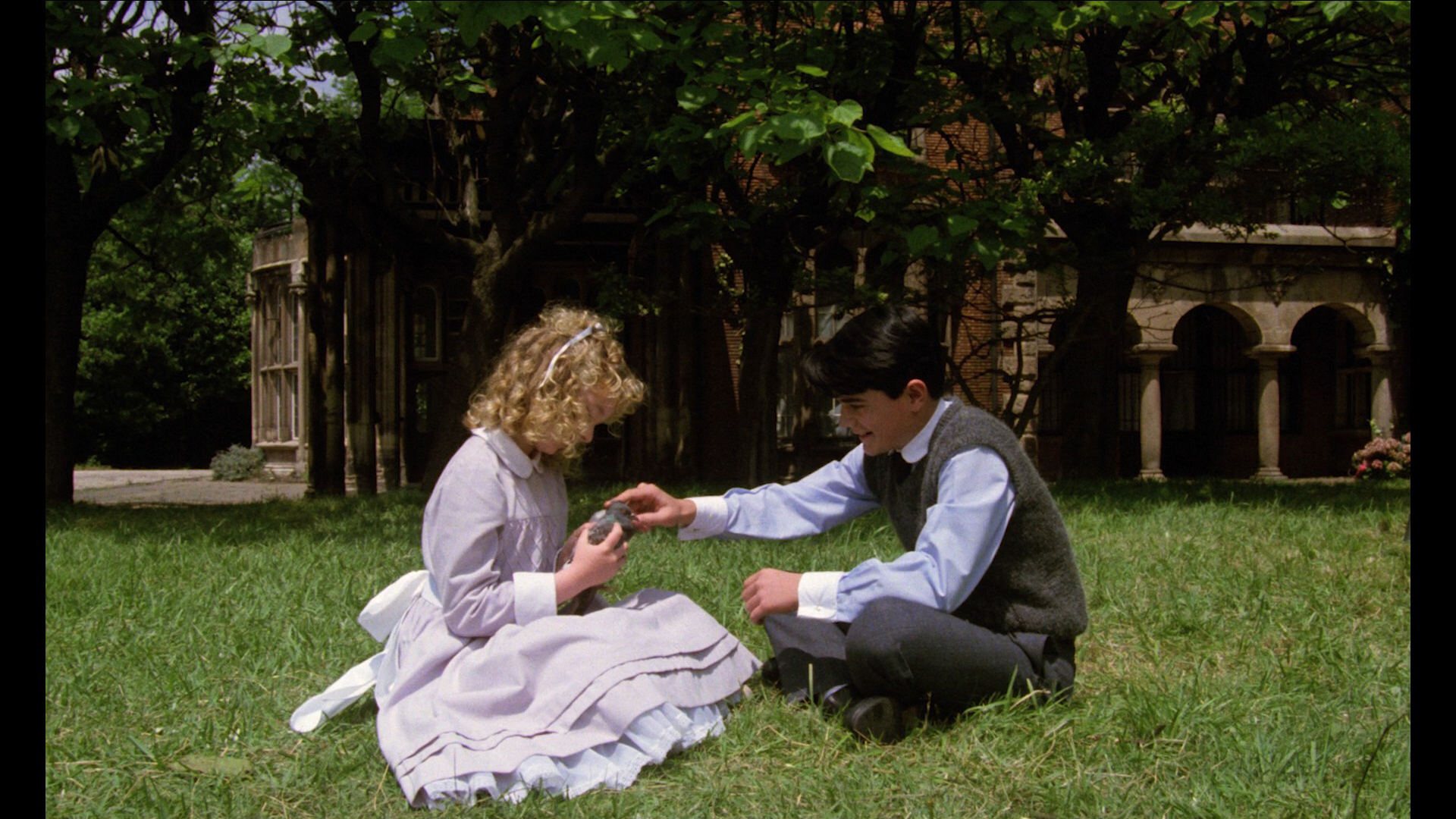 singling out as an uncommonly good pairing in line with the tormented youths that had been populating Iglesia's recent quinqui hits.
Though fansubbed versions of this have been floating around for ages, a legitimate good-quality, English-friendly option was impossible to track down until this release. A nice HD scan had been made available on Blu-ray and streaming platforms in Spain in 2025, but the Severin will be a first-time experience here for many viewers who couldn't do much better than this edition. It looks and sounds excellent, and Rogerson returns for another track covering the criminalization of homosexuality in Spain, the role of Iglesia in bringing "dangerous films" to the public, the commentary on the oppressive aspects of religion here, and the hangover of Franco’s reign lingering in this film. In "Repression and Tragedy" (13m12s), Sala explains how this film came about after that wave of groundbreaking quinqui releases, the big shift in local financing that impacted genre films around this time, and the unique traits of this take on the familiar literary work. Hernández and Goyanes appear separately in "One in Four Hundred" (22m11s) and "The Role of My Dreams" (20m39s), and it's wonderful to hear their thoughts on their early roles here including the audition process, her intense desire before this to play the role of Flora in any version, and their great rapport with their director and admiration for their theatrically-trained leading man. Finally in "Head Full of Phantoms" (22m24s), author Xavier Aldana Reyes looks at the transitional state of Spanish cinema at the time as an opportunity to use the promotion of prestigious film projects to fit the director's familiar concerns, ultimately failing to find a box office audience but absolutely a key and fascinating work of psychological horror. The Spanish theatrical trailer is also included.
THE DRACULA SAGA: Severin (Blu-ray)
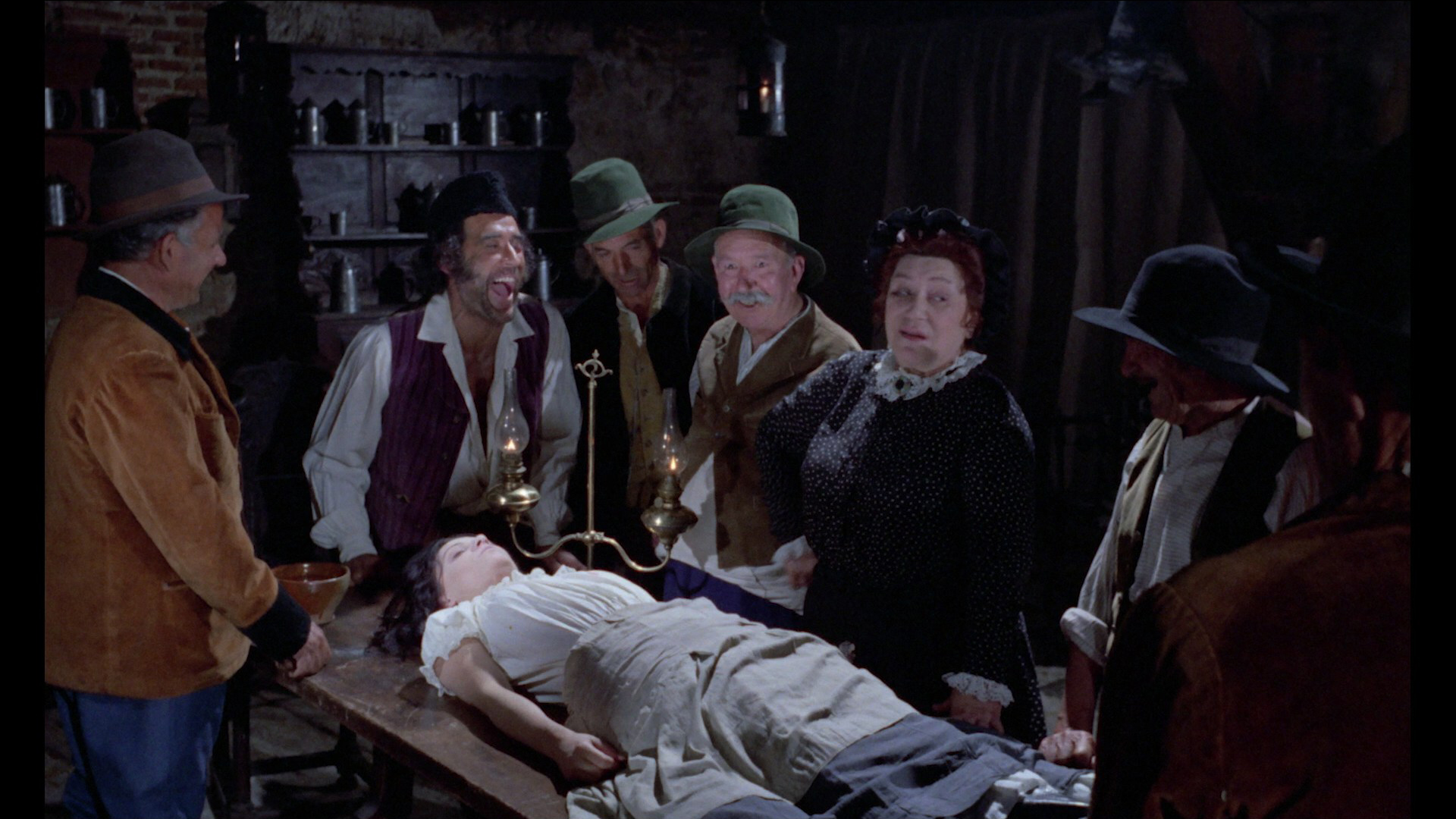
THE DRACULA SAGA: BCI Eclipse (DVD)
Reviewed on September 19, 2026
