 American filmmakers disappear without a trace in the Amazon jungle, an expedition/rescue
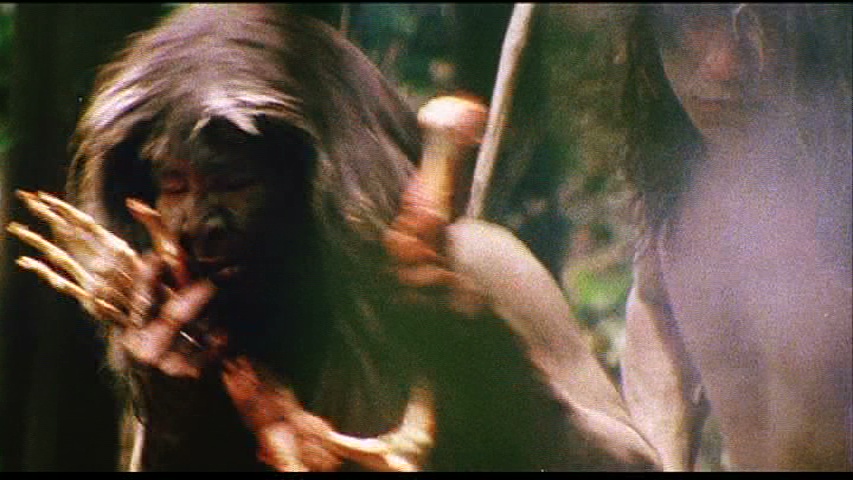
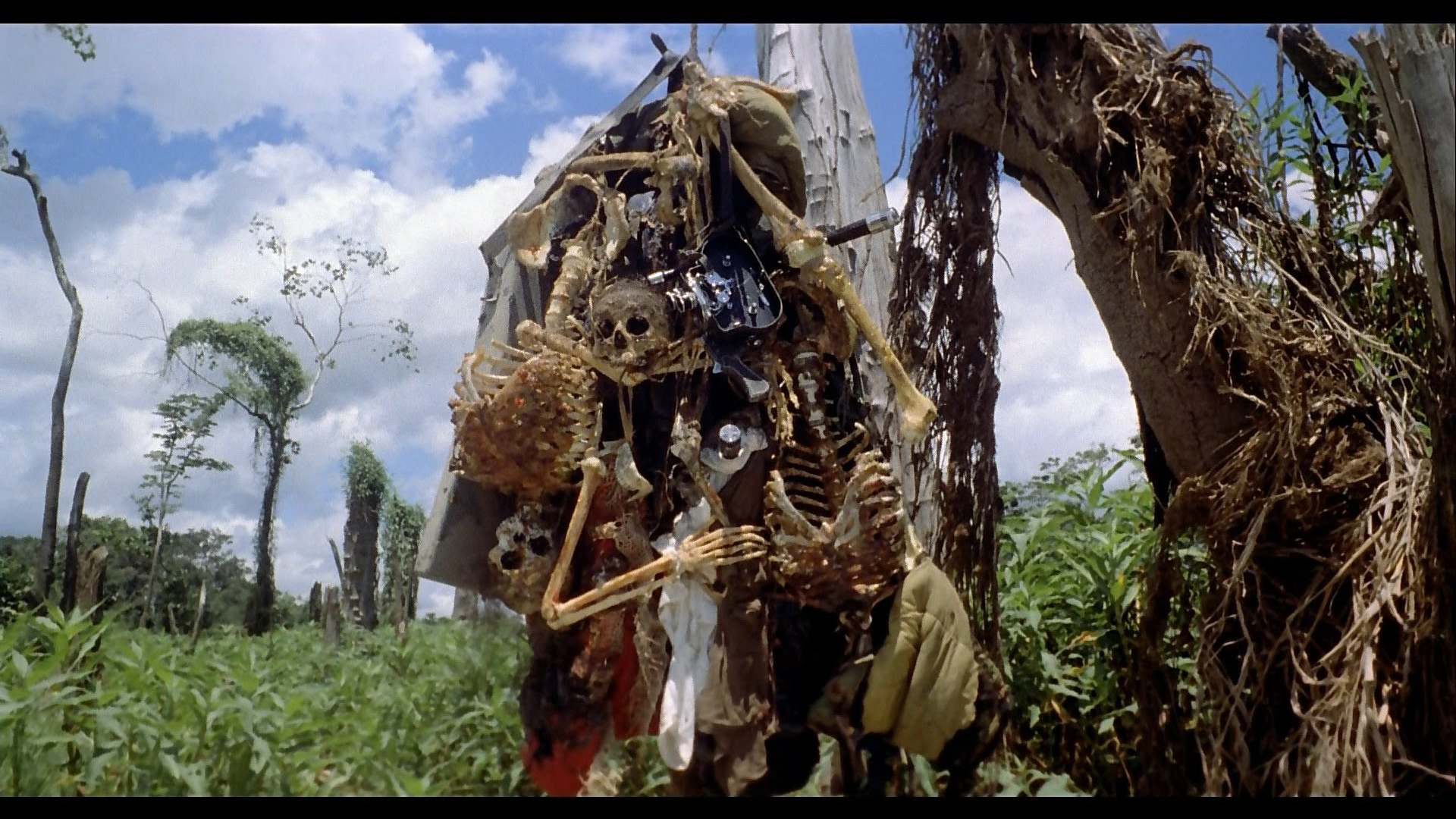
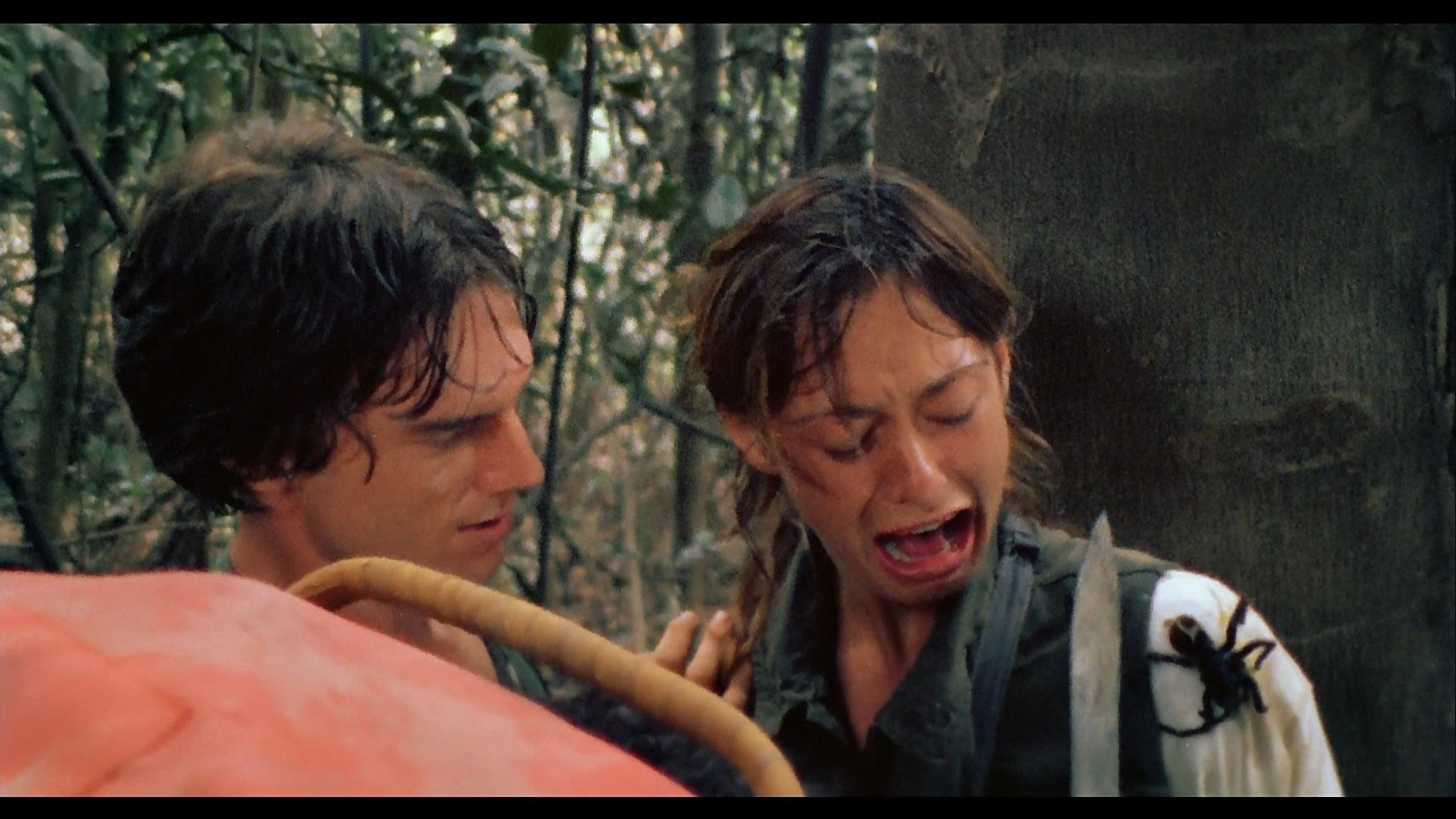
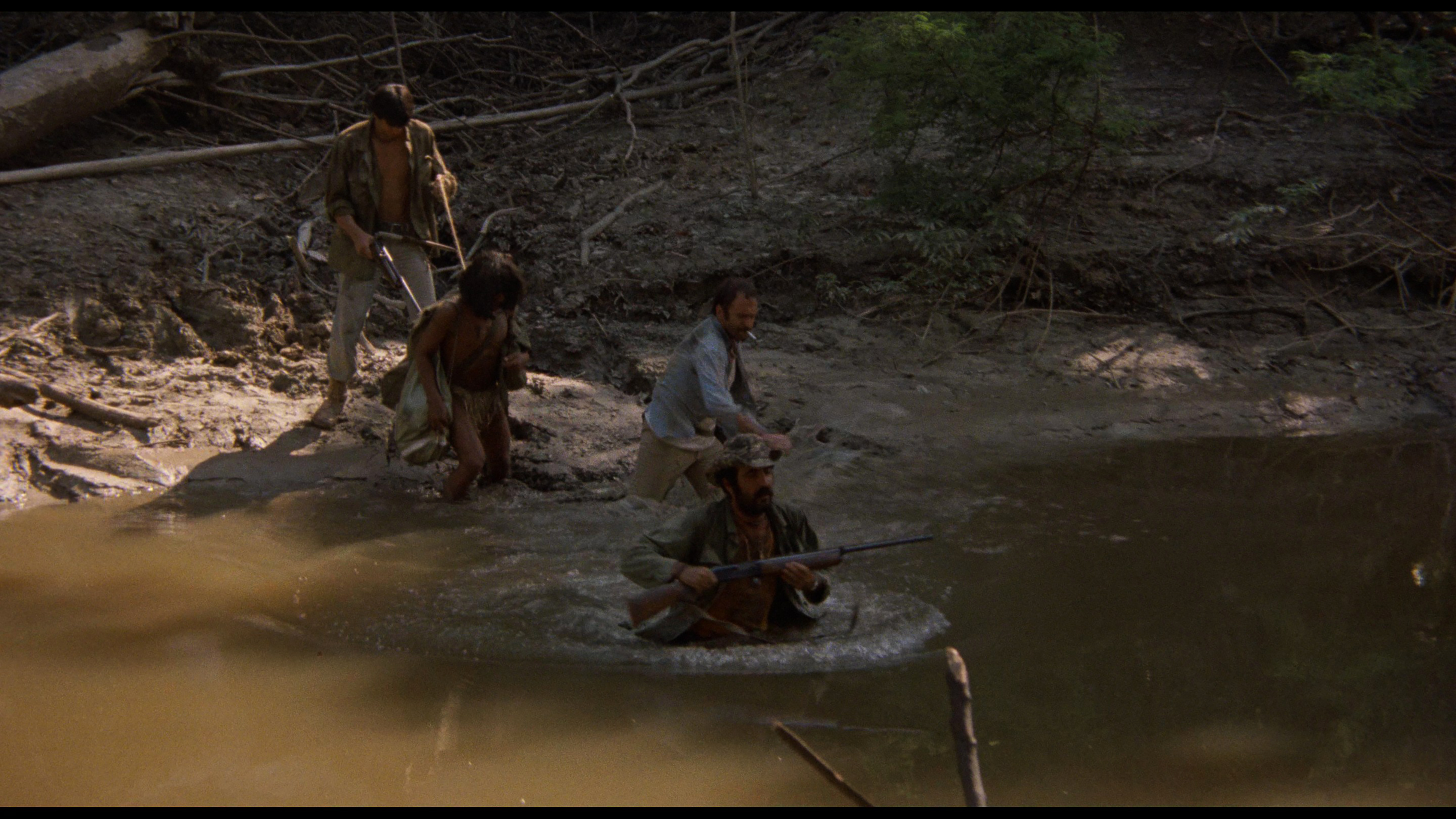
  team led by Professor Monroe (Kerman) follows their bloody footsteps to find the lost documentarians. After some shocking animal atrocities and several false leads, the team stumbles upon "The Tree People," a tribe given to such charming practices as raping and killing a woman with a stone dildo as punishment for adultery. Thanks to a gesture of trust involving skinny dipping, the team is provided with canisters of film shot by the missing crew, and we switch back to New York City where the footage is screened for appalled financiers. Finally everyone can see firsthand what really happened to cocky director Alan Yates (Yorke) and his three callous crew members and friends (Ciardi, Pirkanen, and Barbareschi), who encountered a horror far beyond what anyone could have imagined.
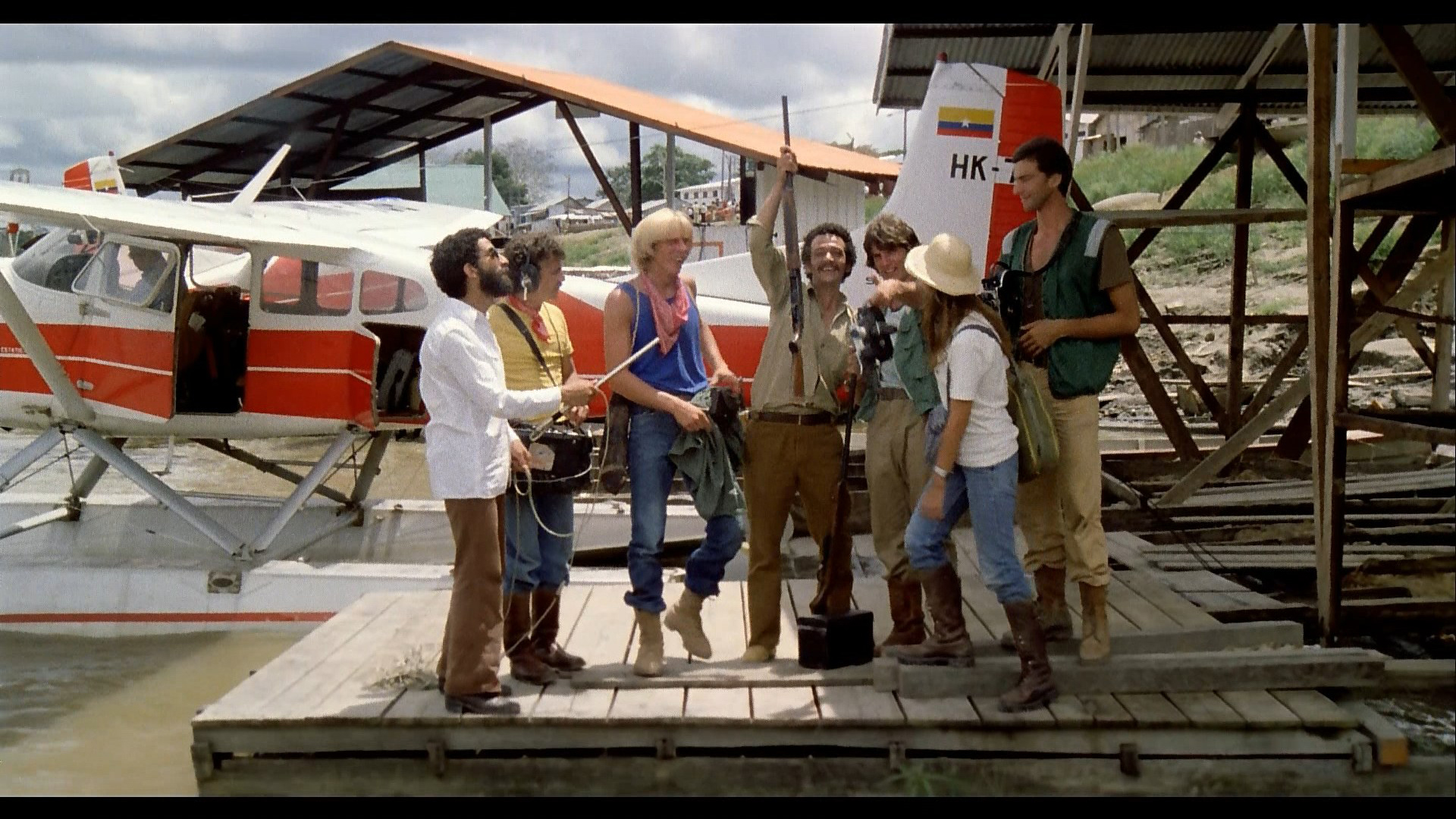
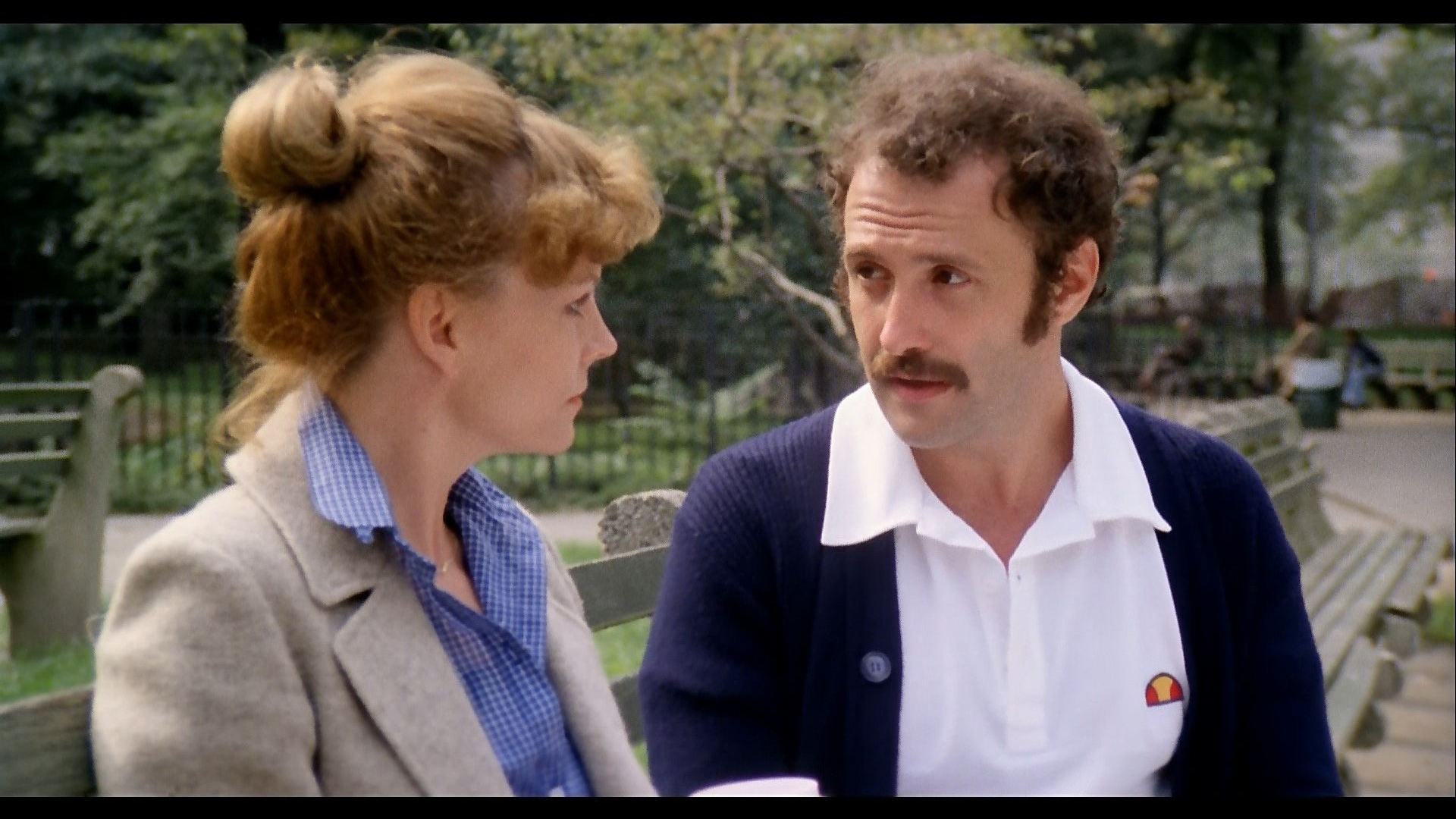
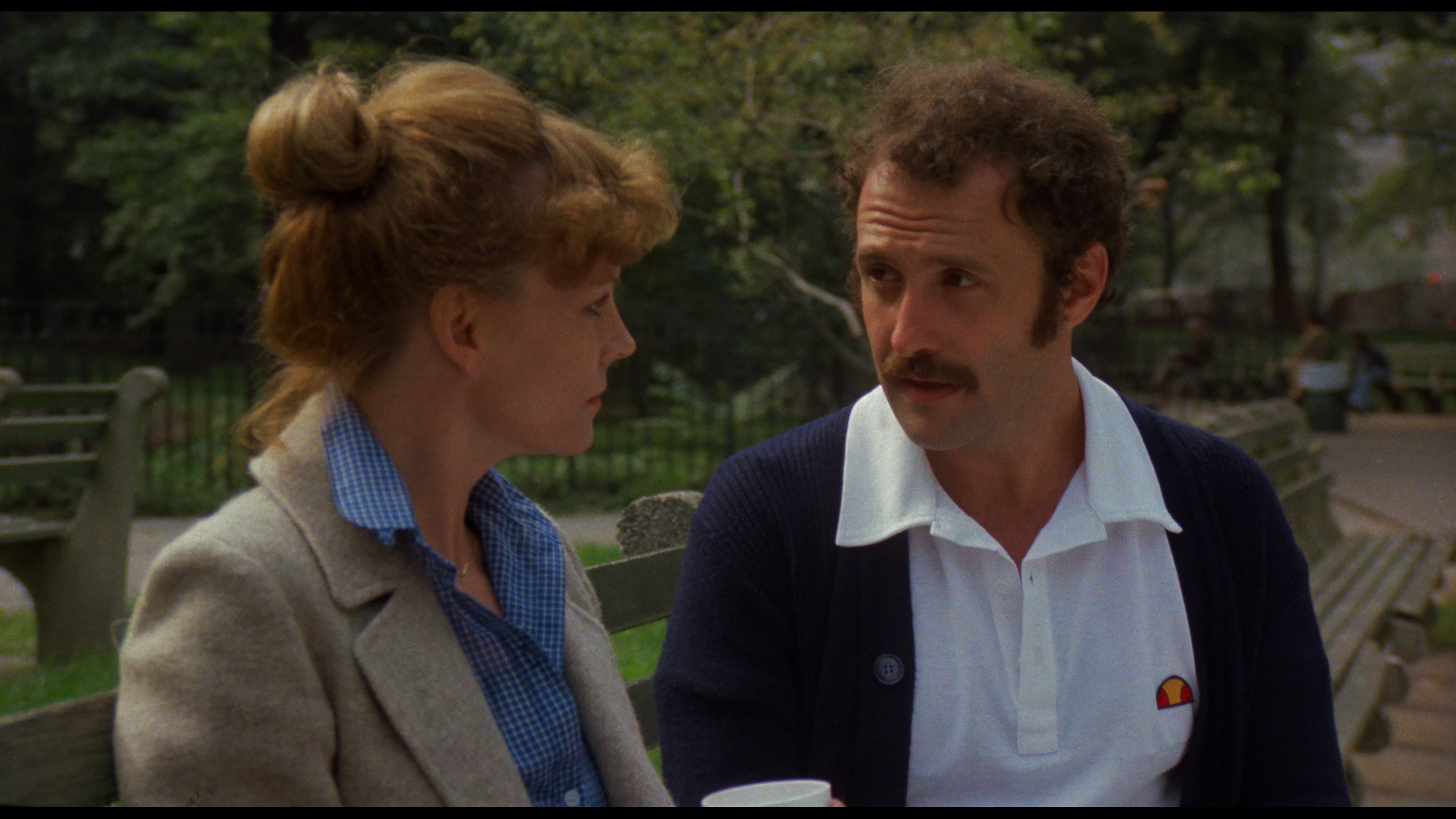
Radically ahead of its time and still unbearable to watch for many viewers, Cannibal Holocaust marks the apex (or nadir, depending on your viewpoint) of the Italian cannibal movie subgenre which flourished through the '70s and early '80s. While most cannibal films can be dismissed thanks to their kitschy special effects and laughable dialogue, this film is a far more challenging and dangerous animal than, say, Cannibal Ferox, which sticks firmly to its pulp origins and aspires to little beyond drive-in amusement. Deodato's grim world view and unremitting nastiness make for a very rough ride whose viciousness remains potent and startling. The film begins cleverly with an innocuous opening act filled with the usual endearing traits of Italian exploitation cinema: erratic dubbing, uneven pacing, and minimal location shooting in the Big Apple to pass this off as an elaborate international production.
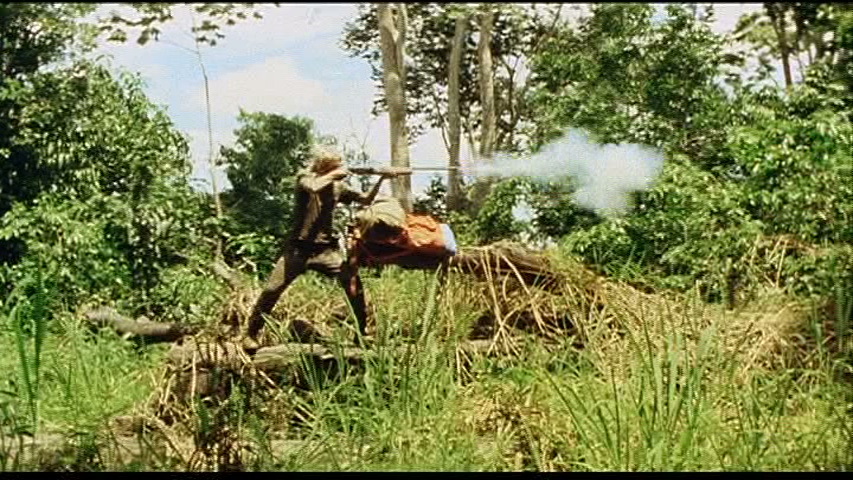
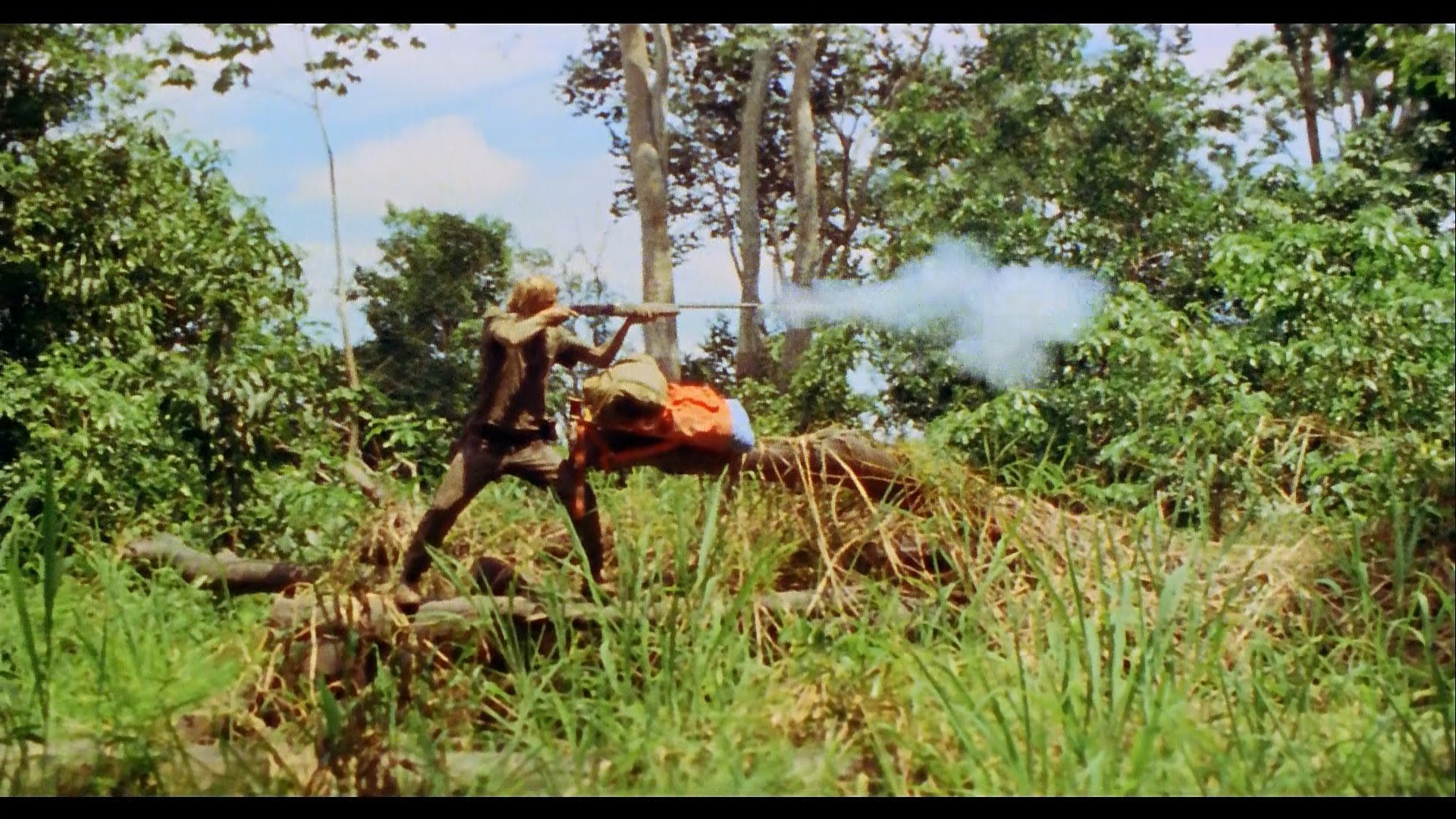
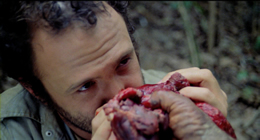
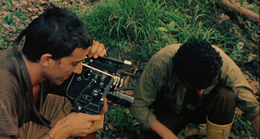
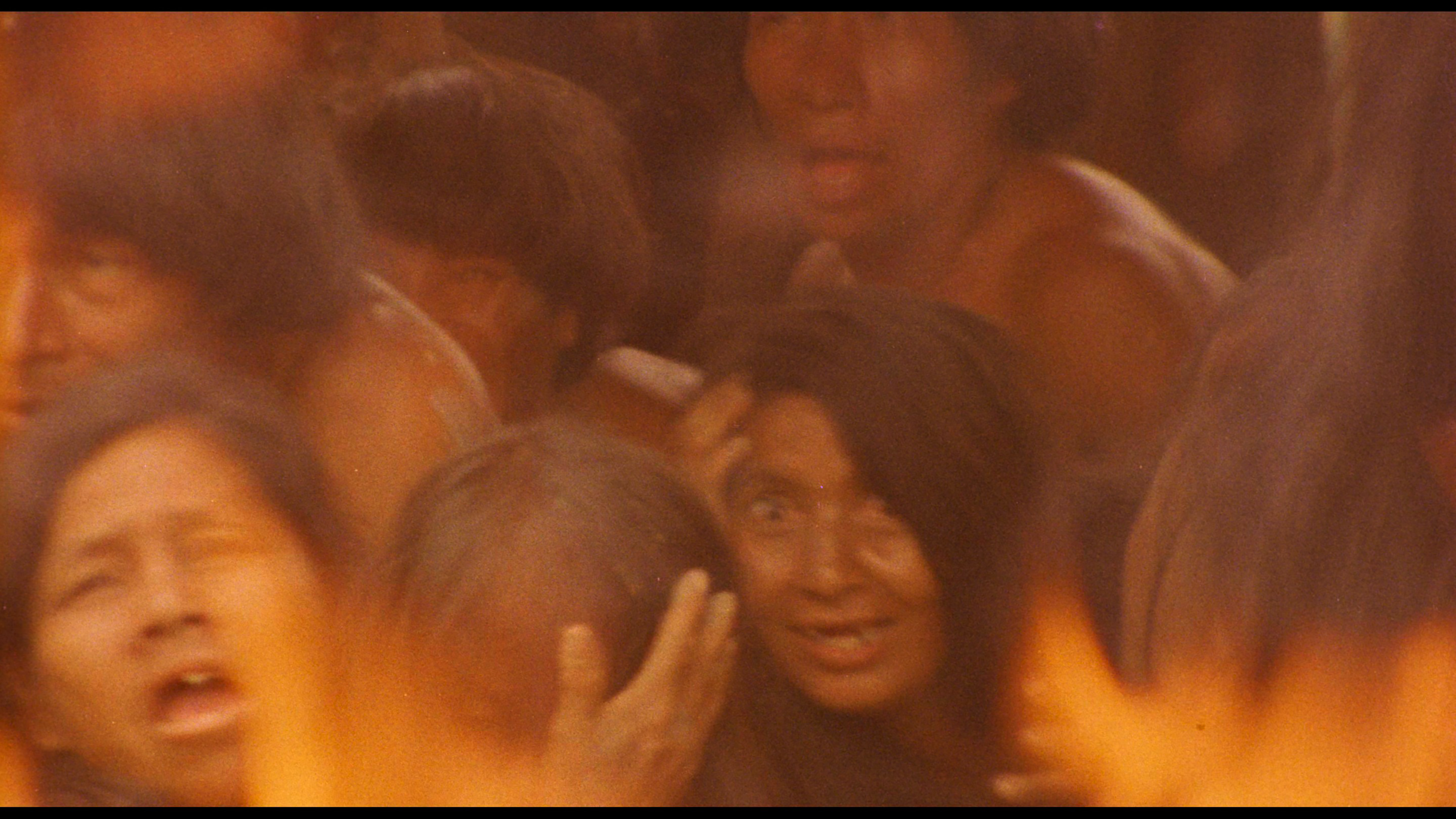
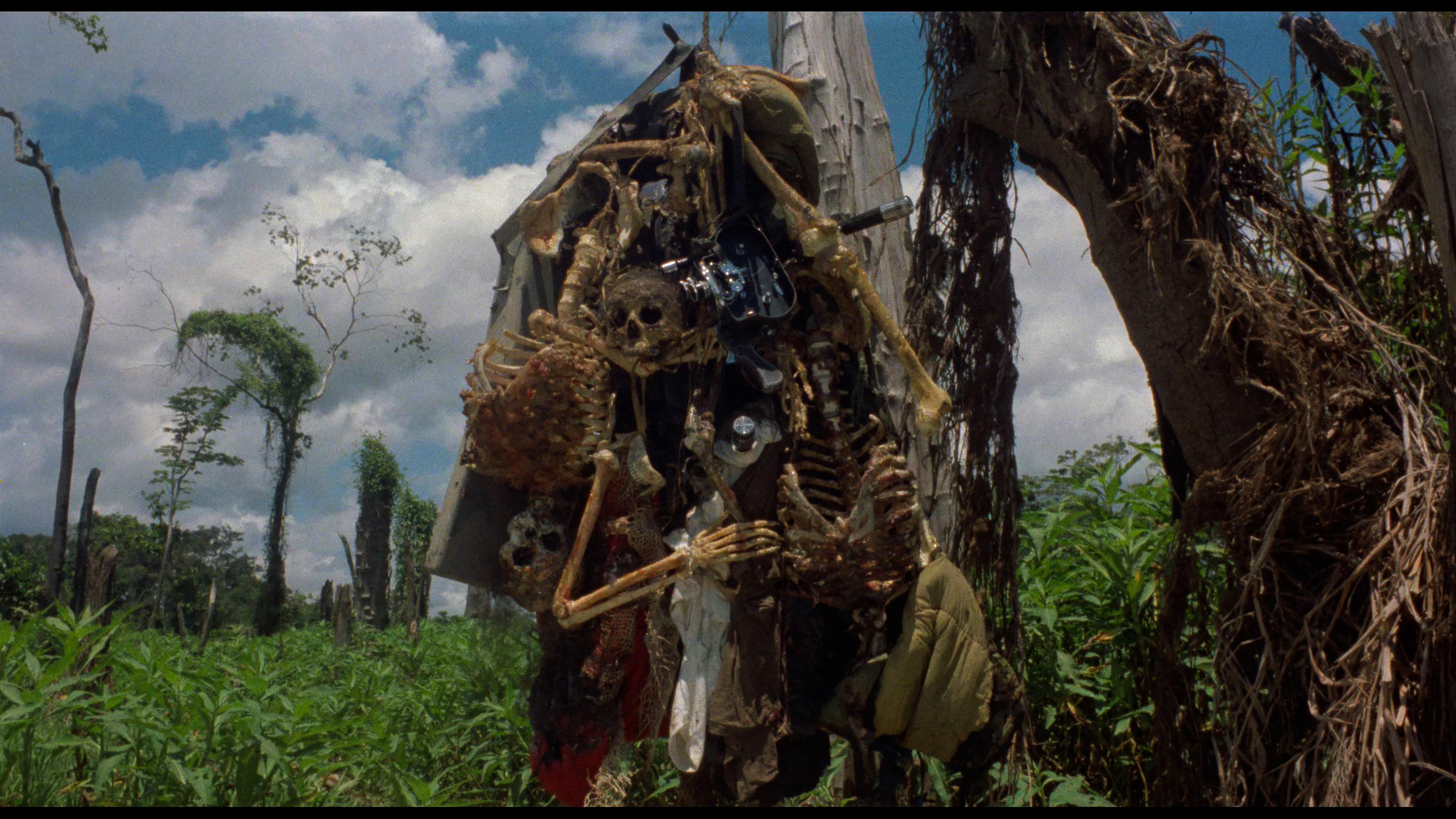
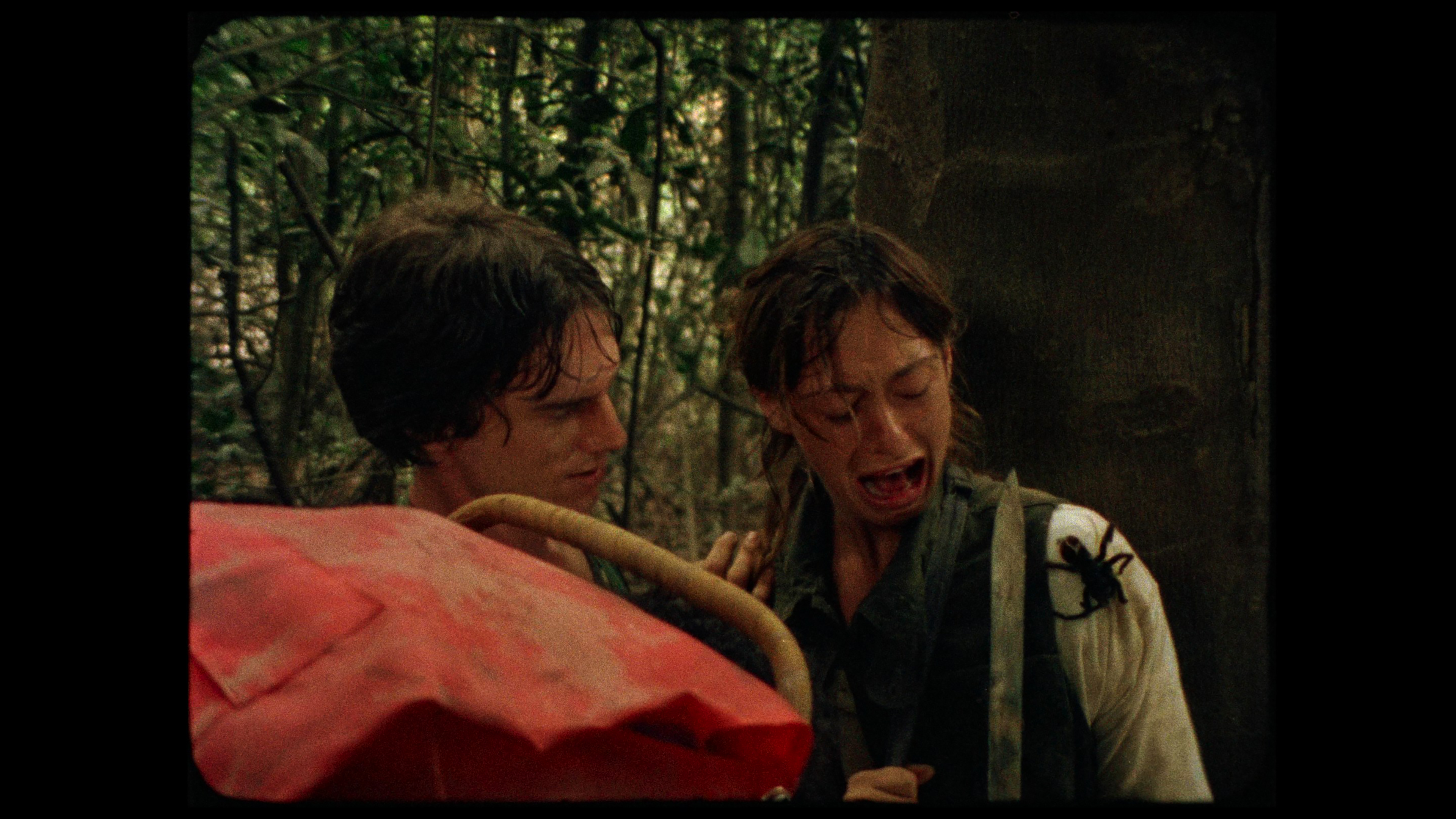
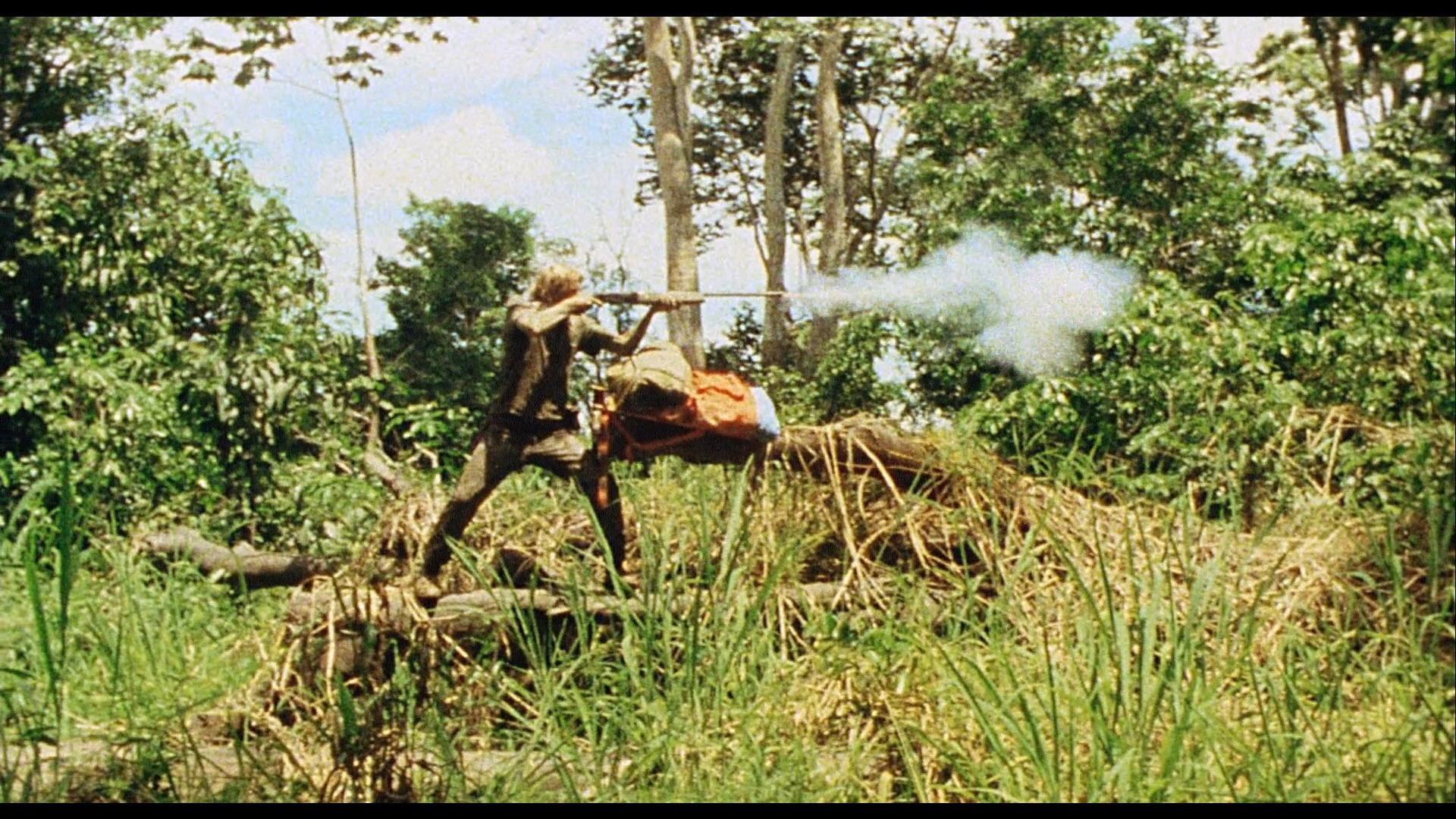
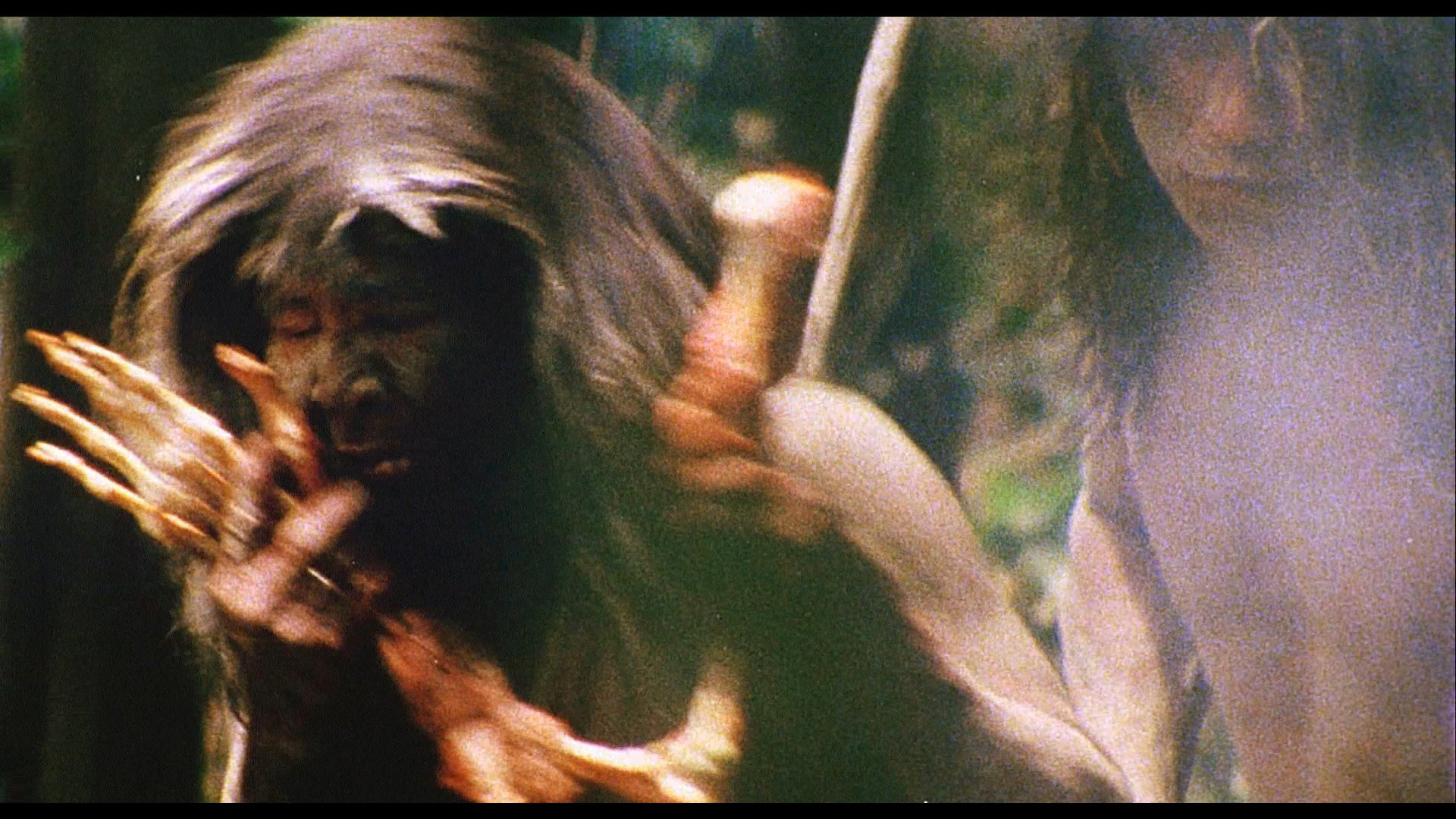
However, the main footage of the lost crew is a whole different story - raw, handheld 16mm images shot from two cameras by a quartet of filmmakers as they cluelessly tromp through the jungle, committing sexual and violent acts against the "little mud people" and even offing an animal or two in the process. The actual on-screen 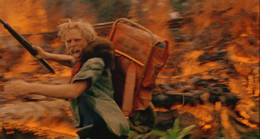 killing of animals is completely indefensible, of course, though unlike its utterly gratuitous presence in other films of its ilk, the verisimilitude of these sequences causes the viewer to then question the reality of everything else on-screen. The special effects, particularly the notorious image of a woman vertically impaled on a sharp pole, are so gritty and realistically handled that many viewers have taken the found footage as reality. Deodato intentionally blurs the line between cinema and actual mondo documentary filmmaking with great skill, brutally tearing viewers' preconceptions about Mondo Cane-style practices to shreds. You want to see brutality? Here it is, folks, in its ugly, all too human glory, and rarely will you see a subgenre simultaneously celebrating and devouring itself at the same time with such ferocity. Indeed, viewers who think they've seen it all will find this to be the closest thing to a genuine emotional "holocaust" ever captured in a fictional film. Love it or hate it, this is an important, vital work in both the horror and mondo genres; no other film has more horrifically captured the feeling of being lost in the middle of the wilderness, surrounded by forces whose only intent is to track you down and kill you. The last fifteen minutes, made even more wrenching by Riz Ortolani's rhapsodic music score, have yet to be topped for sheer gut-punch nihilism.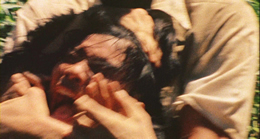
Though prosecuted in its native country on the grounds of obscenity, Cannibal Holocaust appeared on video briefly in the UK before being banned as a video nasty and was never legally released in America at all apart from a fleeting grindhouse stint in larger cities. Most horror fans first came into contact with this through shoddy Venezuelan bootleg tapes, then through the Japanese laserdisc which distractingly fogged out all of the frontal nudity (a large chunk of the running time in this case). Holland's EC Entertainment presented the first legitimate, uncensored version on DVD and laserdisc, letterboxed to replicate the film’s 1.85:1 exhibition; the framing sequences were shot hard-matted at that aspect ratio, while the found 16mm footage was filmed full frame and matted off on all prints. The theatrical trailer on EC’s version includes a few glimpses of the unmatted footage, though the framing variations probably don't make much difference given the film's haphazard visual composition. Ortolani's score is isolated on the analog tracks (probably lifted from the Lucertola Media CD), and Deodato appears for a brief interview. A few stills from the notorious "piranha bait" scene, reportedly never completed, appear as a supplement; it's hard to imagine why this scene has been considered so controversial over the years, since it doesn't look even remotely close in shock value to the other cannibal segments in the film. A subsequent anamorphic reissue from EC fared better but lost a few seconds from the “Road to Hell” sequence, as this footage doesn't exist in the negative and remains absent to this day. For the more easily offended, the first U.K. disc from Vipco features a censored and essentially worthless print excising most of the more extreme imagery. An anamorphic Italian DVD contains a documentary, "In the Jungle" (63m8s), as well as a fine print of the film itself and the trailer, a presentation carried over to the comparable French DVD.
All of these options paled in comparison to the mammoth two-disc DVD set from Grindhouse released in 2005, a five-year labor of love that finally answered many nagging questions about this very troubling film. The feature itself is presented in an anamorphic transfer with a stereo remix or the original mono (similar to their earlier job on Cannibal Ferox), with the film itself playable both in its full-strength version and an "animal cruelty free" cut when you’re not in the mood to watch turtle butchery (or arachnid smacking). The DVD transfer looks excellent, though 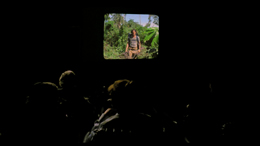 it’s flagged as interlaced; be sure to adjust your player off of progressive playback to avoid blurry motion problems if you see ’em. Deodato and Kerman appear for a full-length audio commentary as well as a selected video commentary; it’s hardly in the same combative territory as the hilarious dueling commentaries from Cannibal Ferox, but Deodato exhibits some of the same defensive techniques used by Lenzi to justify all the critter-killing. Meanwhile Kerman comes off as a jovial and well-grounded guy who was happy to do his job, the second for Deodato after the wonderfully absurd Concorde Affair. The first disc also contains the familiar international trailer, the Italian version with different text cards, Grindhouse’s slightly adapted reissue trailer, the German trailer, and the super-rare original American trailer for the film’s X-rated theatrical play dates. Also
 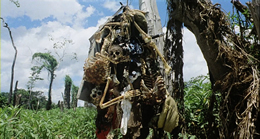 included is the alternate, slightly longer version of the “Road to Hell” sequence found on earlier versions, plus the shooting script accessible via DVD-Rom. Both discs are designed as decrepit film canisters, a nice designing touch, housed in a flip-open case within another cardboard sleeve. Very nice. The insert booklet contains "In the Belly of the Beast," a lengthy essay by Chas Balun in his typically effusive style.
The second disc contains the full one-hour documentary from the Italian DVD, with optional English subtitles. Deodato, Ortolani, Barbareschi, and cinematographer Sergio d’Offizi are on hand to talk about their experiences on the film, interspersed with behind-the-scenes footage and tons of rare photos and ad art. Kerman pops up again in "Robert Kerman Exposed," a 35m37s chat dating from the same 2000 session used for his commentary; he’s candid about the film as well as his prolific porn career at the same time under the name Richard Bolla (including his big claim to fame, the one guy who actually does the title character in Debbie Does Dallas). Ortolani also returns for a 5-minute bonus interview about the film. However, the real gem here is "Alan Yates Uncovered," a 56m18s interview with Yorke (who continued acting in mainstream American films under the name Carl Gabriel Yorke). He’s frank and funny about his work in the film, from the unlikely circumstances of his hiring to his arrival on the Amazon (heralded by a prosthetic leg floating on the way in the river). His accounts of both the harrowing rape scene and his uncomfortable sex scene with his female co-star are amazing anecdotes, and every minute of this piece is time very well spent. Other extras on the second disc include a massive still gallery containing behind-the-scenes shots, promotional photographs, and tons of artwork, a Necrophagia music video directed by Jim Van Bebber, and a trailer reel for other Grindhouse titles including The Beyond, The Tough Ones, Scum of the Earth, Gone with the Pope, and A Cat in the Brain. Easter egg hunters will also find loads of extra goodies here (eight of ’em!) including extra bonus trailers (such as Mr. Kerman’s most popular title), an entire hidden featurette, and other tasty treats.
Not surprisingly, this quickly became one of Grindhouse's most requested titles on Blu-ray, but it didn't appear until a lavish two-disc set in 2014. In the interim fans had to deal with a truly ghastly French Blu-ray, which suffered from perhaps the worst case on record of that dreaded chunky watercolor syndrome found on many disastrous Italian-sourced HD transfers like The 10th Victim. At least it added a worthwhile new featurette about the film's rocky European distribution history, though it's in French only. Meanwhile the UK got a version from Shameless; incredibly, this one managed to escape with a mere 14 seconds of trims, mainly to the repugnant muskrat scene. There's also an alternate version supervised by 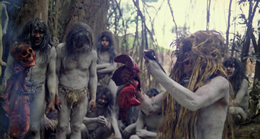 Deodato
 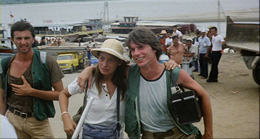 ditching all of the animal death footage entirely, which more than a few viewers would probably appreciate. Deodato and Yorke appear for a handful of exclusive featurettes, "Film and Be Damned" and "The Long Road Back from Hell," covering most of the familiar stories about the production with some additional input in the latter from Ciardi, Kim Newman, and film professors.
The 2014 Grindhouse Releasing Blu-ray not only ports over virtually everything (apart from the DVD-Rom script, Italian doc and selected video commentary option) while also adding a wealth of new material as well. In a structure similar to the DVD, the first Blu-ray contains the main feature with DTS-HD stereo and mono English options and the Kerman/Deodato commentary, plus a great new audio commentary with Yorke and Francesca Ciardi, who played Faye. They both have a lot of shared memories of journeying out to the middle of the Colombian jungle to shoot the film and share many stories about Deodato and the crew, and not surprisingly, they have audibly disturbed reactions to the film's more extreme moments. (Interestingly, Yorke hadn't watched the film in its entirety until this point.) As for the transfer, it was easily the best the film had ever looked by a long shot; the 16mm portions still have that dreary, ocher appearance, of course, but the amount of detail is increased substantially with a far more impressive organic texture than any prior release.
The second disc packs in most of the extras, with the hidden rerelease premiere featurette slipped in there on the main screen. A 2011 Deodato interview recorded in Cleveland, "Rumble in the Jungle (with some peculiar audio reverb on the soundtrack), spends 58m8s covering his violent jungle trilogy comprised of this film, Jungle Holocaust, and Cut and Run. As usual he has a great memory and covers the various problematic locales for the films, not to mention the importance of film music, his American fanbase, and the changes in reputation he's experienced in the past decades. Ciardi also gets her say in a 38m21s piece from the perspective of a "young Roman girl" who found herself in a highly unusual production "in the middle of nowhere." She also talks about painful insect bits, the fakery of the spidery scene, her hatred of the turtle scene, the "excessive" nudity, working with American versus Italian actors, and plenty more.
Actor and assistant director Salvatore Basile (who plays Kerman's bearded sidekick) appears for a 30m32s discussion going into detail about the special effects and referring to the production as "pure, wholesome cinema"(!). There's a lot of background noise (and funk music from the soundtrack for the first few minutes) but it's well worth 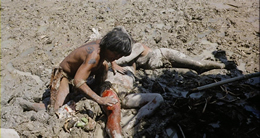 sticking with to get his take on the experience about Italian filmmaking of the era. Perhaps the best moment comes near the end when he gives a detailed account of the agreement the four "documentary" actors made to stay out of the public eye for a year after the film's release to enhance its realism, a tactic adopted less extremely years later by The Blair Witch Project. "Blood on the Camera Lens" (12m31s) features cameraman Roberto Forge Davazati, who also has a
 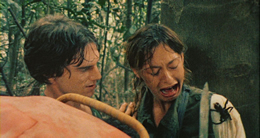 conflicted attitude about the film ("Sometimes I closed one eye while filming") as he chronicles the difficulties of reaching the locations, the different film formats, and the simplicity of some of the special effects. Next comes Deodato's 28m22s Cinema Wasteland panel in 2011 (presumably the same time his other interview here was shot) in which he's flanked by some familiar faces including Ciardi, David Hess, Art Ettinger, and Michael Berryman, while Ciardi goes solo for a surprisingly hilarious 2010 Glasgow convention appearance (11m14s), with moderator Calum Waddell. A Yorke and Deodato reunion from 2009 (10m25s) at the Fangoria convention in Los Angeles is also a great moment in time thankfully captured on video as they take time to catch up while signing posters for fans, while the previously hidden Deodato and Kerman reunion (8m48s) from 2000 at Cult-Con in Tarrytown is included as well.
A wealth of still galleries is here, of course, with a peek at the film's Vancouver first midnight screening in 2001 (7m14s) tucked away as a hidden extra. "Production Stills" is the most elaborate of the bunch (including the piranha bait shots), followed by "Behind the Scenes" (with lots of images of Deodato at work), separate promotional galleries (Italy, Germany, Spain, Japan, and miscellaneous), the worldwide video releases, and "Mondo Cannibal," a collection of various press ephemera and PR items. Also included are all of the previous Grindhouse trailers plus new ones for Pieces, An American Hippie in Israel, The Swimmer, Corruption, Ice House, Massacre Mafia Style, and The Big Gundown. (That same screen also features a little Easter egg 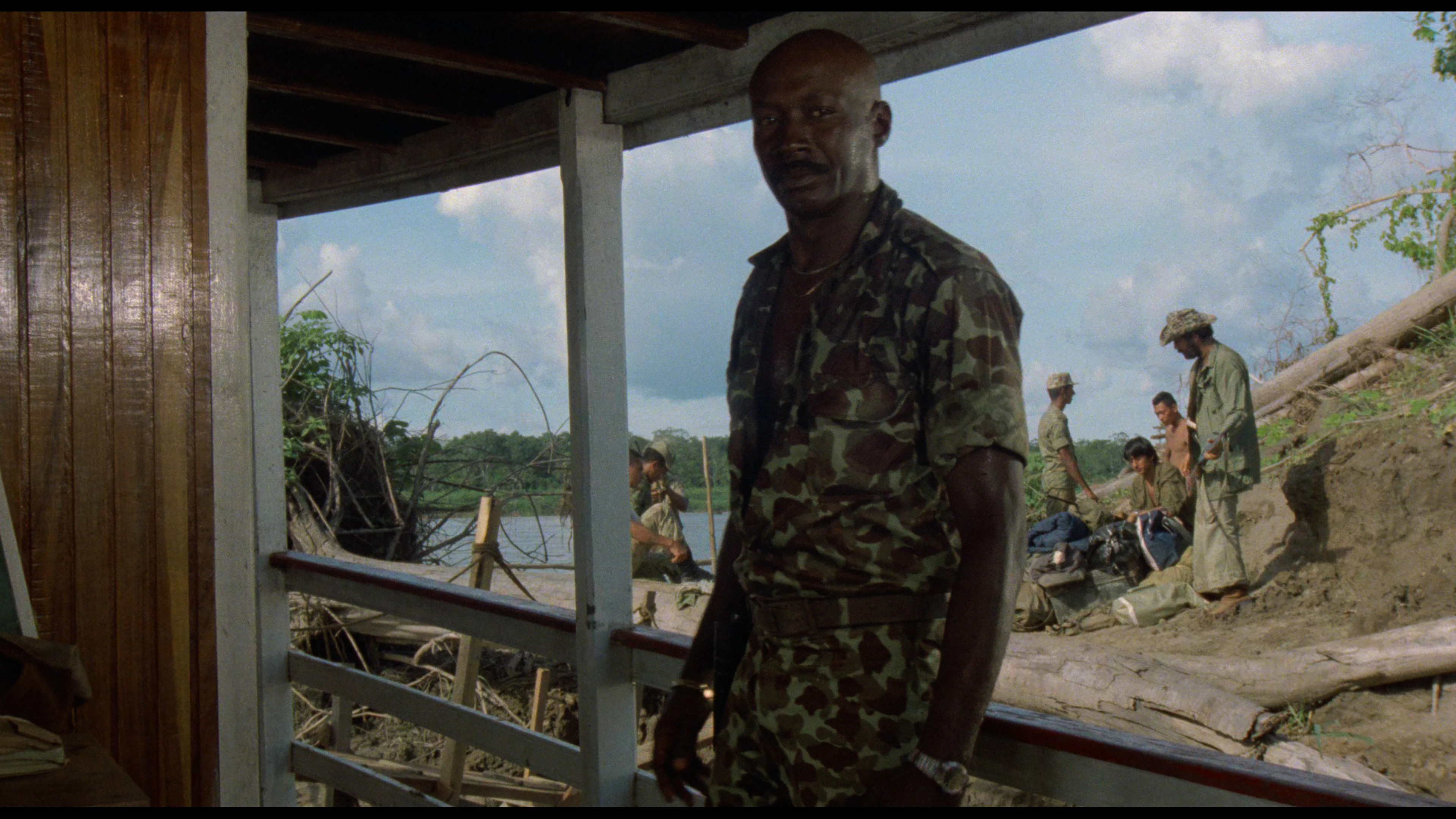 with Grindhouse's Bob Murawski and the late Sage Stallone tracking down "Alan Yates" in Palo Alto.) The set also comes with a remastered soundtrack CD, reversible cover art with a more extreme version of the cover painting, and a greatly
  expanded liner notes booklet retaining the Balun essay while adding a new admiration piece by Eli Roth, a Gergely Hubai history of the late Ortolani, and a very graphic breakdown from Martin Beine detailing the differences between the film and the more explicit Gianfranco Clerici screenplay.
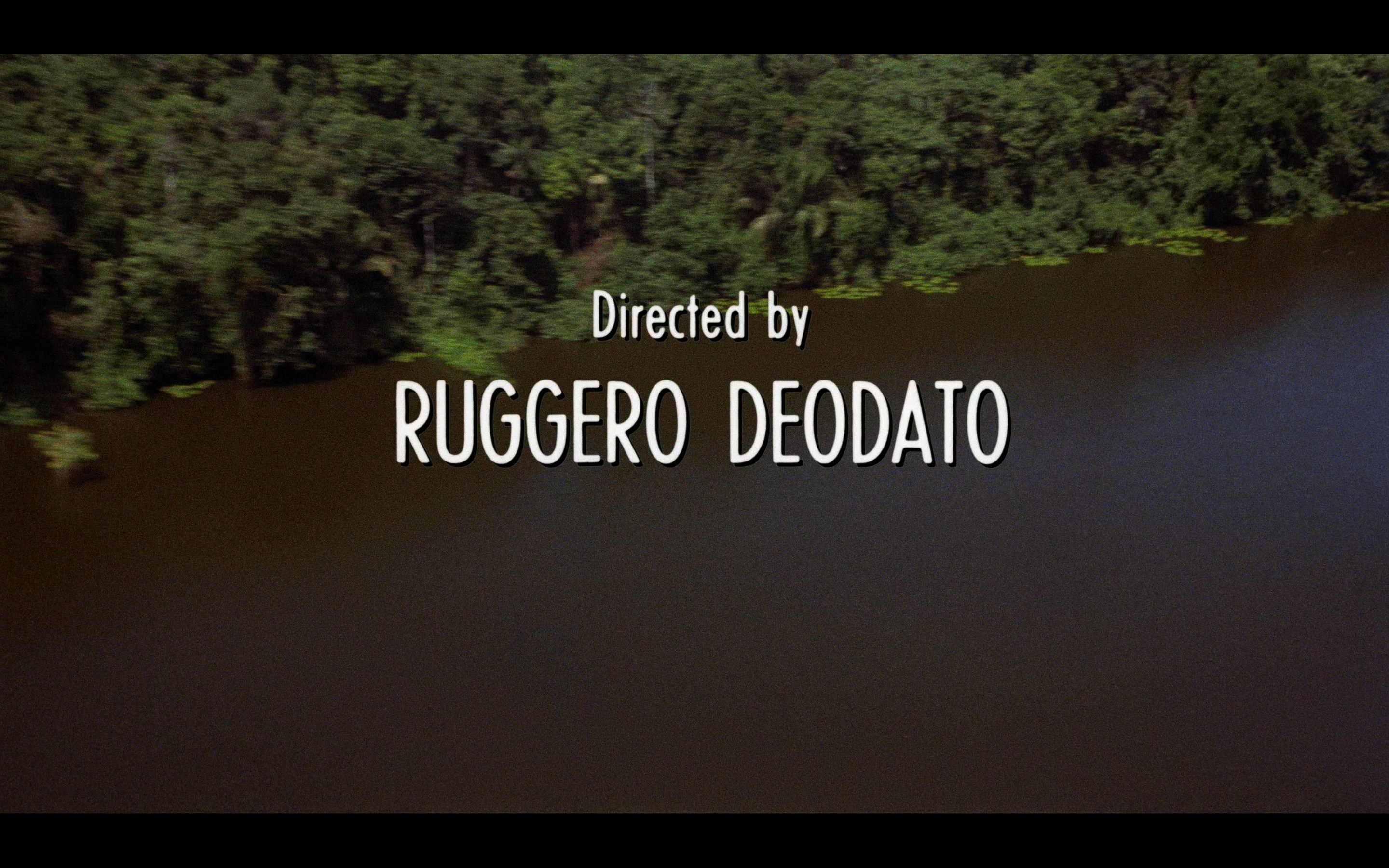
In 2023, 88 Films presented the film on UHD and Blu-ray in the U.K. in as complete a version as possible given the BBFC's restrictions, clocking in at 95m38s. This release featured some quirks of its own beyond that, including very digital, Photoshop-y style new text for the main titles and no distressed color timing for the found footage sequences; instead it's presented in the same vibrant quality as the rest of the film, which is interesting but definitely not the way it was intended. Audio options are English DTS-HD 2.0 stereo or mono with English SDH subtitles, plus a commentary by Kim Newman and Barry Forshaw and the U.S., international, and Italian trailers on both discs. The Blu-ray features a Deodato interview, "The Flesh of the Controversy" (10m9s), the archival "Biting Reality" (25m9s) Deodato interview, "Last Cannibal Kings" featurette (25m9s) comparing Deodato and Lenzi via interviews with both, "Jungle Stories" (20m37s) with production designer Massimo Antonello Geleng, another Deodato and Geleng interview in "Different Holocaust" (12m7s), "Italian Horrors" (13m51s) with director Marcello Avallone, "Professionals in Peril" (47m2s) with director of photography Sergio D'Offizi, the alternate Last Road to Hell edit, and that "In the Jungle" (63m8s) doc from the Italian DVD.
That brings us to what will likely be the definitive statement on this film with Grindhouse Releasing's six-disc(!) 2026 edition featuring
a UHD, four Blu-rays, and a soundtrack CD featuring the expanded 20-track edition of Ortolani's score. (It's worth noting that in the interim between the U.S. format upgrades, Deodato's film continued to rise in public awareness thanks to its notorious inclusion in season two of The Last Drive-In with Joe Bob Briggs featuring a 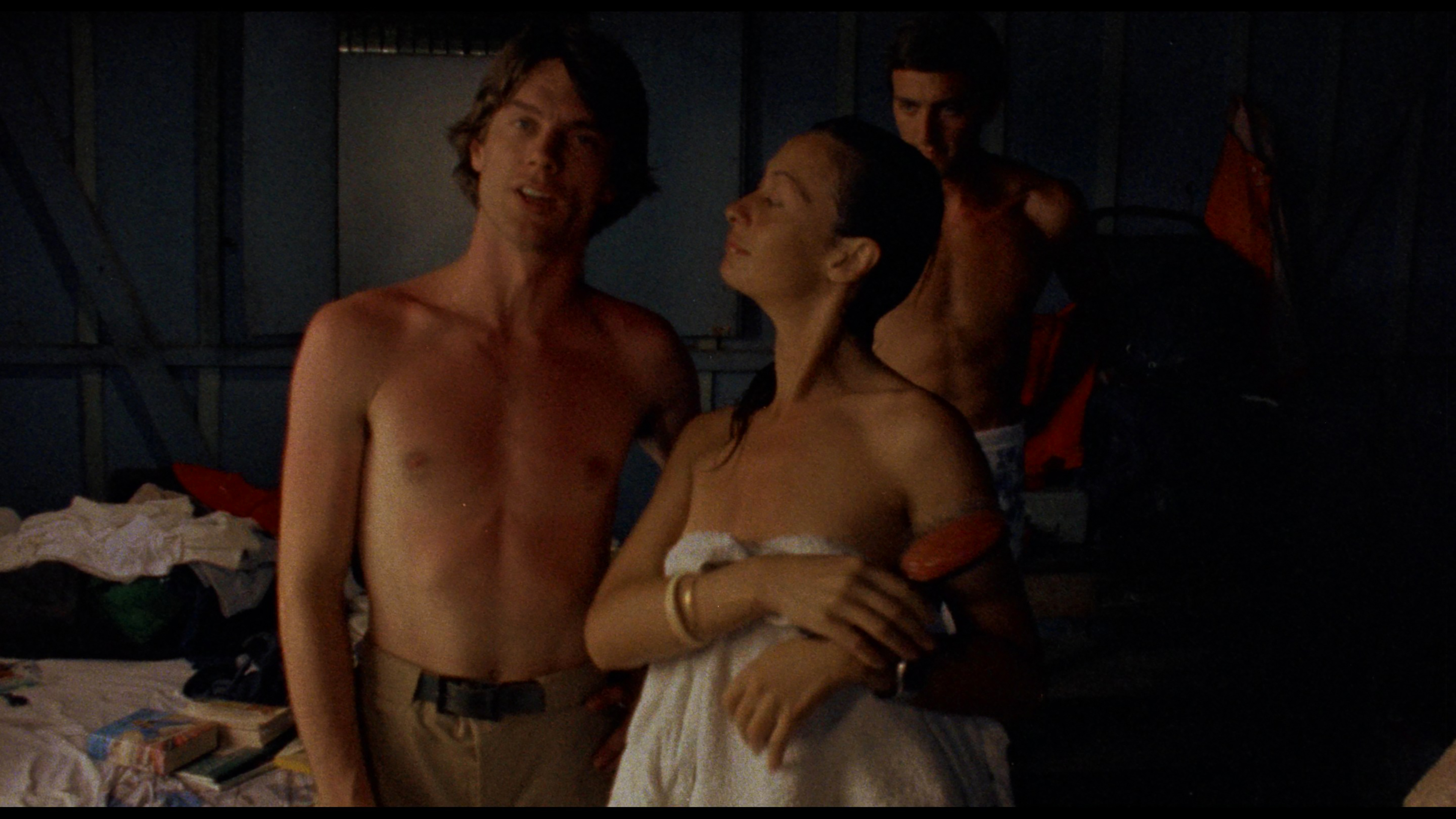 slew of disclaimers.) The UHD features a marvelous HDR10-compatible Dolby Vision presentation of the film in three options, including the uncut theatrical version (with the extended Last Road to Hell sequence) with the original main titles and found
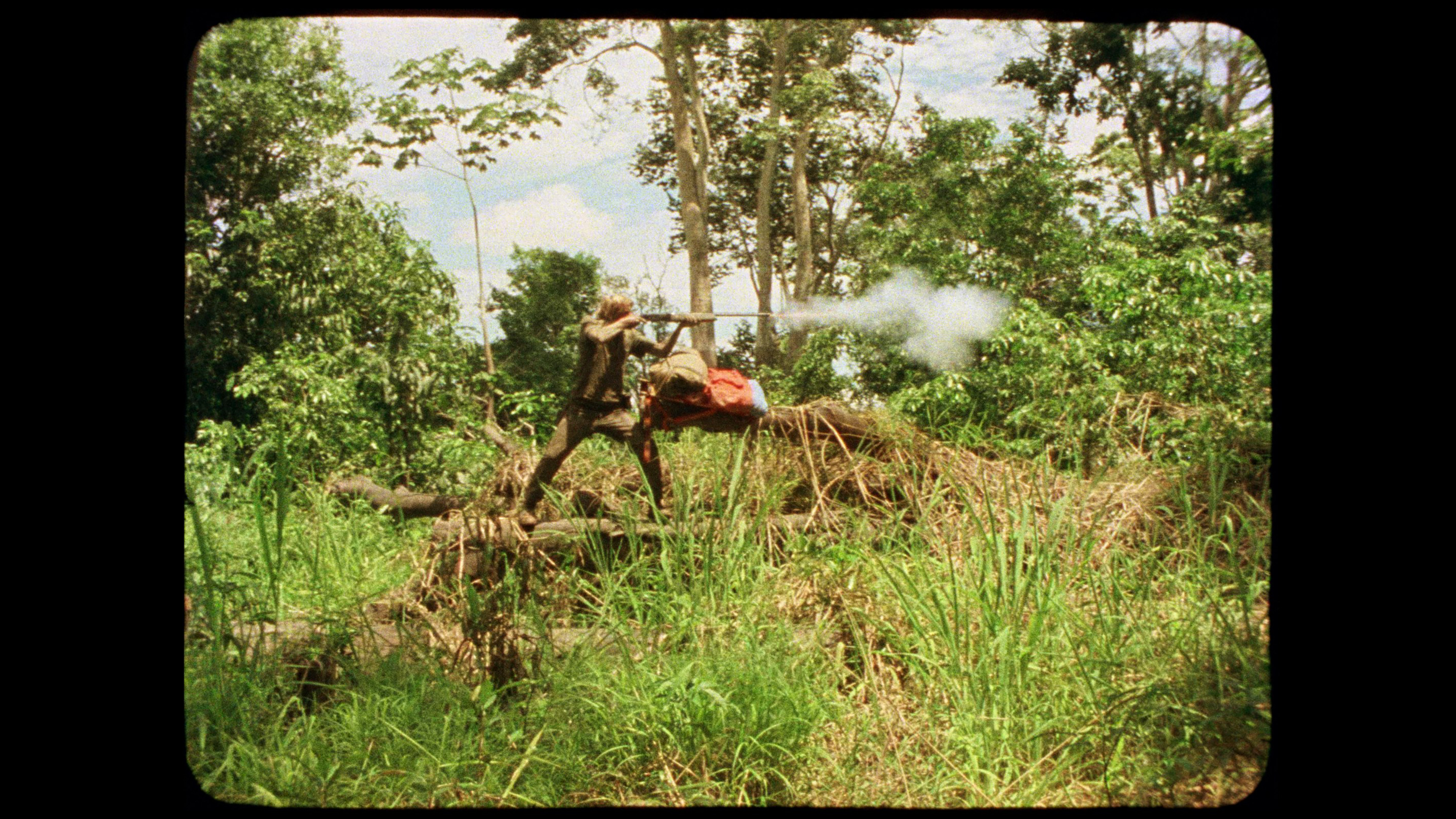
  footage color grading. Framed at 1.85:1, this is the best it ever has with excellent detail, with DTS-HD MA 2.0 English stereo or mono options with English SDH subtitles plus the Deodato-Kerman and Yorke-Ciardi commentaries. The second is a "special edition" of the same cut with a cool twist: all of the footage shot by Alan and his crew is presented open aperture at 1.37:1 for the first time, matching what you see on the monitors and revealing tons of extra room on the top and bottom. Interestingly, the 1.37:1 footage isn't color timed exactly the same as the first version with greens in particular looking more vivid here. Also included is the usual animal cruelty-free version for posterity. The first Blu-ray contains the same three viewing options and the commentaries.
The second Blu-ray kicks off with a really wild discovery, a previously unreleased "PG-rated" version (90m5s) similar to the alternate clothed one for Jungle Holocaust. Every single scene involving nudity was reshot with clothing (and the more brutal sexual violence is toned down), which can be very disorienting if you've familiar with the film-- especially the post-shower hotel room scene. Quality is comparable to the other versions, and there's still a lot of violence here (including the poor turtle) in case you're really expecting a wholesome viewing experience. Then comes the North American debut of the 2021 Calum Waddell documentary Searching for Cannibal Holocaust (87m38s), which was previously available on German Blu-ray and via various streaming options. It's an interesting, episodic look at the film and its creation starting with a lengthy interview with Yorke (who pops up again throughout) and really shining after the half-hour mark during a trip to the Amazon for a great hangout with a mother and son who worked as cannibal actors in the film. The coverage of the filming locations is fascinating with translator Tana Chowning (whose own story is something else in its own right) relaying the various memories of turtle eating and piranha baiting. The final stretch goes off on an odd tangent involving a mystery figure named Jungle Mike involved in various illegal trafficking activities in the area, though his connection to the film seems fuzzy even when things loop back around to Deodato himself. 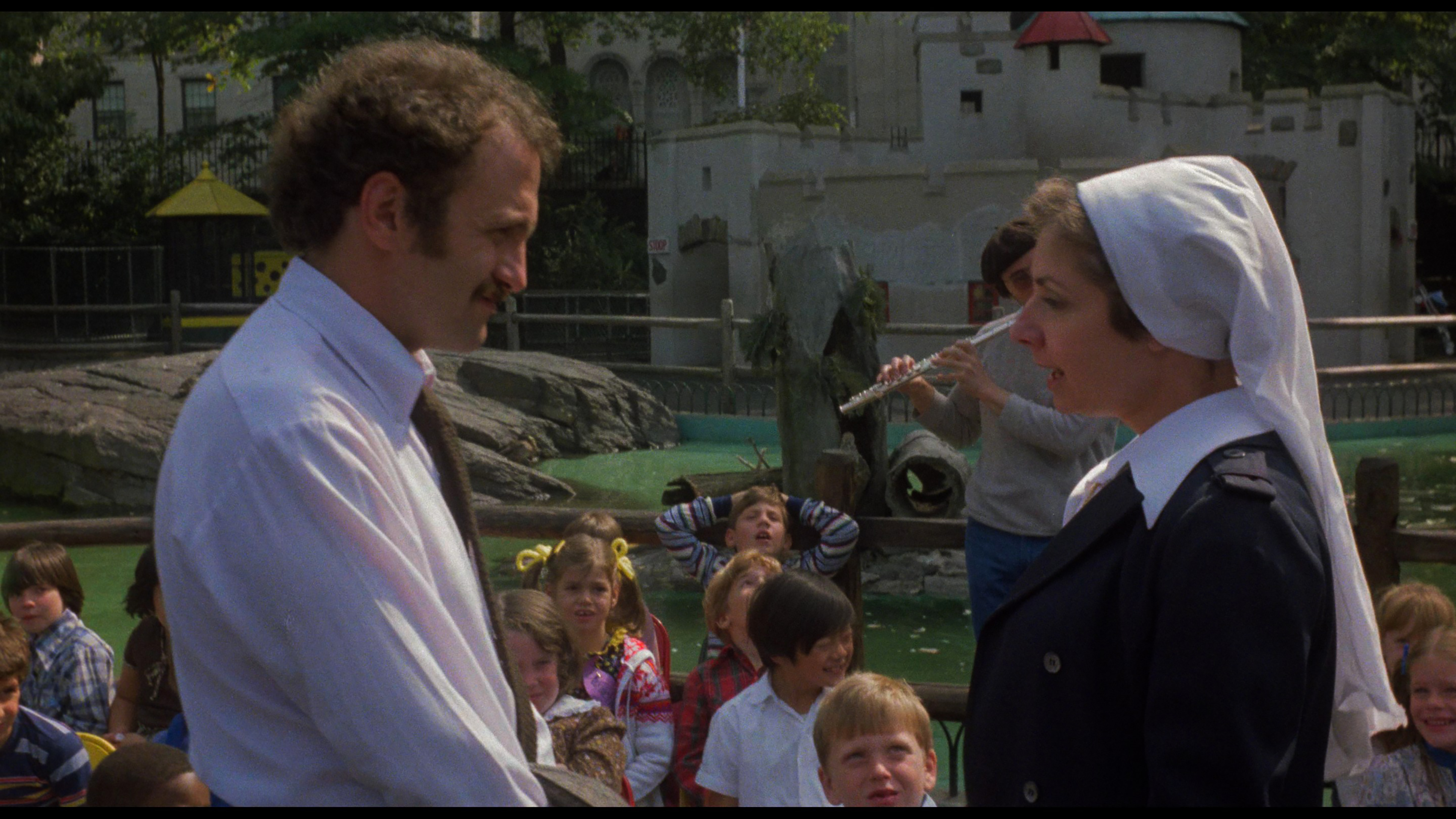 After that you get the "In the Jungle" doc on U.S. video at last, a great 16m49s reel of Super 8 production footage with narration by Roberto Forges Davanzanti about the setup we see for several iconic scenes, and a 44s snippet of Deodato at a convention talking about the lost piranha scene. Also included are the international, original and reissue U.S., Italian, and German trailers plus a U.S. radio spot. As usual for a Grindhouse title, roam around the menu screens on this and the other Blu-rays for a large number of Easter egg goodies including what seem to be all the ones from the prior editions and more (including an appropriate saucy one for Kerman and, yes, the complete Joe Bob and Darcy hosting segments).
Blu-ray three is devoted to new and previously unreleased (in North America) interviews starting with "Jungle Madness" (30m26s) with Geleng, who's chock full of stories as usual about his creative approach and the methods used to create the two different looks for the film between the main story and the found footage. In "Zombie Holocaust" (12m), Deodato covers the film's hellish impact on his career, his switch to the sweet, genteel House on the Edge of the Park in its wake,
the impact of filmmakers like George A. Romero and Lucio Fulci, and the aspects that drew him to this project as well as others like the weirdly still-MIA Dial Help. "The Flesh of the Genre" (41m35s) is essentially an expanded and refined take on the Lezi vs. Deodato piece from the U.K. edition chronicling the progression of the cannibal craze starting with Man from Deep River.
Geleng return in the expanded "Jungle Fever" (50m20s) for more Deodato stories and the research process for this film, while Barbareschi (a still-active actor, producer, and even politician who only went on record on this film a little in that "In the Jungle" doc) appears in the welcome 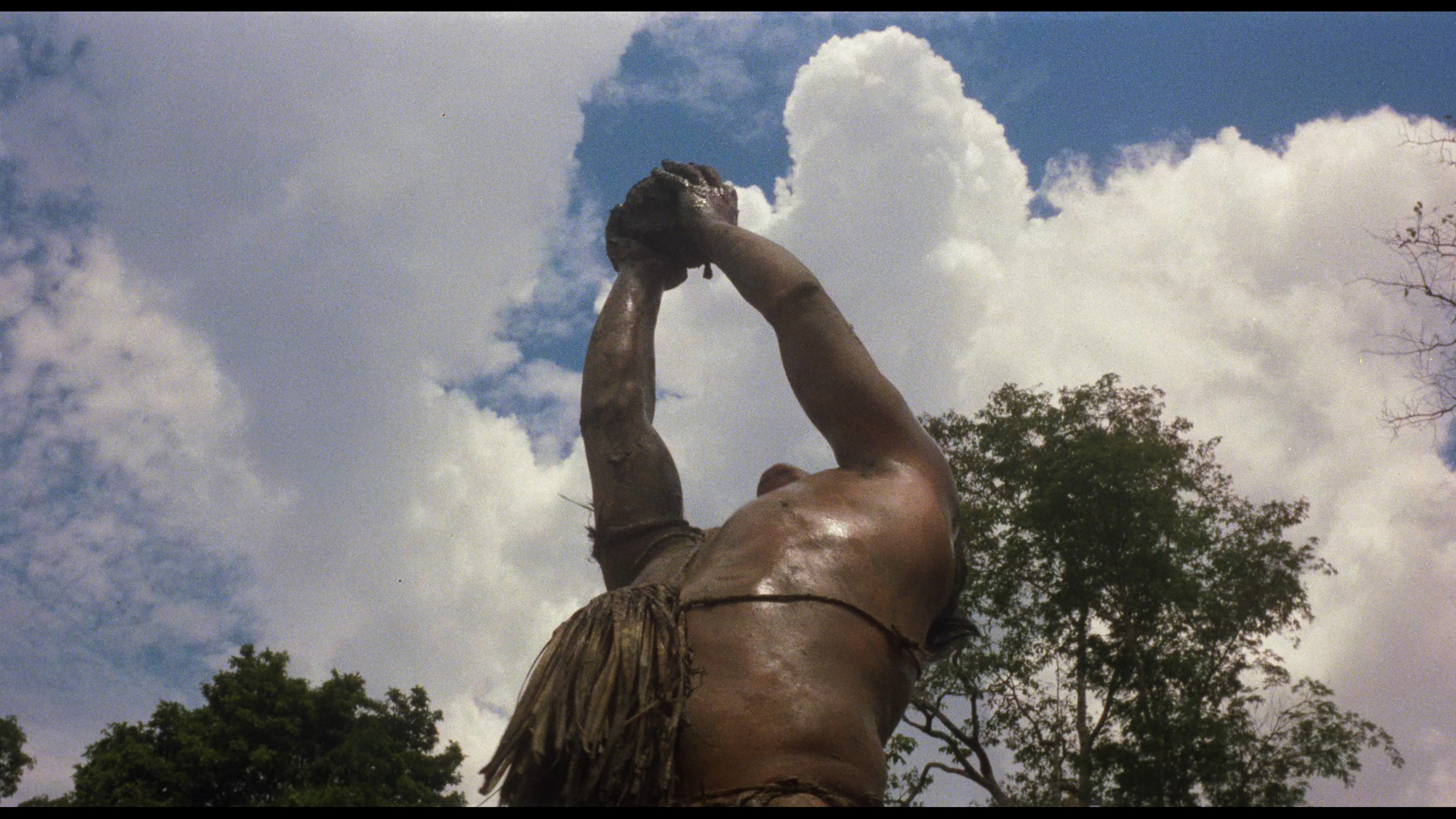 "Keep Filming!" (24m52s) covering his time acting in the U.S. starting in 1975 doing grunt work, Deodato scouting The Actor's Studio, agreeing to do this film without seeing a script (a common refrain in these interviews), his admiration for his director, an ill-advised cocaine score, his experiences with Nicholas Ray near the end of his life, the animal killing, and the ruse for him and his three co-stars to pretend to be dead when the film came out. In "The Man Who Wasn't There" (13m32s), cinematographer Roberto D’Ettorre Piazzoli talks about doing this after a couple of Ovidio Assonitis projects, his prior work with Deodato, the use of his crew despite his decision to quit this film, and his major issues with animal violence. In "2+2=5" (21m54), D’Offizi recalls jumping in when Piazzoli left, the challenges of working in the jungle, and the demands of matching the distinct aesthetics in the film. "The Interrogation of Robert Kerman" (17m9s) and a 2005 Q&A (24m26s) are both technically rough but welcome discussions with the actor (who passed away in 2018) about getting hired for the film, his time in the jungle, his wildly diverse career, and his life after making this film. Also included are bonus trailers for Scream Bloody Murder, Hollywood 90028, Love Is Deep Inside, Ice House, Impulse, Death Game, Bogard, Family Enforcer, Scum of the Earth, Corruption, The Big Gundown, and Cannibal Ferox.
Finally on fourth Blu-ray you get all of the archival interviews including "Rumble in the Jungle" with Deodato (with much better audio), "Robert Kerman Exposed," the Yorke, Ciardi, Basile, Davanzati, and Ortolani interviews, Deodato's Cinema Wasteland panel, Ciardi's 2010 Q&A in Glasgow, the Yorke-Deodato reunion from 2009, and the 2000 Kerman-Deodato reunion. The gallery options here include production stills (99 images), behind the scenes (36 images), promotional materials from Italy (25 images), Germany (22 images), Spain (16 images), Japan (13 images), and various (50 images), video releases (67 images), and an expanded "Mondo Cannibal" (72 images). The elaborate packaging also comes with a Martine Beine 98-page book featuring extensive breakdowns of the narrative, comparisons to the script, cinematic influences and the film's impact, and censorship issues, as well as illustrated looks at the marketing around the world.
Grindhouse Releasing (UHD)
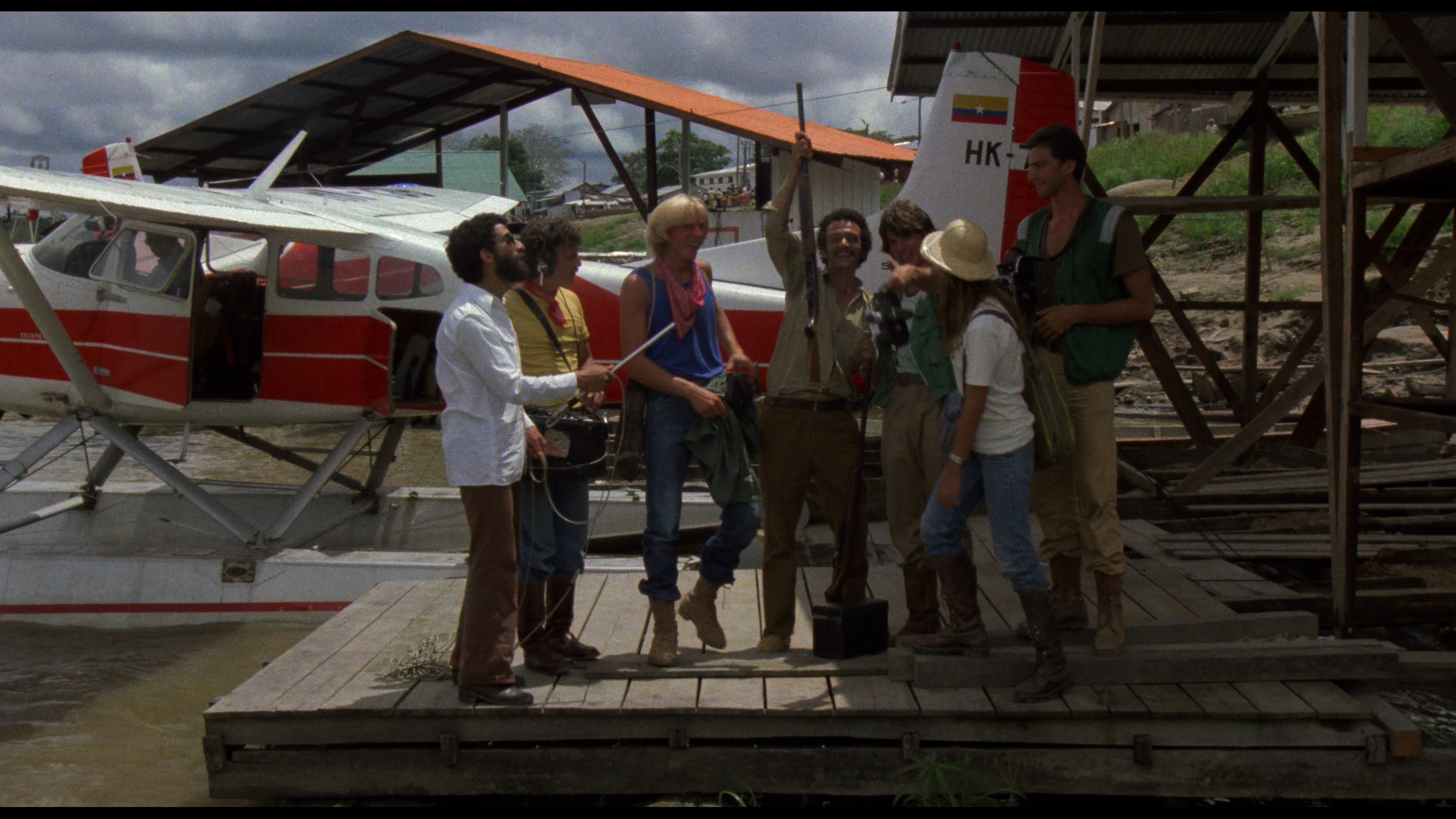
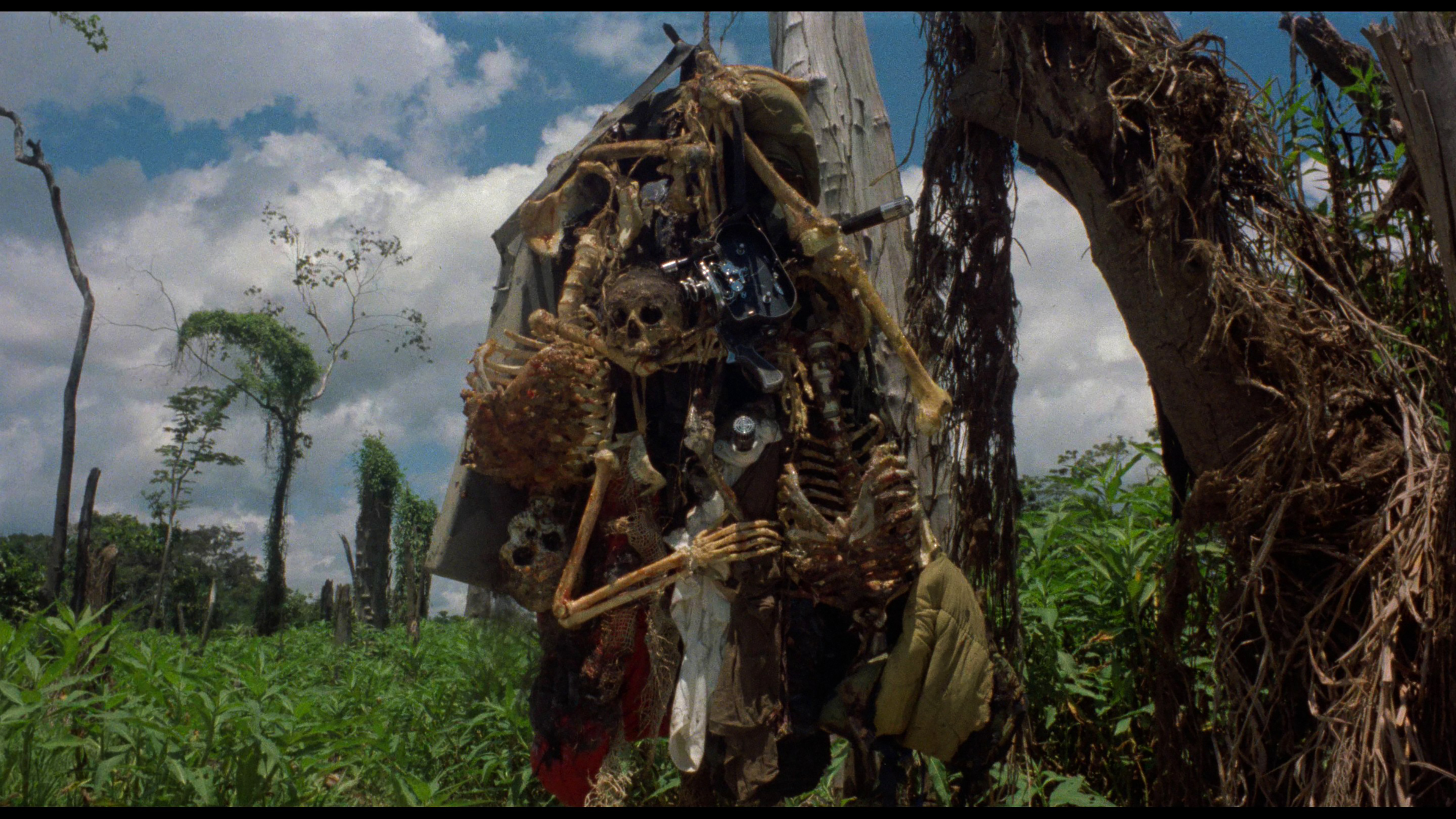
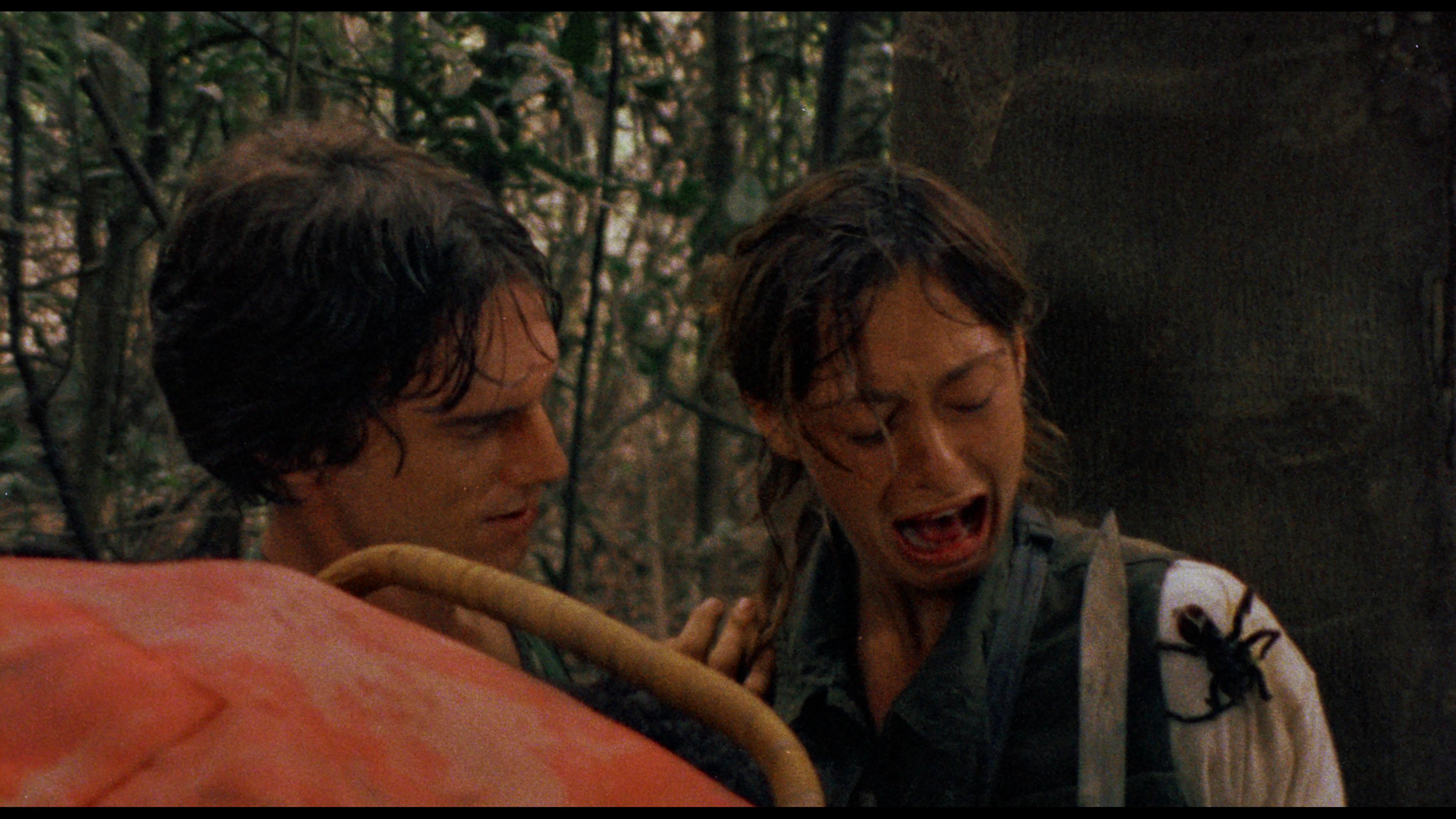
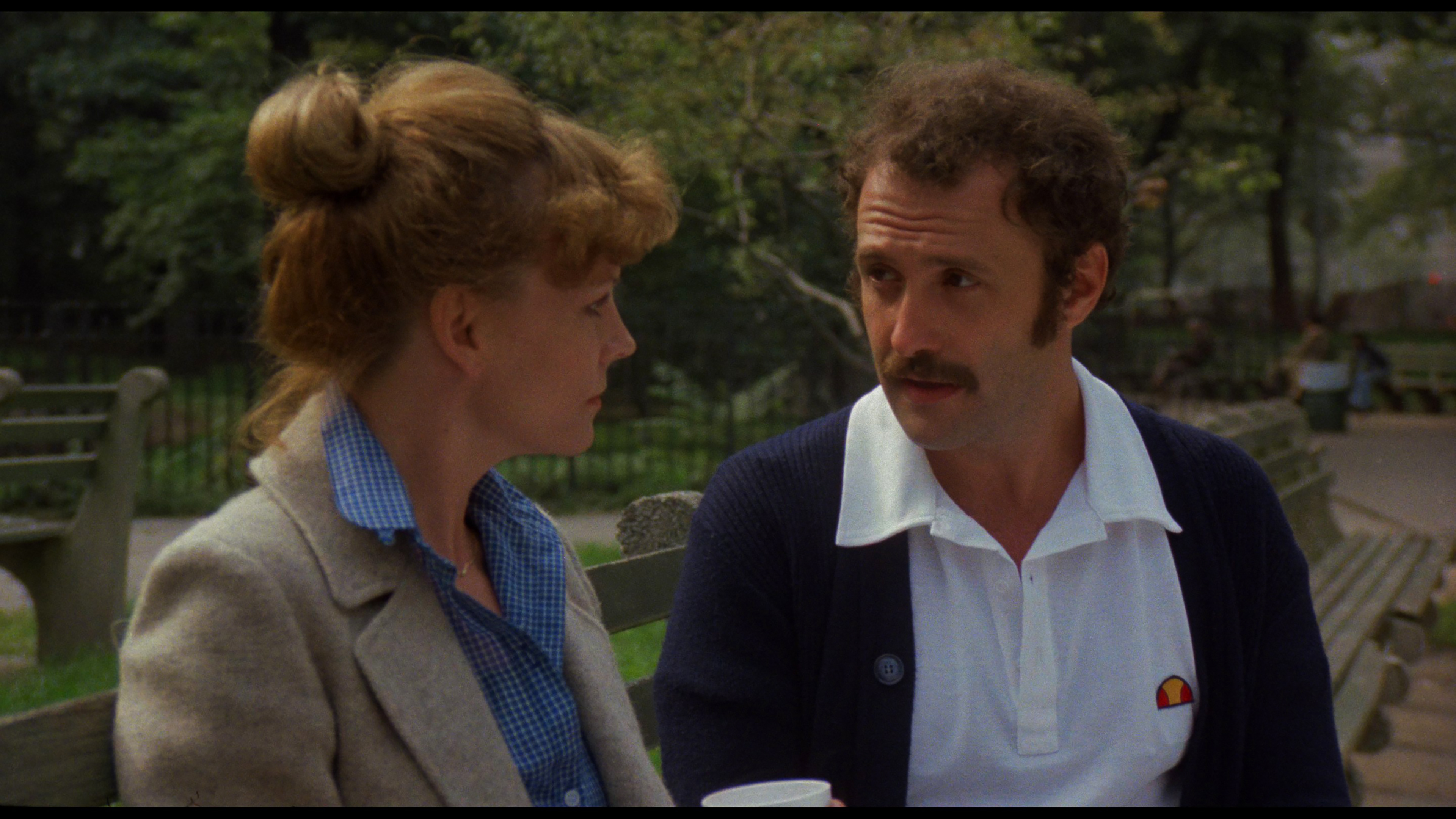
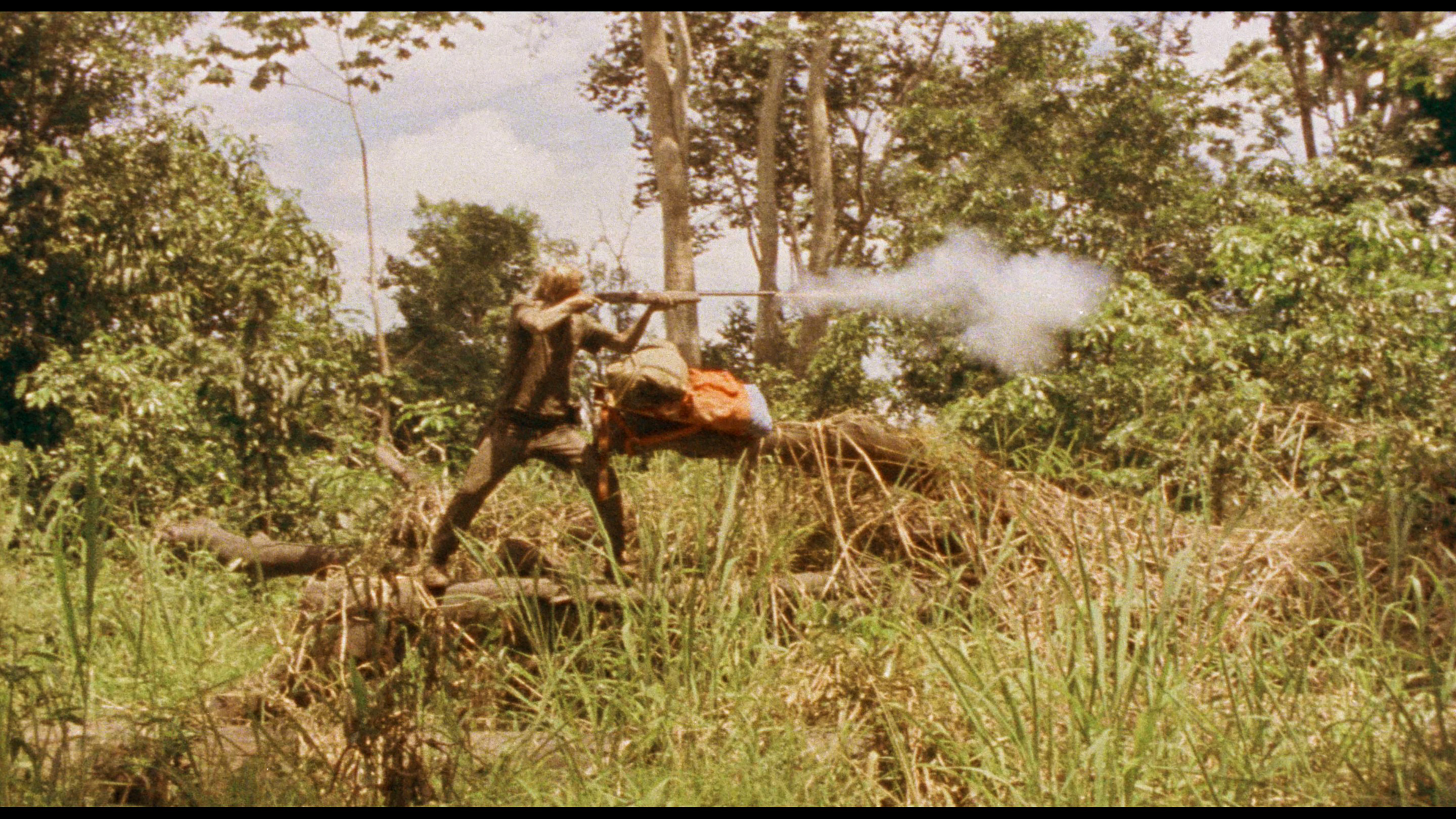
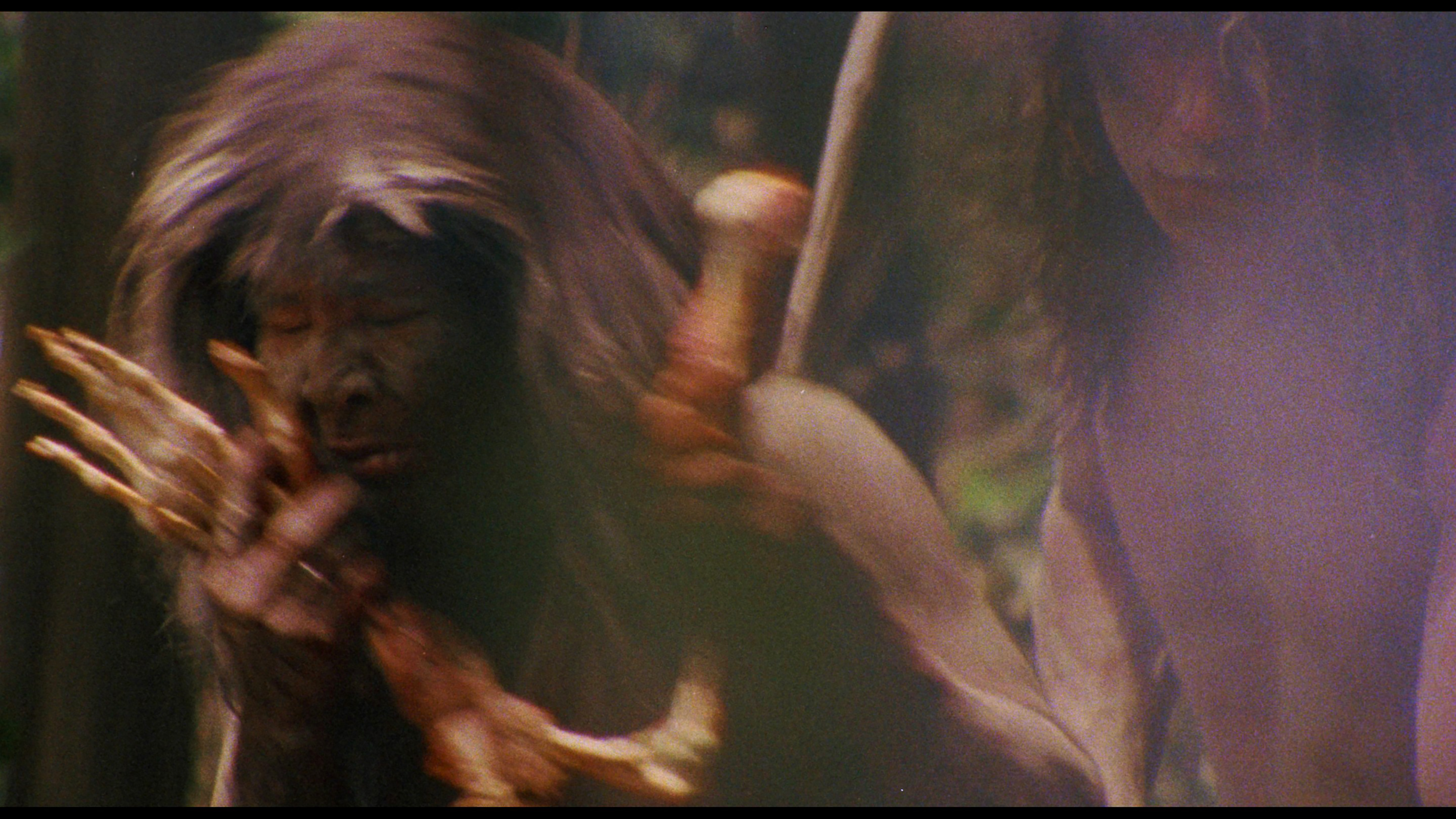
Grindhouse Releasing (Special Edition) (UHD)
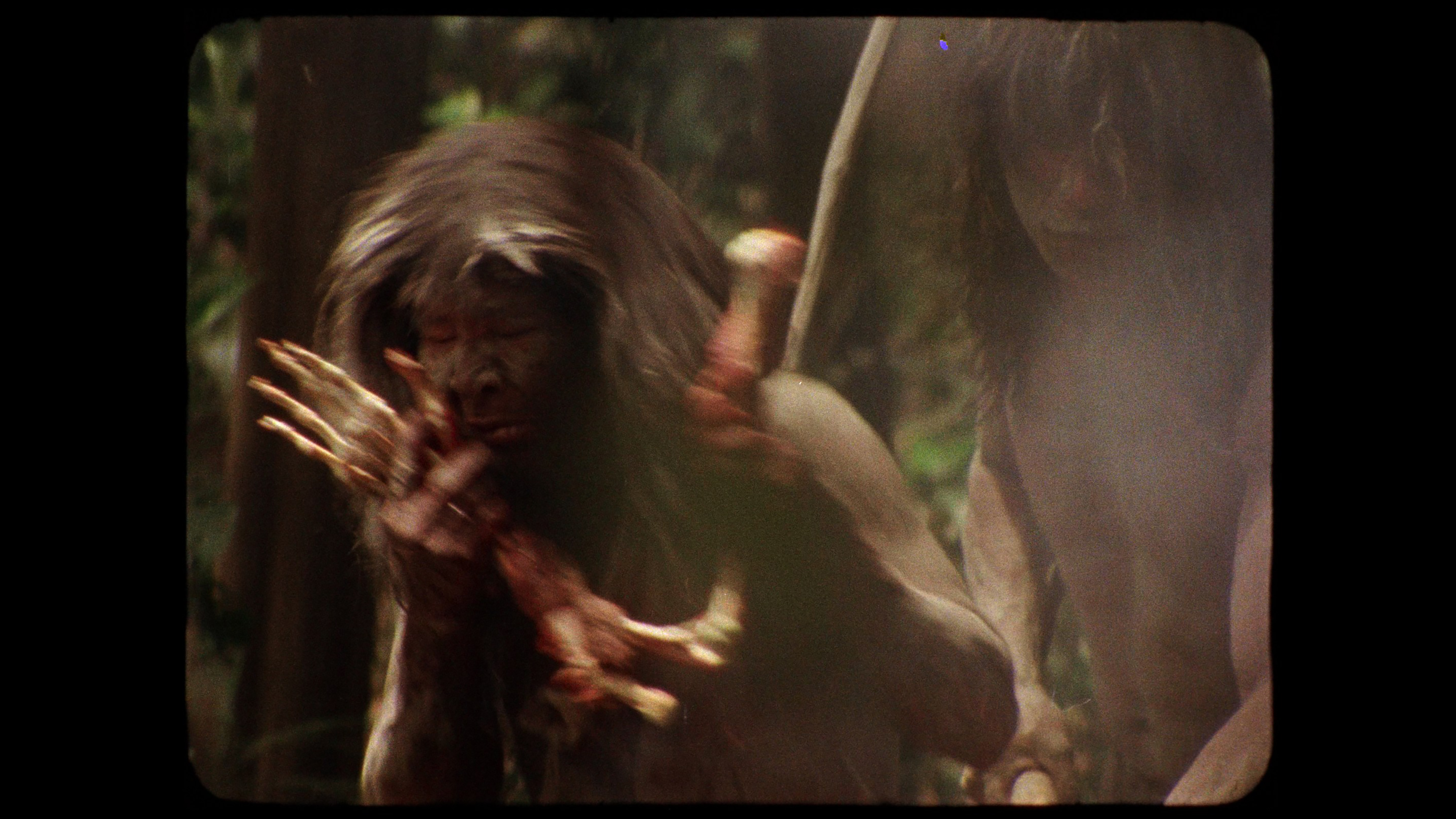
88 Films (UHD)
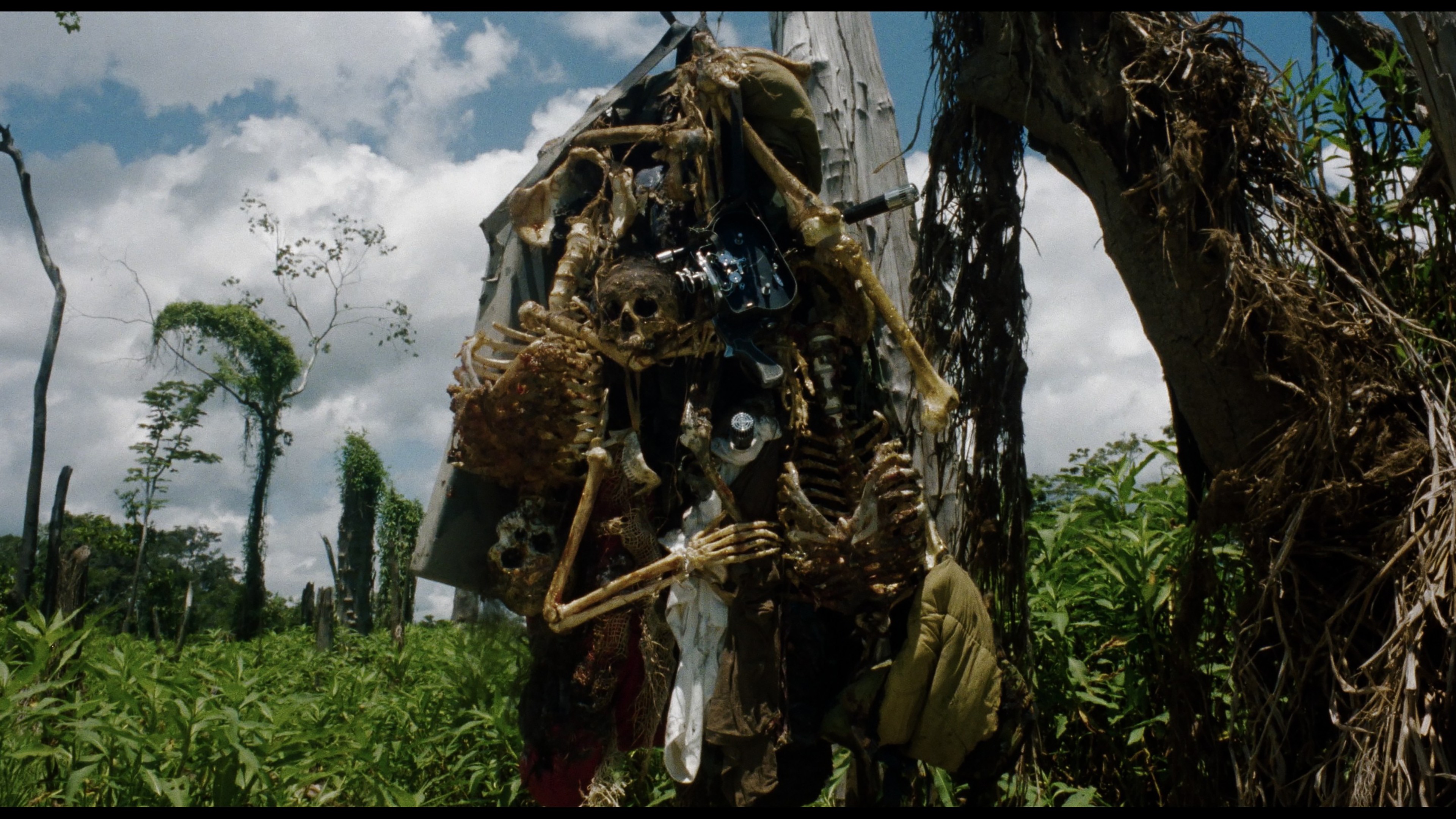
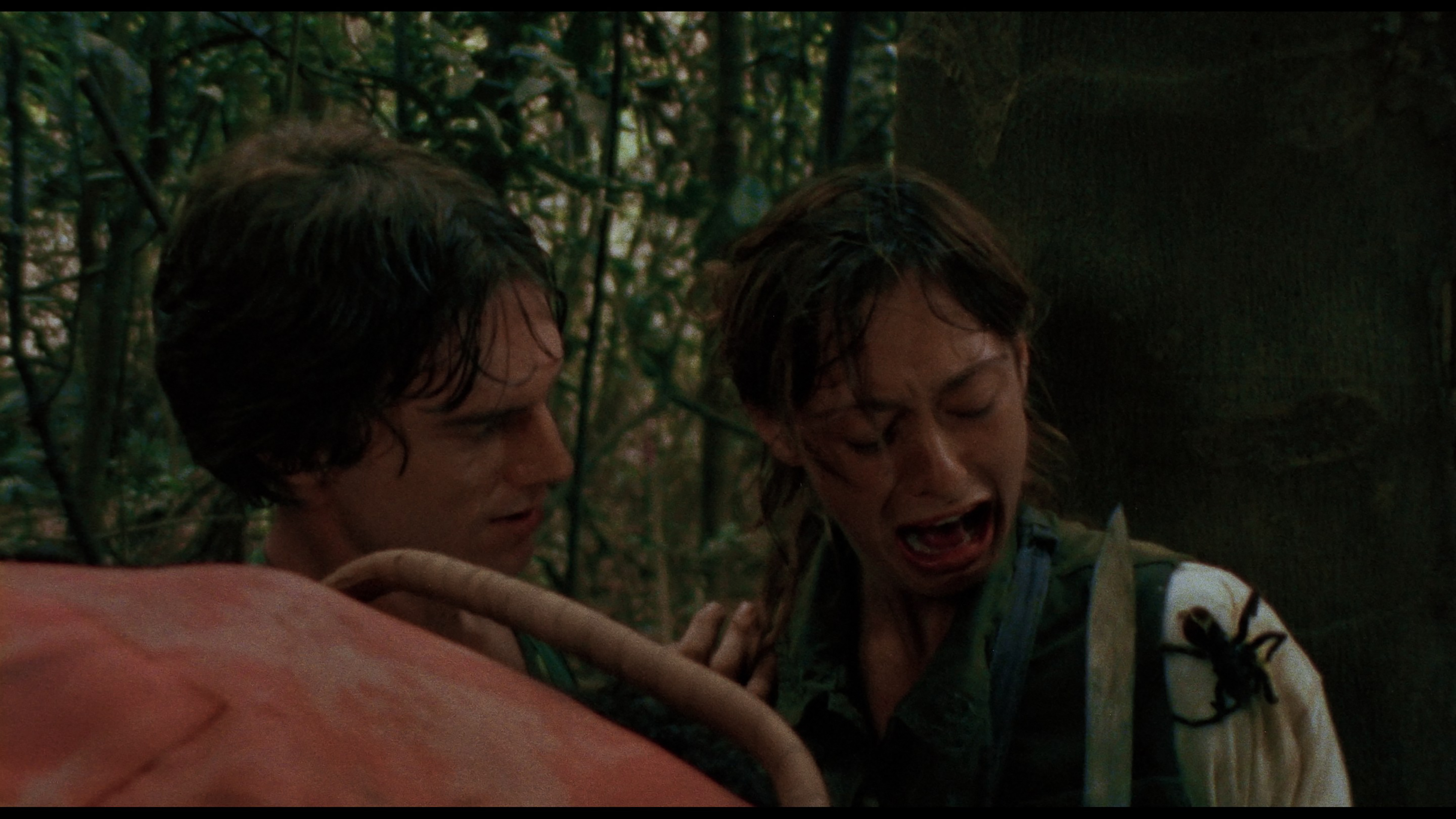
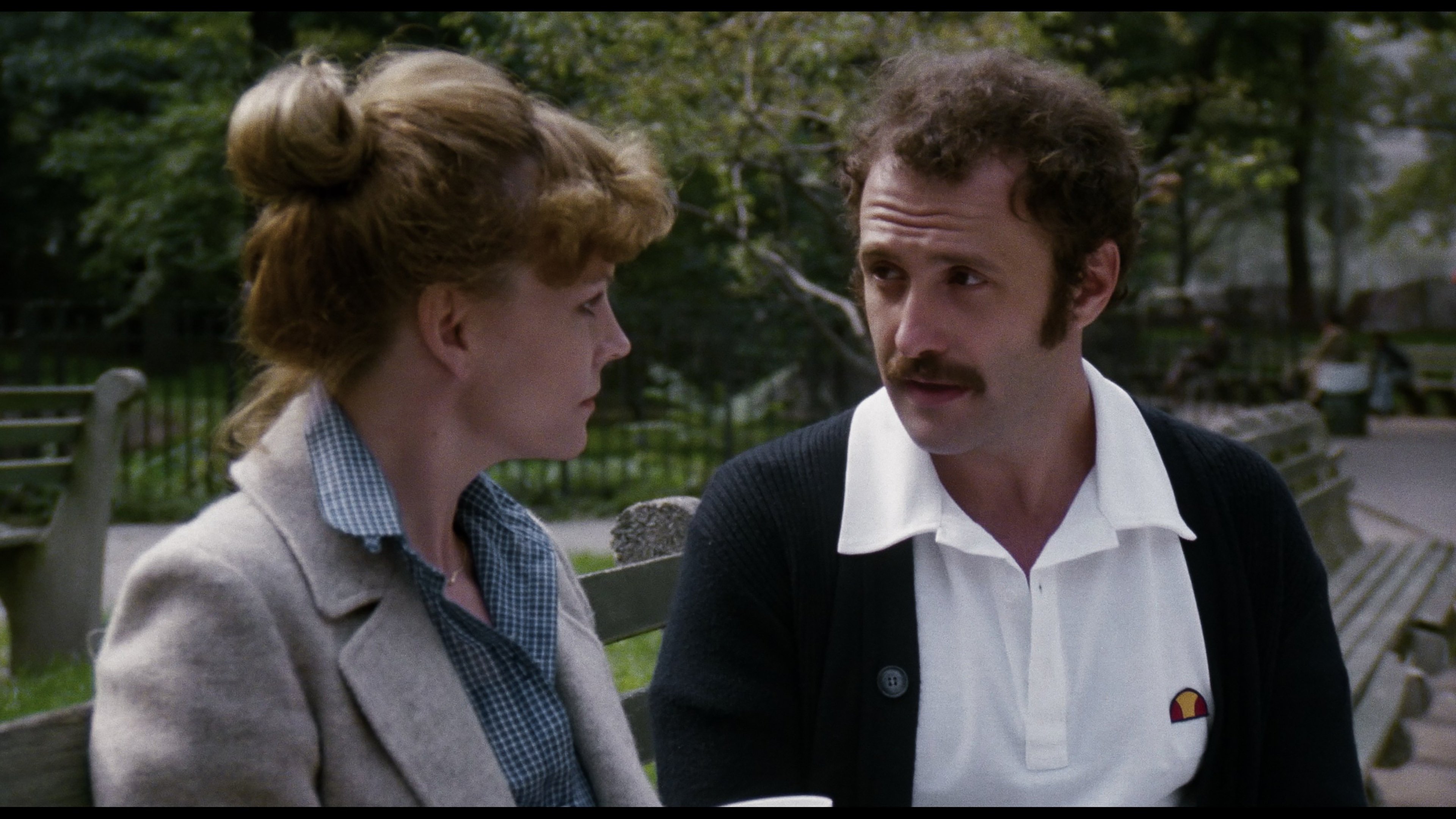
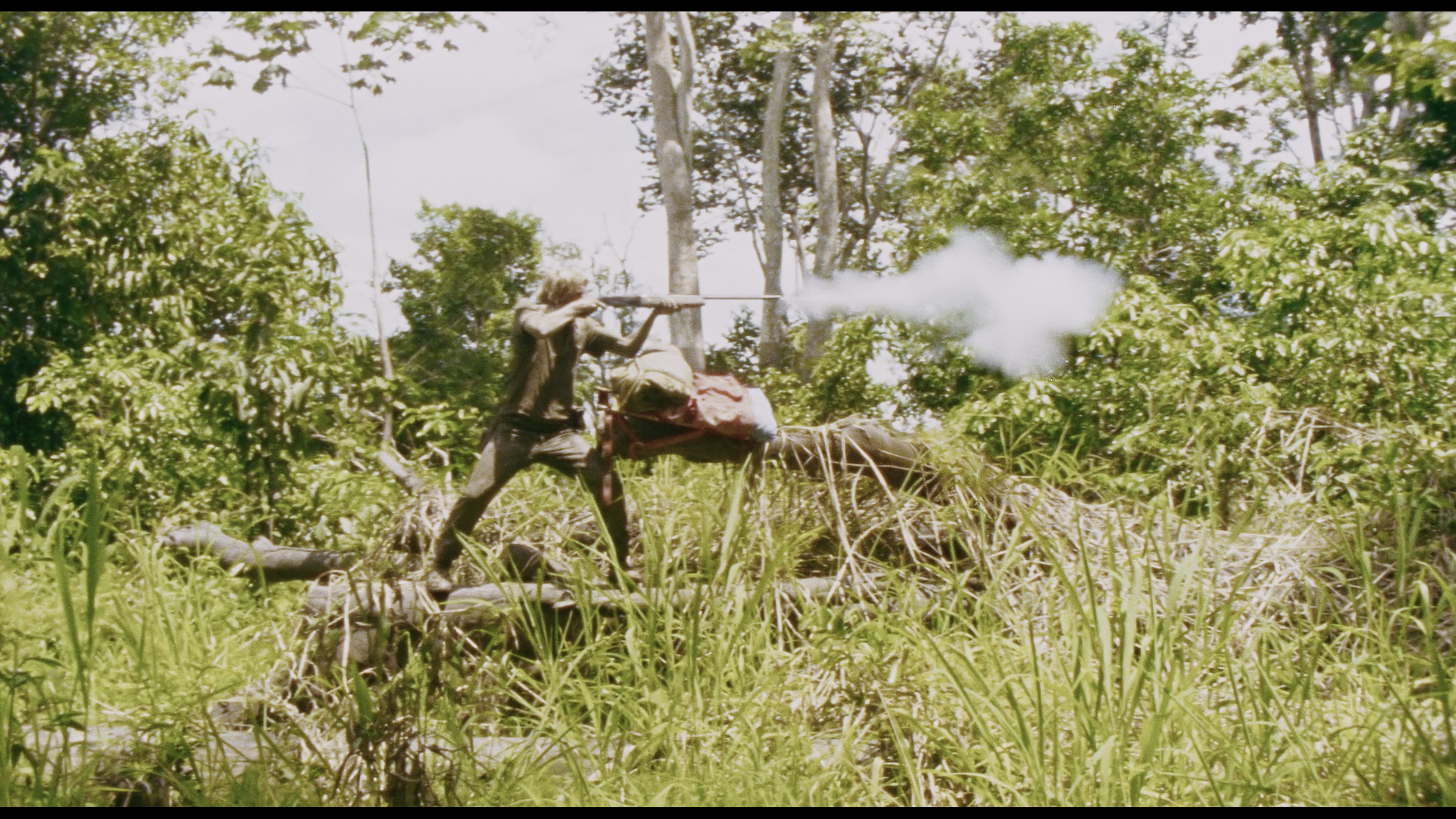
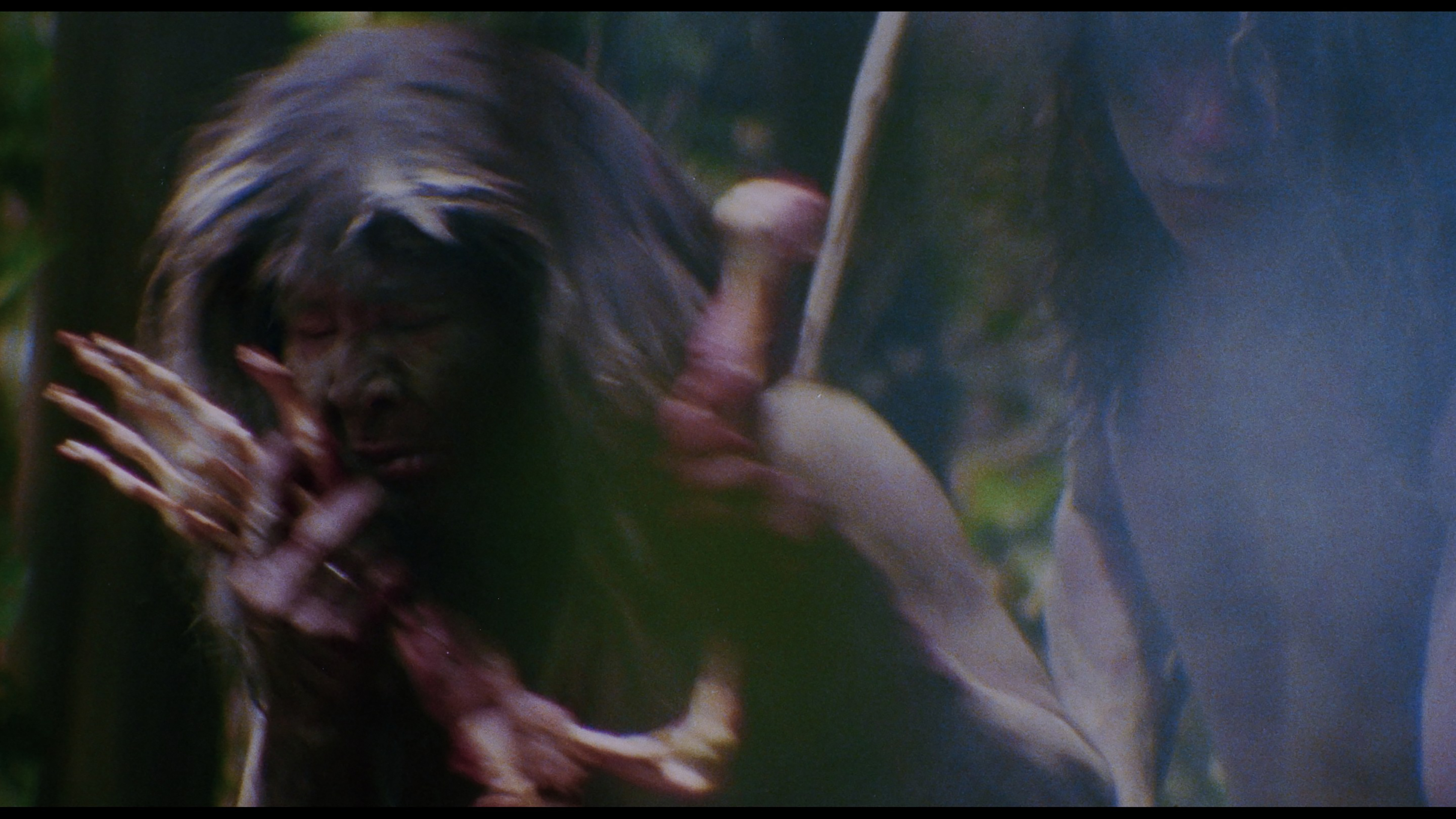
Grindhouse Releasing (2014 Blu-ray)
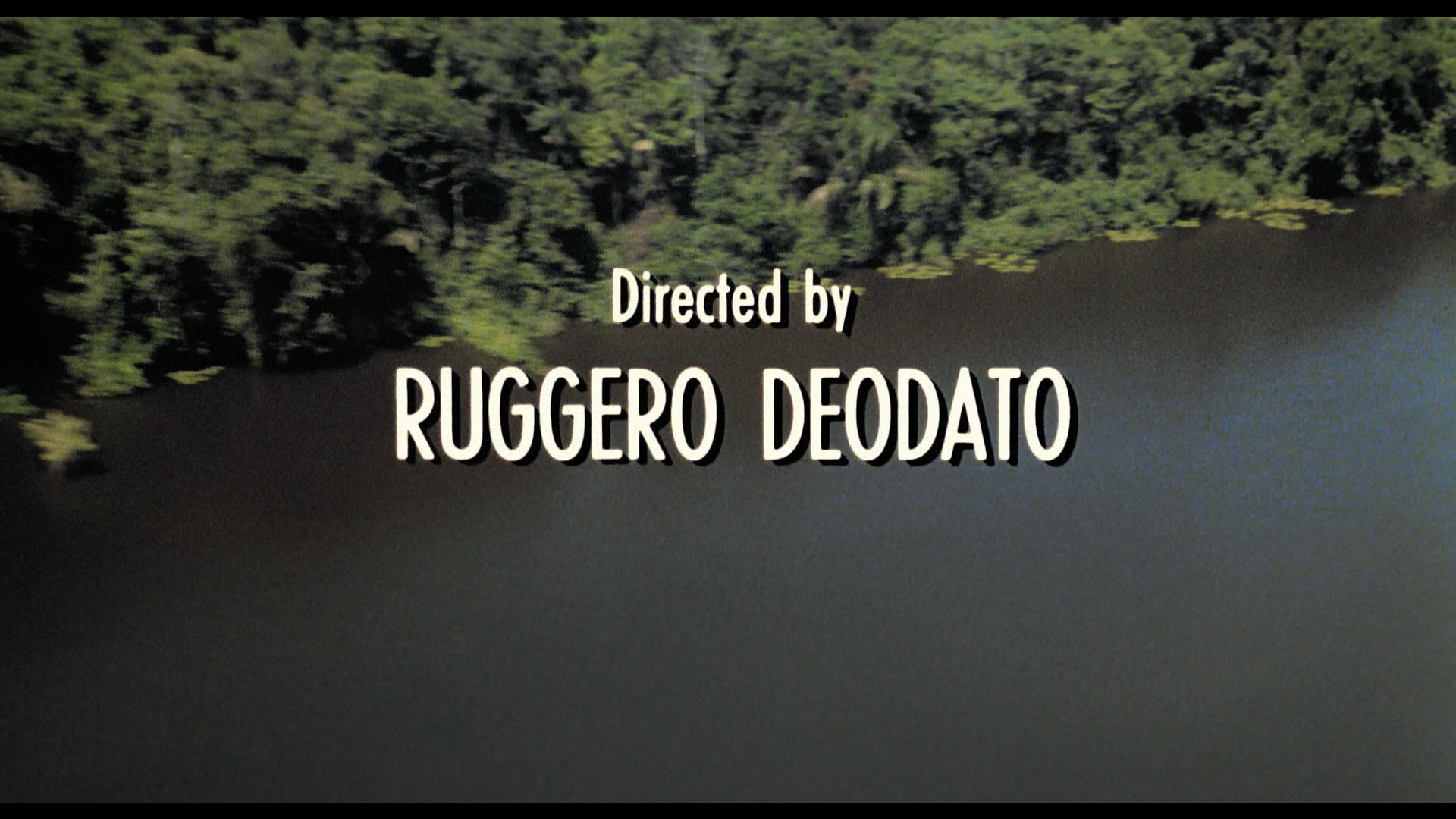
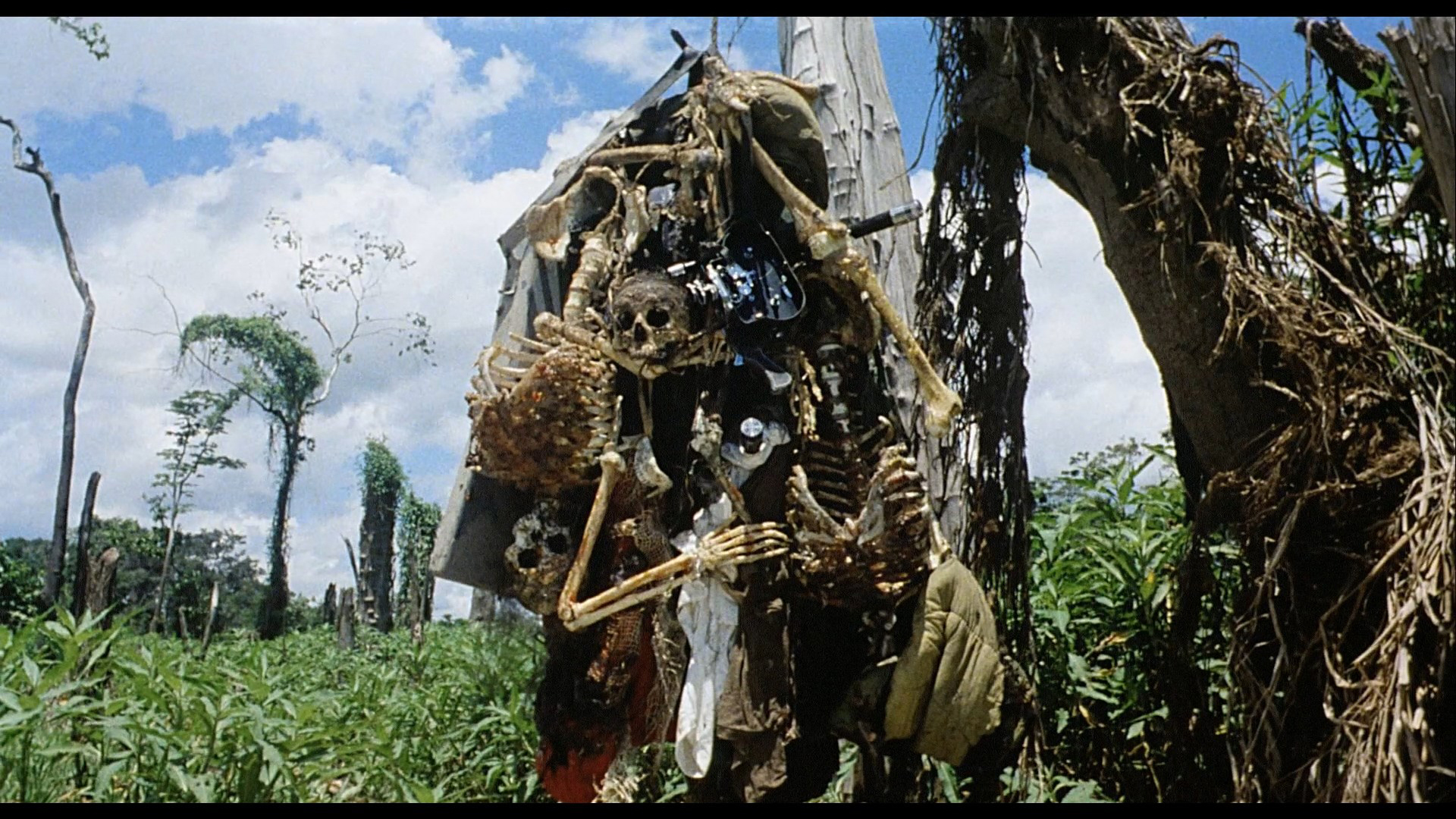
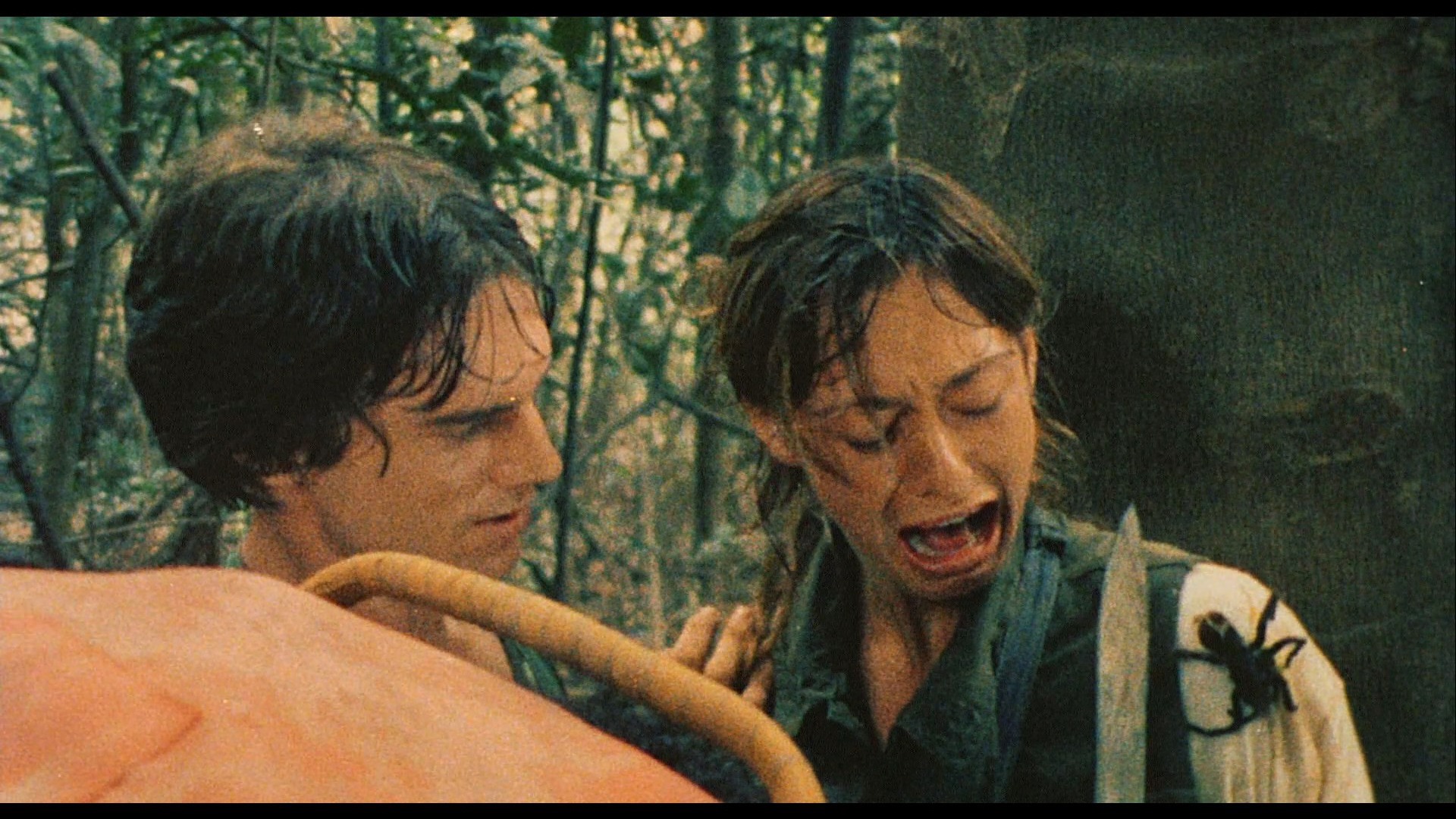
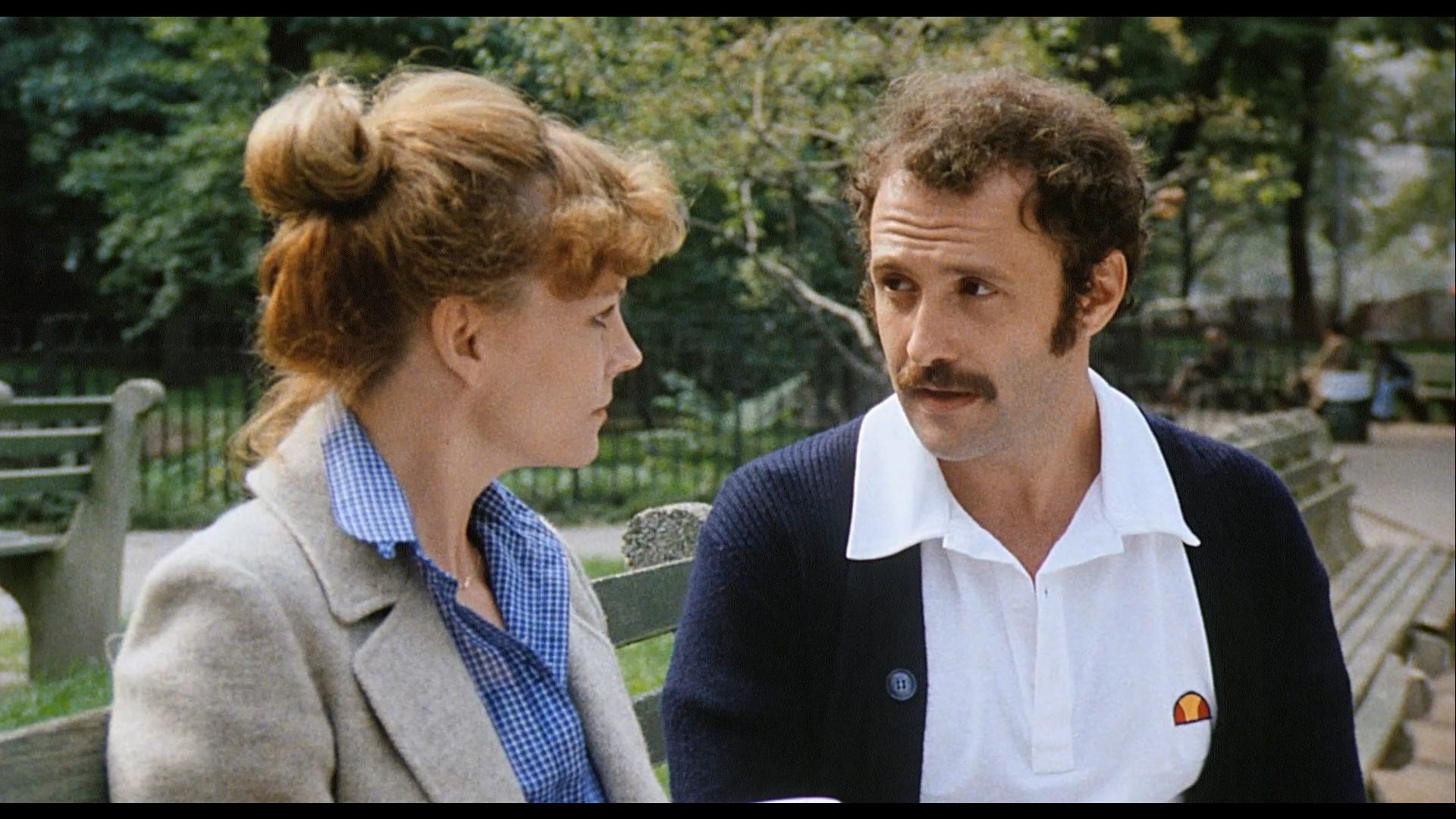
Opening (Blu-ray)
Grindhouse Releasing (DVD)