 go-to name for hefty '70s productions like The Towering Inferno,
  King Kong, and Death on the Nile, British filmmaker John Guillermin was already well established thanks to a string of small but very well-directed U.K productions. Among these is the twisty thriller The Whole Truth, an adaptation of a popular West End stage play by Philip Mackie. Mixing English and Hollywood stars for maximum appeal, it's a sleek French-set suspense diversion with one of those clockwork plotlines that makes for ideal afternoon viewing.
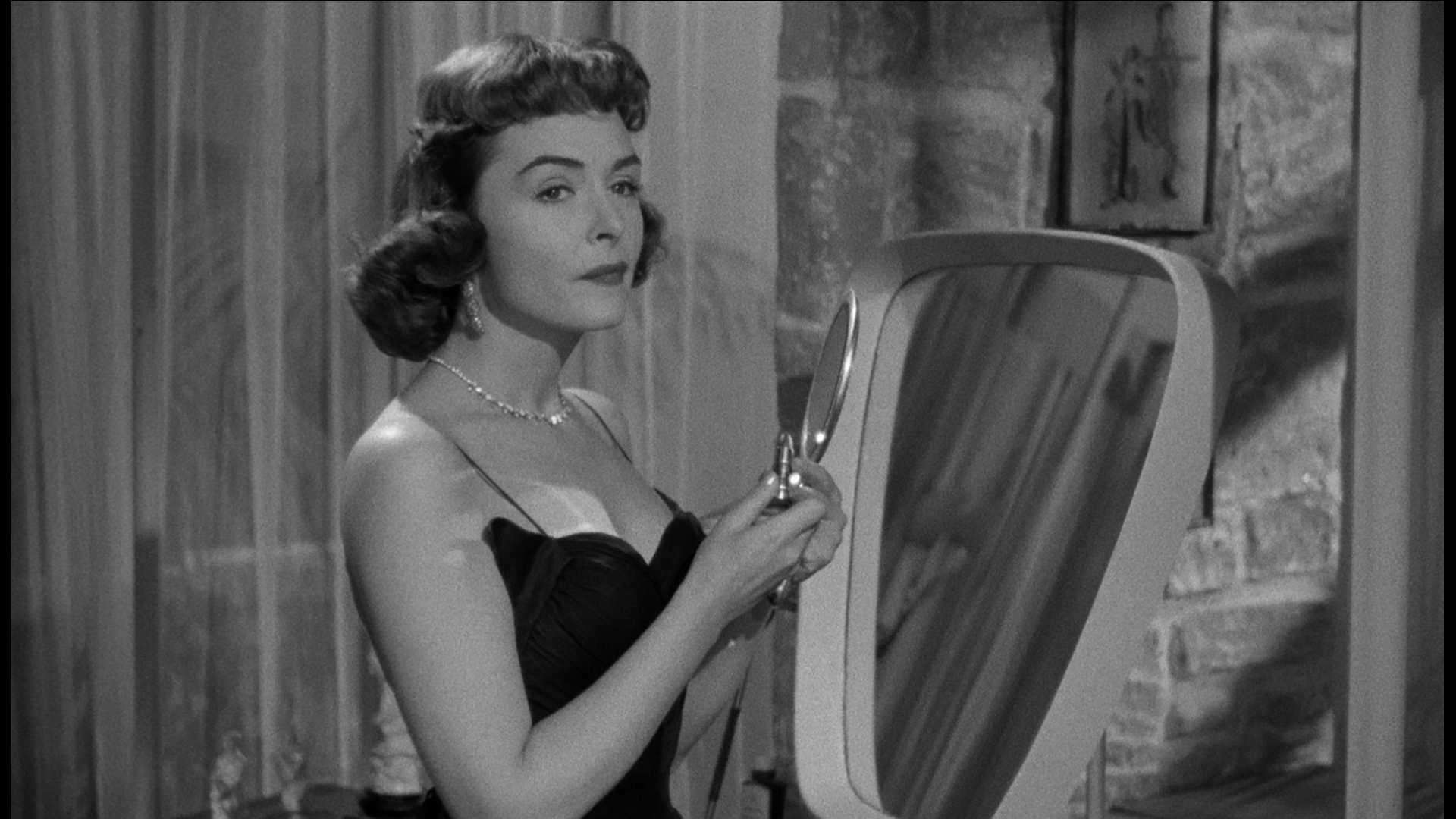
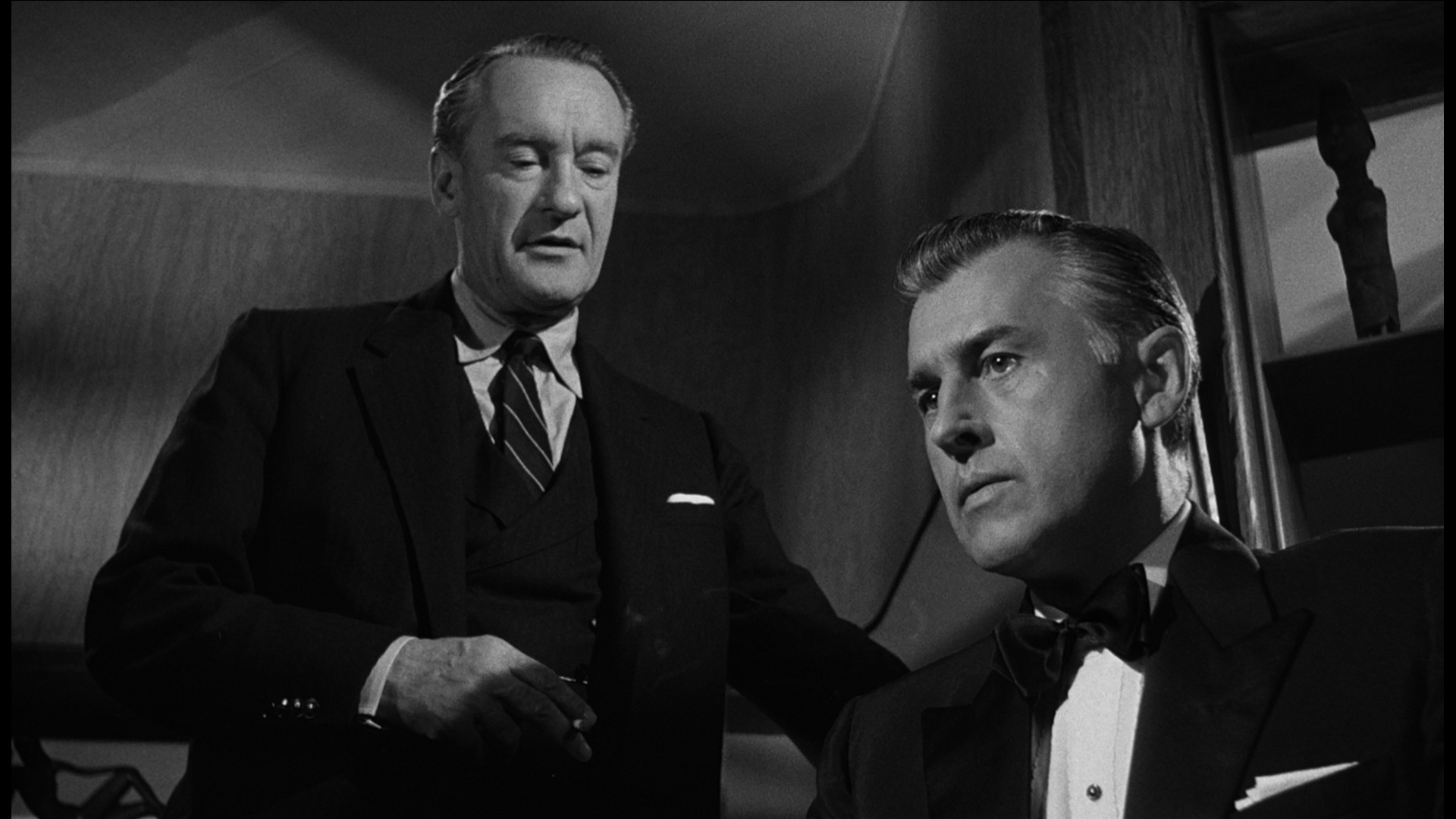 happy about a threat to expose these liaisons. Soon after, a visit from Inspector Carliss
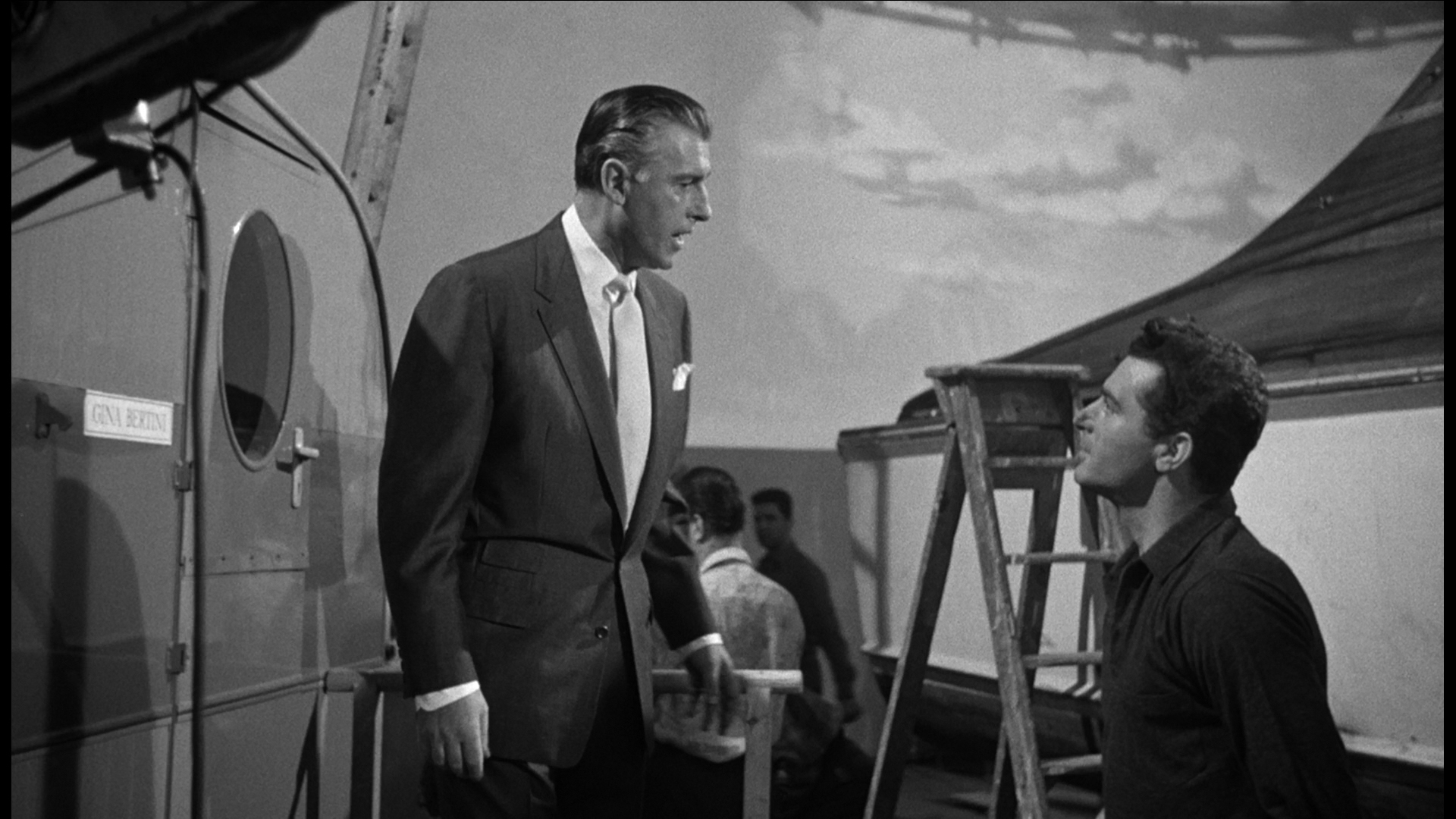
 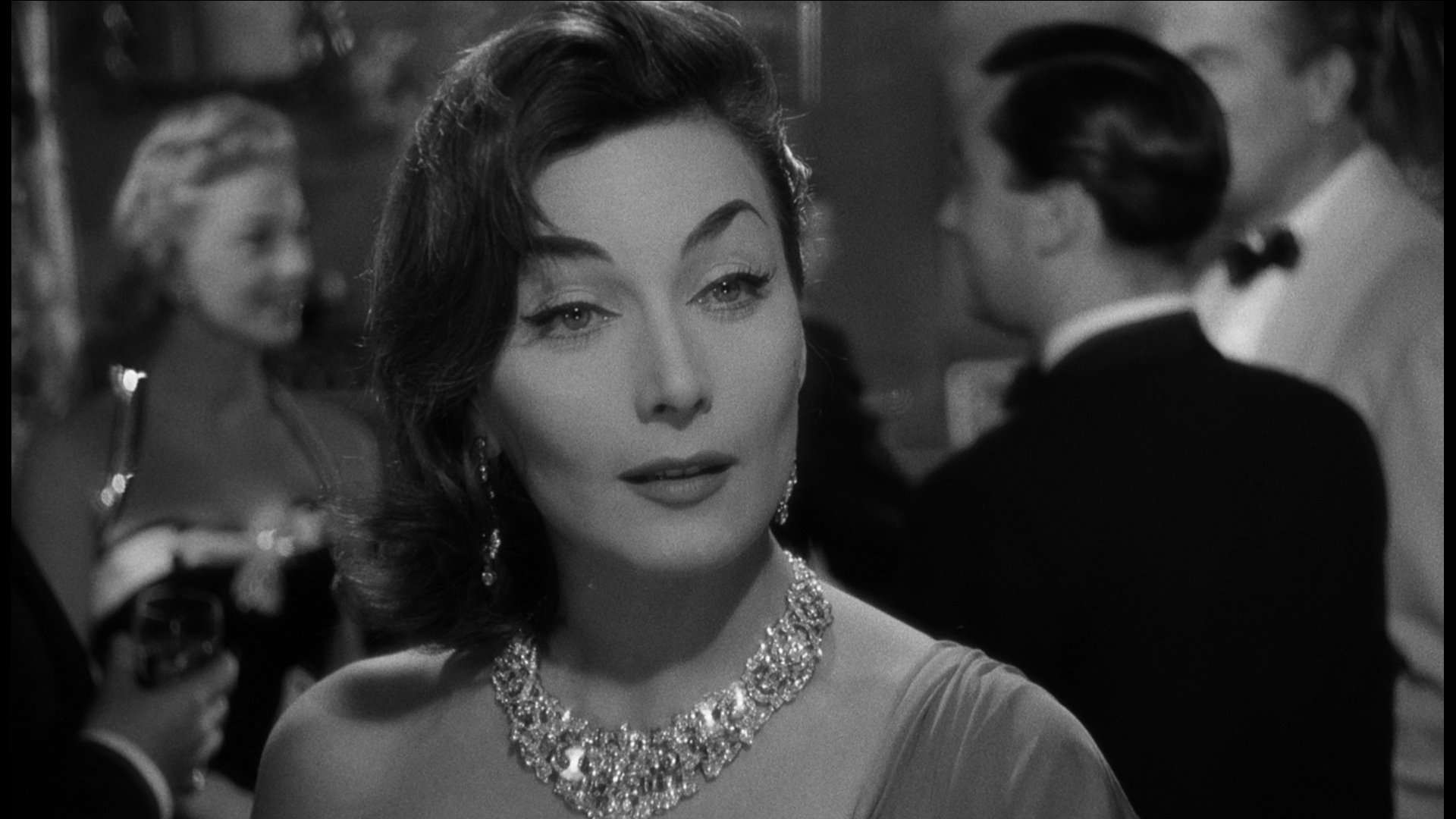 (Sanders) brings the news that Gina has been stabbed to death at her hotel room, which sends Max on a frantic scramble to cover up any evidence of the affair. However, several more major surprises still await him...
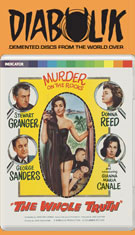
 and a tiny handful of video releases including an MOD DVD from Sony. The 2024 Indicator Blu-ray (its worldwide debut in the format) looks excellent with a typically top-tier HD master supplied
  by Sony, and the English LPCM 1.0 mono track (with optional English subtitles) is also immaculate. A new audio commentary by Kevin Lyons and Jonathan Rigby is up to their usual high standards, starting off comparing their affectionate perspectives on the film before going into Guillermin's career, the source play, other relevant British thrillers of the period, and plenty more. In the video interview "Robert Shail on The Whole Truth" (18m17s), the film historian goes into the challenges facing Granger's career at the time that affected his new deal with British production company Romulus Films, the tweaks made to the play's ending (usually regarded as its weak point), and the place of this film in Guillermin's career as part of a distinct segment before he went on to much bigger things. "The BEHP Interview with Ronald Spencer" is an audio conversation from 1991, with the film's assistant director chatting with Joyce Robinson as part of the British Entertainment History Project. It really spans his entire life and career including his military service, his extensive work in the British film industry, and thoughts on the many directors he collaborated with as well as his forays into directing as part of the Children's Film Foundation. Also included are the original trailer and an image gallery of promotional stills and publicity material, while the substantial insert booklet features a thorough Barry Forshaw essay about the film's production and the play, archival interviews with Sanders and (a really odd one) with Canale, additional vintage coverage of the two female stars, sample critical reactions, and samples of the film's campaign book.