 Expanding the valuable spotlight placed on often overlook treasures of the Czechoslovak New Wave,
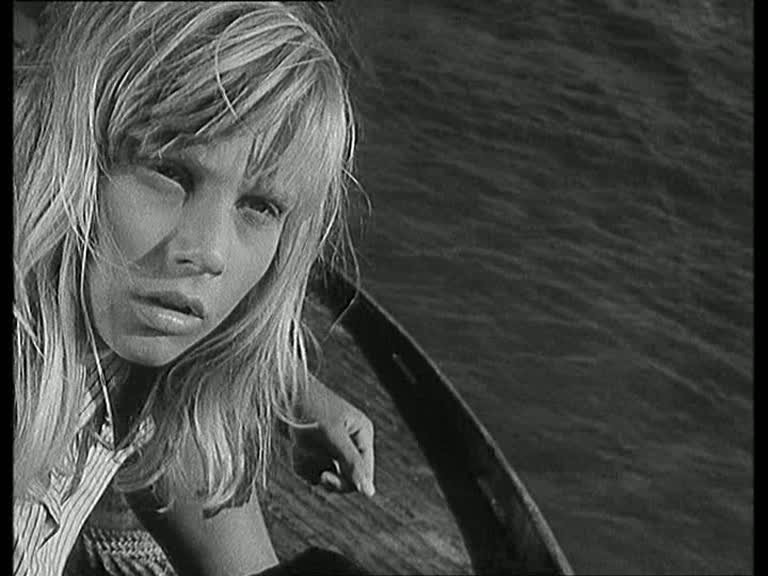
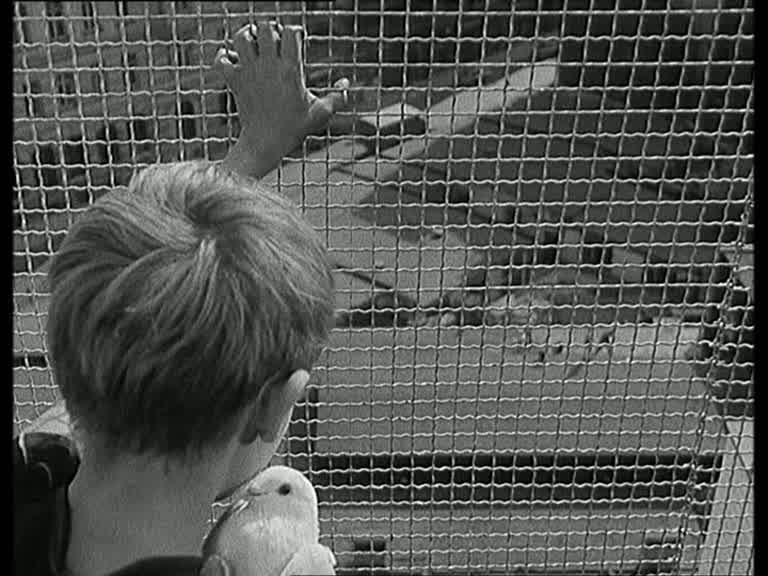
 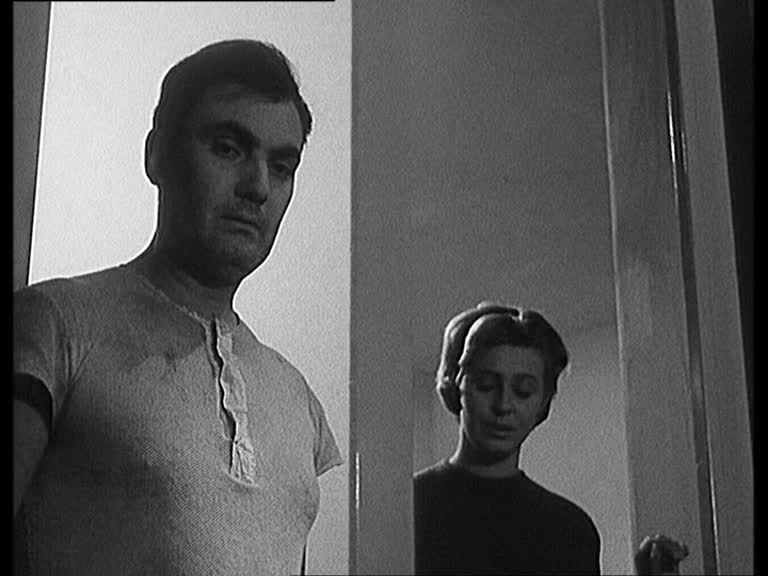 UK label Second Run returns here to the terrain of director Frantisek Vlácil, the rediscovered filmmaker behind such films as Marketa Lazarová and The Valley of the Bees. Here he tells a far more streamlined film suitable for general audiences (which the packaging appropriately compares to the later Kes) about a boy caring for a wounded bird, though in this case you can still feel free to run rampant with symbolic interpretations if you so wish. The director's trademark visual flair encourages this as well, with images of entrapment and cages piling up on the way to a surprisingly moving and optimistic ending.
 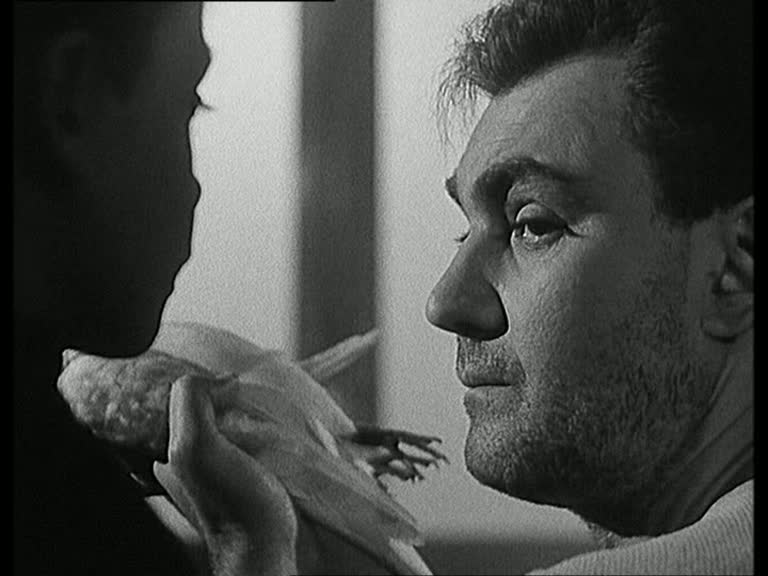 idea of a world connected by the behavior of people to each other and the creatures around them is handled with restrained effectiveness, coupled with compositions that become more stylized and powerful as the film progresses. It's certainly a far cry from the animal-themed movies Disney was turning out around the same time.
 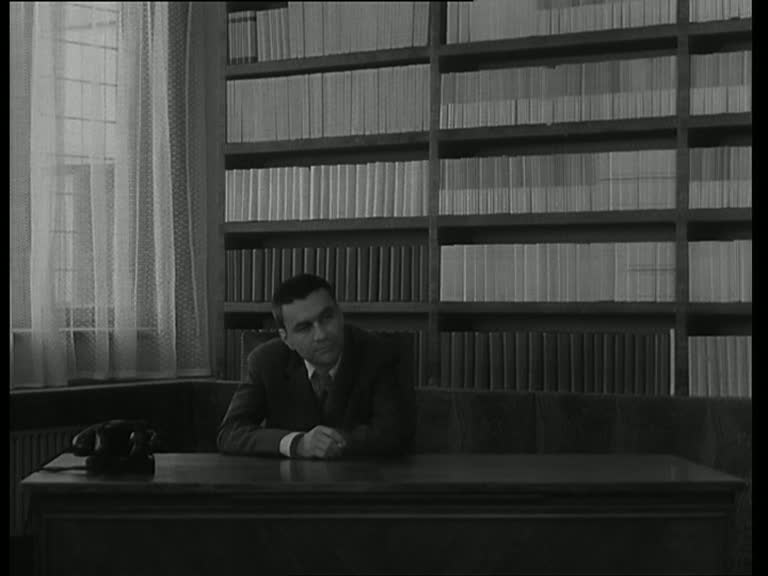 really harsh oversharpening, with halos running rampant during daylight scenes; the second screen grab above is probably the most extreme example. That said, it's still a beautiful film and this marks the most satisfactory version out there.
  Complete with jabs at communism (and particularly the then-recently deceased Stalin), this was the brainchild of Pavel Jurácek (writer of such films as Daisies, Ikarie XB-1, and The End of August at the Hotel Ozone) and Jan Schmidt, who went from this short to a string of features for both the big and small screen well into the '90s. Even if you don't get all the cultural references this often hilarious and disquieting, with unexpected surreal touches cropping up seemingly around every corner. Unlike the main feature, this has never been released on DVD before in any country, and the transfer looks very nice and natural throughout. The cinematography by the great and very prolific Jan Curík (who also shot The Joke and Valerie and Her Week of Wonders, not to mention The White Dove) is wonderful and often feels like a dry run for what Polanski would be doing in just a few short years, particularly with Repulsion. The only extra here is the usual essential liner notes booklet with essays by Peter Hames tackling both titles, offering extensive overviews of the main players' careers, and parsing out some of the political and likely literary influences. As for why both films prominently feature cats, well, that's anyone's guess.