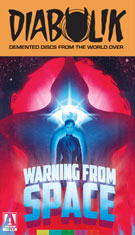
Color, 1956, 86 mins. 38 secs. / 88 mins.
Directed by Kôji Shima
Starring Keizô Kawasaki, Toyomi Karita, Isao Yamagata, Bin Yagisawa, Shôzô Nanbu, Bontarô Miake, Toshiyuki Obara, Mieko Nagai
Arrow Video (Blu-ray) (US/UK RA/RB HD)
 few years after American audiences
  were treated to their first taste of practical sci-fi in color with Destination Moon in 1950, Japanese cinema offered its own variation with Warning from Space, alias Spacemen Appear in Tokyo. A benevolent depiction of aliens making contact with Earth a la It Came from Outer Space, this Daiei production released in the wake of Gojira wasn't a particular favorite among critics or viewers upon its release but has since proved to be influential in its use of special effects and its grounded depiction of how humanity might respond to such a sudden overturning of its daily existence.
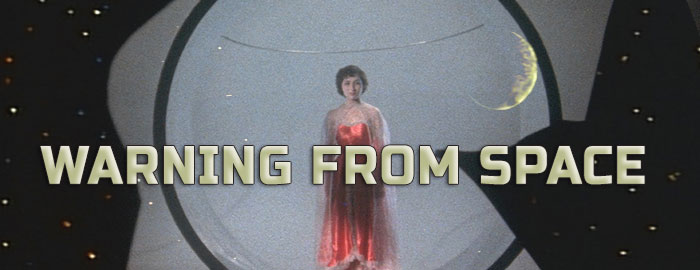
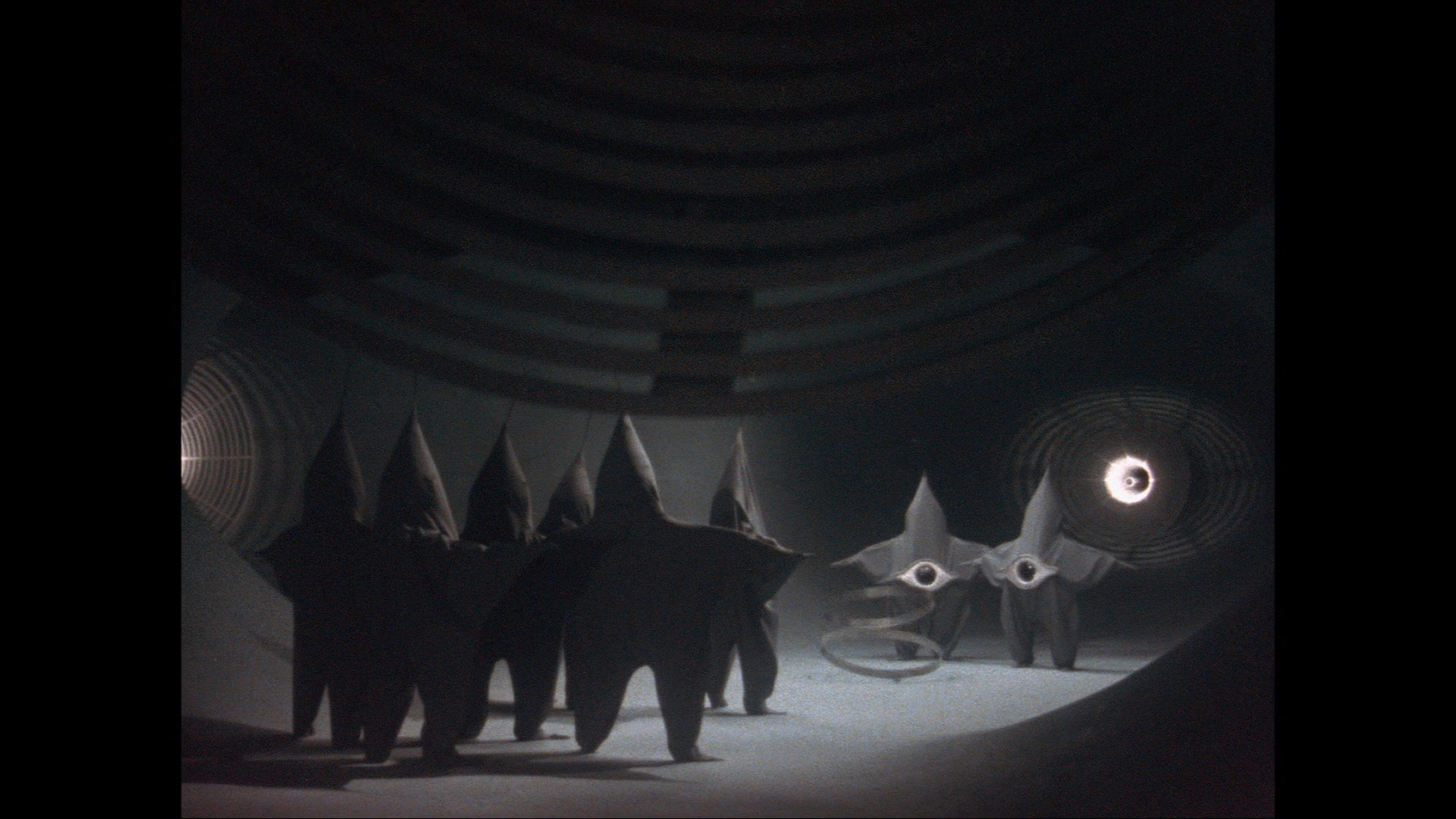
 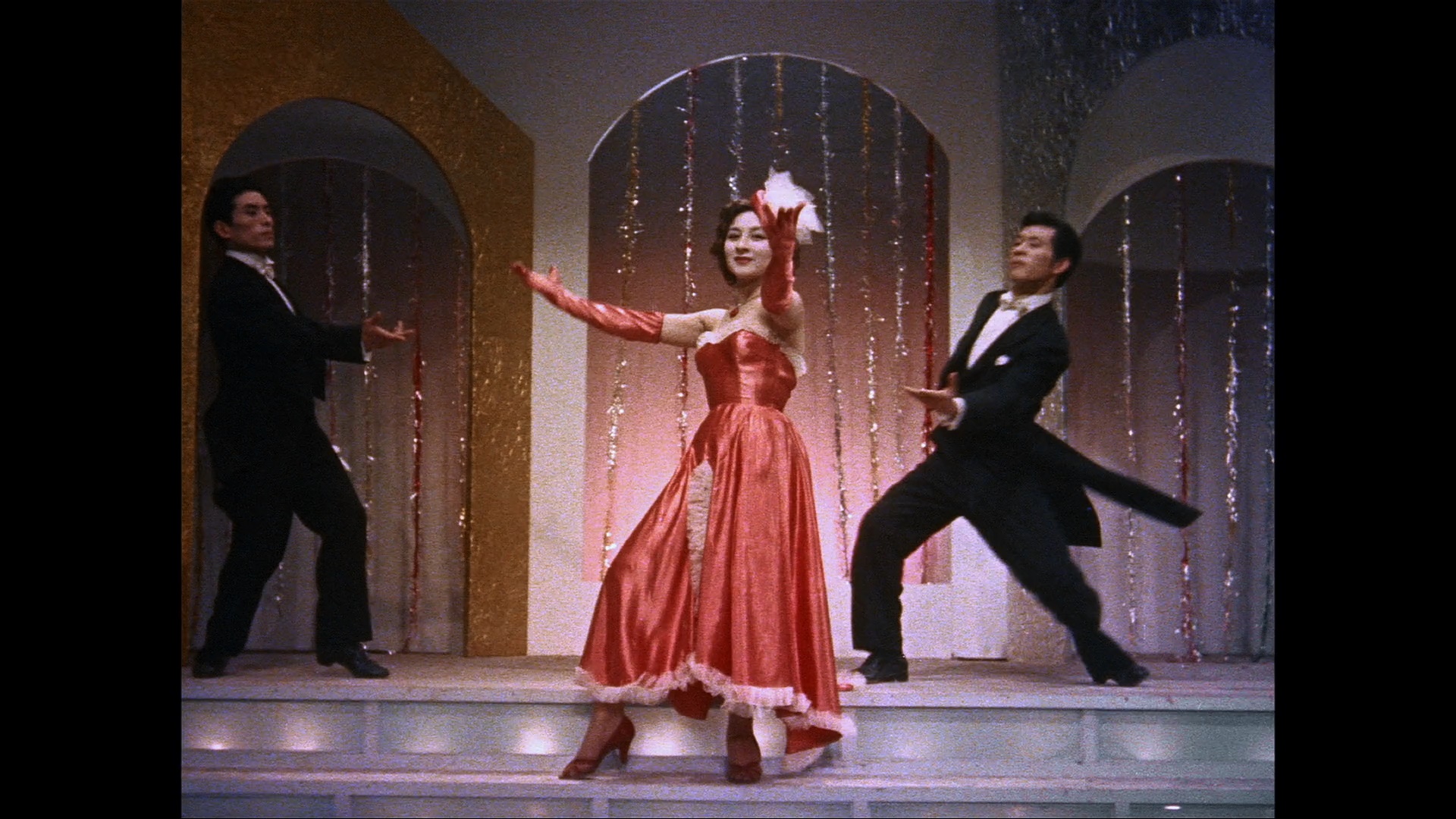 Fairly subdued and naturalistic compared to the kaiju films that were taking theaters by storm at the time, Warning from Space at least makes a concession with its memorable starfish-shaped aliens who make the most of their limited screen time. It also takes solid advantage of the novelty of
  presenting science fiction in color, particularly the final stretch that suffuses the screen with an unearthly shade of red for several minutes on end. The avoidance of pinning the story down to one or two heroic figures is an unexpected gambit that produces mixed and sometimes disorienting results, instead using multiple supporting characters to paint a portrait of humanity working in tandem to address a problem and working with the interstellar visitors to avoid a truly catastrophic event.
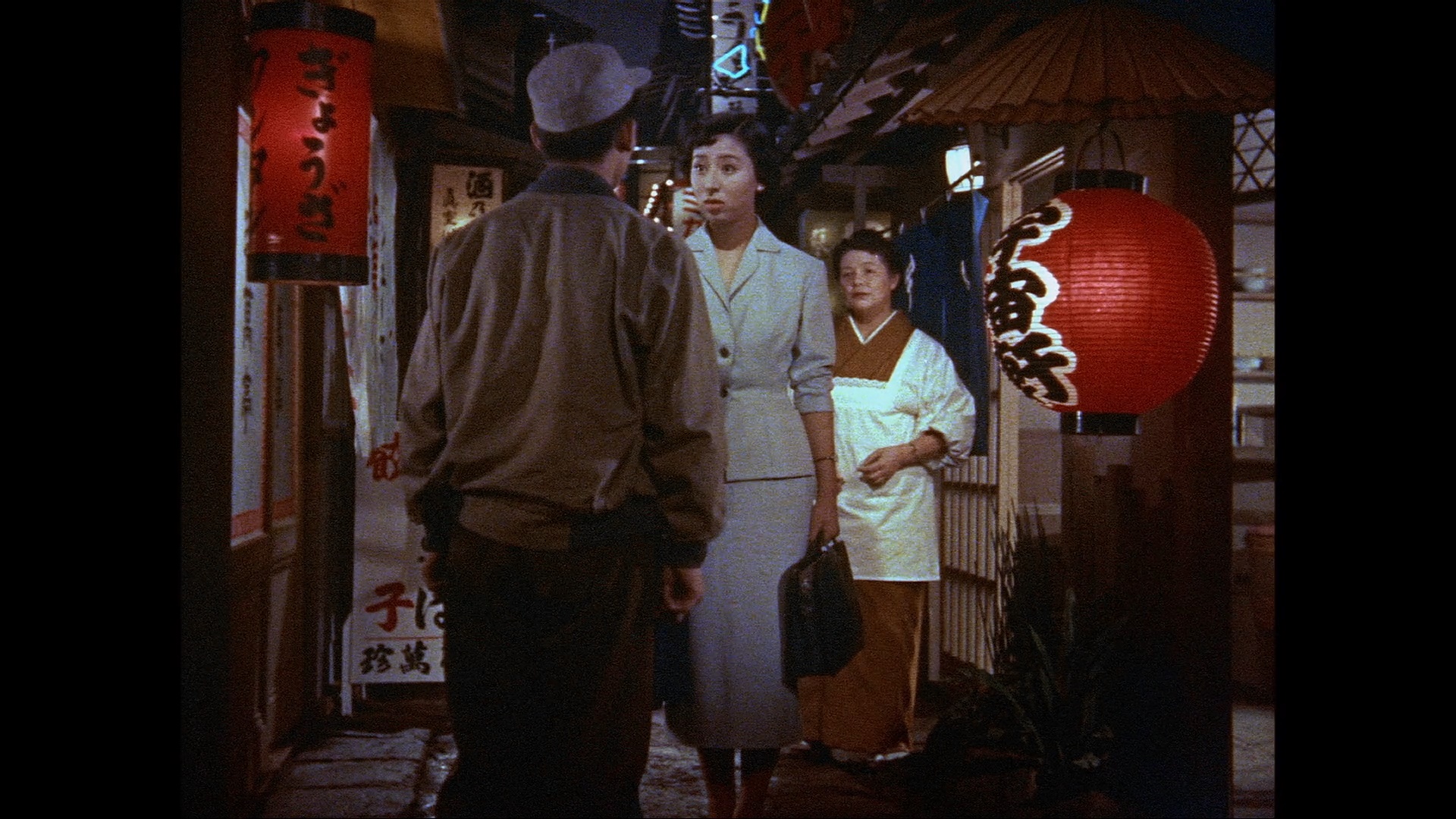
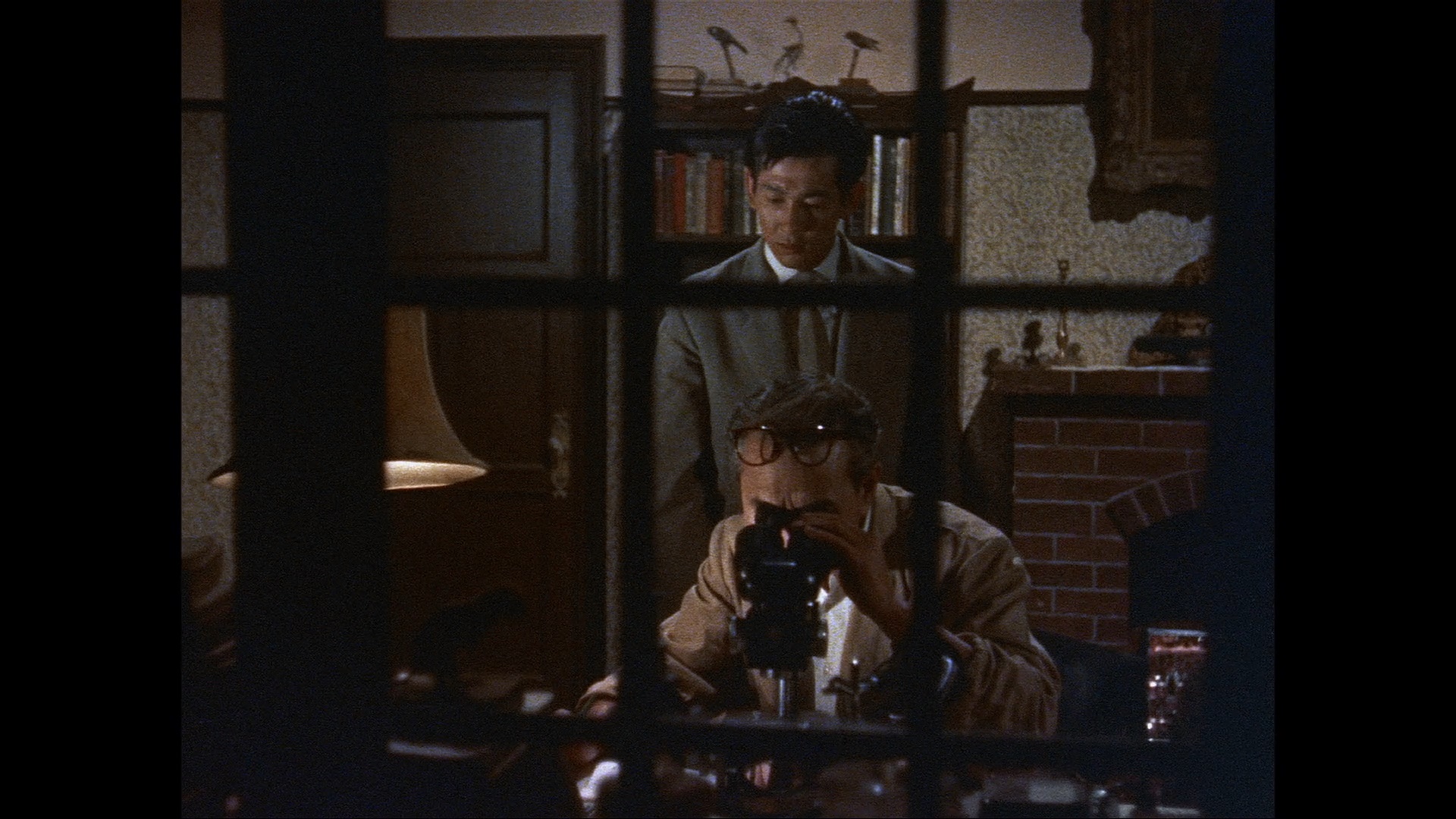
  presentations of both the original Japanese version and the AIP English-dubbed variant. The image quality is obviously light years ahead of anything we've had before, and both versions are comparable in appearance with a detailed, satisfying appearance that only occasionally betrays its age (mainly in a few shots with unstable black levels that have started to turn a bit blue). A pretty huge upgrade all around, it looks similar to other Japanese films of the era in particular
  the Ozu releases from Criterion and the BFI with their delicate, powdery color schemes. The Japanese cut also features an audio commentary for the first 65 minutes by Monsters Are Attacking Tokyo! author Stuart Galbraith IV, who delivers an encyclopedic level of info about the actors and major players behind the scenes as well as plenty of connections to other Japanese cinema at the time, the relevant genre films preceding this one, and the state of Daiei at the time. He doesn't hold back pointing out what he feels are shortcomings within the film, namely its refusal to provide a genuine protagonist, but he also increases one's appreciation for its significance in the Japanese cinematic legacy. Also included are the Japanese teaser and trailer, plus an image gallery of promotional artwork and stills from its Japanese theatrical campaign; the first pressing also contains an insert booklet featuring essays on artist Taro Okamoto by Japanese art historian Nick West, and on the production of the American version by David Cairns