 the time called it Olivia Newton-John's big screen debut when Grease took the box
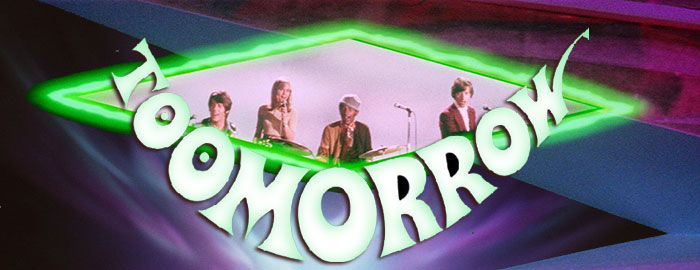
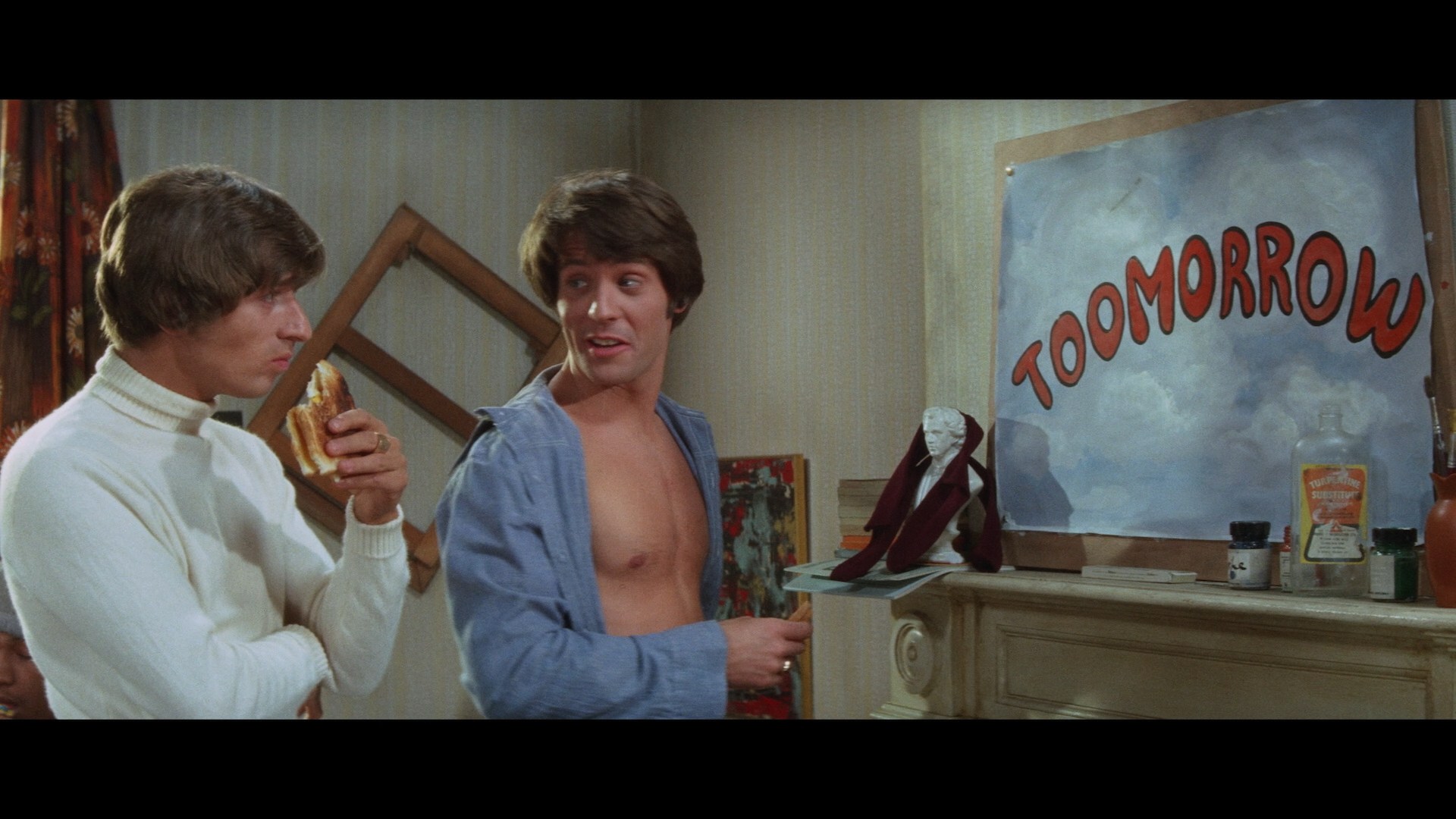
 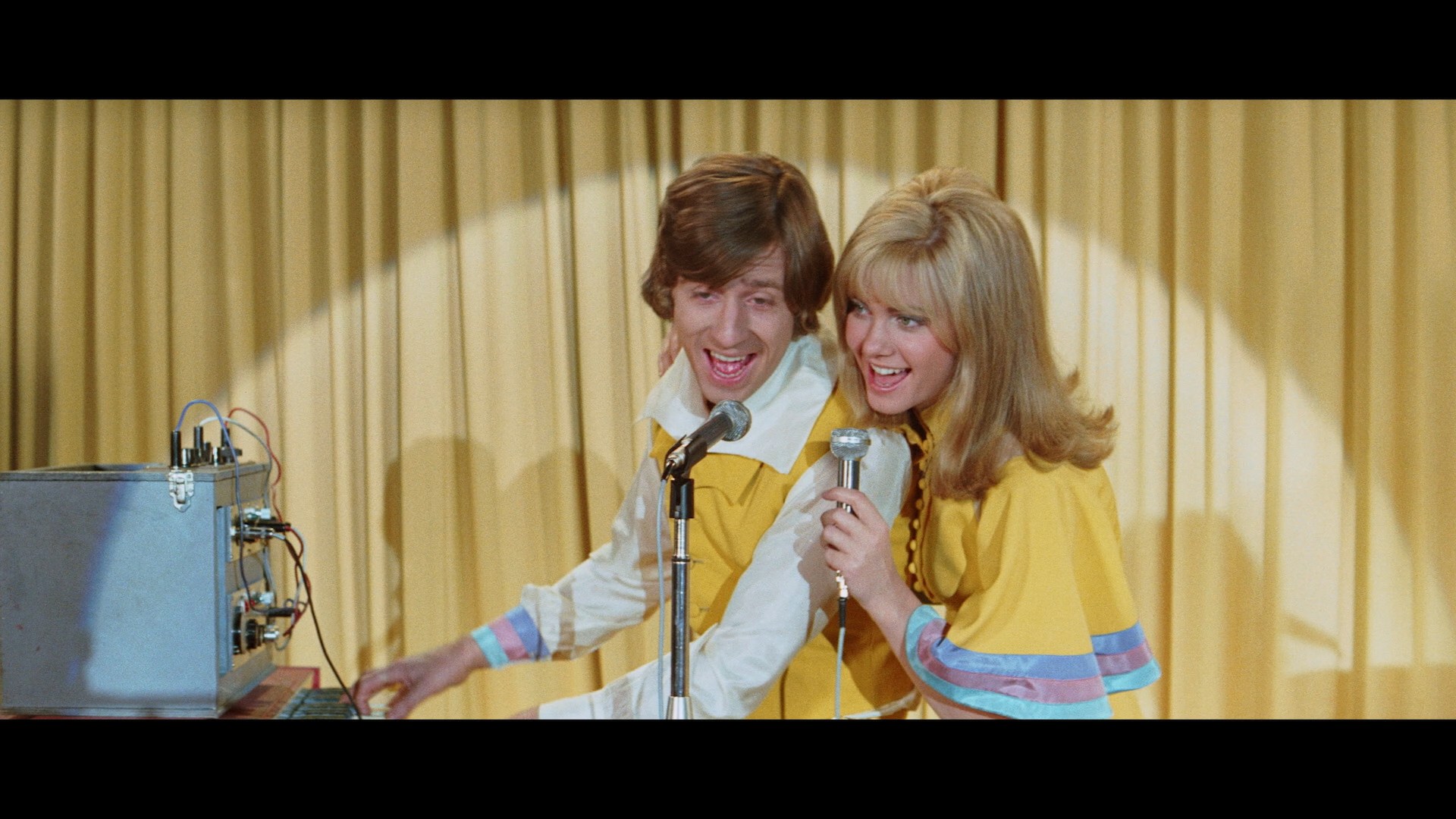 office by storm in 1978, the beloved pop singer already had two films to her credit by that point-- but very few people had actually seen them. After making her debut in the quirky 1965 sheep-coloring Christmas family film Funny Things Happen Down Under in Australia, she was recruited to join a shake-and-bake pop band called Toomorrow to star in a sci-fi musical for producers Harry Saltzman of James Bond fame and The Monkees impresario Don Kirshner. The project started shooting in late 1968 and was jinxed from the start, with the producers clashing and director Val Guest (The Quatermass Xperiment, When Dinosaurs Ruled the Earth) working long after his stipulated contract and eventually suing the block the film for non-payment. As a result, Toomorrow ran for only a few days in the U.K., got a slight theatrical release in Japan, had an instantly ineffective soundtrack release, and then vanished without a trace for decades.
 both times (and Newton-John at one). After that, letterboxed bootleg copies started turning up including a VHS-sourced Japanese scan (with burned-in subtitles) of the one
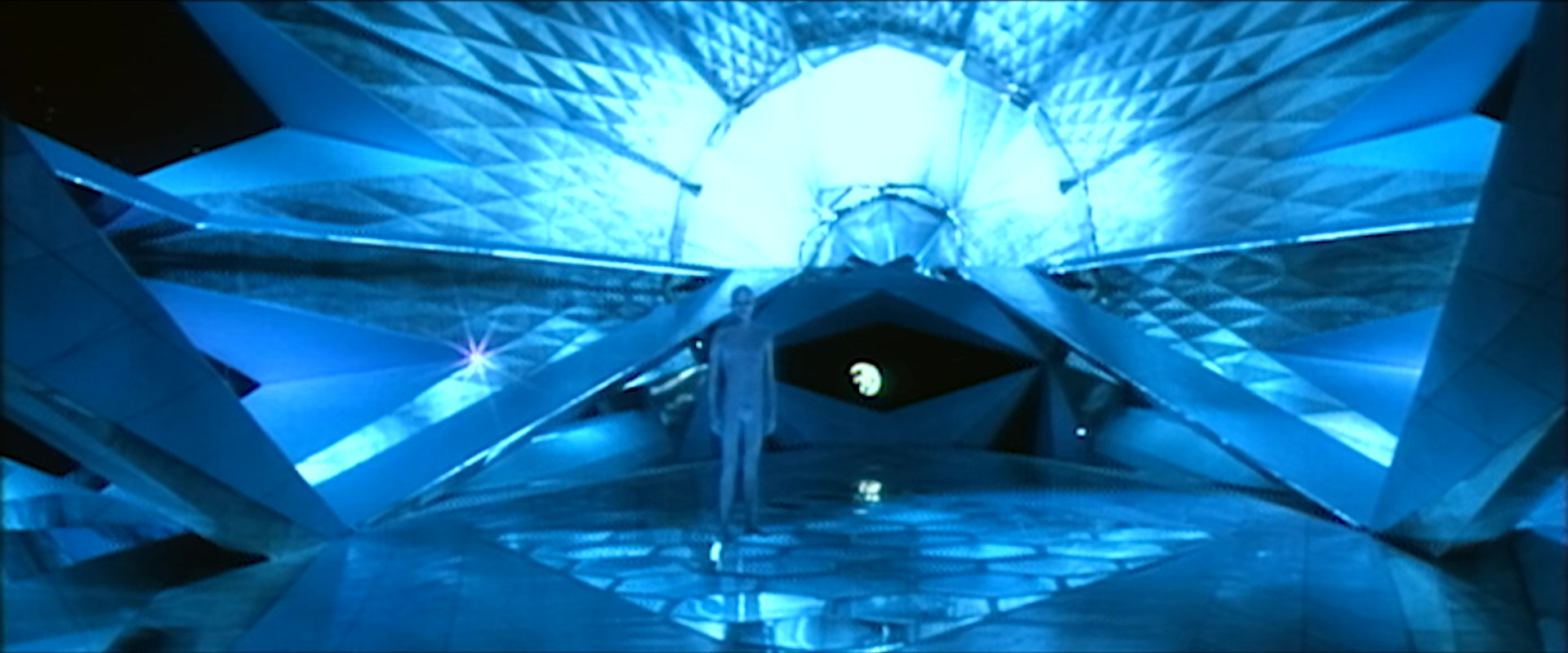
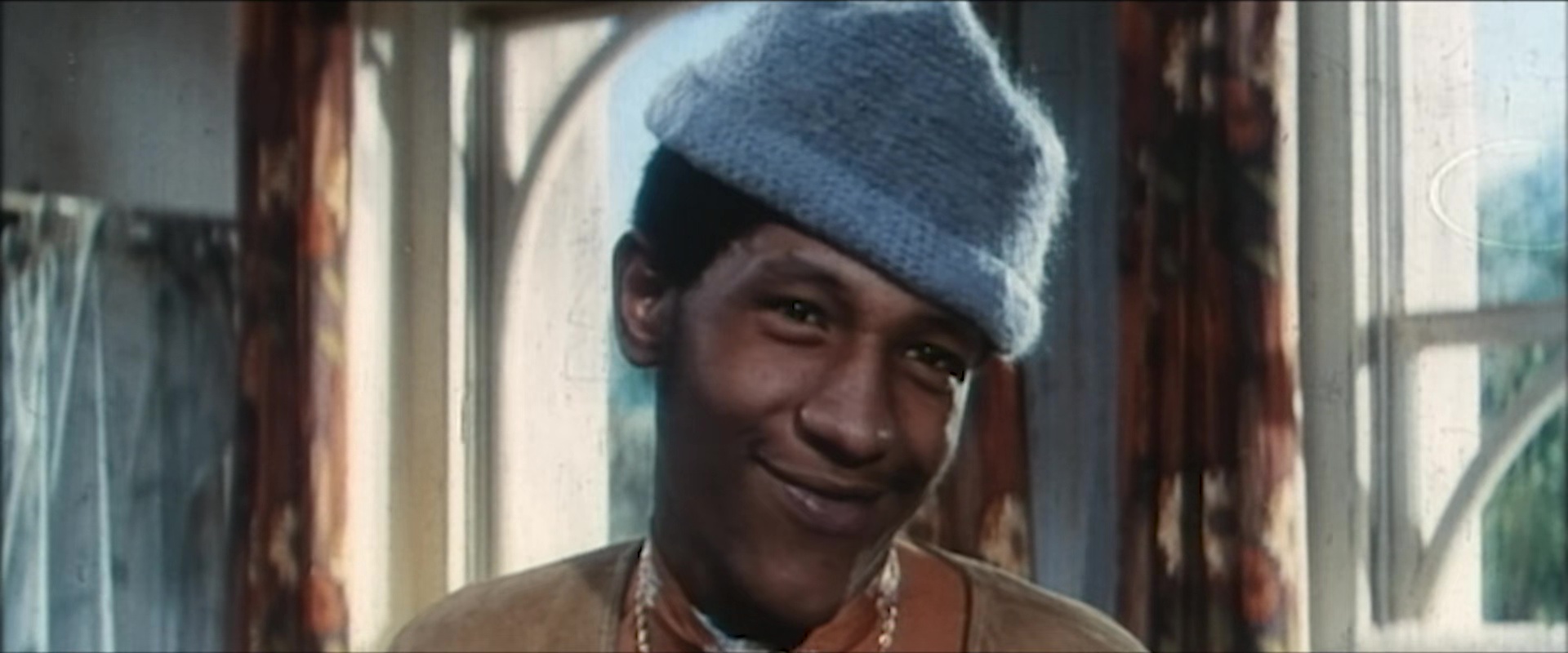
  print owned by Nippon, followed by an atrocious 2012 U.K. DVD from Pickwick loaded with mastering errors, tape glitches, and audio missing entirely in the left channel. A somewhat better streaming option and DVD later turned up from Screenbound, taken from the same source with the more blatant issues fixed but still far from ideal. It may have taken over half a century, but a worthy presentation finally turned up in 2026 on Blu-ray as a special edition from Deaf Crocodile, followed shortly after by a U.K. option from the BFI. (Both of them collaborated on the restoration, which looks spectacular.)
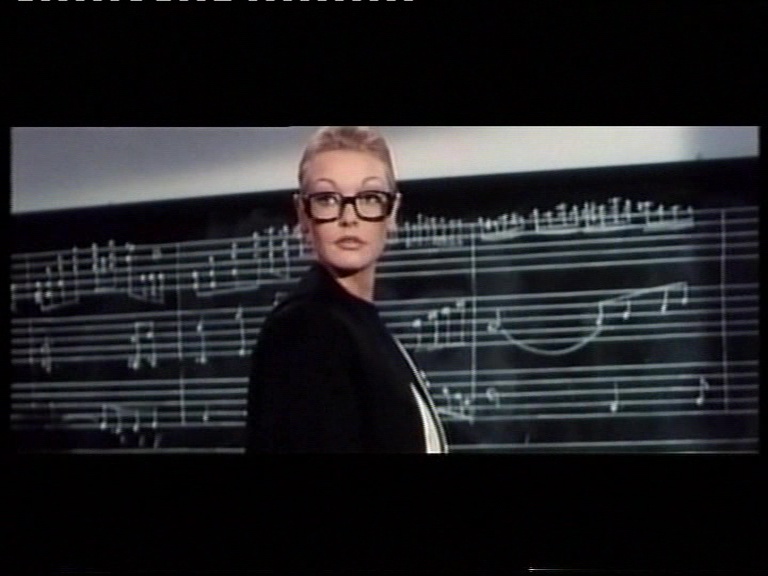
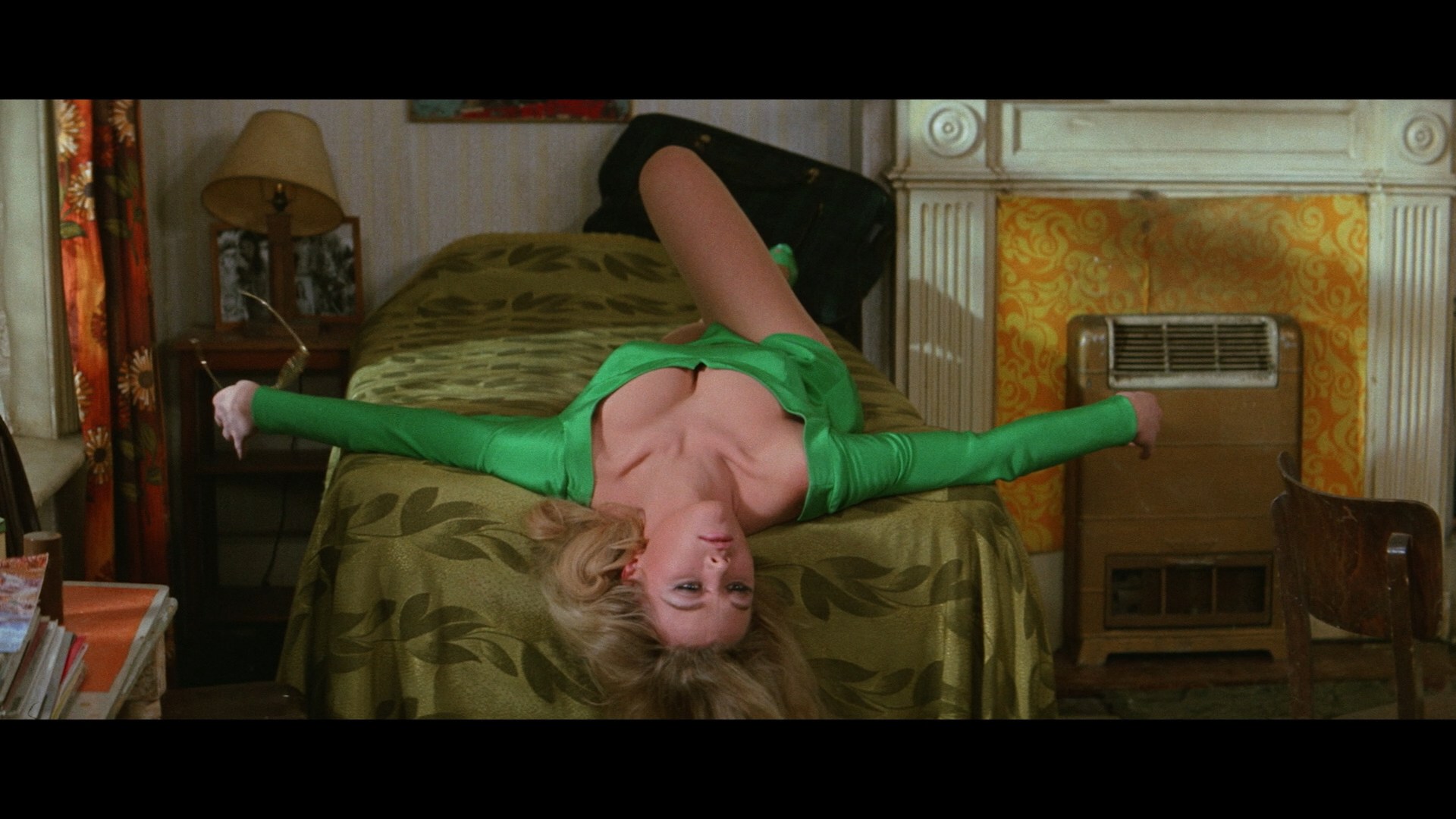
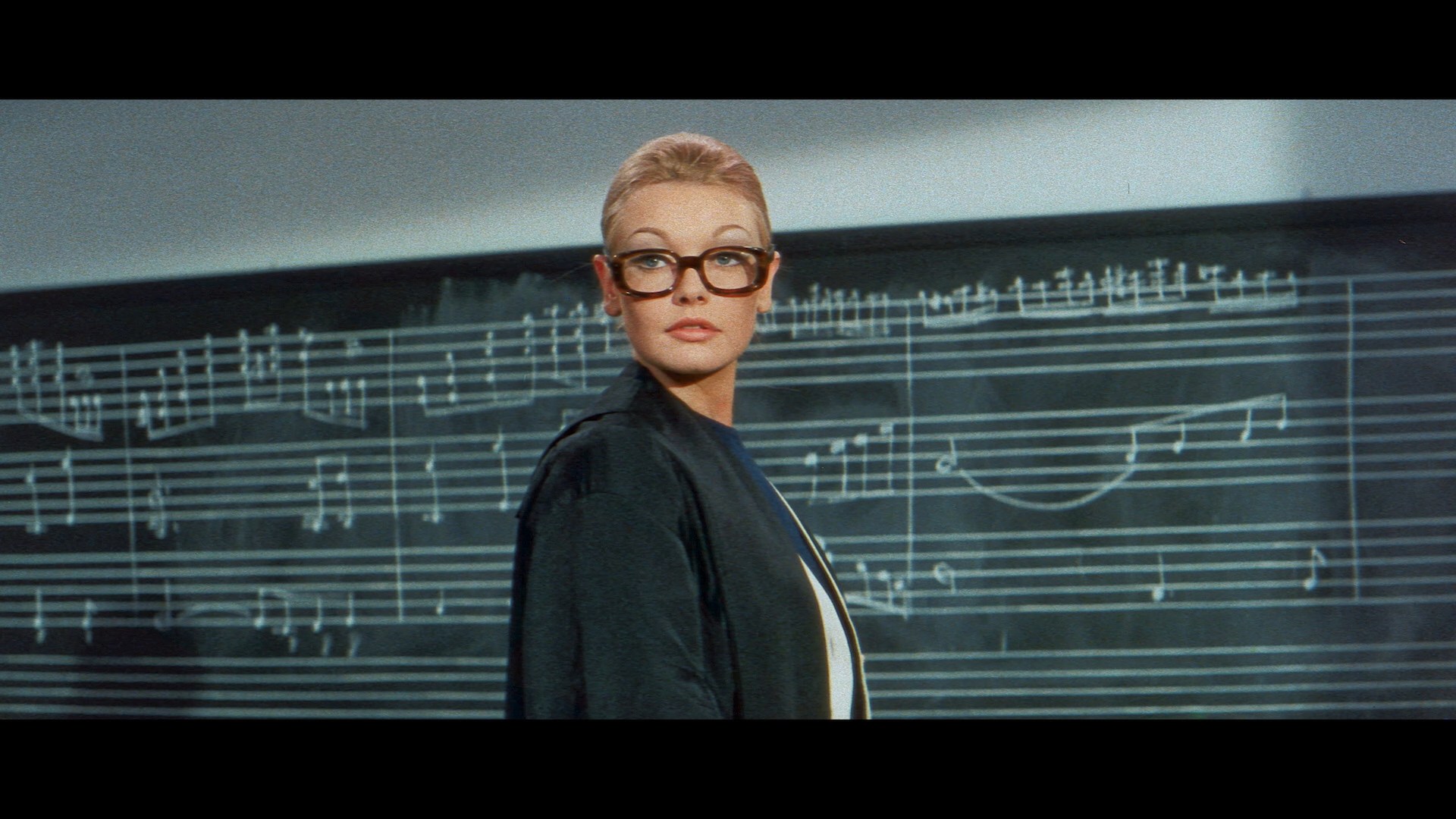
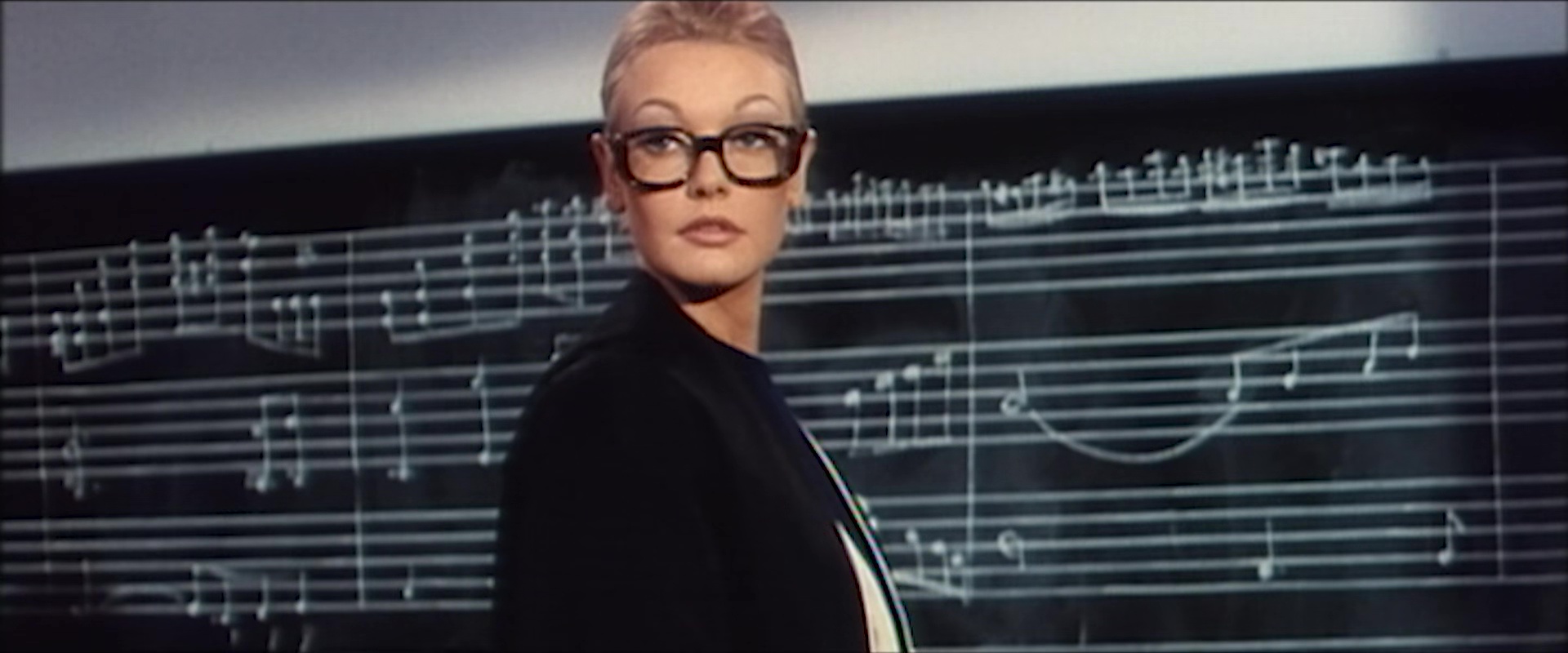
 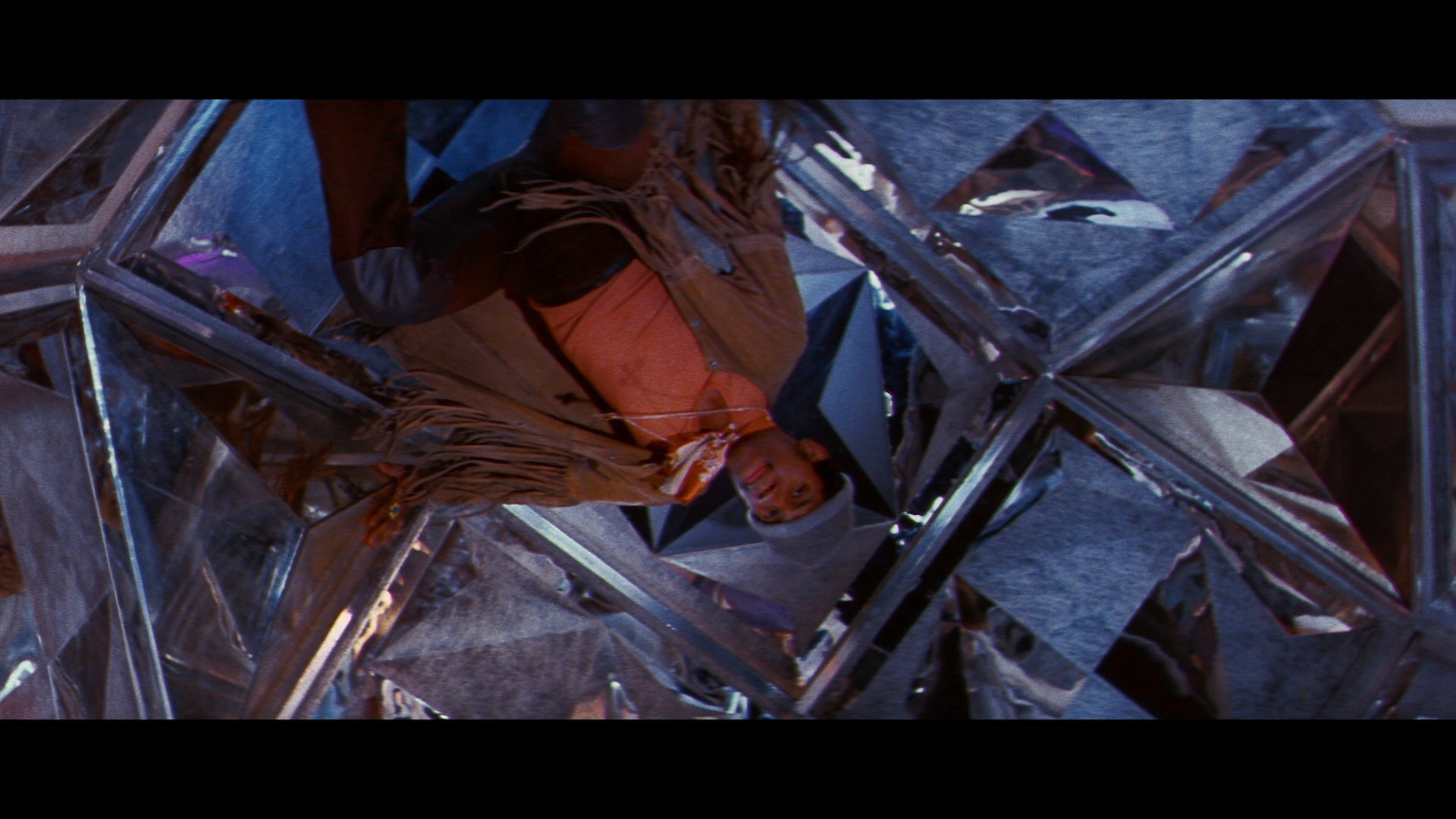 voluptuous music professor Dr. Johnson (Goldfinger's Nolan), to seduce Vic, with the entire band eventually zapped onto the spaceship for a big reveal before they can
 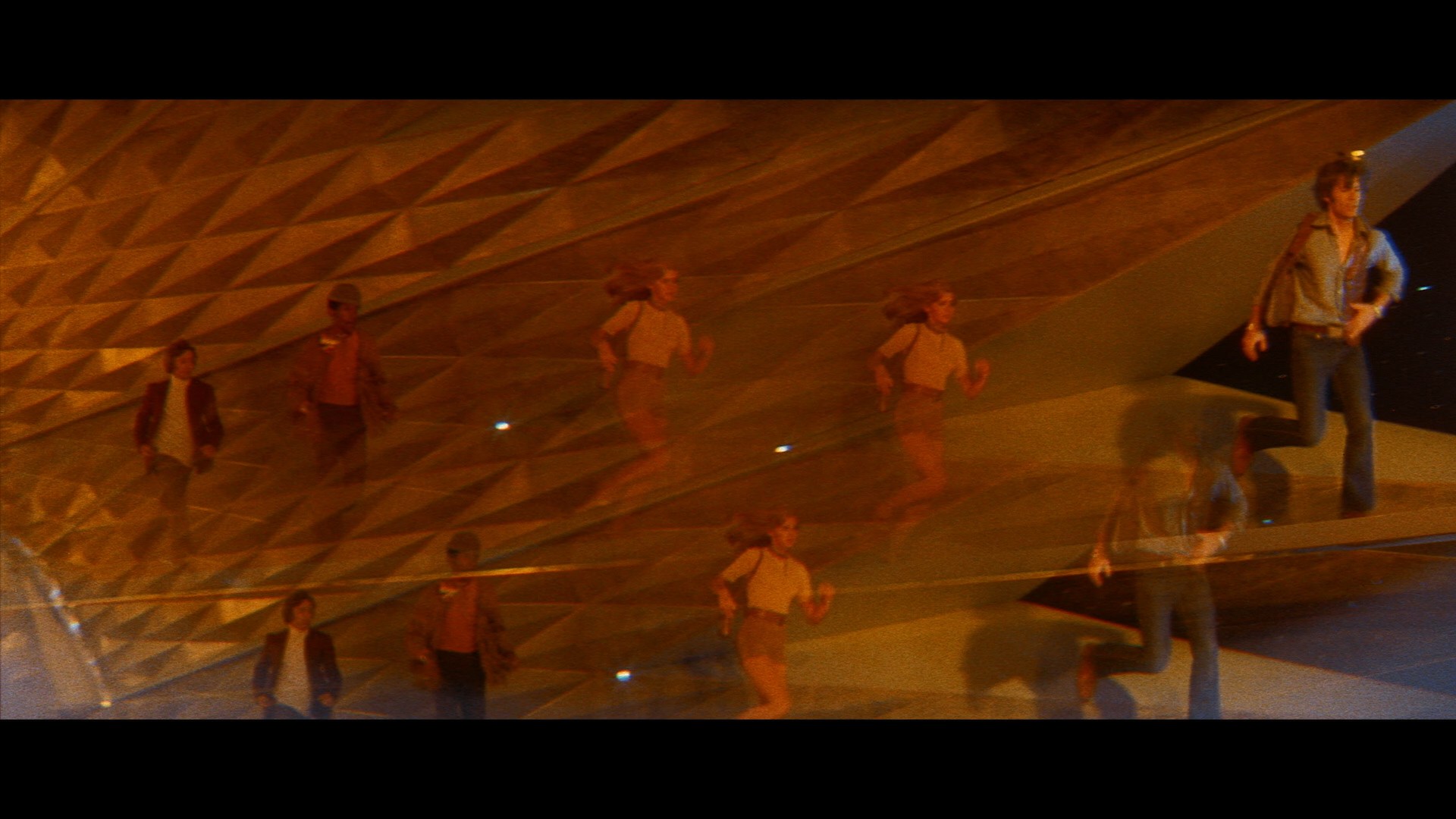 do their first big public show.
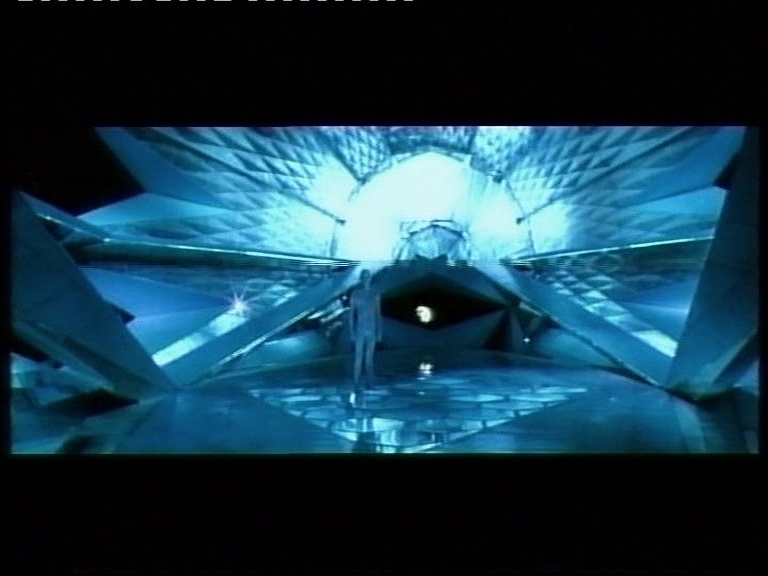
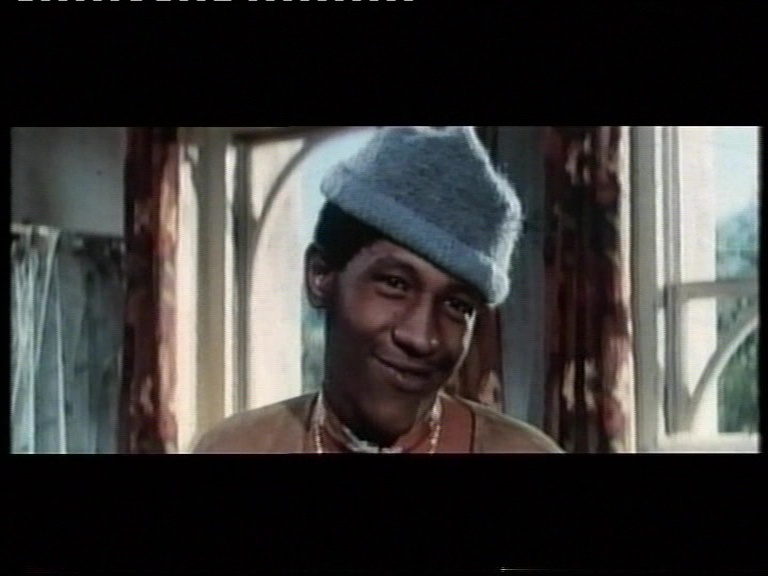
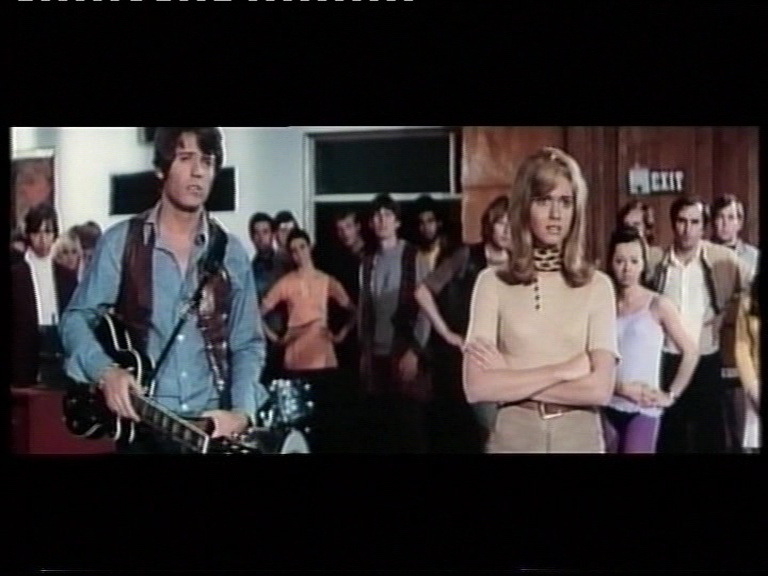
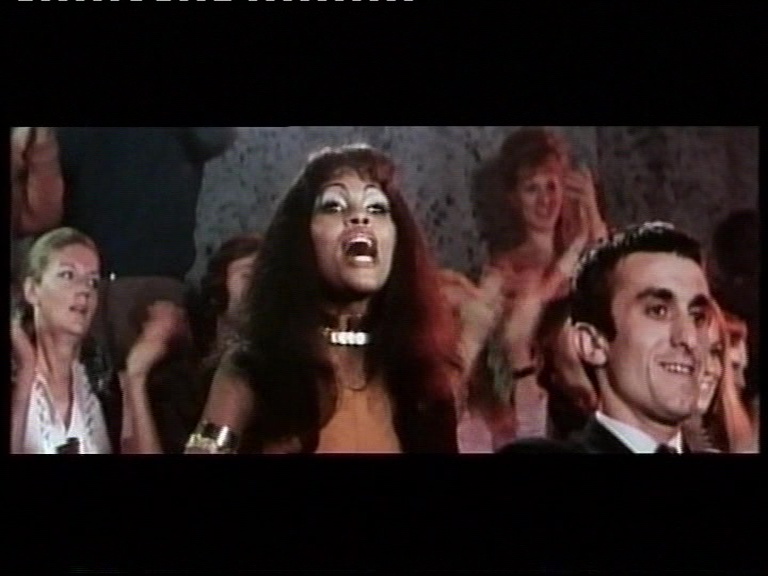
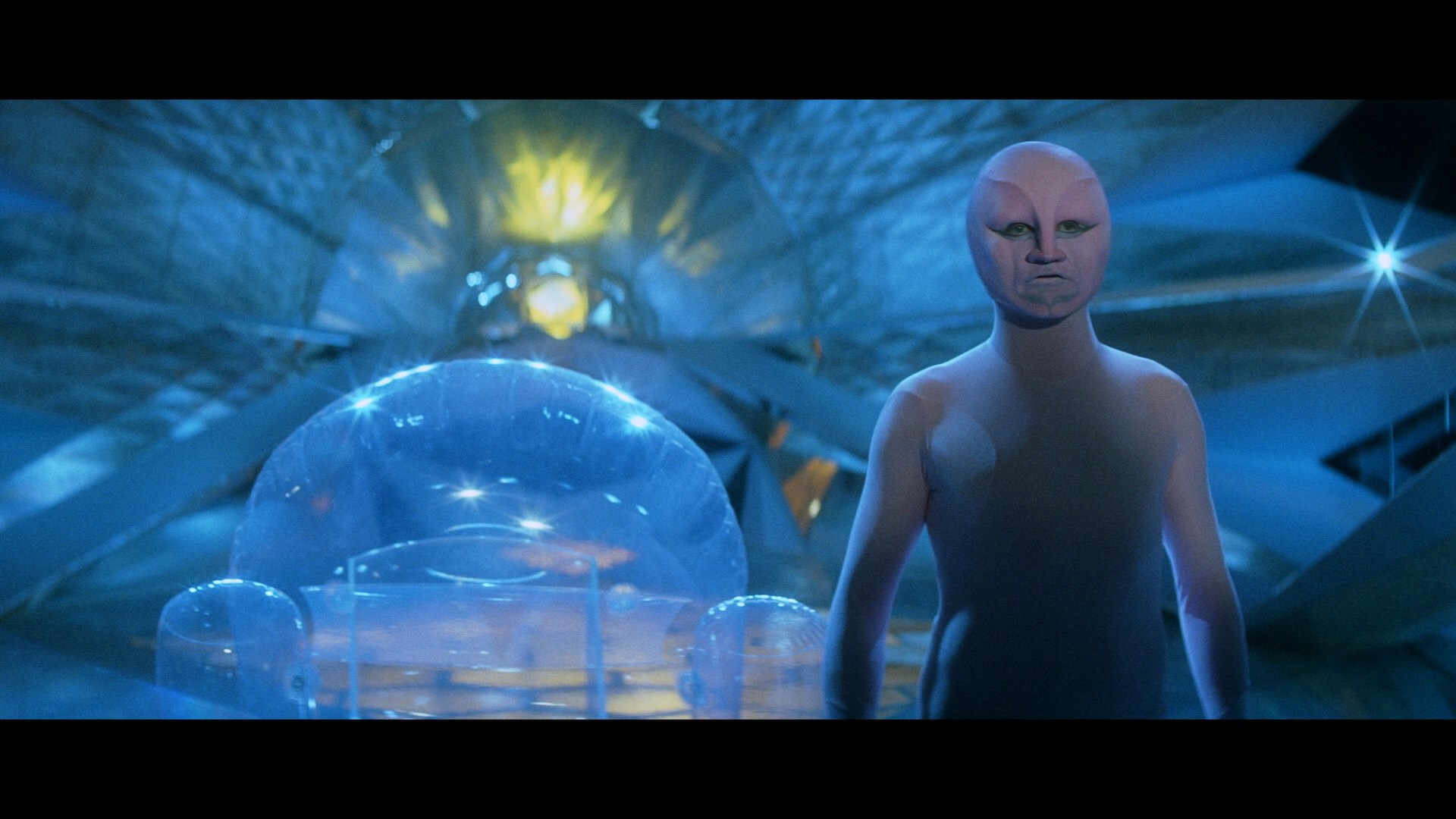
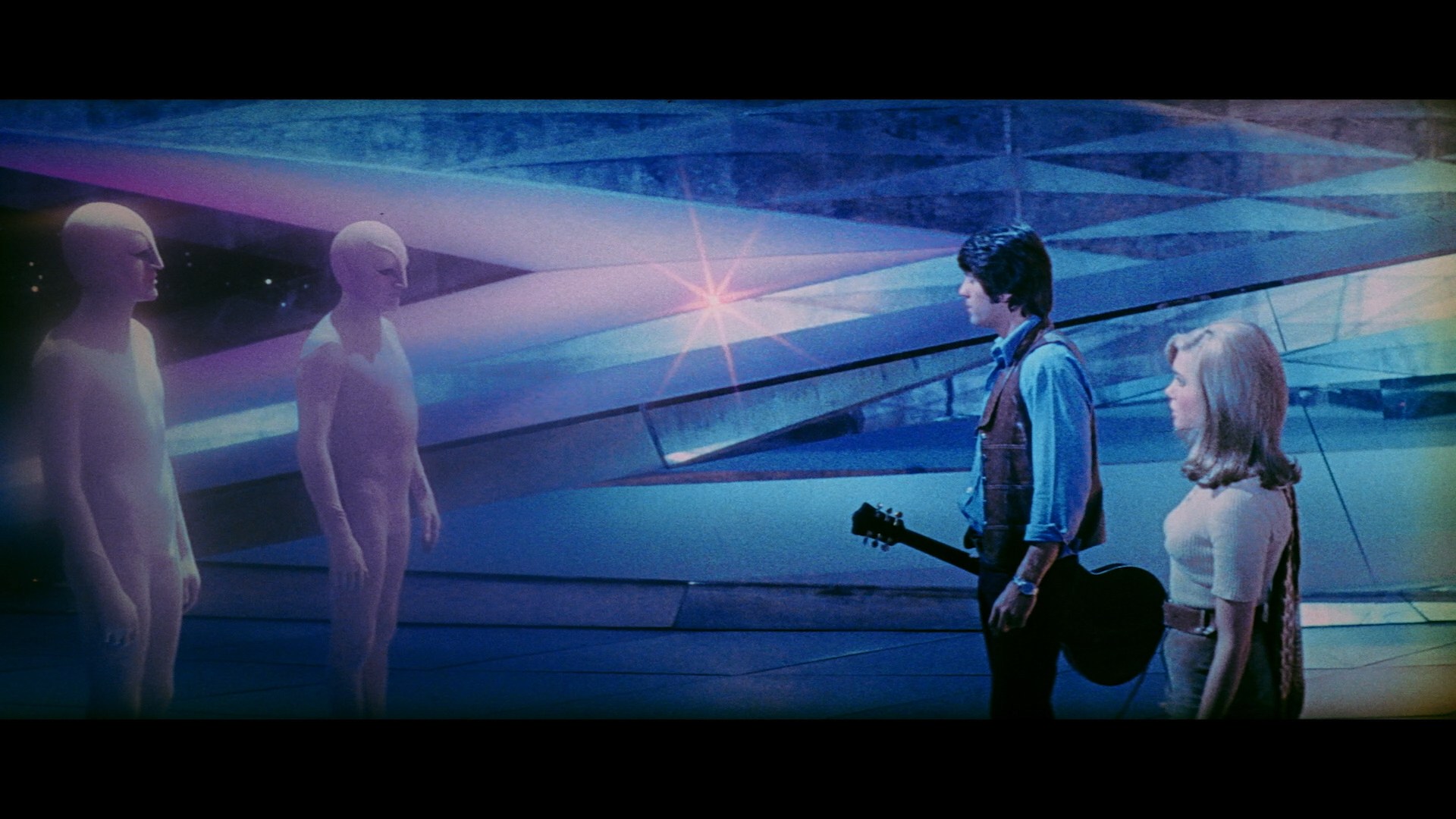
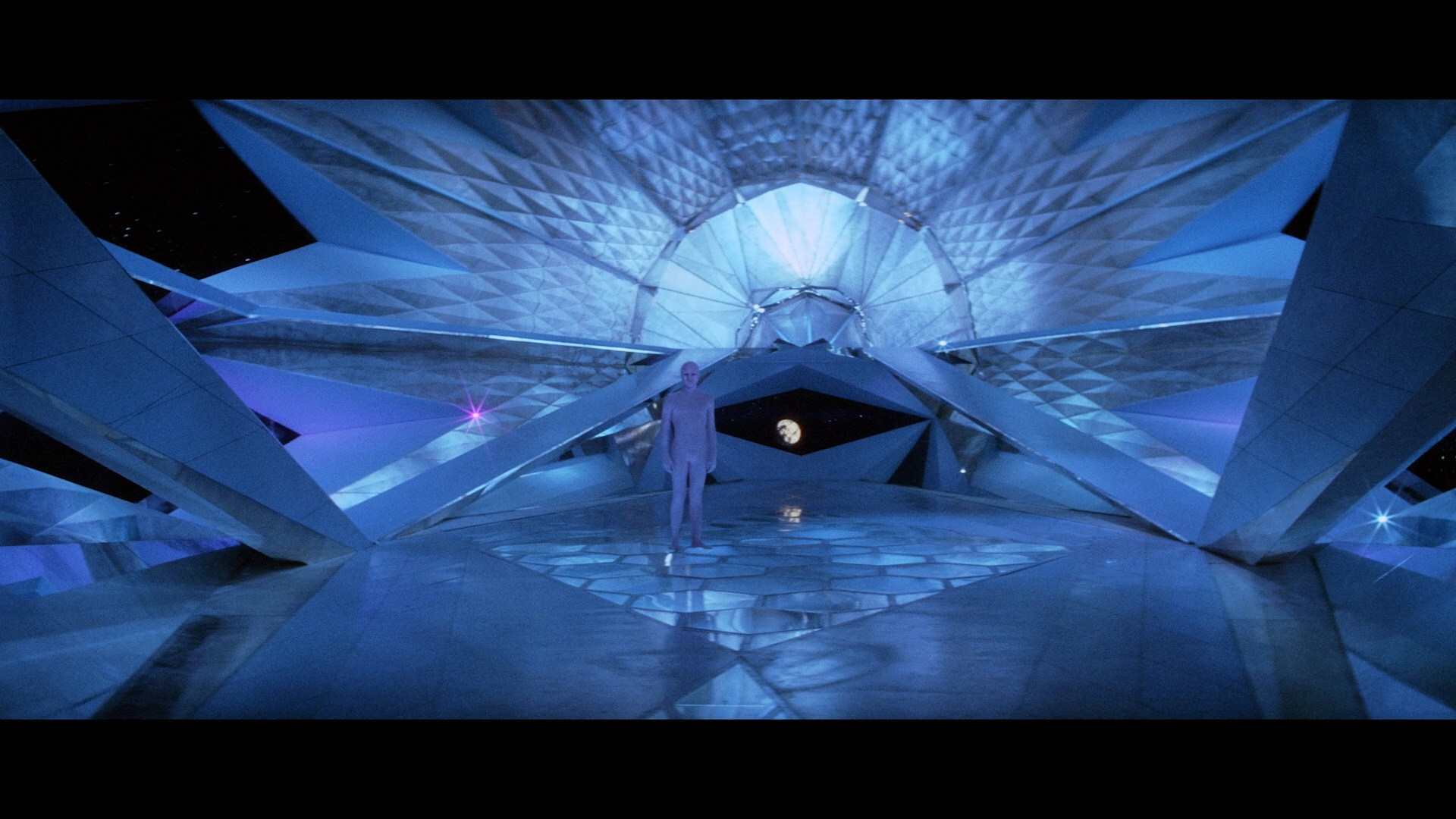
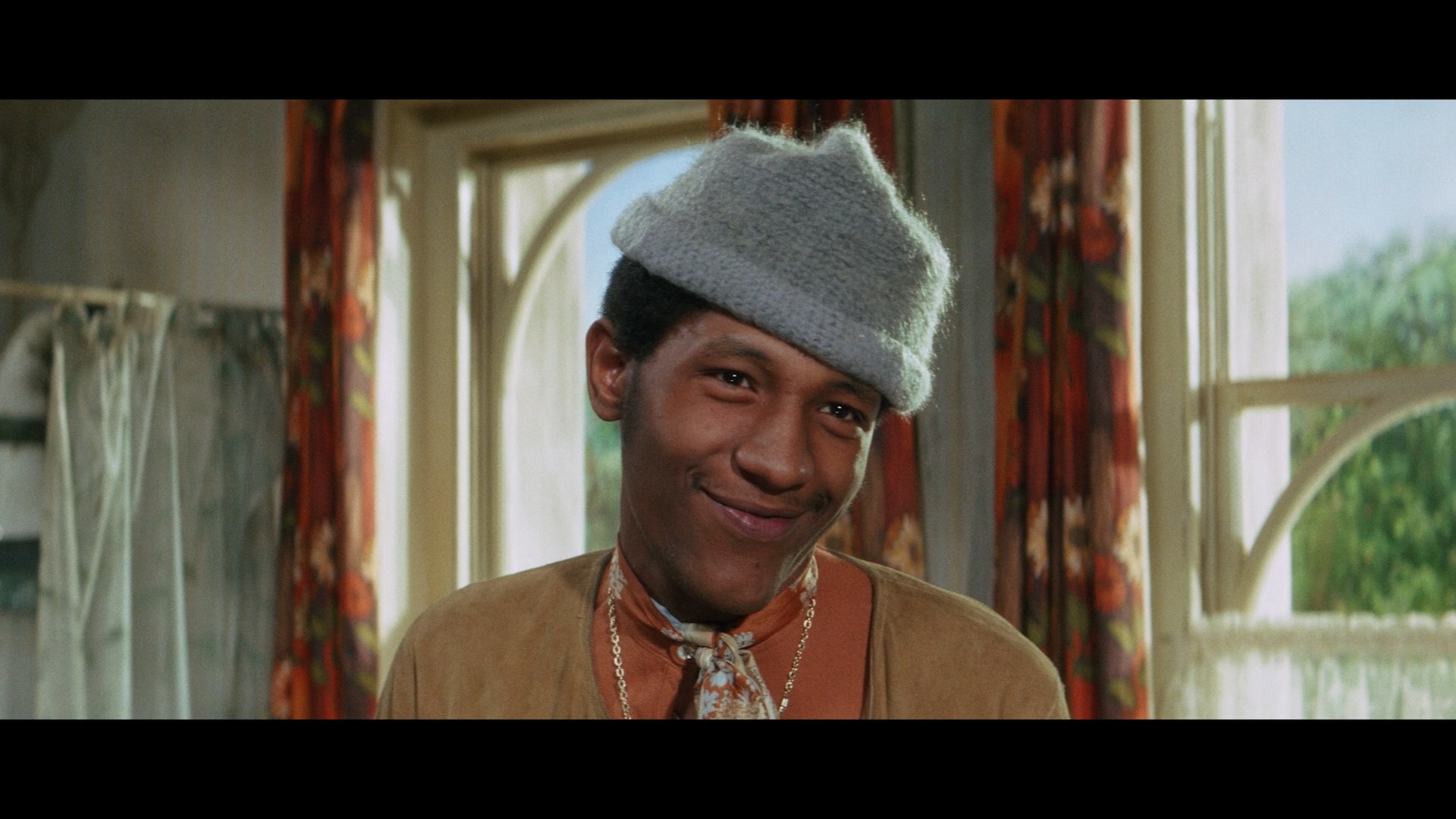
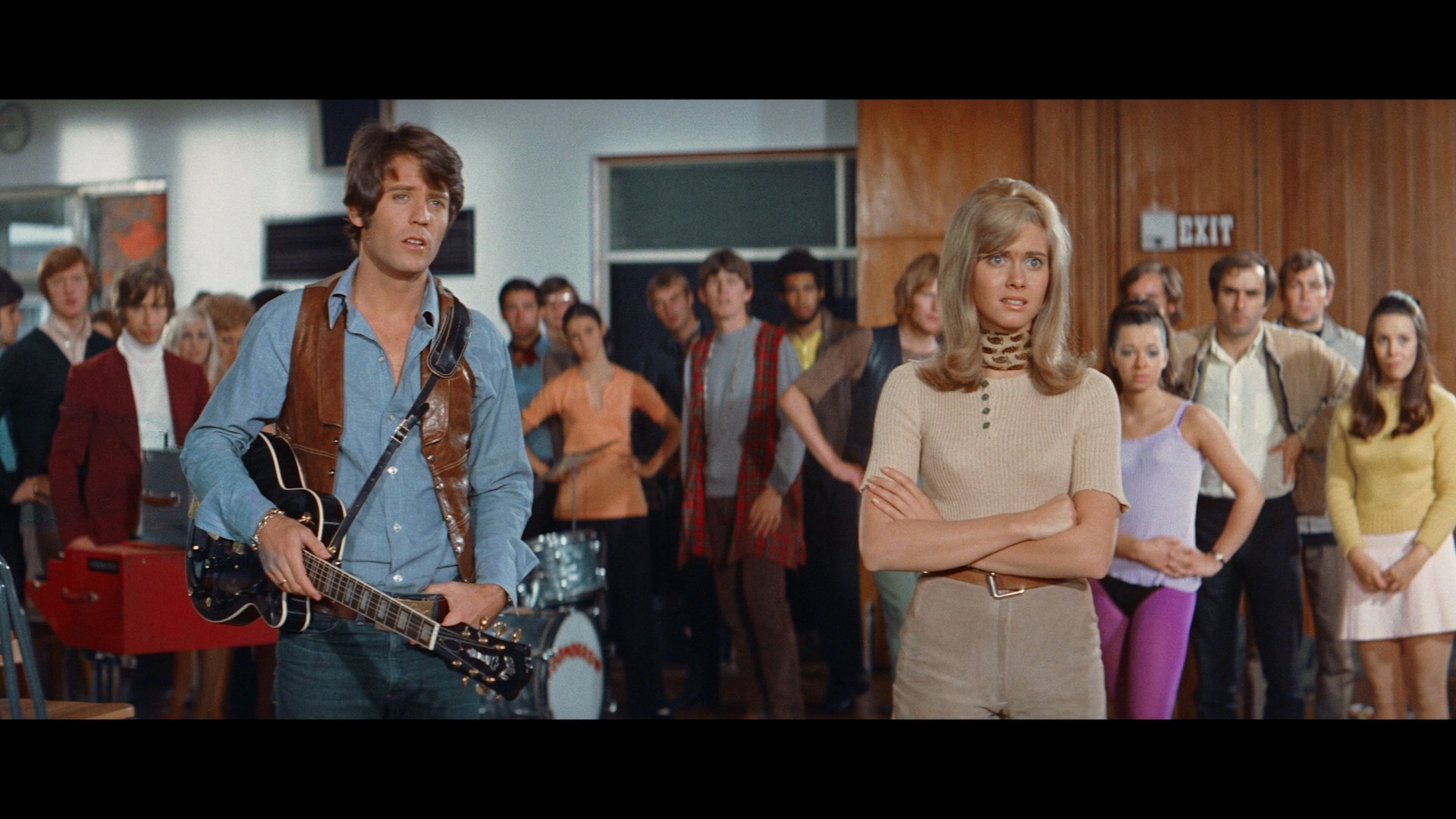
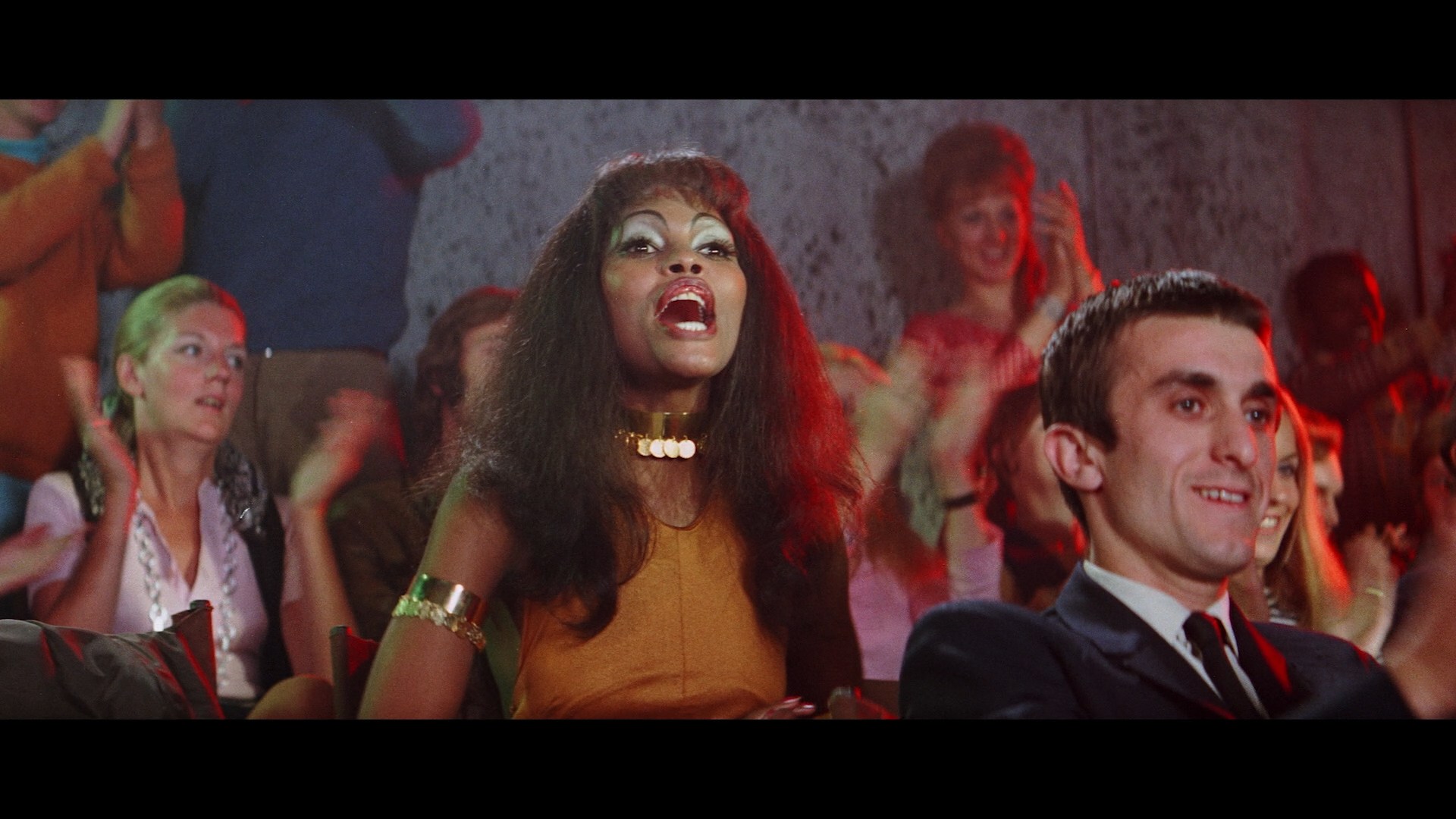
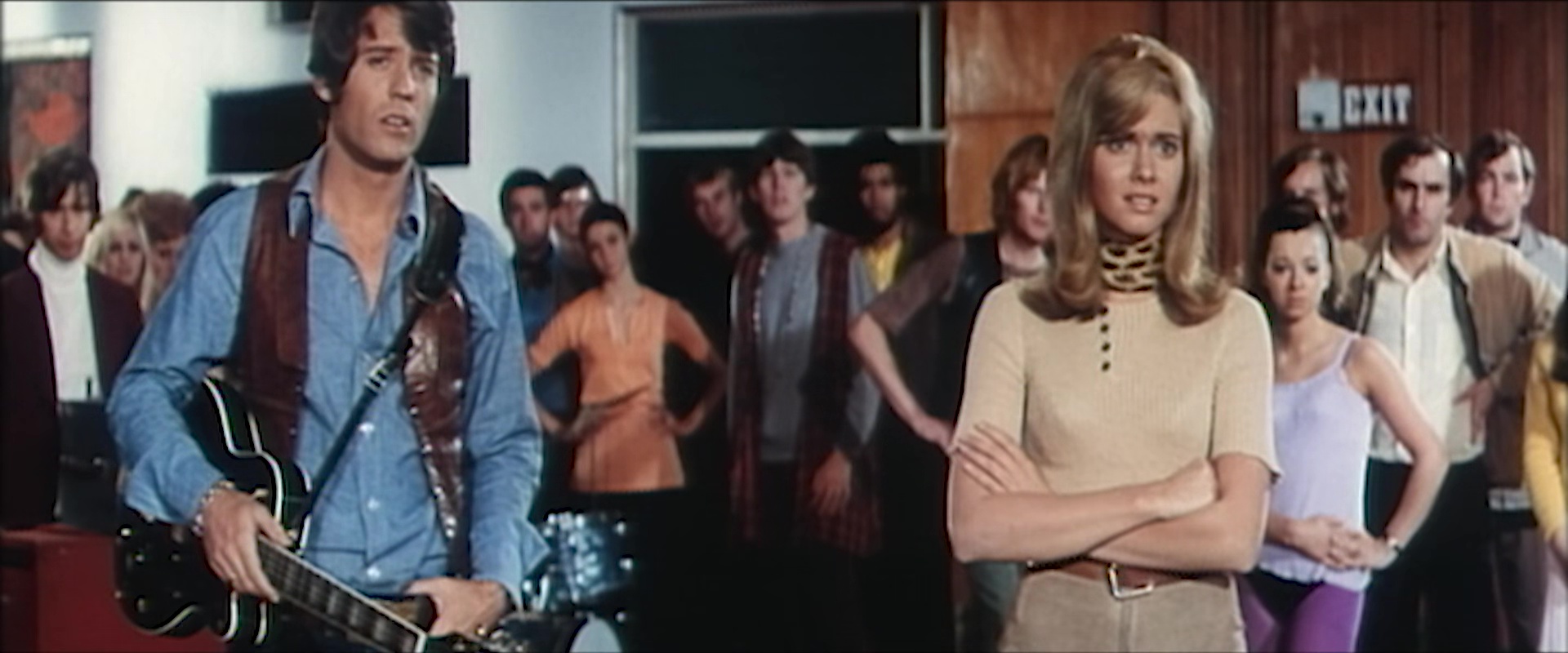
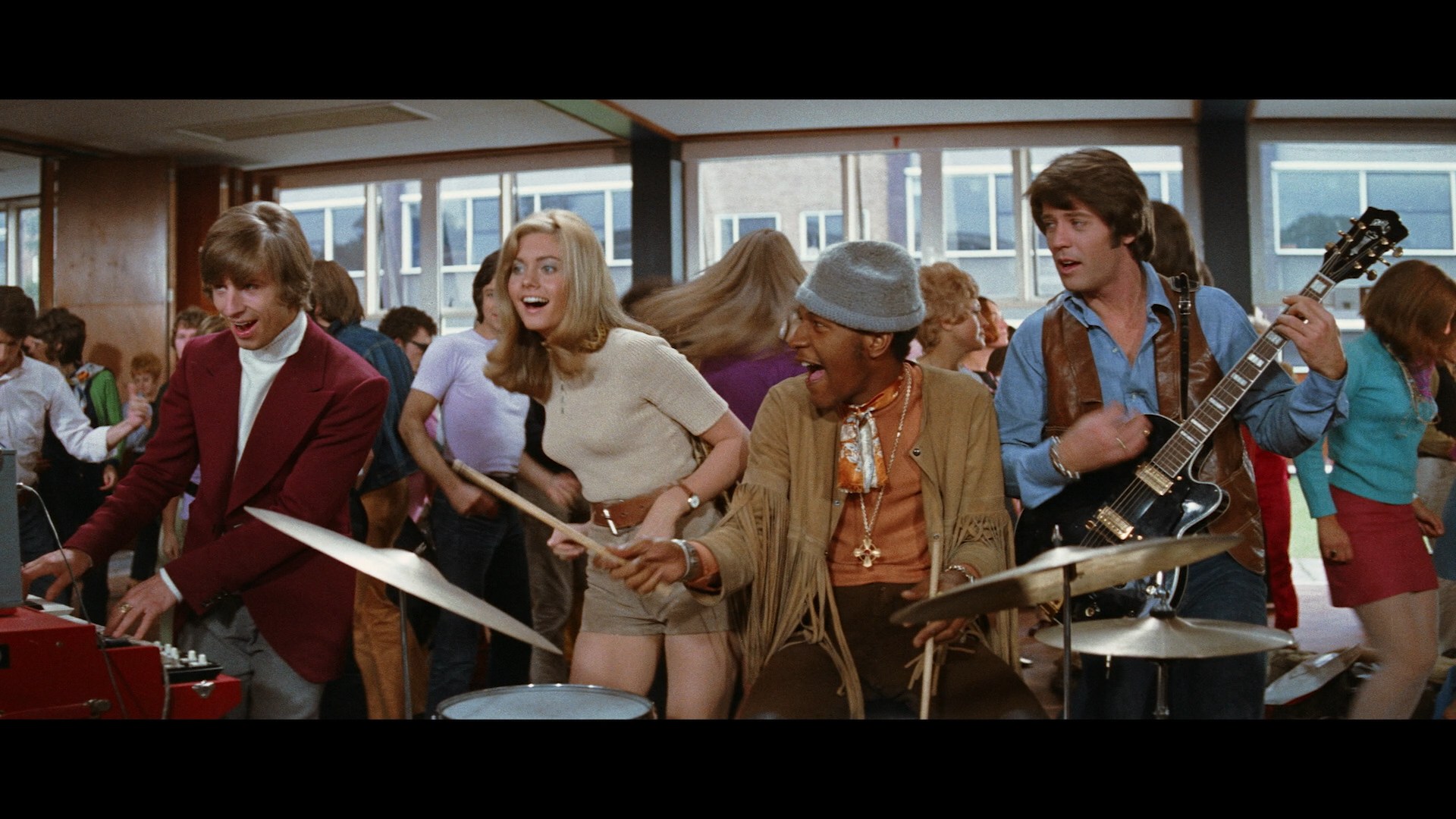 and detail now finally looking immaculate with the 2.35:1 framing looking much better here
 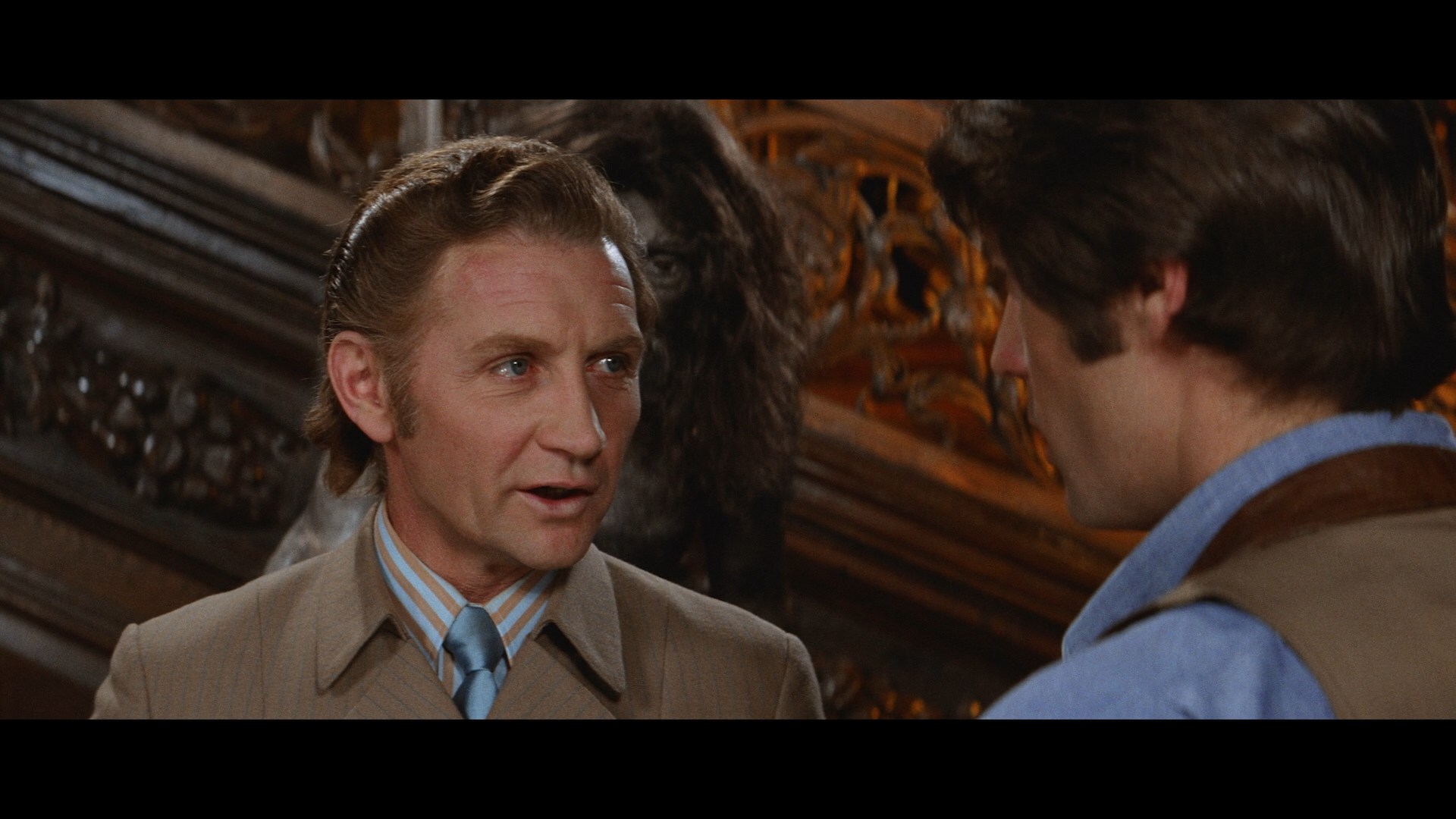 than the very zoomed-in previous options. The DTS-HD MA 2.0 English mono track is also impeccable and features optional English SDH subtitles. It's worth noting that, as was common at the time (perhaps most famously with Beyond the Valley of the Dolls), the songs heard in the film differ significantly from the mixes and vocals created for the soundtrack, particularly "Goin' Back."
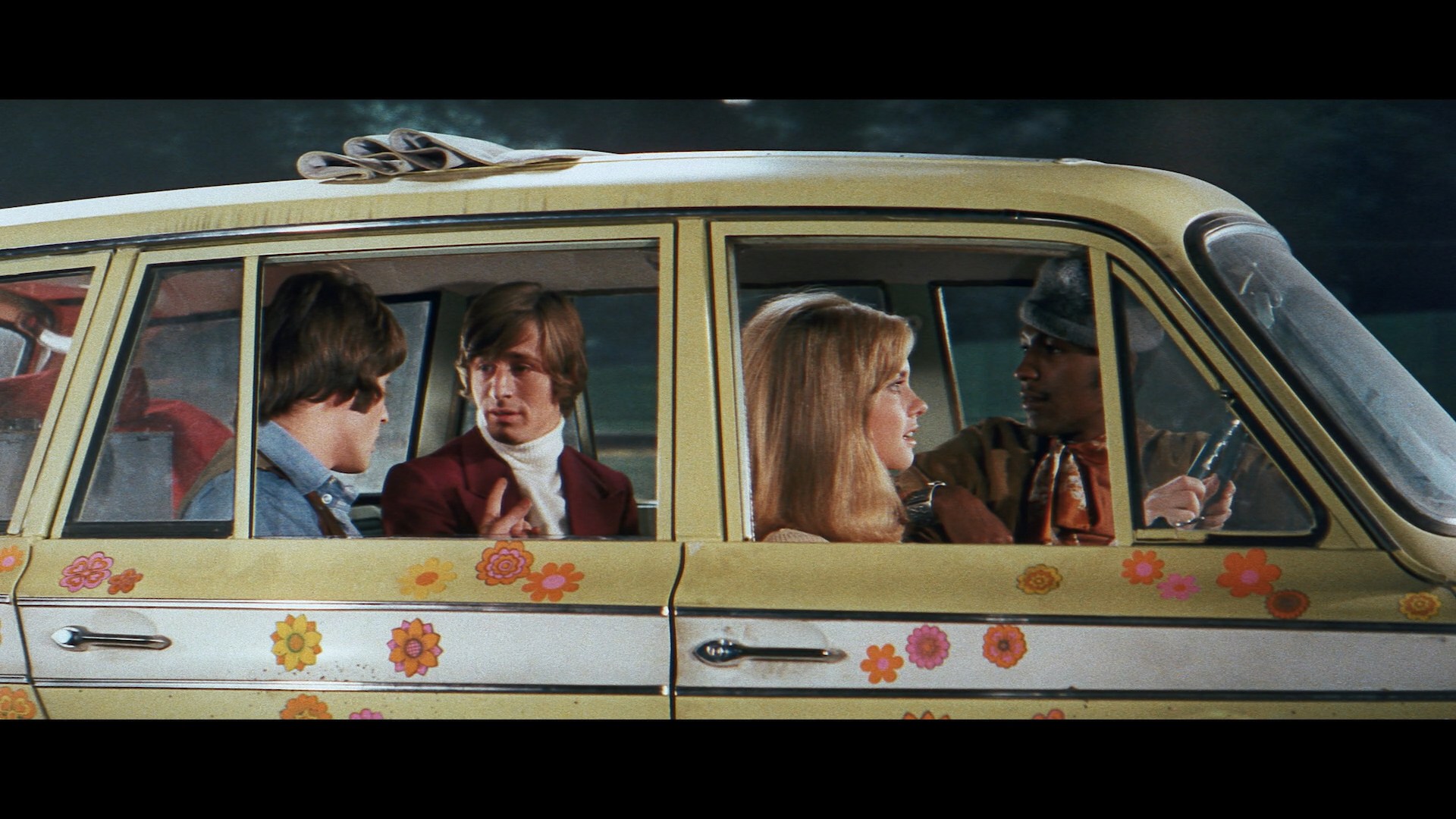 Yolande Donlan as part of The Guardian lecture series (64m56s) features the always engaging filmmaker
  in fine form sharing stories about his career, and then things get very bizarre with Bernard Coyne's 1969 black-and-white, avant-garde short If I Could Turn You On (12m43s) shot at one of the film's locations, the Camden Roundhouse, featuring lots of chanting, screaming, acrobatics, and bare butts. Finally an audio interview with Guest from 1988 with Roy Fowler for the British Entertainment History Project (10m2s), with new video accompaniment by Someone's Favorite Productions, features a summary of his experiences making this film including the discovery of Newton-John at a cabaret, Kirshner's ill-advised attempt to have her do a love scene, and the whole legal mess that kept the film tied up. The limited edition packaging, which features a hard slipcase with art by Beth Morris, comes with illustrated 60-page booklet with three written pieces. In “Val and Yo,” Deaf Crocodile’s Dennis Bartok surveys the marriage and professional careers of the married couple, which ran through films both momentous and absurd (and you can decide which category this particular title falls into). You also get a transcript of Bartok’s 2002 interview with Guest at the second American Cinematheque screening, which is a great chat including the film’s odd production and the role it played it splitting up Saltzman and Albert R. Broccoli in the Bond series. Also included is an appreciative appraisal by Walter Chaw (whose name-dropping of Bill & Ted’s Excellent Adventure is very on-point) and the importance of respecting the young and their artistic tastes.
Deaf Crocodile (Blu-ray)
Screenbound (Streaming)
Pickwick (DVD)