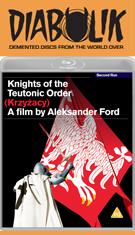
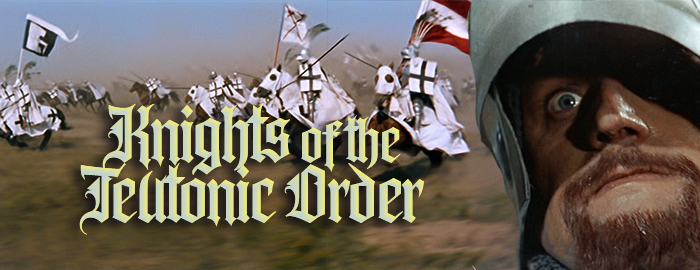
Color, 1960, 172 mins. 51 secs.
Directed by Aleksander Ford
Starring Grażyna Staniszewska, Urszula Modrzyńska, Mieczysław Kalenik, Aleksander Fogiel, Andrzej Szalawski
Second Run (Blu-ray & DVD) (UK R0 HD/PAL), Di Factory (Blu-ray) (Poland R0 HD), Artus (Blu-ray) (France RB HD), Icestorm (DVD) (Germany R0 PAL) / WS (2.35:1) (16:9)
Based on one of the 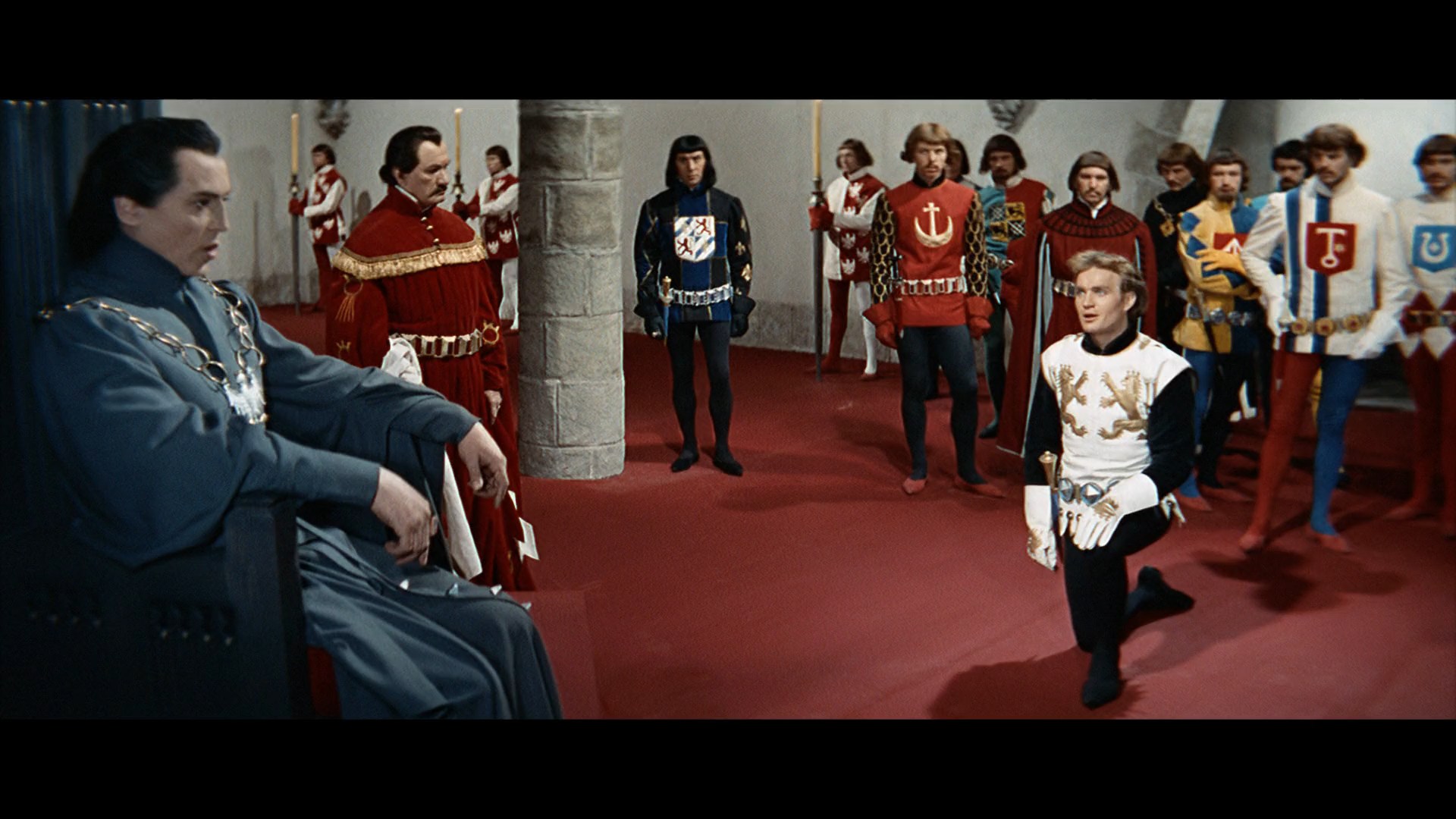 most pivotal battles in Polish history, the sprawling epic Krzyżacy (Knights of the Teutonic Order, also known
 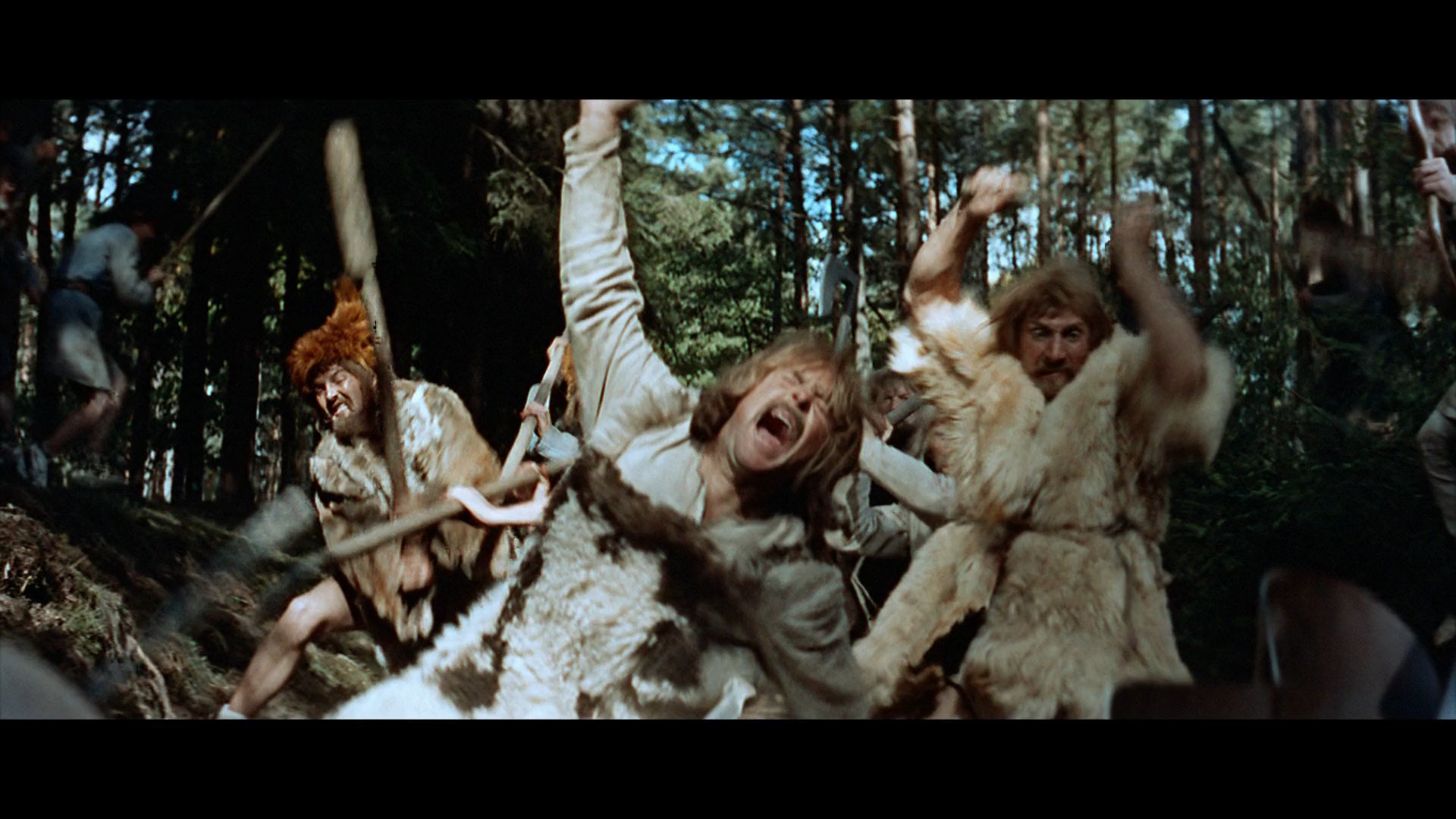 as Knights of the Black Cross) marked a major chapter in local filmmaking in terms of ambition, budget, and box office reception. Set in the 15th century, the intricate narrative charts the conflicts and intrigue leading up to the famous Battle of Grunwald which forms the climax of the film. Returning from Lithuania with his uncle, Maćko (Fogiel), the strapping Zbyszko (Kalenik) stops at an inn where he meets and falls in love with a Duchess' courtier, Danusia (Staniszewska), who comes to his aid soon after when a clash with the Teutonic Knights leads to his death sentence. She then becomes a kidnapping target for the Knights, who are now locked in a violent conflict with Polish knight Jurand (Szalawski) and his army. It's only a matter of time before Jurand and Zbyszko meet and join forces, setting the stage for imprisonment, dismemberment, and ultimately all-out war.
Condensing and spotlighted elements from an even denser serialized 1900 novel by Henryk Sienkiewicz, this film marked a career highlight for Aleksander Ford, by then a controversial elder statesman of Polish filmmaking who took on this decidedly patriotic project to compete with all the young turks nipping at his heels. 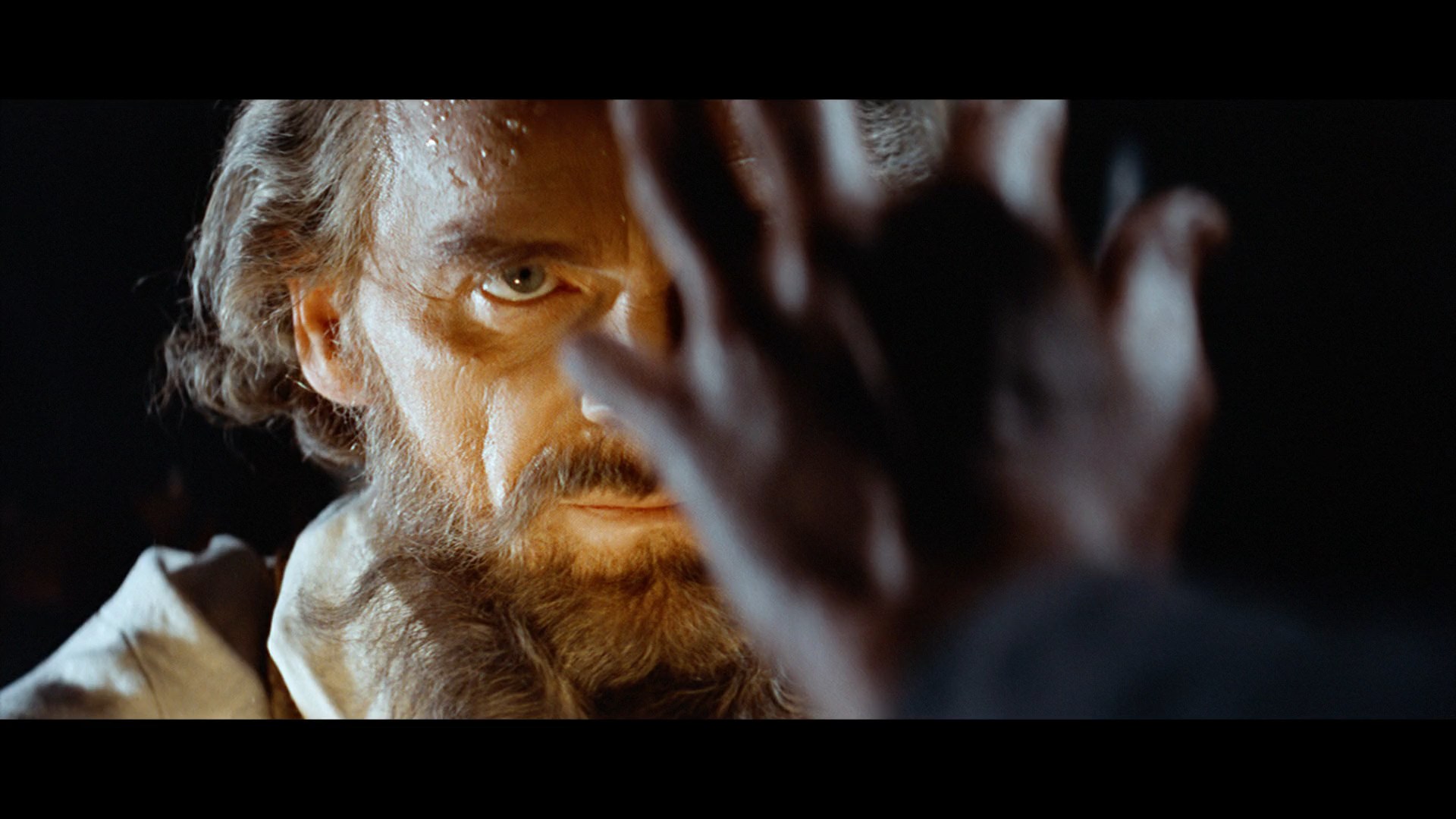 The result paid off immensely, wiping away memories of his ill-fated earlier tenure running the state film program for a while. Shot in lavish
 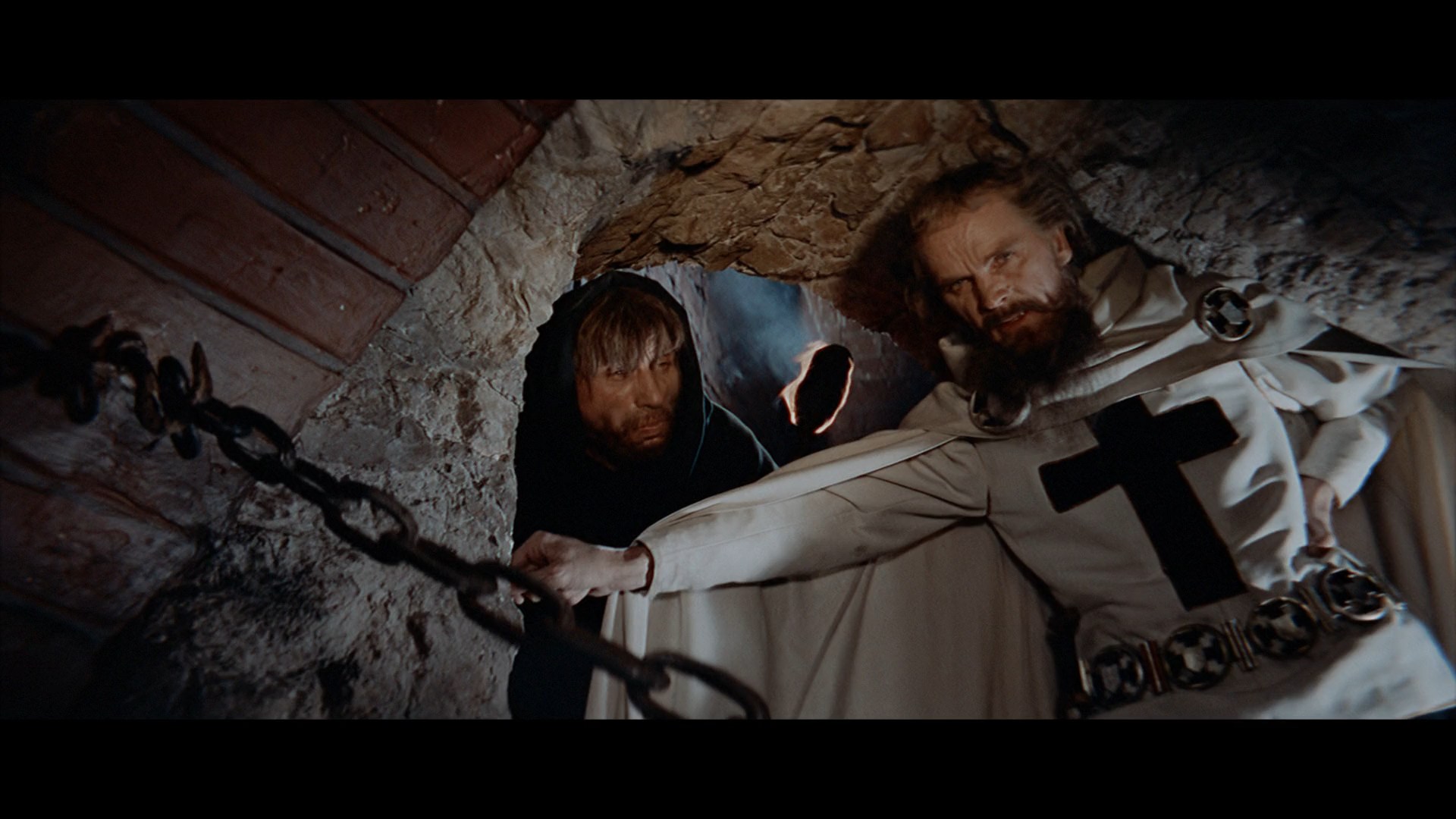 scope and packed with incidents that make the nearly three-hour running time zip by, it's a real feast that can go toe to toe with the similarly massive blockbusters being made in Hollywood around that time.
Unfortunately the film's merits were difficult to appreciate on home video for a long time, with the first round of DVDs in the early and mid '00s suffering from a cropped 1.78:1 presentation and, in the case of the U.K. one from Second Run, almost half a minute trimmed due to BBFC censorship to remove horse falls. The film subsequently underwent a much-needed 2K restoration by Poland's WFDiF who circulated it internationally on the repertory circuit along with numerous other films as part of the great Martin Scorsese Presents: Masterpieces of Polish Cinema series which played in several major cities. The first Blu-ray appeared in 2015 as part of the second in the three Scorsese Presents boxes from Di Factory, which were pricey and a bit tricky to import. That disc features DTS-HD 2.0 and Dolby Digital 2.0 Polish mono tracks with English or French subtitles, plus a 1m34s restoration demonstration and a trailer for the whole series. A Blu-ray was also released soon after in France, not English-friendly.
In 2026, Second Run gave the film its U.K. Blu-ray debut featuring the same restoration, which looks quite nice apart from some odd quirks 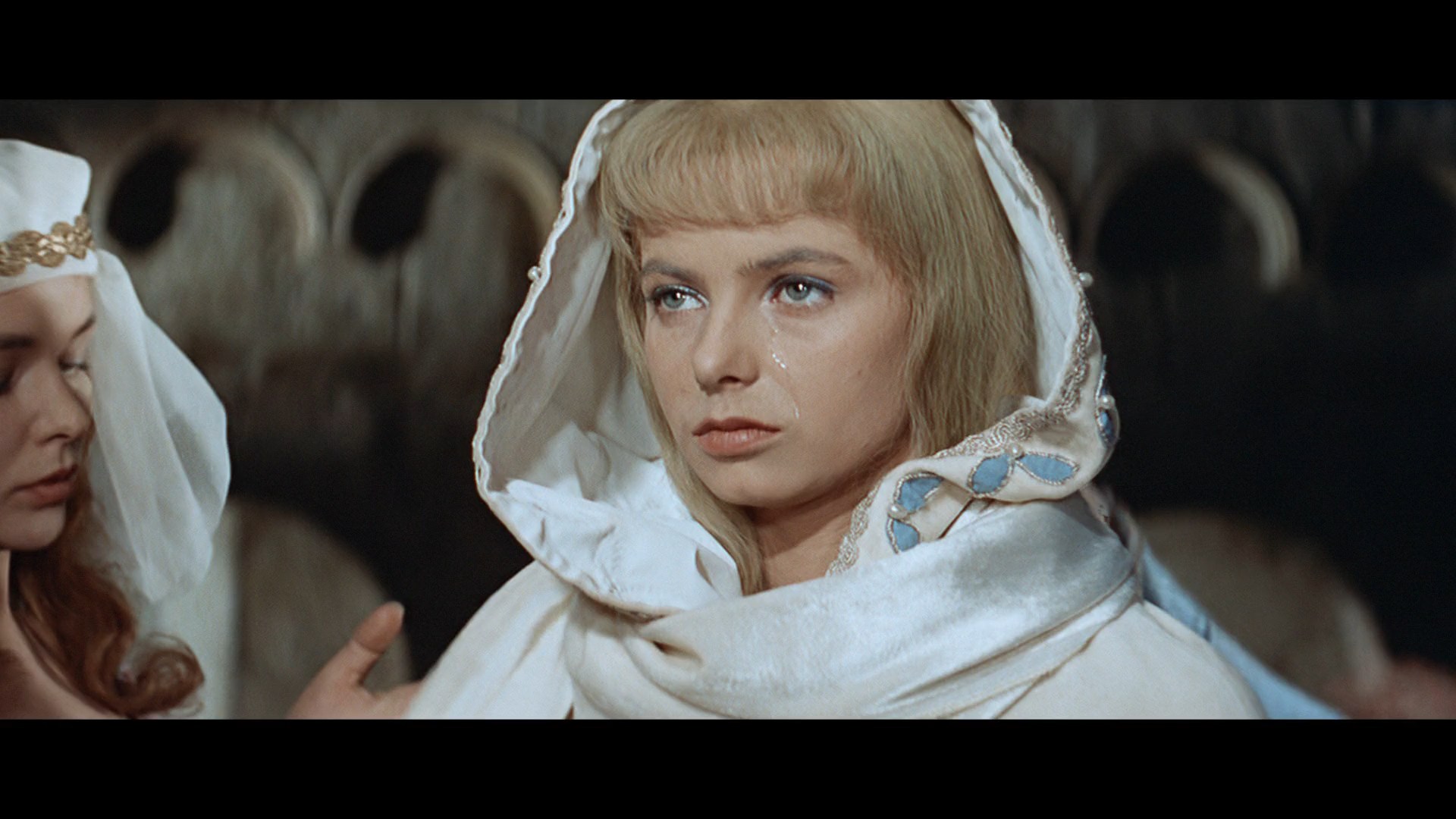 inherent in
 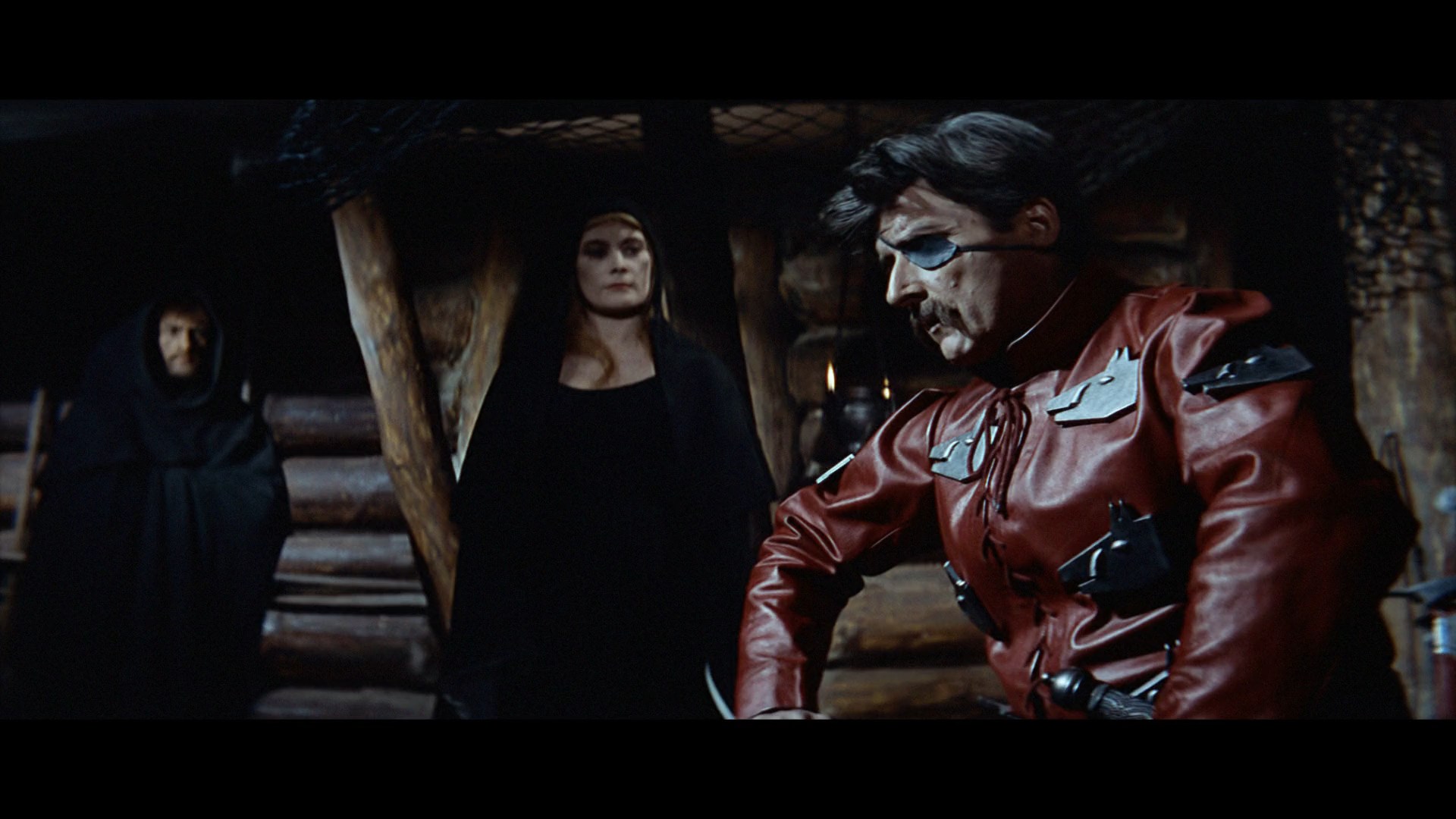 the source like deliberate blurring at the top of the frame during several shots due to the lens choices. Detail is inconsistent depending on the scene, sometimes soft enough to indicate noise reduction but really no less detailed than the raw scan seen in the restoration featurette. Overall it's a colorful and impressive way to experience the film, apparently uncut here at the same running time as the Polish Blu-ray, and the LPCM 2.0 Polish mono audio sounds solid with improved, newly-translated English subtitles provided. In the visual essay "Superprodukce!" (44m9s), Michael Brooke surveys the history of Polish epic cinema including the financial gamble on this film, the significant authors who were adapted, the public taste for adventure films and spectacles throughout the '60s, key films like Pharaoh and The Saragossa Manuscript, and occasional entries from the current millennium. Also included are two archival Polish newsreels (1m29s and 44s) on the making of the film and a cute demonstration of schoolkids acting the movie out in their yard complete with family pets. The disc comes with a booklet featuring a new, very in-depth essay by Anna Misiak covering Teutonic history and the complex, up-and-down career of Ford in postwar Poland.
Reviewed on February 23, 2026
