DREAMS DON'T DIE
Color, 1982, 94 mins. 41 secs.
Directed by Roger Young
Starring Ike Eisenmann, Trini Alvarado, Israel Juarbe, Paul Winfield, James Broderick
DEATH RIDE TO OSAKA
Color, 1983, 97 mins. 33 secs.
Directed by Jonathan Kaplan
Starring Jennifer Jason Leigh, Thomas Byrd, Mako, Ann Jillian, Carolyn Seymour, Richard Narita, Soon-Tek Oh
Fun City Editions (Blu-ray) (US RA HD)
genre or stars but by the producers, Leonard Hill and Philip Mandelker, who turned out a slew of film
for network TV in the early '80s before Mandelker passed away far too young in '84. What set their films apart at the time was their quality level comparable to theatrical features, with actors chosen for their abilities and suitability for the roles rather than sheer stunt casting. This set makes for a solid introduction to their work if you weren't old enough to catch these the first time around, with two of the films making their first home video appearances in any format. The title might lead you to think these are all thrillers, but it's worth noting that "panic" only really applies to two of them -- and one is definitely not what folks saw during primetime!
can strike out on her own. That freedom seems fun at first as she hits the road and meets a colorful array of characters, eventually leading her to life at a carnival where she
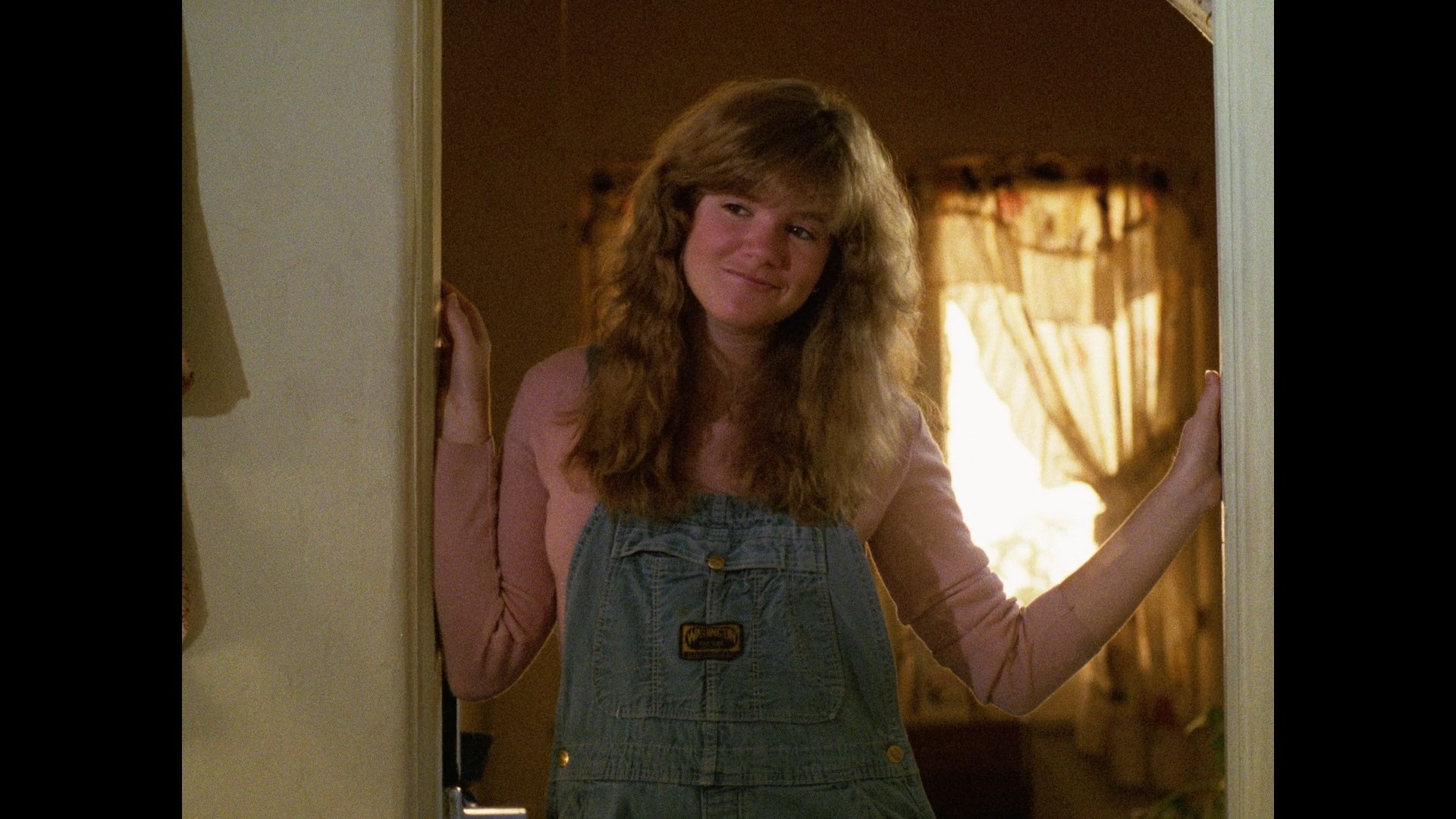
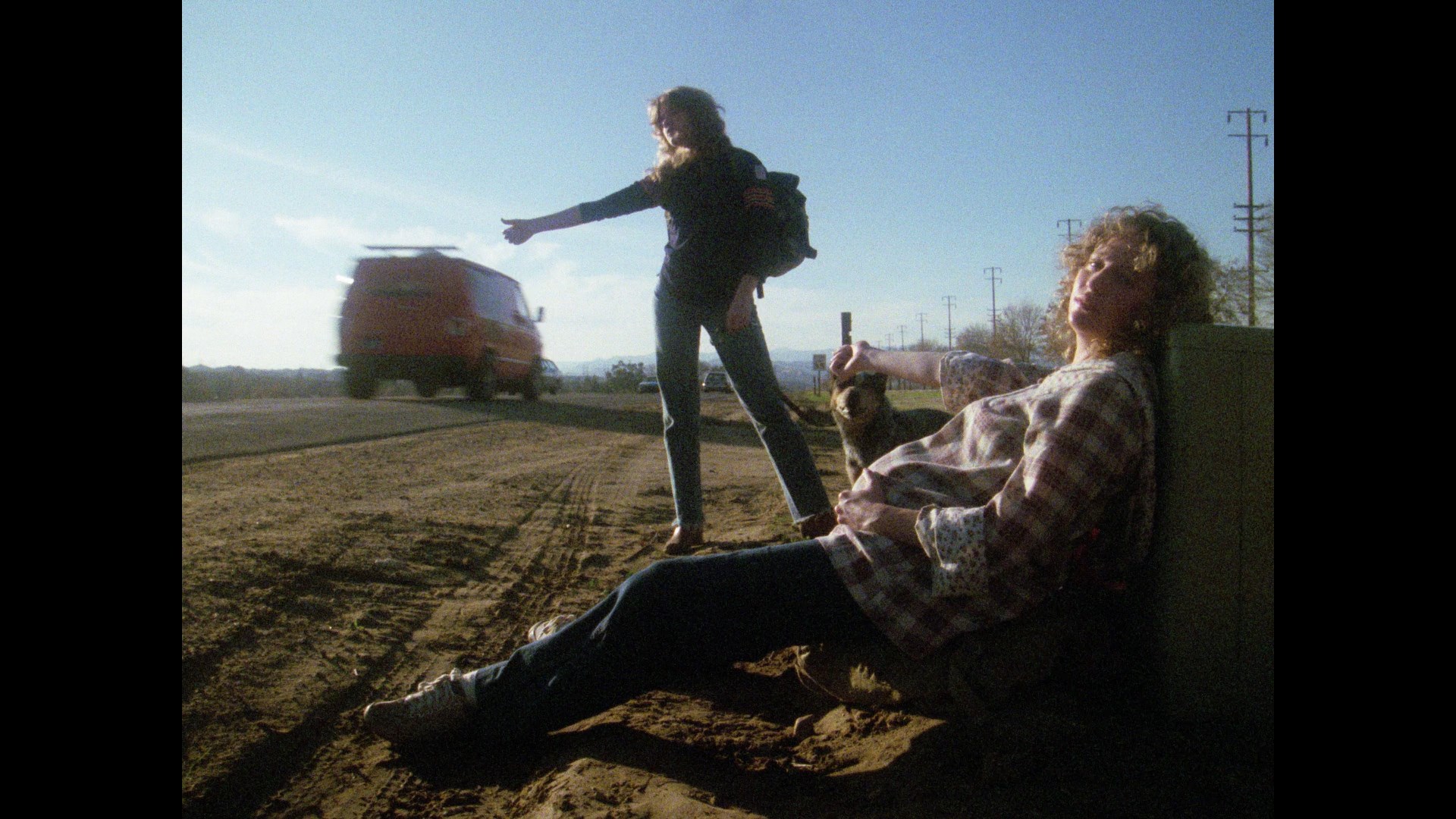
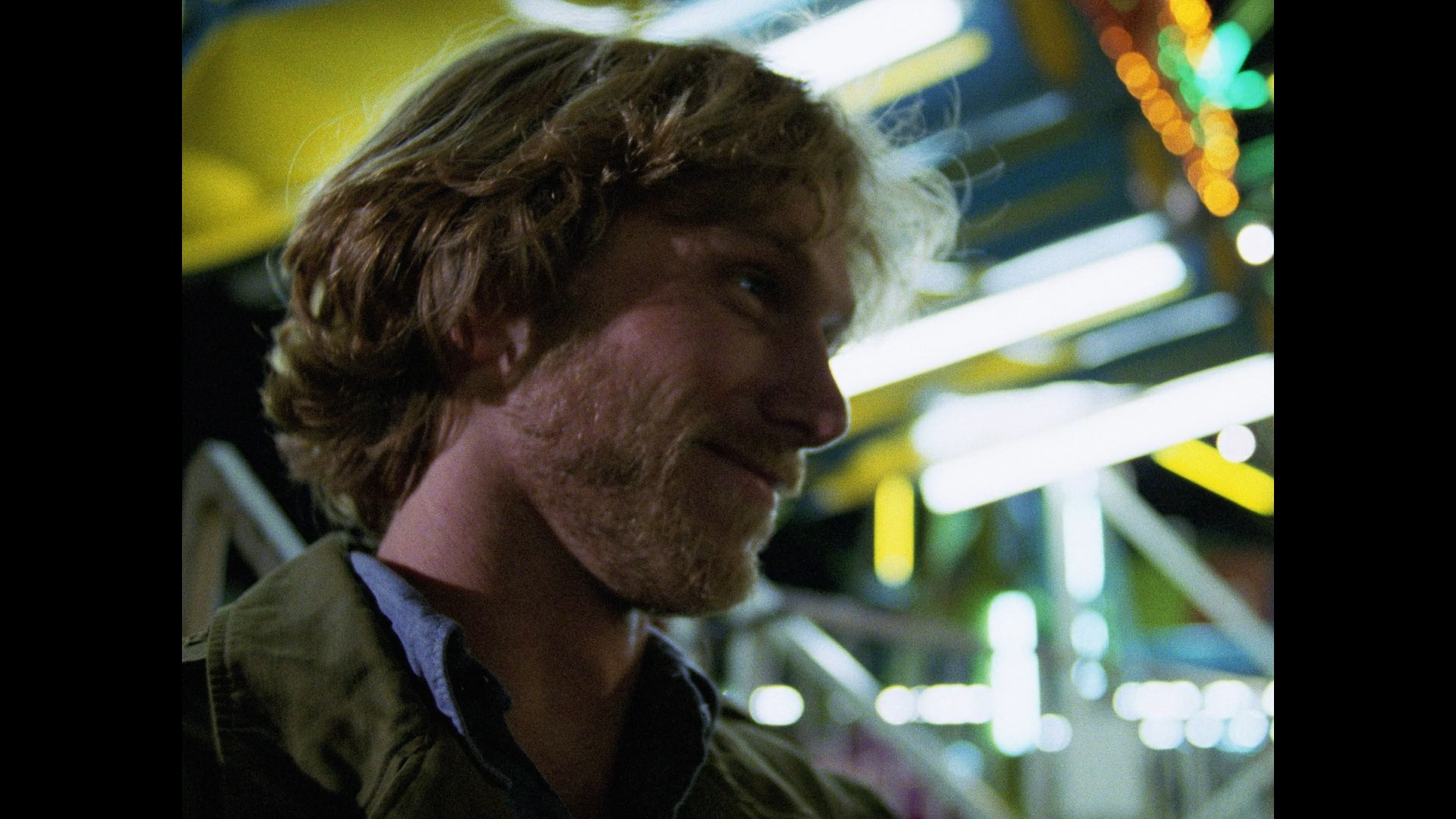
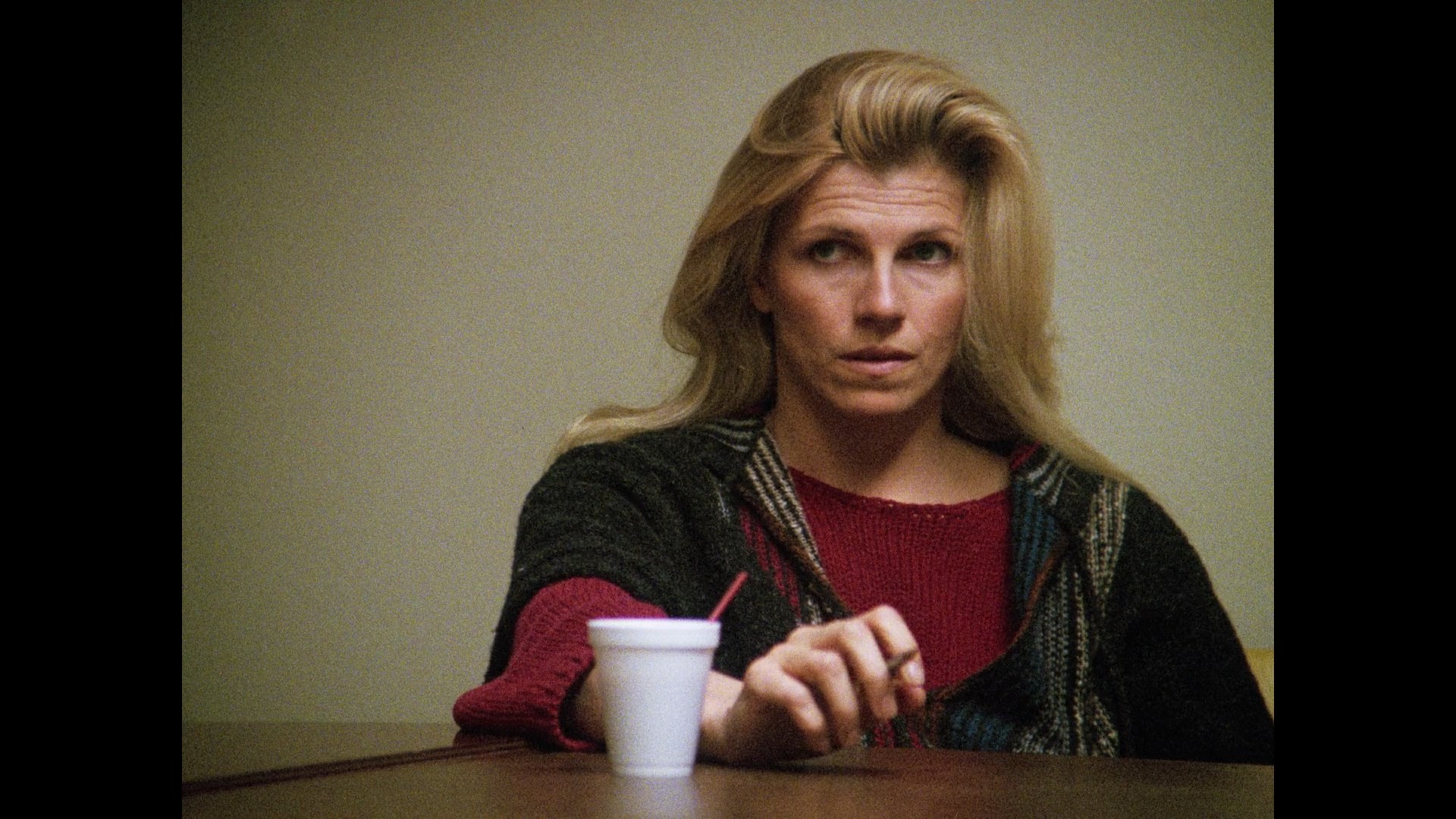
strikes up a relationship with employee Bill (Children of the Corn's Horton). Almost like a younger trail run for Nomadland at times, this one sails on the strength of its two lead performances and its picaresque sensibility that provides nice moments for a lot of character actors (including the late Taylor Negron, who memorably delivered a pizza just after this in Fast Times at Ridgemont High). Originally aired on ABC, this one's been out of circulation for a long time but makes a welcome return with a stellar Blu-ray presentation that's much, much better than what we saw on broadcast TV. As with the other films in the set, it's presented at the original 1.33:1 aspect ratio as aired or a matted 1.85:1 version as it would have appeared with theatrical exhibition; the latter is workable, but the 1.33:1 is definitely preferable (as is the case with both other features) with its more comfortable headroom throughout and extra bits of production design detail throughout. The DTS-MA English 2.0 mono track is also in mint condition and features optional English SDH subtitles. Of course, it wouldn't be a top-notch made-for-TV release without Amanda Reyes of Made for TV Mayhem on board, and here she provides an excellent audio commentary in which her affection for the film really shines through as she shares tons of info about related small screen projects, writer Barbara Turner (who also penned Petulia, Cujo, and Pollock), and director Joseph Sargent (The Taking of Pelham One Two Three, Colossus: The Forbin Project). The one video extra is a new interview with Andrea Adams (27m8s) whose mother, Carrie Morrow, inspired the events in the film when she ran away from home and led to the script by Adam's grandmother, Turner. It's a fascinating chat incorporating Adams' own experience leaving home to go to Los Angeles and the "uncanny' nature of Warren's performance as well.
which also
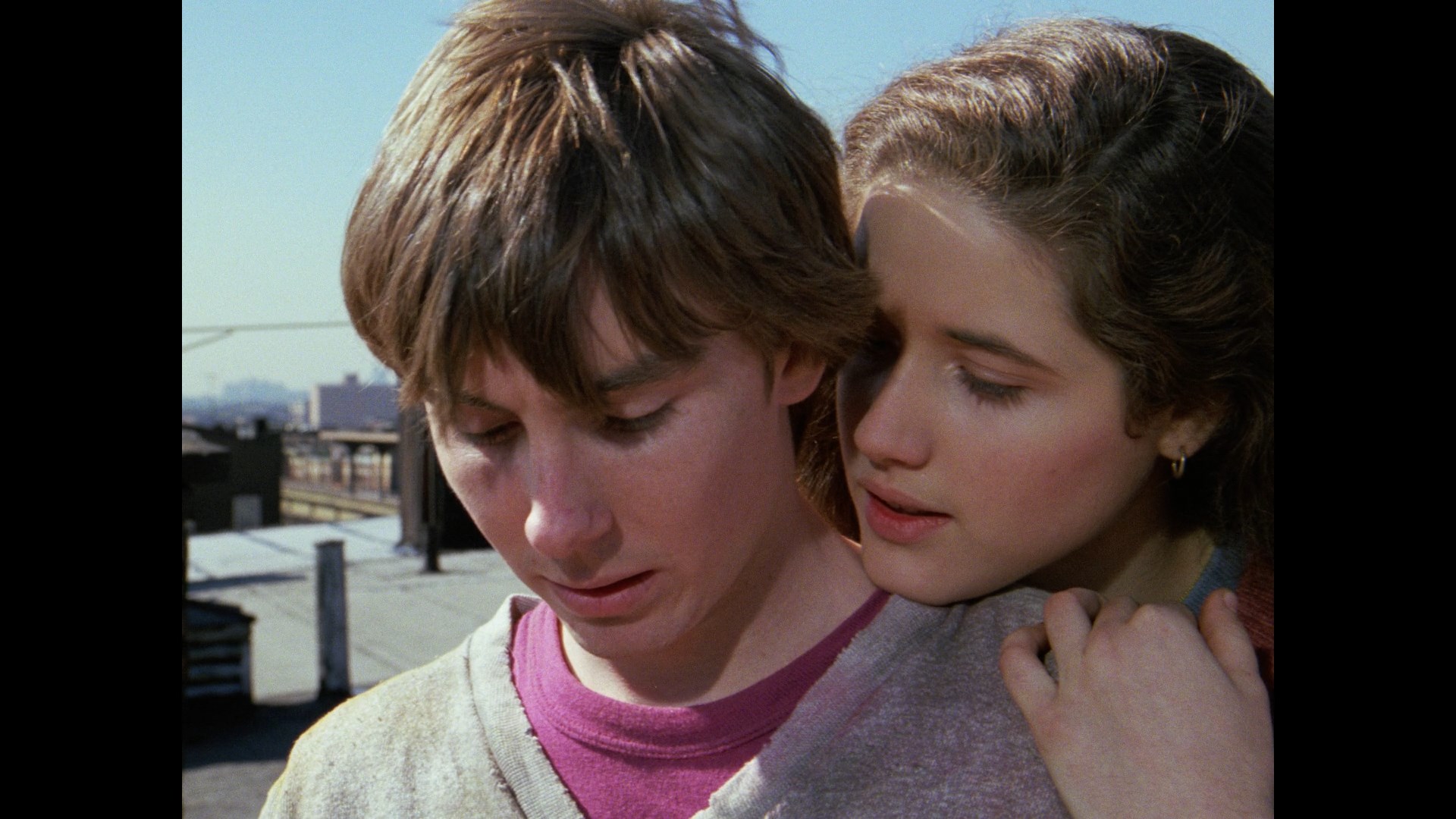
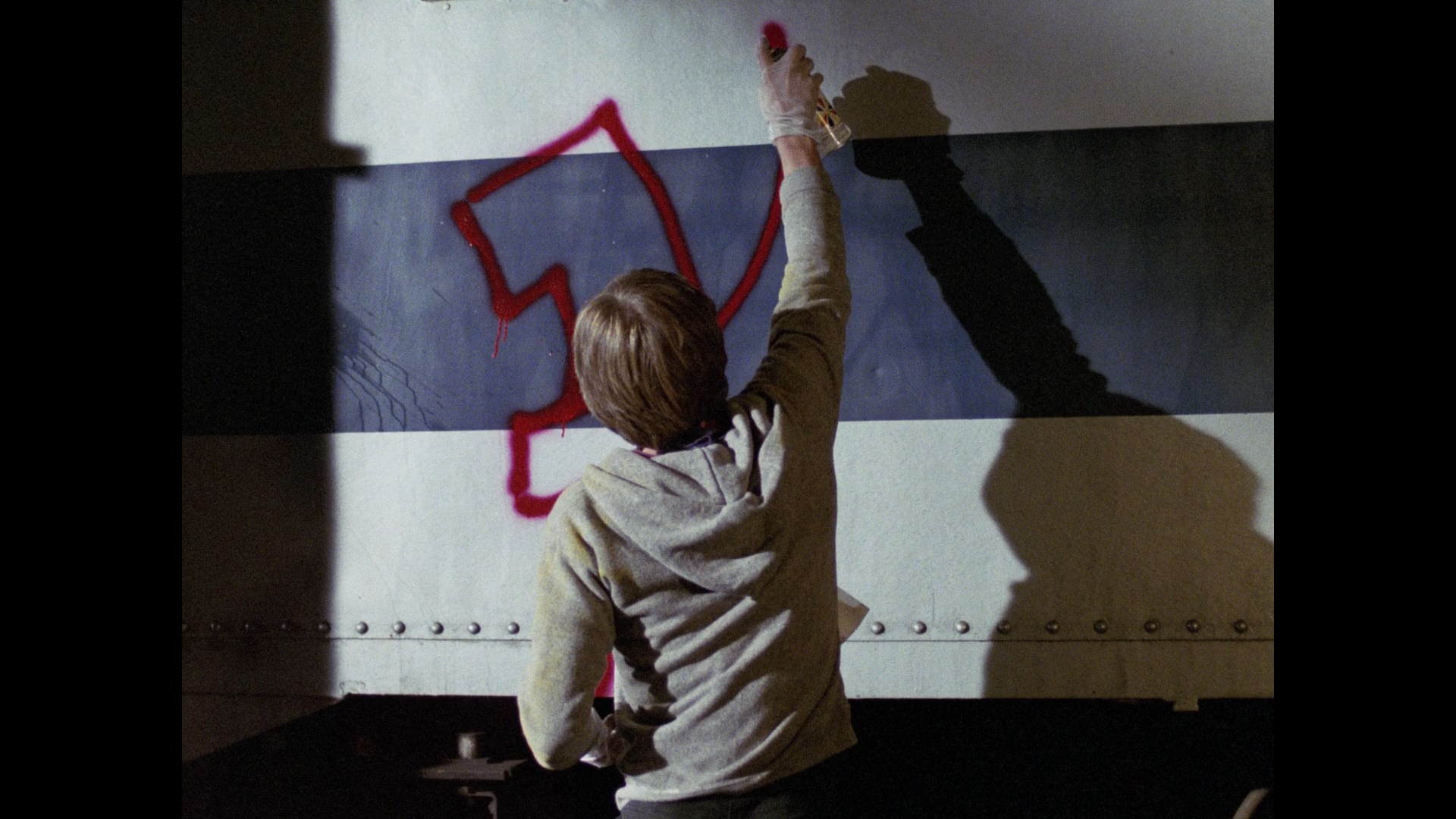
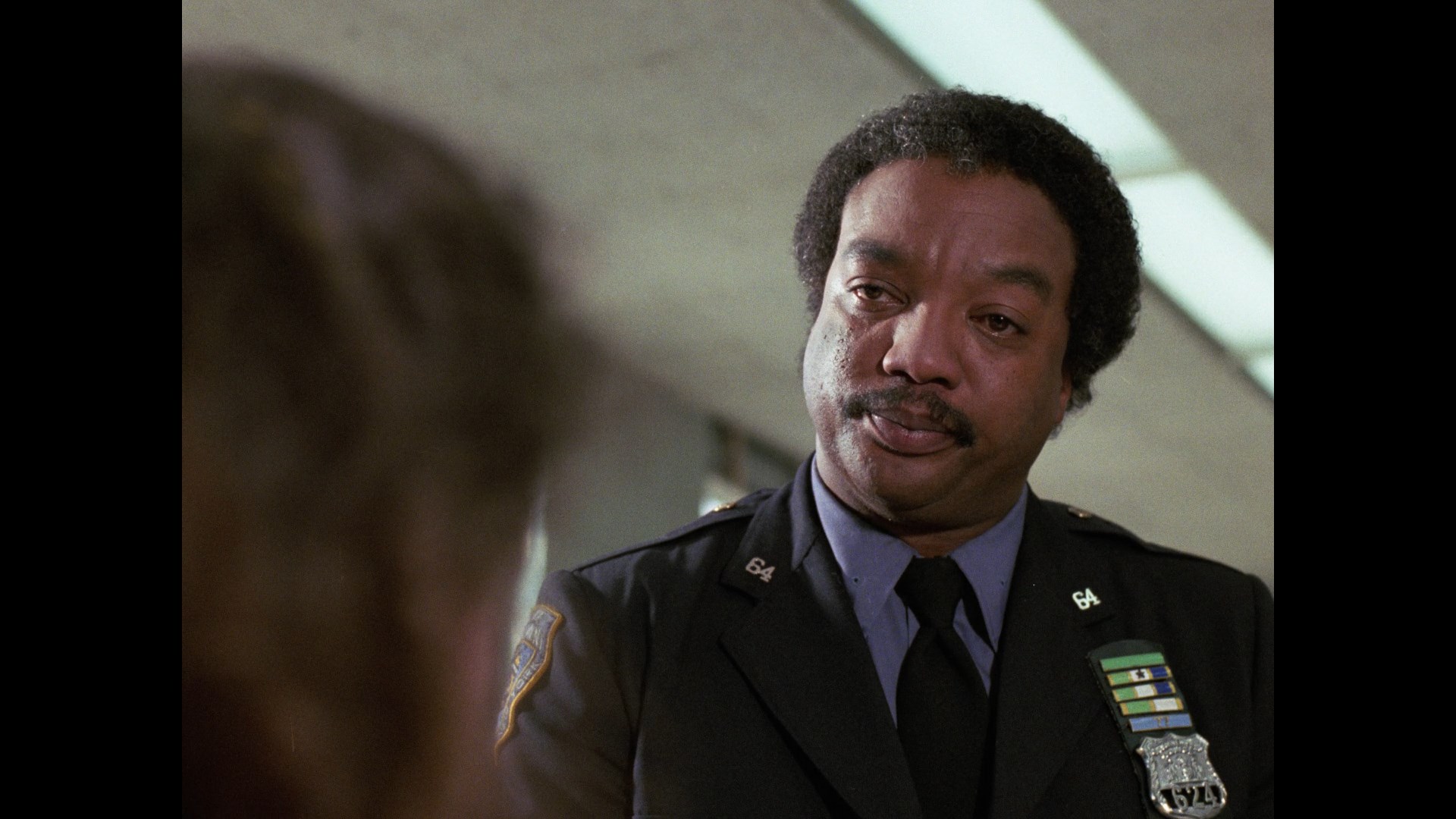
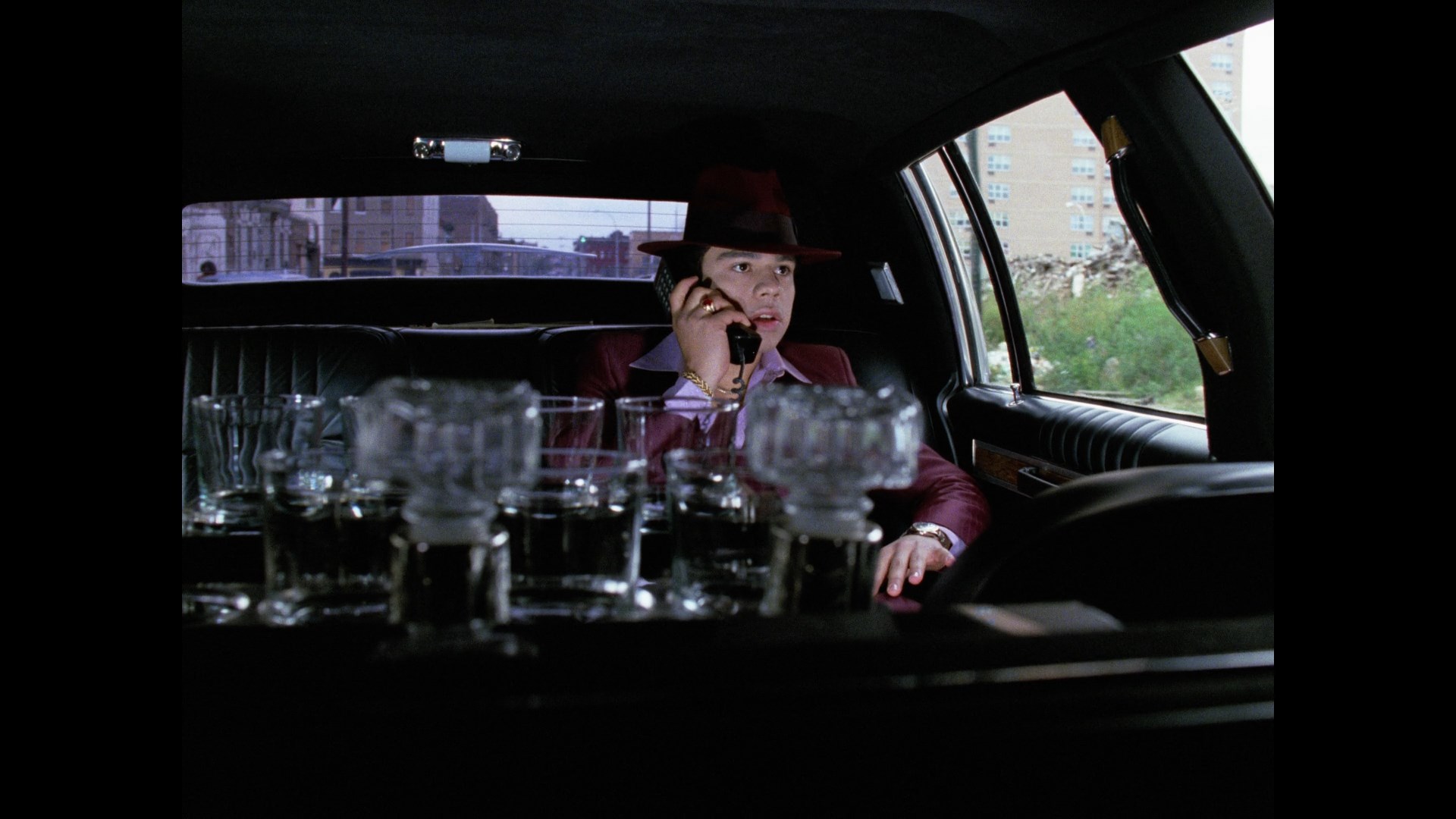
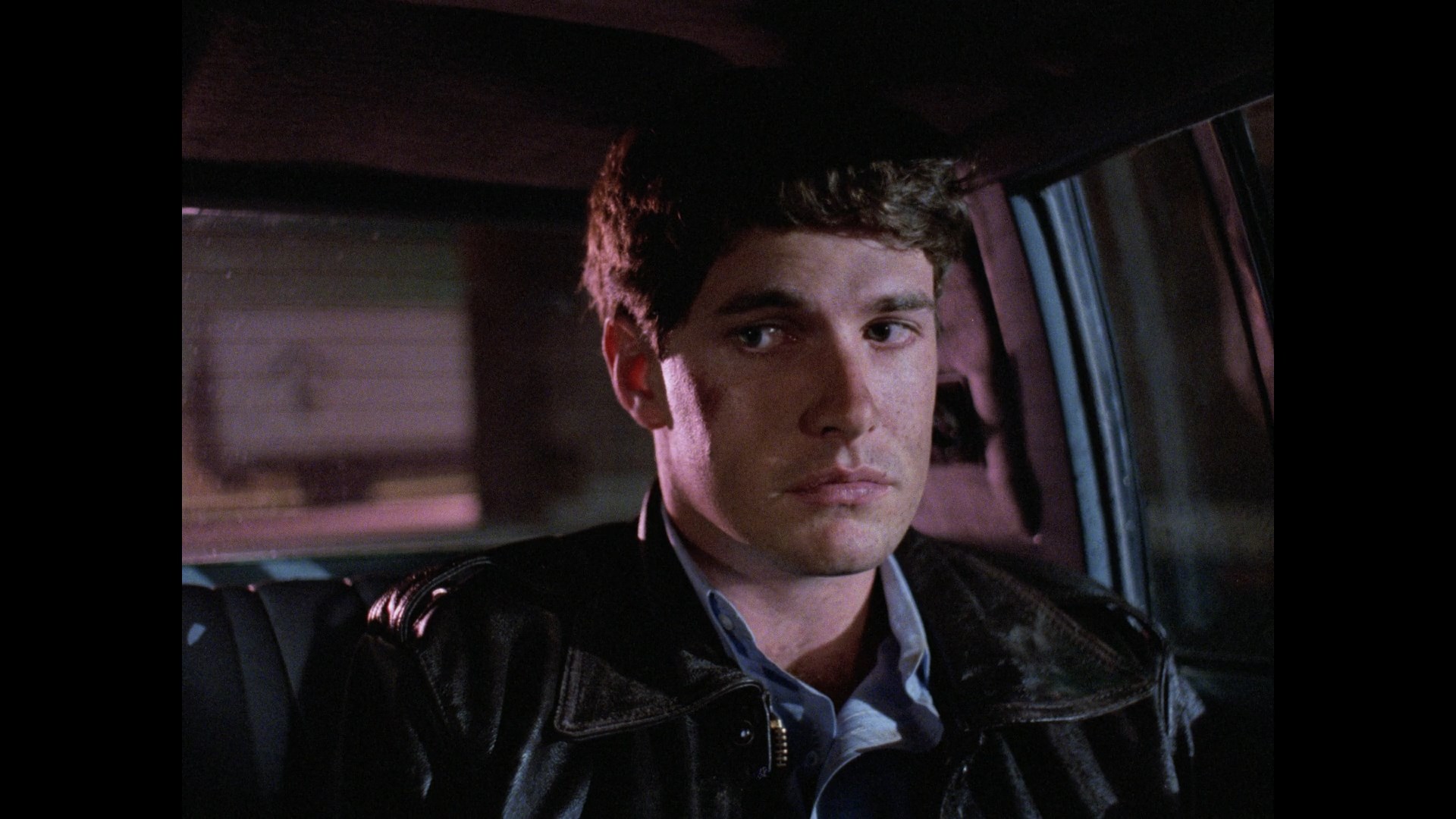
holds an odd place in the sci-fi movie canon for featuring actors Paul Winfield and Ike Eisenmann (best known as Tony from Disney's original Witch Mountain movies) the same year they appeared in Star Trek II: The Wrath of Khan... and this one even has a character nicknamed "Captain Kirk!" Sort of a TV-friendly late entry in the cycle of youth gang and crime films around the turn of the decade (like The Warriors, Walk Proud, The Wanderers, etc.), it's a priceless time capsule now of New York City circa 1982 and the graffiti culture that would explode with the hip-hop wave about to hit. It's also notable for its outstanding early score by composer Brad Fiedel, who had just done Night School and Just Before Dawn and would soon hit the big time with his legendary work on the first two Terminator films, Fright Night, and The Serpent and the Rainbow. While his mom works long hours at a clothing manufacturer, Danny (Eisenmann) spends his nights doing street around around the subways in the city and dreams of making it as an artist. Even his room is completely decorated in spray paint, and his girlfriend, Teresa (Times Square's Alvarado), has big dreams of getting away to a better life. Unfortunately her only workable opportunity at the moment is smooth-talking "Captain" Kirk (The Karate Kid's Juarbe), who's just under the age of 16 and recruits other kids to run his drug ring with virtual immunity from any serious punishment from the cops. When street cop Officer Banks (Winfield) catches Danny in action one night on a subway platform, he decides to help steer the kids in the right direction. However, Kirk has no intention of letting go without a
fight, forcing a highly unusual plan into action that might end his criminal grip on them for
good.
Osaka, better known TV viewers in its
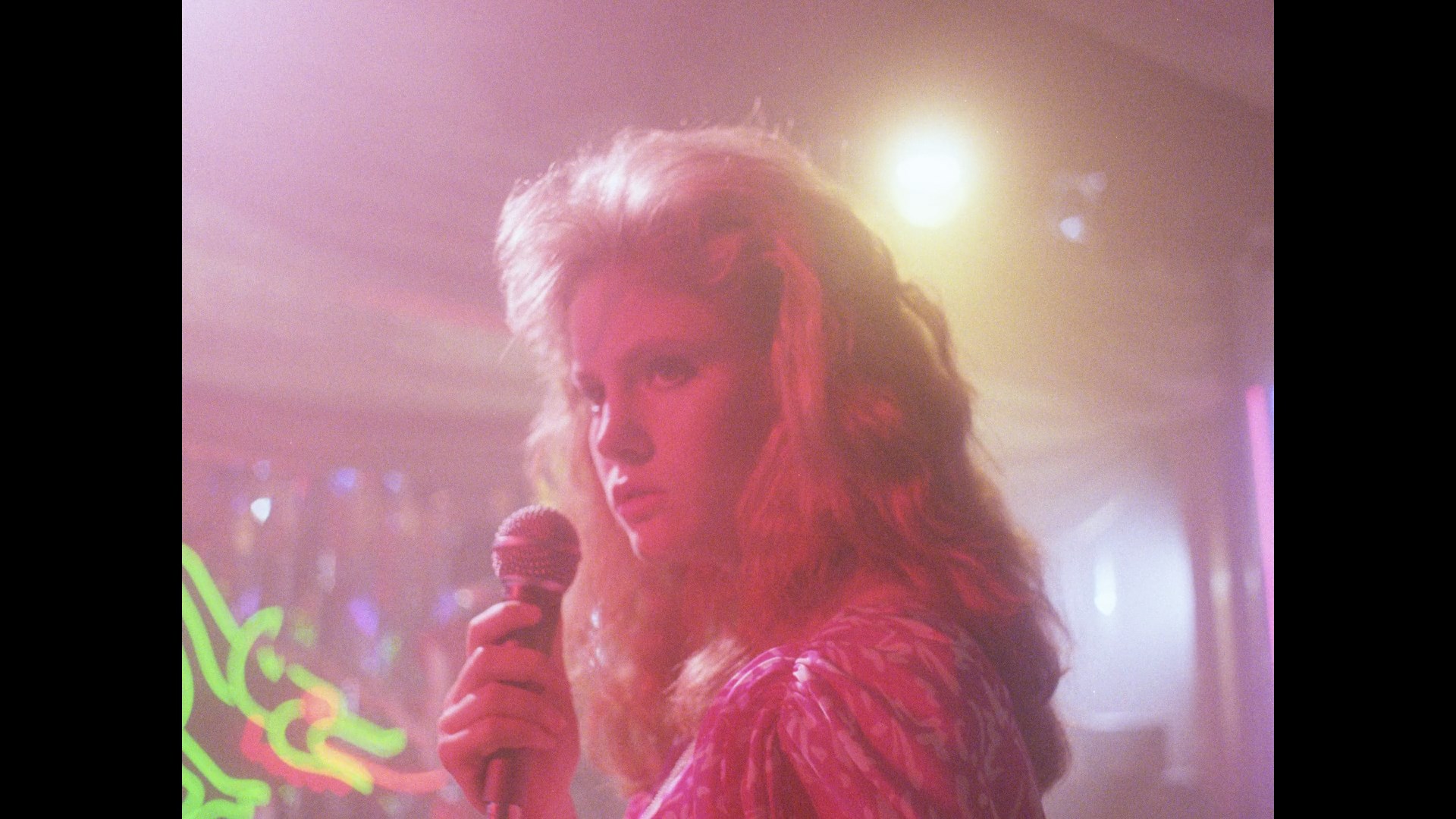
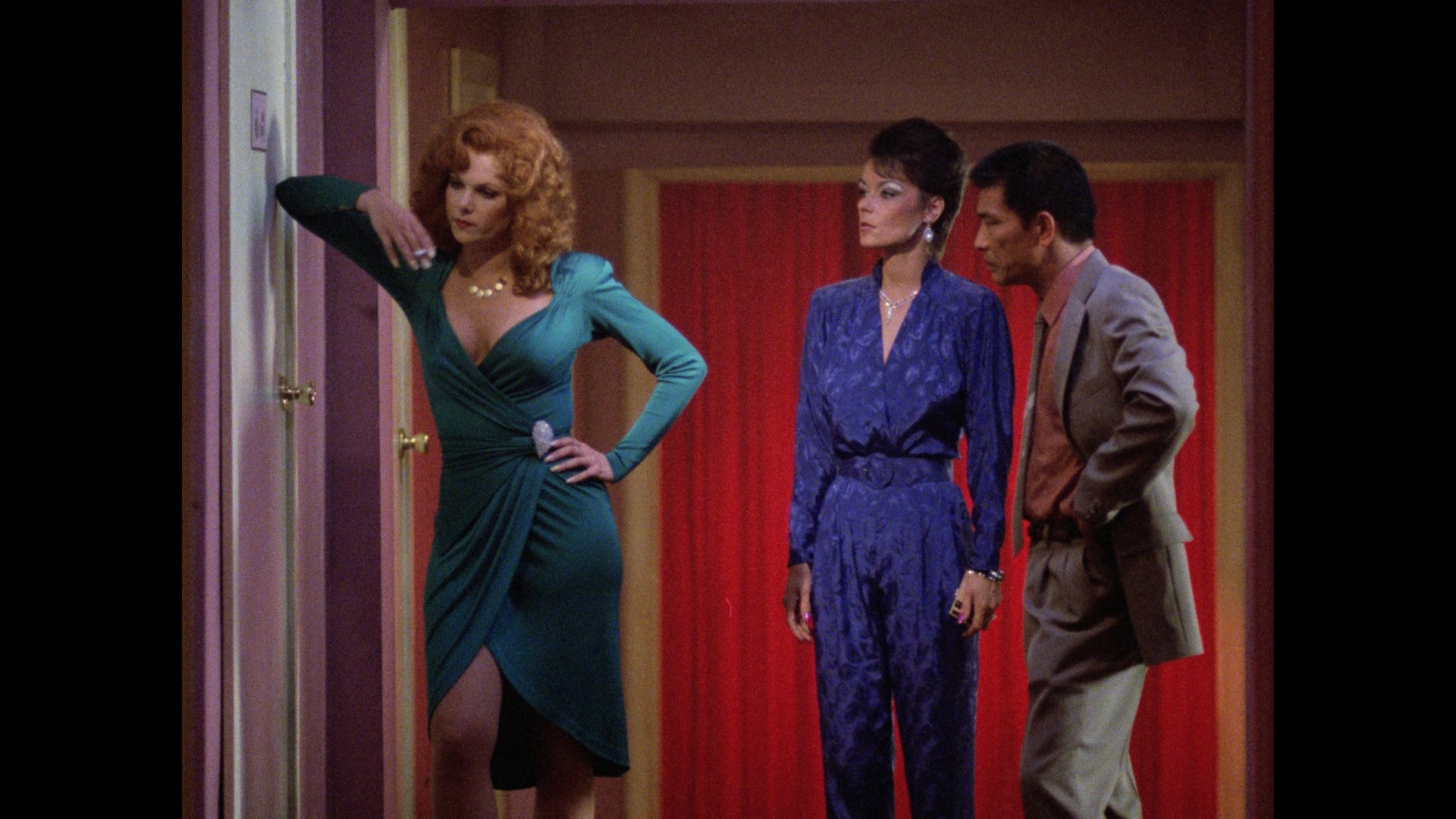
much milder network-friendly form as Girls of the White Orchid. This one's been around on video a few times including a drab-looking DVD from Trinity sporting a very, very misleading older shot of star Jennifer Jason Leigh on the cover, and the Blu-ray features the full-strength theatrical version for foreign markets with three topless nude scenes, lots of extra gyrating during the stage shows, and some rougher brutality. (That also includes a nasty bit of blouse-ripping aggression against Leigh that recalls her work just before this in Eyes of a Stranger.) This one's also the most ambitious of the three since it features a significant amount of on-location footage in Japan, with sets creating the rest of the not particularly convincing illusion for the bulk of the running time. This was made during a somewhat fallow period for director Jonathan Kaplan, who started off working for Roger Corman's New World (Night Call Nurses, The Student Nurses) before moving on to Truck Turner, White Line Fever, and the very acclaimed but barely distributed Over the Edge. Bouncing between music videos and TV work, he went on to turn out a couple of worthwhile but underseen films (Heart Like a Wheel, Project X) before hitting the Oscar big time with The Accused and a handful of later studio films (Unlawful Entry, Love Field, and the very troubled Bad Girls) before settling back into TV again. Leigh was no stranger to made-for-TV fare by this point, having already starred in several including 1981's excellent The Best Little Girl in the World. However, the success of Fast Times at Ridgemont High didn't lead to bigger things right away, largely because of the major personal tragedy that struck when her father, actor Vic Morrow, was tragically killed under infamous circumstances.
ad for entertainers in "the Orient" and gets hired to fly across the world to work at a Tokyo nightclub. However, we're already aware that the club is part of an organized crime ring
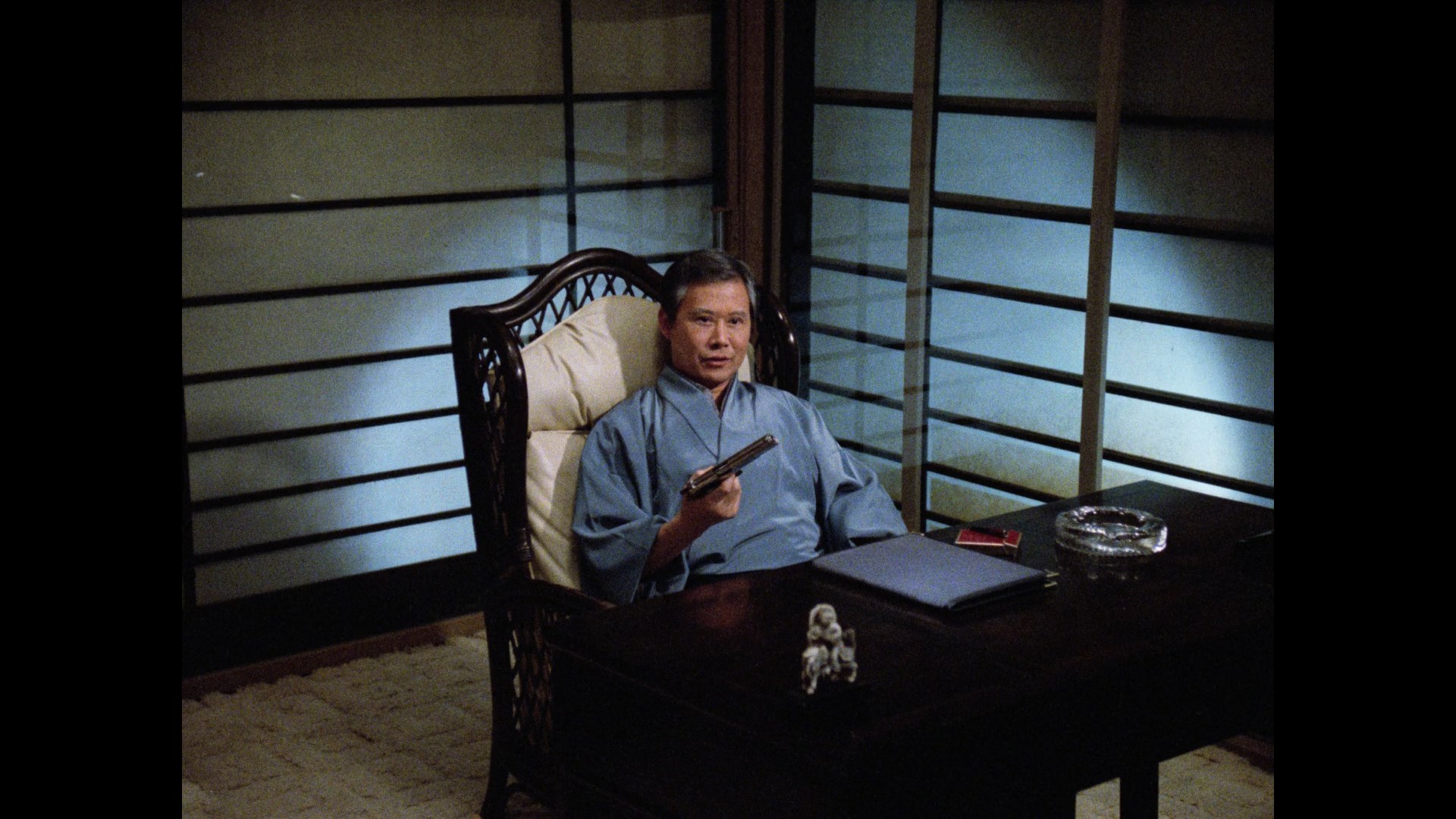
where the performers including Marilyn (Jillian) are goaded into prostitution with a variety of demanding patrons. A long way now from her boyfriend, Don (Byrd), Carol finds the imposing Madame Mori (Seymour) and the rest of the management pressuring her to "date" the wealthier men who walk through the door, something Carol adamantly refuses. With only the ambiguous Mori (Mako) maybe on her side and her passport stolen, she comes to realize the full horror of her situation as she sees her coworkers including Marilyn degraded by the behind-the-scenes exploitation that can ultimately lead to a one-way trip from Tokyo to the dangerous environment of Osaka. A mixture of sincere drama and cheap thrills, this is prime made-for-TV junk food executed with style and some surprisingly nasty little grace notes along the way. Fiedel provides another strong score here, augmented by some fun needle drops like the Steve Miller Band's "Abracadabra" (which plays during one particularly raunchy scene that didn't make the TV cut). Again the Blu-ray looks superb and easily outclasses any version we've seen before, with the 1.33:1 option the way to go as with the others. Film programmer Lars Nilsen offers a new audio commentary that fills most of the running time with a lot of info about Kaplan, Leigh, the genesis of made-for-TV movies, the cultural sensitivities involved with some of the scenes (including a funny story about a scene with Mako improvising his Japanese dialogue), and the connections here to Freedom as well as the later Georgia (which paired up real-life friends Winningham and Leigh). In "Back to the White Orchid" (46m6s), Kaplan gives a very thorough interview via Zoom about the state of his career after Over the Edge, the casting of Leigh (who was initially going to drop out due to her family tragedy), the Japan shooting, the two different versions, his memories of Mako, a wrenching moment involving a prop gun, and the reason the songs were performed as live takes. Finally in "Finding My Own Way" (15m32s), Chris O'Neill provides a video essay narrated by Claire Loy studying the film's TV and theatrical versions, the narrative approach to the sordid subject matter by reframing it as a character study in resilience, and a progression of Kaplan's filmmaking approach going back to his New World days. The set also comes with a booklet featuring essays by Justin LaLiberty (about Dreams Don't Die's status as a pioneering graffiti film) and Cristina Cacioppo
(about the parent-child dynamics in Freedom).