Color, 1979, 83 mins. 34 secs. / 79 mins. 27 secs.
Directed by Grigori Kromanov
Starring Uldis Pūcītis, Jüri Järvet, Lembit Peterson, Mikk Mikiver, Kārlis Sebris, Irena Kriauzaitė
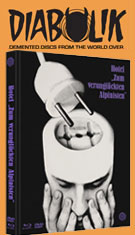
Deaf Crocodile (UHD & Blu-ray) (US R0/RA 4K/HD), Camera Obscura (Blu-ray) (Germany R0 HD), Ruscico (Russia) (DVD R0 NTSC)
Estonian cinema under its occupation by the 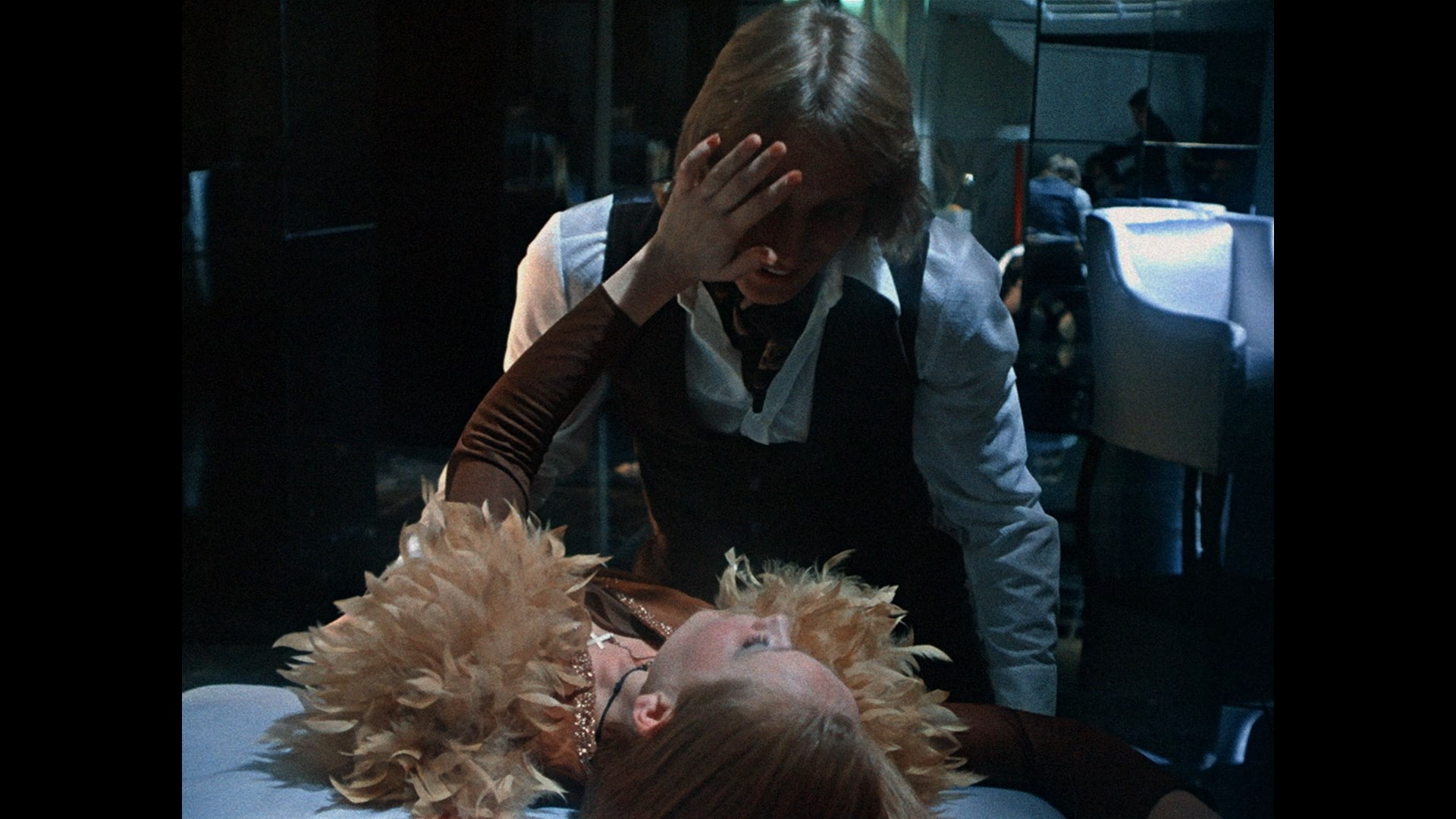 Soviet Union until 1991 has been sorely
  underrepresented on worldwide home video, and few of its entries are more deserving of a potential cult following than Hukkunud Alpinisti' hotell, or Dead Mountaineer's Hotel, a visually staggering murder mystery with a sci-fi twist. Writers Arkady and Boris Strugatsky (who wrote Hard To Be a God and Roadside Picnic, the latter filmed as Stalker) adapted their own novel here, though the aesthetics really grab your attention as much as the script all the way to the incredible synth score by Estonian prog rocker Sven Grünberg, which grabs you within the opening moments of the film and never lets up. The book and film have remained familiar in their native country (even inspiring a notorious video game, believe it or not), but there are probably a lot of people out there who would love to still discover this one if given the chance.
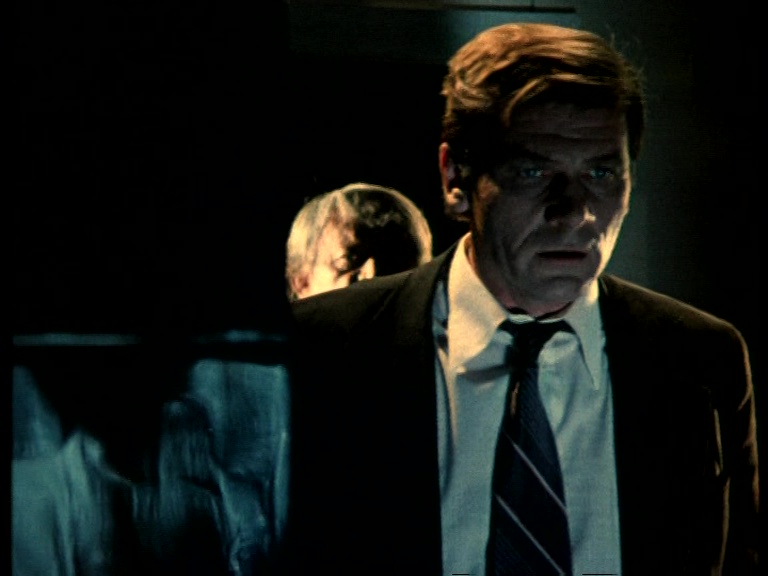
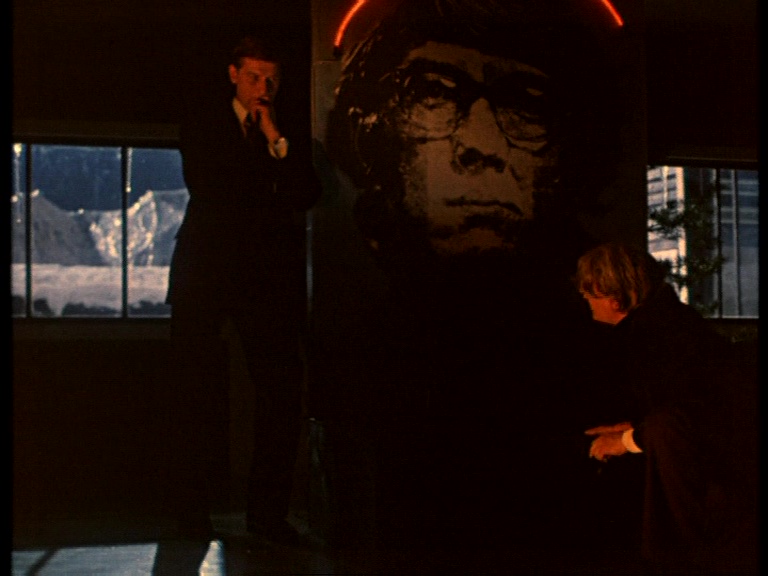
Looking back years after the fact, Inspector Peter Glebsky (Pūcītis) is still haunted by an unnerving experience when he was sent by an anonymous call to the remote Dead Mountaineer's Hotel in the snowy mountains. There he discovers a dark, eerie place with peculiar habitants as well as a neon-lined shrine to the ill-fated mountain 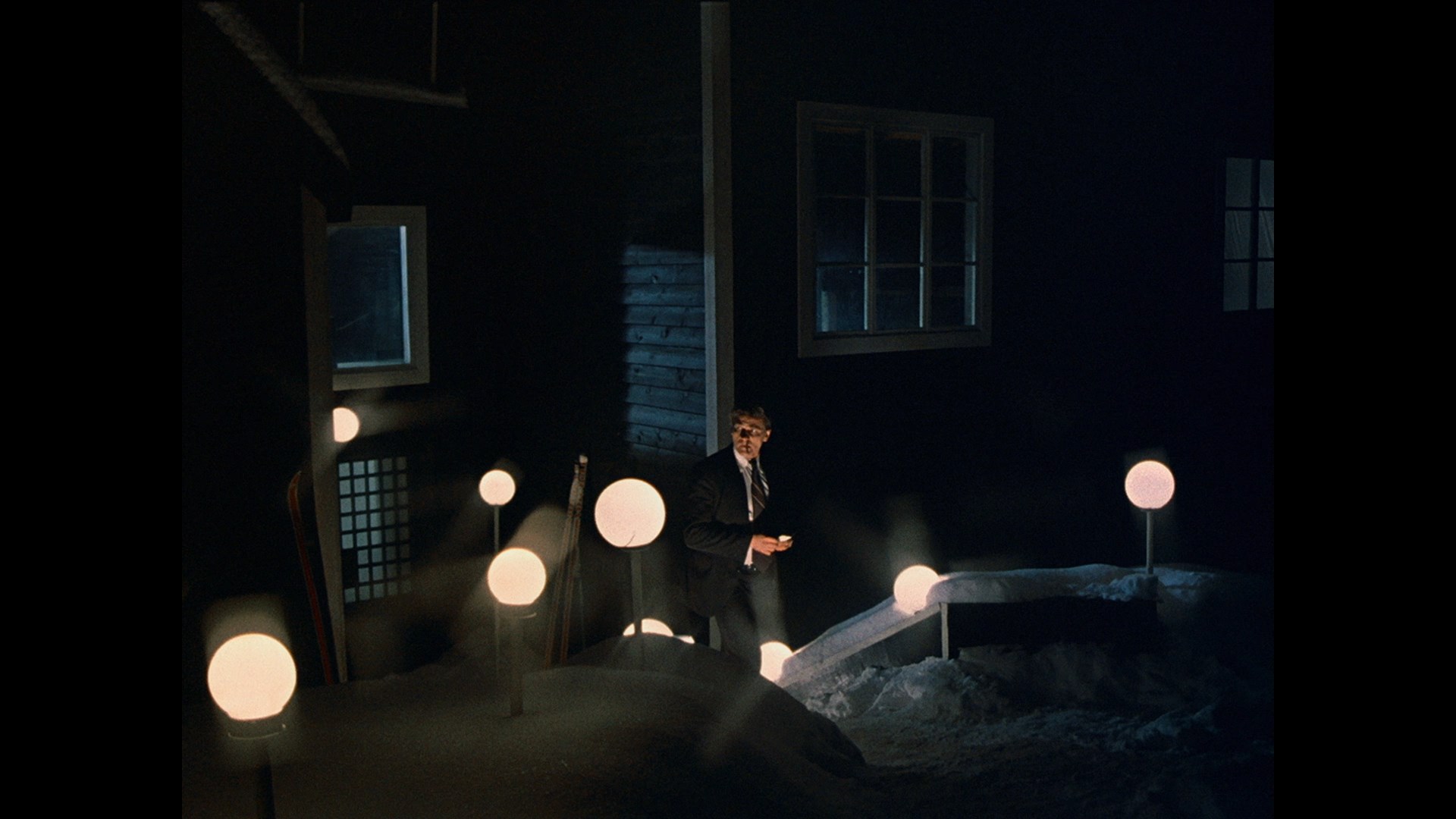 climber who gave the place its name (and whose St. Bernard works as a bag-carrying porter).
 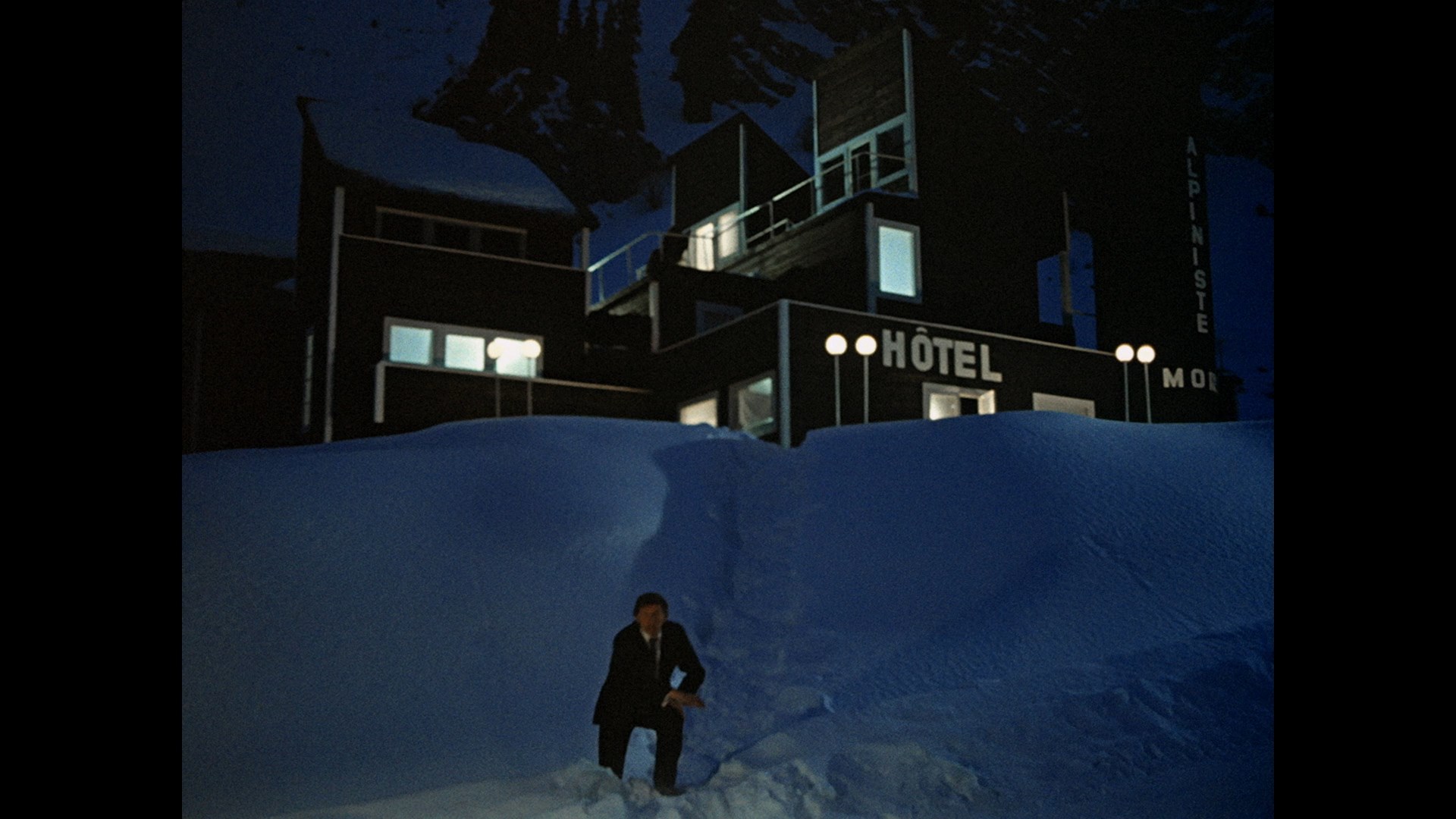 Assured no crime has been committed, he gradually gets to the know the guests who range from fun-seeking skiers to a recuperating tuberculosis sufferer and a jittery physicist who literally climbs the walls. A mysterious note, pansexual seductions, an apparent locked-room murder, and wild dancing are just a few of the diversions when an avalanche ensures that no one will be able to leave until our by-the-book sleuth finds out what's really going on.
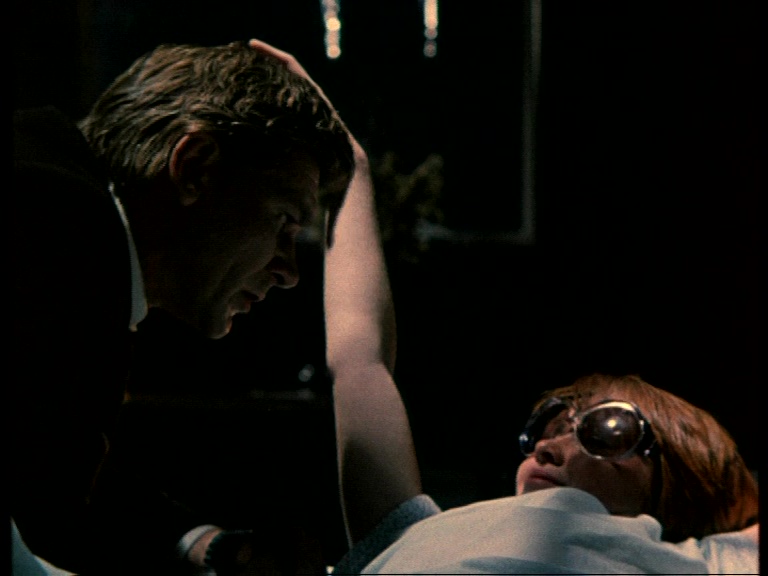
Difficult to really describe without spoiling the multiple genre-bending plot turns in the second half, Dead Mountaineer's Hotel is an arresting film as it juggles visuals worthy of the most opulent music videos of the '80s with surprisingly subversive commentary about the treatment of the vulnerable and the inherent cruelty of power structures. Released right after Stalker and featuring the most elaborate set in the country's history, it's the sort of film that really sticks with you and is probably best viewed late at night when its strange, poetic rhythms can work their magic without any resistance. It's easy to draw comparisons to films that came in its wake, most obviously The Shining, The Thing, and Blade Runner, with its visual style pointing the way to filmmakers like David Fincher and Nicolas Winding Refn. However, this is very much unlike anything else out there in its 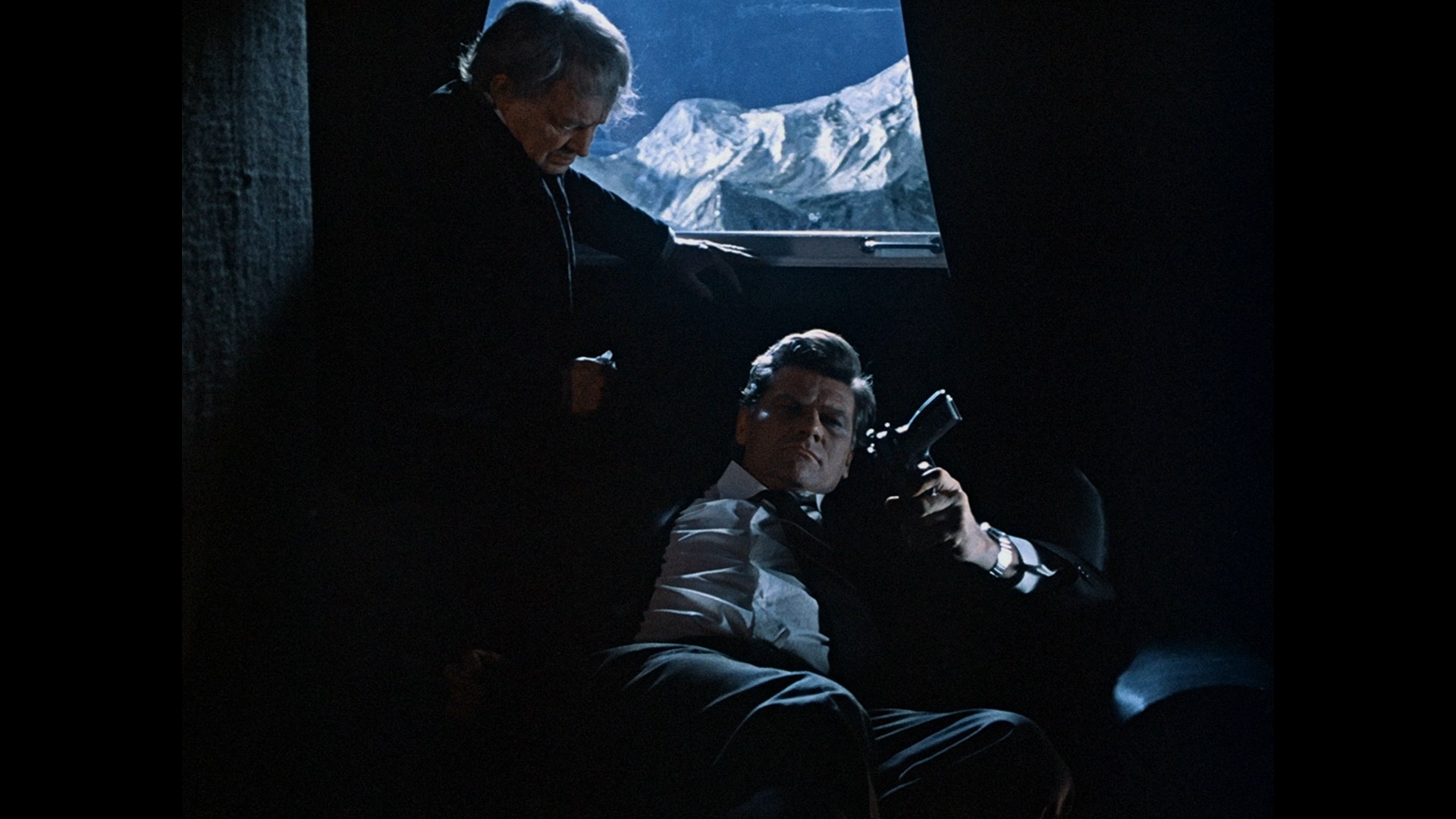 execution.
The first English-friendly release of this film came in 2009 on NTSC DVD from Russia-based label Ruscico, 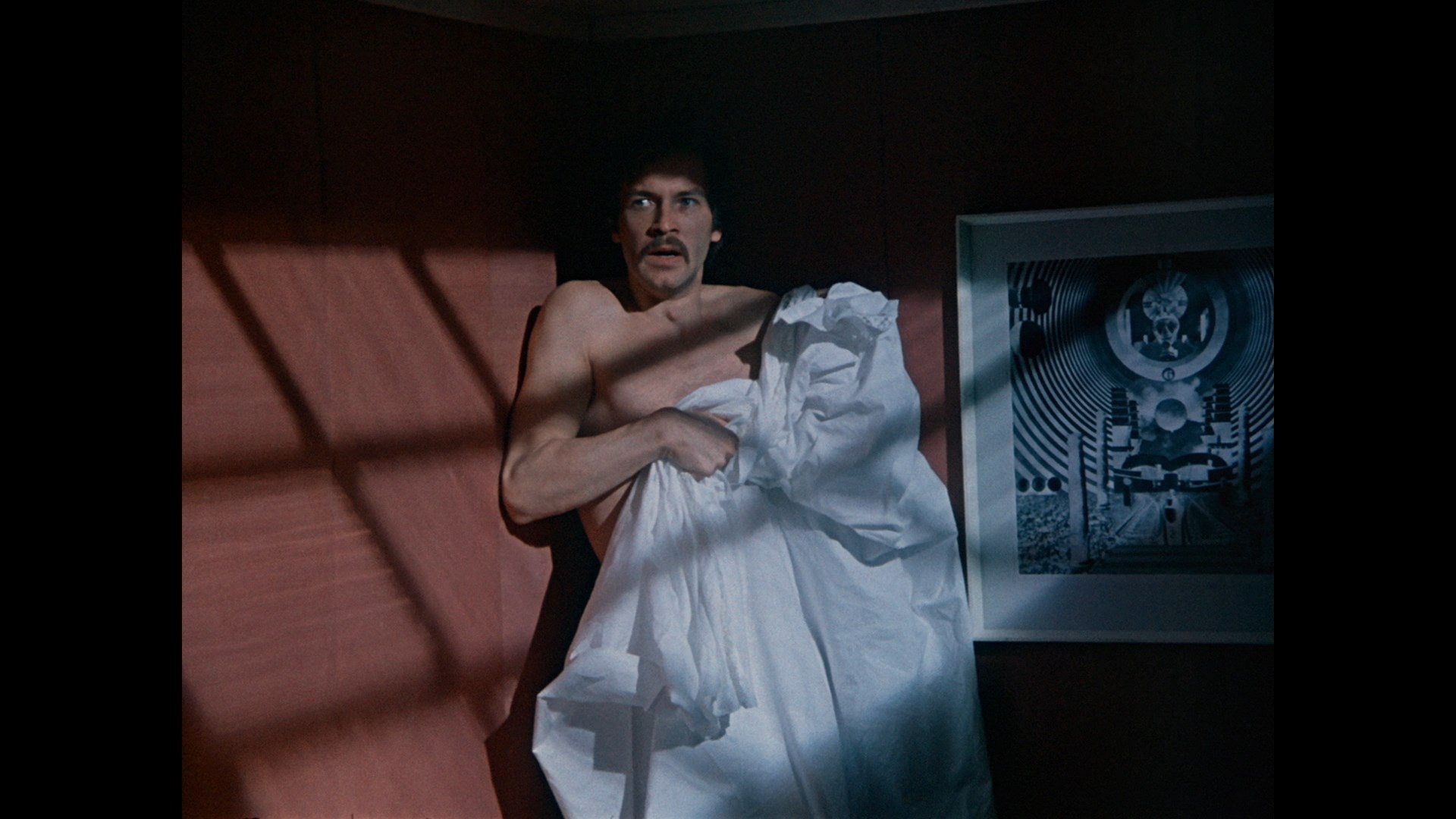 which wasn't selected as one of their numerous titles imported for the U.S. by Image Entertainment. That disc looked pretty good and featured the Russian-dubbed track in 2.0 mono and 5.1 options with a slew of subtitle options including English. No extras were included apart from trailers for other Ruscico releases. In 2022, Camera Obscura brought the film to region-free German Blu-ray following an extensive digital restoration in Estonia, and it looks nice with more detail and consistent color timing than the earlier release. Even better, it features the original Estonian track in a very active 2.0 stereo mix that sounds a lot more organic and dynamic than the Russian one, with optional English and German subtitles provided. (It's worth noting that Latvian lead Pūcītis is dubbed no matter how you see it.) This version also runs a full four minutes longer than the DVD, a nice bonus as well. The main extra here is a 2010 making-of featurette (19m56s) created for Estonian public television with Grünberg, production designer Tonu Virve, actors Lembit Peterson and Tiit Härm, cinematographer Juri Sillart, set decorator Priit Vaher covering the use of hyper-realism in the film, the disagreements over the artwork seen in the film, the creation of the central set, the location scouting, the reaction of one of the writers, the surprising story behind the
 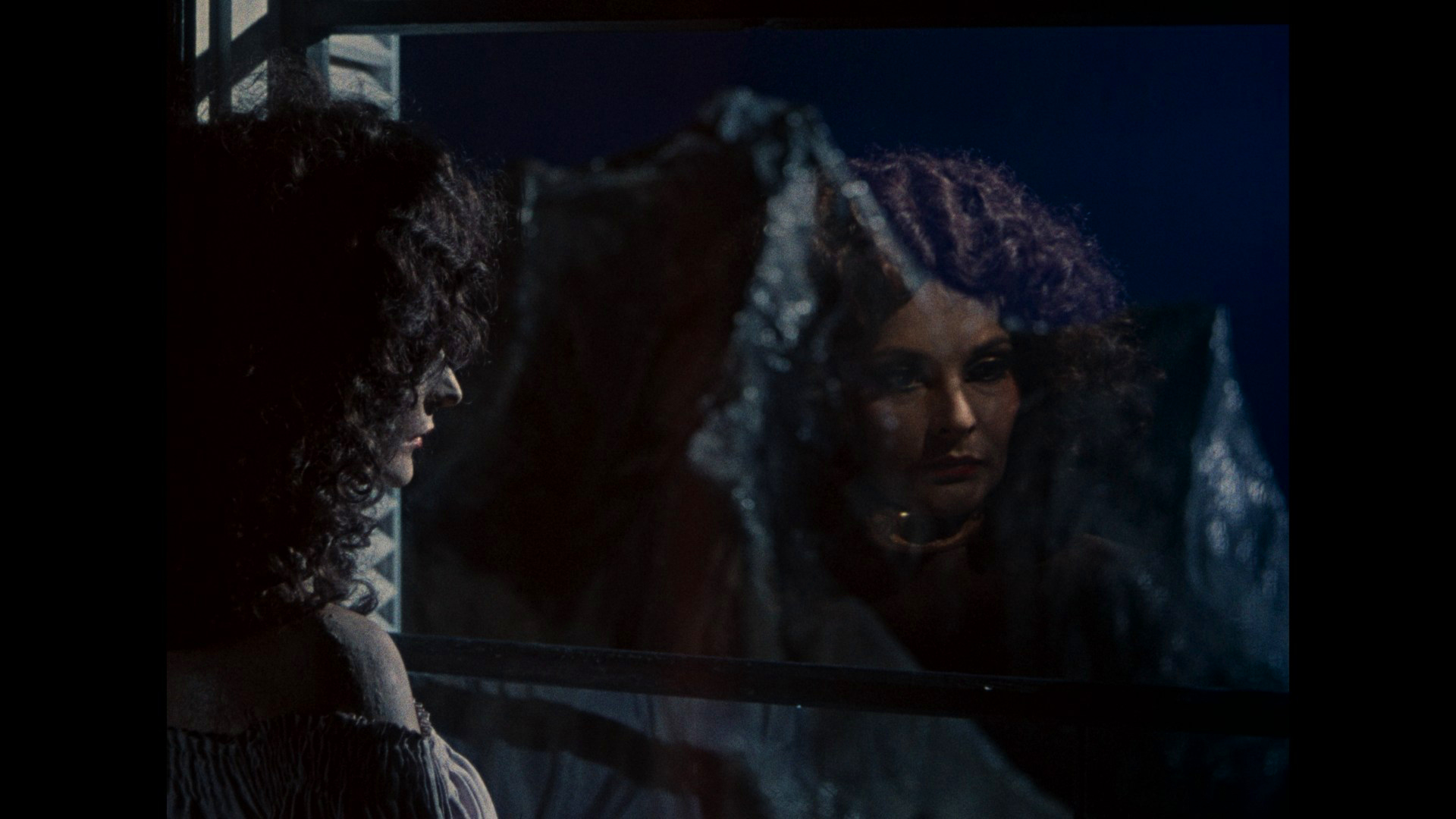 final black-and-white scene, and its legacy in its home country. The alternate German-language intro is also included, and the mediabook package comes with a booklet featuring a German-language essay
  by Chris Schinke.
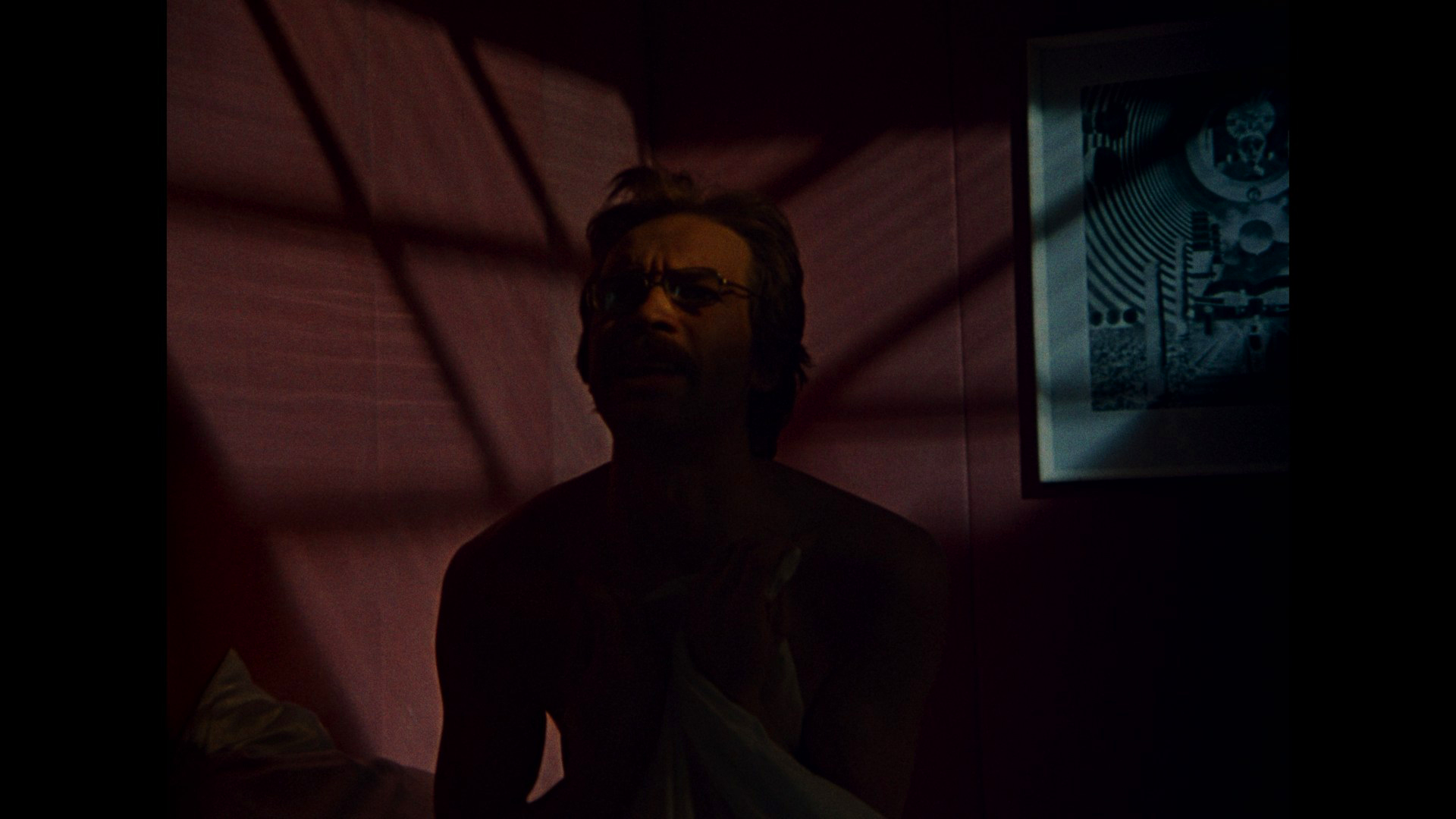
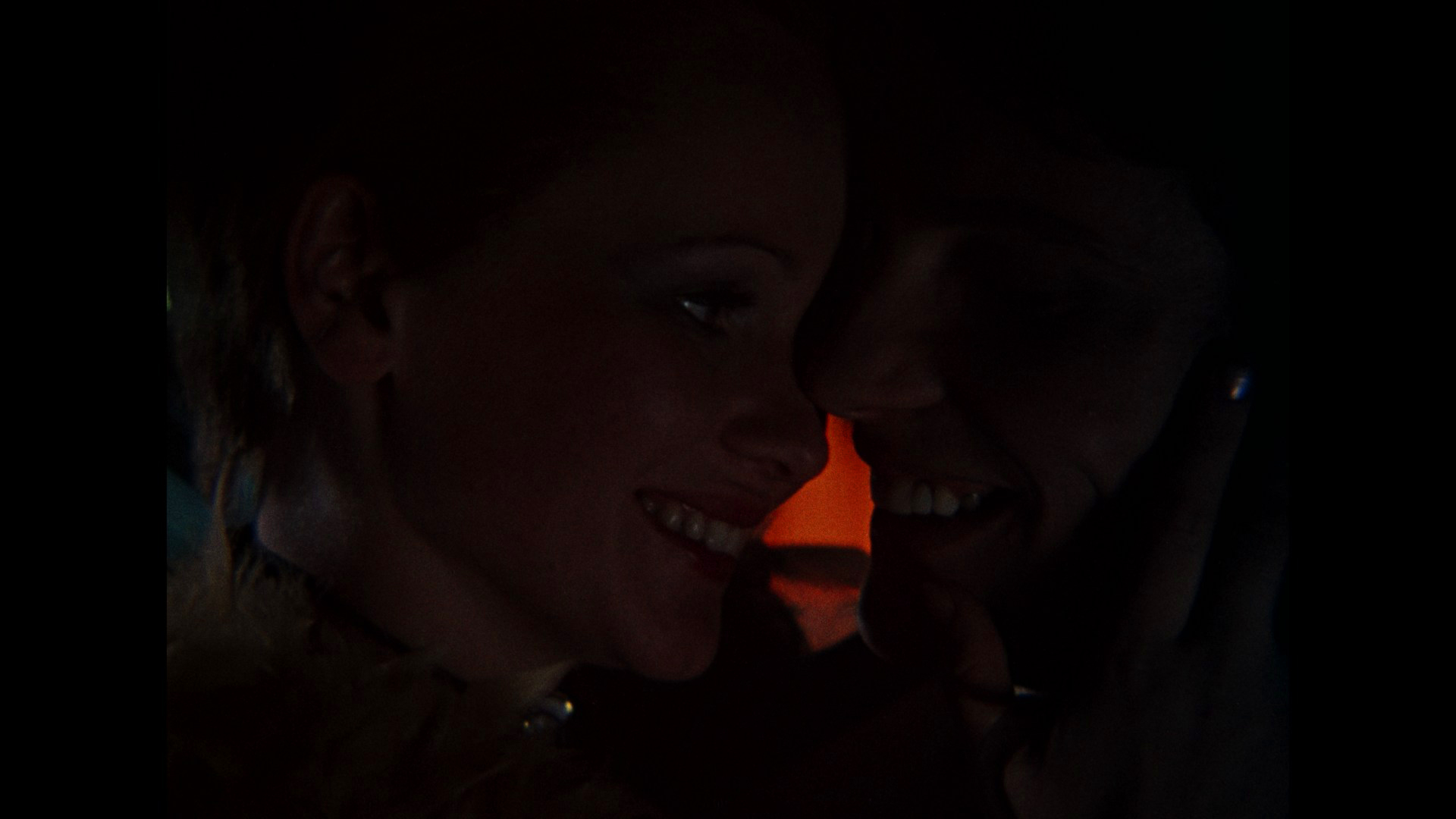
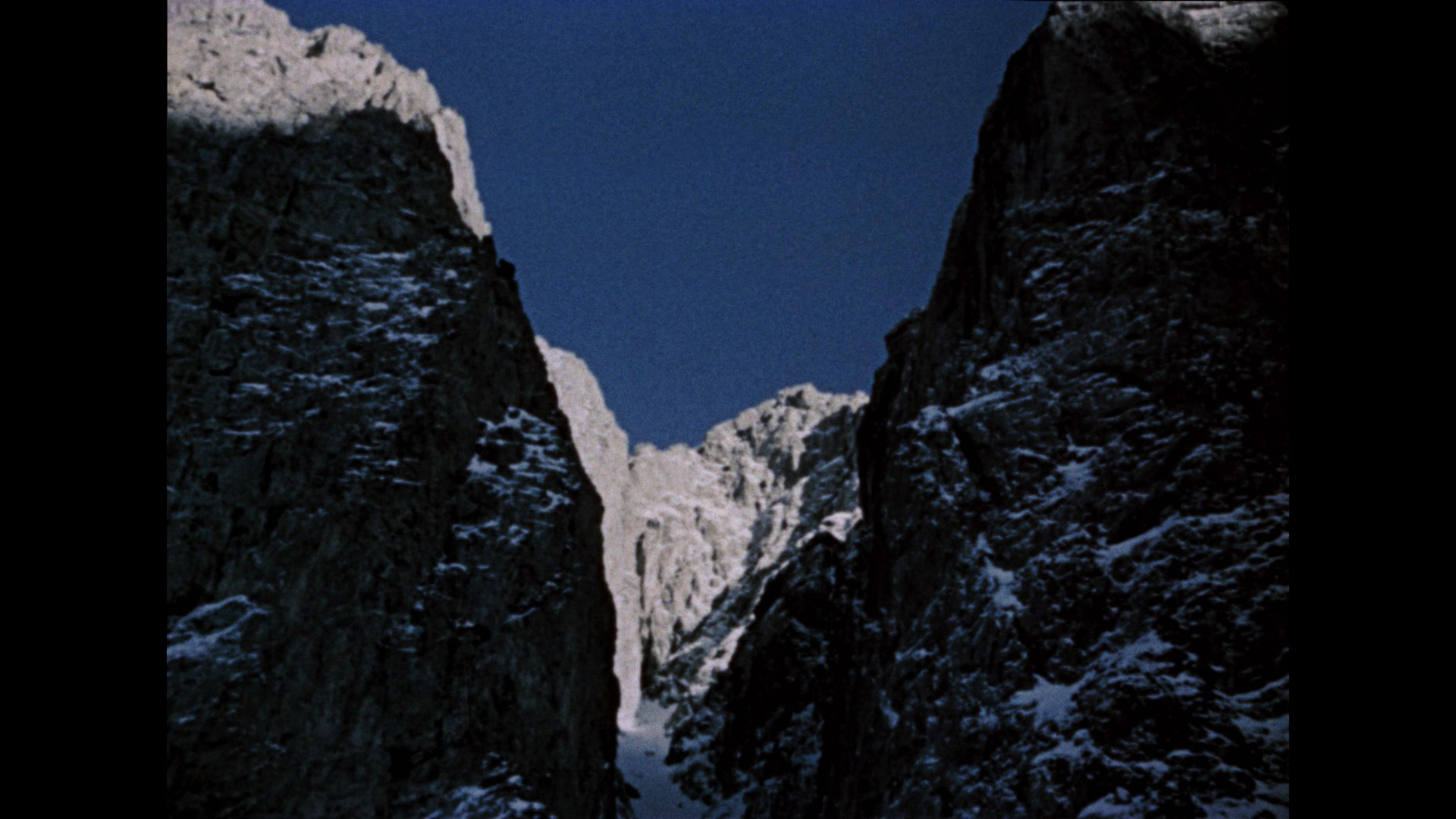
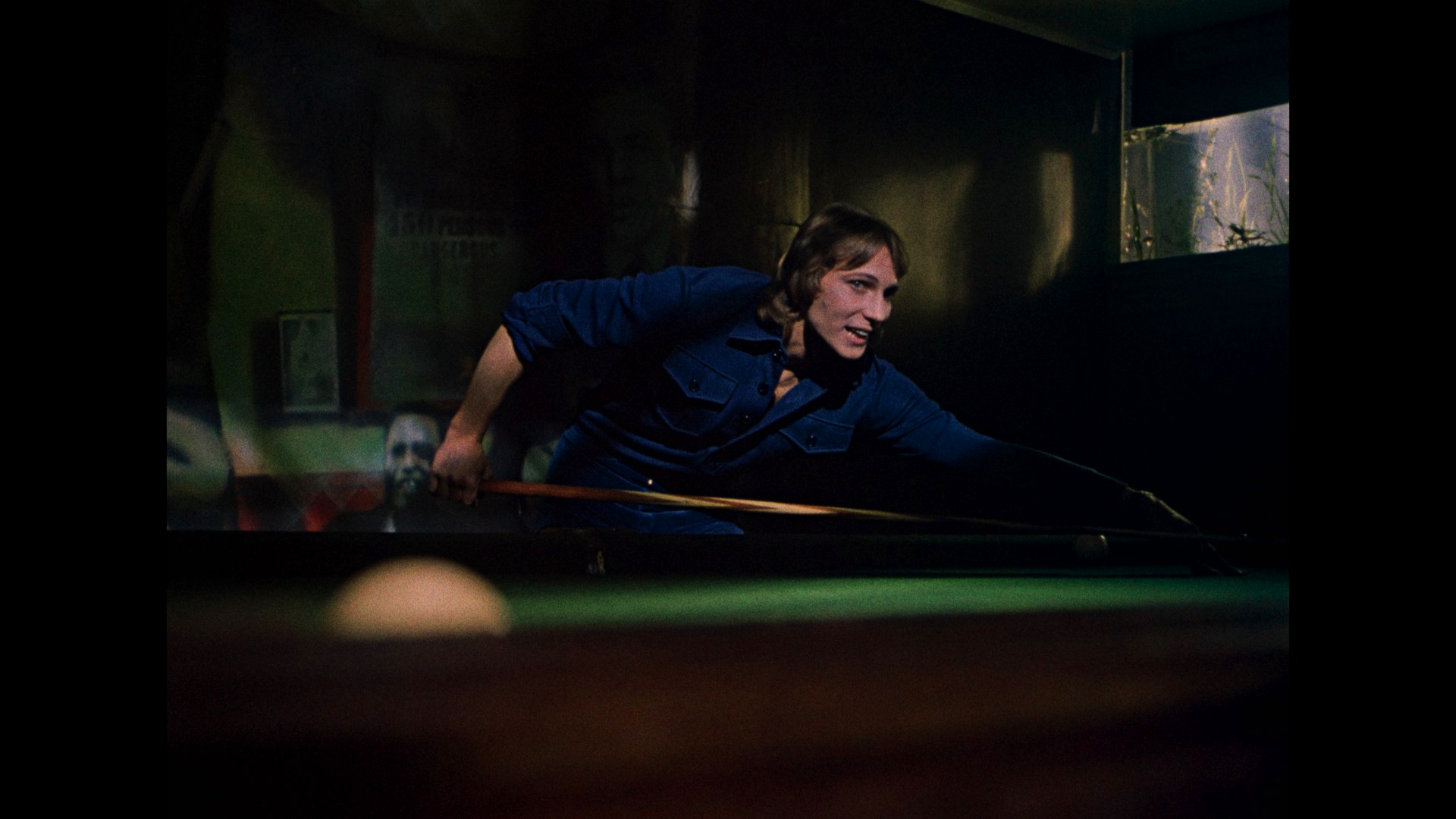
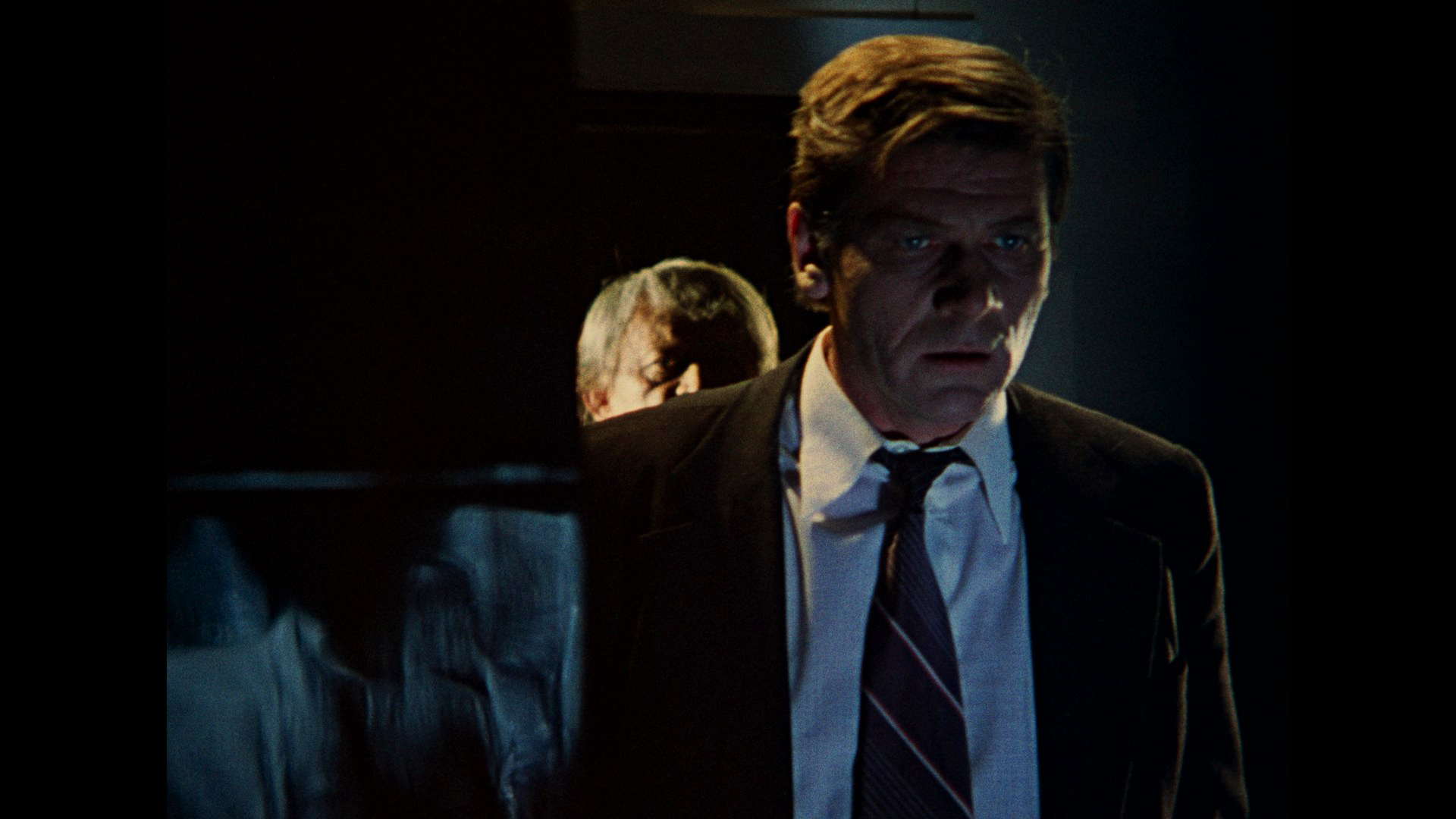
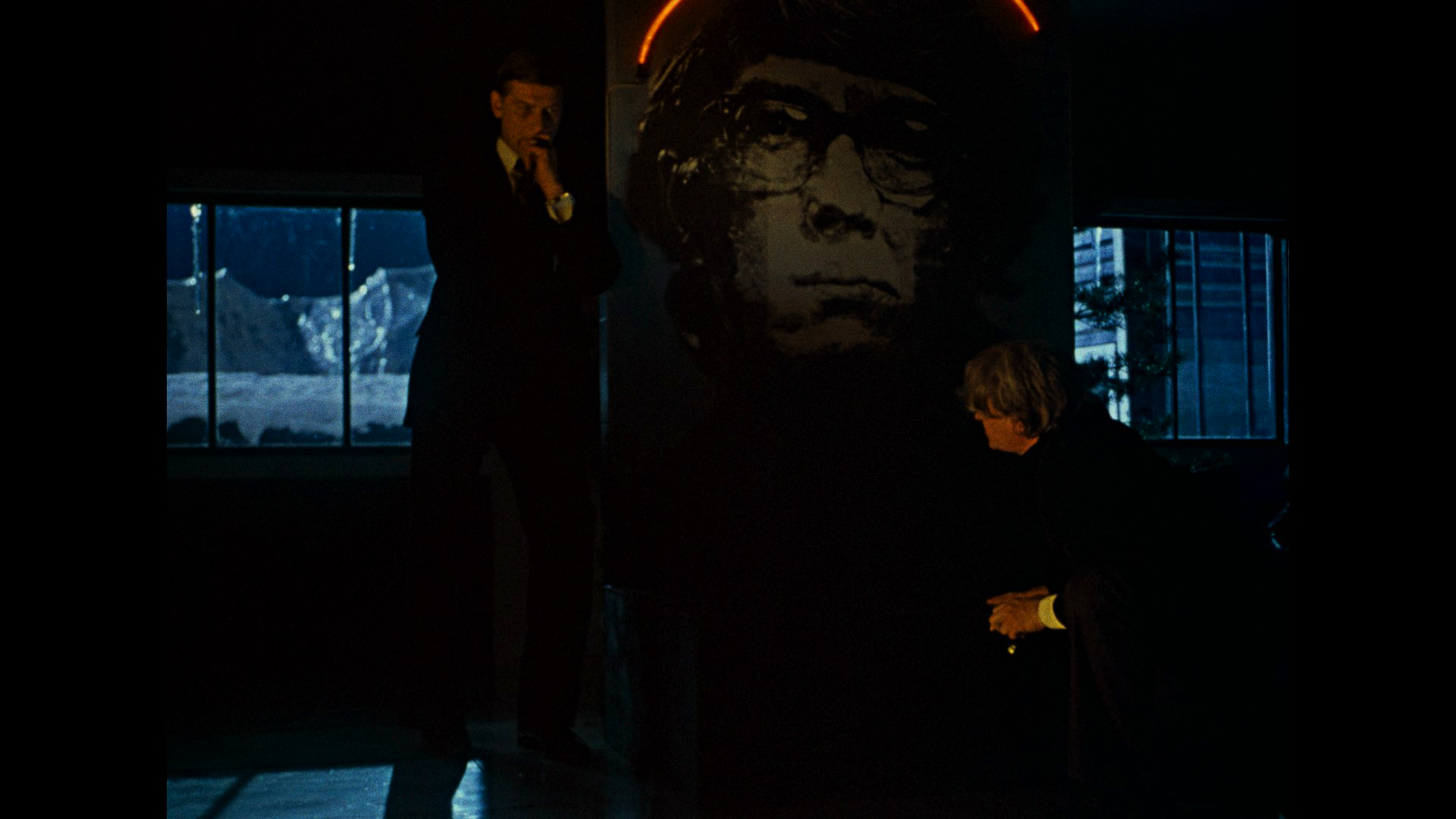
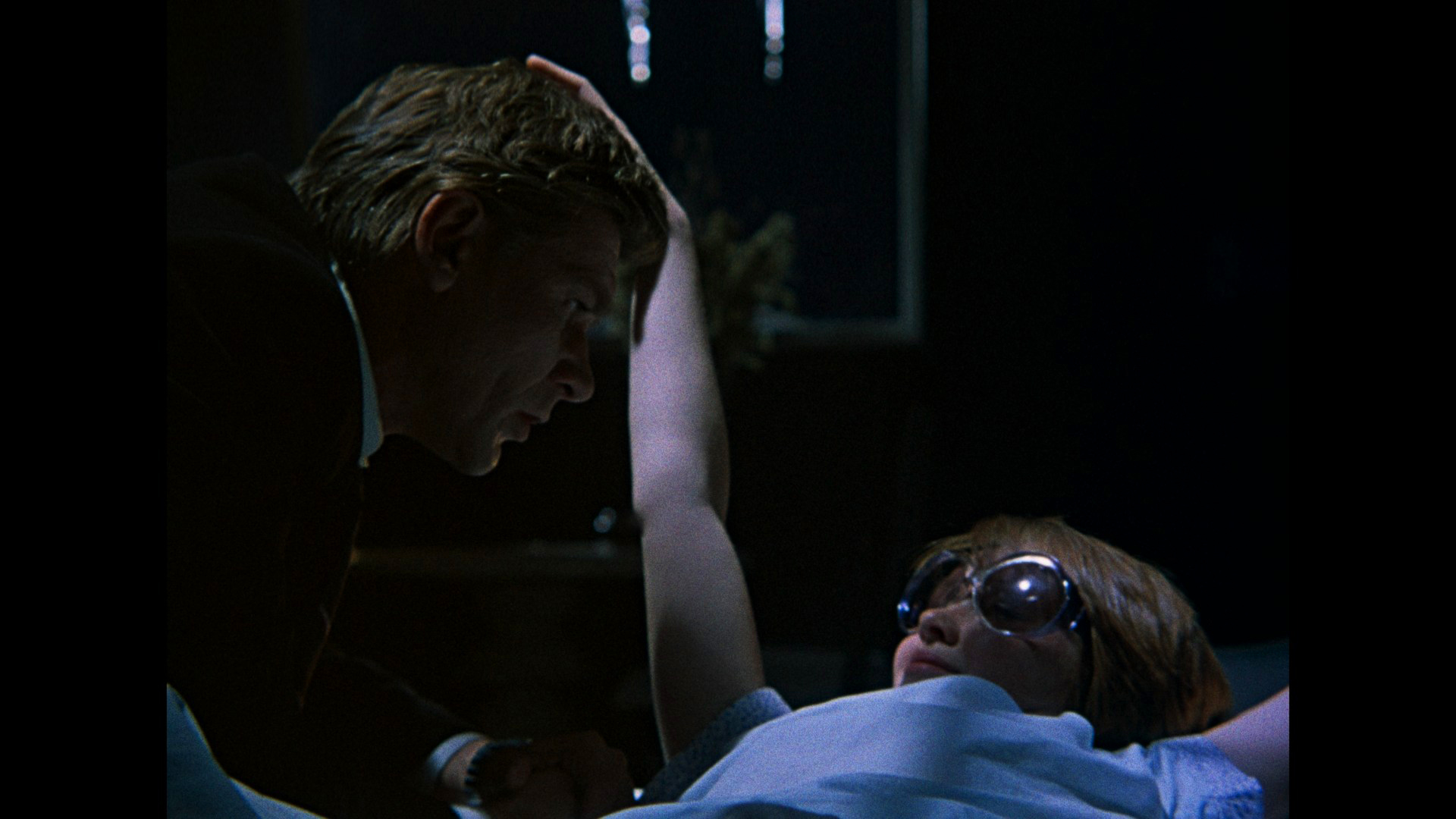
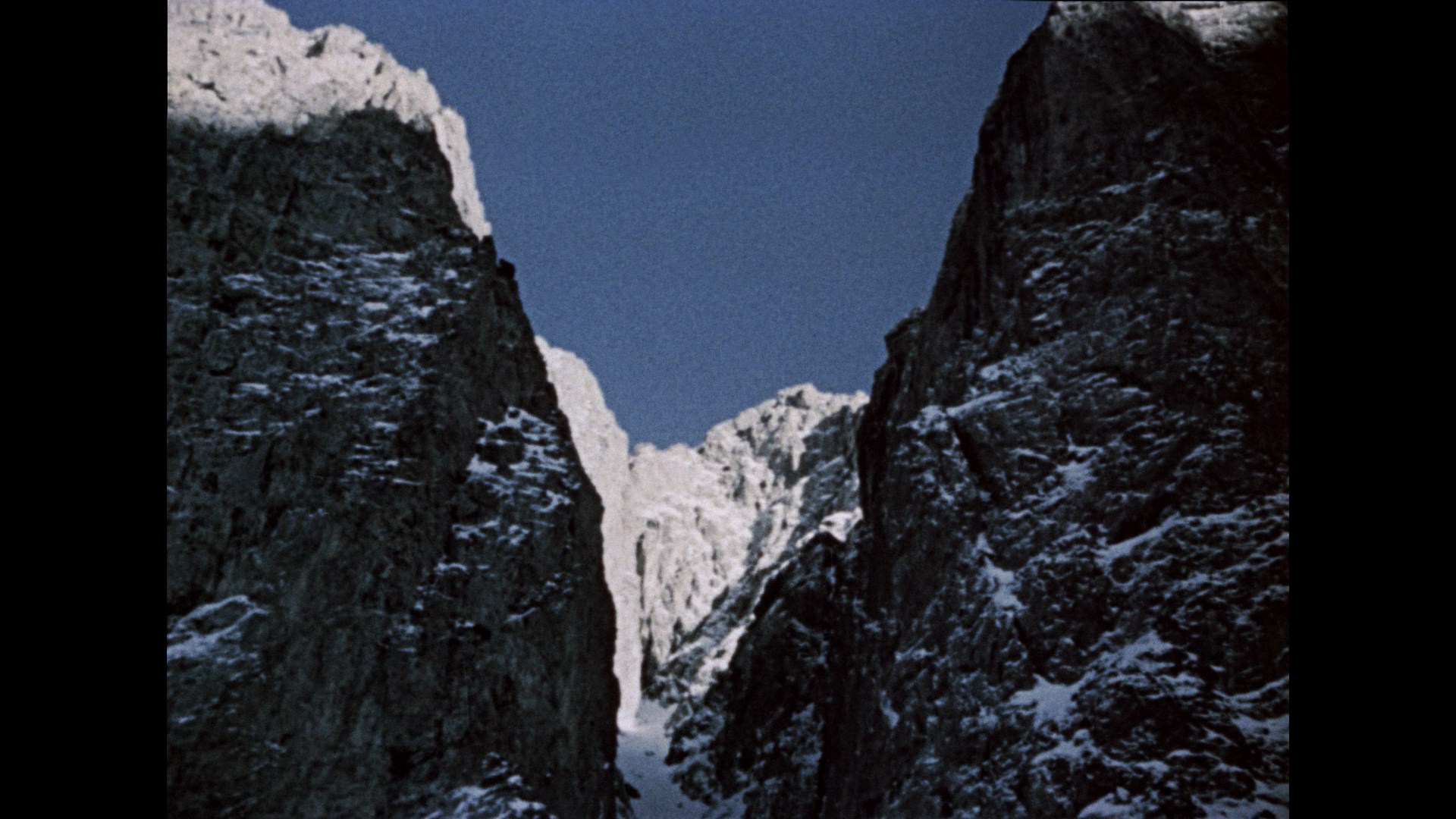
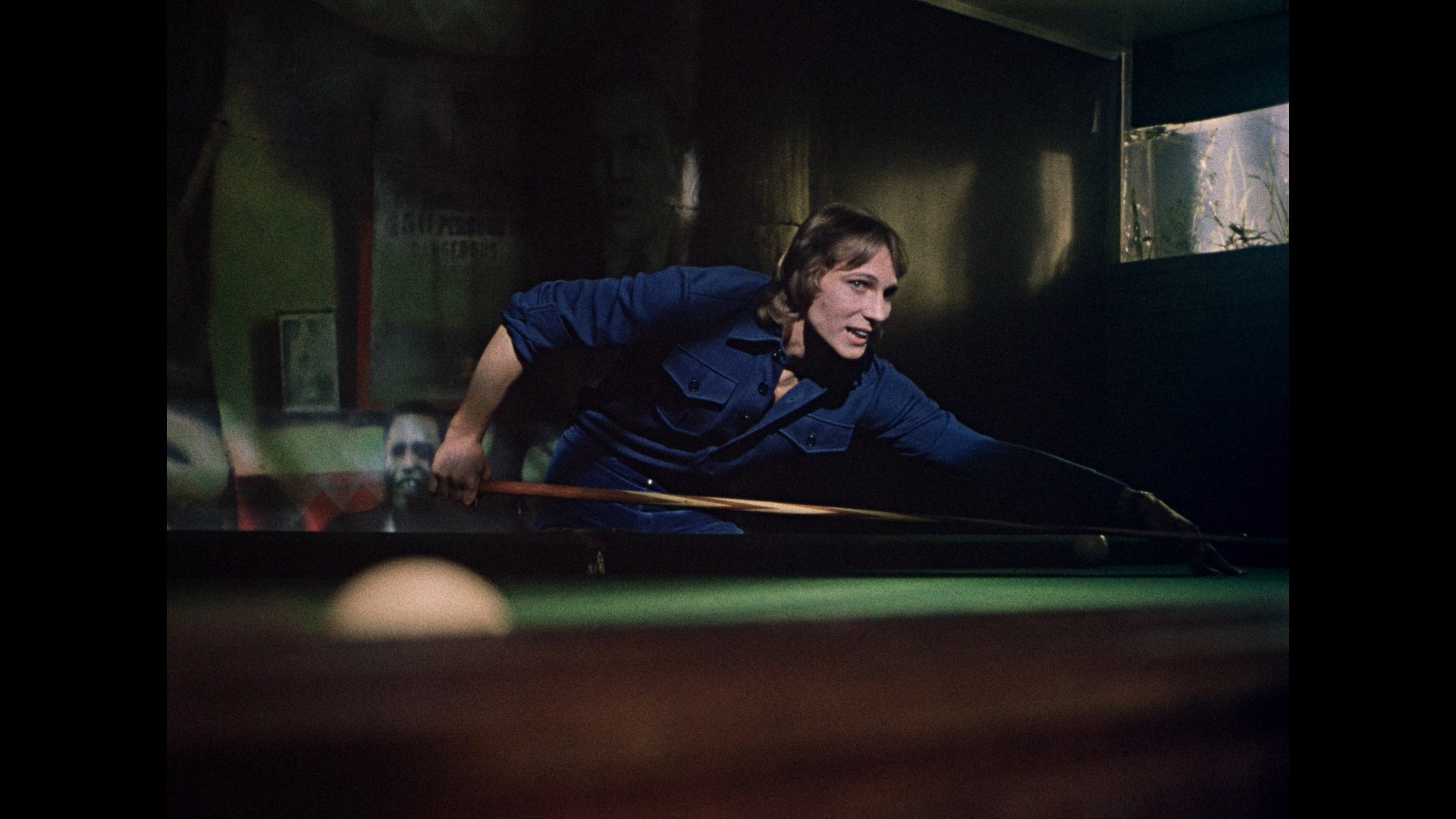
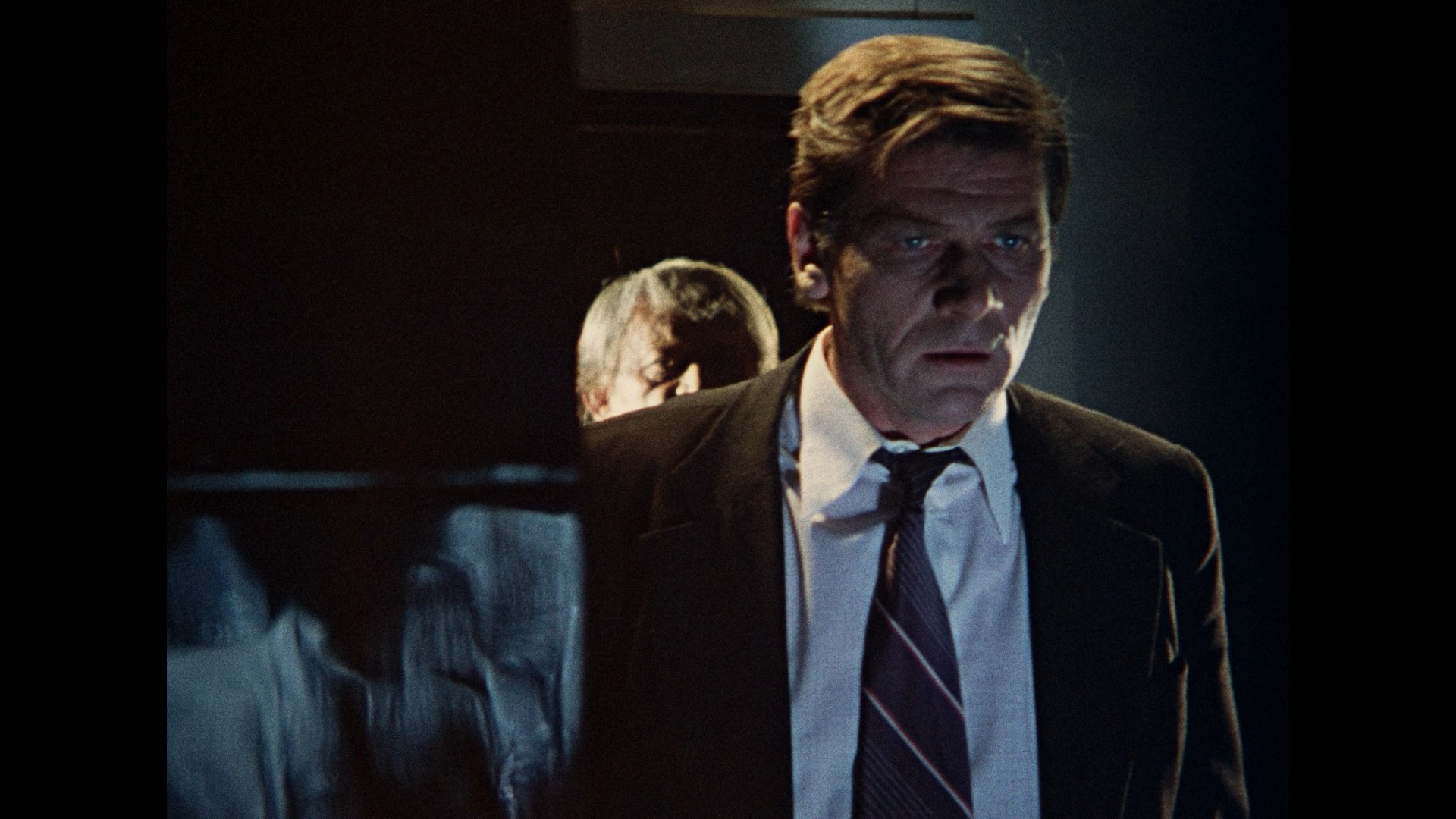
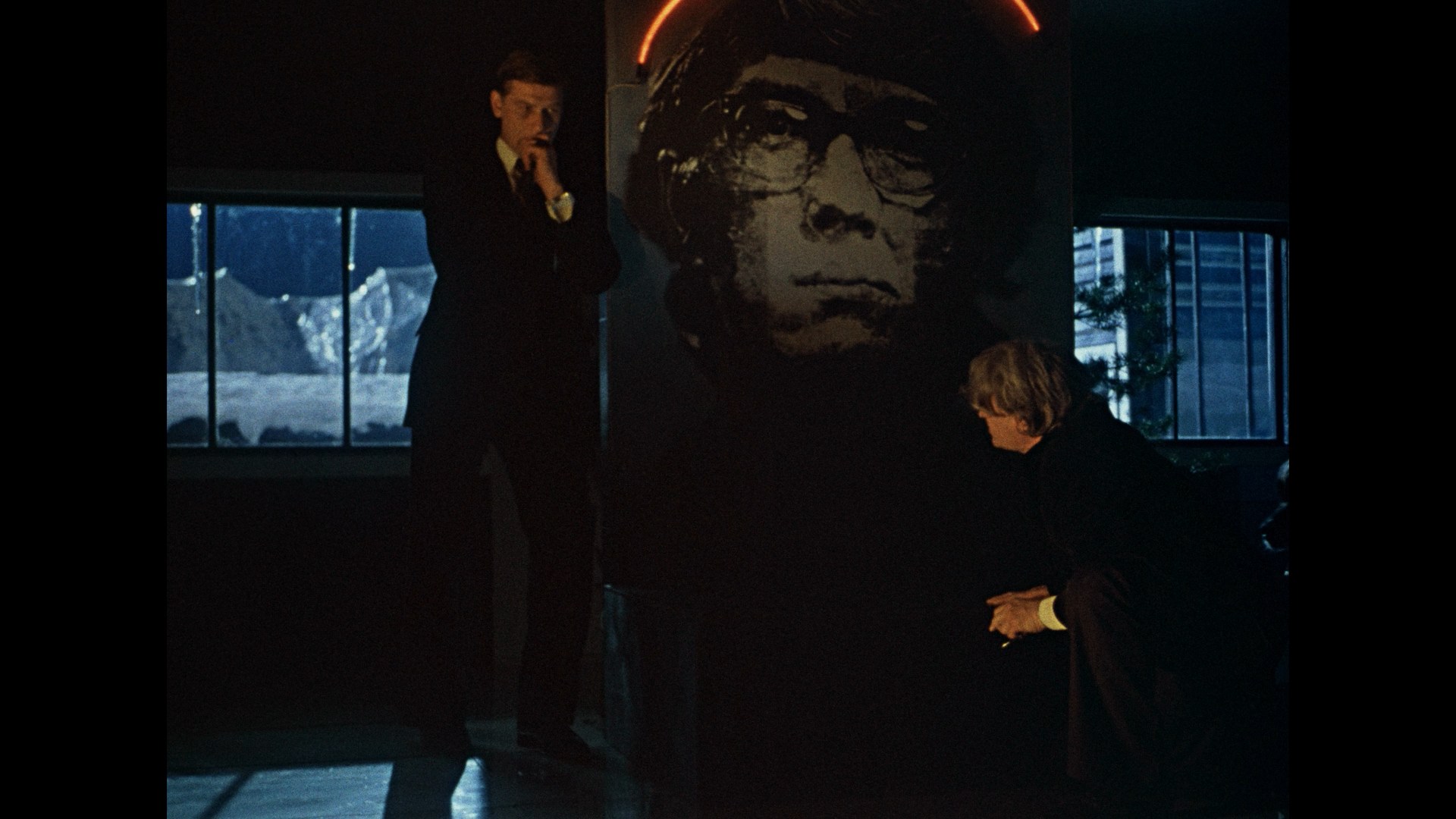
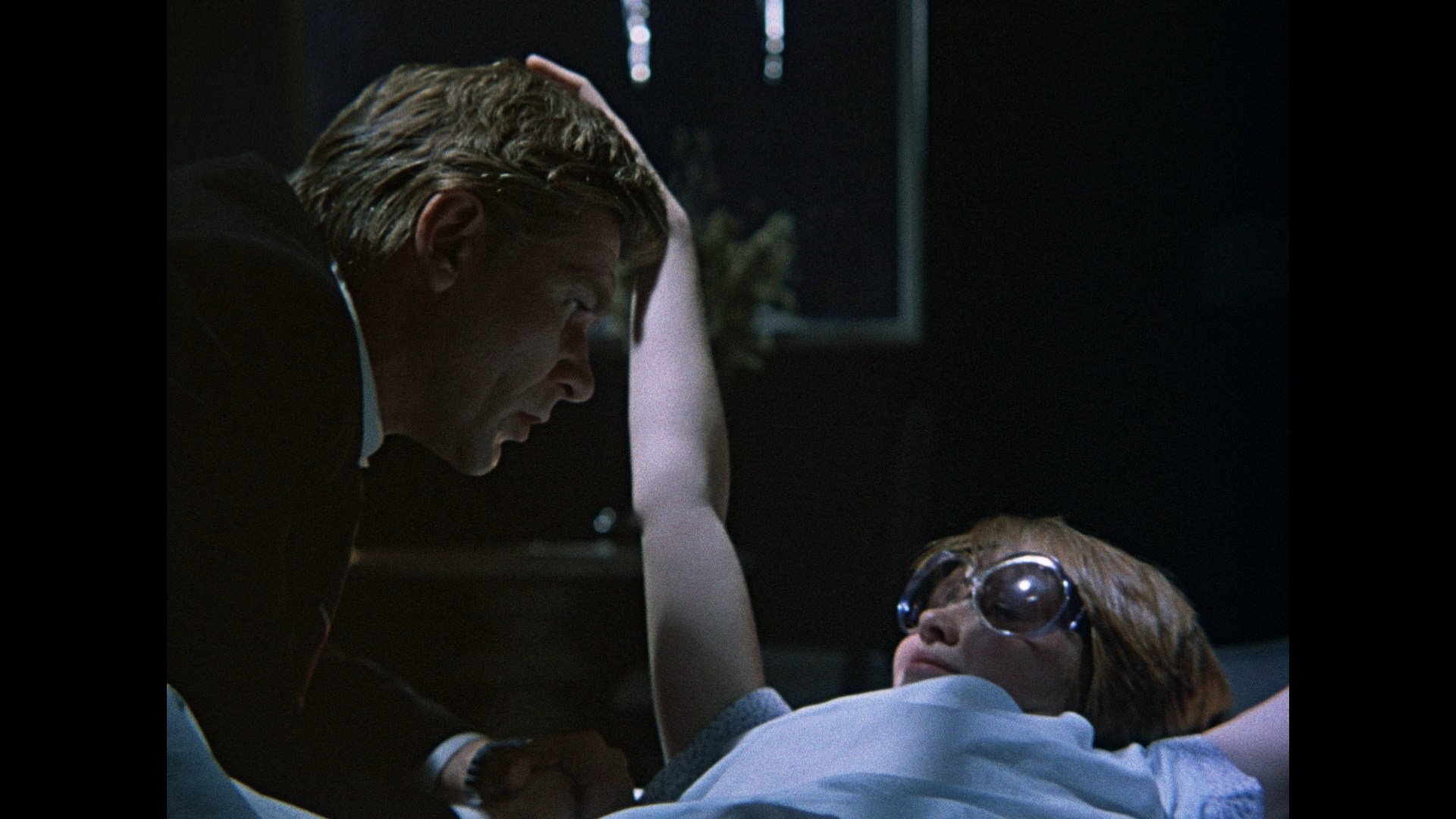
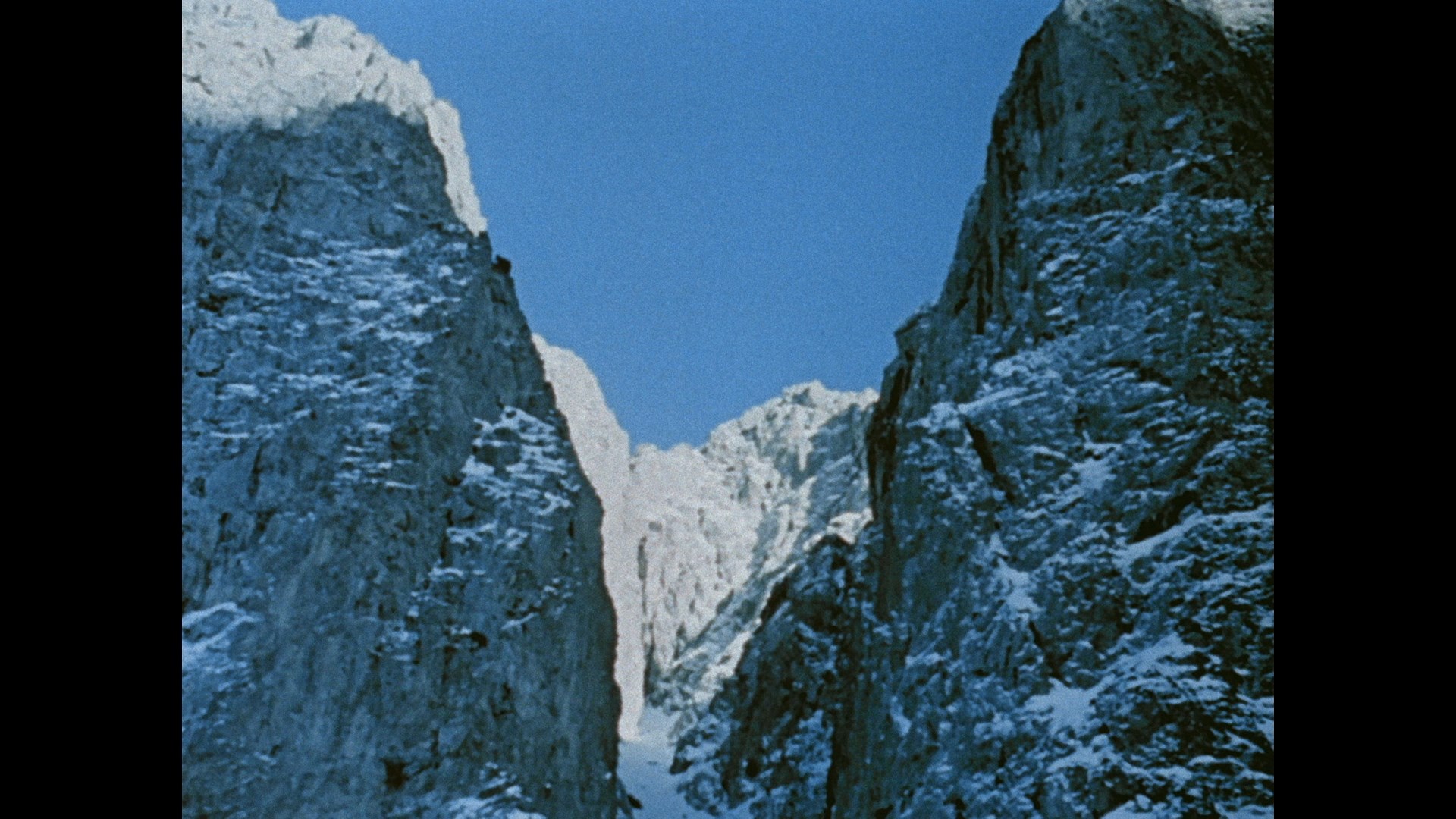
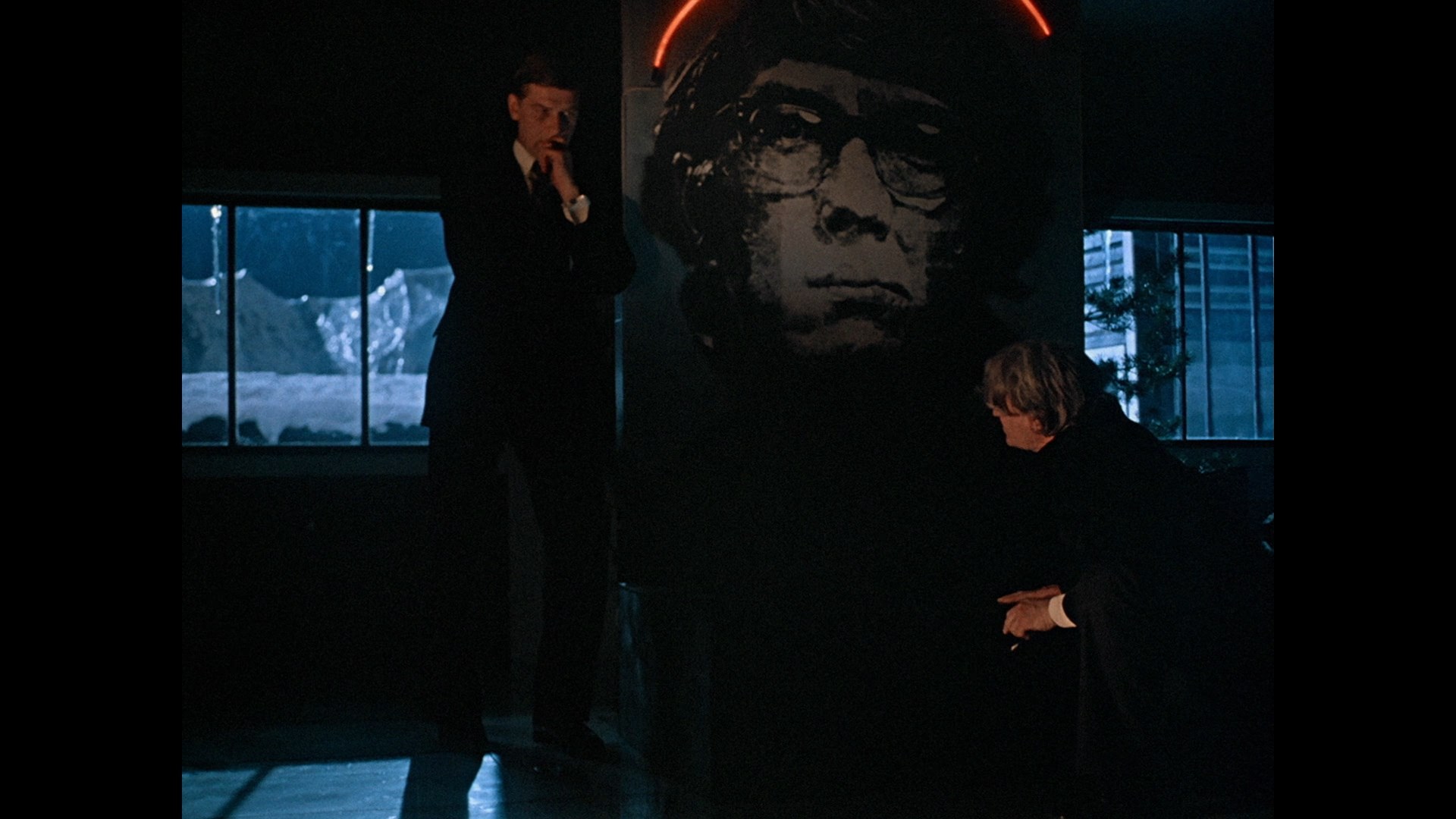
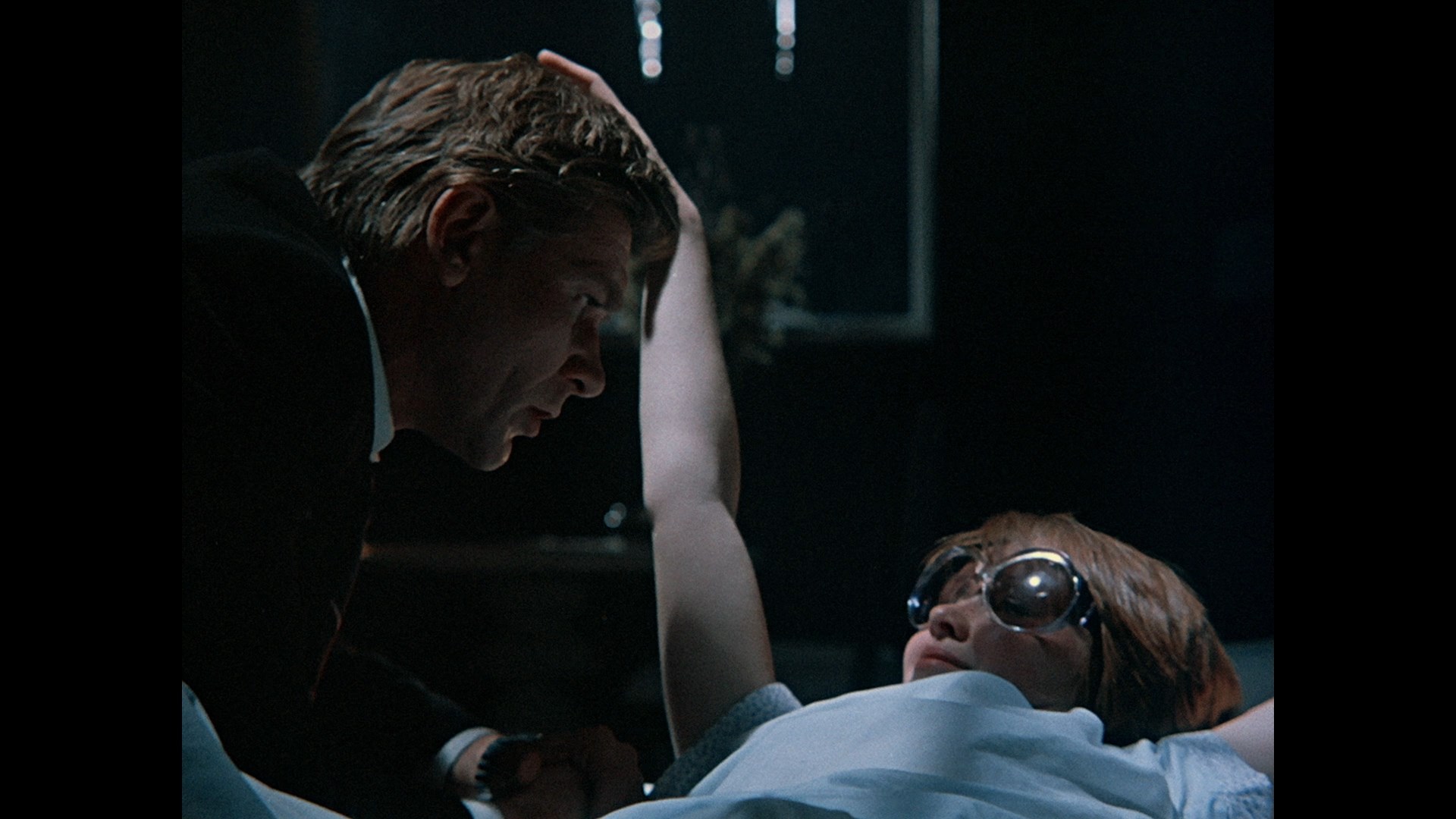
In 2026, Deaf Crocodile upgraded the film to 4K UHD along with a Blu-ray for the film's U.S. home video debut featuring a new restoration (cited as a 4K scan of an interpositive off the negative by Craig Rogers and Michael Coronado for Deaf Crocodile and color grade by Tyler Fagerstrom). It does indeed look quite different with much finer detail and film grain, far deeper blacks (especially on the UHD as you can see below), and punchier colors. The DTS-HD MA 2.0 Estonian stereo track is a different mix from the earlier Blu-ray and is listed as a 2009 audio restoration overseen by the composer himself; it starts off much more restrained and center-focused and gradually spreads out to become more enveloping before going sonically crazy around the 41-minute mark and onward. The optional English subtitles are excellent, and this is still the complete version of the film compared to the edited DVD. In a new and typically excellent audio commentary, Michael Brooke covers the film's unique place in Estonian cinema, the burst of Eastern European sci-films around the same time (most notably Stalker), the literary source material, the curious nature of figuring out where the story is set, numerous interpretations of the character behaviors and story turns, the fusing of multiple genres and riffing on the detective story format, the social 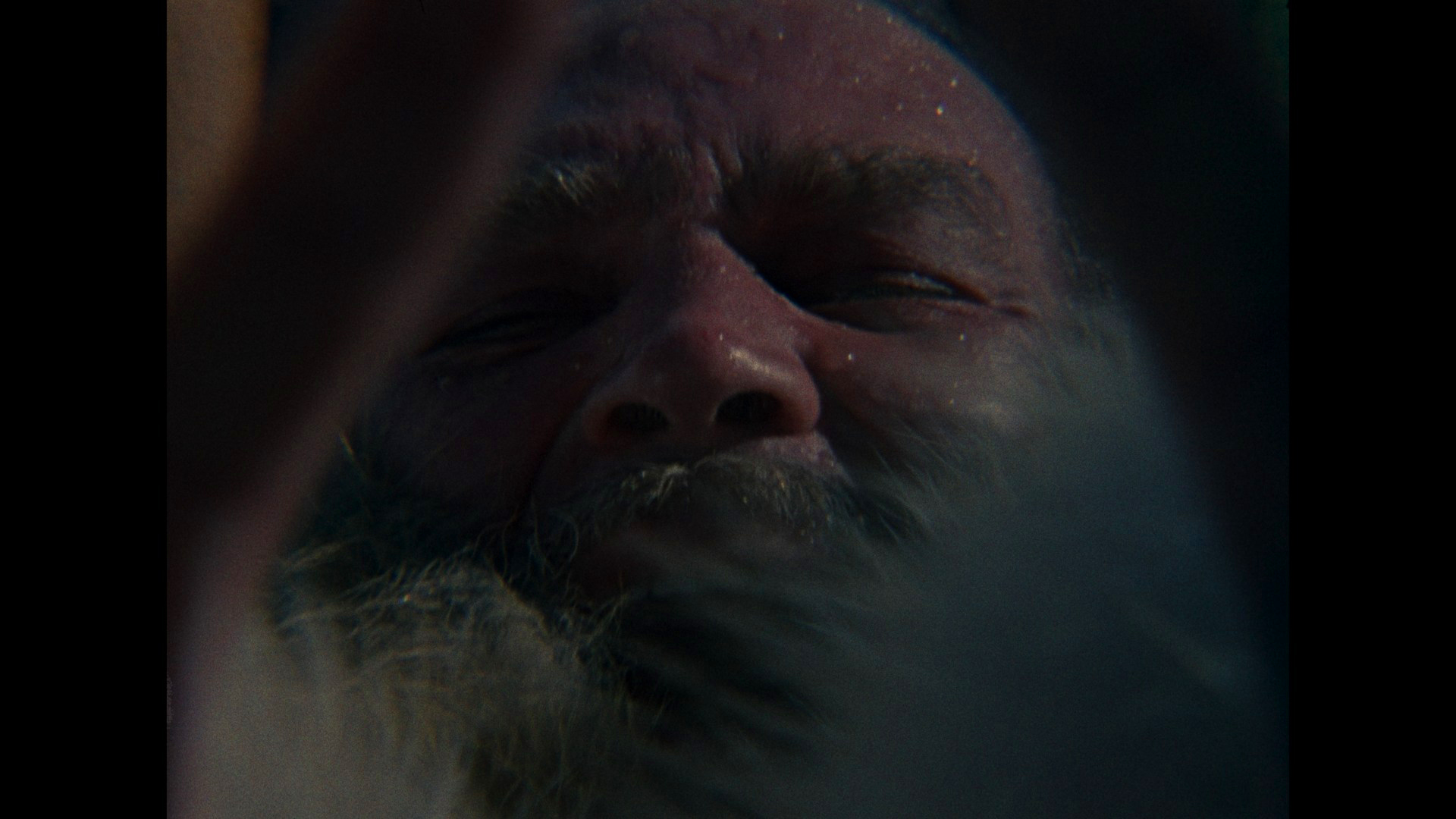 commentary peppered throughout, the nonbinary nature of one character that gets tweaked here, the backgrounds of all the actors and major crew members, the multiple canine actors employed which you might not notice, the various languages in which the film was presented, and much more.
 On the video extras front, the new visual essay "Snow Job: A Routine Investigation in Dead Mountaineer’s Hotel" (8m12s) by Ryan Verrill & Dr. Will Dodson examines the film's adaptation process and its critiques of Soviet bureaucracy which extend to the production design and the mechanics of the plot, with some character touches changed from the book. The 2010 featurette is ported over here, and you also get the original Estonian trailer, a quick black-and-white Soviet Estonian newsreel story (1m55s) that makes getting to the location look like a nightmare, and the pertinent section of the 2016 Riho Vastrik documentary Bonus Track (13m24s) with Grünberg at work remastering the score and chatting about the film's importance in his career, including stepping in after the initial composer had to depart and the jaw-dropping fact that the director initially hated his score. The 2,500-unit limited edition comes with a hard slipcase with new art by Hans Woody and a 60-page booklet featuring three essays: one by Peter Rollberg about the the mounting of the production in Soviet Estonia, the experiment conducted with the literary source, and the jaded take on the nature of humanity; "Three Different Rooms in the Same Place: The Many Realities of The Dead Mountaineer's Hotel" by Michelle Kisner about the manipulation of mystery conventions and the humorous aspects of the book largely jettisoned here as well as the odd history behind the video game; and a survey by Walter Chaw of the film's aesthetic delights and his favorite touches you might not notice. Also included is a new text interview with Lembit Peterson, who plays Simon the physicist, conducted by the label's Dennis Bartok covering the actor's career and his experiences on this film and others with the director.
Soviet Union until 1991 has been sorely underrepresented on worldwide home video, and few of its entries are more deserving of a potential cult following than Hukkunud Alpinisti' hotell, or Dead Mountaineer's Hotel, a visually staggering murder mystery with a sci-fi twist. Writers Arkady and Boris Strugatsky (who wrote Hard To Be a God and Roadside Picnic, the latter filmed as Stalker) adapted their own novel here, though the aesthetics really grab your attention as much as the script all the way to the incredible synth score by Estonian prog rocker Sven Grünberg, which grabs you within the opening moments of the film and never lets up. The book and film have remained familiar in their native country (even inspiring a notorious video game, believe it or not), but there are probably a lot of people out there who would love to still discover this one if given the chance.climber who gave the place its name (and whose St. Bernard works as a bag-carrying porter). Assured no crime has been committed, he gradually gets to the know the guests who range from fun-seeking skiers to a recuperating tuberculosis sufferer and a jittery physicist who literally climbs the walls. A mysterious note, pansexual seductions, an apparent locked-room murder, and wild dancing are just a few of the diversions when an avalanche ensures that no one will be able to leave until our by-the-book sleuth finds out what's really going on. execution.which wasn't selected as one of their numerous titles imported for the U.S. by Image Entertainment. That disc looked pretty good and featured the Russian-dubbed track in 2.0 mono and 5.1 options with a slew of subtitle options including English. No extras were included apart from trailers for other Ruscico releases. In 2022, Camera Obscura brought the film to region-free German Blu-ray following an extensive digital restoration in Estonia, and it looks nice with more detail and consistent color timing than the earlier release. Even better, it features the original Estonian track in a very active 2.0 stereo mix that sounds a lot more organic and dynamic than the Russian one, with optional English and German subtitles provided. (It's worth noting that Latvian lead Pūcītis is dubbed no matter how you see it.) This version also runs a full four minutes longer than the DVD, a nice bonus as well. The main extra here is a 2010 making-of featurette (19m56s) created for Estonian public television with Grünberg, production designer Tonu Virve, actors Lembit Peterson and Tiit Härm, cinematographer Juri Sillart, set decorator Priit Vaher covering the use of hyper-realism in the film, the disagreements over the artwork seen in the film, the creation of the central set, the location scouting, the reaction of one of the writers, the surprising story behind the final black-and-white scene, and its legacy in its home country. The alternate German-language intro is also included, and the mediabook package comes with a booklet featuring a German-language essay by Chris Schinke.commentary peppered throughout, the nonbinary nature of one character that gets tweaked here, the backgrounds of all the actors and major crew members, the multiple canine actors employed which you might not notice, the various languages in which the film was presented, and much more. On the video extras front, the new visual essay "Snow Job: A Routine Investigation in Dead Mountaineer’s Hotel" (8m12s) by Ryan Verrill & Dr. Will Dodson examines the film's adaptation process and its critiques of Soviet bureaucracy which extend to the production design and the mechanics of the plot, with some character touches changed from the book. The 2010 featurette is ported over here, and you also get the original Estonian trailer, a quick black-and-white Soviet Estonian newsreel story (1m55s) that makes getting to the location look like a nightmare, and the pertinent section of the 2016 Riho Vastrik documentary Bonus Track (13m24s) with Grünberg at work remastering the score and chatting about the film's importance in his career, including stepping in after the initial composer had to depart and the jaw-dropping fact that the director initially hated his score. The 2,500-unit limited edition comes with a hard slipcase with new art by Hans Woody and a 60-page booklet featuring three essays: one by Peter Rollberg about the the mounting of the production in Soviet Estonia, the experiment conducted with the literary source, and the jaded take on the nature of humanity; "Three Different Rooms in the Same Place: The Many Realities of The Dead Mountaineer's Hotel" by Michelle Kisner about the manipulation of mystery conventions and the humorous aspects of the book largely jettisoned here as well as the odd history behind the video game; and a survey by Walter Chaw of the film's aesthetic delights and his favorite touches you might not notice. Also included is a new text interview with Lembit Peterson, who plays Simon the physicist, conducted by the label's Dennis Bartok covering the actor's career and his experiences on this film and others with the director. DEAF CROCODILE (UHD)
DEAF CROCODILE (Blu-ray)
CAMERA OBSCURA (Blu-ray)
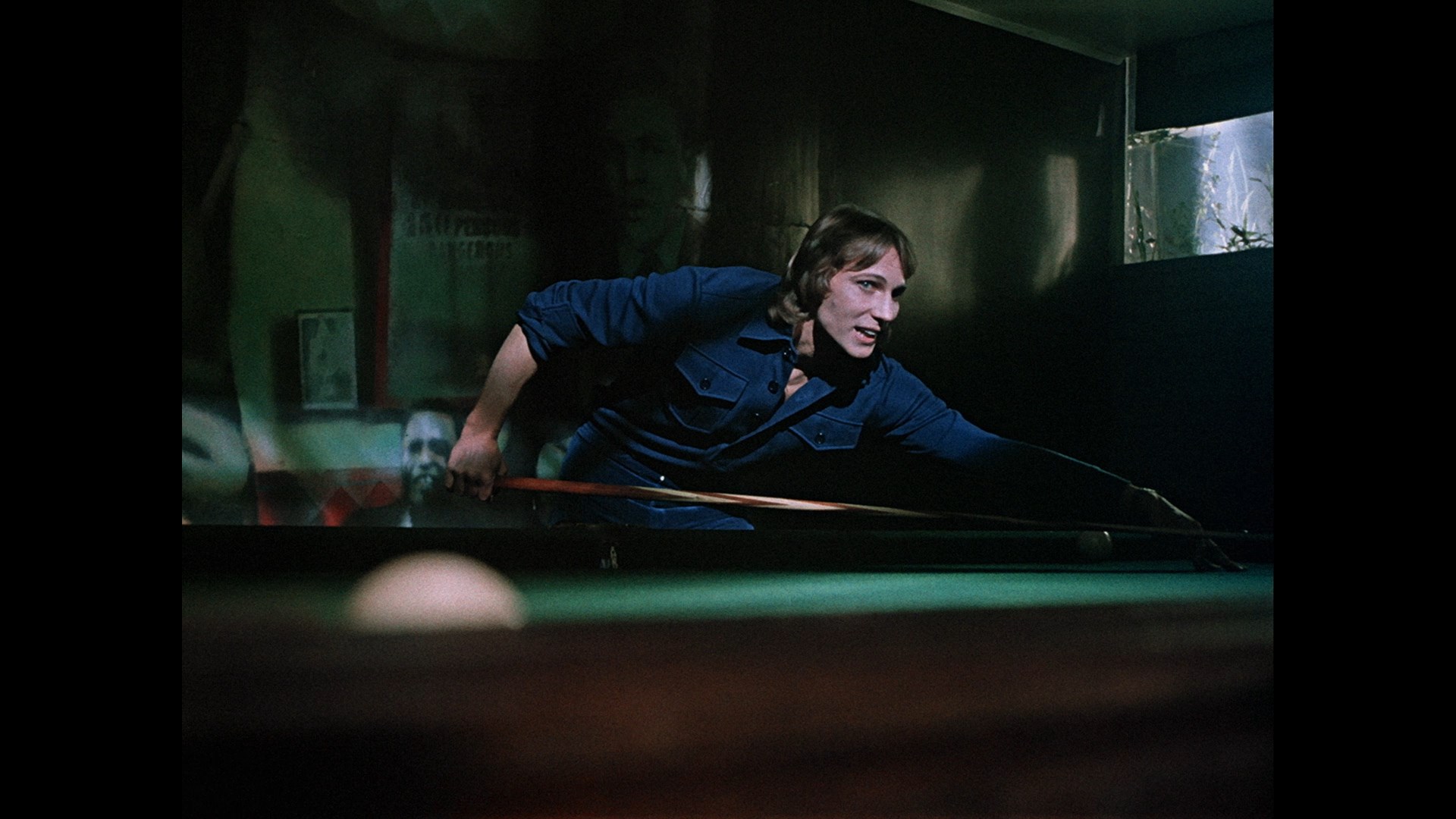
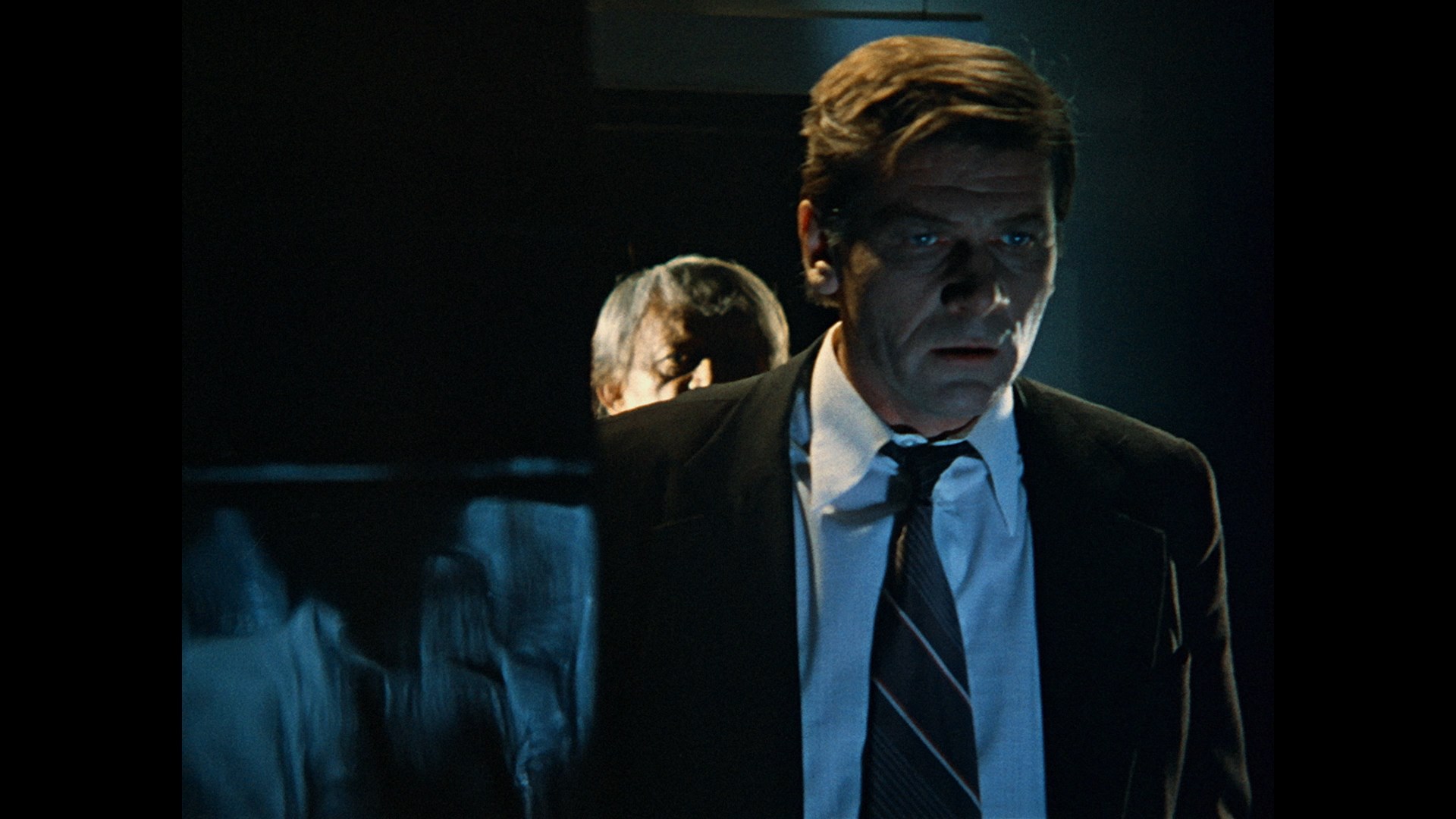
RUSCICO (DVD)
Updated review on March 17, 2026
