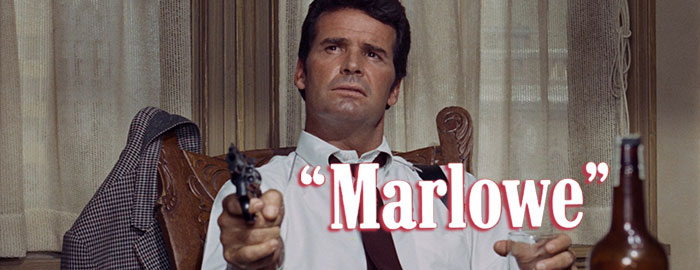
 Raymond Chandler's legendary L.A. private eye Philip Marlowe between his three major film noir appearances
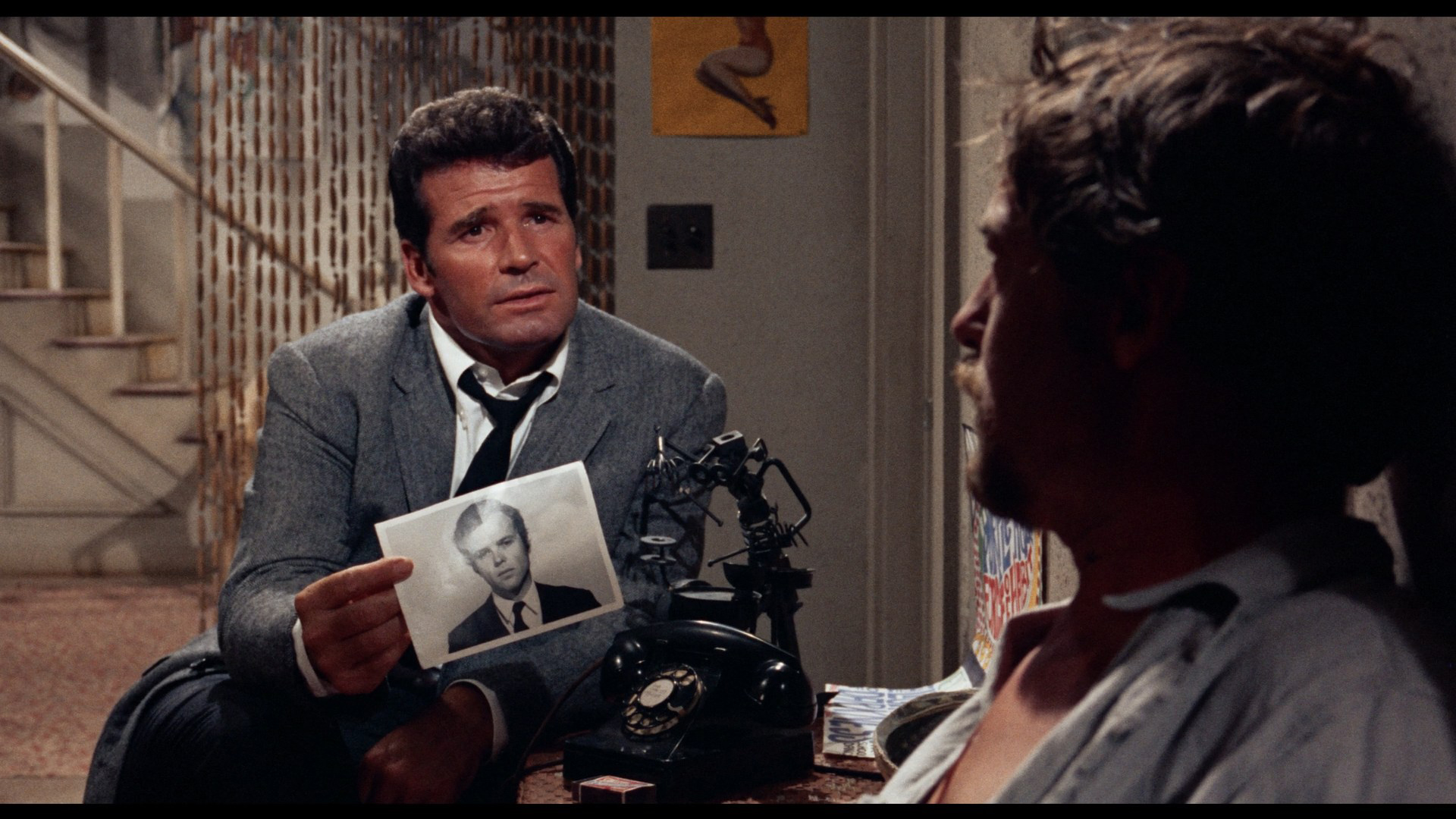
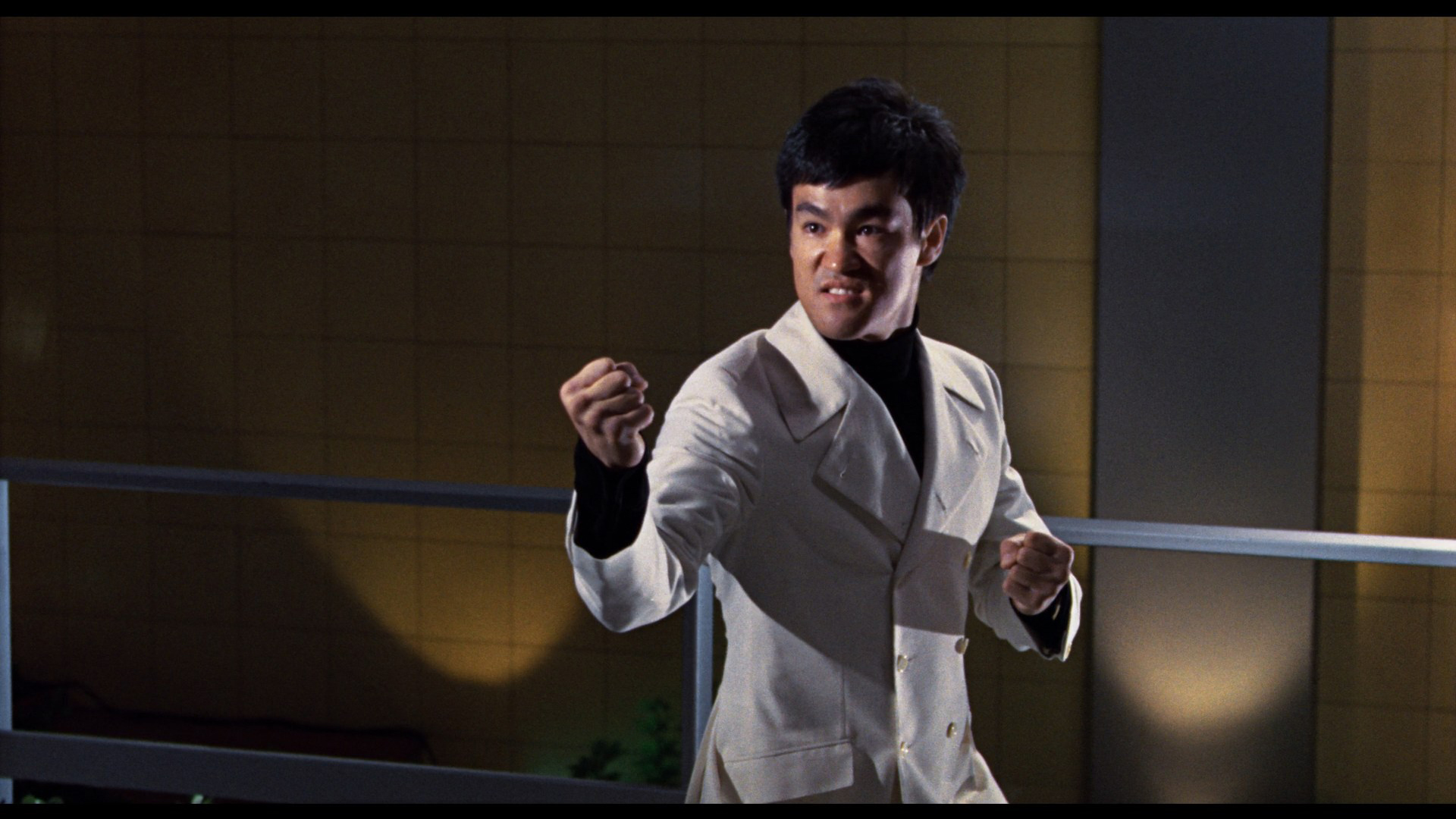
  in the 1940s (The Big Sleep, Lady in the Lake, and Murder, My Sweet) and his major resurgence in the mid-'70s with The Long Goodbye and Farewell, My Lovely. However, one often overlooked entry did appear at the tail end of the '60s from MGM with Marlowe, the sole big screen adaptation of Chandler's 1949 novel, The Little Sister. Today the film is mostly mentioned for two factors: the casting of Maverick star James Garner as Marlowe in what feels like a trial run five years before TV's The Rockford Files, and a scene-stealing, two-scene appearance by Bruce Lee, fresh off of TV's The Green Hornet and the martial arts teacher of this film's screenwriter, Sterling Silliphant. As you would expect, this feels very much like a bridge film between the old Hollywood and the new with the revamping of the MPAA allowing for it to indulge in a little more overt violence and sexuality than what would have been acceptable earlier in the decade.
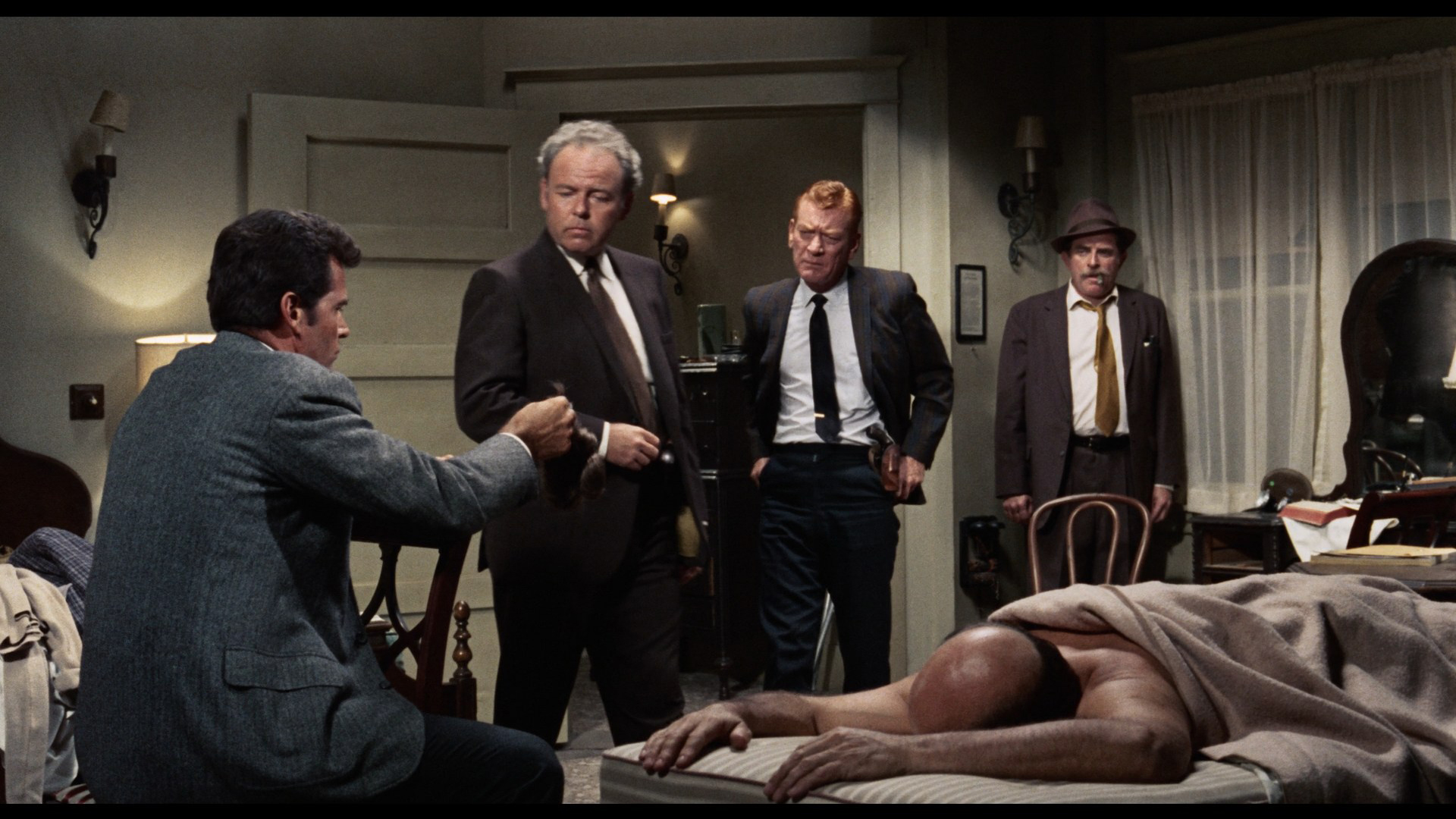
 plot involving some compromising photos. With the cops closing in led by a pre-All in the Family
 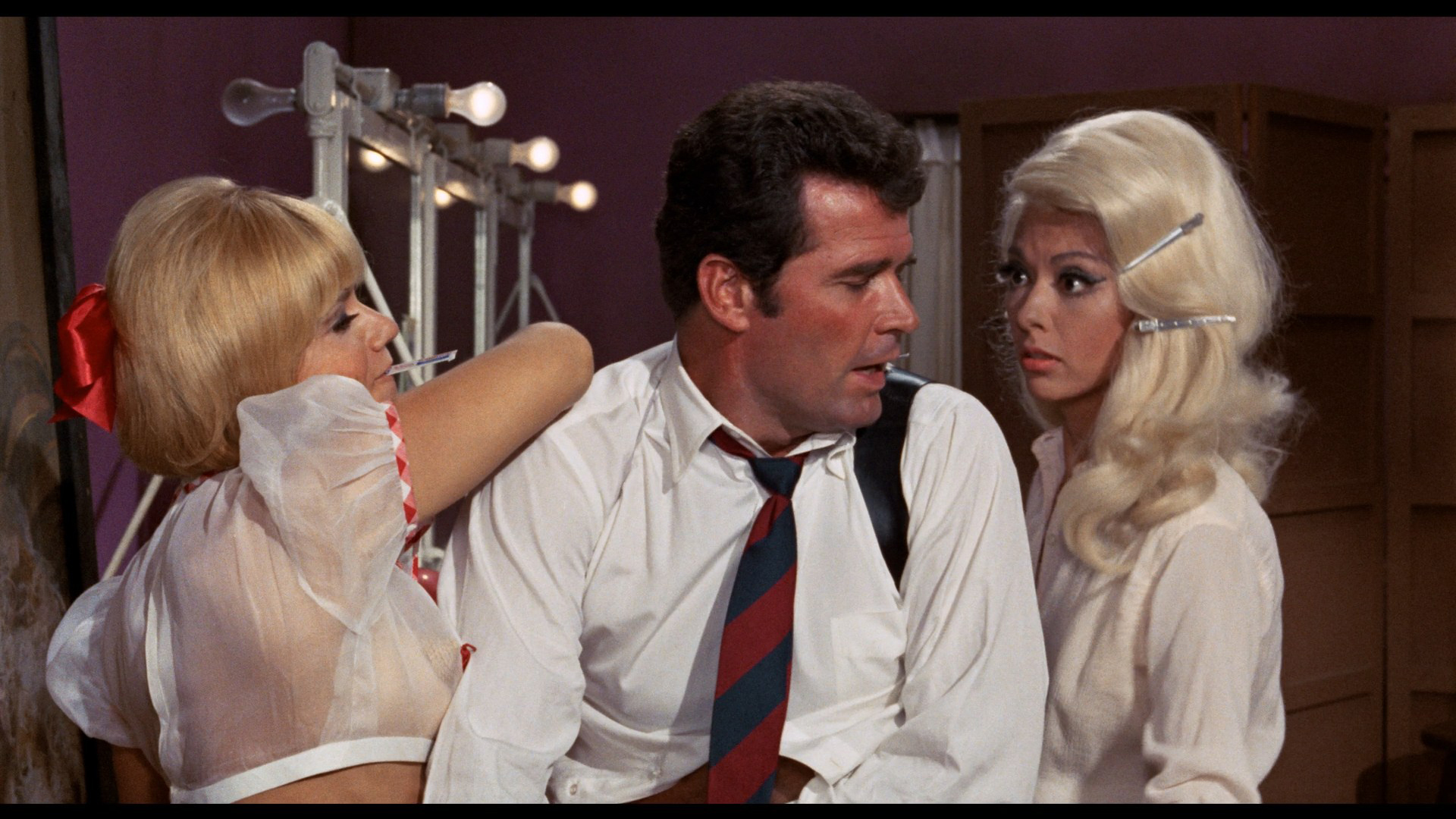 Carroll O'Connor, Marlowe untangles a complex web of clues and dead ends which also put him in the orbit of a stripper named Dolores (Moreno), with lots of revelations in store.
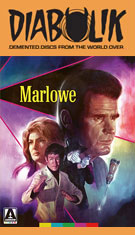
 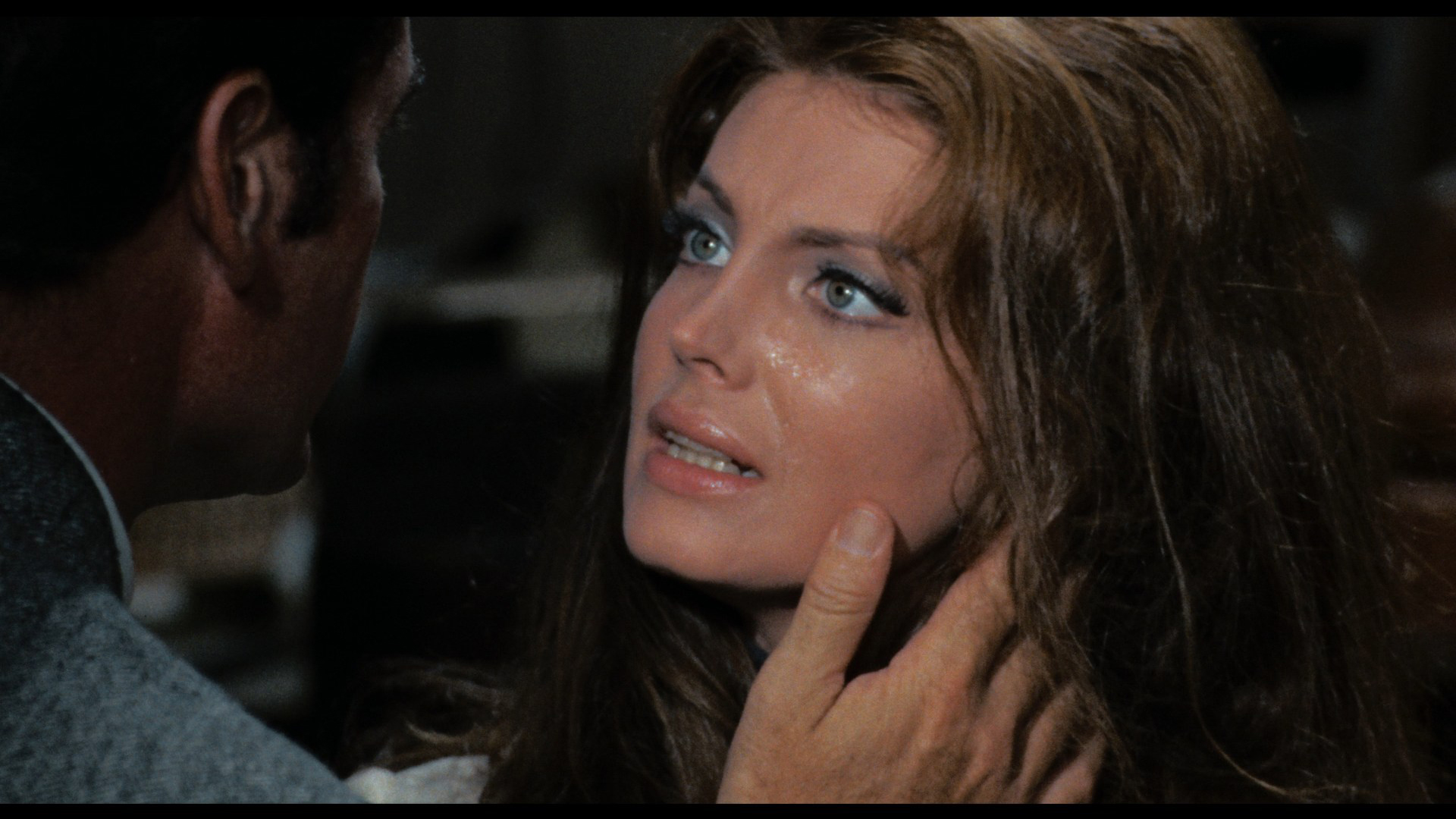 2011 as a Warner Archive release with a nice widescreen master, though it's easily outclassed by the 2026 Blu-ray from Arrow Video featuring a new restoration from the camera negative. It looks immaculate here with excellent detail and very accurate color timing to the late '60s film stock look. The LPCM 1.0 English mono audio also sounds excellent
 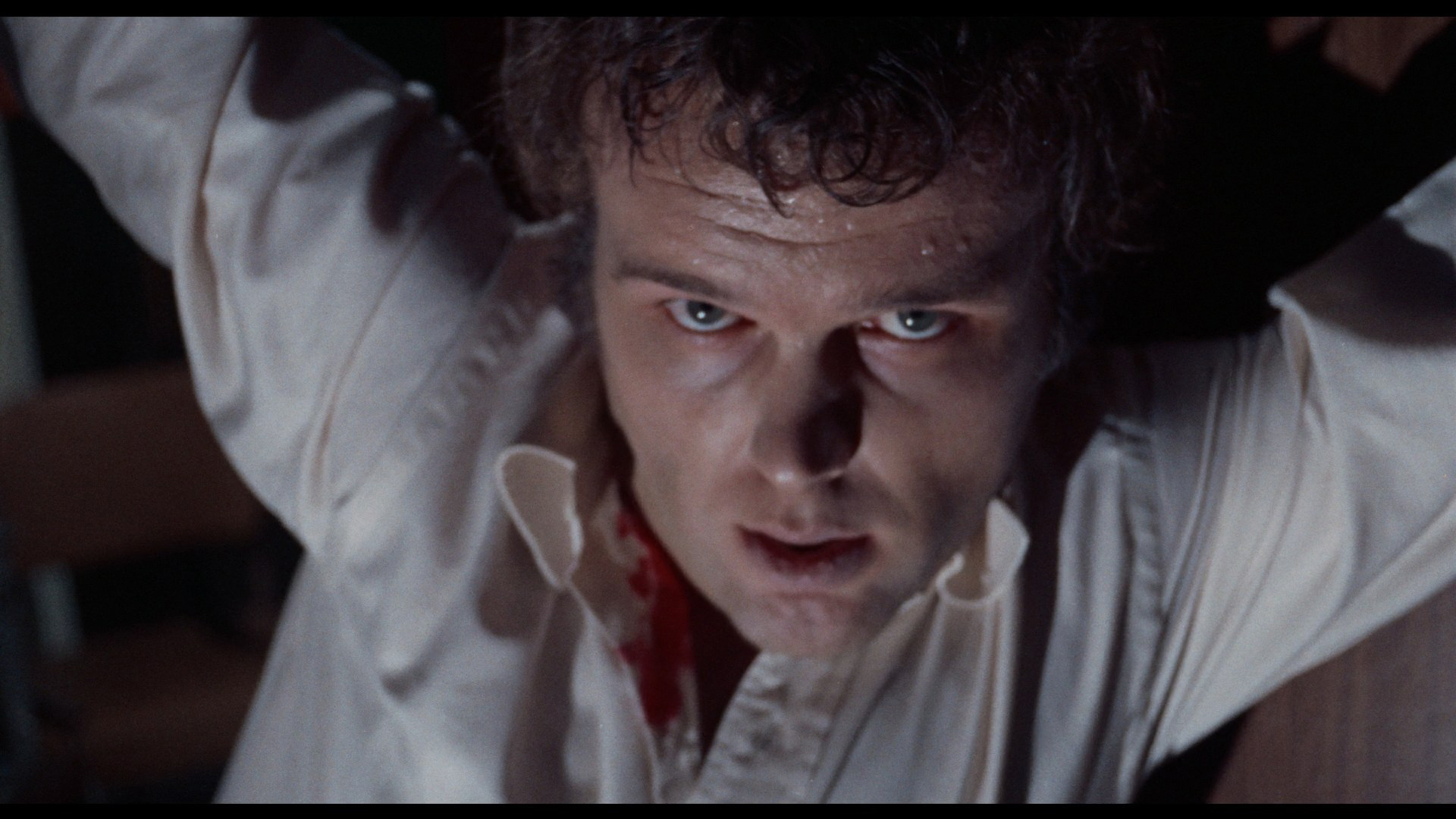 with no significant issues, and English SDH subtitles are included. In "$100 A Day (Plus Expenses): The Strange Case of the Reconstitutional Philip Marlowe" (51m23s), Howard S. Berger traces his own cinephile relationship to the many incarnations of the private eye including the big three from the '40s, related gumshoe characters on the big screen in films like Kiss Me Deadly and The Maltese Falcon, the swapping of lead actors in series like the James Bond films, the switch of this film to Vietnam-era modern L.A., and the subsequent world of films like The Long Goodbye, Night Moves, and Play It Again, Sam. Also included are the theatrical trailer (in full frame SD) and separate galleries for posters (15 images) and stills (90 images), and with the first pressing, an insert booklet with essays by Jeff Chang and Priscilla Page.