Color, 1980, 90 mins. 52 secs. / 89 mins. 52 secs.
Directed by Lamberto Bava
Starring Bernice Stegers, Stanko Molnar, Veronica Zinny, Roberto Posse, Fernandino Orlandi
Vinegar Syndrome (UHD & Blu-ray) (US R0 4K/HD), Indicator (UHD & Blu-ray) (UK R0 4K/HD), LFG (Blu-ray) (Germany R0 HD), 88 Films (Blu-ray & DVD) (UK R0 HD/PAL) / WS (1.85:1) (16:9), Anchor Bay, Blue Underground (US R0 NTSC) / WS (1.78:1) (16:9), EC Entertainment (Holland R0 NTSC), Vipco (UK R2 PAL) / WS (1.66:1)
After years of working as an assistant director on his father Mario's films, Lamberto Bava finally went solo in 1980 with Macabre, an atmospheric psychological study that competes 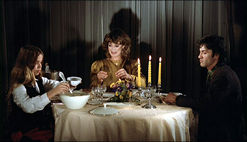 with The Beyond and Cannibal Apocalypse for the largest number of Italian actors impersonating American
  Southerners. The central shock twist of the film has been spoiled by everything from reviews to almost every single video cover, but for the uninitiated, we ll leave it to the mysterious basics here. The film worked well enough to put Lamberto Bava on the course to making many more films as a director in his own right, following this up right away with A Blade in the Dark before moving on to the likes of Demons, Body Puzzle, and numerous made-for-TV shockers.
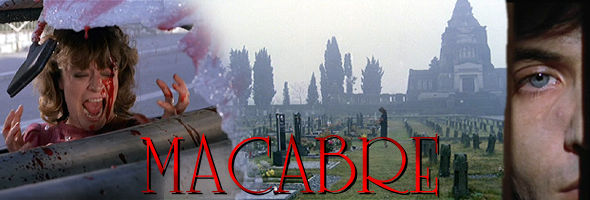
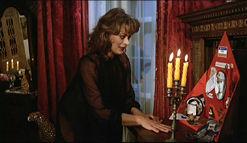
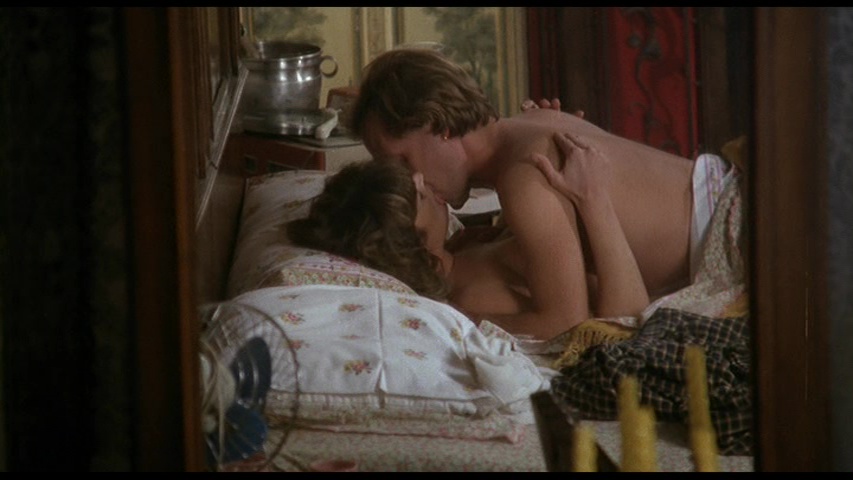
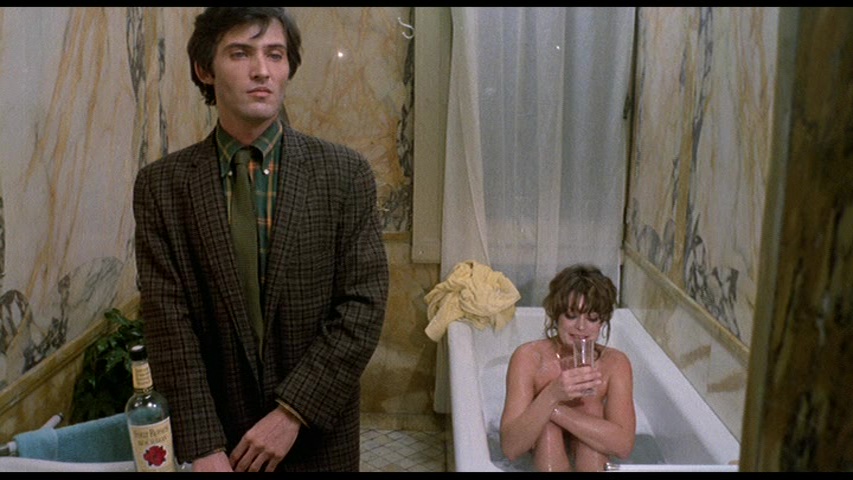
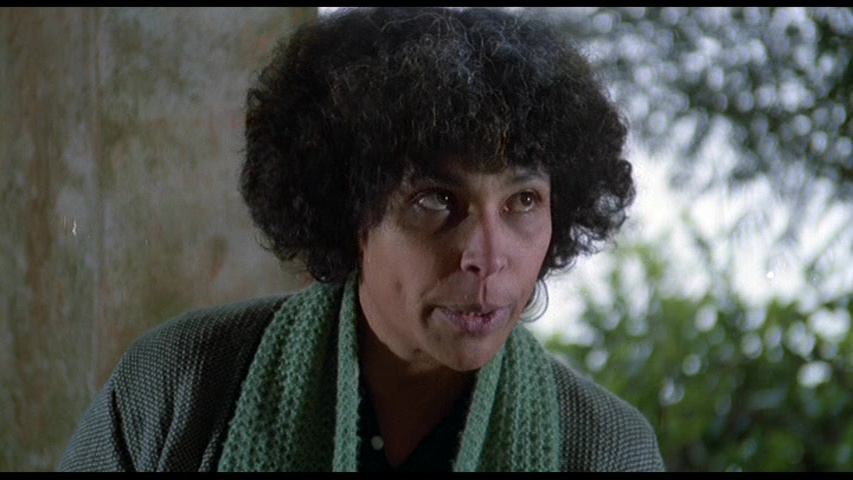
Jane (City of Women s Bernice Stegers), a wife and mother of two, relieves the tedium of her New Orleans social life by dallying on the side with her passionate lover, Fred, in a boarding house inhabited by the blind and amusingly named Robert Duval (Molnar) and his mother. One day Jane's erotic idyll is interrupted when her psychotic daughter, Lucy (Zinny), calls up her mom and then drowns her little brother in a jealous snit. Jane and Fred leap into the car and tear across town when they hear the news, only to ram straight into a construction site that leaves Fred mangled beyond repair. A year later and now divorced, Jane is released from a mental institution and takes a room at Robert's house. Lucy now lives only with her father but maintains contact with her mother; however, Jane may not be quite all there given she's created a shrine to Fred in her bedroom. Every night Robert hears his newest tenant engaging in hot and heavy sessions in her bedroom, always following the sound of something being unlocked from the refrigerator...
Based very loosely on a newspaper story noticed by Pupi and Antonio Avati, Macabre was originally written as a kind of gag but quickly developed into a serious horror chamber piece. Apart from the occasional indifferent New Orleans exterior shot, this is unmistakably the work of Bava blood, 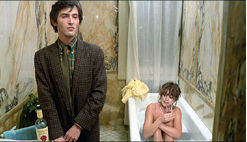 steeped in the same overripe
 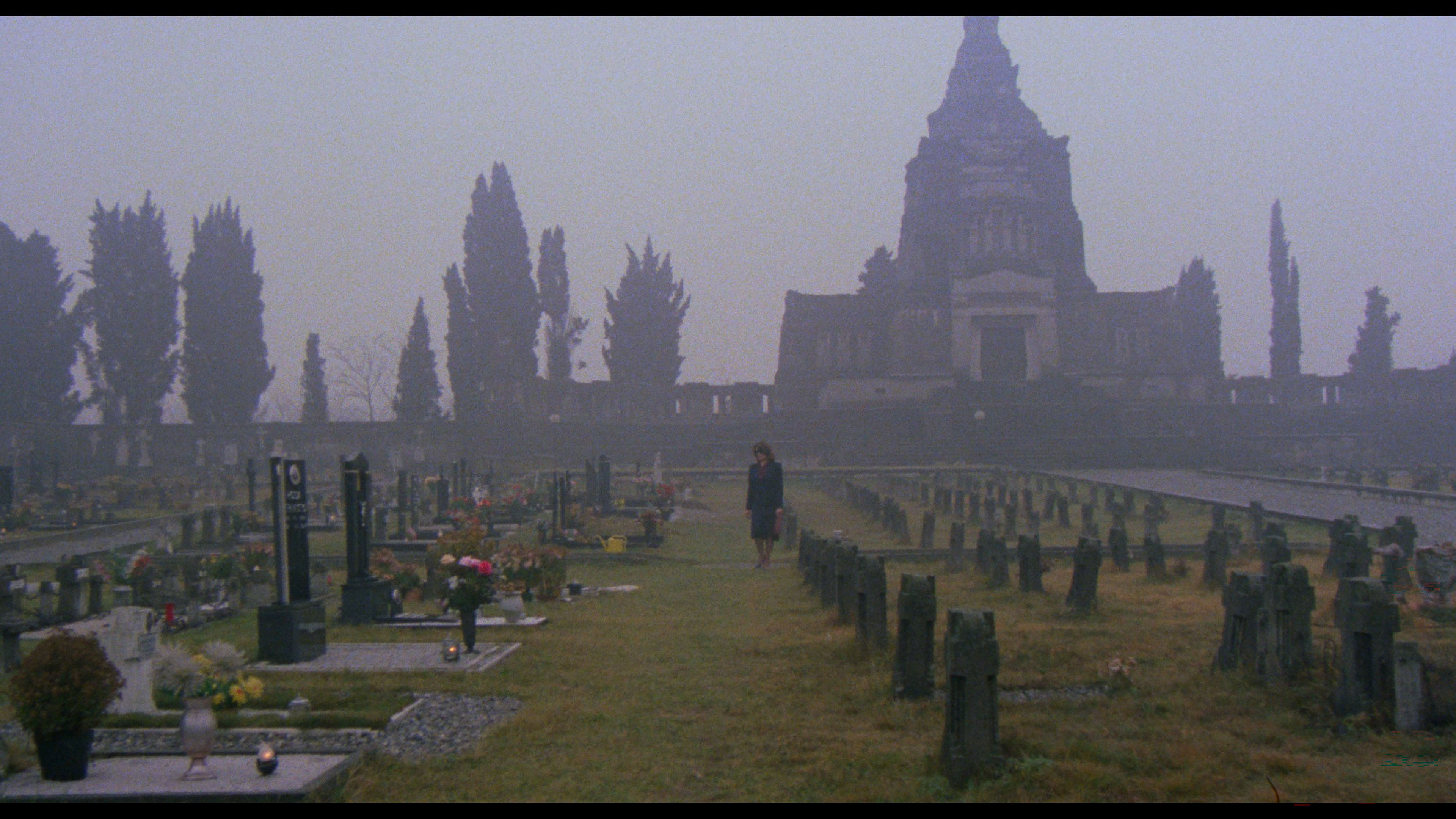 visual decay that earmarked such masterpieces as Lisa and the Devil. The goofy Southern accents in the English version (matching the vocal performances of the actors) become grating rather quickly, but Bava's steady visual sense carries the film over its rough spots and really crackles to life for the finale, in which Stegers unnerving, fragile magnetism finally tips over the cliff into full-blown psychotic mania. The influence of Avati is evident as well, mainly in the deliberate, restrained pacing and the emphasis on psychological rifts forming beneath the surface of normality; however, this is the rare Lamberto film that could ever really be termed "subtle," as it plays for the most part like a particularly sleazy episode of Night Gallery instead of the splatter-heavy contemporaries of its time. Apart from the aforementioned accents, the film's only major misstep is a goofy, Pieces-style shock ending that closes the film on a ridiculous illogical note and renders its origin as a "true story" highly dubious at best.
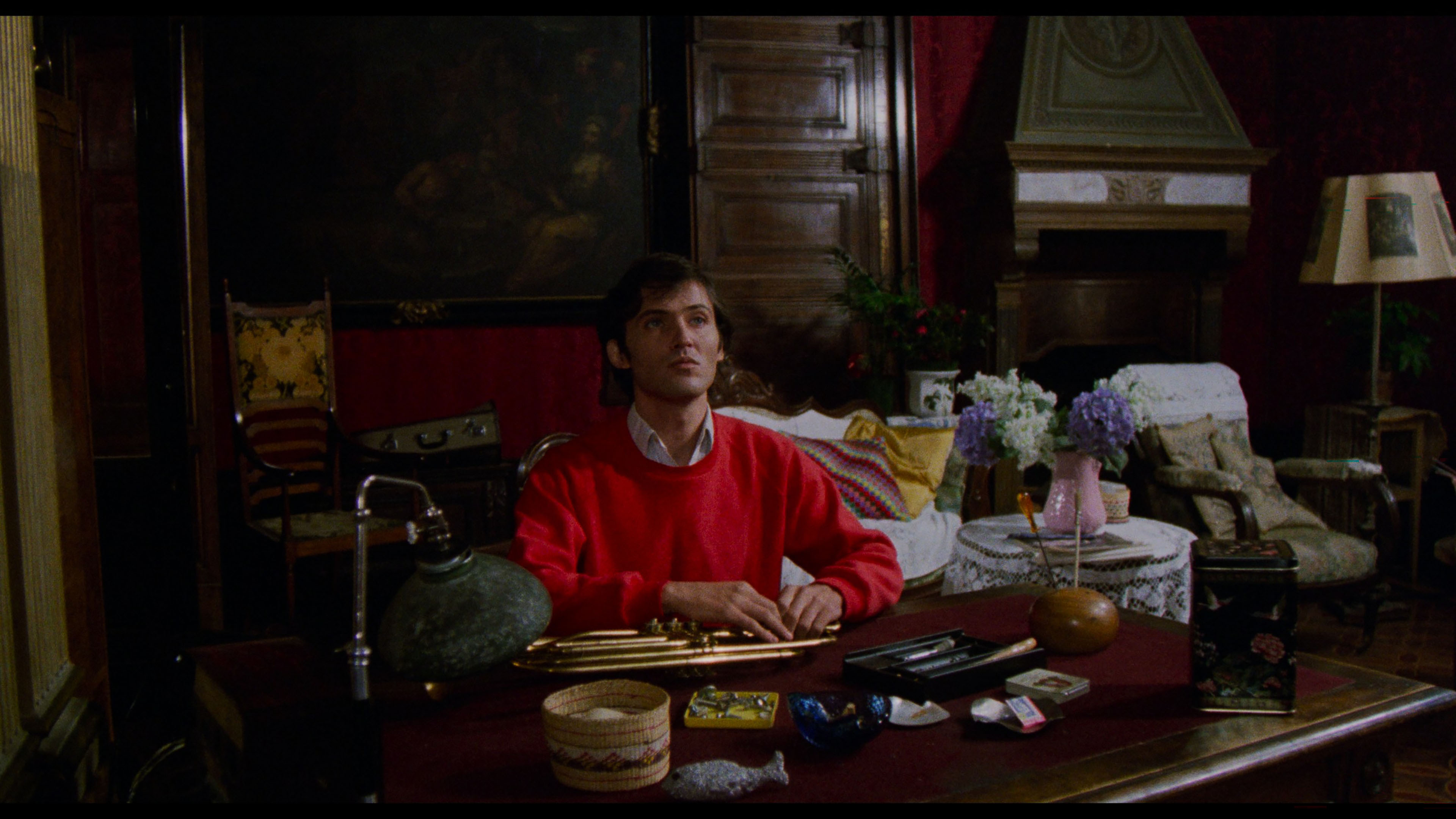
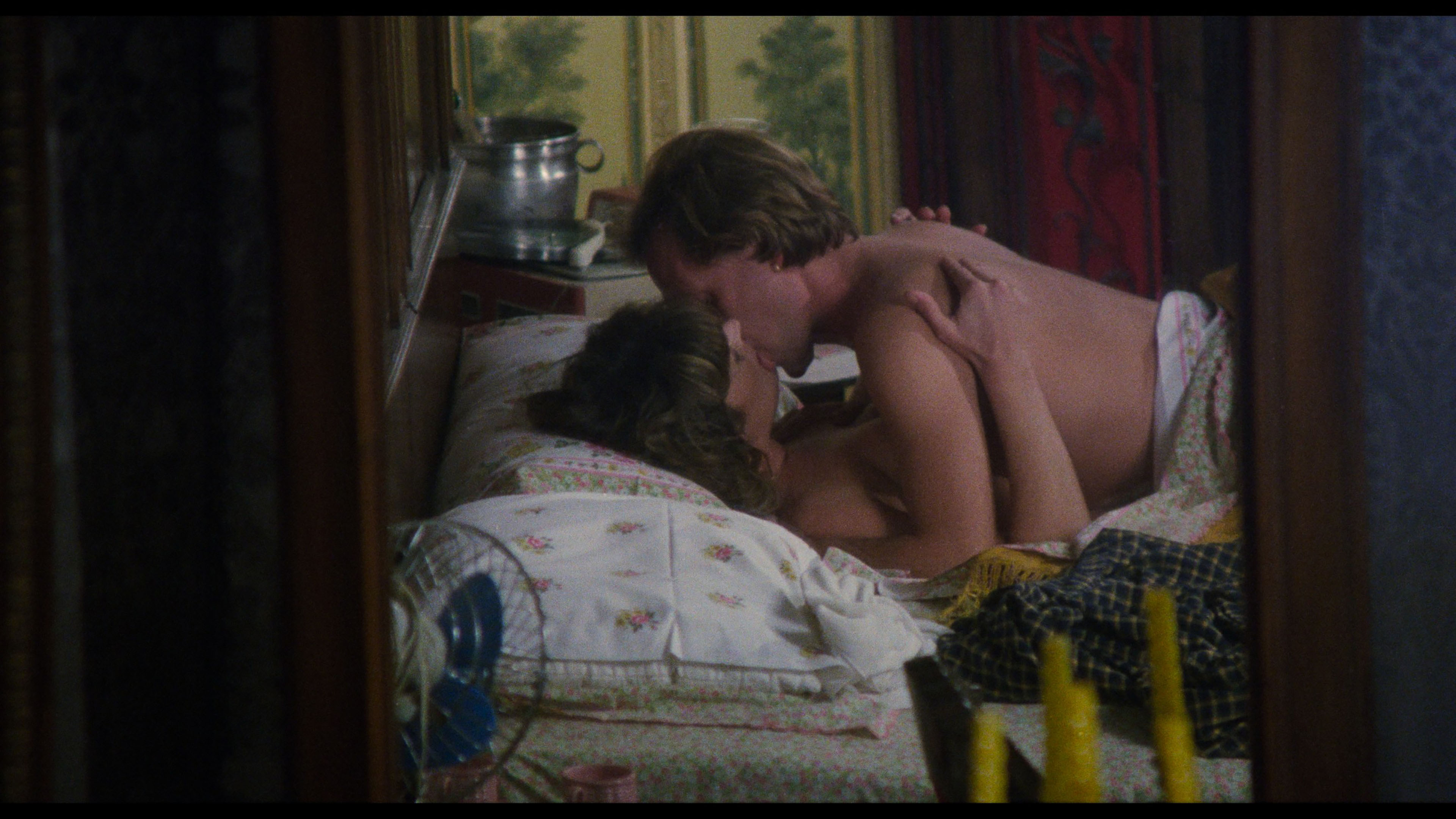
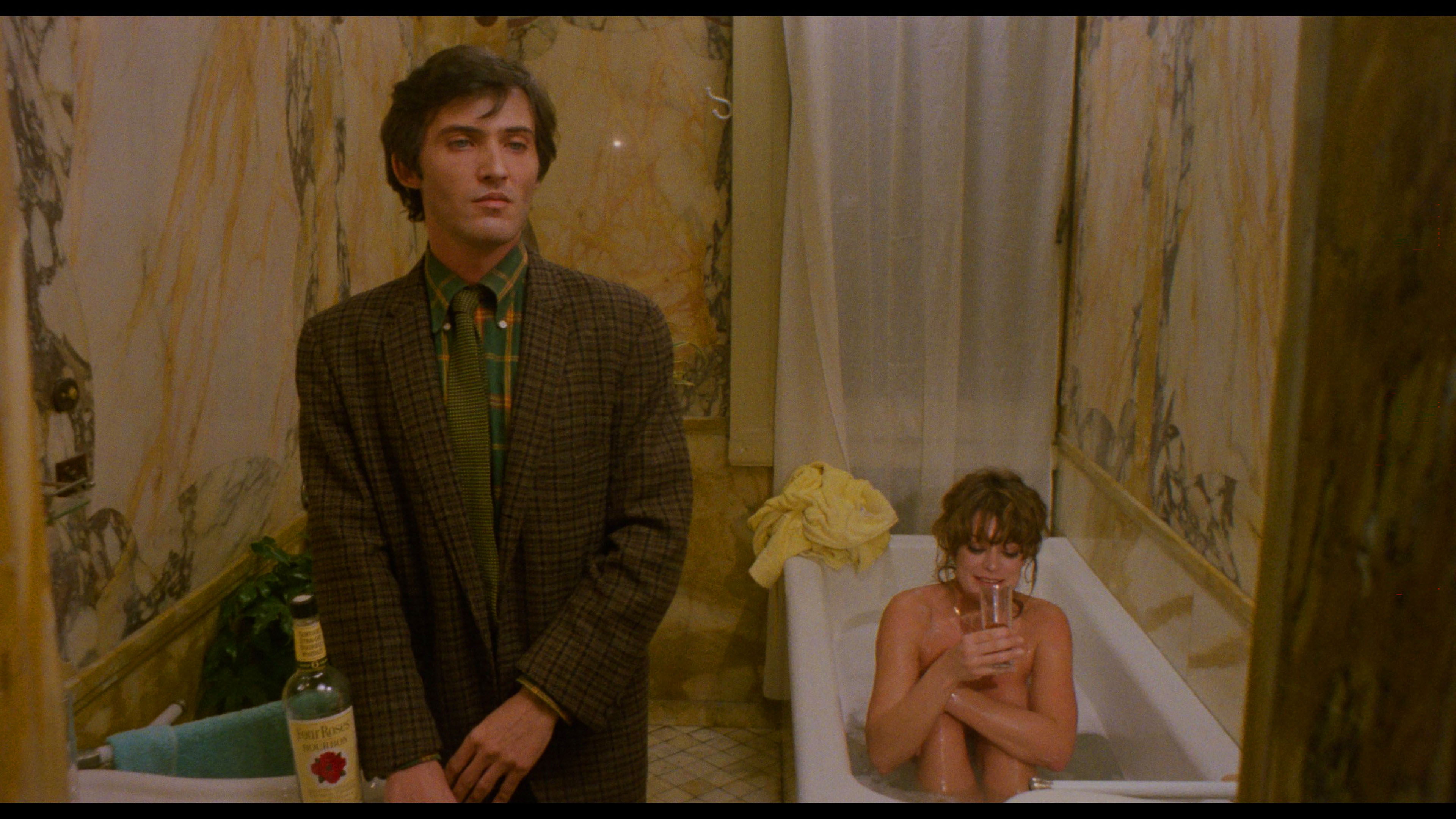
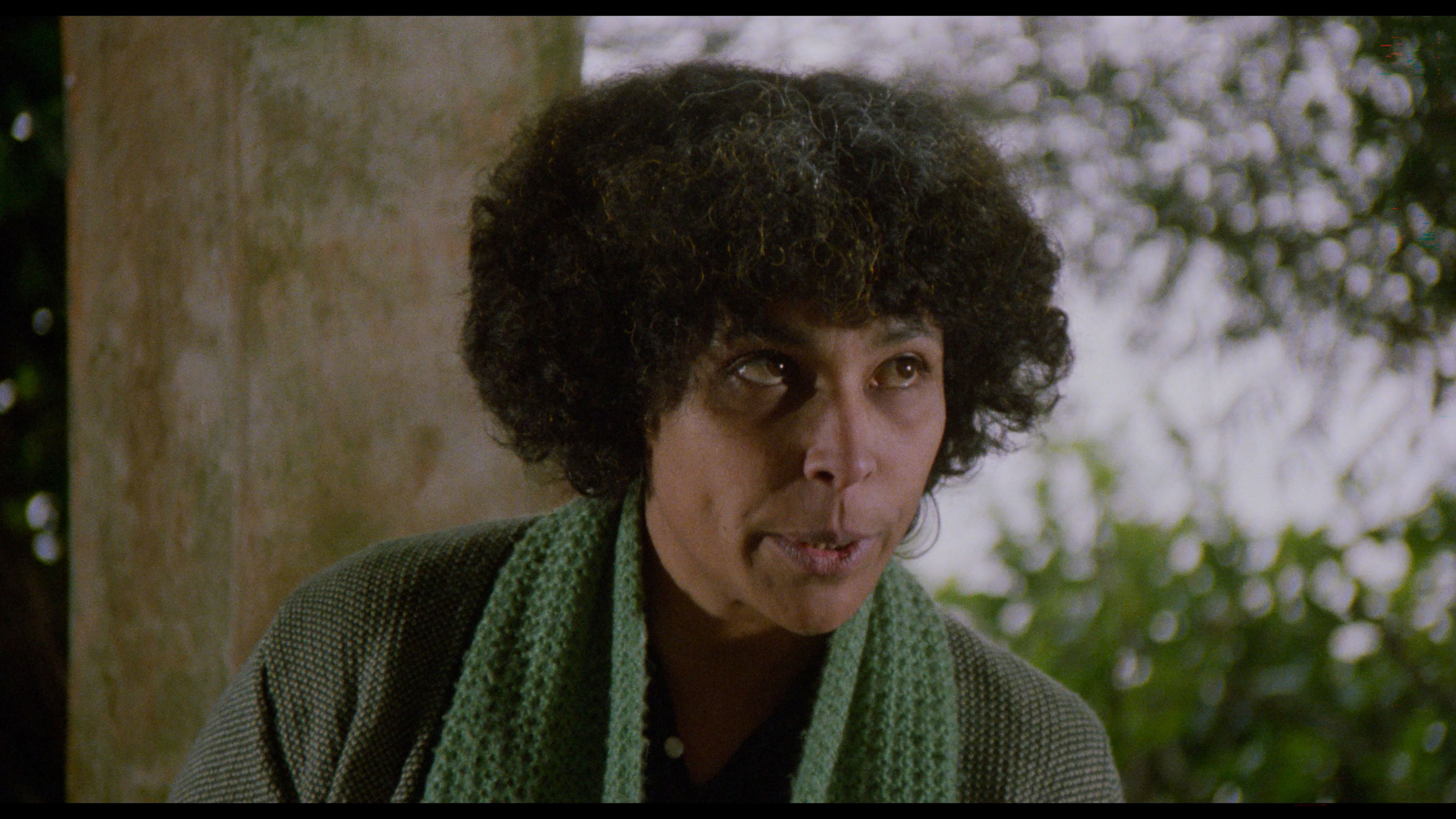
First released in the U.S. by Lightning Video as Frozen Terror and in Canada by CIC under its original title, this sick little gem has suffered from some awfully bland transfers over the years which sapped away much of its visual allure. The Lightning tape in particular featured weak colors and made this look like an especially dreary television movie. Anchor Bay's 2001 DVD corrected much of the damage and restored the intricate, colorful production design to its overripe splendor. The screen is frequently oversaturated with acres of red velvet, gold decor trim, and shimmering silk sheets, all of which add considerably to the film's potent atmosphere. The disc also includes a nice 7m42s interview with Lamberto (entitled "A Head for Horror") 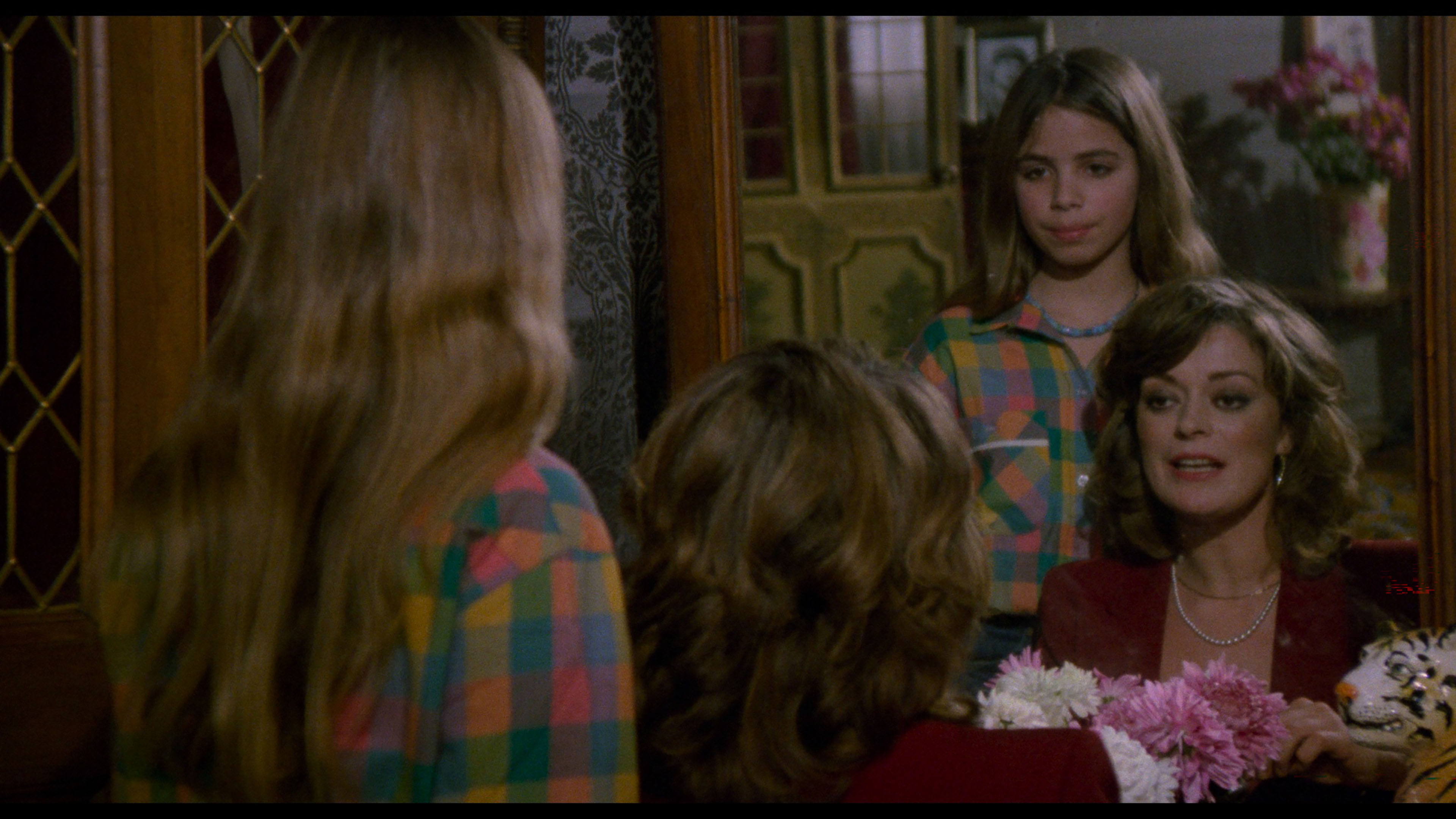 in which
  he discusses the genesis of the story, his father's reaction after the premiere, and more. Other goodies include the European theatrical trailer (which blows the entire ending, so be careful!), some solid (and unfortunately well hidden) liner notes by Travis Crawford, and a Lamberto bio.
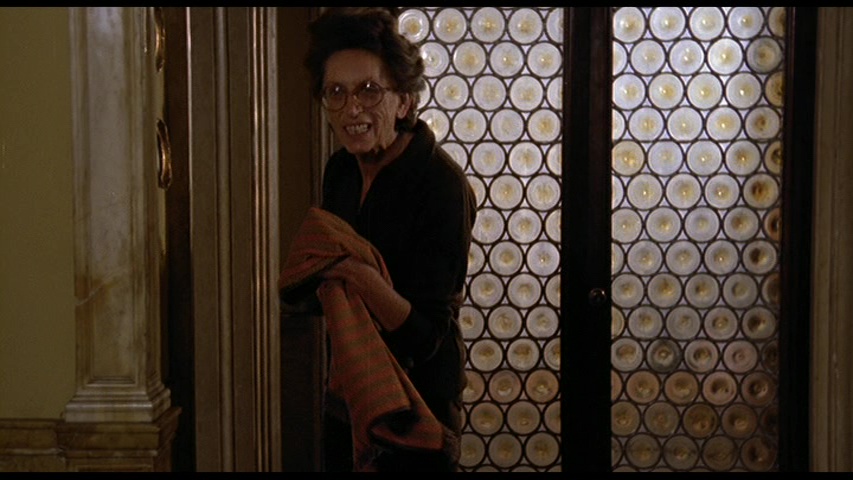
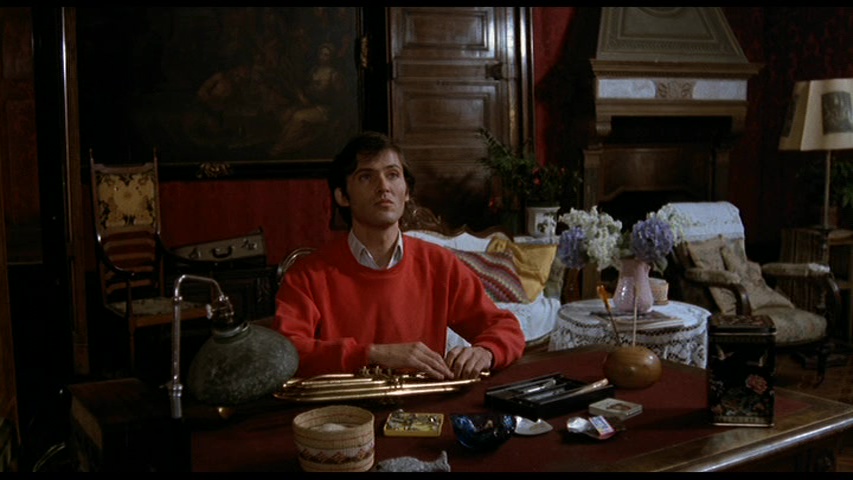
Several home video options appeared after that including a U.K. DVD from 88 Films and a Blu-ray debut in Germany from LFG in 2016 (with a transfer done by X-Rated Kult). That one featured German, Italian, or English DTS-HD MA 2.0 mono audio with German subs, Italian and English trailers, German and English credits, French and Italian promotional material (1m2s and 52s), and an 11m35s Bava interview. That was surpassed by a subsequent 88 Films Blu-ray in 2020 in the U.K. with an improved transfer with much more image info and better color timing; that release features English or Italian DTS-HD MA 2.0 mono audio with English subtitles, a new audio commentary by this writer and Troy Howarth, a "Don't Lose Your Head" (22m4s) interview with Bava, Italian credits (English ones are on the main film), and the Italian trailer.
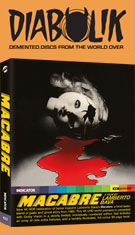
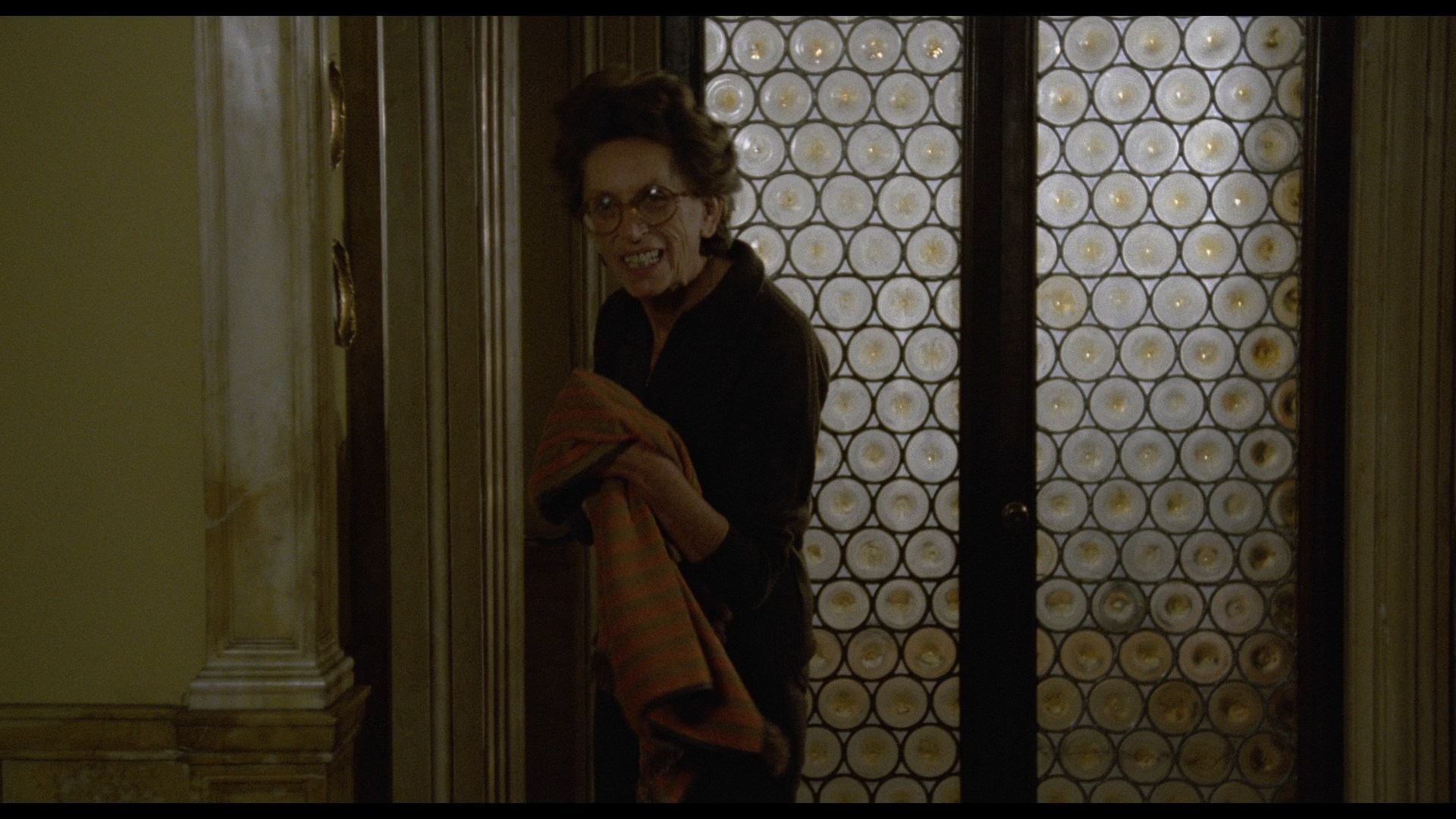
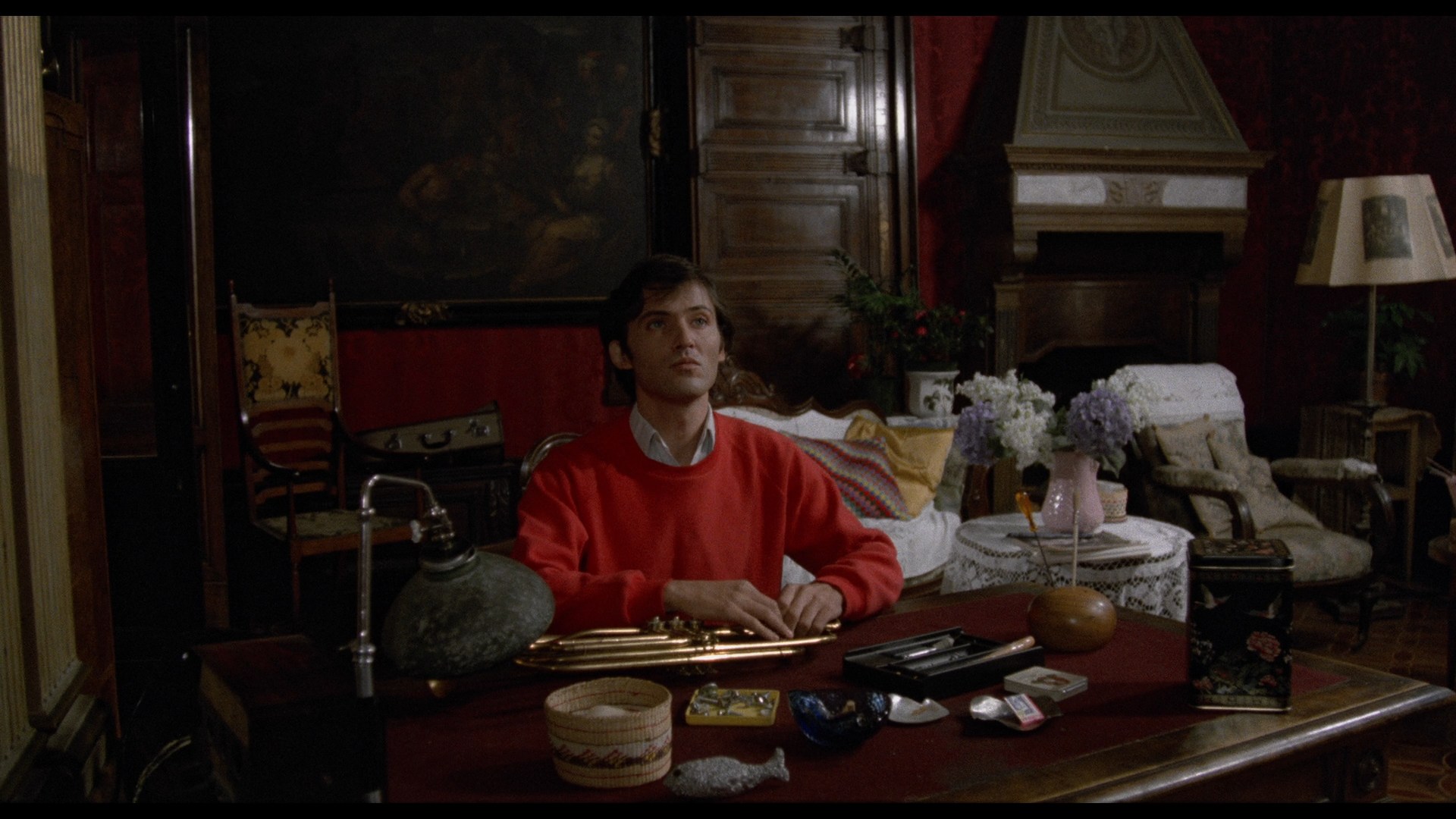
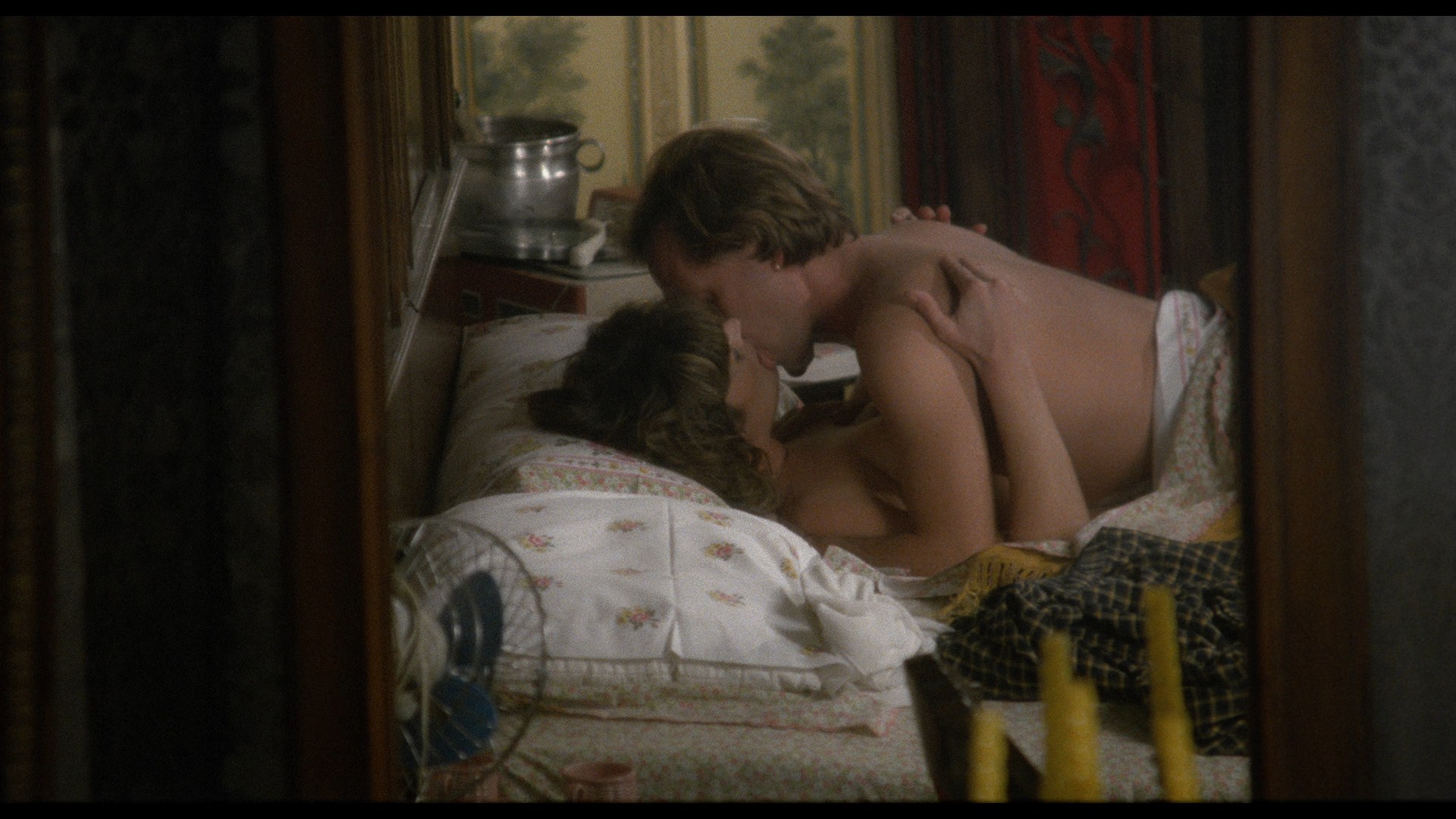
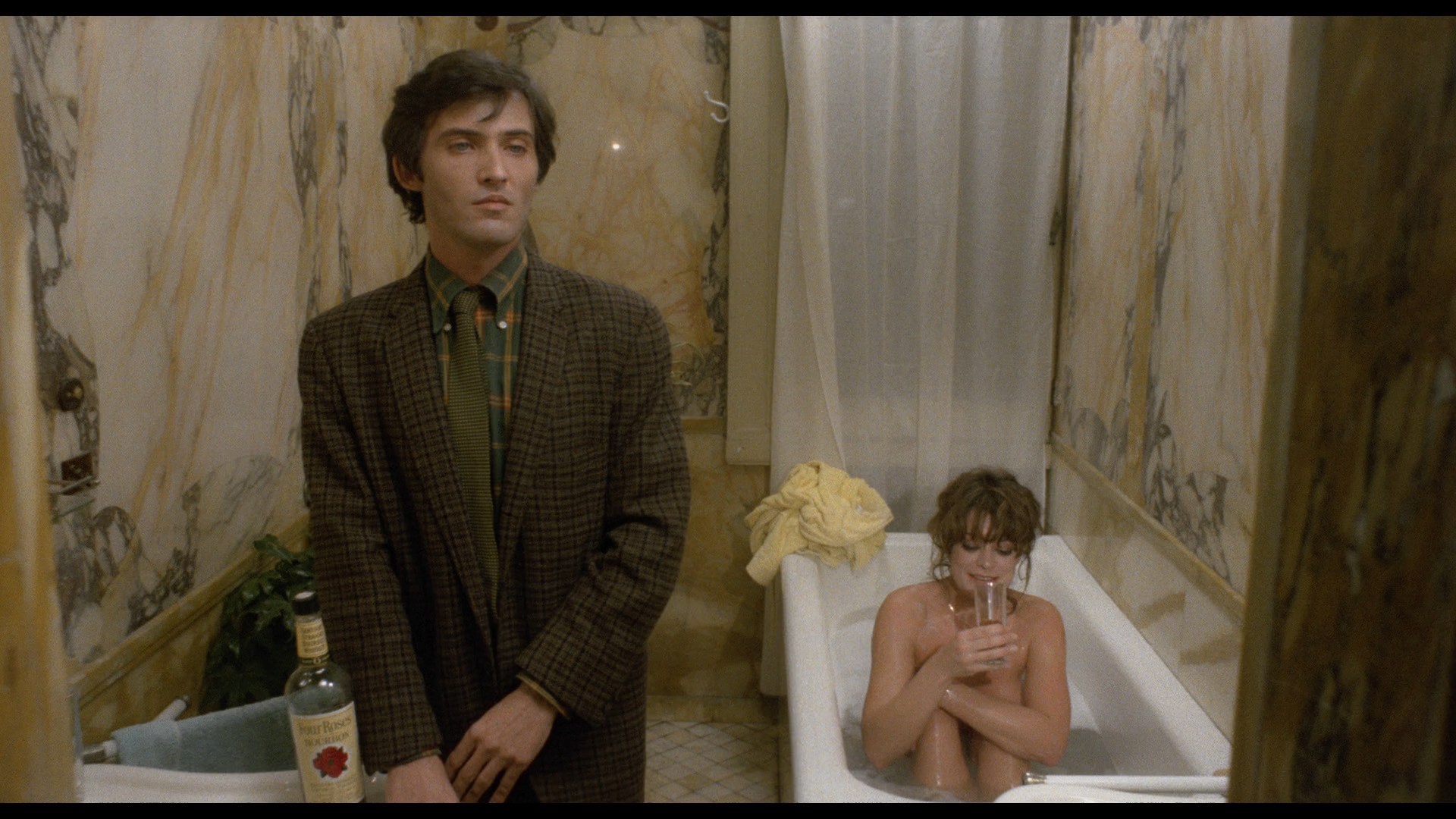
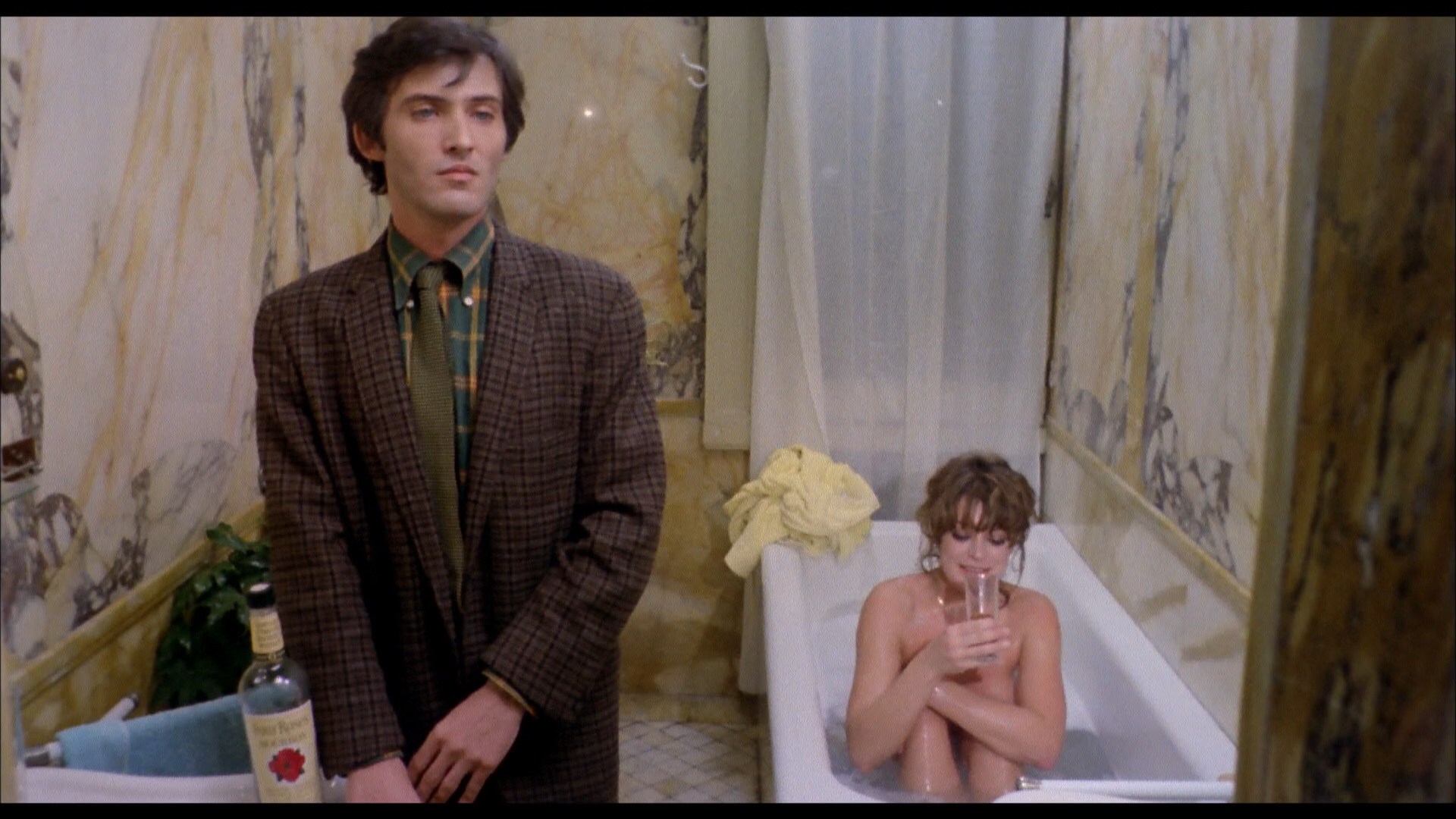
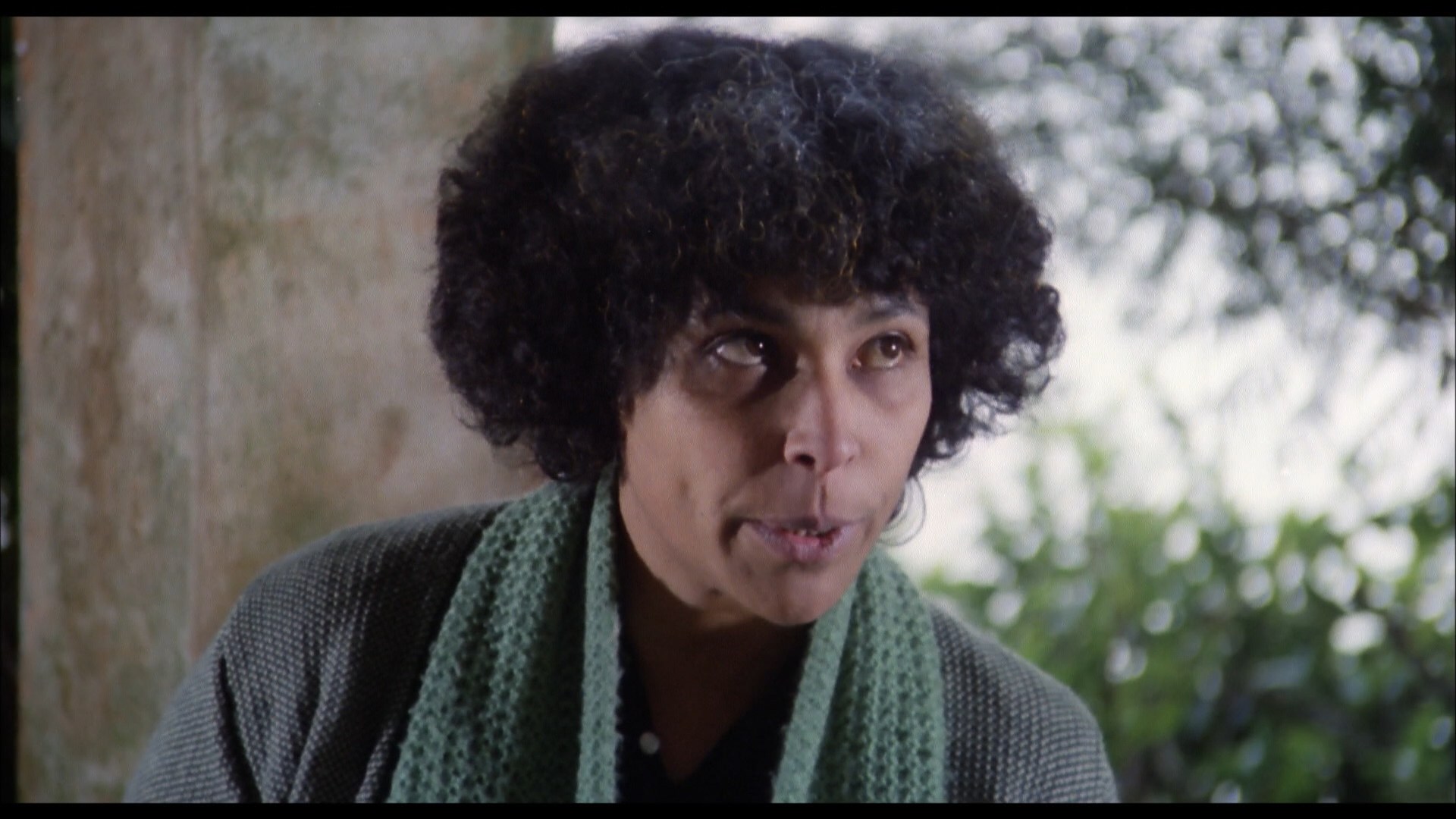
In 2026, Vinegar Syndrome and Indicator joined forces for a new 4K restoration of the film released on UHD and Blu-ray respectively in the U.S. and U.K. (with both formats in the Vinegar Syndrome and separate UHD or Blu-ray choices from Indicator). The movie itself looks and sounds virtually identical (a handful of shots look slightly warmer on the U.S.), and the same bonus material is included as well with the only difference being the menu designs. The film itself looks terrific, featuring the same more spacious framing of the earlier U.K. Blu-ray but with punchier color timing and finer detail. The UHD really pops with HDR10-compatible Dolby Vision 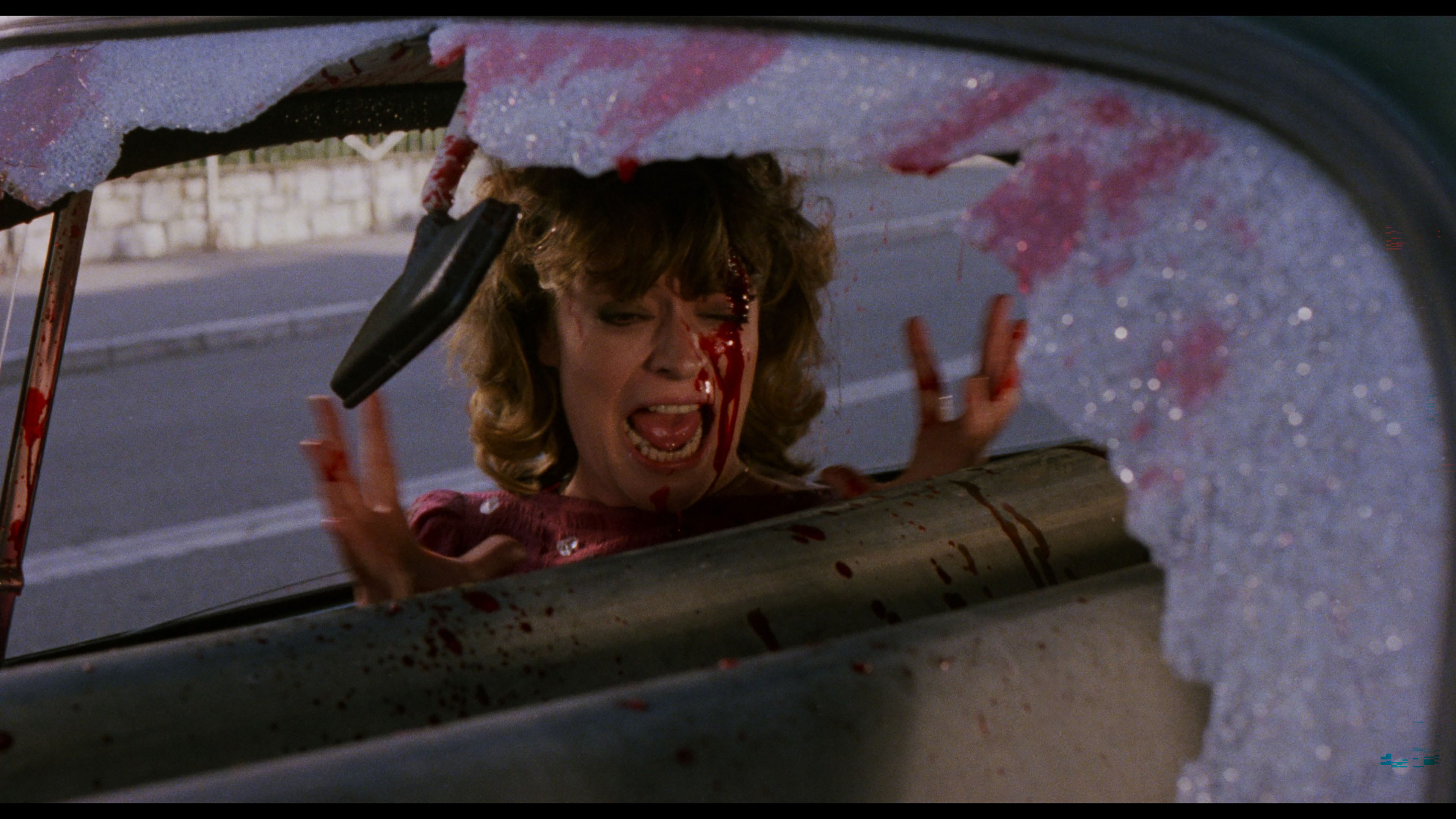 grading bringing out some
 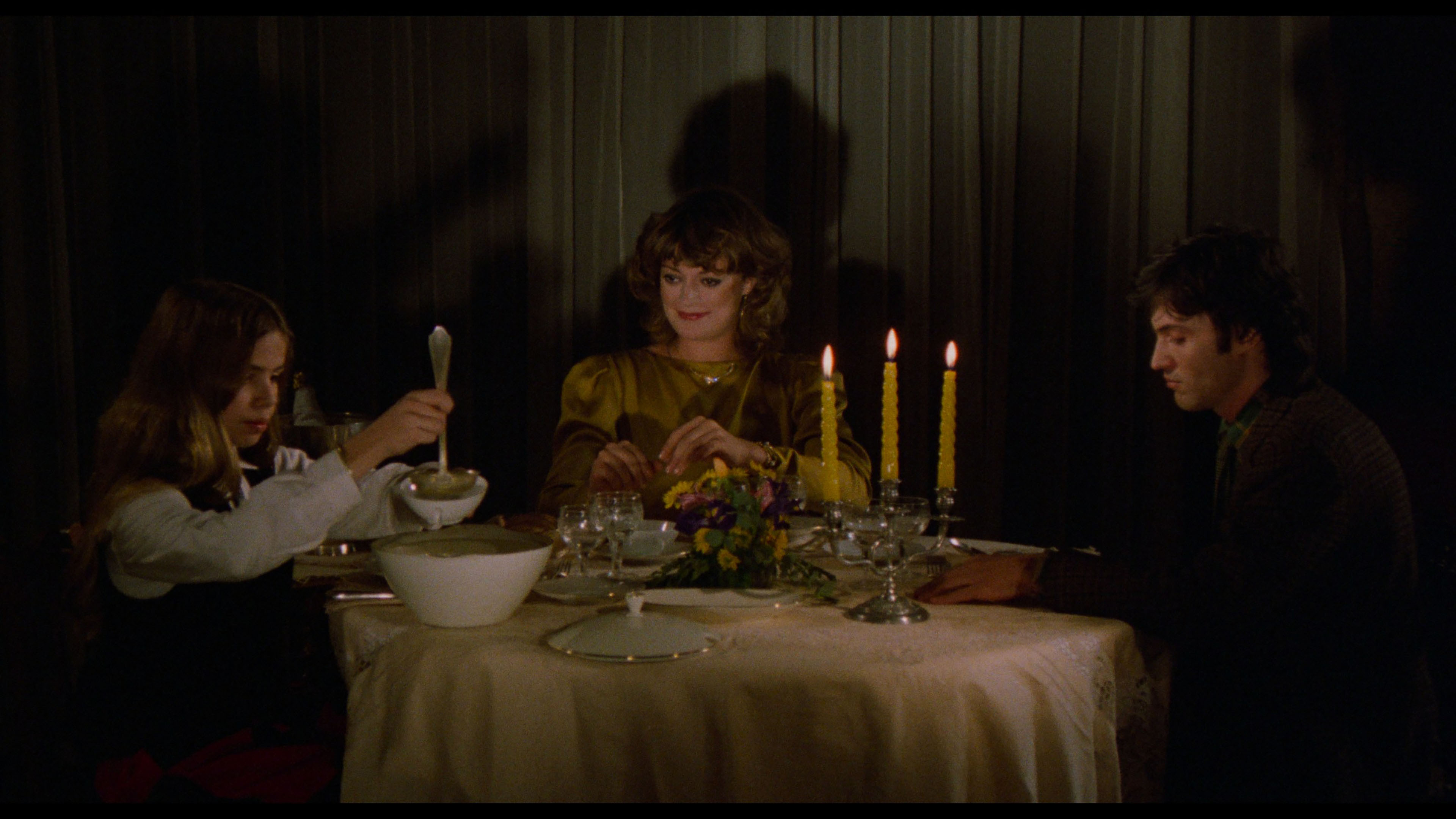 impressive depth in the colorful moments, especially that red and orange lighting during the climax. You get three viewing options here with the running time varying up to a minute but only because of the main title sequences-- in Italian as Macabro or in English as Macabre or Frozen Terror. Otherwise you aren't missing anything substantial in the film itself, which comes with Italian or English mono options (DTS-HD MA on the U.S., LPCM on the U.K.) with new and improved English-translated subtitles or SDH ones. This time there's a new commentary with Howarth, yours truly, and Eugenio Ercolani, which obviously can't be assessed here.
The video extras are also included on the U.K. UHD or Blu-ray but only on the U.S. Blu-ray starting with a new Lamberto Bava interview, "The Bloody Beginning" (17m18s), laying out the process of working with Avati and deciding to finally helm a feature all by himself after working for decades with some of Italy's greatest. In "New Orleans Gothic" (9m55s), Pupi Avati chats about working on the screenplay, coming up with ideas so he and his brother could travel, his work in horror films especially The House with Laughing Windows, and some other favorite projects. Then in "A Head for Gothic" (18m18s), producer and co-writer Antonio Avati covers his work with his brother, the desire to shake things up with new elements and talents, his affinity for horror thanks to Hitchcock, that fateful newspaper clipping, and the succession of films in the genre including this, Zeder, and The Hideout. "Macabre Love" (22m44s) with Mark Thompson Ashworth is an interesting chat about his phone interview with Stegers years ago, the shooting in English, his discovery of Pupi Avati through this film, and a funny anecdote involving Stegers and a rifle. In "Jazzing for a Murder" (22m18s), Four Flies Records' Pierpaolo De Sanctis tackles largely forgotten composer Ubaldo Continiello (Last Cannibal World) whose sax-heavy, easy listening approach here is another unexpected choice in a heritage of landmark, unforgettable music for genre films of all budgets and levels of respectability. Lamberto Bava turns up again for a 2025 Q&A at World Wide Weird in London (58m47s) in which he and Ercolani traverse pretty much all of the director's career leading up to this film, his shy personality as opposed to many of his peers, and the impact it had on the landmarks that were to come. In the archival French-produced "Danse Macabre" (24m2s), screenwriter Roberto Grandus talks about his own contributions to the script, the friendship all the men shared that kicked off the idea to collaborate, and the evolution of the basic central idea into the final product we have today. The Italian and English trailers are also included, and the enclosed booklets actually differ between the two. The Indicator comes with a new essay by Roberto Curti, archival interviews with Lamberto Bava and Pupi Avati, and excerpts from reviews when the film was released. The Vinegar Syndrome features "She'll Take Her Food to Go..." by Dakota Noot about the film's portrayal of very dark motherhood and female power, "The Road Not Taken: The Early Psychological Tendencies of Lamberto Bava" by Pierce Conran about Bava's later '70s work ramping up to this film, and "Get in the Director's Chair" by Danielle Burgos about the elements of Shock and The Venus of Ille that led to this film and its director's varying comfort levels with different aspects of horror.
INDICATOR (UHD)
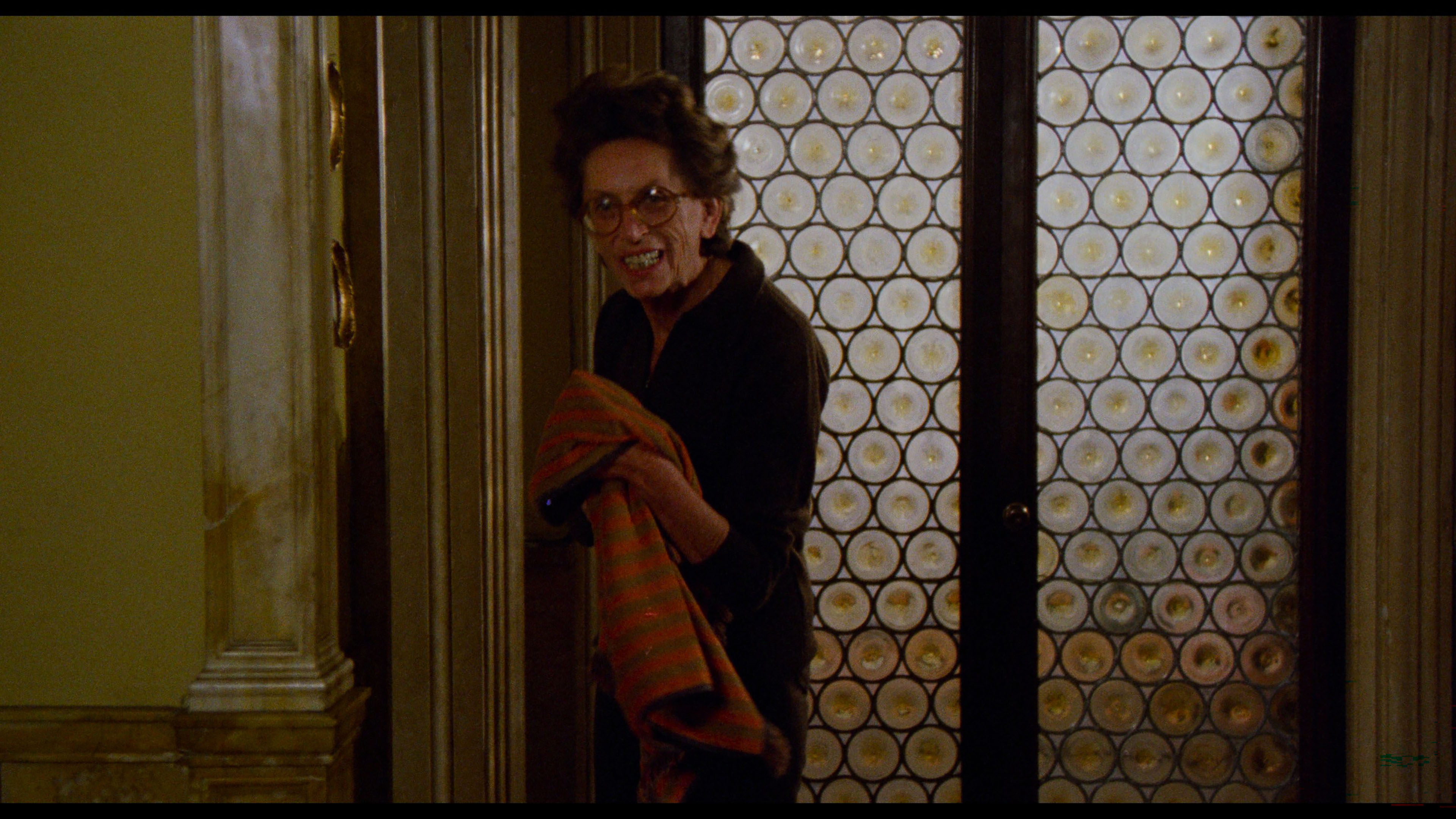
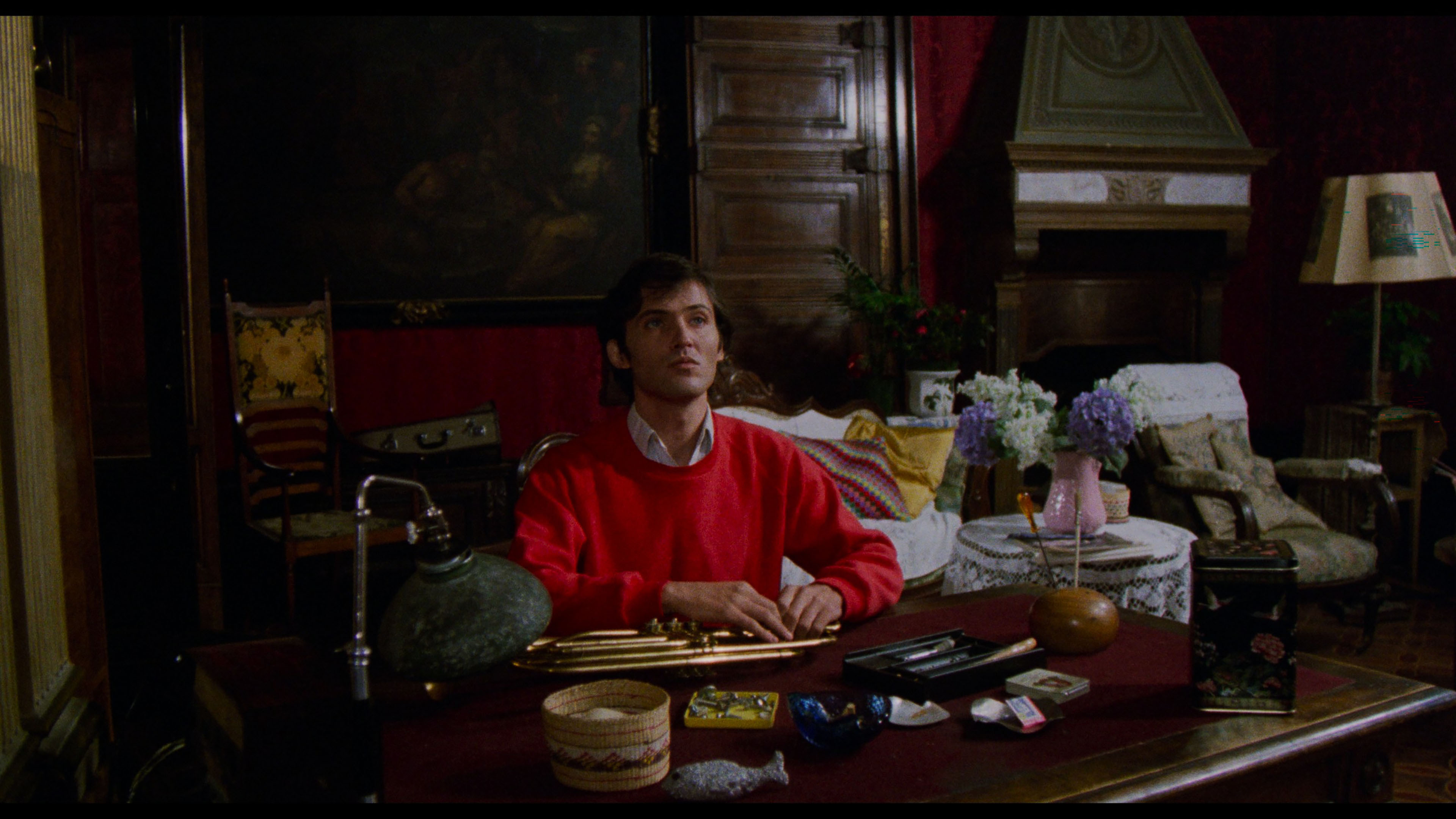
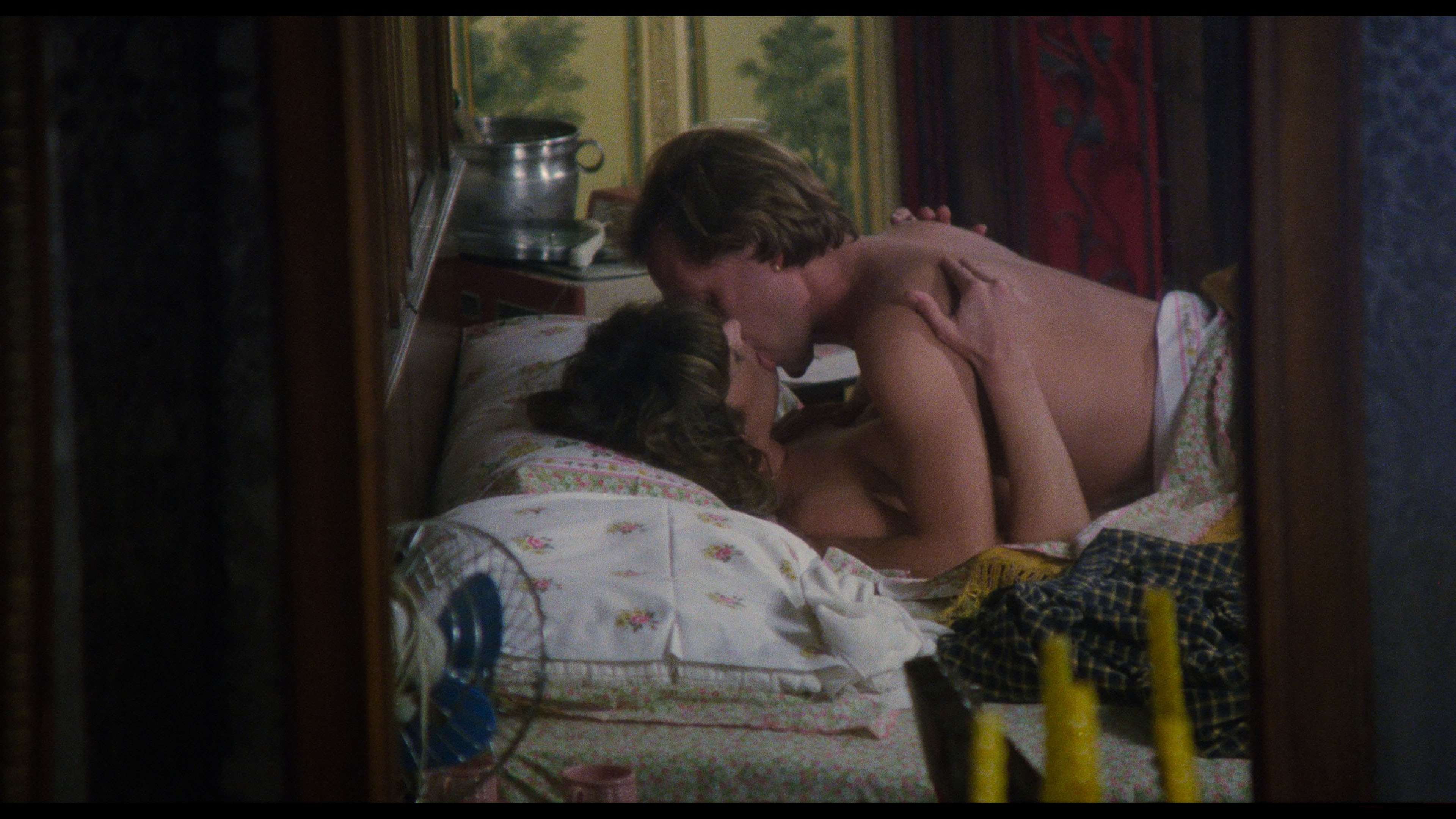
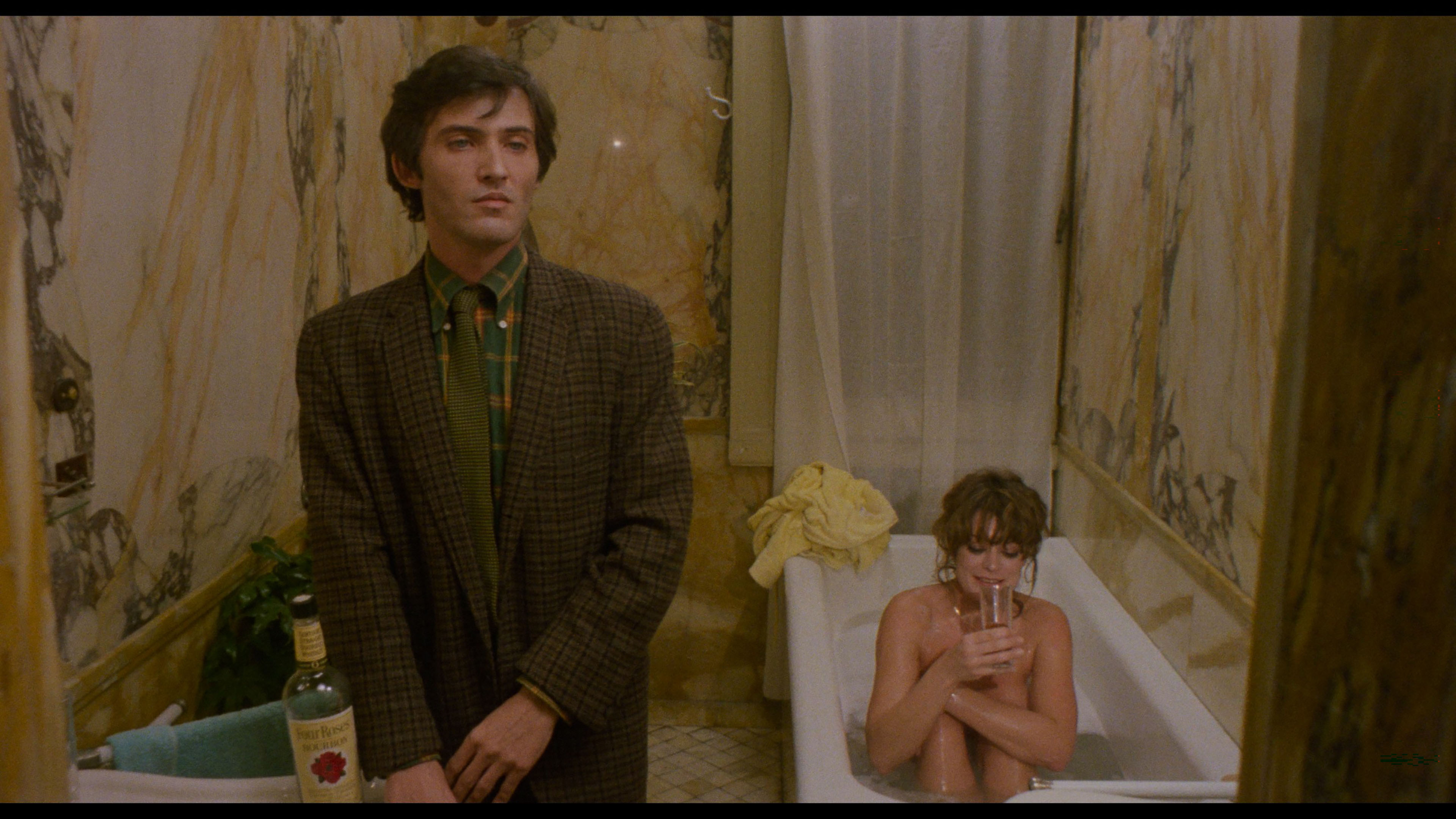
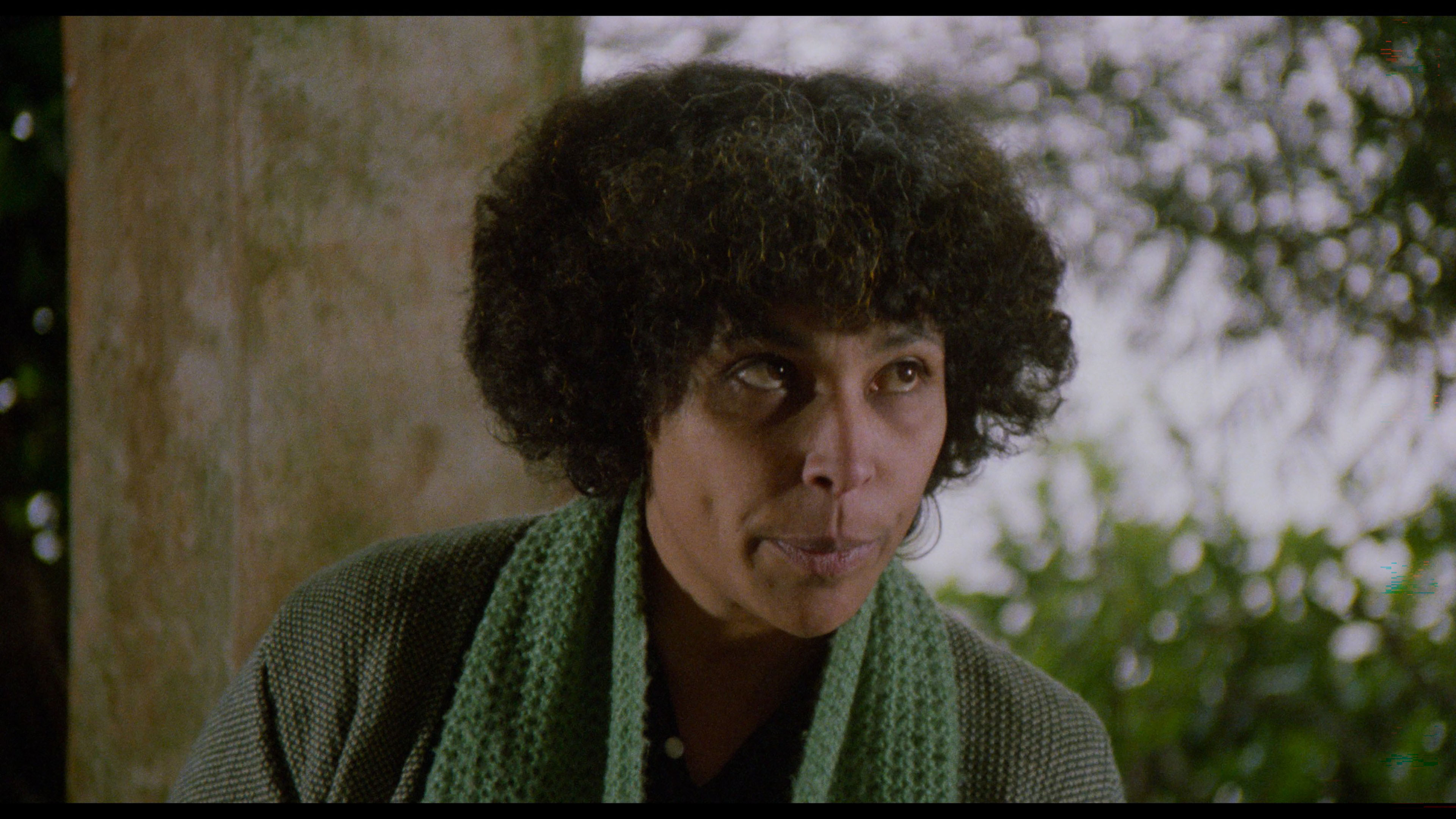
VINEGAR SYNDROME (UHD)
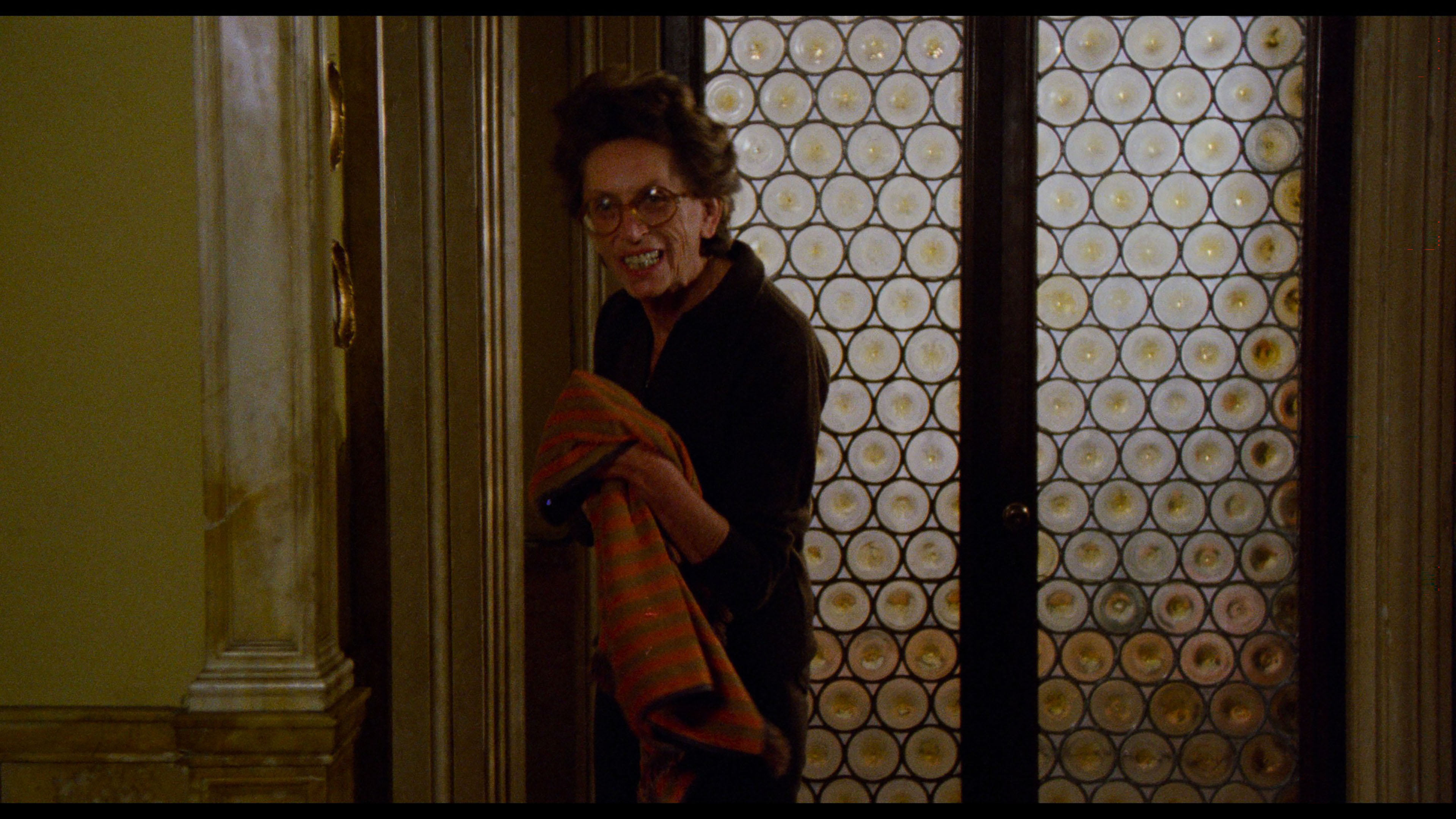
88 Films (Blu-ray)
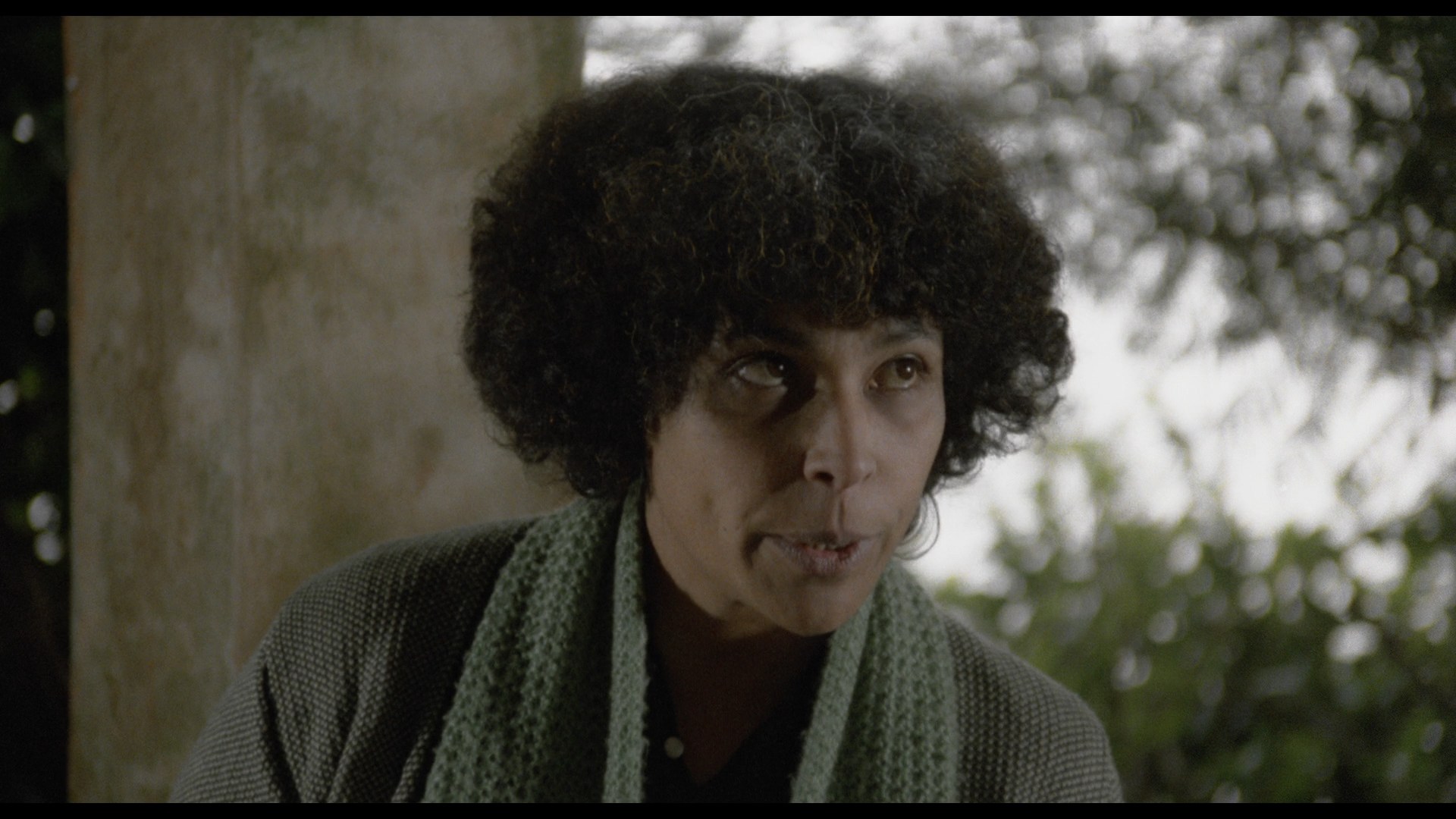
LFG (Blu-ray)
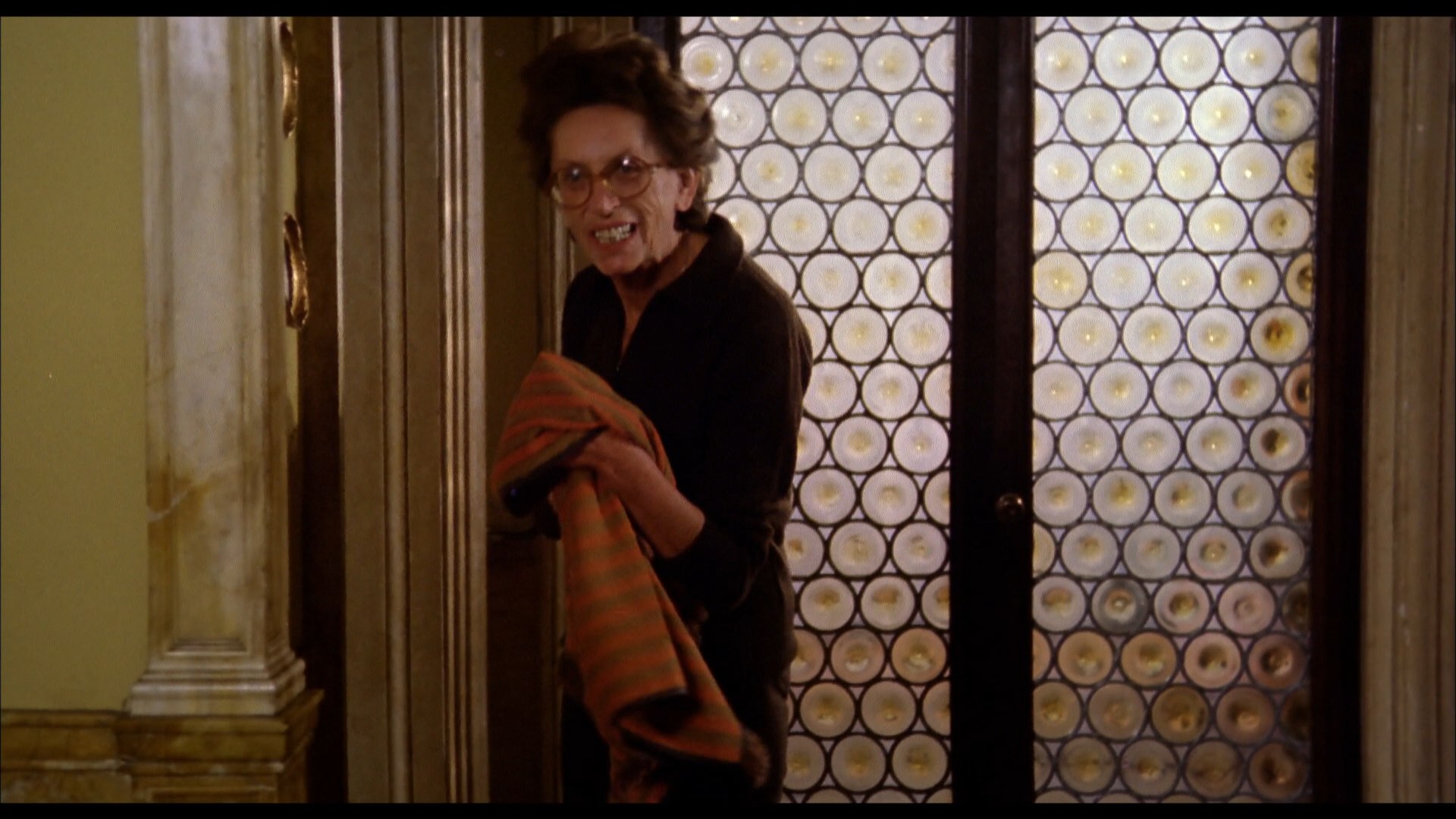
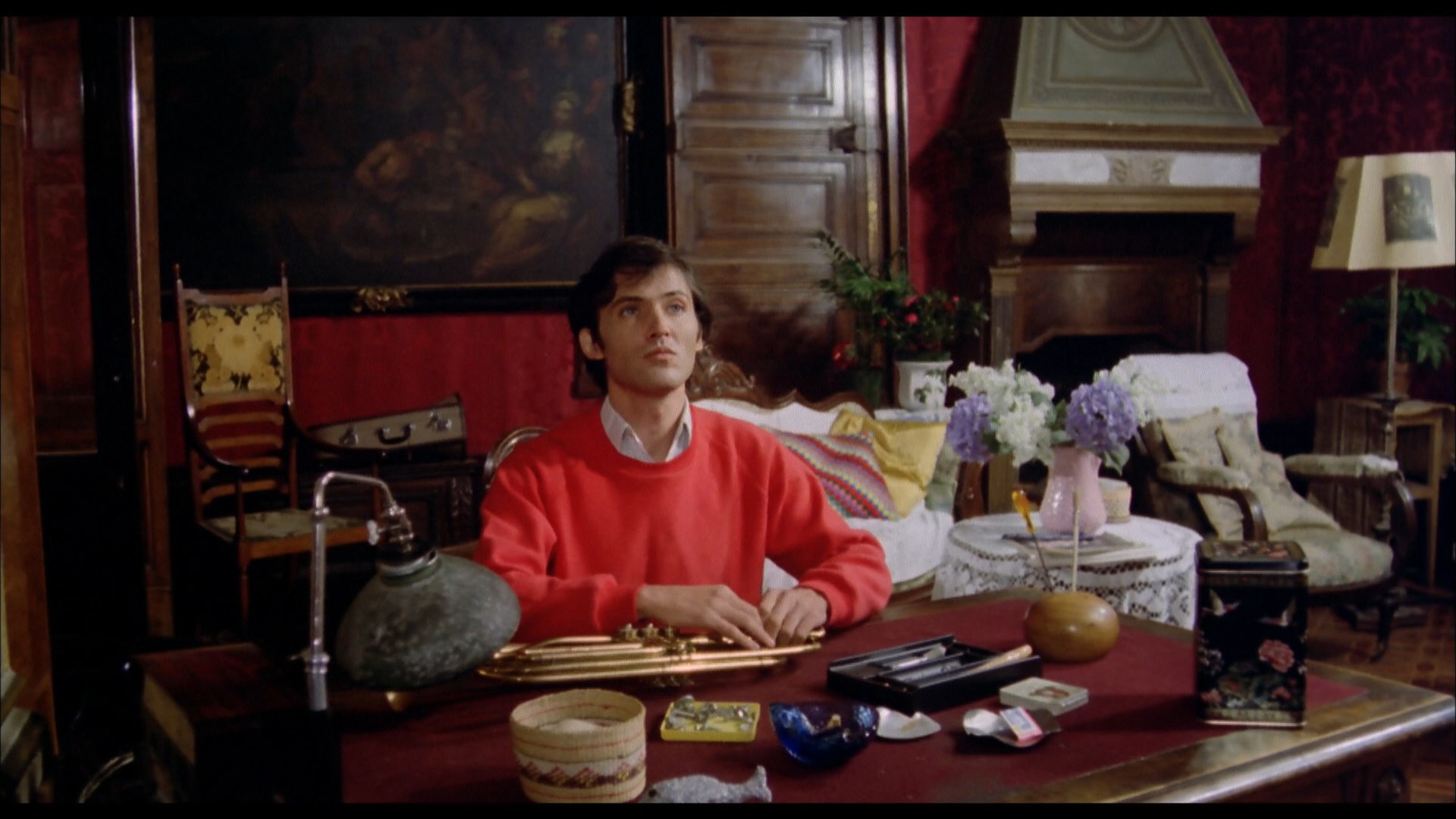
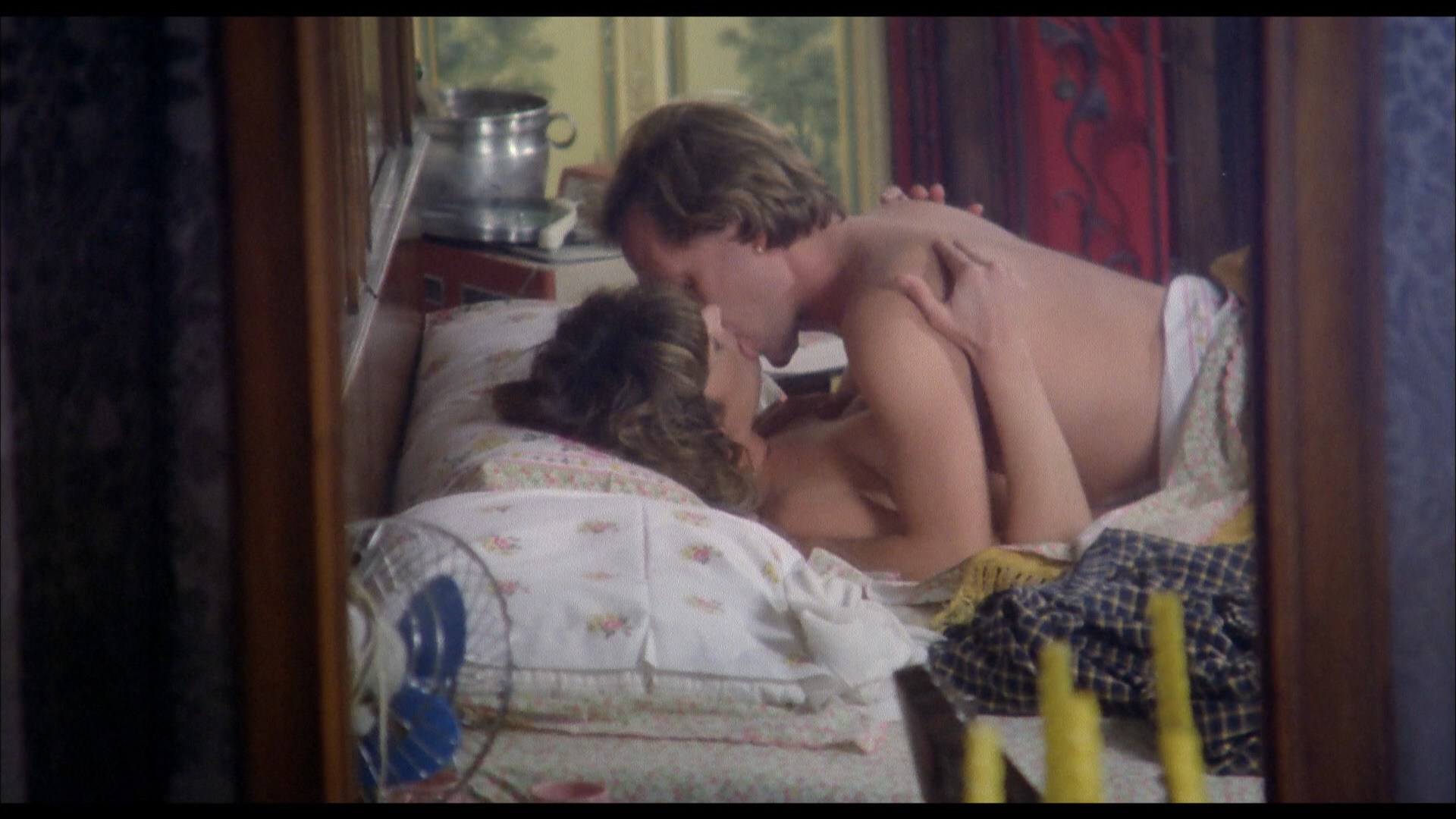
ANCHOR BAY (DVD)
Updated review on June 12, 2026
