 big studio science fiction film to draw in huge audiences in the
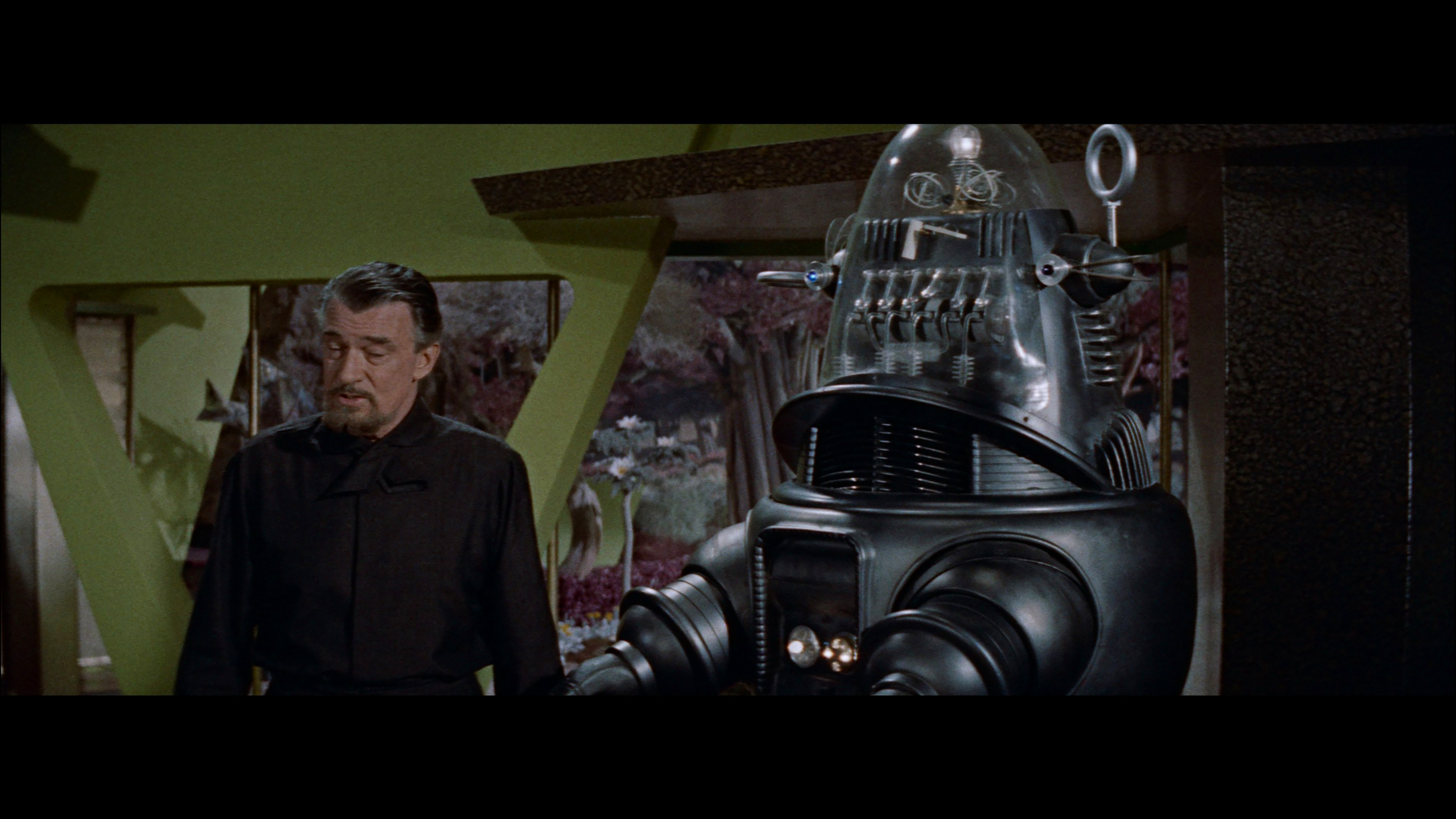
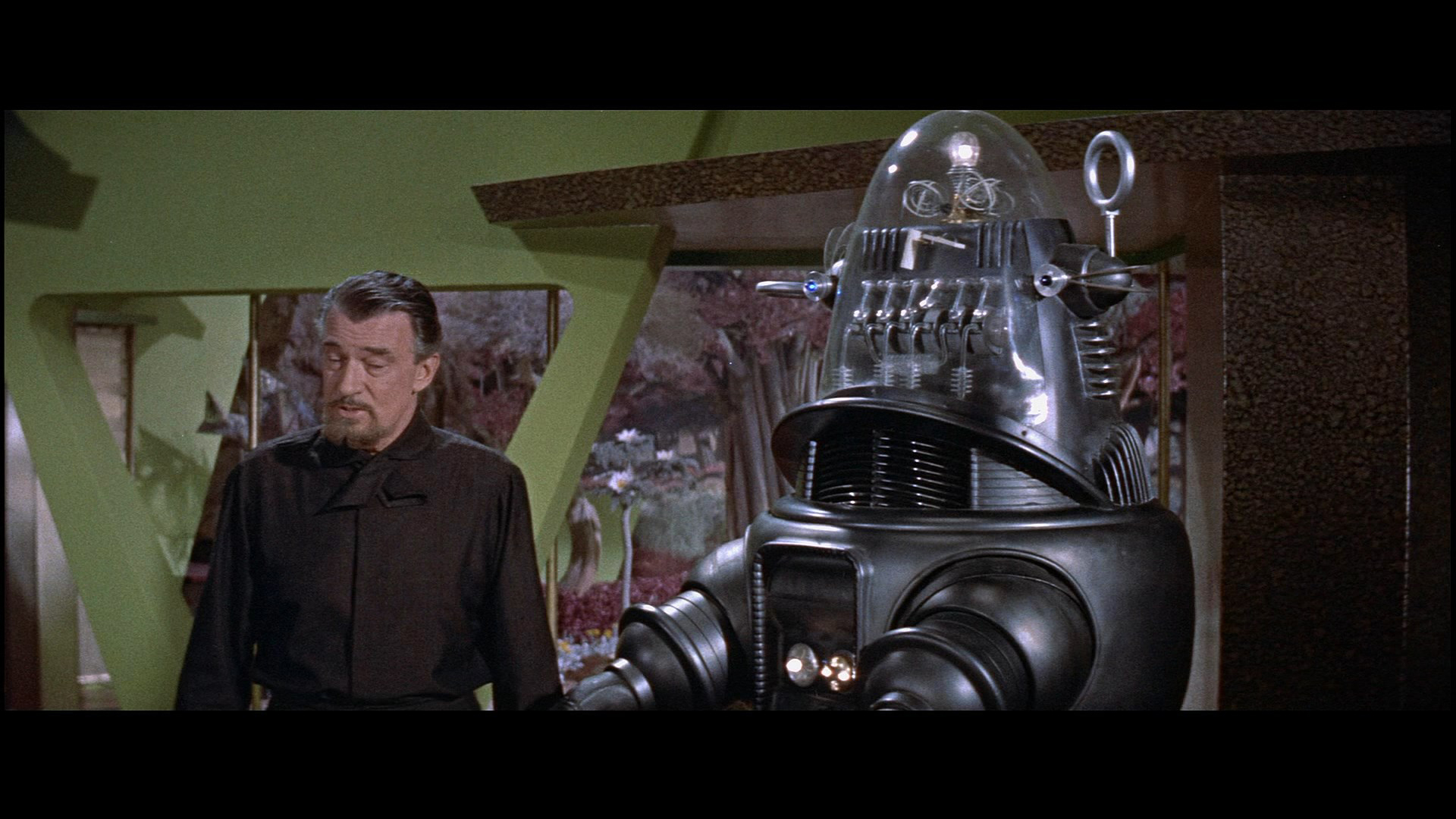
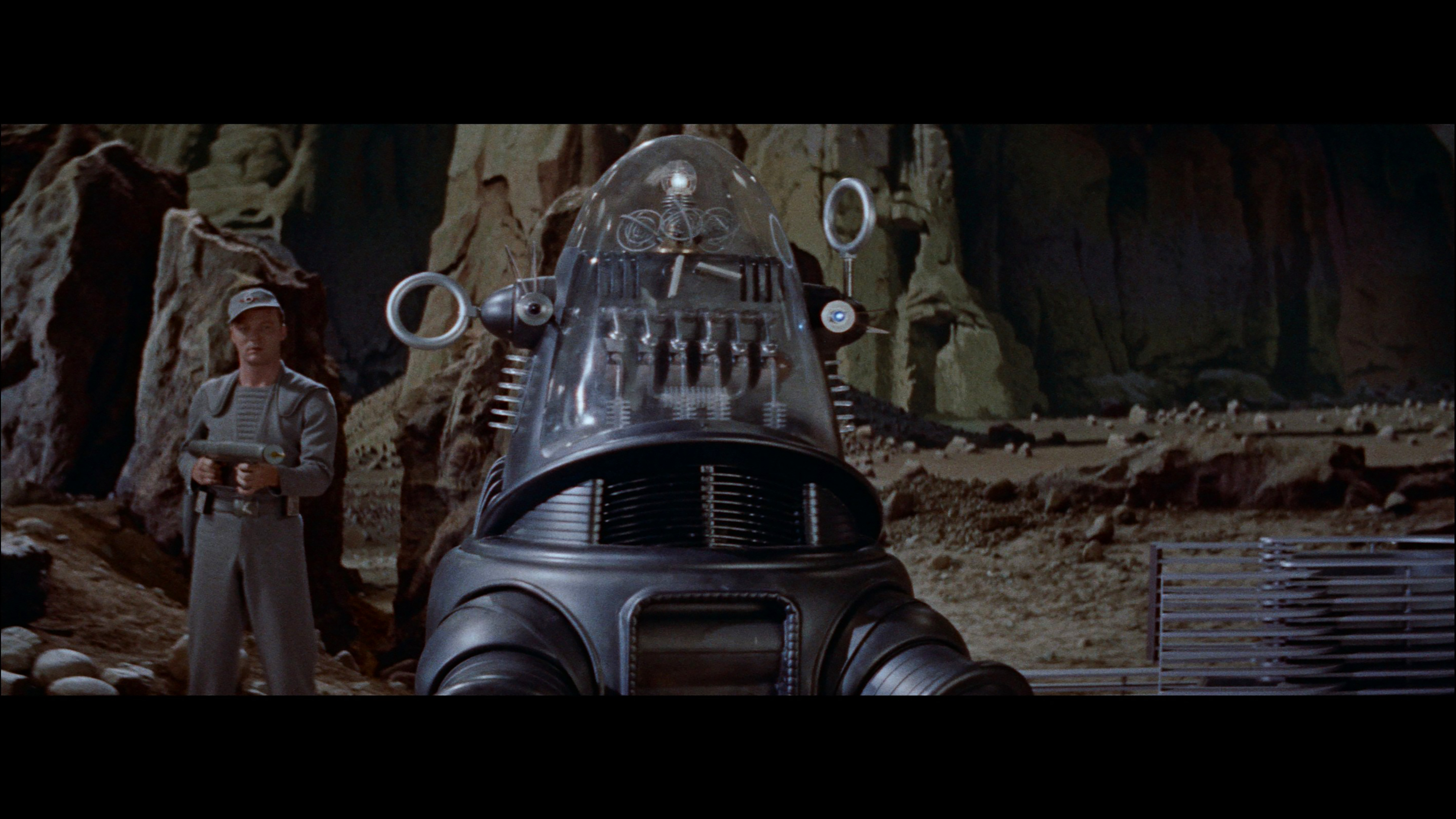
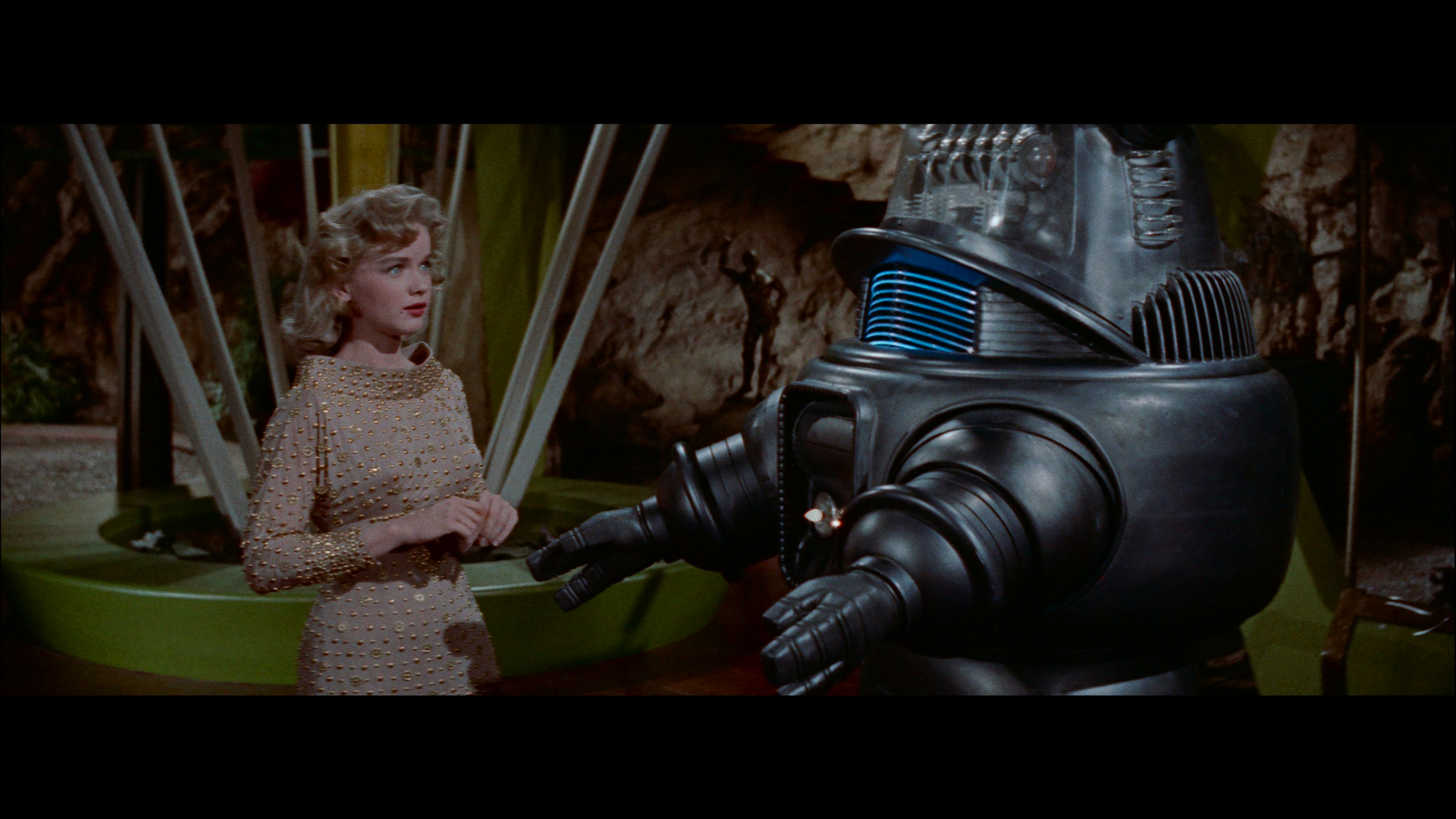
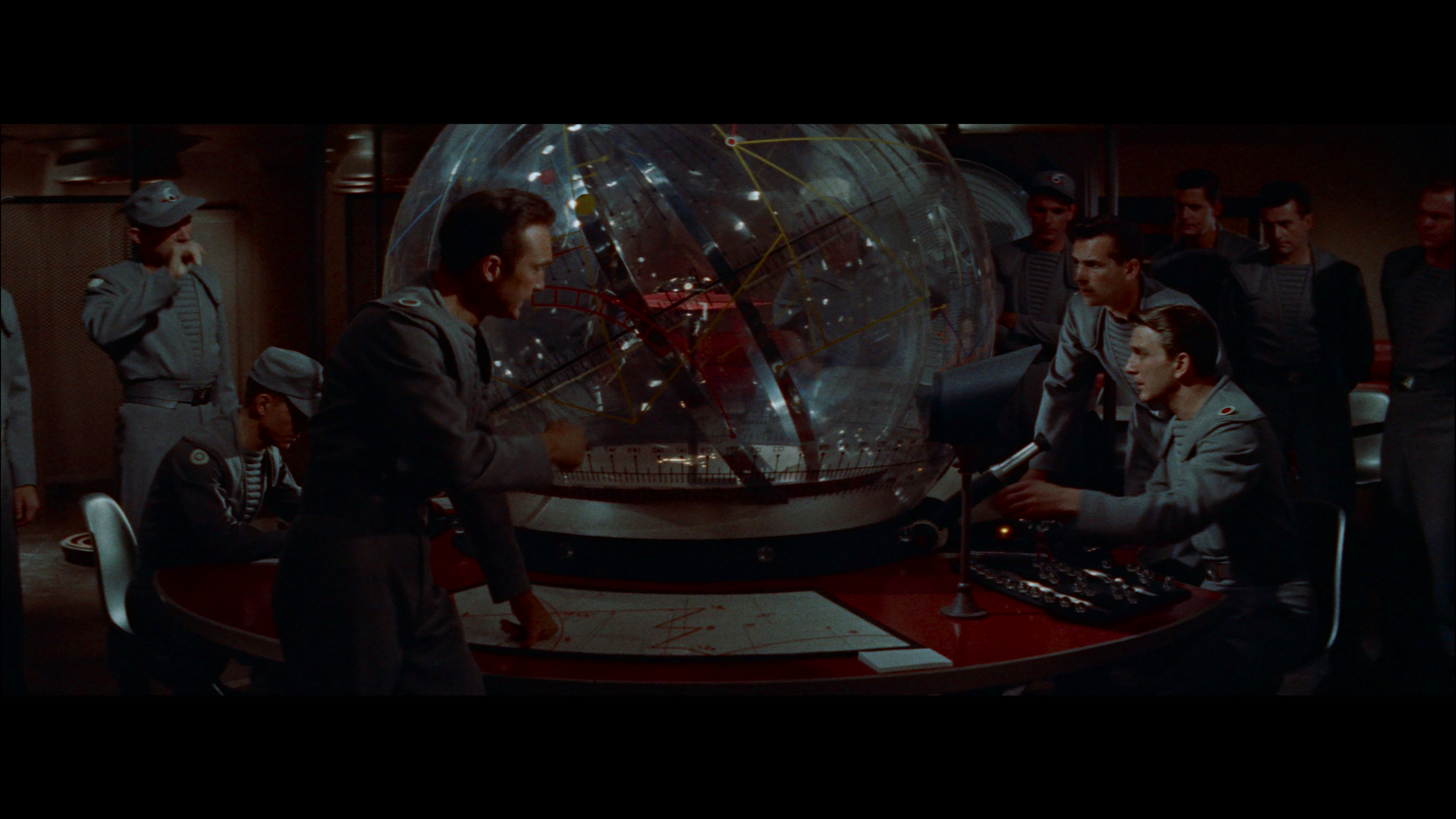
  1950s, few had a longer or more powerful impact than MGM's Forbidden Planet, decked out with all the CinemaScope-framed special effects wizardry Hollywood could muster and a groundbreaking electronic soundtrack by Louis and Bebe Barron. Famously adapting the basic set-up from William Shakespeare's The Tempest (if not its outcome), the film is a prime example of an ensemble effort rather than a director's vision (in this case, MGM regular Fred M. Wilcox of Lassie, Come Home fame) including a script and cast far above standard for the time. A frequent reissue title especially for matinee audiences for years, the film inspired numerous films as well as TV shows like Star Trek and Lost in Space with a multitude of parodies and a prominent shout out at the beginning of The Rocky Horror Show. Of course, it also gave us the most famous movie robot of all time, Robby the Robot, whose debut here captured the imaginations of an entire generation of kids. It was also a rare sci-fi film that stuck it big with audiences of all audiences, along with milestones like The Day the Earth Stood Still, 20,000 Leagues Under the Sea, The War of the Worlds, Invasion of the Body Snatchers, and This Island Earth.
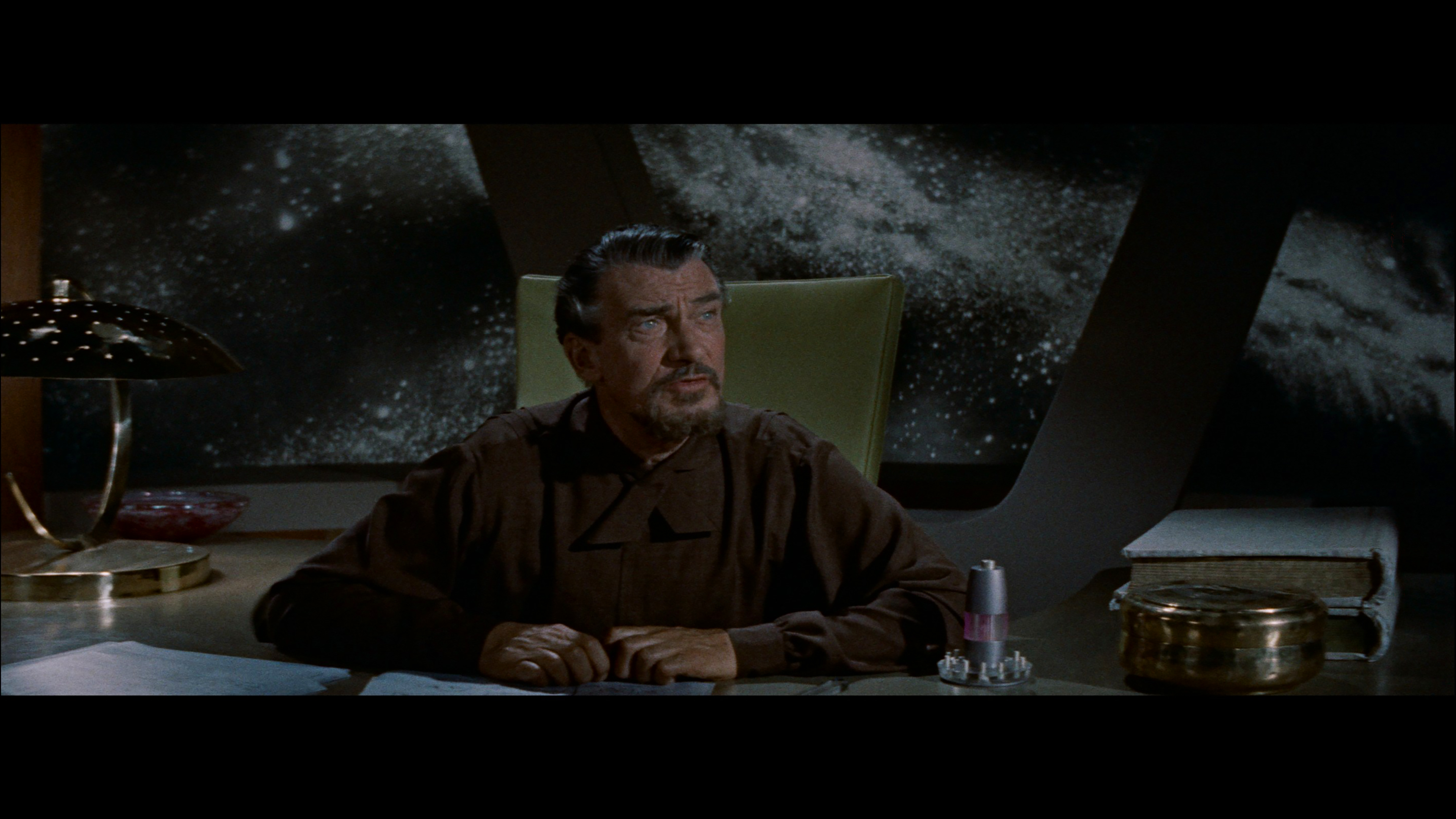
  human being. While an invisible presence on the island interferes with the ship's intended return home, the crew settle
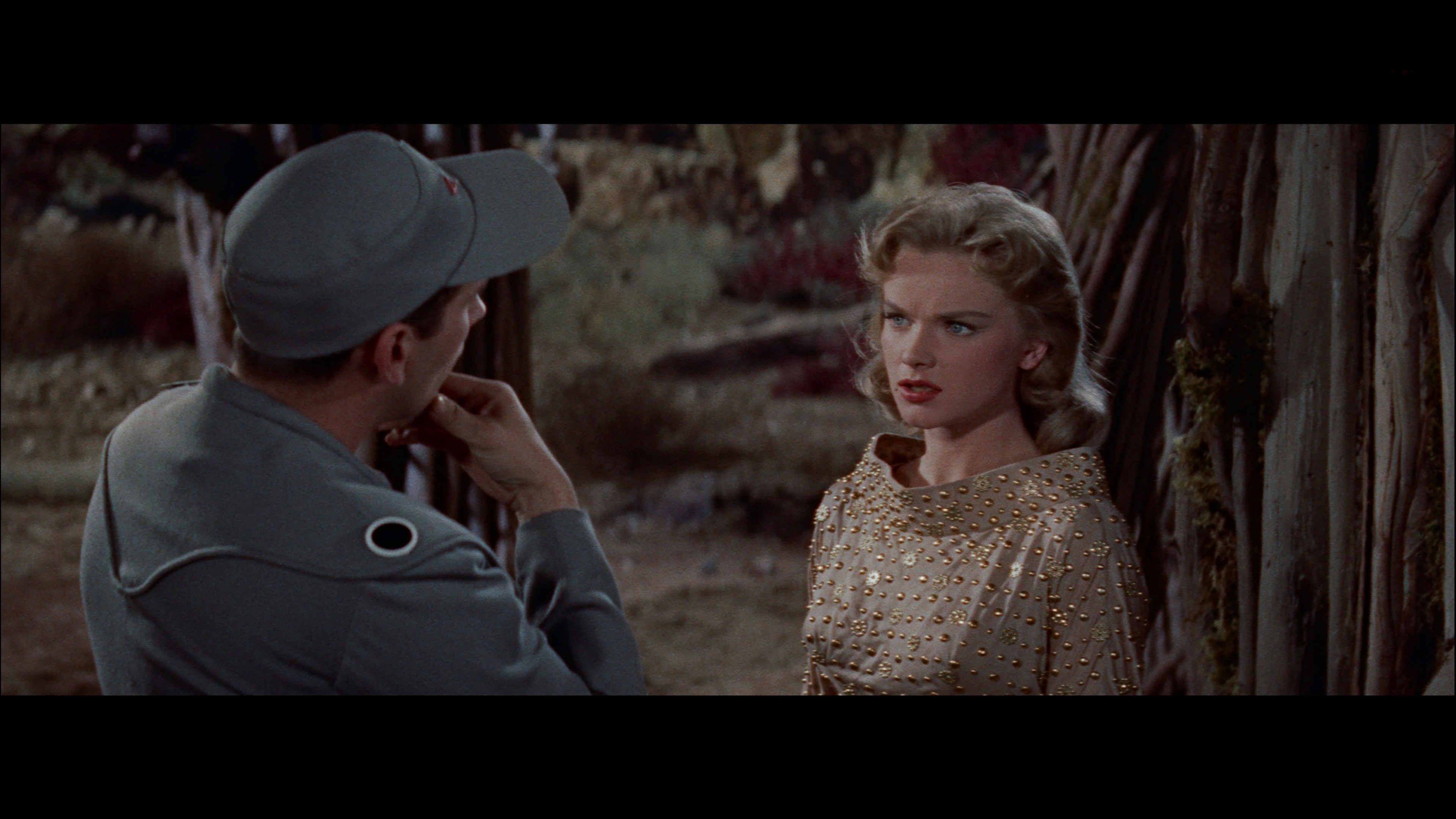
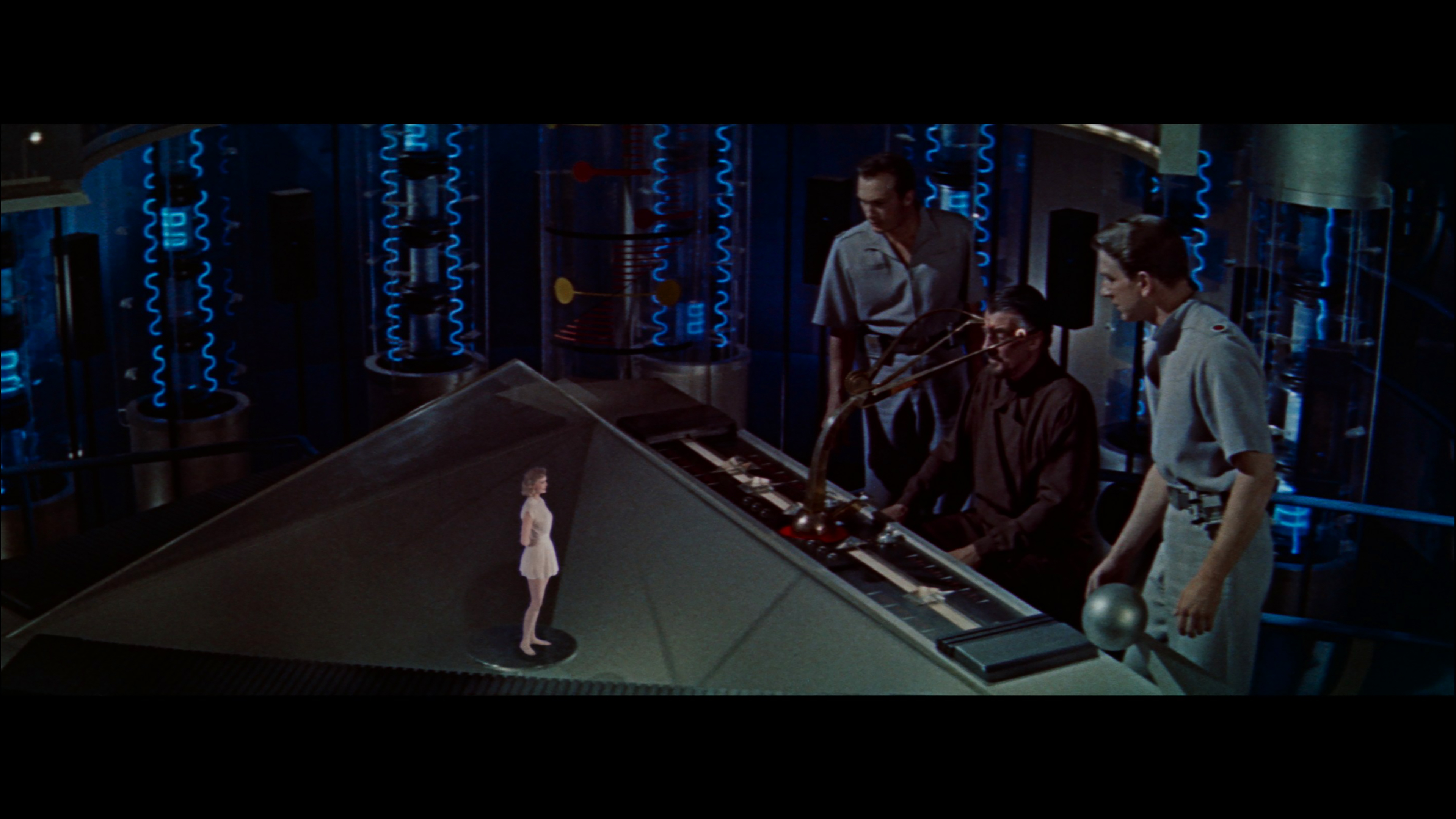
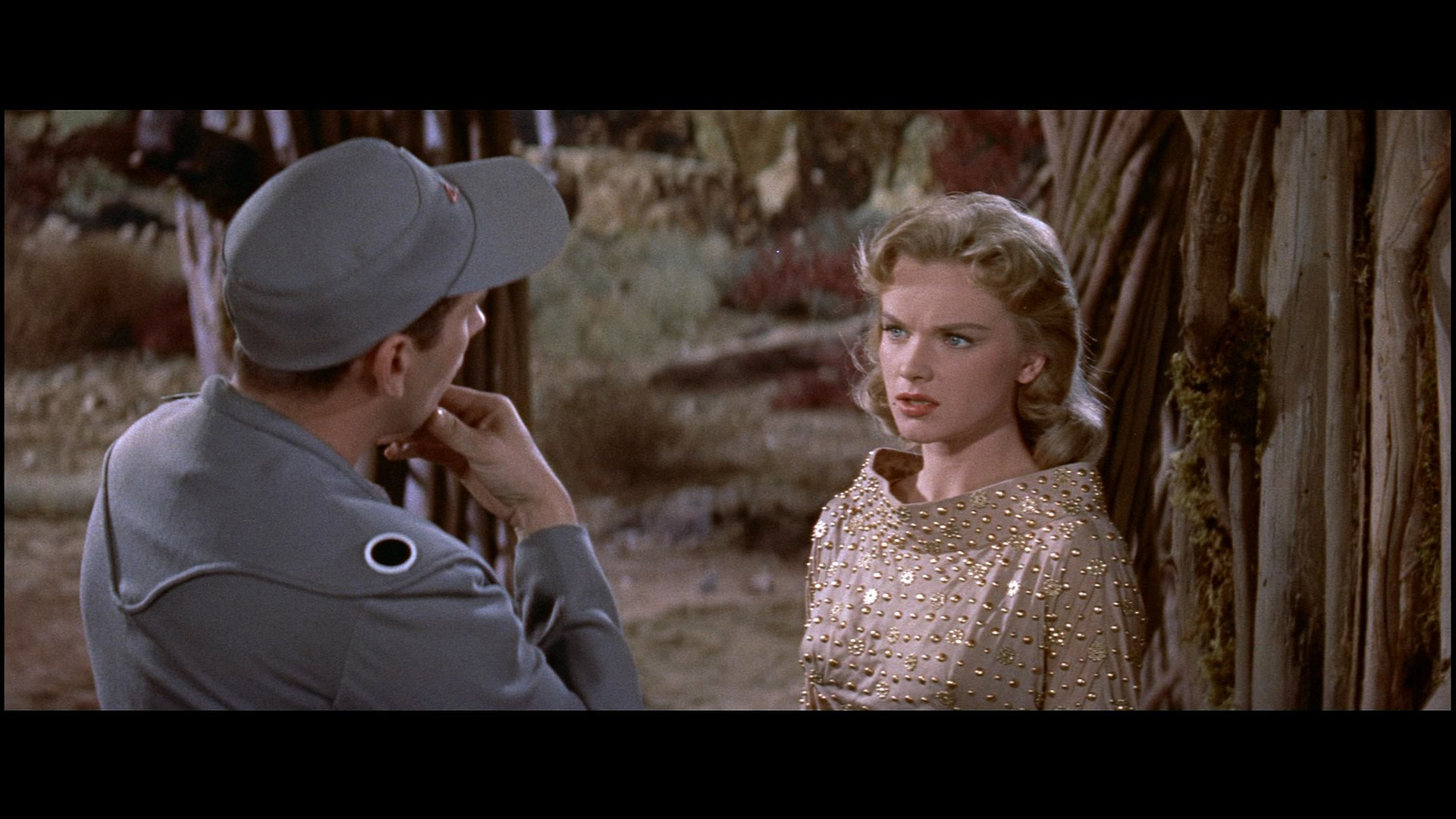
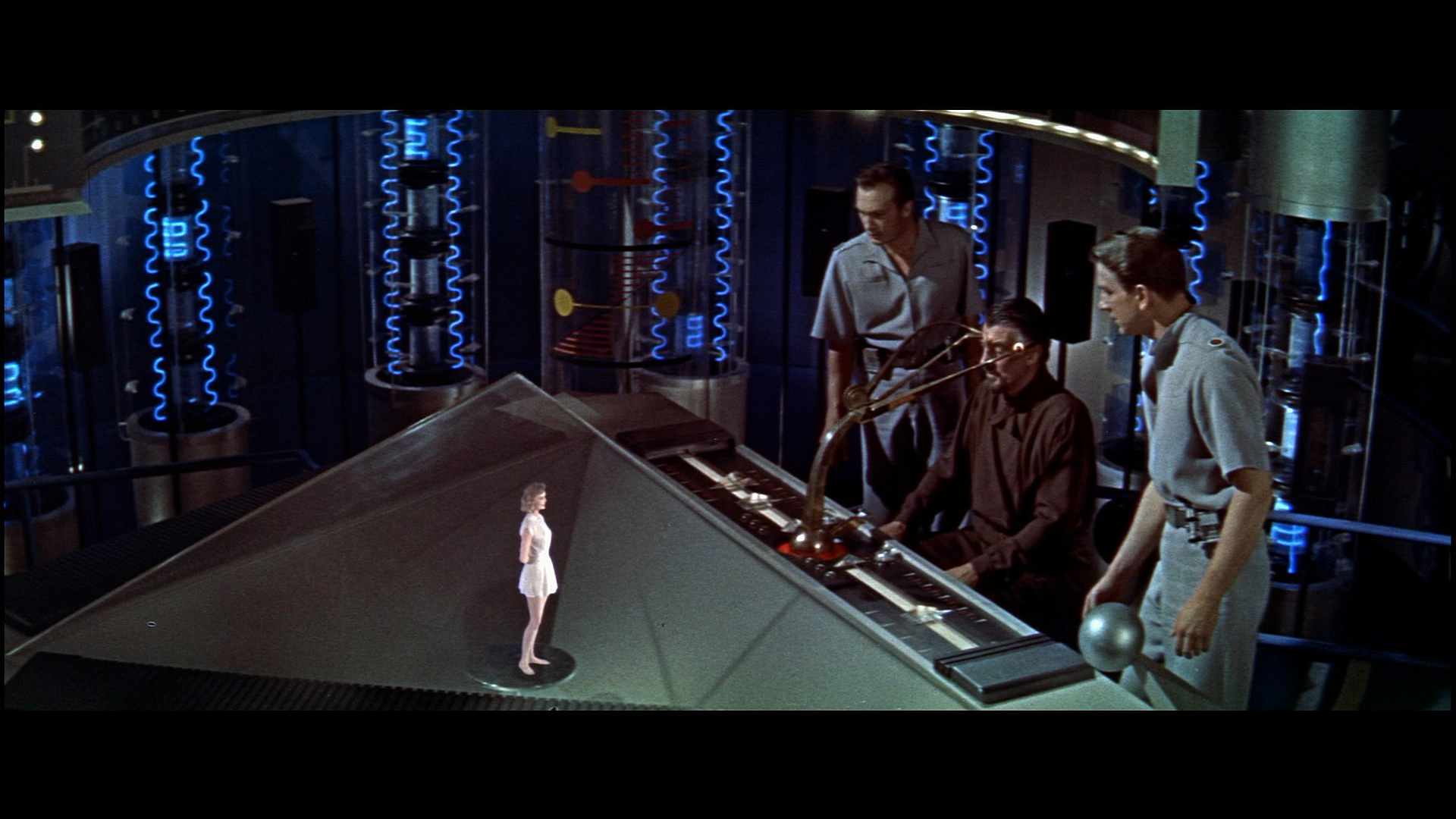
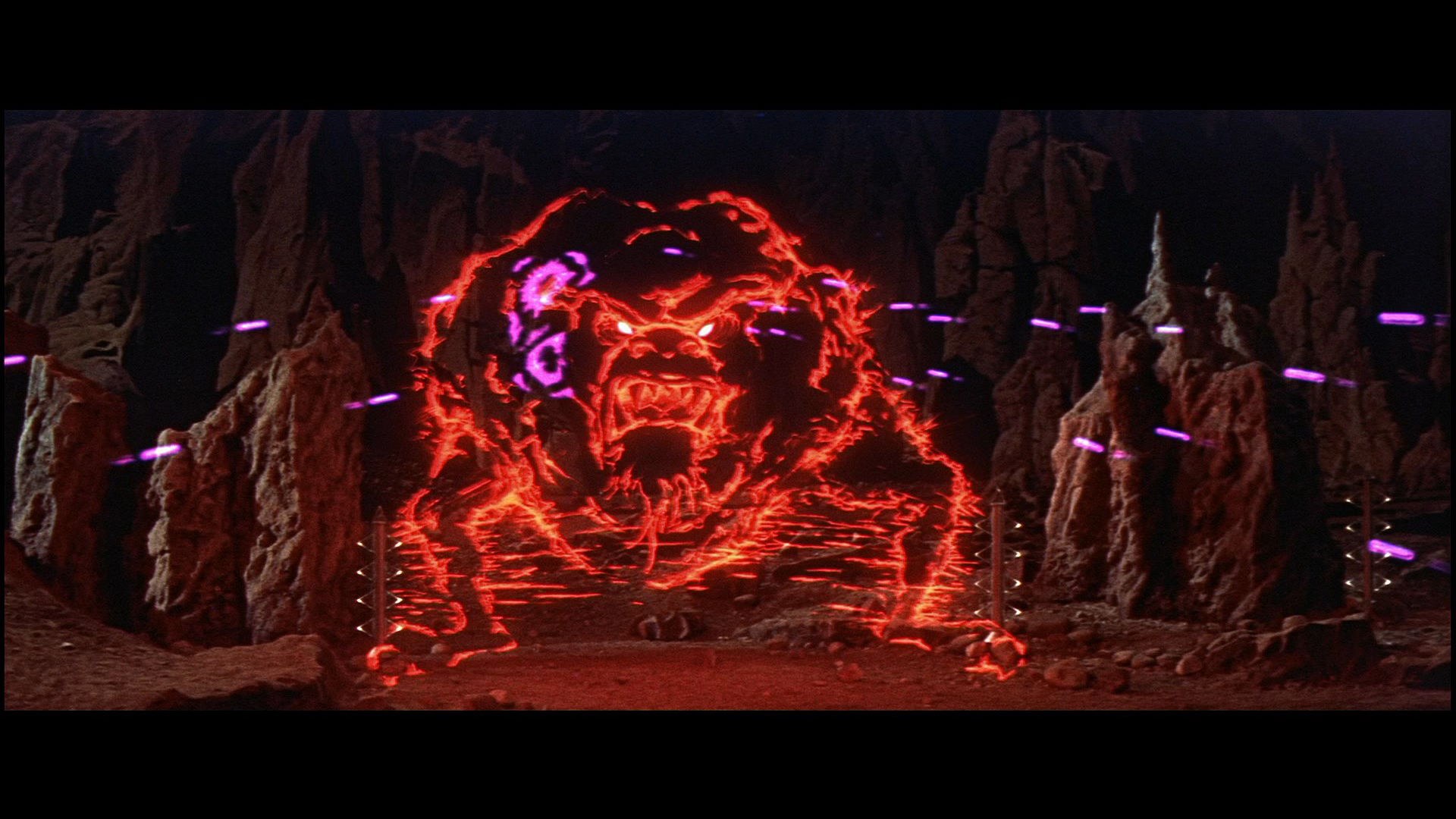
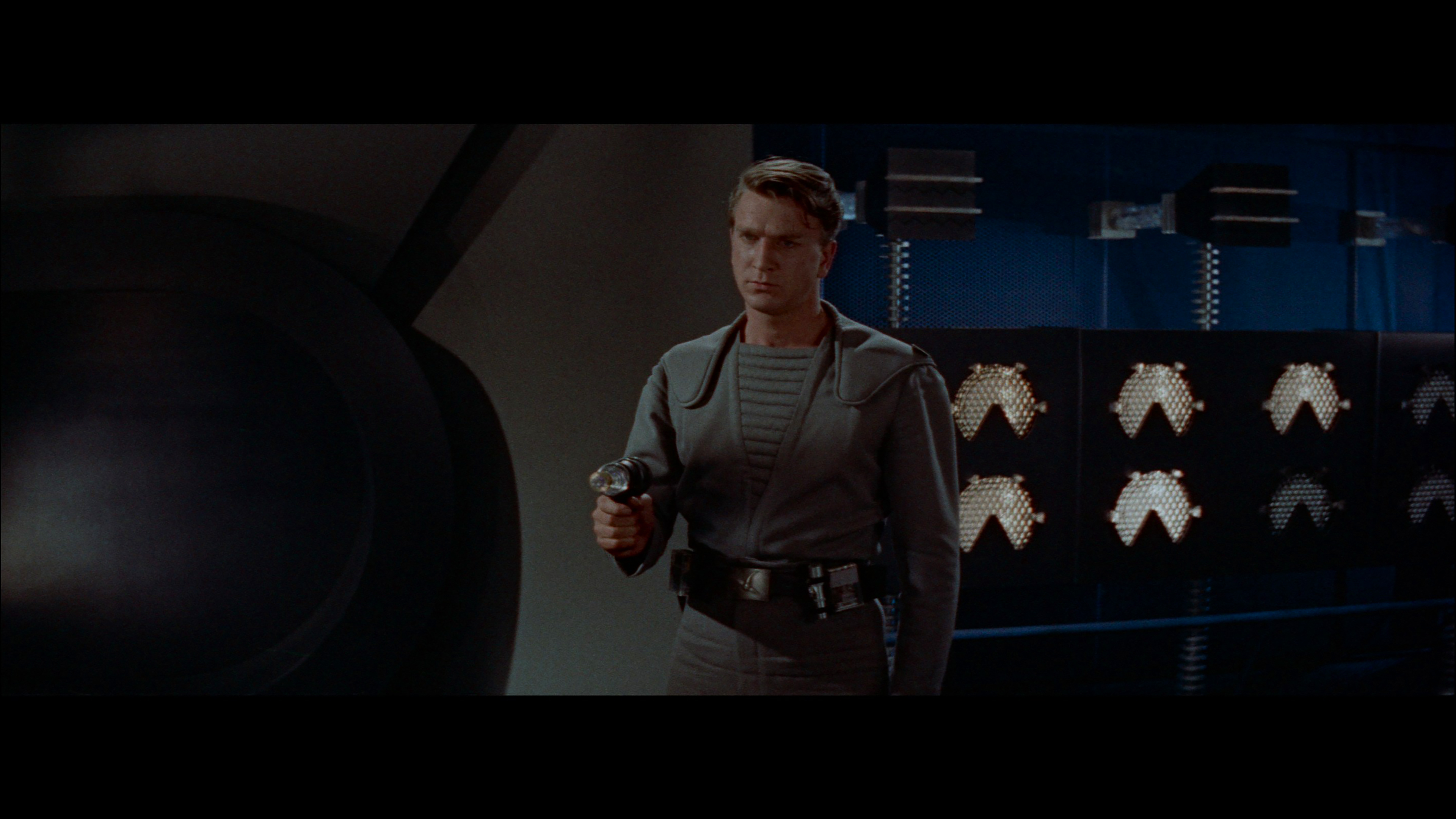
  in and enjoy Robby's prolific housekeeping abilities (including generating gallons of booze) and Altaira's iconic miniskirt that catches the eye of more than one of the men. Eventually Morbius reveals that the planet was once home to a highly advanced species called the Krell whose remnants have enabled the scientist to conduct experiments that could put everyone in danger.
 was trimmed, but it was fascinating to see these extra snippets. Otherwise the film followed the usual major catalog trajectory including multiple VHS options, a later budget MGM laserdisc, and a DVD release in 2006 when it moved to Warner Bros. The DVD added some substantial extras which were ported over and added to
  for a 2010 Blu-ray from the same company, featuring English (DTS-HD 5.1), French, German, Spanish (Castillian and Latin American), and Portuguese (Brazilian) audio tracks with subtitles options for the same languages (plus Norwegian). The extras include "Watch the Skies! Science Fiction, the 1950s and Us" (55m31s) with participants like Steven Spielberg and James Cameron; "Amazing!: Exploring the Far Reaches of Forbidden Planet" (26m35s) with Nielsen, Francis, Holliman, Stevens, Anderson, Bebe Barron, Robert Kinoshita, John Carpenter, Joe Dante, Rudy Behlmer, Ben Burtt, Fred Barton, John Dykstra, Alan Dean Foster, William Malone, John Landis, Dennis Muren, Phil Tippett, Bill Warren, and more; "Robby the Robot: Engineering a Sci-Fi Icon" (13m45s) charting the beloved icon's creation and subsequent film and TV appearances; 13m14s of deleted scenes; a 9m22s batch of previously "lost" and very cool test footage; the full 1957 film The Invisible Boy, Robby the Robot's second starring appearance, in SD presented in anamorphic 1.78:1 widescreen; excerpts from MGM Parade episodes 27 (2m17s) and 28 (3m59s) with Pidgeon teasing the movie and bantering with Robby; the "Robot Client" episode of TV's The Thin Man featuring Robby; and trailers for Forbidden Planet and The Invisible Boy.
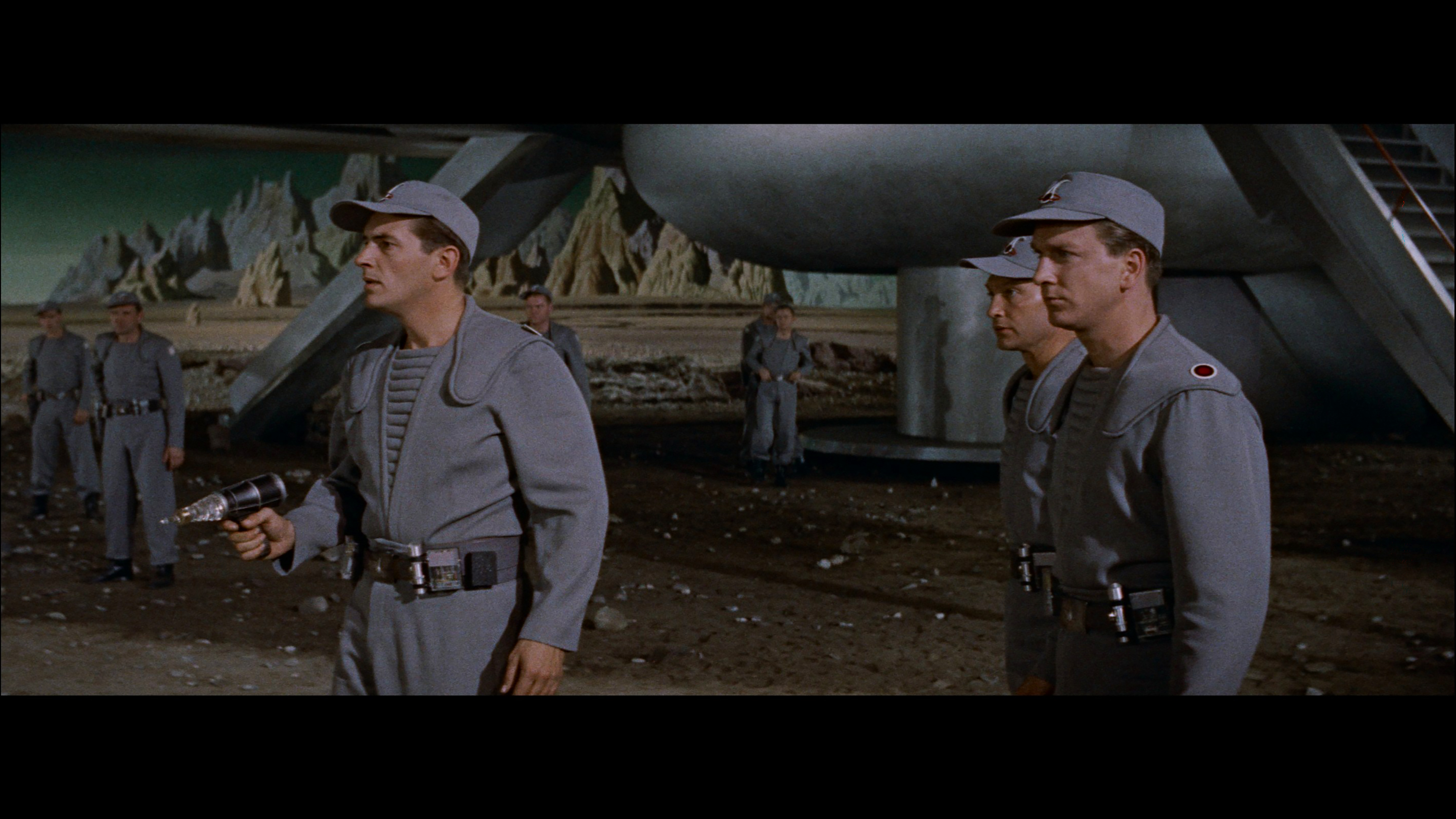
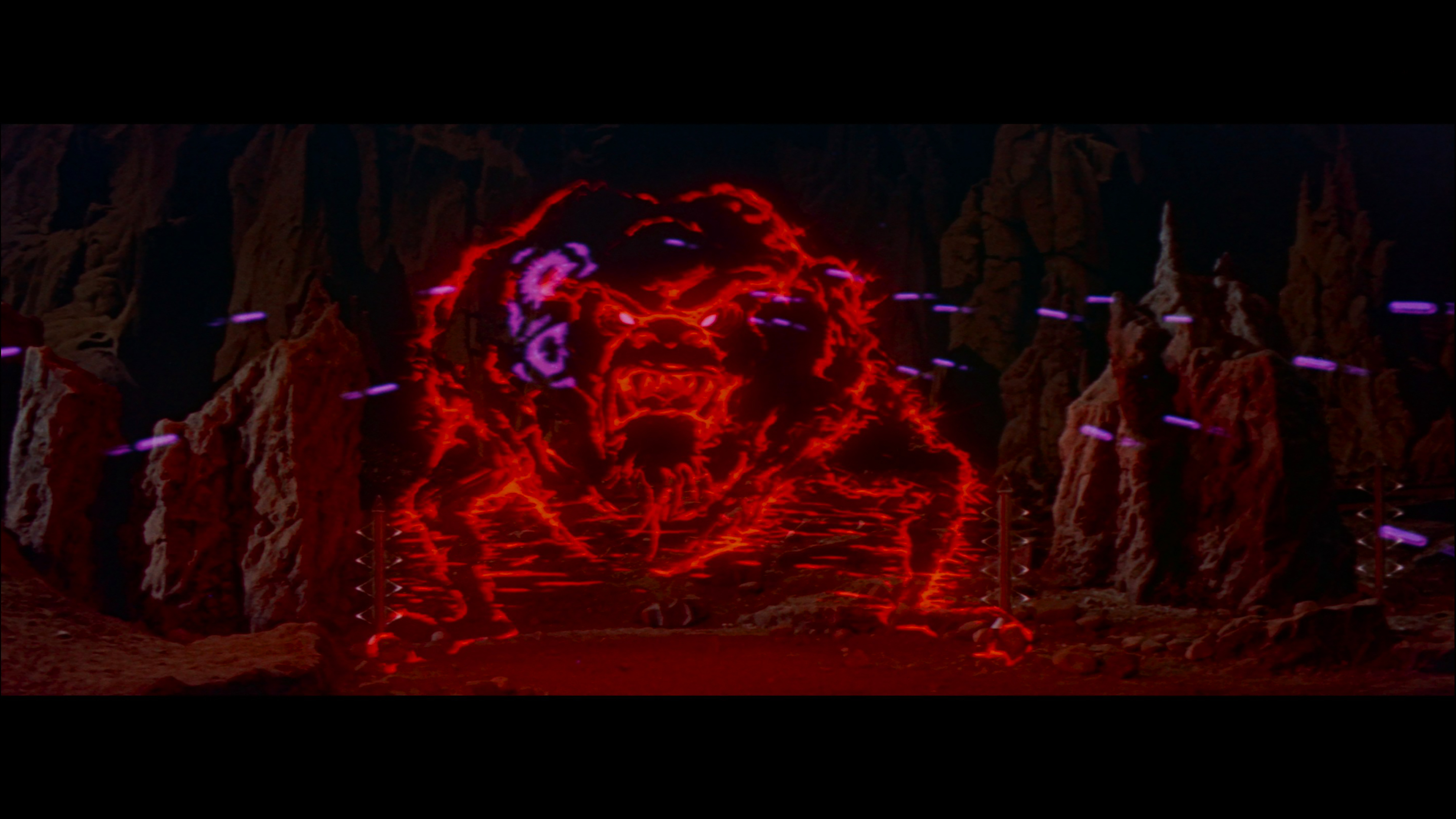
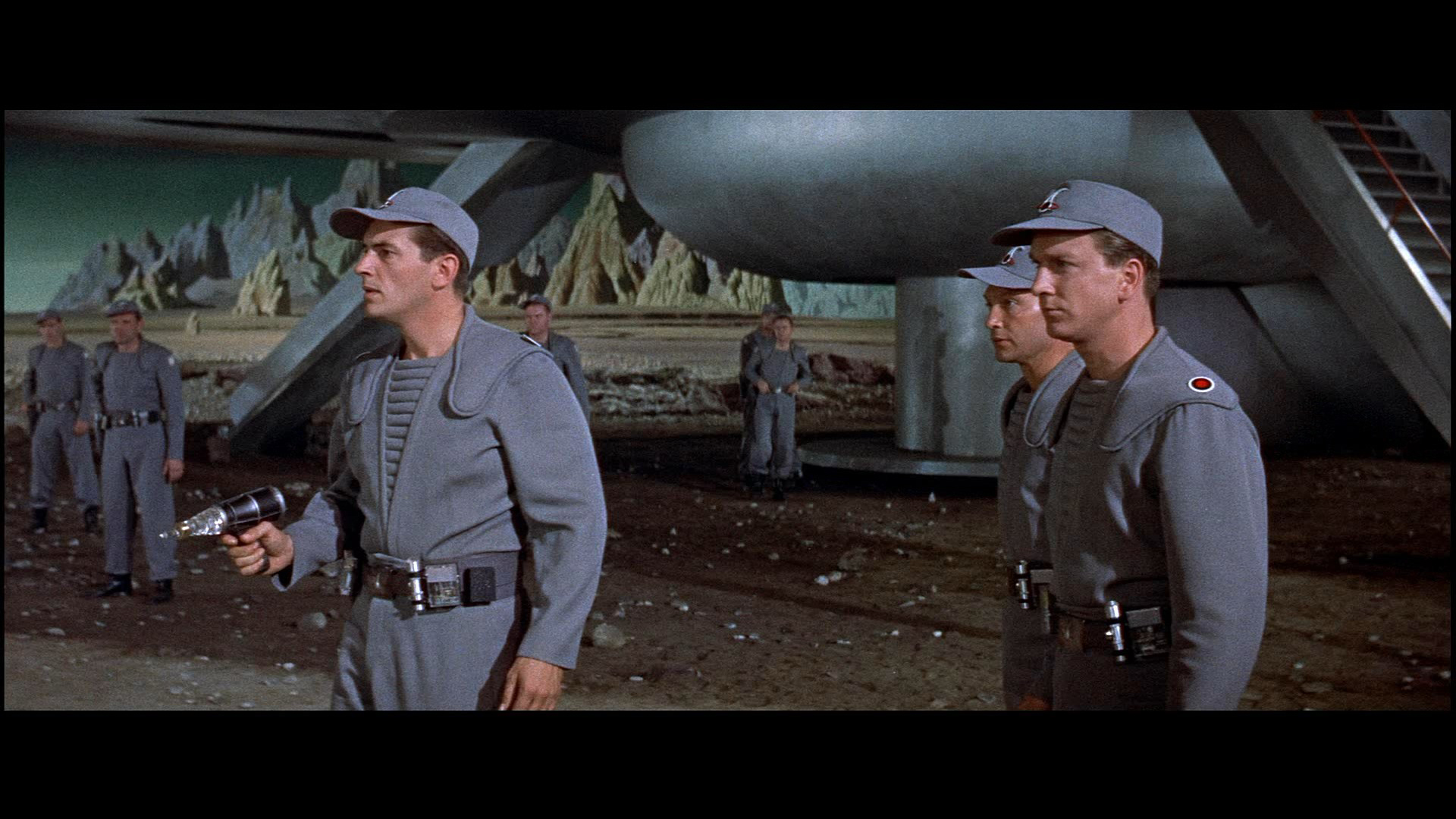
 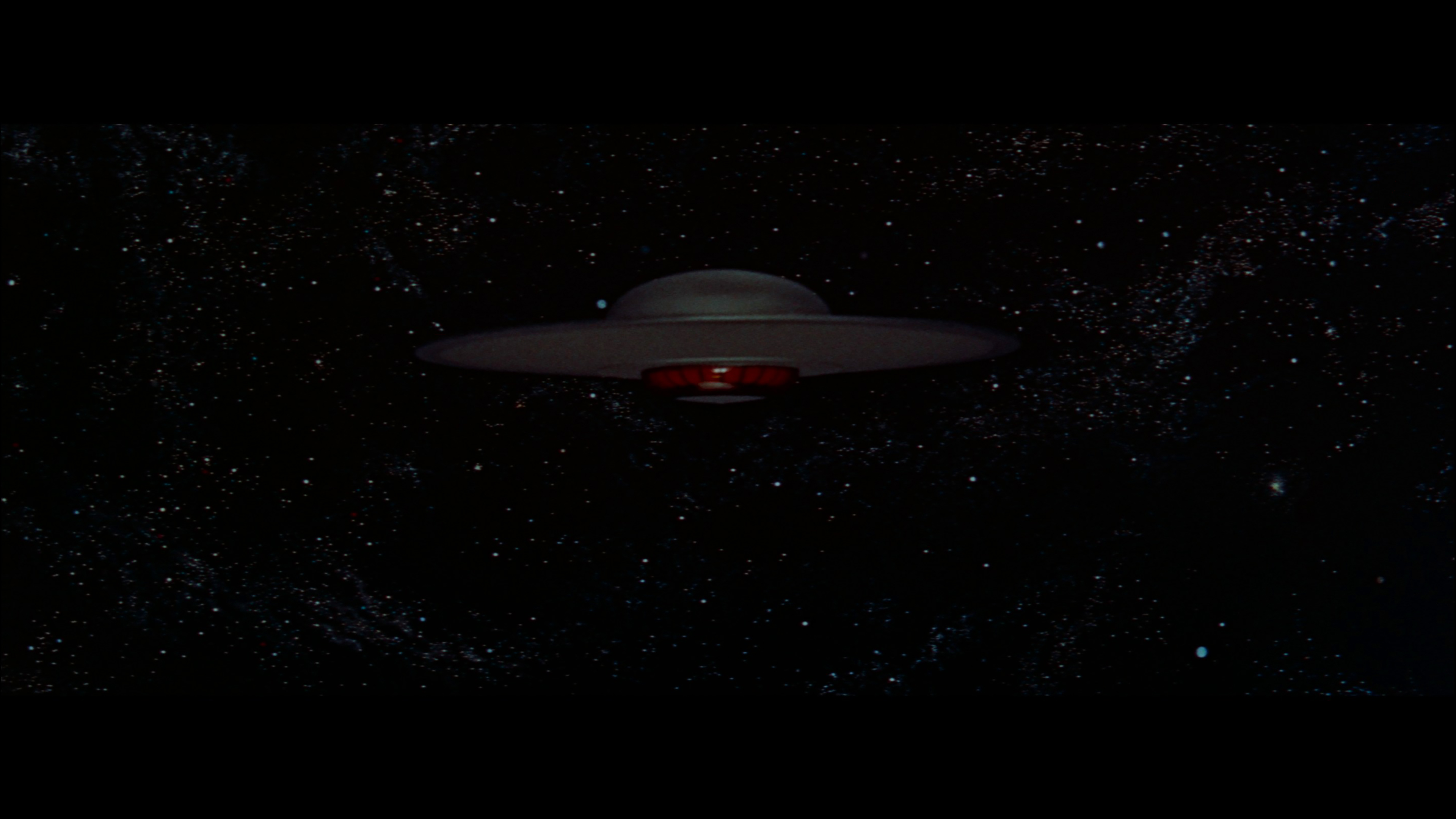 negative and HDR10-compatible Dolby Vision grading. The feature was shot in Eastmancolor which means it doesn't have the super-vibrant look of Technicolor, with green, rust, and gray appearing here frequently in both the clothing and set design. The approach works here, and the 4K looks as detailed and impressive as the source material could possibly allow along with deeper black levels providing a
 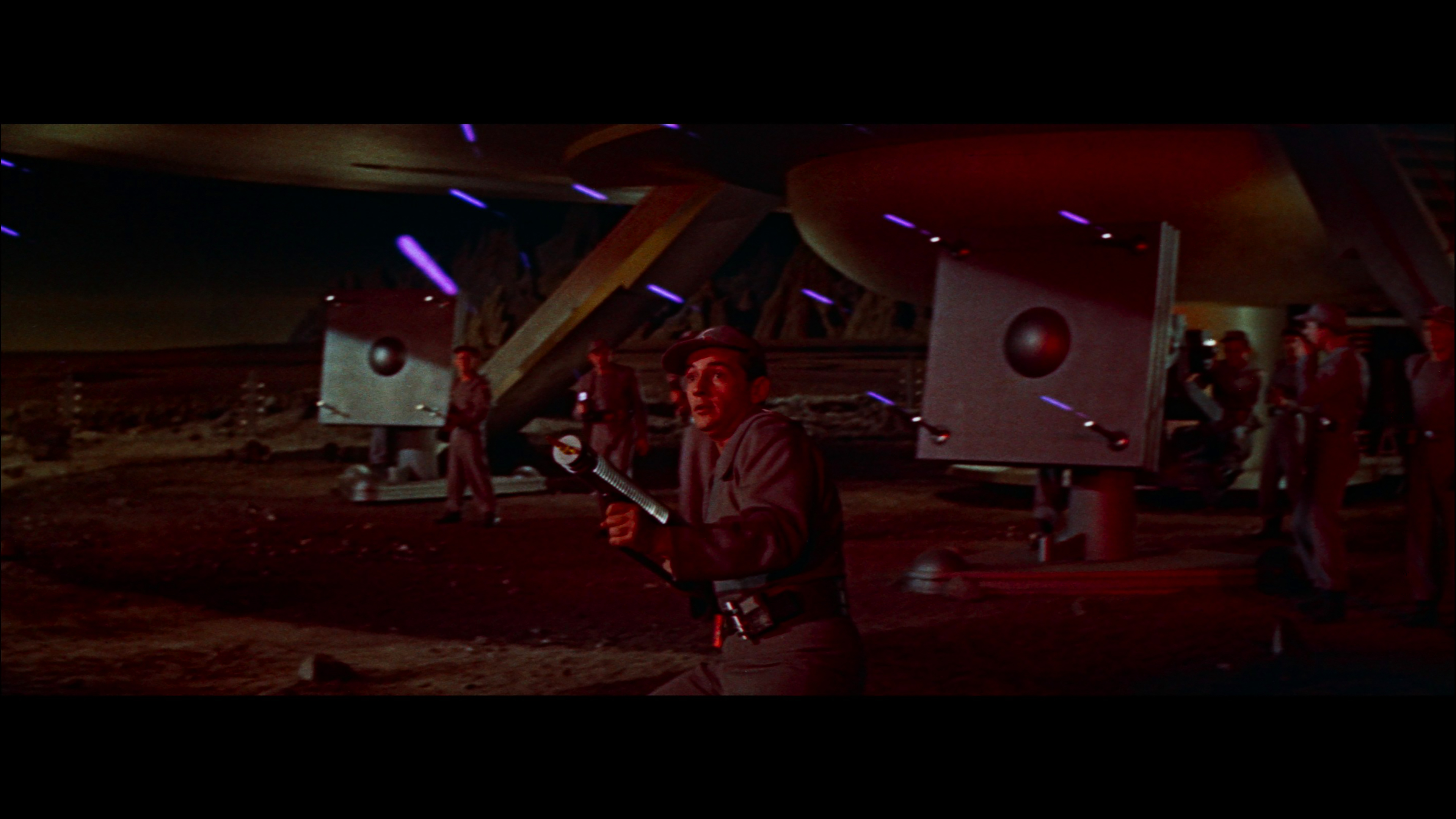 greater sense of depth. The notes about the new transfer tout this is the first home video release in the 2.55:1 CinemaScope aspect ratio versus the 2.35:1 seen on earlier releases, which opened the image up a bit on top and exposed some visible discoloring and other splice-related issues that weren't meant to be visible. Otherwise the framing is the same on the sides, with the usual baked-in "CinemaScope mumps" visible in some medium shots. The usual DTS-HD MA 5.1 track is here along with the general theatrical release mono, but the big selling point here is the first-ever release of the premiere engagement Perspecta 3.0 audio which is a real treat to finally hear. The process was a real favorite at MGM at the time (and famously on several Toho films as well) including what appear to be now-extant mixes for their scope Tom and Jerry cartoons, and getting to experience it will be a first timer for almost everyone getting this release. Optional English SDH subtitles are also included, and a new audio commentary by Kim Newman and Barry Forshaw does an excellent job of appraising this film in the '50s sci-fi wave while noting the Tempest connections (including debating who Ariel and Caliban would be here) and covering the careers of the stars, particularly Nielsen's famous second wind as a comedy legend. Both discs have the trailer, while the Blu-ray carries over everything from the earlier Blu-ray (including The Invisible Boy and the Thin Man episode) and adds "Unearthly Aura" (23m39s) with Neil Brand doing a great job of explaining the Barrons' music experimentation with electronic tape sounds to that point and the way the "electronic tonalities" function in different ways throughout the film while anticipating later works by names like Wendy Carlos. Also included are four image galleries for the original screenplay (112 images), posters and lobby cards (51 images), black-and-white promo stills (173 images), and color promo stills (17 images). Also included is an insert booklet featuring new essays by Frank Collins and Johnny Mains and archival material.