 that has crossed genres to evoke a mood and sensibility all its own, "fantastique" -- the namesake for Radiance Film's
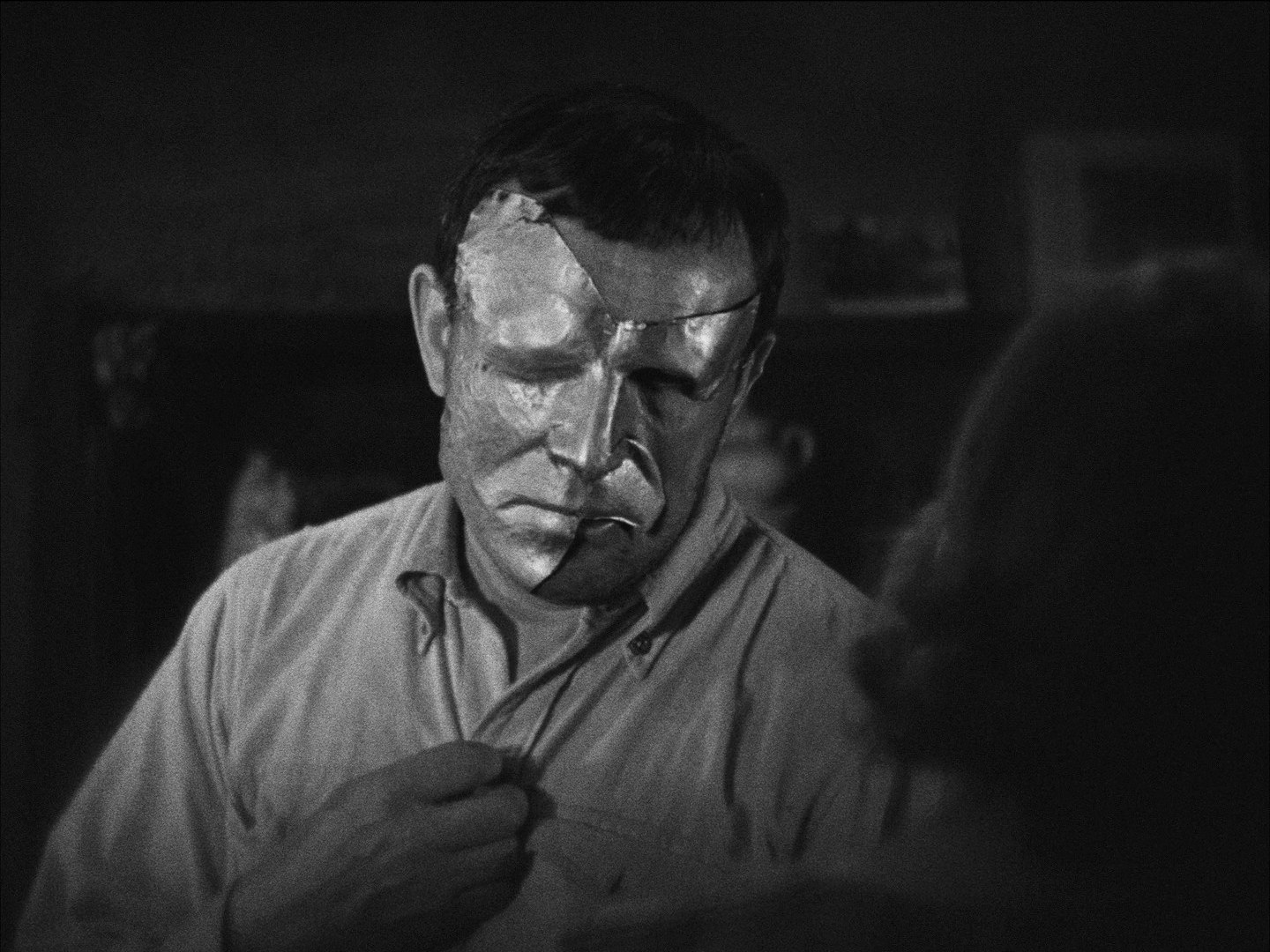 U.S. and U.K. six-disc Blu-ray set, Fantastique: The Dreams and Nightmares of French Cinema -- refers to the injection of the supernatural or at least the uncanny into a seemingly realistic story. That approach has appeared in everything from the French poetic realism wave of the '30s and '40s to generations of surrealists, with this set spanning over sixty years for a sampler of how wide that net can be cast. If you're looking for something a little outside the usual definitions of horror or fantasy, brace yourself for a wild ride.
 to
 various means to cover it up and settles on an eerie porcelain half-mask that spurs him down a very dark road as his wife's eye starts to wander. Things take a more enchanting turn next with 1942's La nuit fantastique (The Fantastic Night), one of
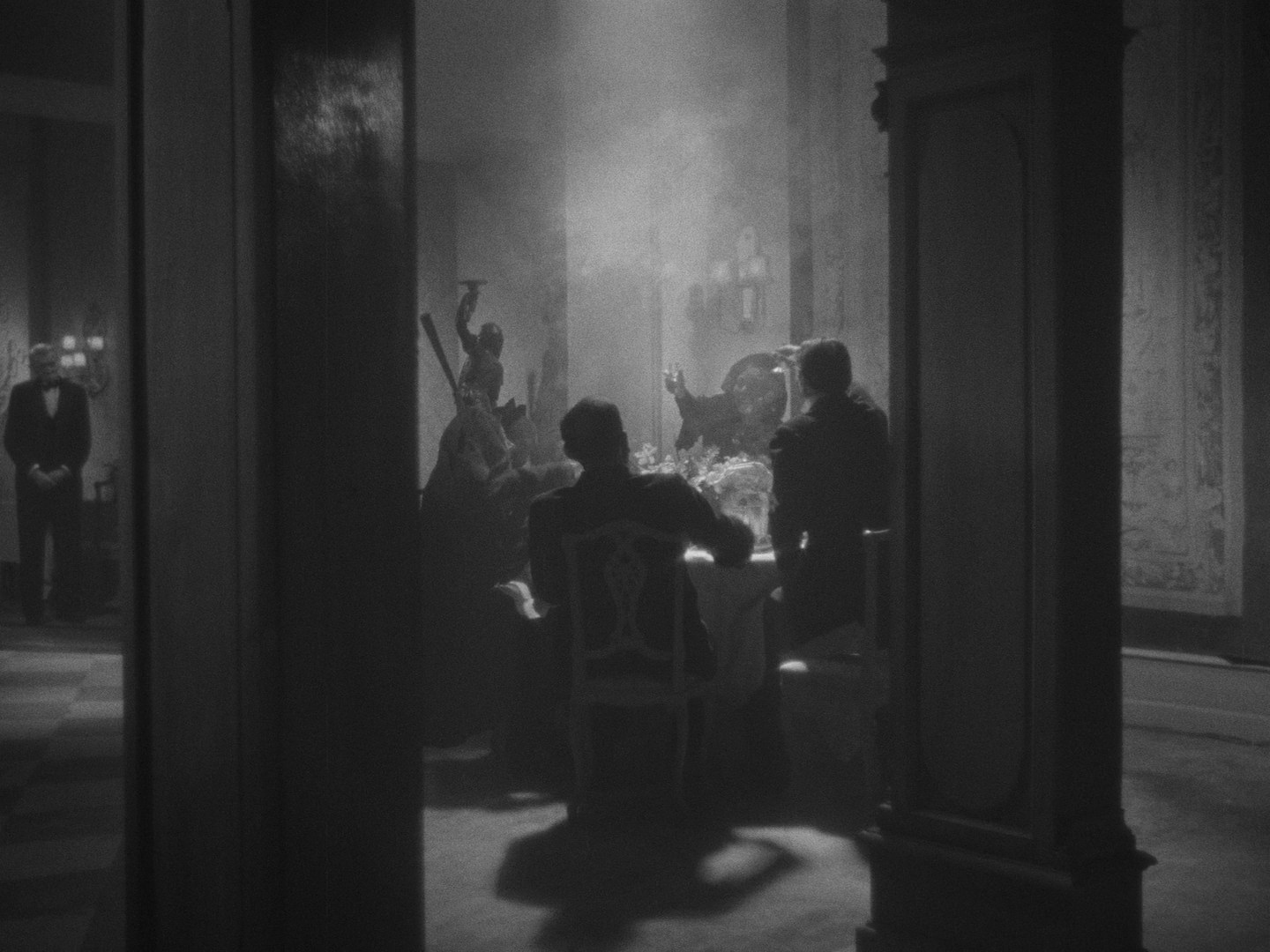
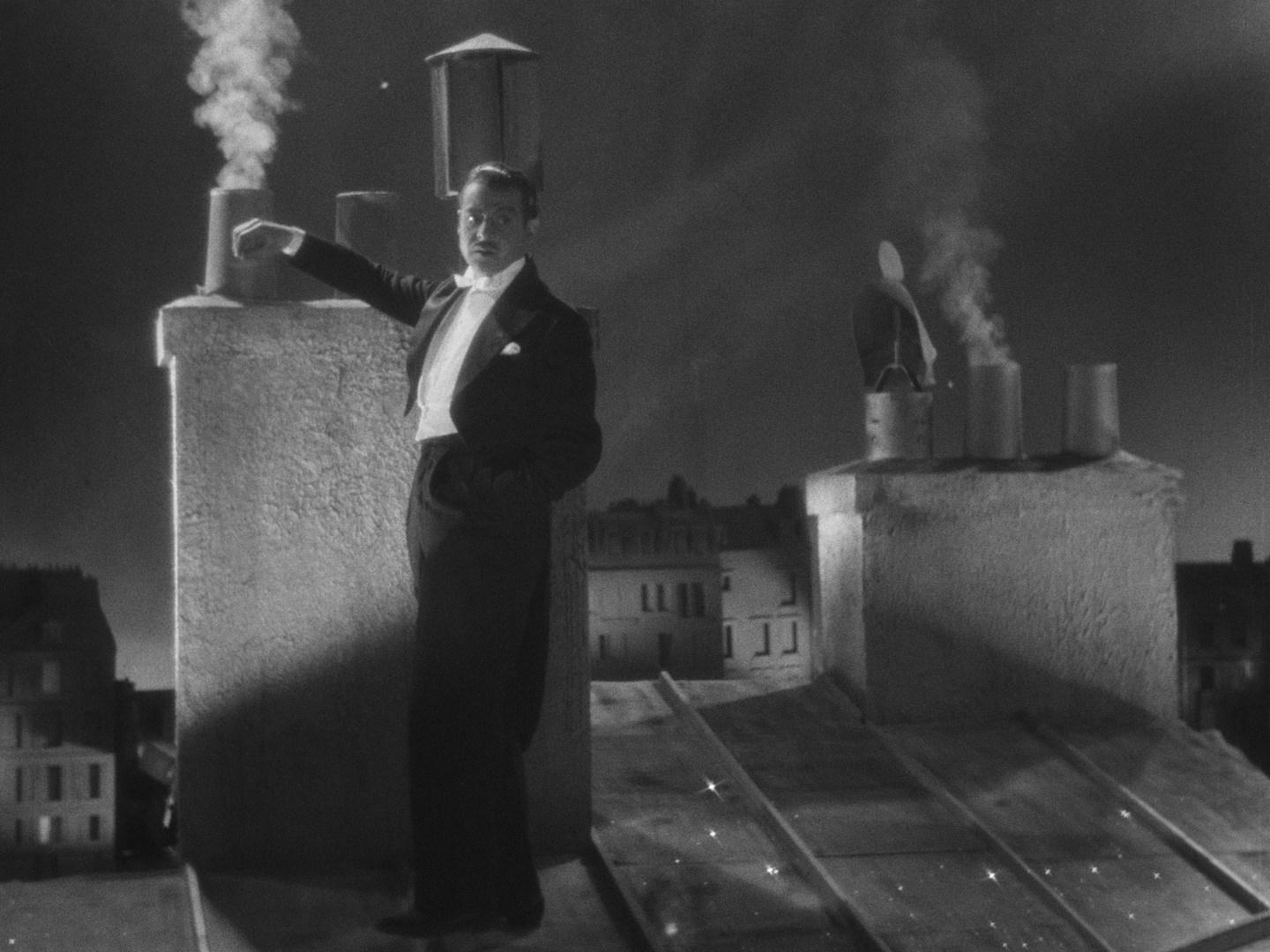
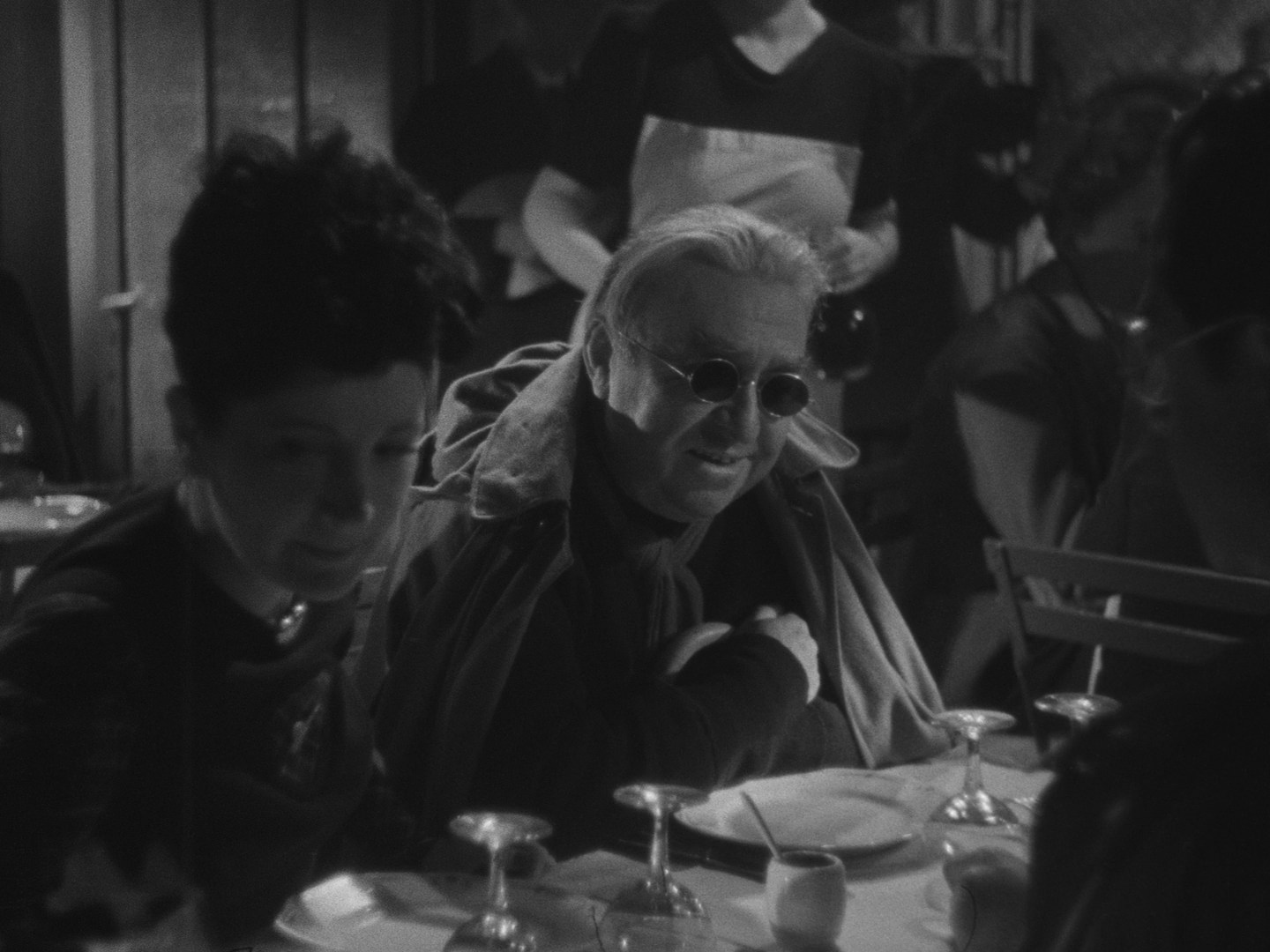
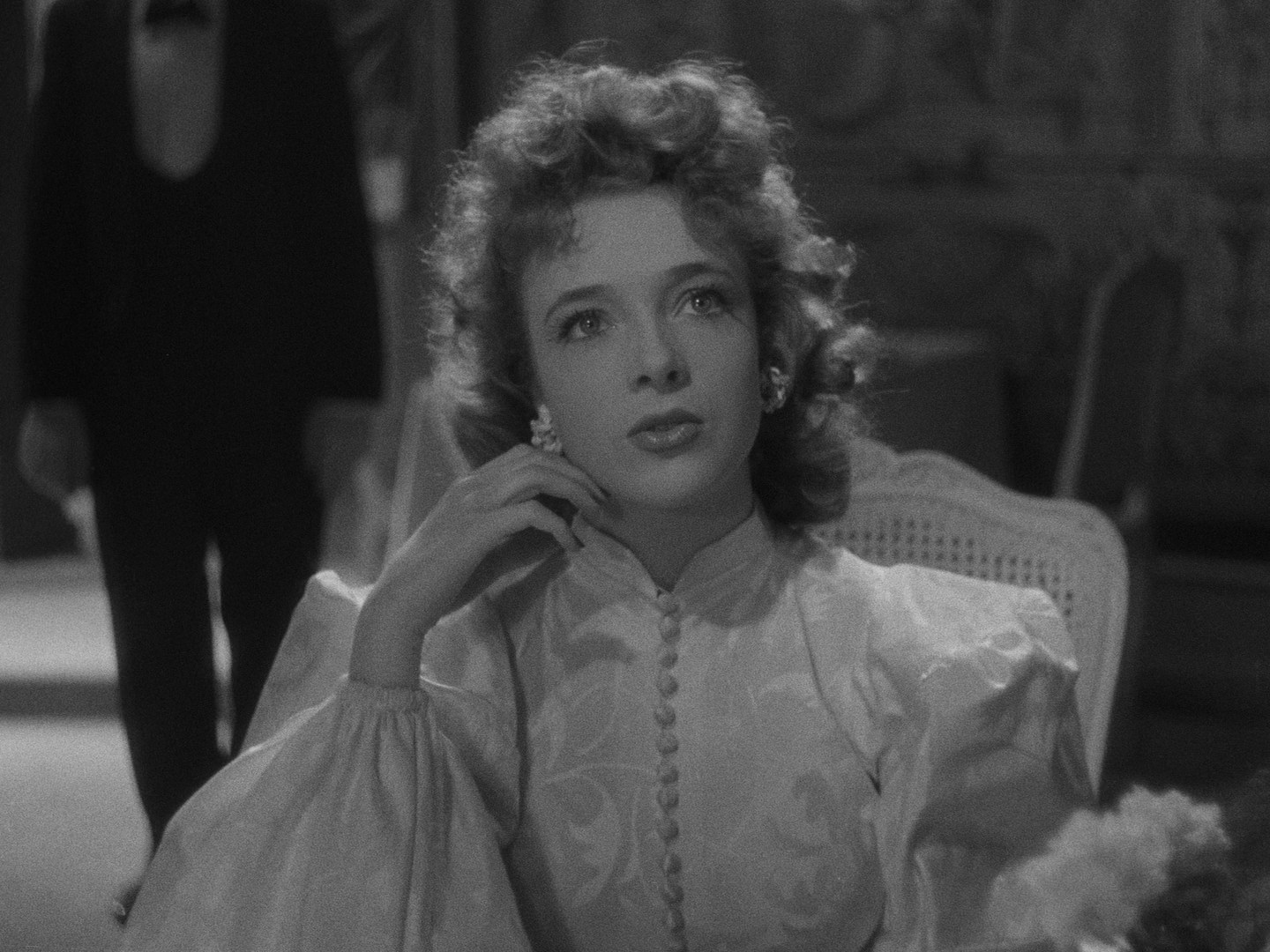
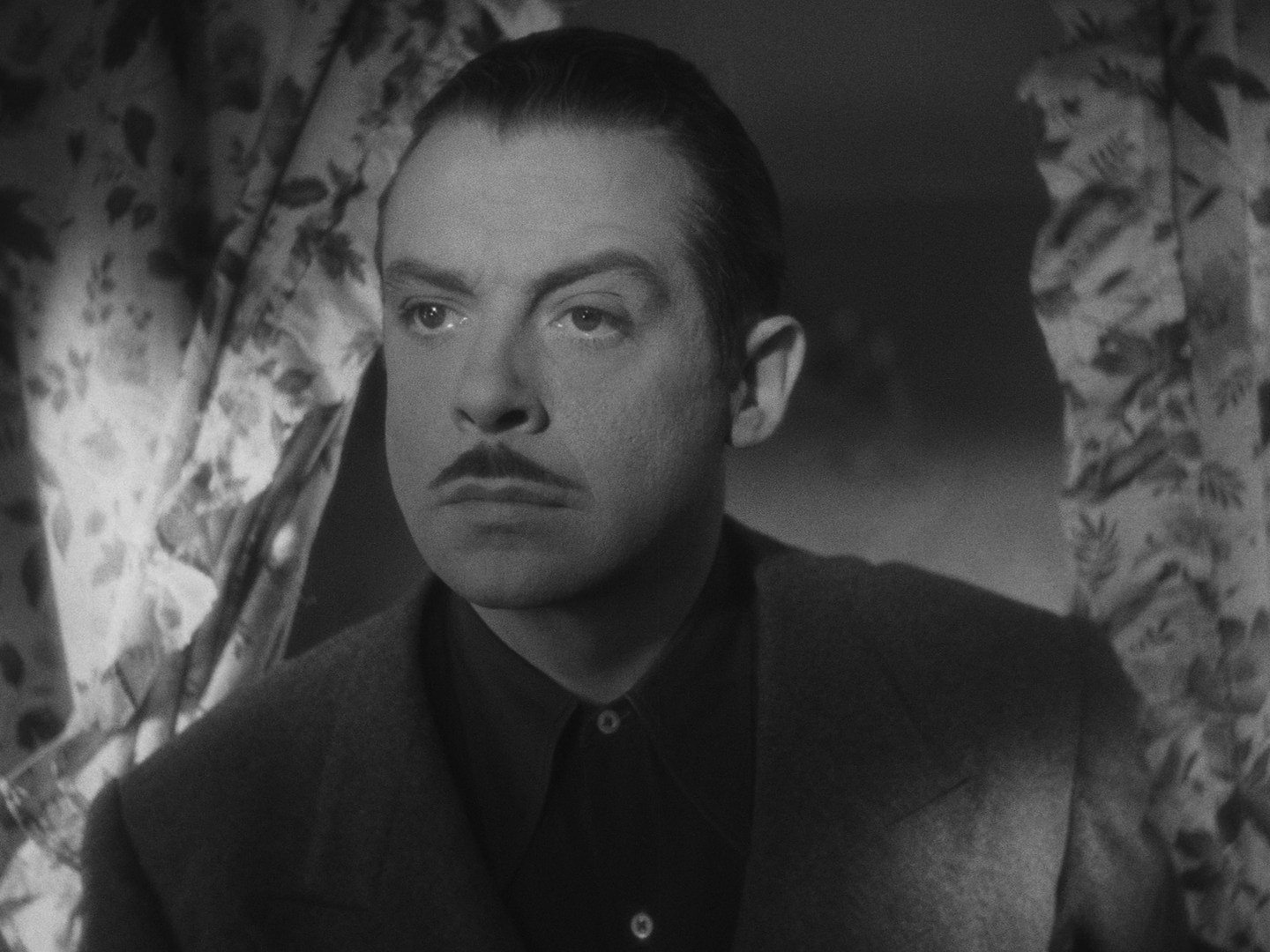
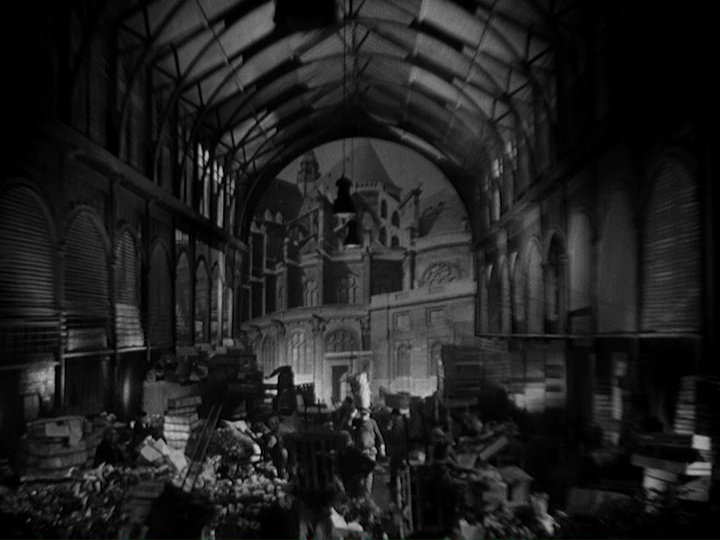
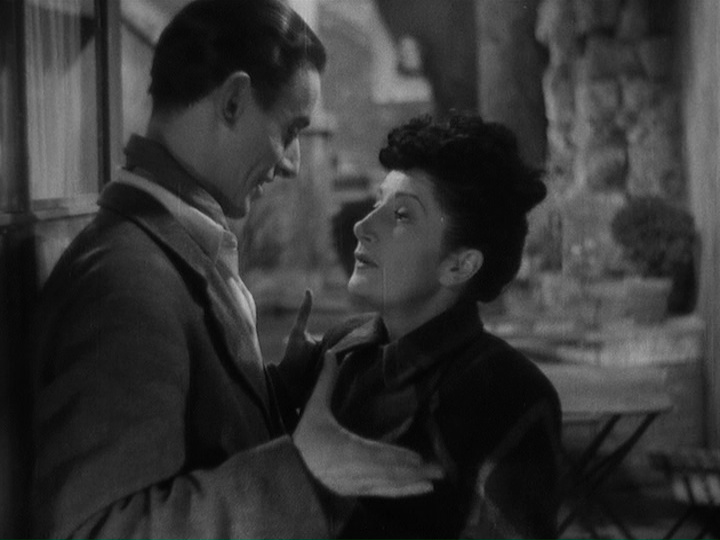
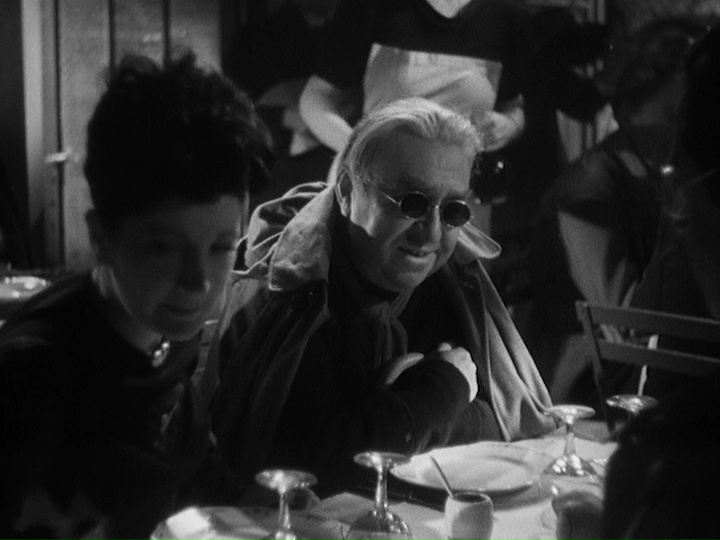
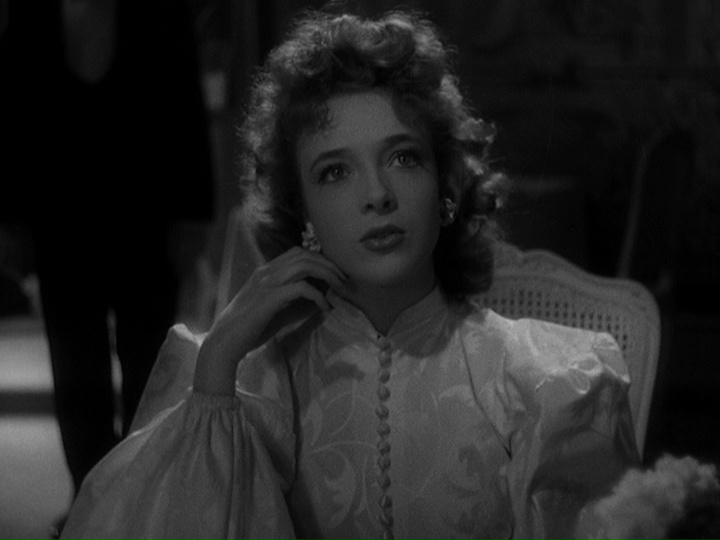
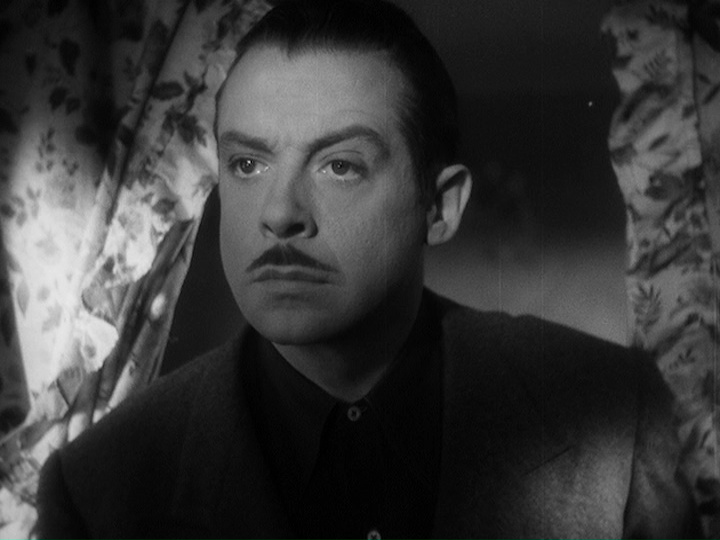
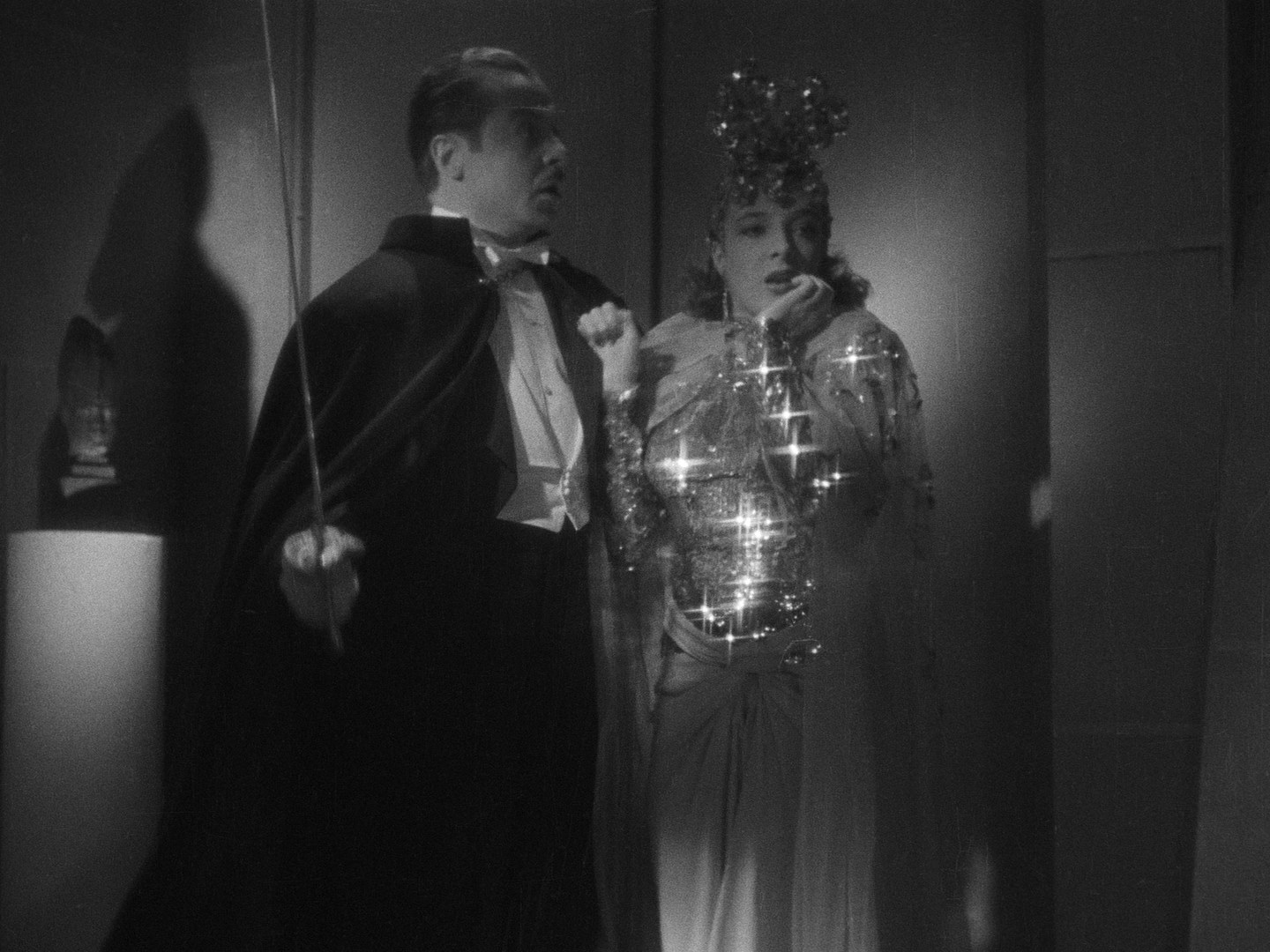 numerous features made in Nazi-occupied France which used the supernatural and period locations to couch their commentary on the current regime. Haunted by visions of a beautiful lady ghost leading him through the city, Denis (Gravey) experiences a strain on his waking hour relationship with his haughty, unfaithful fiancée, Nina (Fabre). Denis feels that his heart cannot be totally faithful to Nina, as this figment of his imagination appears to hold some mysterious destiny in store for him. One night the beautiful woman, Irene (Presle), awakens Denis and leads him to a restaurant for dinner with her fiancé and father. Denis believes he's still dreaming but goes along with the flow of events, which segue to a surreal magic show and an encounter in an asylum. Irene possesses a secret fortune which has become the target of some con men, and only Denis can rescue her from a plot more intricate than he could have imagined.
 director
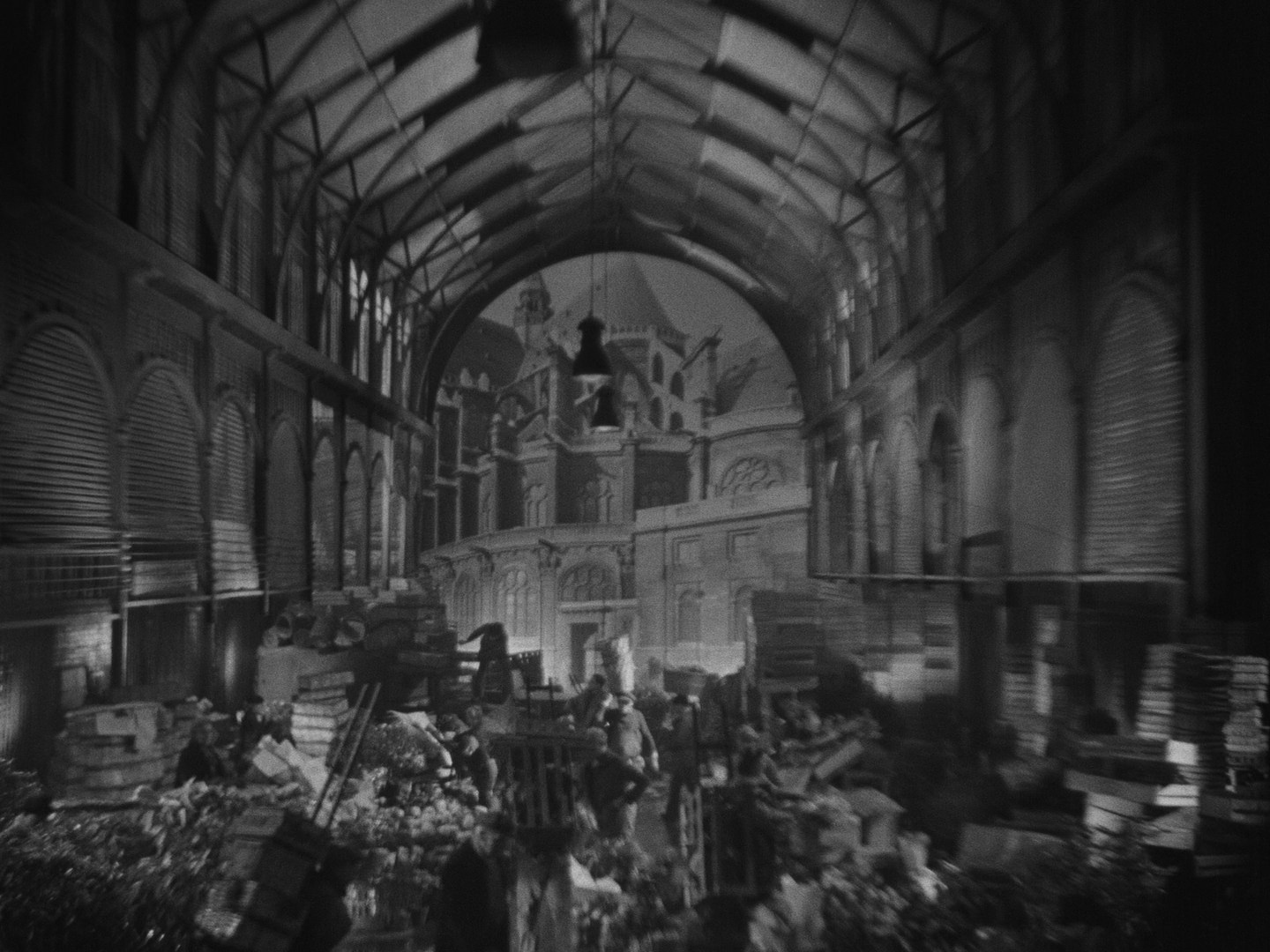
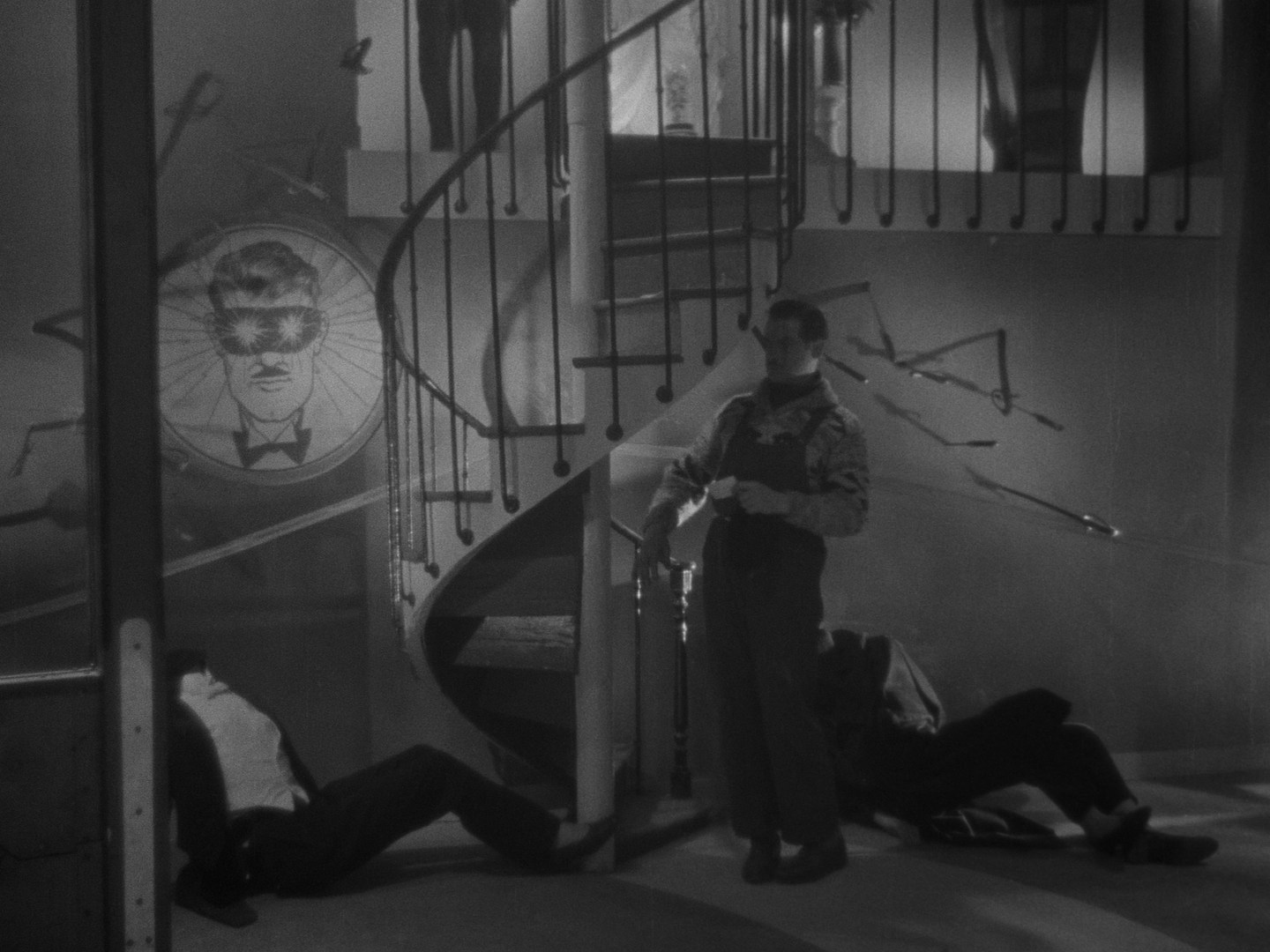 Marcel L'Herbier, who helmed the 1930 version of Gaston Leroux's Perfume of the Lady in Black, creates an intoxicating atmosphere of dreamlike beauty thanks to gorgeous, well-rounded black and white photography, while resistance fighter Gravey makes a personable and charming hero.
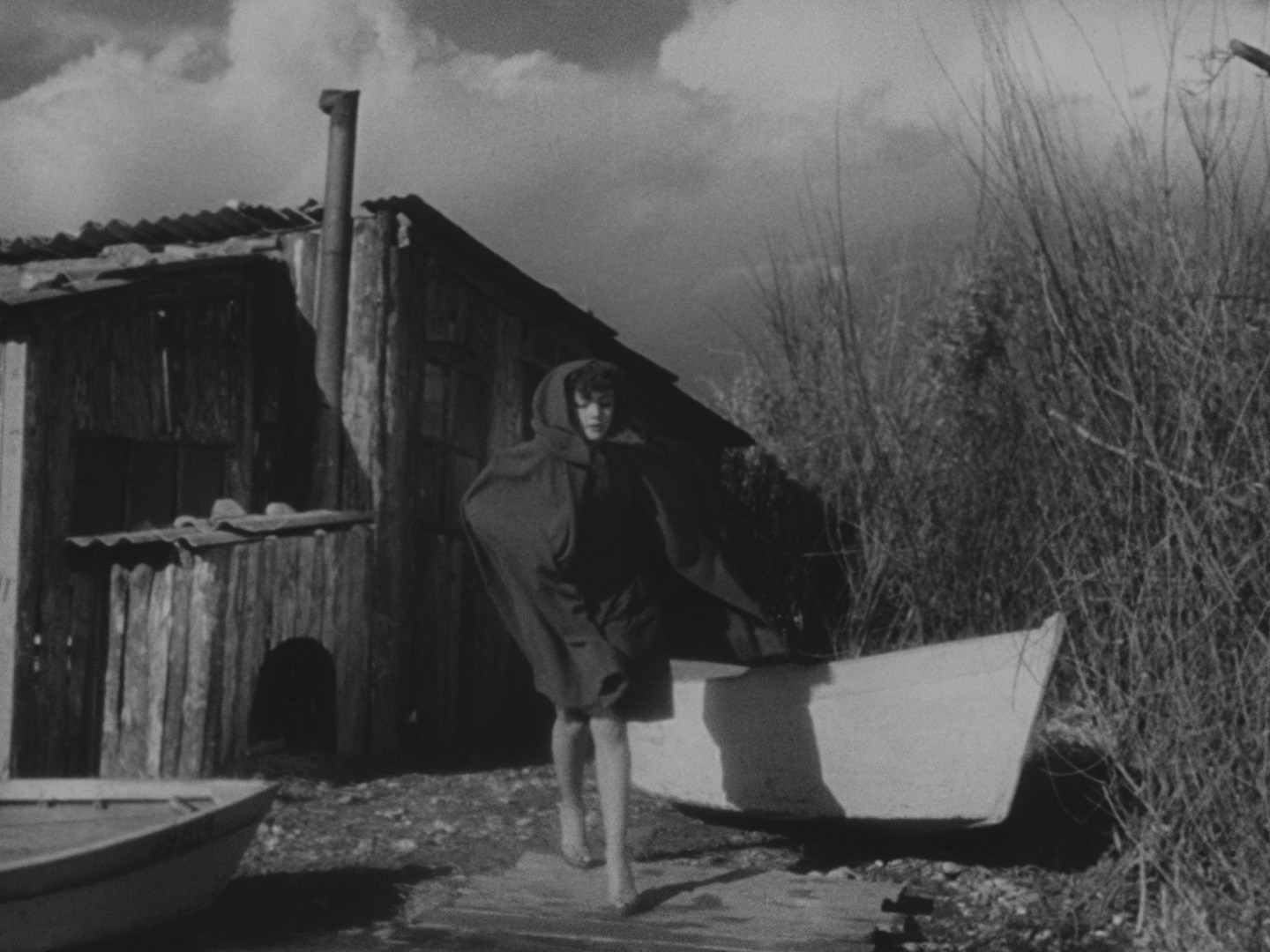 figure.
 The director himself also appears for an archival 1971 TV interview (in French with English subtitles), chatting for 12m28s about his memories of the shoot and filming in places like Bois de Vincennes.
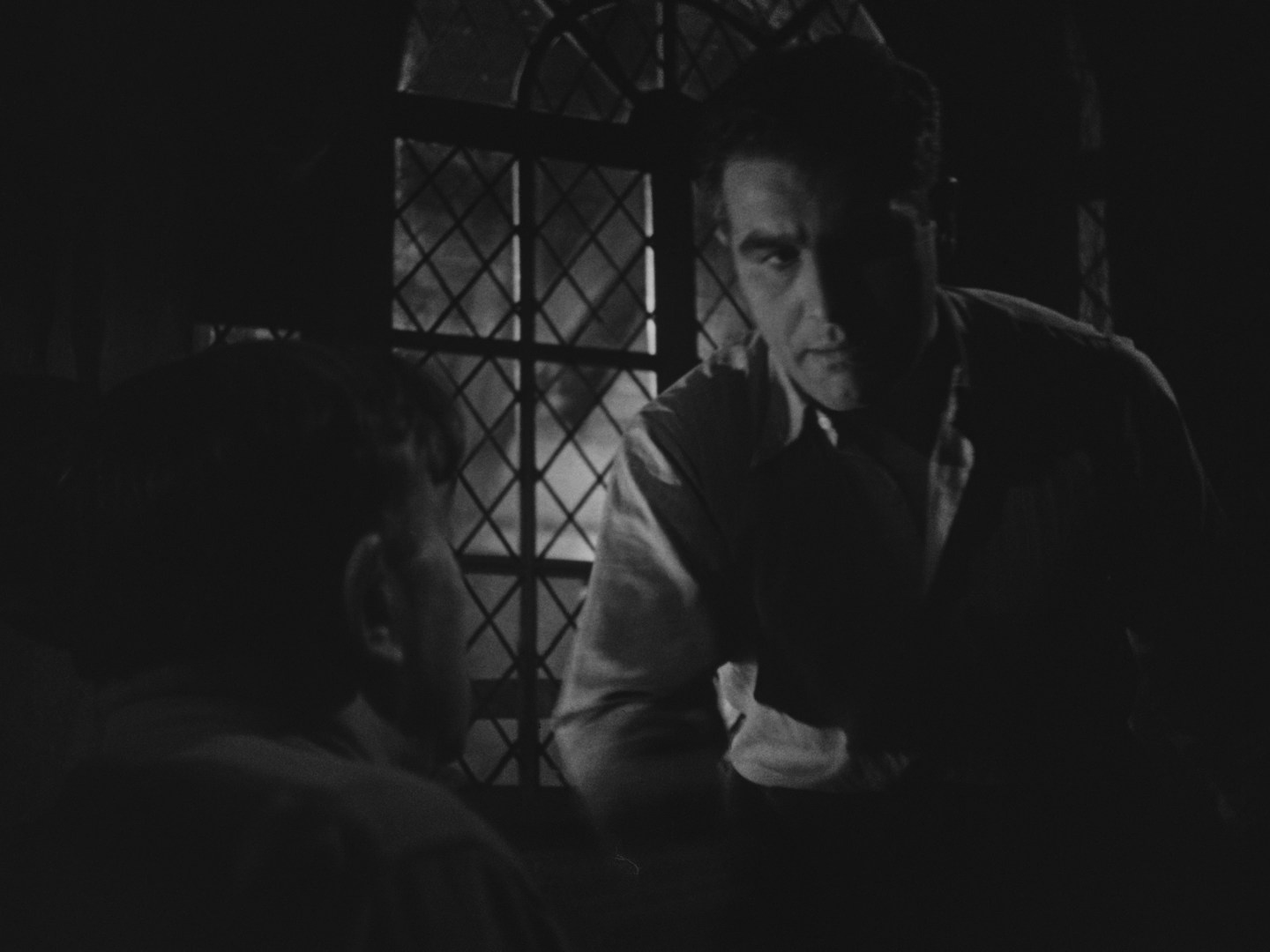 Bossis' considerable screen presence. It's a shame she didn't make that many films as this serves as a fine calling card for her,
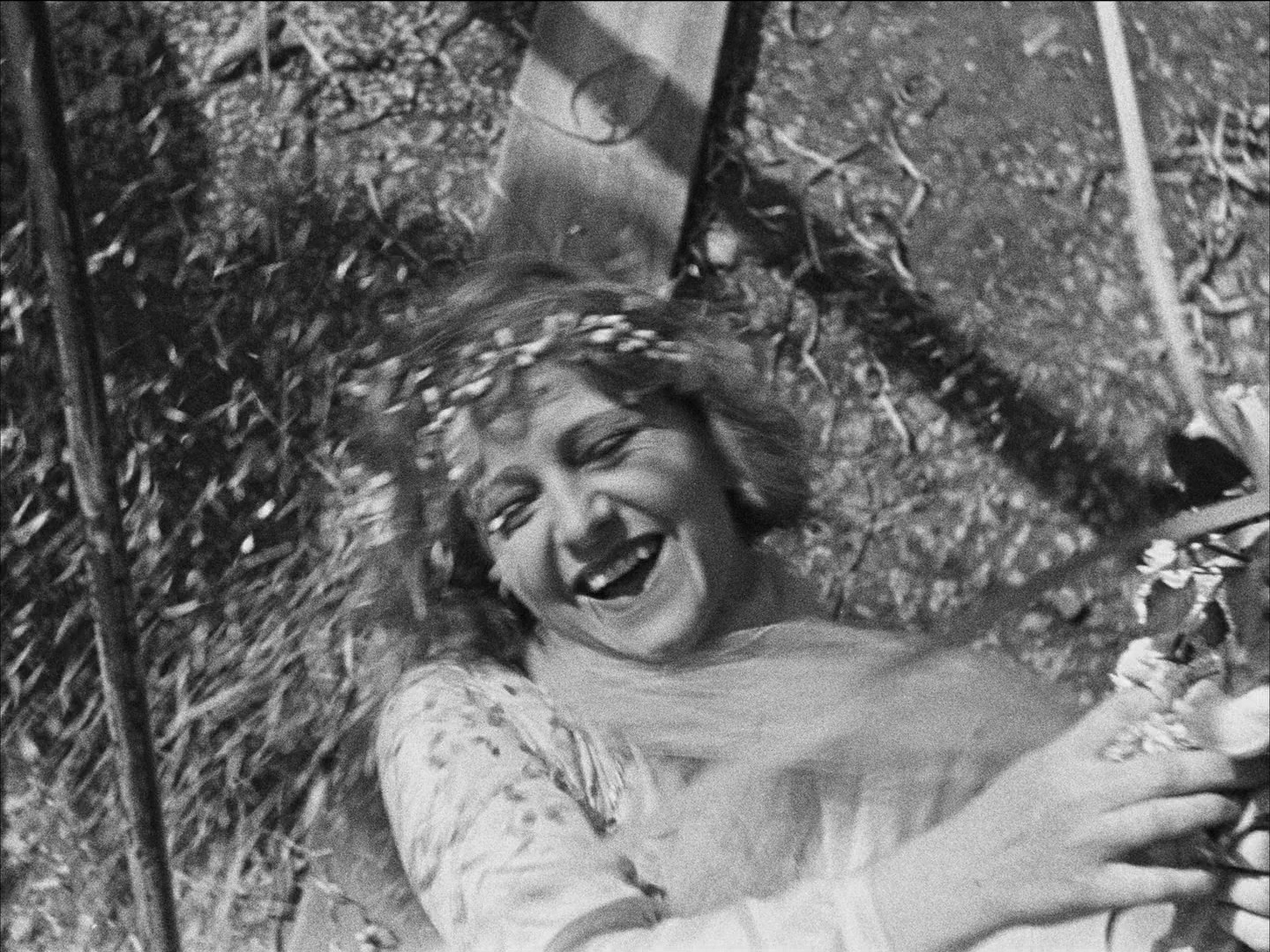
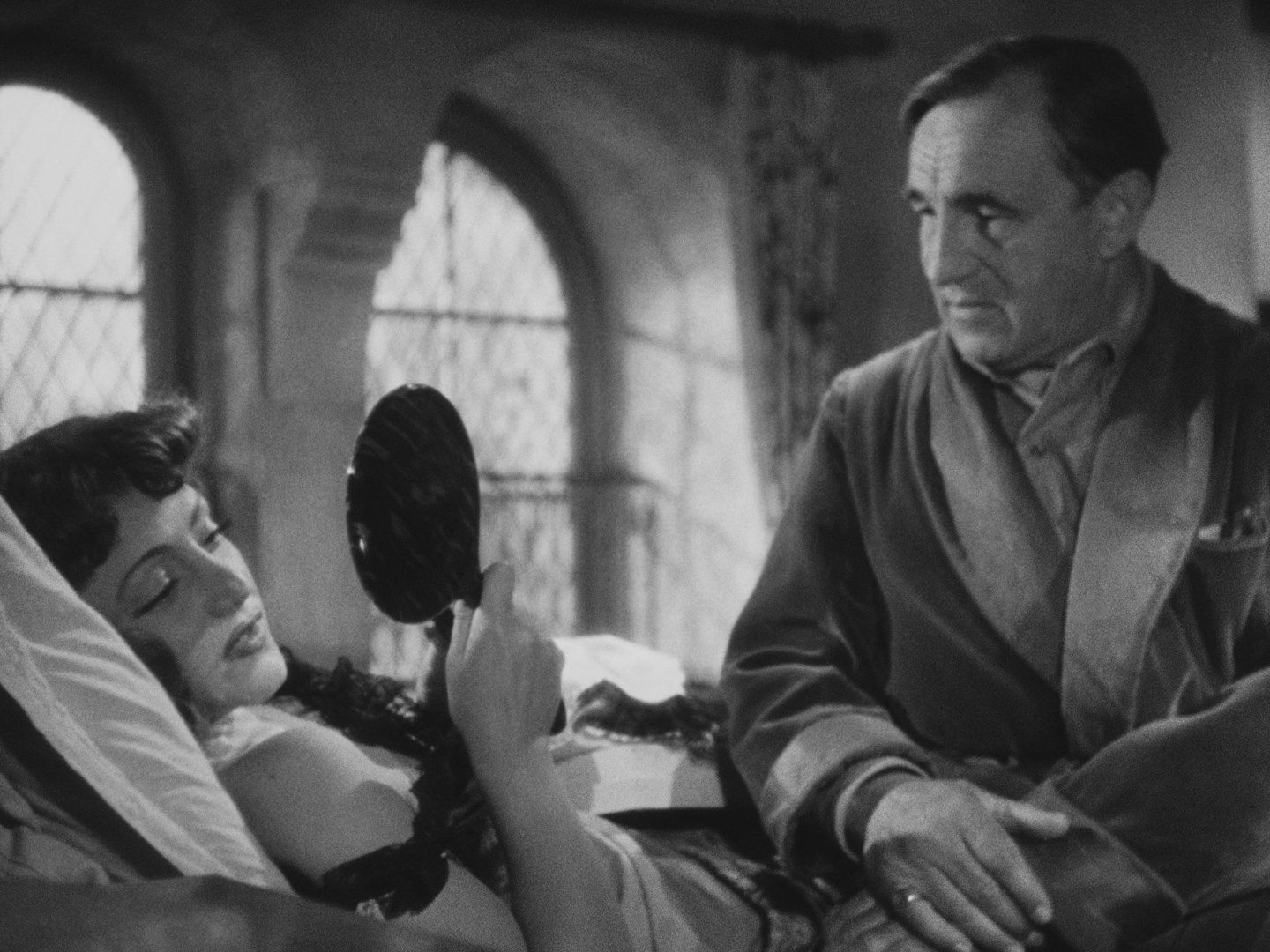
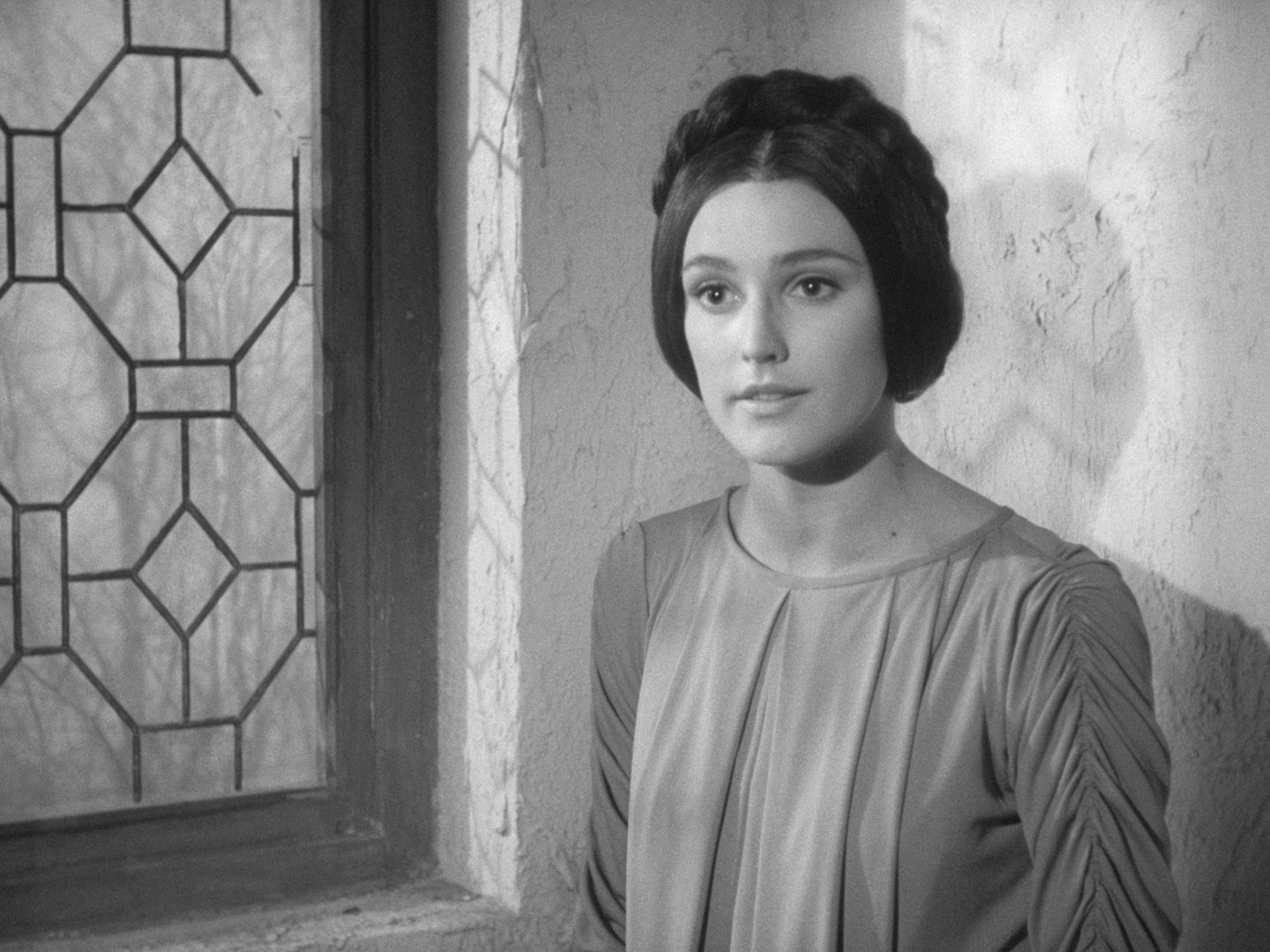
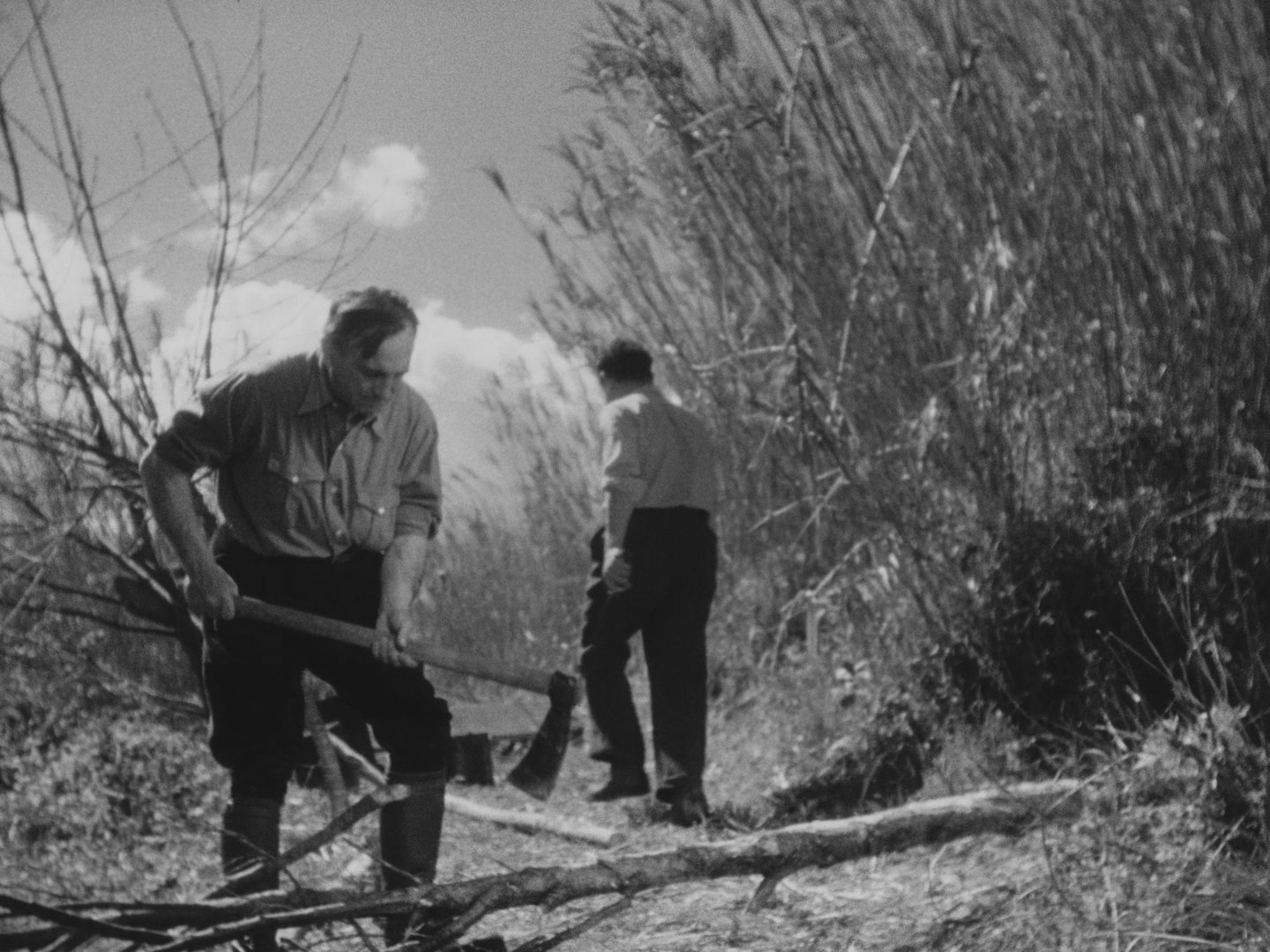 and her male stars also do a fine job with the heightened and eventually very heated material. Picked up for a very marginal U.S. theatrical release, this was pretty much impossible to see at home until this Blu-ray release -- a surprise given its quality and the factor of French-British director Edmond T. Gréville (who weirdly went on to work on Beat Girl and The Hands of Orlac). The 4K restoration by Studio Canal (conducted by the dreaded Hiventy, so thank heavens this wasn't a color film) also looks pristine here with zero damage and excellent detail throughout. The PCM French mono track is also nicely restored and features excellent optional English subtitles, plus a new audio commentary by sister scholars Elena and Manuela Lazic who ably address the question of the fantastique classification and the essential role of ambiguity, more about Vanel, and readings of the Louvaine character and her perceptions of her experiences. Also included is a new interview with critic David Thompson (22m2s) about Gréville's erotically charged work, his "cursed" status, and key titles worth exploring.
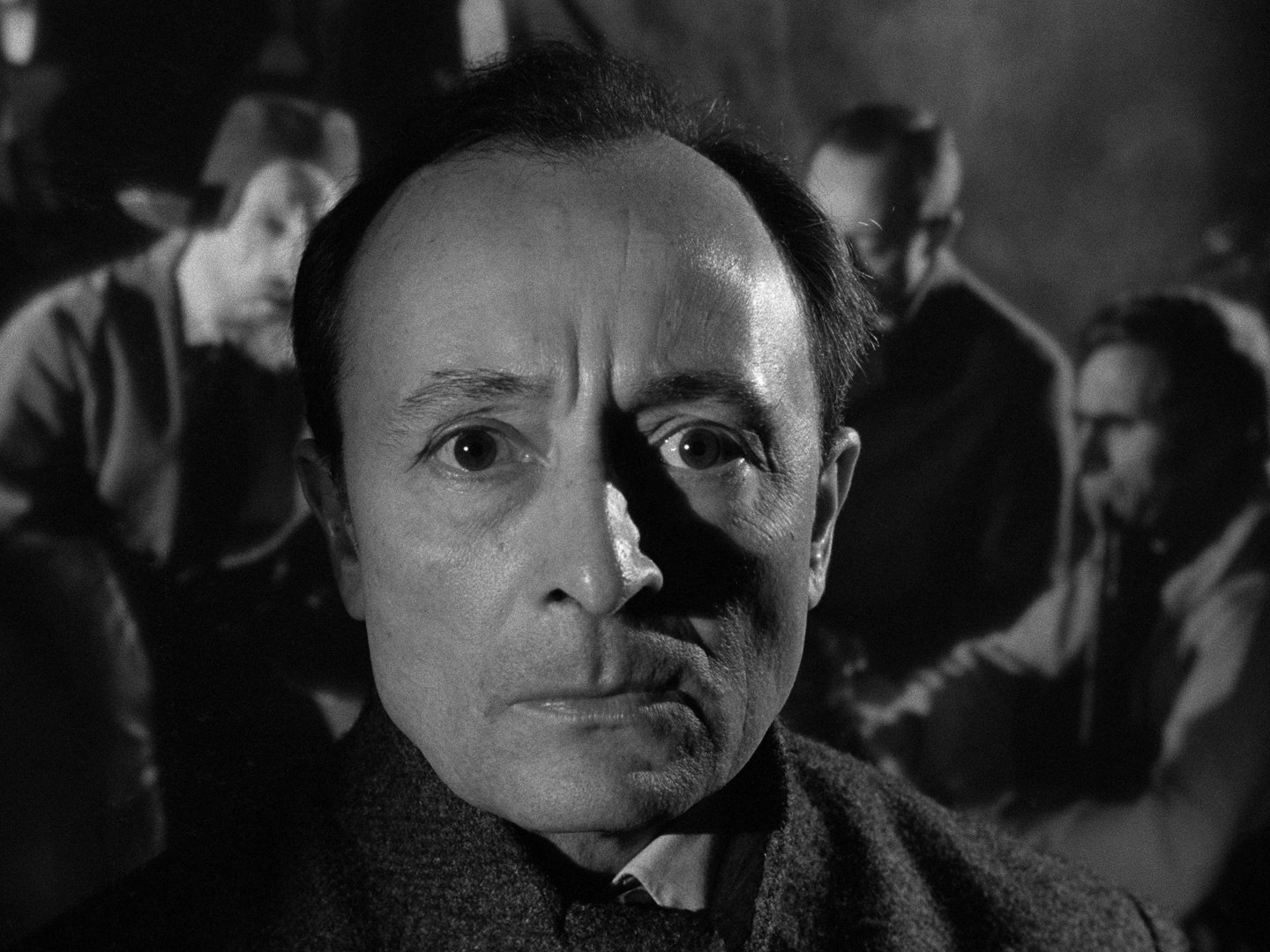 only one made for television: The Golem, a fascinating 1967
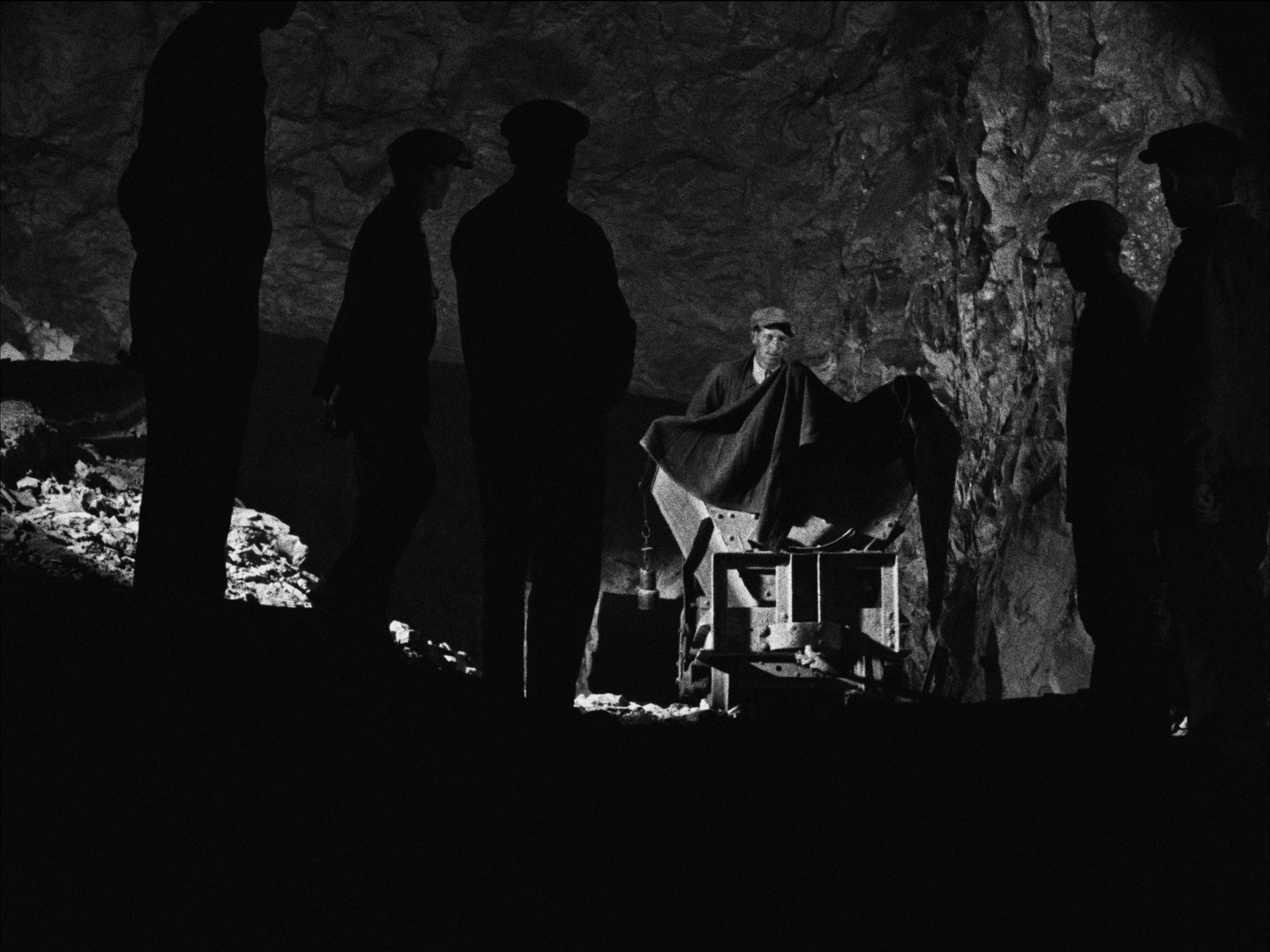
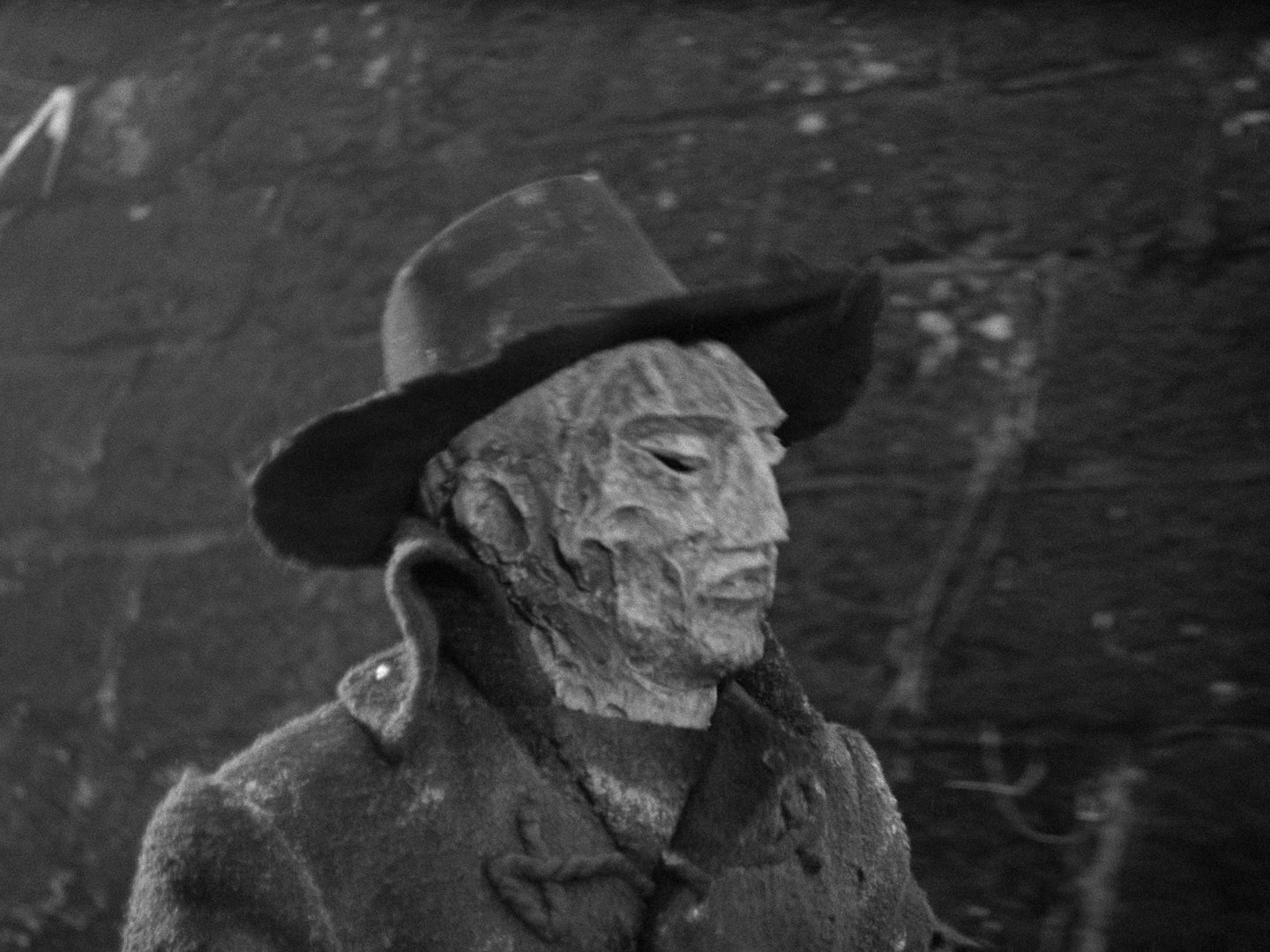 variation on the familiar legend about an animated clay figure used as a tool of retribution. All of that gets remixed heavily here though as our unnamed protagonist (Reybaz) accidentally ends up with a hat embroidered with the name of its owner, Athanase Pernath. Upon putting on the hat, he's thrust into the man's world (or is he?) within a Jewish Prague ghetto where he works as a jewel cutter among sprawling stone buildings and eerie sounds of laughter. Everyone is paranoid and running around committing various indiscretions, with some stalking and other seeking a hiding place -- all in anticipation of the return of the golem, which returns every 33 years to stalk the land.
 Trier would do in Europa decades later. The running time of nearly two hours is a bit indulgent for the material, but given how much
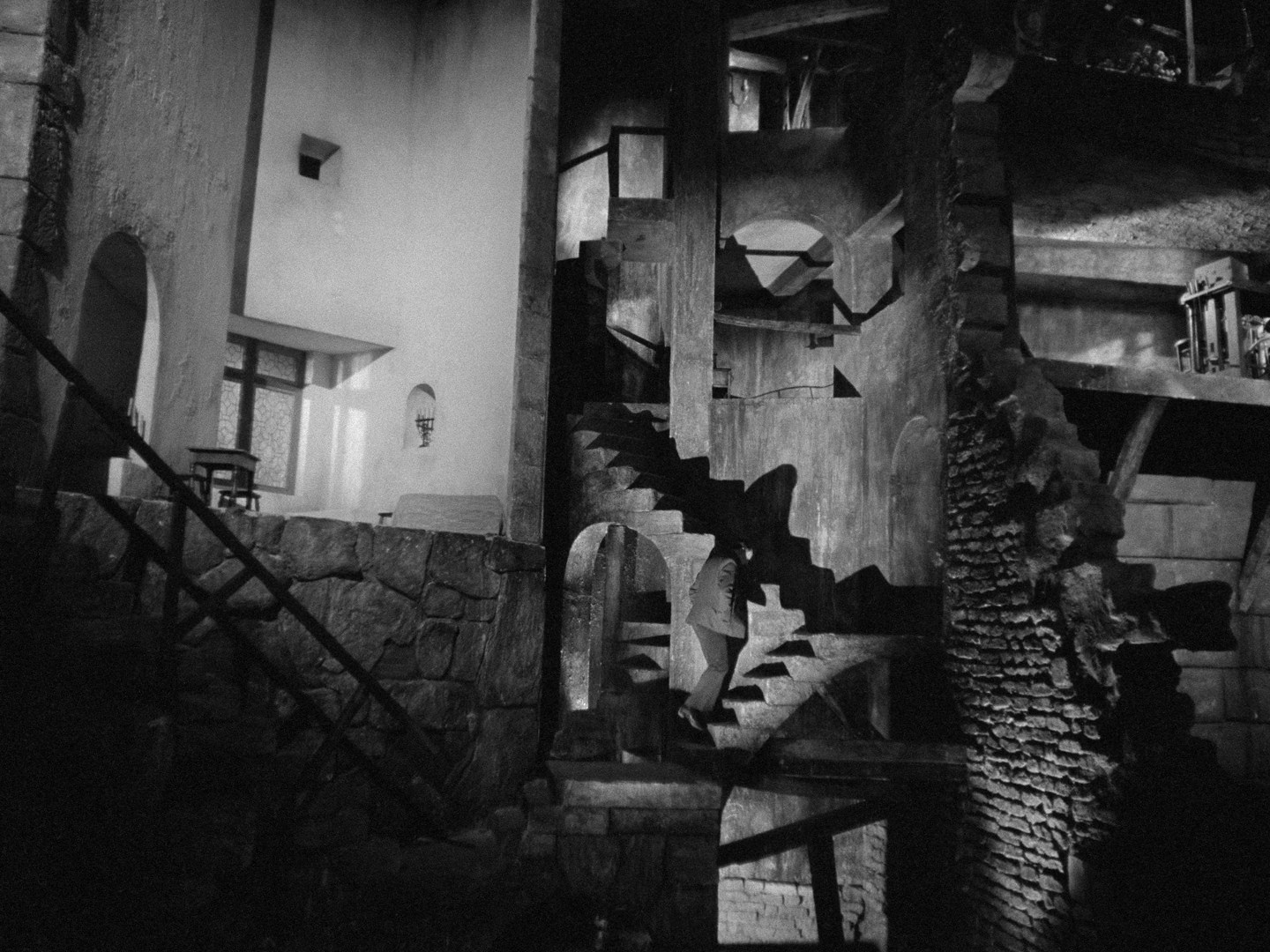 fun it is to watch, you're best of just kicking back and going along for the ride. This doesn't seem to have a home video history at all to this point apart from a dupey 16mm print that hit the gray market years ago from folks like Sinister Cinema, and the 4K restoration here from INA is really something to behold. Again the PCM mono French track is great and comes with optional improved English subtitles. An archival 6m3s intro created for the TV broadcast (6m3s) with journalist Louis Pauwels lays the groundwork for the golem background for the viewer, while a new interview with Kim Newman (16m17s) is an excellent primer on the golem story, Gustav Meyrink’s novel, the noteworthy movie adaptations including the classic 1920 one, and ties to other genre figures, all while sitting in front of a very apropos figurine. A 27-image photo gallery is included, with a handful of great shots from the set in color.
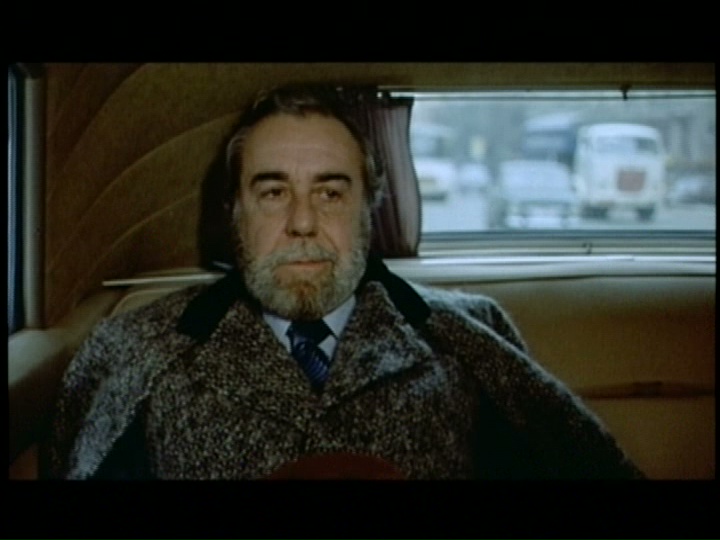
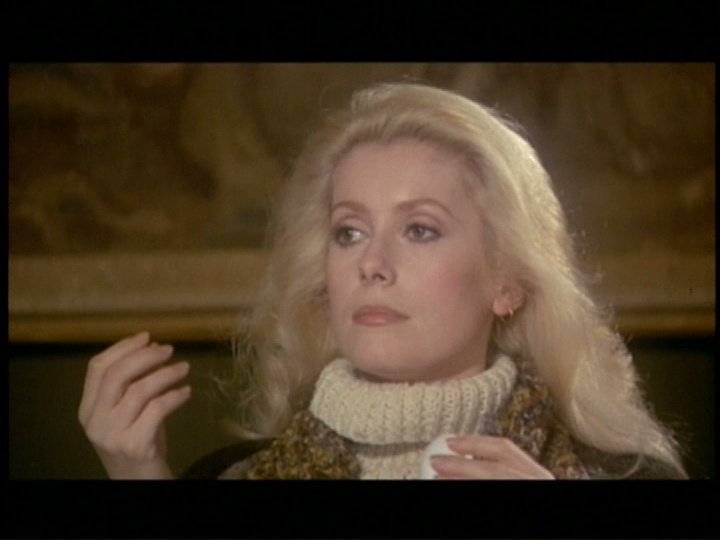
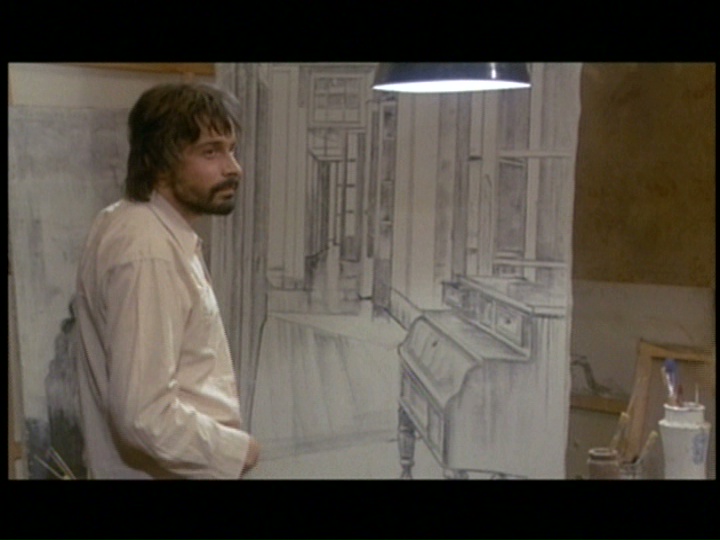
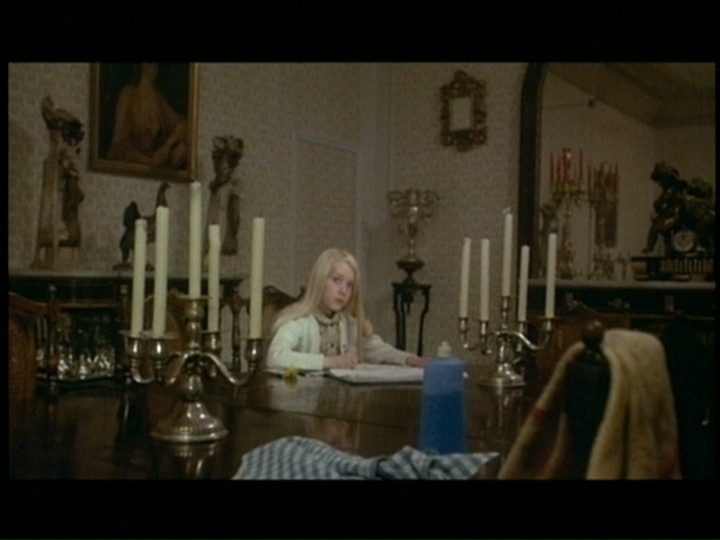
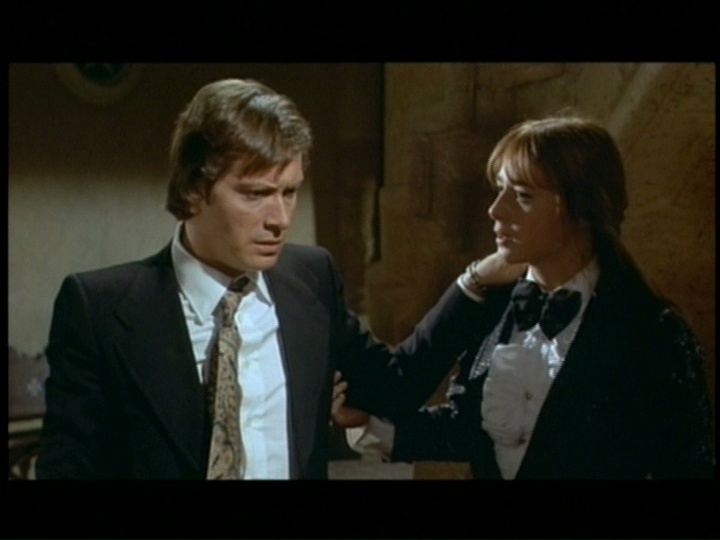
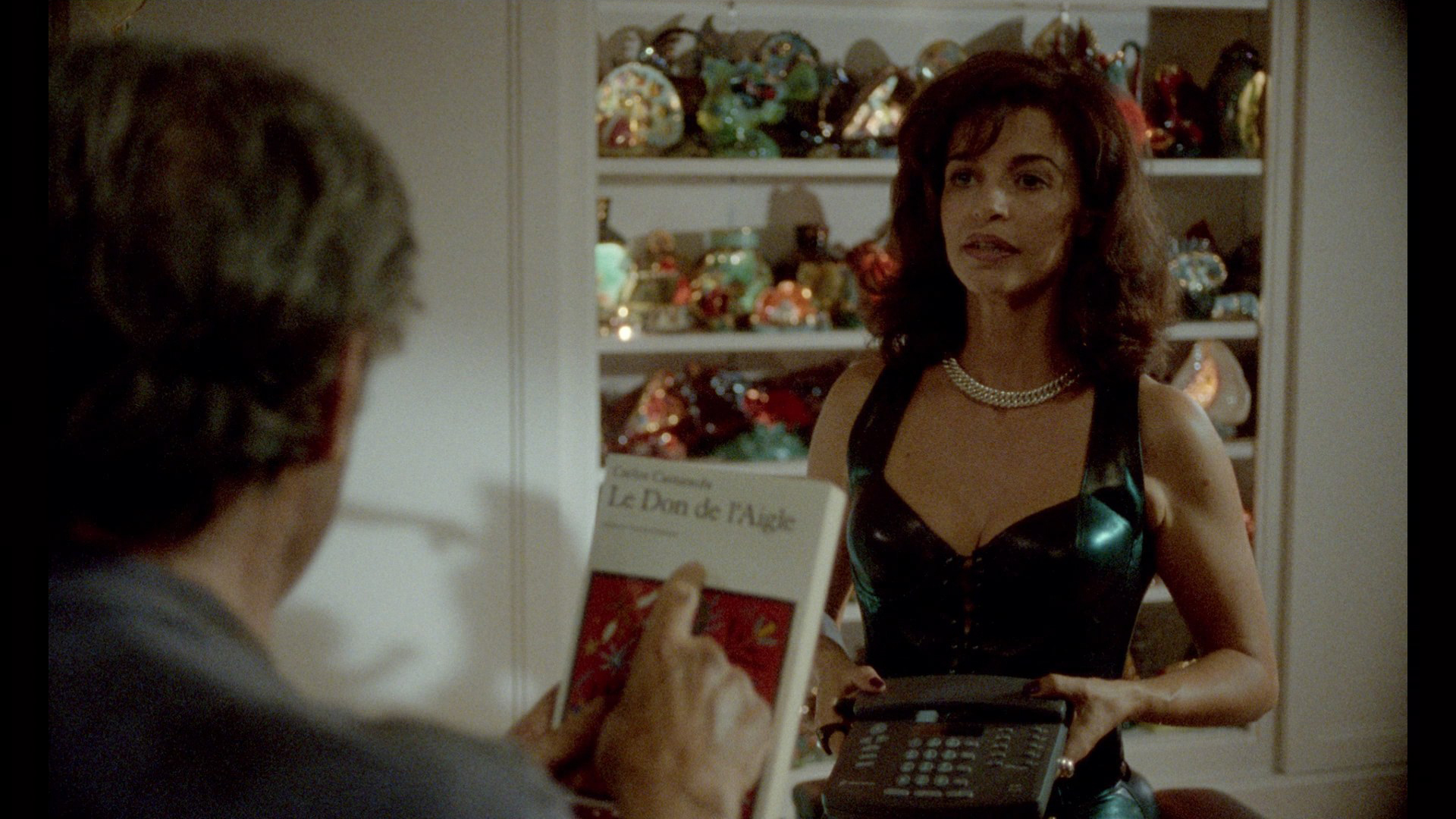
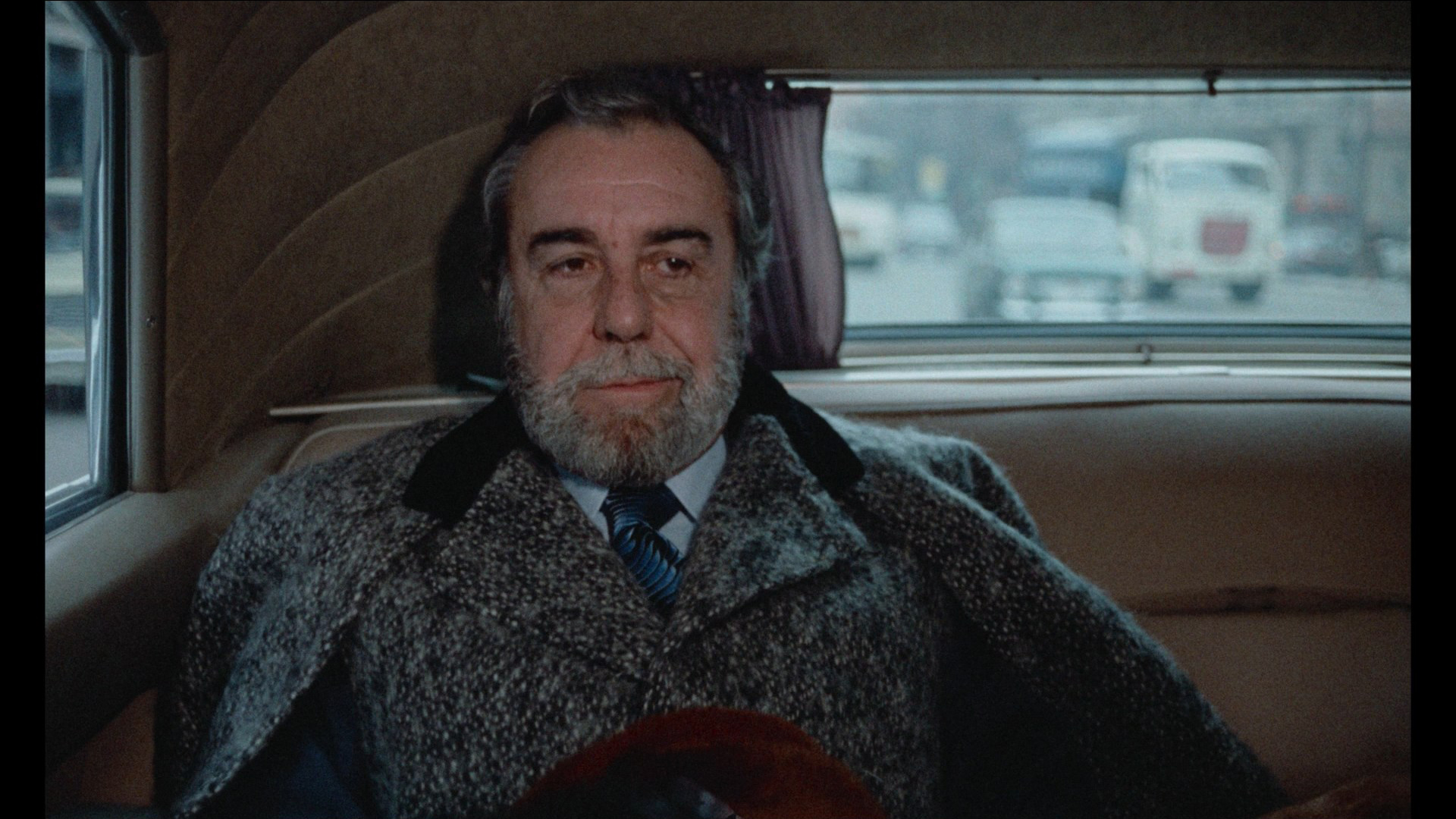
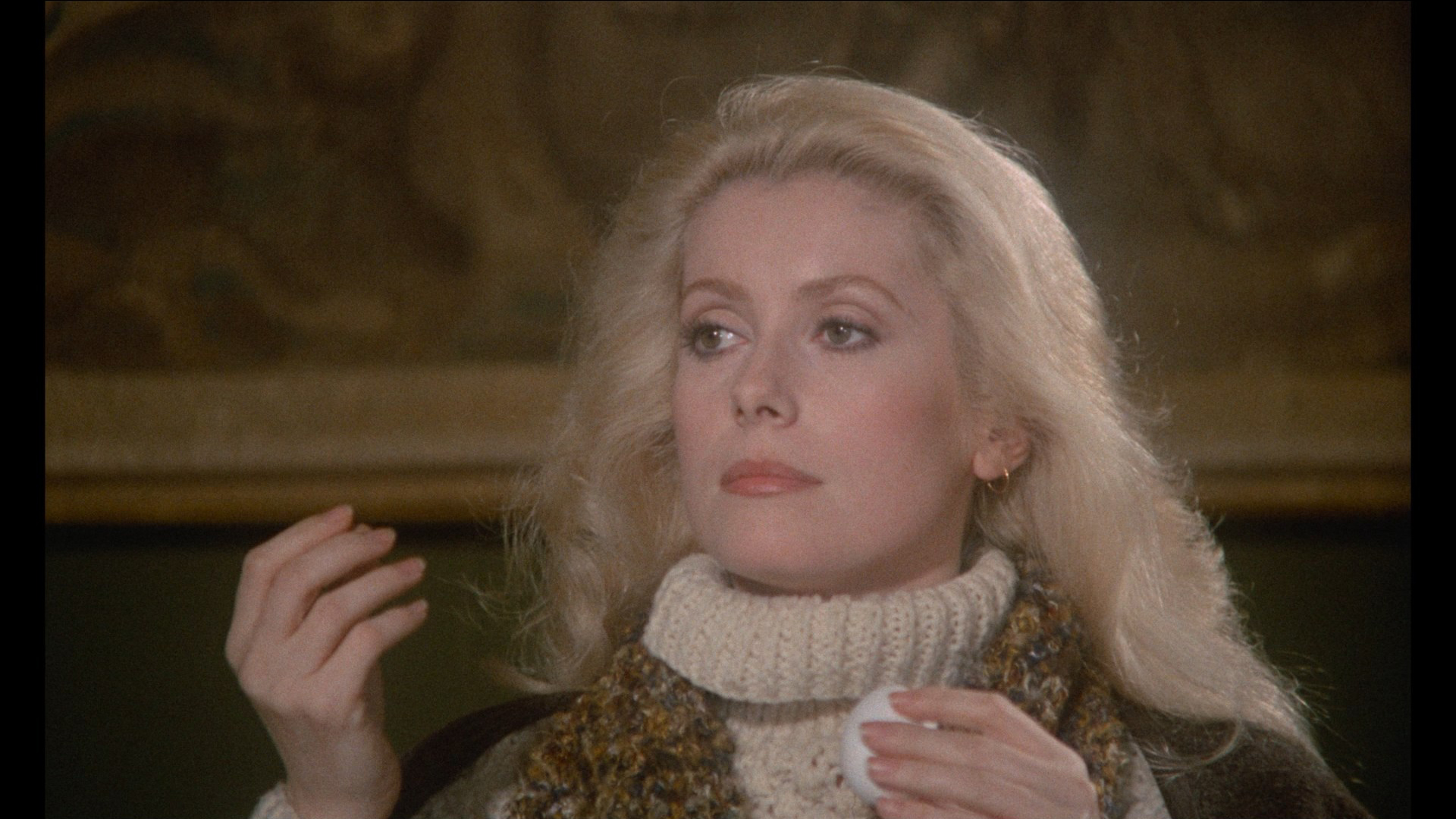
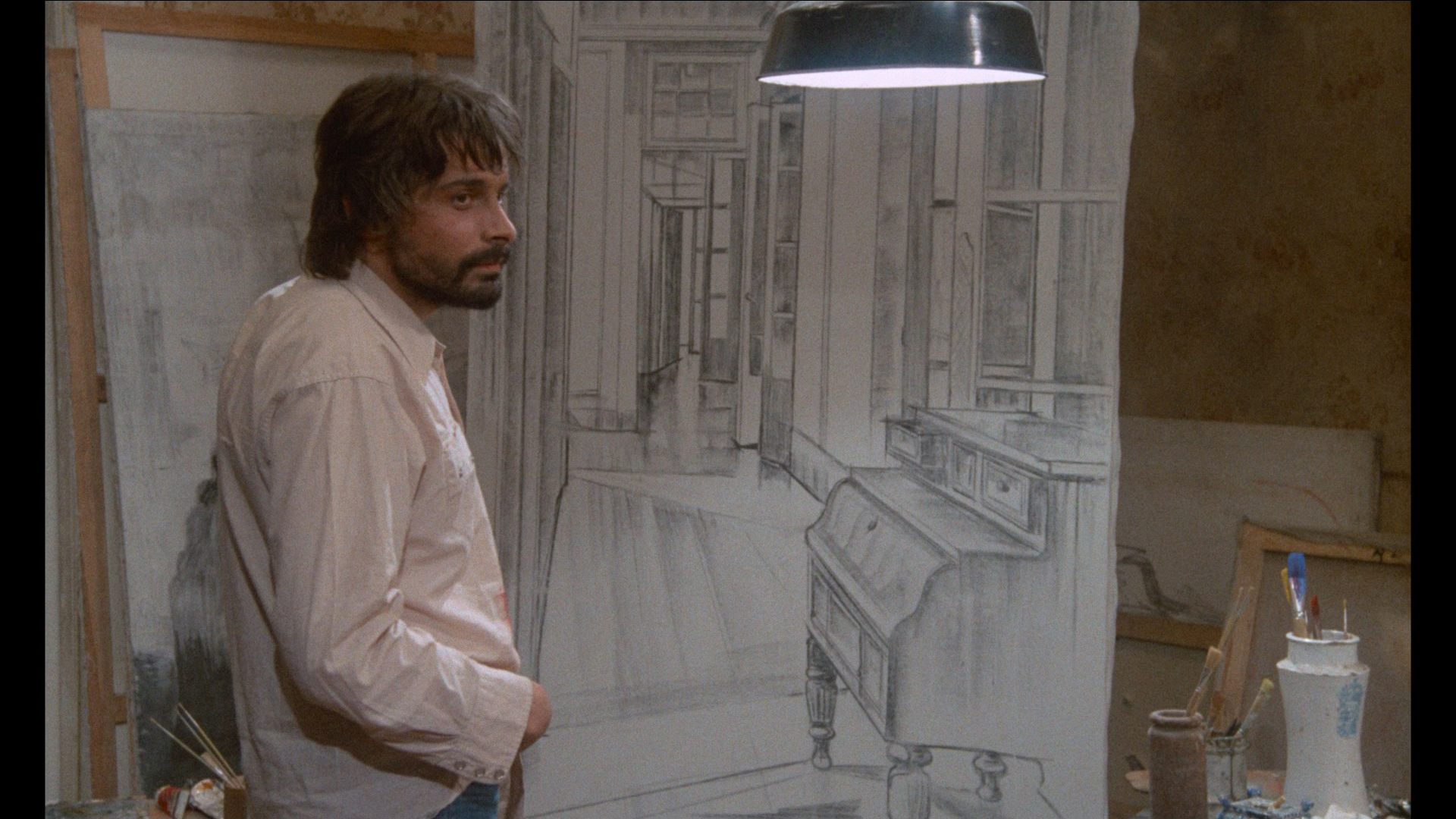
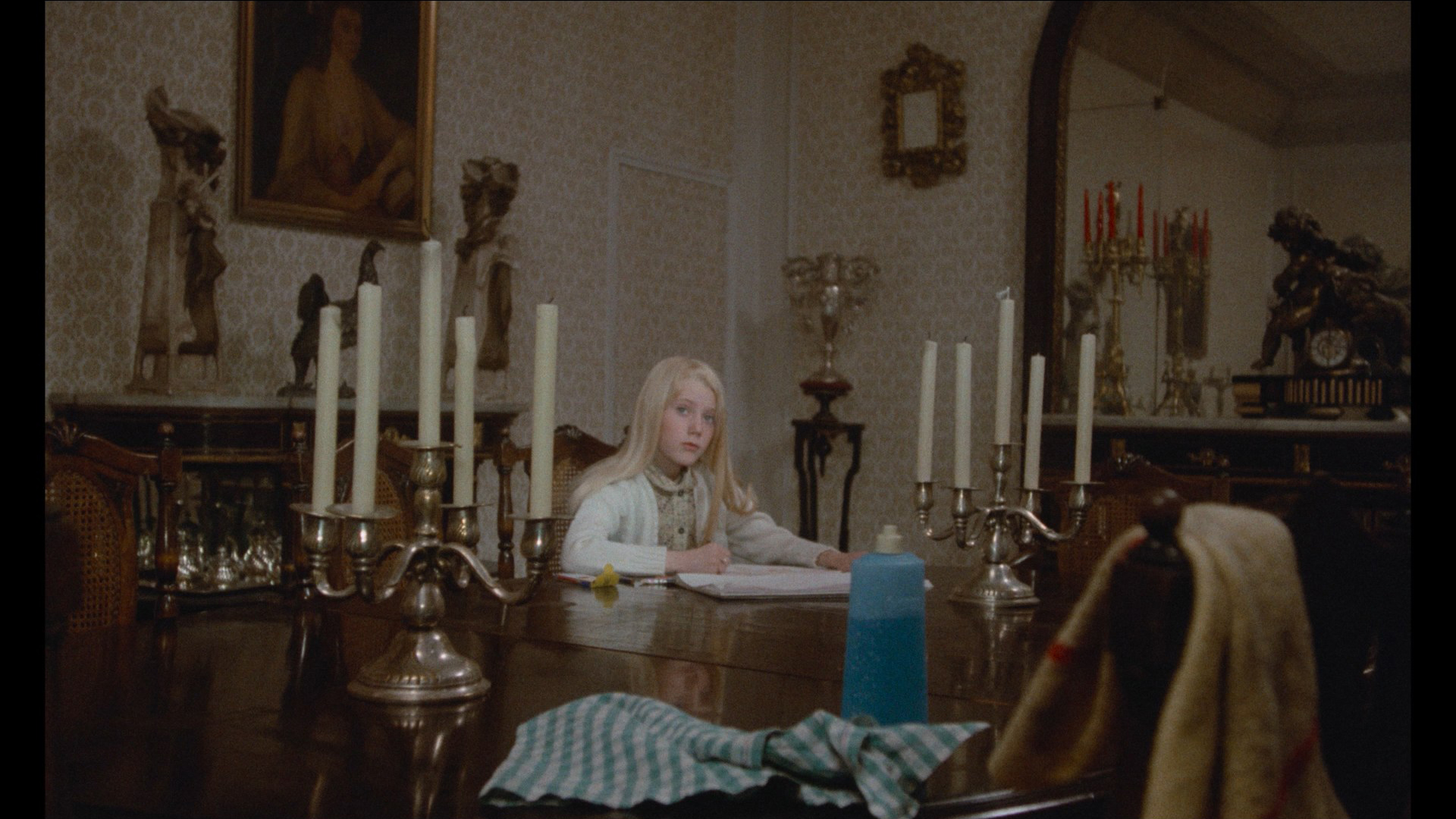
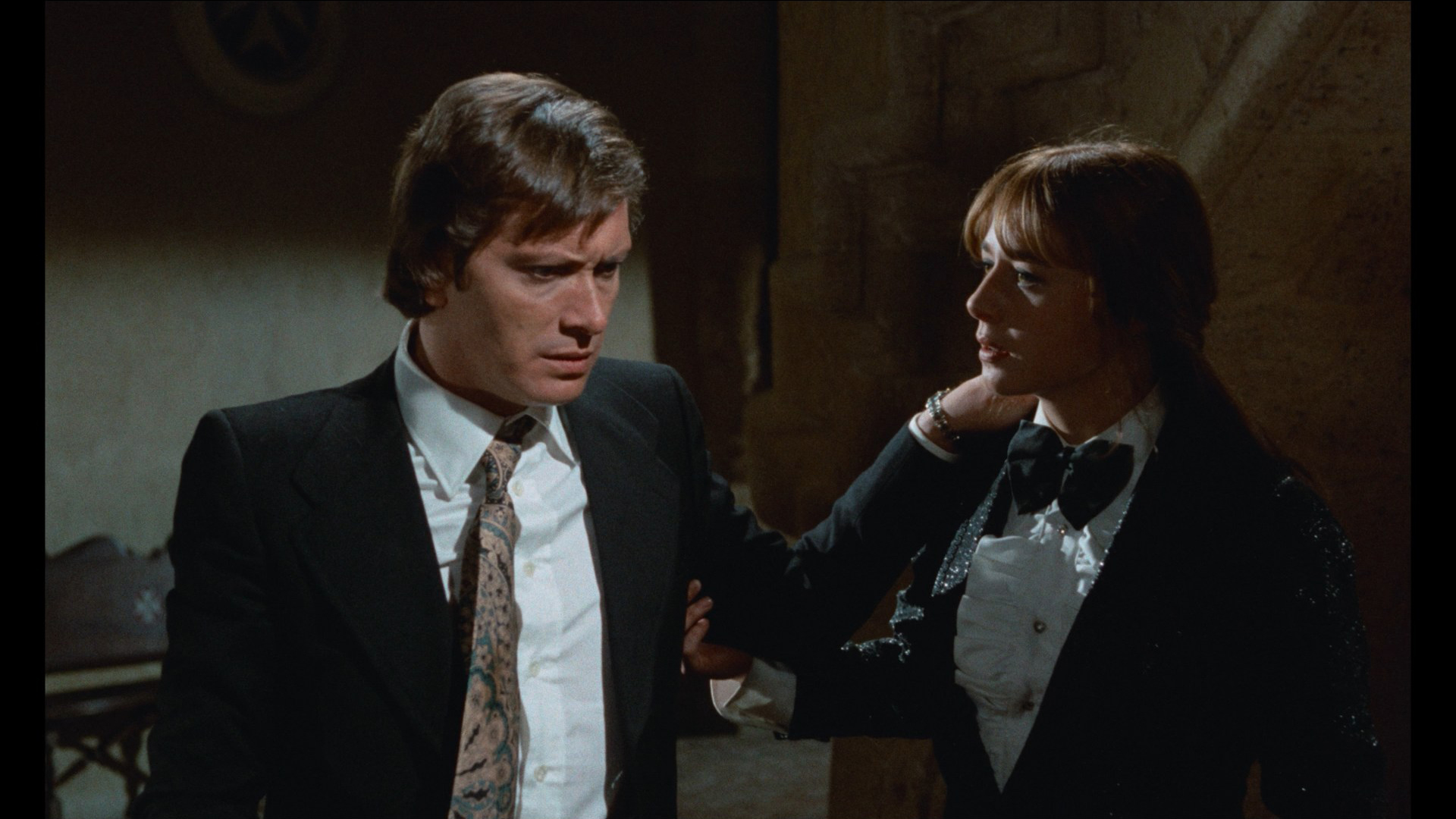
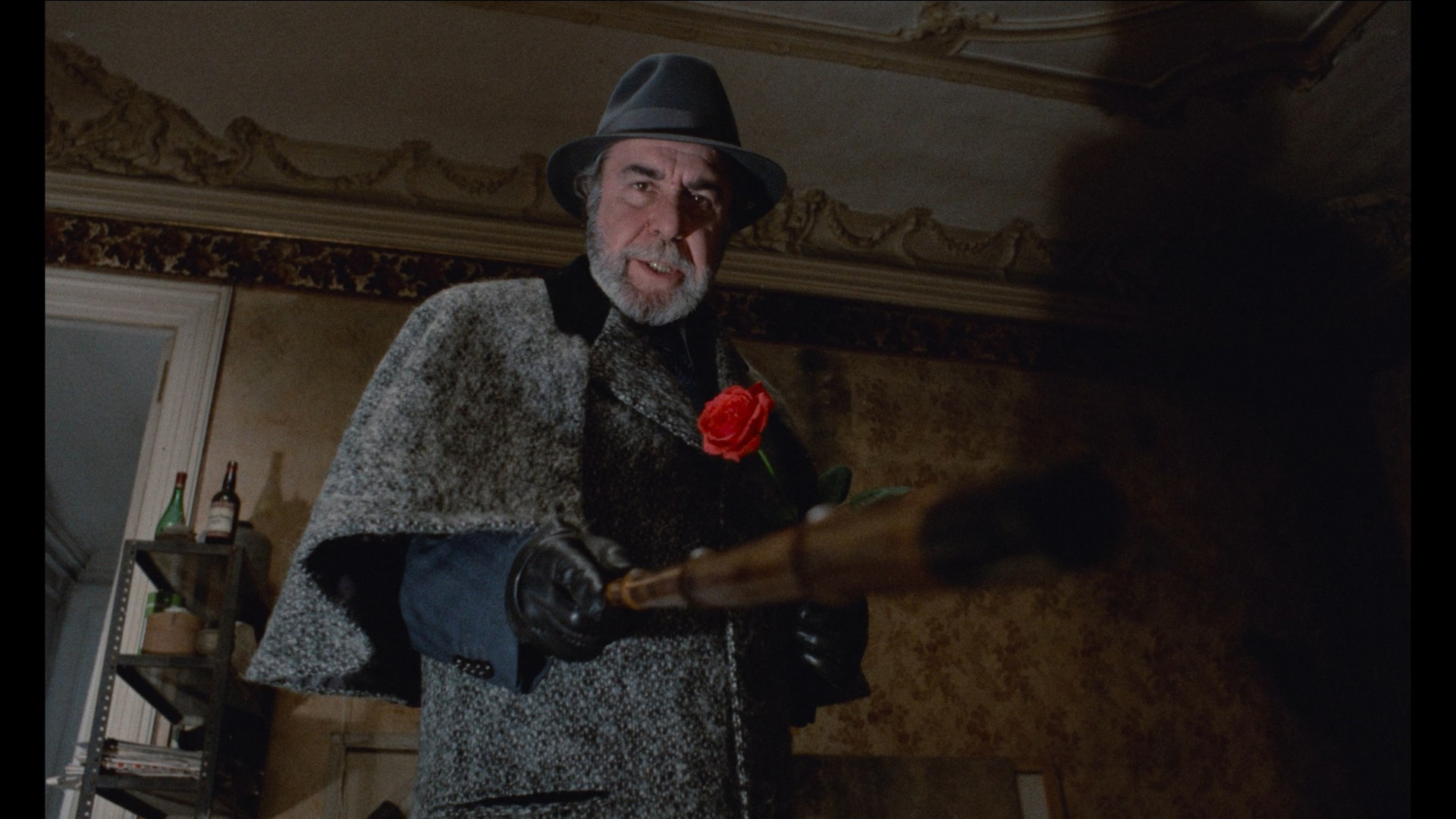 Deneuve is the main attraction here as Françoise, the celebrated author of one novel, whose wanderings catch the eye of rich Perrot (Rey), an
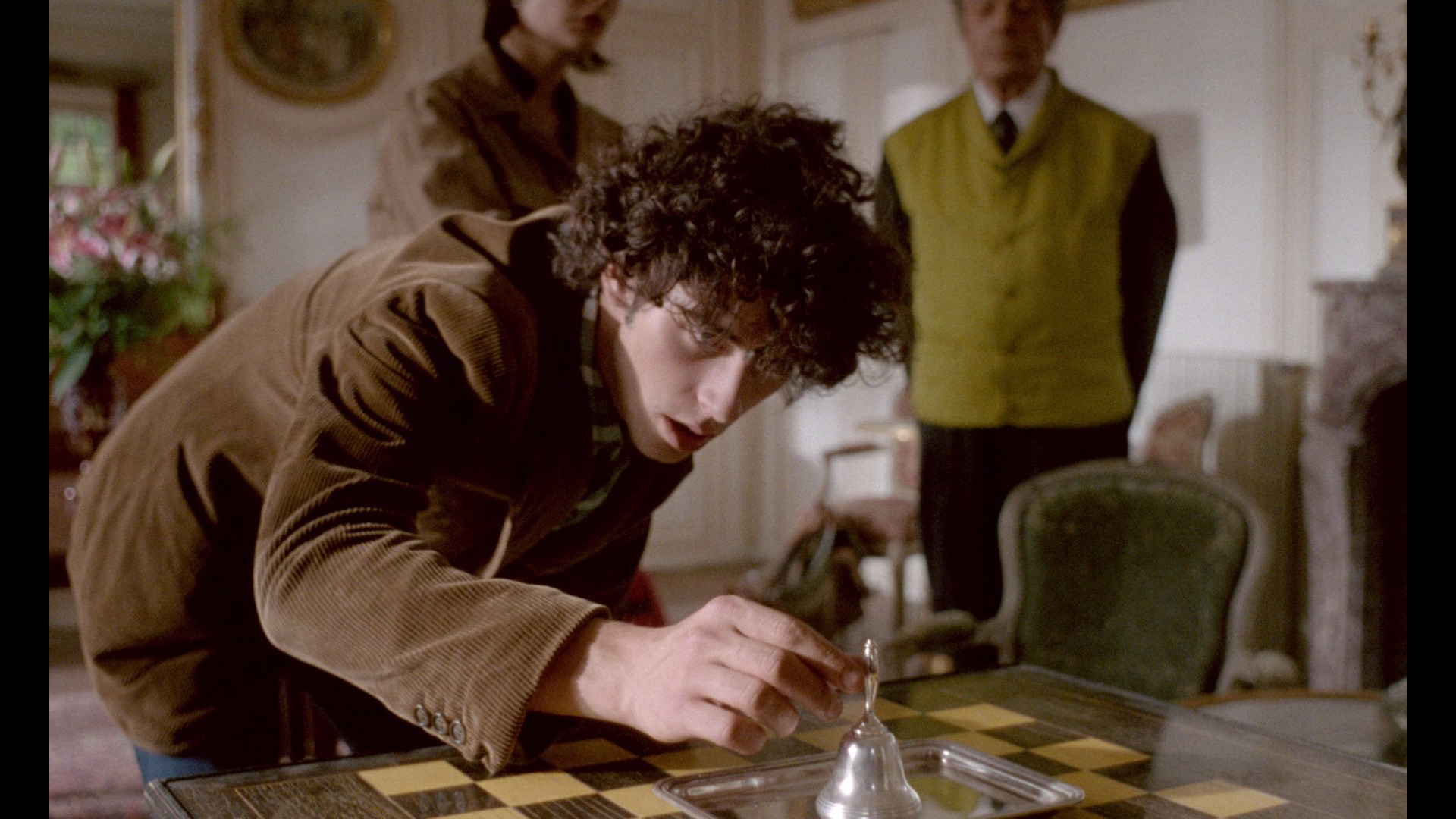
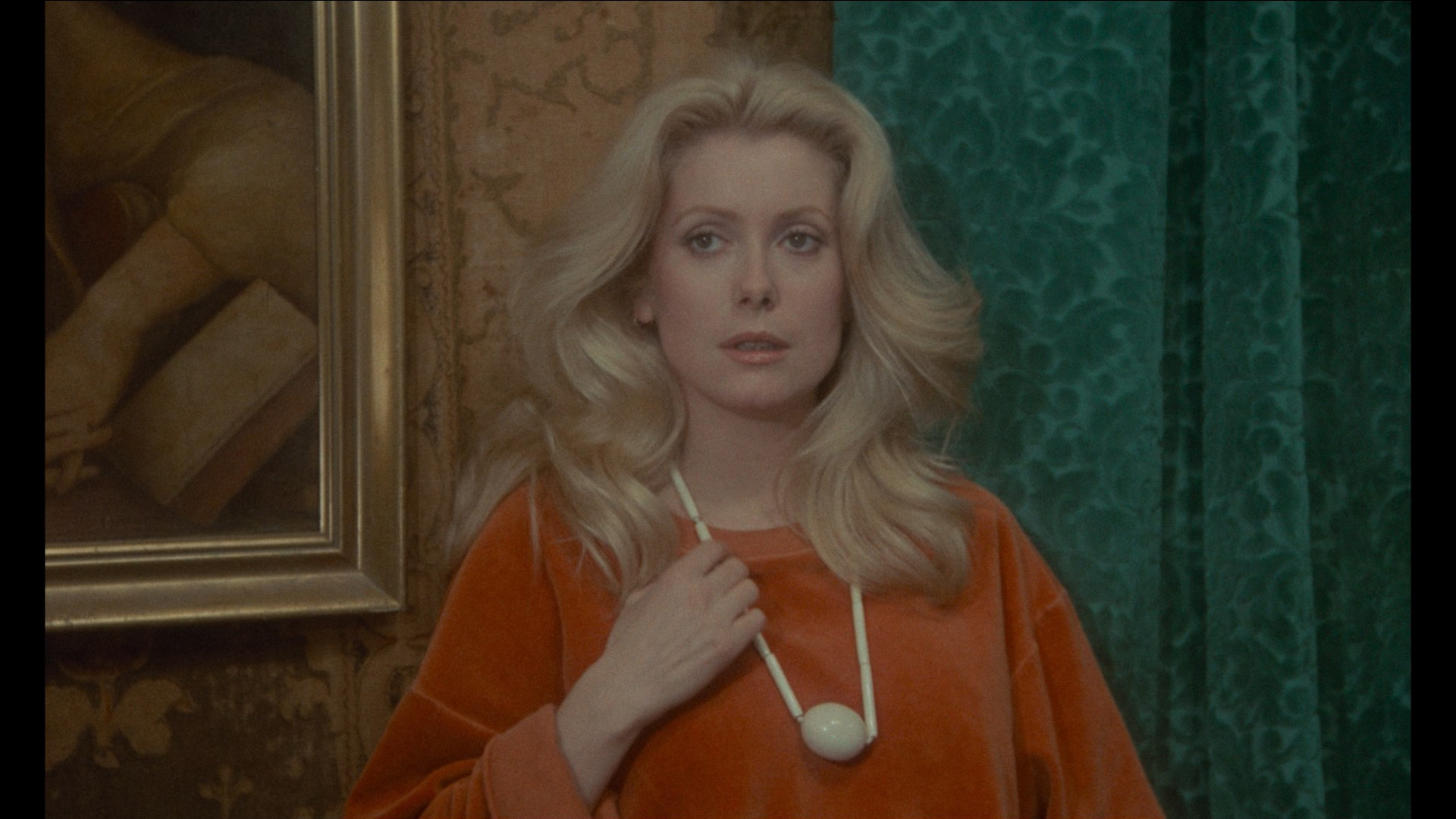 art devotee who passes out in art galleries, buys up paintings, and rides around a lot with his chauffeur, Cleber (El diputado's Sacristán). She's also psychic, a gift she explains she's had since childhood, which enables her to manipulate the reality around her and pull pranks like "flashing" Perrot for a bit of money in a cafe. Françoise lives with a bohemian painter, Richard (Weber), in a casual and sometimes sexual relationship, but she becomes fixated on art magazine honcho Marc (Merli) when she overhears him praising her work at a book stand. Marc's ill-fated wife, Sophie (The Other Side of the Mirror's Cohen), isn't thrilled when Françoise sends a rapidly growing pile of letters to him, with an intrigued Perrot intercepting some of them at the mailbox to read for himself. Perrot invites the mysterious woman to stay at his luxurious home to write her next book and ropes in both of the other men in her life as well, leading to a bizarre chess game, multiple revelations, and a great reality-bending grace note at the end.
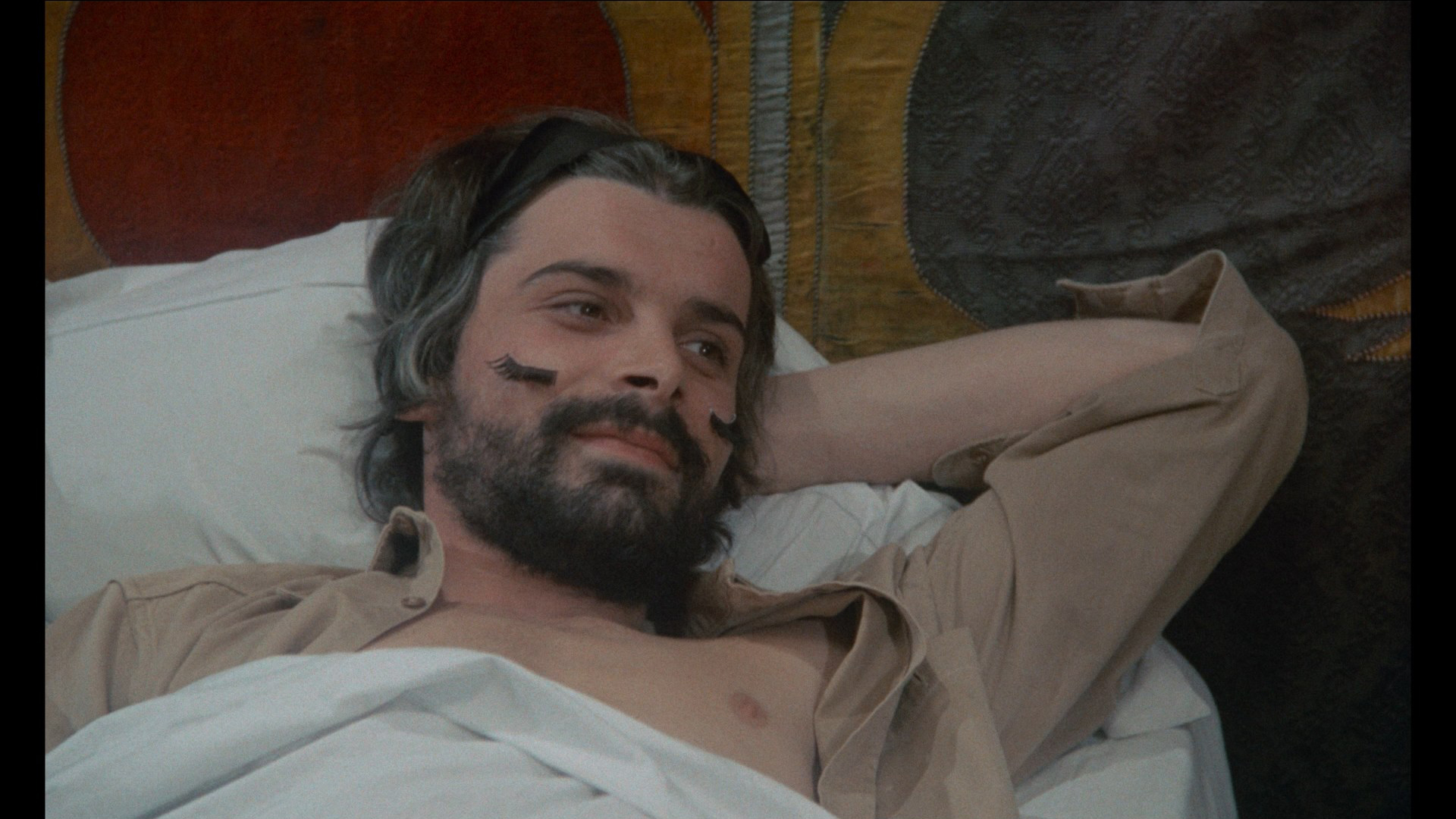 '70s surrealism. Again this one got a minor North American theatrical run at the time along with plenty of play
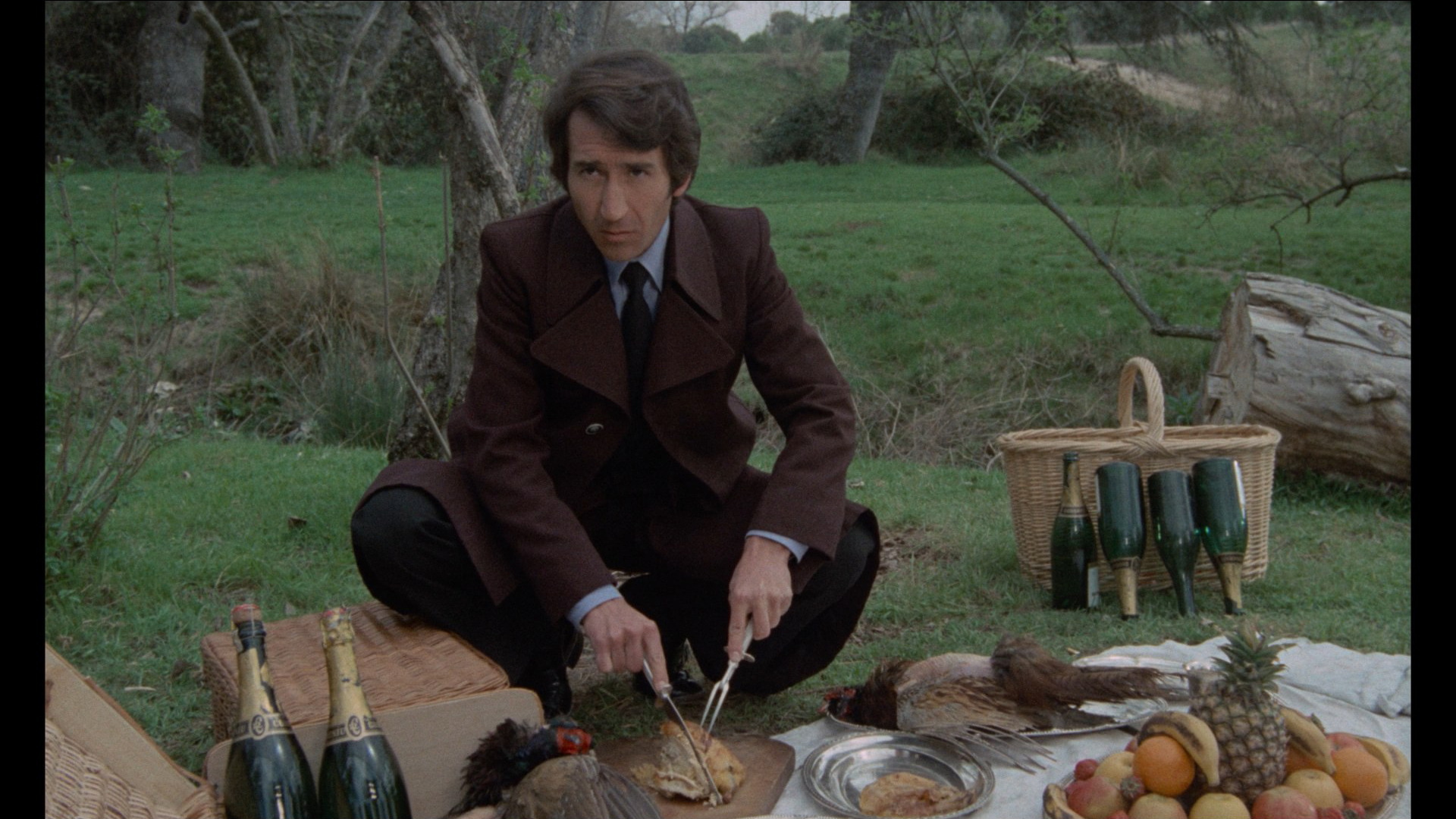 across Europe, with an unexpected DVD turning up in the U.S. in 2003 from Pathfinder. Letterboxed but not anamorphic, it looked fine for the time and came with optional English subtitles for the French, Spanish, and English tracks. The French version is by far the best since that's what the actors were speaking; any other option is dubbed and very airless by comparison. The Radiance disc is a big upgrade, featuring a 4K restoration from StudioCanal with quite a bit more image info visible and a significant leap in detail and color fidelity. This time you get PCM French, Italian, or English mono audio options, with improved optional English subtitles. A new interview with fashion scholar Matteo Augello (19m14s) is very enjoyable as he analyzes the history of magical footwear, waxes rhapsodic over Deneuve's amazing hair, and studies the symbolism of the clothing and makeup choices despite no one being credited on the actual film for either. The Samm Deighan visual essay "The Woman with Red Boots and the Legacy of the Fantastique" (15m24s) touches on the director and the film's kinship with films by Alain Robbe-Grillet, Walerian Borowczyk, and so on, with the erotic undertones and psychic elements putting it in fine company indeed. Finally Deneuve herself appears in a 1974 TV interview (5m3s) briefly talking about the film's satire of art collectors, the attitude of her character, and working for the father and son directors.
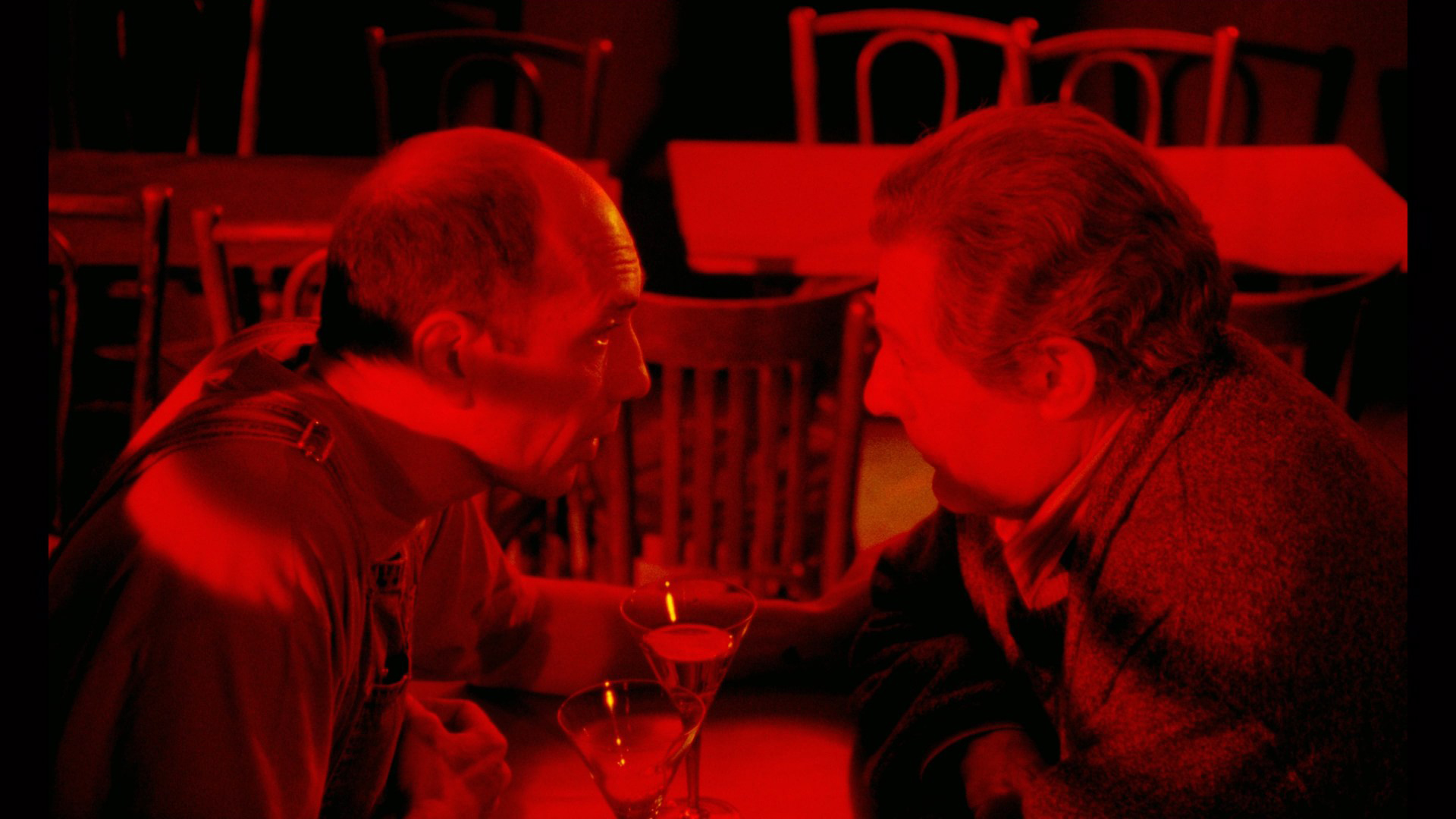 mark with a slew of masterful brain teasers in France like The Hypothesis of the Stolen Painting, The Golden Boat, and
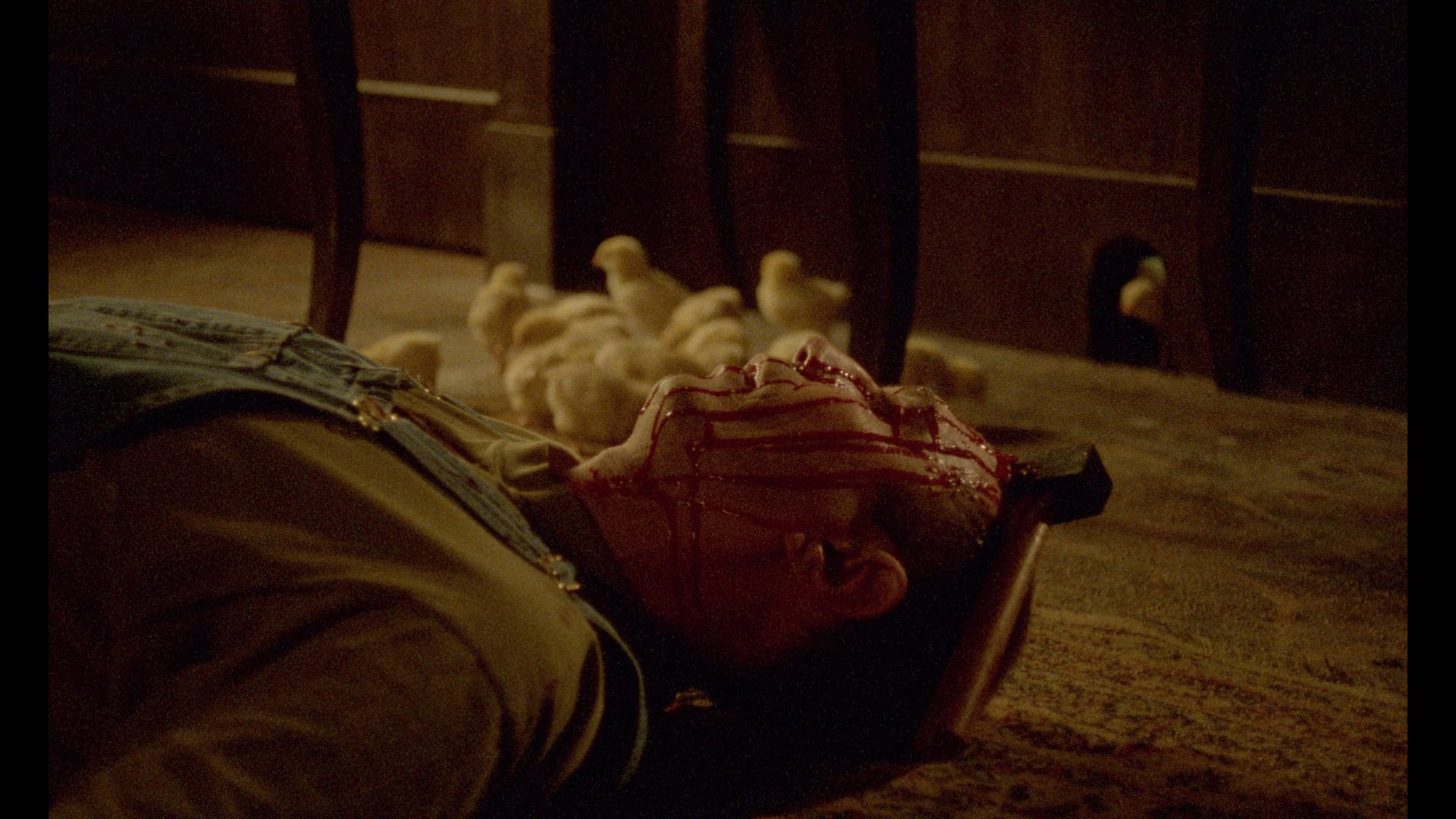 Three Crowns of the Sailor. Often compared to Peter Greenaway (with whose projects he occasionally intersected), he usually turned out at least one film a year with a very impressive success rate. One of his lightest and most star-studded is 1996's Three Lives and Only One Death (Trois vies et une seule mort), one of the final starring vehicles for Marcello Mastroianni who plays four roles here in a quartet of tales introduced by a radio announcer. Here we meet Matteo, who regales his ex-wife's current husband (Atkine) with a fantastic chronicle of how his house is populated with time-eating fairies who have taken two decades from his life; George, an anthropology professor overcome with a compulsion to become a beggar after a strange night in a graveyard that bonds him to prostitute Tanya (Galiena); young couple Cecile (Chiara Mastroianni) and Martin (Poupaud) whose mysterious regular allowance interjects them into the lives of characters from the other stories and puts them in a mansion with our star as an oddball butler; and Luc, a businessman in his twilight years who made up a family for work only to find them infiltrating his life along with elements from the rest of the film.
 been tough to see in good editions unless you hunted quite a bit for VHS or DVD copies. Getting one on Blu-ray is always a
 cause for celebration, and this is a very fine way to make his acquaintance if you aren't familiar with his work. The 2K restoration here from Le Petit Bureau and CNC looks wonderful and easily blows away the mediocre VHS from prior U.S. distributor New Yorker Films; the French stereo audio is also a big improvement and comes with optional English subtitles. Adrian Martin delivers a new audio commentary focused on the director and the significance of the multinational participants. A 1996 Cannes Film Festival interview with father and daughter Mastroianni (6m21s) about their personal relationship and the process of working together professionally, followed by a theatrical trailer and the engaging new documentary Do You See What I See? (53m35s) featuring nouveau fantastique filmmakers Lucile Hadžihalilović, Bertrand Mandico, and Yann Gonzalez exploring the enduring appeal of the approach as a way to tackling and deconstructing reality with pure artistic freedom (plus some shout outs to Mario Bava, Dario Argento, Jean Rollin, Georges Franju, Jean-Pierre Mocky, Walt Disney, and Sergio Martino). Also included in the limited edition is an illustrated 120-page book featuring the new essays "The Unruly Strangeness of the French Fantastique" by Virginie Sélavy and "Golem Time" by David Cairns, the archival "Definition of the Fantastic" (1970) by Tzvetan Todorov, "The Great Méliès" (1959) by Charles Pornon, "Homage to Méliès" (1942) by L'Herbier, a 1944 appraisal of La nuit fantastique by André Bazin, "Composite Twilight Lighting" (1984) by Henri Alekan, a 1996 Ruiz interview by Alain Masson and Philippe Rouyer, and cast and crew notes and transfer notes for each film.
LA NUIT FANTASTIQUE: Radiance (Blu-ray)
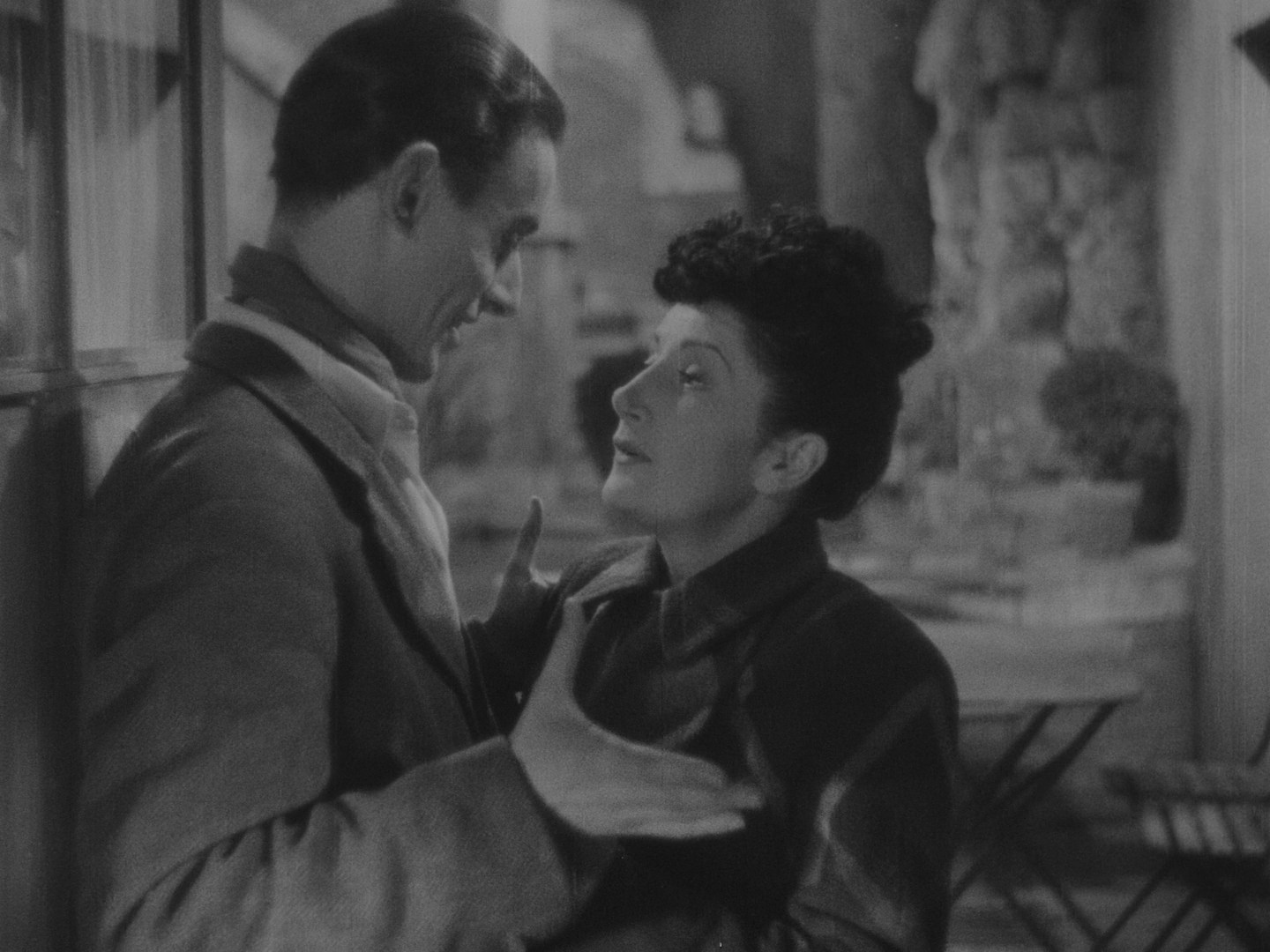
LA NUIT FANTASTIQUE: Image (DVD)
THE WOMAN WITH RED BOOTS: Radiance (Blu-ray)
THE WOMAN WITH RED BOOTS: Pathfinder (DVD)