 final years of the country's dictatorship in the first half of the '70s and then exploded into a delirious frenzy with the advent of
  the "S" classification for adults-only but not explicitly pornographic films. A hefty book is also included featuring the extensive essays "Freedom Shall Not Be Decreed" by Alberto Sedano, "Sexual and Political Otherness in S-Classified Cinema" by Alejandro Melero, "Beyond Spanish Horror: National Trauma and Other Demons" by Alex Mendibil, "The Good, the Bad, the Beautiful, the Devilish: The Women of Spanish Horror and S-Classified Films" by Rowan-Legg, and "Rated S: Softcore Pornography and the Spanish Tradition to Democracy, 1977-1982" by Daniel Kowalsky.
  off limits. The “S”rating created in 1977 became a signifier of a film for adult audiences and also served as a great marketing tool, promising something edgy and possibly dangerous for audiences that had been starved for far too
  long.
long.  everything. Among the 400+ films to bear the rating (which could theoretically damage viewers’ sensibilities, sort of akin to what Category III came to mean in Hong Kong) are a number of wild, inventive, genre-blurring, and tantalizing films like The Coming of Sin, The
  Devil Hunter, Swedish Bisexual Needs Stallion, Satan’s Blood, Mad Foxes, Beyond Terror, Human Animals, and the prolific contributions of Jess Franco, and Ignacio Iquino. DTS-HD MA 5.1 and 2.0 audio with subtitles for the Spanish bits or full English SDH ones, plus a trailer.
 devoted to a pair of pertinent pre-“S” films including one heavy hitter that likely spurred many sales all by
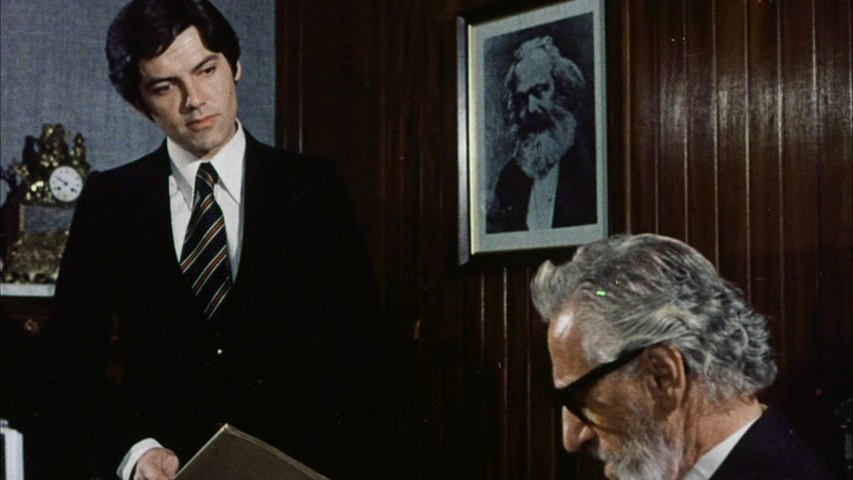
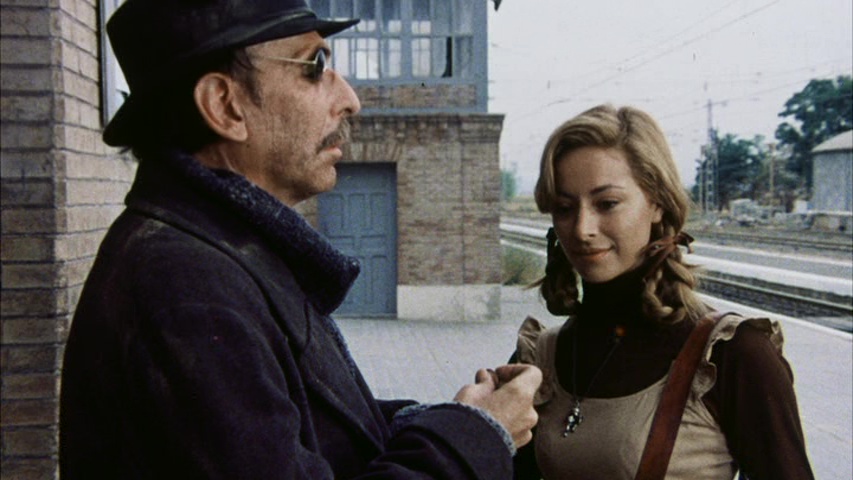
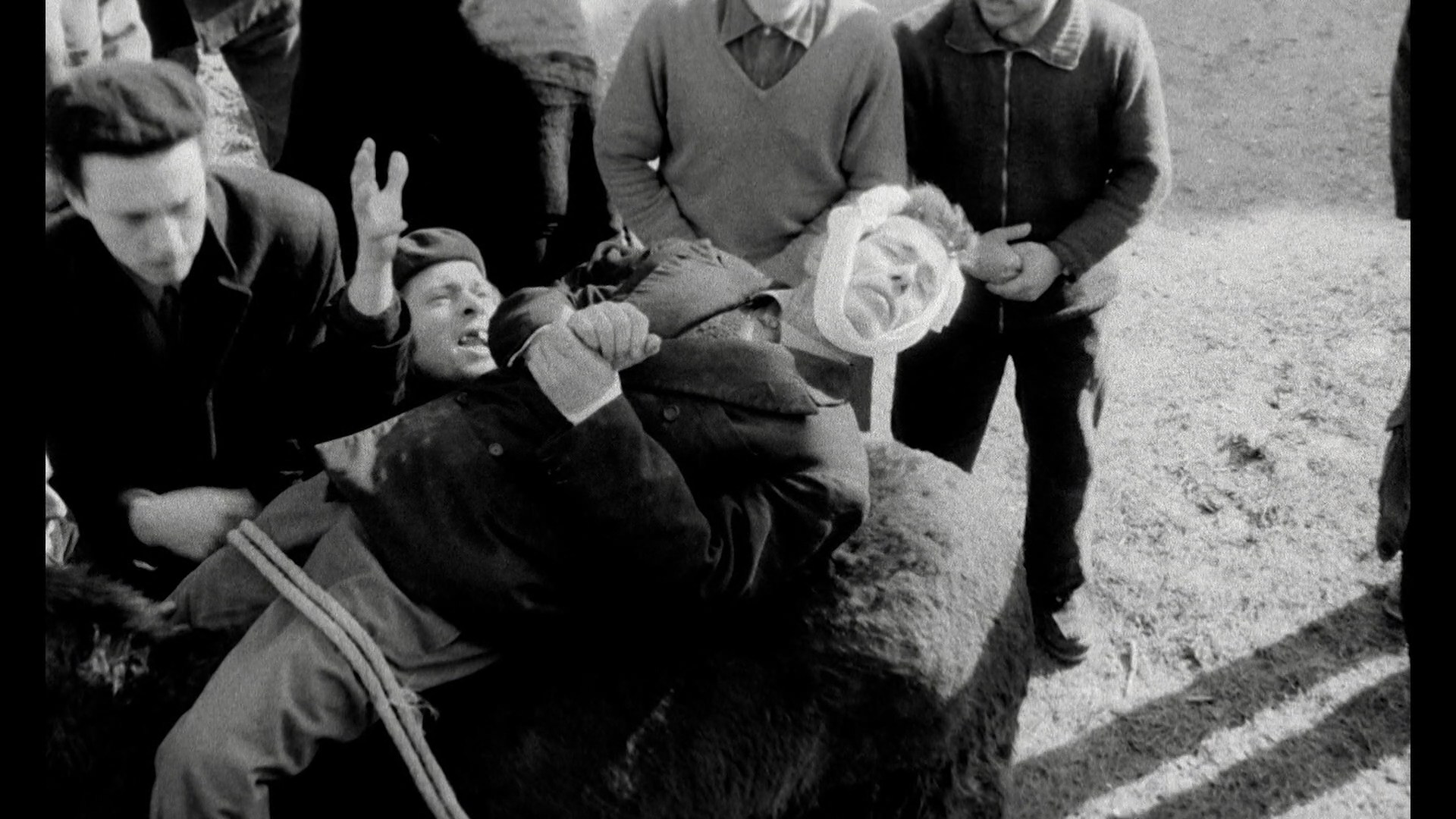
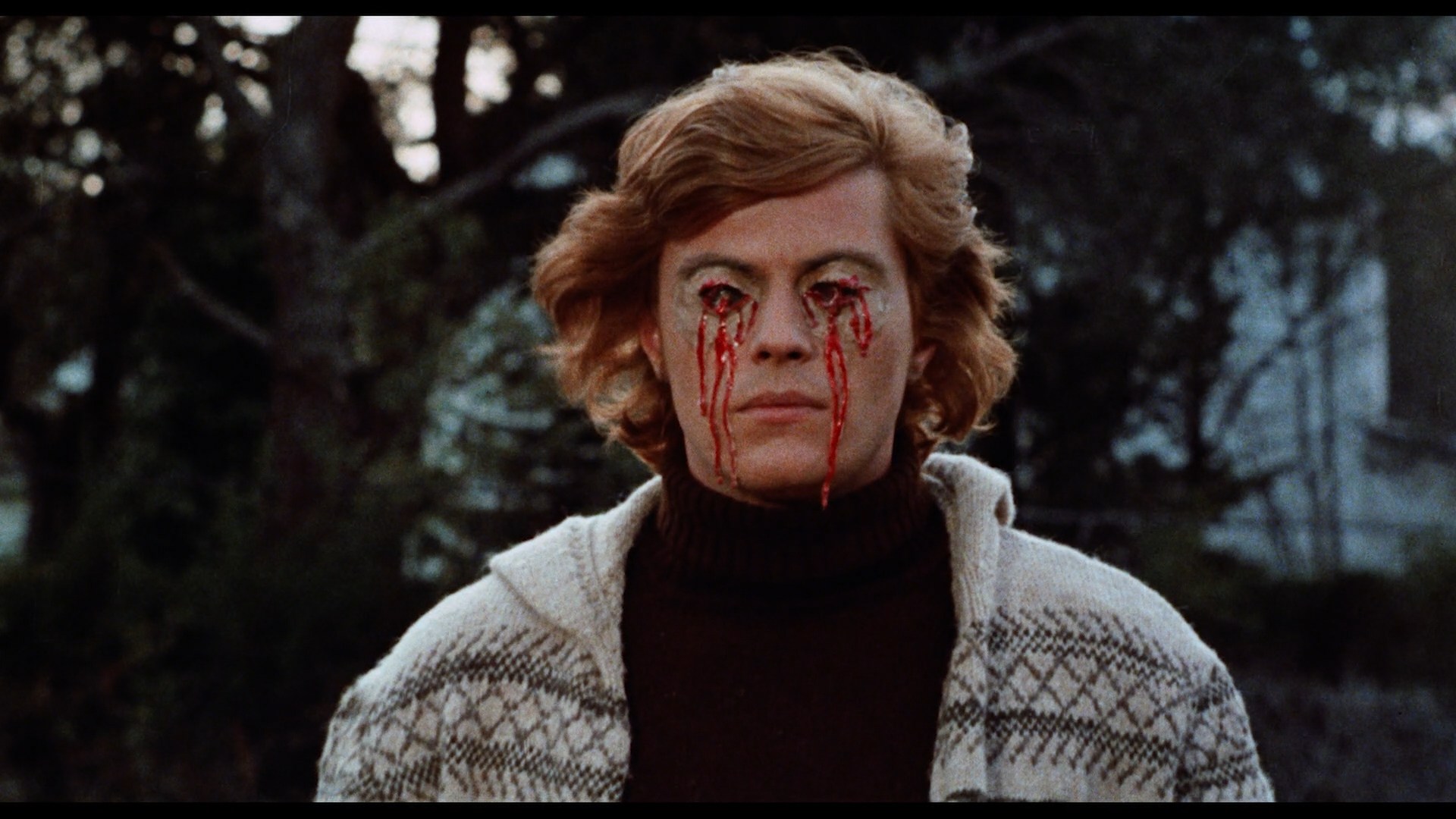
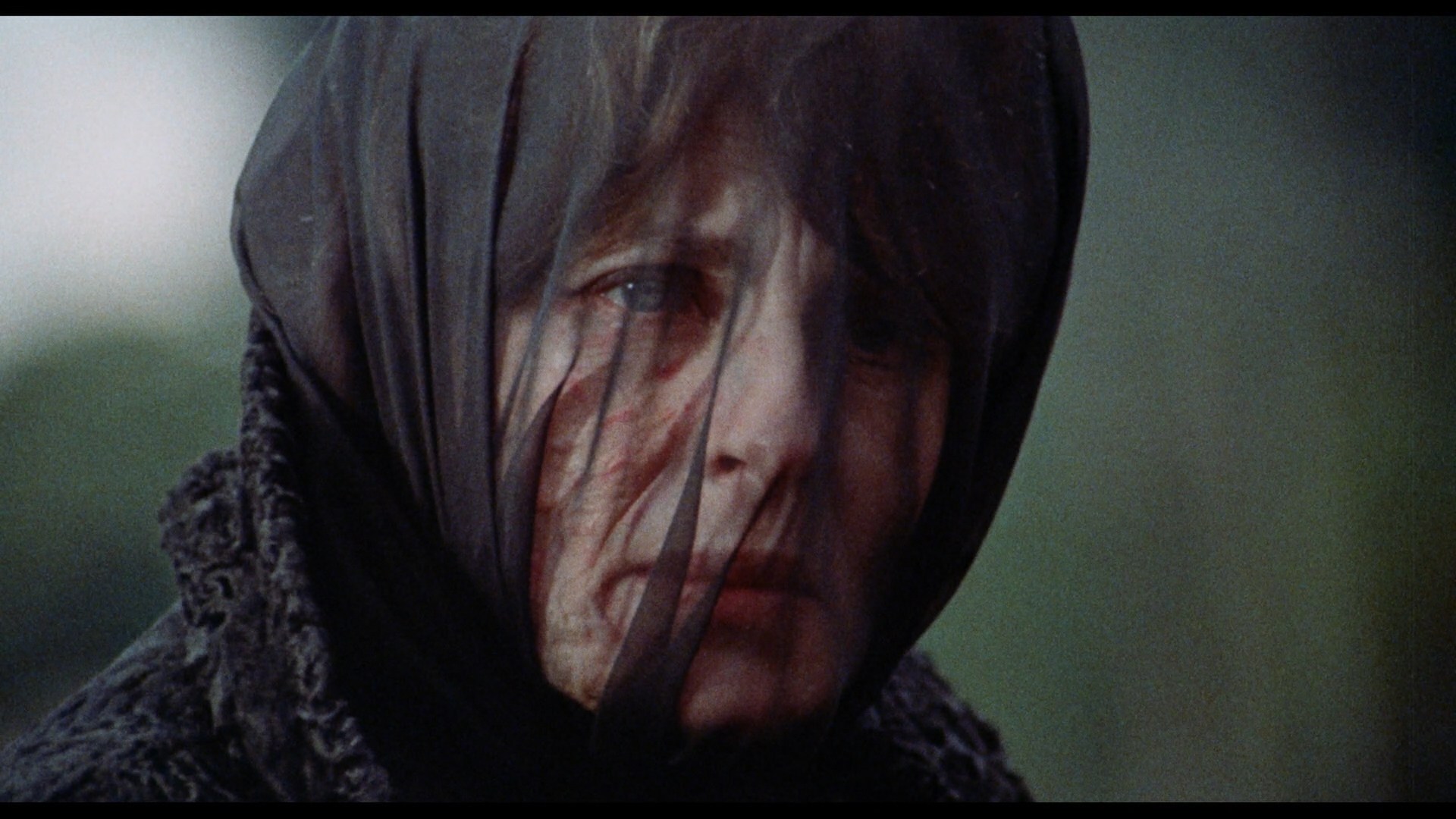
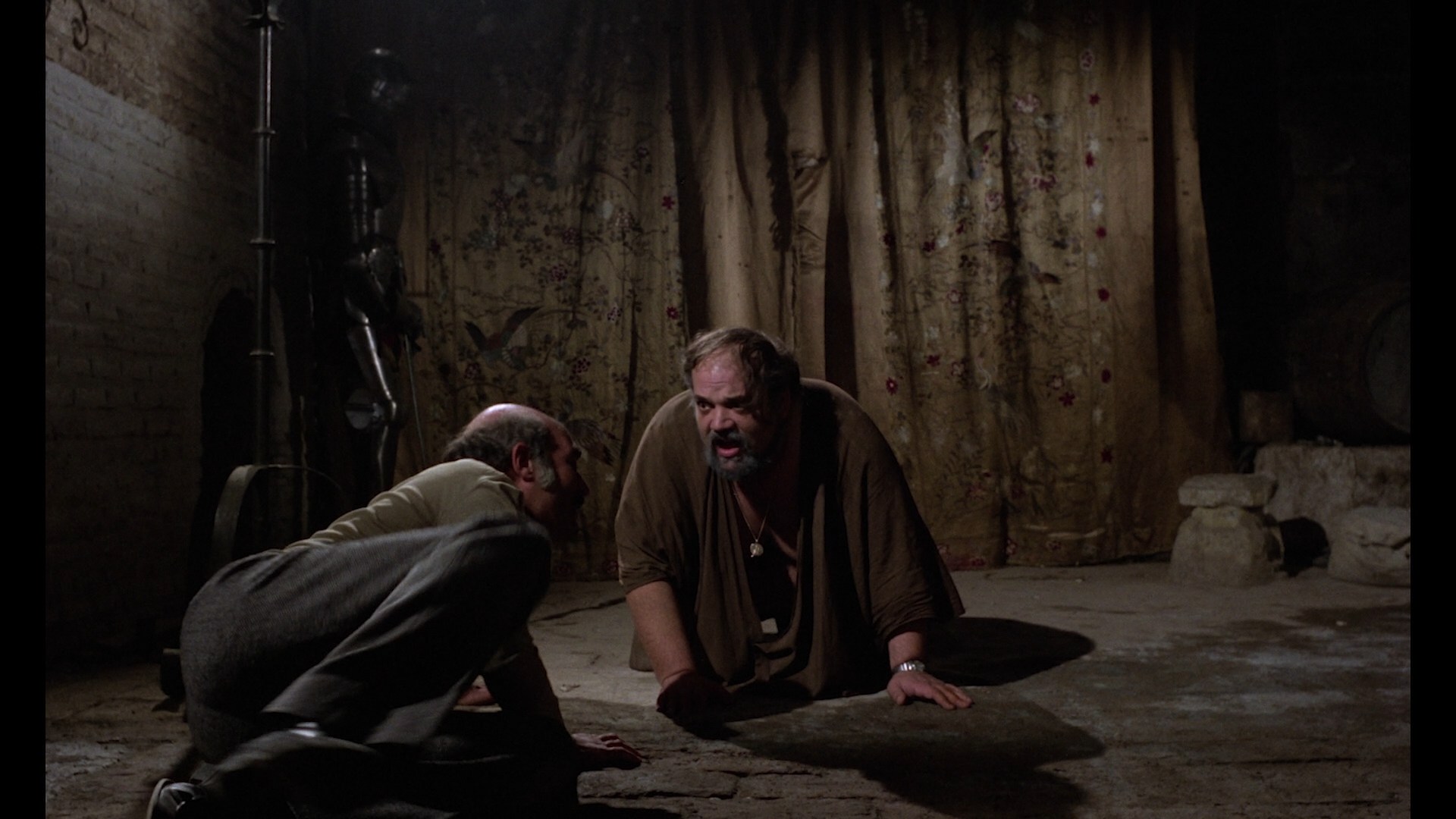
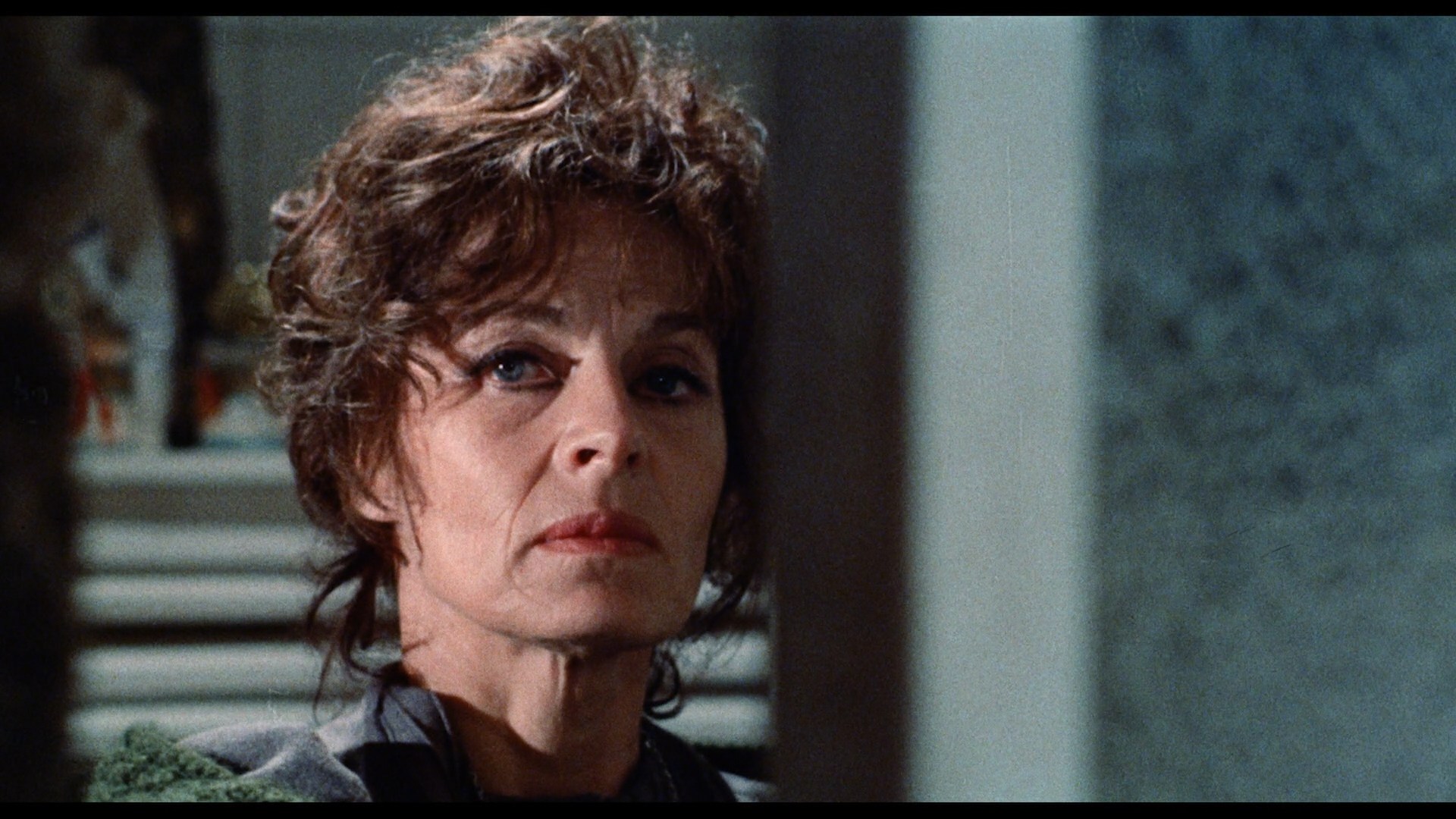
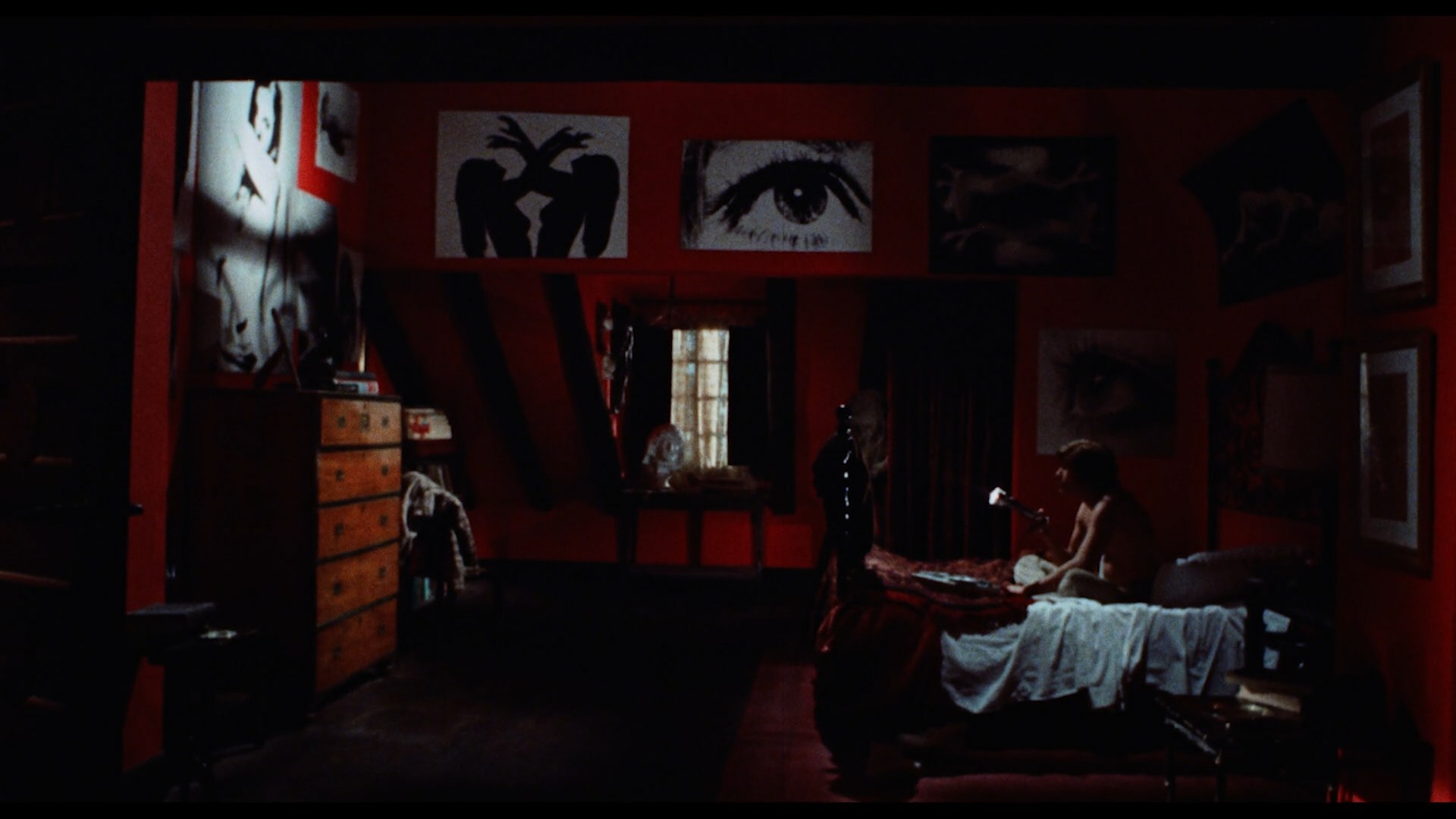
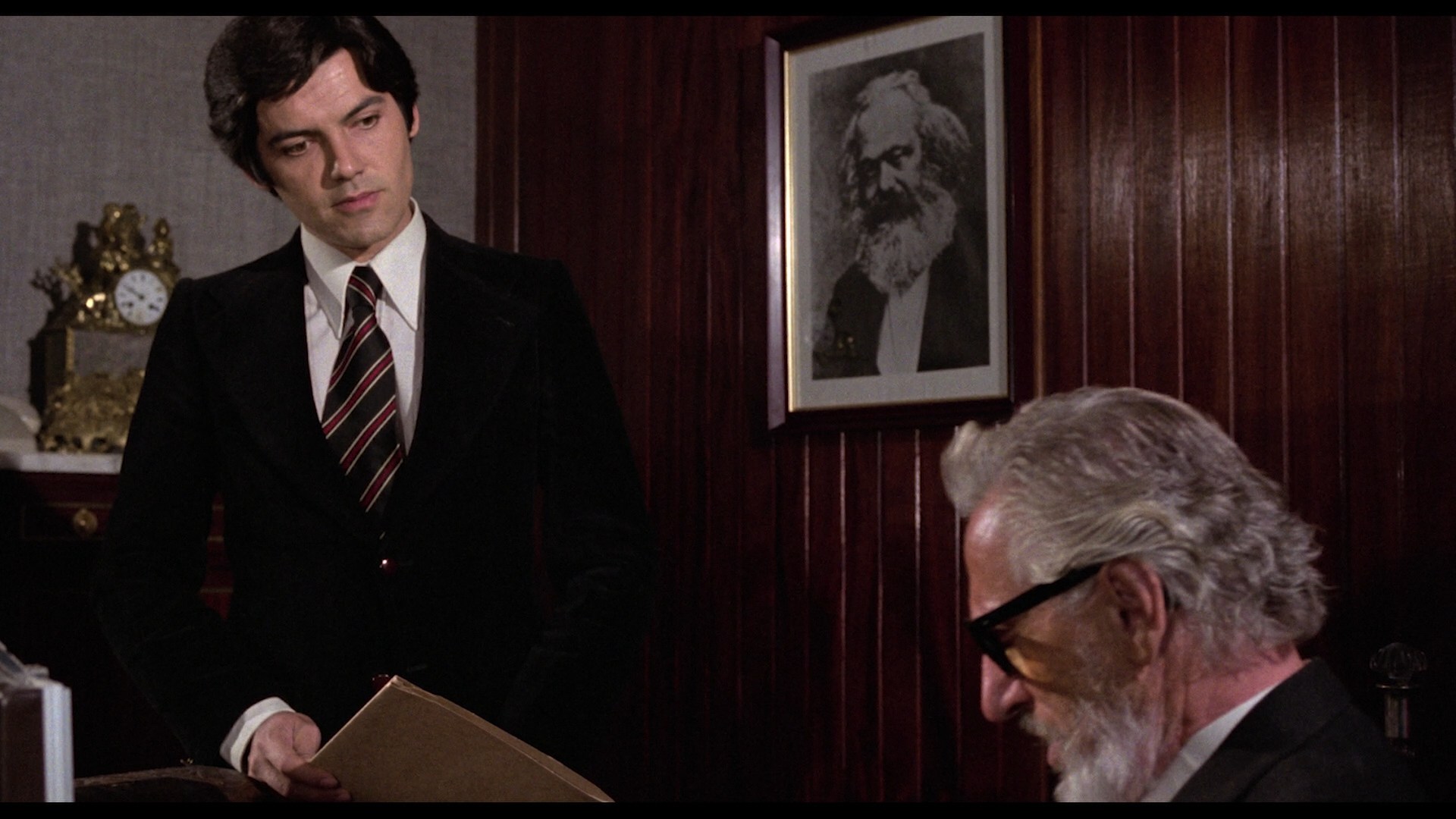
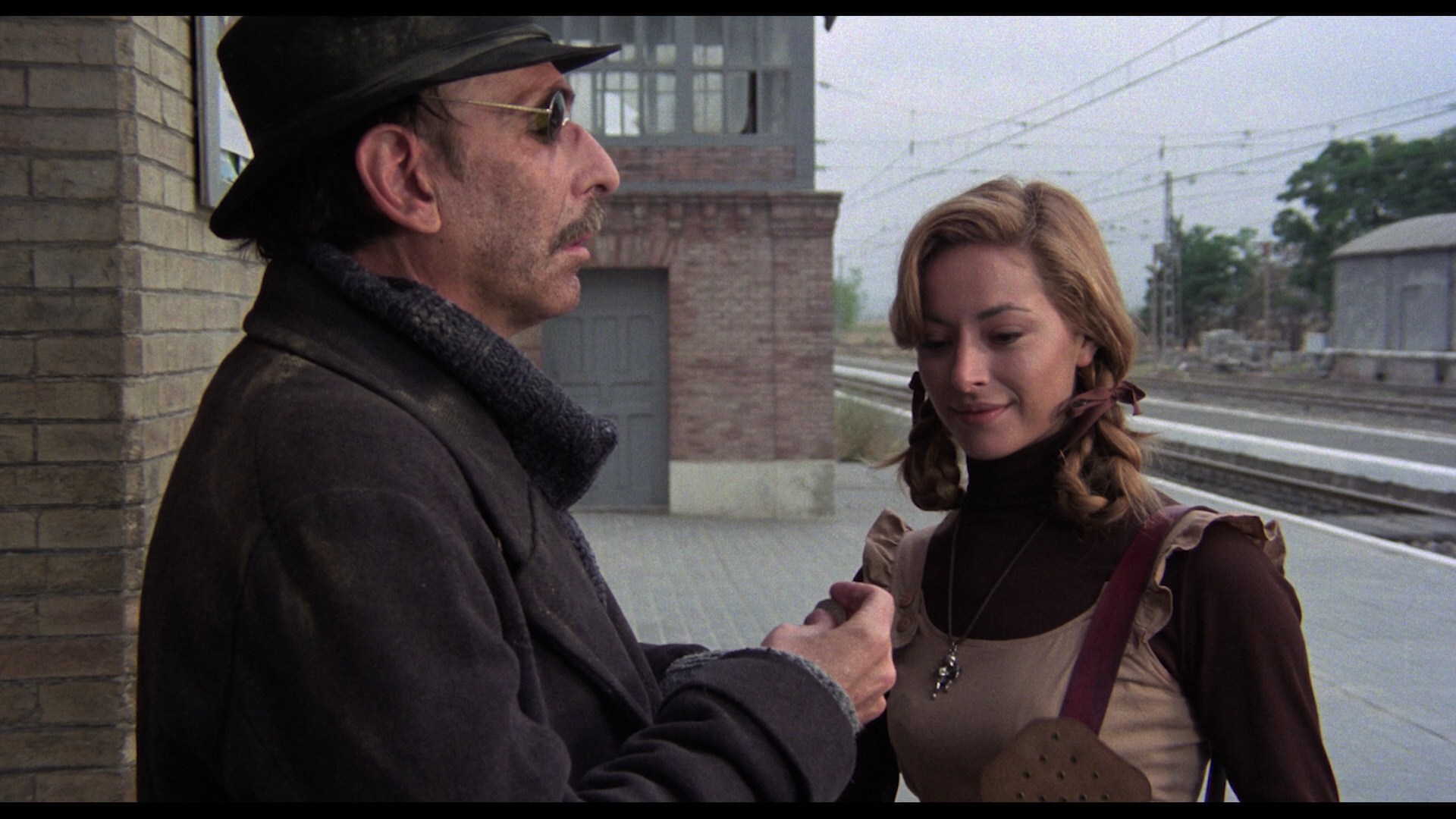
 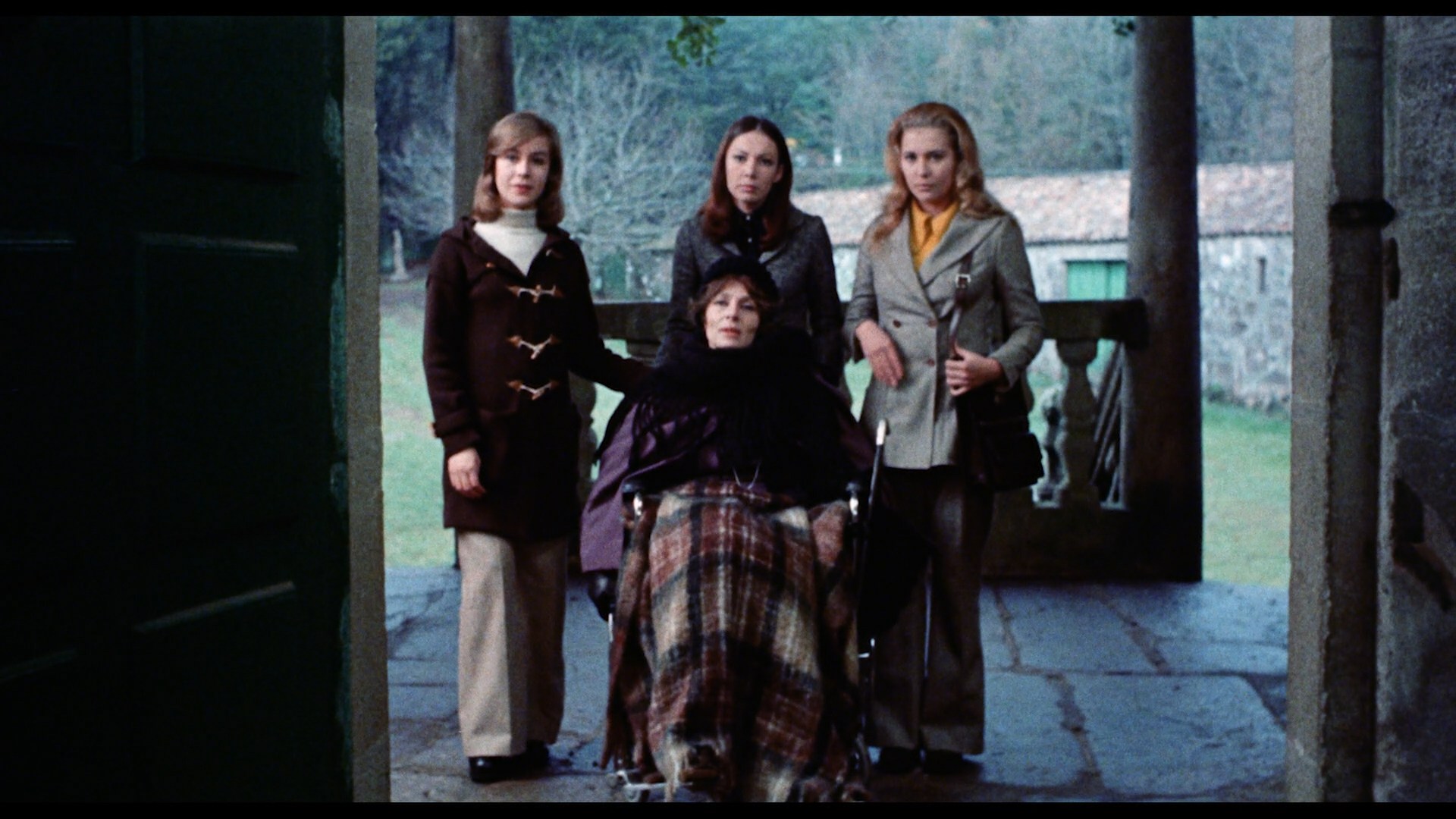 itself: The Bell from Hell, the 1973 Spanish-French masterpiece from director Claudio Guerín Hill who fell to his death from the film’s constructed bell tower on the last day of shooting. (The remaining bits of footage and post-production were handled by The Corruption of Chris Miller director Juan Antonio Bardem.) Essentially the Spanish equivalent to Michael Reeves in terms of unfulfilled genre potential, Hill had only directed one feature before this, the lyrical and very odd The House of the Doves with Ornella Muti, as well as some shorts and some of the fascinating anthology film The Challengers. Thanks to its frequent local TV airings in cities like Los Angeles, New York City, and Atlanta even into the early ‘80s, this film made a strong impression on young American viewers and built up even more of a reputation when it hit VHS from Unicorn Video. That fact that all of these options were significantly censored (including some very strong language for the time) didn’t affect much of the film’s potency since it relies strongly on macabre atmosphere and a jet-black sense of humor, not to mention literary allusions to Edgar Allan Poe and a great reprise early on of Saki’s “The Open Window.”
 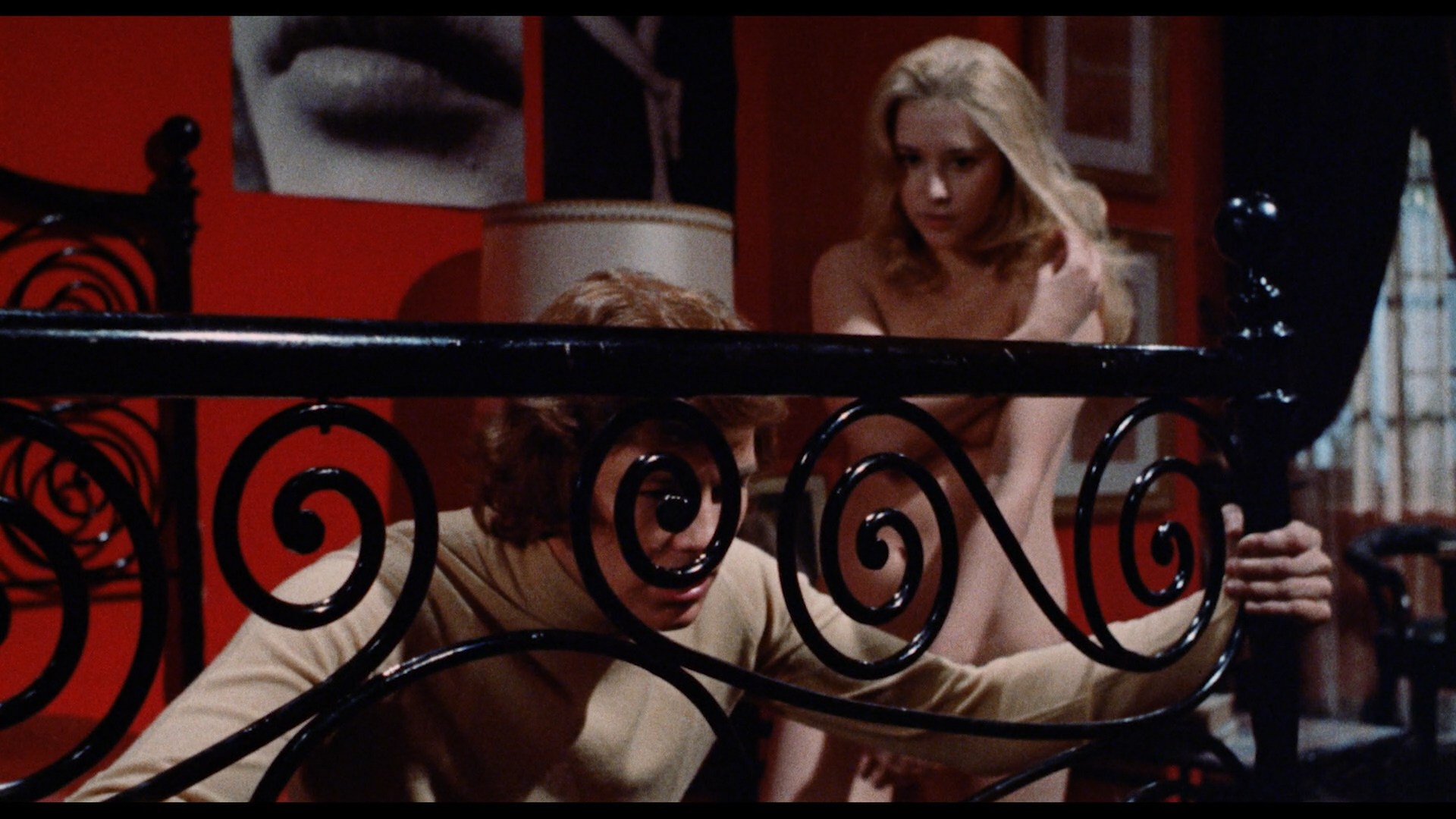 with a quirky old vagrant, Juan gets a
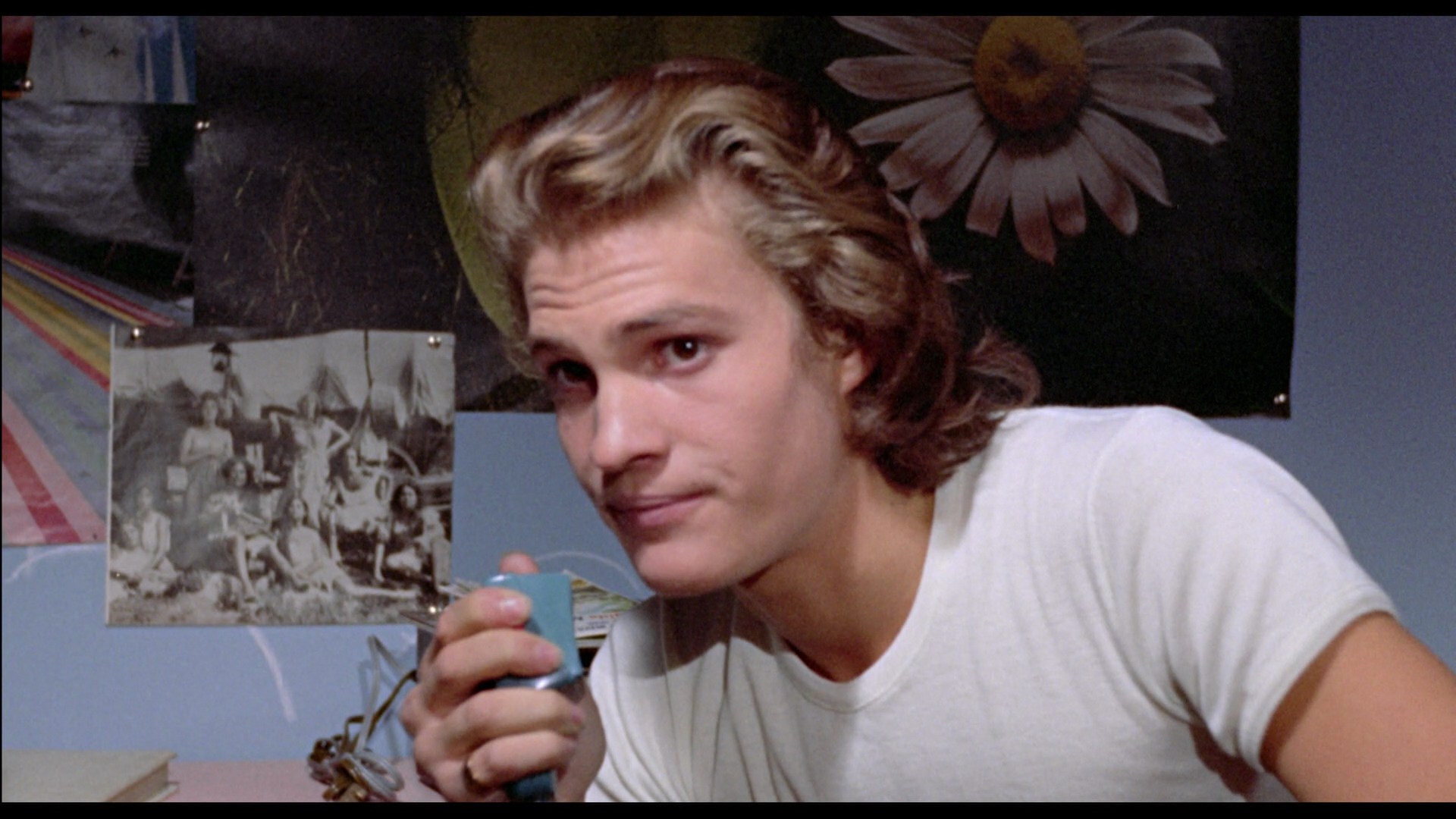
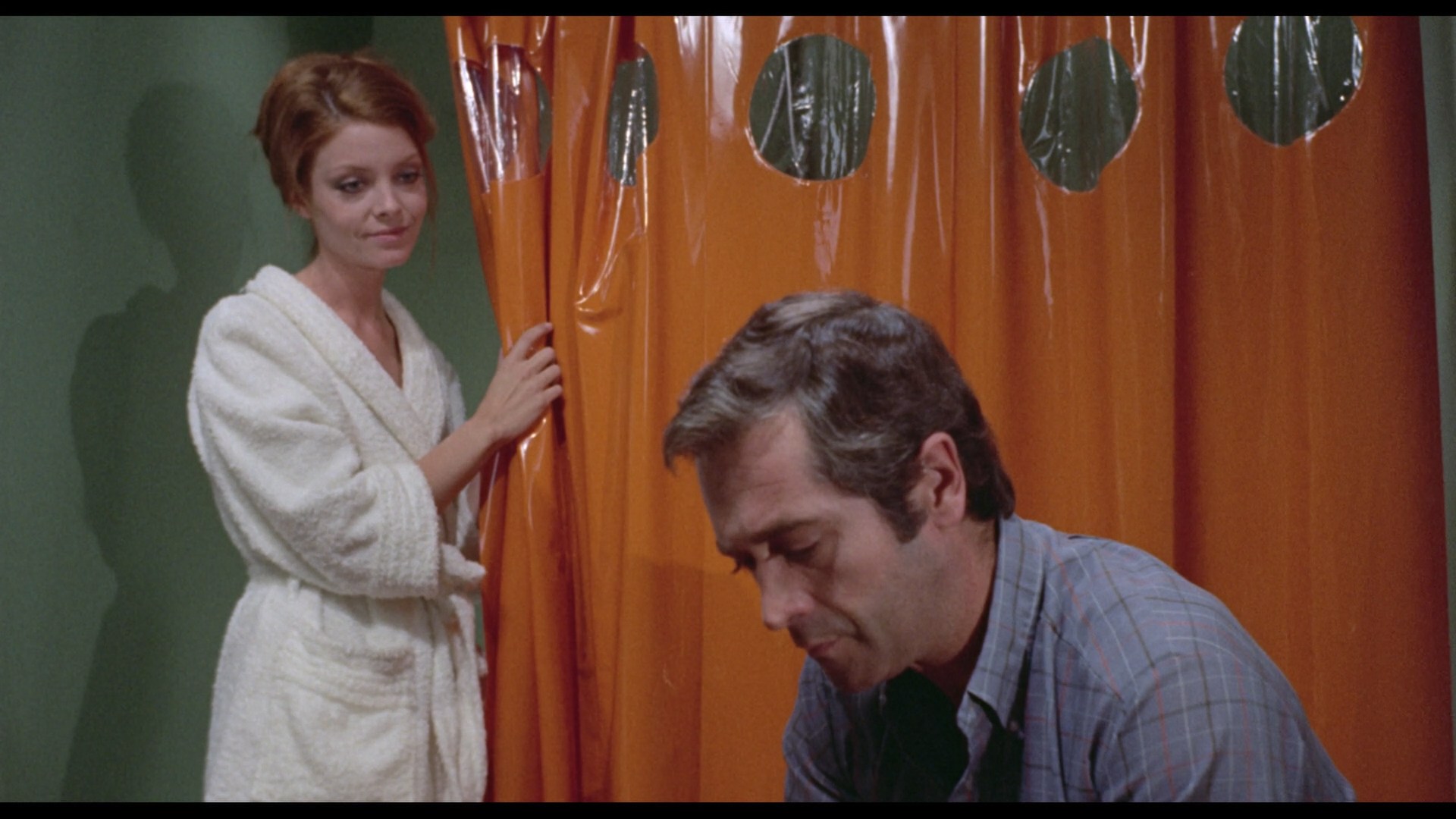
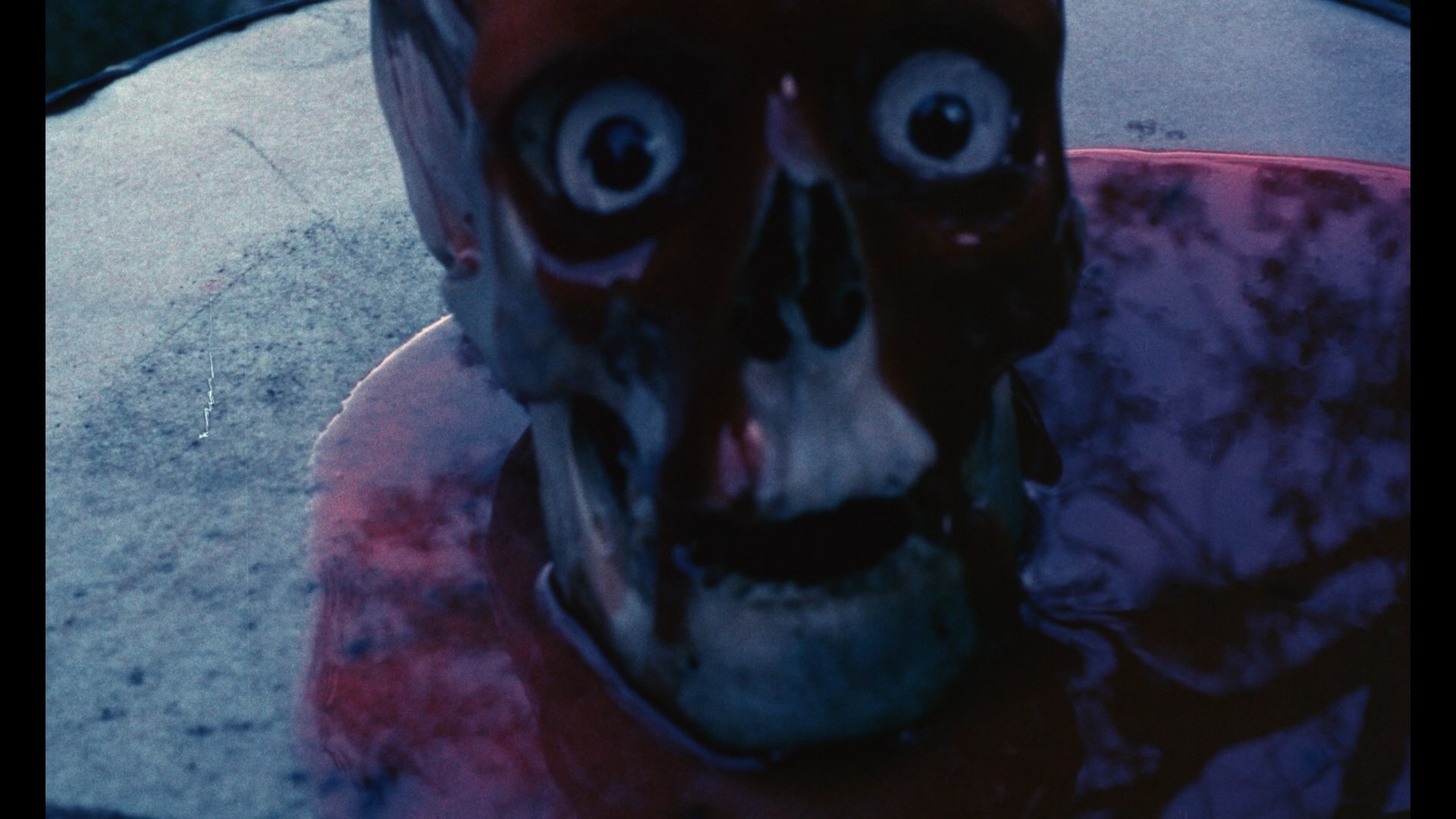
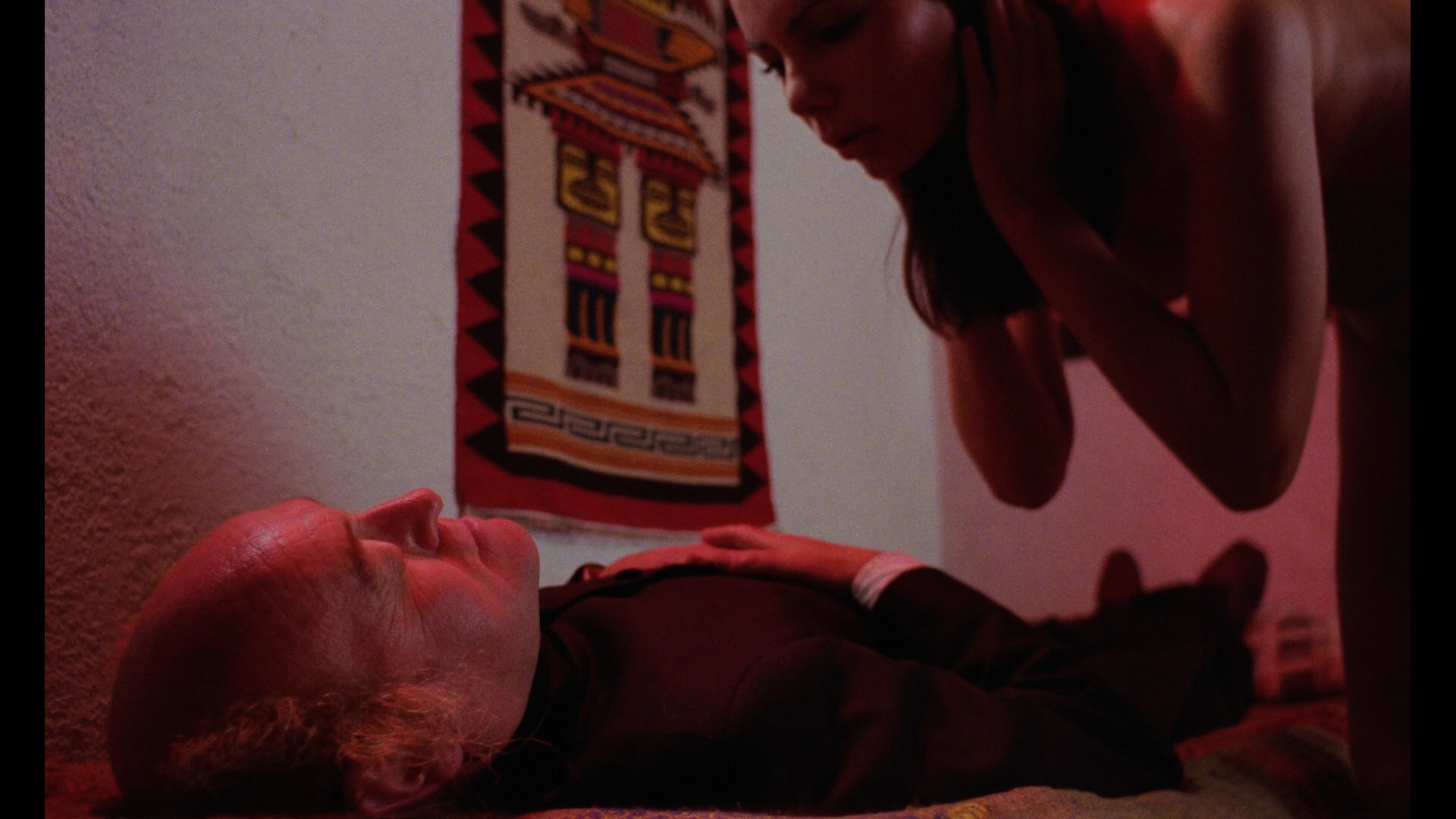
 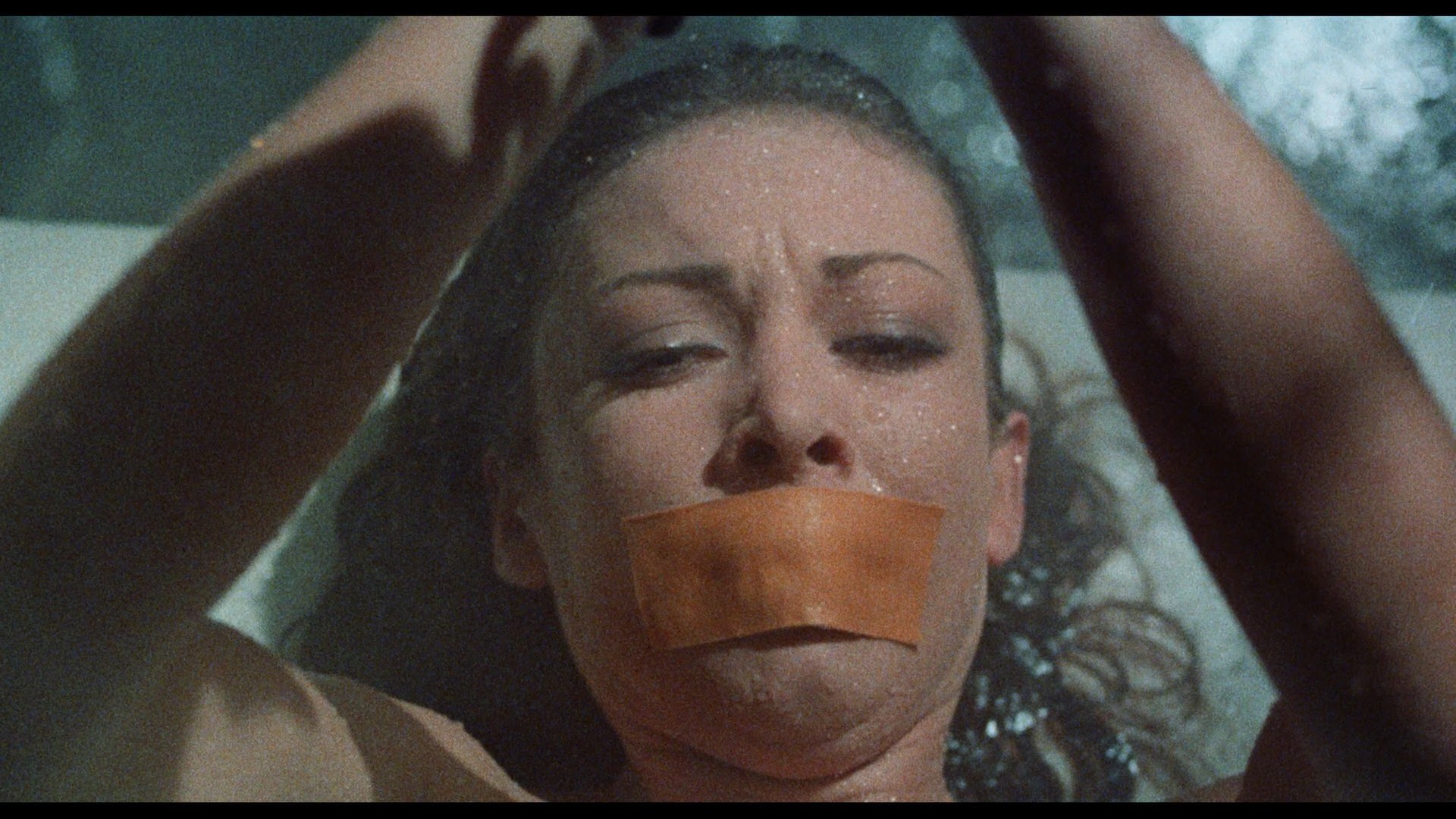 short-lived gig at a slaughterhouse (which we see in graphic detail) and reconnects with the four women and sets up a bizarre bedroom there painted red and covered in arty photos of body parts. He immediately unleashes a string of practical jokes of varying degrees of maliciousness, with a prime target being the newly arrived and very complicit Peter (Mayo) whose bathroom encounter with Juan is unexpectedly hilarious. From eyeball gouging to malicious use of bees to an unforgettable human cattle sequence, Juan's vengeful antics result in an even nastier payback plan with multiple twists in the process.
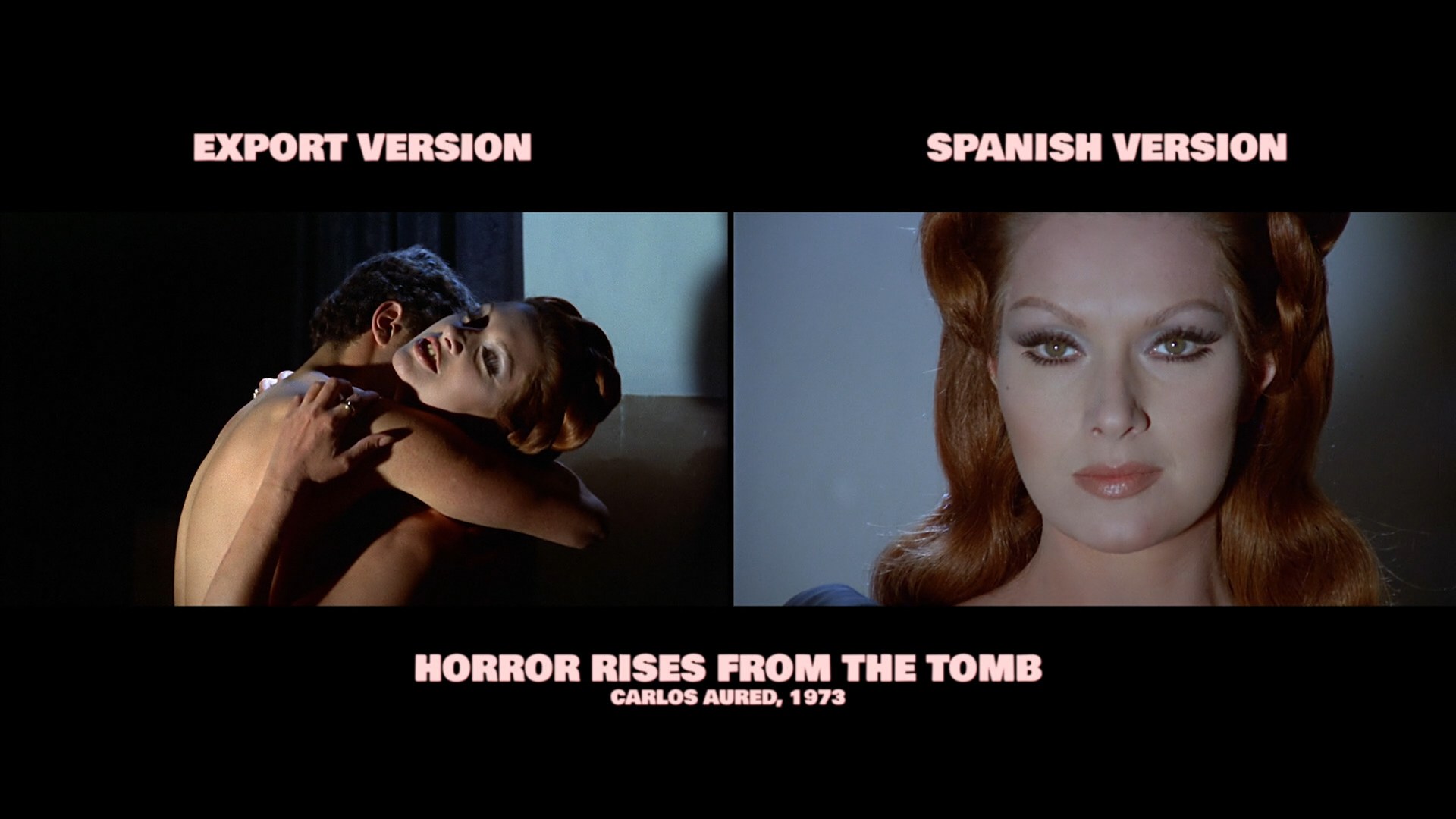
 (essentially one long sequence after dinner). At least it featured a solid commentary by Chris D., with audio options in English, French, or Spanish (but no subs) and a reel of the alternate clothed shots from the Spanish version.
 Pathfinder disc), and features both the English and Spanish tracks (DTS-HD MA 2.0 mono) with optional English-translated or SDH subtitles. As with several other Spanish productions intended for global play, this was shot mostly in English with Lindfors providing her real voice and everyone else dubbed in post; however, it's worth watching both versions as the Spanish track has some significant additions and departures in the dialogue including a fascinating final couple of lines for Lindfors. The first of two new audio commentaries covers the Gothic themes in the film and Spanish horror cinema in general, Franco-era censorship, and the production personnel, as well as the film's Euro-cult reputation and the complex motivations of the various characters. The second commentary by Rod Barnett and Robert Monell contextualizes the film within the strain of psycho thrillers going back to the '60s and as a notable transitional film in the history of Spanish horror on its way to post-Franco mania within a few years. They also touch on the film's release history, Hill's and the actors' background, and the ultimately tragic production history. In "Censorship and Curses" (30m11s), Dr. Álex Mendíbil takes an in-depth look at the mystique surrounding the film, plenty more about Hill, and the commentary on old and modern Spain that runs throughout his work. Also included are an English trailer and 1965's Luciano (39m26s), Hill's black-and-white film school thesis project in which a TV program sorts through the grim murder of a child by
  Luciano Fernández (claiming to be inspired by a then-recent real killing) with reenactments offering different angles on what happened
  revolving around the idea of sadism among the young.
 them.
them. 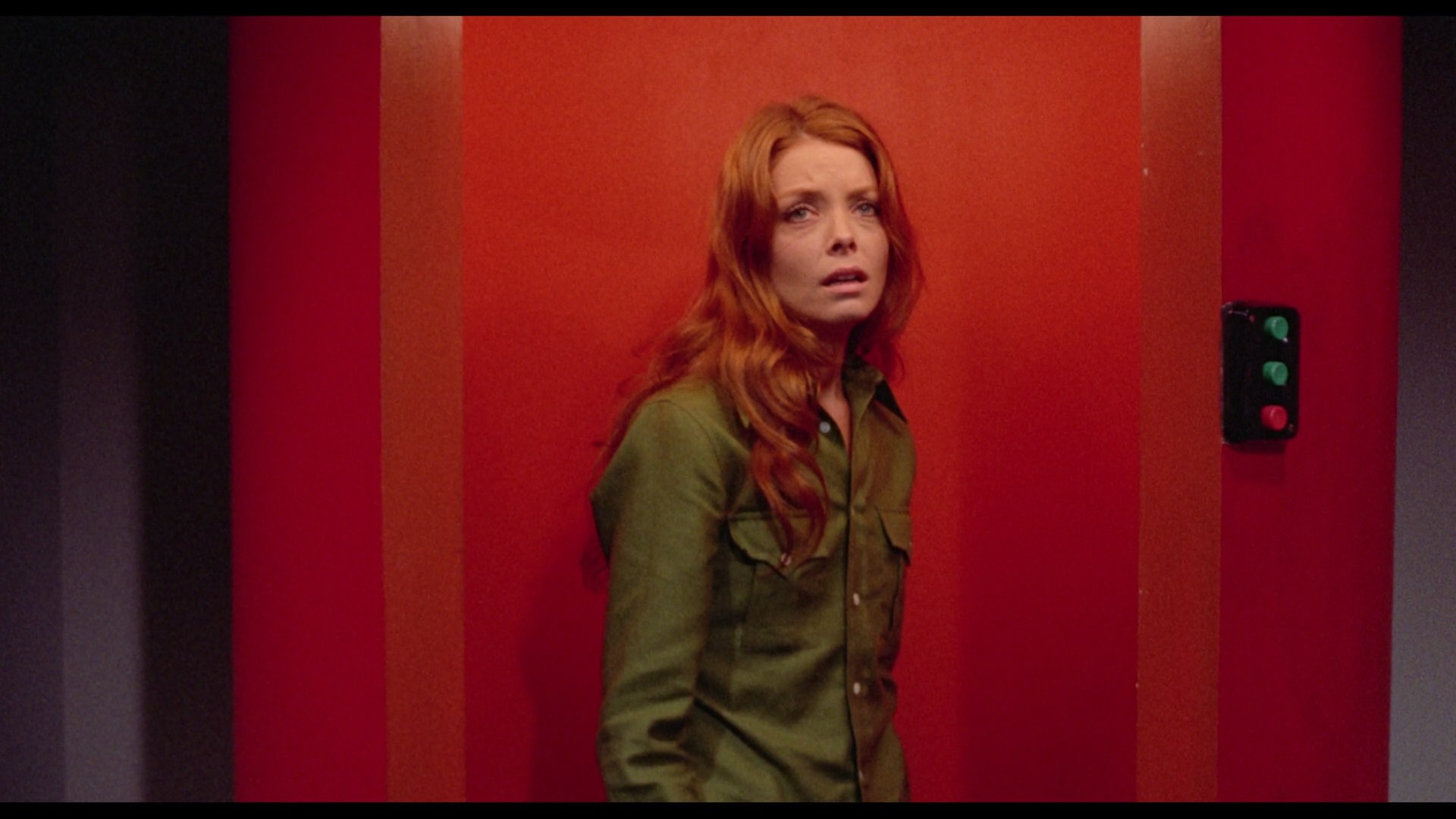 version has been the easiest to see among the few options for this one, which got little theatrical exposure outside of Spain. Both the English and Spanish tracks are on the Severin Blu-ray (another stellar restoration from the negative), and again the variations between them are interesting with the latter option having a bit more ambiguity and nuance to it. A new audio commentary by Antonio Lázaro-Reboll studies the film's promotion and distribution, its production history, and the censorship of the film which is presented here in its entirety. In "I'm Proud of My Films" (11m26s), director José Ulloa, who mostly worked in second-unit or assistant director capacities, appears for a quick but interesting discussion along with his scene-stealing cat about his cinematic influences and his hard work up to becoming a filmmaker. In "Being There" (9m18s), camera assistant Paco Marín talks about his own career including lots of gigs on spaghetti westerns and his work on two Ulloa films including this one. Also included are an English trailer and a 50-image still gallery.
 On disc three we get to 1975, the year of Franco's death, with another film edging into riskier territory when it comes to both the depiction of Catholicism and uppity women: Devil's Exorcist, which is hardly the pea soup knock-off the title implies. (There isn't even an exorcism anywhere in sight.) The original Spanish title, El juego del diablo (or The Devil's Game), is
 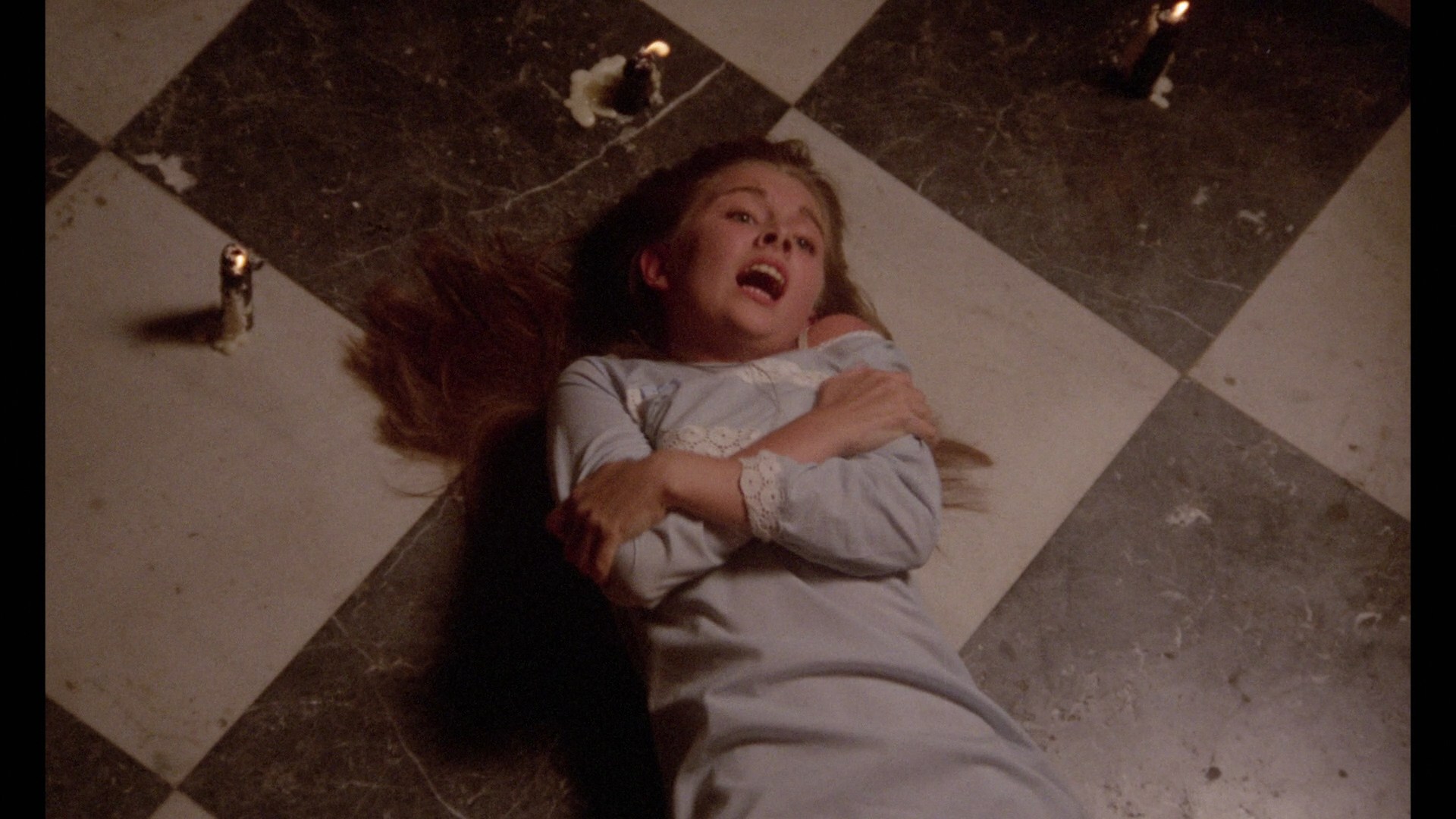 closer to the mark as is the working title of Alucinaciones, and this is still most definitely a story about a possessed adolescent girl, here in more restrained territory a la The Night Child. It's also one of the most beautifully shot possession films of the era, with a bold, rock-flavored score by José Nieto giving it an even more unique flavor. That approach might not sit well with anyone expecting spinning heads, but come in with an open mind and you'll find quite a bit to enjoy in this imperfect but fascinating little creature.
 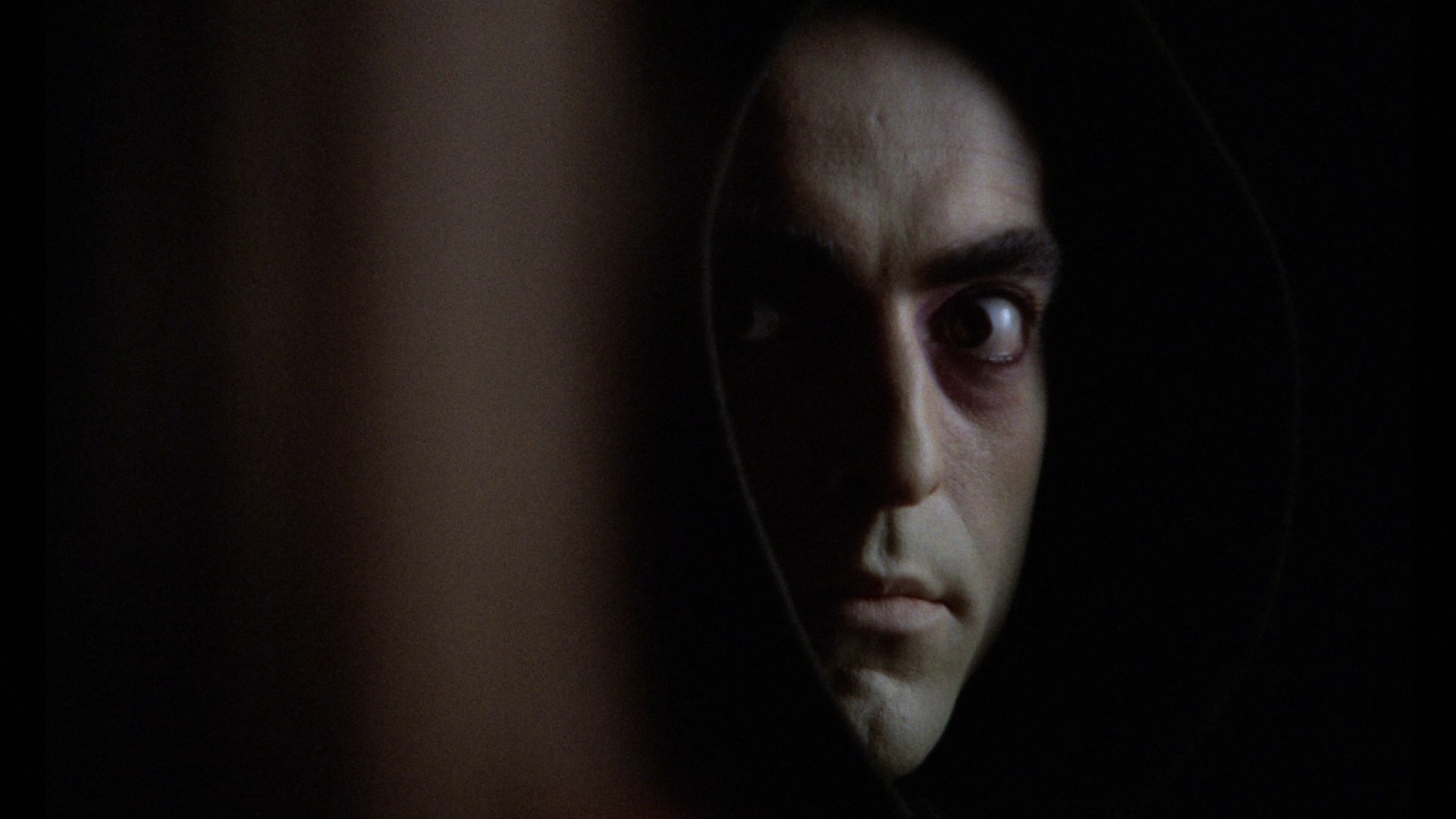 Soon Sheila's transformation results in homicide complete with switching off a kid's oxygen in the hospital, offing her mom, and even dispatching a helpless canine. As Dr. Green gets closer to her new patient and forms
 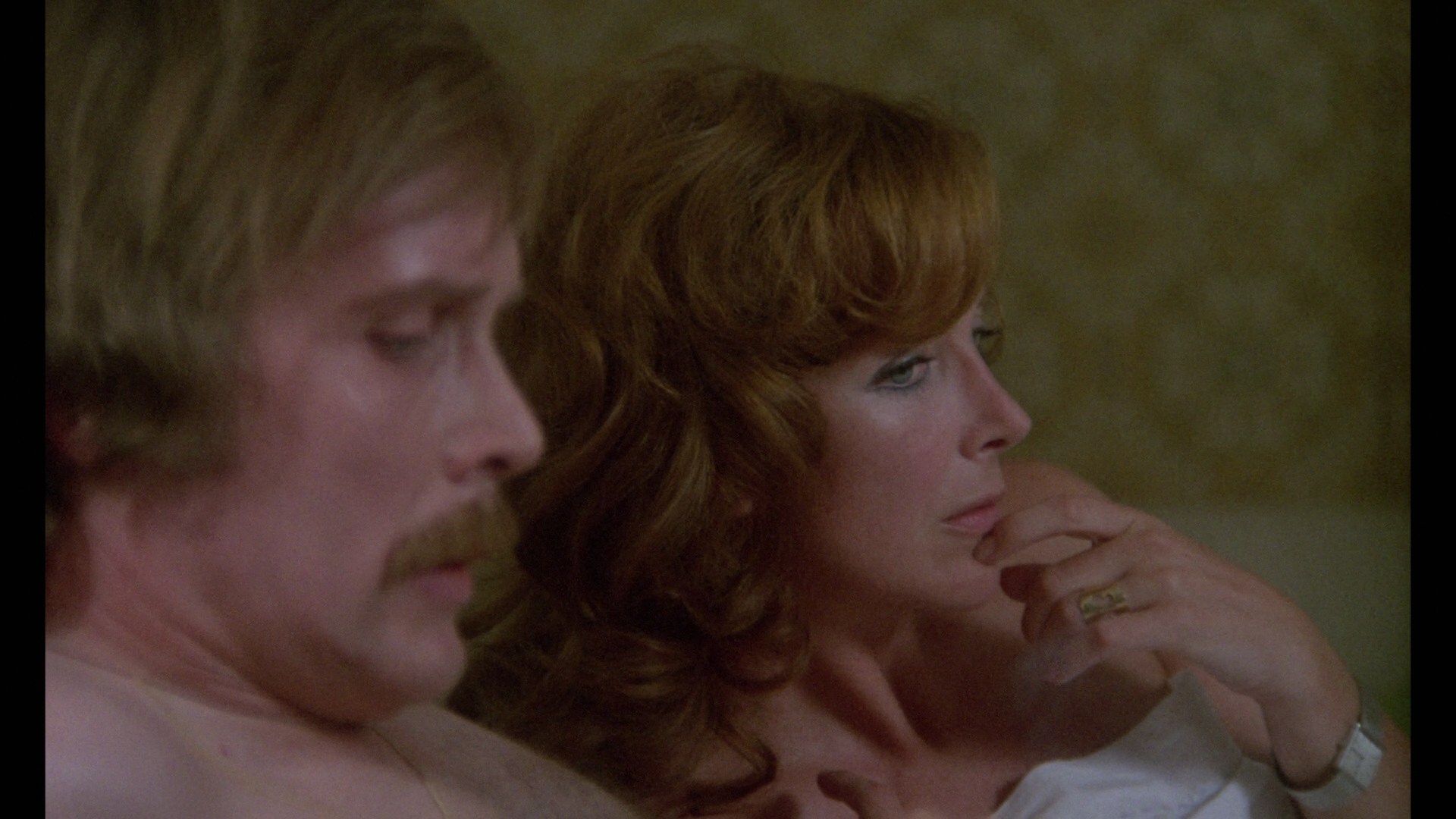 a personal bond, it's clear the girl represents a very imminent threat. The plotting here isn't exactly the tightest with our doctor protagonist making some calls you won't believe, but the film compensates with some spooky visuals like rows of hands bursting from the water of a swimming pool.
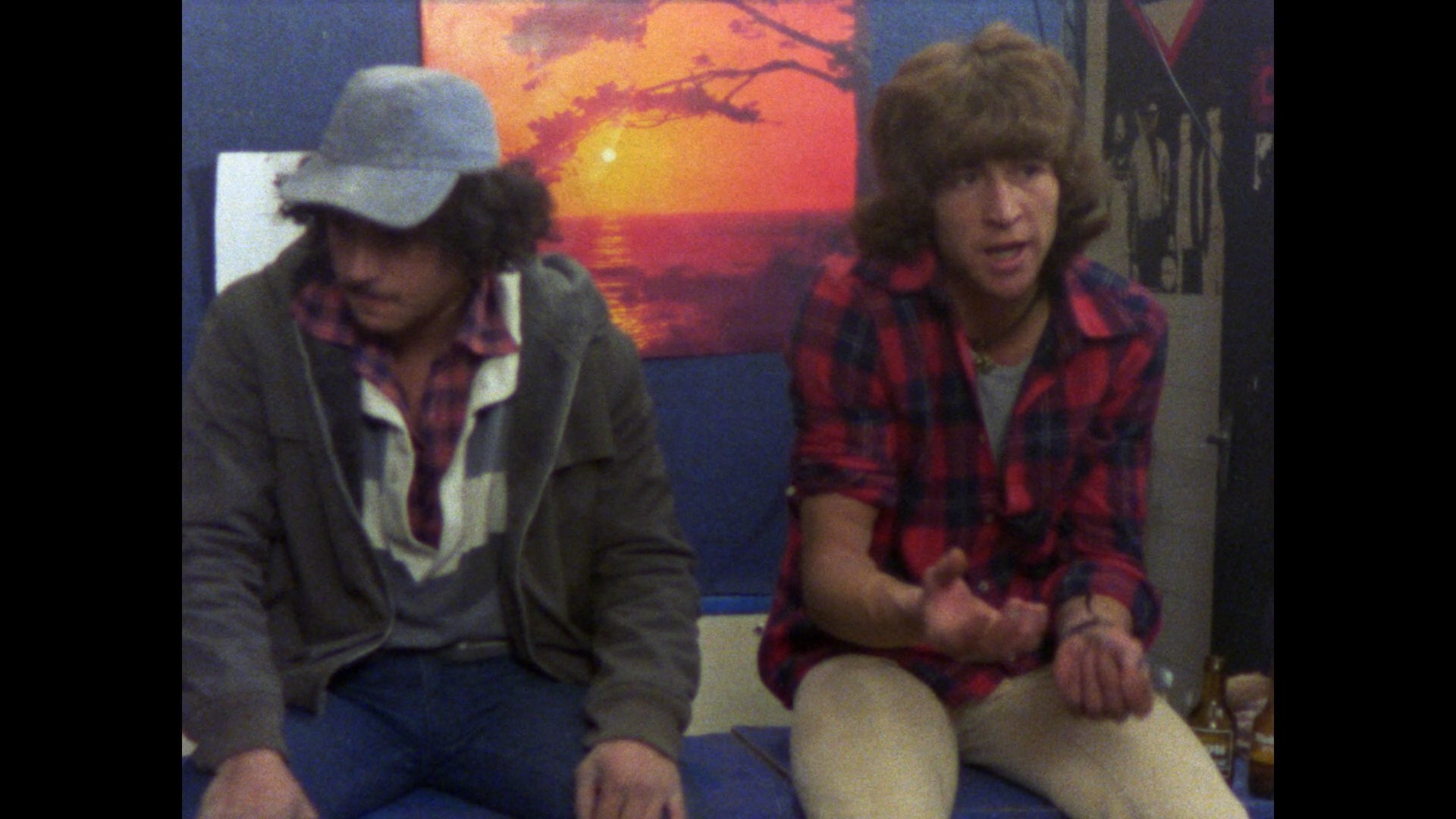 with cinematographer
  José Luis Alcaine who covers his issues with the script and misgivings with the director, the Hitchockian tricks he tried to incorporate here and in Who Can Kill a Child?, and his overall approach to suspense films. In "Sound Experiments" (4m44s), Nieto looks back at his own discomfort with the material, the drum recording in the studio, and the other musical effects he tried to incorporate into his score. An English trailer is also included.
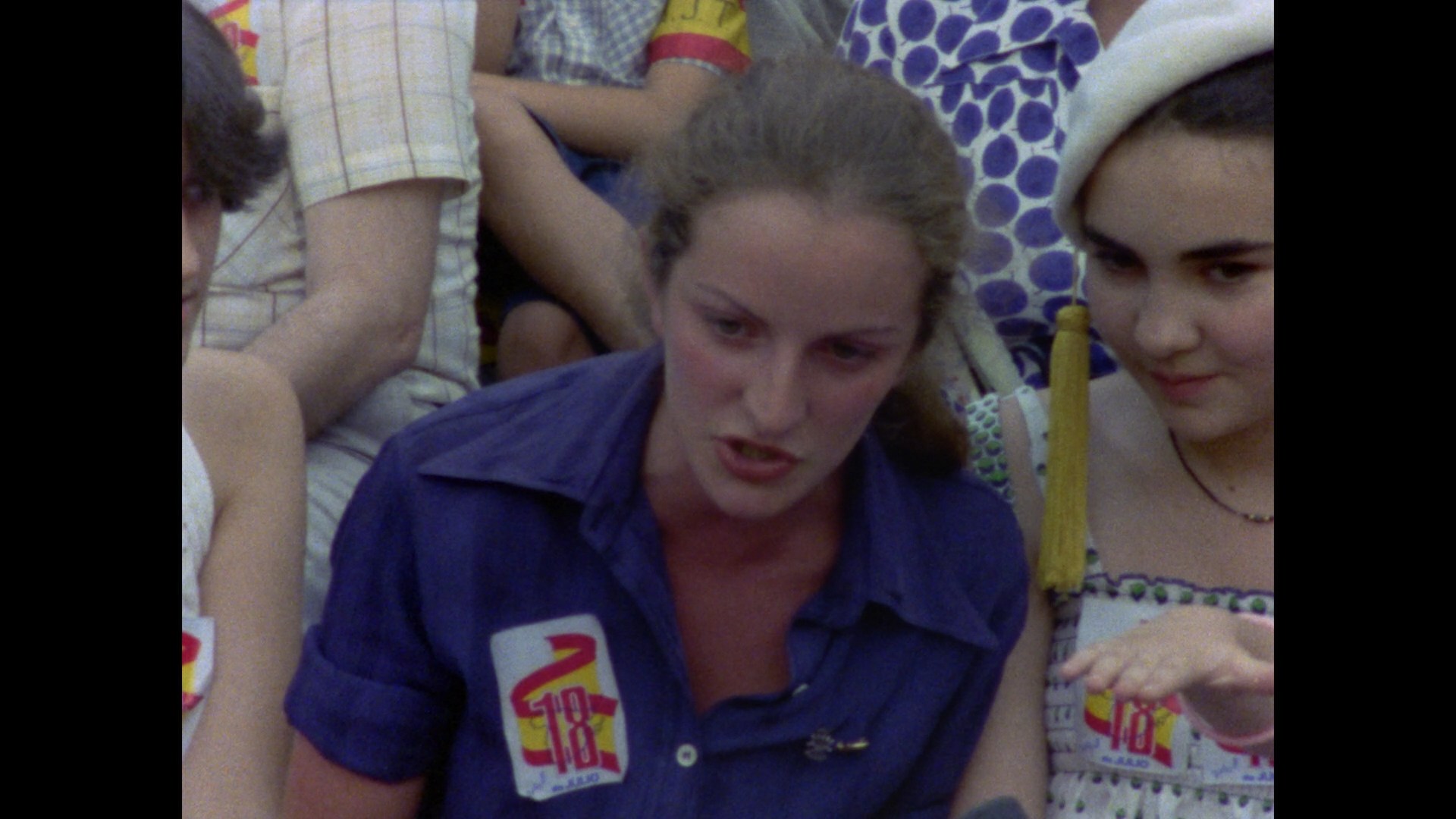
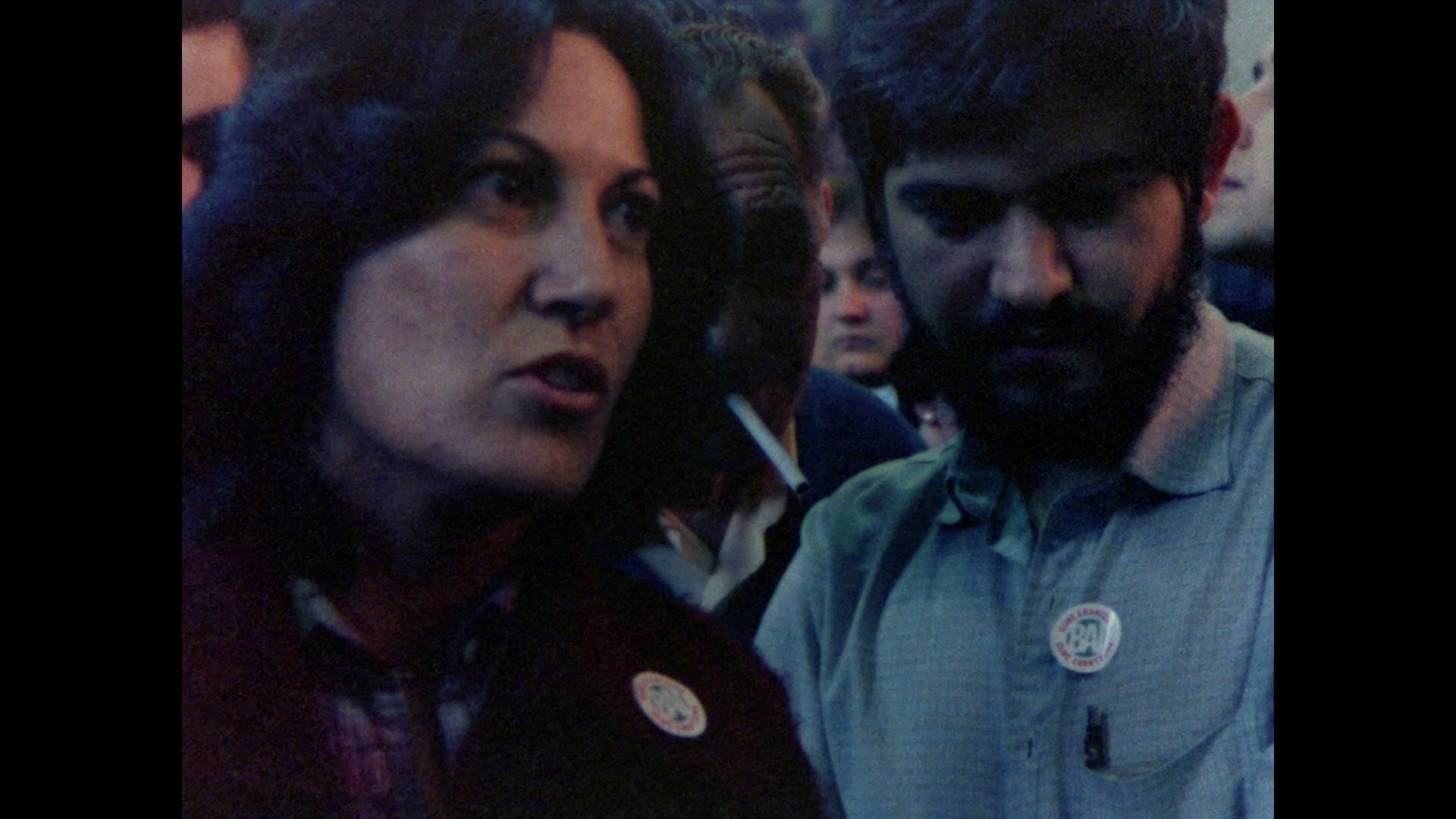
Also on disc three is the 1983 documentary After... Part One: Can't You Be Left Alone? (Después de... Primera parte: No se os puede dejar solos?), a deep dive into the rocky period of Spain's transition for two years starting in 1975. We start off with the death of Franco (complete with a look at the funeral) and interviewees discussing their trauma under his rule, as well as their thoughts after longstanding wishes for his death finally came to pass. From there you get extensive discussions from solo subjects and very aggressive group arguments in the street about pretty much every social issue of the day, with people from all economic strata veering between the far left and right and everywhere in between. Some key bits from this also ended up in the Exorcismo doc, so it's fascinating to see where it originated and how very relevant this still feels today. This is another rare title making its home video debut here (not to mention its official English-subtitled premiere), in excellent quality.
When they weren't busy teaming up for '70s 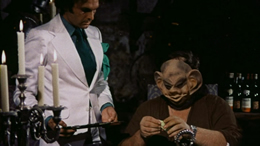 Spanish monster movies like Werewolf Shadow, Vengeance of the Zombies, and Dr. Jekyll and the
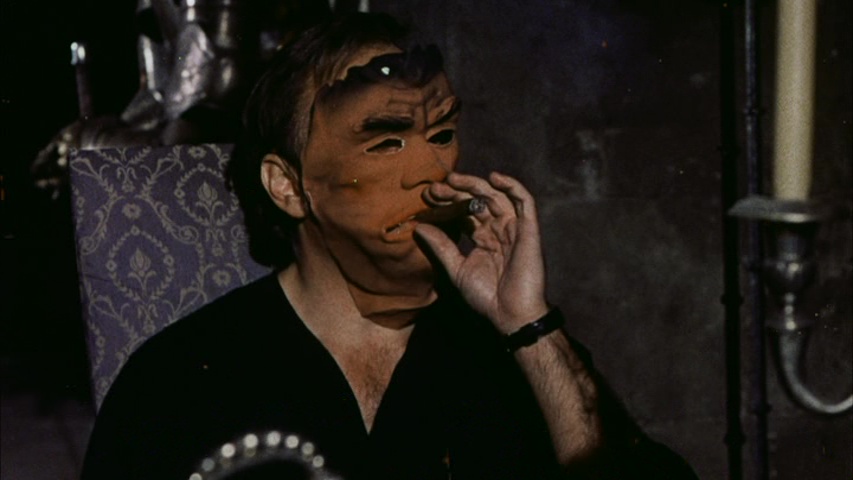
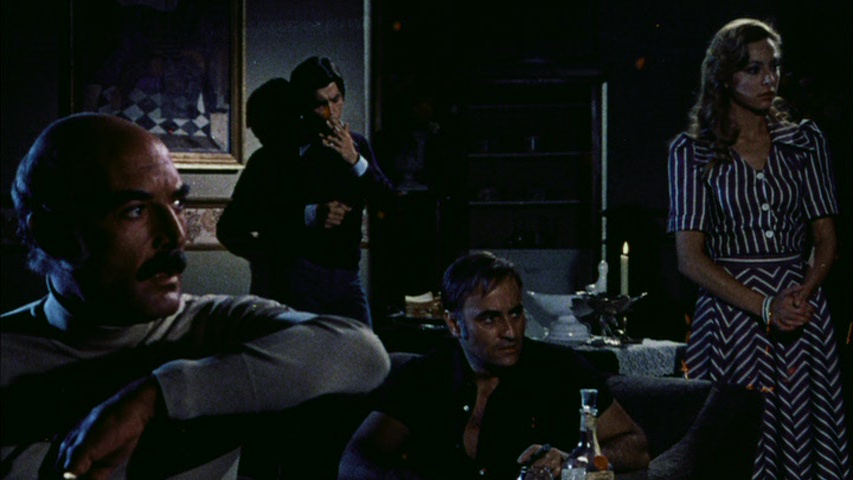
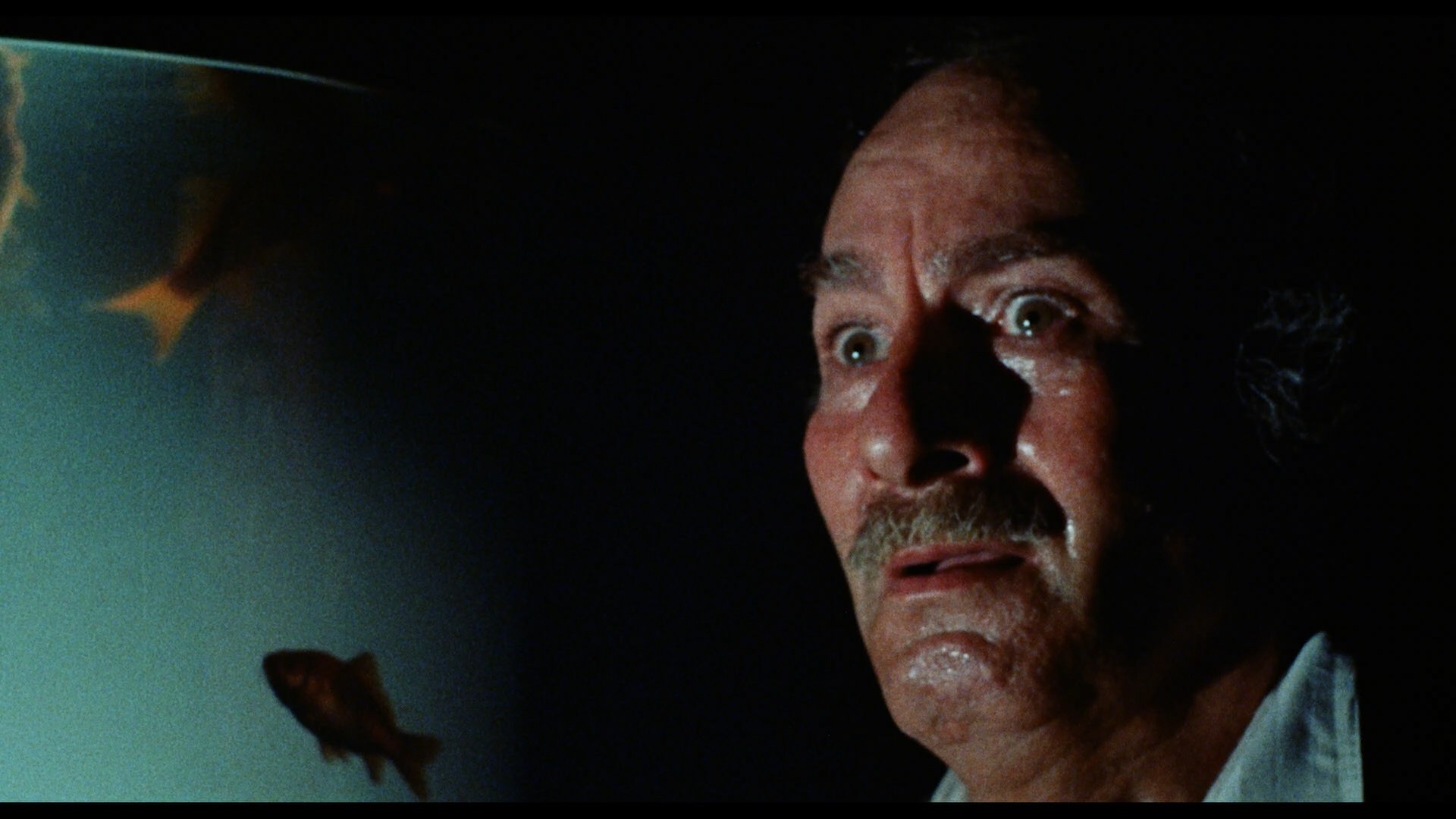
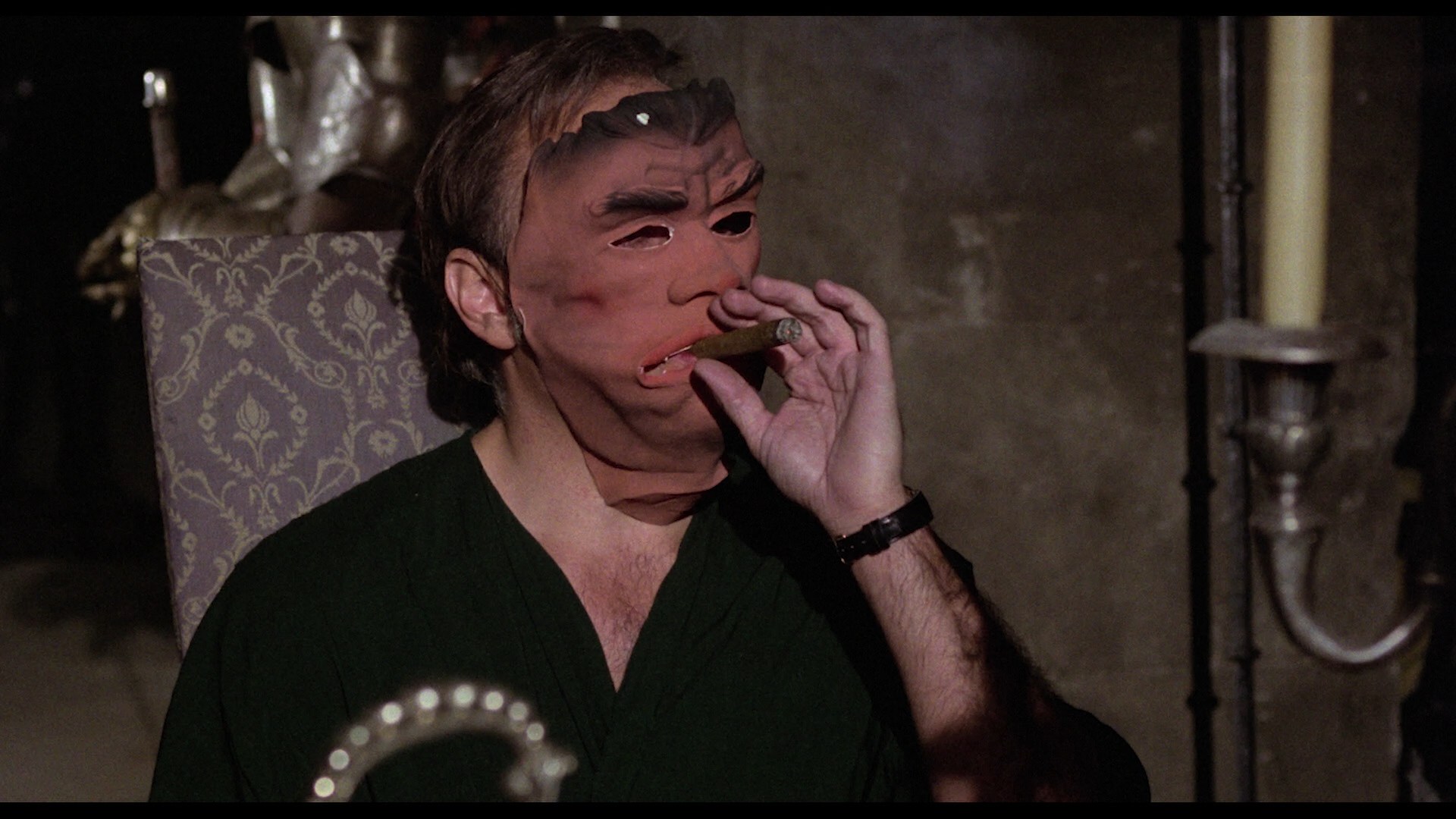
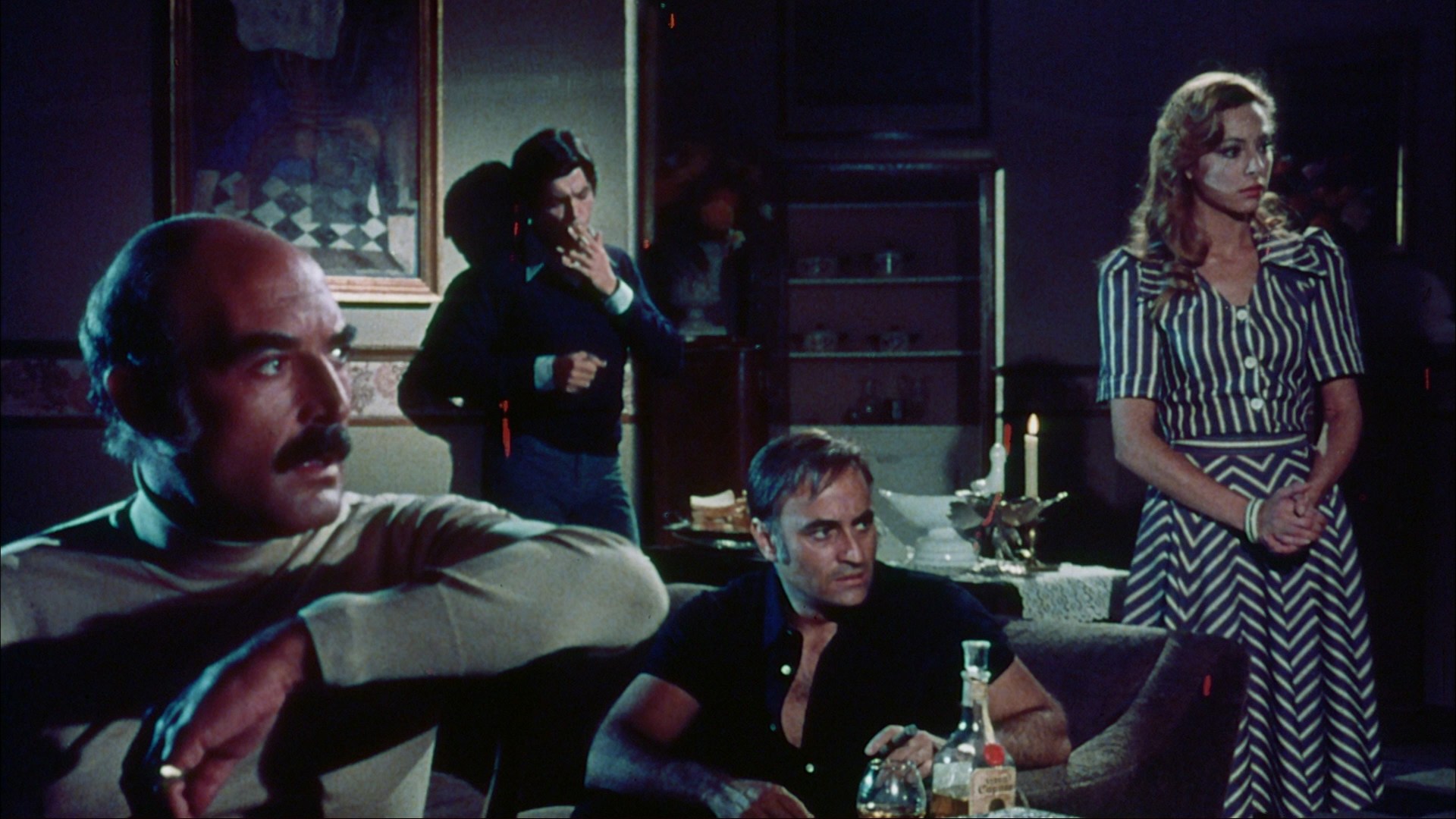
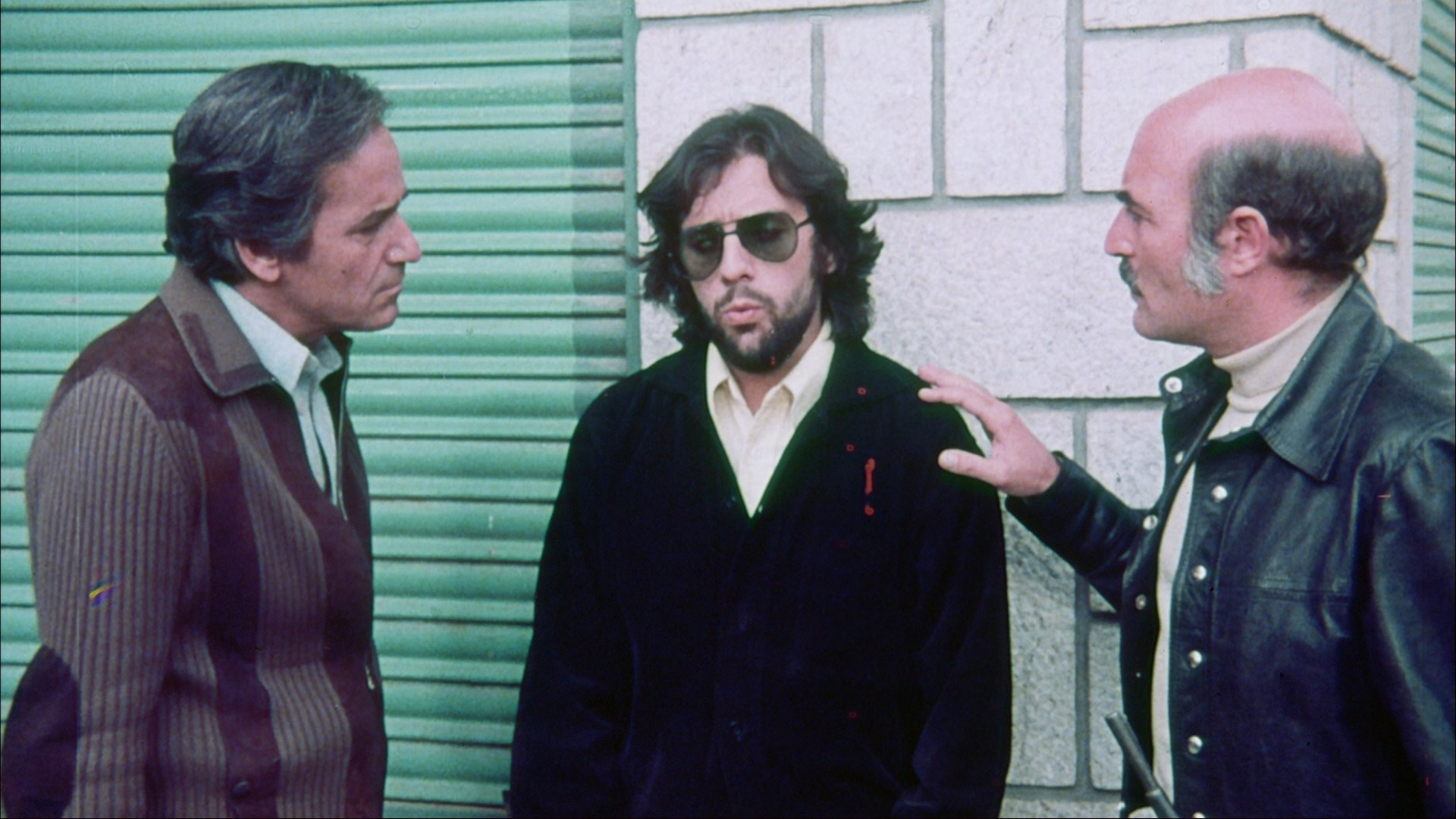
 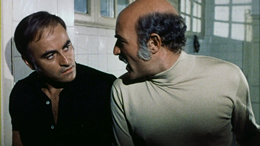 Werewolf, actor Paul Naschy and prolific director León Klimovsky turned out the peculiar and strangely haunting horror/sci-fi hybrid The People Who Own the Dark, which gets disc four all to itself. Inspired in equal parts by I Am Legend and The Day of the Triffids, it's a terrific film with Naschy actually taking on more of a supporting role here as Borne, a macho hunter type who joins a bunch of debauched upper class businessmen and their female companions for a weekend of fun and games in the countryside. That includes gathering in the basement to put on creepy pig masks and parade the women around in see-through gowns for some kind of kinky swingers' ritual, but they're cut short by an earth-rattling explosion above that sends a blind pigeon crashing to the floor. The maid shows up blind, too, with completely white eyes, and soon they realize that some kind of apocalyptic attack above ground has rendered most of the population dead or completely sightless. As the party hounds try to gather munitions, the blind locals become bent on irrational vengeance and start to gather outside the house as those inside also find their sanity beginning to break.
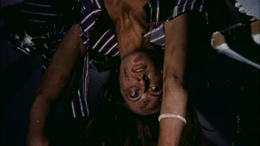 co-writer Vicente Aranda, the director/screenwriter of The Blood Spattered Bride and Lovers, whose penchant for dark surrealism is well in evidence here. The first third of the film feels like a dark comedy in the vein of Luis Buñuel or
 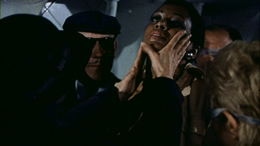 Marco Ferreri (think The Exterminating Angel or La Grande Bouffe reconfigured as a drive-in movie), but the story then takes a number of increasingly bizarre and irrational turns: one unhinged survivor taking to crawling around unclothed and lurking in the corner in his pig mask, the spooky gatherings of the titular people outside the house at night, and especially the incredible final five minutes.
 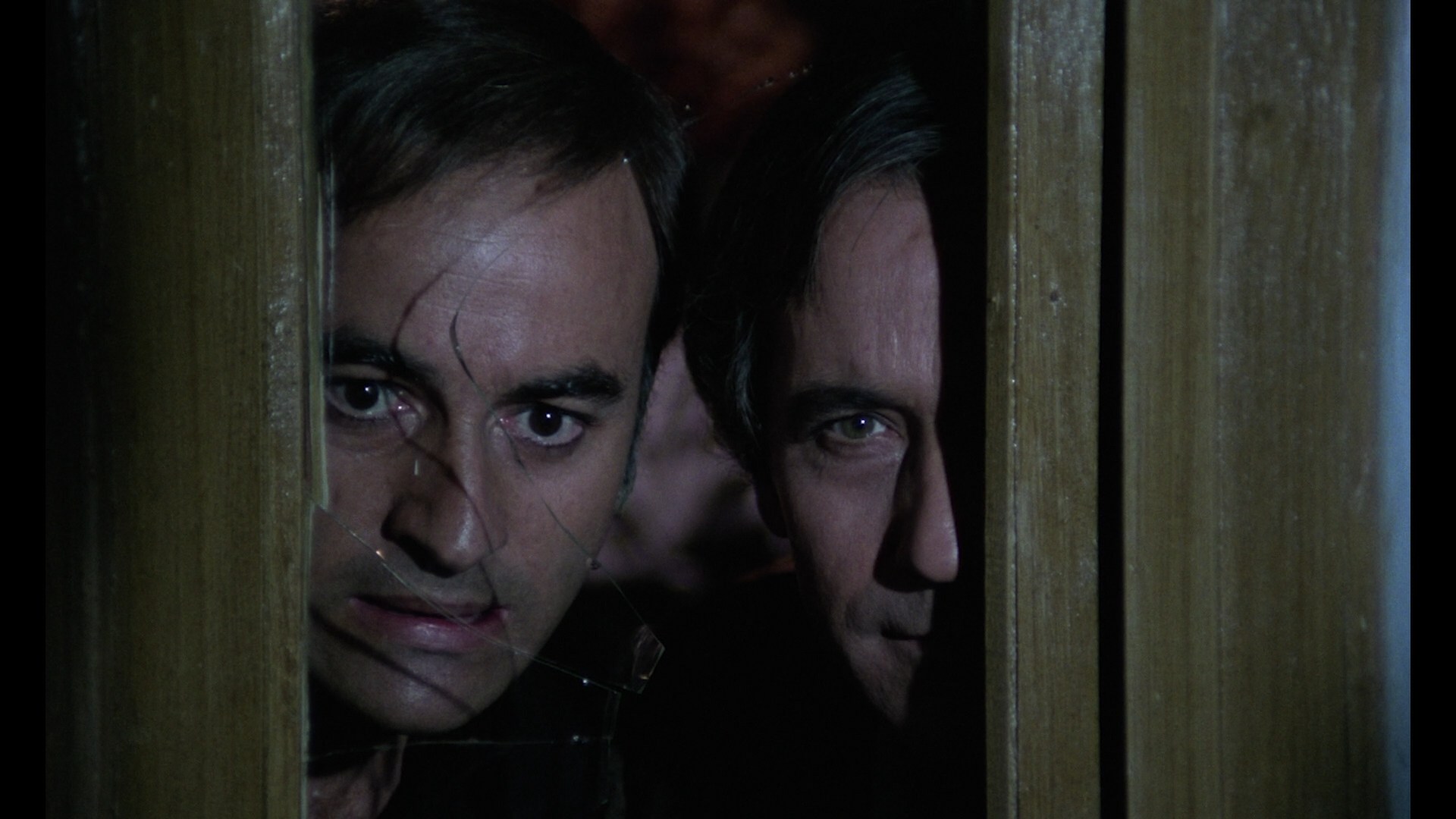 option on that disc is what's referred to on the packaging as an "abused" grindhouse print, which means it's pretty heavily damaged
 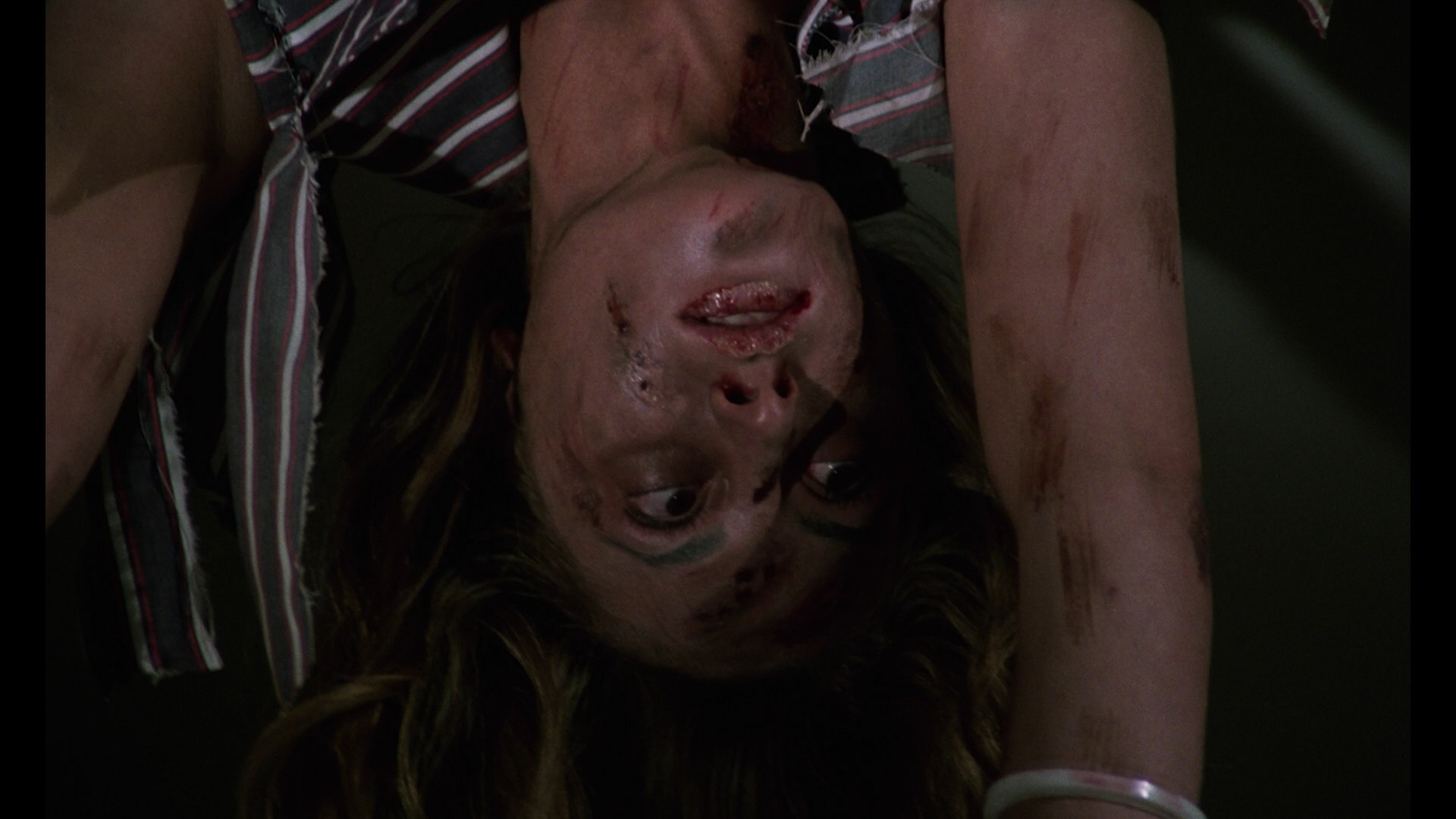 and features loads of splices, lines, and random debris. The opening minutes fare the worst (the title card barely appears on screen), but after that it gets smoother with the second half being downright acceptable. That damage of course causes several seconds to fall by the wayside here and there, bringing the running time up to a little over 78 minutes. The English-language version used for the VHS release clocks in about three minutes longer, so that edition is presented here as well (as the "portable grindhouse" version) in all its analog '80s splendor. Flat letterboxed at about 1.78:1 for most of the running time with a few open matte shots here and there, it looks exactly like a lower-tier tape title from the period; don't get your hopes too high, but if you want to see the film without any damage-related problems, this "retro" option may be preferable. The U.S. theatrical trailer is also included (from what appears to be a VHS source) along with the usual Code Red bonus trailers, with Family Honor playing before the feature as usual. The back of the DVD sleeve carries over the US poster's baffling claim to the film being presented by Sean S. Cunningham (Last House on the Left), while the synopsis itself hilariously refutes it.
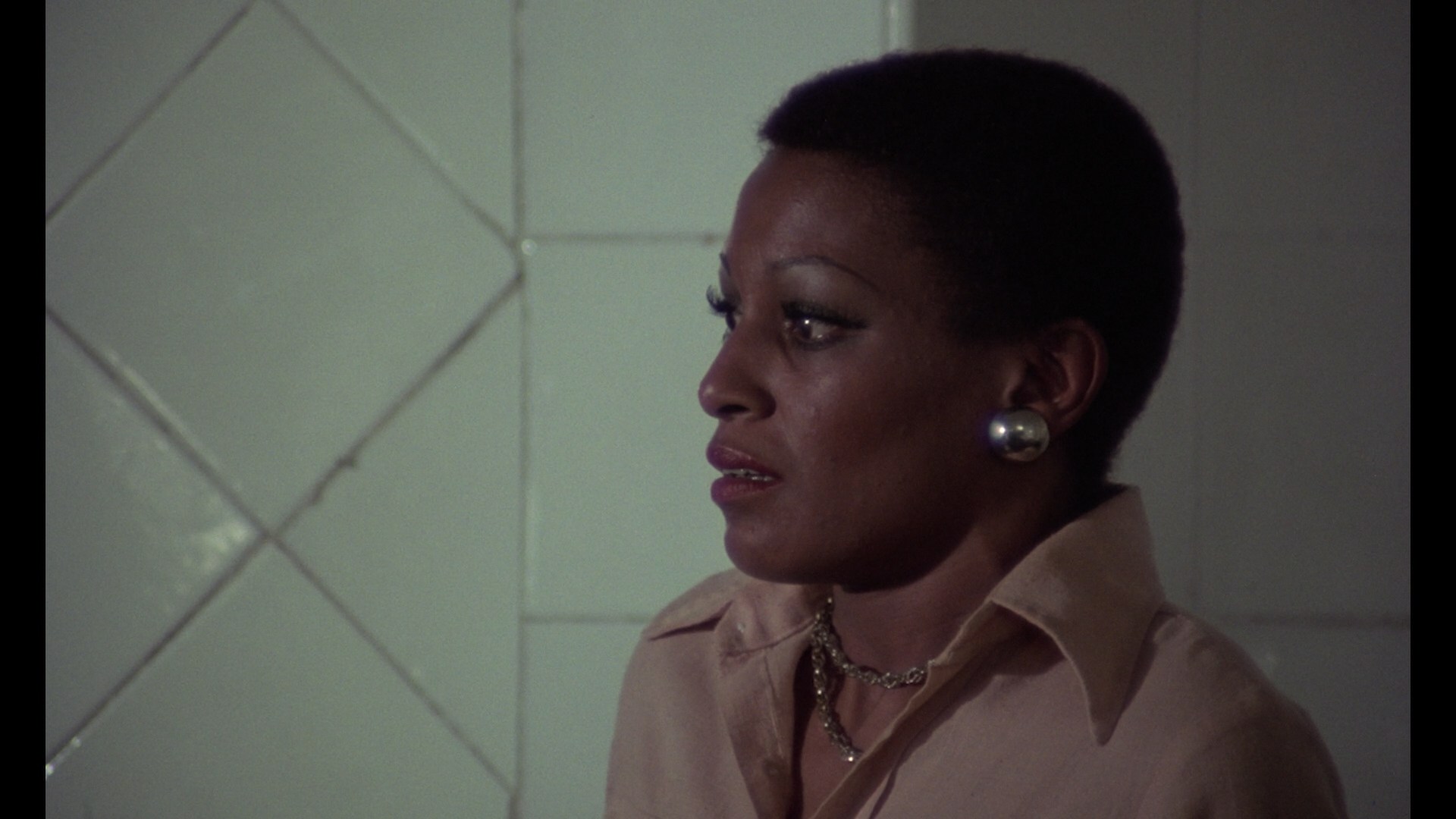 before the end credits, but it's a massive upgrade all around with far less damage and a good combination of the best aspects of both versions on the DVD edition. There's still some damage, not surprisingly (including a thin intermittent yellow scratch in the first couple of
  reels), but the uptick is substantial. The image is also a bit brighter with more detail visible in the darker scenes, which is nice since that's about 80% of the second half of the movie. The brief opening credits are in substantially rougher condition, so don't panic when the film first starts up. The DTS-HD MA mono audio sounds fine given the nature and age of the source, and the theatrical trailer is also included in its usual lo-res glory. The Severin disc presents a new restoration of the film including the U.S. version (framed at 1.85:1) and the much longer Spanish cut, at a more spacious 1.66:1 with considerable extra footage mainly confined to character development in the pre-apocalyptic stretch. It also has a wild psychedelic main title sequence set to "Ode to Joy" (thus explaining the music's reappearance at the end), which will probably split opinions. The presentation is gorgeous, with the restoration used for the bulk of the U.S. cut apart from the exclusive bits like the credits and some extra bird shooting footage added for some reason. An audio commentary with NaschyCasters Rod Barnett and Troy Guinn does a thorough and typically excellent job of providing background about the film, Naschy's participation and work with Klimovsky, the differences between the two versions, and tons more. In "Joking On Set" (9m25s), actor and future Jess Franco mascot Antonio Mayans talks about a funny hiccup in the cast process, a tie to Charlton Heston, a special meaning for the line "Okay, let's go," and the temporary tiff with Naschy he had on this film. In "A Unique Iconography in Spanish Terror" (18m9s), The Sitges Film Festival's Ángel Sala chats about the misleading Spanish title (Ultimeo Deseo), the influence of Night of the Living Dead and The Day of the Triffids, the commercial indifference to Spanish sci-fi, and the lineage of post-nuke films in Spain which took some bizarre turns along the way. The U.S. trailer is also included.
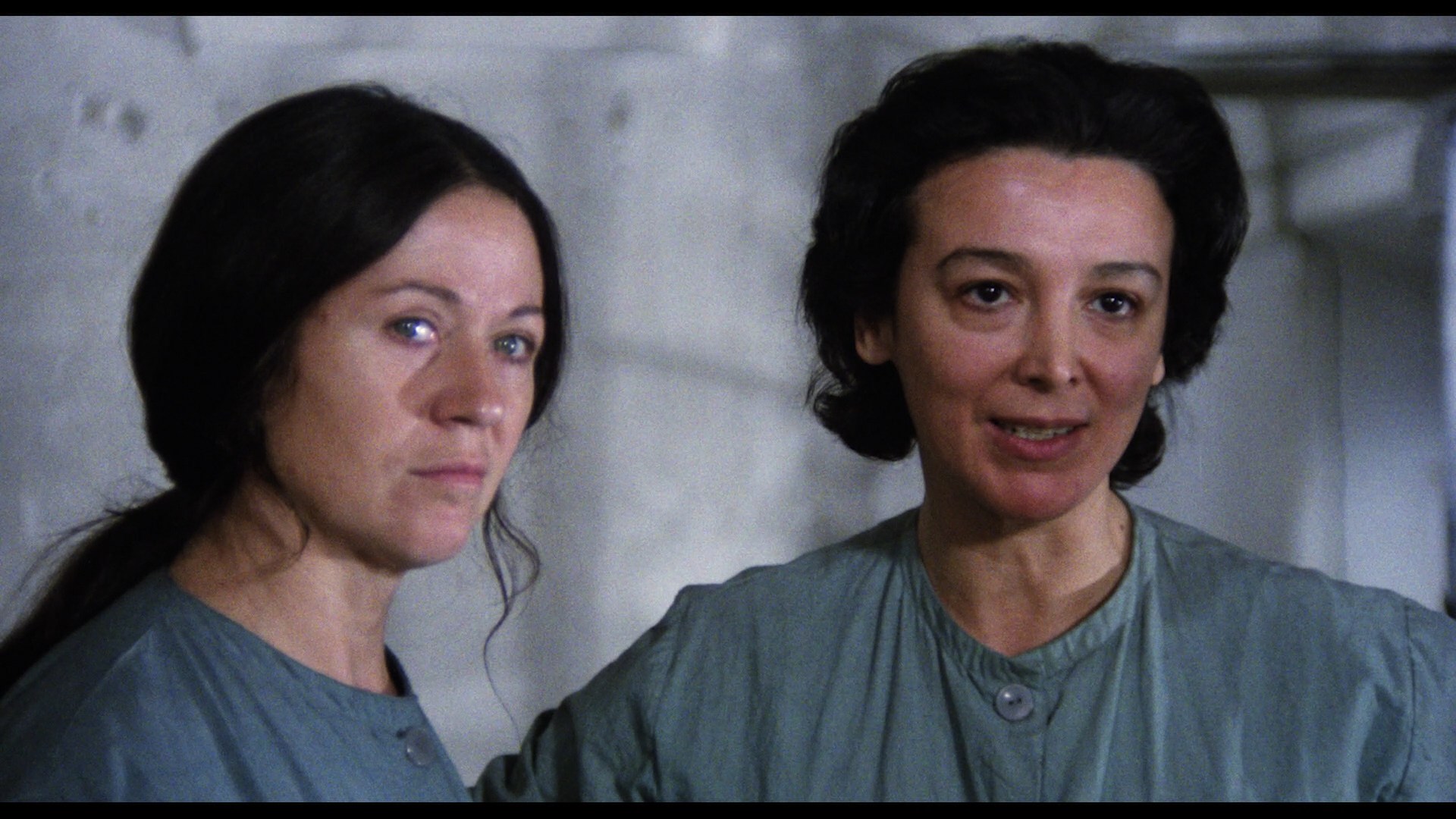 pair of unflinching volleys at social institutions after the post-Franco transition was complete, starting with 1978’s Battered
 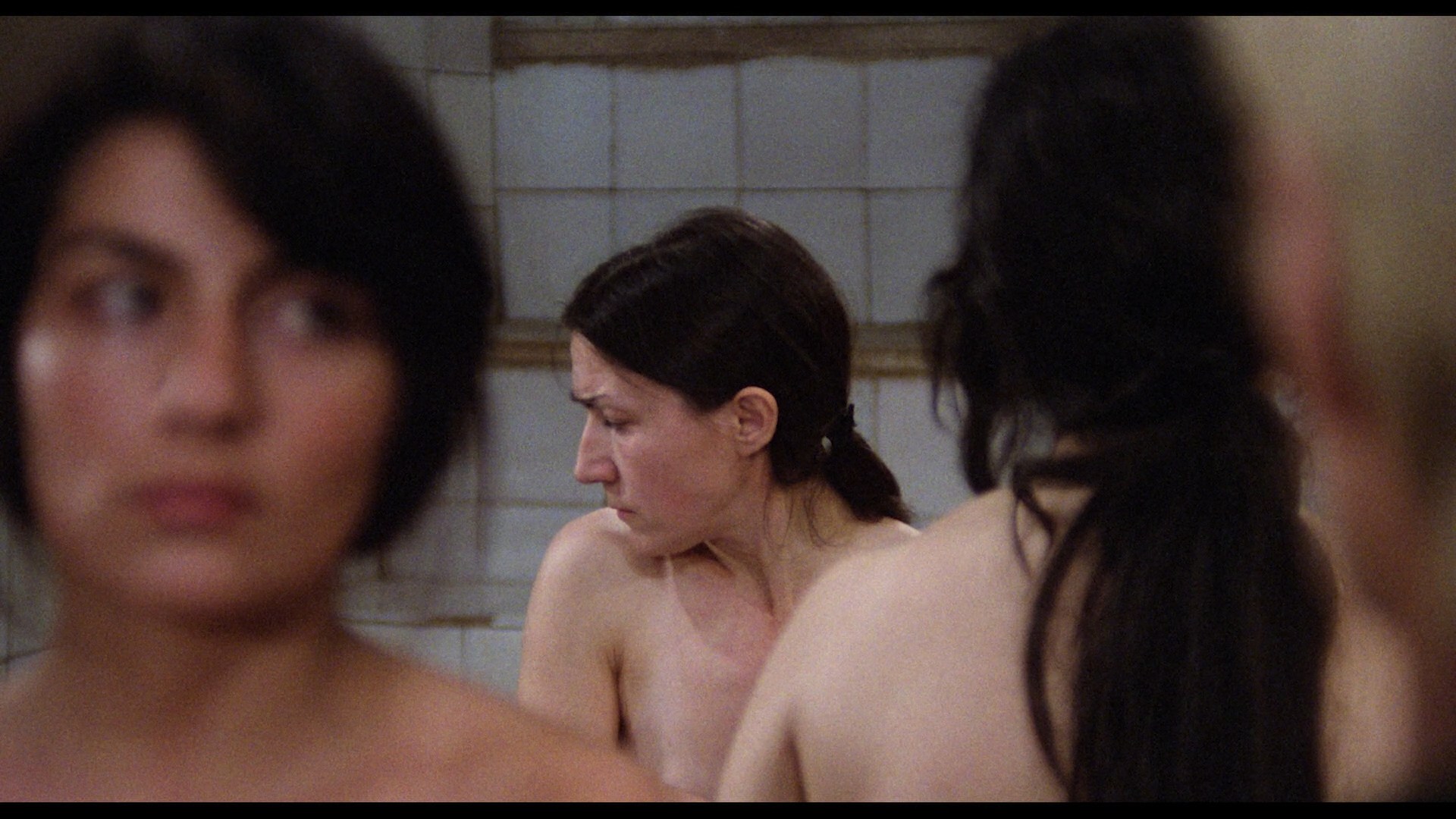 Flesh (Carne apaleada) from director Javier Aguirre (Hunchback of the Morgue, Count Dracula’s Great Love). A very far cry from the sensationalist women-in-prison films populating U.S. drive-ins, this is a sad-eyed depiction (based on fact) of incarcerated life as experienced by Bera (A Candle for the Devil’s Roy). First seen being transported to jail for the umpteenth time after passing bad checks at jewelers, she comforts a younger initiate and has disdain for the guards who sneer at any possibility that the current regime is responsible. Within the walls and the prison yard she settles into the social structure that will lead her into a very ill-advised love affair with Senta (The Ghost Galleon’s Rey) which goes in and out with her appeal attempts and suffering at the hands of increasingly heartless wardens.
 Pedro Almodóvar films right after this. The film doesn’t stint on what would normally be exploitation elements like nudity and violence, but it’s handled in a realistic style—at least until the ending which pushes things into outrageous territory
 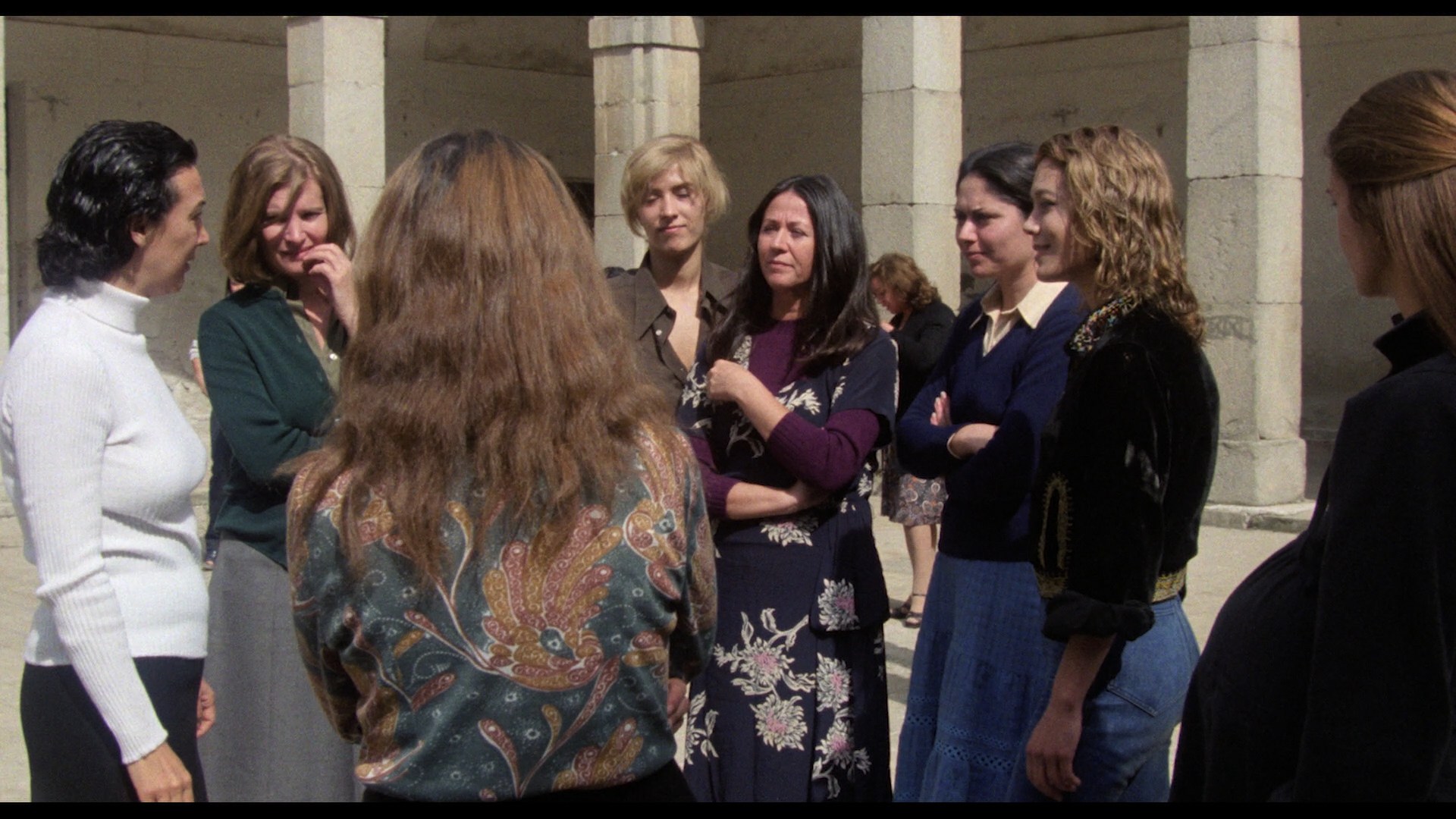 for a few moments. This one will probably be an unknown quantity for most viewers since it didn’t really get screened outside of Spain much and hasn’t been around since its early ‘80s Spanish VHS release. The first English-subtitled release in any form, the Severin Blu-ray looks excellent with only some minor element damage here and there. The DTS-HD MA 2.0 Spanish mono track is in fine shape, and the English subtitles are solid. A new audio commentary by Shelagh Rowan-Legg and Alejandro Melero goes a perceptive job of examining the film’s political commentary, the actors’ work on screen and in other media, the tropes of the women-in-prison film, the autobiographical source material, and more. In “A Spain to Break” (15m9s), actress Sandra Alberti (Satan’s Blood) looks back at the climate of the Franco period and the transition including the “boring” nature of everyday existence and the necessity to shatter taboos to move forward.
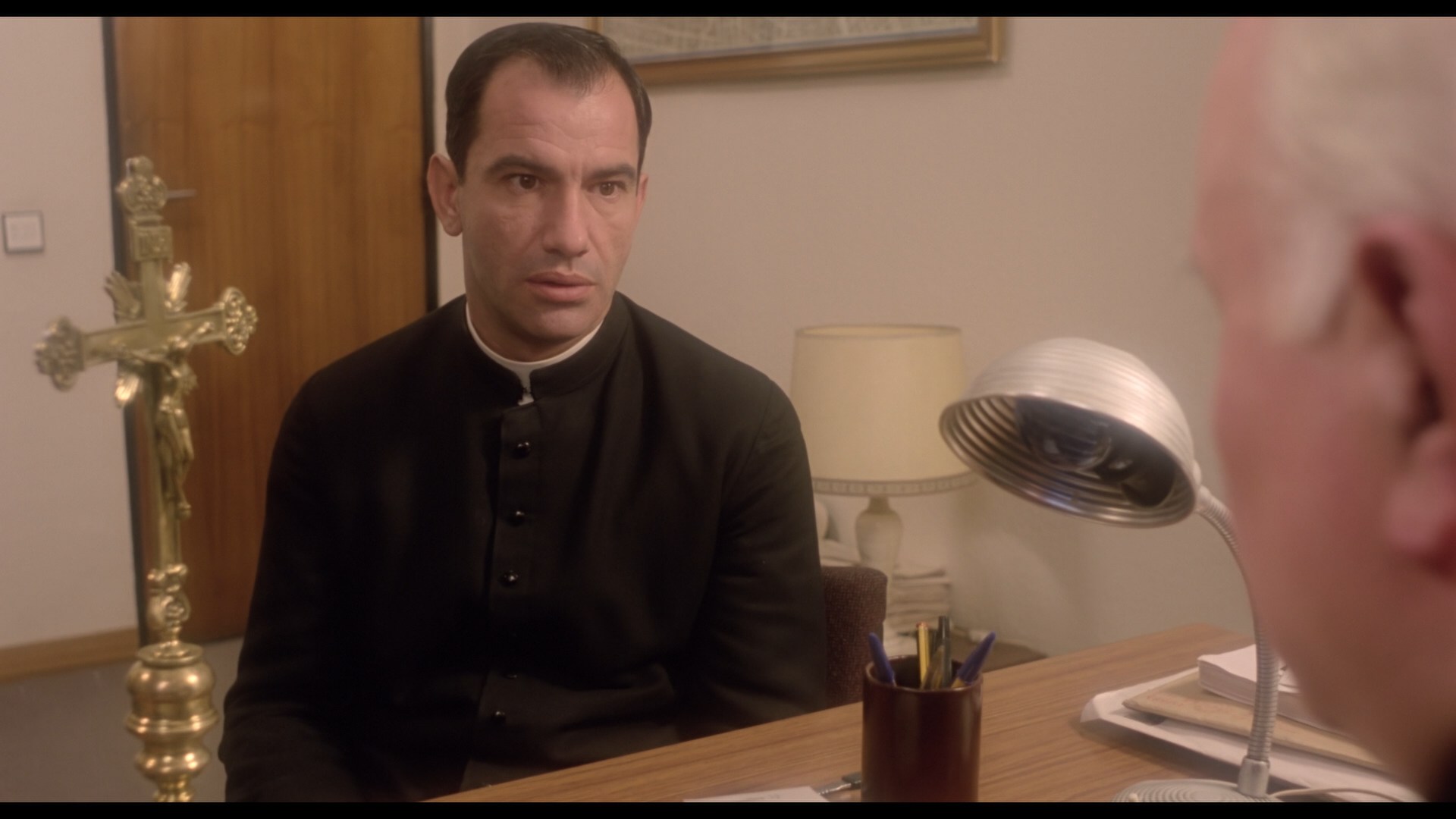 possible, Iglesia made this one in the immediate wake of his outrageous The Creature and equaled it in shock value
 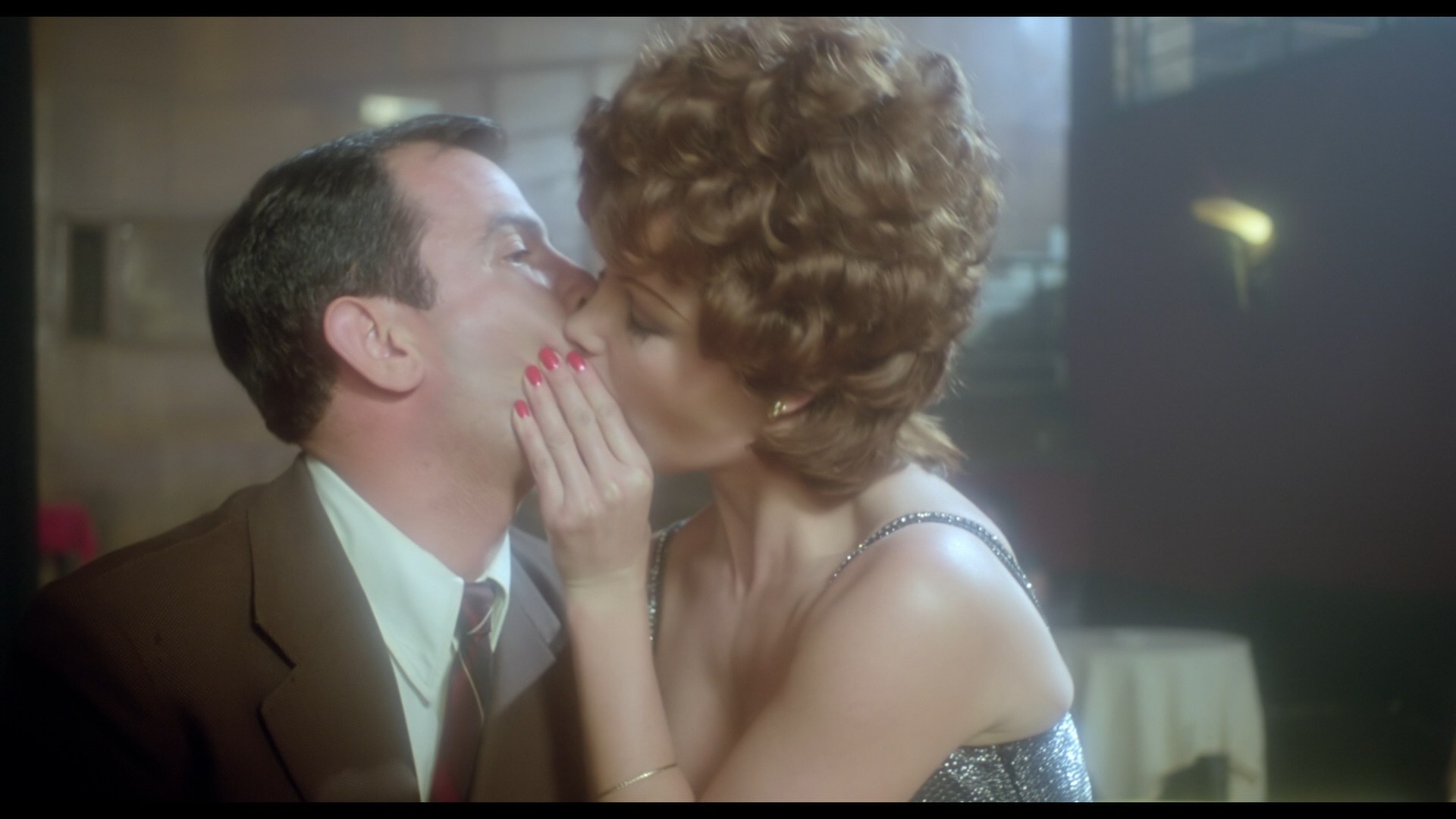 with a couple of scenes here that are still guaranteed to make viewers’ jaws drop.
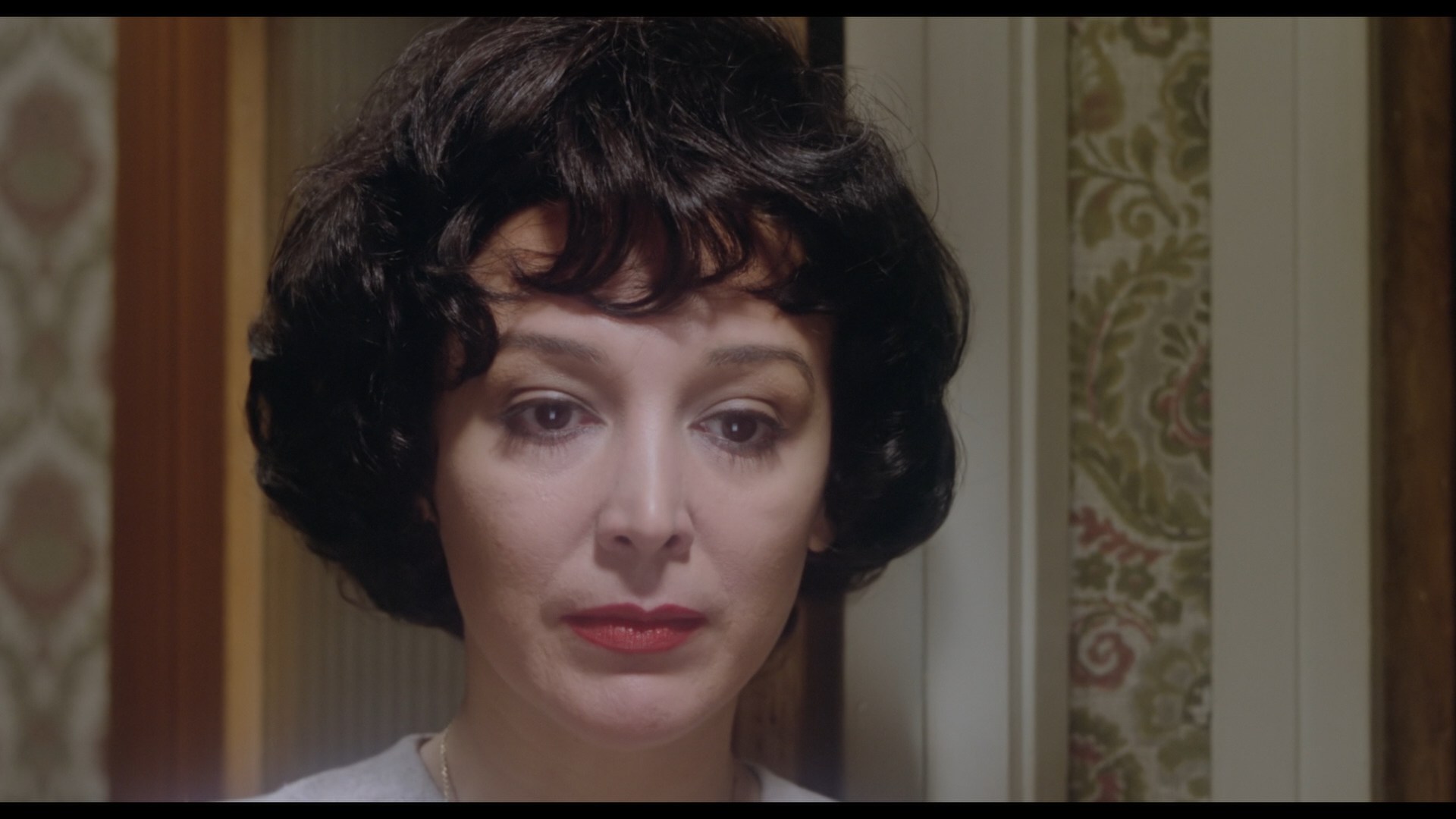 this got a VHS release (and a little bit of art house theatrical play) in the U.S., while Spanish label Divisa issued it on DVD in 2012 with a Blu-ray in 2022 (the latter with English and Spanish subs). That master obviously fared better than any option before, though it has a lot more noise
 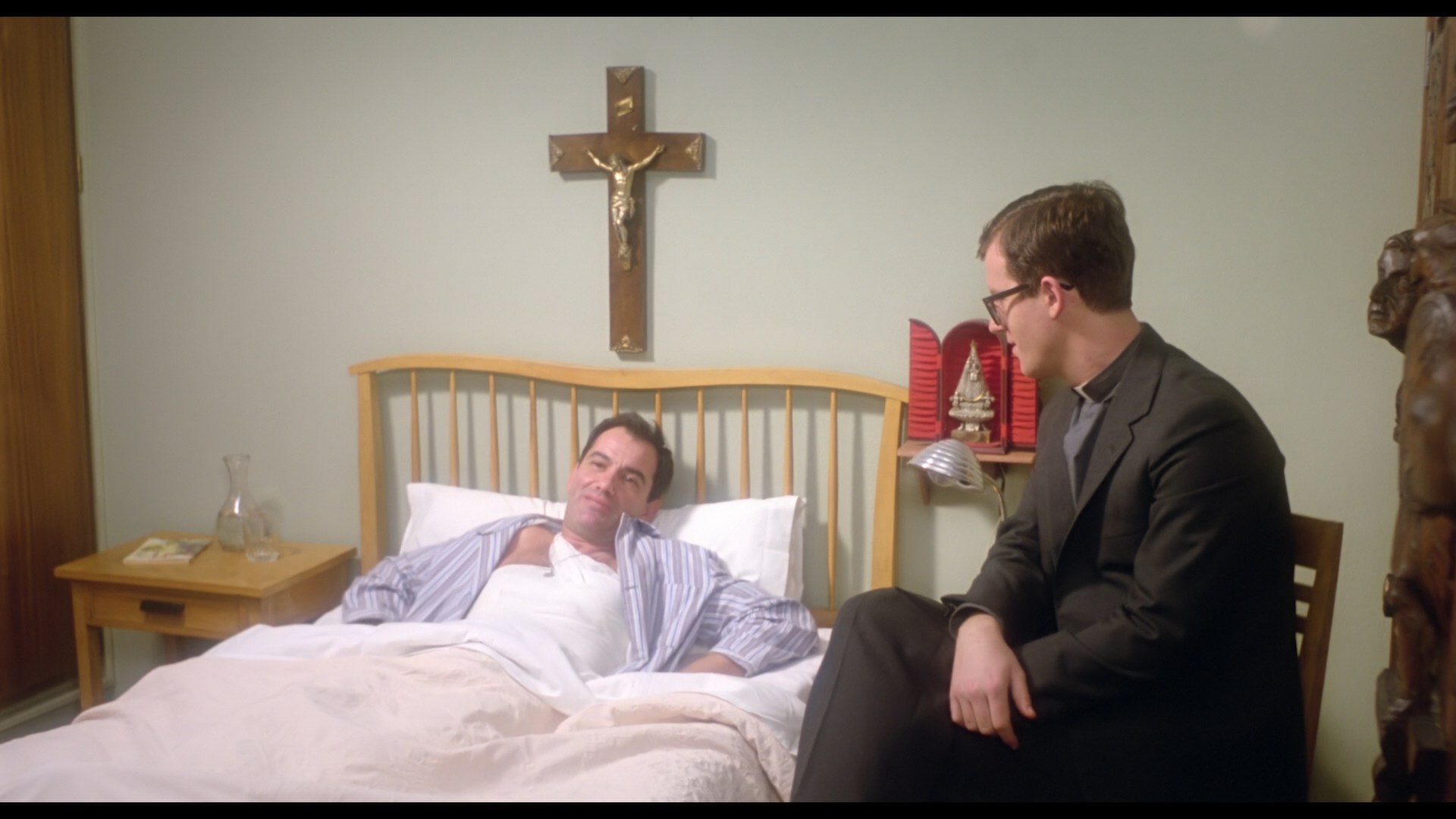 reduction applied than necessary which softens up detail quite a bit. That same master is used for the Severin release, which is otherwise fine and features the usual Spanish DTS-HD MA 2.0 mono track with optional English subtitles. No commentary is offered for this one, but you do get three video extras starting with “The Socialist Priest” with actor Emilio Gutiérrez Caba discussing the state of Spanish cinema at the time, the way filmmakers were handling the transition and working within the ‘S’ classification to explore sexuality of all stripes, and the real-life political tensions that informed the films filling theaters at the time. In “A Provocative Filmmaker” (8m30s), actor Martín Garrido Ramis shares his own memories of Iglesia, his own dedication to theater as his prime passion, and the vagaries of the casting process at the time. Finally the 1975 short film El Otro Luis (21m24s) is a really great find from Iglesia collaborator and friend Alejo Loren, presented here in beautifully restored condition. Here we follow hustler Luis (frequent Iglesia actor Ángel Pardo) on his daily routine within the neighborhood where he works and lives, after his latest john leaves him a morning note and some bonus cash to get him by.
 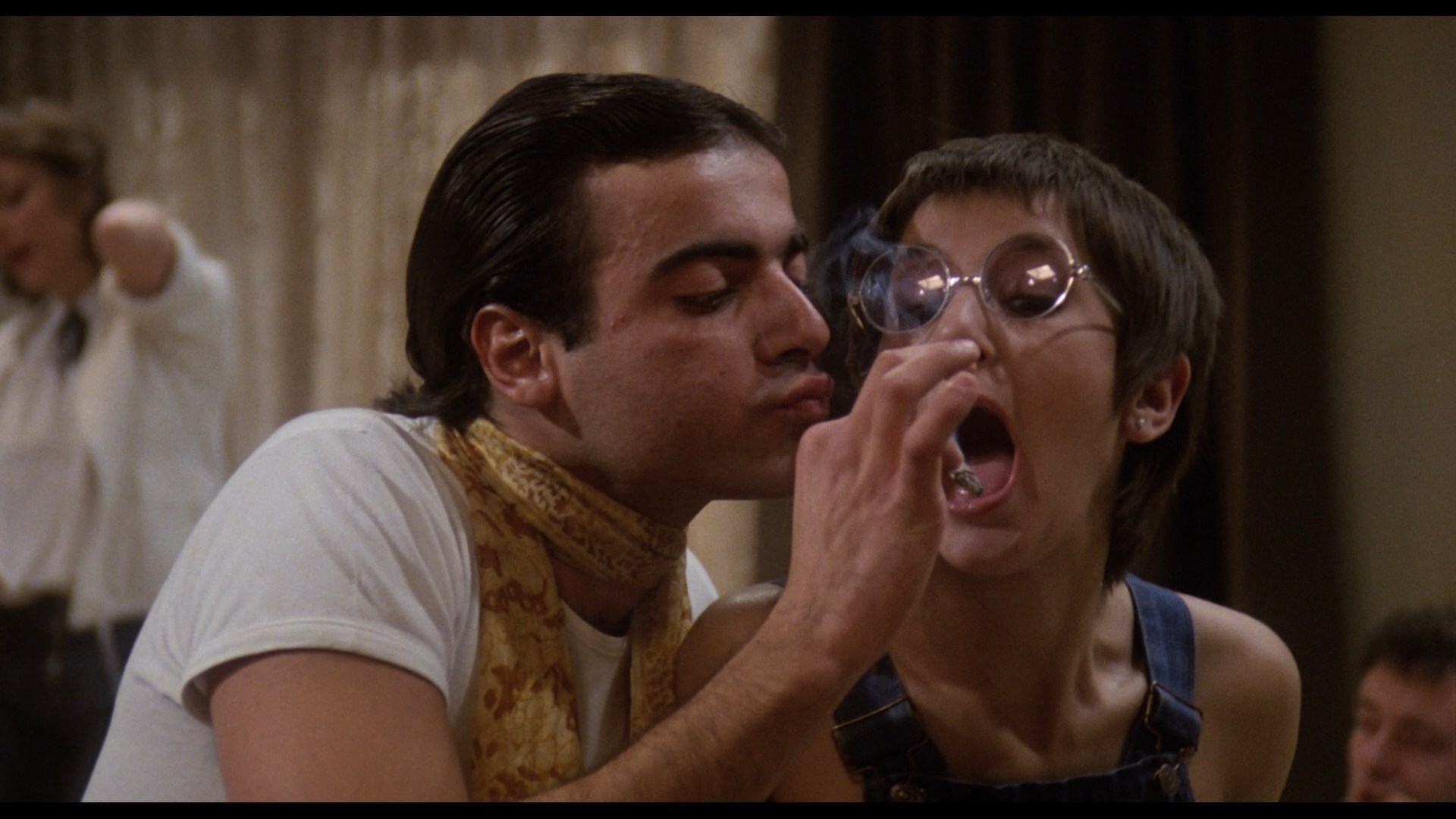 From the socially conscious to pansexual mania, we shift gears to a Pasolini-inspired bacchanale on disc six starting with
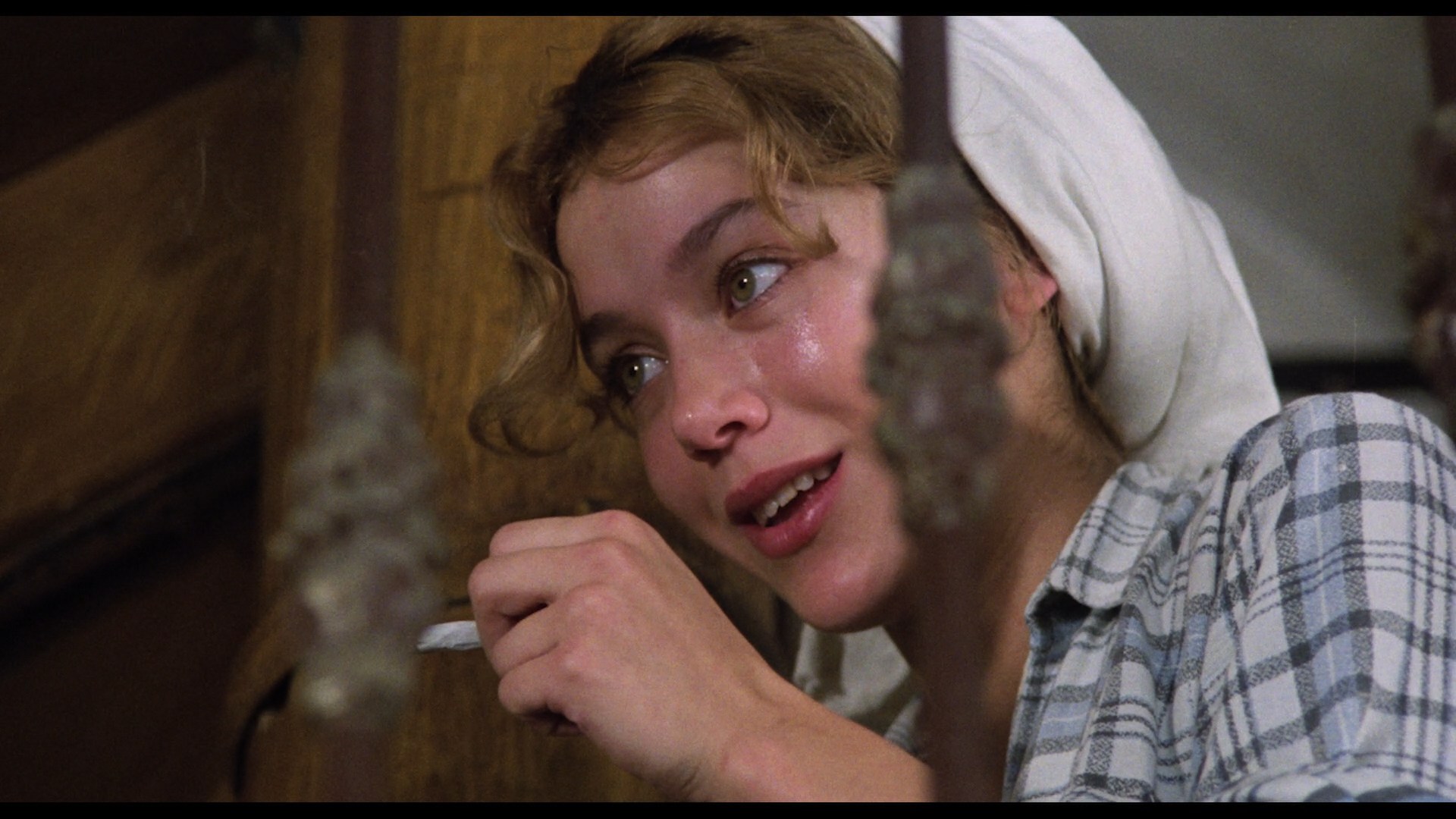
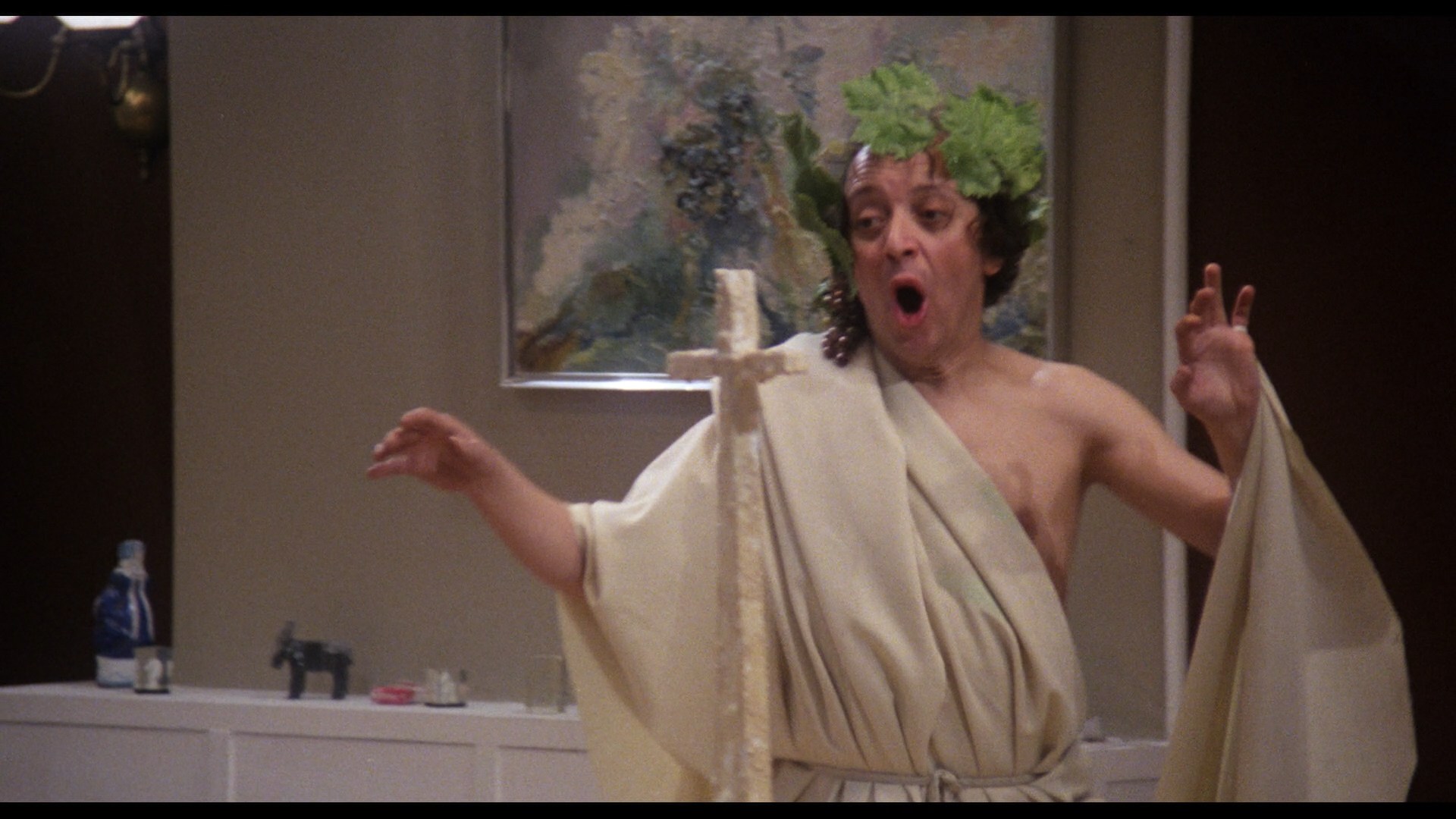
 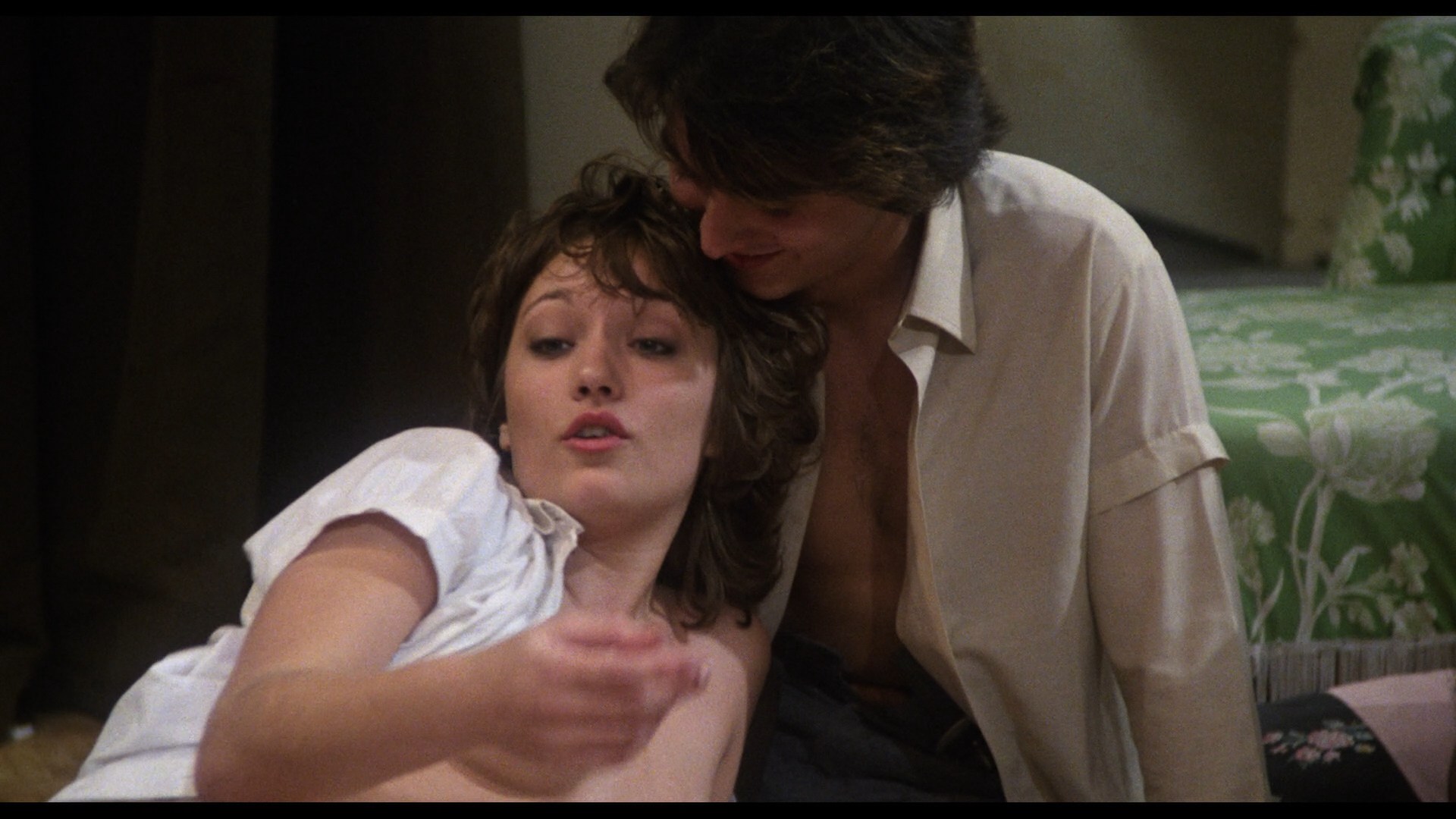 the misleadingly titled Sins of a Nympho (Bacanal en directo) from 1978. Things kick off at a nightclub where a bunch of youths are shaking it in a nightclub to Riz Ortolani's disco music from Primo Amore. Word goes around about a film producer (Conde) throwing a party at his place to film for his next movie, and everyone seems game except for buttoned-up couple Estela (Hernández) and Fermín (Martín). A visit from pals Chema and Lorena, both cheating on their significant others, and an afternoon of motocrossing are enough to persuade them-- especially the very resistant Estela-- to partake in the evening, which starts off with some innocuous dancing and pot smoking. However, soon everyone's getting naked, doing Roman, drag, and Nazi role-playing, and having intense discussions about various issues of the day, with random cutaways to a pair of motorcyclists on their way indicating something sinister might be brewing.
  orgy-heavy films around this time kicked off by the successful and surprisingly acclaimed La orgía the previous year from Francesc Bellmunt, this was one of only three films directed by Miguel Madrid who remains most famous for The Killer of Dolls. It's an odd mixture to be sure with the stratospheric amount of nudity in the second half contrasting with the
 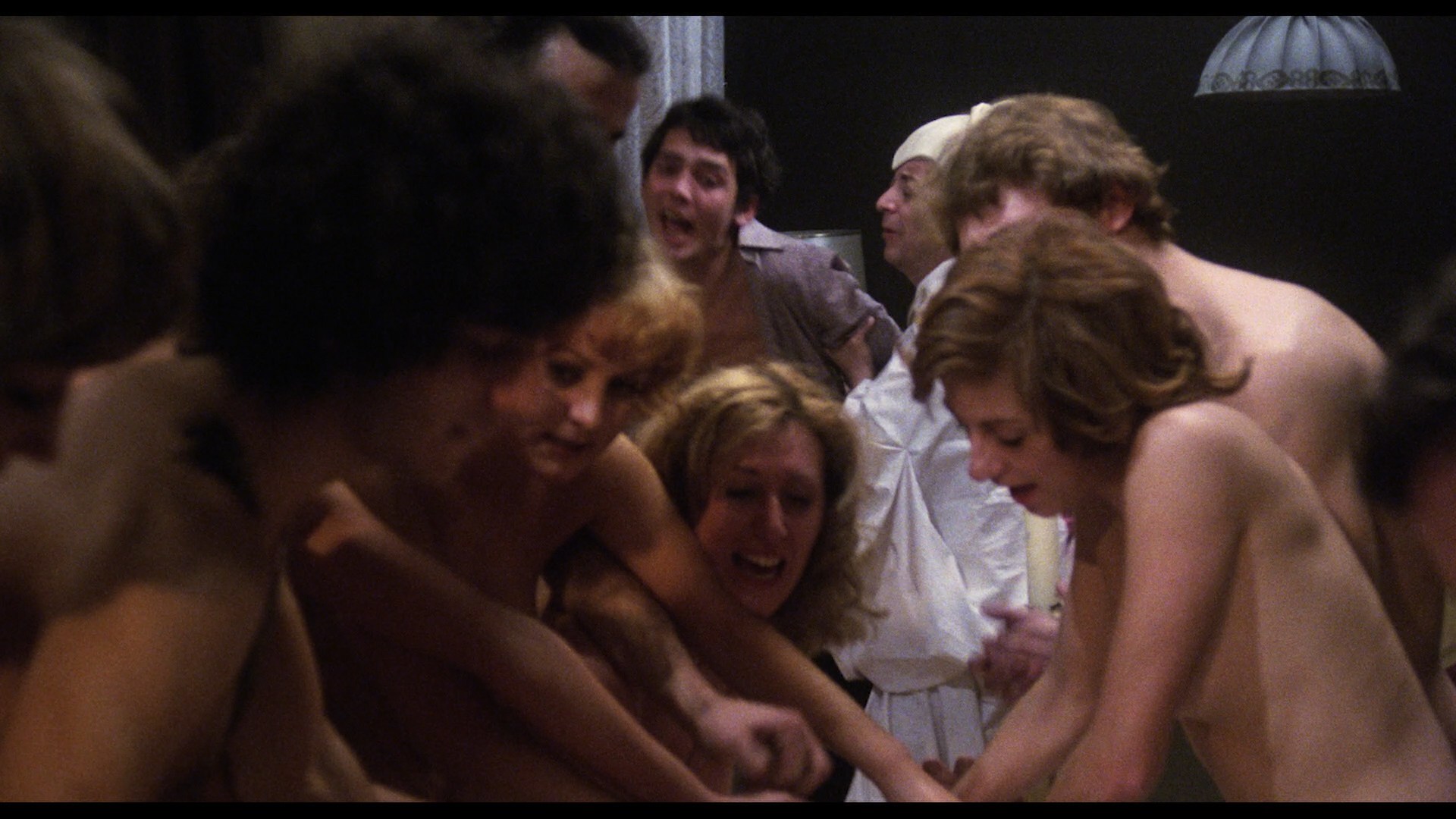 "socially redeeming" dialogue and a moralistic swerve in the final stretch that tends to put off many viewers. Given the sympathies of pretty much everyone involved, this resolution feels like more of a put-on a la the ending of Beyond the Valley of the Dolls, but it's hard to say for sure. The soundtrack patched together from Italian and Spanish library music is great, and if you're looking for a film that represents the libertine side of what was unleashed during this period in Spanish cinema, this one definitely fits the bill. Never available before on home video, it looks excellent here and comes with a crisp Italian DTS-HD MA 2.0 mono track with optional English subtitles. In "I Regret Nothing" (19m8s), assistant director Alejo Loren looks back at the 'S' period which he didn't feel was intending to be all that transgressive, the construction of the sets including the issues with sticking a big fireplace in the middle (which magically disappears
  early on), the blocking challenges of having your cast naked for half the movie in cold weather, the inspiration of Salo and the in-production Caligula, and the film's status as a sorta-kinda sequel to Las eróticas vacaciones de Stela. A Spanish trailer is also included.
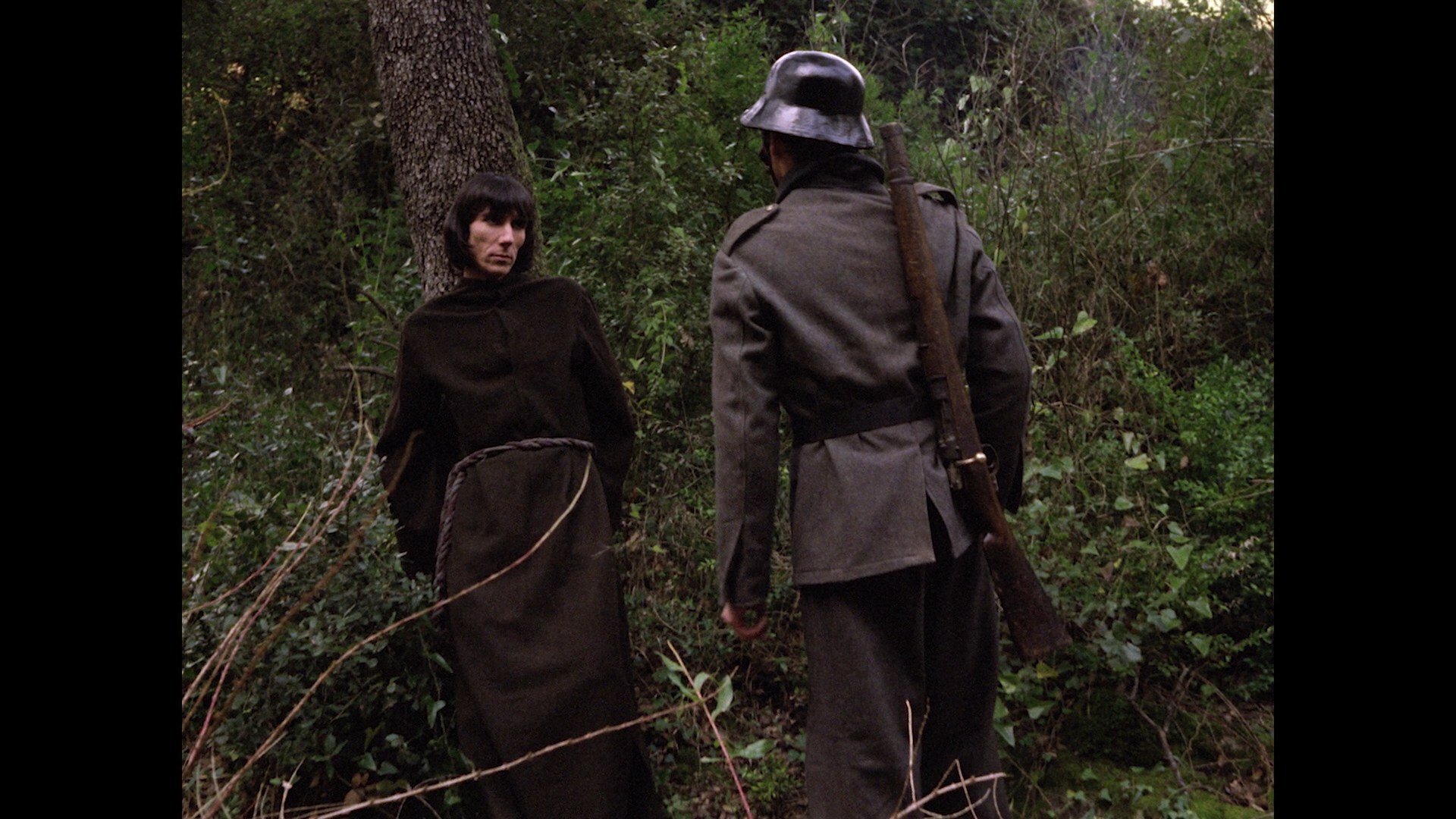
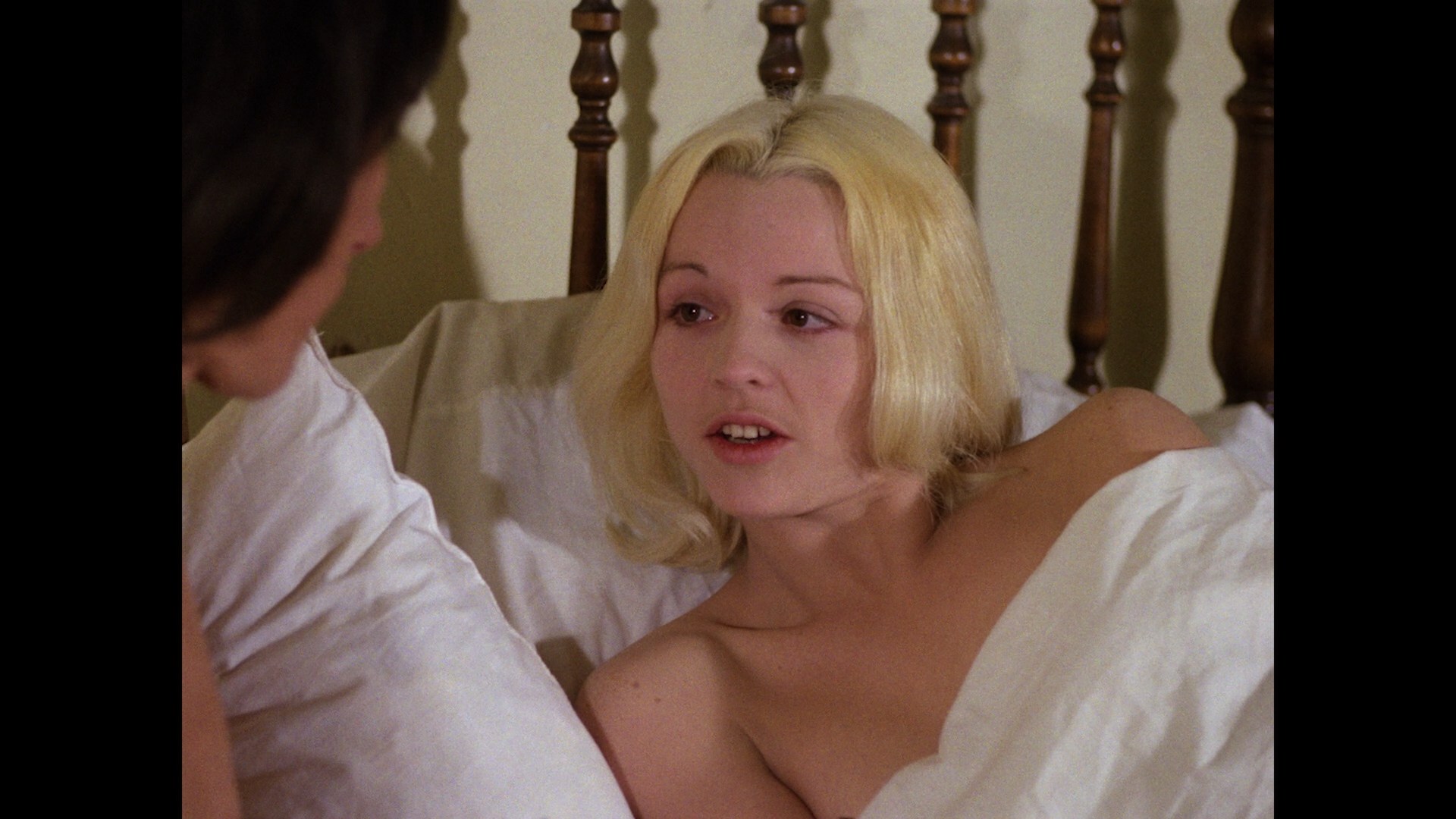
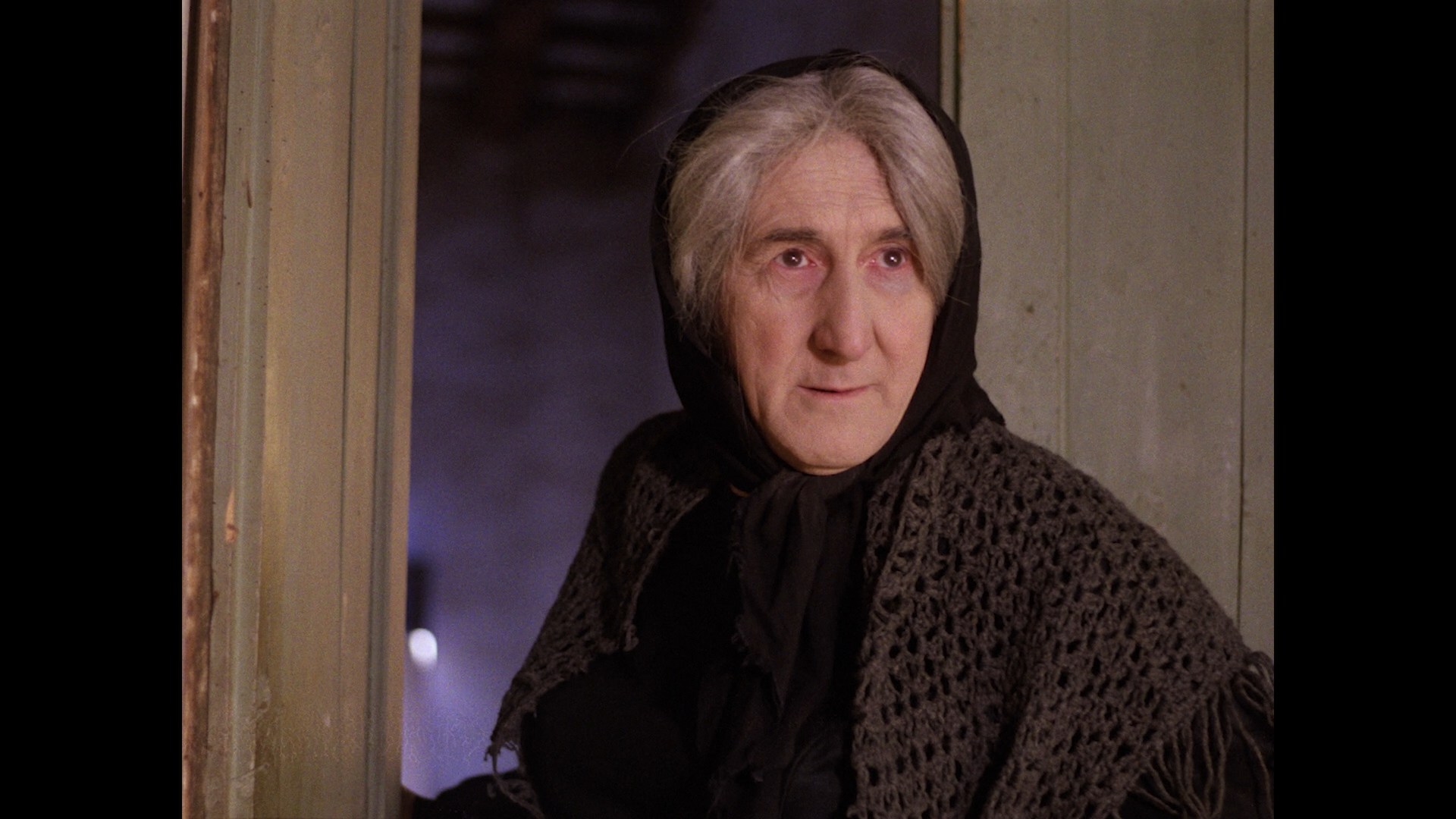 From there we go to a fascinating riff on Teorema with Dimorfo, directed by and starring the enigmatic Rodjara who apparently went on to work in TV animation. During World War II, a Jewish hermit in monk garb, Salomon (played by our filmmaker), ends up in the crosshairs of Nazi soldiers after he helps a naked, dying man in the woods. He ends up finding refuge at a farmhouse where he ignites sexually voracious behavior in the residents including married couple Aleja (Fontsa), who's heavily closeted and miserable, and frustrated Ana (Valer), as well as the elderly Rebeca (Caracuel), a suspiciously masculine old grandmother type who shaves. An obviously personal and peculiar passion project, this one also uses a library music soundtrack (in this case Stelvio Cipriani's The Killer Is On the Phone!)
 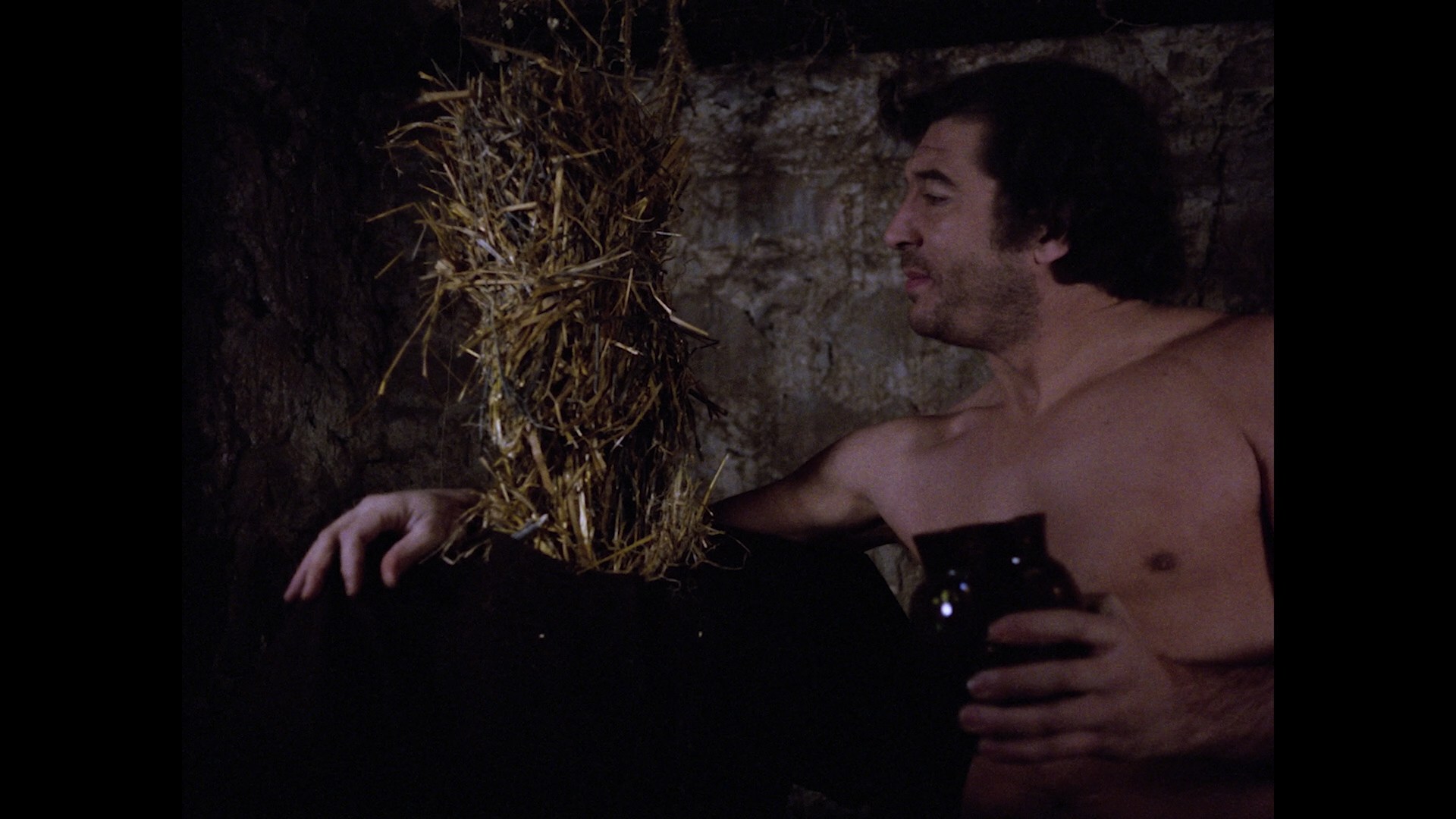 and has an off-kilter vibe that could make this a top or least favorite title with equal validity for anyone going through this set. The plot turns can be truly surprising at times, and the spacey performances actually coalesce into something fascinating the further you delve into this little mystery
  project.
  Lai's The Forbidden Room, Armando Trovajoli's Il Mito, and Cipriani's Blondy turn up as well, which is as weird
 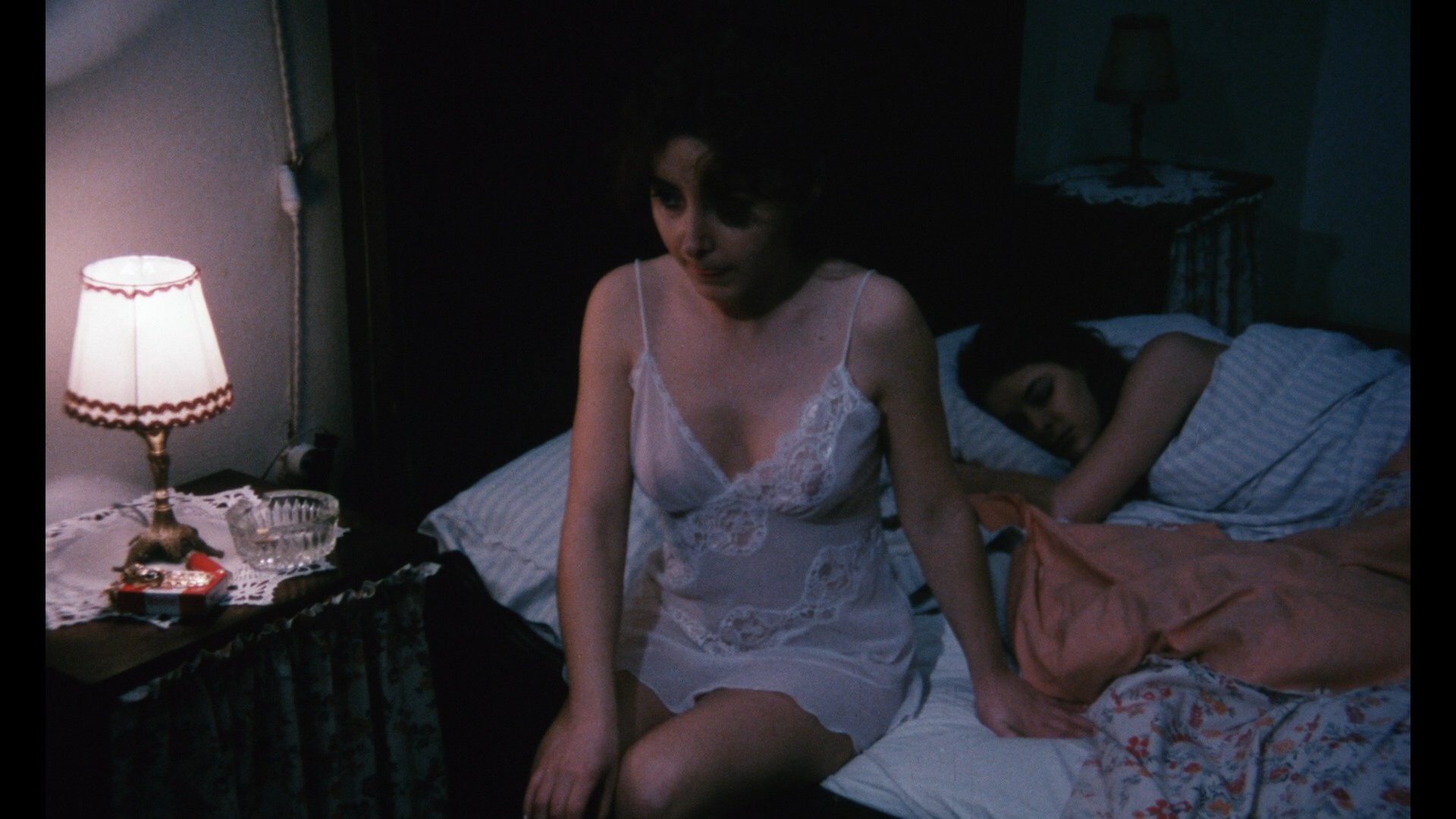 as it sounds. The film actually opens up in 1975 at the moment Franco's death was announced, as three women are destined to convene in an abandoned mountain village. After a meeting at a "university conference on medieval witchcraft," Norma (Romero), who digs hanging outside overnight recording the spectral sounds of nature, invites lesbian couple Laura (Conca) and Andrea (Palma) on a parapsychology field trip that goes awry when their car breaks down and they end up stranded in the spooky, sprawling home of Maria (Bolero's Miller). Rampant sex ensues between the women, bloody and otherwise, but in between distractions like nude modeling, someone goes on a killing spree. Could it have something to do with Maria's weird mute son (Montllor), or is something else at work?
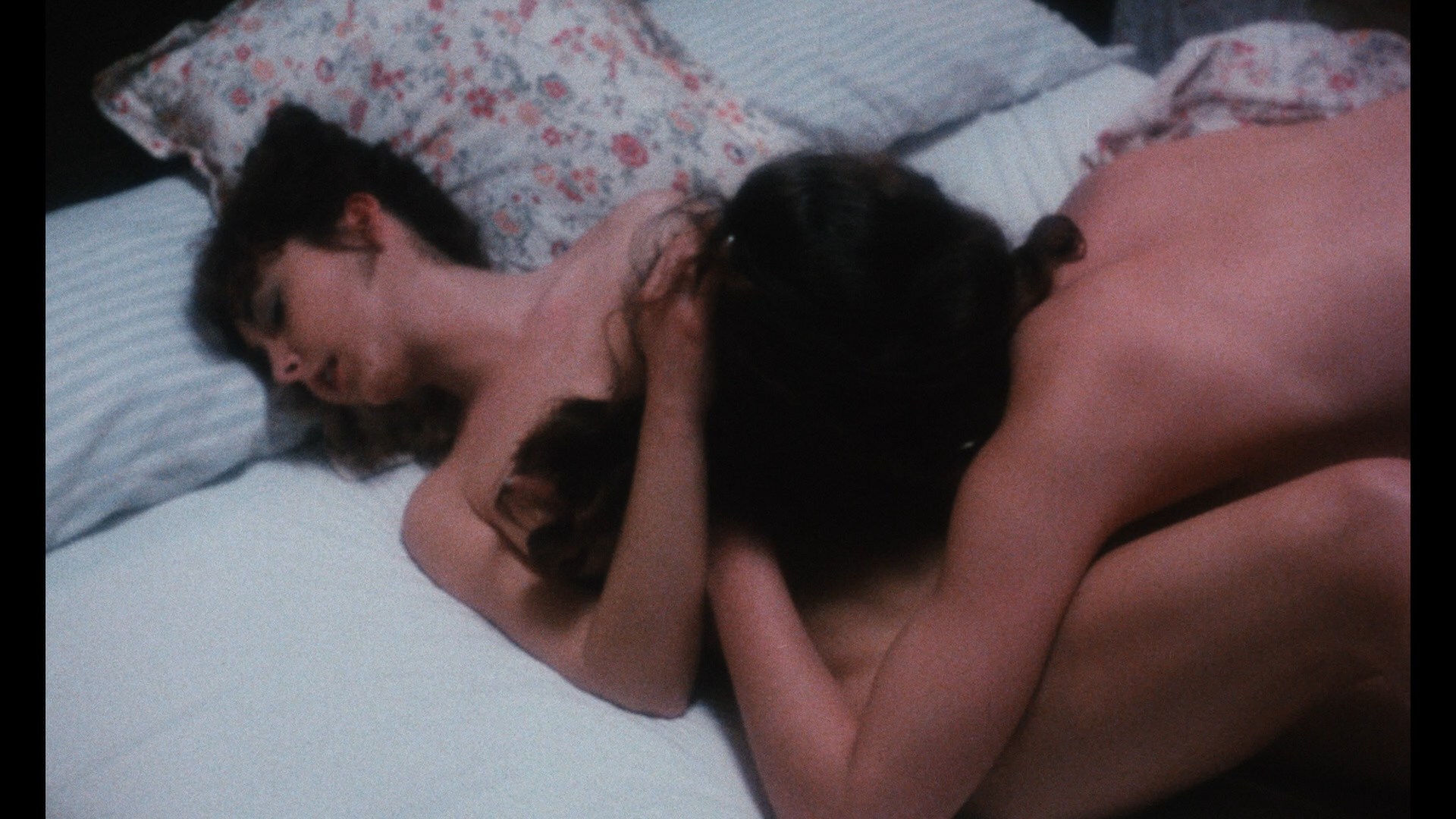 subtext in a film with this title might seem strange, but the focus on the sexual bonds between the women here for long stretches of the running time definitely feels like a response to recent Spanish history. How deep or insightful that subtext might be
 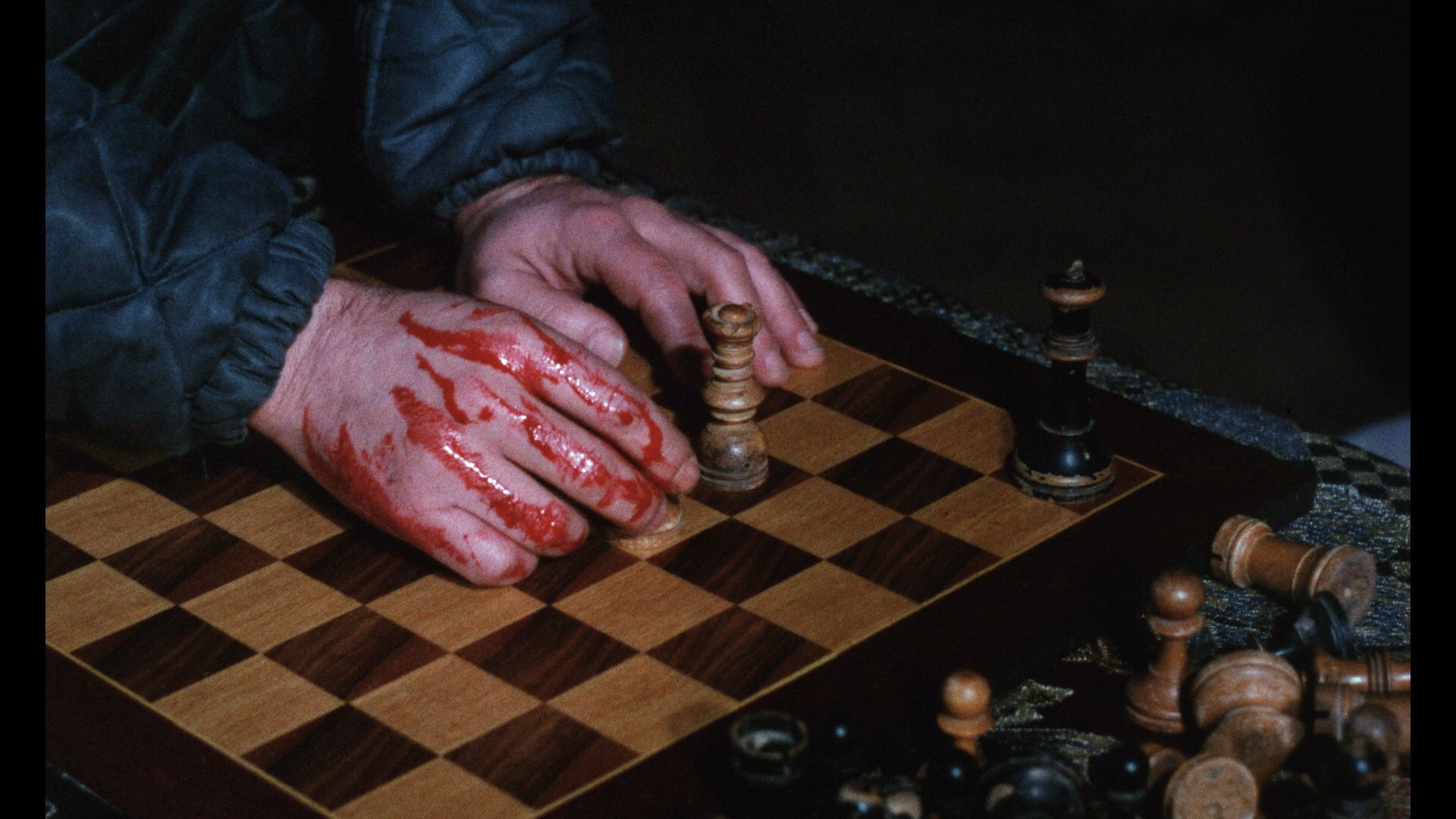 is up for debate since this is also a film with bloody, lingering crotch stabbings, but the film's inclusion here is definitely justified. It's also quite effective in terms of atmosphere with the overwhelming solitude and feeling of abandonment in the area giving it a tone not unlike Beyond Terror, and the performances are all fine given the basic nature of how they were written. This one earned something of a reputation on the gray market circuit thanks to its title and rarity, with only a very dupey, unsubtitled VHS source roaming in the wild. The Severin Blu-ray looks great with just some minor damage here and there, and the DTS-HD MA 2.0 Spanish mono track is in good shape with optional English subs. David Flint provides a new audio commentary talking about the escalating problem of Spanish ghost villages filling up much of the country now, the bumpy transitional period after Franco's death, the issues with having such a salacious title, and the on-and-off history of movie pornography in Spain. His comments citing the music are off though, so ignore that part. In "A Bohemian Life" (11m43s), producer Gloria Sancho, widow of director Manuel Esteba, discusses the distributor indifference to the content and budgets of the 'S'-classified films, her status as the "villain" of the production, and her husband's working process. A 10-image lobby
 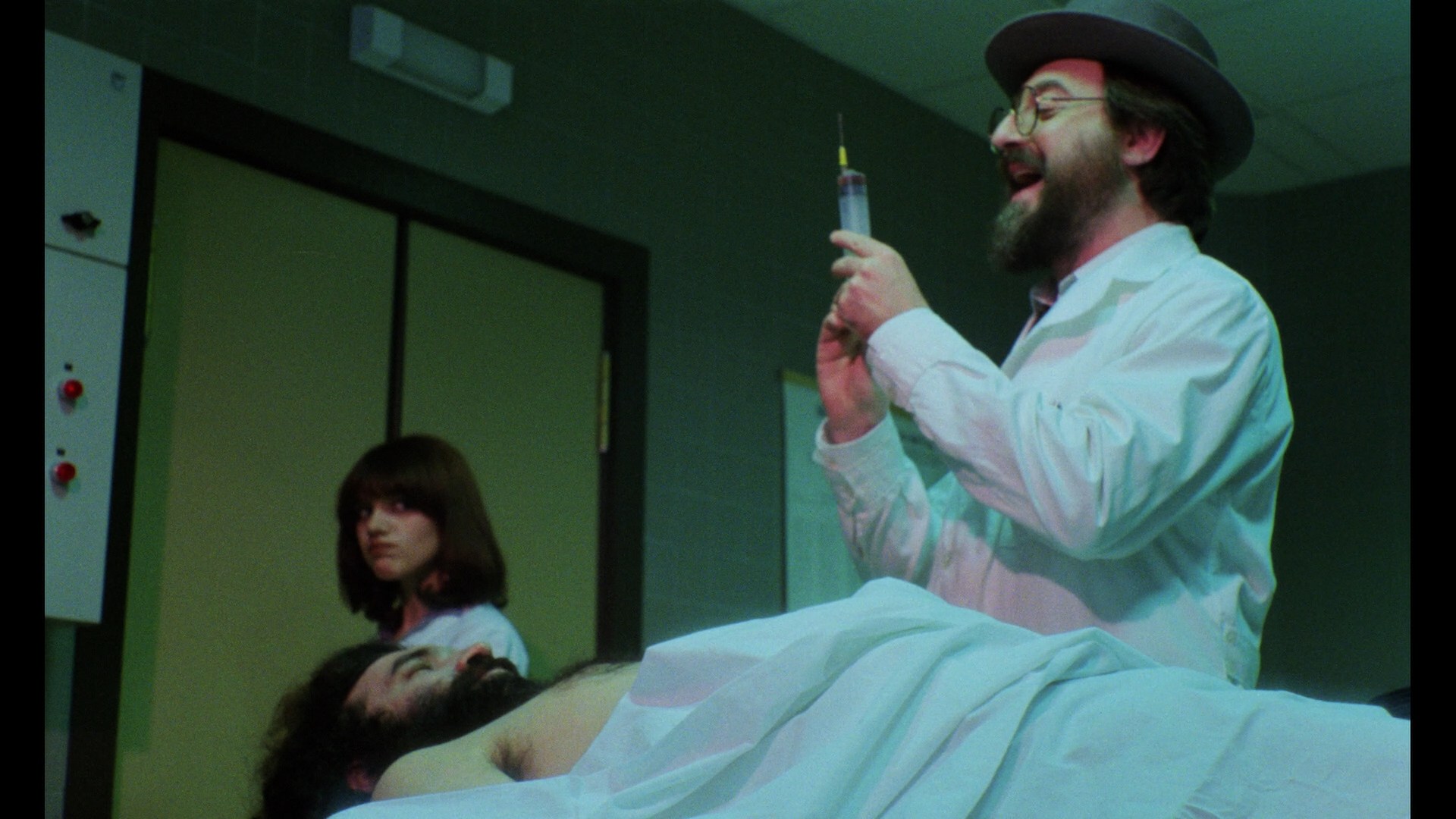 card gallery is
  also included.
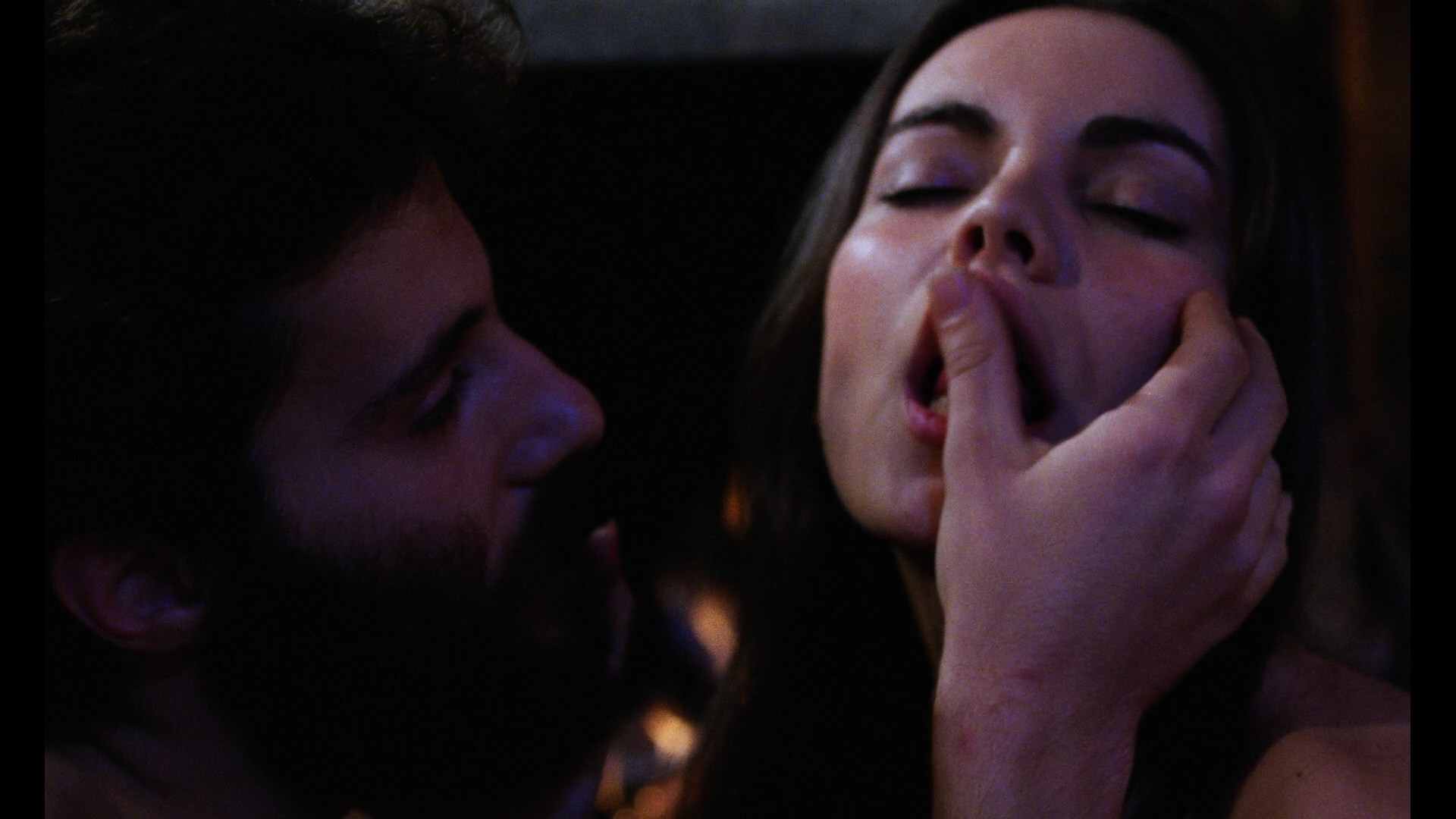 open riffing on the requirements of the
  rating classification is pretty amusing, especially the black magic sex rite material which feels like an outright parody of what Larraz had been doing. Just don't even bother trying to piece it all together since the twist ending pretty much makes that pointless anyway. Again this one never had an English dub track and barely made it out of Spain outside of a terrible VHS dupe, so this first official home video release is quite the nice-looking revelation. In "Sex and Horror" (15m32s), director Ignasi P. Ferré talks about his background in comics, a fortuitous encounter with Michelangelo Antonioni that led to working on The Mystery of Oberwald, a meeting with Pasolini during the editing of Salo, and the excitement in the air when people could finally make unrestrained films like this. In "A Well-Deserved Recognition" (9m16s), Serret discusses her lifelong desire to be an actress, the weirdness of entering film through "S"-rated films, the choreography of soft sex scenes, and the lack of appreciation these films faced at the time. Finally "Los Perveros Rostros de Víctor Israel" ("The Evil Faces of VíctorIsrael") (60m30s) is a 2010 documentary about the character actor and his wild, extremely busy career with family members and colleagues (Ulloa, Mayans, etc.) discussing his early black-and-white work through
  spaghetti westerns and the thrillers and horror films that would make his face
  unforgettable.
  with a great smooth jazz score, Faces is the kind of film doomed to sink like a stone at the box office but earn a lot of reappraisal later. Comparisons to Jess Franco are unavoidable as it shares that same sun-blasted obsession
 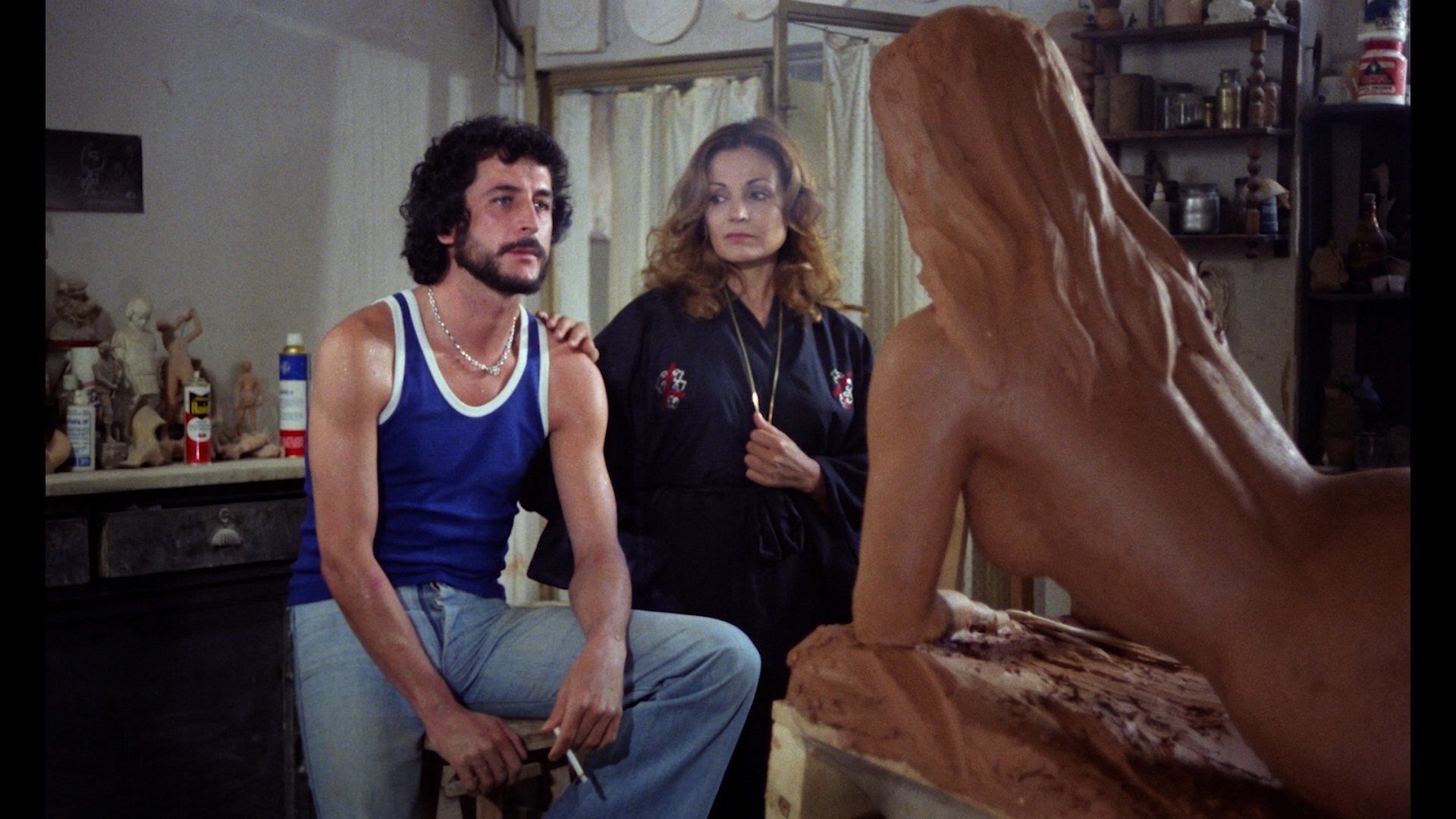 with landscapes and elliptical plotting that he was indulging in around the same time, though this is a little more restrained in terms of sex and violence. Pardo is actually quite solid here (in his last screen role to date) sporting his shaggy '70s look versus the clean-cut teen idol he used to be, and Sevilla and Rey both make for compelling presences even if they have less character material to use. Not surprisingly, this is another very rare one making its first home video appearance here, again nicely restored and looking pretty close to immaculate; there was never an English dub so the Spanish mono is what you get here with English subs. In addition to the trailer, "An Unclassifiable Movie" (16m59s) features Sala delineating the film's place in fantastic cinema as part of a European tradition of mystical, erotic supernatural films that mix visions and reality, as well as the death knell it meant for the career of director Juan Ignacio Galván who went back to work as an assistant director
 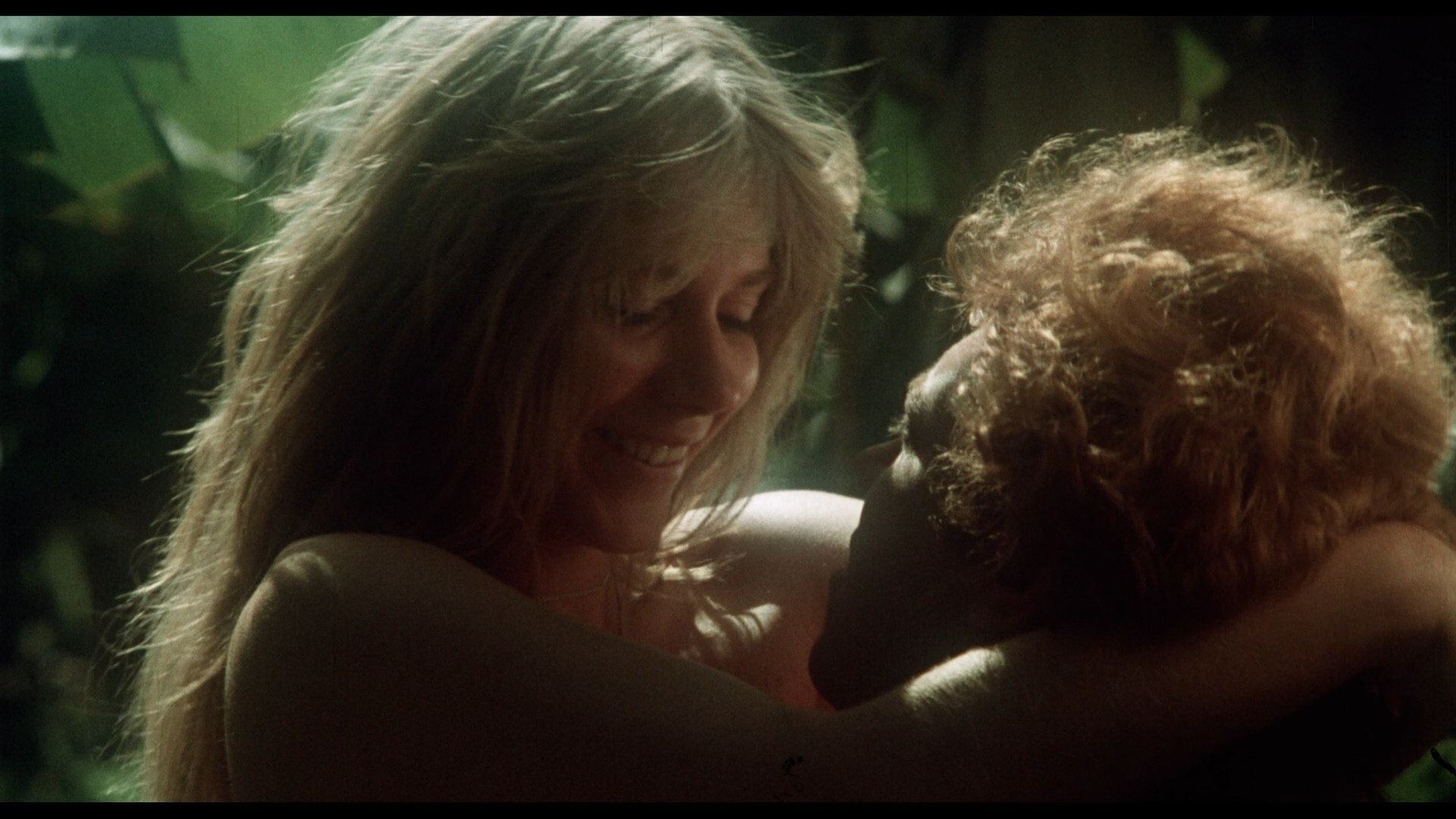 after this.
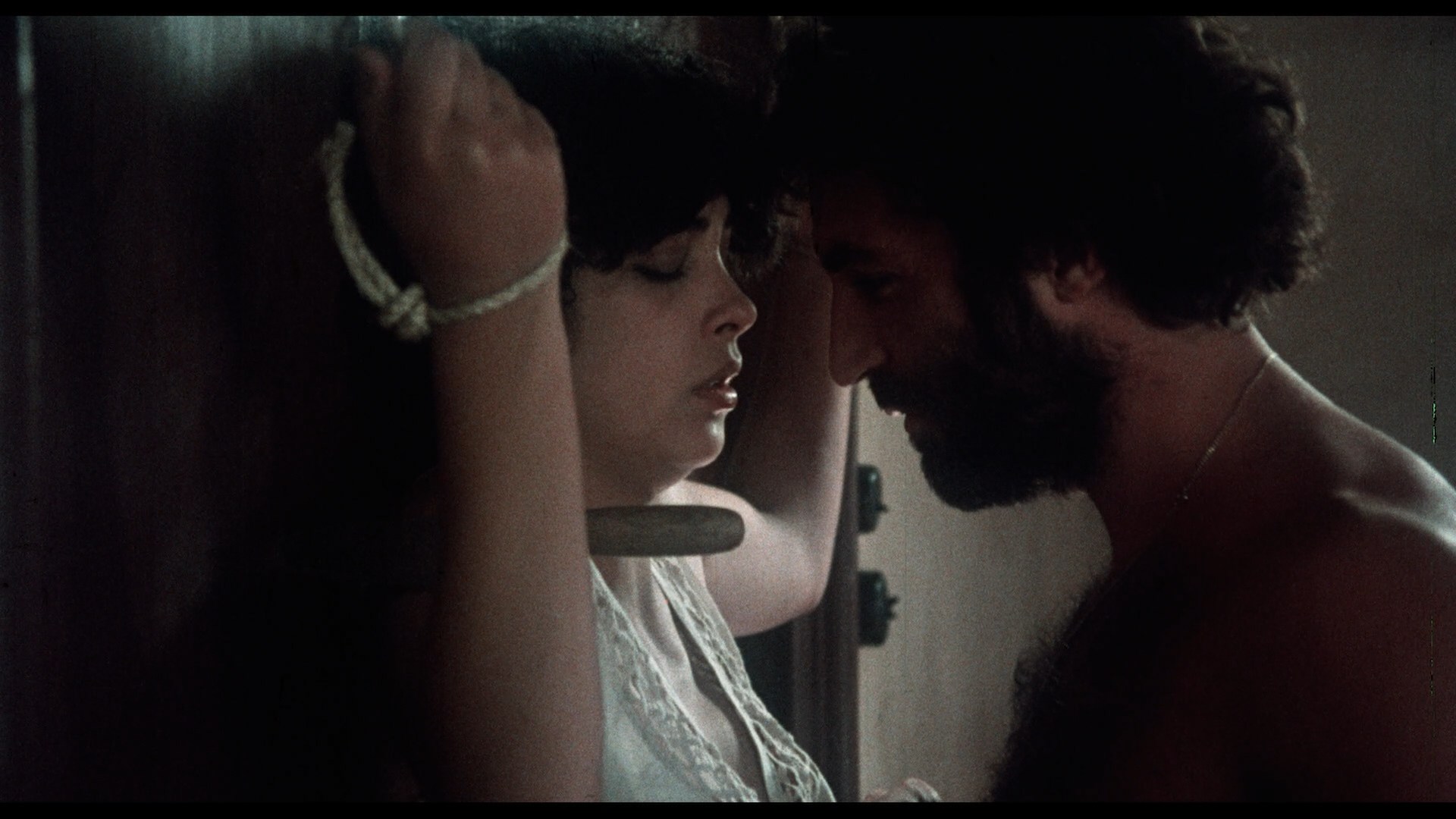 debut Blu-ray release pieces together the best existing Spanish and German prints that's a much more coherent experience than the VHS versions that once floated around (plus a bootleg DVD as The Angel and the Beasts). This one is also set on the Canary Islands and feels very Jess Franco as well (in a different way), with sexploitation director Hubert Frank (Vanessa, Melody in Love) doling out the jungle sleaze in heavy doses here. While taking a private plane ride with her married sugar daddy, danger-seeking Susi (Adriani) ends up parachuting for her life when their flight takes a dive. She ends up on a tropical island populated by Henno (Black Venus' Ceinos), Wim (Godó), Silvia (Rey), and Brit (Wondratschek),
 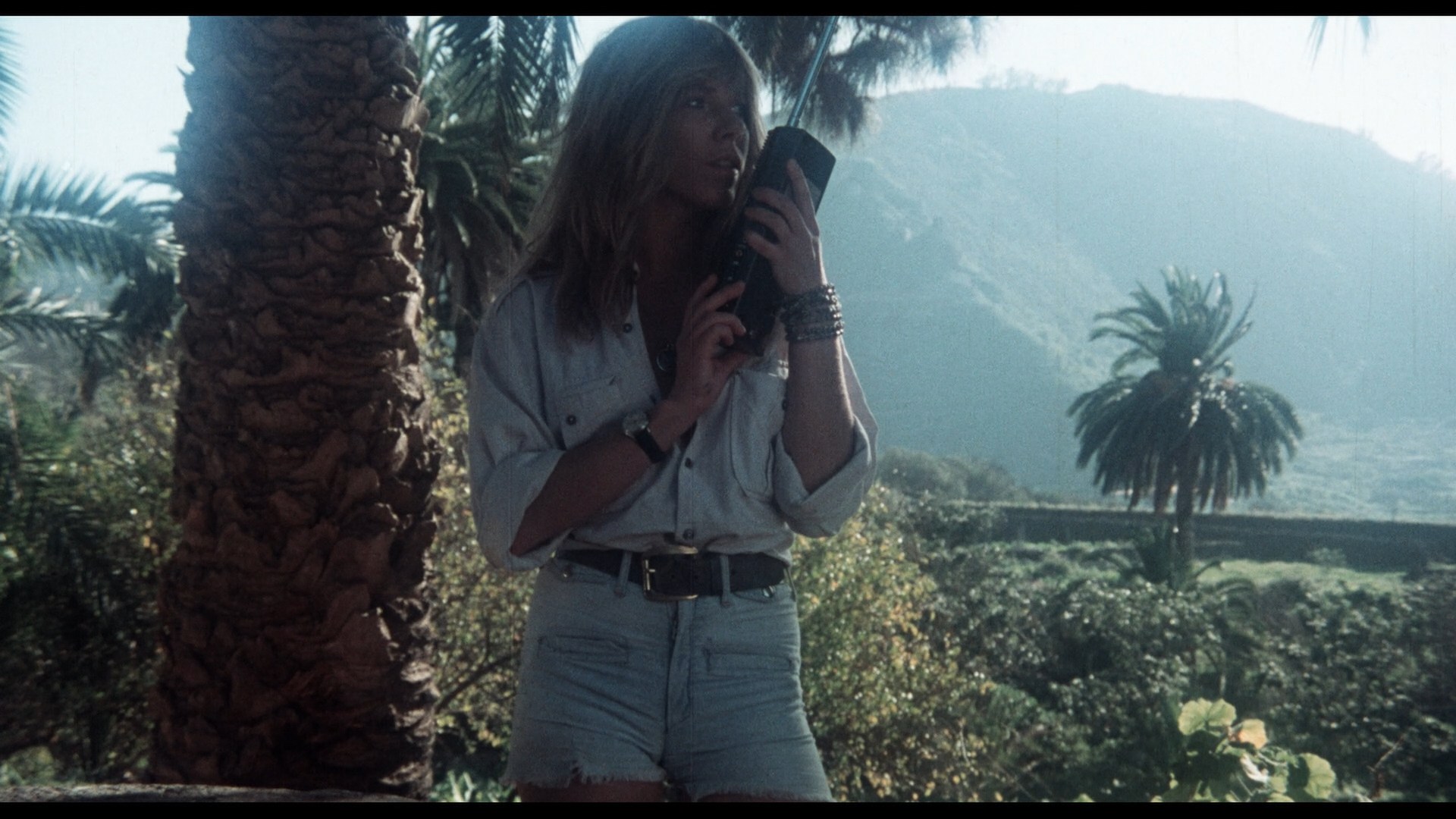 with radio reports about a band of missing robbers giving a pretty big clue about who they are. Lots of copulations, jealousy, firearm threats, and eventual deaths ensue, with a bunch of bikers playing a key role in the bizarre left turn of a final act that leads to a baffling twist ending.
 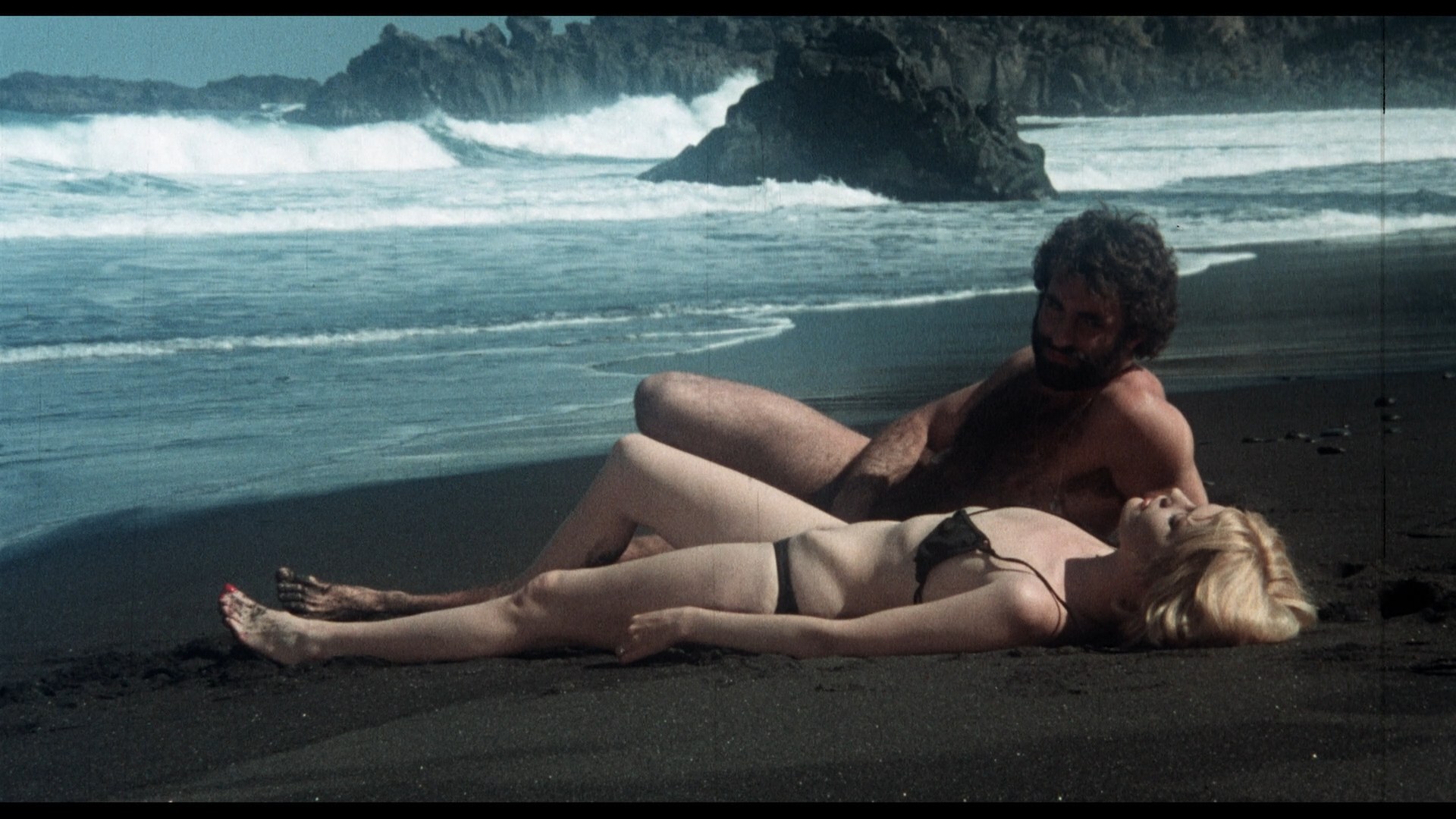 Cinemax late at night or stumble on at a video store from Private Screenings, and the English dub here is a very quotable riot that will have you either scribbling down notes or reaching for the rewind button. The prints used for the Blu-ray here are obviously quite worn in spots but watchable enough with decent color, and the Spanish track is included as well (you get English SDH or translated subtitles) if you want this to play a little more seriously. The film was dubbed no matter what, so try both and see. Flint turns up again here for another commentary chatting about Frank's career, the public perception of softcore sex films, the credits of the pertinent players, the joys of the very '70s fashions on display here, and the weirdness of Spanish cinema near the end of the '70s. Also included is a 10m32s reel of alternate and extended bits from the German print including the main titles (as Dirty Jobs) including a substantial amount of extra nudity.
  For some reason the Spanish version credits the cool music score to Adolfo Waitzman (Hotel Fear) with the German one handing it to Gerhard Heinz (Bloody Moon), so... who knows?
  but fit with the set thanks to their handling of once taboo topics like reproductive rights, spousal abuse, and women's autonomy. 1980's The House in the Outskirts (Aquella casa en las afueras) is a great successor of sorts to Candle with Nieves (Human Beasts' Aguilar) brought during her final pregnancy trimester to a country house by her husband, only to sense that something is very off. The fact that one of the inhabitants, Isabel, is played by Suspiria's Alida Valli with that same icy smile should be a big clue, and sure enough it turns
  out that the estate has a very dark Franco-era history that will lead to a new cycle of violence.
 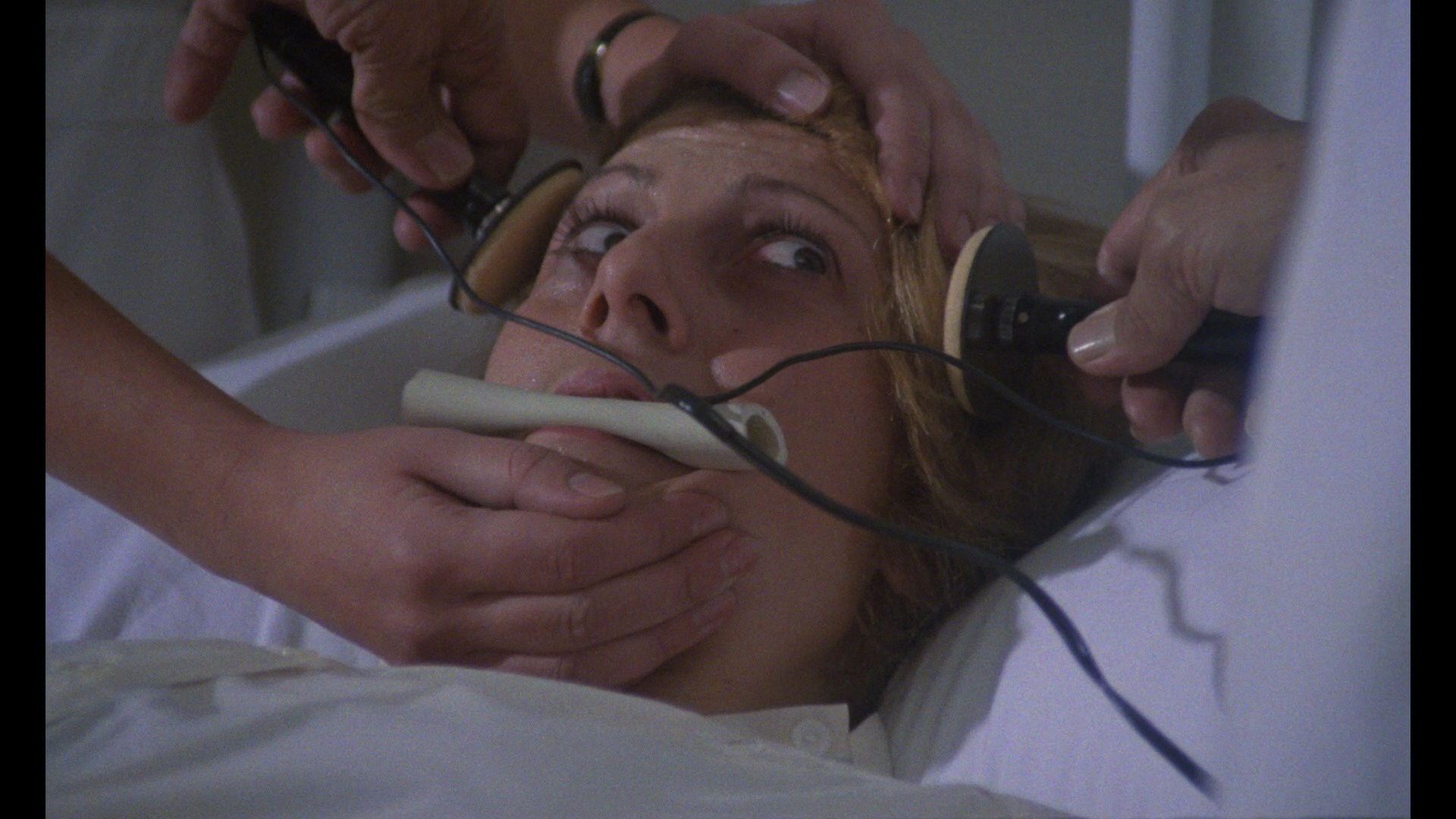 reason this has been another extremely difficult film to see until now outside of unwatchable dupes, and the restoration here looks excellent. In "A Very Strong Character" (11m20s), Aguilar goes into her entertainment career including a start in radio and theater, her participation in Alice in Spanish Wonderland during Franco's death, her aversion to doing nudity, and her approach to the multi-layered character in this film. A Spanish trailer is also included.
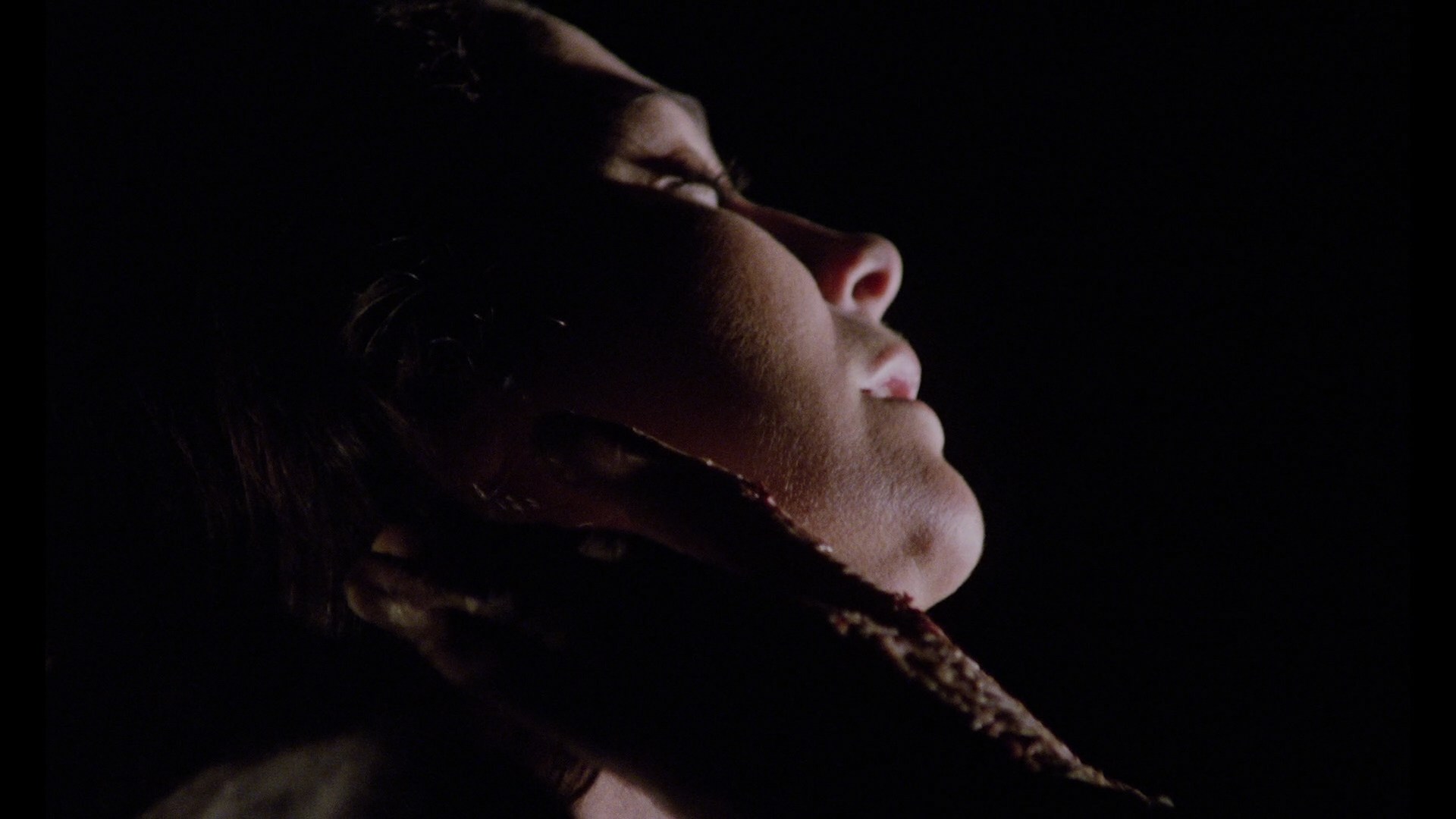 slew of paranormal, effects-driven films popping up in Spain around that time from directors like Sebastià d'Arbó (Journey to the Beyond, Psychophobia). Released on VHS back in the day from CIC in Canada and Award Video in Holland (as Return of The Poltergeist), the film stars Cristina Galbó (The Living Dead at Manchester Morgue, The House That Screamed) as Julia, who's understandably jumpy being at home after the death of her scary control freak
 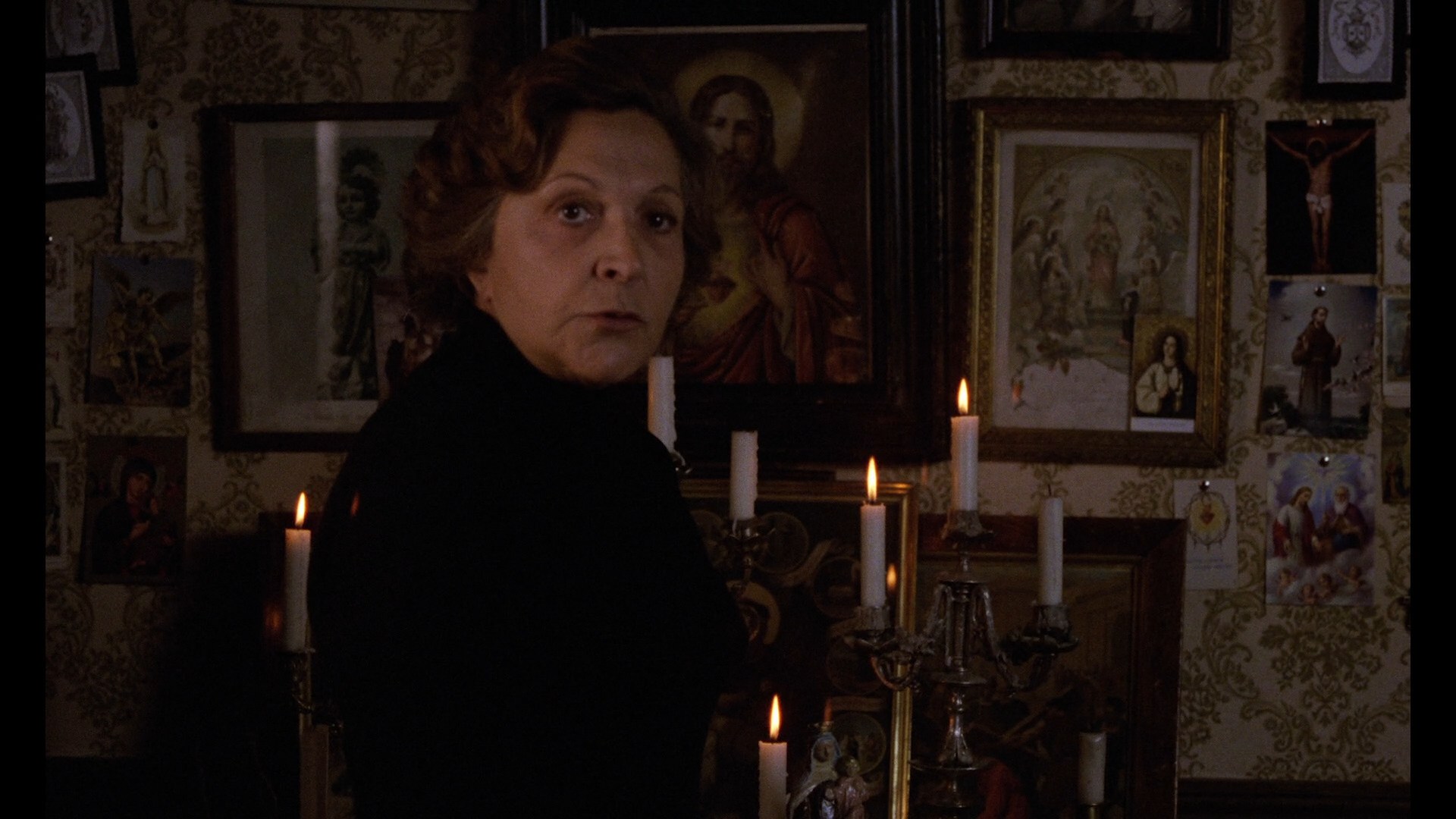 husband. Weird sounds and little occurrences put her further on edge with few around to keep her company apart from a dog and the housekeeper, who gets attacked by what seems to be a ghost. Convinced that her husband is back in spectral form, she seeks help from Dr. Valdes (Tragic Ceremony's Valverde)-- but attempts like seances just put her further in danger even though an exhumation of his coffin proves the dead abuser still definitely isn't breathing.
 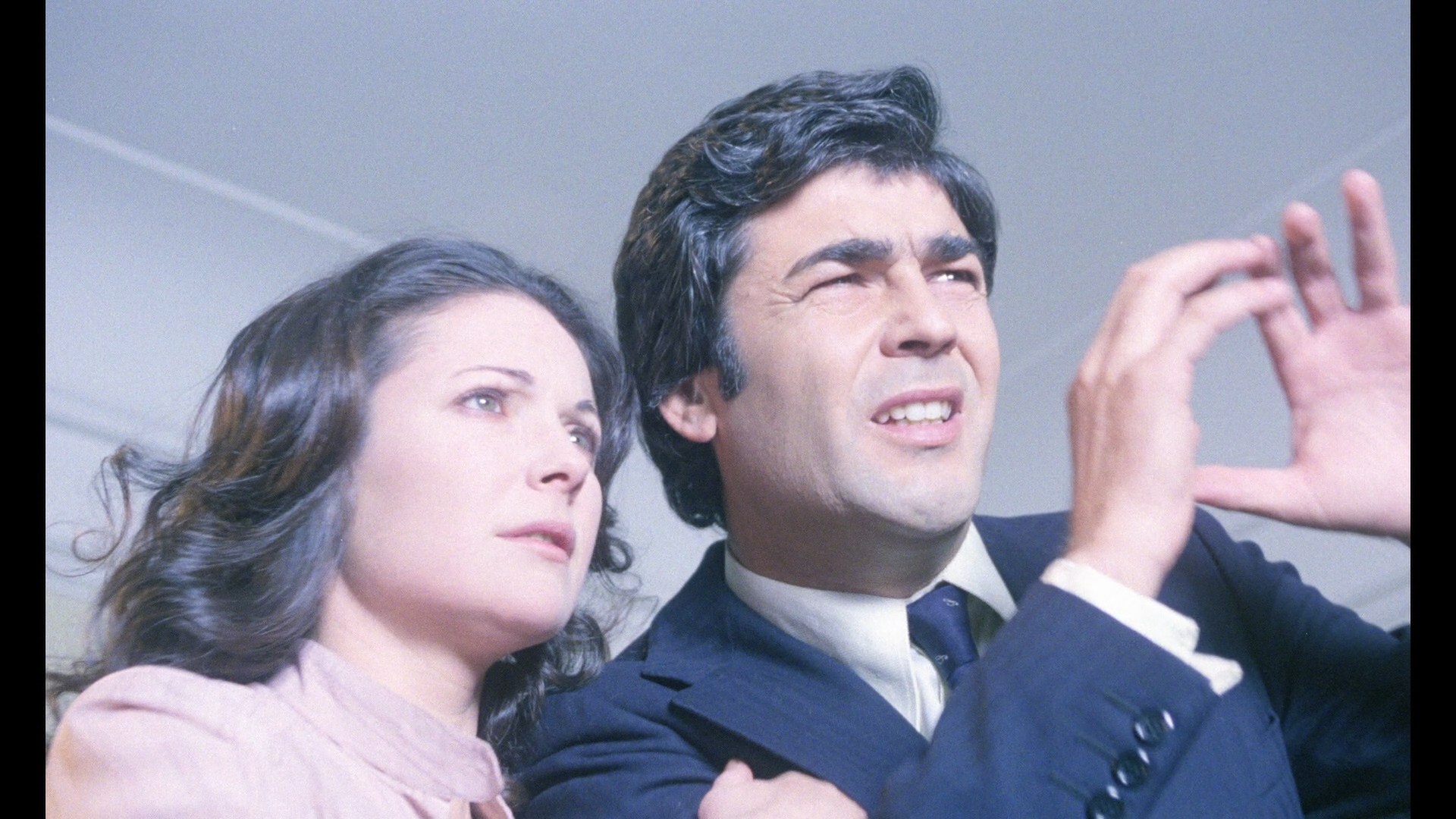 film moves along at a fine clip as long as you know you won't be getting buckets of blood. This was pretty much the end of the road for Eugenio Martín's theatrical directing career, after which he retired until his death in 2023 with only a couple
 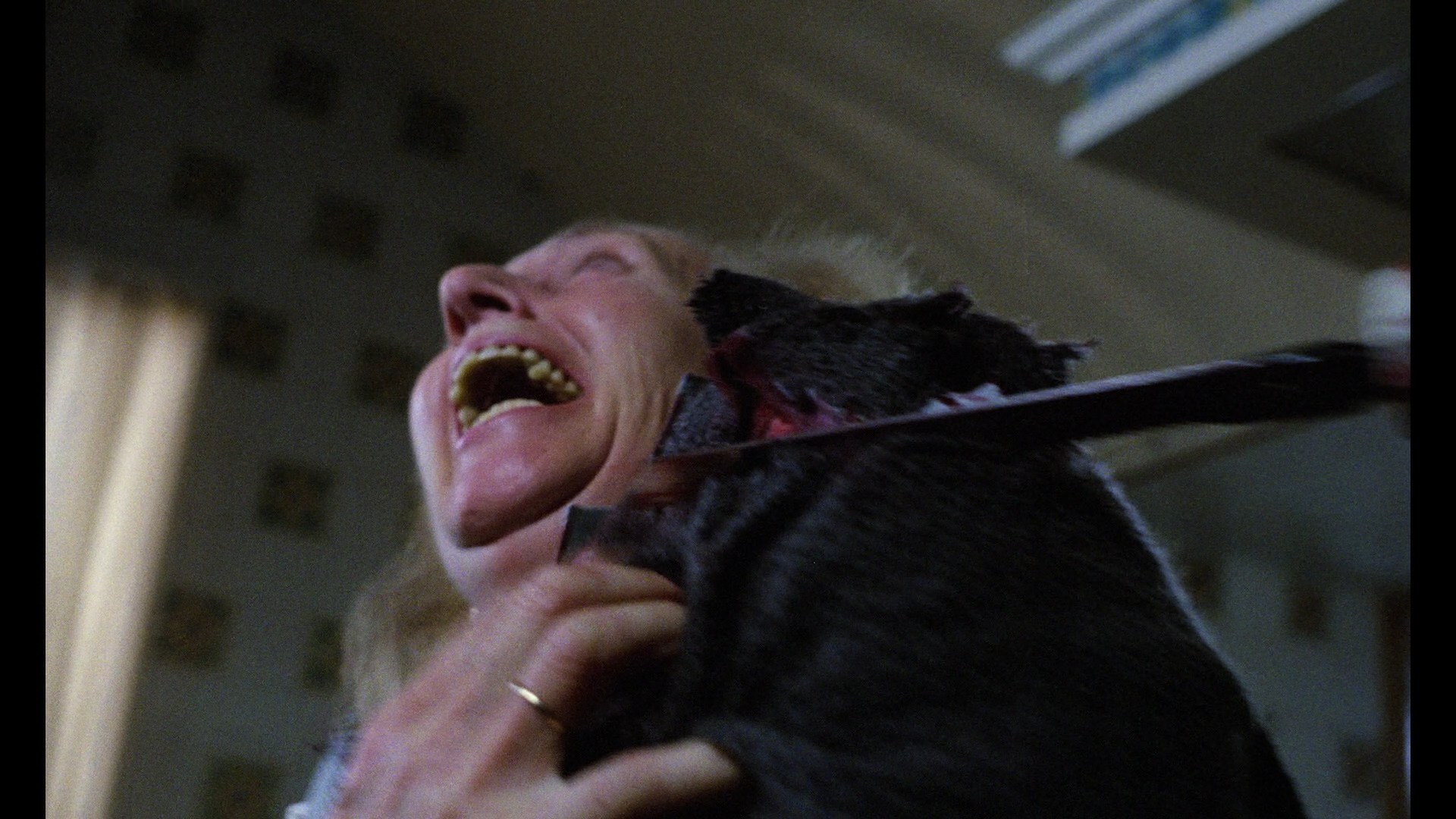 of minor TV credits in between. His career is a major focus on the Severin Blu-ray with Flint providing another audio commentary, covering the essentials of the director's output, his place in the genre-hopping wonderland of Spanish filmmaking in the '60s and '70s, the commercial prospects of films like this at the time, and the nuts and bolts of psychic research including Kirlian photography as well as connected genre films. Both the Spanish and English-dubbed tracks are included here for the very attractive new scan on display here, with optional English-translated or SDH subtitles. In "Supernatural Effects" (19m), Valverde explains how he got into acting as an extra after a gig as a bullfighter, what led to him getting bigger roles, what instigated the creation of his own theater company which continues today, and his memories of working on this film with a lot fewer scare tactics thrown at him than his female star. Also included are the English main title sequence
  (which features much sillier narration than the Spanish one) and a Spanish trailer and TV spot.
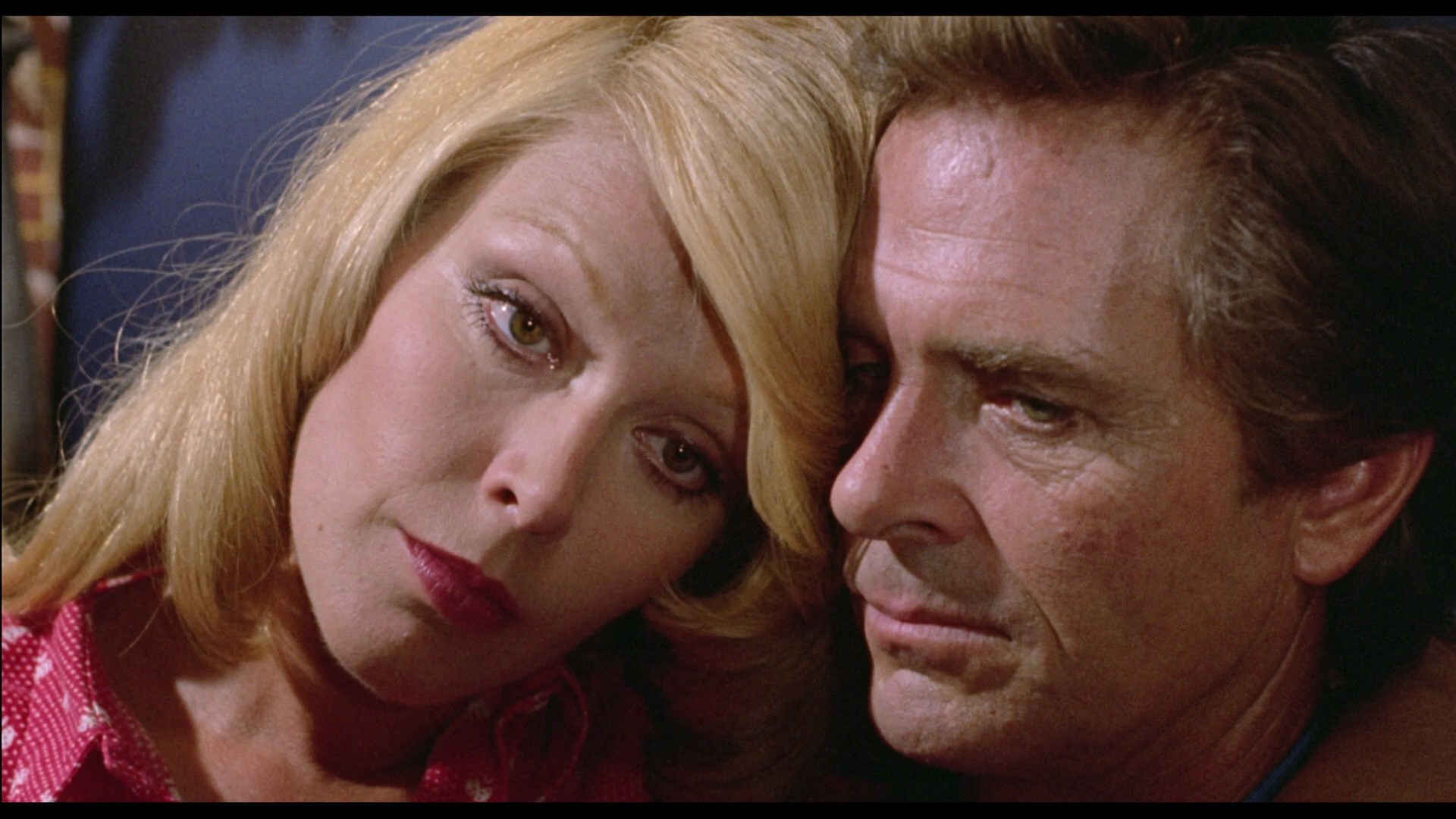
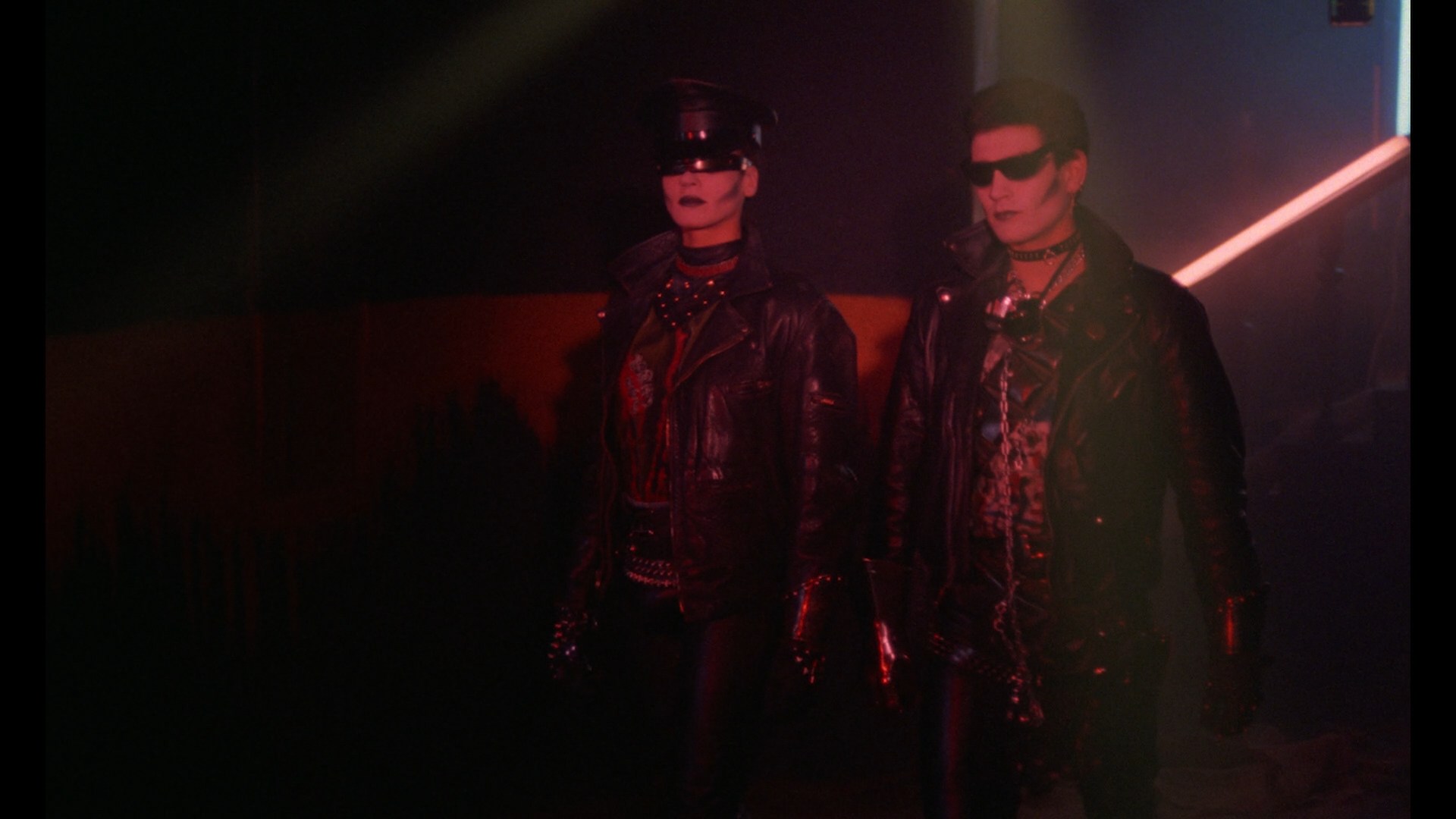
 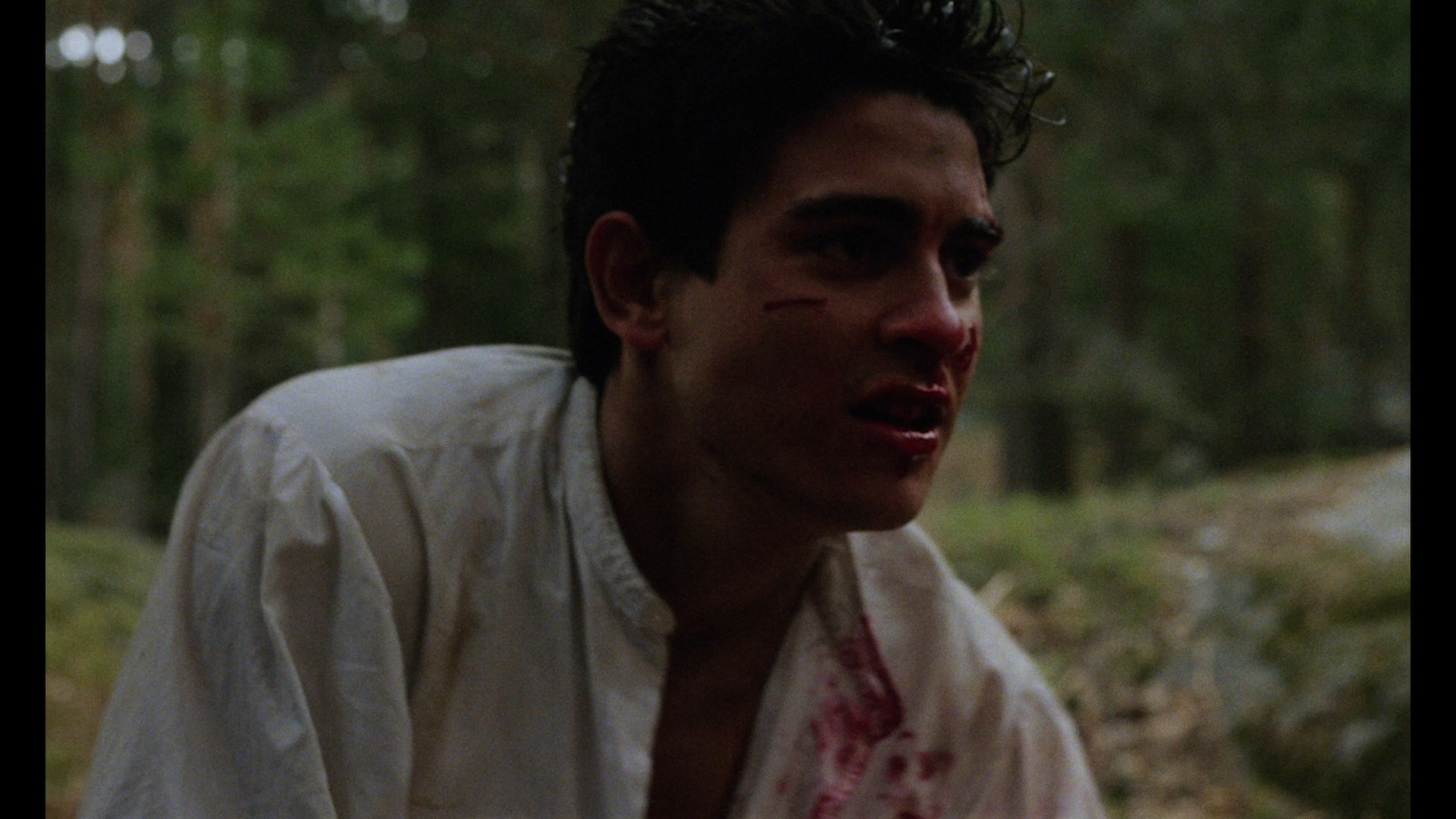 The fact that it features Euro schlock god Eric Falk (who never appears in the film) wielding a serrated knife on the Cruising-style poster also promises transgressive shocks in store, but this was undeniably a product of the MTV era with a stronger focus on pop music, loud clothing, and crazy hair. That's all great fun of course, but keep your expectations in check here. (Nobody does poppers in the film either, for the record.) After a rough night at a club that ended up in manslaughter, band singer Santos (Ortiz) returns to the fold only to find out that the dead boy's father and his corrupt, upper crust buddies (including The Bell from Hell's Mayo, a nice bit of bookending here) have a nefarious plan in store. To say more would spoil the fun, but the fact
 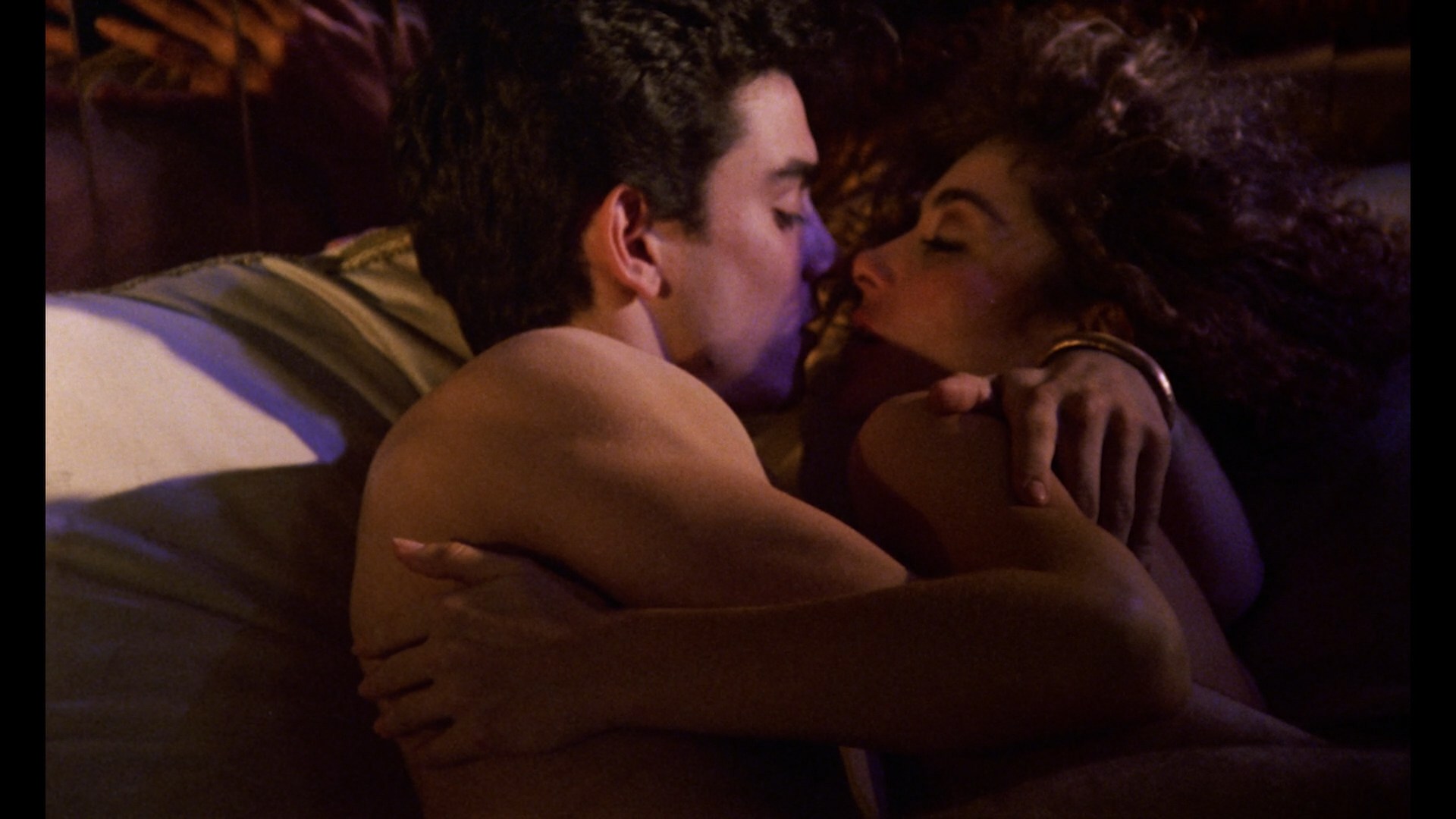 that the rich guys hang around a manor where a horse gives live birth on the floor should give you an idea that things aren't going to be pretty. Double crosses and a revenge plot come into play with Santos' club pals, but none of that interferes with the music performances including a crazy S&M dance number you have to see to believe.
 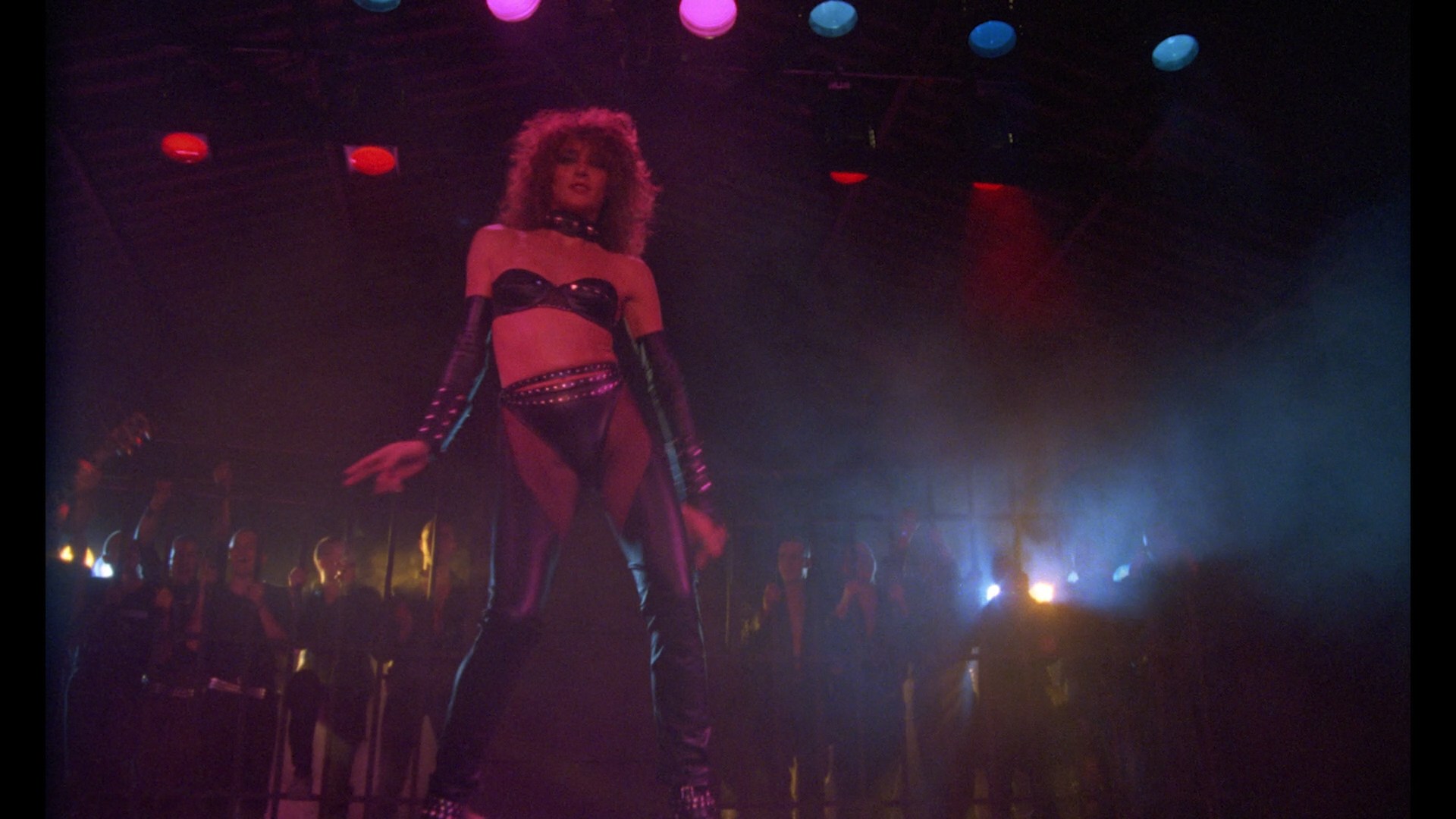 take full advantage of the outrageous potential of the storyline. Perhaps because it doesn't have a sympathetic character in sight, the film tanked quickly at the local box office and has remained under the radar ever since apart from very unheralded and surprising appearances on German VHS and DVD. As with most of the other films in this set, the film looks superb here and has been kept in excellent shape over the decades. It's too bad the film was mixed in mono originally as the punk, new wave, and electronic soundtrack is a lot of fun and would have sounded great in stereo, but what we get here still sounds pristine in the DTS-HD MA 2.0 mono Spanish track with optional English subtitles. In "A Bold and Delirious Movie" (18m24s), art director Javier Fernández talks about his start with films like Adam and Eve, the "madness" and great fun working on this film including the challenges of using live goats in a club scene, and the big career boost he got after this with Pedro Almodóvar's Law of Desire. In "A Film Like No Other" (17m2s), assistant director Eduardo Campoy explains how the fashion photographer director needed help on the
  film, how they got along well from their first meeting, what made them cast musician Ortiz in his first acting role, and what limited prospects this film had in the Spanish market at the time. The flashy Spanish trailer is also
  included.
THE BELL FROM HELL: Severin Films (Blu-ray)
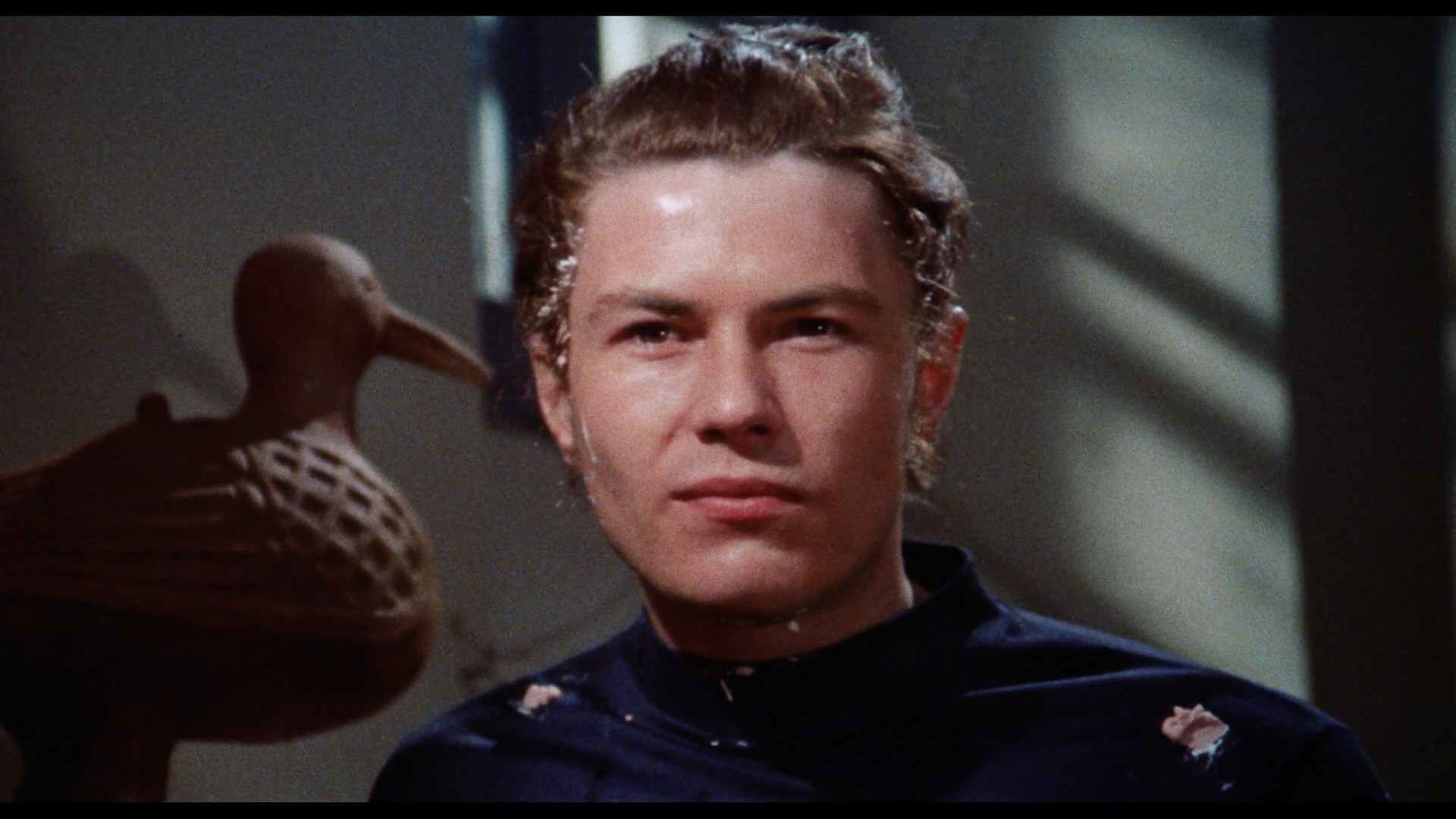
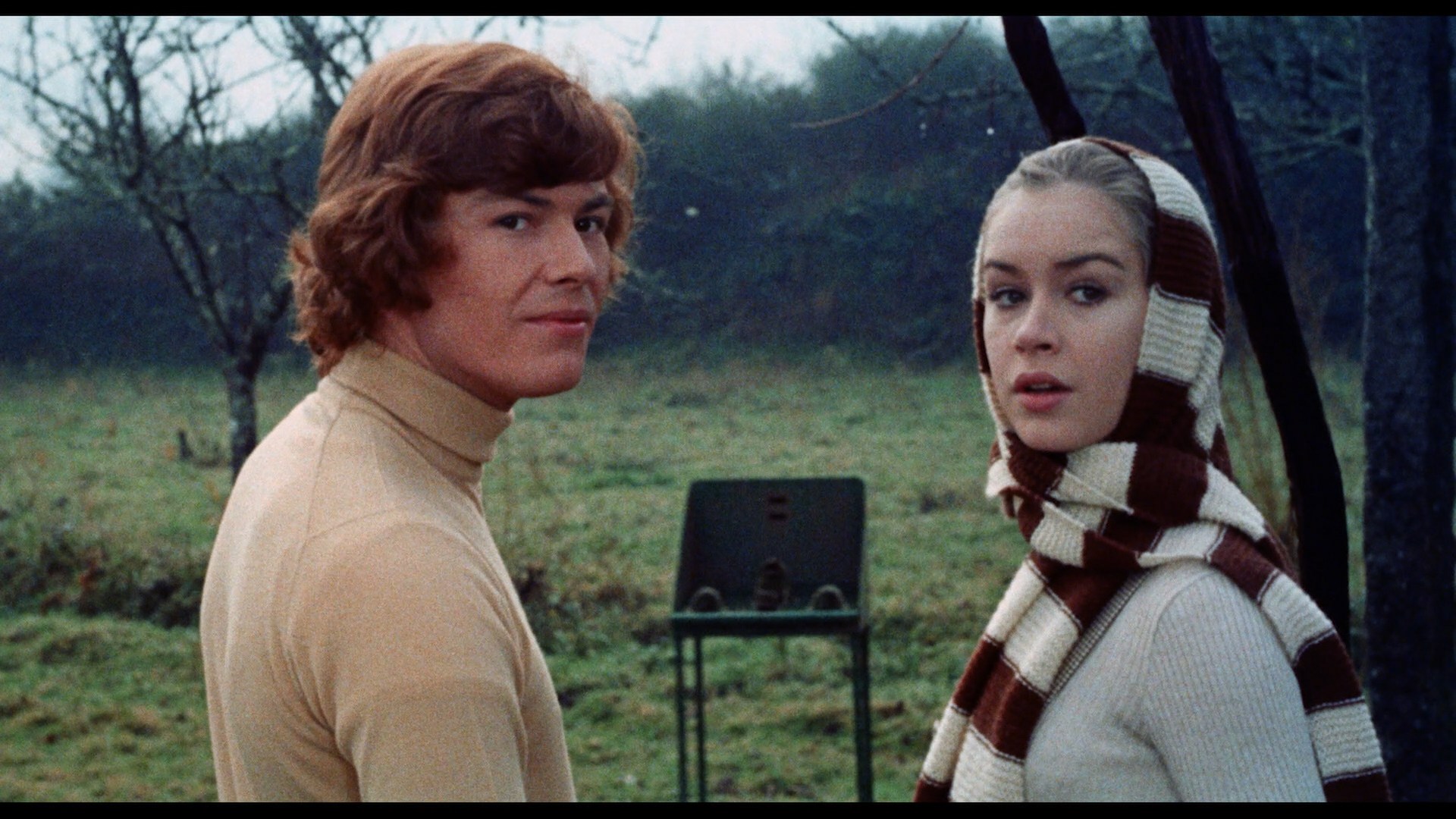
THE BELL FROM HELL: Pathfinder (DVD)
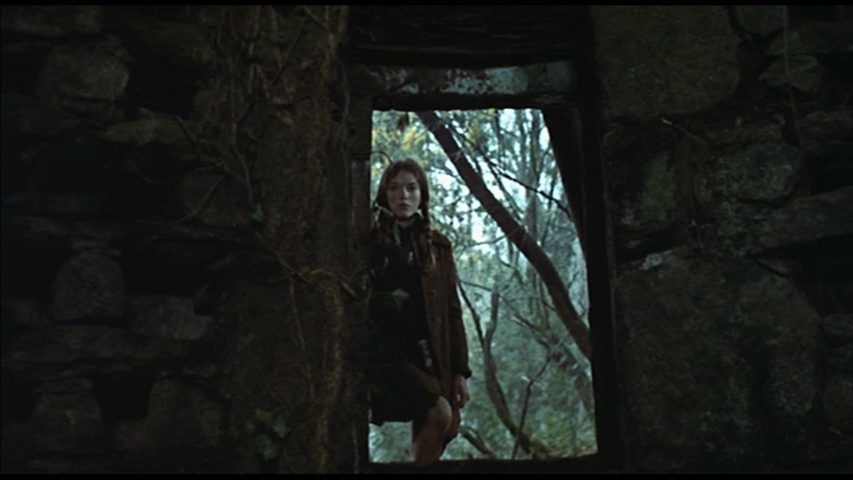
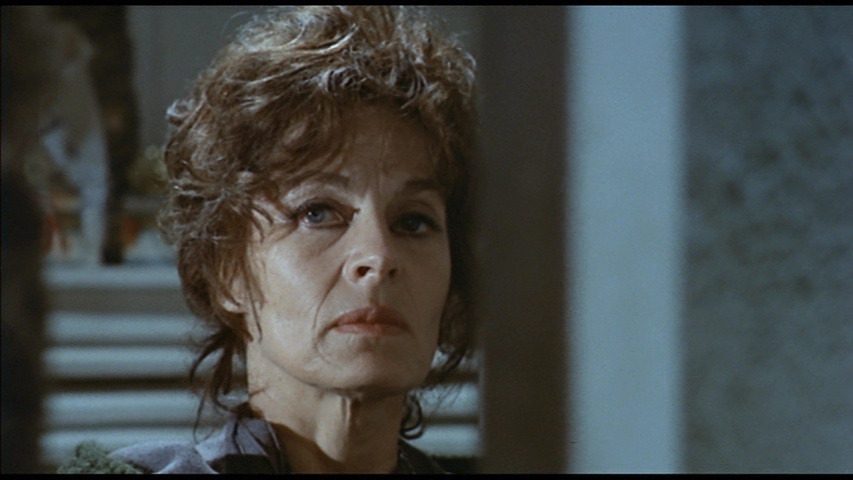
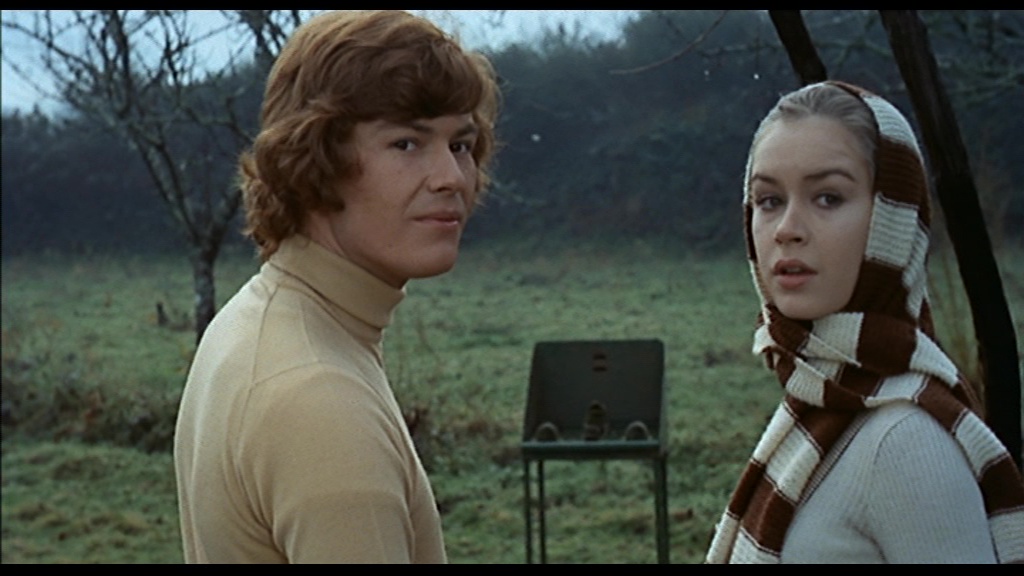
THE PEOPLE WHO OWN THE DARK: Severin (Blu-ray) Spanish Version
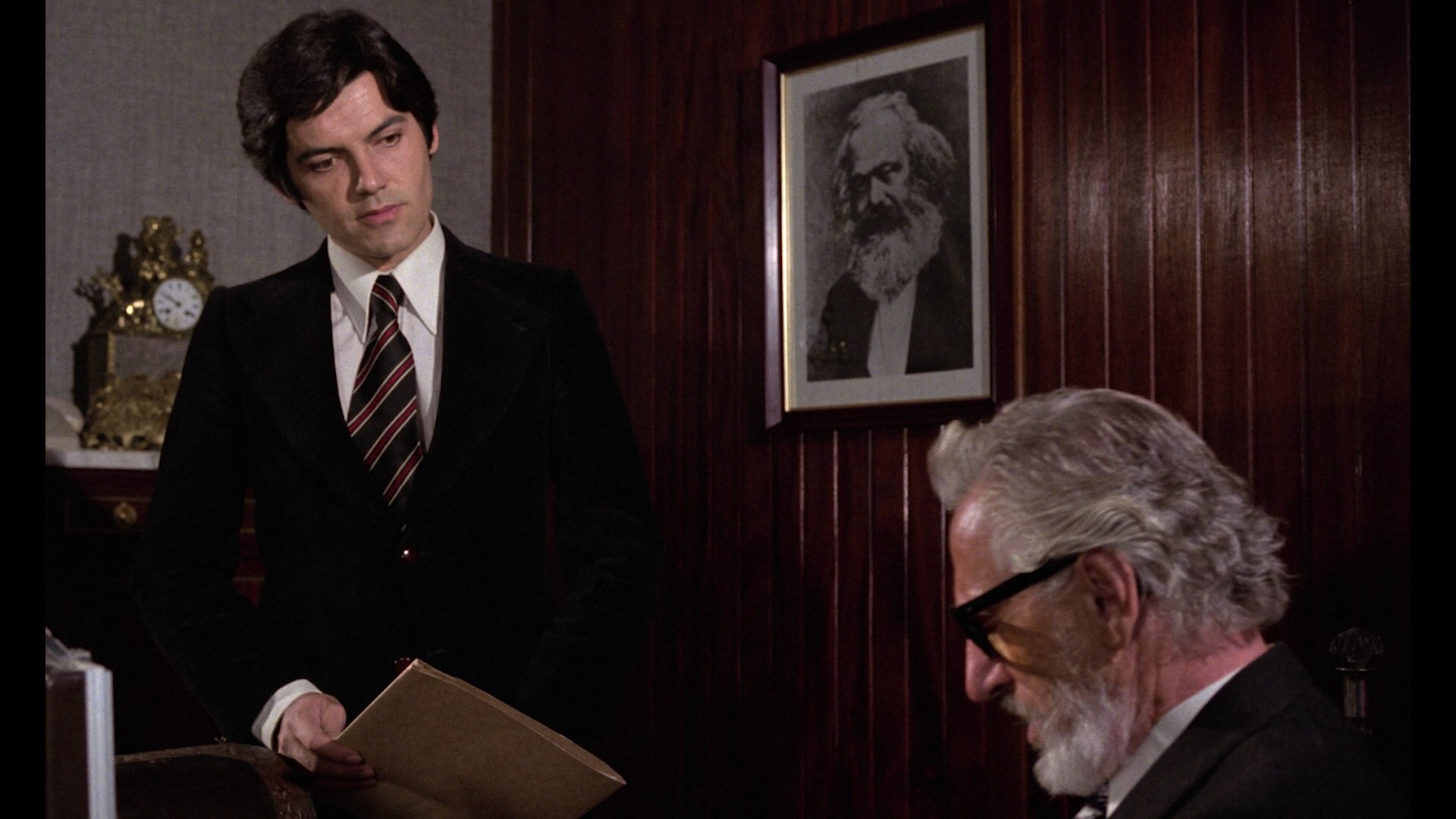
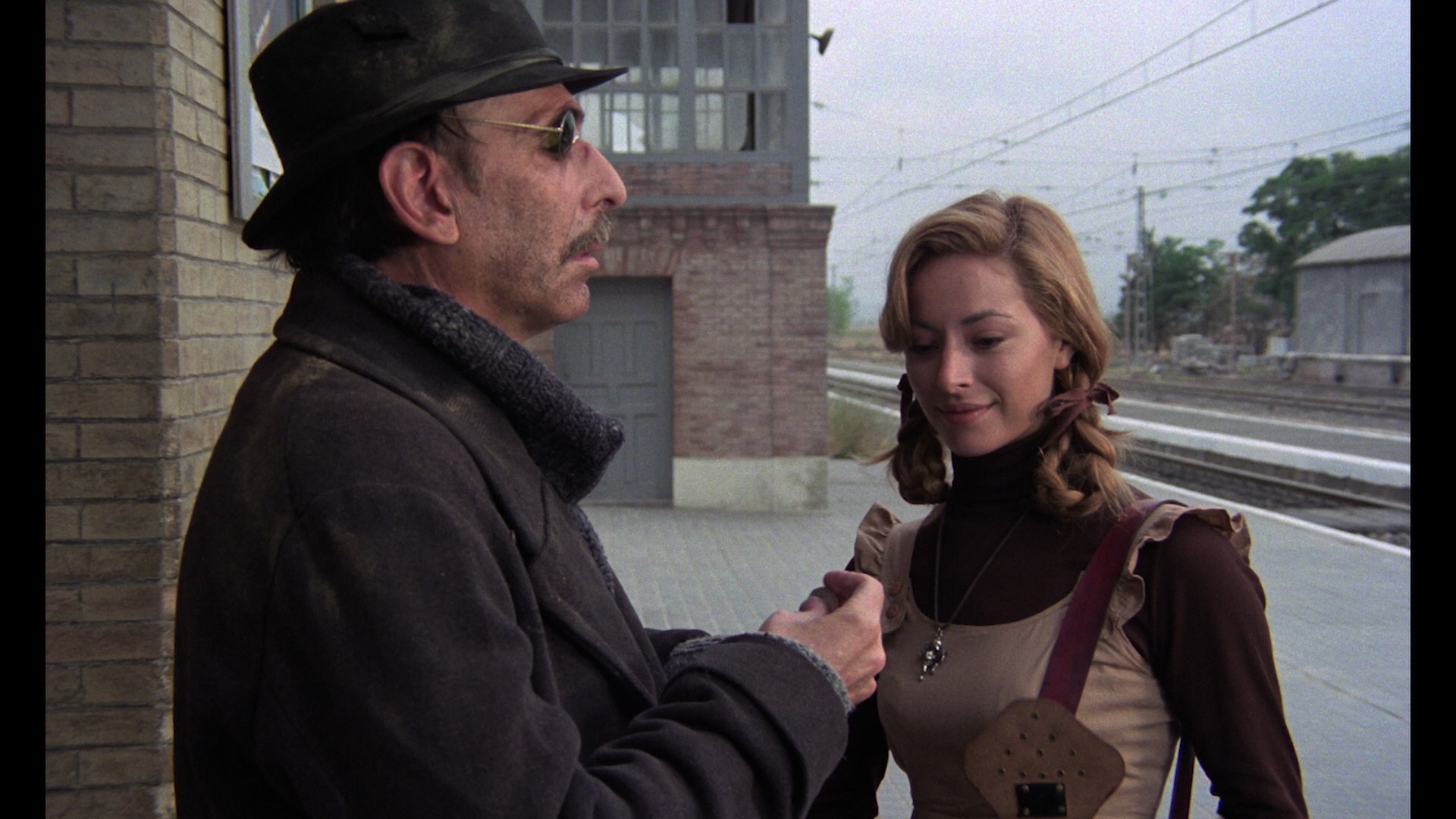
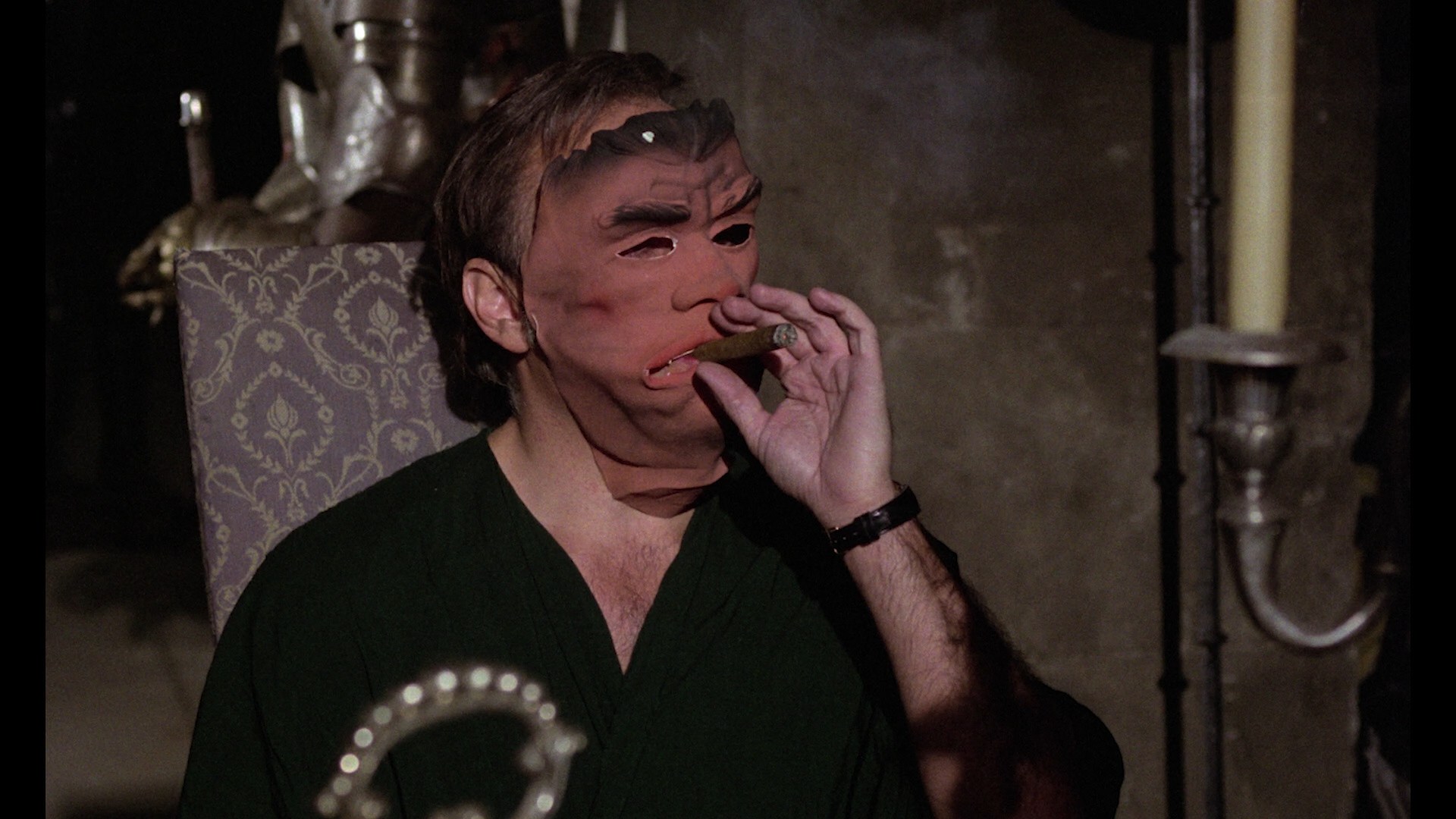
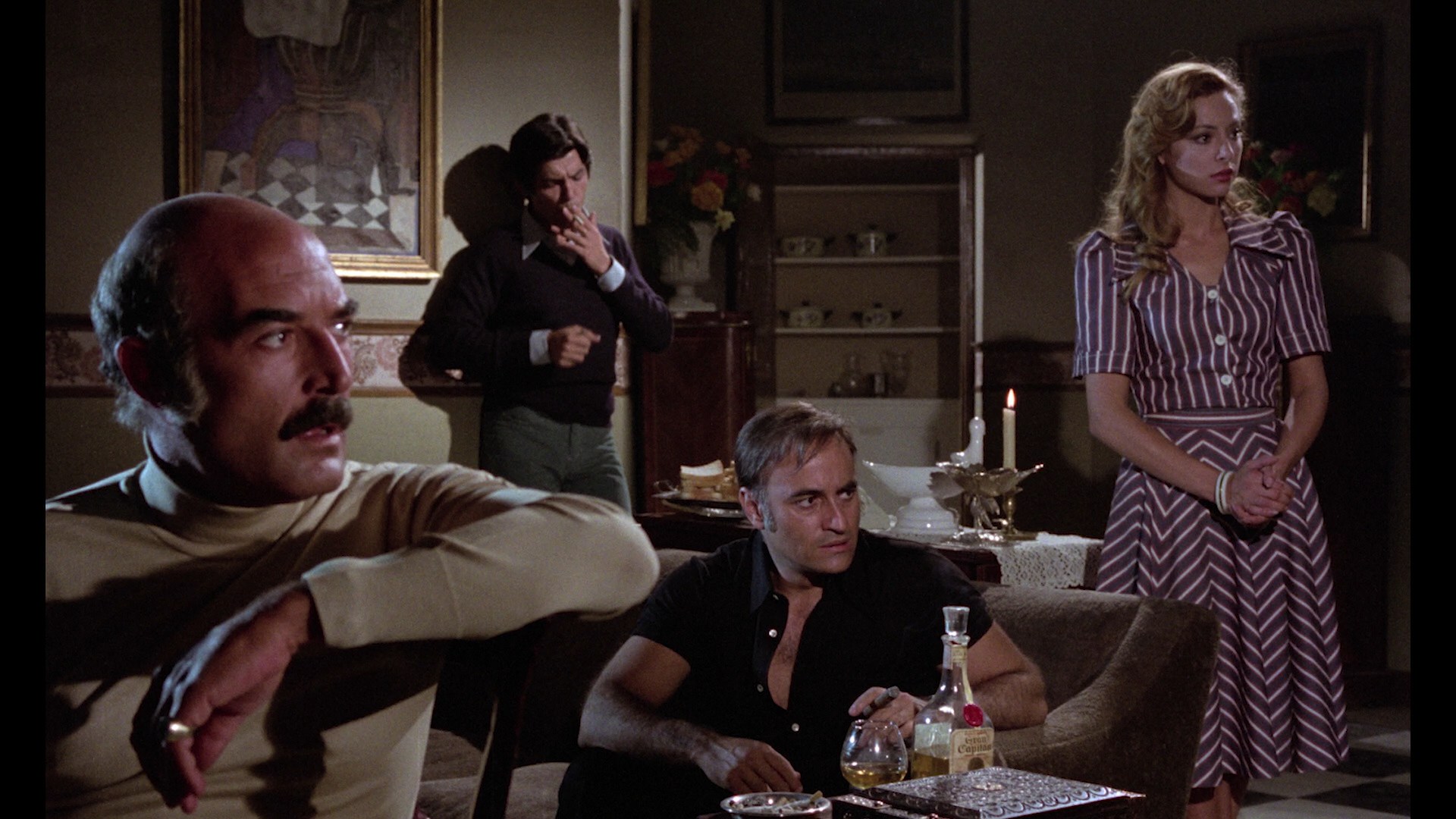
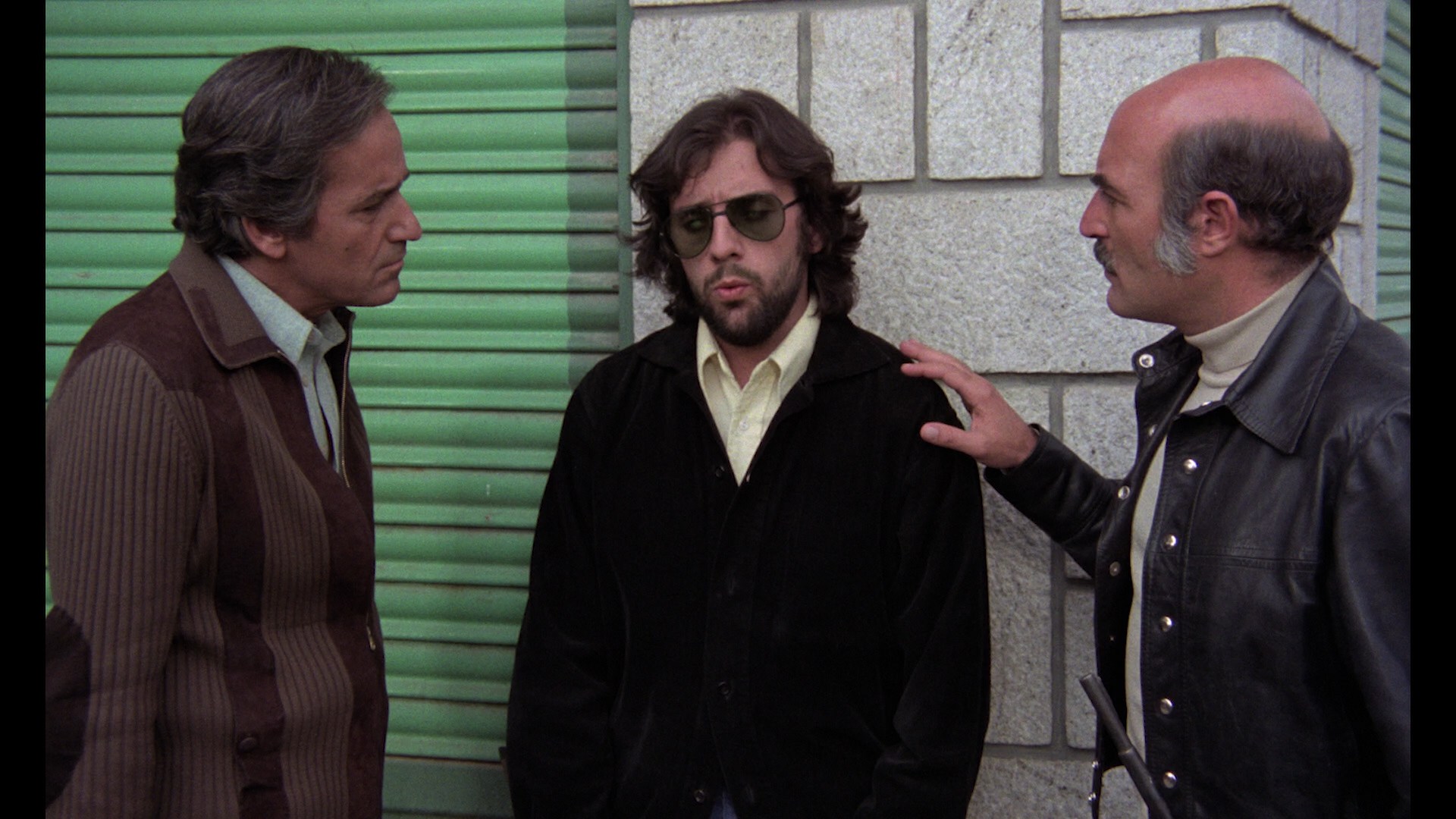
THE PEOPLE WHO OWN THE DARK: Severin (Blu-ray) U.S. Version
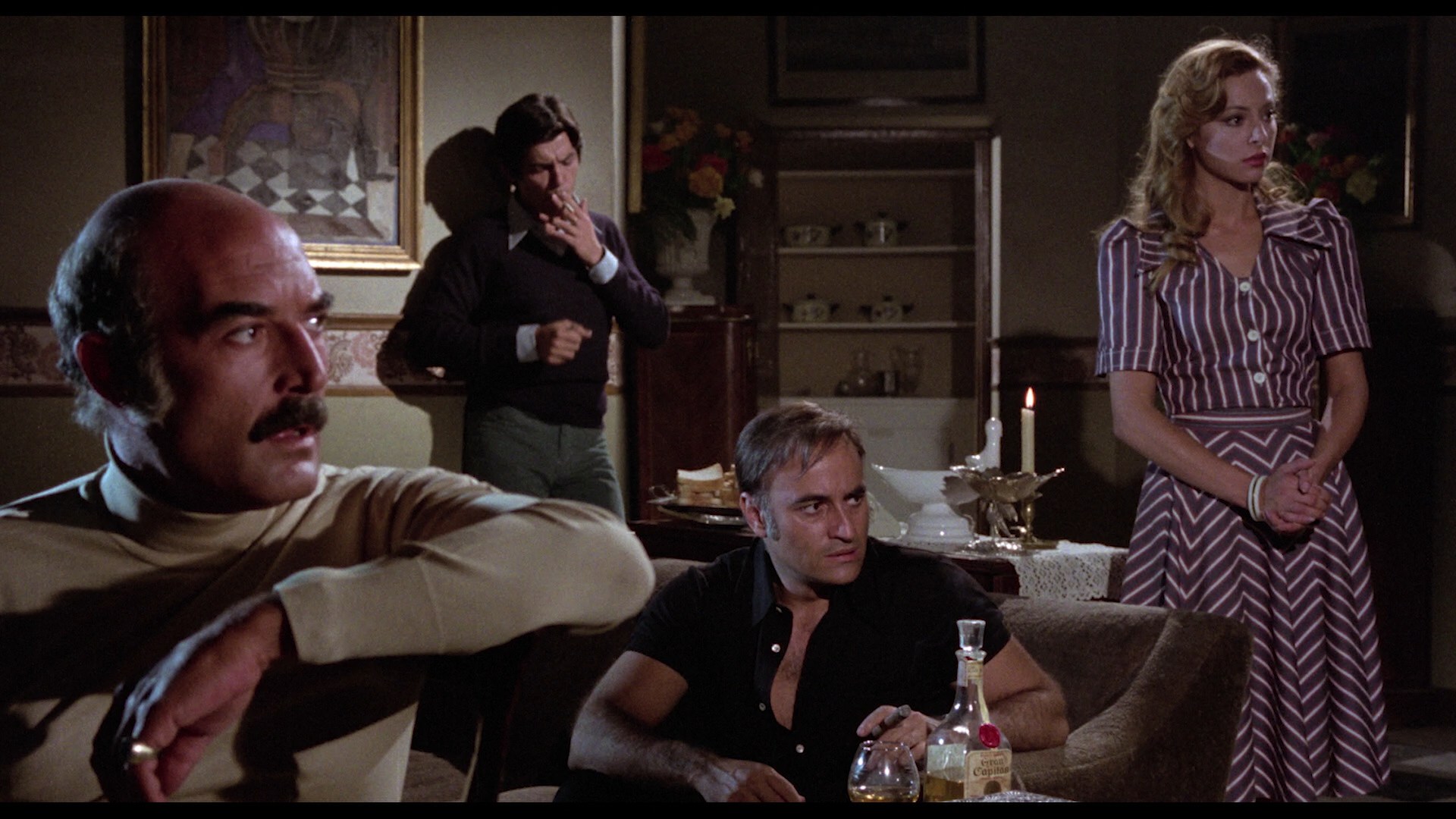
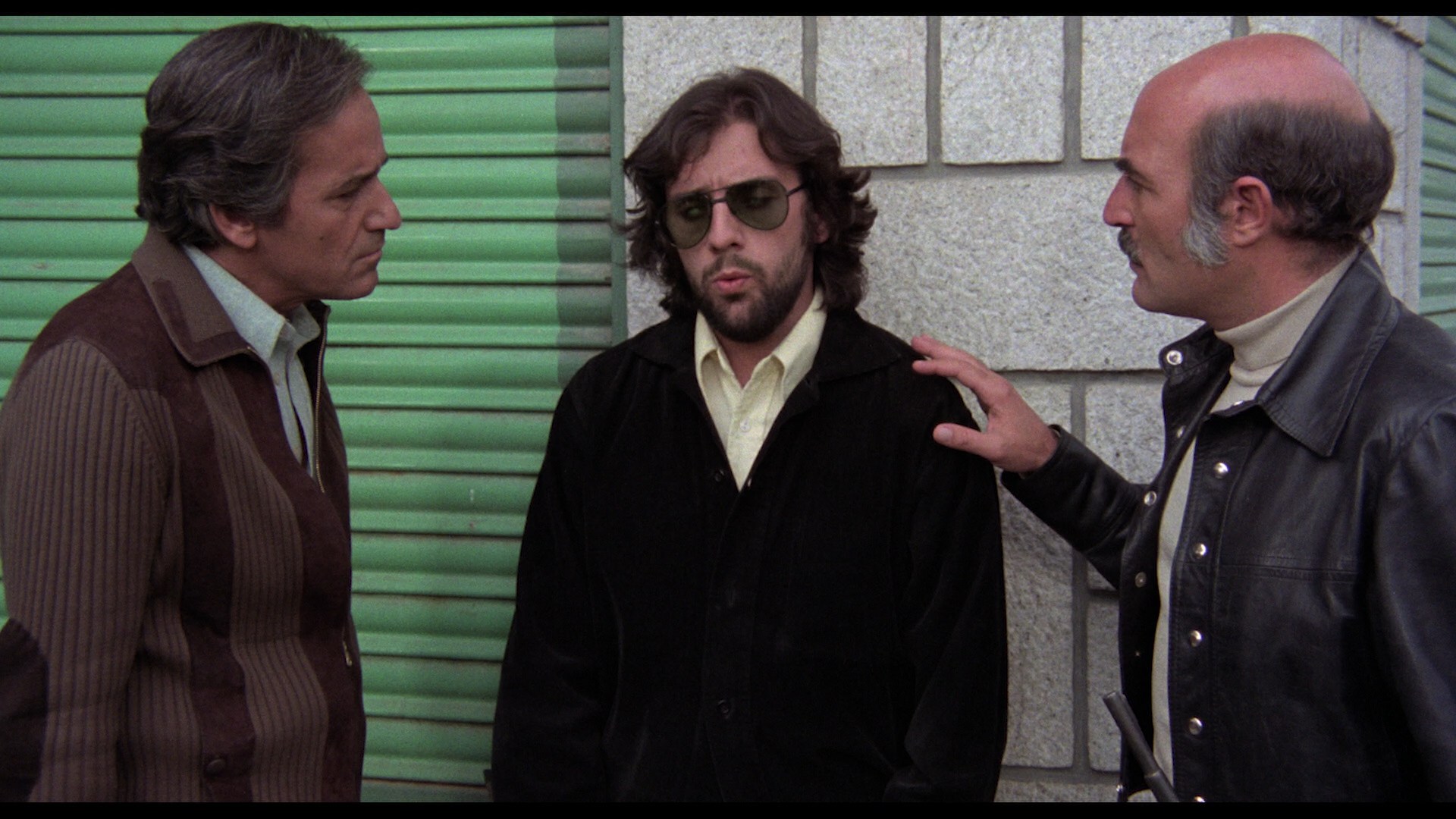
THE PEOPLE WHO OWN THE DARK: Code Red (Blu-ray)
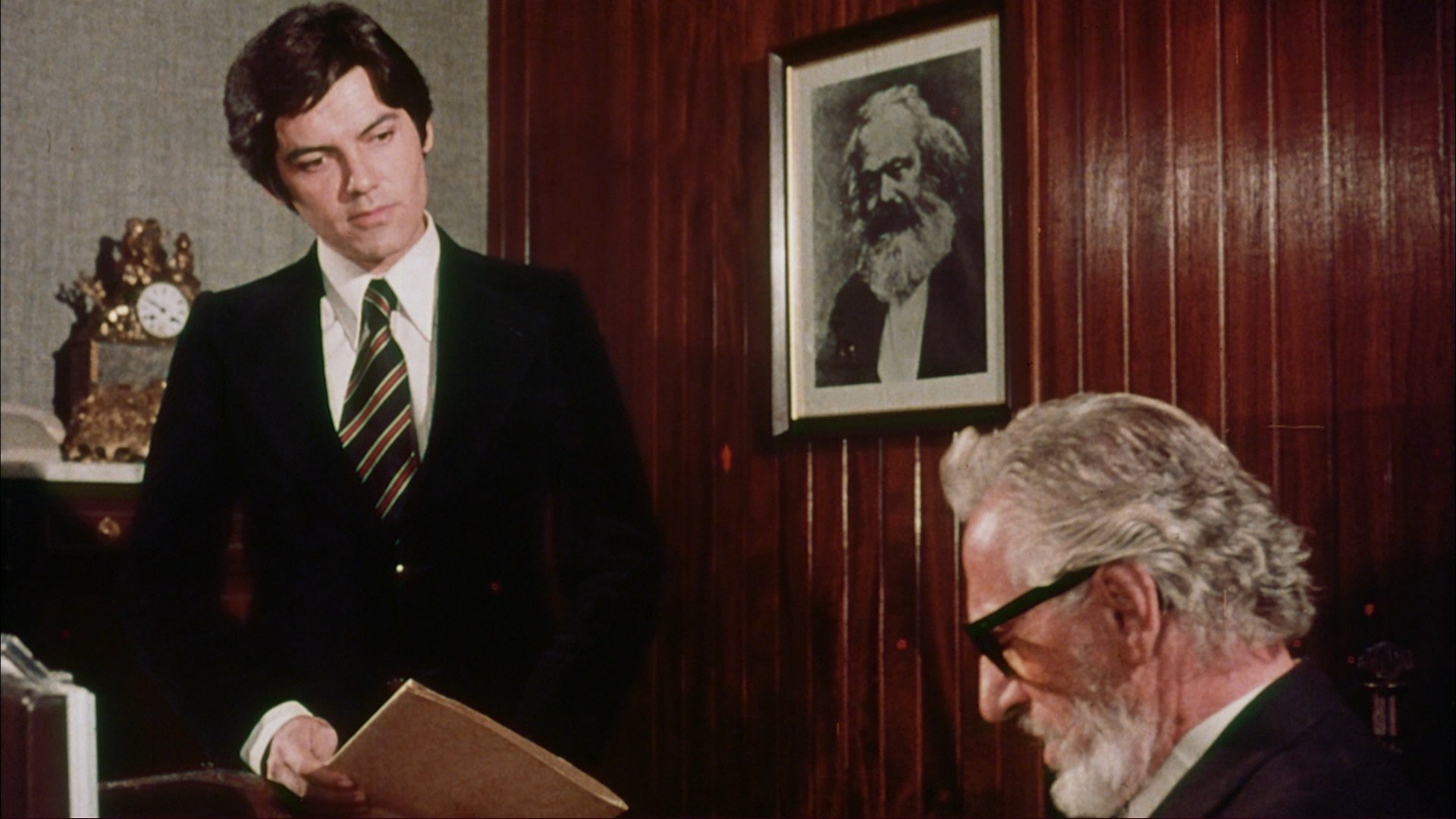
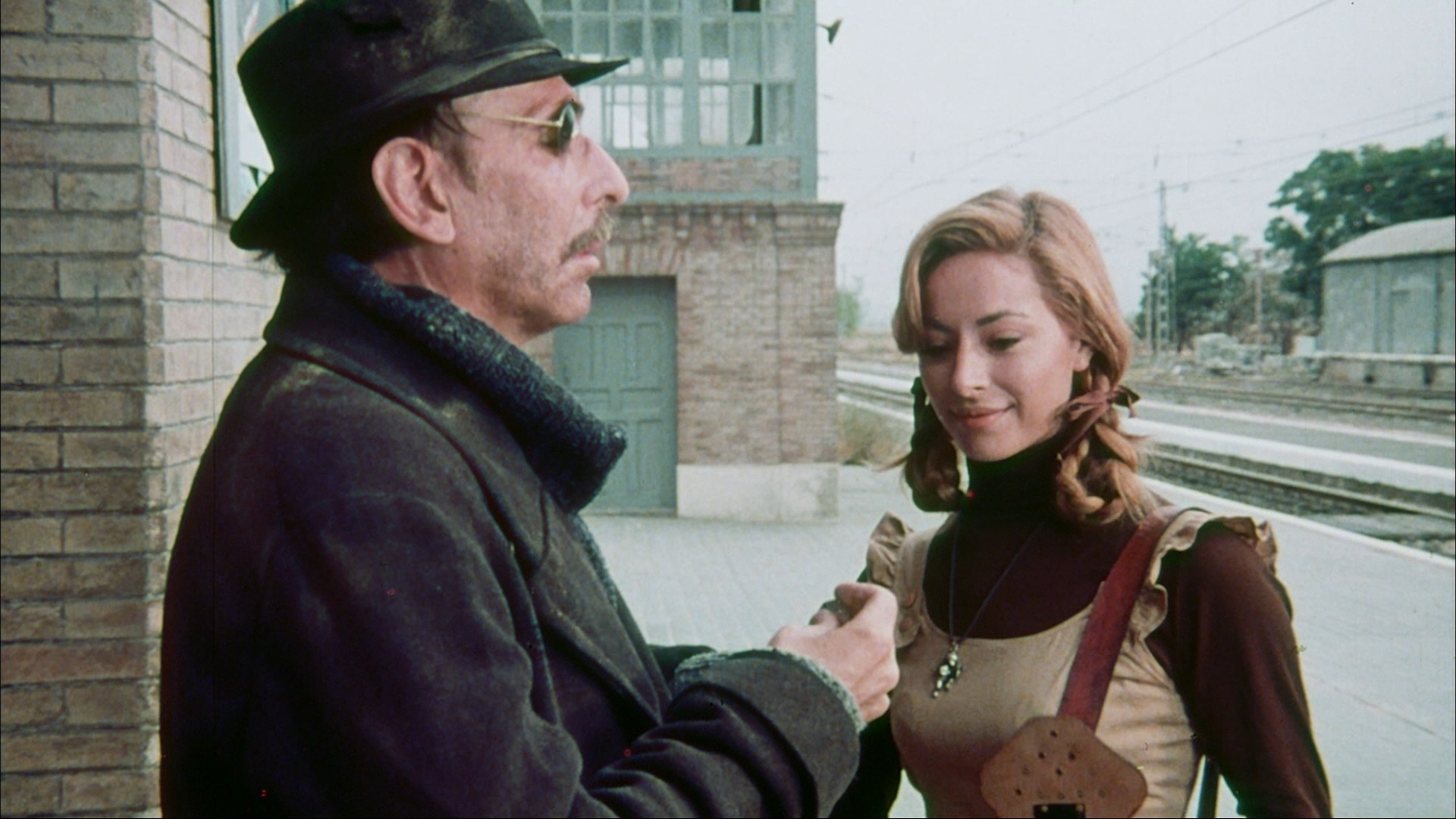
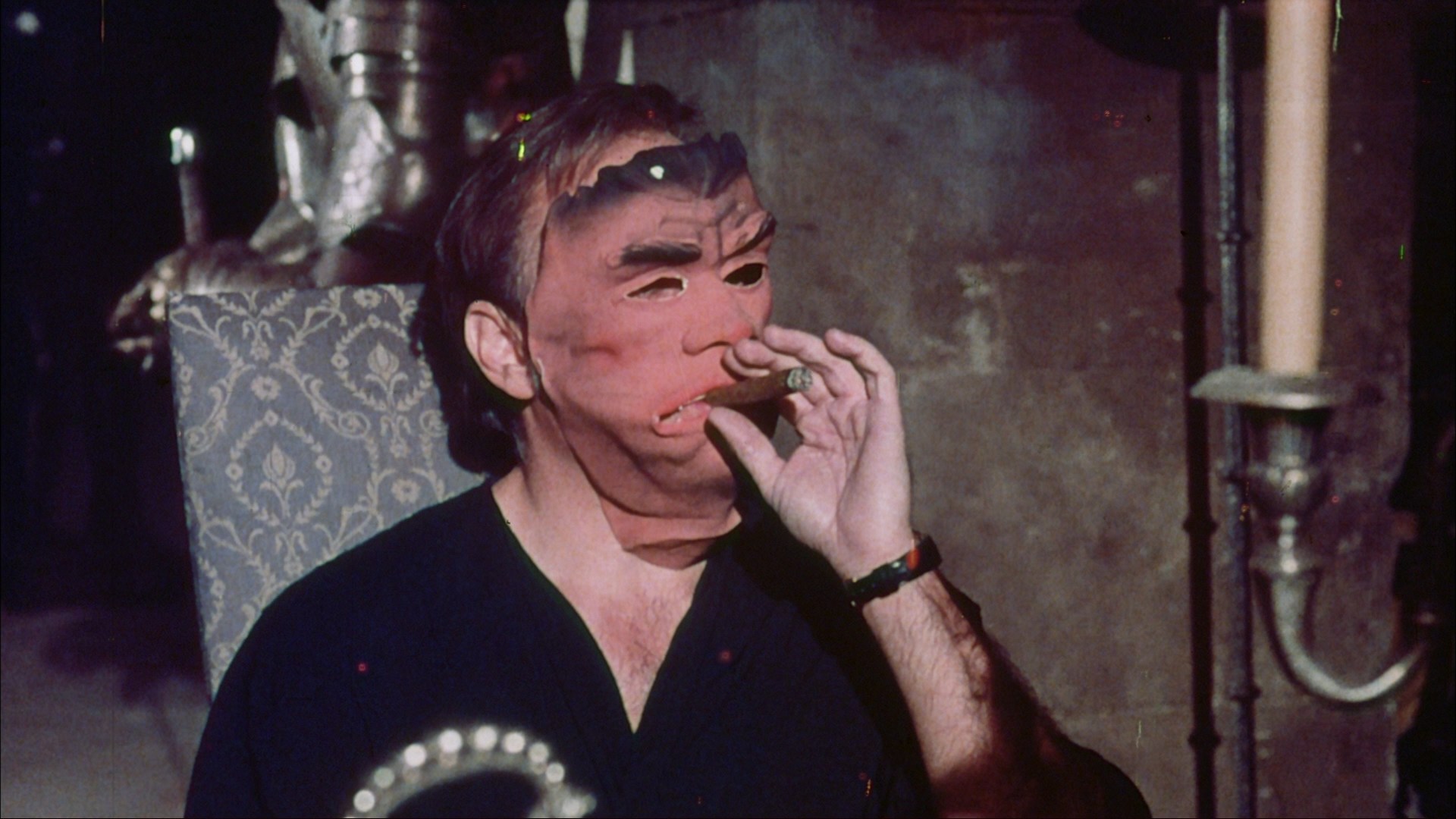
THE PEOPLE WHO OWN THE DARK: Code Red (DVD)