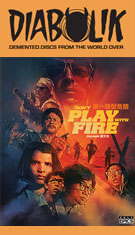
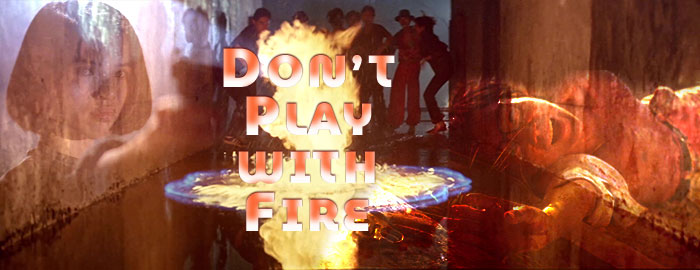
Color, 1980, 96 mins. 18 secs / 99 mins. 25 secs. / 89 mins. 51 secs.
Directed by Tsui Hark
Starring Lo Lieh, Chen-Chi Lin, Albert Au, Tin Sang Lung, Paul Che, Ray Lui
Cult Epics (Blu-ray) (US RA HD), Spectrum Films (Blu-ray & DVD) (France RB/R2 HD/PAL), Line Communications (DVD) (Japan R1 NTSC) / WS (2.35:1) (16:9)
Before he scrambled everyone's brains and 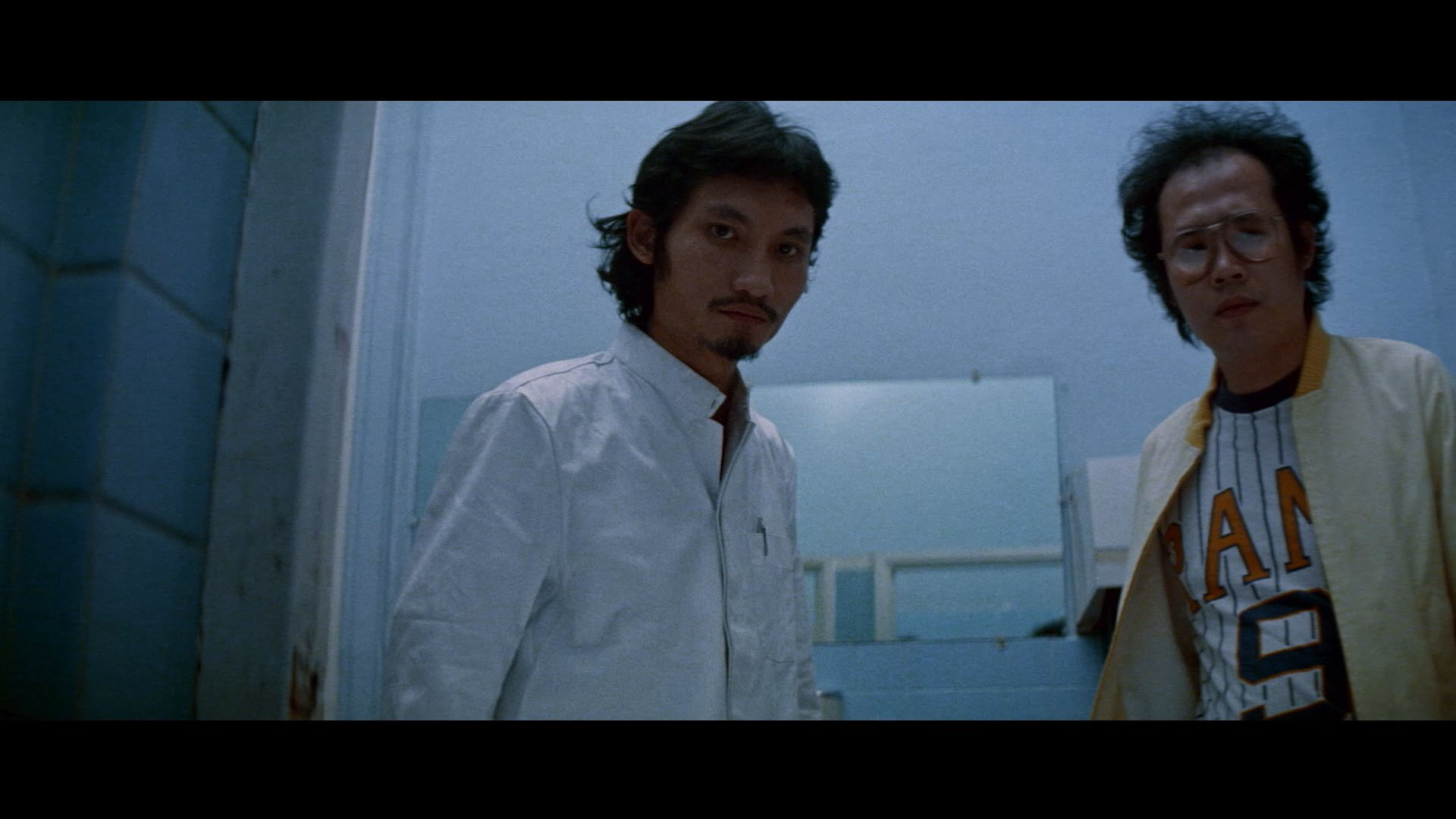 helped put Hong Kong fantasy cinema on the global map with 1983's Zu:
  Warriors from the Magic Mountain, a young Tsui Hark showed off his rough side with this infamous shocker initially shown in Hong Kong as Dangerous Encounters-1st Kind (or more logically referred to as Dangerous Encounters of the First Kind). Inspired by real reports of youths committing irrational, violent crimes, the film's initial cut was immediately rejected by local censors who insisted on changing the modus operandi of our main characters that kicks the whole thing into motion. Even after some reshoots and retooling, Don't Play with Fire was still one of the most extreme films of its time and brought in significant audiences who wanted to see what all the fuss was about. Since then it's been tricky finding a decent copy of the film in either cut, but both the complete international version and the director's cut -- as well as a much shorter English dub -- were collected together on Blu-ray in the U.S. by Cult Epics in 2026.
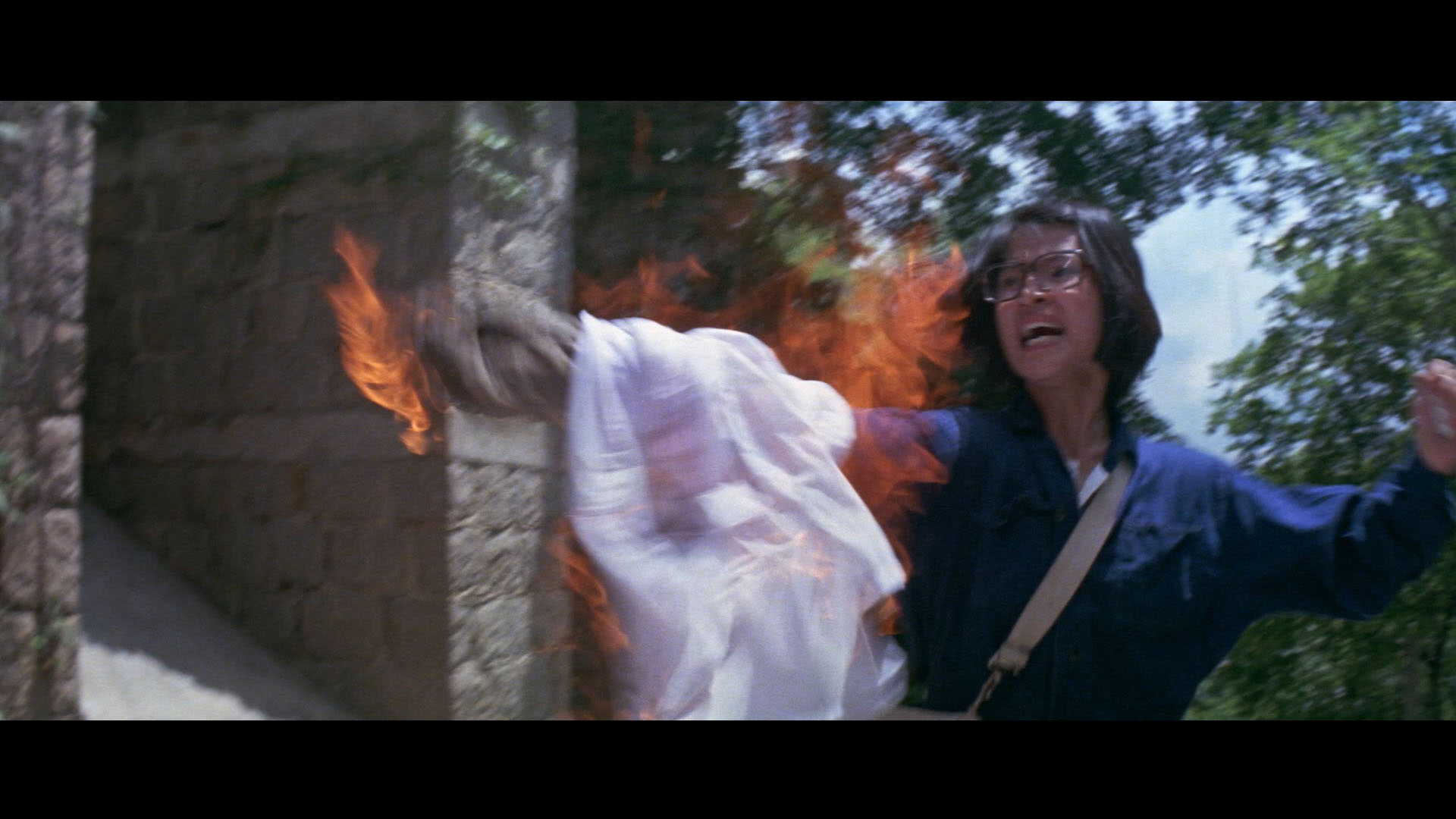
The very disturbed Wan-Chu (The Battle Wizard's Chen-Chi) gets her kicks by torturing and killing small animals (including, unfortunately, a real unlucky mouse in the Sam Peckinpah-styled opening moments), and she escalates her sadism after witnessing a hit-and-run accident involving young hellions Paul (Au), Lung (Sang), and Ko (Che). Her cop brother Tan (Lieh) realizes how unhinged she is 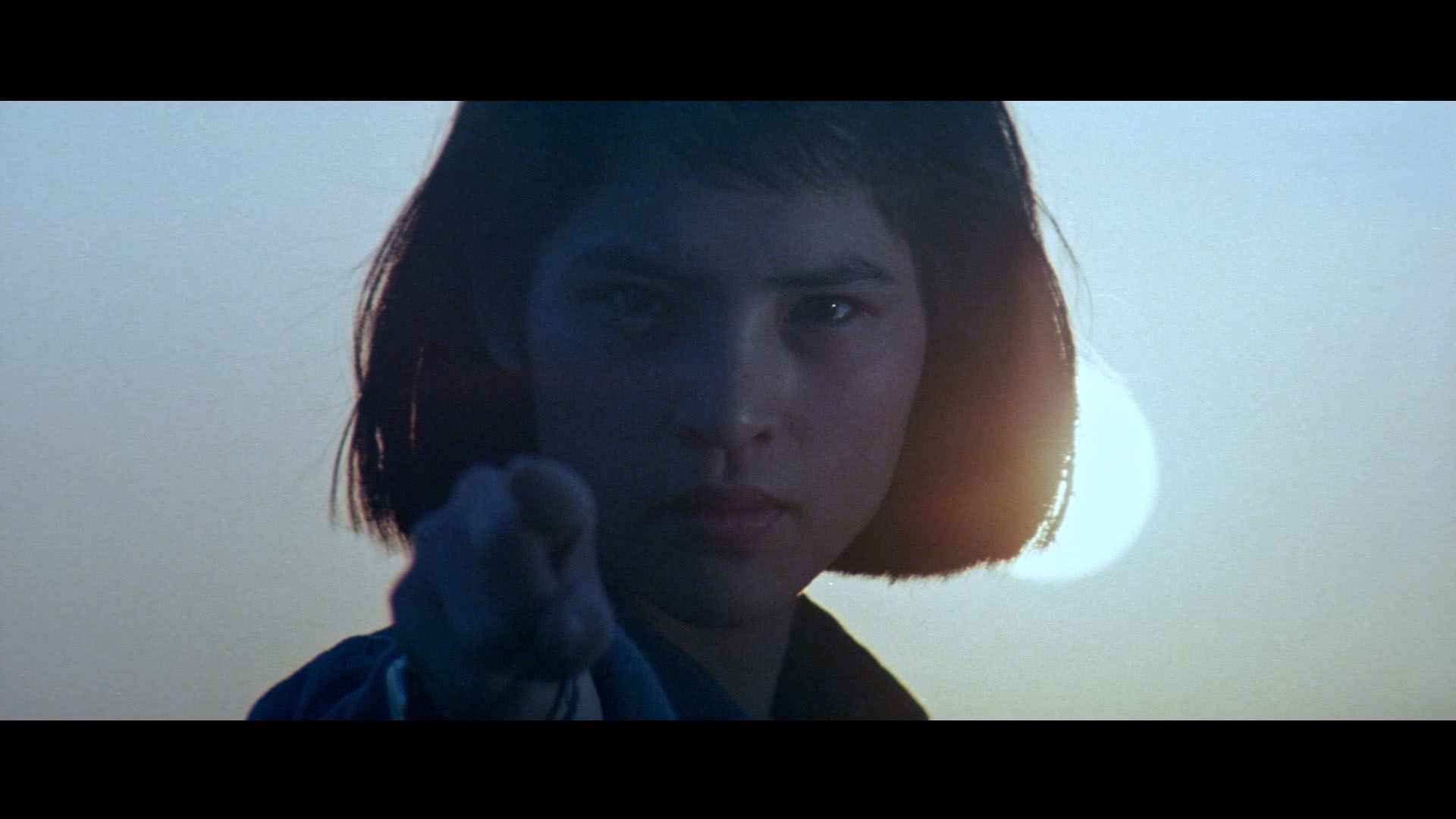 when a job termination provokes her to fling a cat out of the window into some barbed wire (thankfully very fake), which prompts her to extort the trio into letting her ring-lead them in a crime spree.
 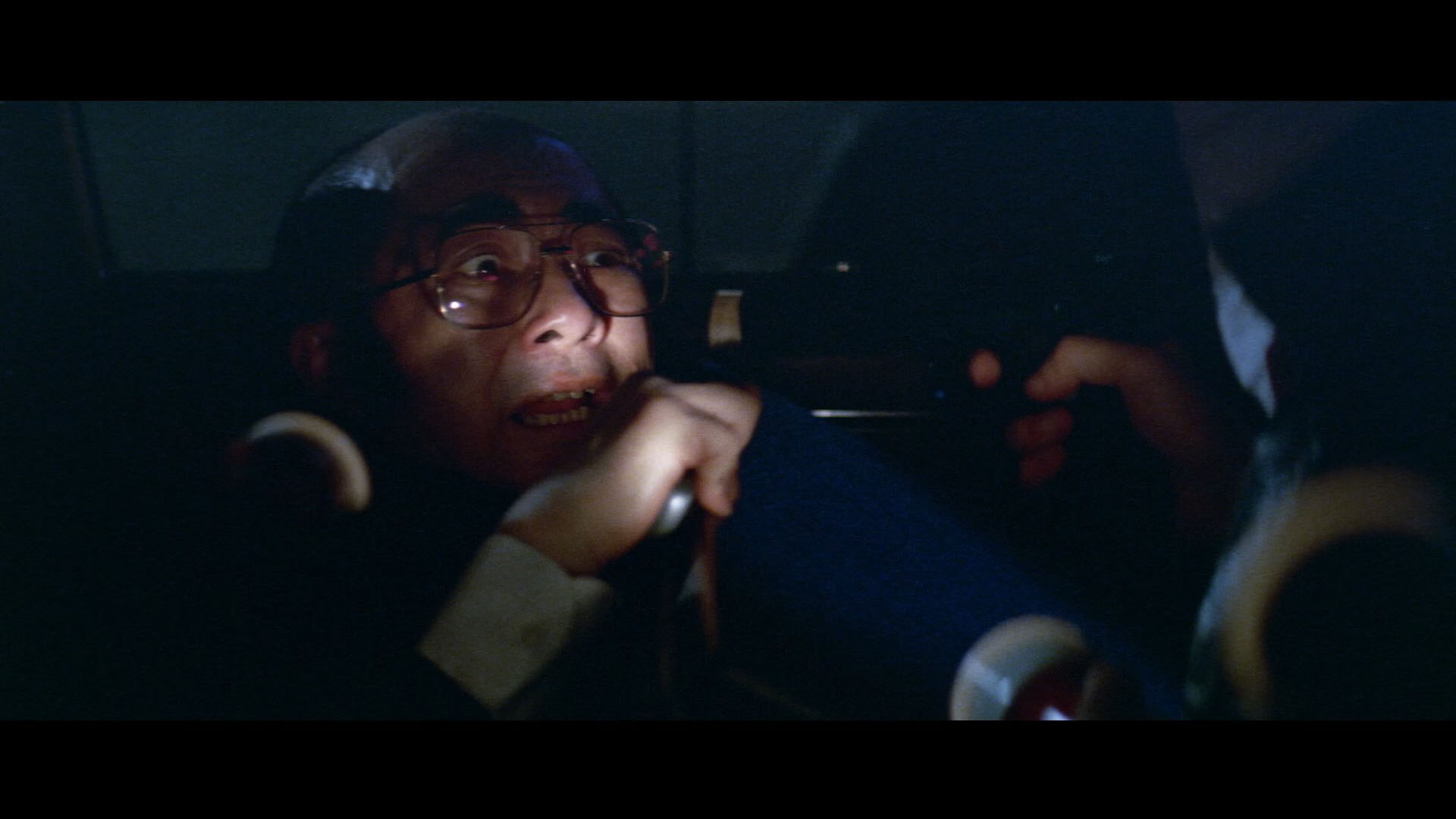 A stash of money orders and some ruthless gangsters soon enter the scene as Tan finds himself way over his head dealing with a mounting body count.
Taking the disaffected juvenile delinquent concept from the previous couple of decades to horrifying extremes here, Hark's film starts off cruel and just keeps getting darker as it progresses. Lin in particular is outstanding here, and it's too bad she couldn't use this as a springboard to bigger roles (instead only appearing in two more films, both apparently shot before this one). The viciousness is even more pronounced in the banned initial cut, in which Paul masterminds a movie theater bombing that spurs Wan-Chu to goad them into more terrorist activity. Apparently that very imitatable mass threat was too much for authorities to bear, and any film elements for that first version evaporated a long time ago with only SD tape elements now left behind. Incidentally, Hark also has a cameo appearance along with another big player in the future of Hong Kong cinema, Ronny Yu.
The Cult Epics Blu-ray, using a restoration and video extras also commissioned for a French edition, is spread across two discs with the first one featuring a pristine 2K presentation of the uncut standard release version (including the photo montage at the end censored from some prints). The image quality is especially impressive if you know the history of this film. The Cantonese DTS-HD MA 2.0 mono audio (with a little English scattered around) is also in great shape and features solid optional English subtitles. And yes, the original music track is intact here in all its Goblin and 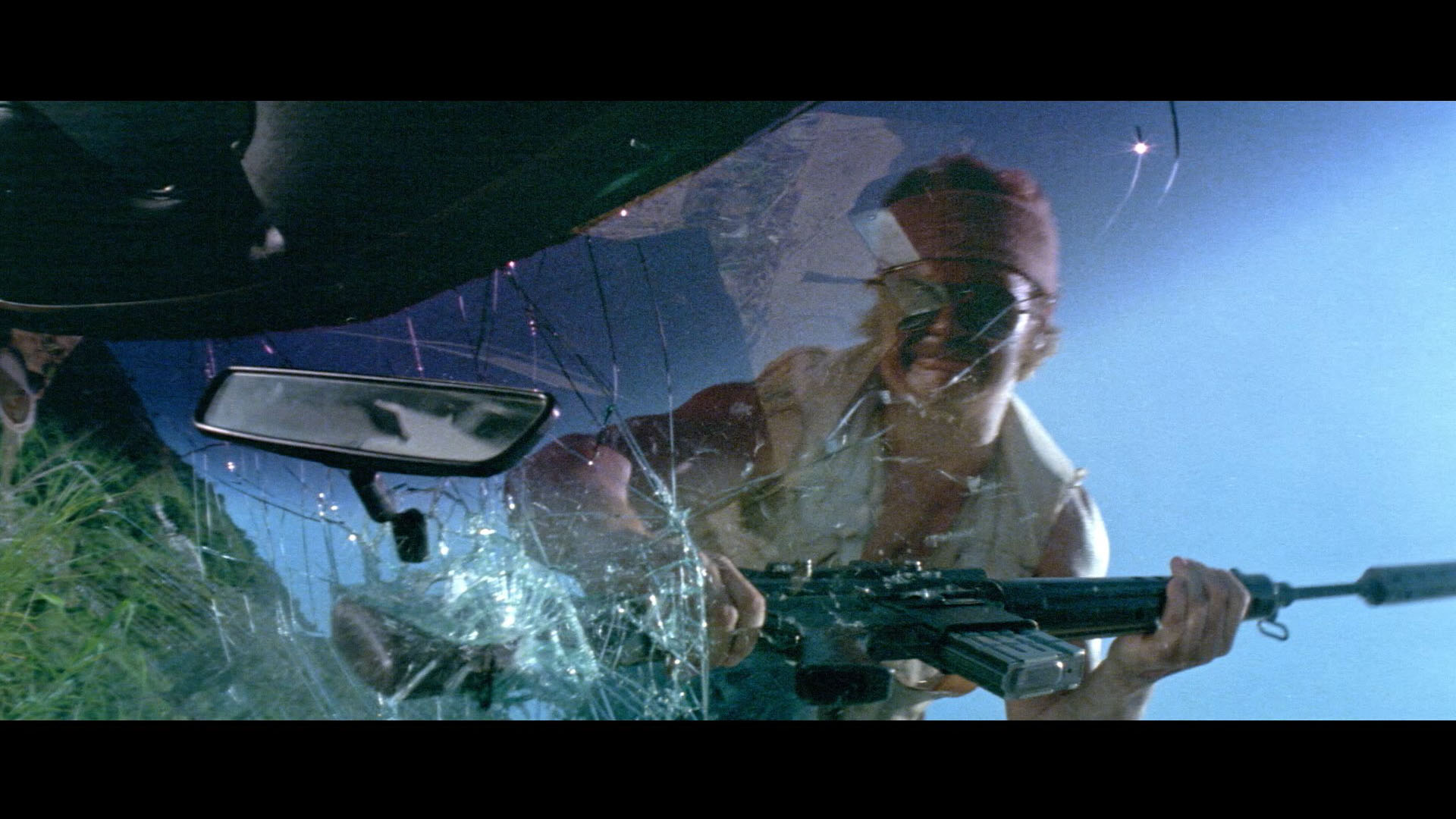 Jean-Michel Jarre-laden glory.
 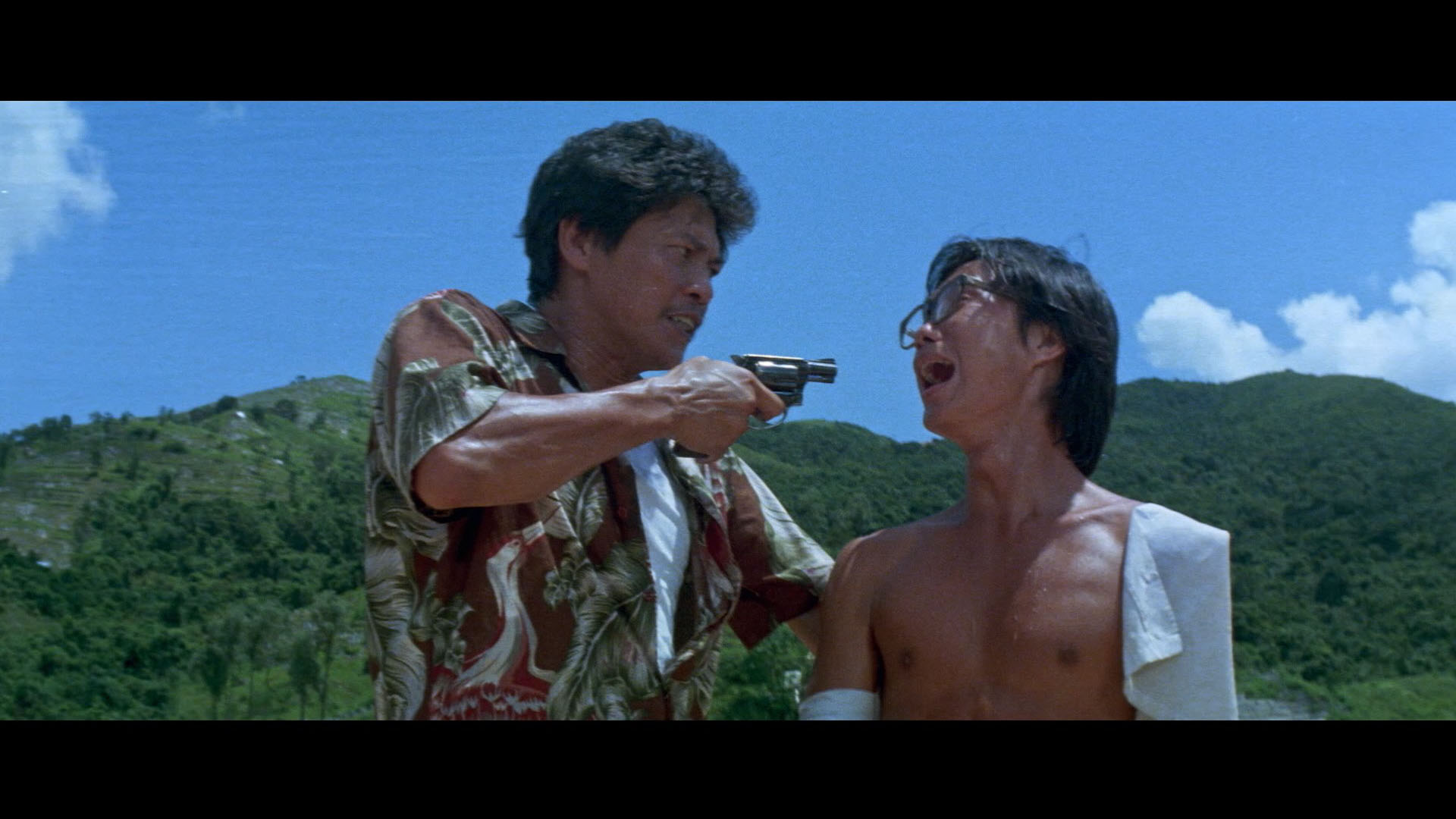 An audio commentary by Frankie Balboa and Brandon Streussnig does an enthusiastic job of covering the early '80s Hong Kong scene, Hark's career, the needle drops on the soundtrack, the cast, and plenty more. Then on the video side, we start with an interview with Hark (26m3s) about his initial inspiration for the story while reading a newspaper story, the commentary on Hong Kong society, and the story behind the two versions. This one is conducted in English as is the next one with Che (26m49s), who's very entertaining and has great recall about Hark's detailed process, the approach to his character, the mouse scene, and an iconic bird-flipping moment. Then Au appears for a 44m46s discussion about his career including his first film role here, how he was approached by Hark, and the process of approaching a very daunting role that even a seasoned thespian could find overwhelming. Then screenwriter Szeto Cheuk On (7m44s) looks back at the start of the project, the creation of the shooting script after a preliminary one had already been written, the other hands involved in the writing, and the collaborative process with Hark. Finally assistant director O Sing Pui (23m10s) discusses his own entry into the industry wrapping up his student days, his lifelong love of cinema thanks to his dad, and the filmmaking process in Hong Kong in the '70s into the '80s working with Hark and others. Also on the first disc are trailers for this film, The Girl Who Leapt Through Time, The Island Closest to Heaven, School in the Crosshairs, and His Motorbike, Her Island.
Disc two features the "banned Chinese version," the longest at 99 minutes though the theatrical cut has a large chunk of exclusive footage. This option slugs in letterboxed SD footage for all of the original bombing-related scenes and other snippets altered for the final release, otherwise in comparable quality and officially subtitled in English for the first time. Also here in SD is the export English-dubbed version, the shortest by far at 89 minutes but nice to have for posterity. Also on the second disc are the trailer, a a different earlier Hark interview (11m23s), an archival interview with Lo Lieh (6m36s), an isolated score option (33m28s), and a 1m5s promotional gallery.
Reviewed on July 17, 2026
