Color, 1998, 106 mins. 21 secs.
Directed by Stephen Sommers
Starring Treat Williams, Famke Janssen, Anthony Heald, Kevin J. O'Connor, Wes Studi, Derrick O'Connor, Jasom Flemyng, Cliff Curtis, Djimon Honsou
Kino Lorber (Blu-ray & DVD) (US RA/R1 HD/NTSC), Mill Creek (Blu-ray) (US RA HD) / WS (1.85:1) (16:9), Buena Vista (DVD) (US R1 NTSC) / WS (2.35:1)
 this was the fourth (and best) film
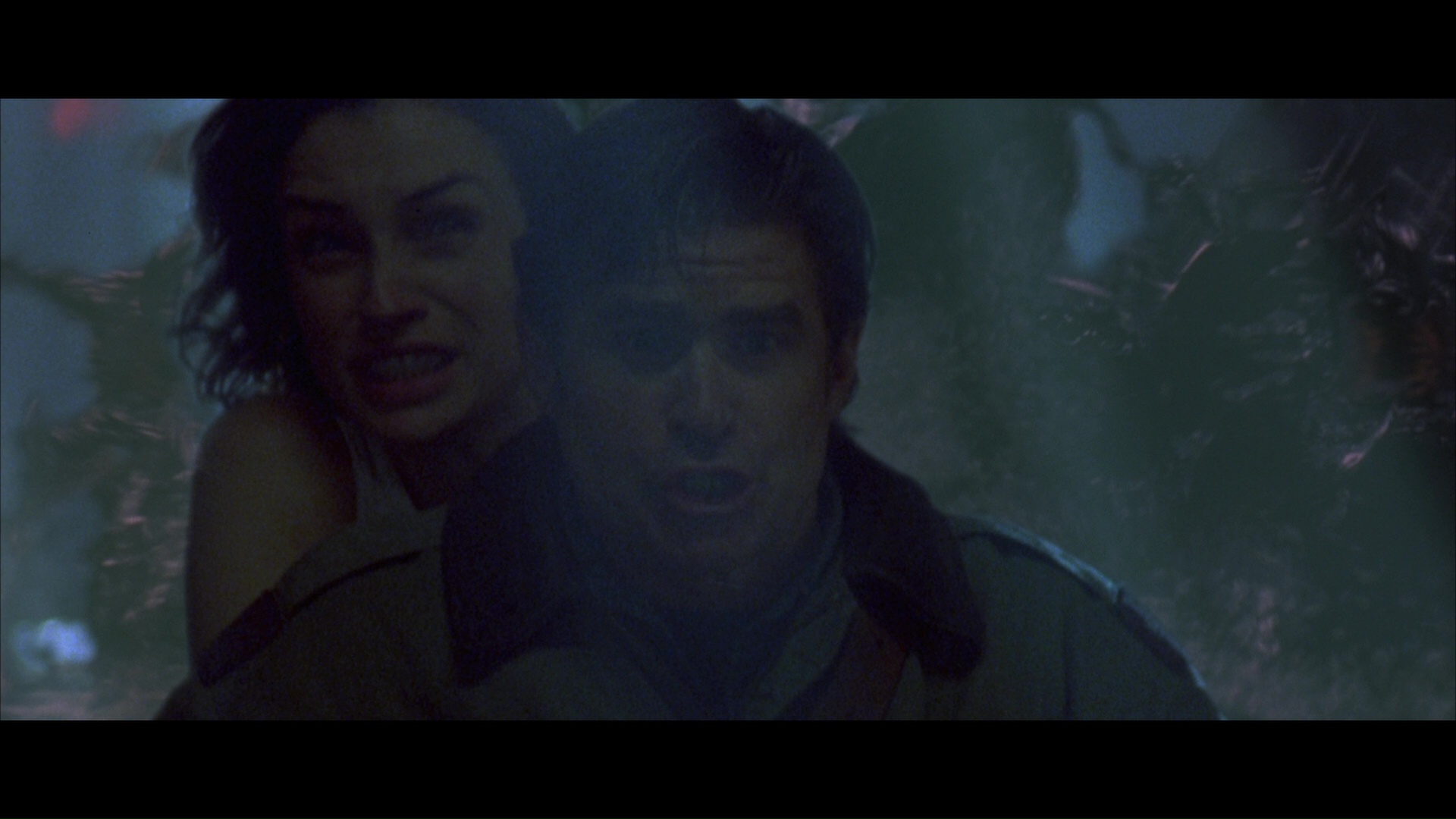
 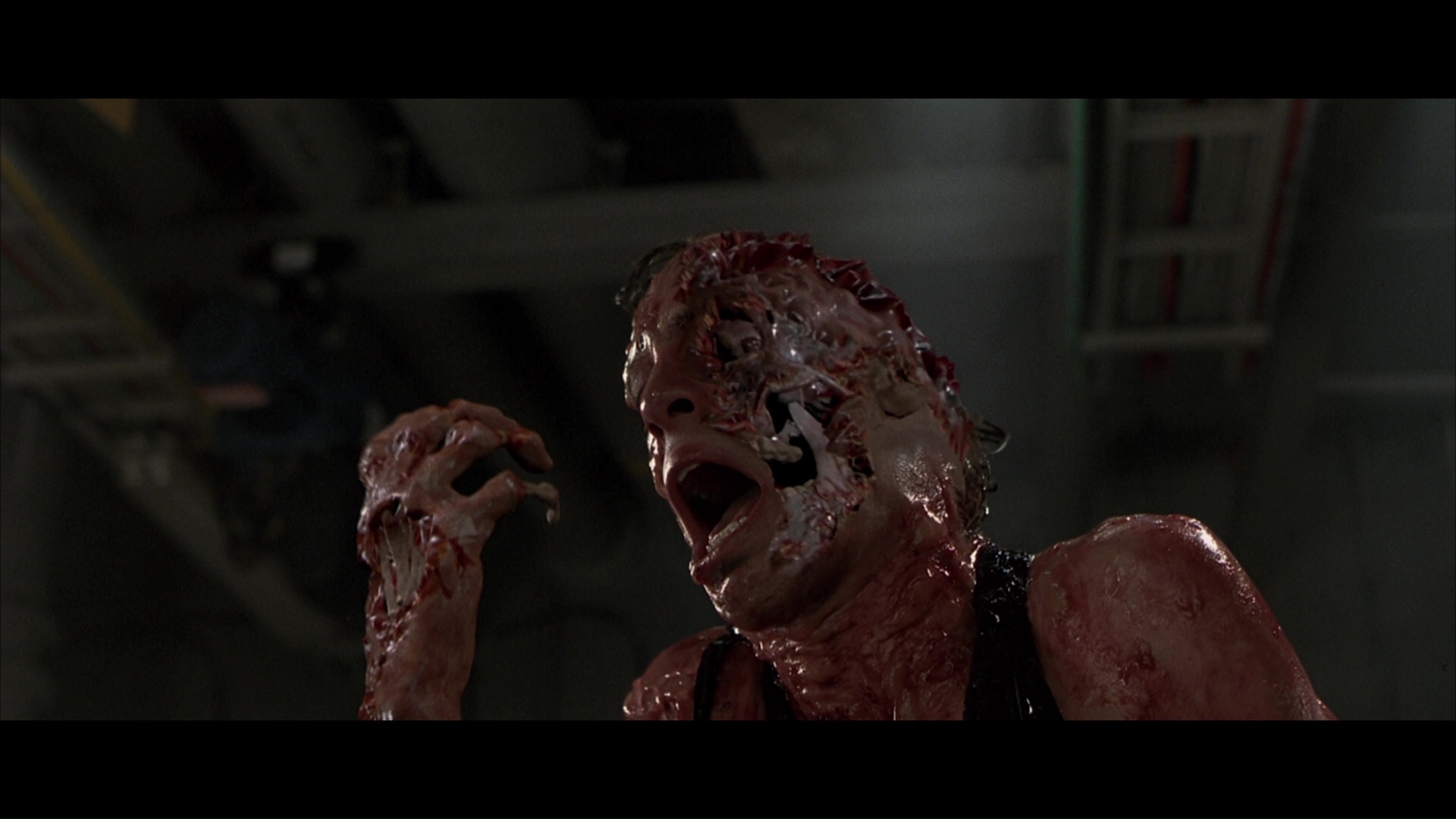 directed by Stephen Sommers, who kicked off the revamped The Mummy series at Universal the following year, this was the filmmaker’s first real dip into the monster movie pool. From its title on down, Deep Rising posed a big challenge to studio marketers who couldn’t pitch the very hard R-rated feature to young viewers, instead left deciding whether to push its monster horror aspects or its big-scale action sequences. That indecision left the film flailing when it first opened, but it has since picked up an energetic fan following and now stands as one of the more entertaining genre mash-ups from the 1990s.
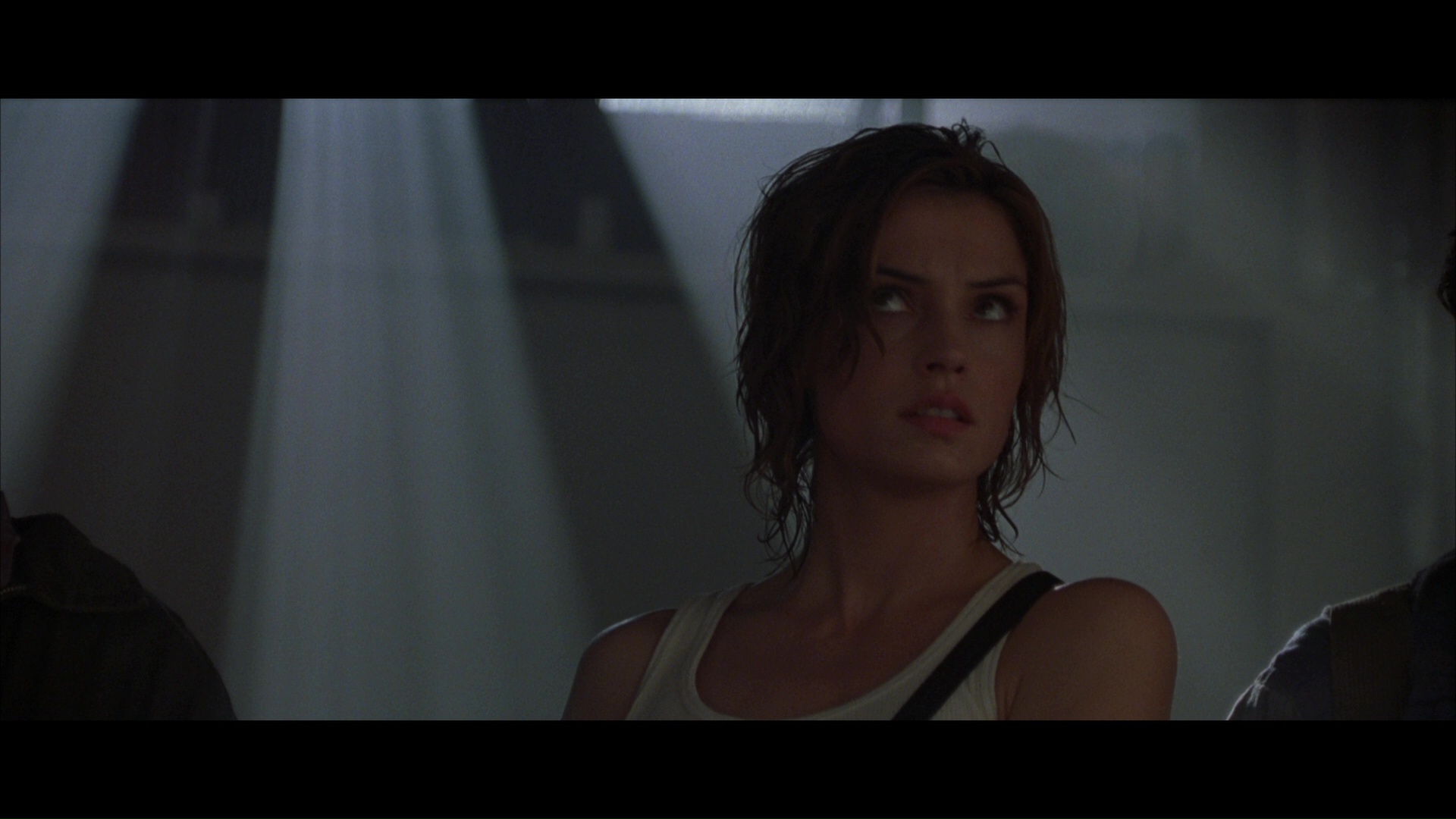
 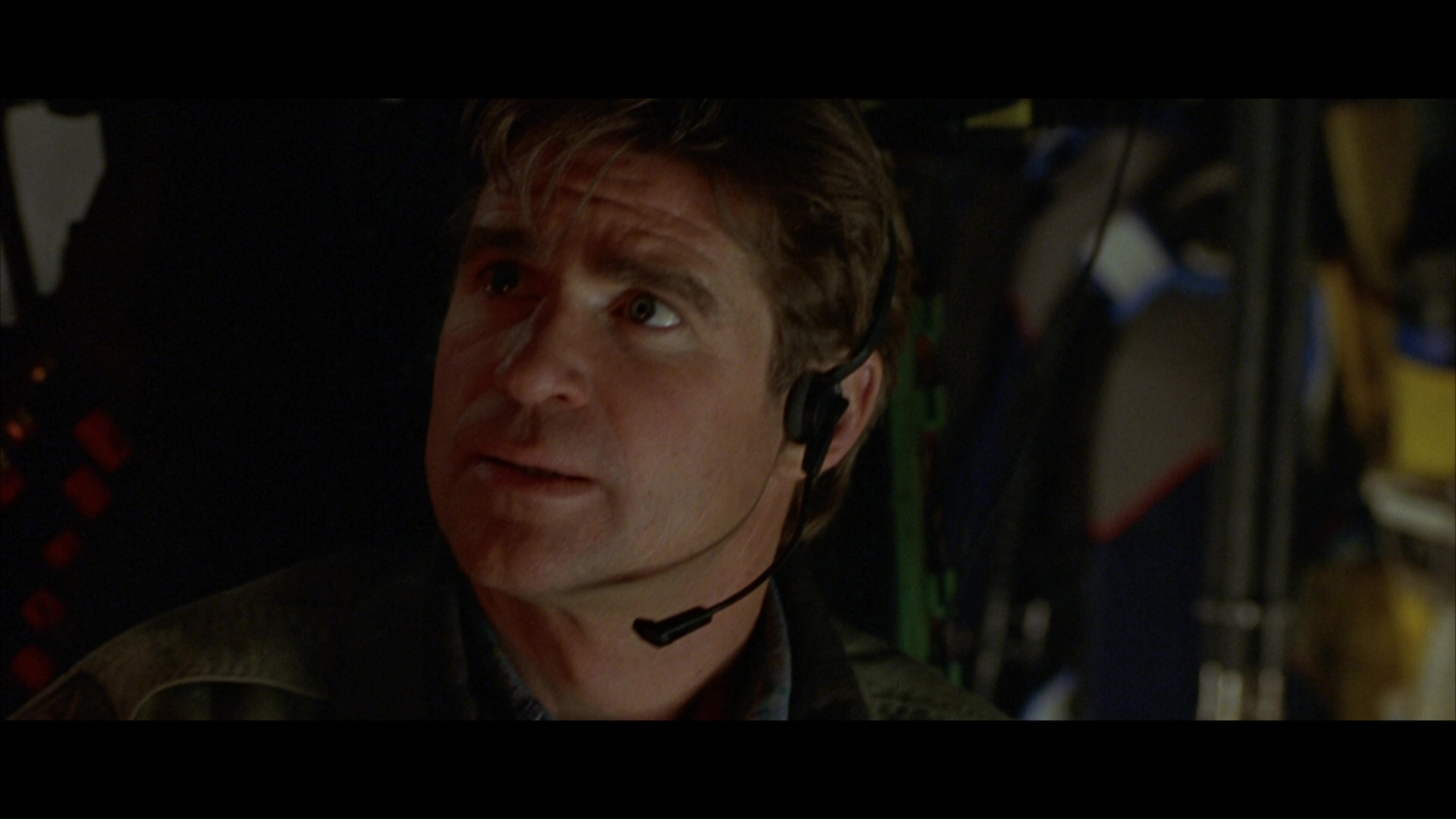 Argonautica, but when they arrive, they find it eerily abandoned – at least until they come upon beautiful jewel thief Trillian (GoldenEye’s Janssen), who was locked away during the assault, and later a tiny band of other skittish, axe-wielding survivors including Canton. As the monstrous presence shows no signs of slowing down by picking off the rest of them one by one, Finnegan and Trillian join forces to come up with a plan to escape with their lives.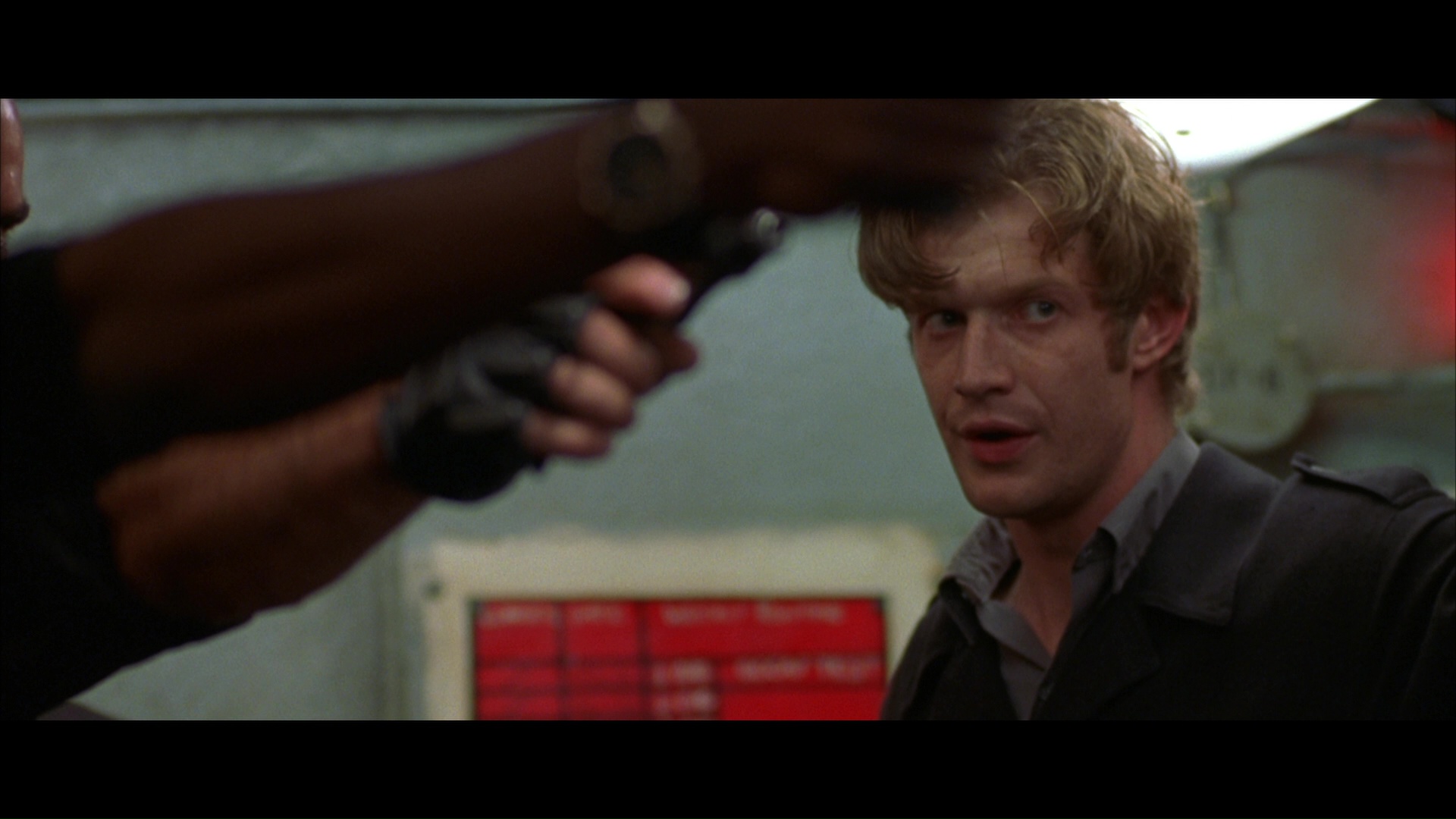
 production was adjusted for pan and scan consumption. (In keeping with its practice in 1999, Disney didn’t even present the film in anamorphic widescreen.) The first Blu-ray release appeared in 2012 from Mill Creek paired up on the same disc with The Puppet Masters, basically making it a ‘90s monster double feature, and the transfer actually looks quite solid on that one. The same source appears to have been used for Kino Lorber’s 20th anniversary special edition Blu-ray from 2018, which finally gives the film the red carpet treatment including both DTS-HD MA 5.1 and 2.0 options and an audio commentary with Sommers and editor Bob Ducsay. They're in very good spirits and seem to be having a lot of fun revisiting the film, recalling the evolution from its scripted phase as Tentacle through the workings of Hollywood Pictures at the time and the shifting demands of special effects that required a number of challenging game plans along the way.
 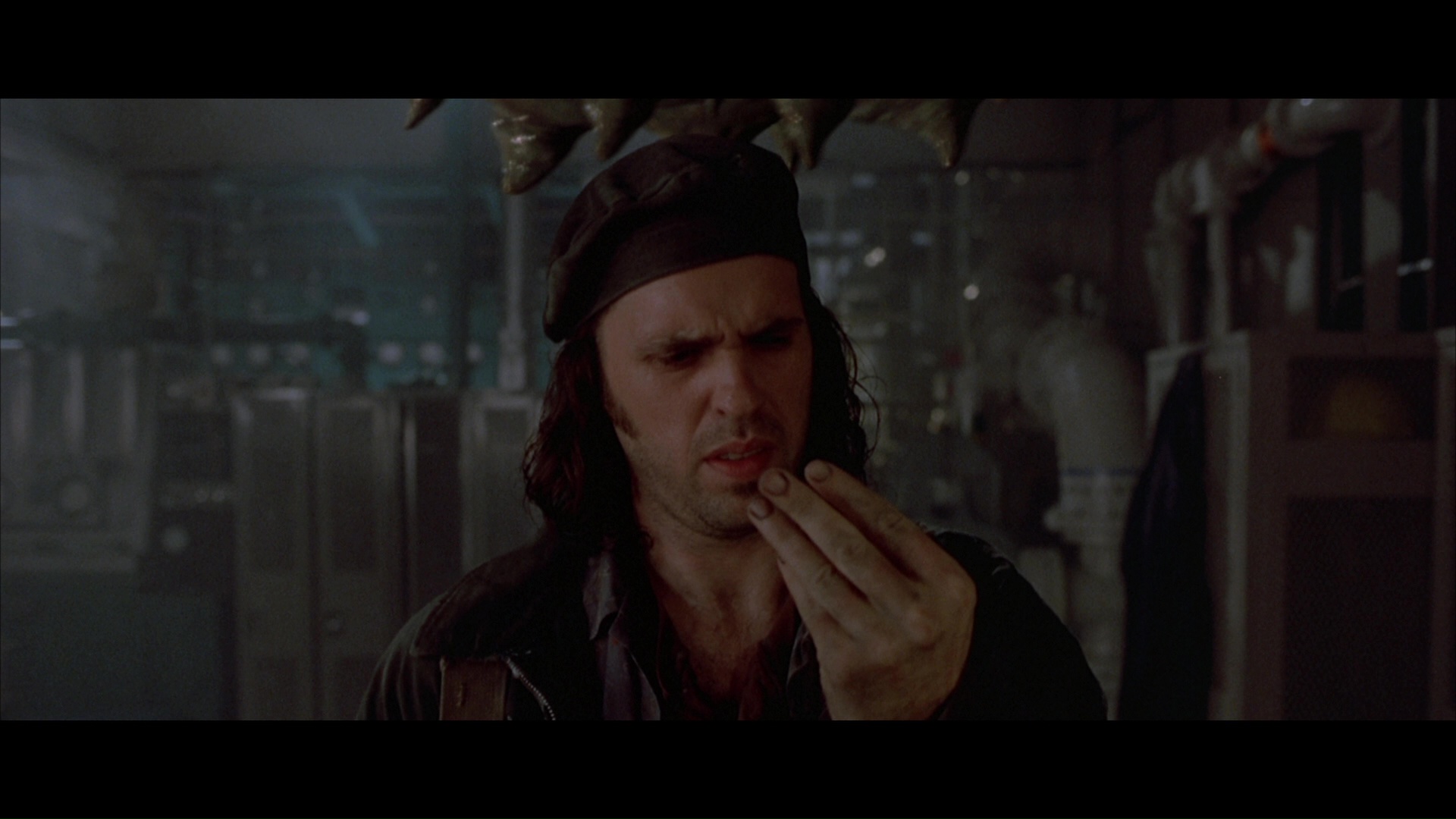 chats about being brought in late in the process to play his villainous role, the method of portraying the gradual descent into insanity for his character mirrored by his wardrobe, and the combination of excitement and silliness involved in doing practical stunts and CGI-dependent acting. Second unit director (and legendary cinematographer) Dean Cundey appears for "Deep Terror" (11m48s), a look at how his job was to capture the non-star texture and action of the production which he didn't find that different from cinematography, while visual
  effects artists John Berton and Van Ling turn up for "Bubblefunk and the Big Kaboom" (16m50s) covering the radical transition to digital effects around the turn of the millennium with hardware requirements that were very different from what we know today, with similar territory mined in "From the Depths" (9m25s) with practical effects artists Brad Proctor and Doug Morrow looking at it from the other end of the telescope including their work with creature designer Rob Bottin. In "Sinking the Boat" (14m5s), cinematographer Howard Atherton notes the convincing process Sommers had to use to sell him on the project instead of his usual penchant for dramas. He also goes into great detail about shooting the jet ski sequence, which posed a combination of real and computerized challenges all being pulled at the same time. Some SD archival material from ILM spotlighting the special effects in six parts can also be found with a selection of an animatic final sequence, creature footage, test renderings, and other ephemera, followed by an animated image gallery, the theatrical trailer and bonus trailers for The Puppet Masters and Rawhead Rex. The packaging (which comes with a limited slipcase) features a cover design by Jacob Phillips that ranks as the first good artwork this film has ever had.