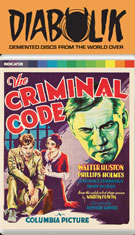
B&W, 1930, 96 mins. 27 secs.
Directed by Howard Hawks
Starring Walter Huston, Phillips Holmes, Constance Cummings, Boris Karloff, DeWitt Jennings
Indicator (Blu-ray) (UK RB HD), Sony (DVD) (US R0 NTSC)
An 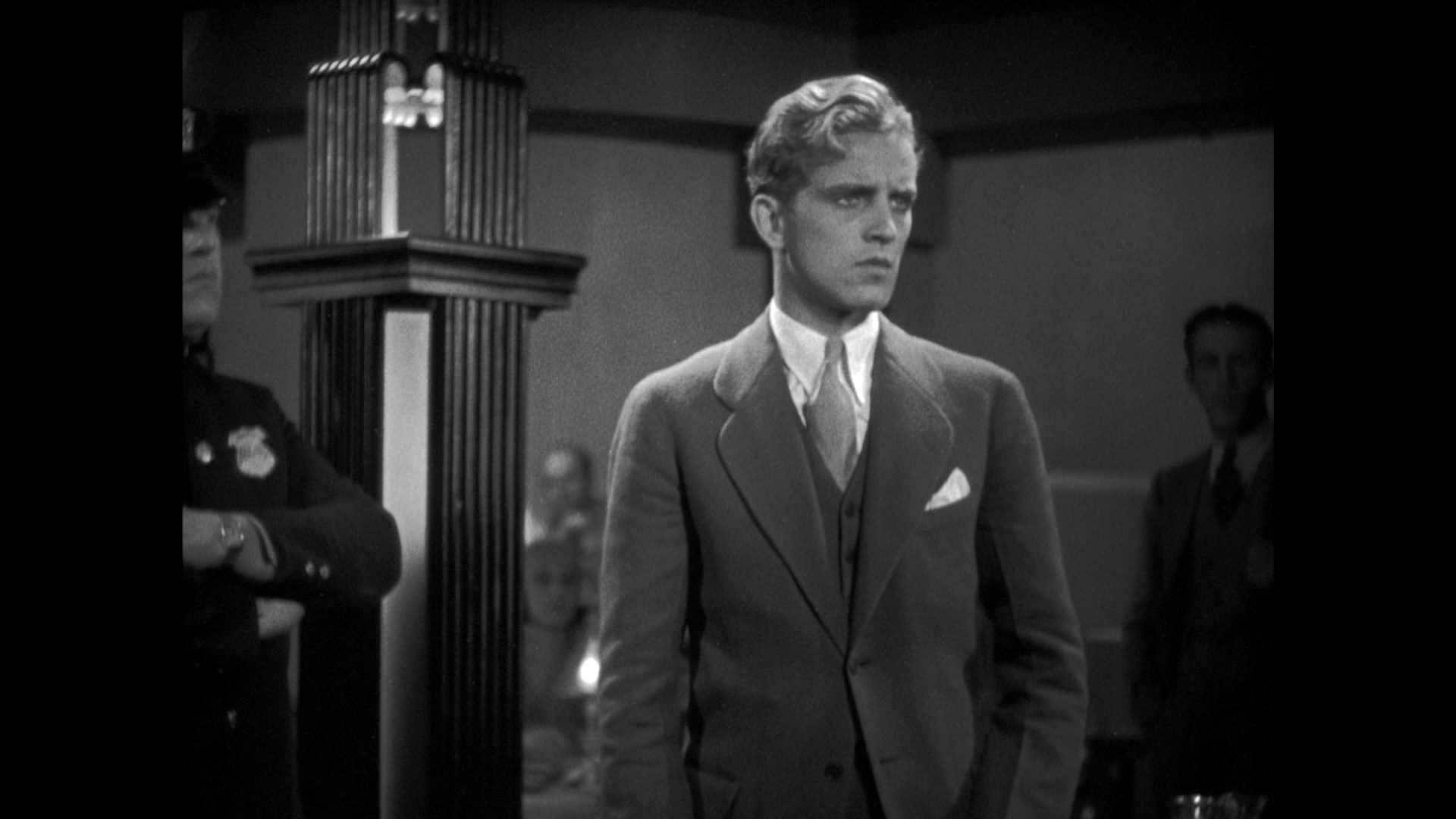 early breakthrough
 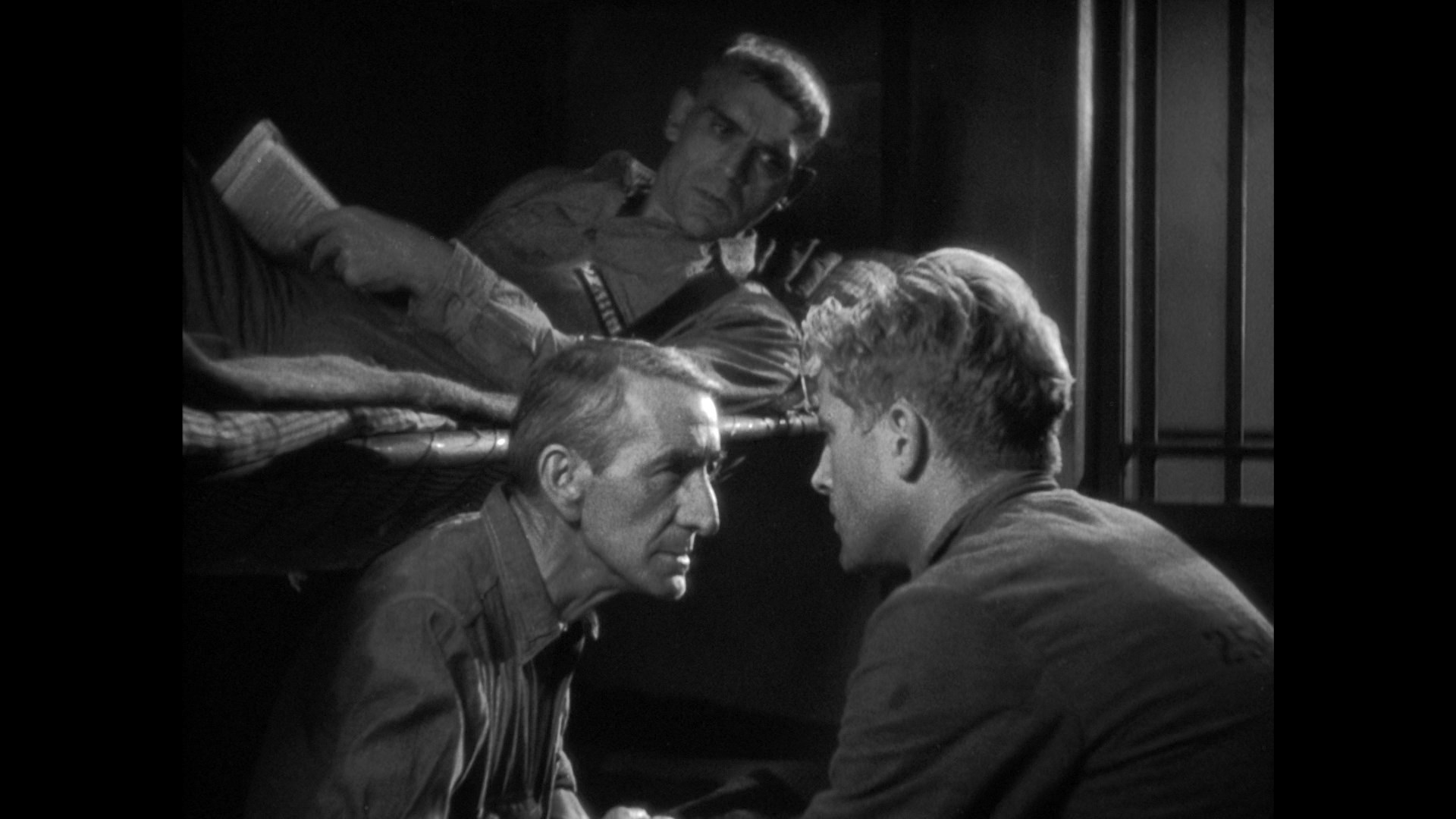 film for young director Howard Hawks at the dawn of cinema's sound era, The Criminal Code set the template for the filmmaker's trademark tough, dovetailing dialogue style as well as the prison dramas that would continue to pour out for decades to come. Based on a successful 1929 Broadway play by Pulitzer Prize winner Martin Flavin (inspired by his real-life observational experiences at San Quentin), the film would be remade twice in English by Columbia (with this as the only Pre-Code one), plus multiple times for radio and a pair of now-lost, foreign-language versions. Today the film is most significant to horror fans for a major cast member retained from the stage production, future genre icon Boris Karloff, whose scene-stealing performance here may have been a vital factor in his being cast in his most famous role in Frankenstein.
During a bar fight over a young woman, Robert Graham (Dinner at Eight's Holmes) accidentally kills his opponent with a water bottle and ends up being charged with manslaughter. The district attorney, Mark Brady (Huston), does his best to give the boy a break in court amidst a swirl of sensationalist press coverage, but legal ineptitude still lands him behind bars for a six-year sentence. Robert bonds with some of the inmates "as the years go on - drab - empty - 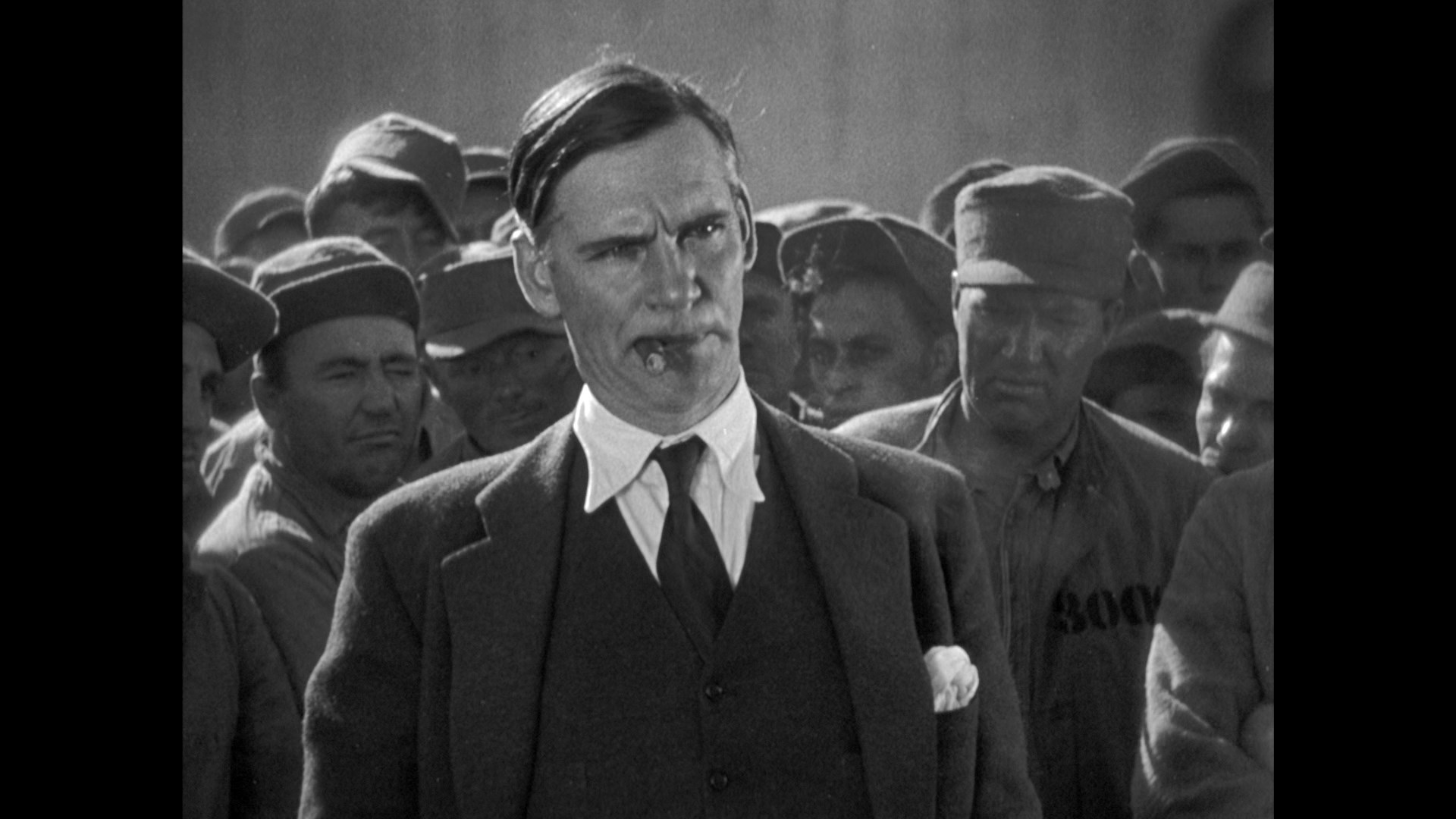 hopeless years" including one of his cell mates, Ned (Karloff), while nocturnal escape attempts are leading to the
 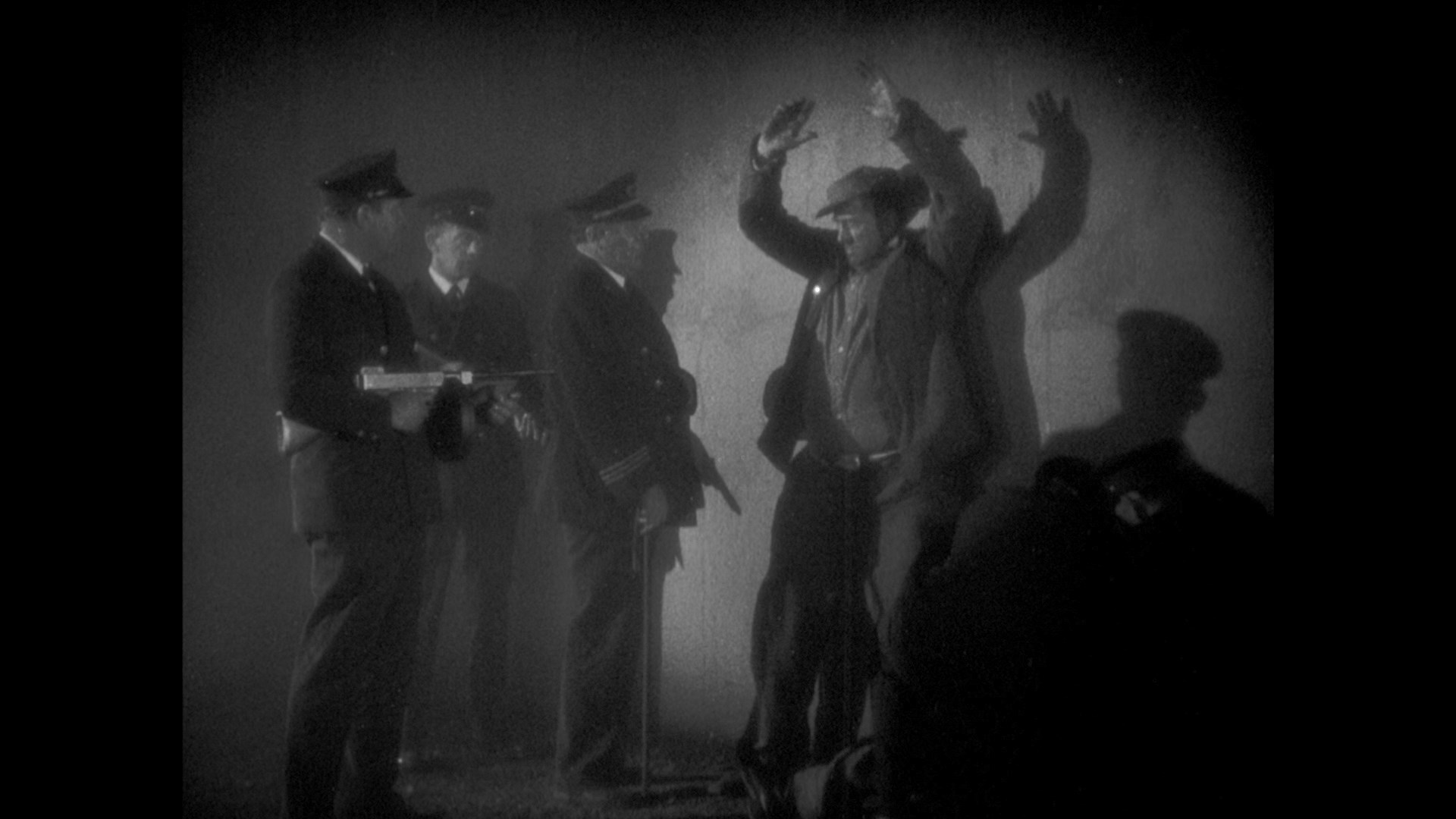 deaths of prisoners thanks to a snitch in their midst. Brady is later appointed as the new warden and feels responsible for the rapidly deteriorating Mark, whom he makes his personal valet including close contact with Brady's daughter, Mary (Blithe Spirit's Cummings). He also learns another meaning of "the criminal code" besides its legal definition, a pact that prisoners don't rat on each other even at their own expense -- which puts Robert in a tight spot when he witnesses a murder.
Extremely sophisticated in terms of its marriage of sight and sound given its year of release, The Criminal Code manages to wring a great deal of cinematic flair out of the potentially stagy material with the images of rows of prisoners (including the memorable "yammering" yard bits) and moody, sometimes stylized lighting keeping it looking fresh today. The actors are all in fine form but Huston and Karloff making the strongest impressions, though Holmes (who died far too young in a plane crash just over a decade later) acquitting himself well enough as our victimized good guy. The film's influence can be felt far beyond the later adaptations of the source material, with everything from Cool Hand Luke to Oz owing it a bit of a debt in some way.
A mainstay on Turner Classic Movies for decades, The Criminal Code first appeared on DVD from them (licensed through Sony) in 2014 as part of a set, Karloff: Criminal Kind, packaged with The Guilty Generation and Behind the Mask. In 2021, Indicator gave the 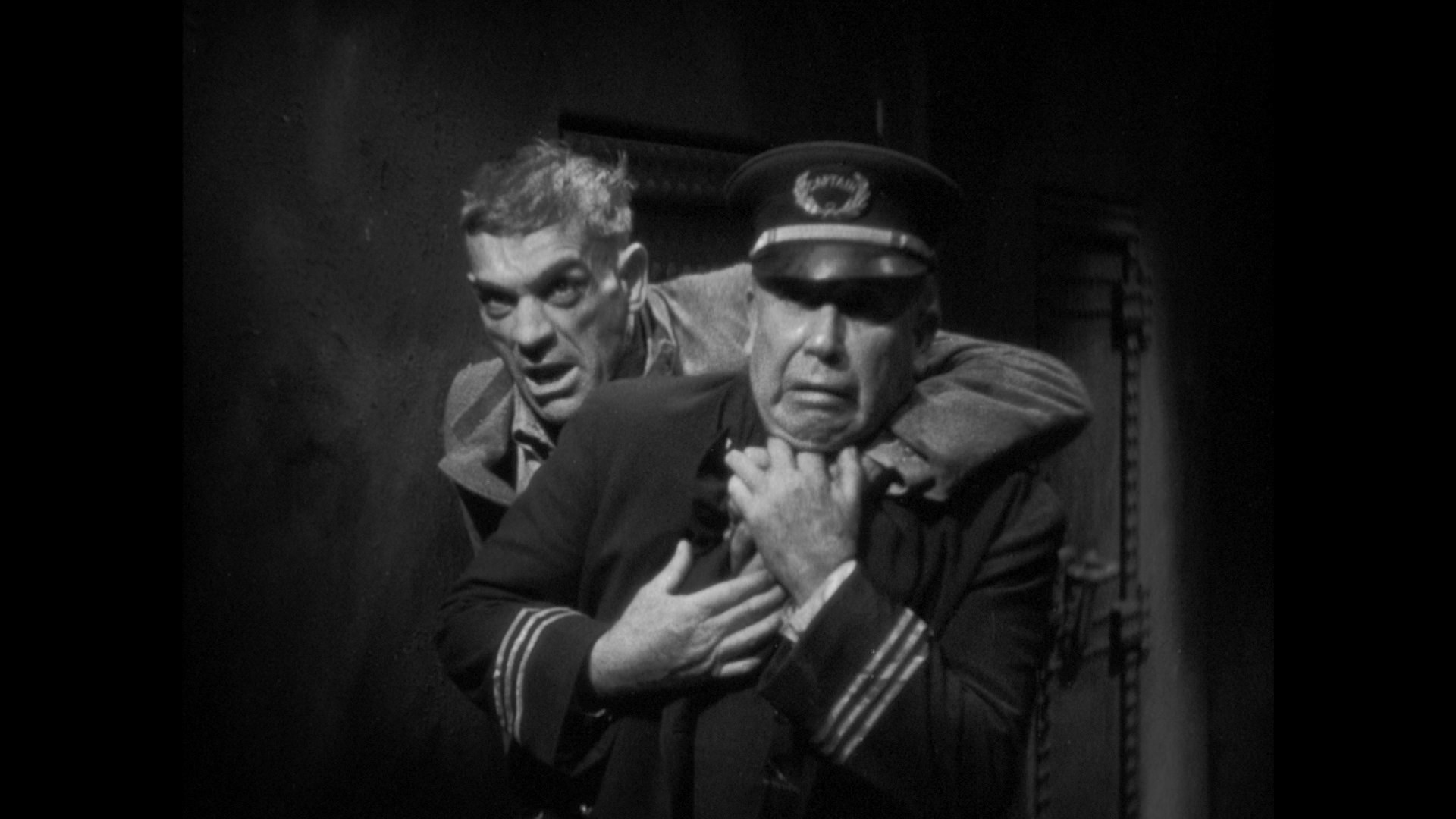 film its global Blu-ray debut as a limited 3,000-
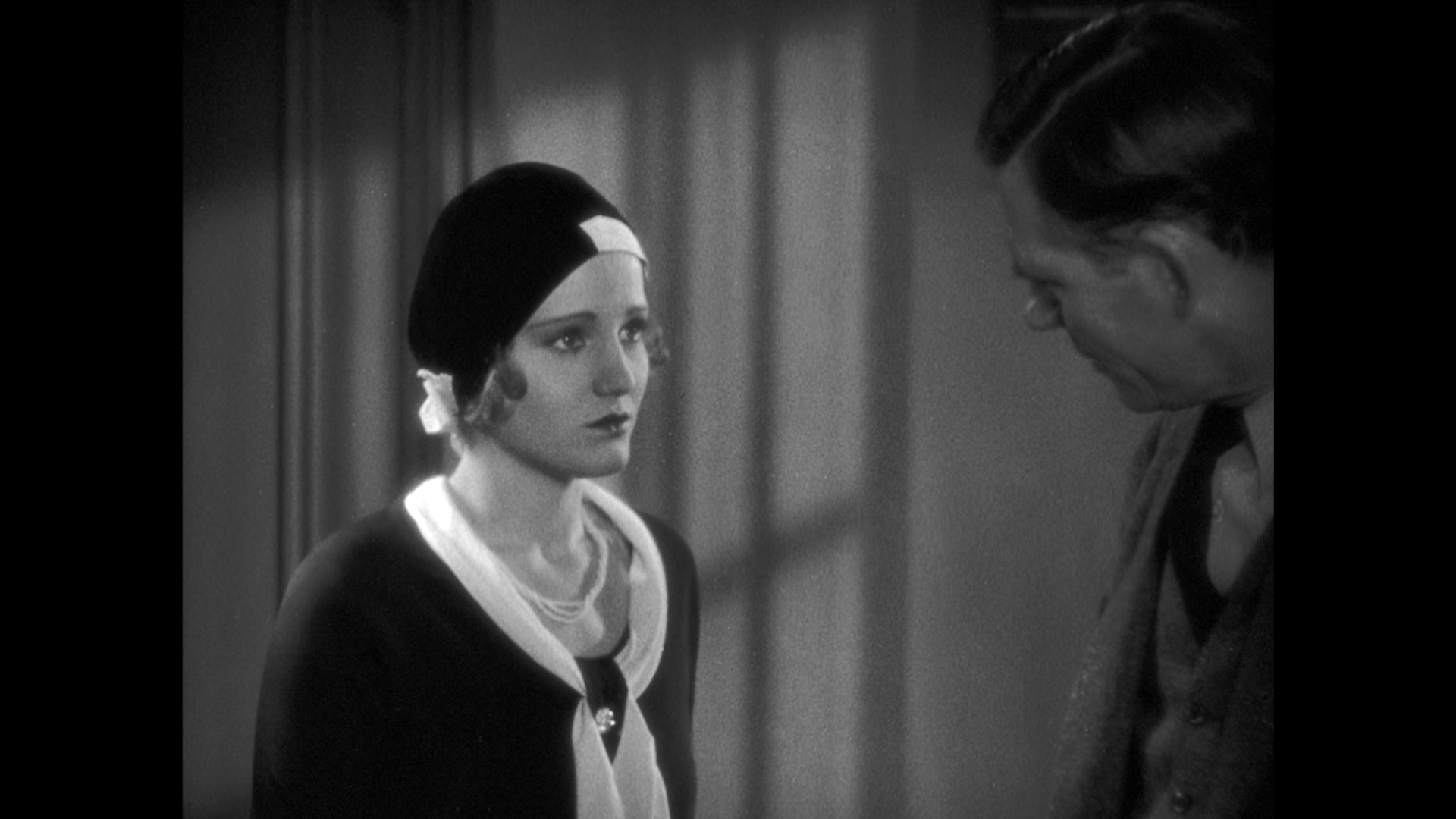 unit edition featuring an HD remaster from Sony, which is likely the best possible representation of the film given its vintage. For the most part the elements have been kept in good shape (barring a pricey full-scale restoration) with good black levels and detail for most of the running time; a few minutes in the middle appear to have been culled from a lower grade source, but it's short lived. As with many other early '30s films, you'll see some fluctuating here and there which goes with the territory at this point. The LPCM English mono track also fares well given the limitations of the source and its status as an early sound title, and optional English SDH subtitles are provided. A new audio commentary by Nora Fiore (a.k.a. The Nitrate Diva) packs a lot of info into an hour and a half as she covers the many differences compared to the play (including dramatizations of scenes only referred to on stage), the stories behind all of the lead actors, Hawks' challenges as an up and coming filmmaker, the scant existing details on the two non-English versions, and her own fun observations about some of the visual embellishments added by Hawks and company. In "Behind the Mask" (25m16s), Kim Newman tackles Karloff's often overlooked non-horror output including various gangster roles and titles like The Lost Patrol all the way to Targets, so prepare to start checking off titles you need to see. In "Codes and Convictions" (29m12s), Jonathan Bygraves surveys the multiple versions of the source play including a comparison of stills from the lost Spanish version with Hawks' one, as well as side-by-side looks at the two later English versions, Penitentiary and Convicted (with the former even reusing some footage from The Criminal Code). "The Howard Hawks Masterclass with John Carpenter" (36m14s), presented in 1997 at the BFI's National Film Theatre retrospective, features audio of the beloved, self-deprecating genre director covering Hawks' career from his early sound work through his major classics traversing a variety of genres from adventure to comedy (and often mingling them together) including an interesting reading of Bringing Up Baby. A 1937 Lux Radio Theatre production (58m34s) of The Criminal Code features Edward Edward G Robinson, Beverly Roberts and Paul Guilfoyle, plus host Cecil B. DeMille, presenting a compressed version of the now-familiar story, followed by an image gallery compiling promotional photos and ephemera for this film and the Spanish El código penal version. The disc also comes with the usual substantial insert booklet featuring new liner notes by Philip Kemp, a written piece by Hawks on the film, an article on Hawks by Henri Langlois, and excerpts from critics' reviews upon its release.
Reviewed on February 28, 2021
