 incredible run of films for producer Fabrizio De Angelis from Zombie through Manhattan Baby that
  would cement his reputation, director Lucio Fulci found himself in the wilderness a bit as the entire Italian film industry started what would prove to be a rapid decline. The first film after that cycle, Conquest, was a box office misfire at home and abroad but did score some extensive home video exposure at the time; the Italian-Spanish-Mexican co-production was clearly aiming for the sword and sorcery crowd with its hallucinatory blending of Conan the Barbarian and Quest for Fire, tying it with Yor, Hunter from the Future as the craziest Euro-fantasy film of 1983. After this Fulci quickly shifted gears in 1983 to harder sci-fi with the dystopian Warriors of the Year 2072 before retreating to safer ground with the flashy giallo Murderock, all films that have risen in estimation considerably in more recent years.
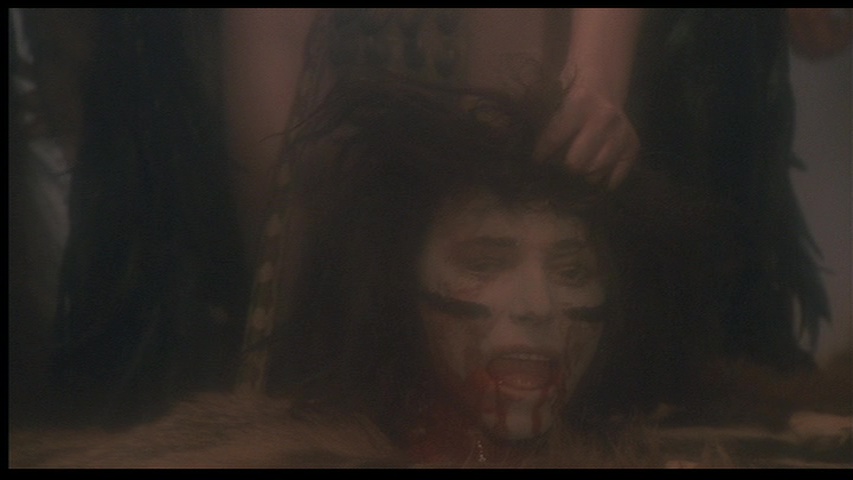
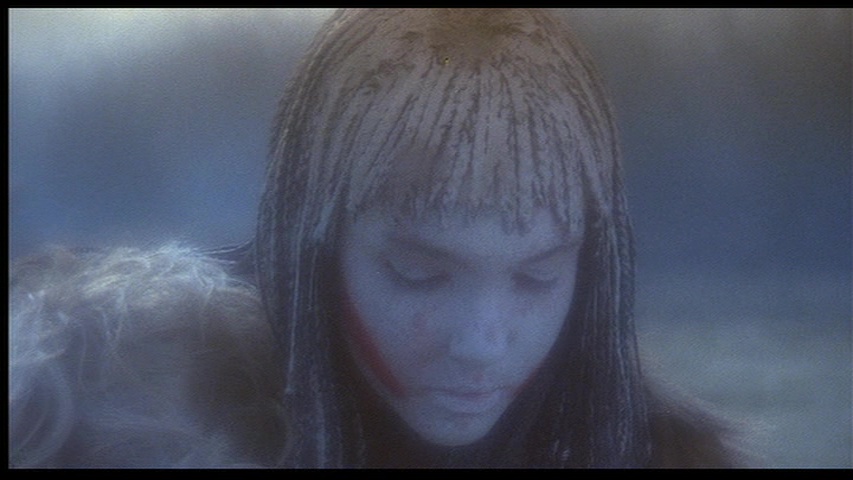
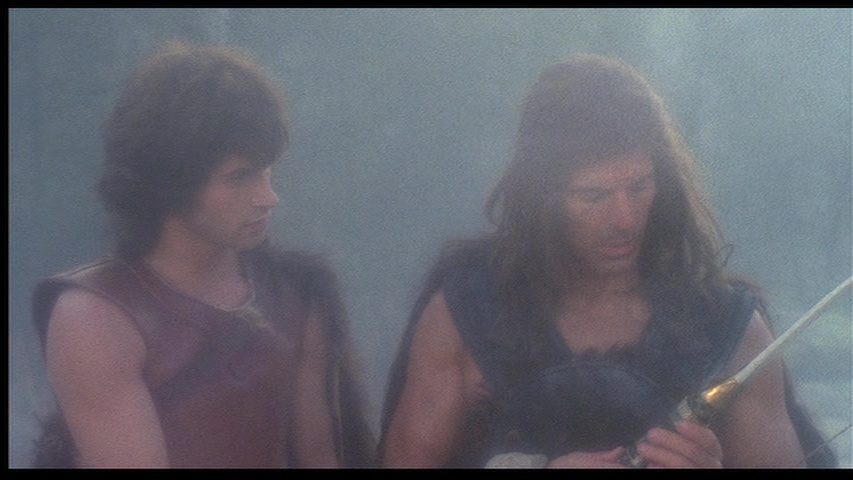
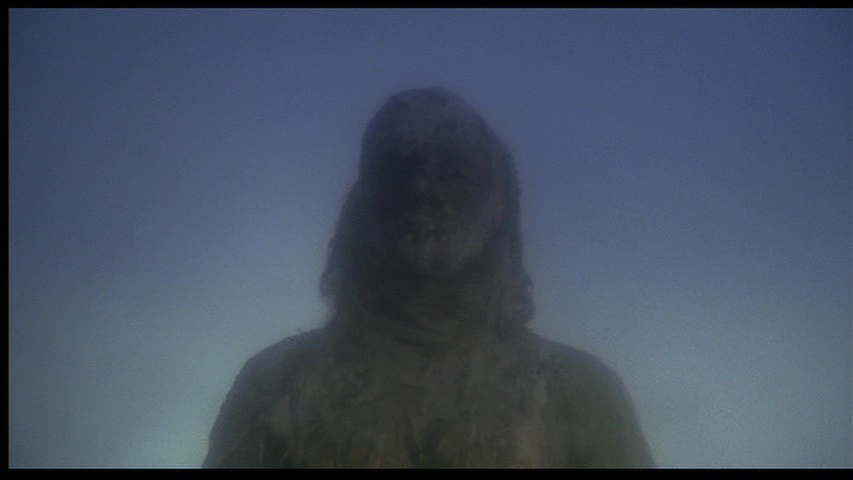
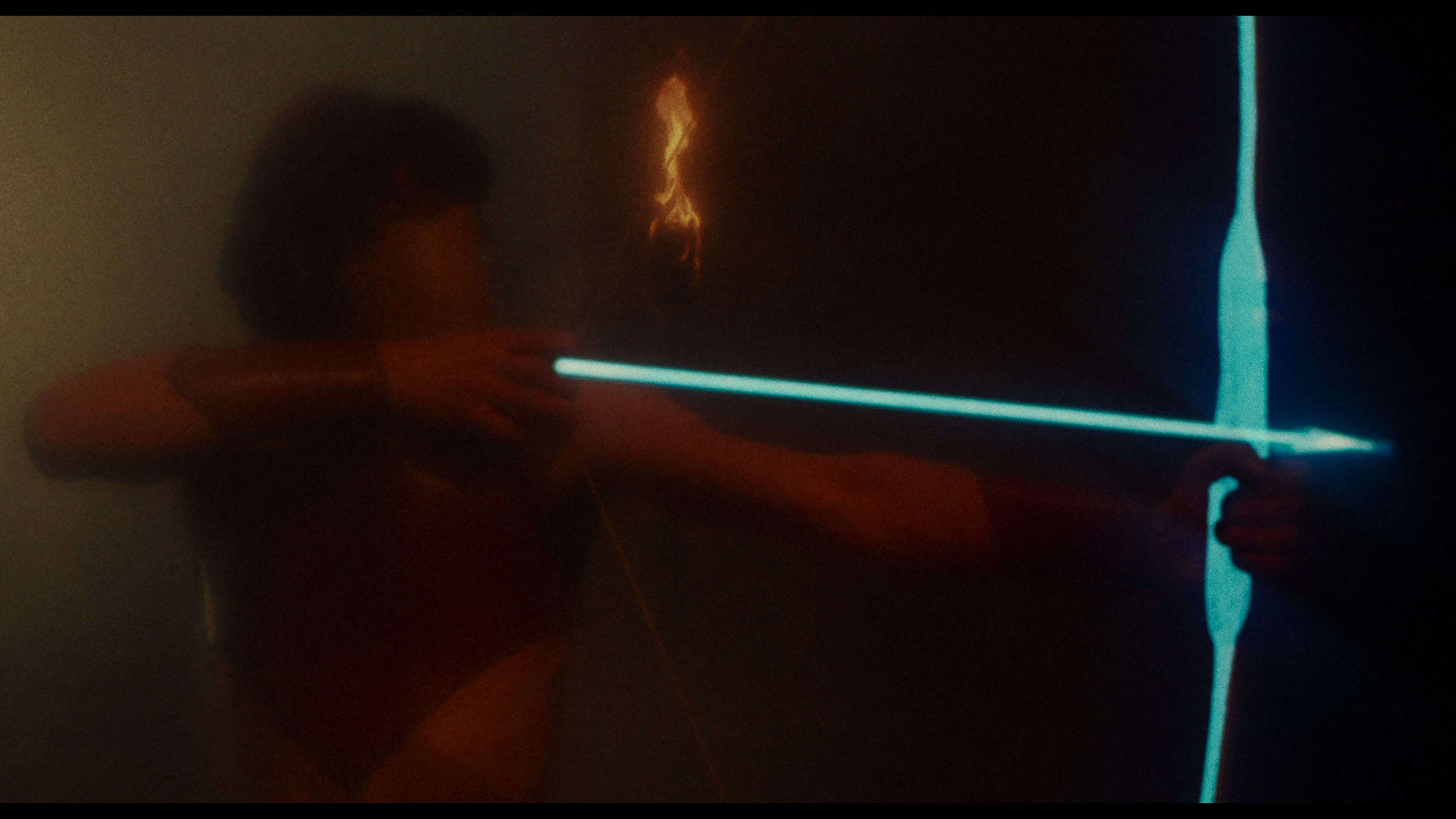
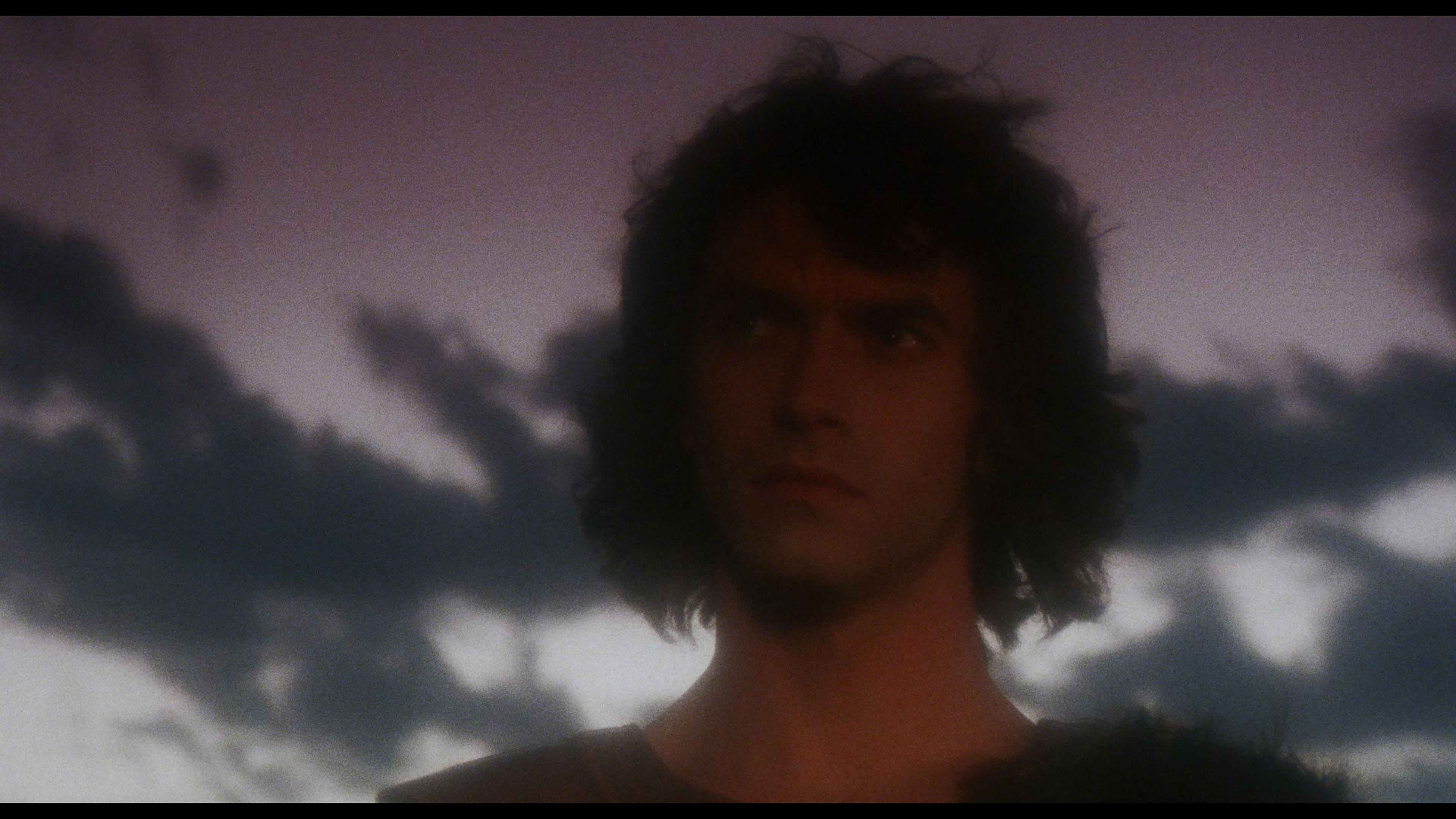
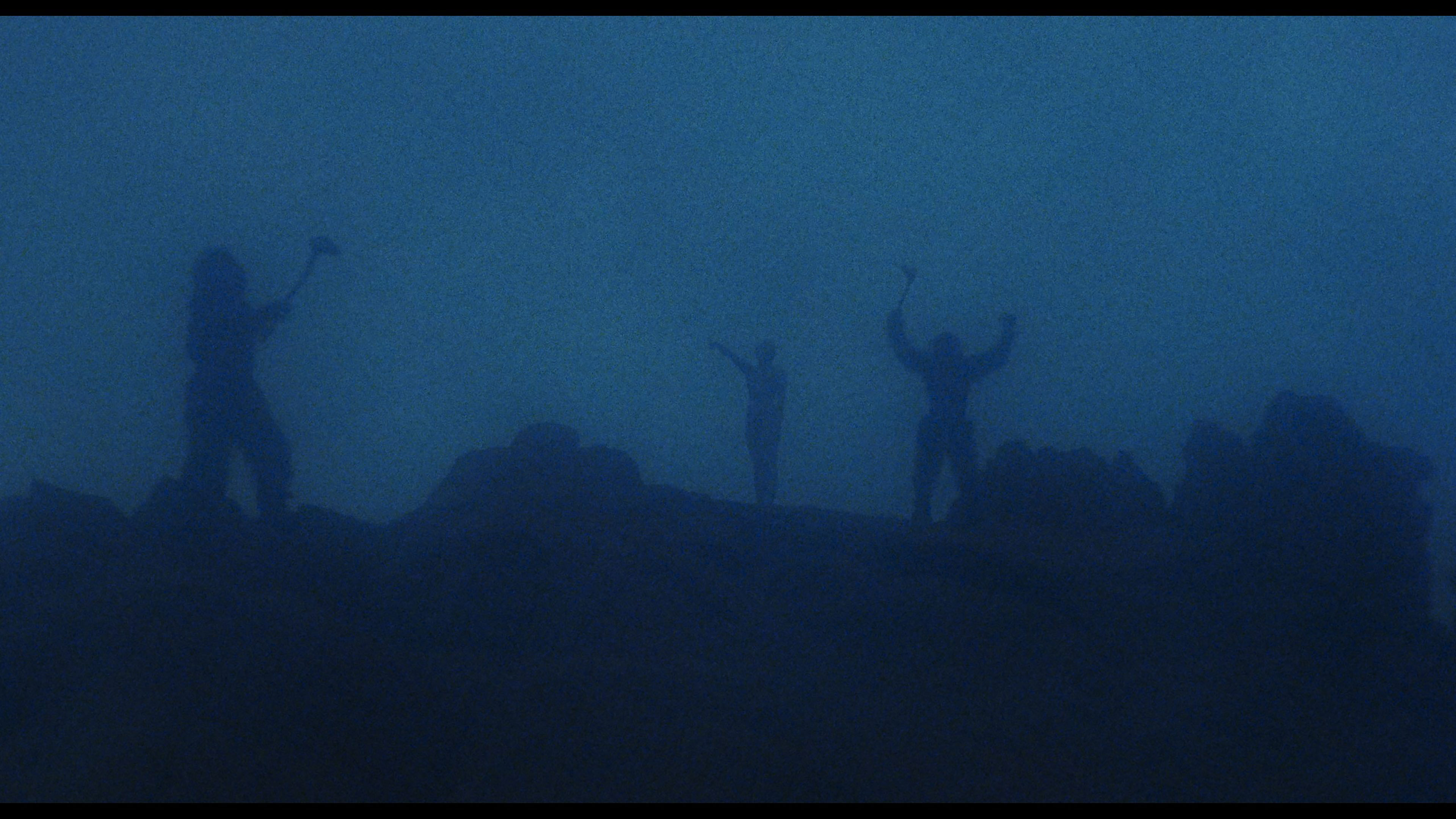
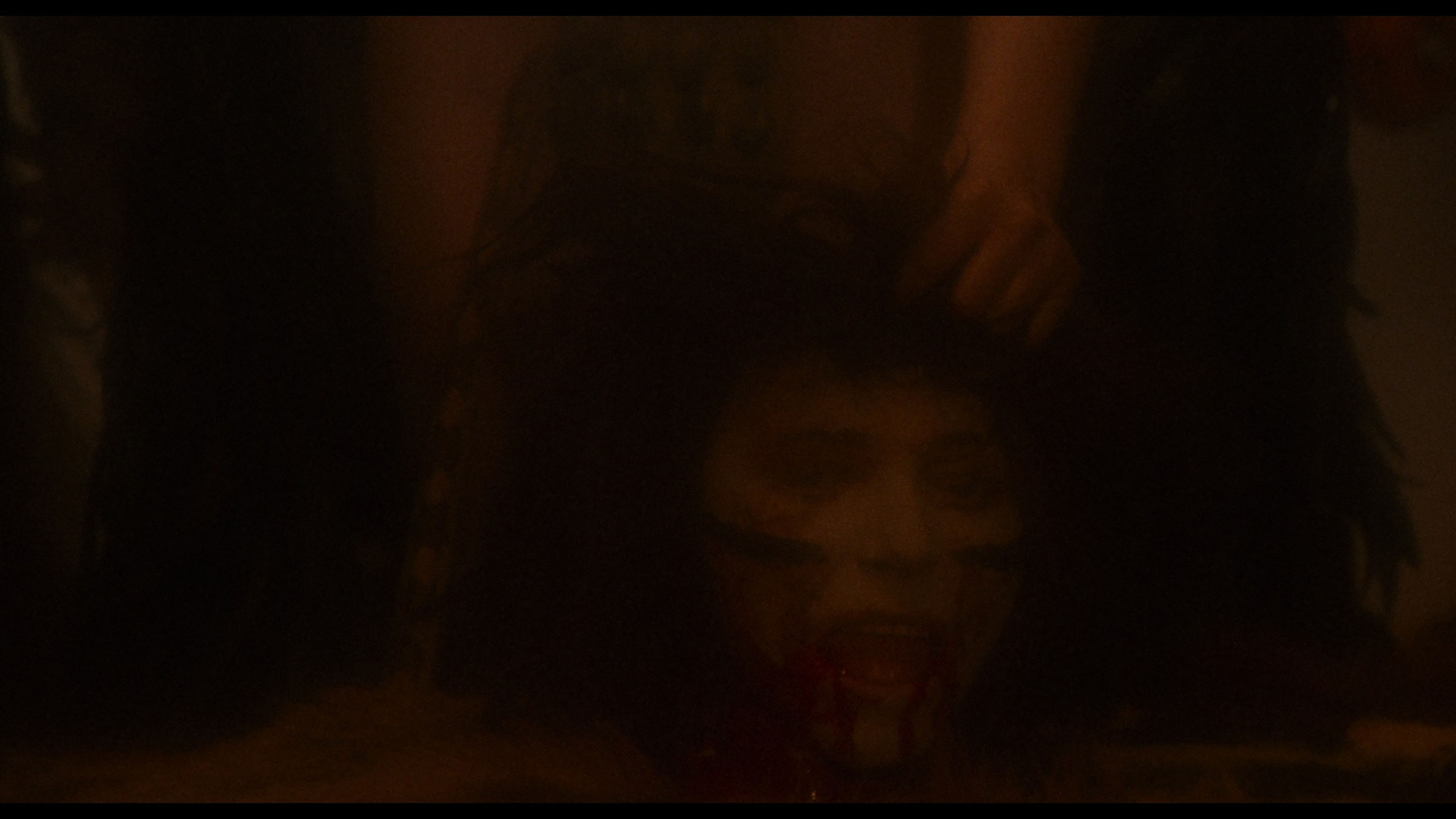
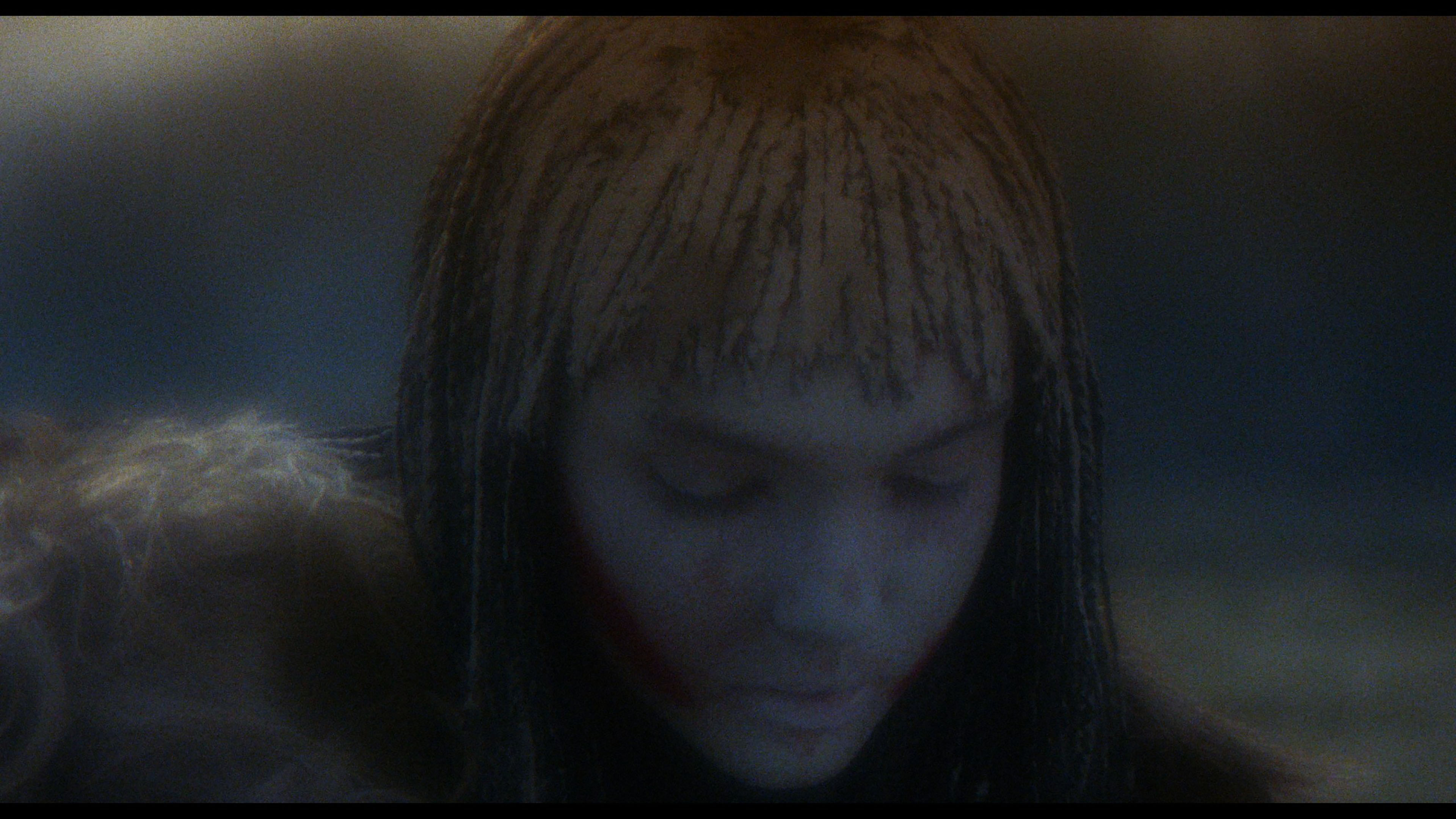
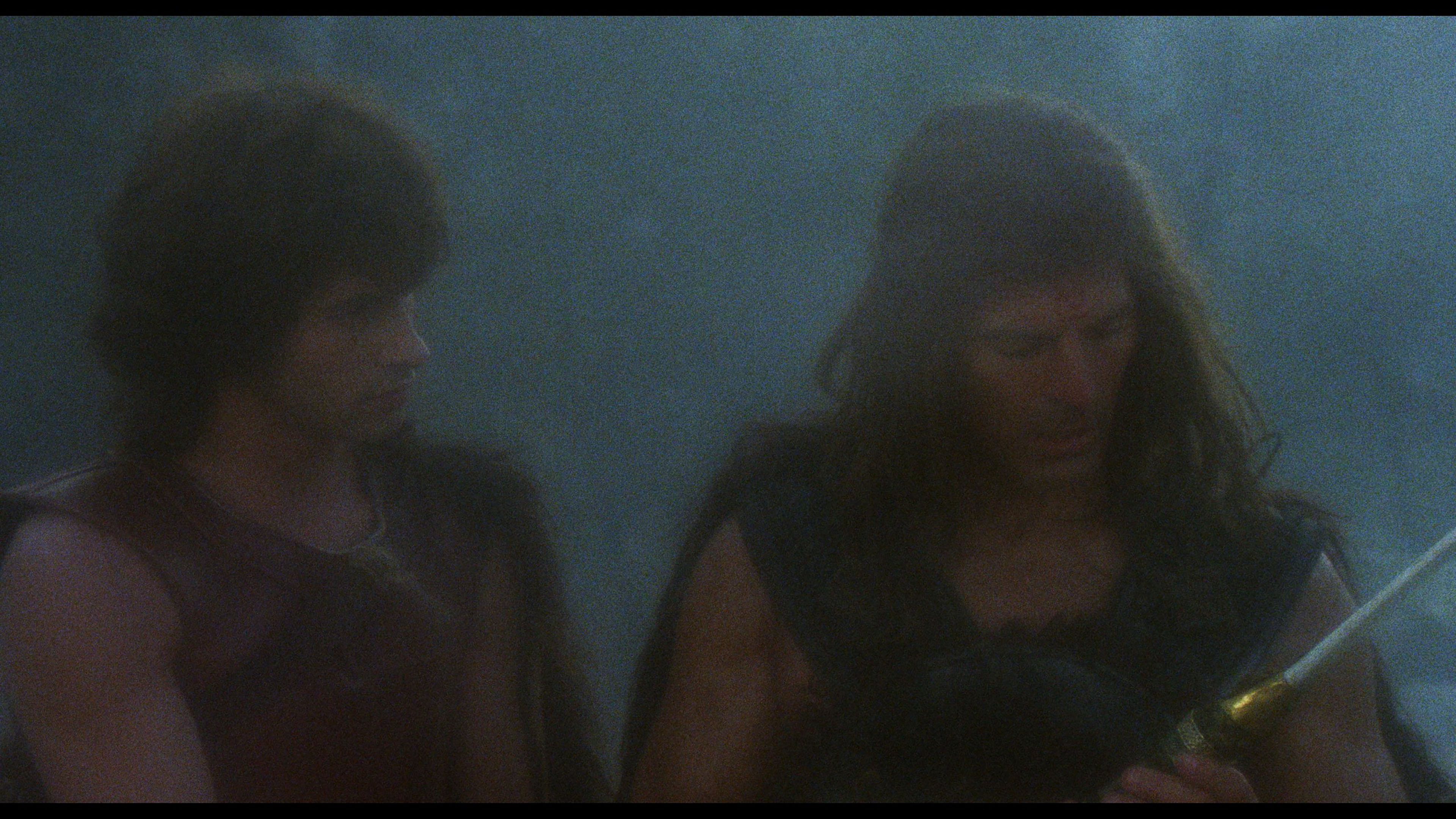
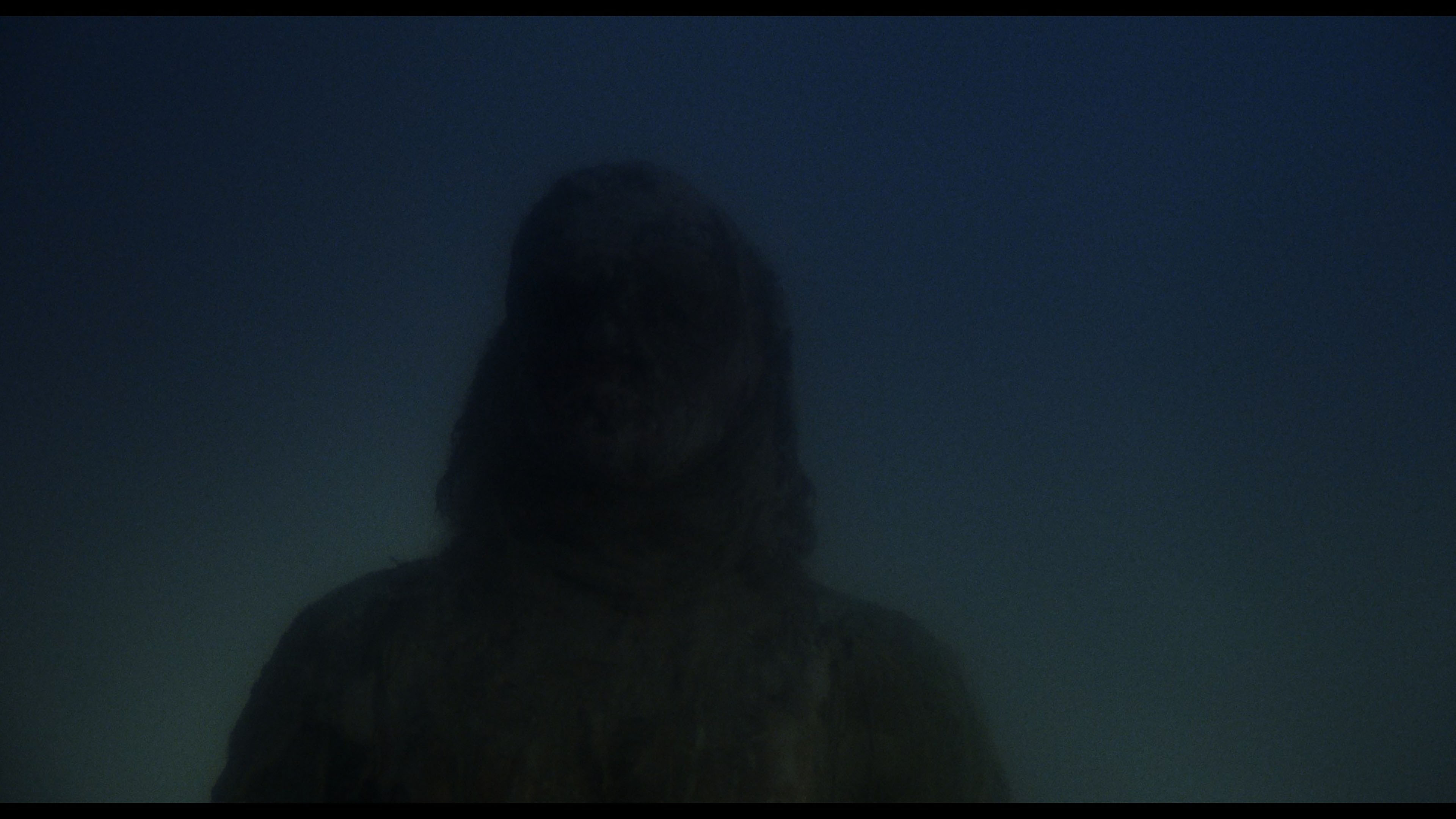
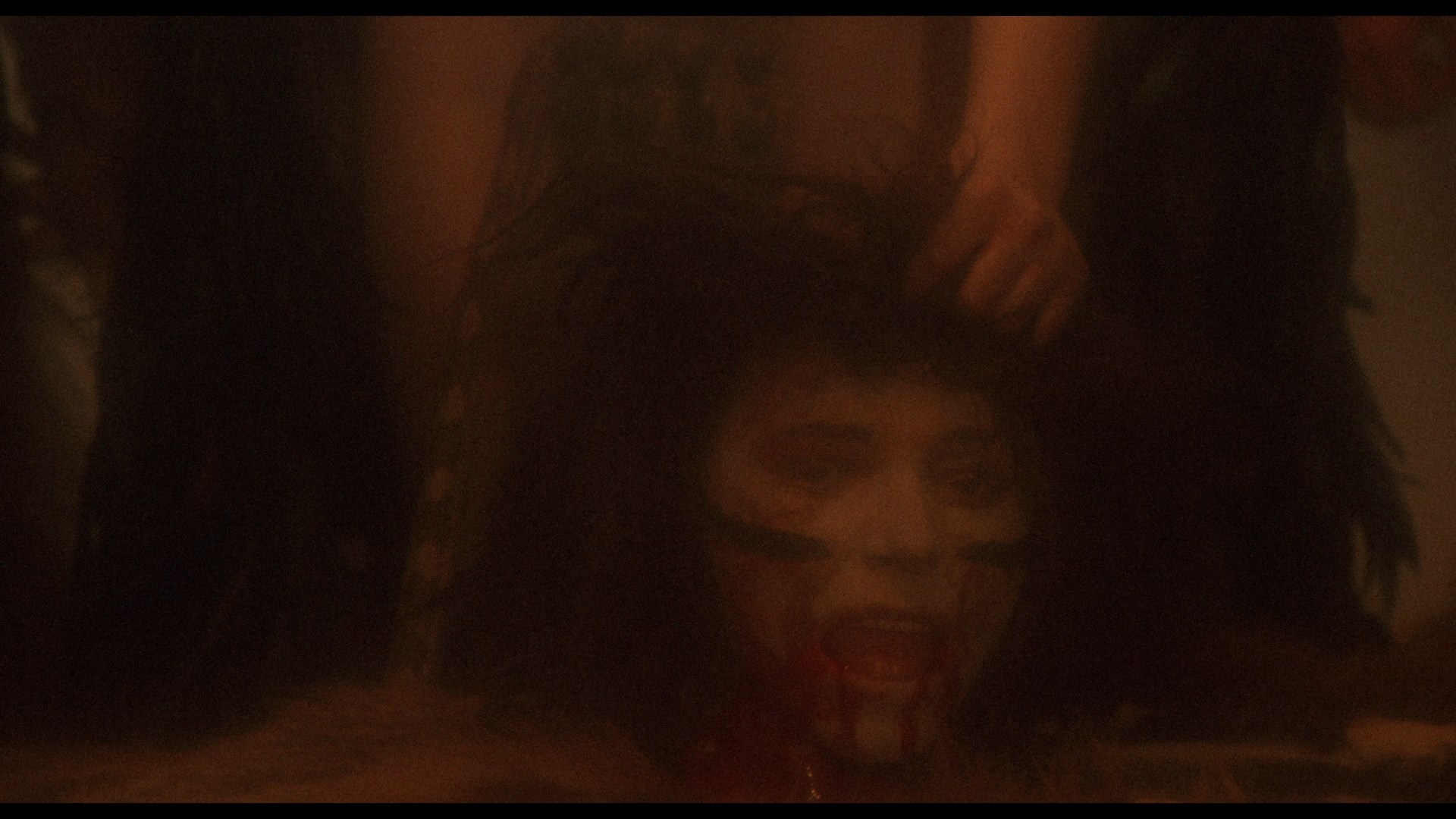
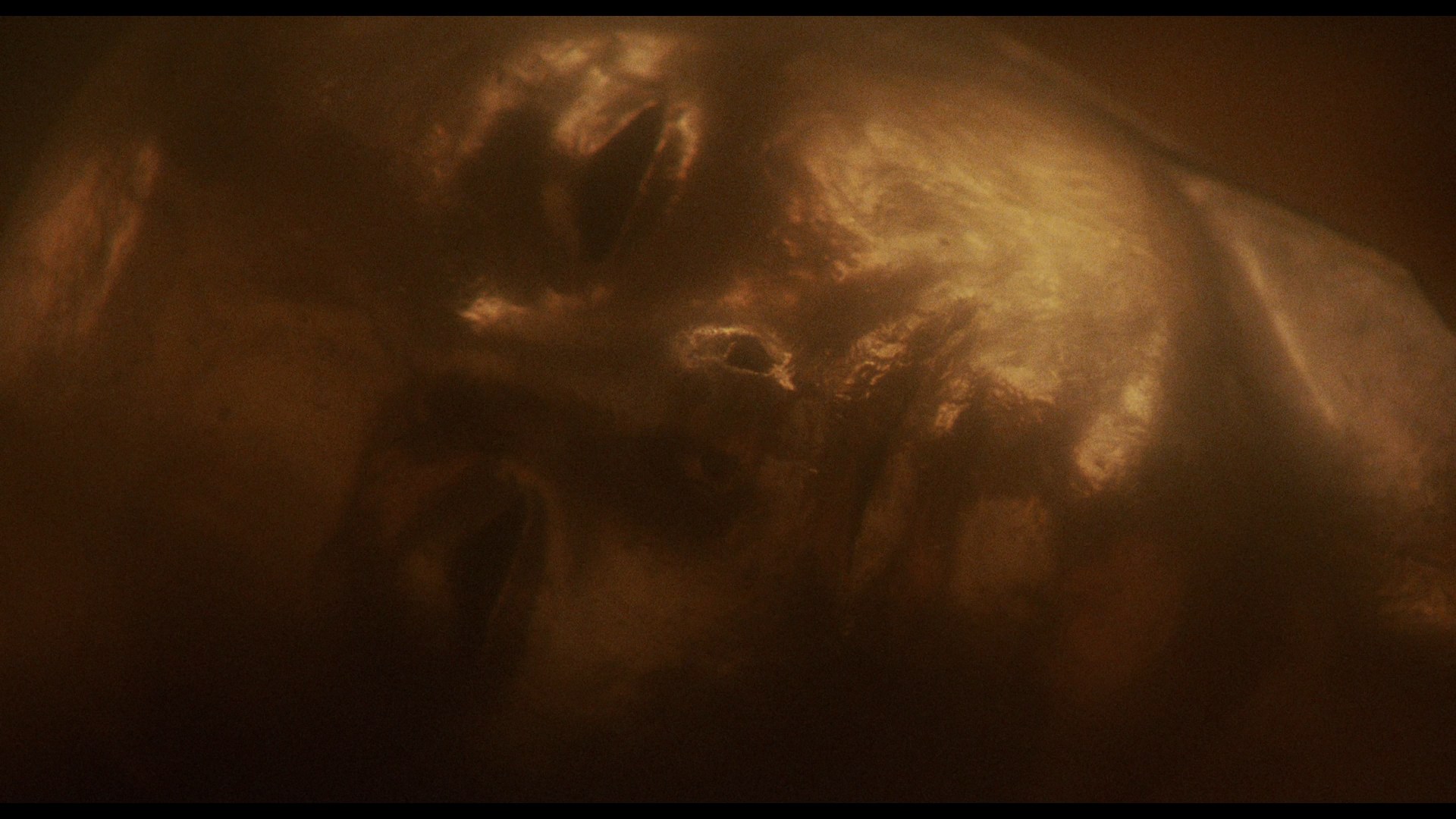
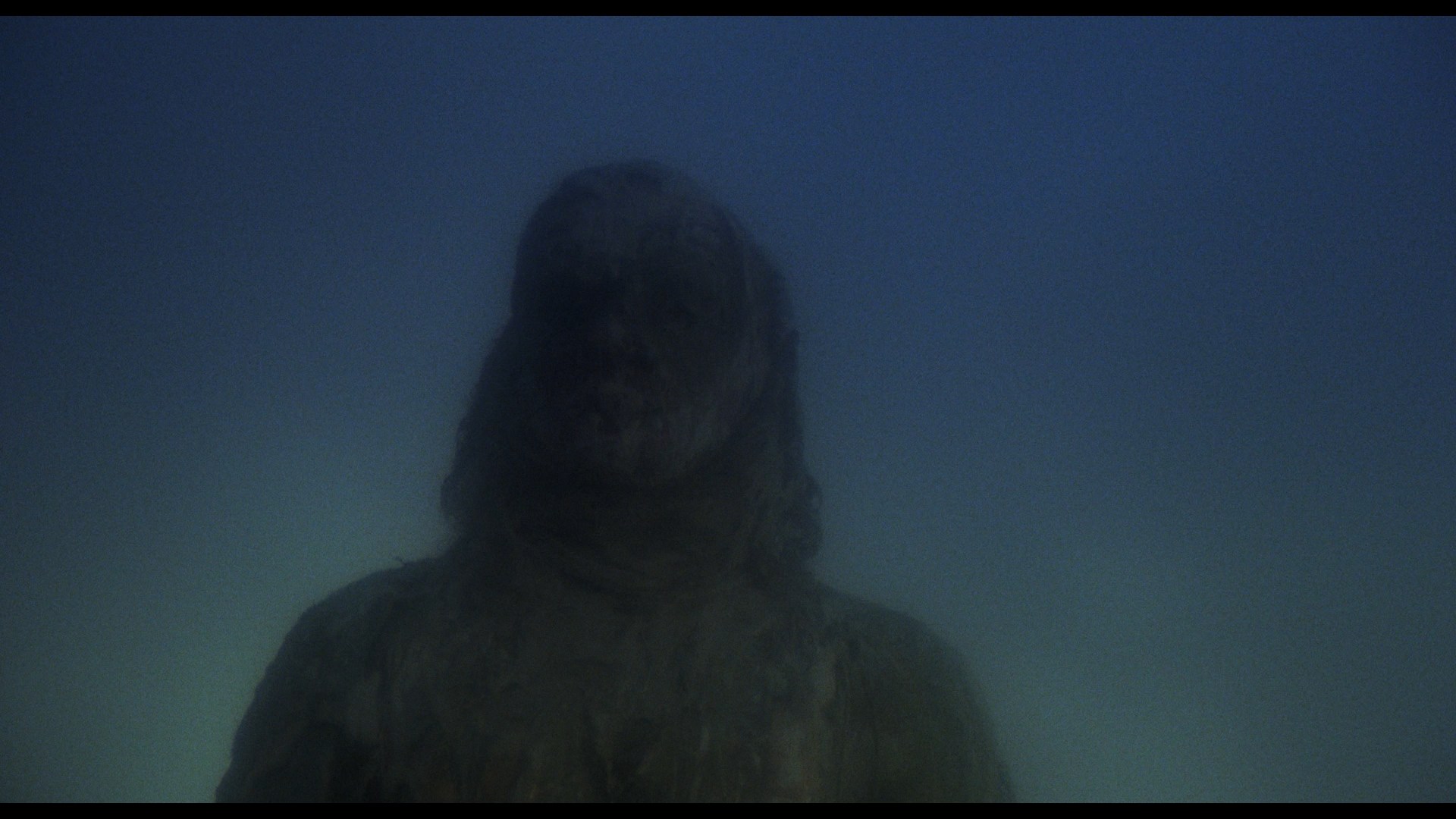
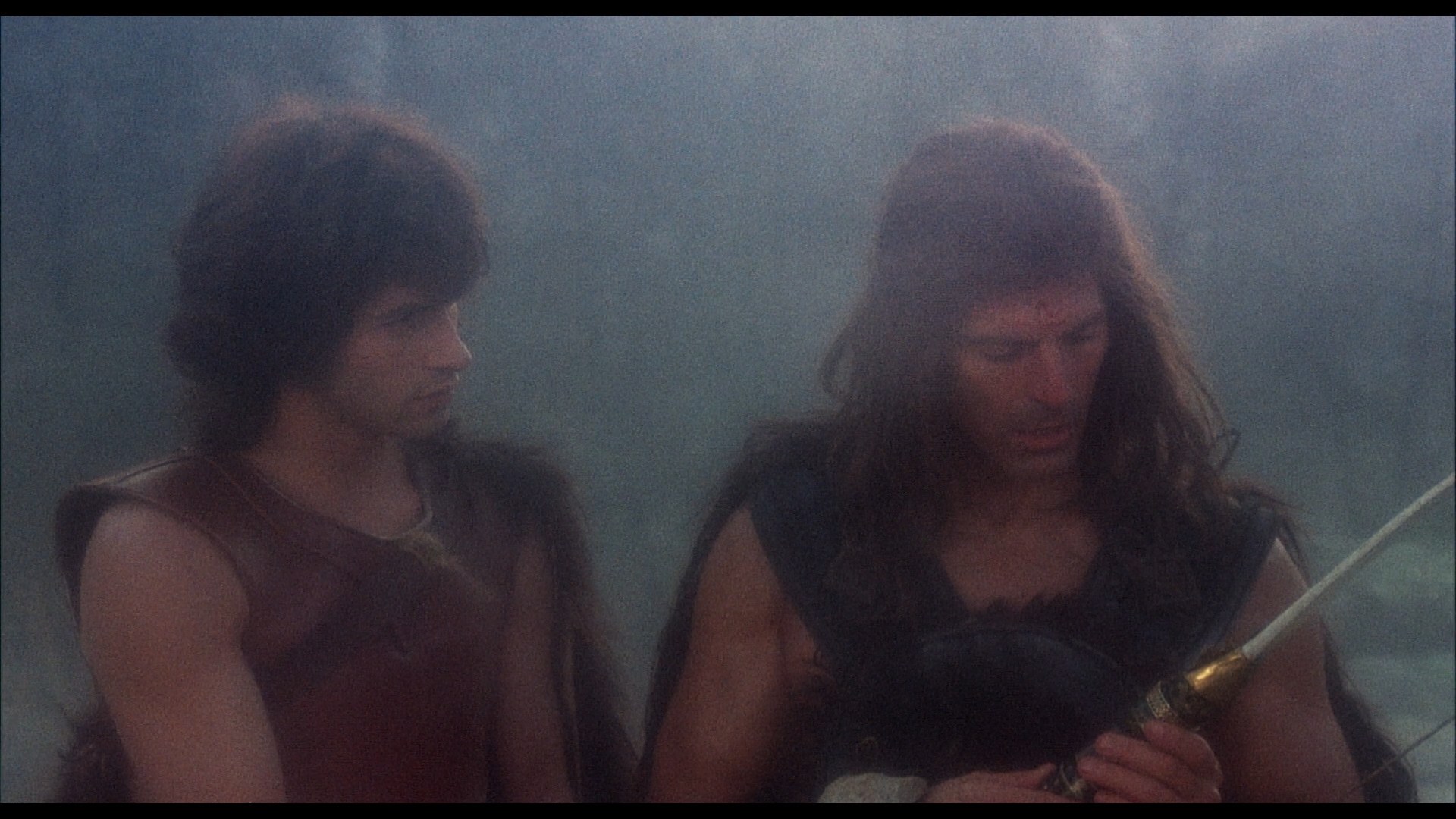
 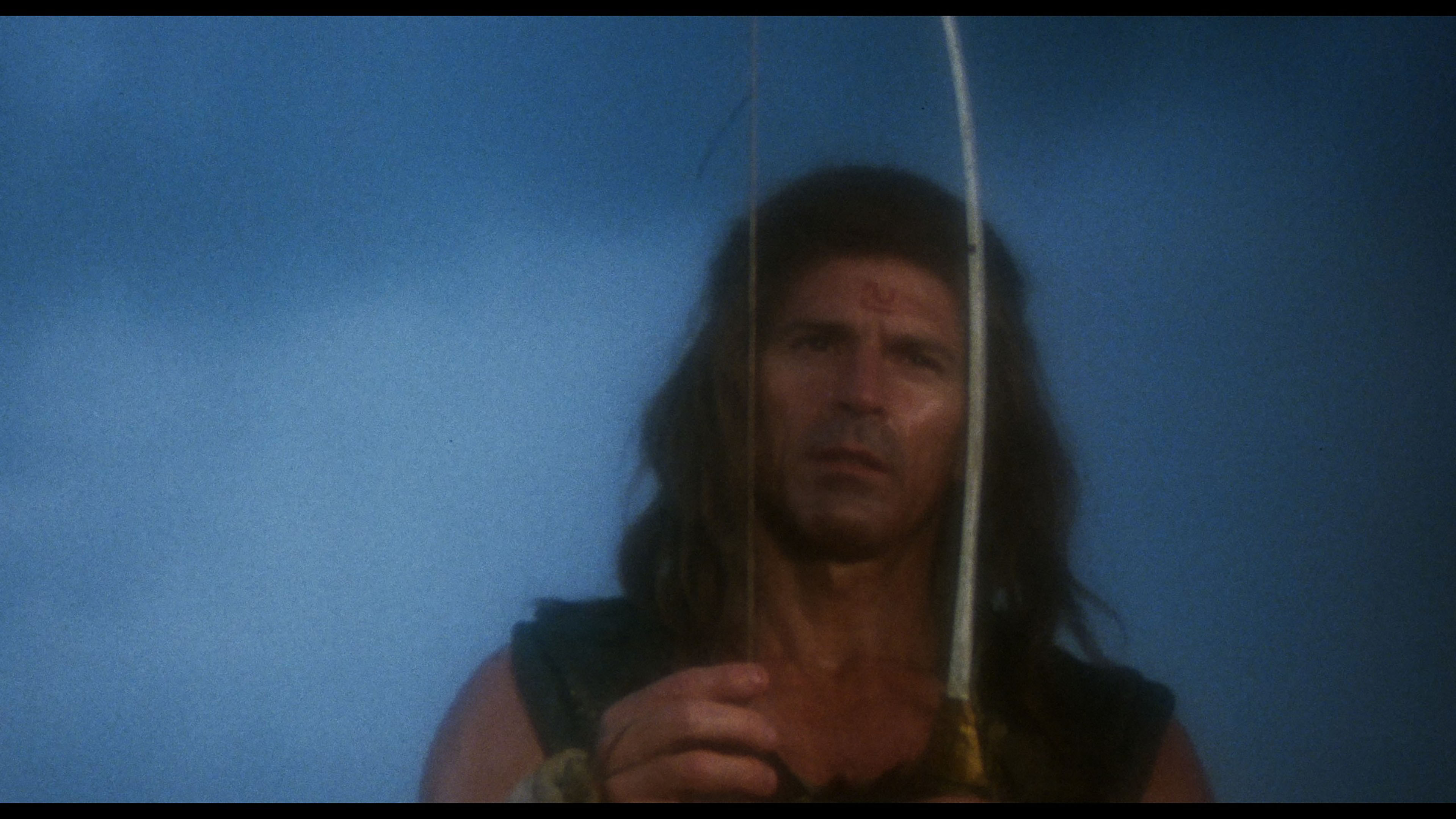 thing Conquest is famous for it, it's the aesthetic Fulci and cinematographer Alejandro Ulloa adopted for the famously difficult production. Filters, fog, dark lighting, and other tactics were taken to give it a hazy, dreamlike feel, accentuated by a spacey,
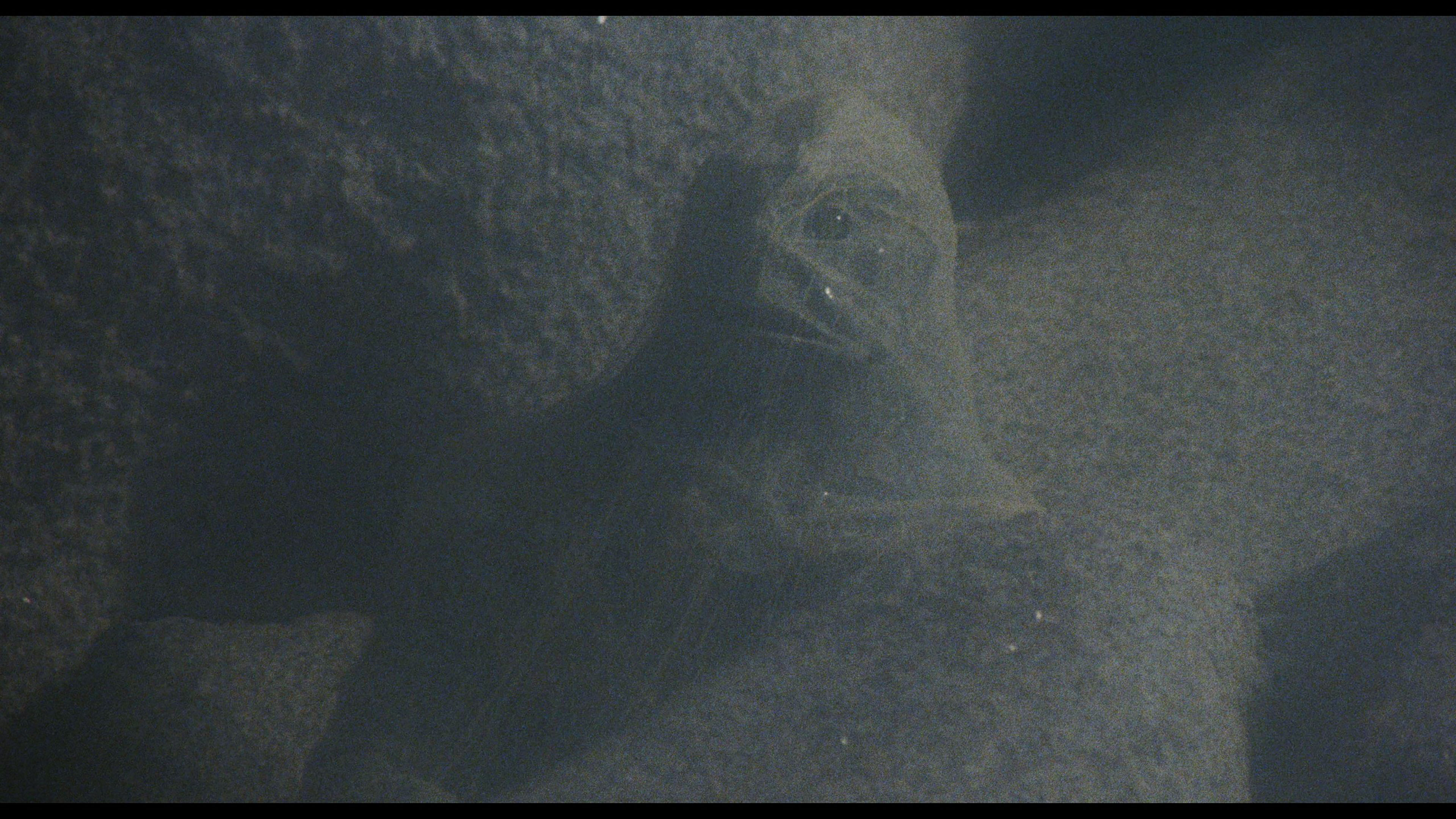
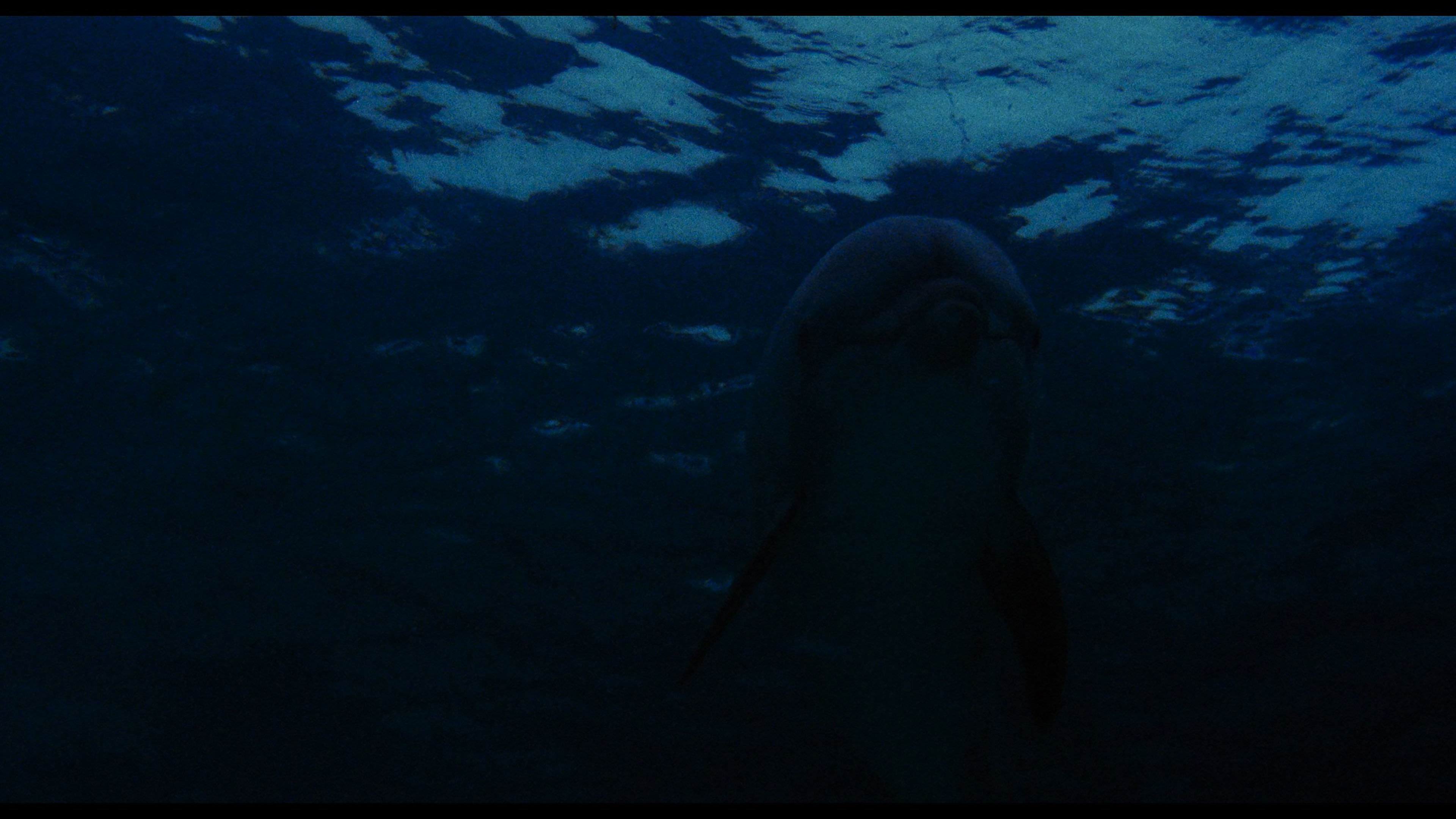
  new-agey electronic score by Claudio Simonetti at the beginning of his solo career around the same time as The New Barbarians. There's barely any traditional plot holding things together here as our two heroes wander through a mythical landscape of furry monster outfits and sights like rescue dolphins, a wishbone disembowelment (cut from initial U.S. releases), bad wigs, and the naked Siani covered in a boa constrictor. Rivero and Occhipinti don't get much of an opportunity to act here, instead proclaiming their lines as solemnly as possible and staring off in the distance. It's a truly unique film for Fulci, one that fanzine writers had a hard time wrapping their heads around back in the '80s and '90s when everyone was shouting the praises of The Beyond or Don't Torture a Duckling. Even Fulci himself dismissed the project later due to the unpleasant experience he had on the set, though of course that would pale in comparison to what awaited him soon with Zombi 3.
  interview with Jorge Rivero (23m8s) and a bizarre hidden
 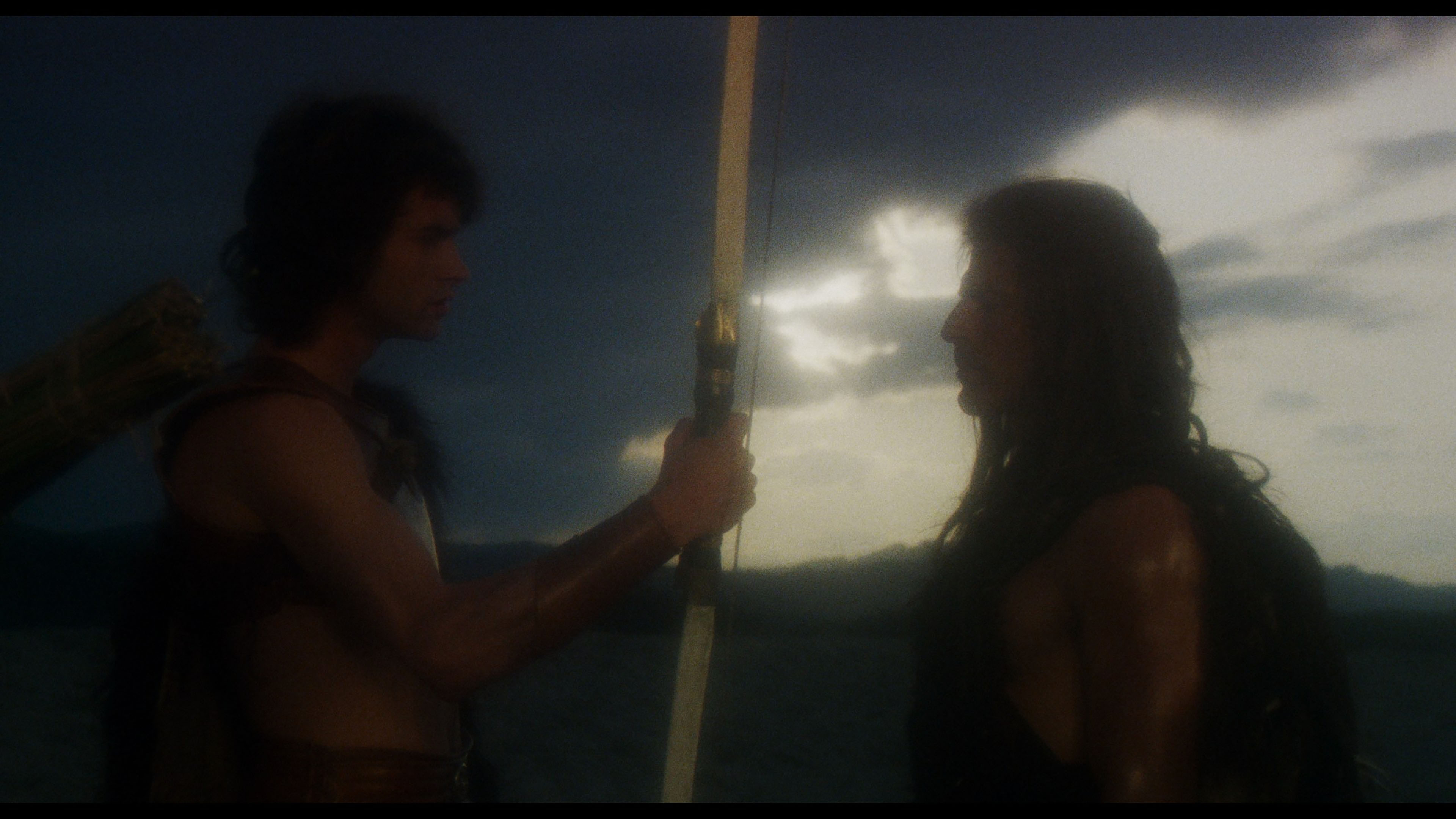 extra chat (8m39s) with him and the label's Banana Man, and the U.S. trailer. Image quality was a step up from the DVD with much better black levels than the rather pale, lifeless contrast seen before.
 the nature of Italian crossover productions with other countries, and much more.
  Outlaw" (10m43s) is a new chat with Rivero about his positive working relationship with Fulci, the similarities between Spanish and Italian that made communication possible, the off-season shooting in Sardinia, and his admiration for the filmmaker's creativity. In "A Catalan Wolfman in Sardinia" (33m15s), actor José Gras looks back at his experiences working with Italian crews on this and Hell of the Living Dead, the challenges of acting when you're completely covered in fur, Fulci's hard work ethic, and the wolfmen actors not bonding much with the stars. Then in "Post-Goblin Conquests" (23m56s), Simonetti covers the importance of Goblin's work, the dissolution of the original lineup in 1978, his move into Italian dance music which segued into Tenebrae, the advances in soundtrack technology, the importance of film editors, and his work on this film exclusively with the producers without exchanging a word with Fulci. "Cavemen Talk" (18m21s) with writer Gino Capone goes into his upbringing on Italian comedies, his entry in theater, the unique nature of writing this script without too many words, and working with noted directors like Ruggero Deodato and Fulci, including the overhauls his scripts underwent on some occasions. "More Than Just a Name" (23m12s) features cinematographer Paco Marin Andreu talking about Jose Antonio De La Loma, the original writer of this film and intended initial director whose teaching and career had a significant impact on the Spanish arts.
 this film slots in with the fantasy boom of the era against
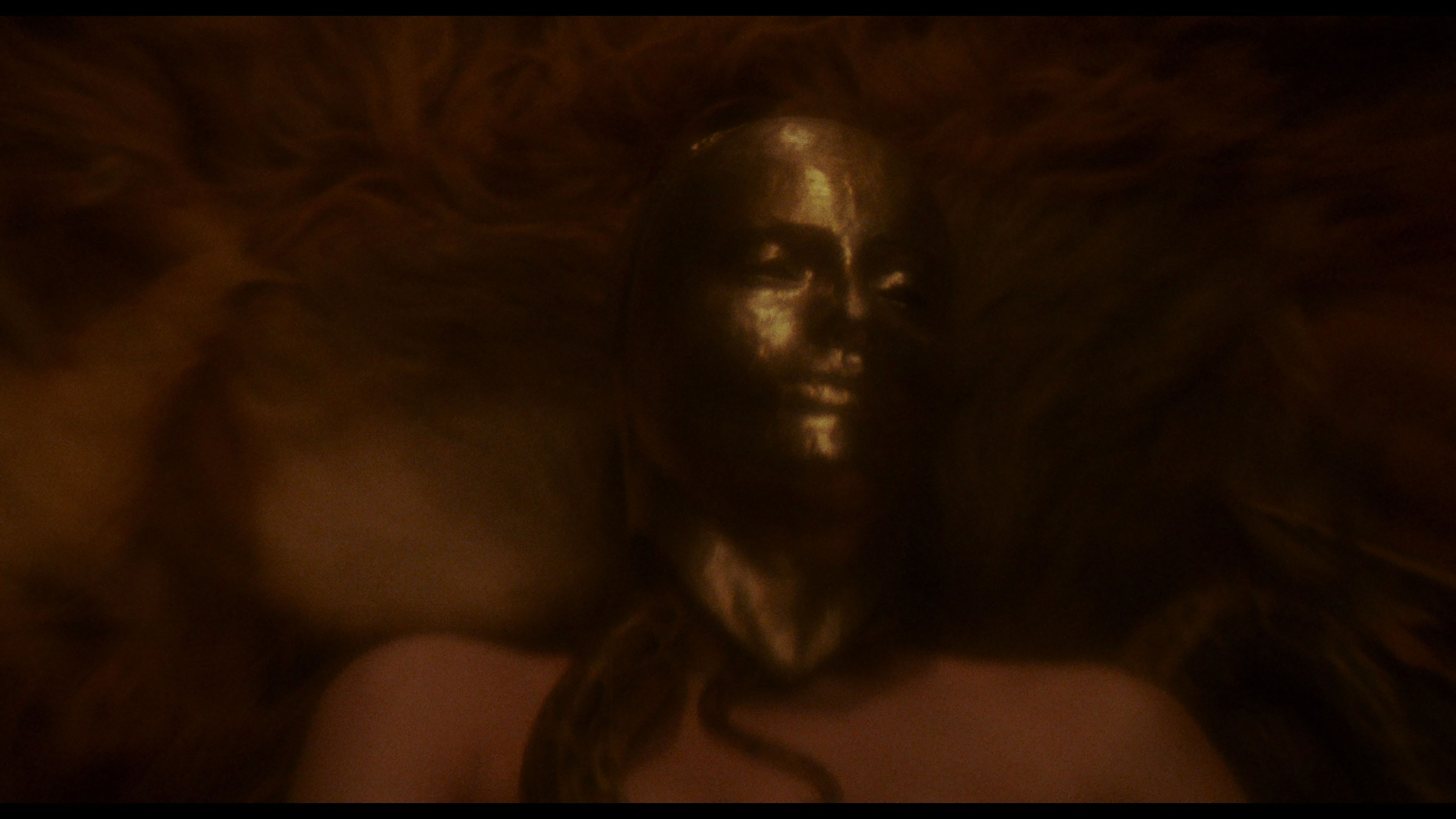
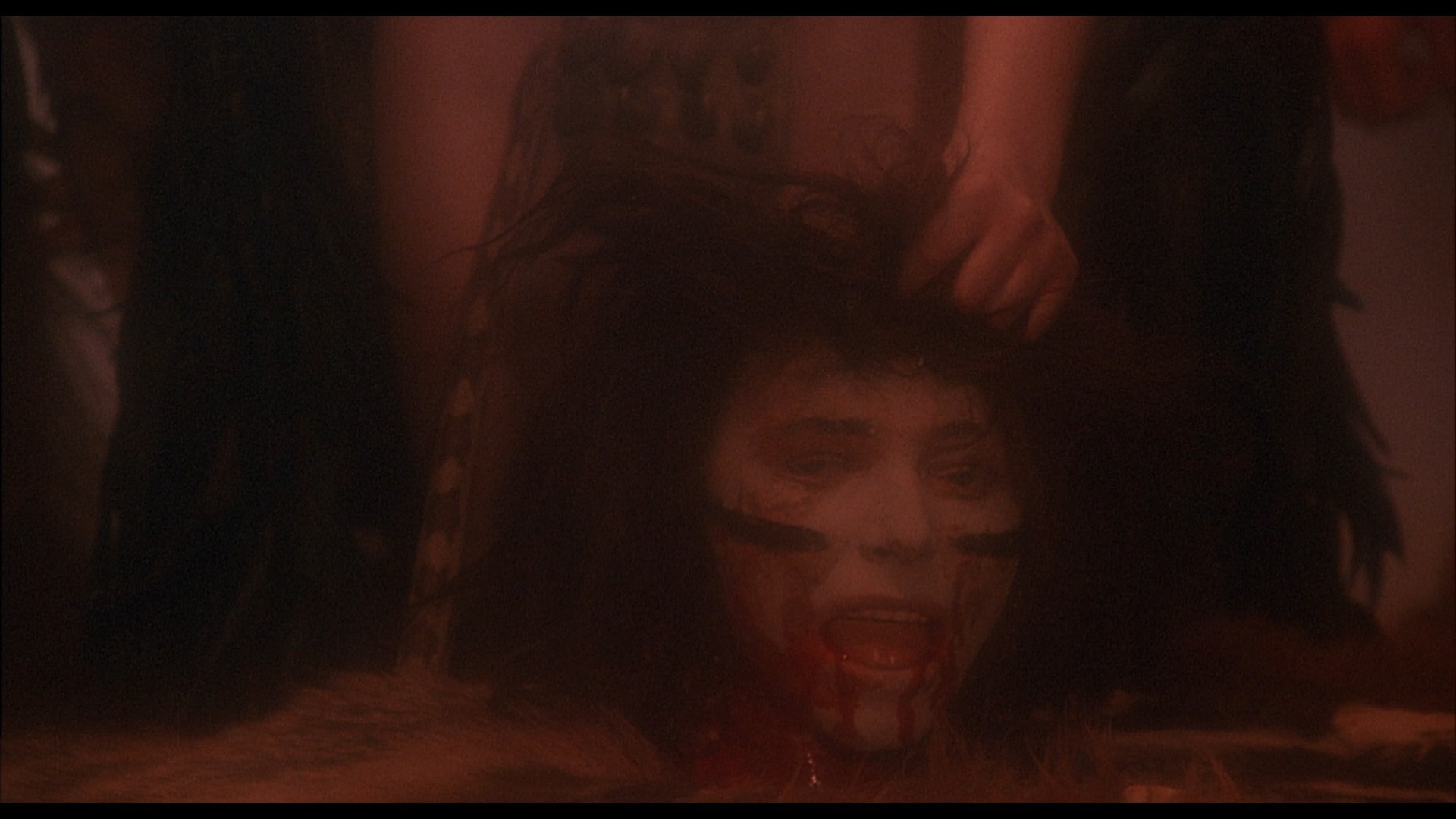
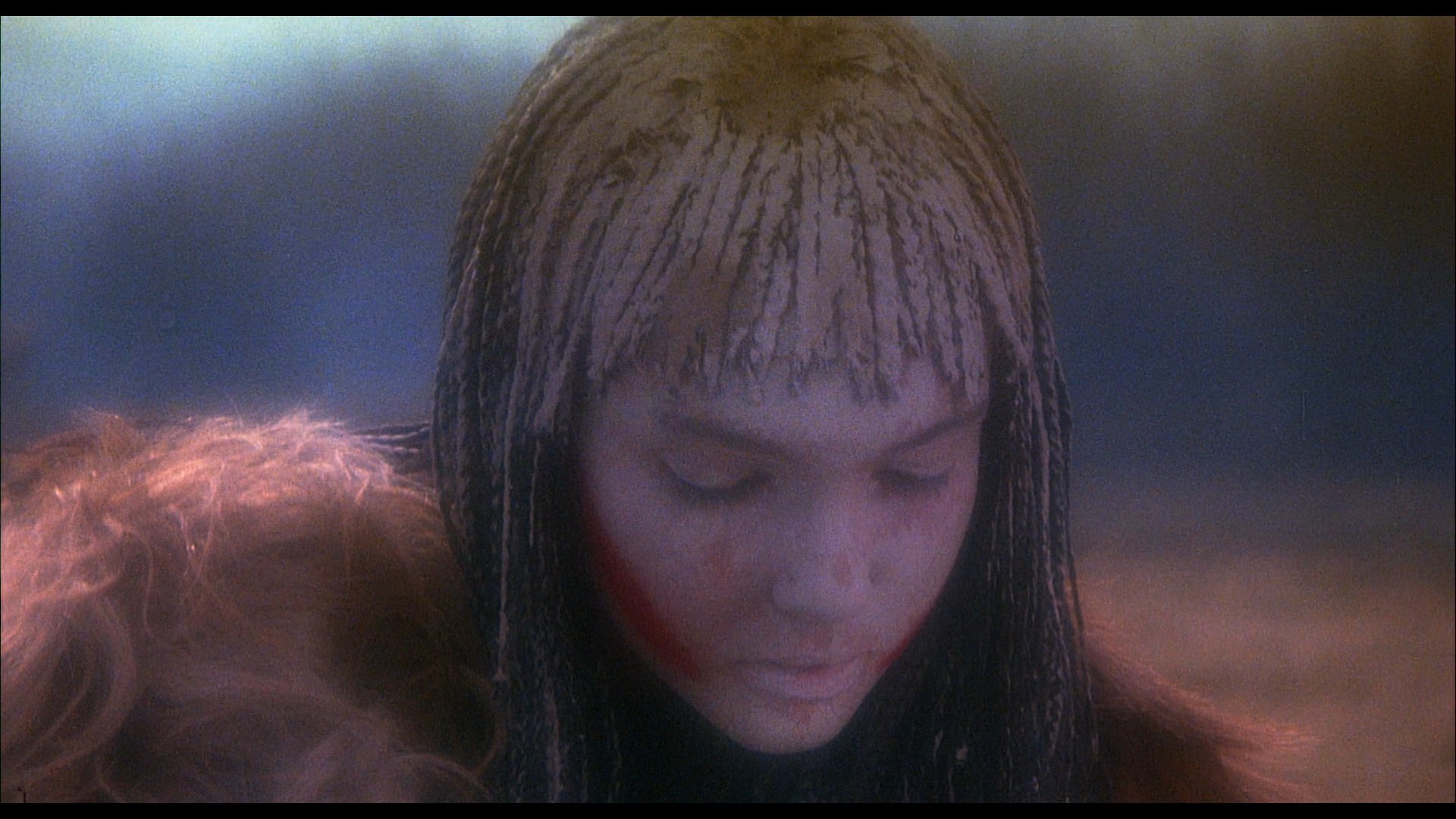
  Hollywood films like Excalibur, Clash of the Titans, and Dragonslayer with Fulci doing this as part of a two-picture deal that was never completed. Then in "Conquering Occhipinti" (12m55s), Pier Maria Bocchi looks at the Italian actor-turned-producer's refusal to look back at and discuss his work, his wild and busy output over his fairly brief acting career (which also included A Blade in the Dark, Bolero, and Miranda among others), in line with other reluctant figures like Edwige Fenech (or Mimsy Farmer, Laura Gemser, etc.). In "Fulci Beyond Conquest 1983-1988" (29m15s), Mike Foster covers the post-De Angelis Fulci output in the '80s which essentially continued the little side projects he had thrown in earlier like Contraband or The Black Cat while his health became an insurmountable challenge with Sodoma's Ghost and Touch of Death far removed from where we started. Then you get the Conquest-inspired short film Serurta (42m55s) with a 10-minute intro by creators Merlyn Roberts and Steven Lyonsonquest; this is essentially a remix of Fulci's film with a fur-clad warrior stalked through the woods by a horde of decapitating, face-painted savages, before encountering a masked naked woman and indulging in some trippy pagan rituals. Also included are the U.S. trailer and the battered "grindhouse" version of it from the earlier Blu-ray. The limited edition slipcase release with art by Justin Coffee (plus a completely NSFW Johnny Ryan sticker sheet) also comes with a booklet featuring essays by Michael A. Martinez and Andrea Meroni assessing the film's positives, its appeal to initiated Fulci-ites, its odd place in the fantasy film canon, and the symbiotic relationship between Spain and Italy including the former's technical crews and locations.
Cauldron (UHD)
Cauldron (Blu-ray)
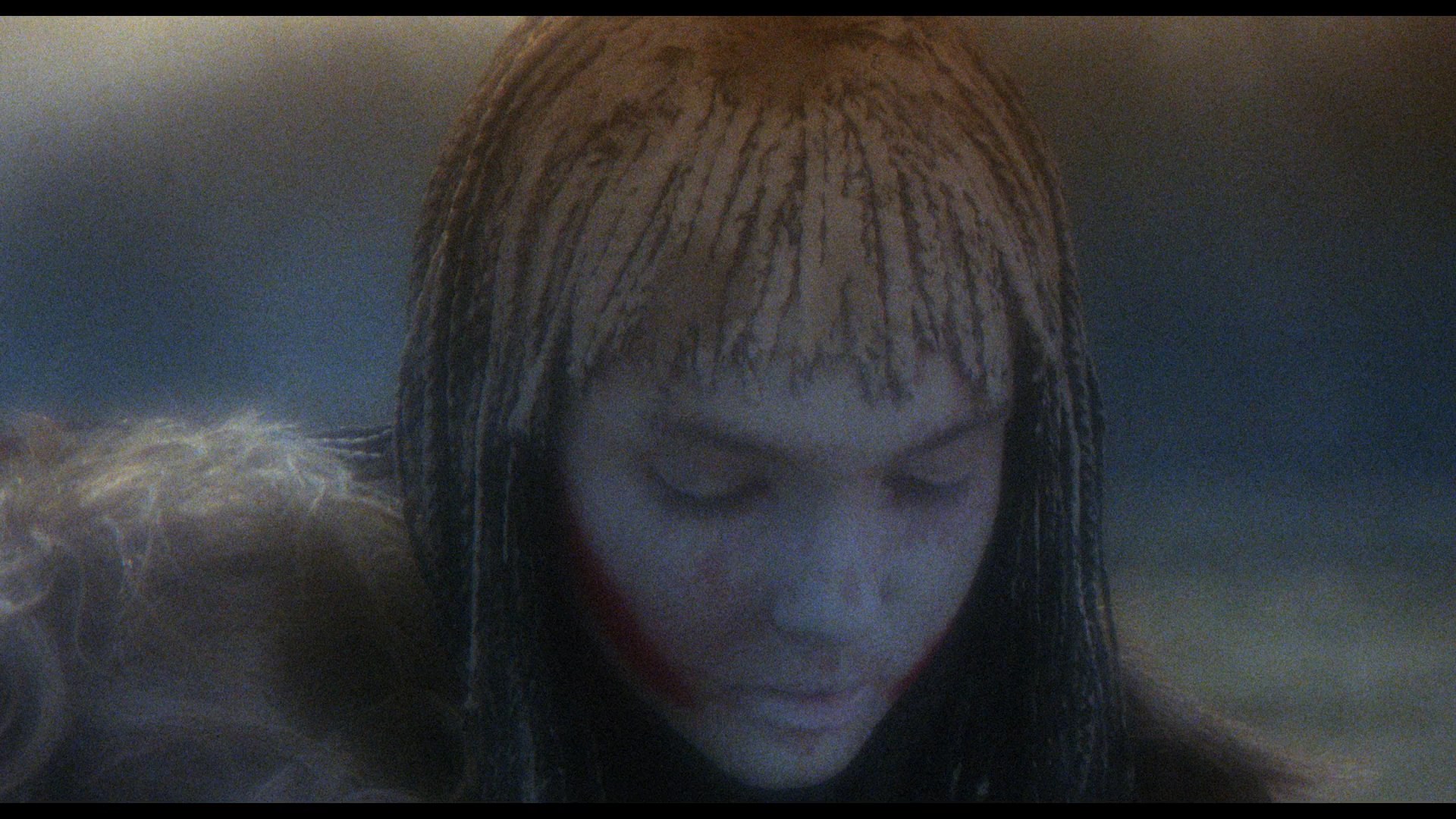
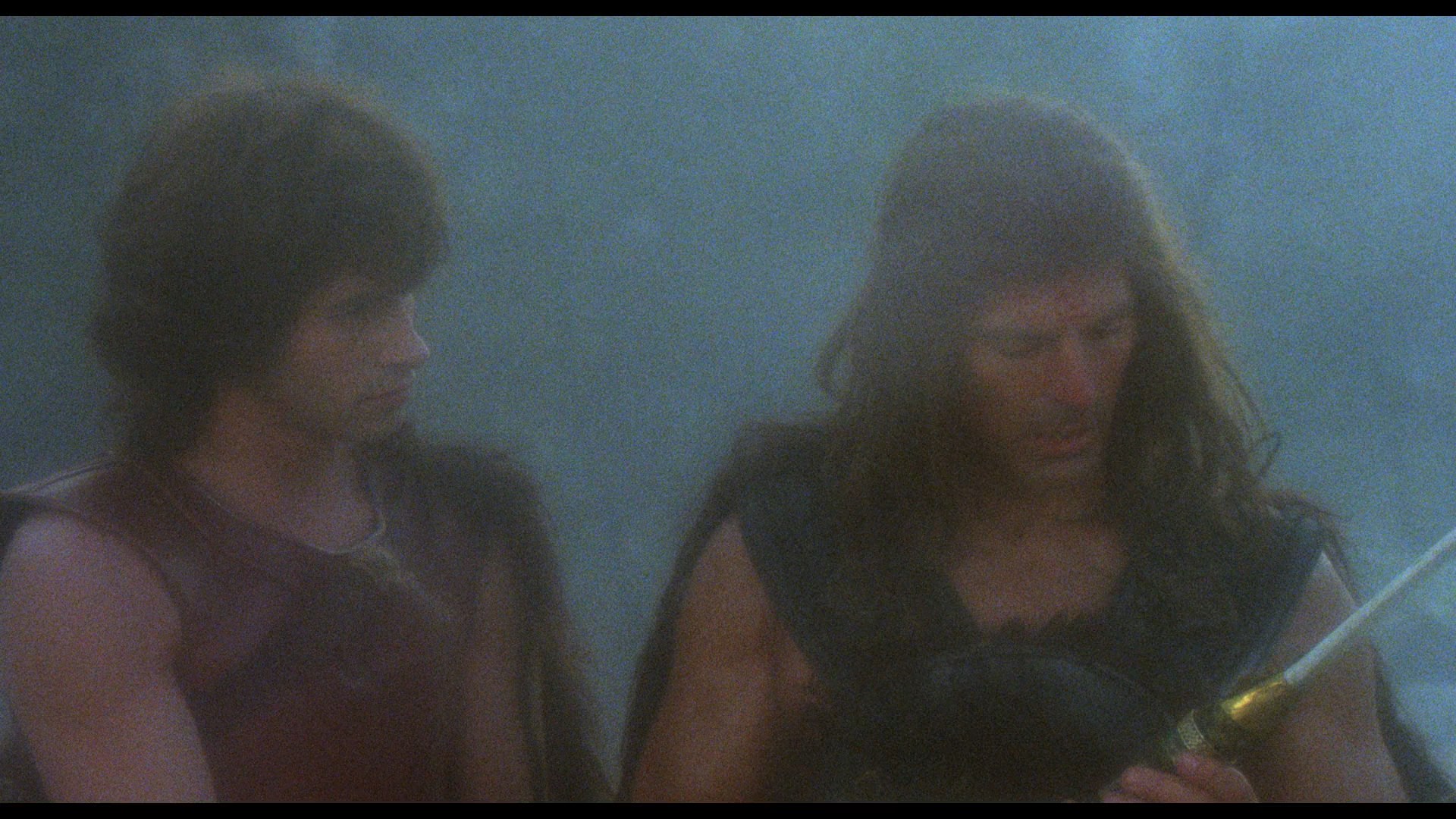
Code Red (Blu-ray)
Blue Underground (DVD)