Color, 1993, 101 mins. 2 secs. / 99 mins. 15 secs.
Directed by Uli Edel
Starring Madonna, Willem Dafoe, Anne Archer, Joe Mantegna, Julianne Moore, Stan Shaw, Jürgen Prochnow, Frank Langella
Vinegar Syndrome (UHD & Blu-ray) (US R0/RA 4K/HD), Shout! Factory (Blu-ray) (US RA HD), MGM (DVD) (World/ WS (1.85:1) (16:9)
If you ever wanted to hear 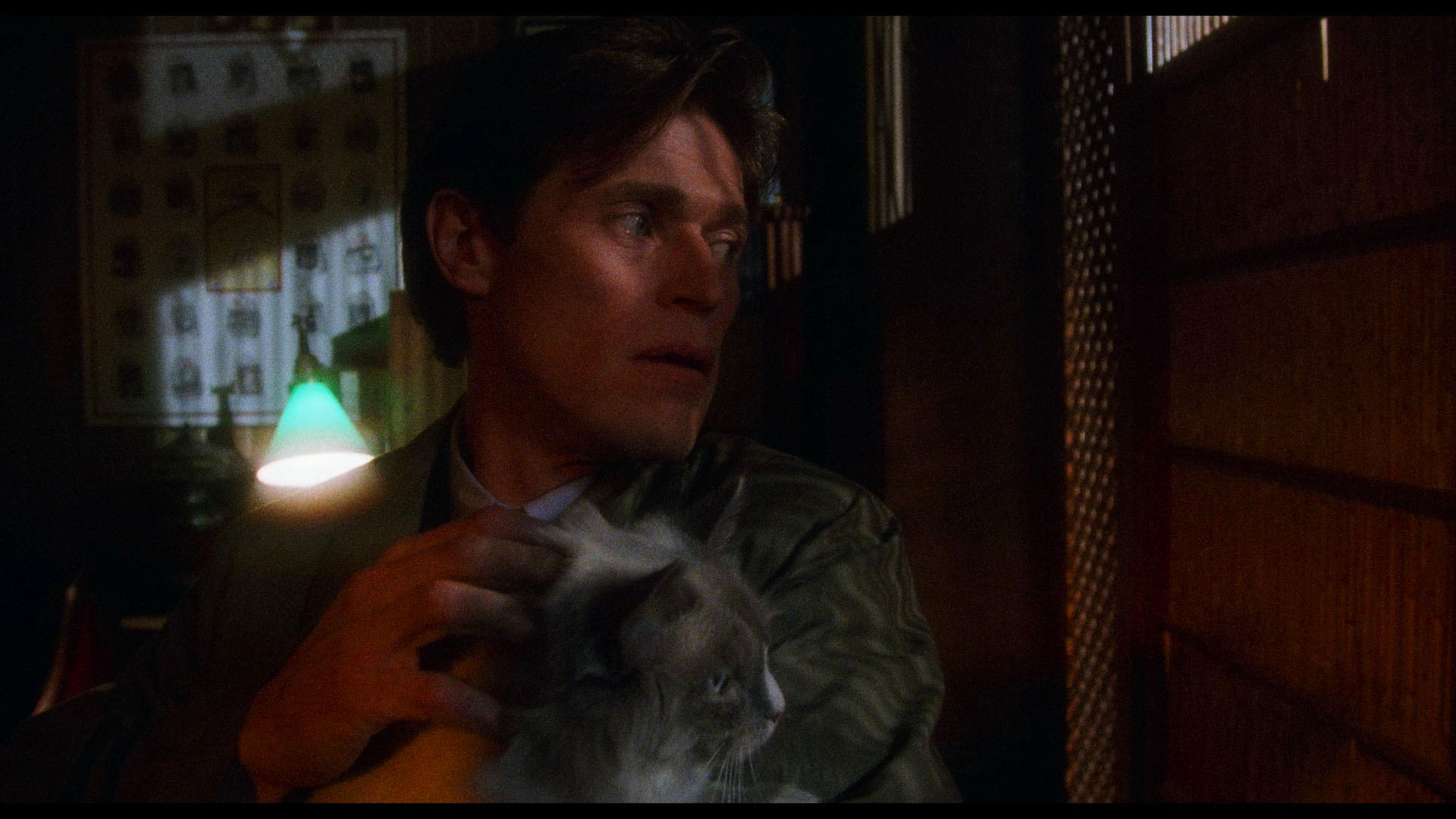 Anne Archer call Madonna a "cokehead slut," look no further than Body of Evidence, one of the most widely-publicized and
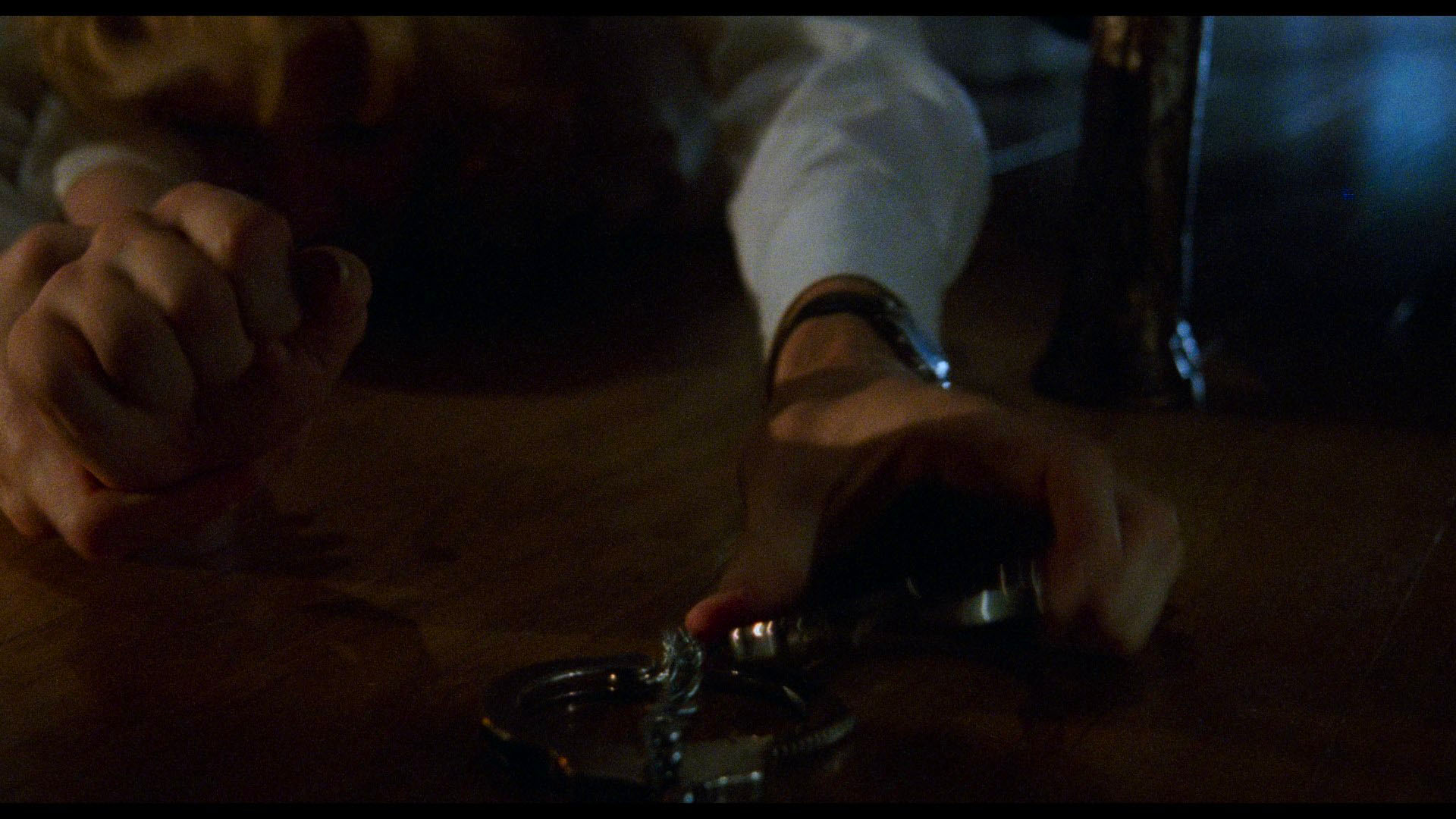
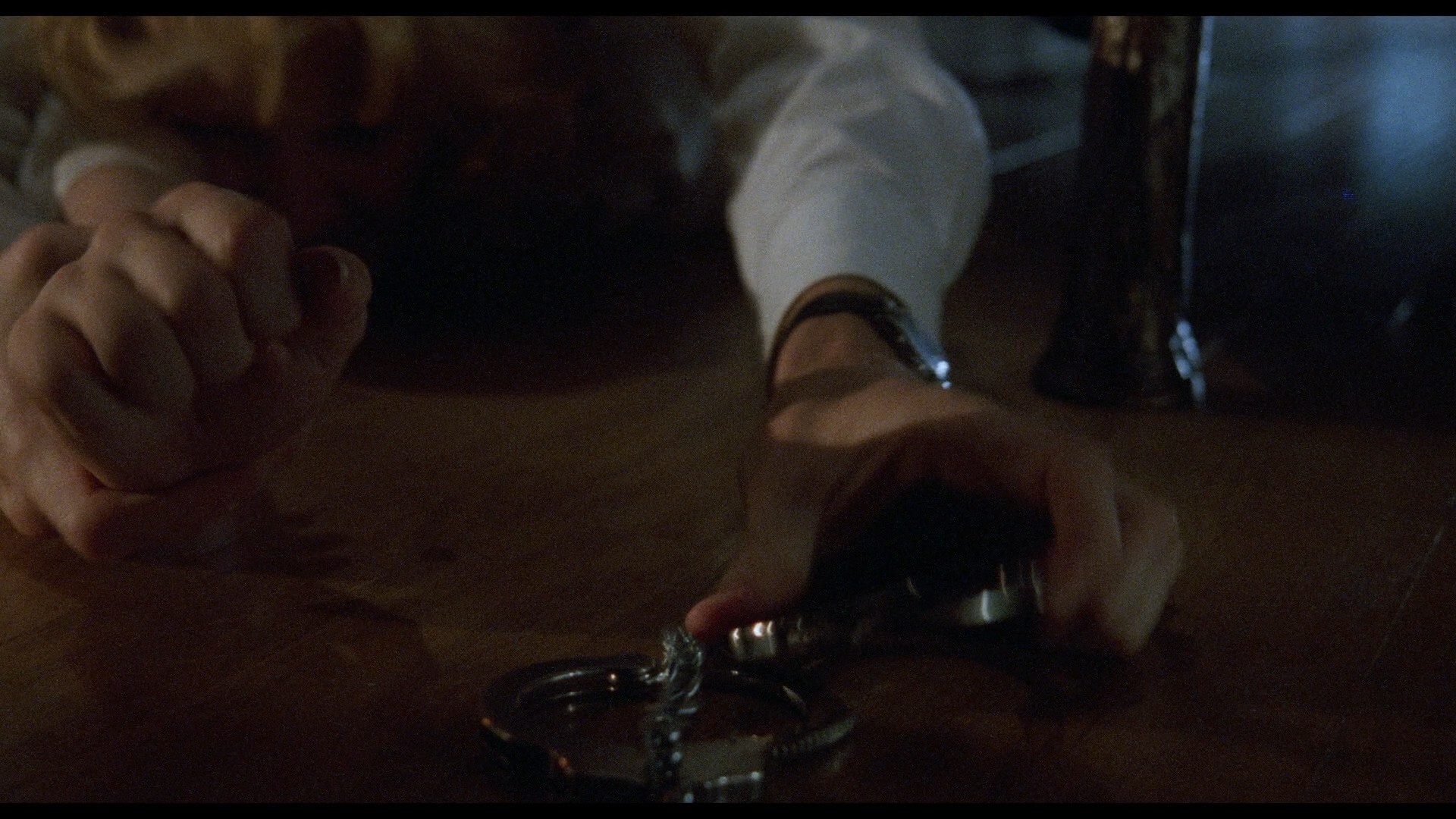
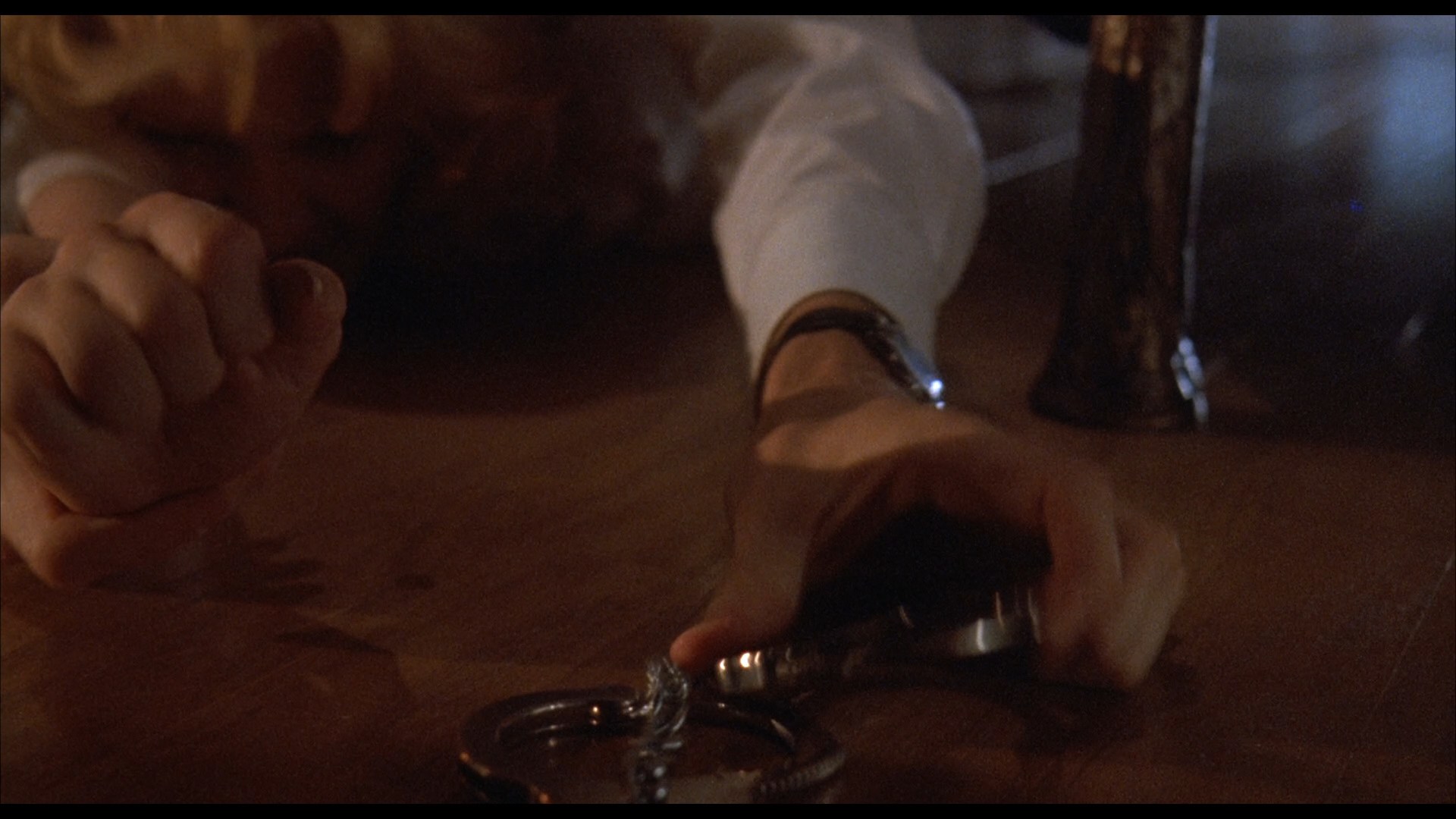
 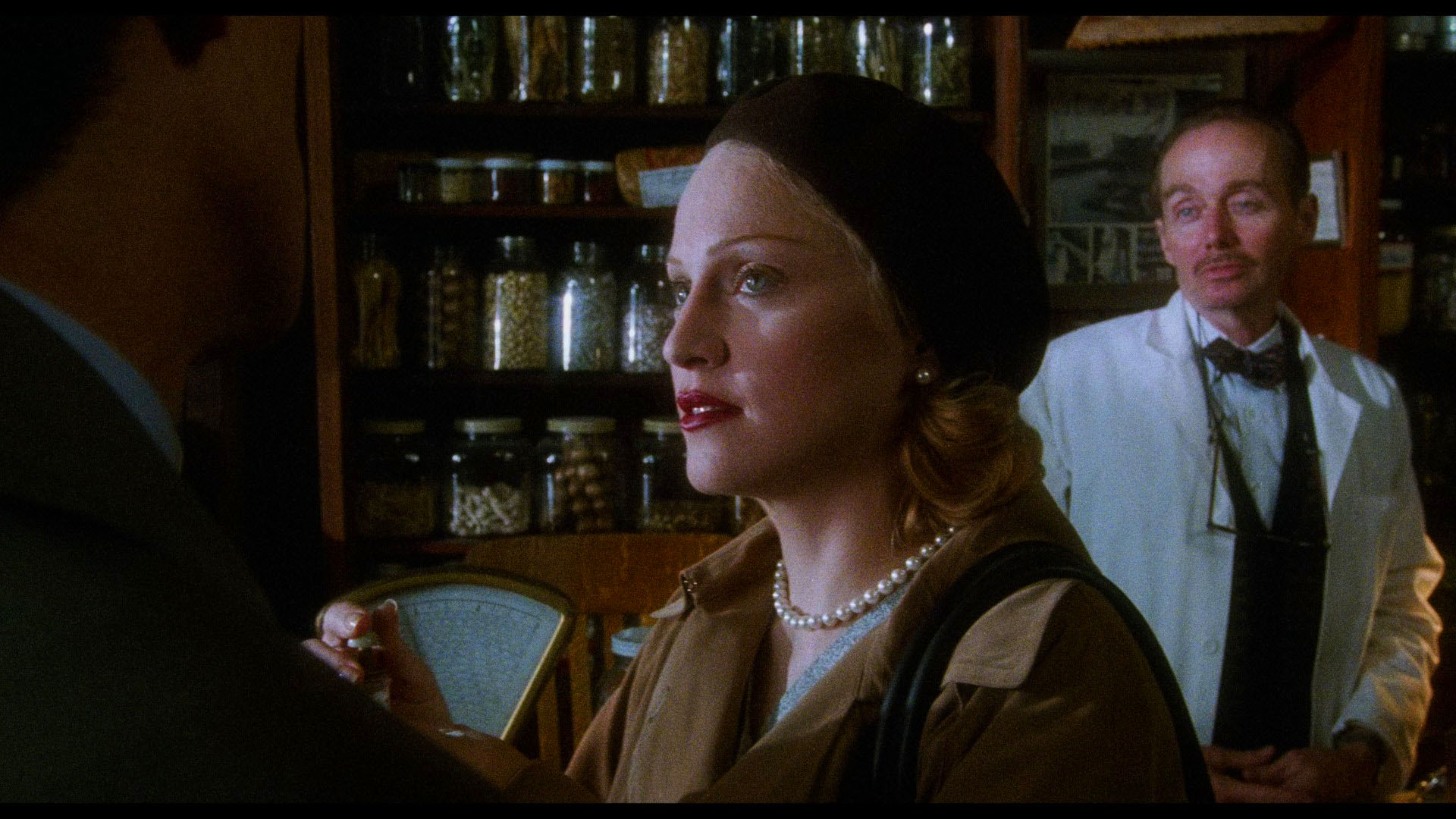 infamous of the numerous big studio erotic thrillers pumped out in the wake of 1992's Basic Instinct. While that Paul Verhoeven thriller had a sense of humor and a stylish, pulpy enthusiasm that managed to sell the illogical and often boneheaded plot, most of its successors went in different directions with often bizarre results. In this case we get a showcase for Madonna at the height of her nonstop sex-positive cheerleading that had just materialized into the legendary 1992 coffee table book, Sex, an expensive investment with incredibly cheap binding. Breathless coverage for this film before its release promised a scorching thriller that would outdo anything Hollywood had dreamed up by that point. Featuring such shocking, transgressive sexual elements as, uh, handcuffs and candle wax, the film is far more fun as a soapy murder mystery with overripe dialogue and an absurd climax that completely undercuts the reason the film was made in the first place.
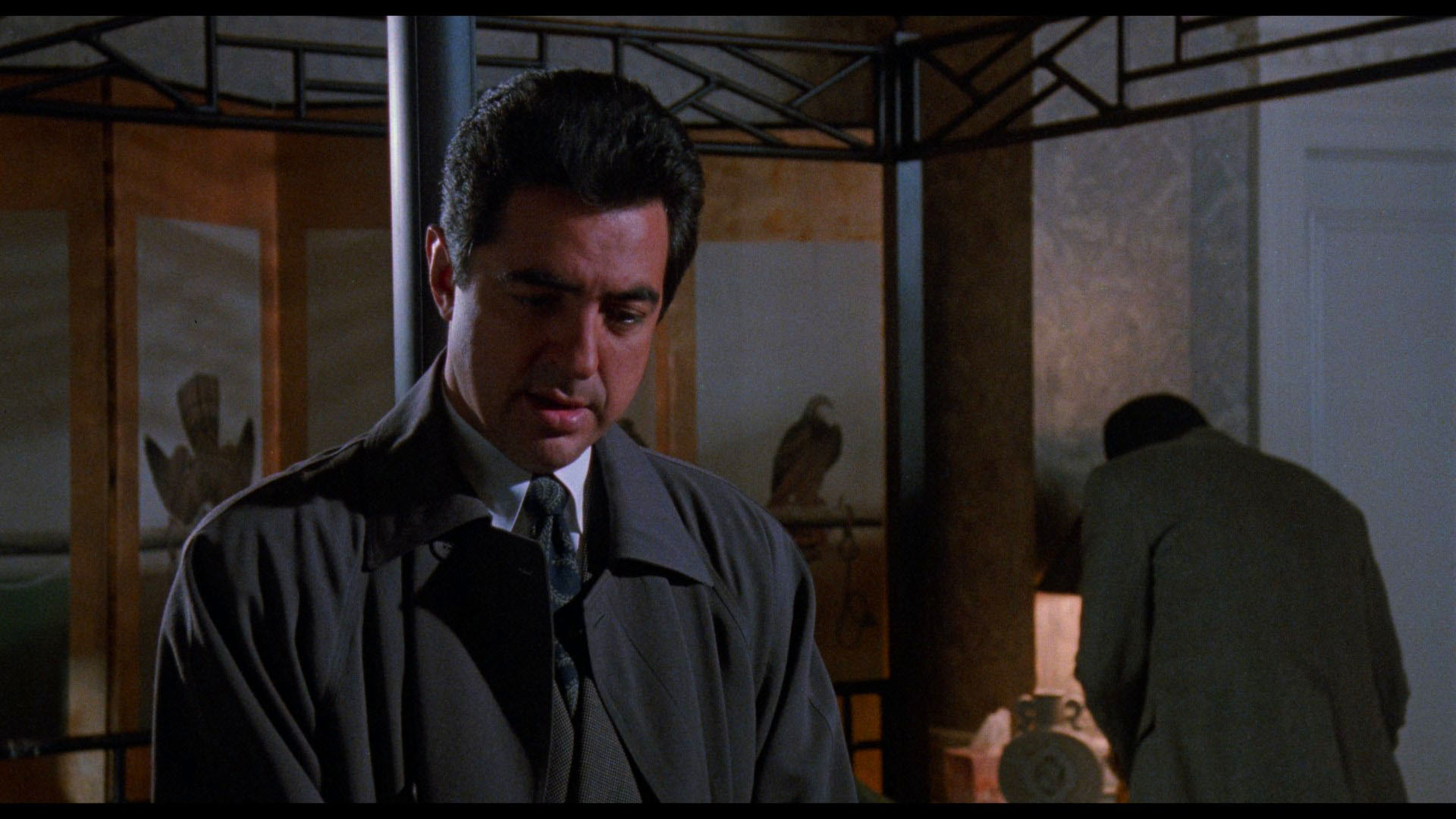
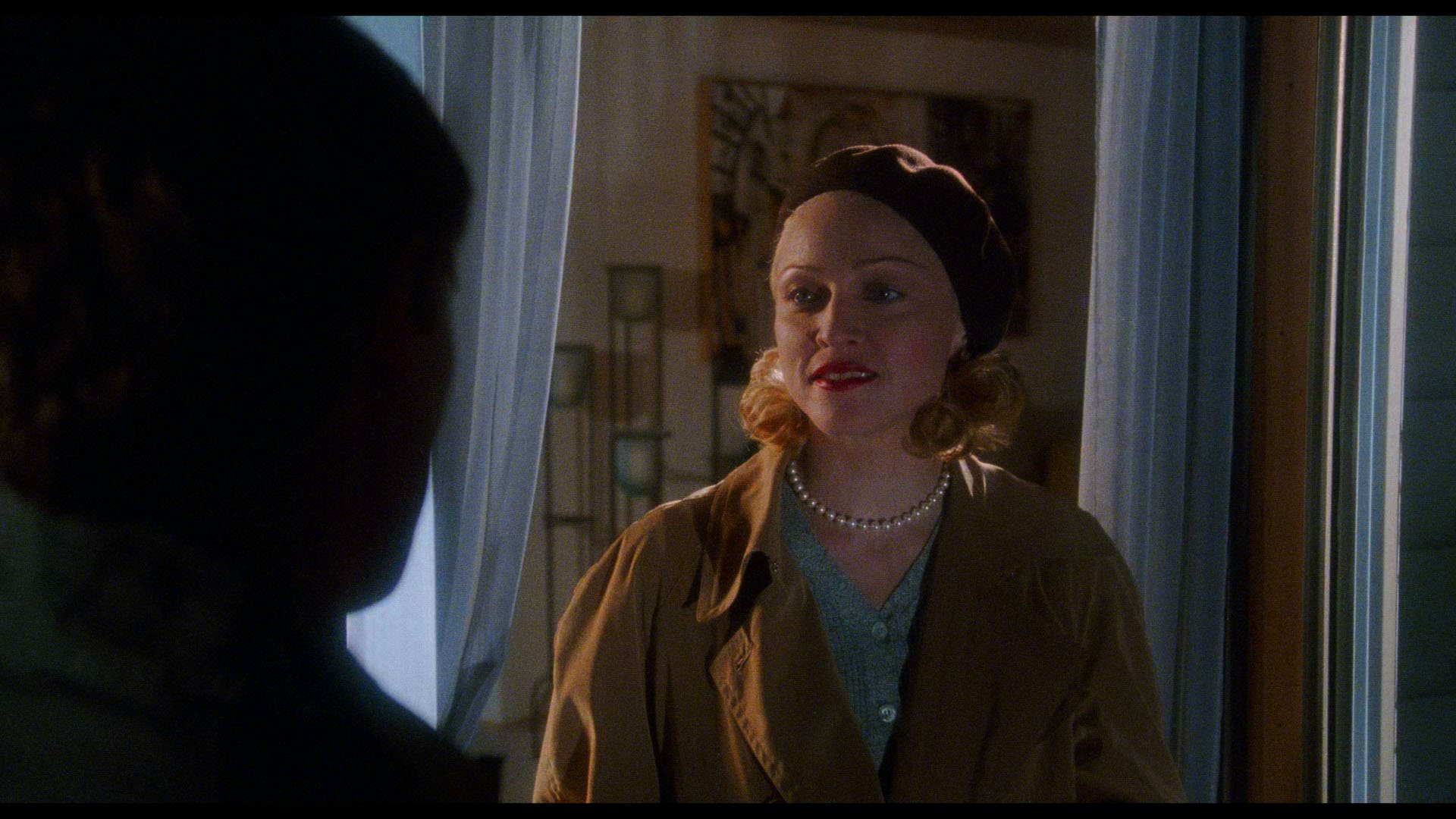
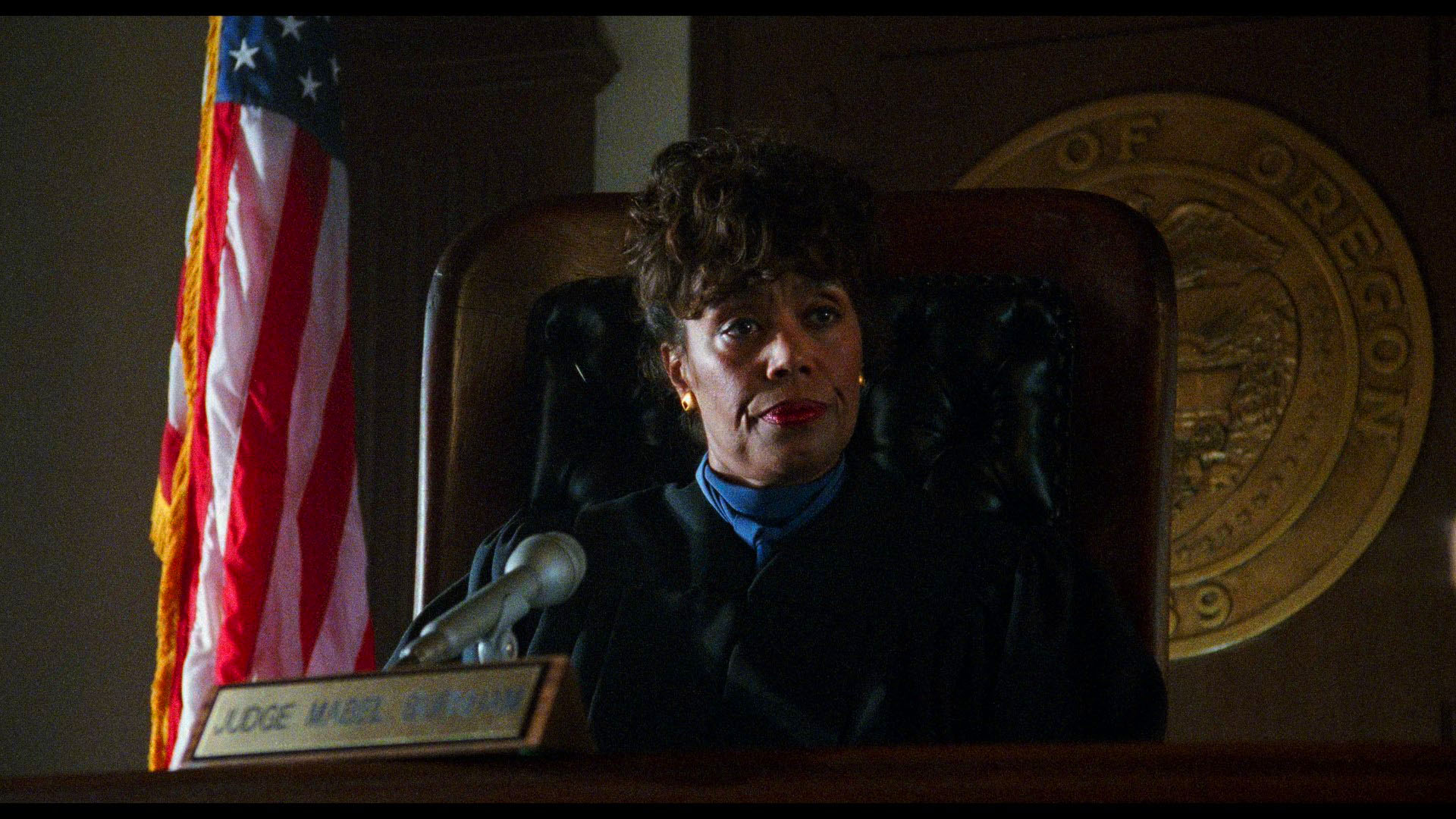
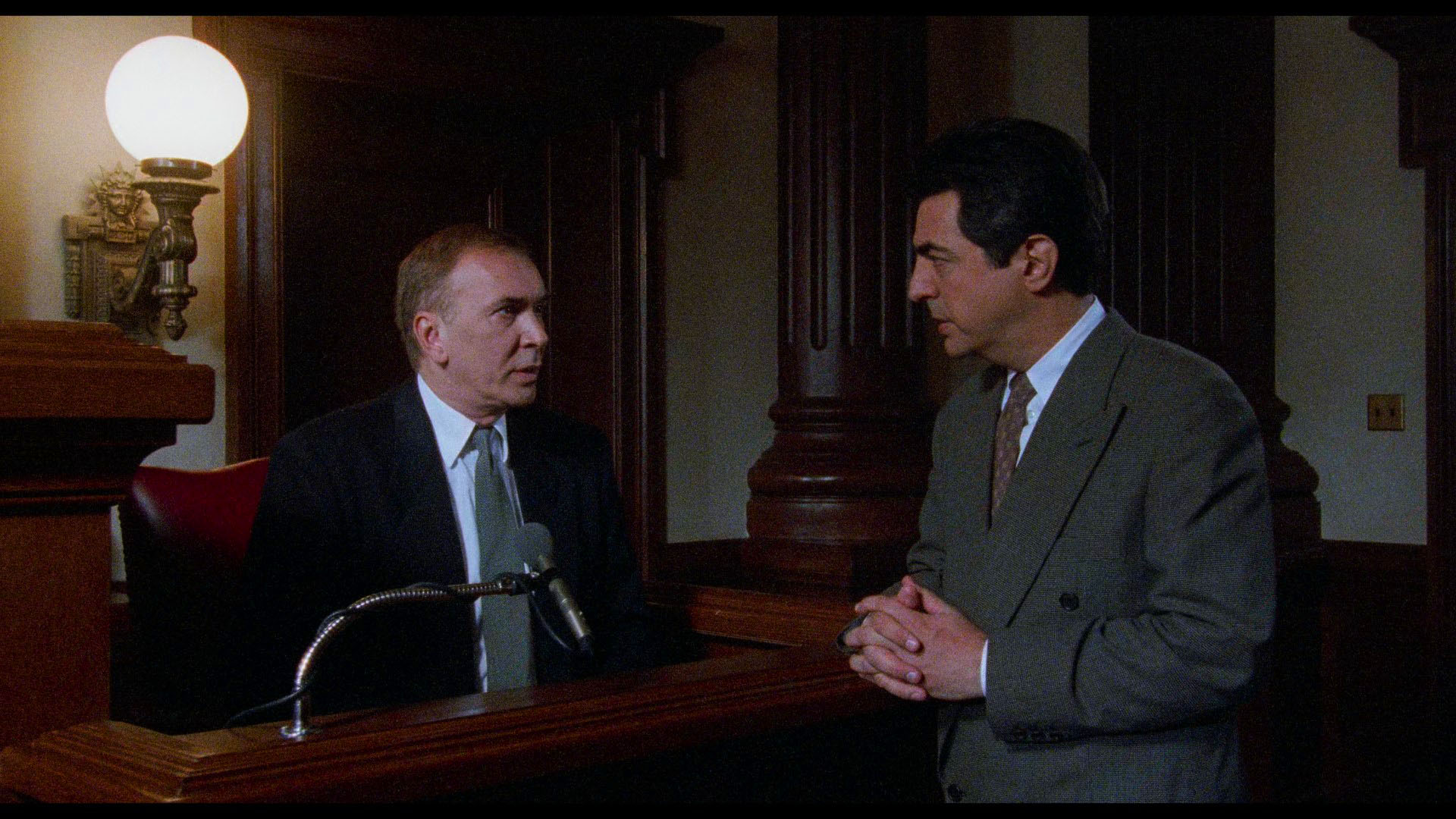
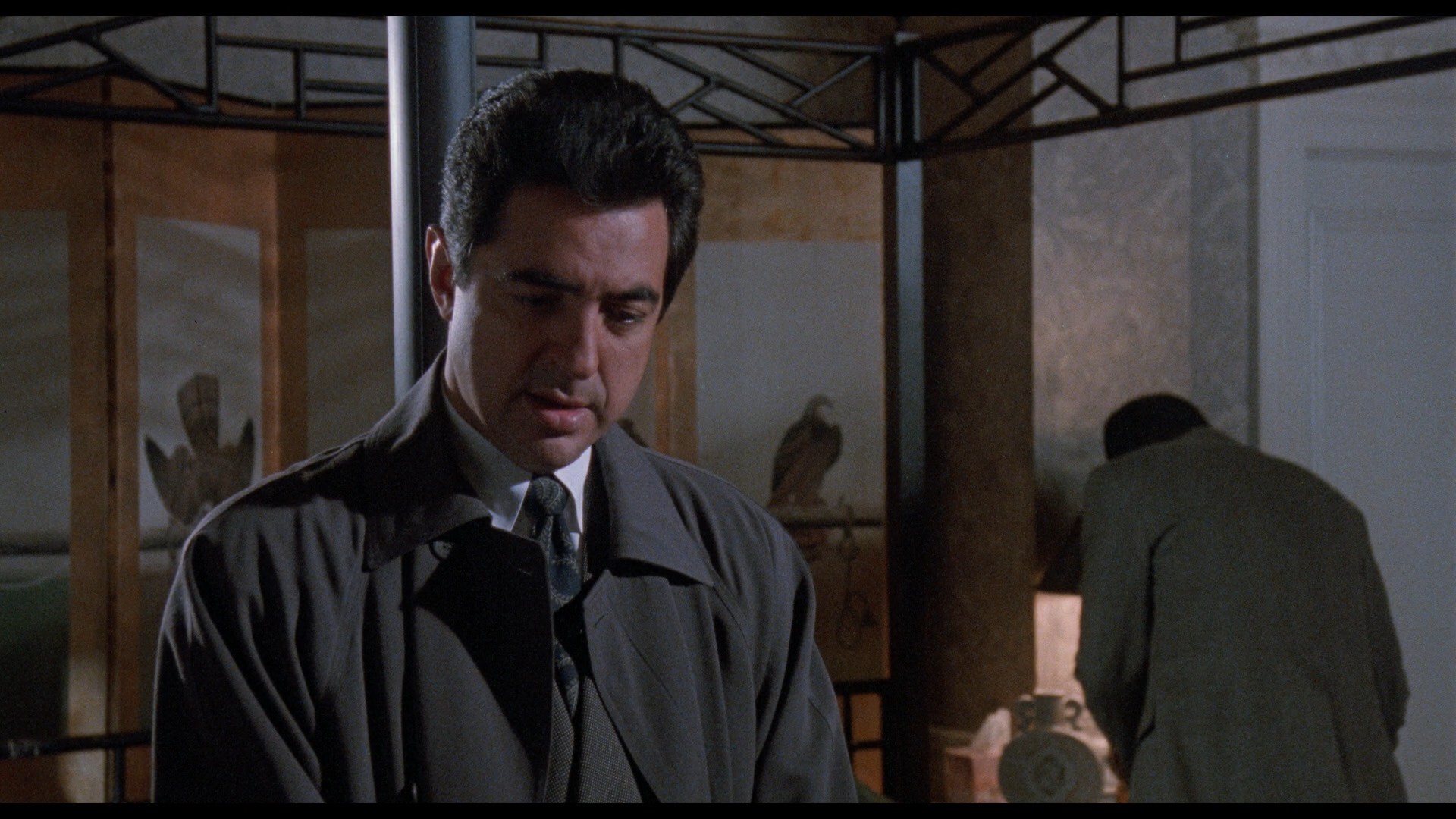
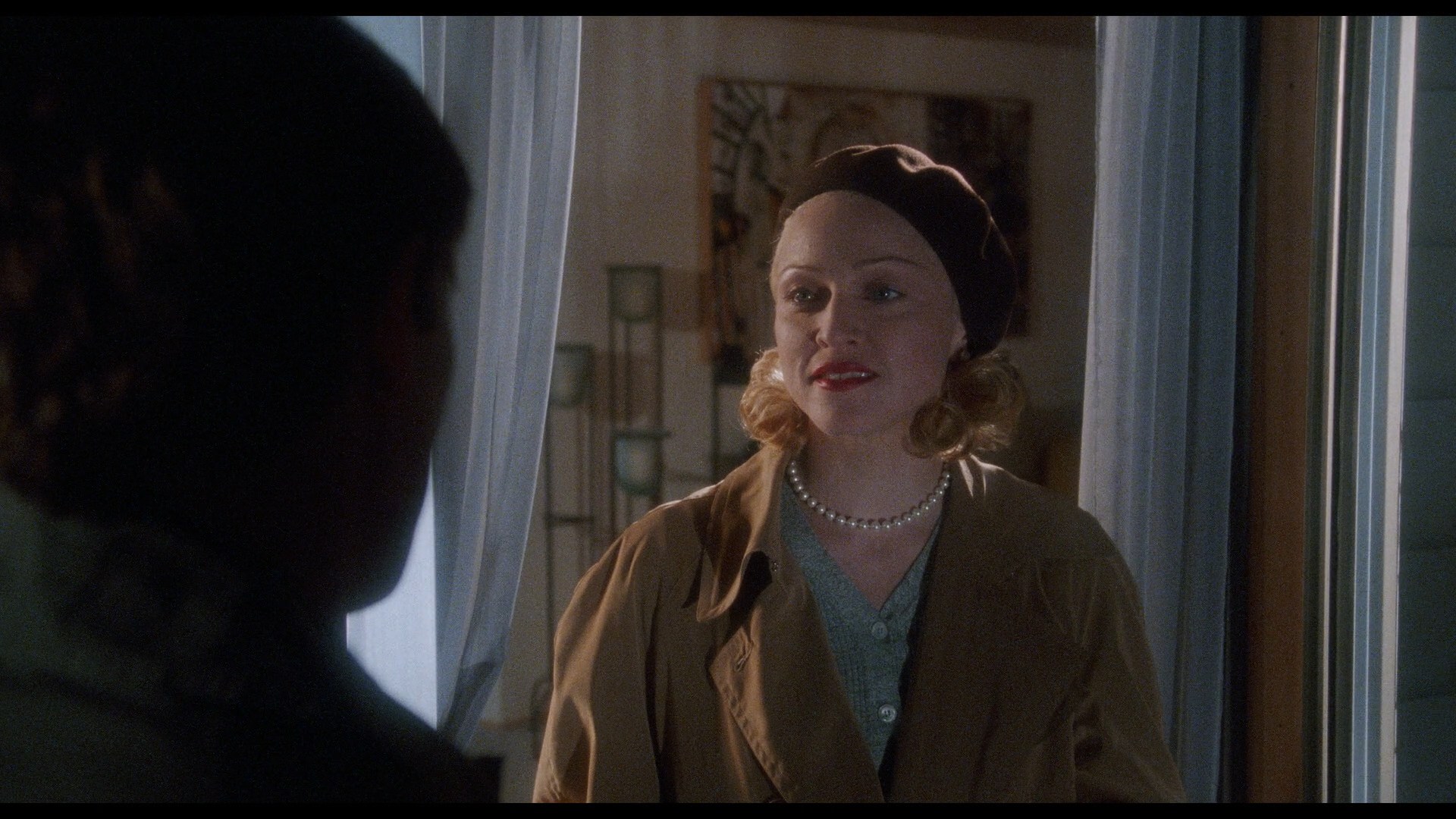
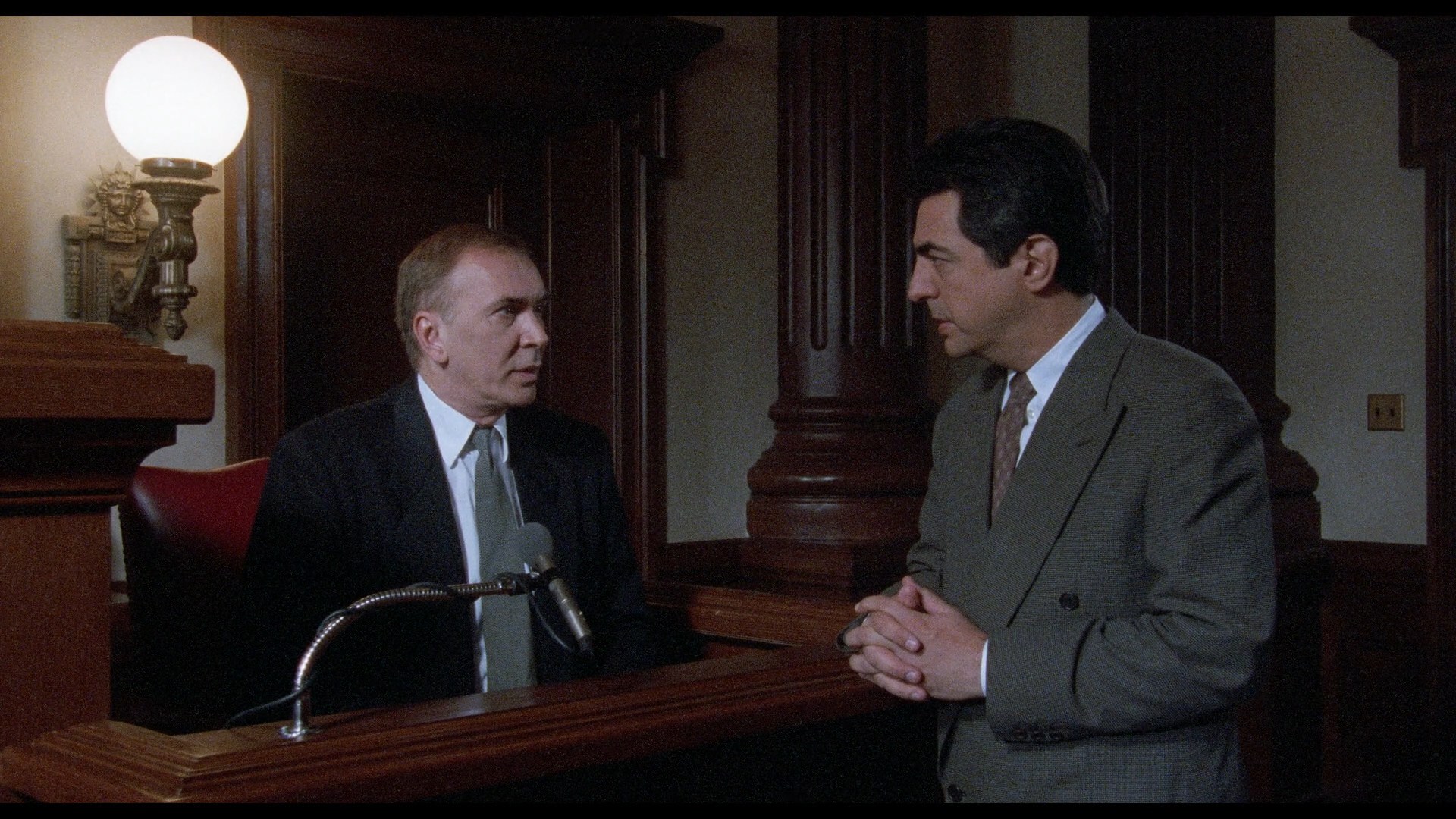
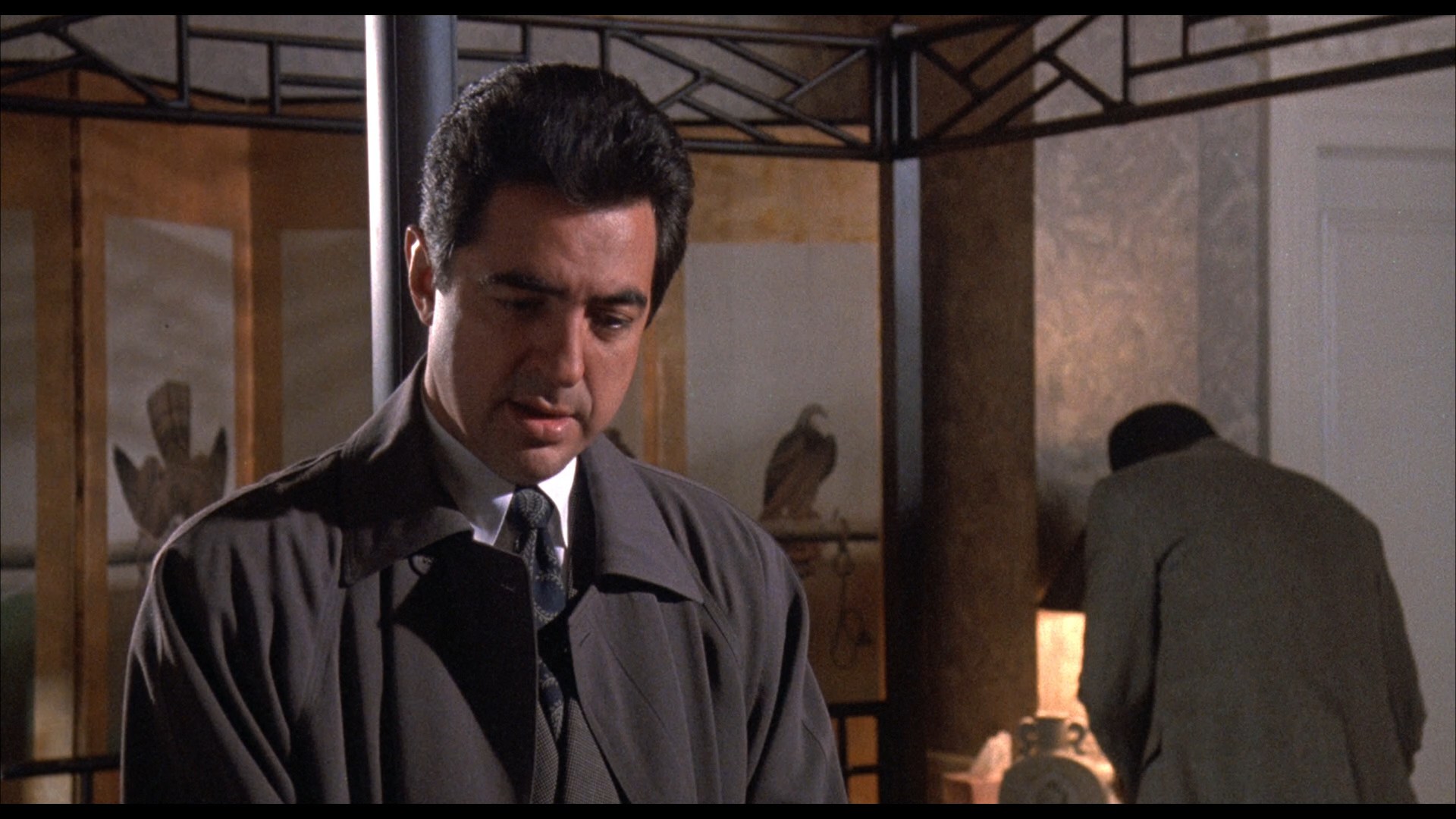
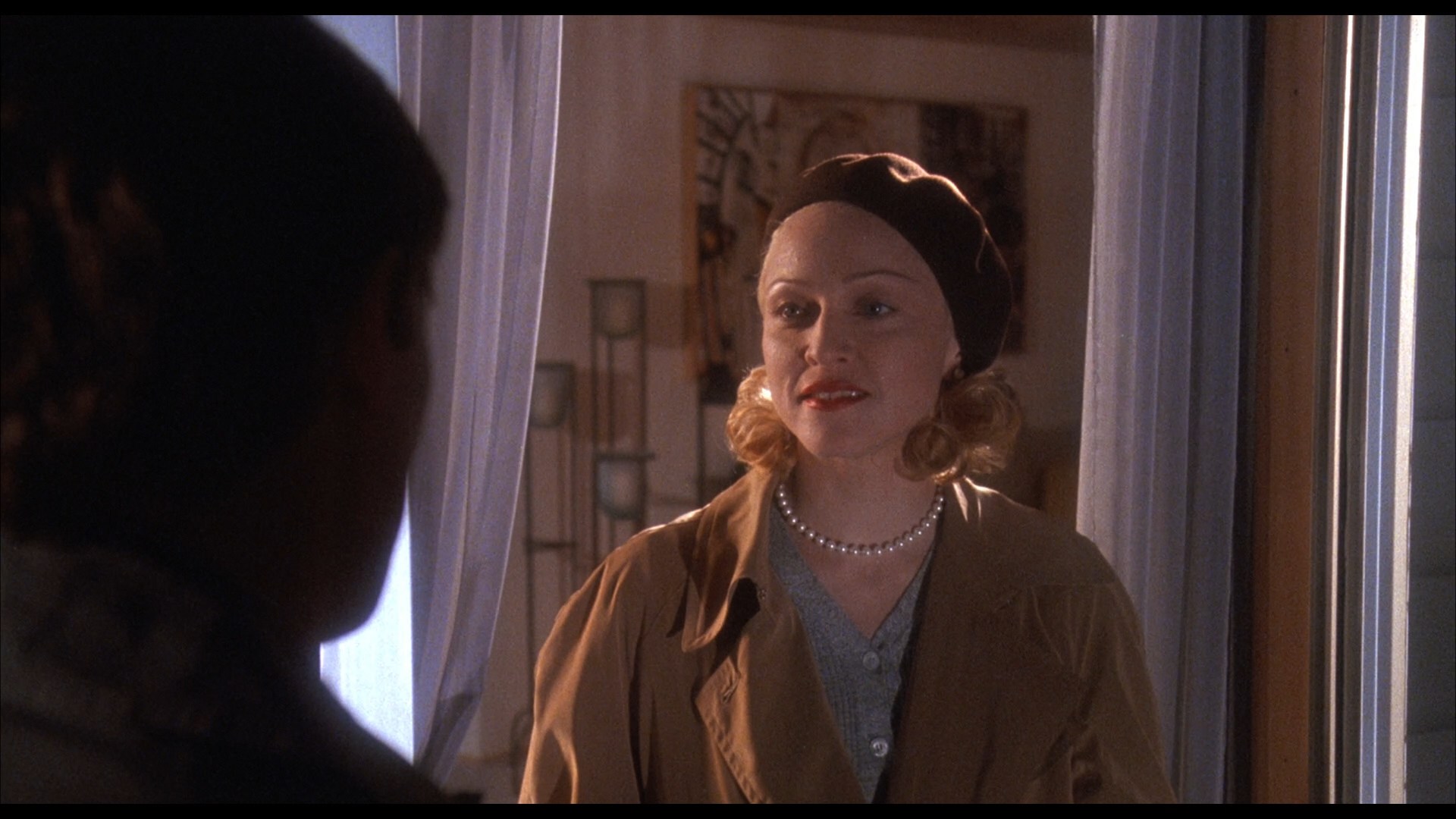
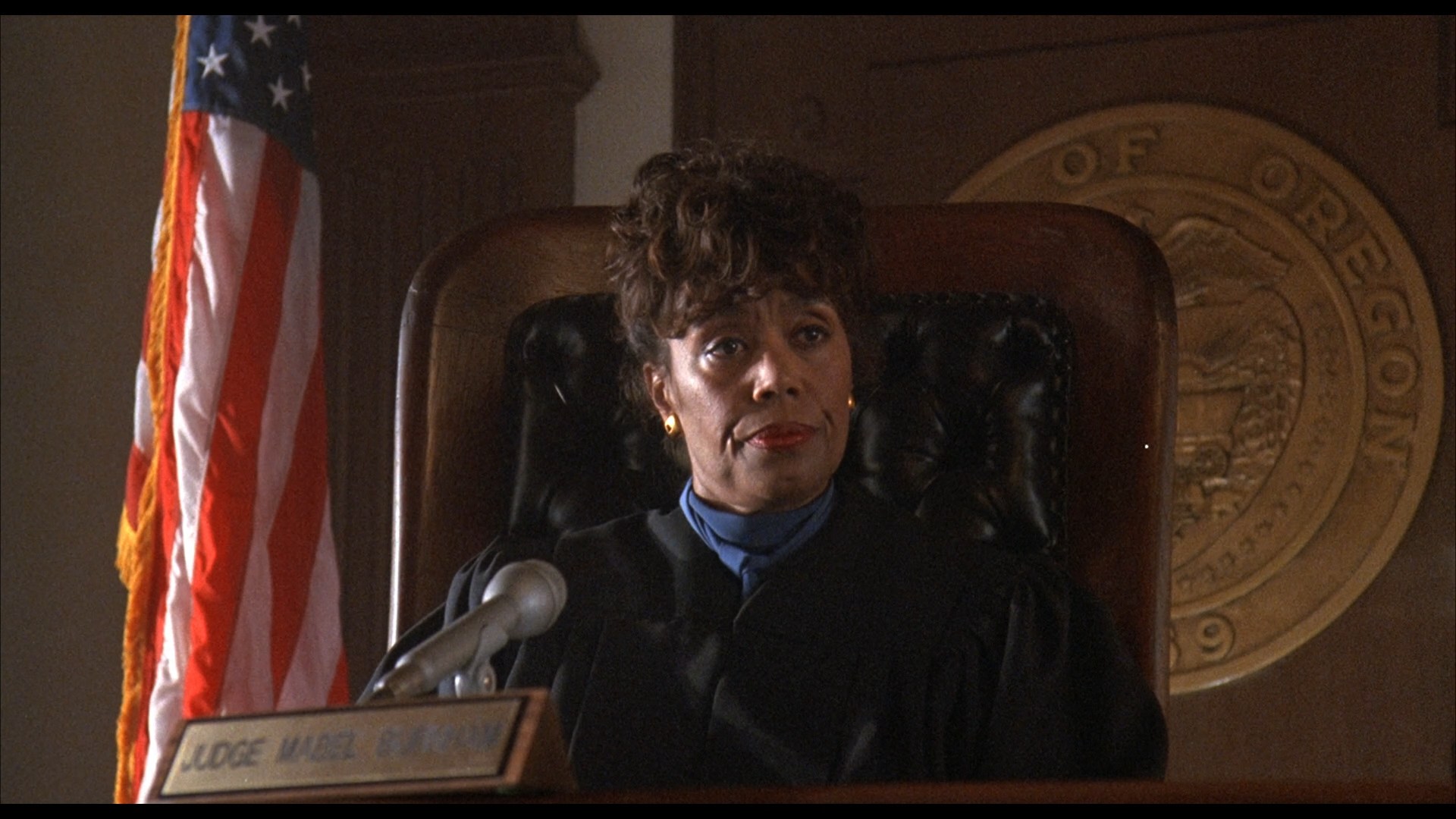
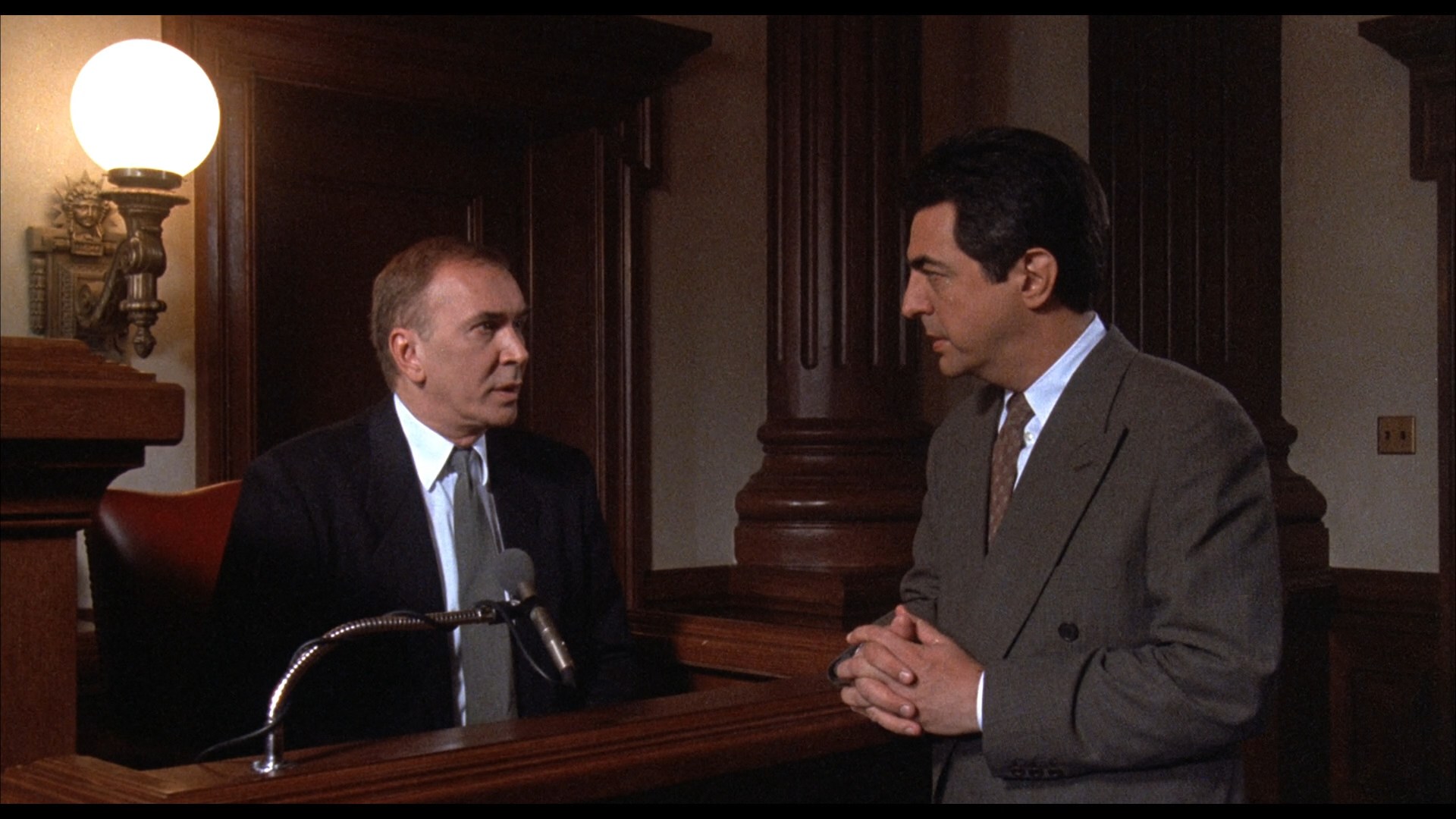
"This case is ridiculous." That early dialogue appraisal perfectly sums up what happens when wealthy Oregon business magnate Andrew Marsh ends up dead in bed due to a cardiac-straining sex spree. Suspicion immediately falls on his girlfriend, Rebecca Carlson (Madonna), who inherits his entire estate of $8 million and gets formally charged for 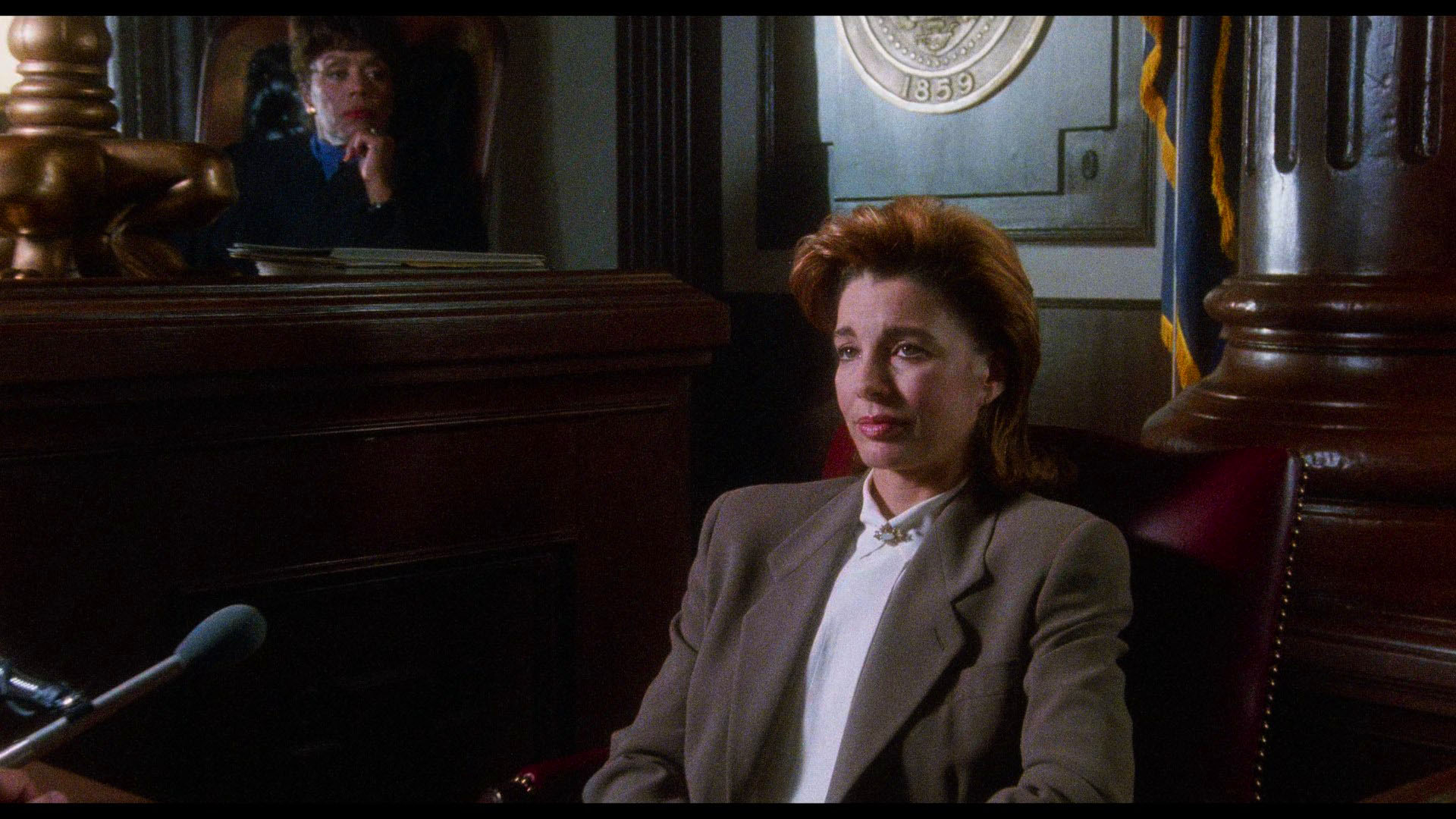 murder. Attorney Frank Dulaney (Dafoe) locks horns with D.A. Robert Garrett (Mantegna) as he takes on Rebecca's defense, which also has
 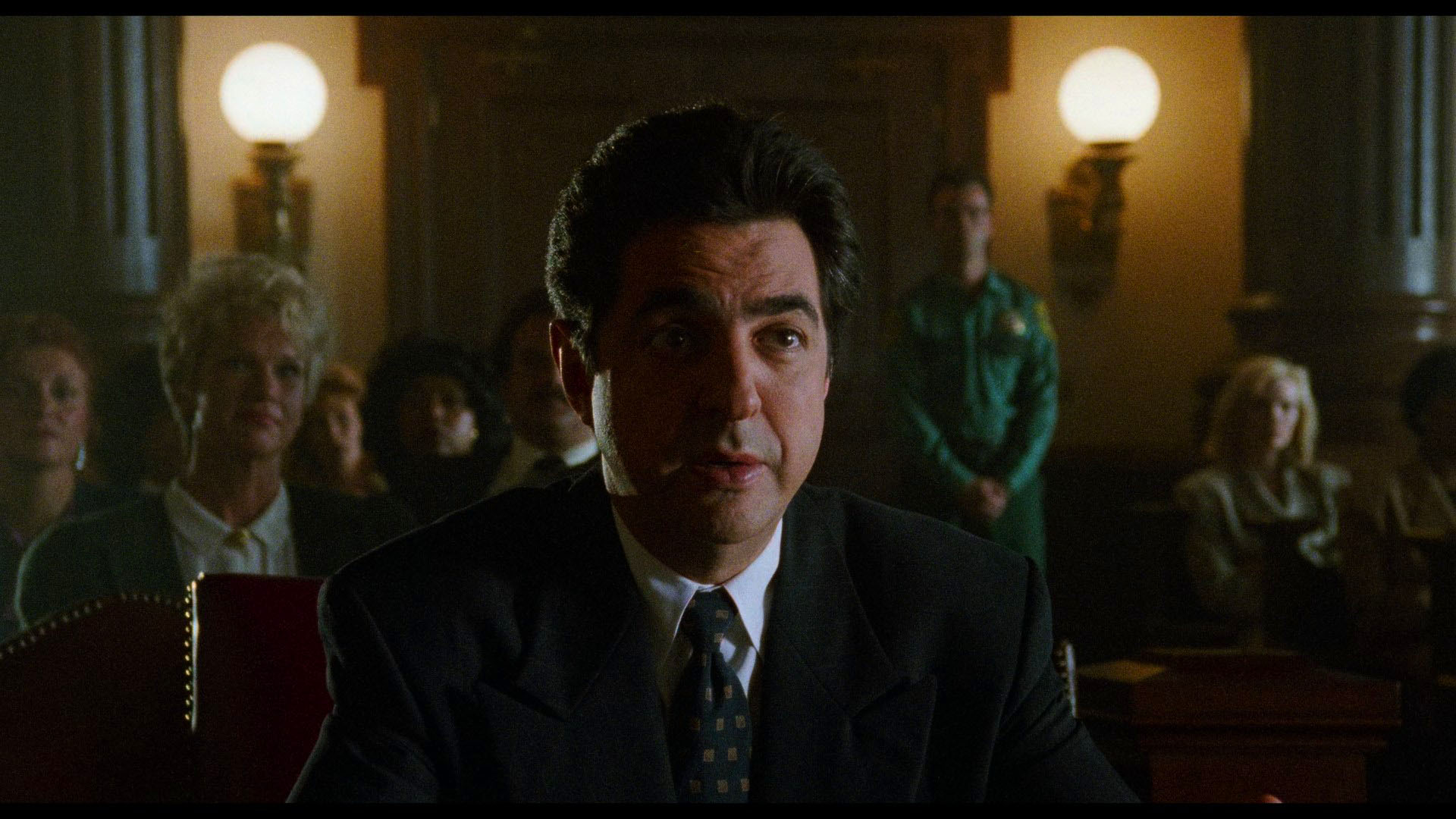 a boosting effect on his sex life with wife Sharon (Moore). The trial itself involves a bewildering number of complications involving cocaine use, bondage, Andrew's vindictive secretary Joanne (Archer) who calls Rebecca a "cokehead slut," and of course, a sexual relationship between Rebecca and her attorney including a jaw-dropping scene on a car hood involving broken glass.
Best known for socially conscious dramas like Christiane F. and Last Exit to Brooklyn, director Uli Edel took a major left turn with this film during a heavy glut of competing titles like Sliver, Malice, The Crush, and Guilty as Sin, not to mention non-thriller potboilers like Indecent Proposal. Obviously the big selling point here was Madonna, who had been a target for movie critics in recent years but had just gotten a good response for her supporting turn in A League of Their Own. The lack of enthusiasm for this film didn't slow her down though, with Abel Ferrara's Dangerous Game and Alan Parker's Evita coming soon after before Swept Away finished off her Hollywood aspirations for good. Her strange makeup job here and insane dialogue make it tough to judge exactly what her performance is going for outside of "Sharon Stone-ish," and the contrast with the rest of the cast doing their best to sell the material makes for a truly weird viewing experience. It's especially odd seeing Julianne Moore here 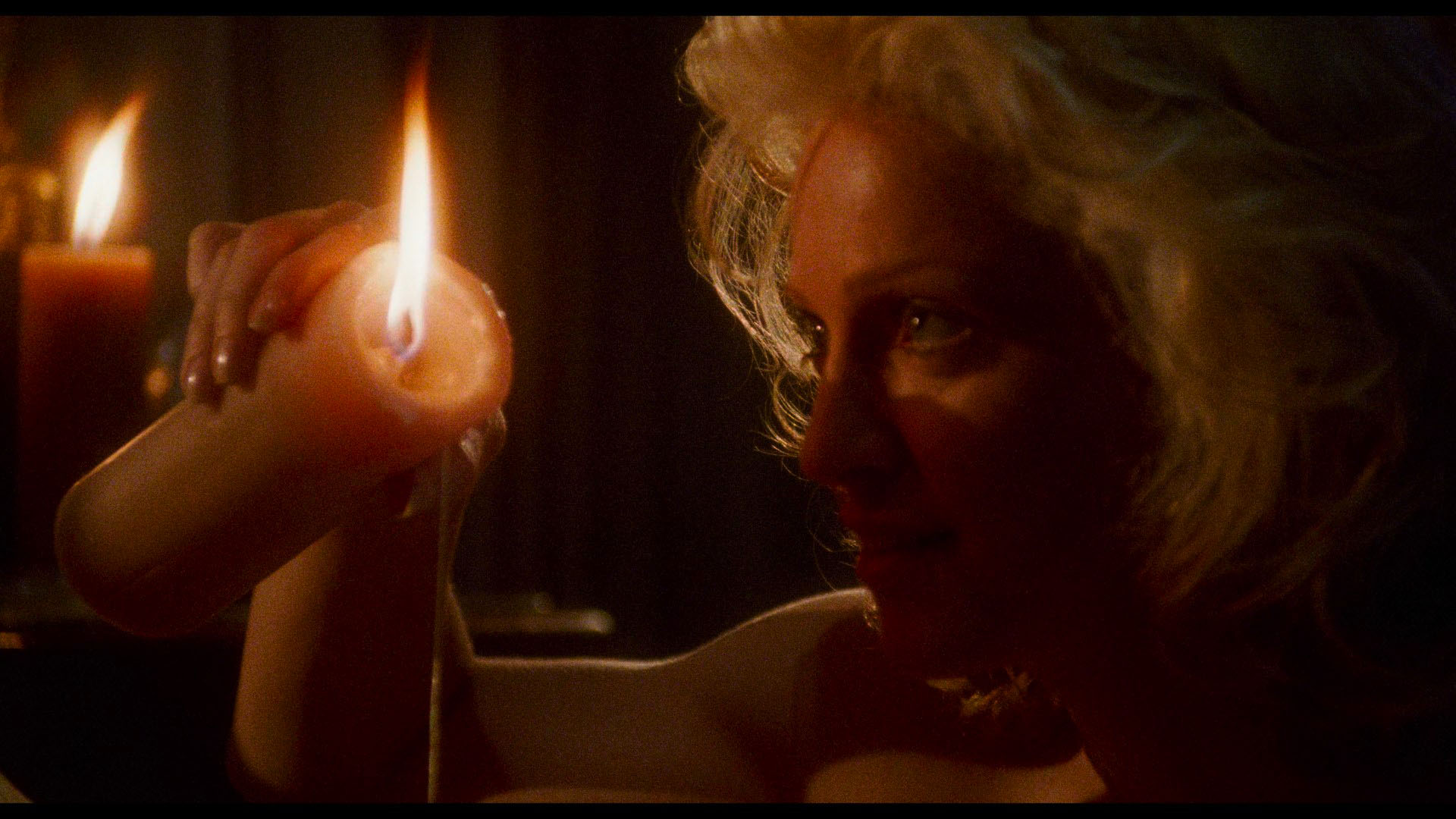 in essentially a throwaway role as Dafoe's wife, a far cry from the zesty, ill-fated best friend role she had just before this in The Hand That Rocks the Cradle. However, the
 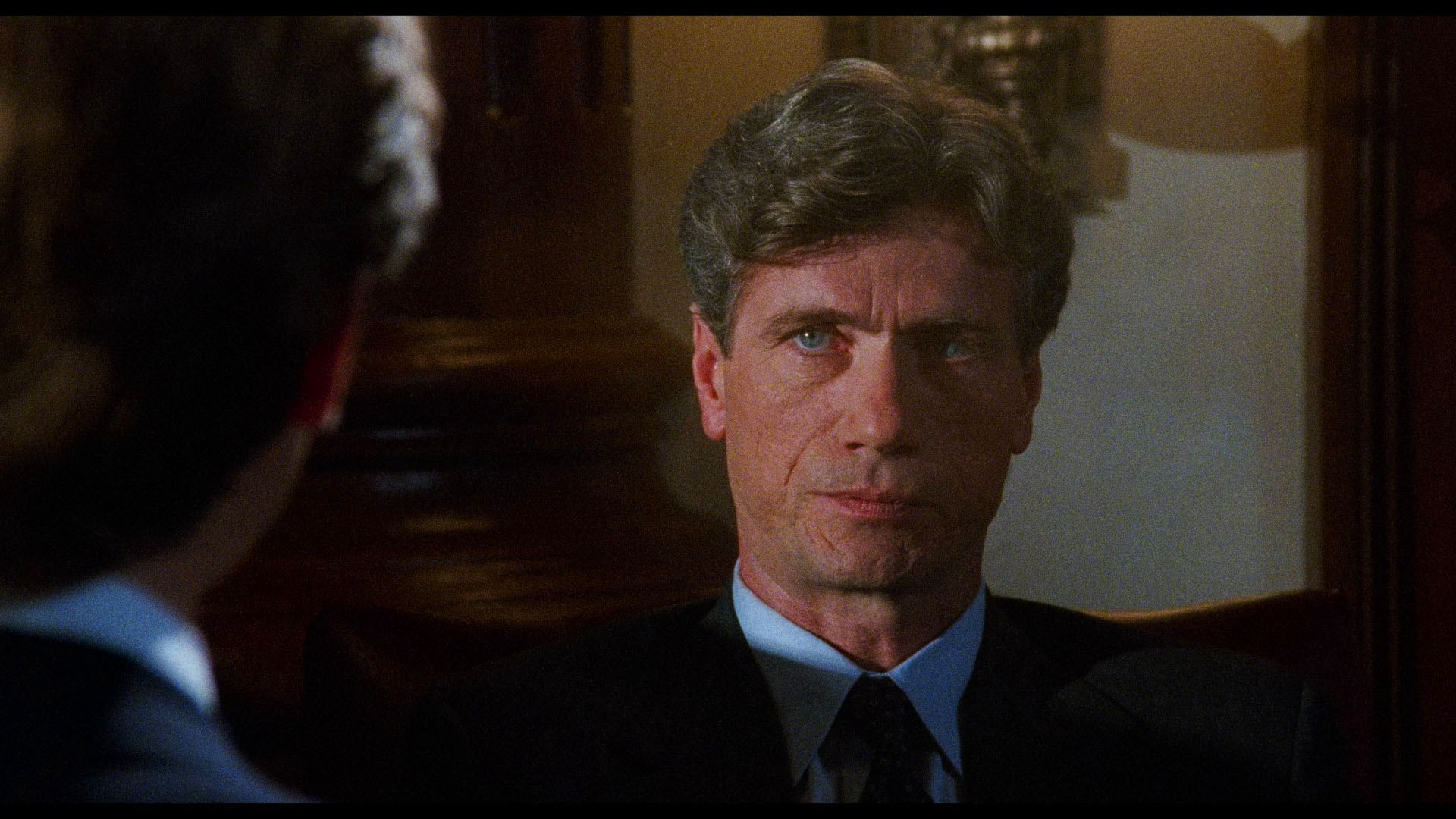 prize winner for the craziest performance here has to go to Frank Langella, who only appears in two scenes but catapults the film into utter delirium with his character arc. One of the film's strongest aspects is its score by then-new composer Graeme Revell, who had spent the prior decade with the band SPK and by this point was specializing in glossy thrillers before The Crow changed everything after this.
The theatrical release for this film went out with an R rating after the initial cut was slapped with an NC-17, a common occurrence at the time that allowed for R-rated and unrated home video releases a la just about every other erotic thriller out there. In this case the difference amounts to almost two minutes, some of it alternate takes or angles and with some longer thrusting and rolling around between Madonna and Dafoe. The only really major difference is in the sex tape footage late in the film, which definitely goes a bit further than an R would have allowed. Both versions made their way to DVD from MGM in widescreen presentations, and the same applied to the 2018 Blu-ray from Shout! Factory featuring an okay but somewhat dated master that had been making the rounds on HD broadcast for a while. The disc features DTS-HD MA 2.0 English surround audio for both versions with optional English SDH subtitles, plus a trailer, a 5m58s gallery, and a "Love or Murder?" archival making-of featurette (5m42s) with interviews with the stars and some funny pseudo-Enigma music. Best of all, it has narration like "For Madonna, playing to a camera demands a different kind of performance. Body of Evidence is 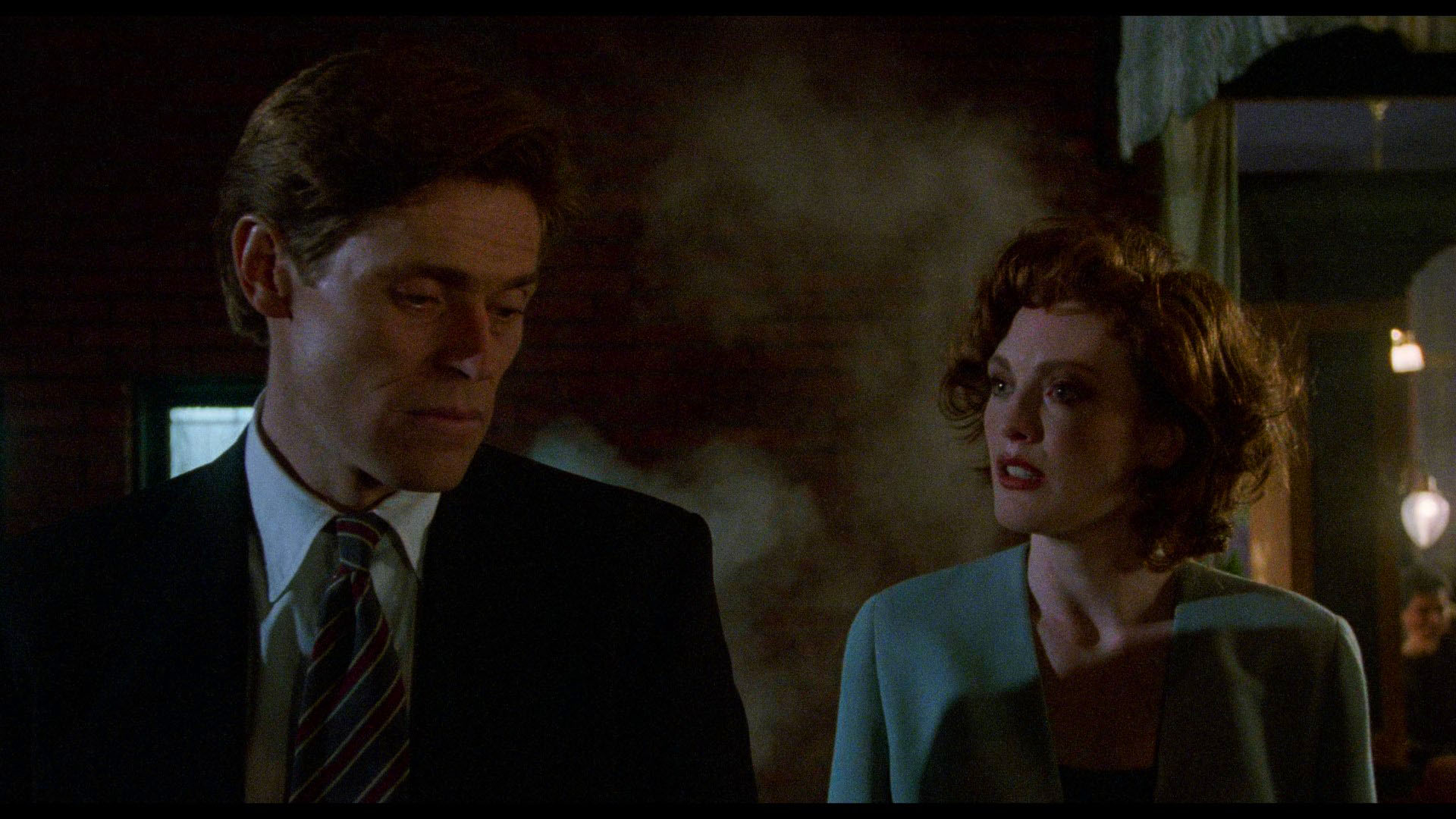 a provocative film. The camera is always present, probing and exploring the dark places between guilt and innocence."
In 2026, Vinegar Syndrome upgraded the film to a 4K UHD and Blu-ray set featuring both versions on either disc, from a much-improved new scan with healthier color (especially via the HDR-compatible Dolby Vision grade with nice, deep blacks), much more 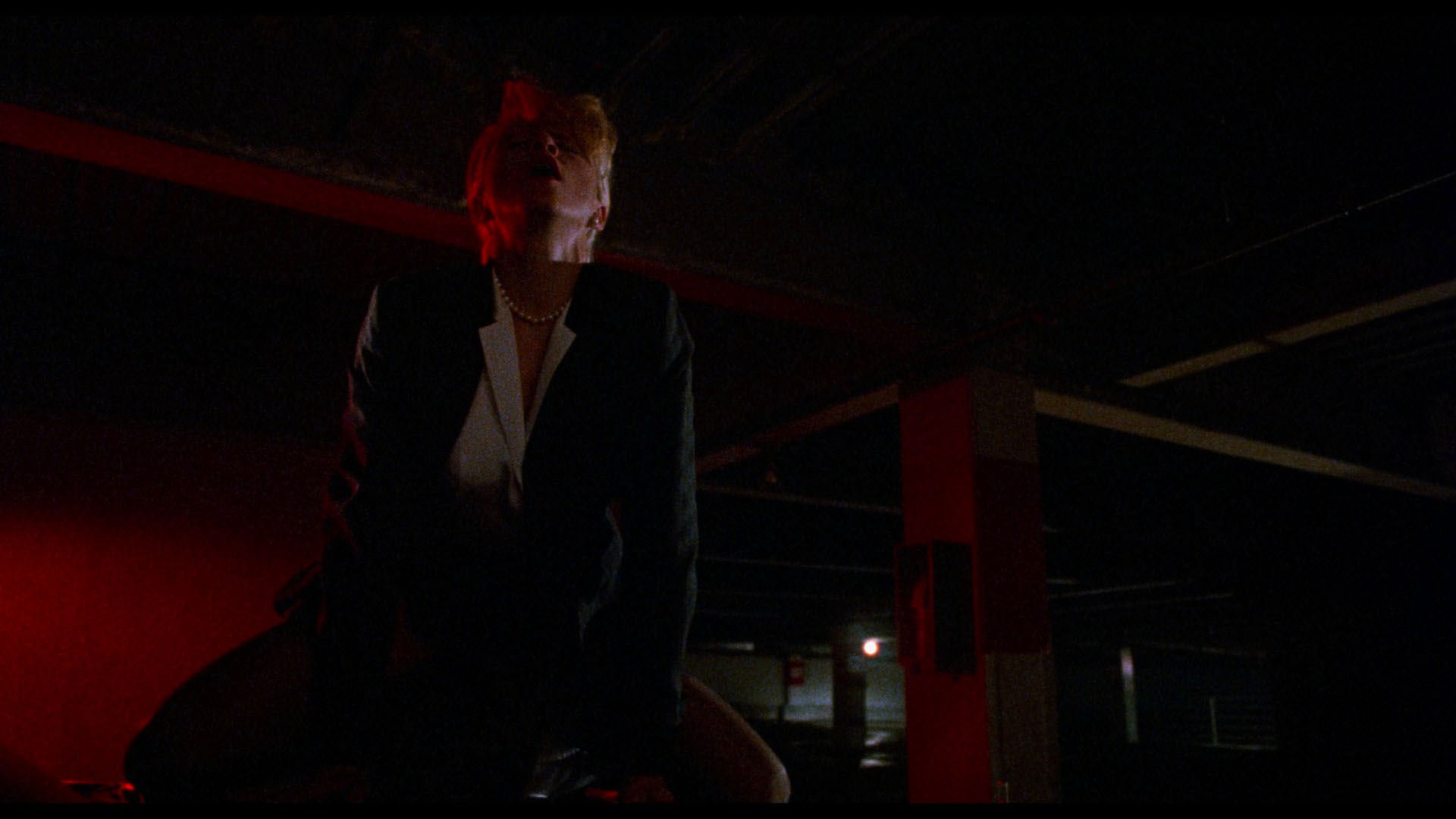 image info, and finer film grain. The DTS-HD MA 2.0 English track still sounds solid with Revell's score getting a lot of rear channel activity, and optional English SDH subtitles are included. The Blu-ray comes with the trailer and the "Love or Murder?" featurette plus three new featurettes. In "Seamless, Sensual Cinematography" (11m41s), cinematographer Douglas Milsome (who had just shot Robin Hood: Prince of Thieves) looks back at how they decided to visually represent Madonna in the film and create an appropriate aesthetic for a wide variety of sex scenes through subtle shifts in lighting. In "The Production of Provocation" (16m29s), Edel chats about his career starting in film school, wrangling David Bowie for his breakthrough feature, his path to Hollywood and working on Twin Peaks, and being approached by producer Dino De Laurentiis to do this film with the presence of Madonna being the main selling point despite a rushed production schedule and flawed script due to her upcoming tour. Finally in "The Madonna and The Whore" (19m47s), Jennifer Moorman examines the film's portrayal of female sexuality in the erotic thriller, the role of wealth in these films and the means used to obtain it, the influence of film noir, and the way these elements are interpolated into this film. An expanded 6m3s image gallery is also included, and the deluxe packaging comes with a 40-page book featuring a trio of essays contextualizing the film within Madonna's career, Edel's background, the erotic thriller wave, and the American '90s political climate: "Hot Wax, the Snap of the Belt, and the Crack of the Glass" by Scout TaFoya, "Bodies in Rest and Motion: Uli Edel's Body of Evidence" by Walter Chaw, and "It's Not a Crime To Be a Beautiful Woman" by Abbey Bender.
Reviewed on February 24, 2026