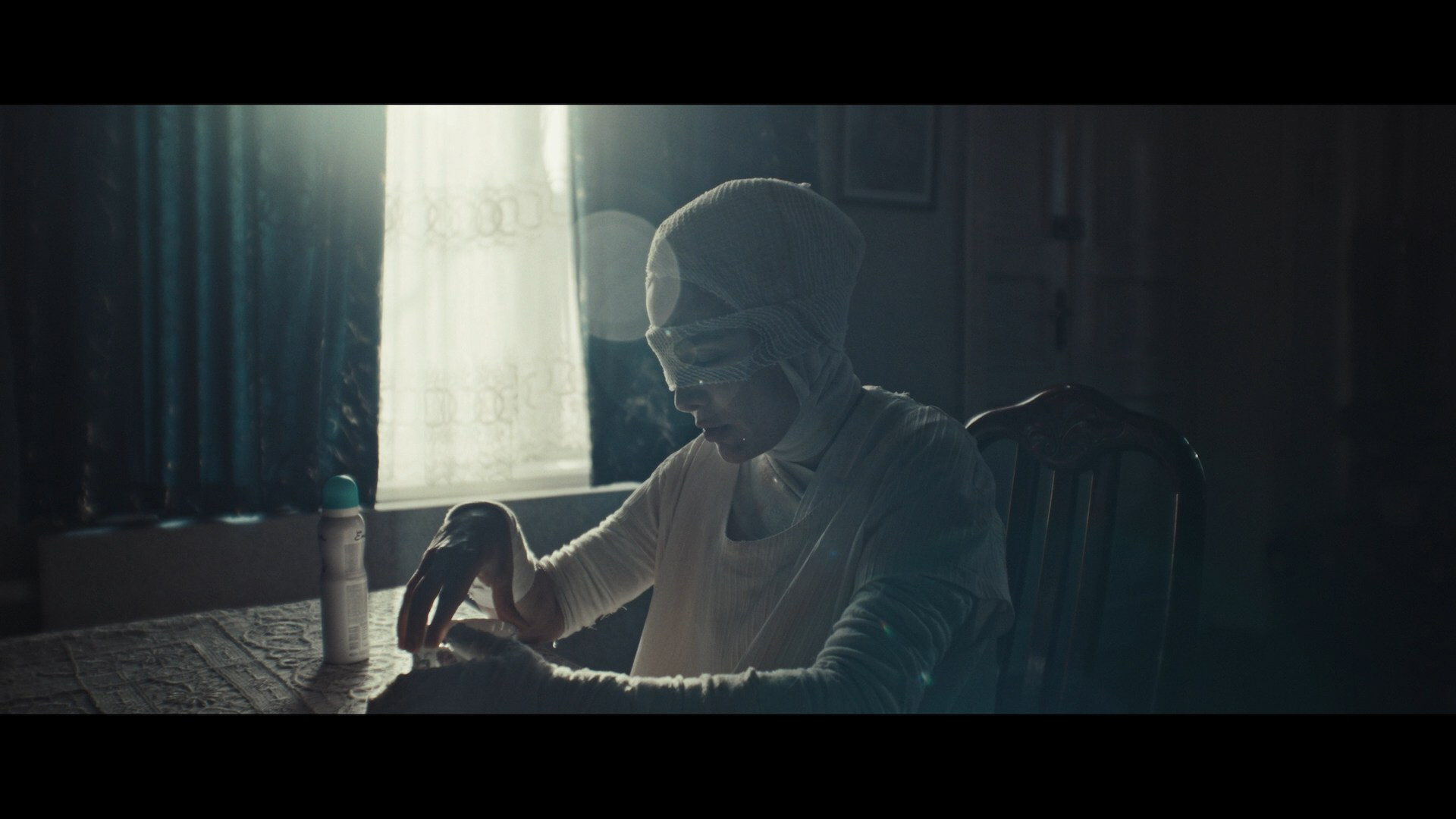
 description can't really capture the feeling of watching Black Rabbit, White Rabbit, a very meta,
 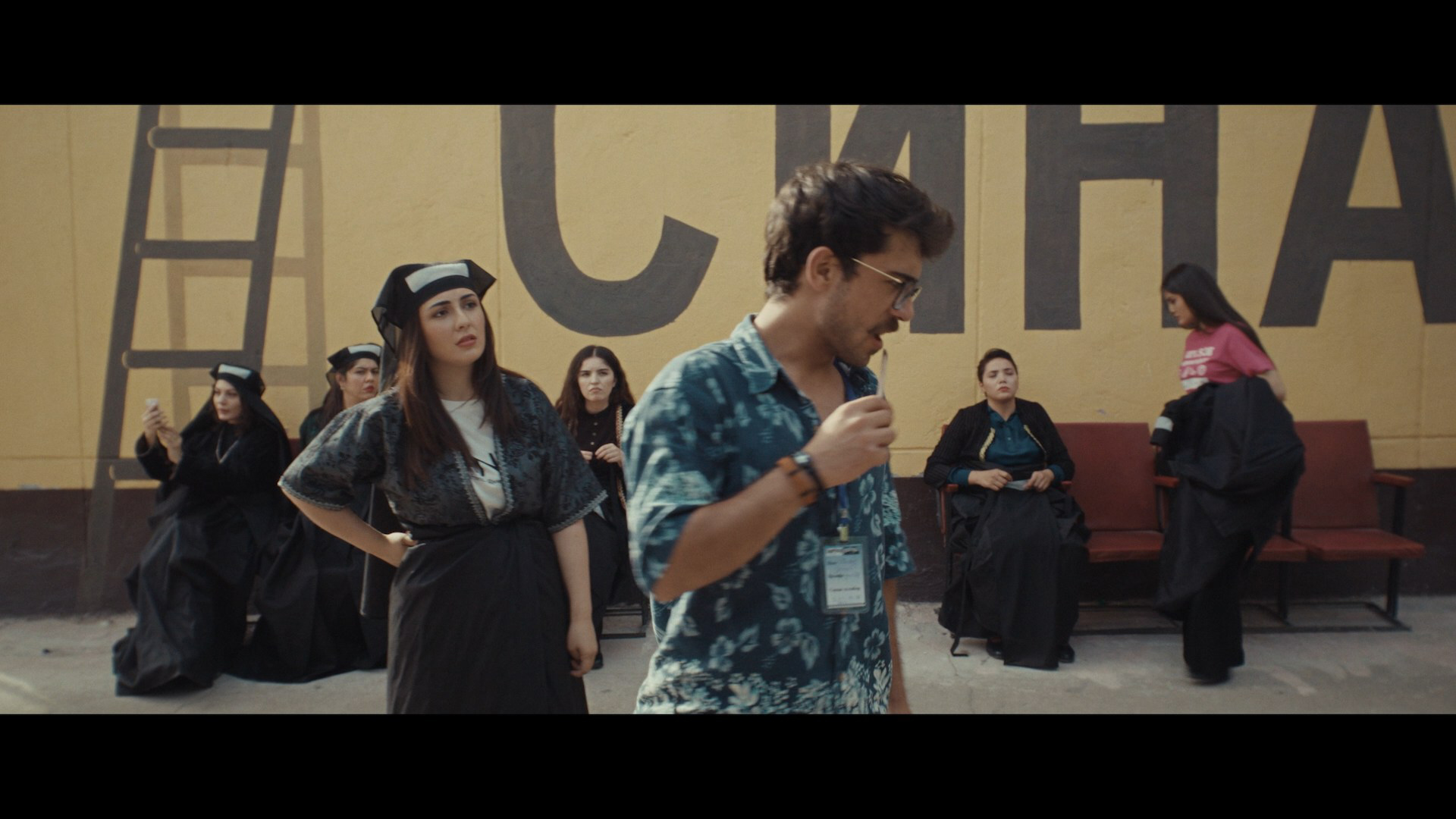 multi-narrative mindbender from Iranian filmmaker Shahram Mokri (Fish & Cat) that sort of feels like what might happen if Yorgos Lanthimos and Abel Ferrara got together in Tajikstan. Deaf Crocodile has already paid tribute to Mokri with a wild four-film set from 2022, and if you're familiar with his work, you should have a basic idea of what to expect here with a depiction of the world of filmmaking shot through with lots of reality warping, doubling, and comments on the futility of control.
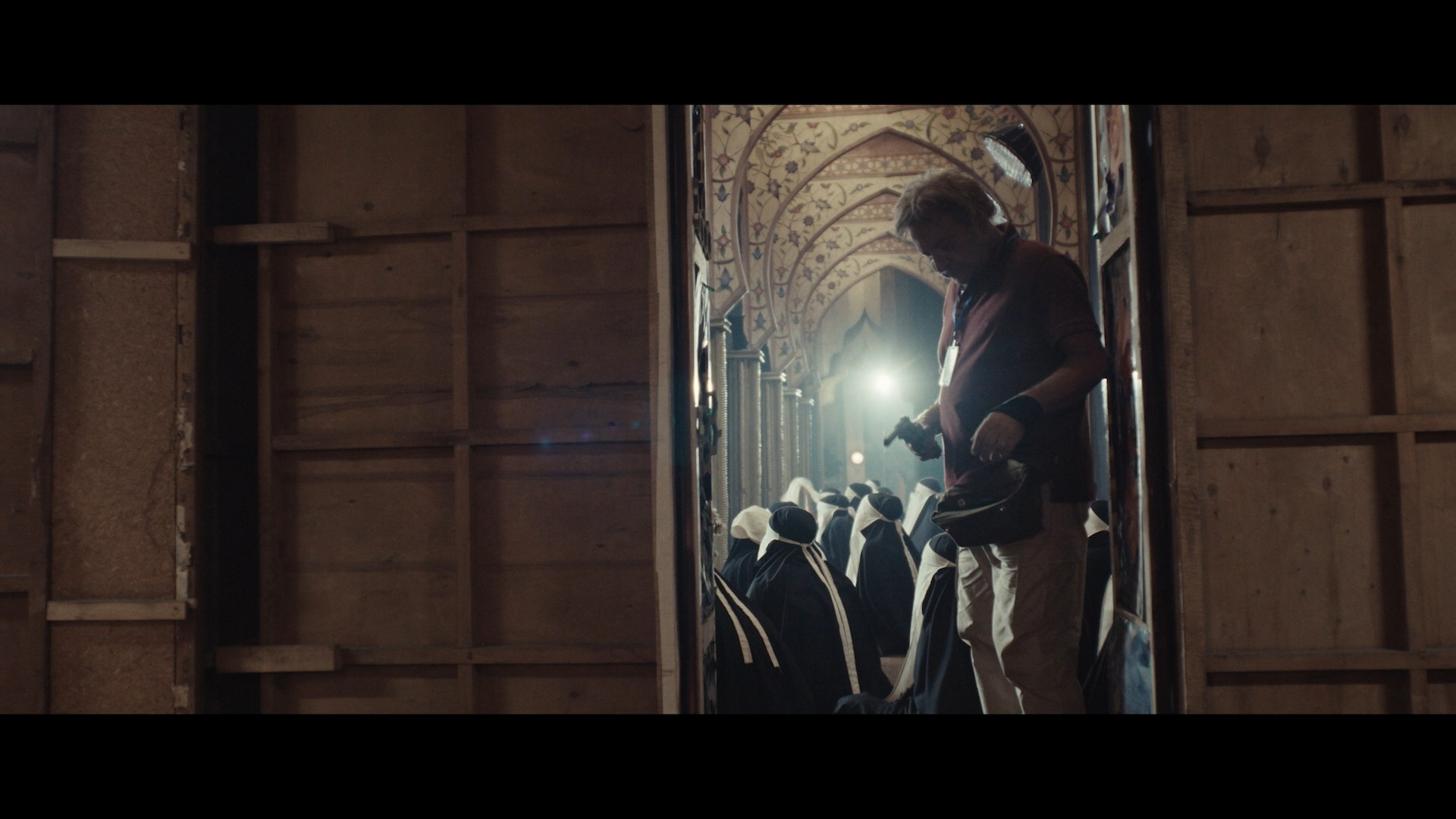
 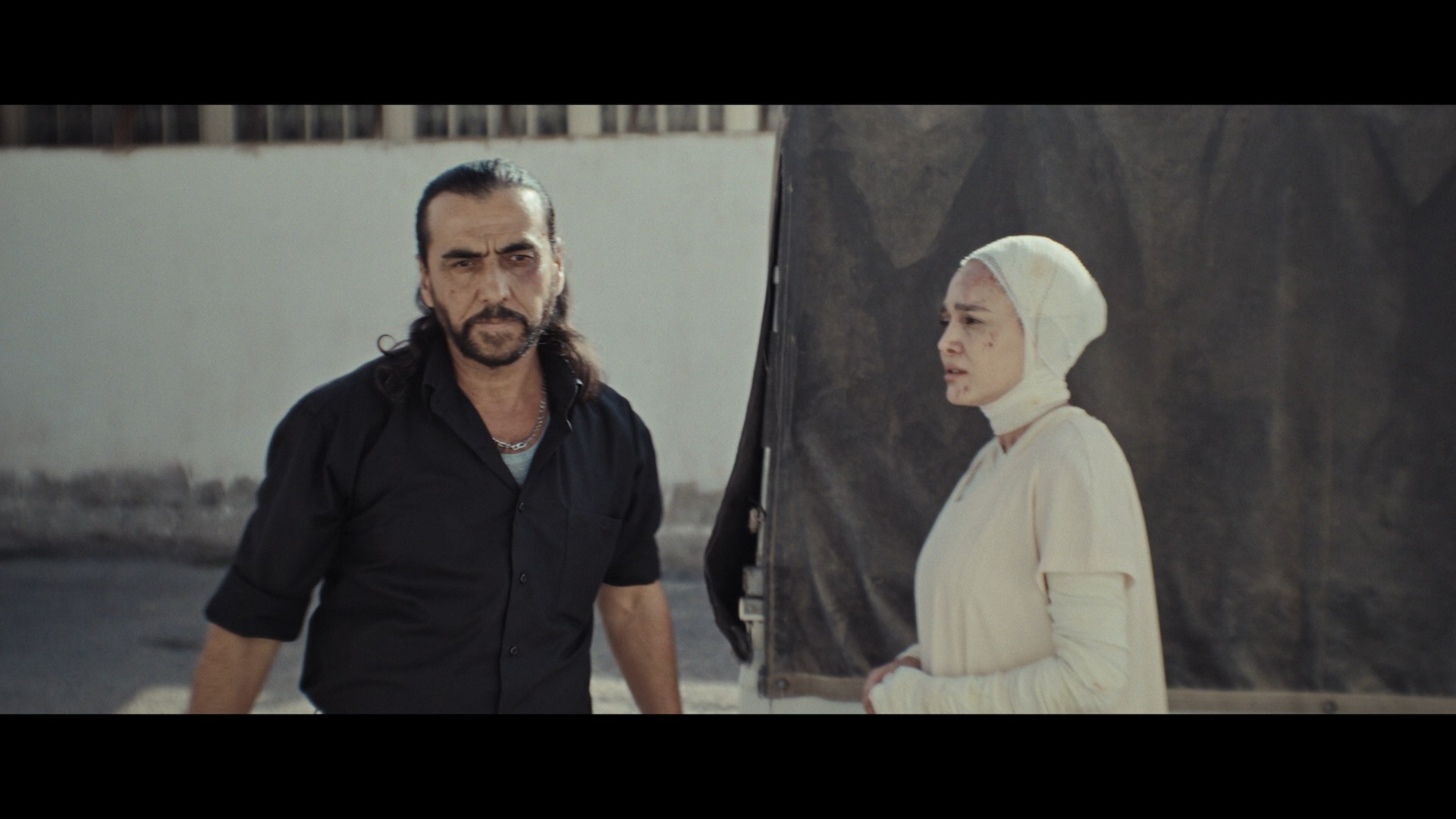 pivotal assassination scene and the safety precautions involving a firearm on set, part of the film's recurring gun imagery that culminates in a surreal punchline. The film eventually explains its title as well with an Inland Empire-style detour involving some
  eerie rabbit characters, part of the larger idea of smashing the reality of film production, the movie itself, and even the linear nature of time into
  choices mean and how the director's sense of humor figures in, and more. That last part also factors into the visual essay "The Maze: Entrances and Exits in Black Rabbit, White Rabbit" by Stephen Broomer (12m59s) which tackles the different narrative levels and how they all lock together, often merging and switching around within the same long shot or upending each
 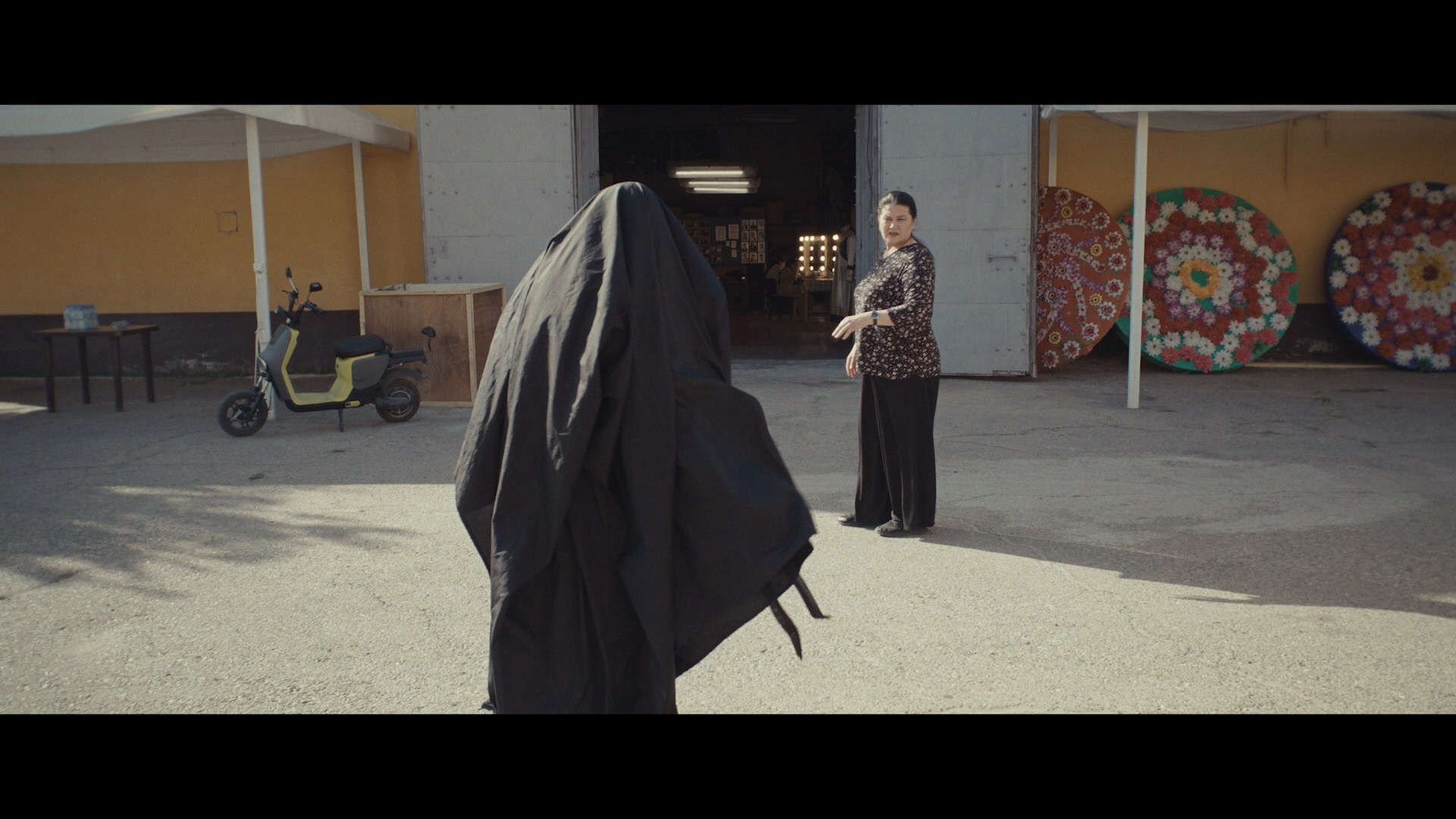 other repeatedly. Finally you get three Mokri short films: 2002's The Dragonfly Storm (15m46s), essentially his variation on the butterfly effect with inlaid color and black-and-white coverage of the same day's events that kick off after a single lightbulb change; 2005's Limits of the Circle (15m45s), scored with music from a certain well-loved '90s slasher film, is basically a dry run for Fish & Cat with a crazy single take up and down a university's staircases following students through time and space; and 2007's Ando-C (16m10), a split-screen frenzy showing multiple characters and locations crashing in and out of each other multiple planes at a time. The limited edition also comes with a hefty 60-page booklet featuring further plunges down the rabbit hole with appreciative essays by Walter Chaw, Alexandra Heller-Nicholas, and Michelle Kisner.