Color, 1998, 93 mins. 17 secs.
Directed by Abel Ferrara
Starring Christopher Walken, Willem Dafoe, Asia Argento, Annabella Sciorra, John Lurie, Gretchen Mol, Yoshitaka Amano, Ken Kelsch, Ryuichi Sakamoto
Cinématographe (Blu-ray) (US, Sweden R0 HD), DigiDreams Studios (Blu-ray & DVD) (Germany RB/R2 HD/PAL), One Plus One (DVD) (France R2 PAL) / WS (1.85:1) (16:9), Sterling (DVD) (US R1 NTSC) / WS (1.85:1)
Never a 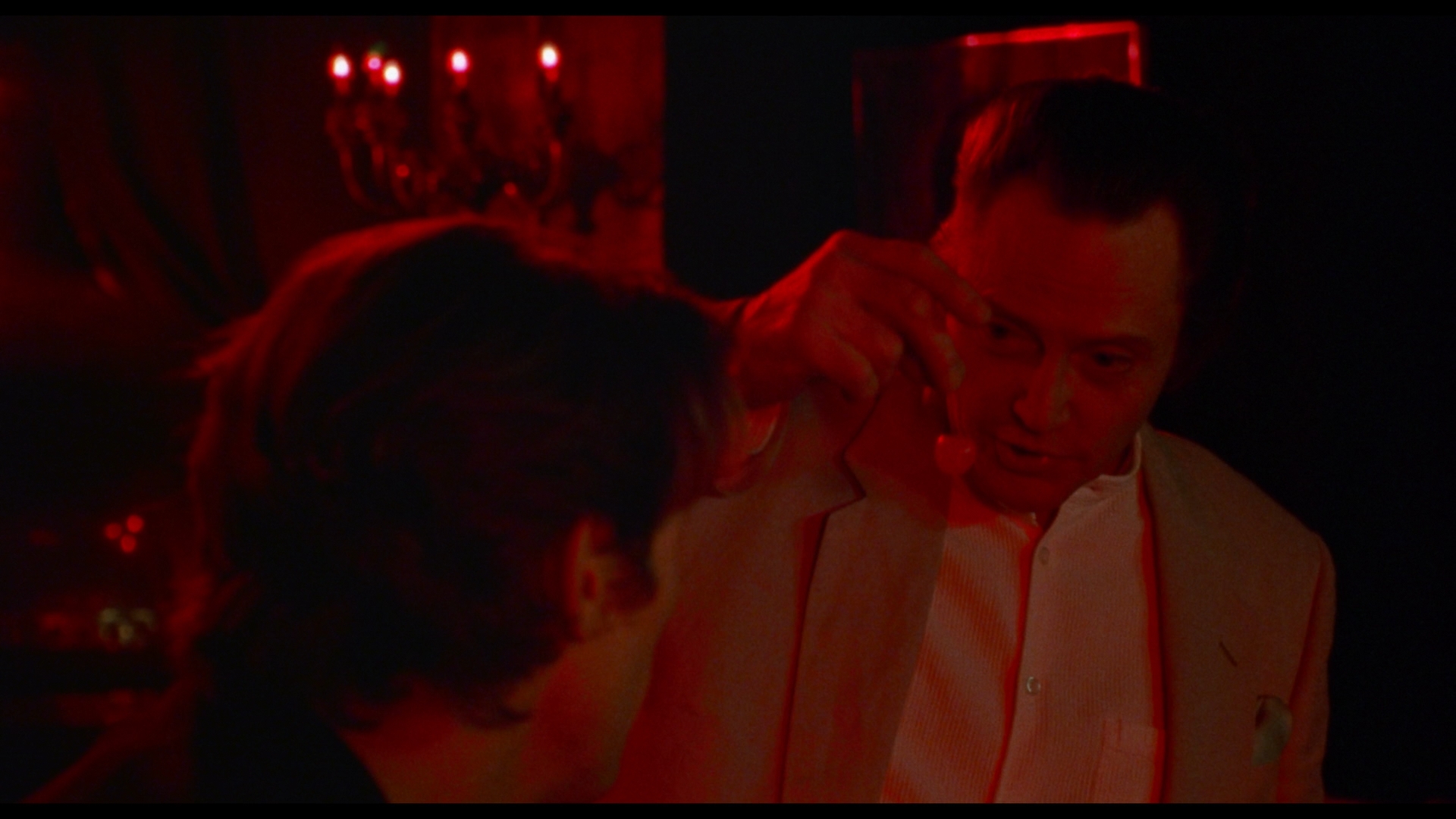 director to go with the obvious, Abel Ferrara was at a shaky transitional point in his career when he made this adaptation of William
  Gibson's (very) short story designed to ride the cyberpunk wave flourishing in the late 1990s (including another Gibson adaptation, Johnny Mnemonic). The end result for his Bad Lieutenant producer, Edward R. Pressman, was hardly the critical comeback people expected after Ferrara's interesting but barely released all-star fever dream The Blackout; instead it pushed things even further into experimental territory with a claustrophobic, largely introspective cinematic meditation borne of extensive improvisation on the set and notorious production fumbles that left key sequences unfilmed. The film ended up getting dumped straight to DVD after a handful of screenings, though since then it has been reappraised by many viewers as a fascinating experiment and a sign of the very different, largely European-based direction Ferrara's career would take in the current millennium.
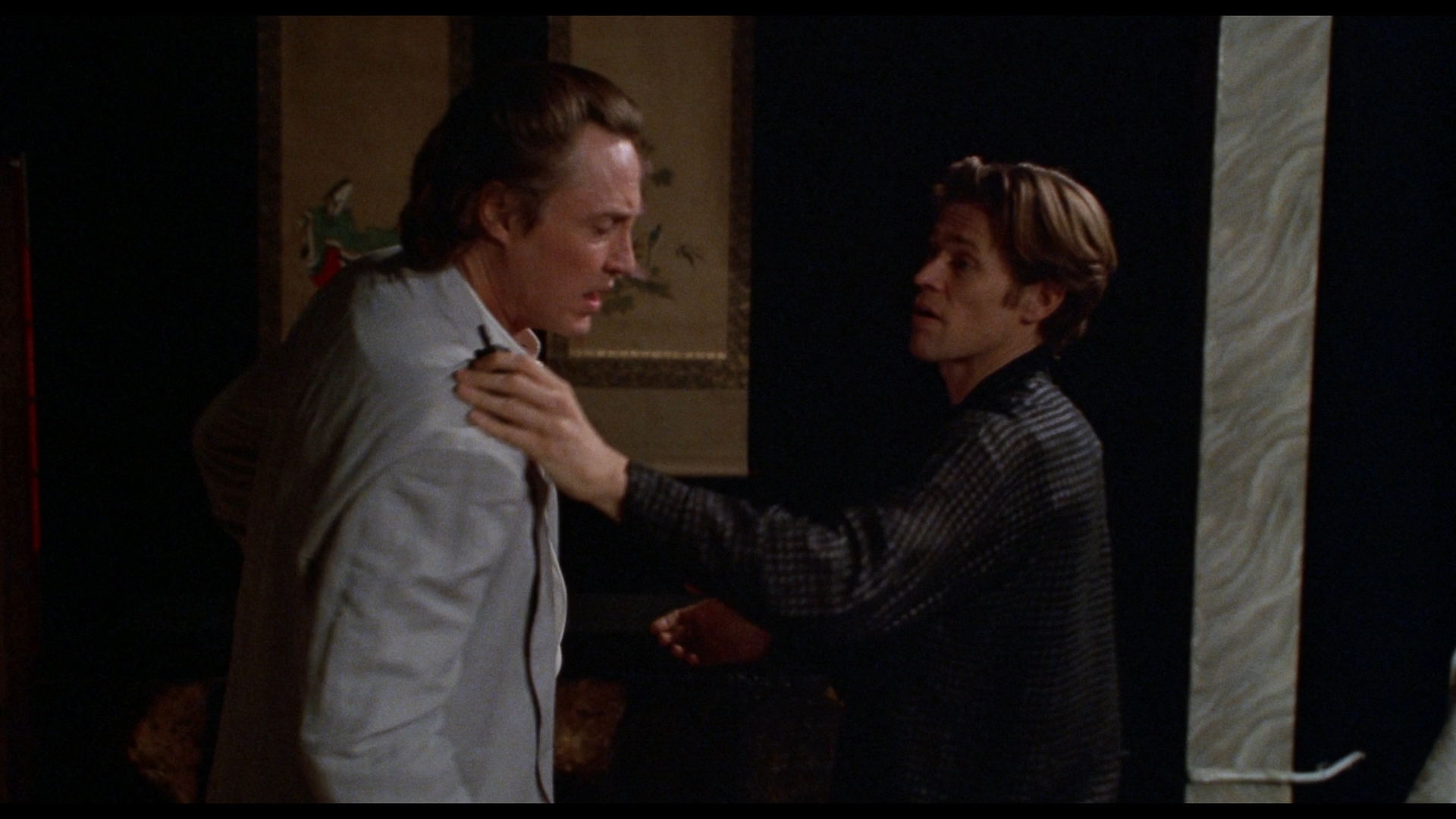
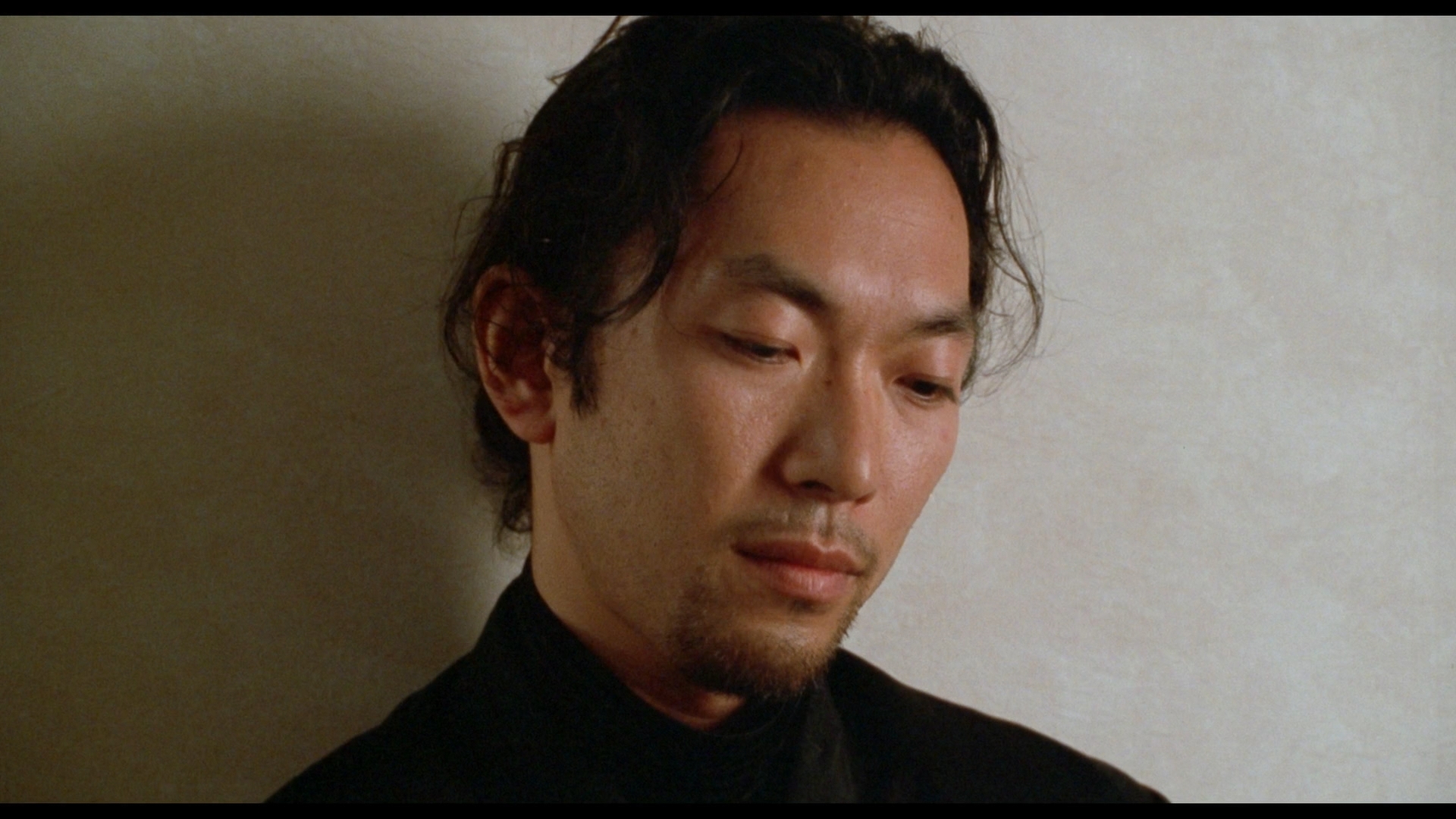
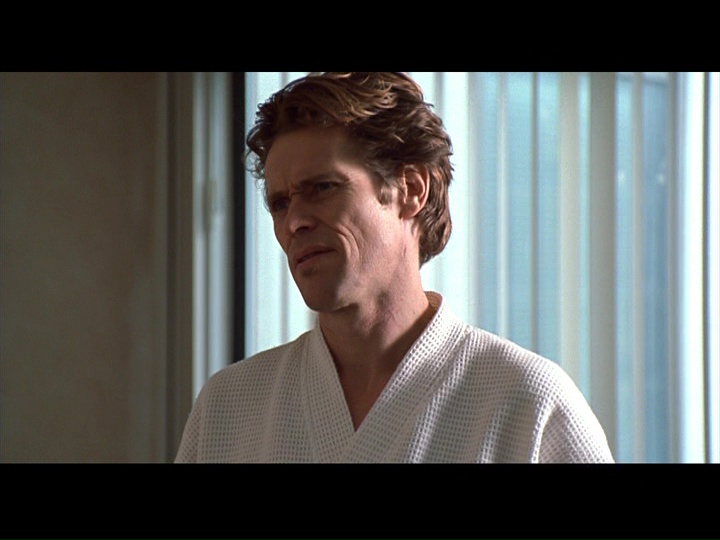
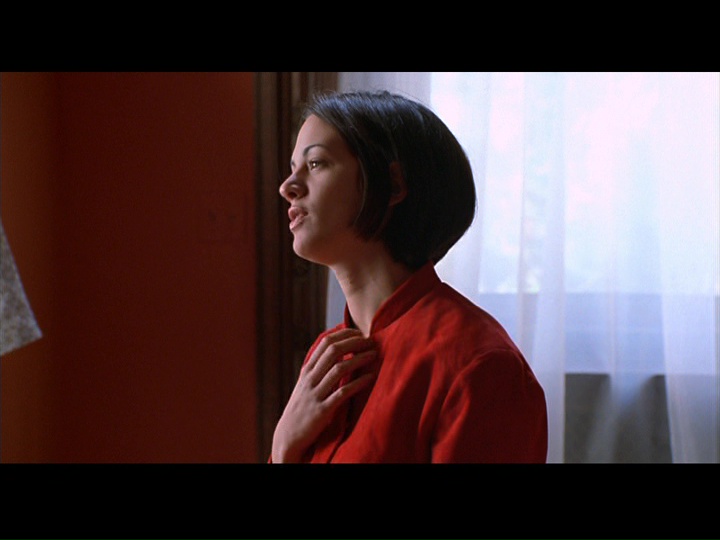
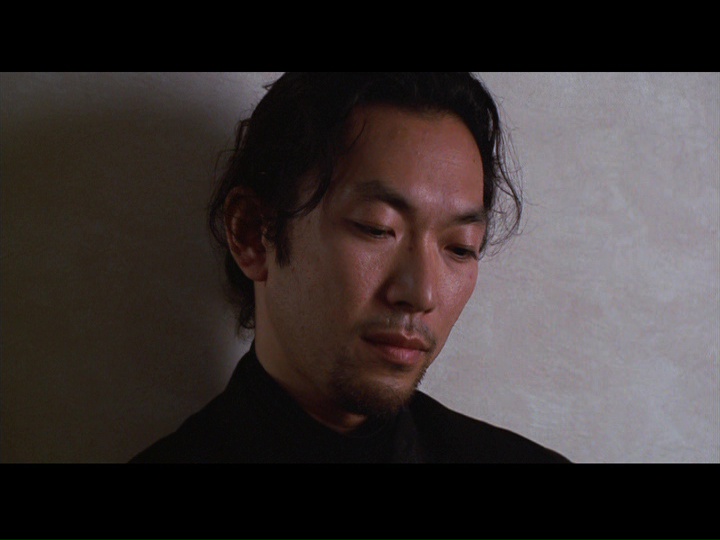
In the near future, the always hustling, cane-toting Fox (Walken) teams up with X (Dafoe) for a plot to lure a leading scientist, Hiroshi, away to a rival corporation. As bait, the men recruit a prostitute, Sandii (Argento), whose mission is to seduce Hiroshi away from his wife and plant ideas in his head. However, during her "training," Sandii and X fall in love... or so it seems. Hiroshi is never viewed directly, only as a flickering image on cameras; Sandii's actual seduction of him is relayed only through dialogue and inference; and a vaguely-defined corporate conspiracy from the other side appears to be brewing on the sidelines.
Encouraged to go with the flow, the actors bring their own personalities in full force to the material with Argento on the cusp of what would prove to be a short-lived indie American career. The deal breaker for many at the time was the final half hour of the film, which consists 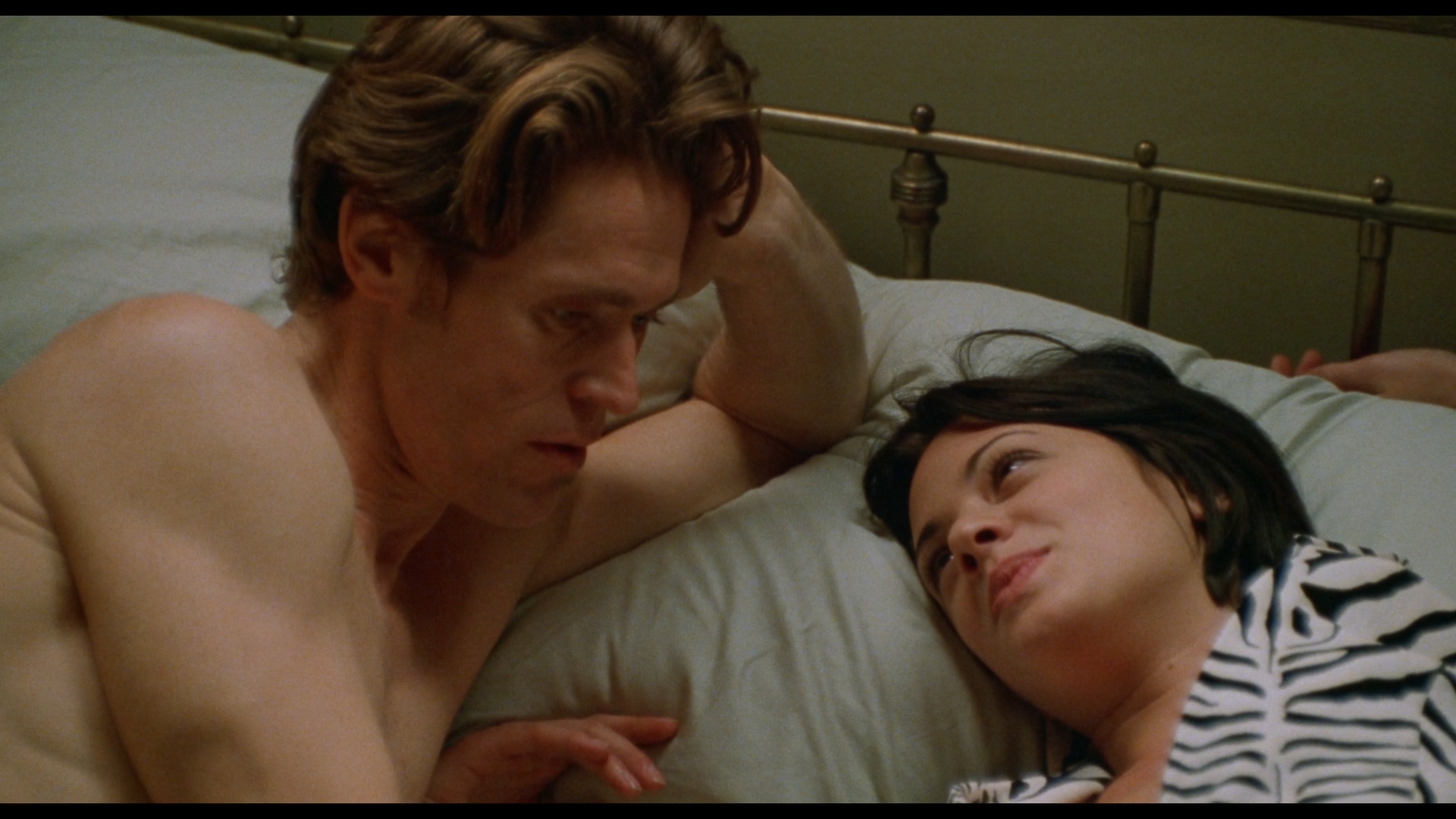 entirely of Dafoe sitting in a
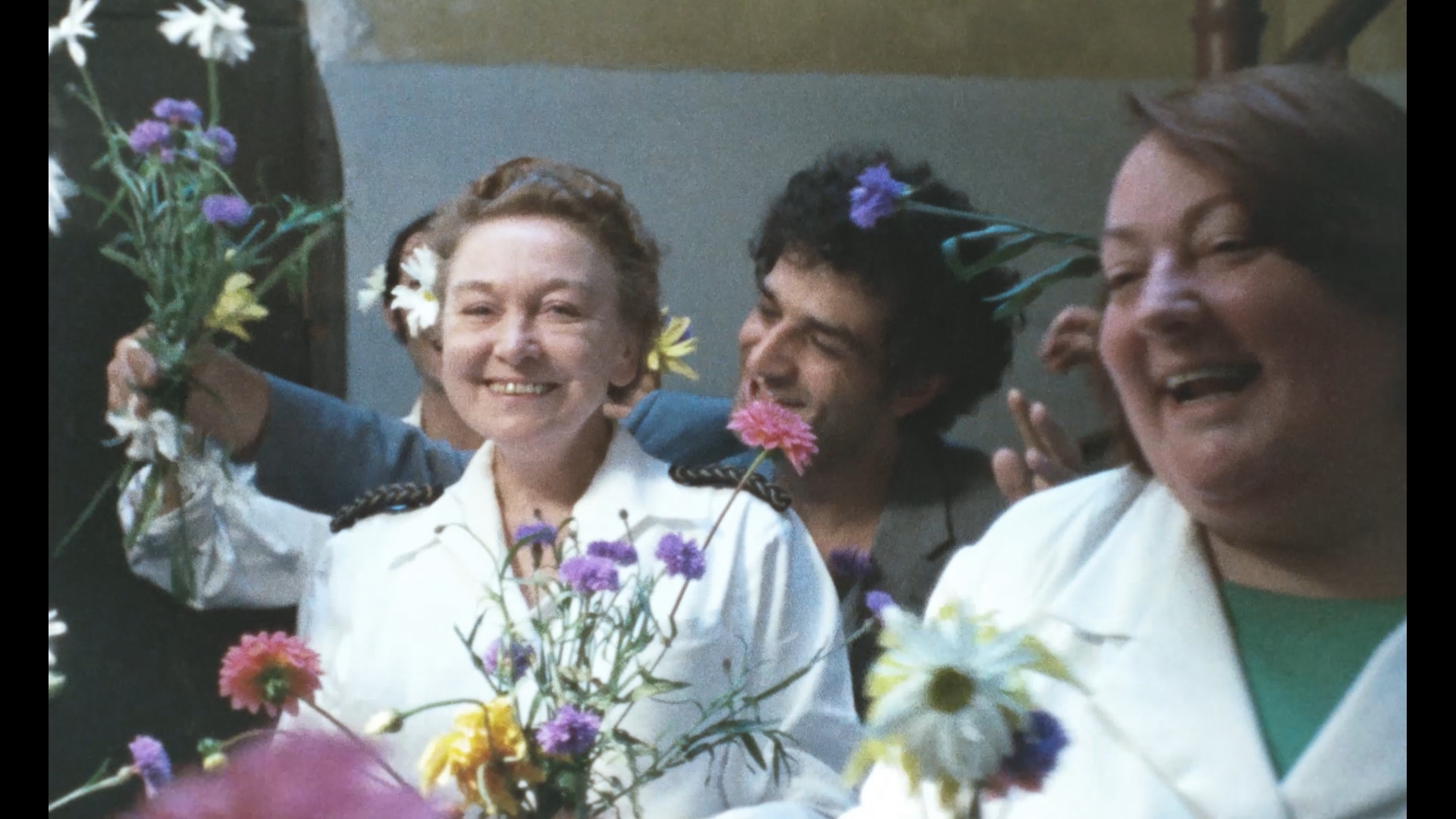
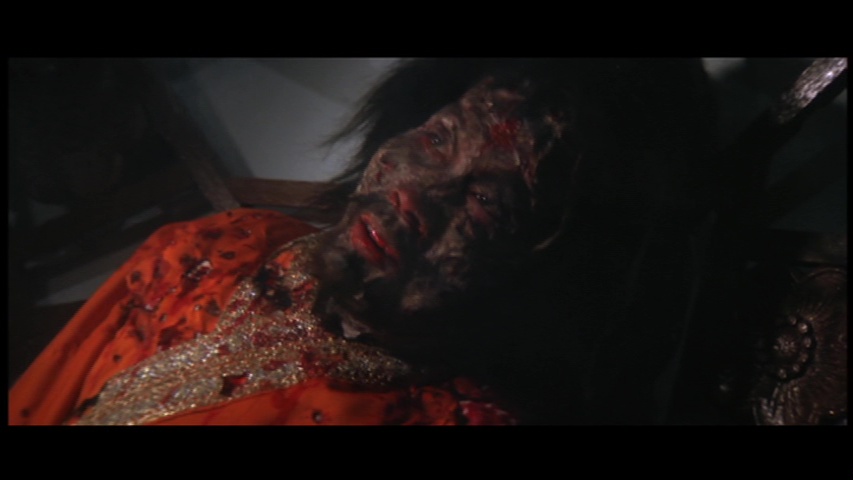
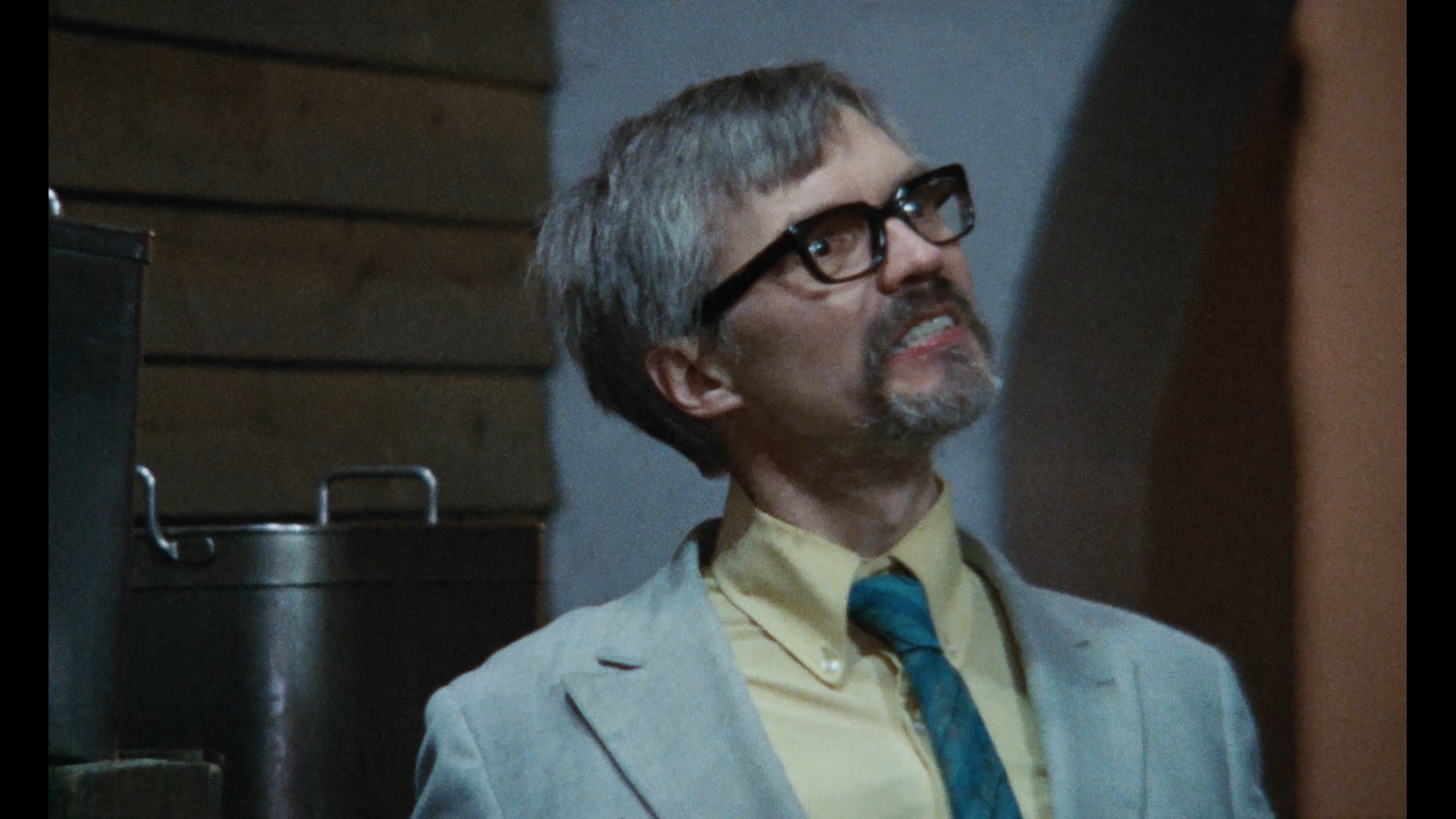
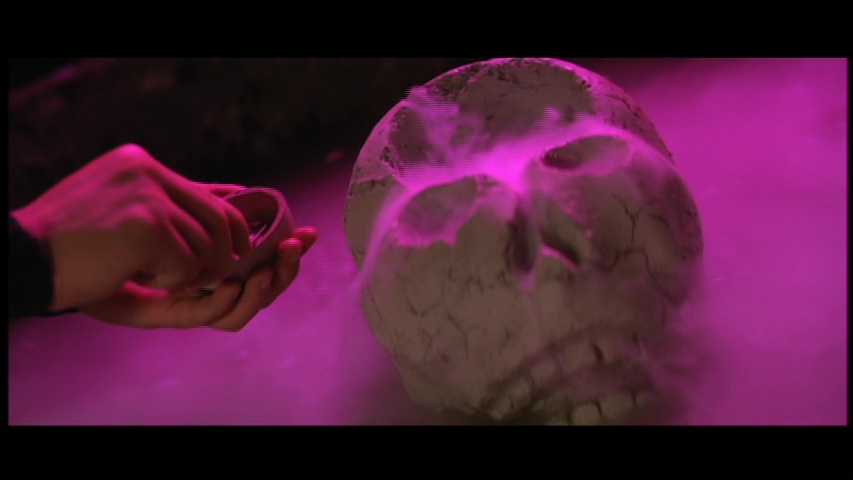
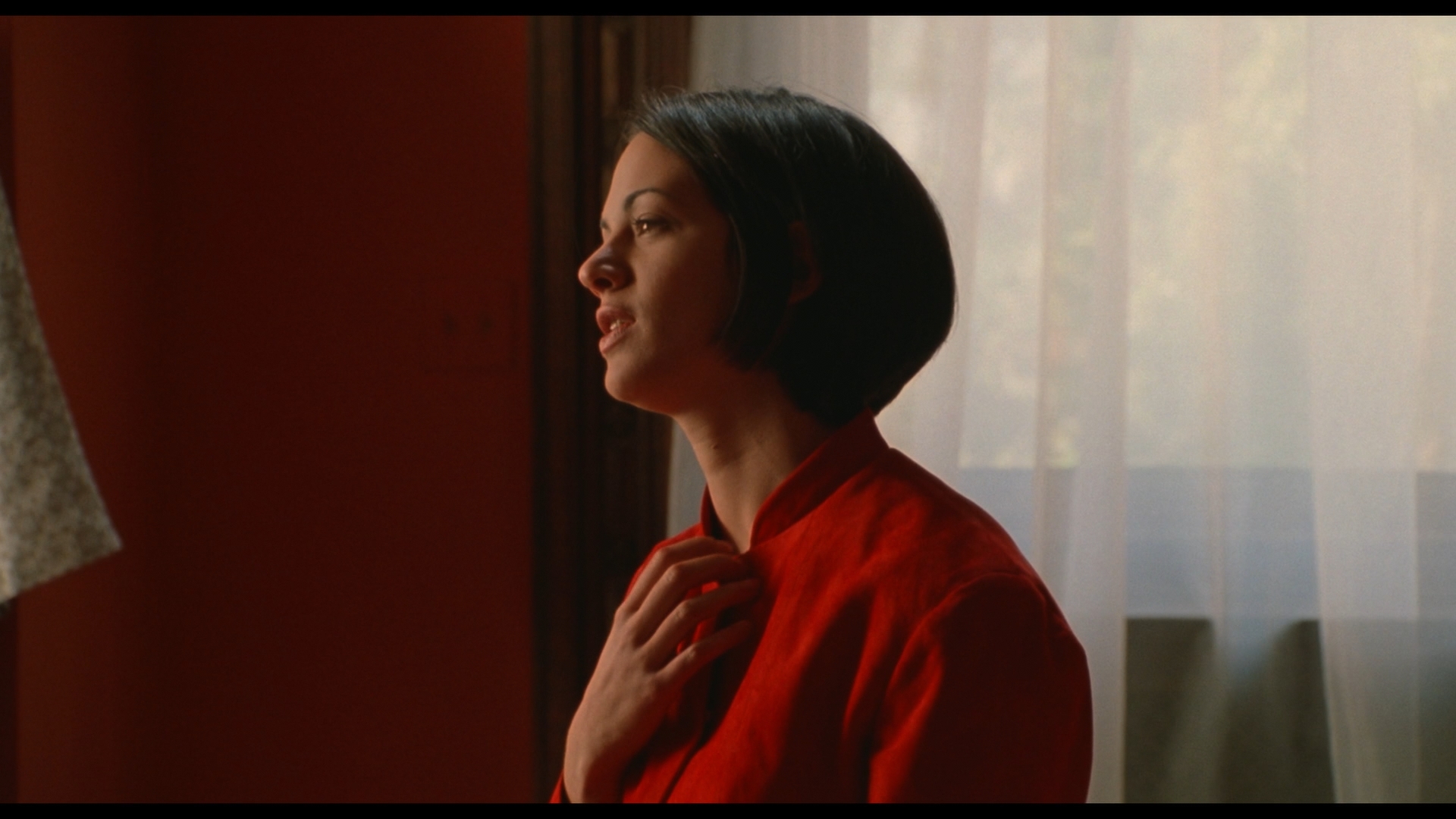
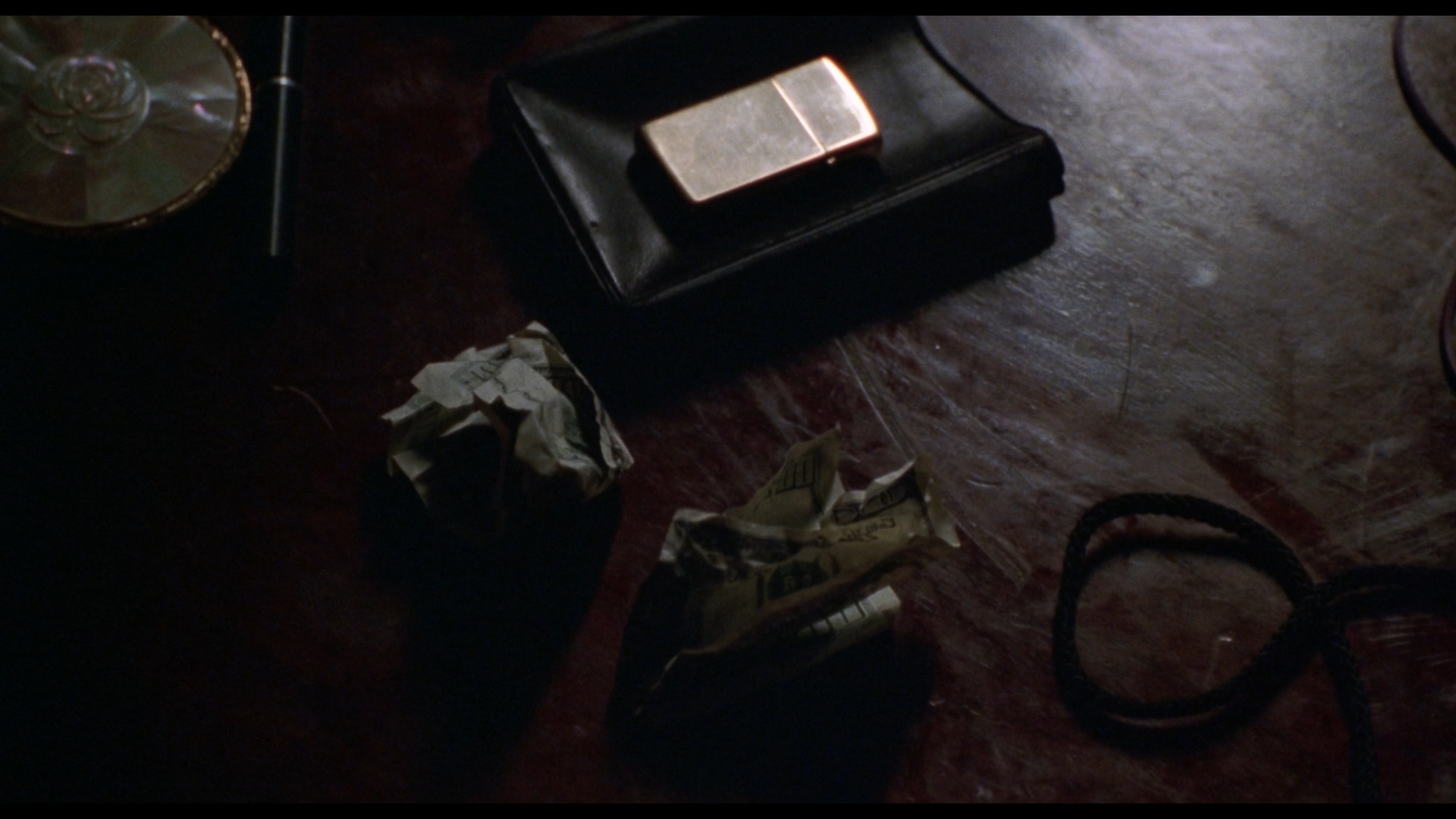
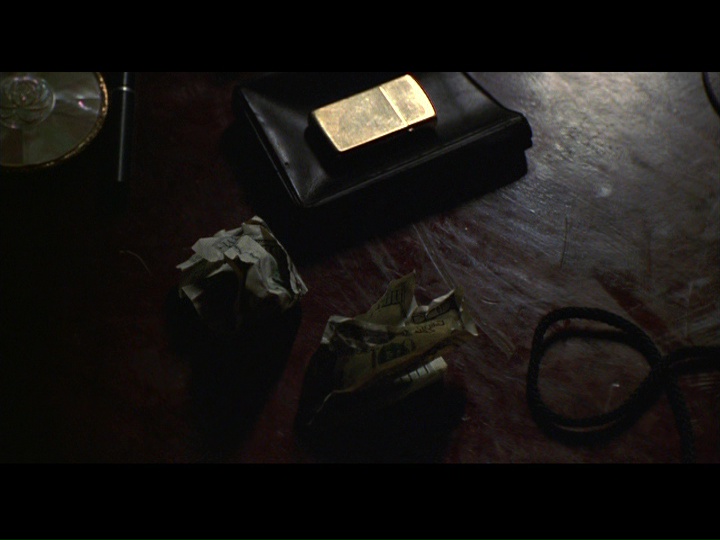
 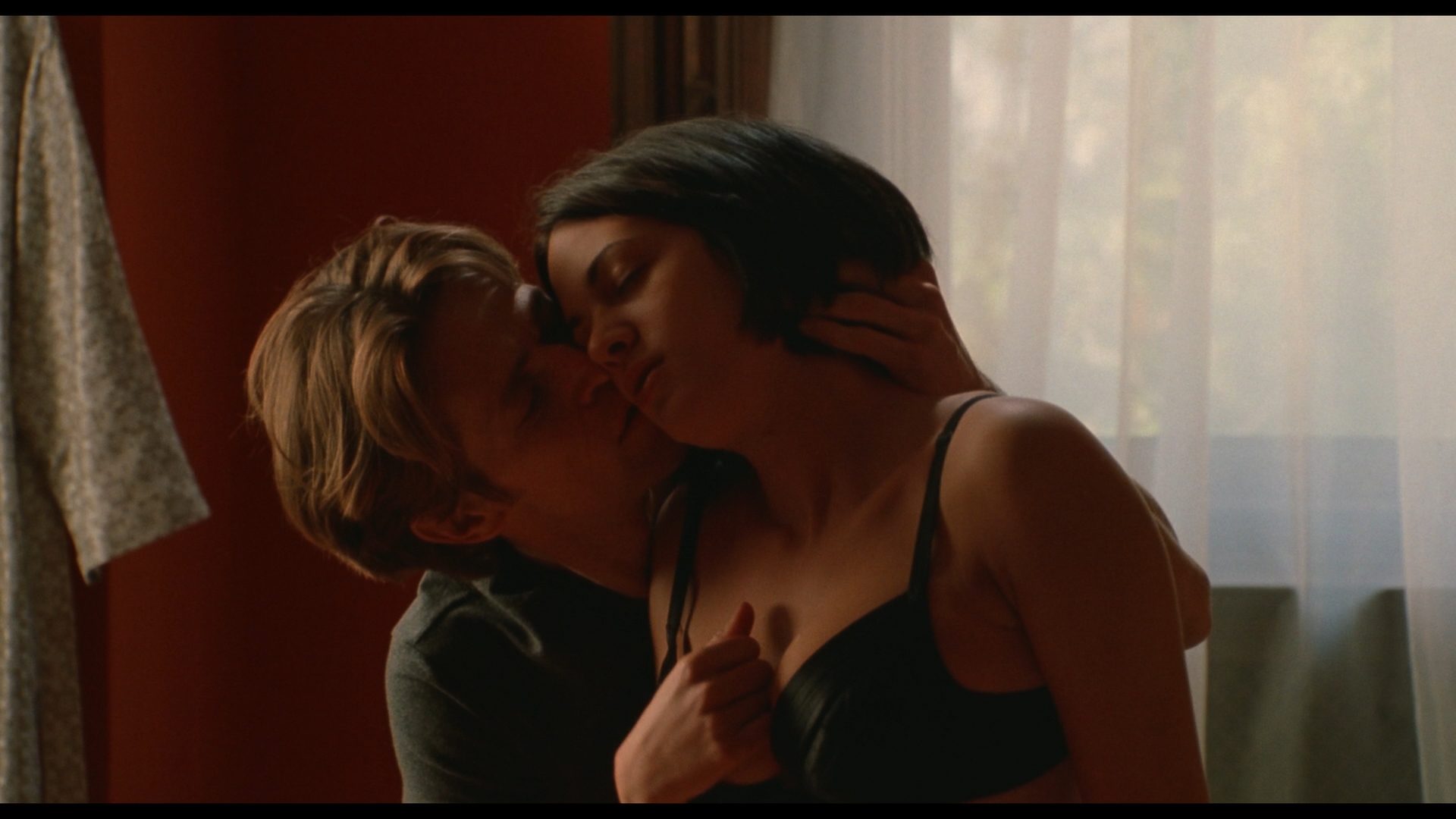 dark room having flashbacks to the rest of the film using different takes. Visually the film features a number of formats including saturated 35mm, video, 16mm, 8mm... you name it. Many scenes are deliberately drenched so deeply in shadows that the actors are almost impossible to see, while others are startlingly clear and beautiful to behold. The opening credits in particular are a knockout, and the throbbing score by Schooly D (Bad Lieutenant's most infamous alumnus) adds a lot of atmosphere.
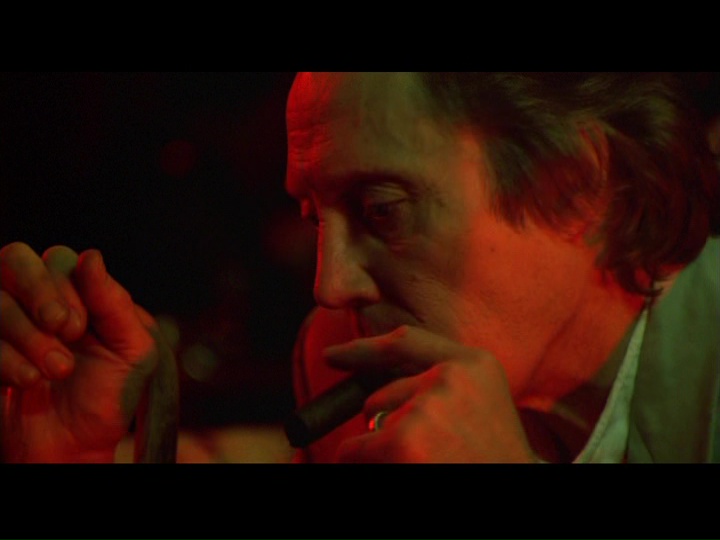
Sterling's DVD in the U.S. looked fine for the time apart from being non-anamorphic, a bad call for any label back then that looks even worse now. The 5.1 and 2.0 sound mixes are extremely rich, with strong bass and evocative separation effects throughout. The disc also includes a commentary track by co-writer Christ Zois, who largely address the issues of adapting the Gibson story and sidesteps some of Ferrara's more notorious working habits at the time. An overzealous trailer, cast and crew bios, and a bizarre trivia game (which could lead to an Easter egg, but it will take a brave viewer to find out). Subsequent home video editions weren't much better for a long time, including a 2021 Blu-ray and DVD option in Germany from the dreaded DigiDreams Studios 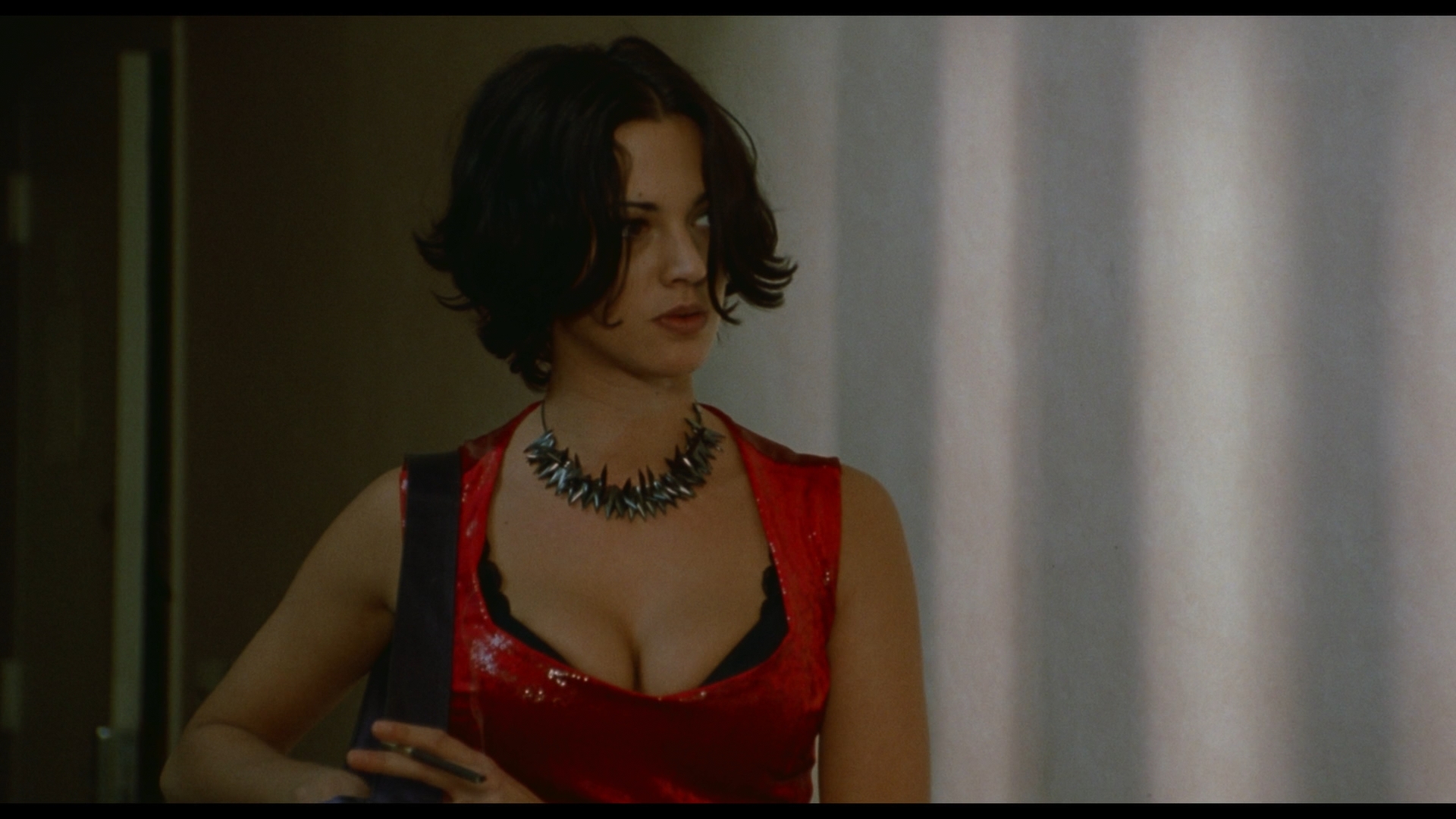 which, as with the rest of their catalog, is best avoided.
In 2025, Vinegar Syndrome sublabel Cinématographe brought the film back into U.S. circulatioin at last with a Blu-ray edition that improves things across the board including a nice presentation that increases detail as much as possible given the mixed formats and 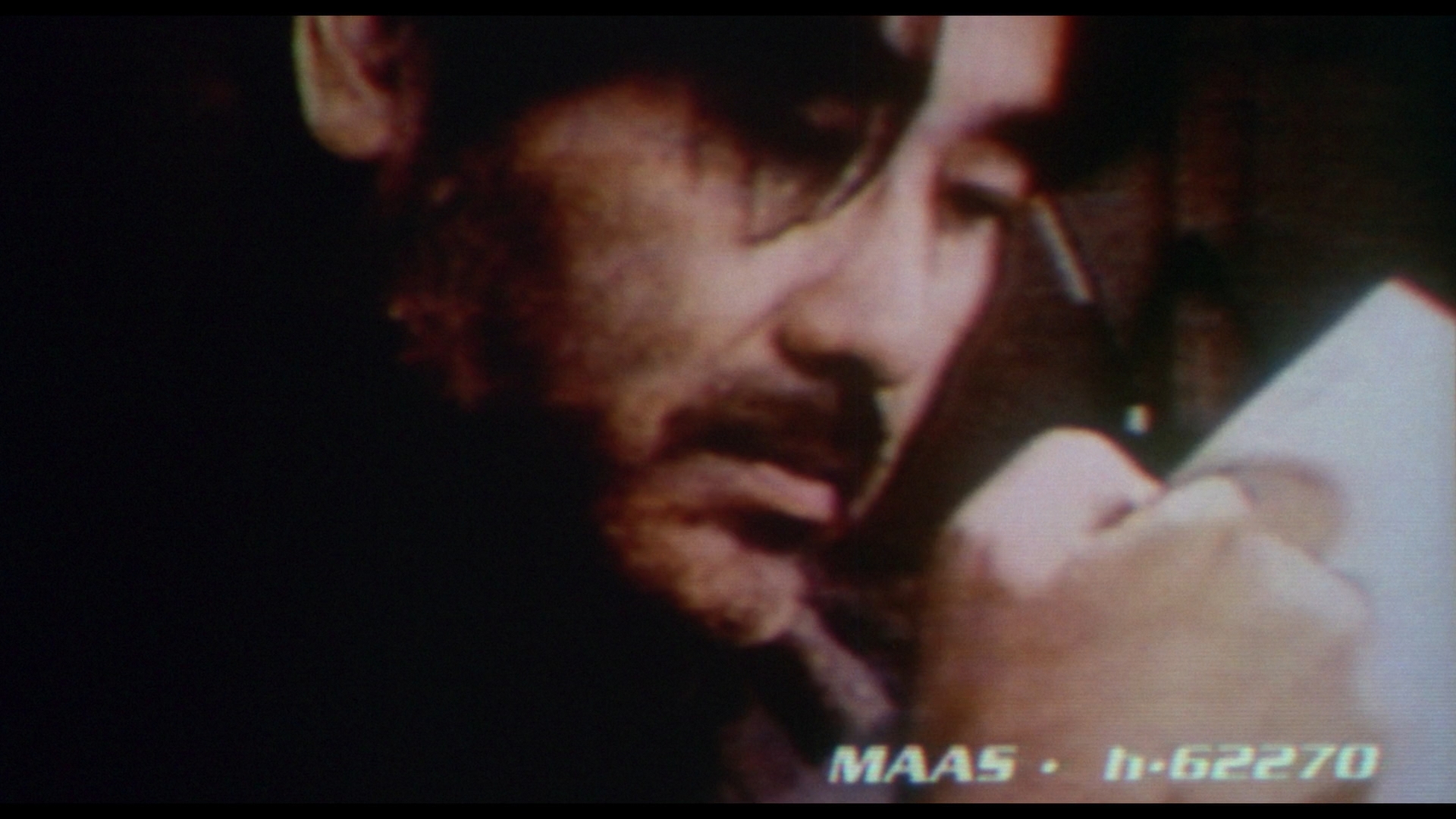 handles the tricky, red-heavy color schemes with more finesse. The DTS-HD MA English 5.1 track sounds great and comes with optional English SDH subtitles, while a new audio commentary by Adrian Martin covers his high regard for the director's work and his interpretations of the various stylistic choices. The film can also be played with a new intro by Ferrara (6m51s), basically an interview shot in portrait mode on a phone, about his first exposure to Gibson's work, the tough state of his life at the time, his recently released book, and his hope that the viewer will give the film a fair chance.
In "Wild & Wooly" (7m55s), Dafoe chats about the very loose and often chaotic production process, his adoration for Walken, and the attempts to create a globe-trotting narrative within the confines of New York City. "Doing Your Homework" (15m5s) is an interview with Argento (via lo-res video conferencing) about her idolization of Ferrara, their mutual path to recovery, her optimism about working with him again, the lessons she learned that inspired her to become a director, and her positive opinion of the end result. In the fascinating "I Had to Be Cool" (17m16s), Schooly D recalls his first encounter with Ferrara in the late '80s and the amusing way he ended up with music in King of New York, the piecemeal approach to scoring this film through the script and scenes as they were delivered, the differences between their working processes on multiple films, and his impressions looking back now after multiple viewings. Finally the visual essay "Checking Into the New Rose Hotel" (10m56s) by Alexandra Heller-Nicholas notes the film is a first collaboration between Dafoe and Ferrara and marks a move away from the filmmaker's NYC-based work. As usual the study packaging comes with a hardbound booklet featuring the essays "Near Future: William Gibson, Abel Ferrara and Two New Rose Hotels" by Justin LaLiberty covering the film's function as adaptation, Nick Newman's "You've Got Me Confused" about the film's slippery sequence of events and locations, and Filipe Furtado's "An Economy of Performative Presences" about the film's views of spectatorship and image processing.
Cinématographe (Blu-ray)
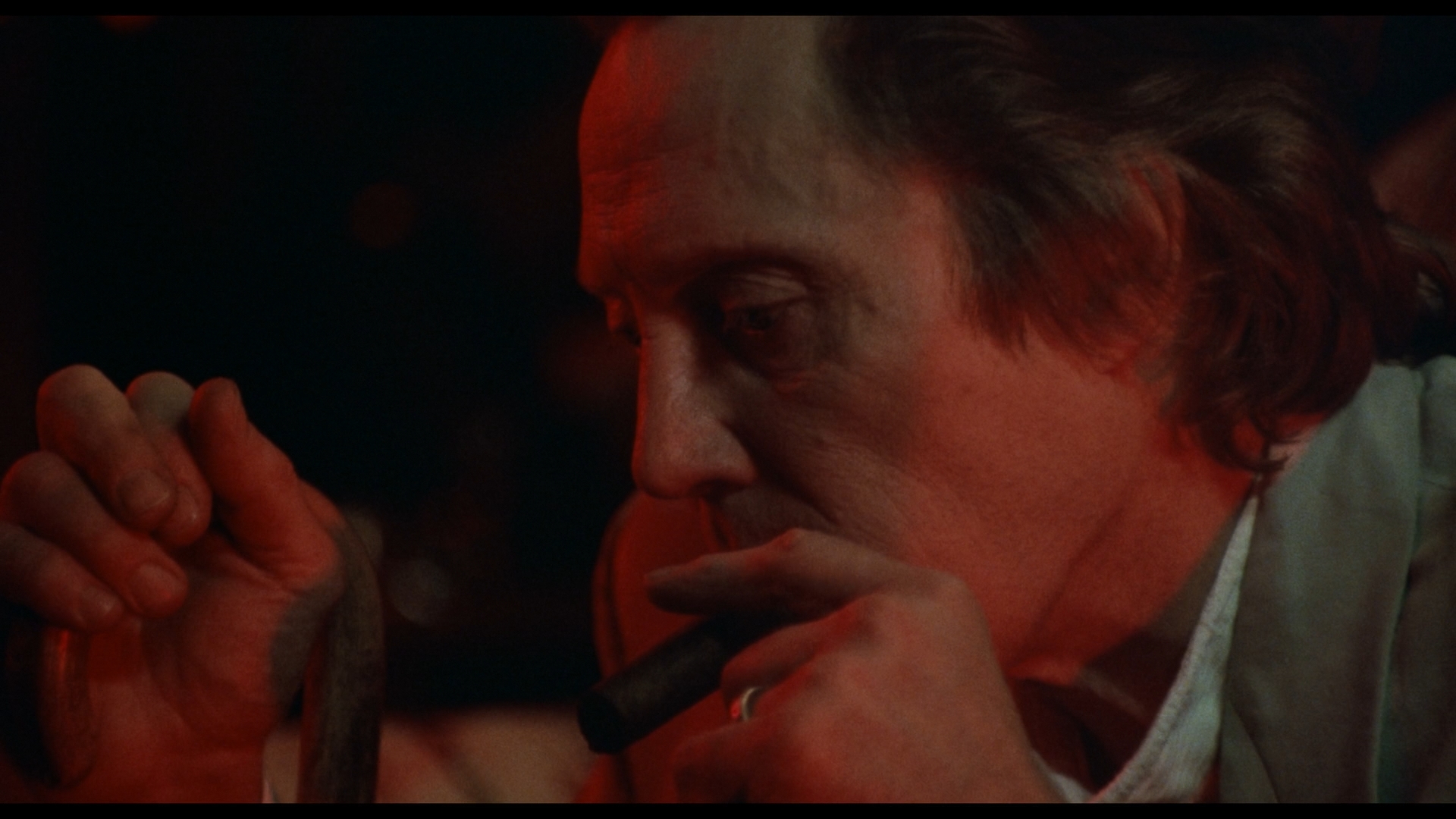
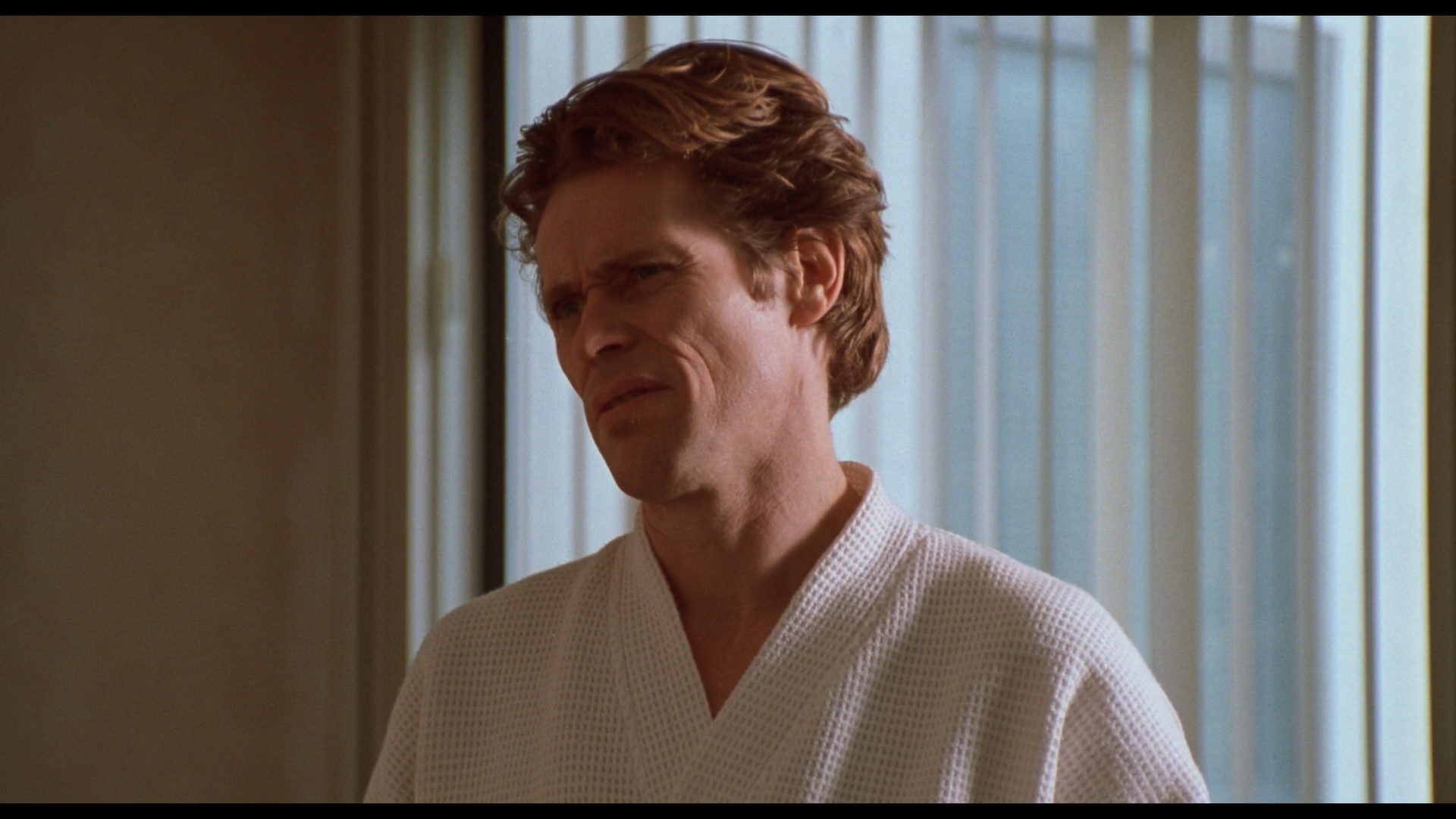
Sterling (DVD)
Updated review on January 7, 2025