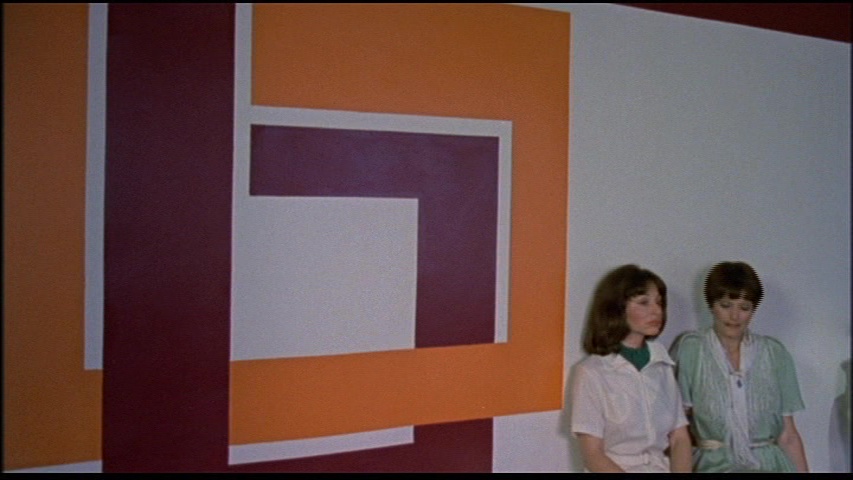
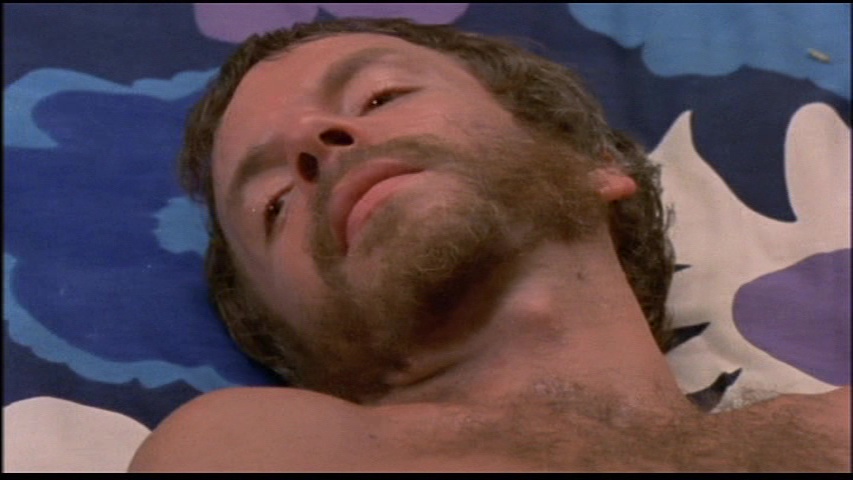
The end of an era, 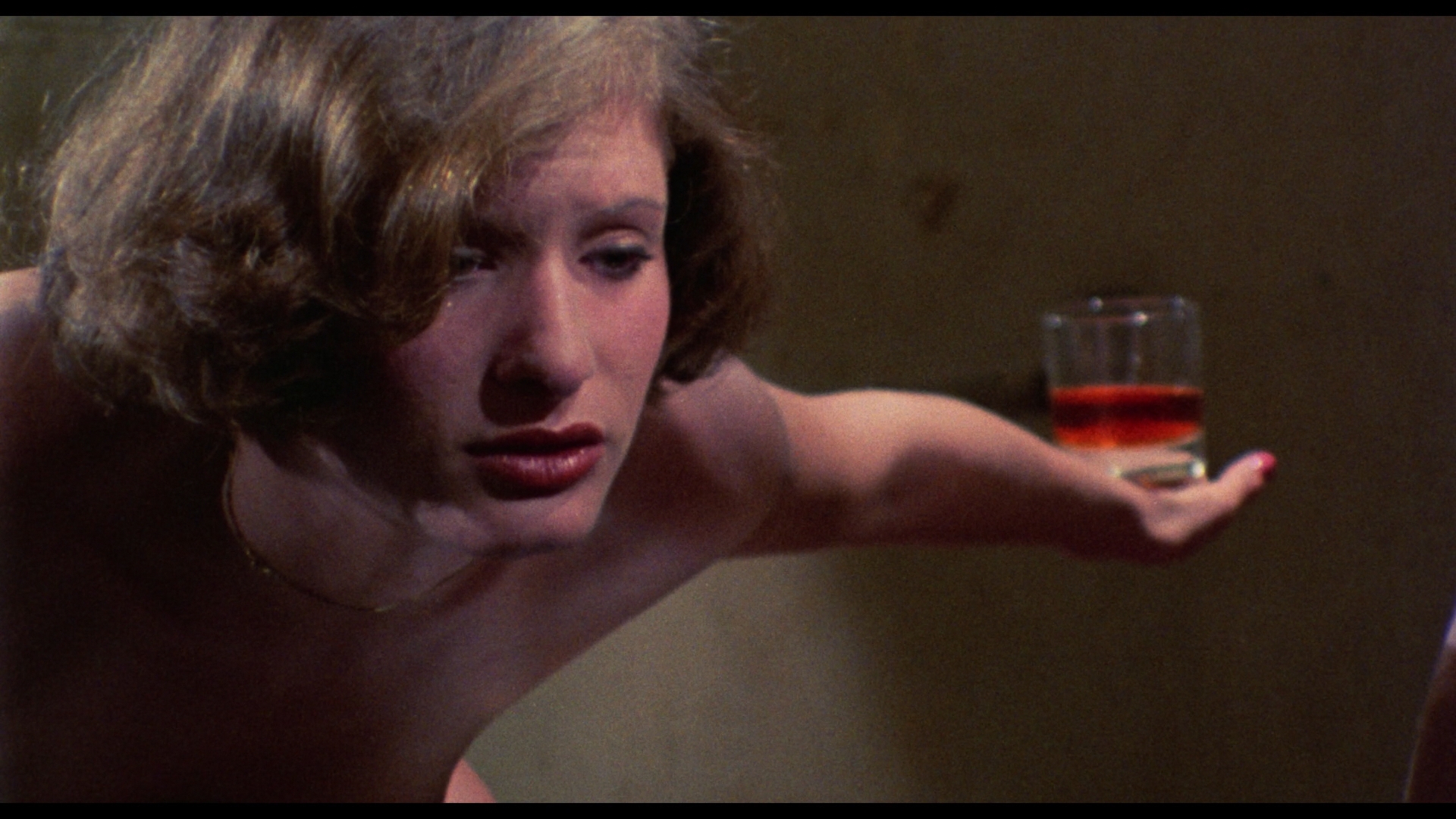 1977's Maraschino Cherry closed out the remarkable five-film career of one of the most
  legendary directors in adult films, "Henry Paris," the alias for filmmaker Radley Metzger first adopted for 1974's The Private Afternoons of Pamela Mann. In between he delivered Naked Came the Stranger and the iconic The Opening of Misty Beethoven, the latter starring newcomer Constance Money with whom he shot extra sequences that would become the source of years-long, acrimonious legal disputing due to her appearances in Barbara Broadcast and this film. Both of these Money-augmented features reflected a shift in the Henry Paris approach, going for a fragmented narrative that made them essentially feel like loops (sex film shorts) stitched together with a framing device. However, the trademark approach Metzger had established in his prior films (especially the transitional Score and The Image) were still in place, namely his trademark verbal wit, impeccably chosen library music tracks, and a unique cinematic world where sex makes the world go round and even the kinkiest activities are all a fun, cheeky part of an average day.
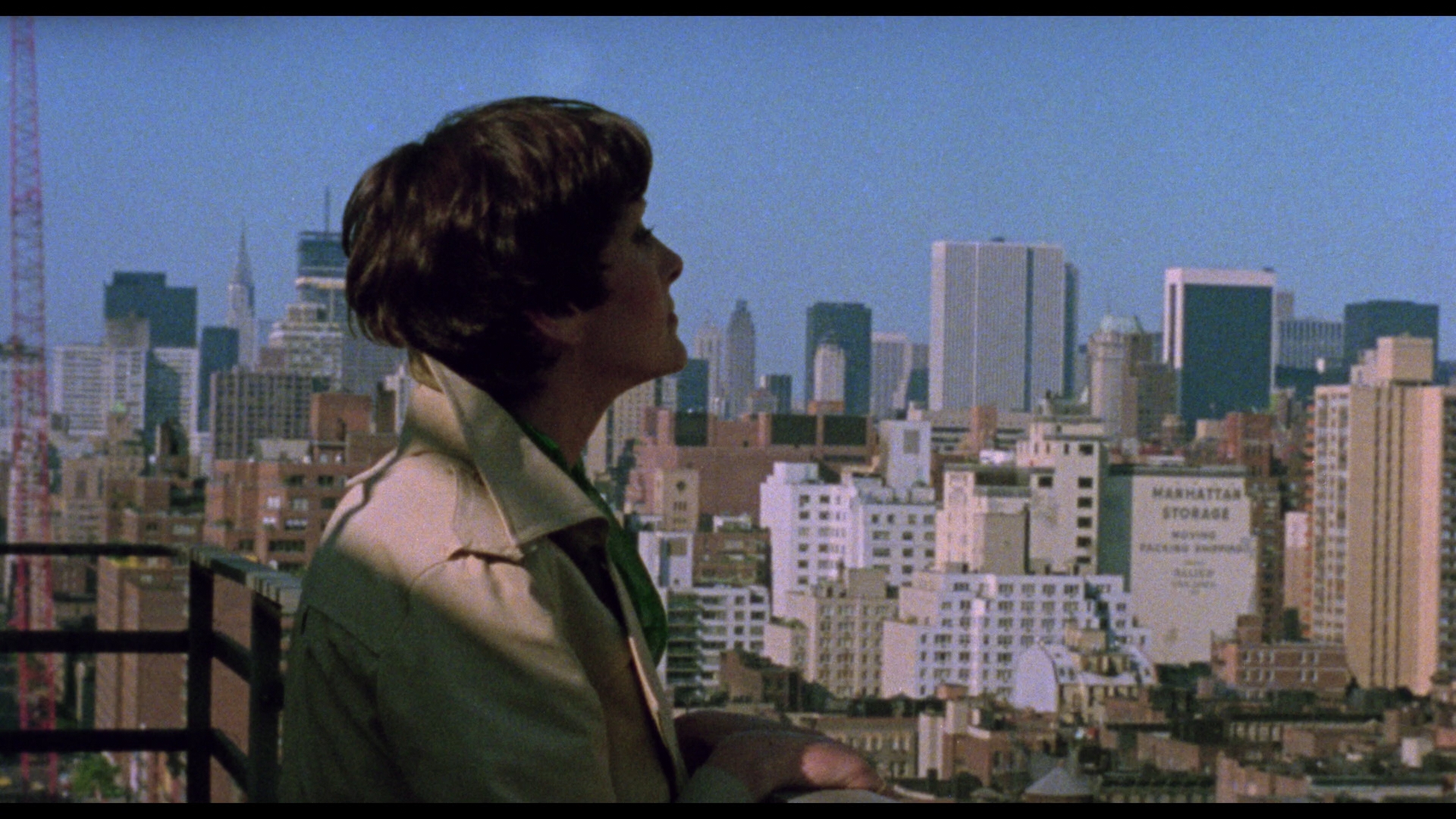
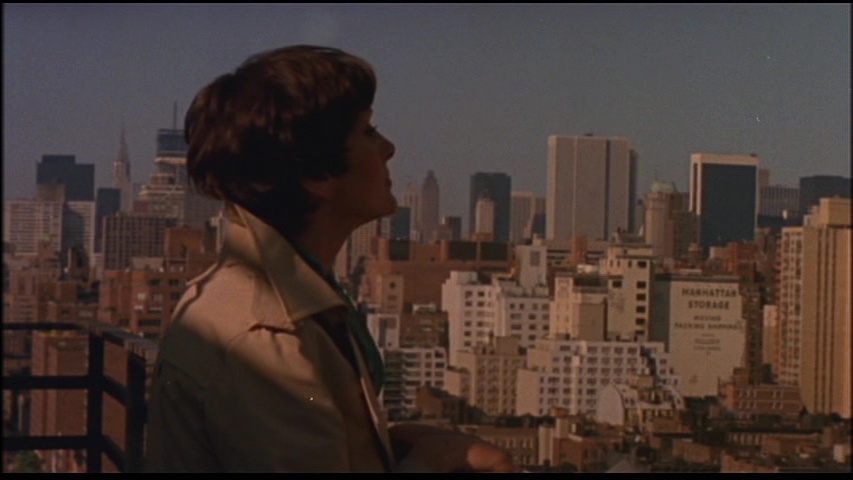
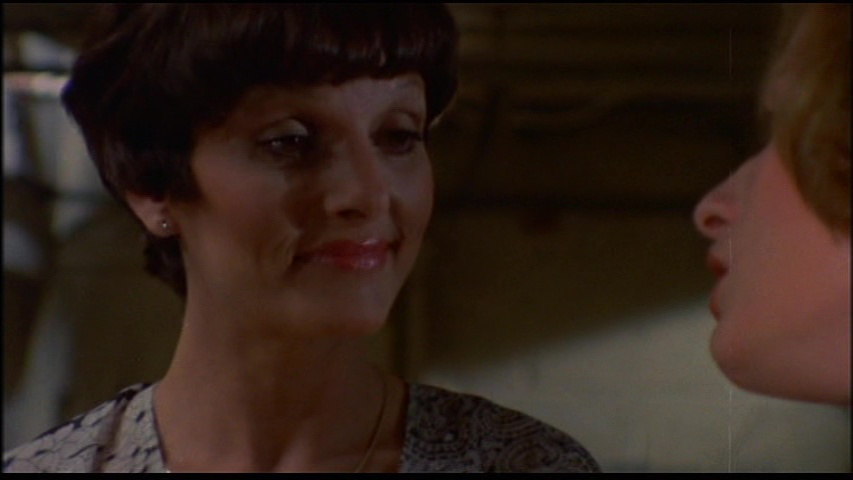
Out of a swanky Manhattan apartment penthouse, Maraschino Cherry (Leonard) runs a high-class brothel and escort service while occasionally indulging in the goods herself, including Wade Nichols in the opening scene. Her little sister Penny (Baxter) shows up for a visit and wants to learn the ropes so she 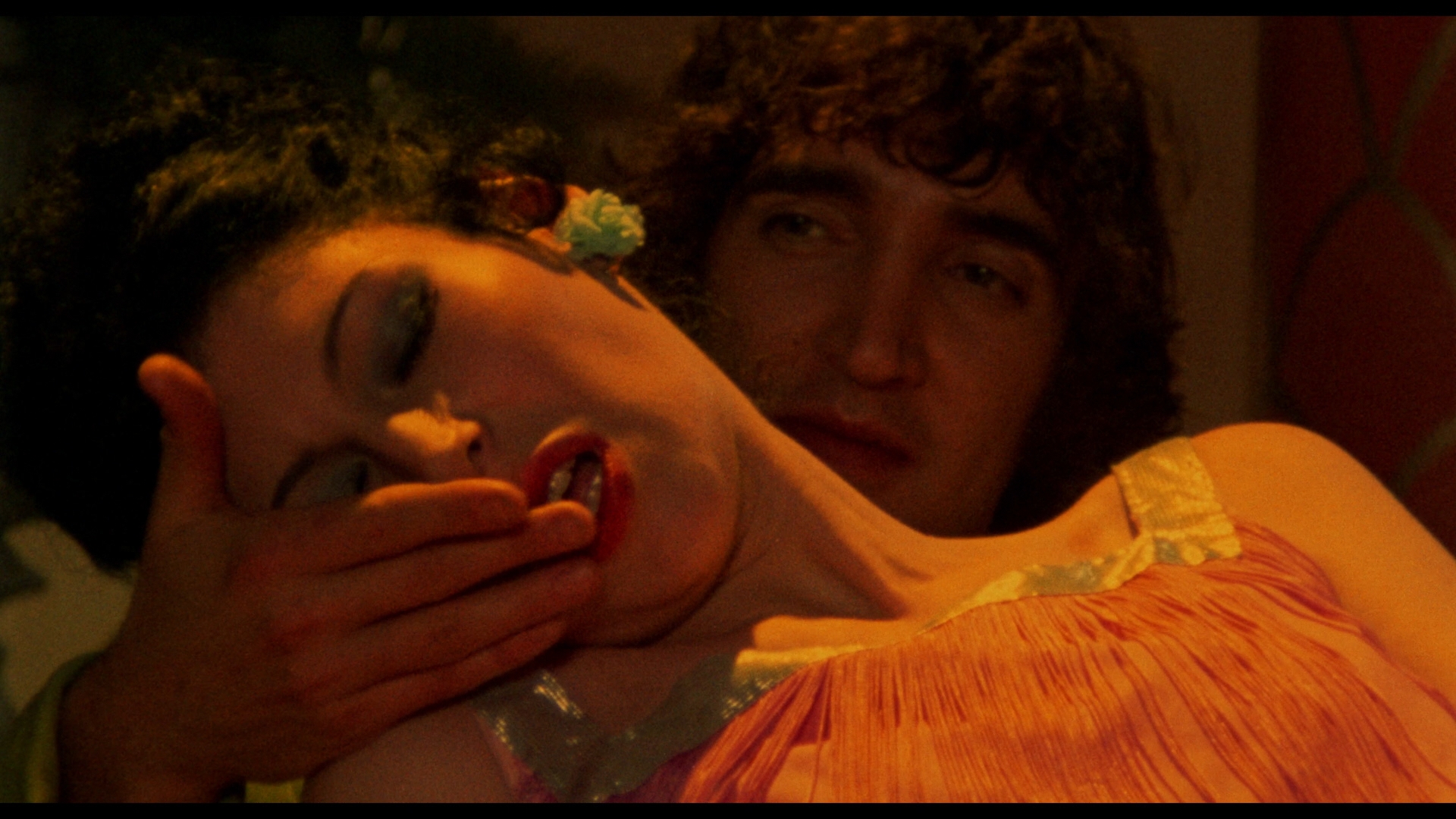 can get into the business herself,
 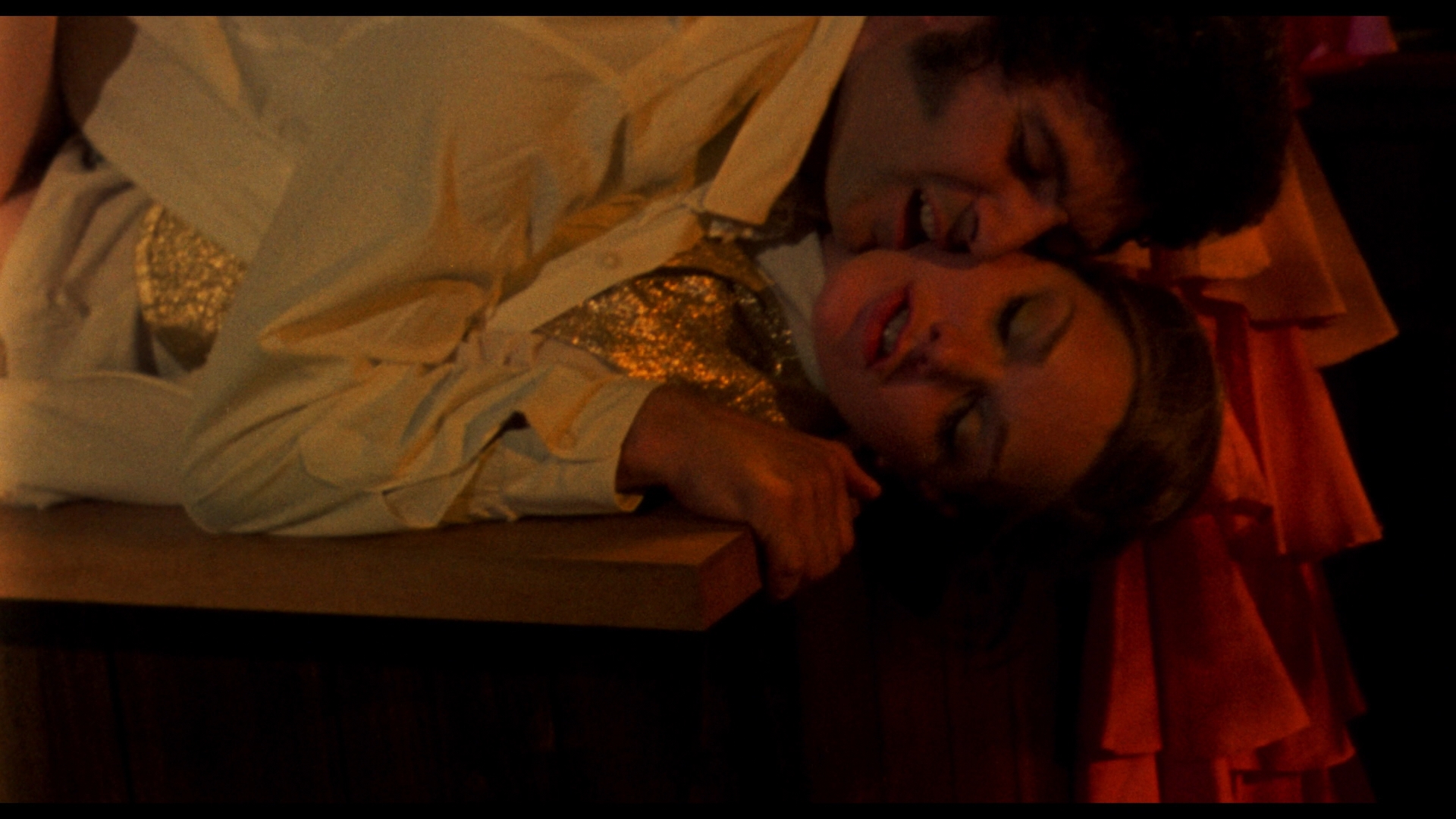 which means learning all about big sis's business model including keeping a handy slave (Laing) down in the dungeon. From there we bounce around through various saucy anecdotes as Penny herself gets to practice, including a roster of some of the most famous New York industry names like Annette Haven (who turns up for a memorable piano bar sequence), Money of course (in two scenes, playing with a toy sailboat and doing a stylish matador sequence), Lesllie Bovee (as Maraschino's secretary), and a three-way scene involving Penny and, in one of his two hardcore roles, future legendary monologist and The Killing Fields star Spalding Gray (shot back to back with The Farmer's Daughters, also with Leonard).
Though indisputably the least of the Henry Paris films thanks to its arbitrary construction, Maraschino Cherry still sparkles with that trademark touch he brought to the porno chic era and makes for a respectable capper. From there he went on to his most mainstream film of all, The Cat and the Canary, and the cable TV feature The Princess and the Call Girl, not to mention uncredited work on The Tale of Tiffany Lust. This was also the only one of the five Paris films not licensed to VCA back in the VHS days, with Distribpix (as Video-X-Pix) issuing it uncut on tape in the early '80s on a far smaller scale.
For some reason the first DVD out of the gate in 2005 was a total disaster, horribly cropped on all four sides and 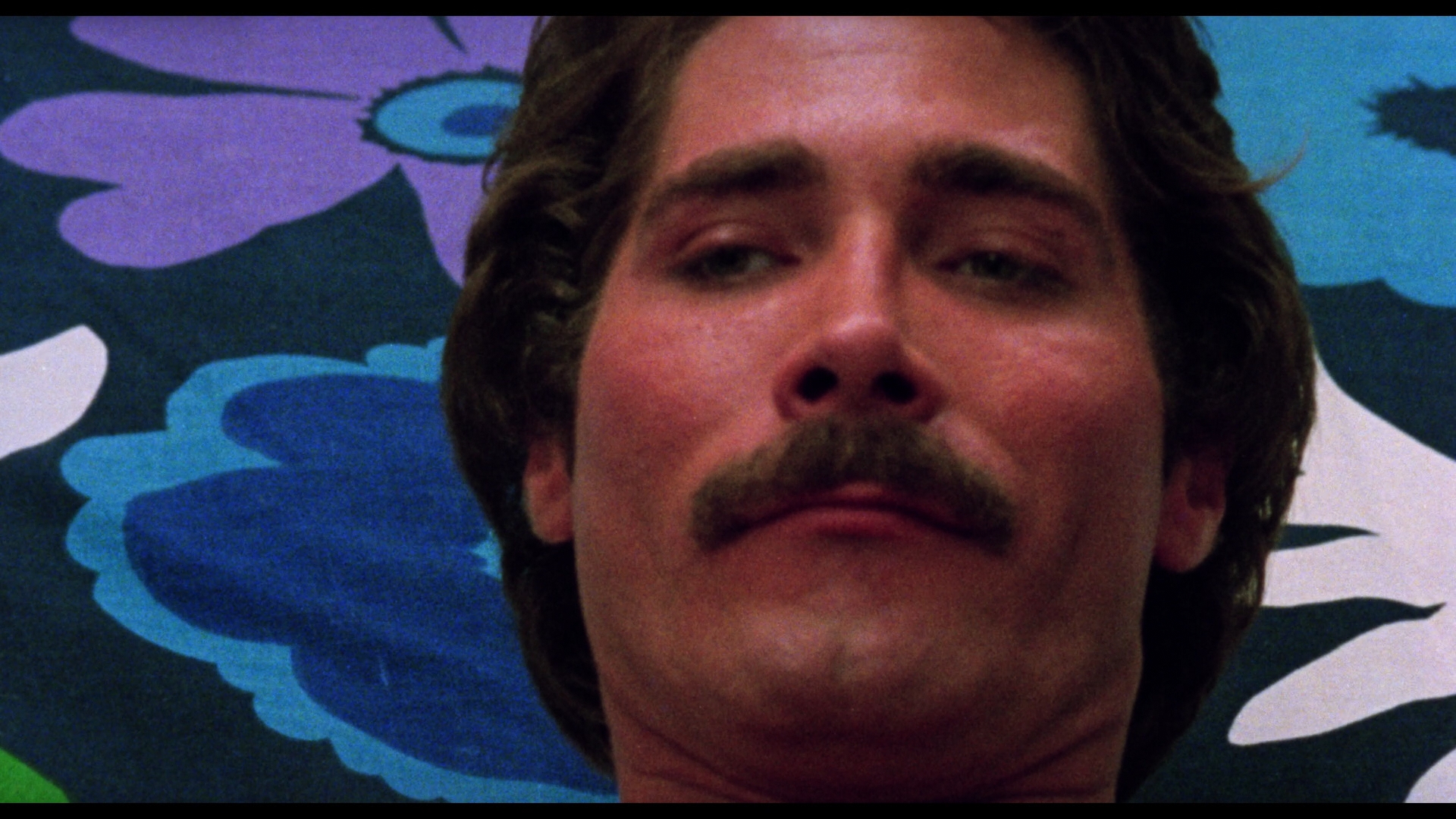 misframed with a severely abbreviated running time of 73m10s. The major chunks removed from the film were mainly plot-oriented and served to make the entire thing incoherent, with the strongest content involving Laing left pretty much untouched. The source print was also in terrible shape with lots of debris and splices. A better option came along in 2009 as both a single and two-disc DVD set, running 84m20 with the company logo which made it essentially complete (just some brief footage involving Money snipped for some reason).
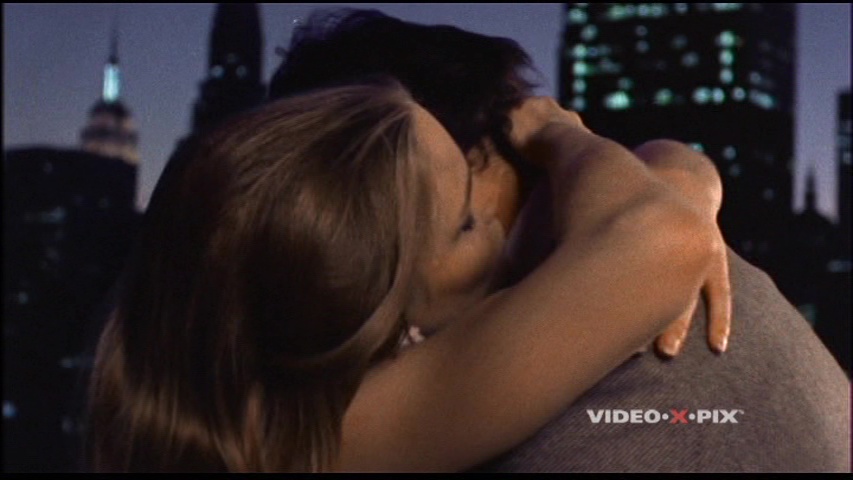
 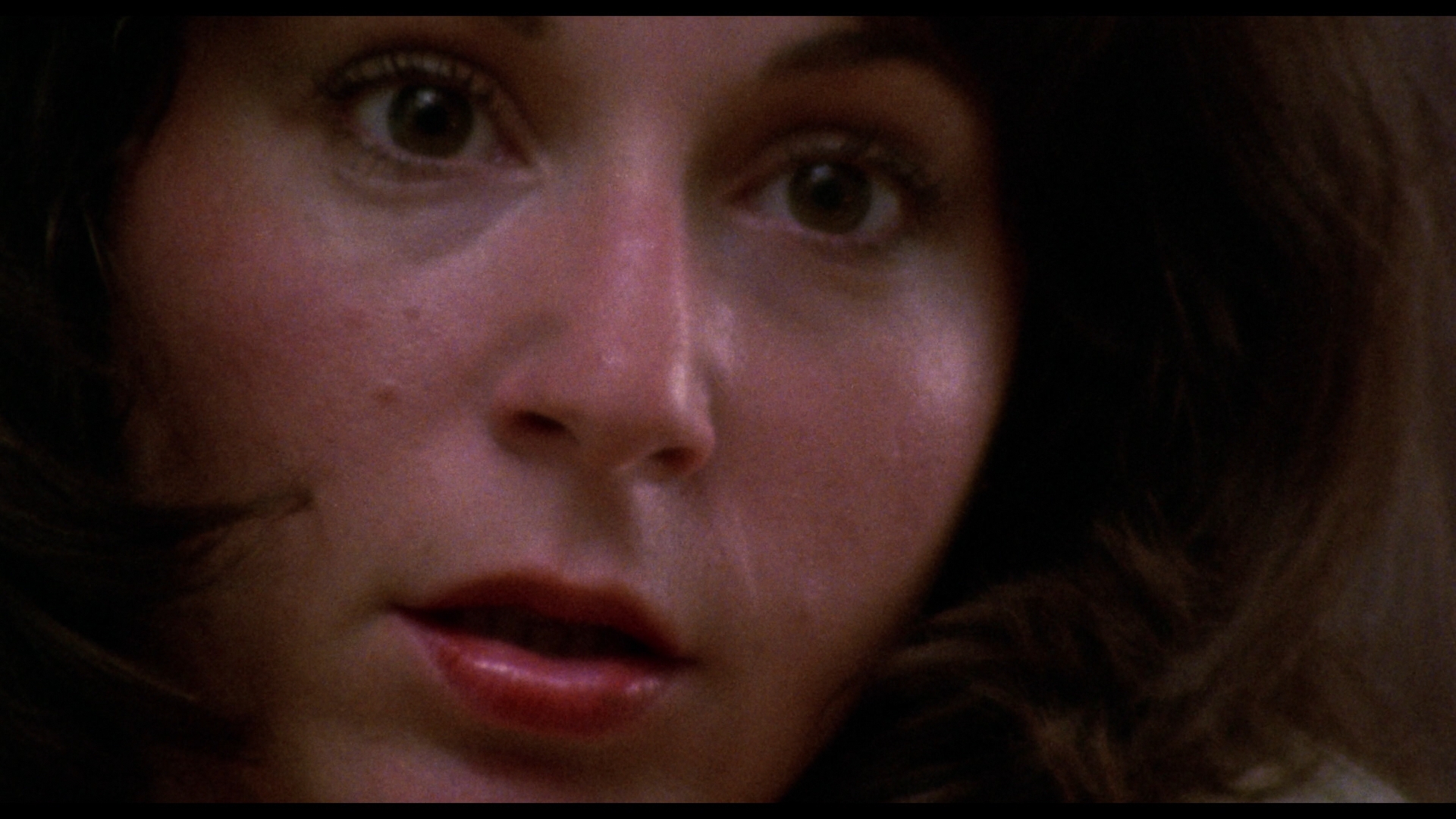 Though widescreen, that release still left something to be desired since it was interlaced and, as with the prior DVD, occasionally had a company watermark slapped in the corner (see below for an example). Extras include a Gloria Leonard interview (5m42s), an irrelevant "classic slideshow," and two bonus trailers (All About Gloria Leonard, Inside Seka), with the second disc featuring a second Leonard interview (29m54s) from the same session, a trailer, a slideshow, and a couple of bonus scenes from All About Gloria Leonard and Misbehavin'.
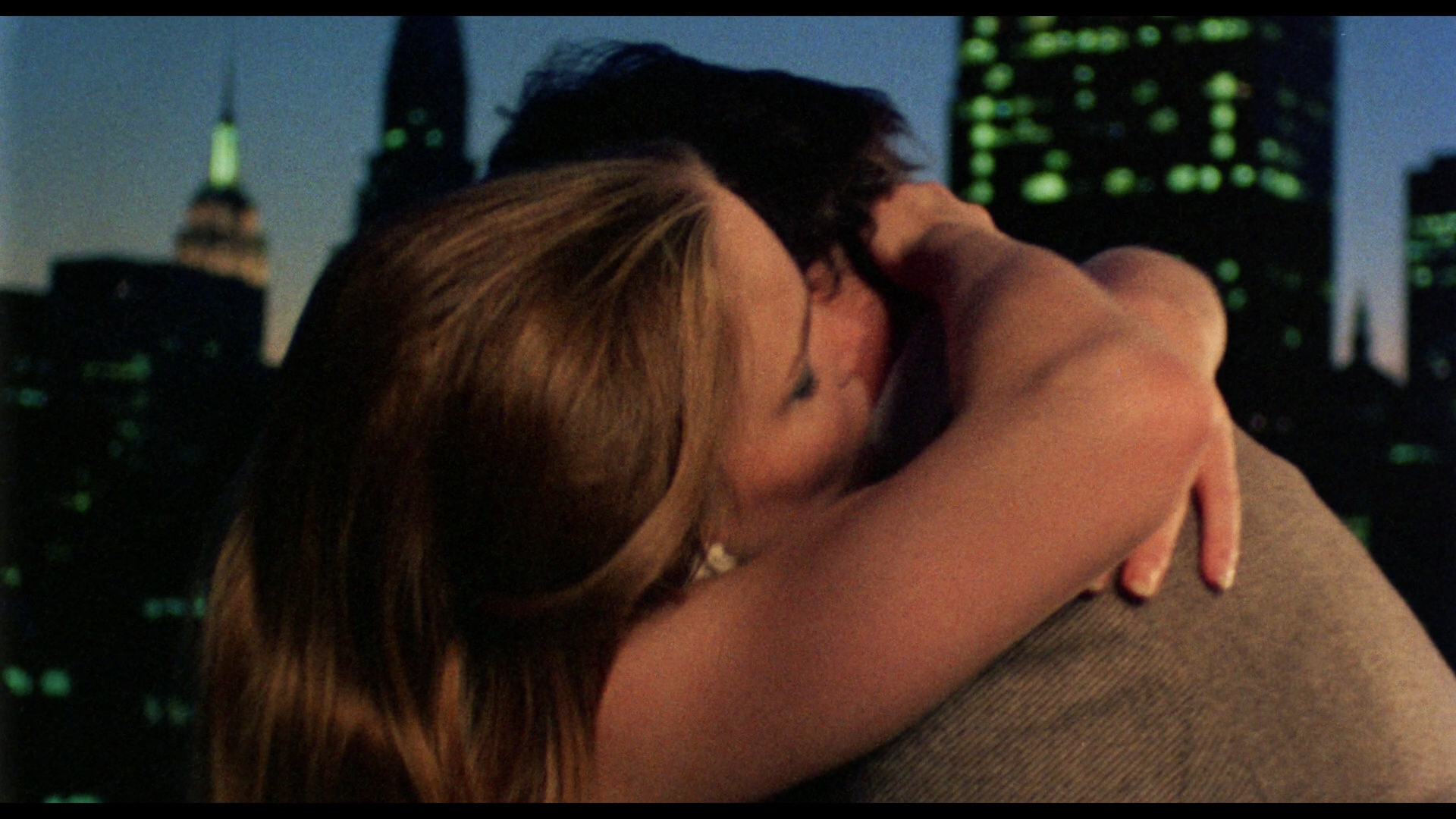
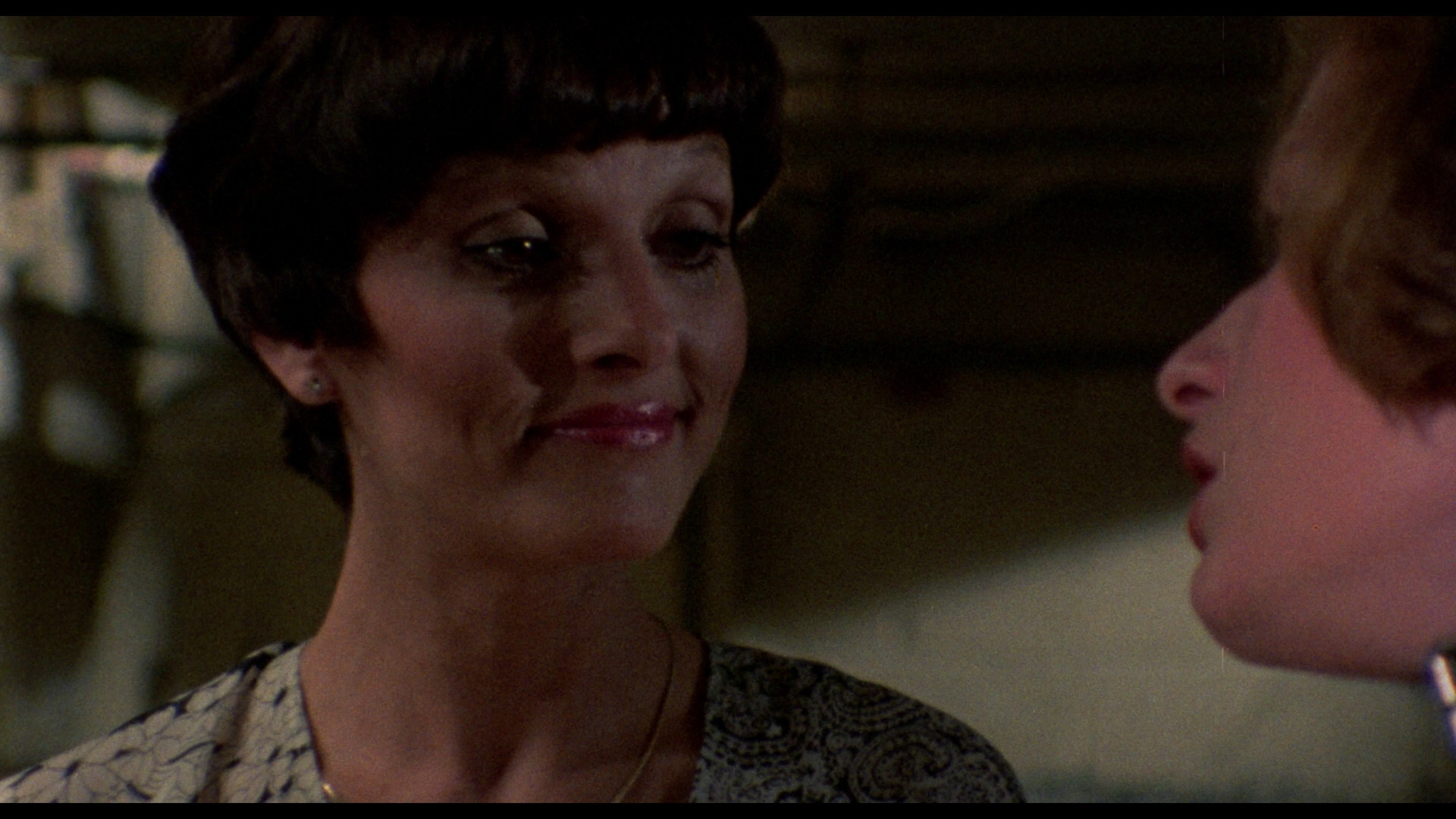
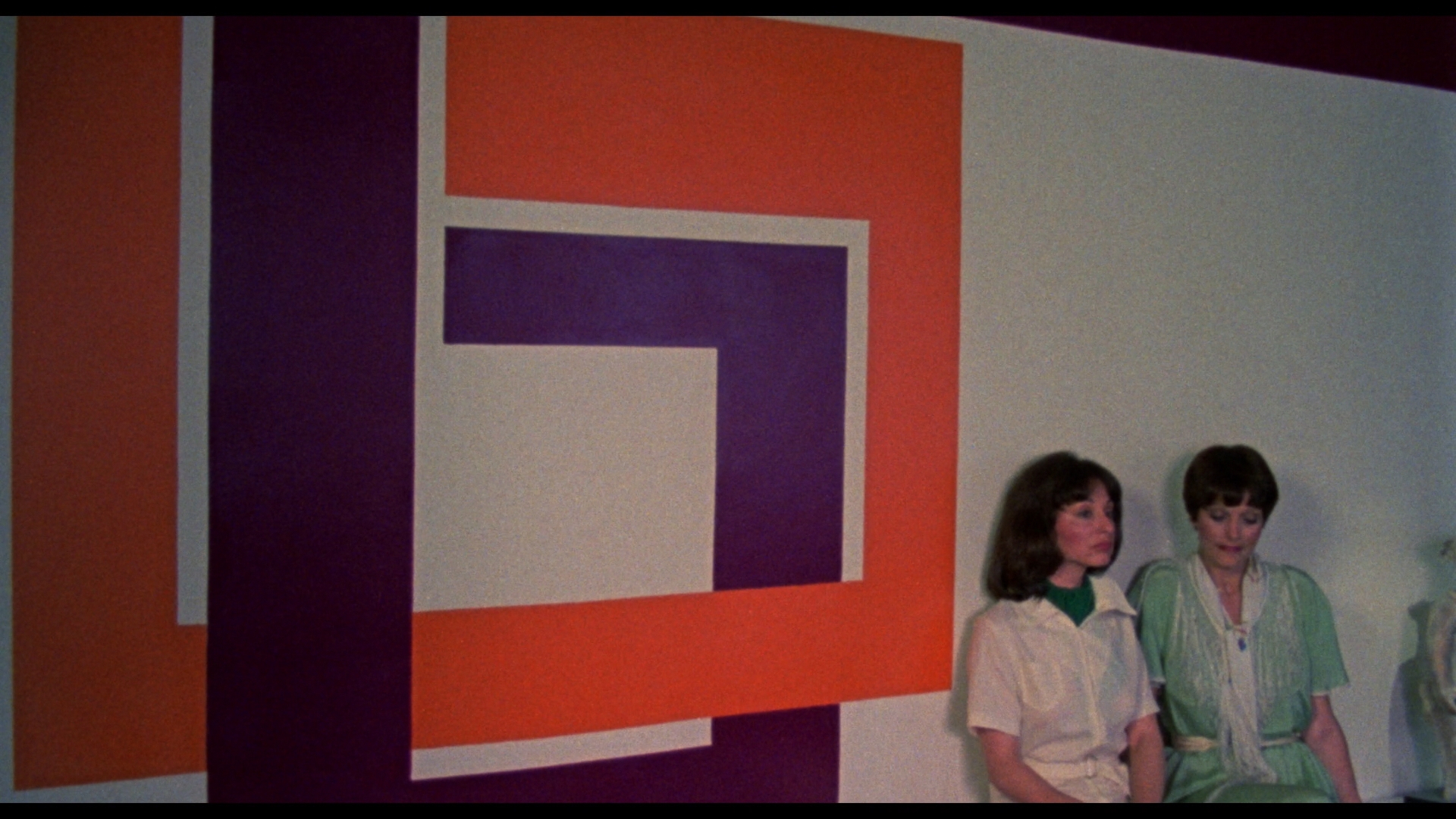
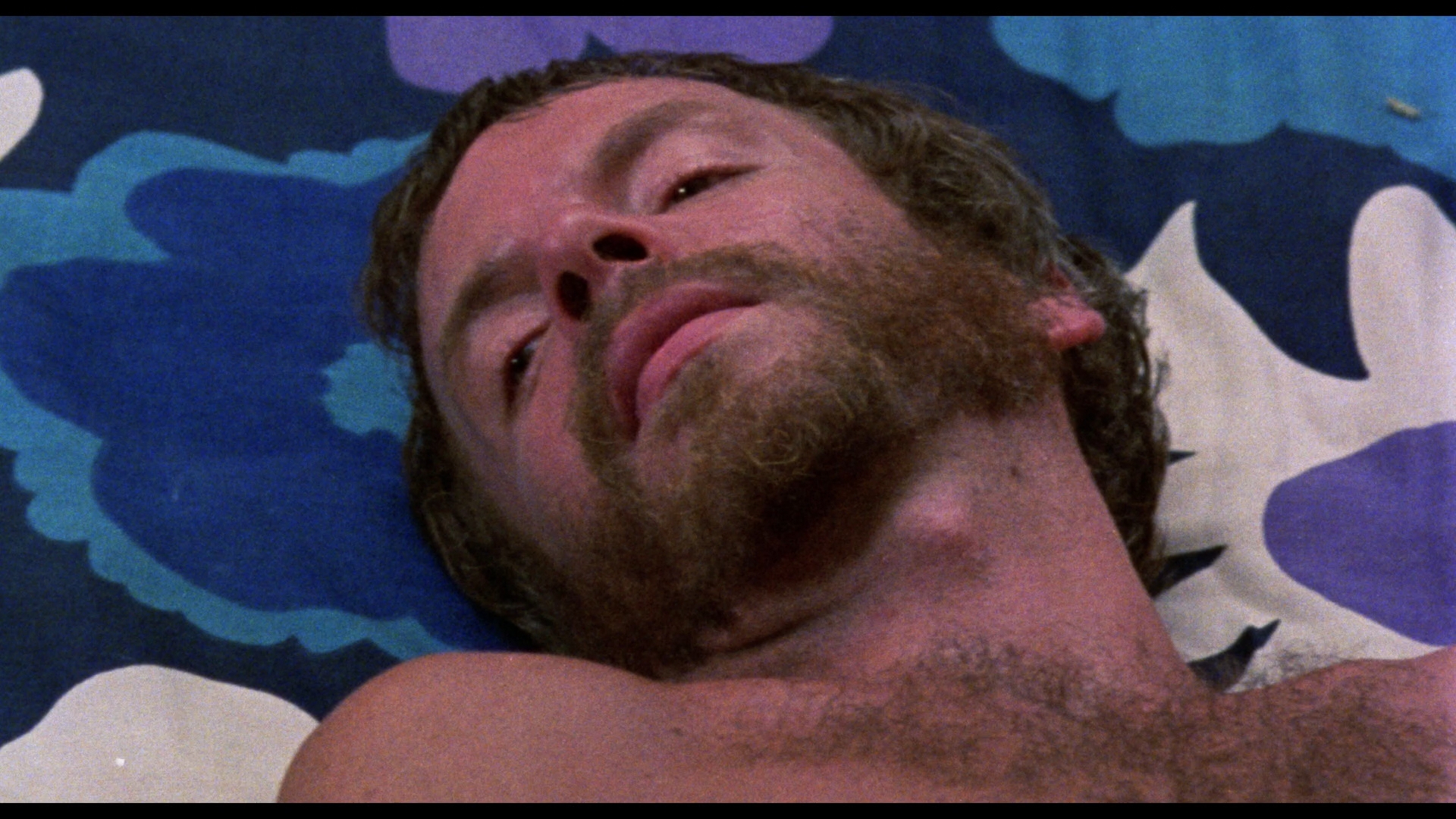
In 2026, Quality X bowed the film on Blu-ray featuring a greatly improved new scan from the original 35mm negative with much punchier colors, better detail, no interlacing at last, and no watermarks. The DTS-HD MA 2.0 mono audio sounds as good as it possibly could and features optional English SDH subtitles, plus an excellent audio commentary with Metzger and The Rialto Report's Ashley West originally recorded in 2013 but unreleased until now. They start off covering the genesis of the Henry Paris wave in the wake of Deep Throat and then get into the nuts and bolts of this film including the cast members he carried over here from prior films, the creation and distribution of these films with partner Ava Leighton, his continued bafflement at the Money legal issues, the process of shooting in Super 16, and the narrative devices used to hammer this into a single film including bringing back actor Marc Valentine over a year after the Misty Beethoven shoot to patch some of it together. A fascinating bonus here is a silent batch of previously unseen VHS-sourced trims and outtakes (16m29s) mixing the original scenes for this film (with the clapboard simply calling it "Production #195") with the ones from Misty Beethoven under its shooting title, Society. Also included are the Leonard interviews from the 2009 DVD (here in one 33m13s reel), two trailers, three radio spots, and 3m5s gallery of photos and promotional material. The limited edition set comes with a 24-page booklet featuring a West essay covering the birth of the Henry Paris brand, the cast highlights, the question of how much material here was newly filmed, and the reason Paris was no more after its completion.
Quality X (Blu-ray)
Video-X-Pix (DVD)