 of the familiar
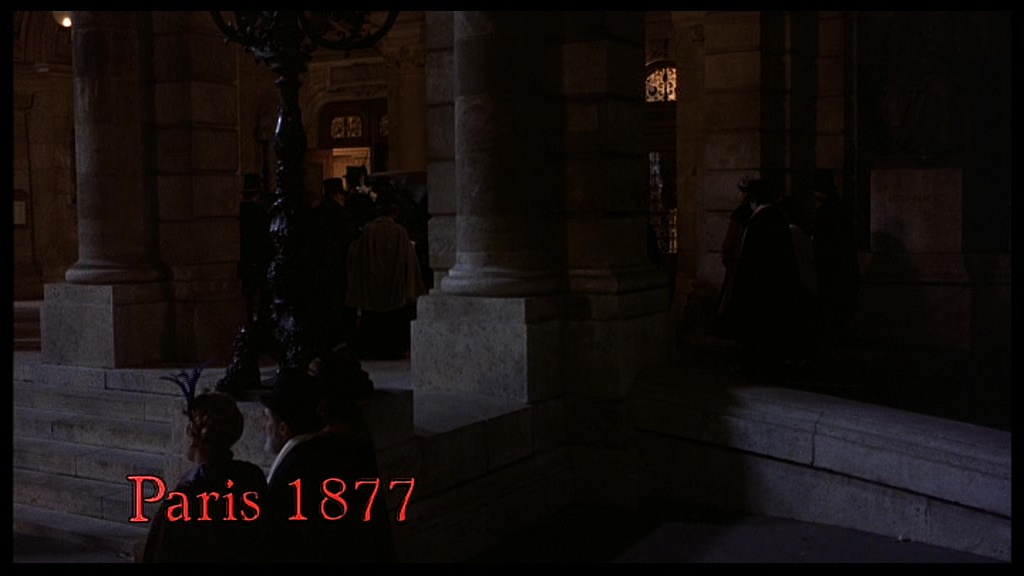
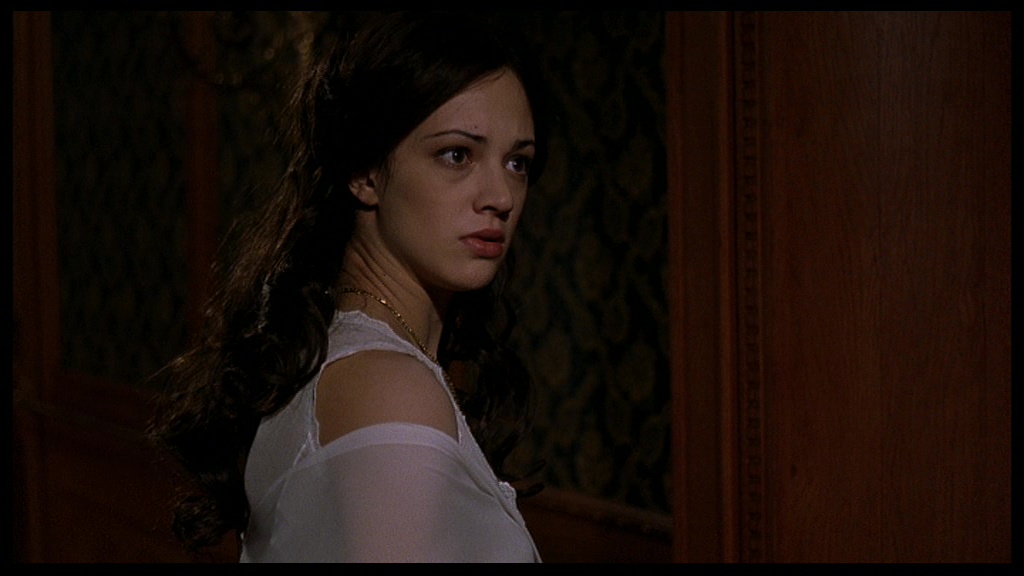
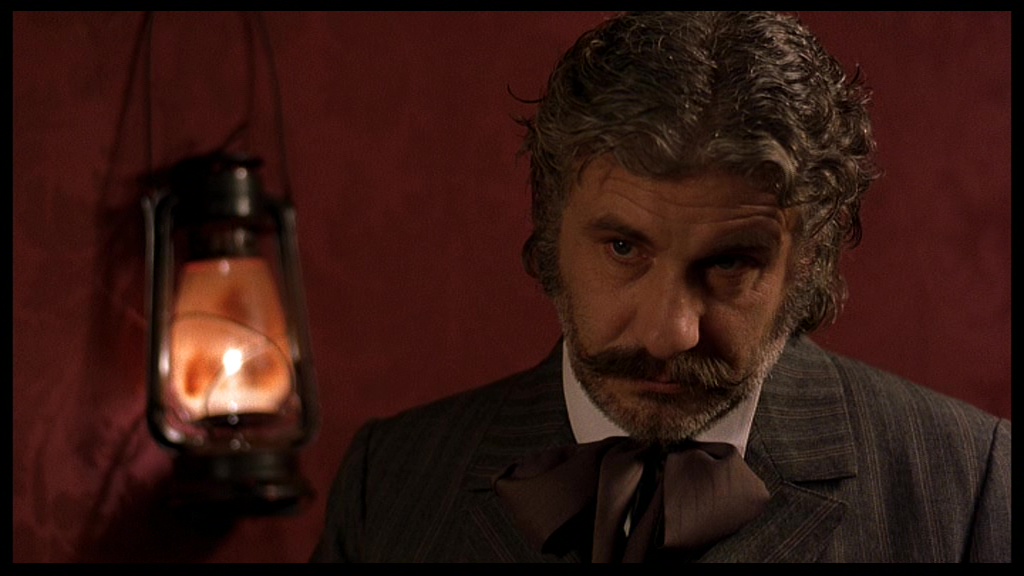
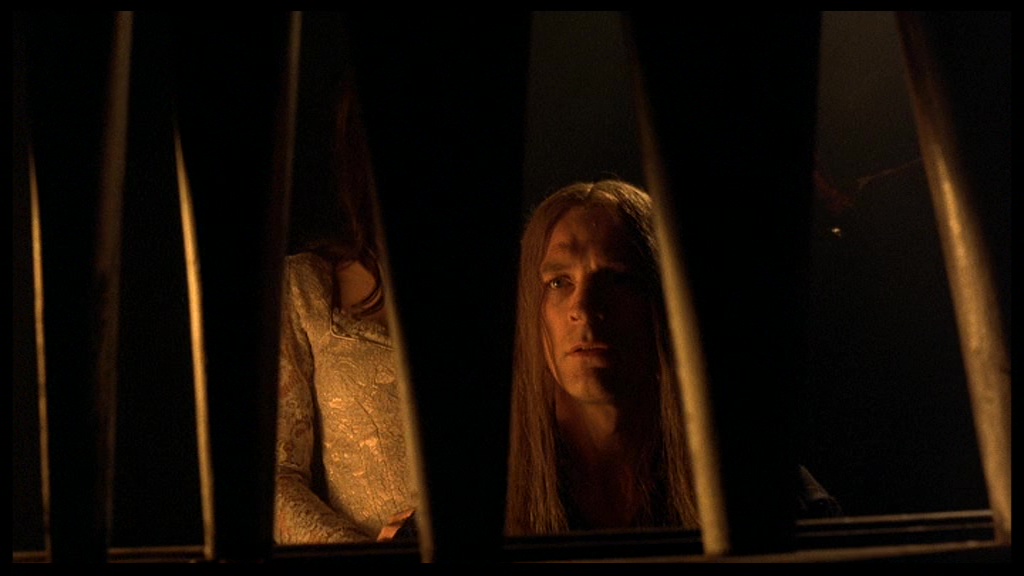
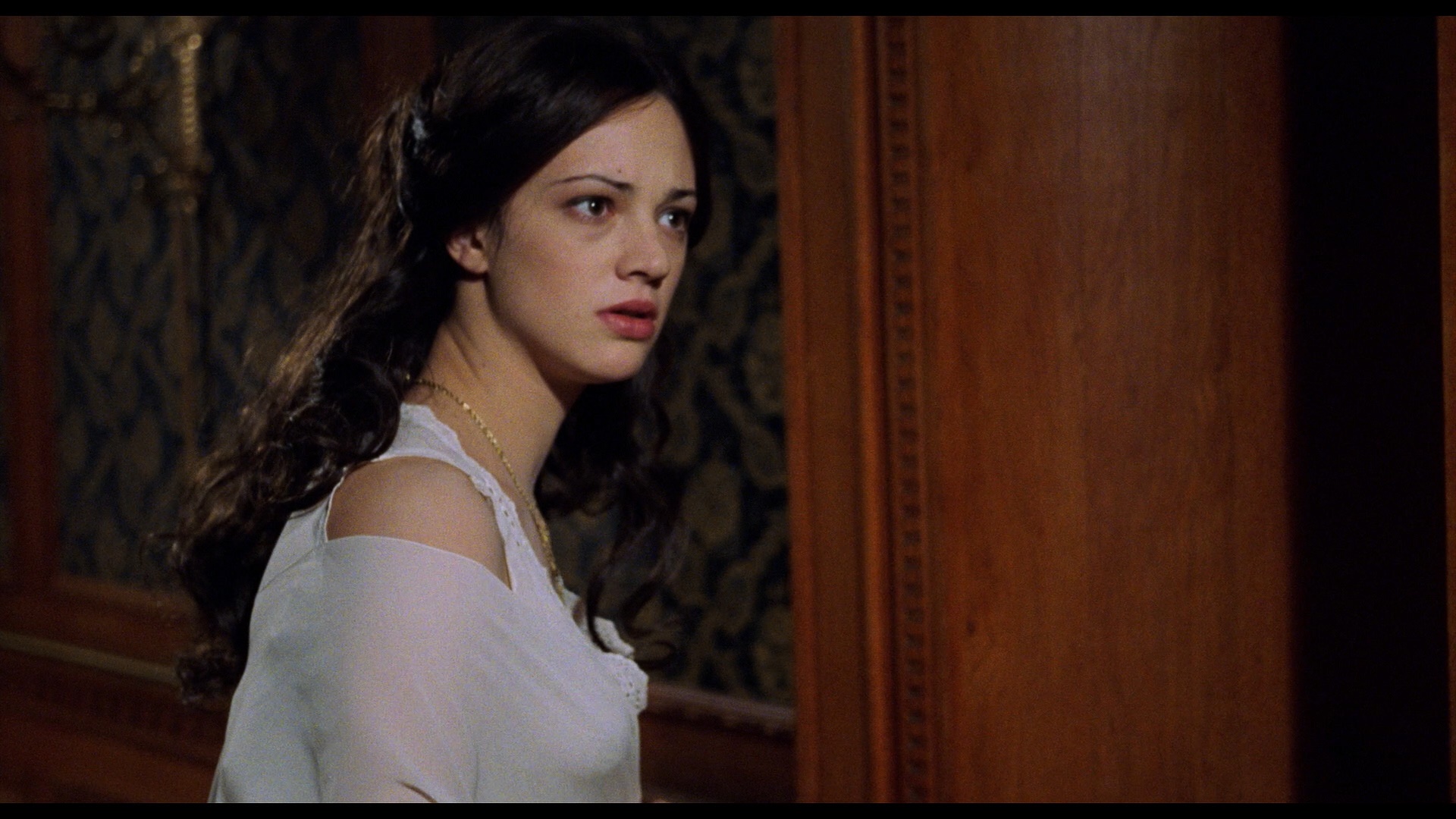
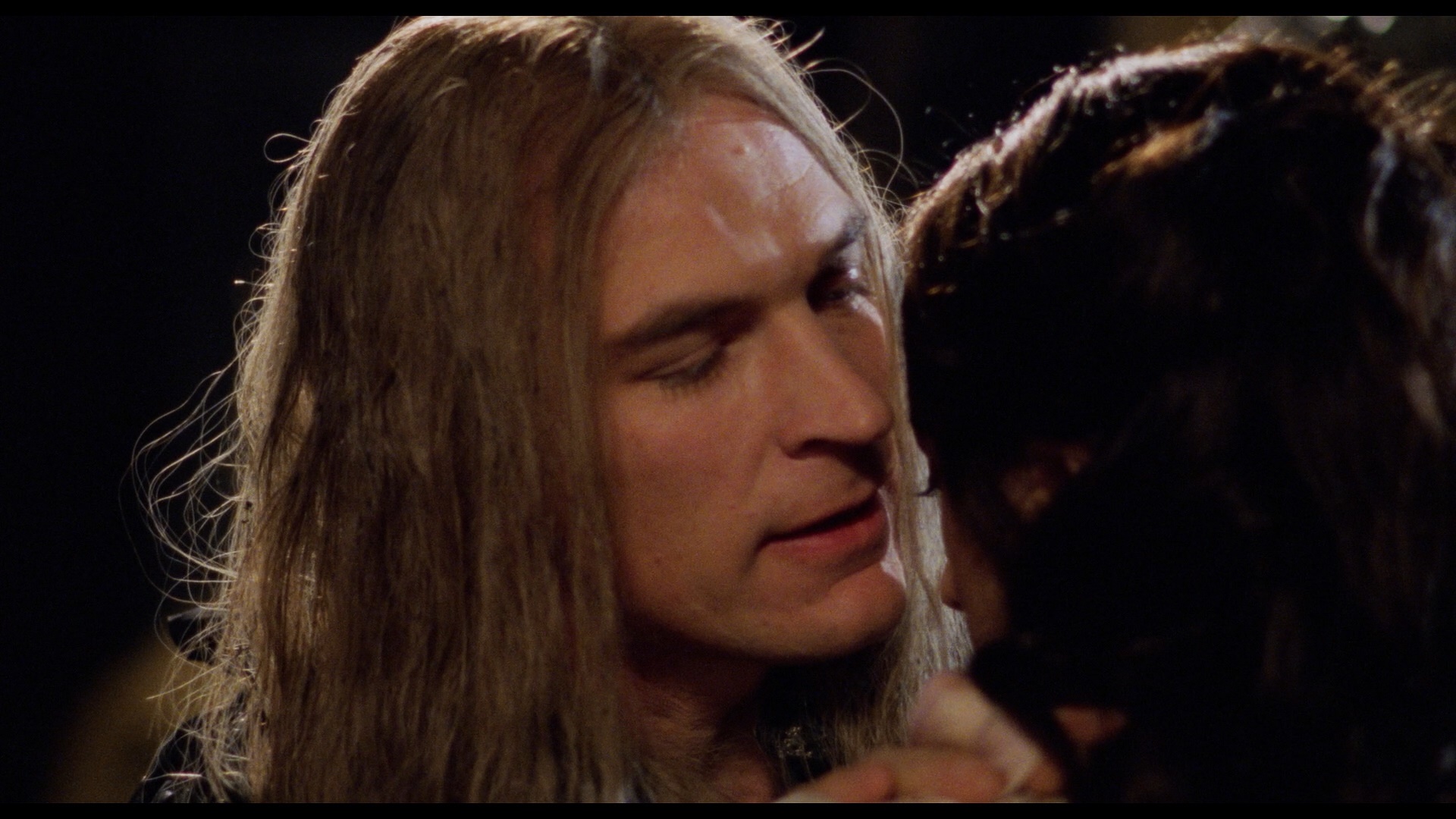
  Gaston Leroux story, The Phantom of the Opera marked a deliberately calculated attempt to break into the international horror market with what seemed to be a "sure thing." Unfortunately a chilly critical reception overseas prevented it from finding an audience, leaving director Dario Argento to turn back to his familiar giallo formula. While the film's less than stellar reception is understandable, it does offer mild rewards for seasoned Italian cinema fans and isn't quite the shambling debacle one might be led to fear. After a brief prologue in which a rejected infant is dumped into a Parisian river and saved inside the sewers by hordes of rats (shades of Batman Returns), the film begins in 1877 at the Paris Opera House, where young Christine (Asia Argento) works as a chorus girl in the latest production. When he's not busy killing nosy construction workers and treasure seeking interlopers, the mysterious phantom (Sands), infatuated with Christine's voice, uses his telepathic powers to seduce the willing ingénue and allow her to supplant the tempestuous diva, Carlotta (Rinaldi). Meanwhile the exotic Count Raoul de Chagney (di Stefano) reveals his own designs on Christine and takes it up himself to free her from the romantic but irretrievably psychopathic phantom.
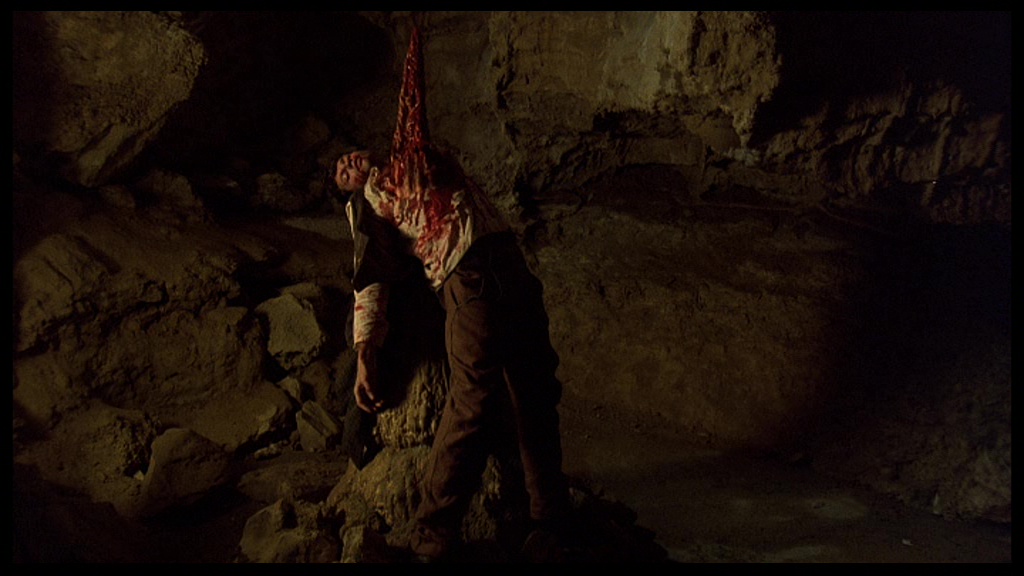
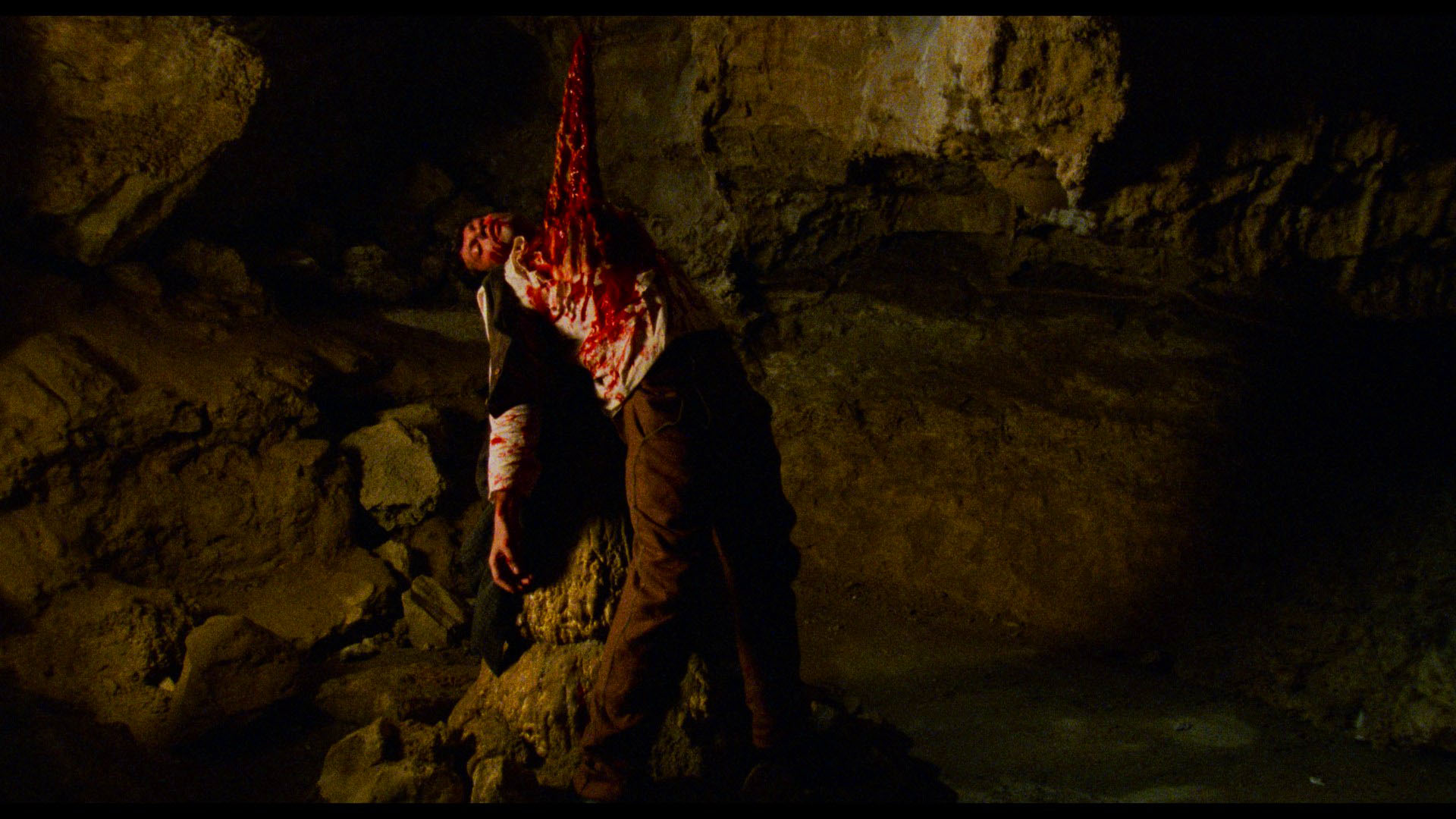
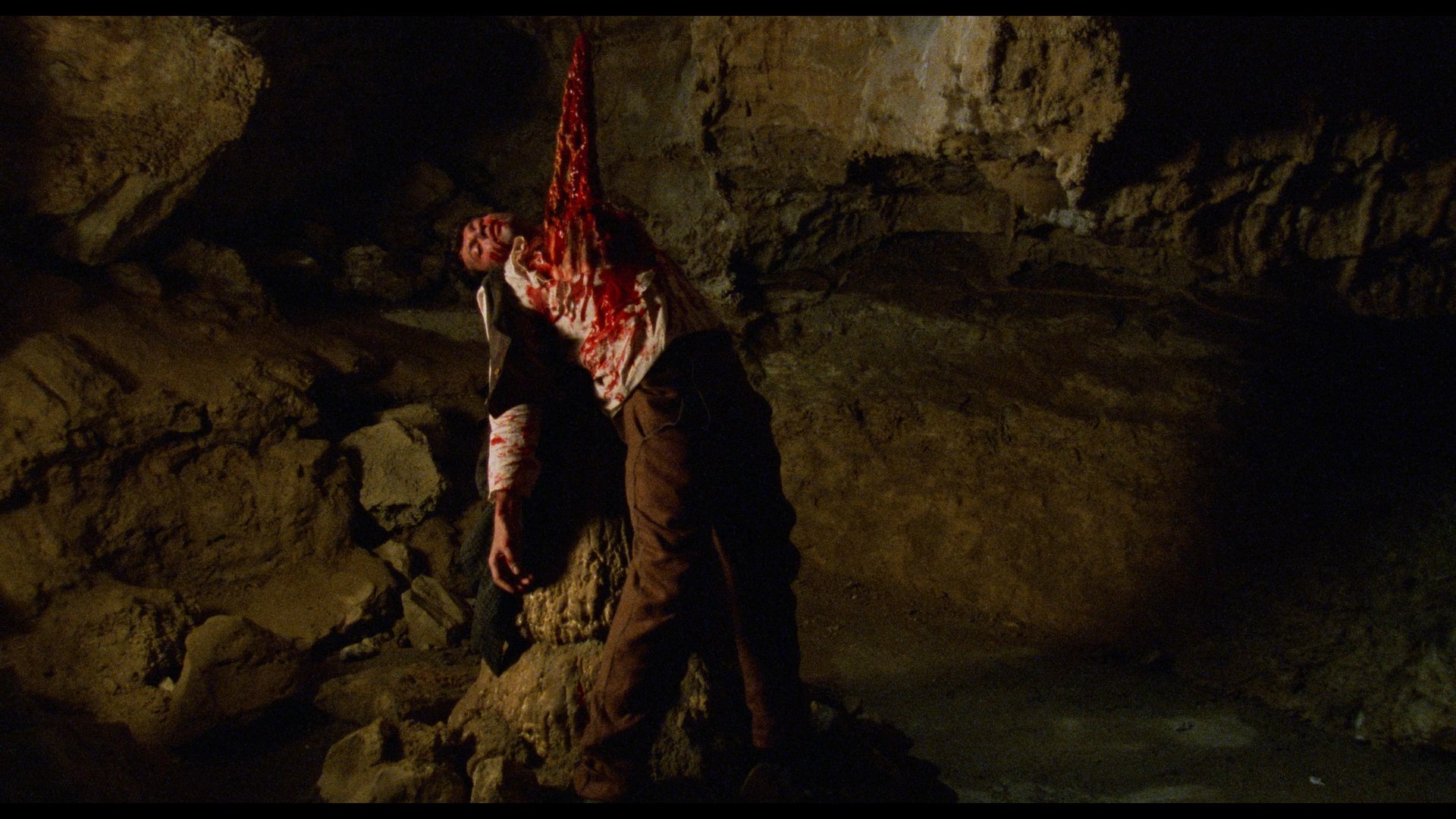
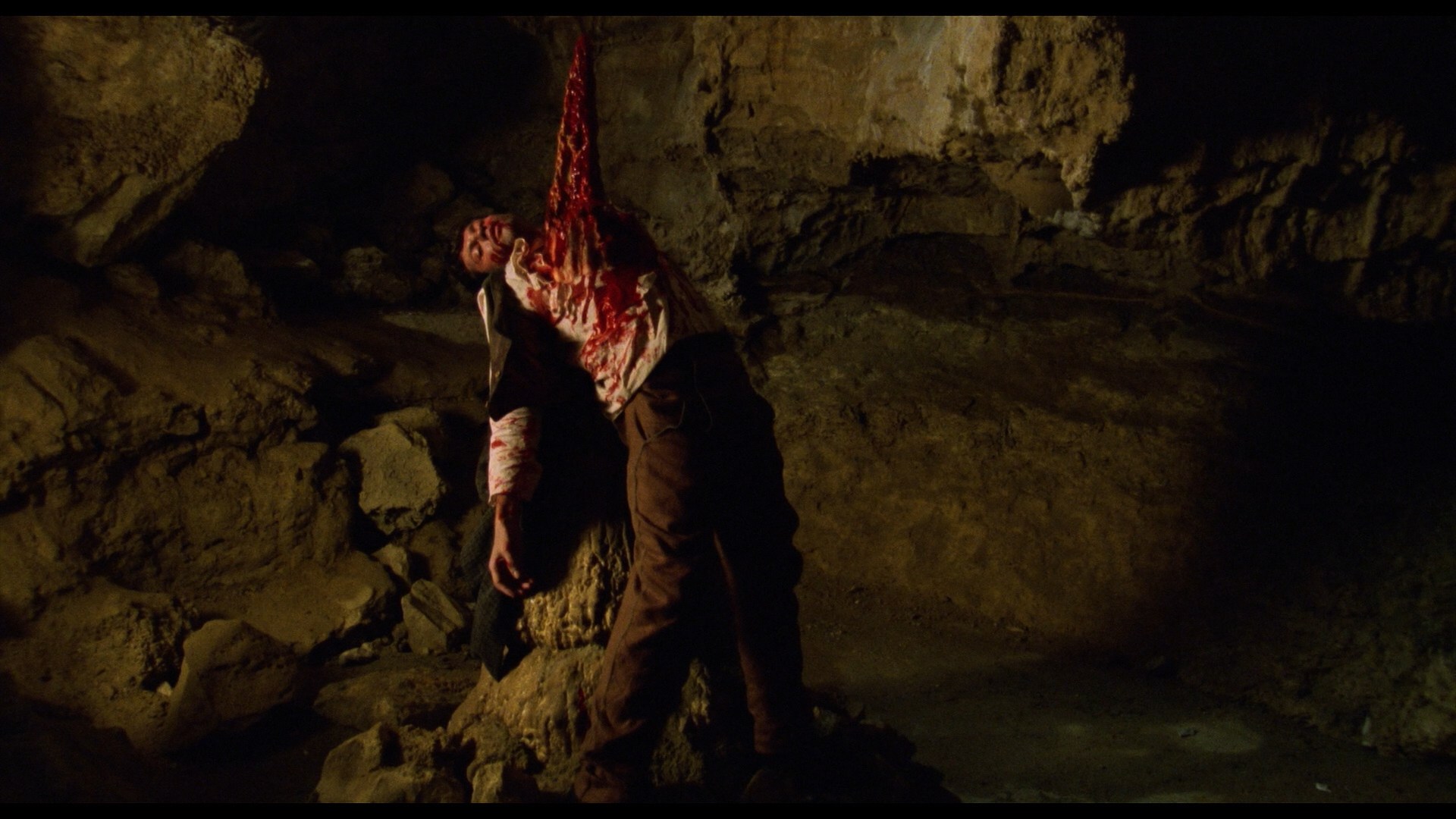
 Morricone provides an elegant, subdued score, and Sergio Stivaletti's gore effects by and large get the job done, including a nasty stalagmite
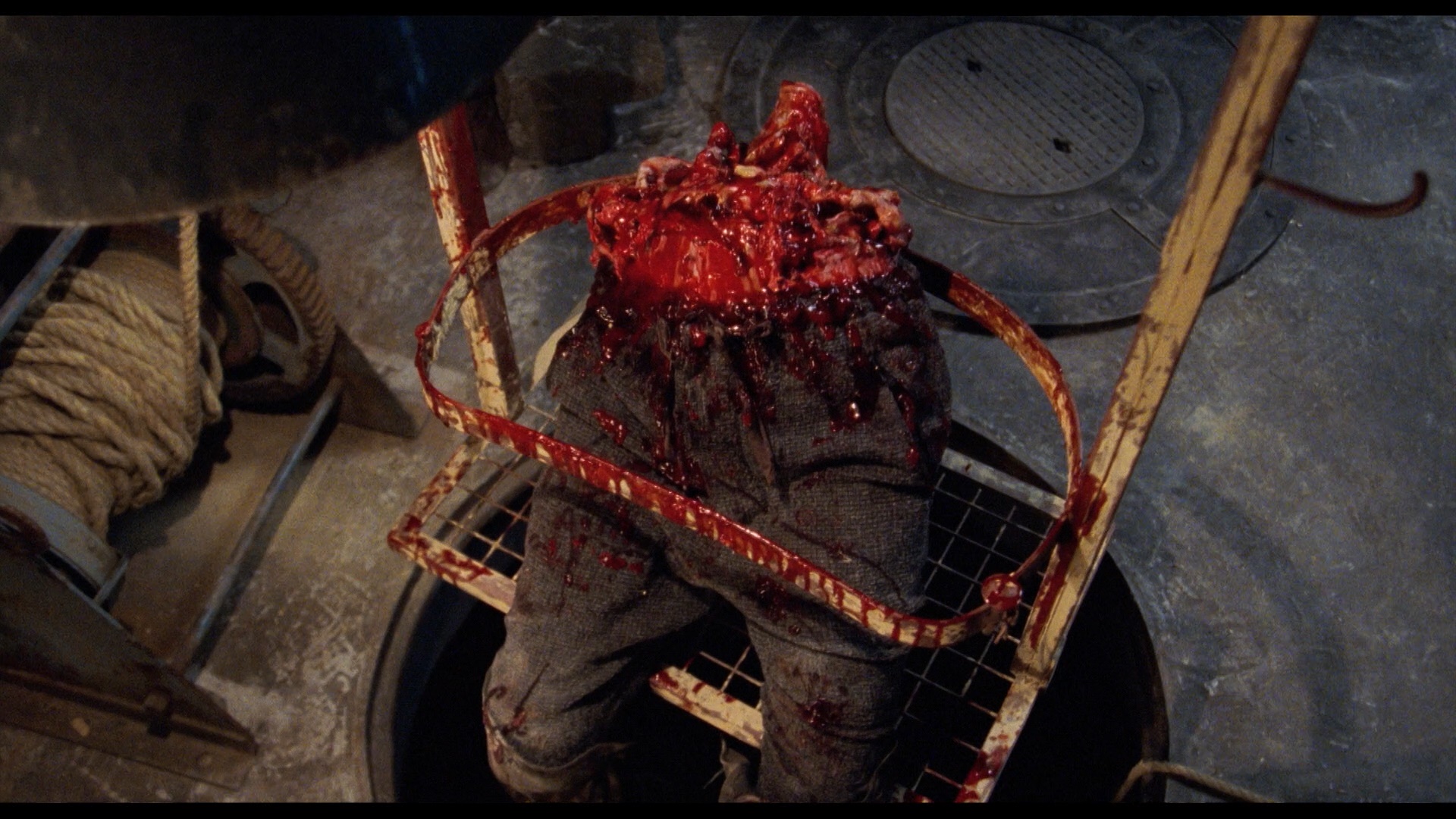
  impaling and a Fulciesque tongue-ripping. In many respects Phantom marks a progression of ideas Argento introduced with The Stendhal Syndrome; most obviously, his murderer is unmasked right from the beginning and is far more sexualized than the usual black-gloved serial killer. Once again he utilizes odd bursts of CGI, represented here by a floating Christine in the clouds(?) and the bizarre image of naked childish bodies transfixed in a giant rat trap. Unlike Stendhal, this film benefits greatly from the presence of the actors' original voices, making it far more accessible and easy on the ears. Roman Polanski's favorite screenwriter, Gérard Brach, collaborated with Argento on the screenplay, imbuing it with the same delirious, overripe exchanges which characterized Bitter Moon. The unusual locales are generally interesting and well handled, making this a more successful and interesting foray into Parisian period horror than Argento's producing effort, the disappointing Wax Mask.
 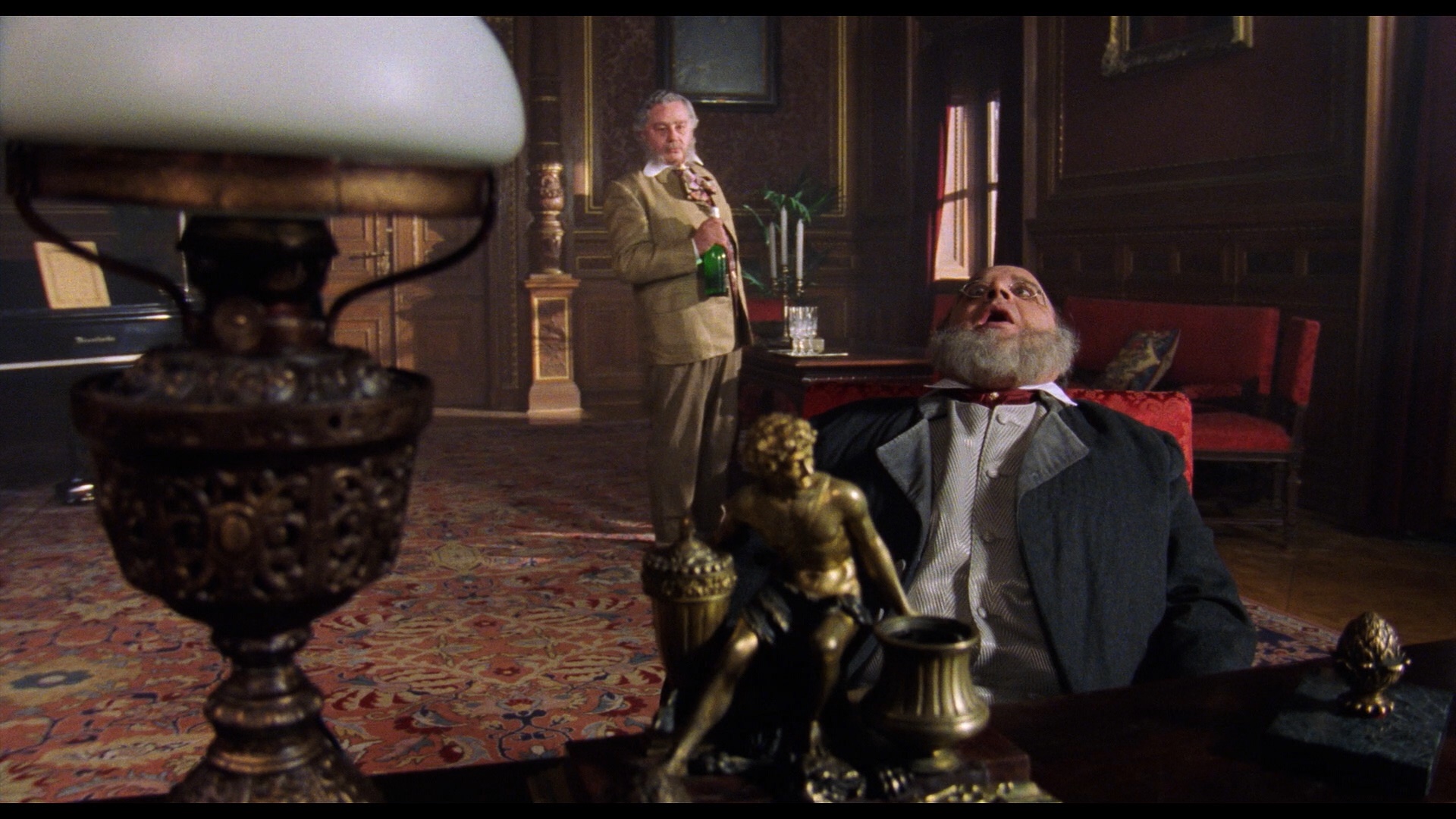 apparently decided to have fun and injected the film with far more humor
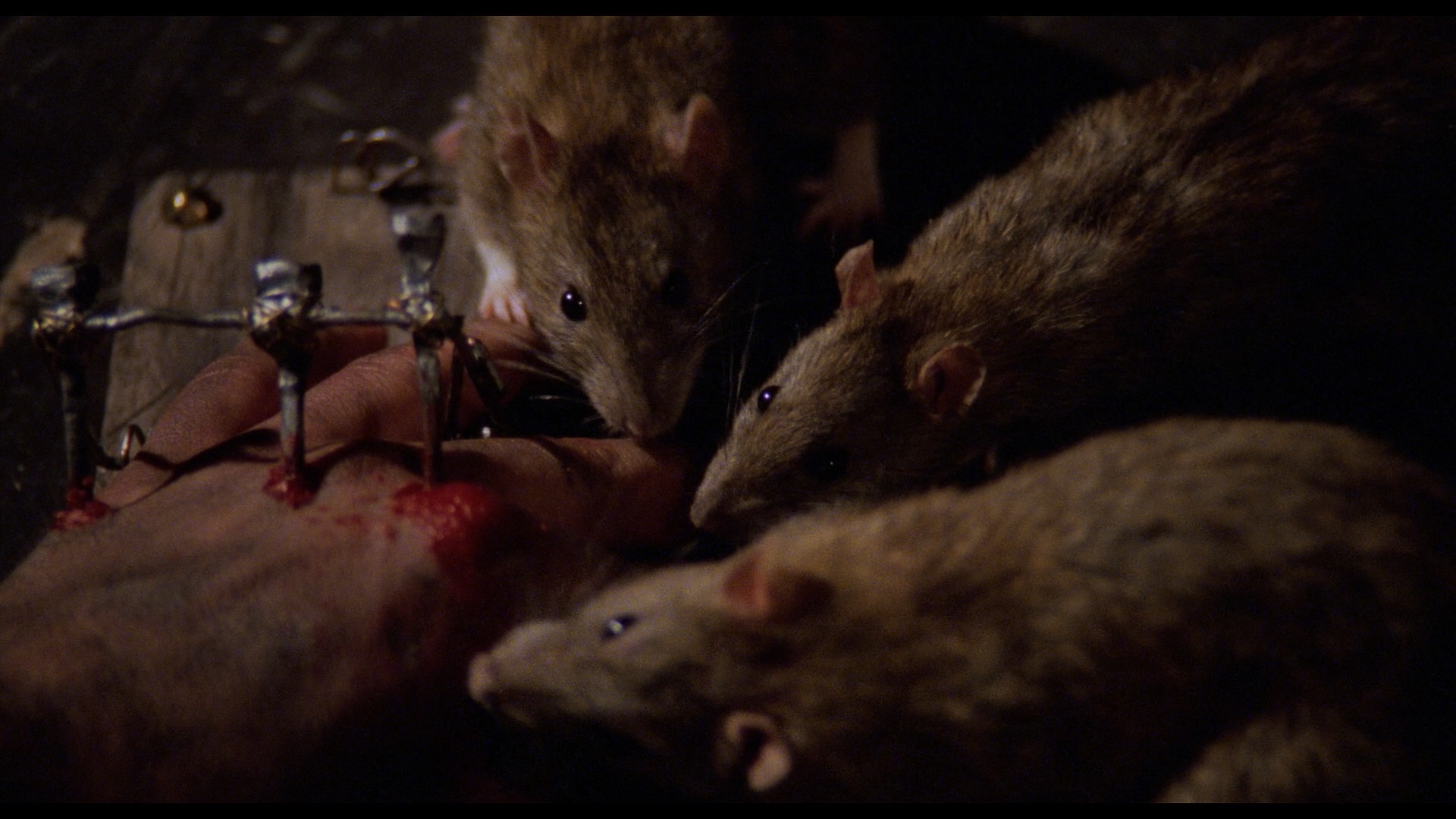
 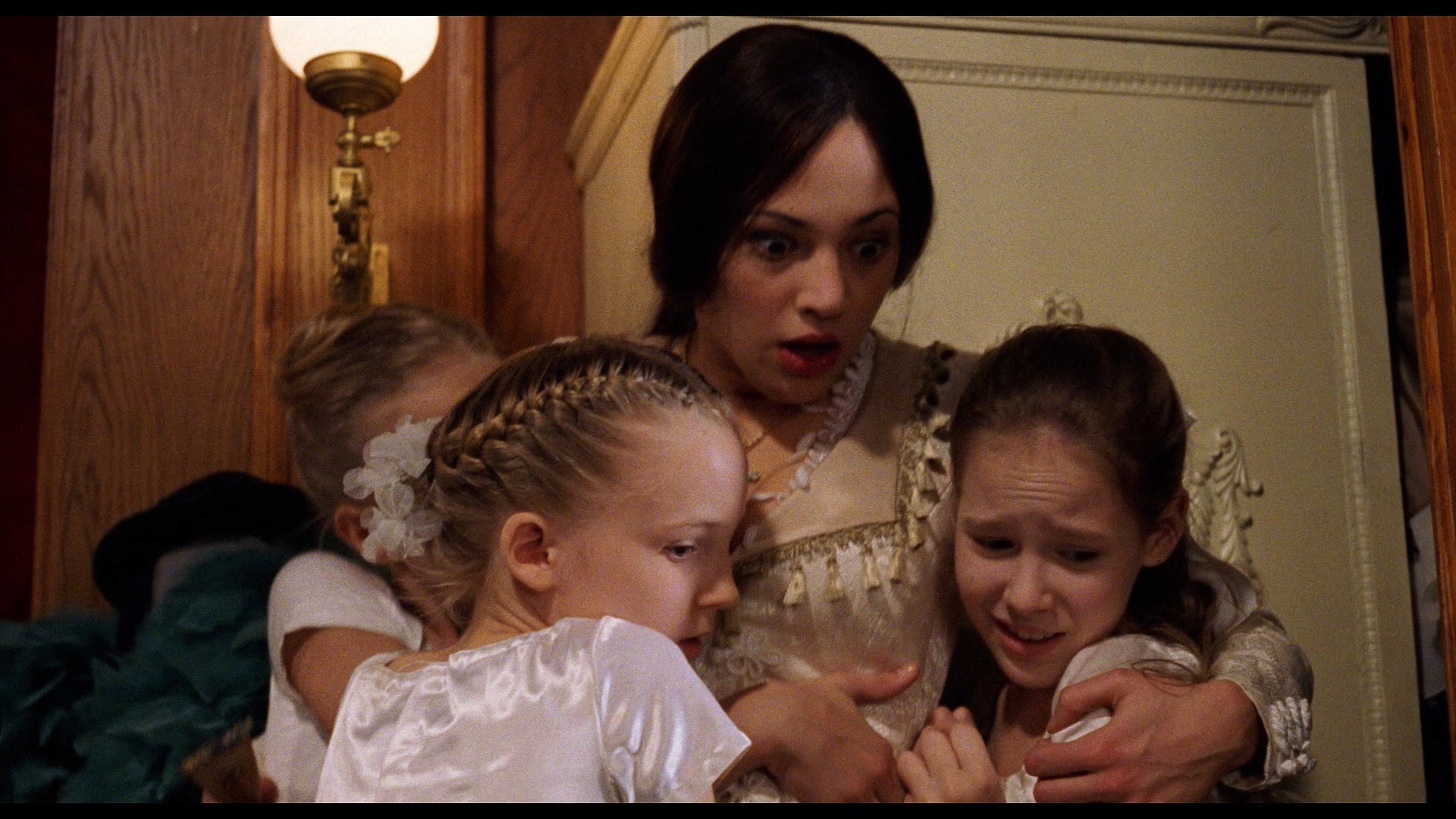 than people expected. The Leroux novel is indeed surprisingly witty, but horror fans are understandably confused by this approach. With its emphasis of bizarre gimmickry (the rat-catching machine), grotesque faces, and weird non sequitur humor, this Phantom more often resembles a Jeunet and Caro film or even a Full Moon project at points. The film abounds with bizarre, potentially laughable moments: an unexpected visit by Raoul to an Eastern bathhouse (complete with tacky frontal nudity) in which he envisions Christine as a wine-dribbling prostitute; the phantom indulging in sexual communion with the rats in his pants; and the graphic chandelier dropping, a scene reminiscent of the Opera raven attack but rendered with more casual sadism. Sands is functional and surprisingly subdued here, and Asia does fine in one of her less demanding roles for her father. Also, look for Coralina Cataldi Tassoni, the ill-fated wardrobe mistress from Opera, essentially reprising her role here. The Italian version of this film is significantly superior with Sands in particular voiced with much more menace and sensuality than the actor's natural reedy intonations. Acting quibbles aside, the romantic and sexualized elements provide some points of interest, with Christine experiencing a similar personality dualism as Stendhal's Anna, represented here by the temptations of two very different men ("I may have fallen in love with them both"). Once again Argento provides a wistful, sad, but ultimately merciful coda for his daughter, complete with her literally running towards the light. Ultimately, this is the most positive and heartfelt rendition of the tale since Terence Fisher's underrated Hammer version back in 1962.
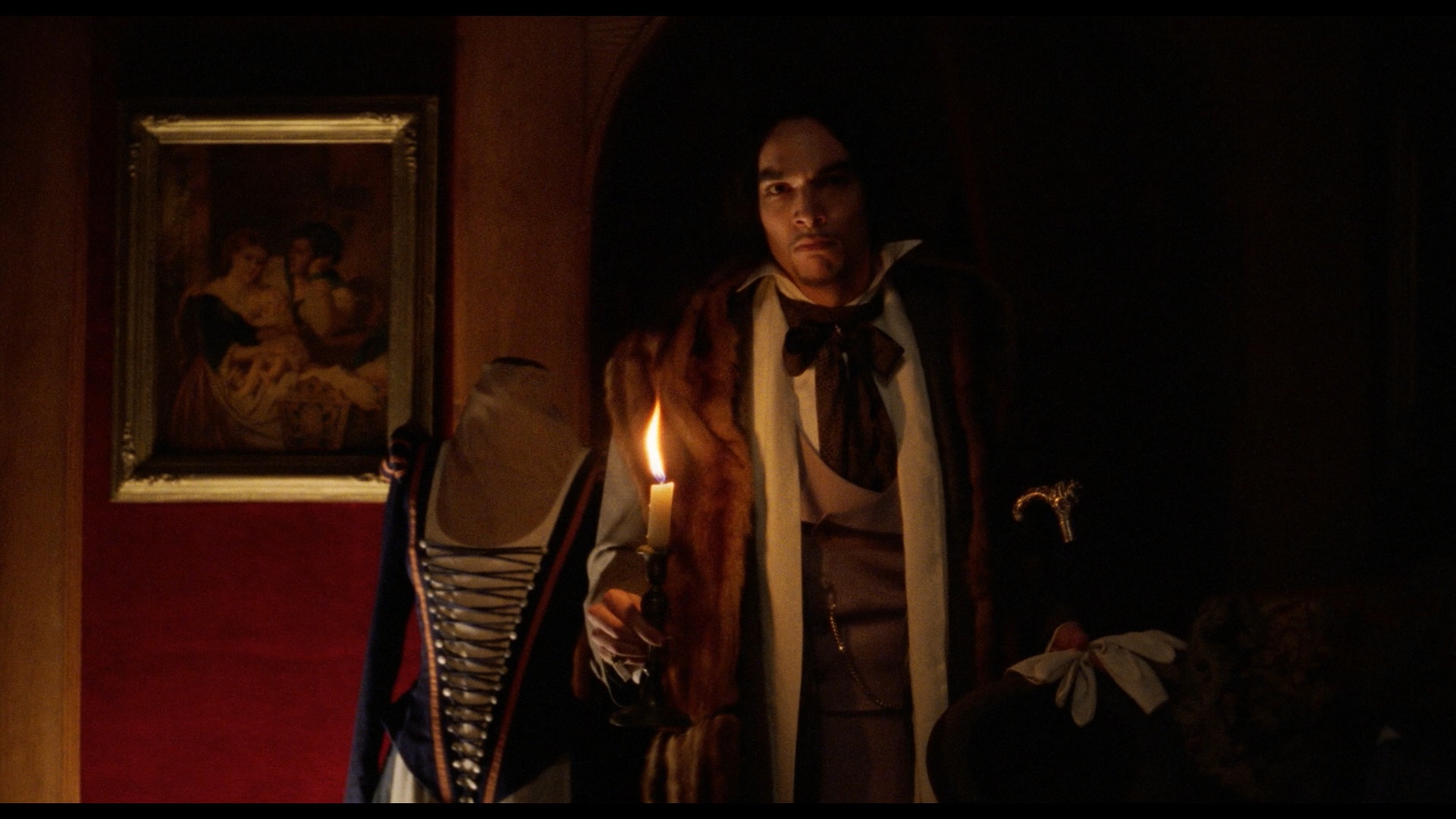 release of Phantom was a passable presentation at the time (at least compared to most prior Argento releases in the U.S.),
 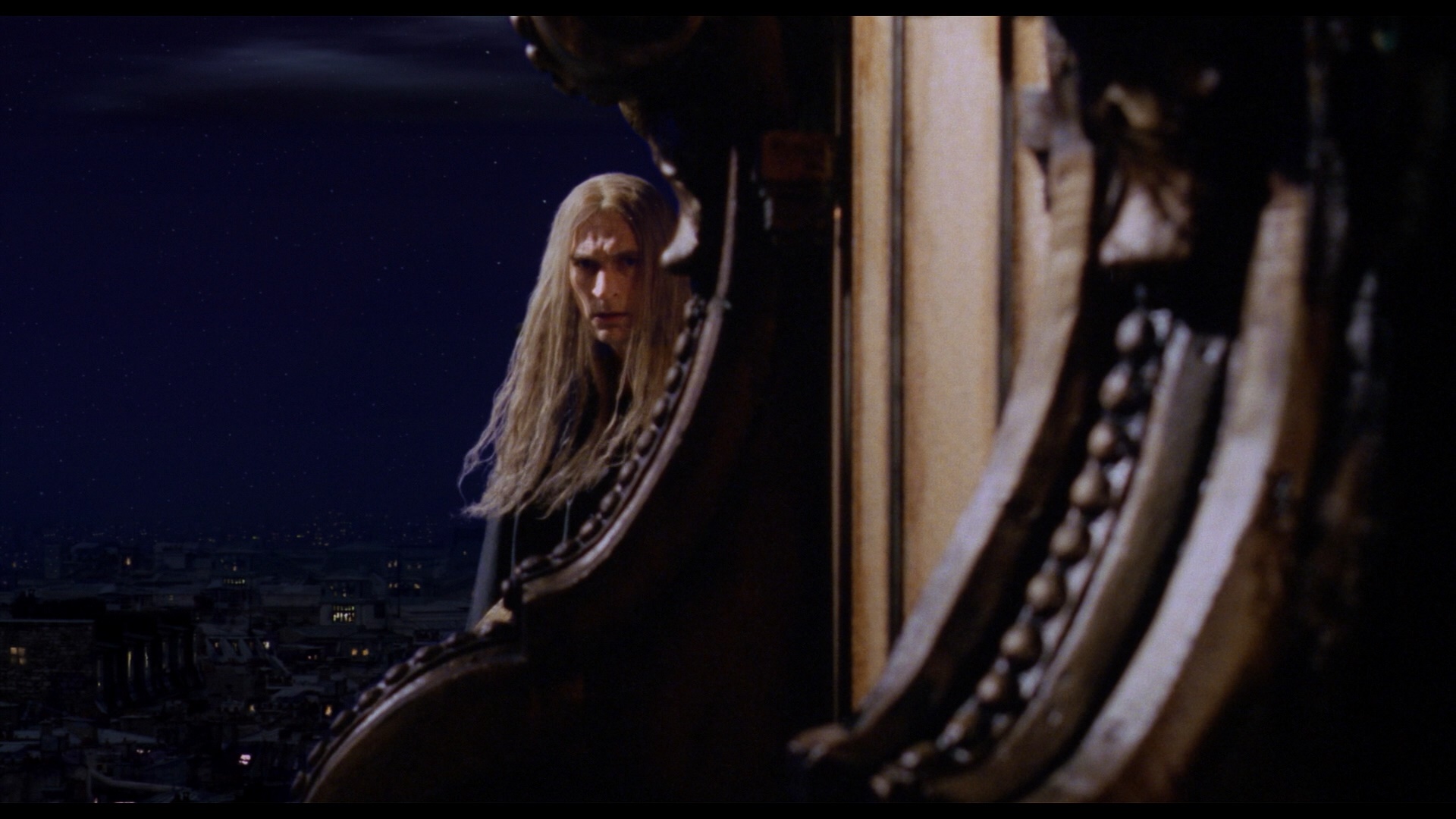 attractively letterboxed at 1.85:1 and anamorphically enhanced. Nothing notable appears to be missing from this "unrated director's cut," though it's been time-compressed down from 103 minutes to 100. Also, some of the gore footage was apparently reinstated after being trimmed for an R rating, so there's an odd audio jump now and then where it was digitally spliced back into the master. The 5.1 sound mix suffers somewhat from some artificial post-production canned sound and ambient effects (typical of recent Italian productions for some reason) but at least isn't a bad flattened mono mix like the one inflicted on the first U.S. release of Trauma; unfortunately the music of the 5.1 track slips out of sync several times, while the 2.0 track remains consistent. The disc includes both the original theatrical trailer and the far less impressive video preview, as well as a "making of" featurette consisting of camcorder footage during the shooting of several sequences such as the finale. A brief Julian Sands interview and a reprint of the first Fangoria article on the film round out the package. The Italian DVD features a darker, even richer transfer, with both the English track and the more elegant Italian track with optional English or Italian subtitles, while also porting over most of the extras from the U.S. disc as well. Also, the jump cuts are thankfully absent. On the other hand, the censored French DVD omits the bathhouse footage and, despite an
 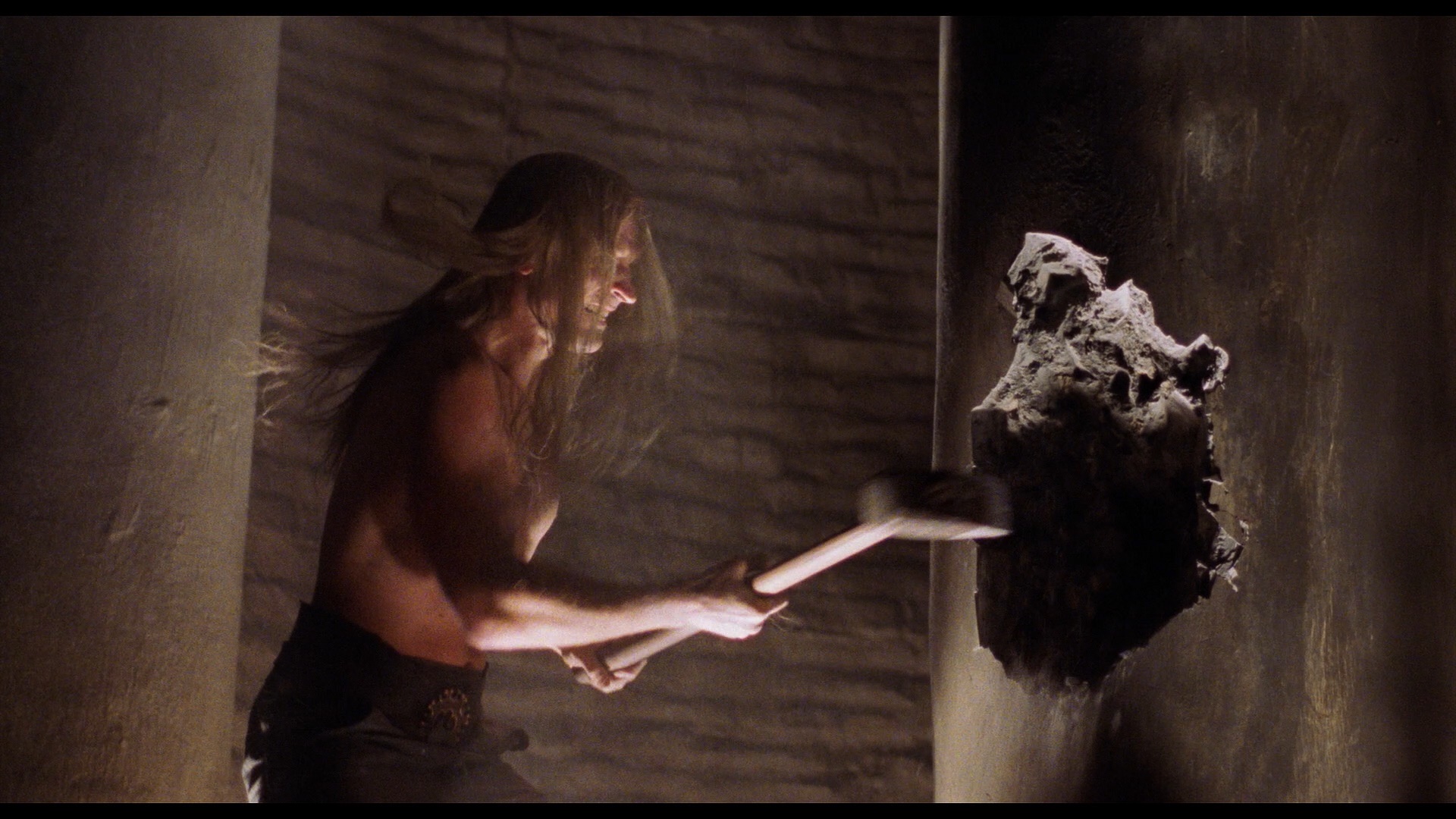 attractive transfer, is best avoided.
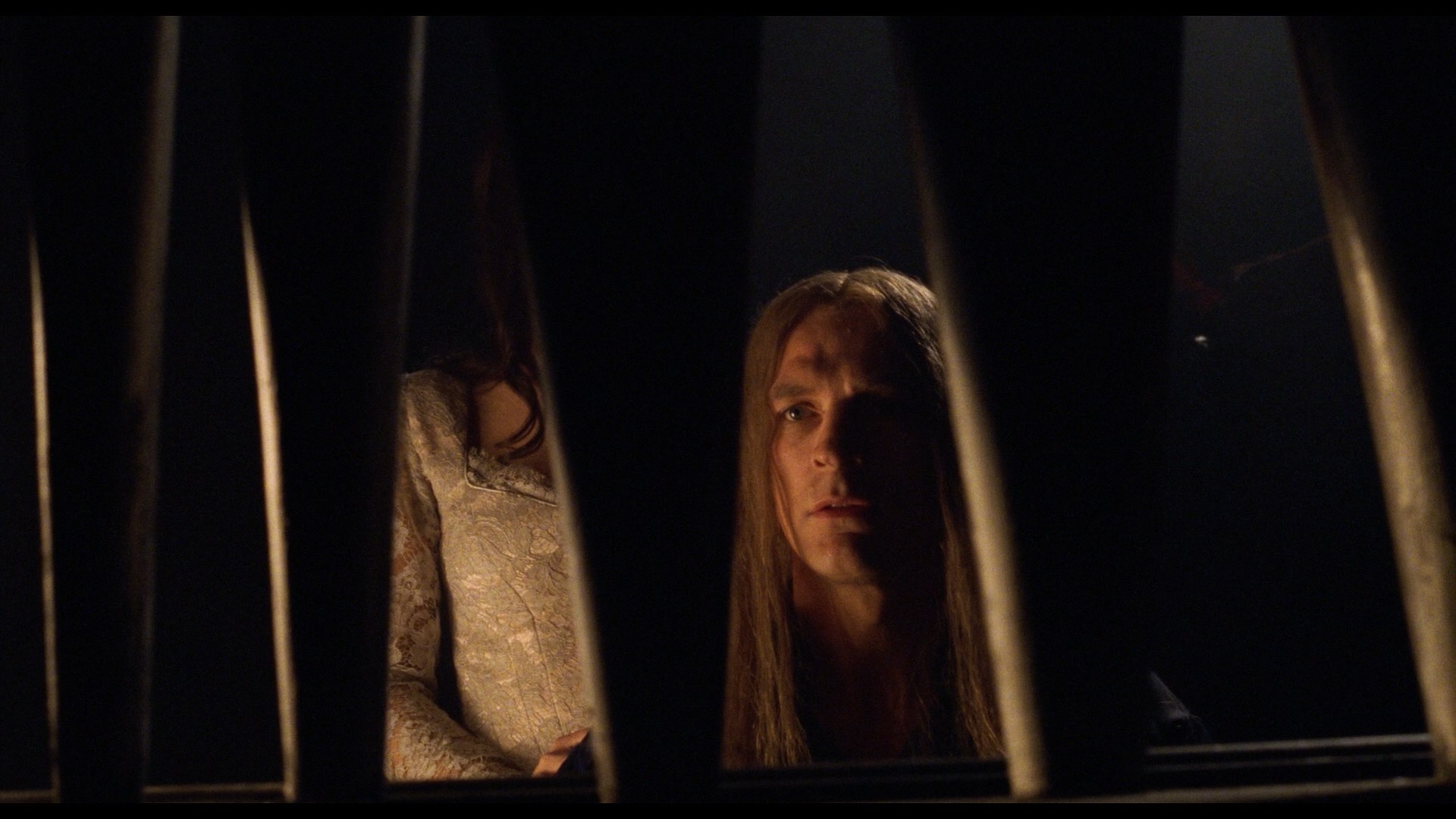
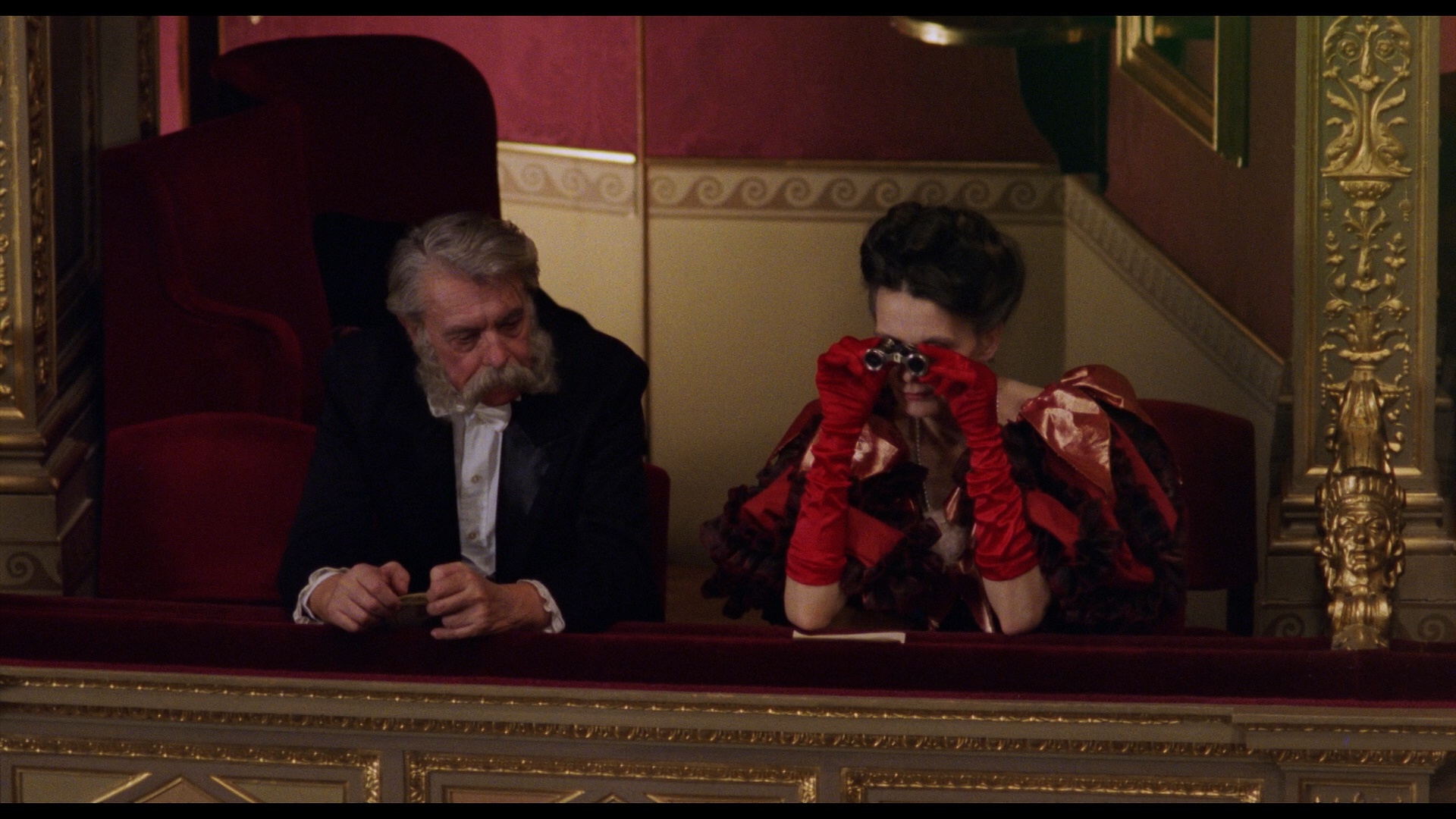 that transfer turned out to be extremely dark and murky, with the subterranean scenes in particular looking terrible. Far better is the 2020 Blu-ray from Scorpion Releasing, featuring a limited slipcover with art by Yannick Bouchard. Regardless of how one may feel about the film itself, the transfer is a real beauty and brings out all of the lush color schemes and intricate production design details that were mostly suppressed to some degree in prior releases. Reds in particular look better here, and the DTS-HA MA 5.1 English and Italian tracks sound excellent with lots of robust surround activity throughout. Optional English subtitles are included, translated from the superior Italian track. A new audio commentary features Troy Howarth and yours truly tackling this divisive film and obviously can't be assessed here, but hopefully listeners will enjoy it. The three video extras kick off with "Behind the Red Curtain" (18m7s), a new Argento interview by Freak-o-Rama with the legendary director chatting about his childhood discovery of the Rains version, the inspiration for the rat angle, the shooting in Budapest, the eventual casting of Asia after sitting on the project for a few years, the classic paintings that were used by him and Taylor for reference, and the rationale behind all of the changes from the book. "In the Phantom Cave" (18m13s) with production designer Antonello Geleng touches on his first work with Argento on The Church, the process of finding a
 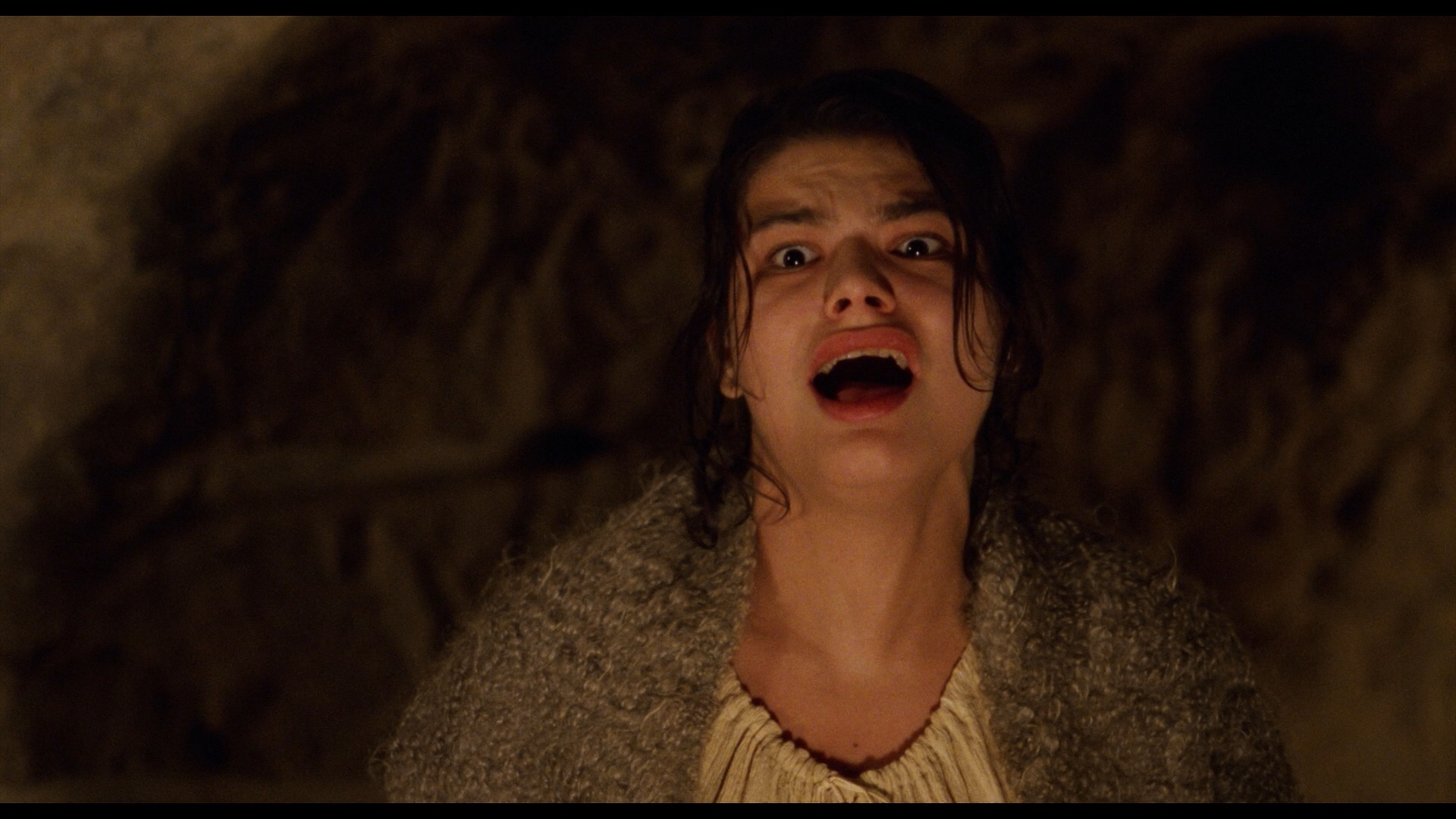 theater that could double for the Paris Opera House, the adaptation of existing sets for the opening, and the engineering of the rat-catching machine with Stivaletti. Finally, "Welcome to the Opera" (18m7s) with producer Giuseppe Colombo goes into his own background in Italian cinema, his connection to Argento through Franco Ferrini, Argento being a "victim of his own demons," the origins of getting it off the ground at Medusa, and legal fallout involving the two of them and RAI that ensued afterwards over a TV series.
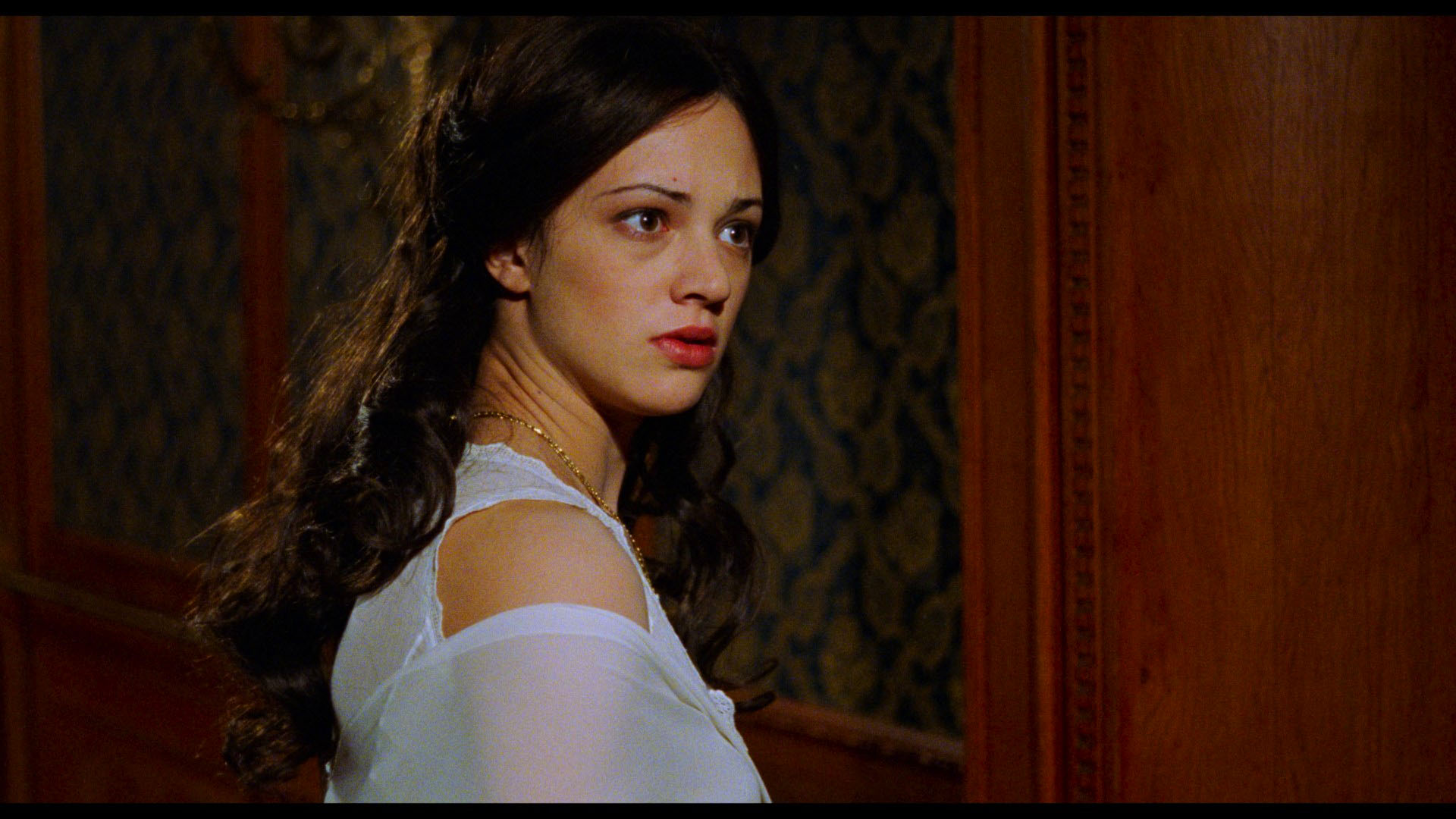
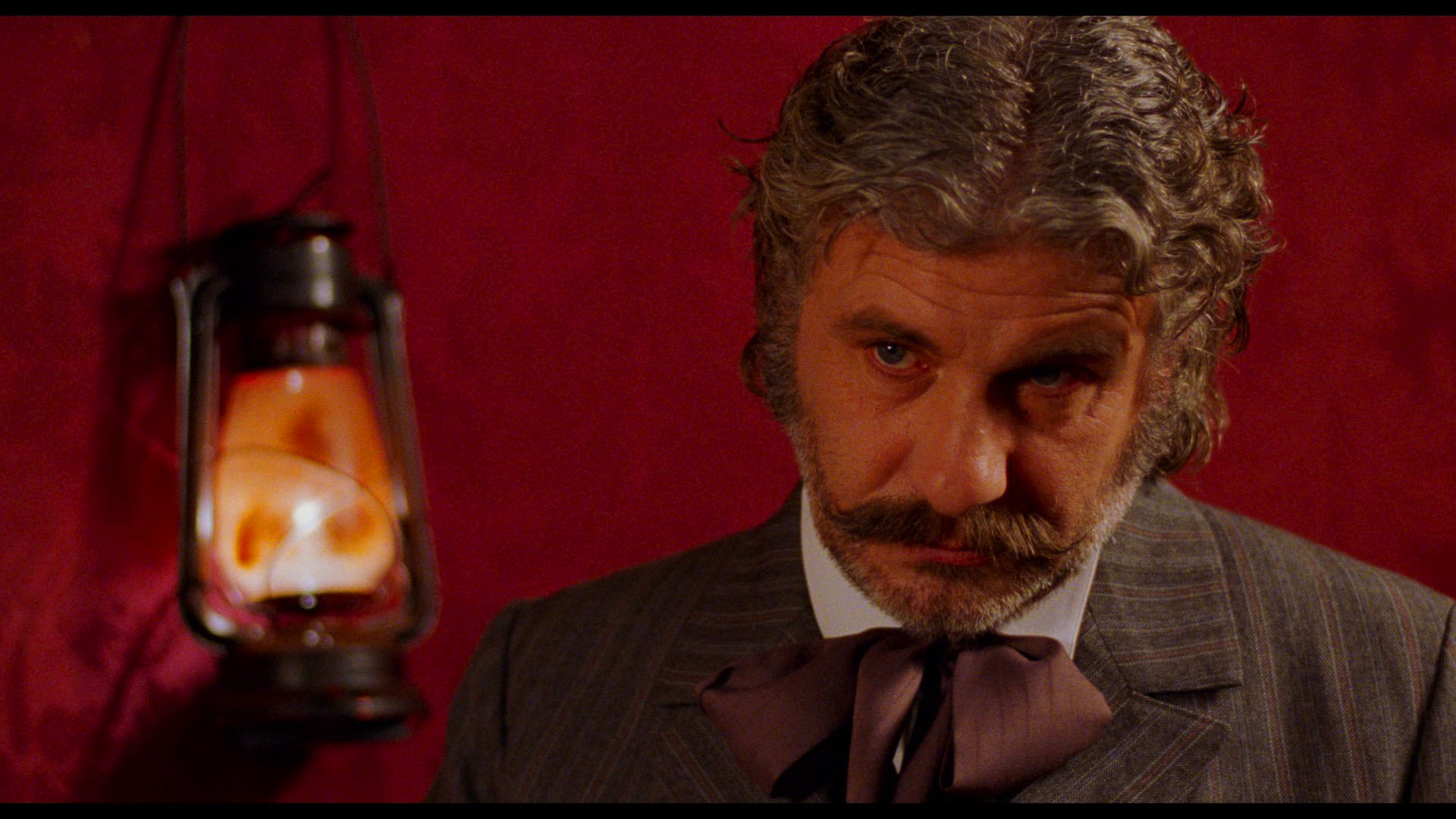
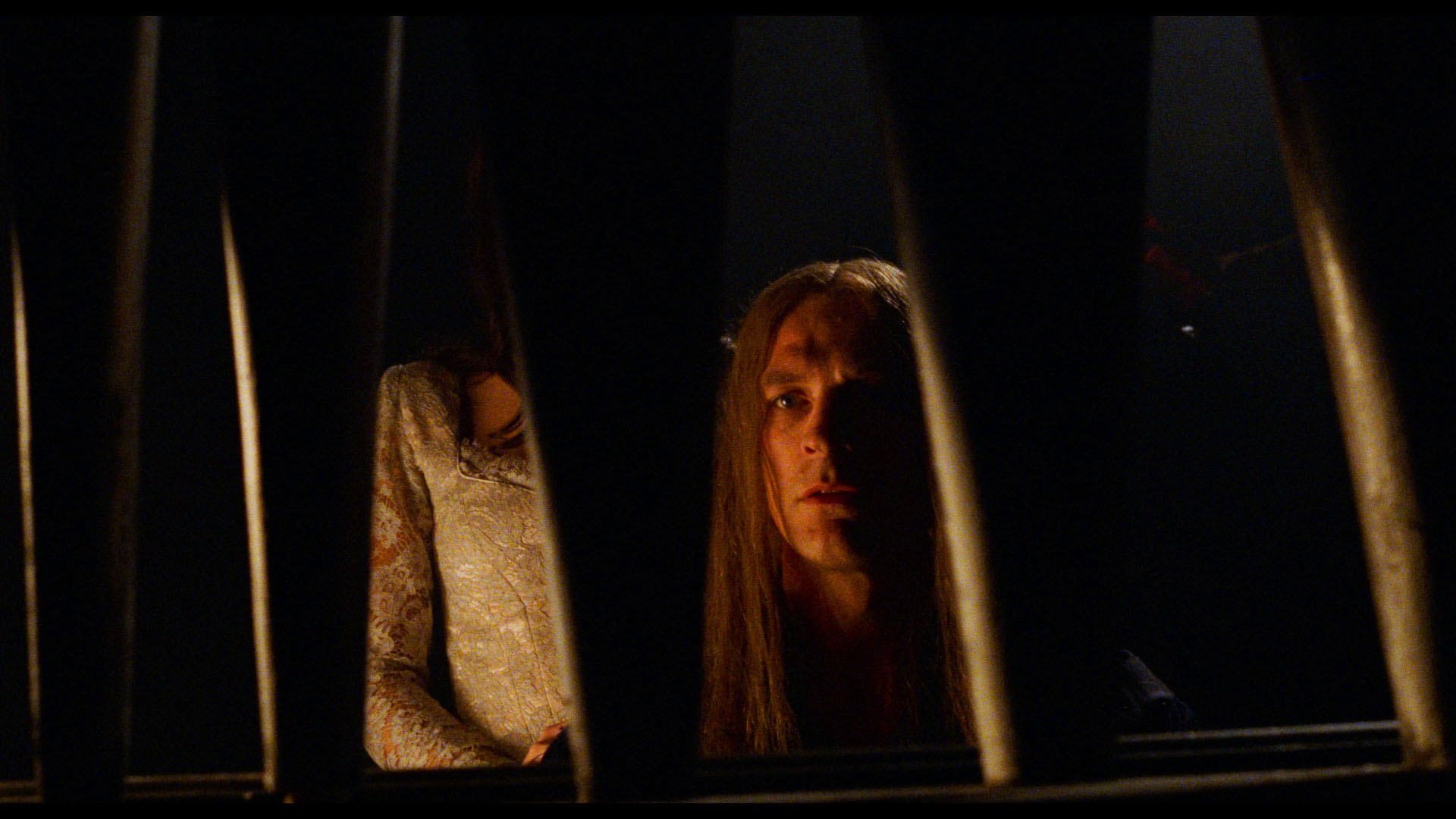
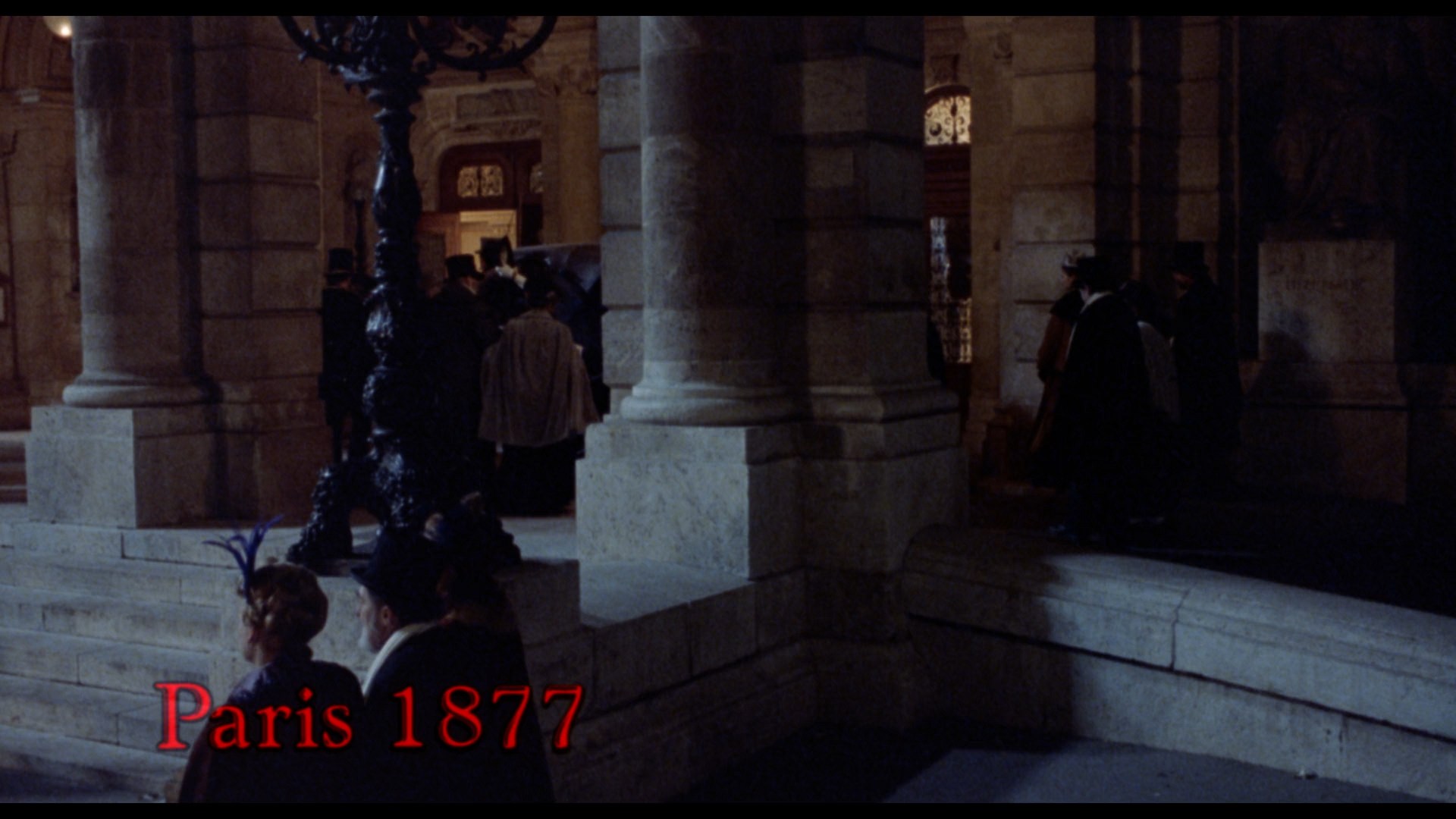
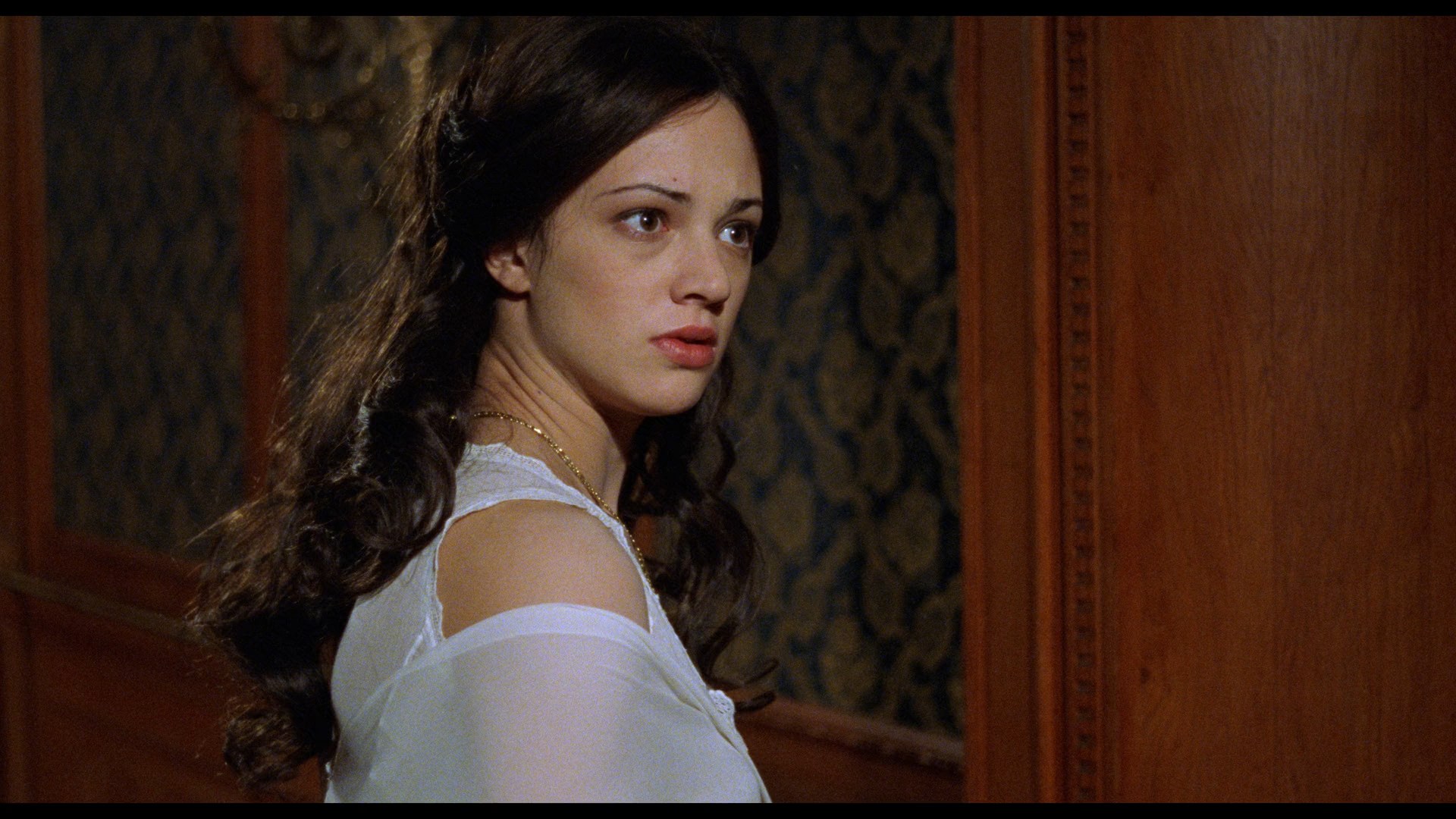
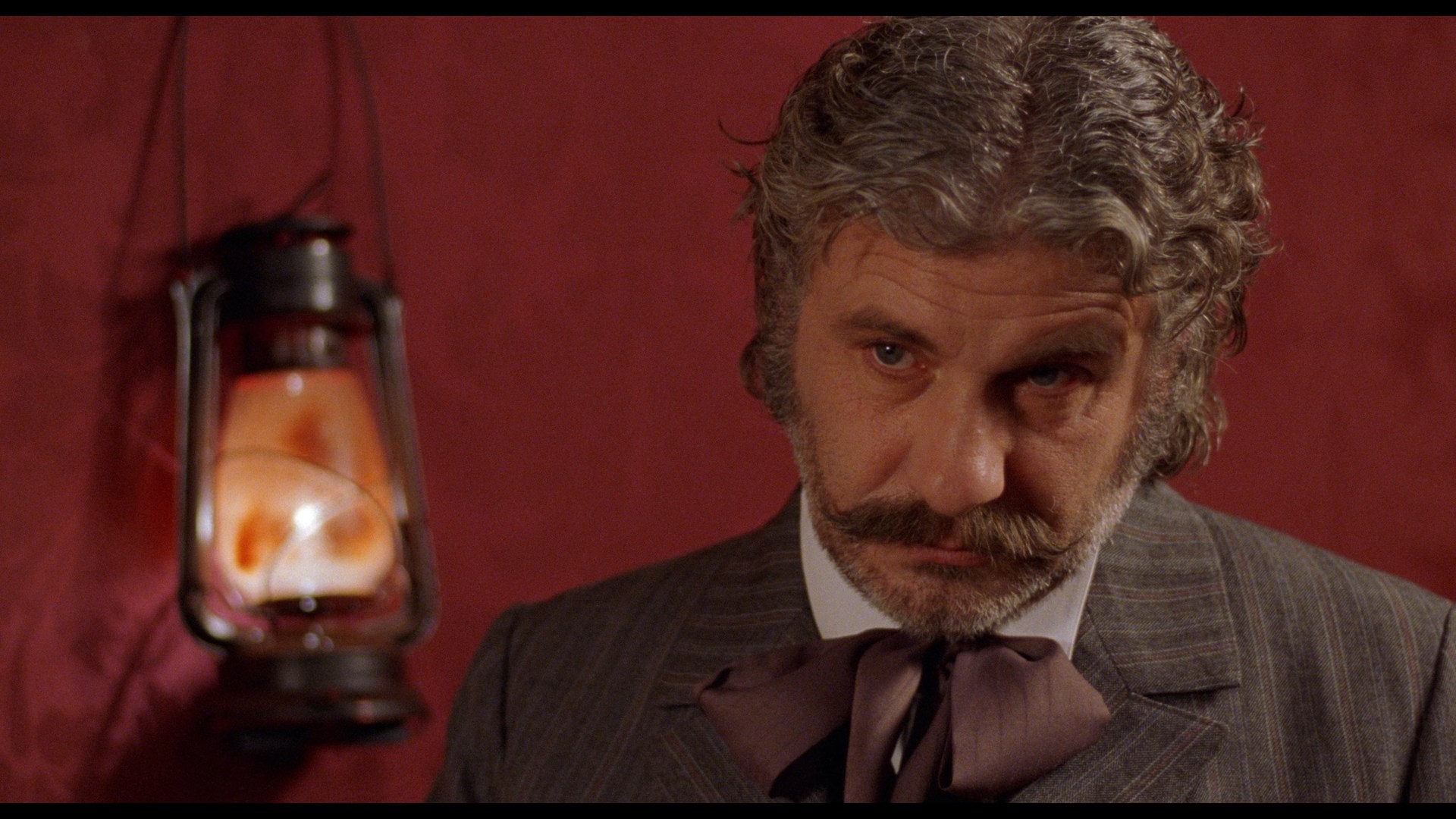
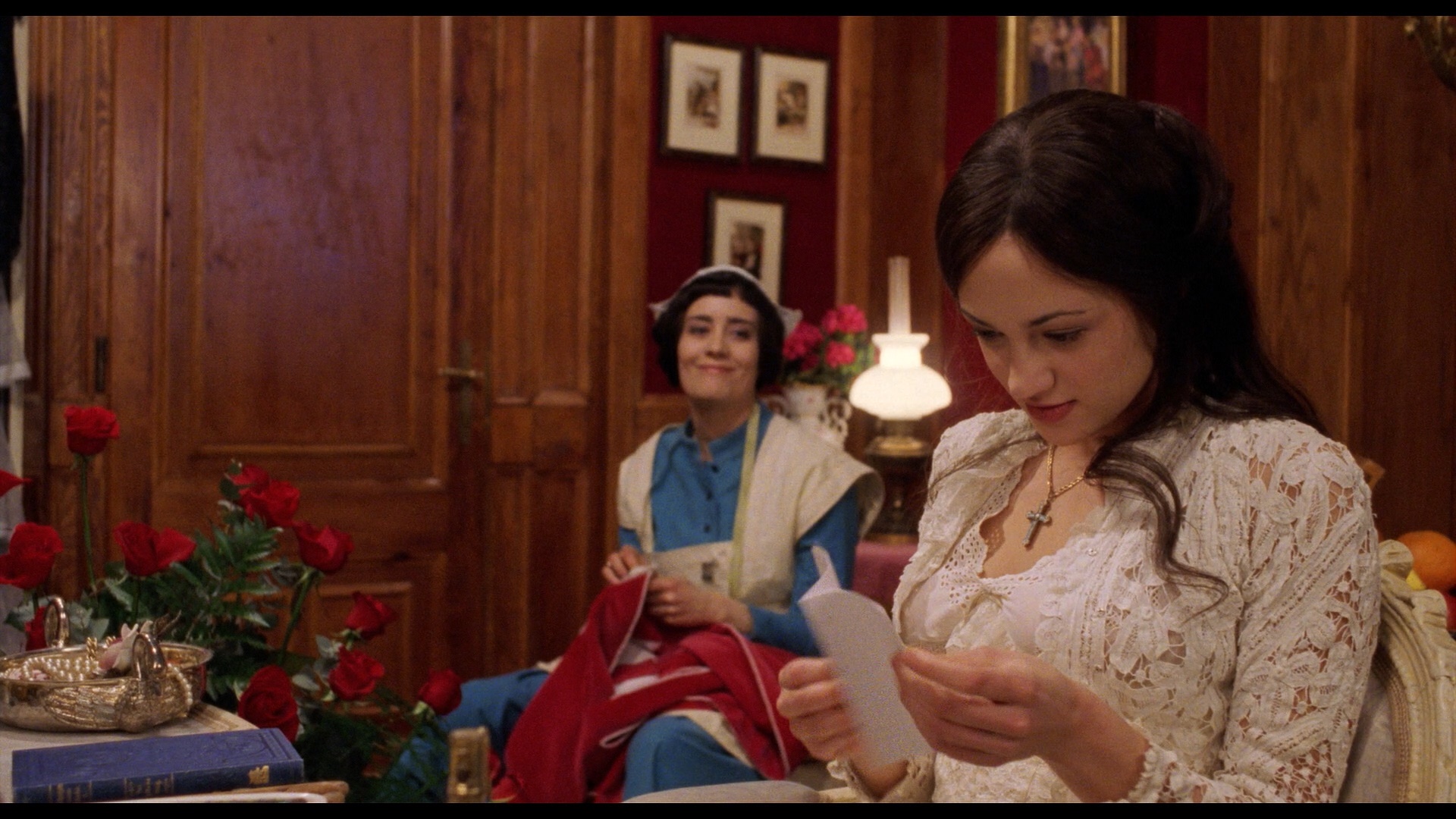 Syndrome upgraded the film as a UHD and Blu-ray set as part of its line of Argento releases, featuring a new scan from the original camera negative. The UHD looks really luscious here with the HDR10-compatible Dolby Vision grading bringing out an intensity and variety in those warm red and brown tones more than ever before, and the production design detail looks extremely impressive. The Blu-ray is fairly similar to the appearance on the Scorpion release, with some black level variations in a few scenes (as you can see below). The Italian and English DTS-HD MA 5.1 tracks both sound excellent and spacious as always, with optional newly-translated or SDH English subtitles. The source here is the Italian negative here, with the English titles included as a bonus. The Argento, Geleng, and Colombo interviews are all ported over here, but you get five new featurettes as well. In "Of Screams and Arias" (22m32s), Rinaldi discusses her acting career, auditioning for Argento, her favorite trauma moments from Argento movies, a funny scare she got on the set, her anxiousness in her scenes with Sands when he was in character, and the importance of costumes in creating a character for a period film. In "Acts of Fear" (10m59s), actor Gianni Franco is interviewed about the importance of Argento in Italy, his previous work with Sergio Stivaletti, his casting here as the investigator Montluc, his fondness for costume dramas, and his recollections of Asia's performance. "Opera of Wounds" (19m47s) features Stivaletti recalling the project coming together after Wax Mask (which this resembles in some ways), the multiple challenges of depicting the rats via practical effects, the various gore concoctions, and of course the rat-killer machine itself. In "Like a Thunder" (20m34s), editor Anna Napoli chats about getting into editing in the late '60s, meeting the entire Argento family, her admiration for their films, the creative freedom she enjoyed on this project, and the impressive nature of the sets. Finally in "Behind the Camera" (12m28s), camera operator Marco Pieroni looks back at his very busy time in the late '90s, her expertise with a Steadicam that kept him in demand, his memories of the director, and his working process with Ronnie Taylor.
 Vinegar Syndrome (UHD)
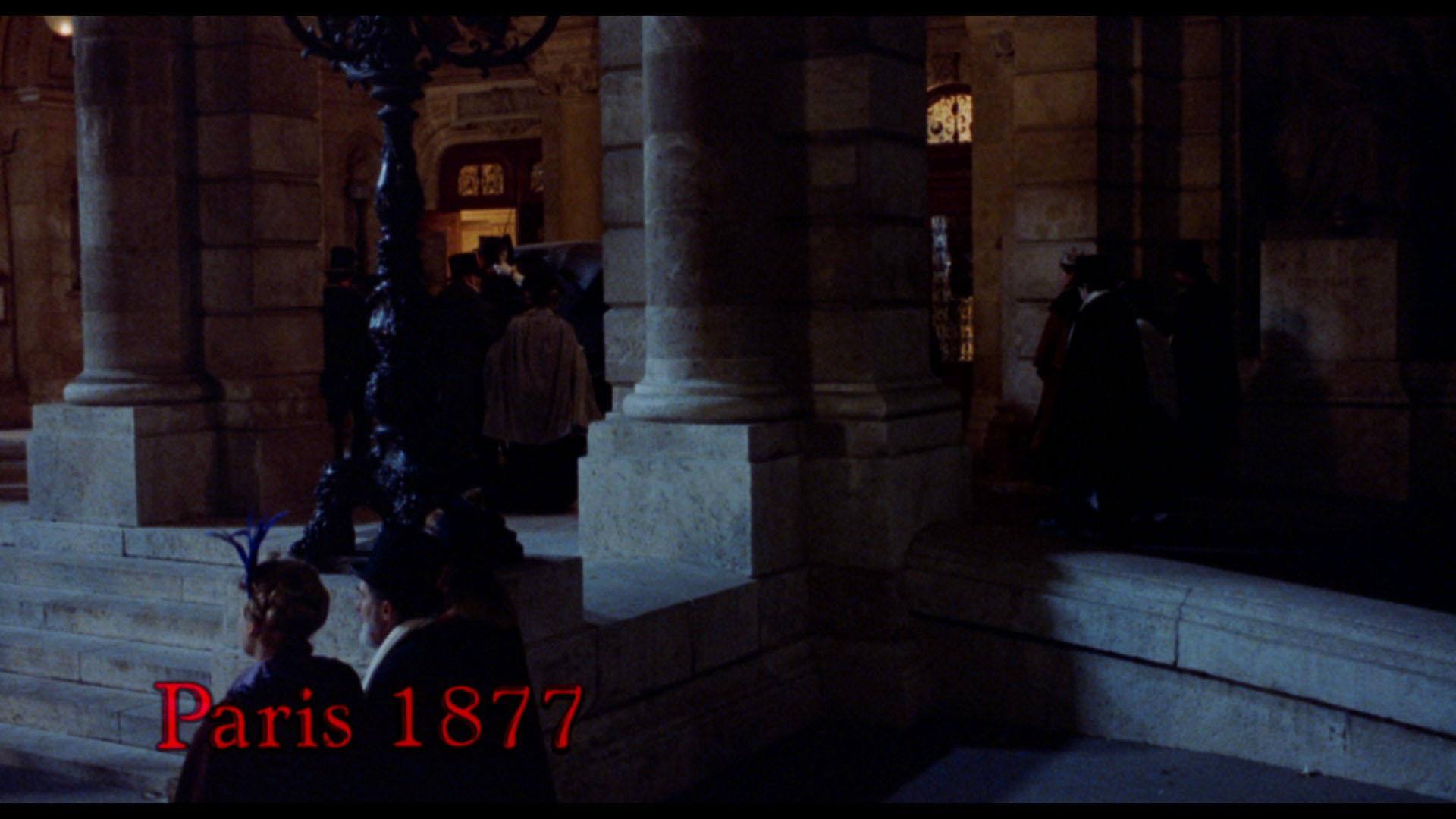
Vinegar Syndrome (Blu-ray)
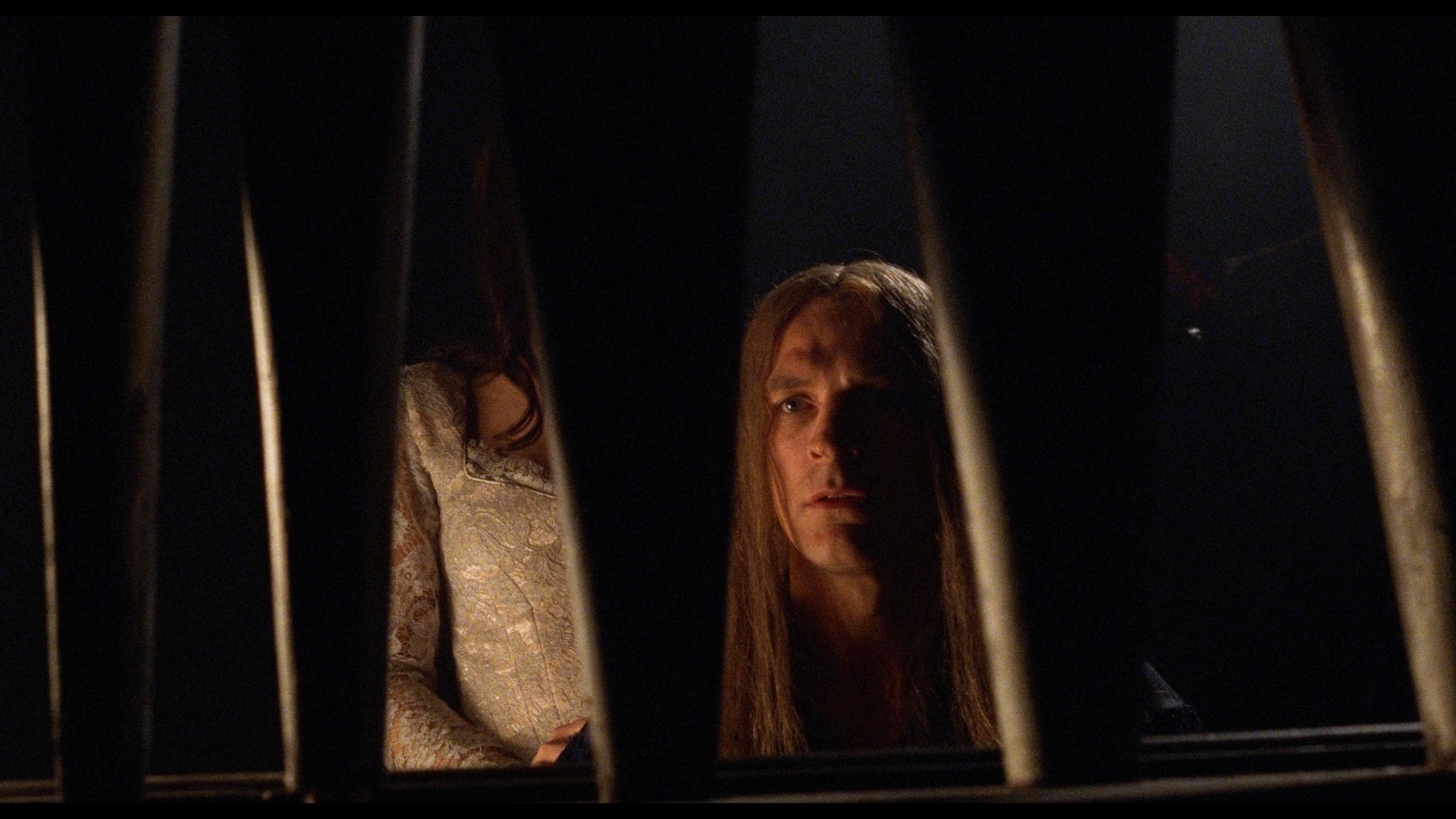
Scorpion Releasing (Blu-ray)
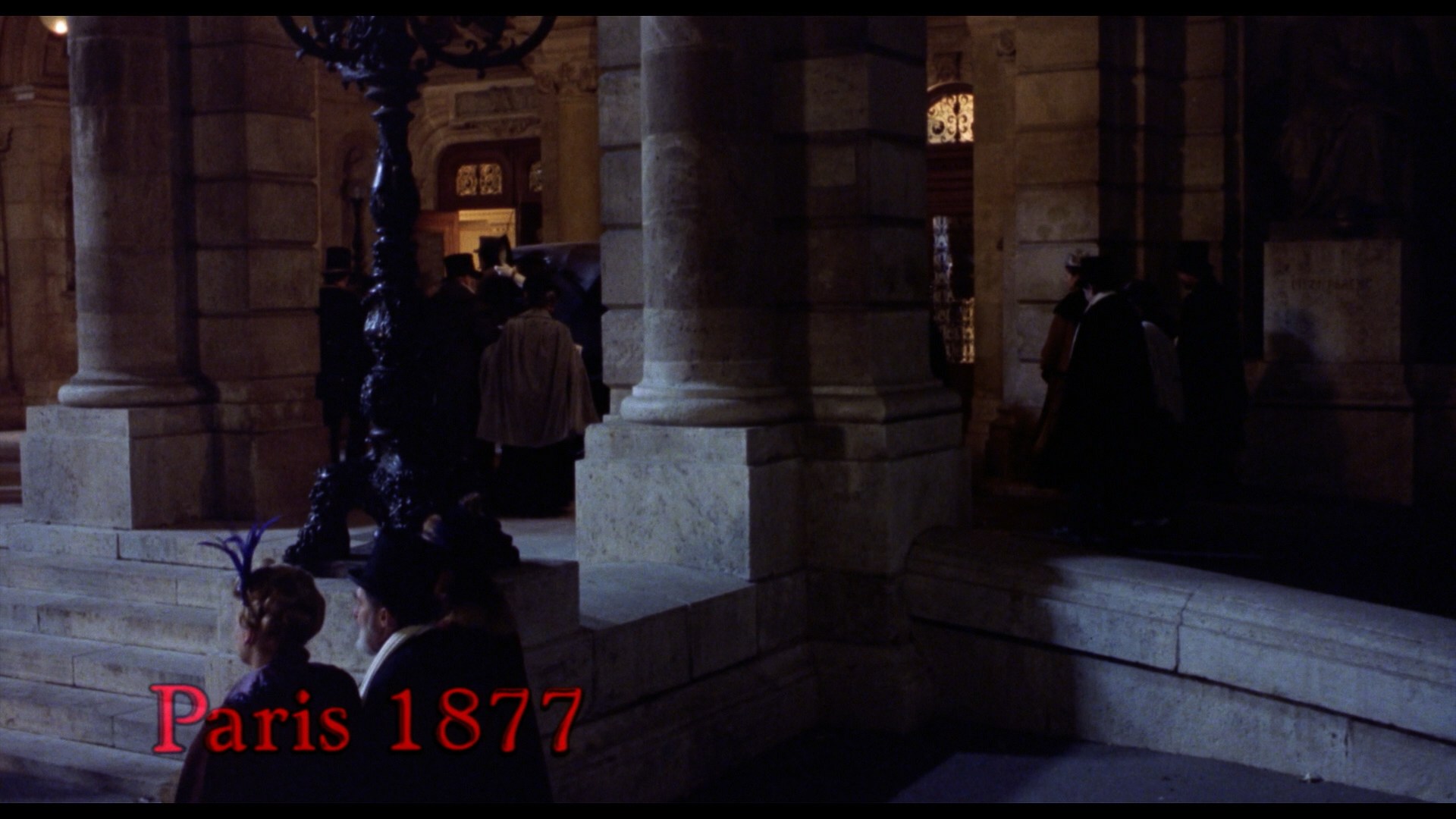
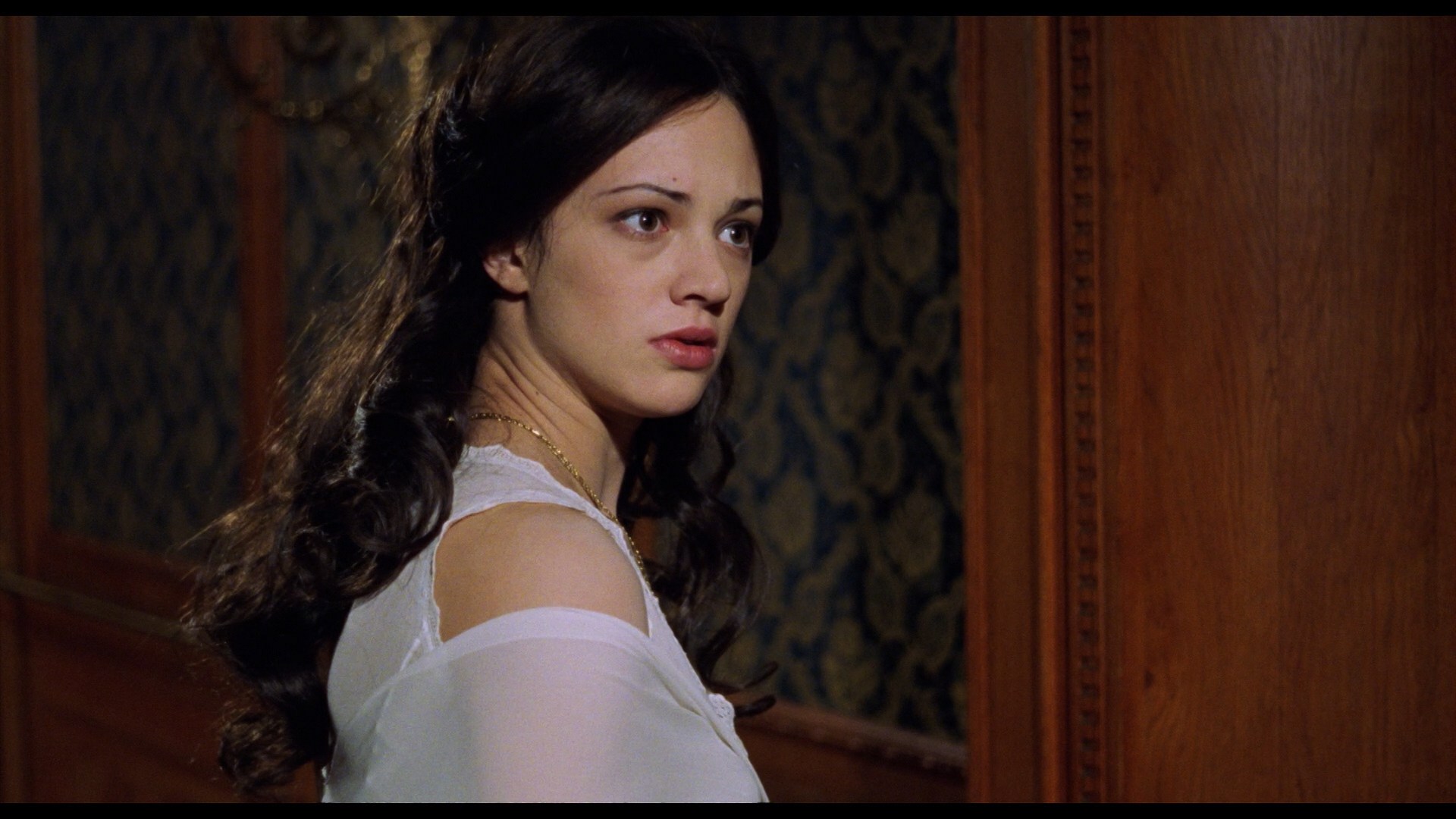
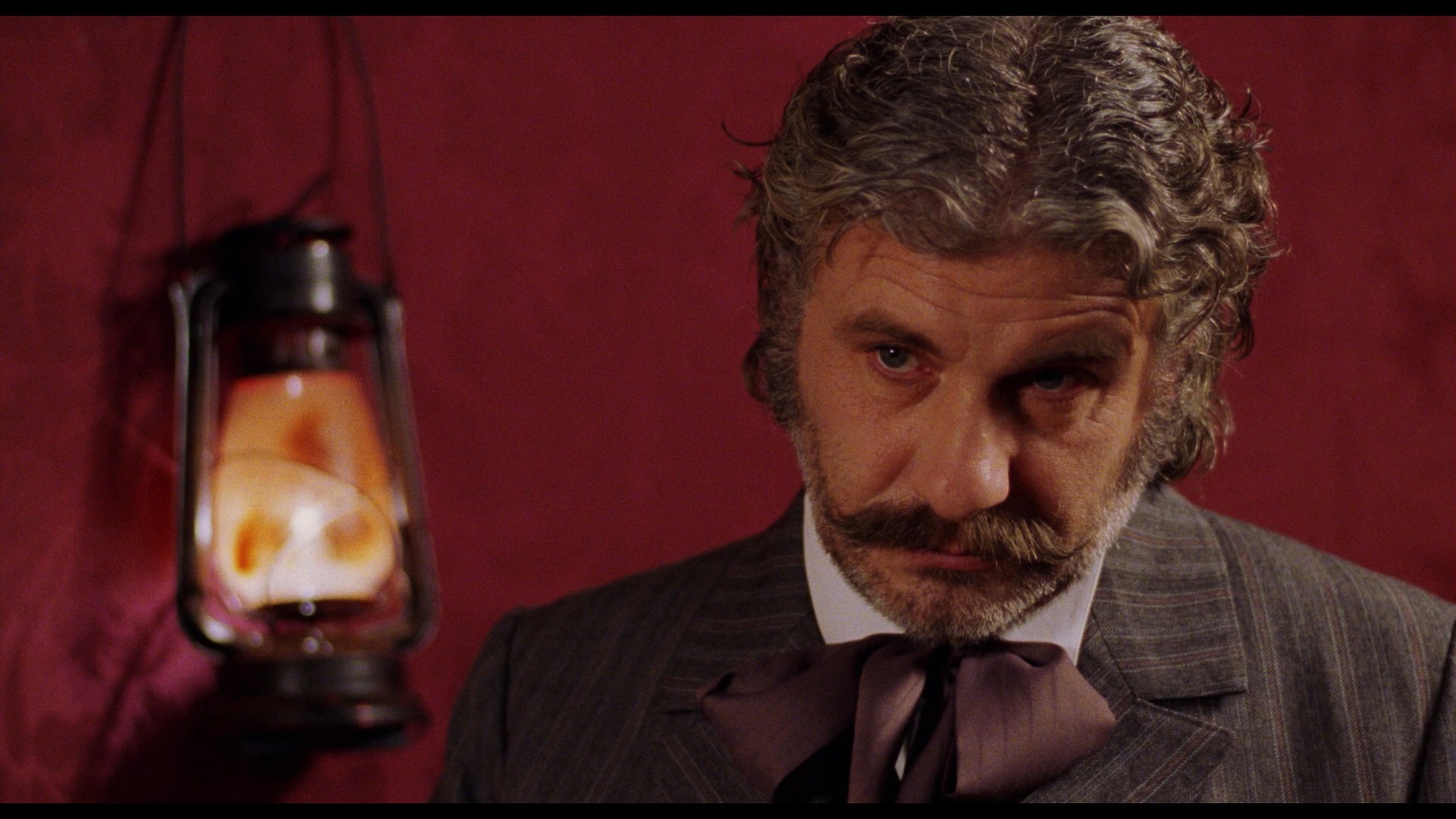
Medusa (Blu-ray)