Color, 1981, 140 mins. 47 secs.
Directed by John Boorman
Starring Nigel Terry, Helen Mirren, Nicol Williamson, Nicholas Clay, Cherie Lunghi, Paul Geoffrey, Gabriel Byrne, Robert Addie, Keith Buckley, Charley Boorman, Patrick Stewart, Katrine Boorman, Liam Neeson, Corin Redgrave, Clive Swift, Ciarán Hinds
Arrow Video (UHD & Blu-ray) (US/UK R0/RA 4K/HD) / WS (1.66:1) (16:9), Warner Bros. (Blu-ray & DVD) (Worldwide R0 HD/NTSC/PAL) / WS (1.78:1) (16:9)
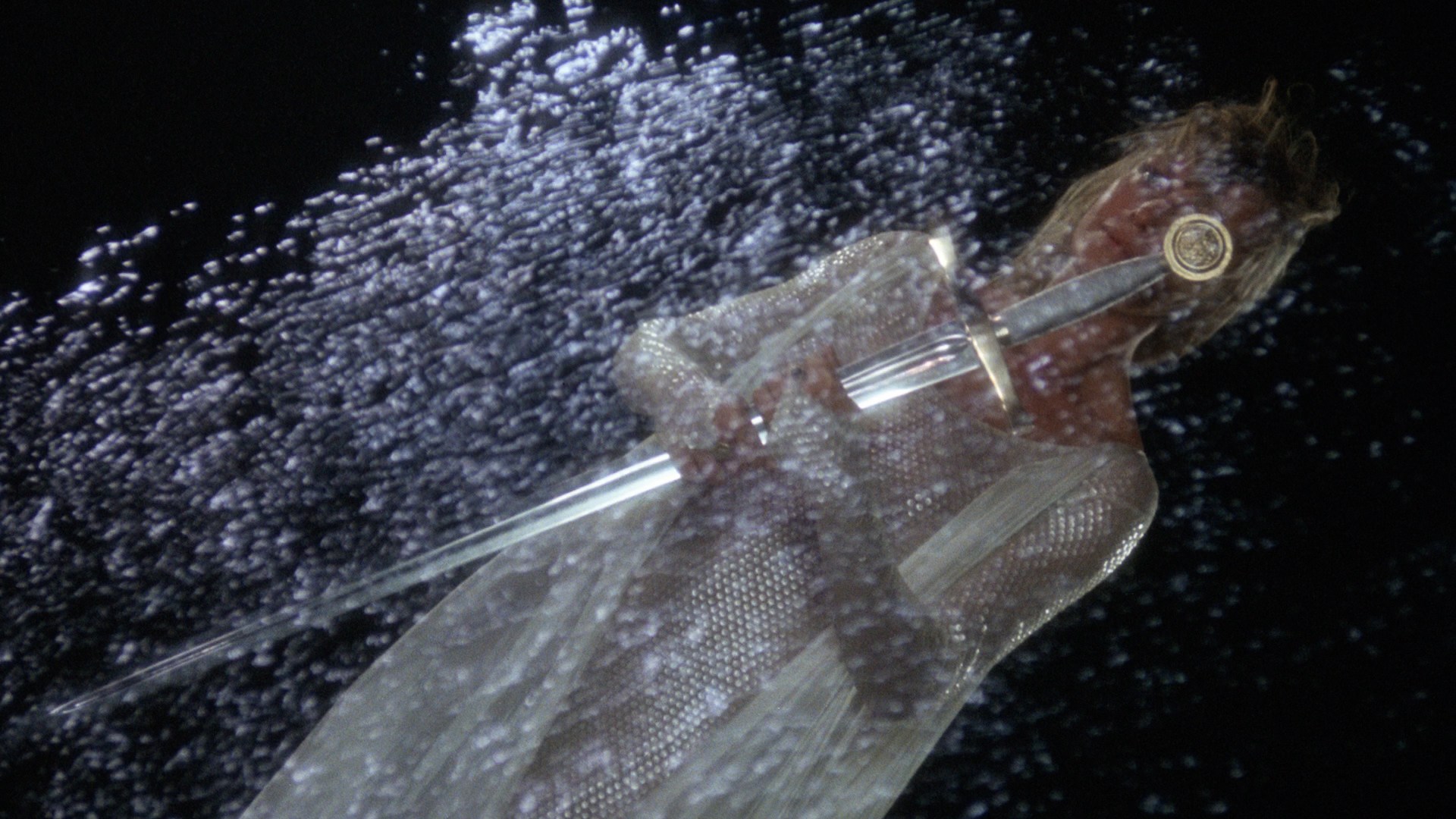
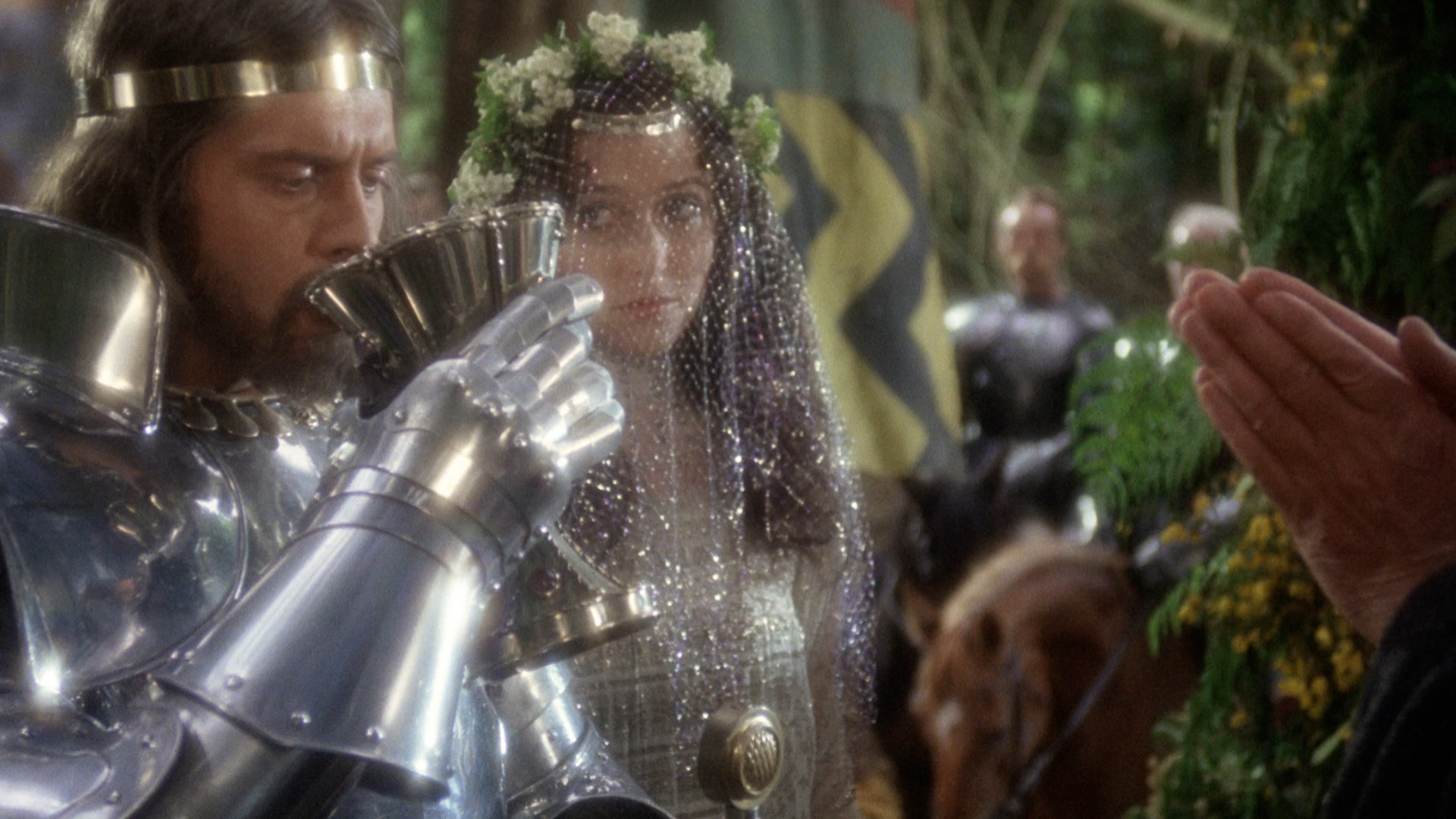
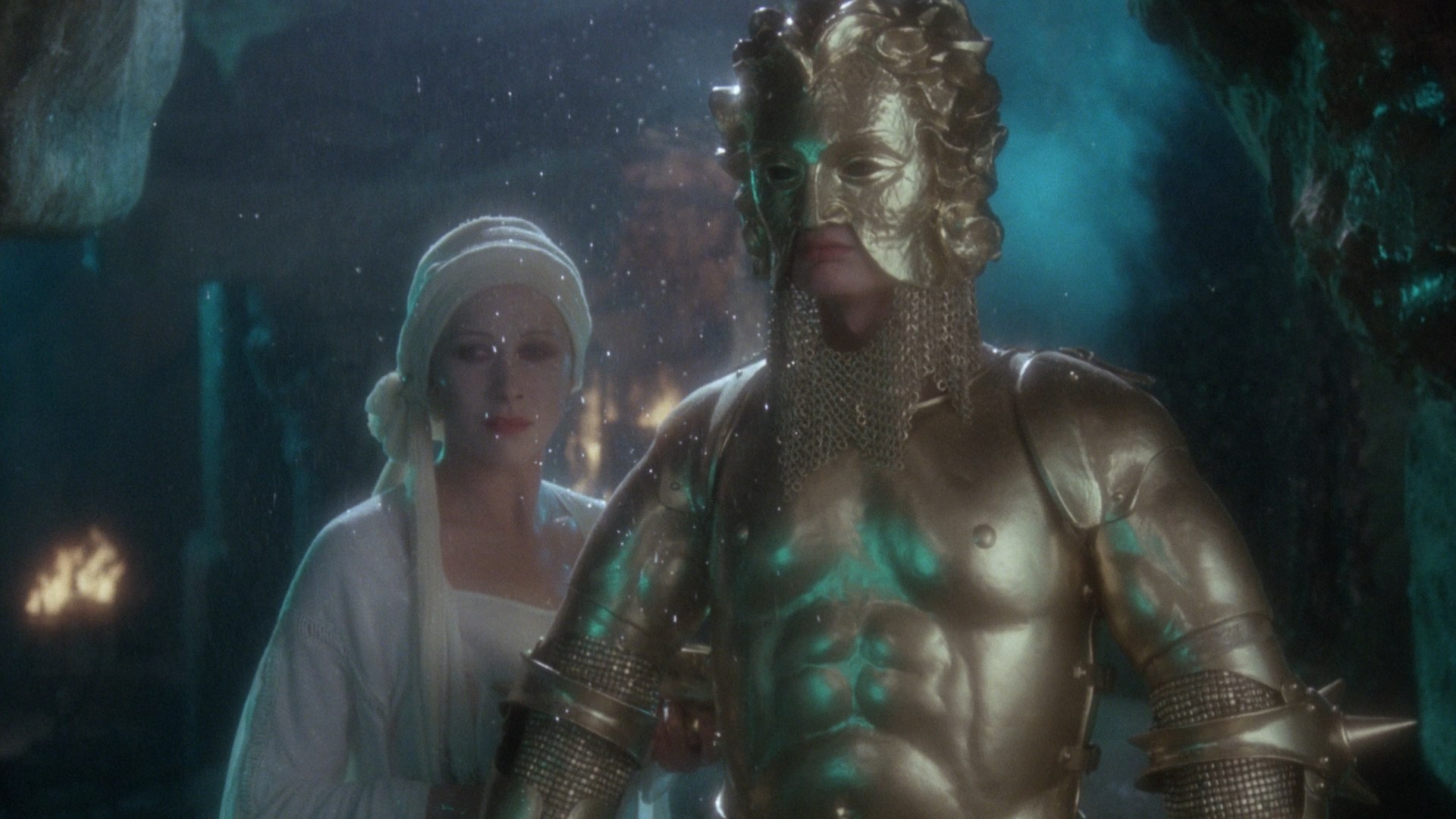
The film most responsible for 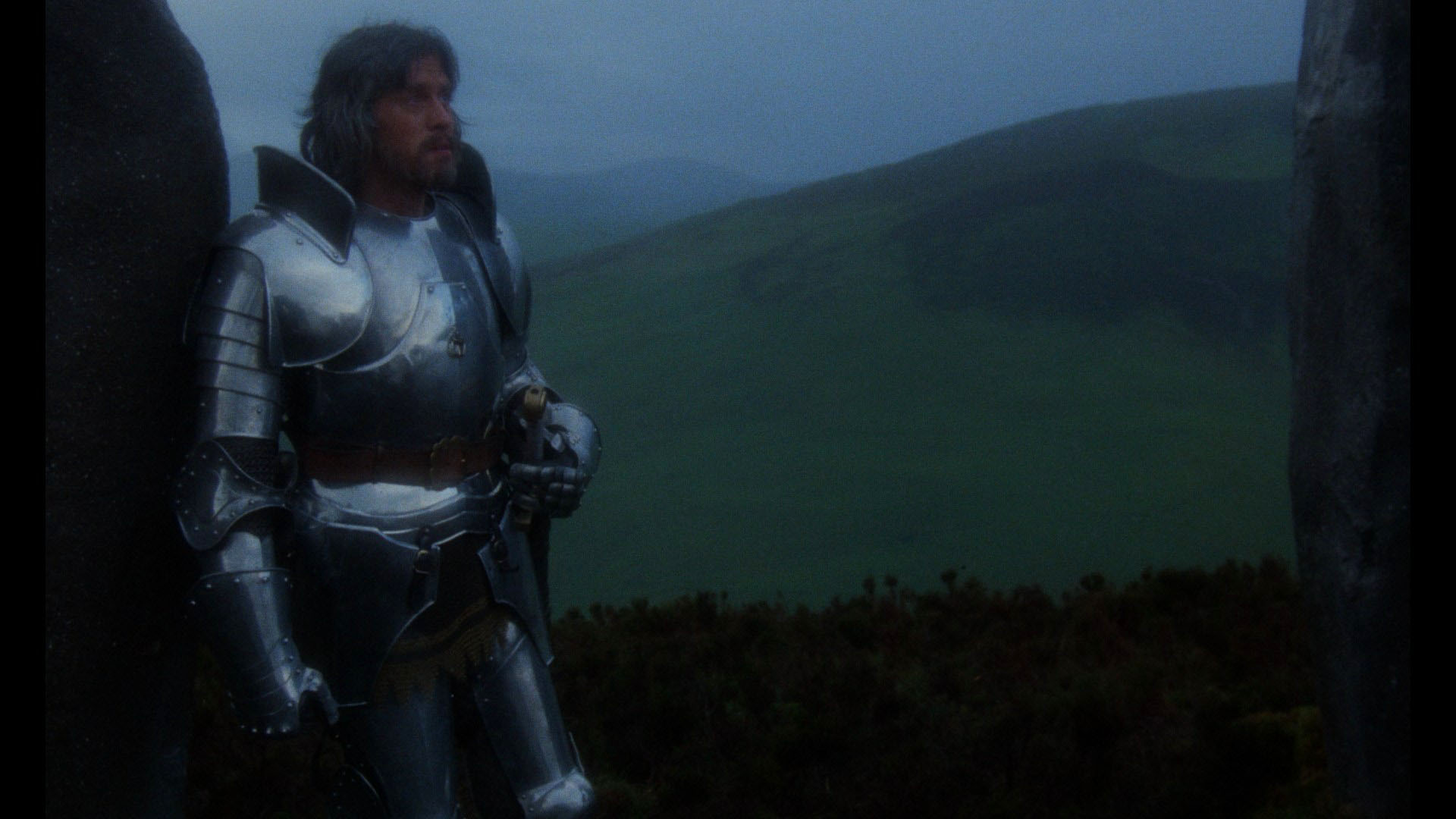 kicking off the wild sword and sorcery wave of the 1980s along with Conan the Barbarian, 1981's Excalibur marked a
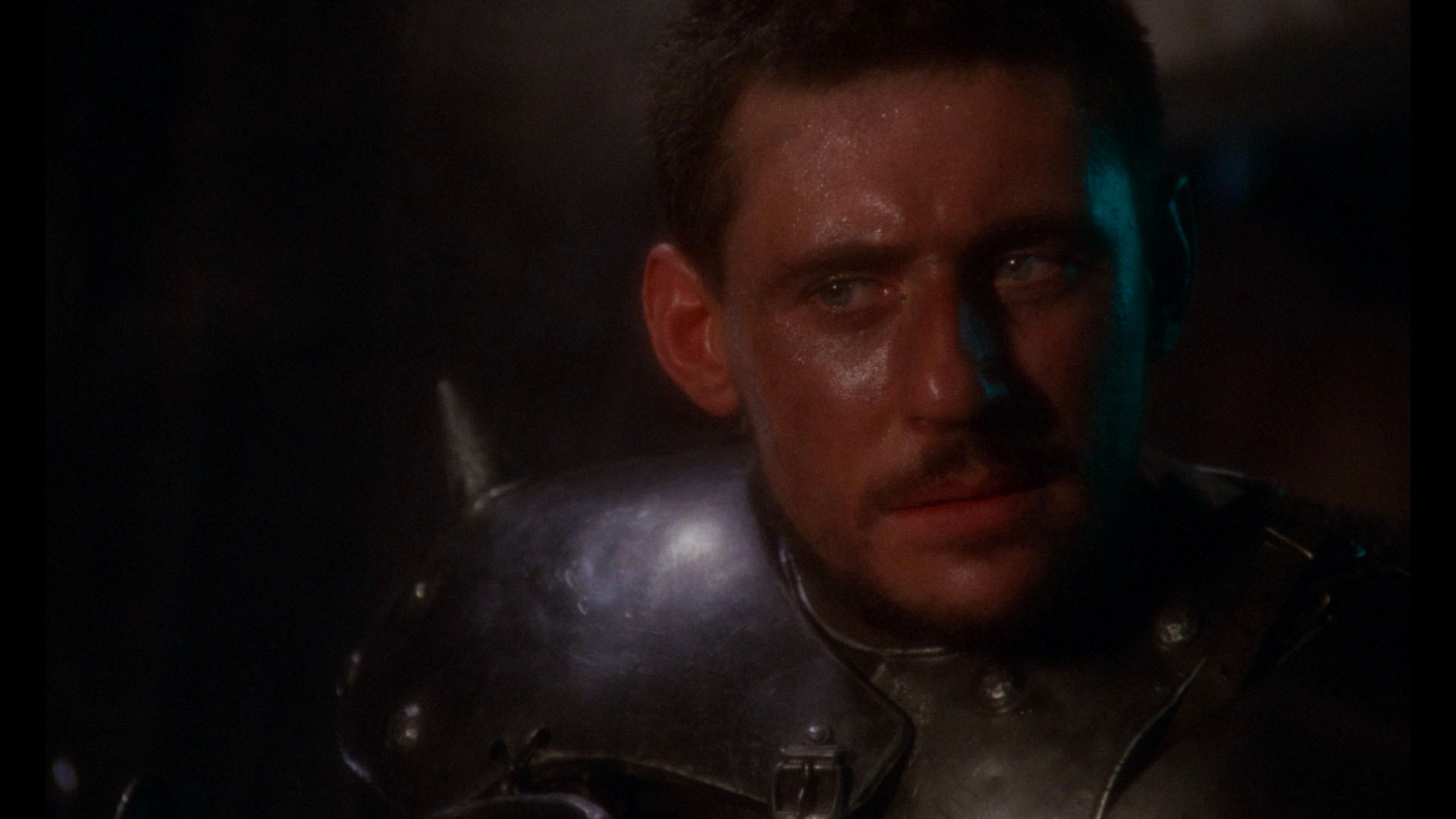
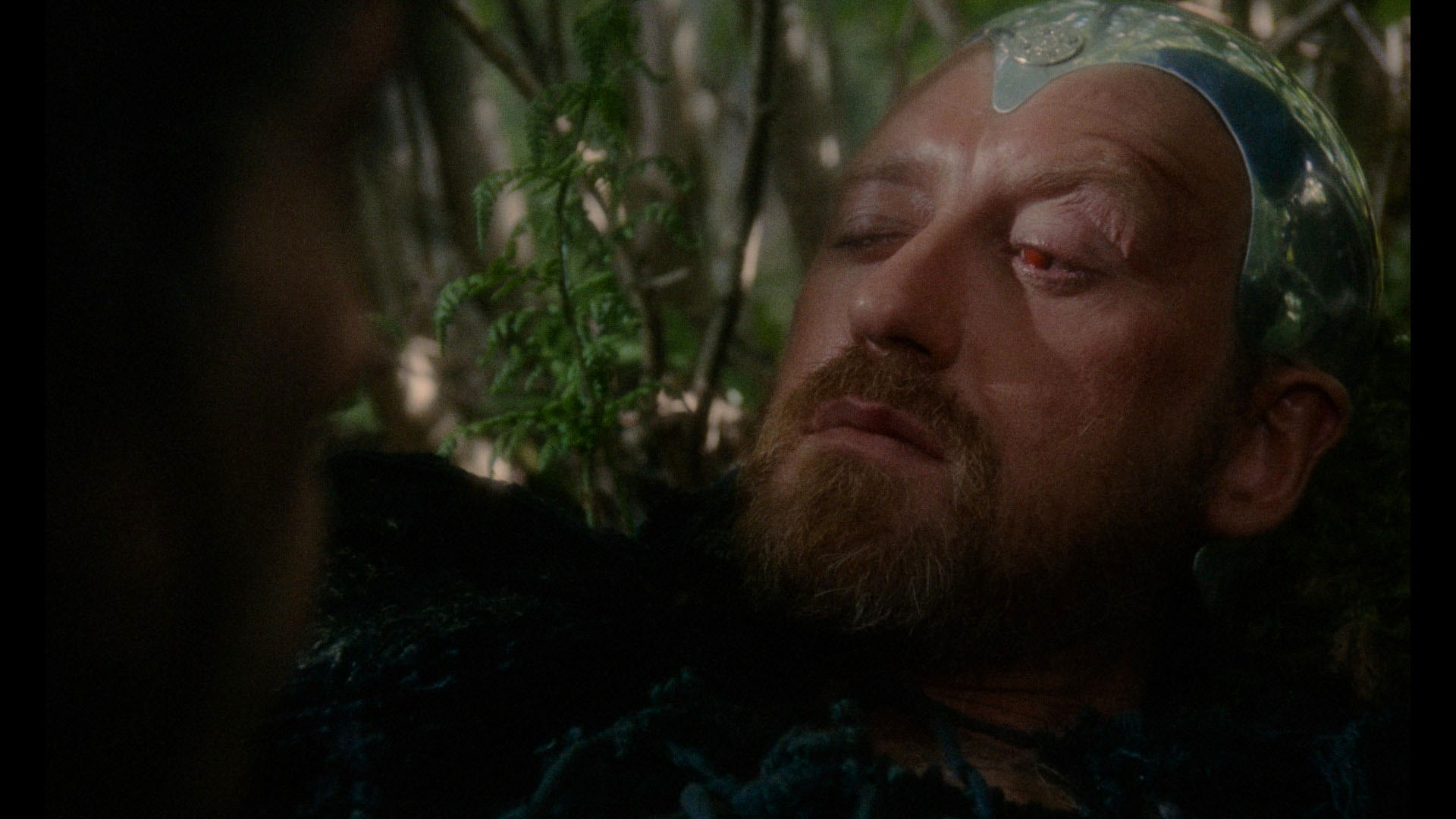
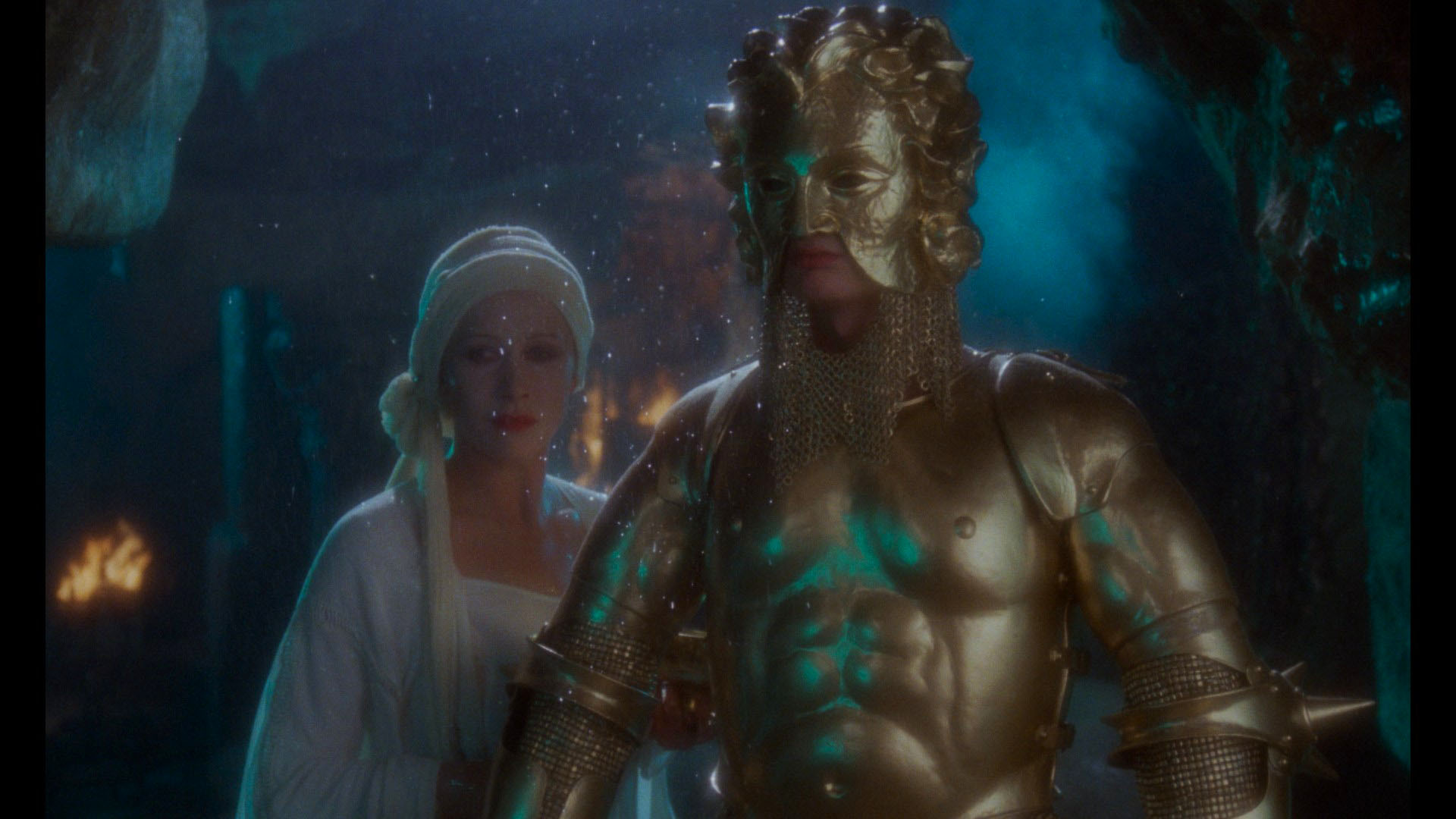
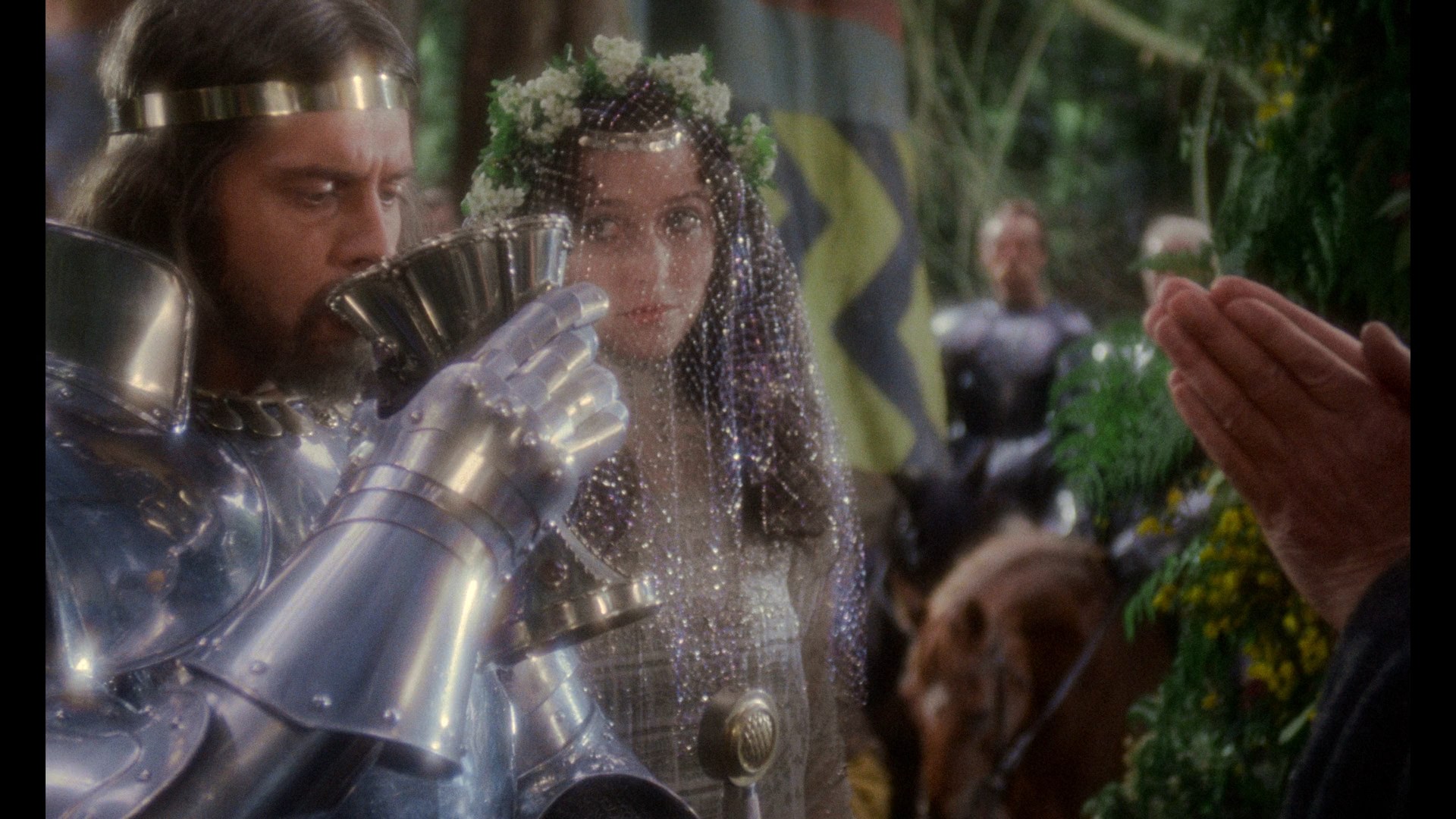
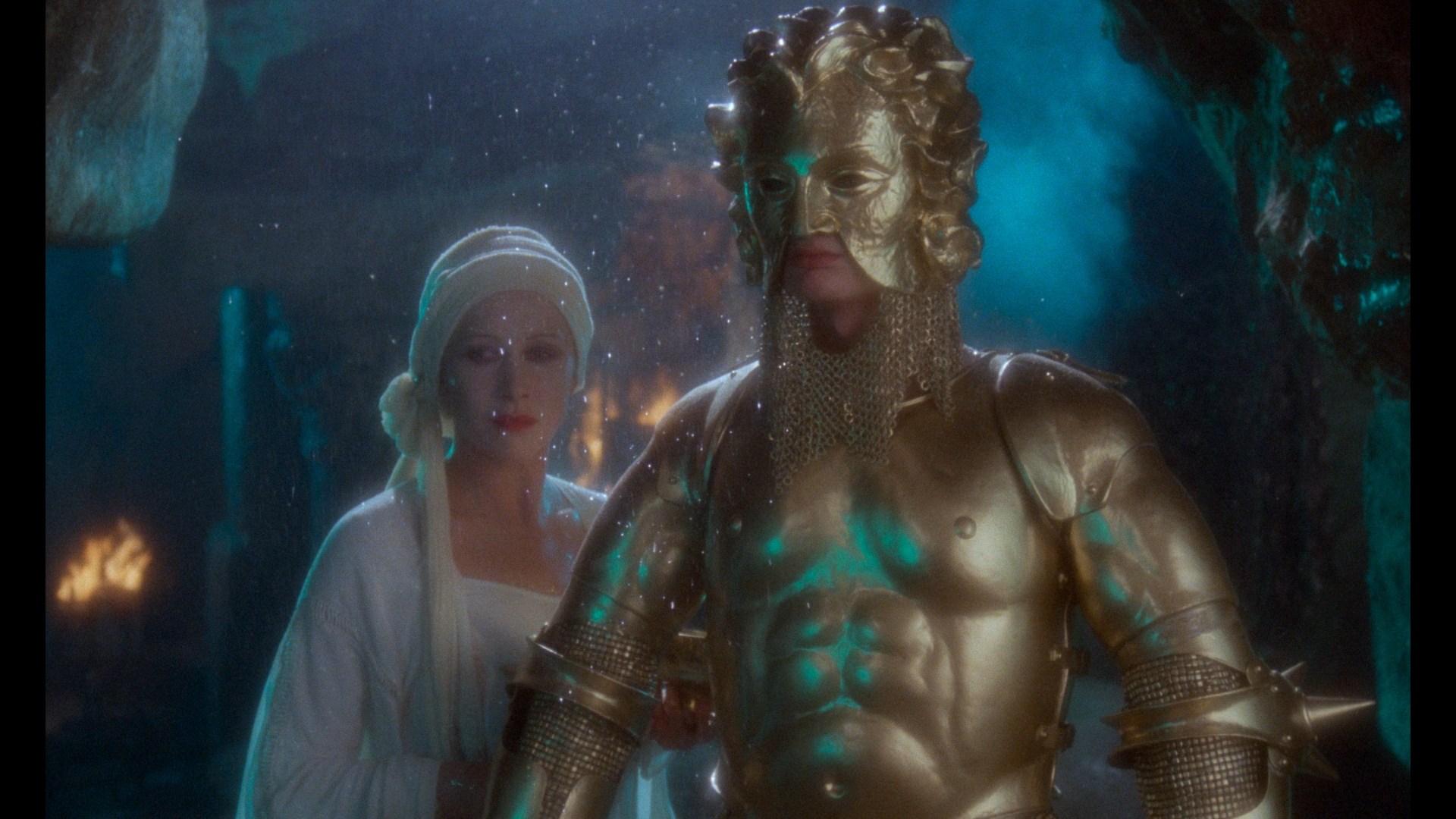
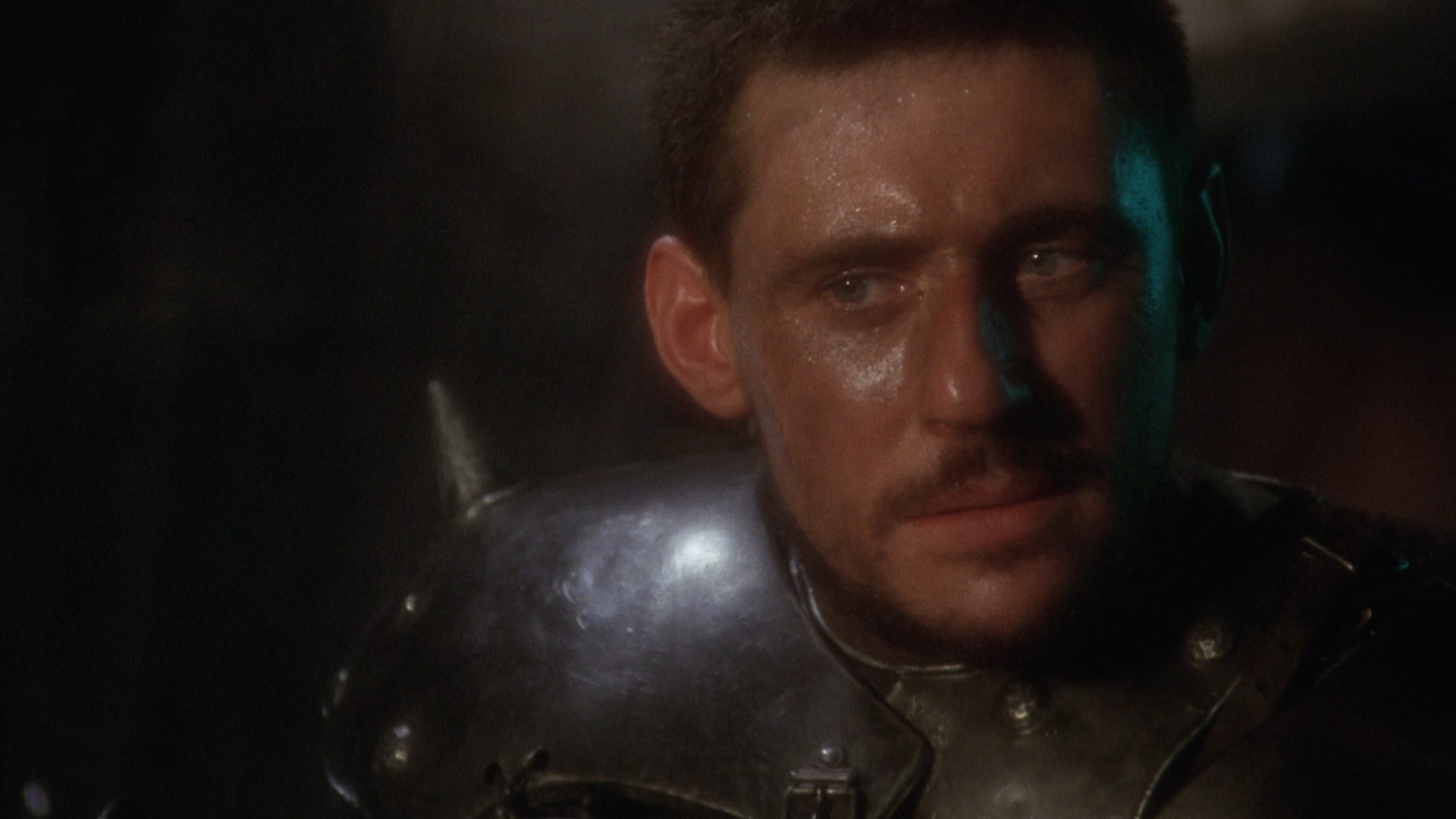
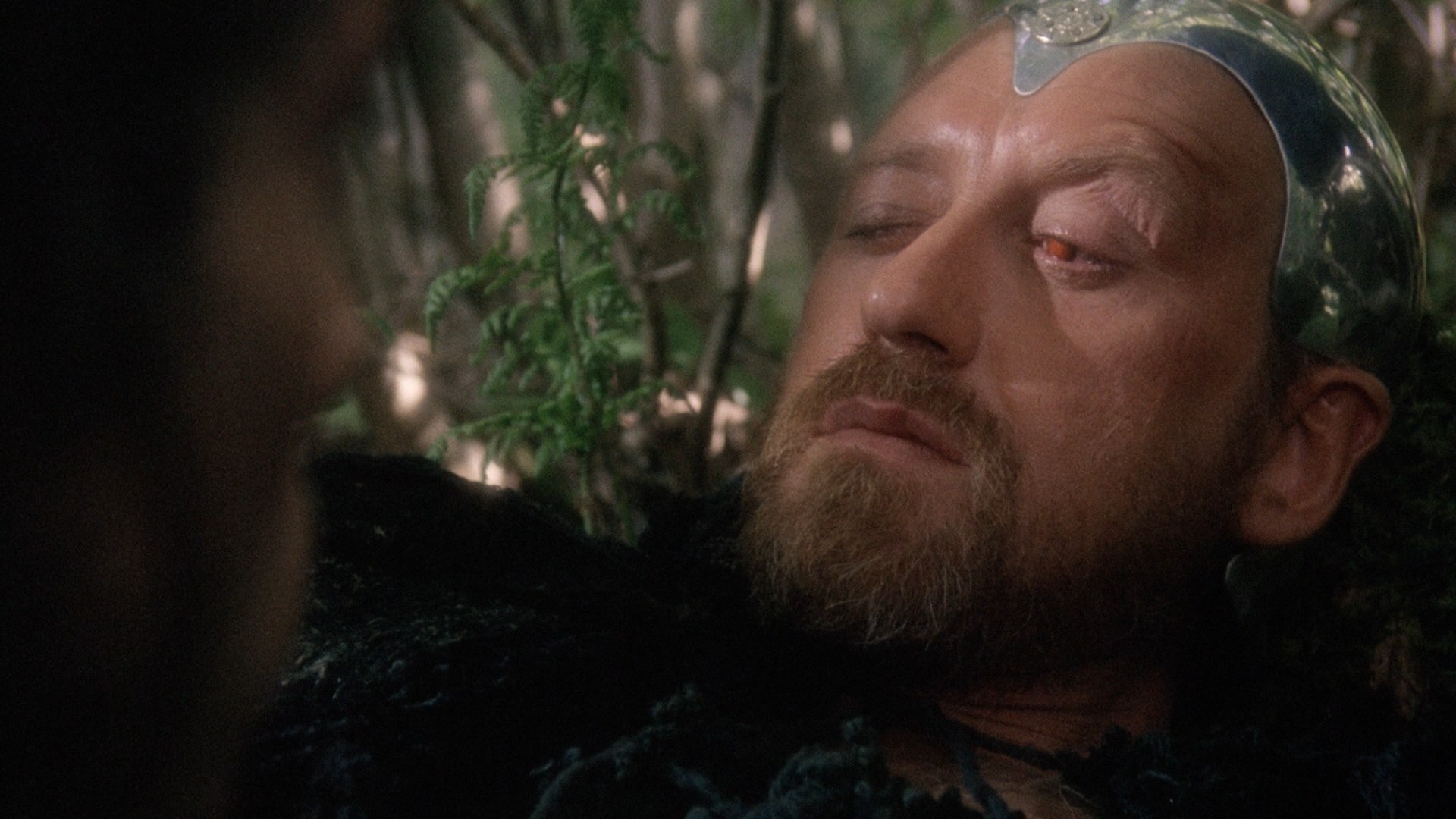
 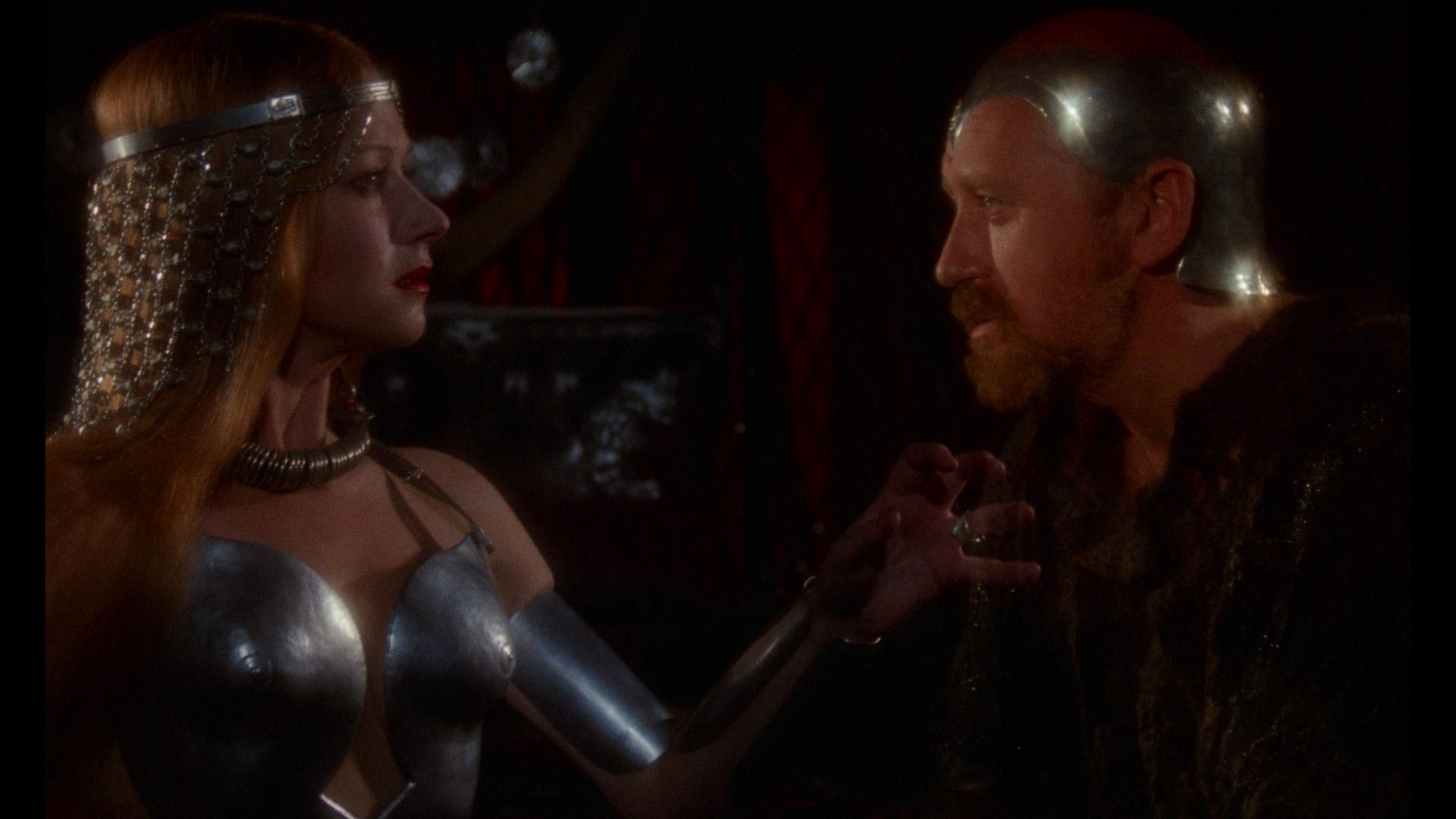 major comeback for filmmaker John Boorman and collaborator Rospo Pallenberg after the disastrous reception for their work on Exorcist II: The Heretic four years earlier. An ambitious and visually dazzling production, this dream project for Boorman brought together a horde of current and upcoming major Irish and British talent for a retelling of the King Arthur legend (here based directly on Sir Thomas Mallory's Le Morte d'Arthur) that set the visual style for years to come in films as diverse as The Sword and the Sorcerer, Dragonslayer, Conquest, Legend, Highlander, and many more. The film's dreamy, magic-infused approach with strong doses of sex and violence also fit perfectly with the growing heavy metal aesthetic that come to dominate the decade, and though the film's R rating limited its box office prospects at the time, it became an instant cult favorite as well as a go-to film in edited form for English teachers for many years.
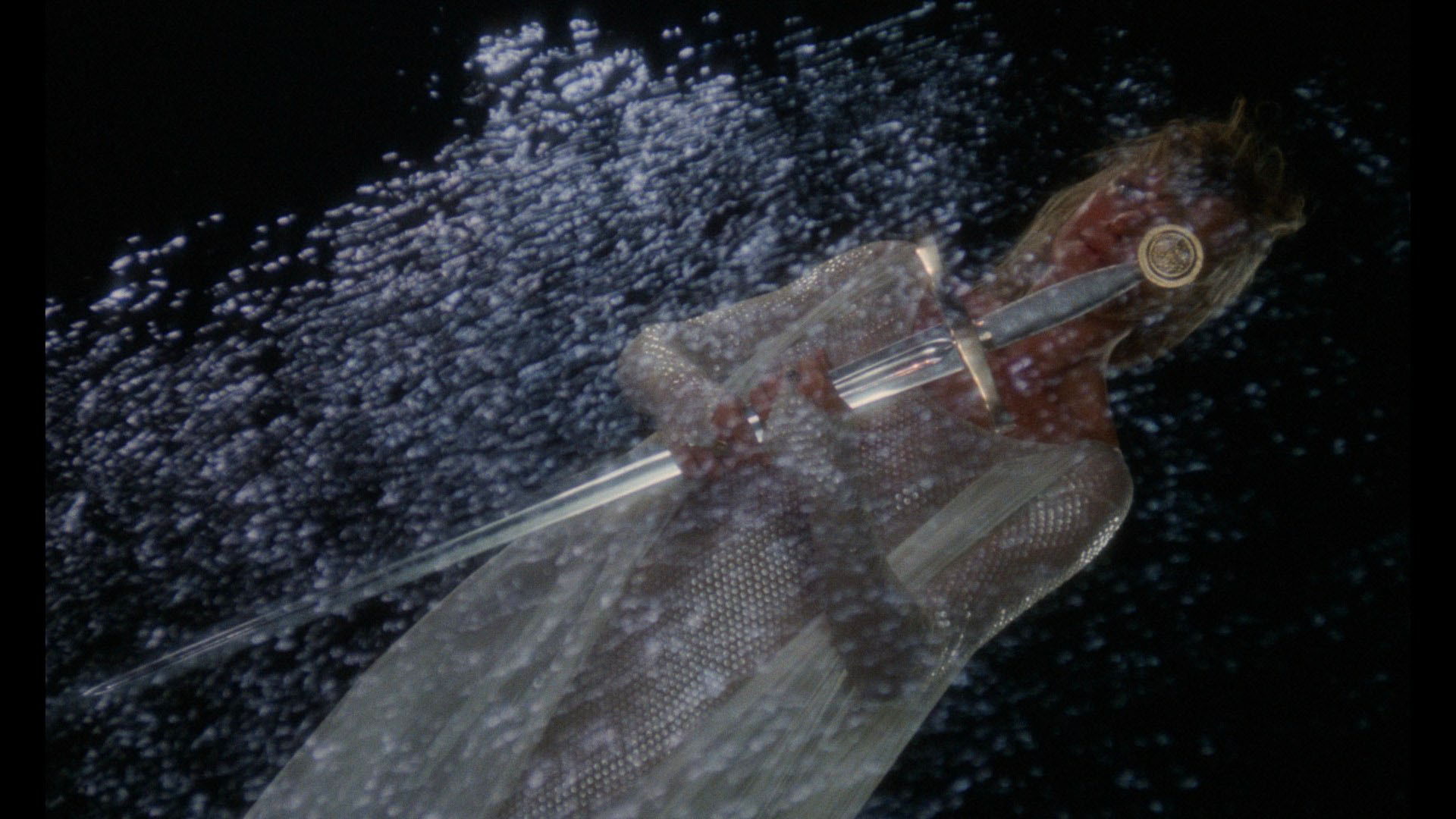
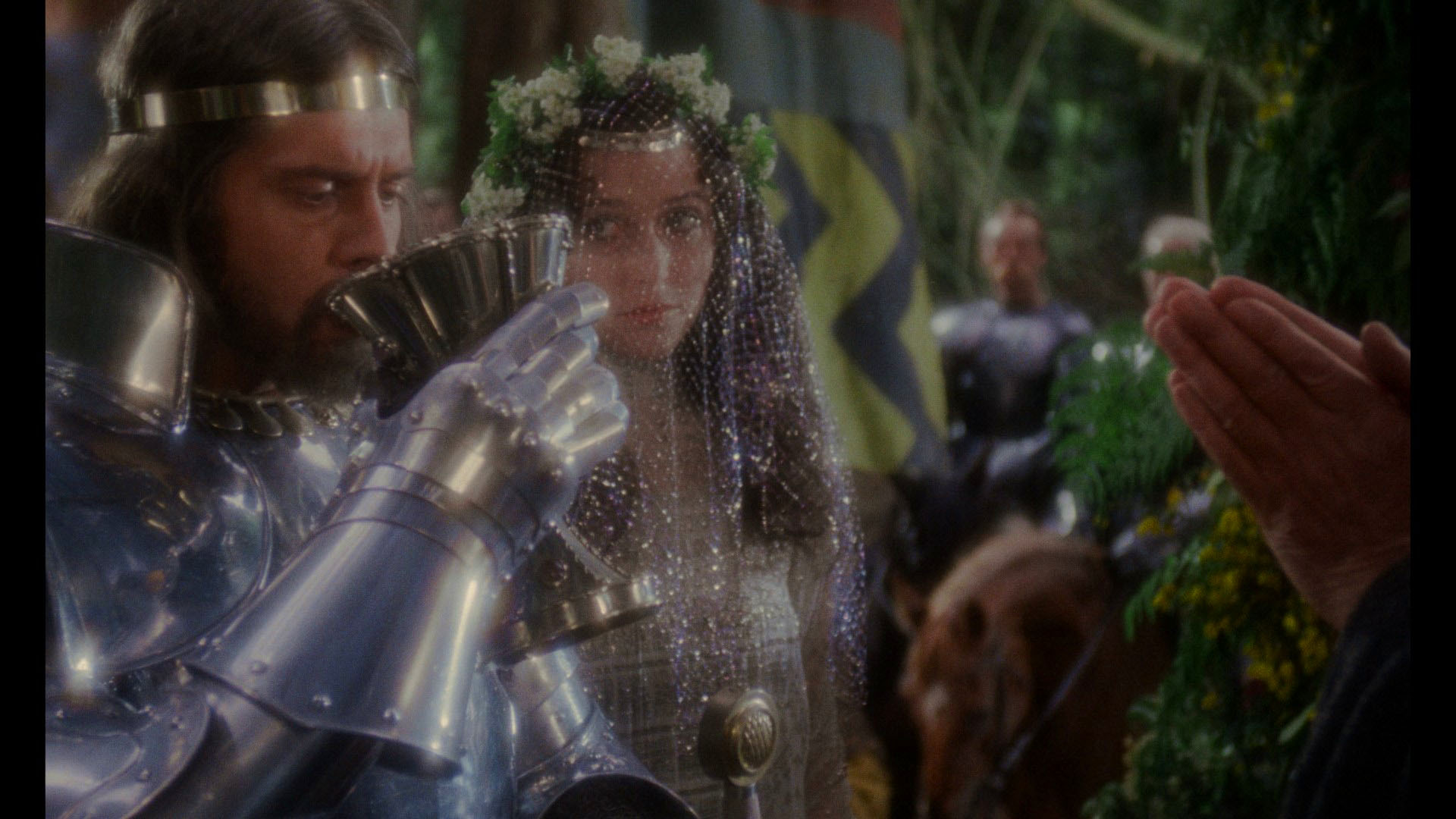
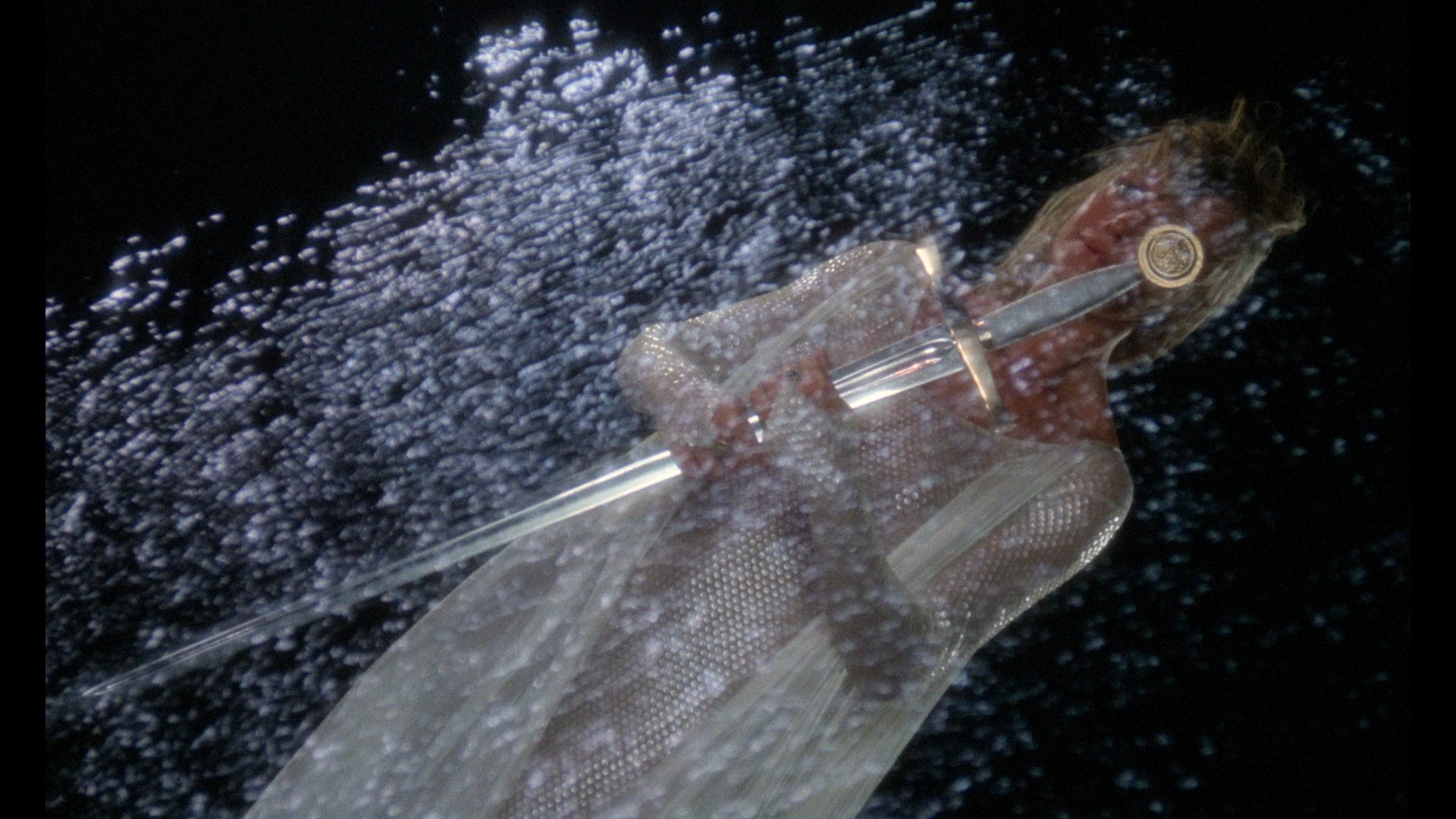
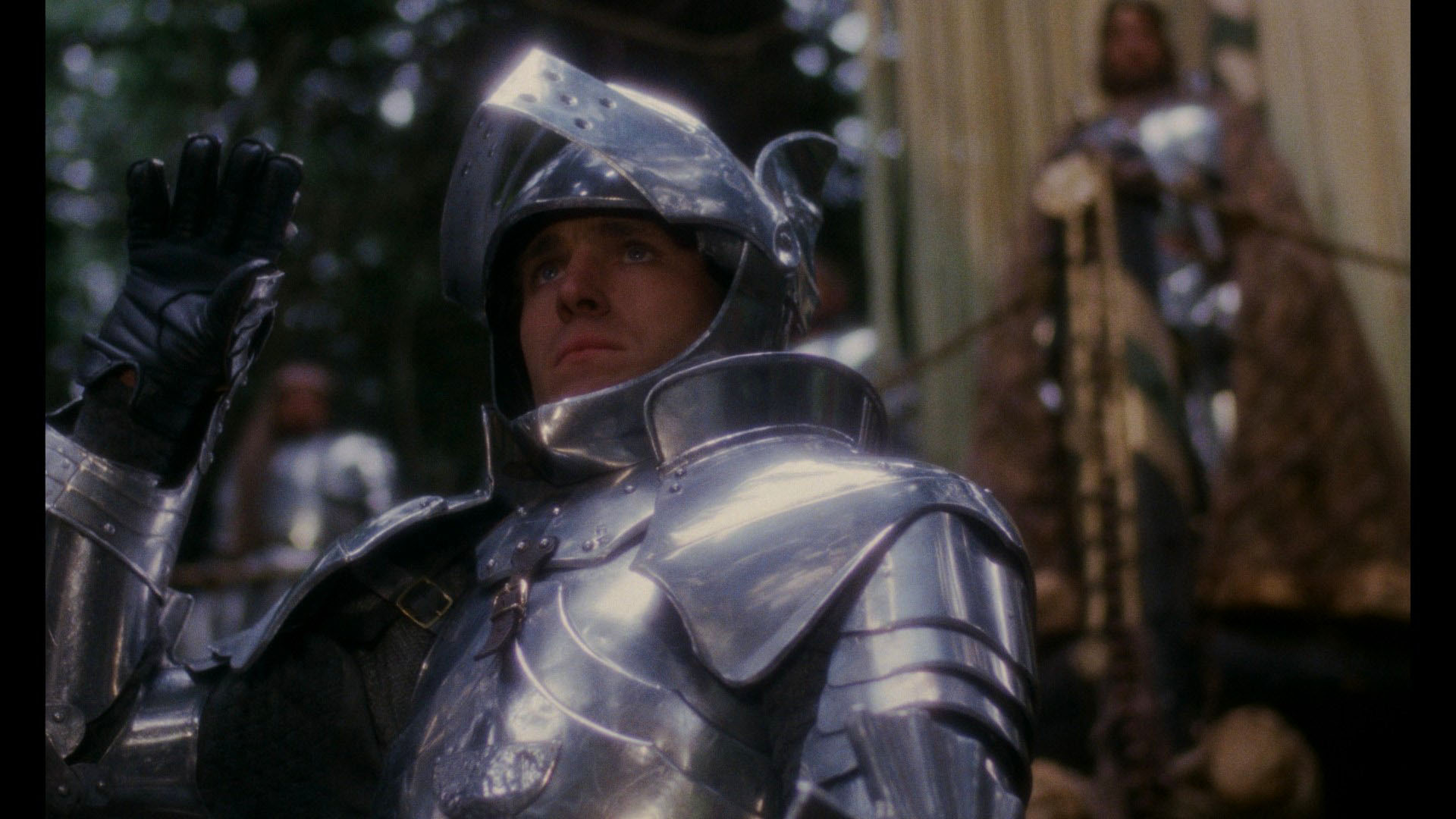
After victory in a dramatic battle during the Dark Ages, Uther Pendragon (Byrne) is declared king and bestowed the magical sword Excalibur by the eccentric sorcerer Merlin (Williamson). Despite initial resistance, Merlin succumbs to Uther's demands to use magic to spend the night with the woman he covets, Igrayne (Katrine Boorman), by temporarily disguising him as her husband, the Duke of Cornwall. In return Merlin receives the resulting child, which Igrayne realizes was conceived in deception since her husband was actually killed at the time. After more calamity, Excalibur is embedded into a large stone and can only be retrieved by the next king, Arthur (Terry), who is raised as a squire in the countryside. Despite warnings from Merlin, Arthur becomes smitten with and marries Guinevere (Lunghi), then proceeds to create the Round Table of loyal knights headed by the skilled solider Lancelot (Clay). Meanwhile Arthur's half-sister, Morgana (Mirren), is a practitioner of ancient magic as well, becoming 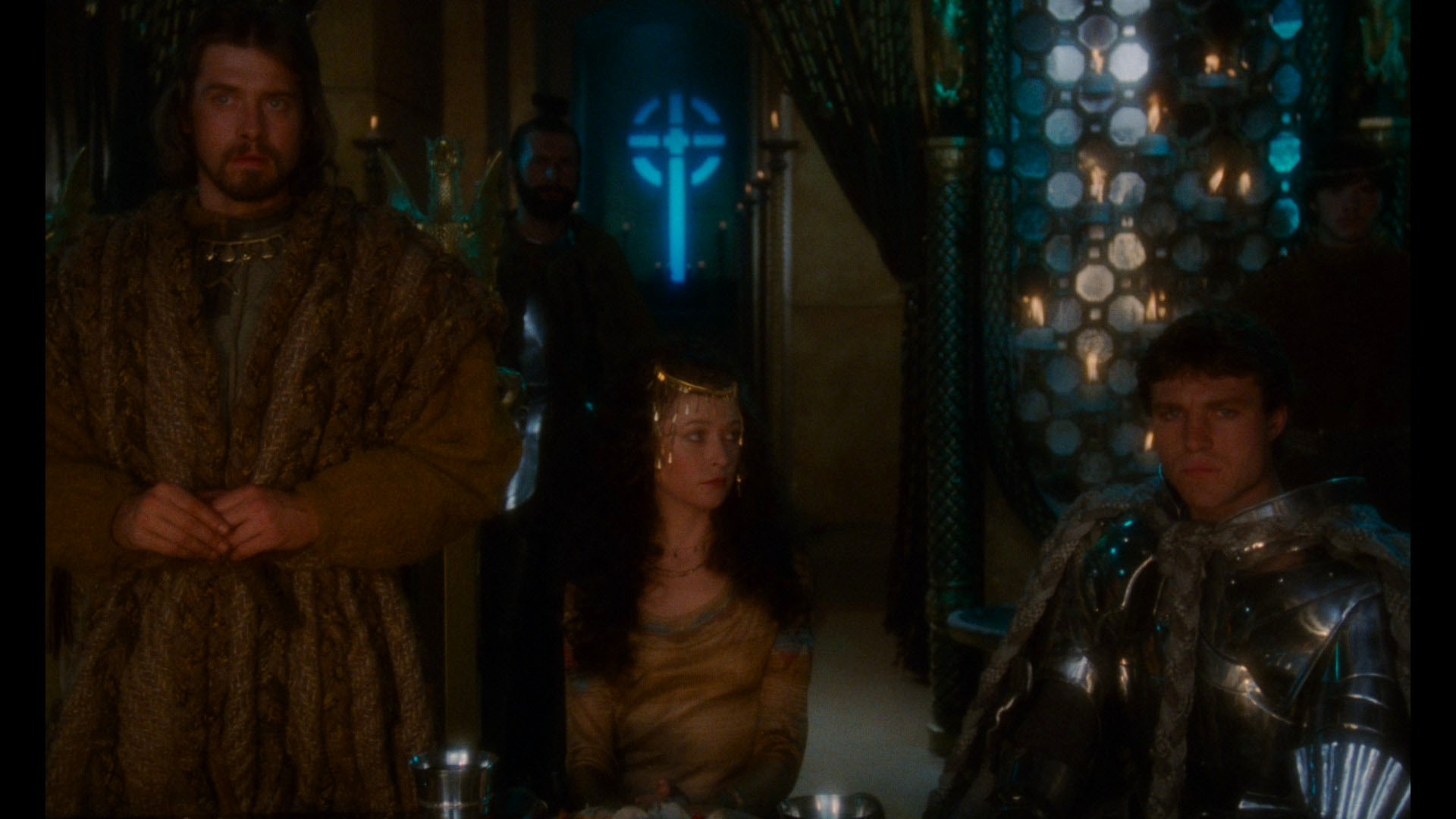 Merlin's adversary as the kingdom is endangered by multiple
 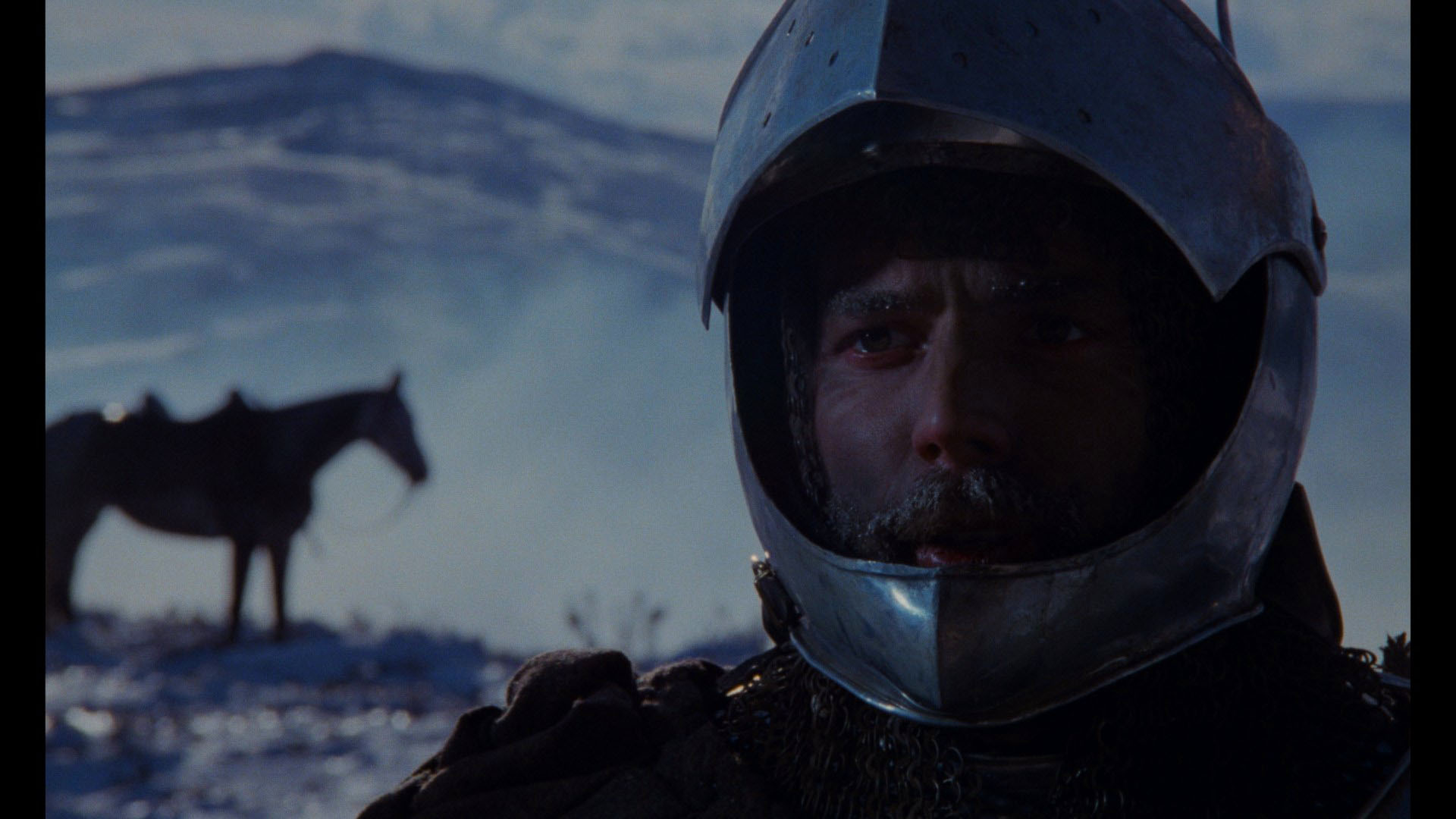 forces including Guinevere and Lancelot's infidelity.
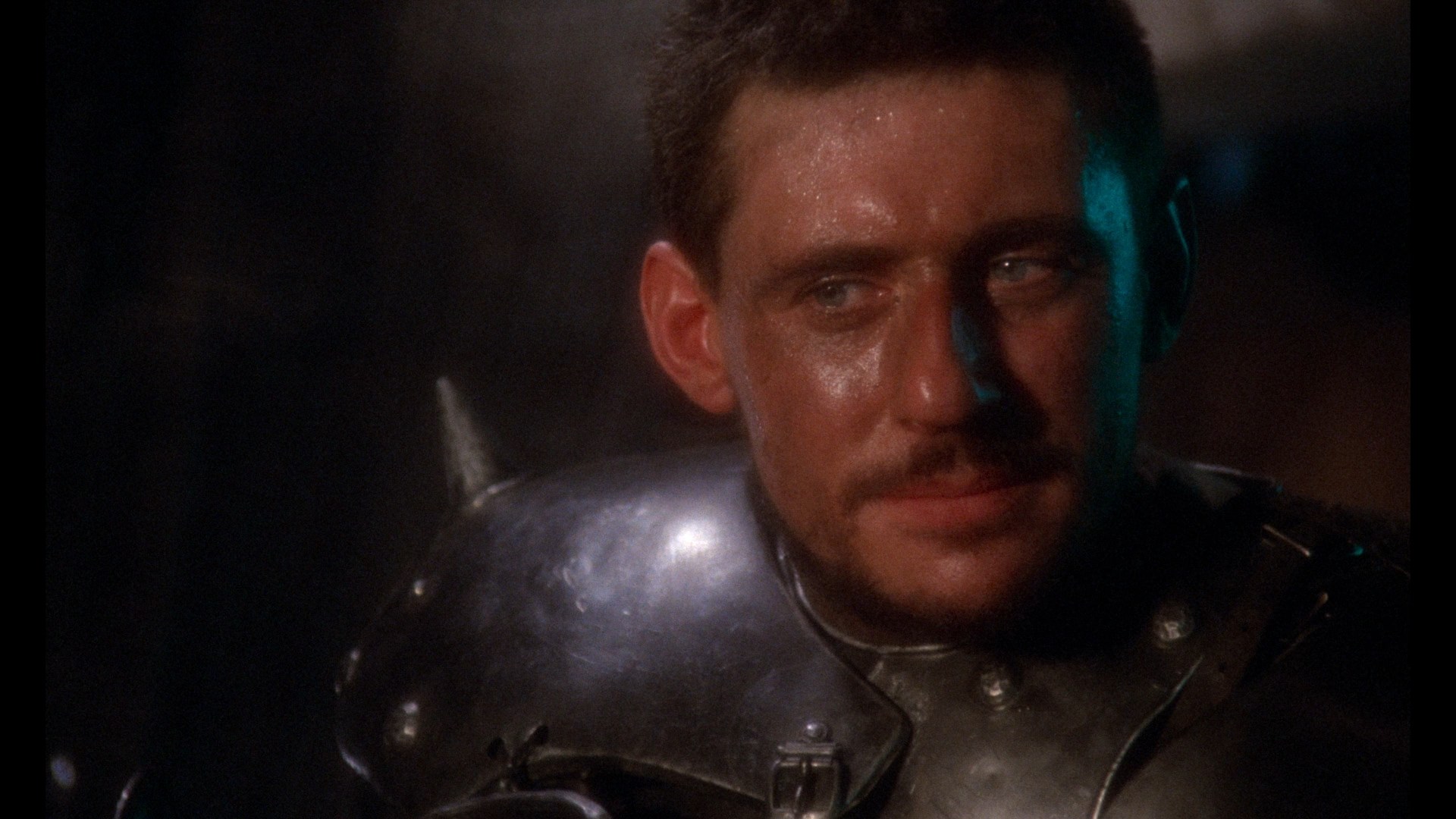
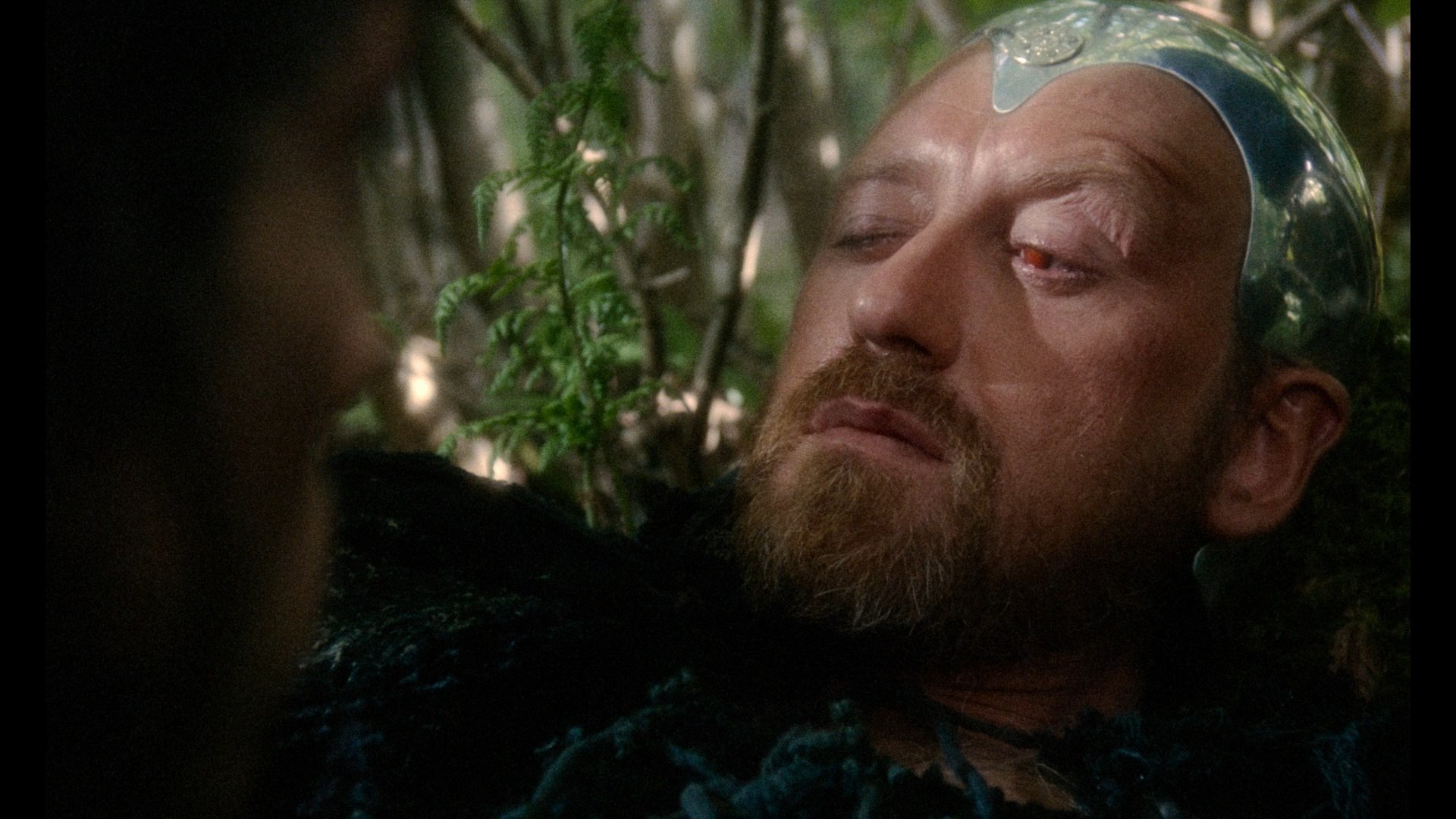
When it was released, Excalibur was a jolting shift from previous Arthurian films like Camelot, The Sword in the Stone, Lancelot du Lac, or a certain much-loved Monty Python comedy. Boorman's commitment to immersing the entire cast and crew in challenging environments pays off here with an otherwordly, inhospitable environment where the supernatural walks hand in hand with mankind's darkest impulses. That approach makes the idealism of Arthur's Camelot especially effective, with a third act moment famously set to Carl Orff's Carmina Burana (also used effectively in the trailer) one of the truly great marriages of image and sound. The bizarre stew of performances somehow works here, with Mirren and Williamson getting the meatiest roles and Terry (primarily known for his stage work, subsequent Derek Jarman films, and early role in The Lion in Winter) making for an unorthodox but interesting Arthur. Of course you'll have plenty of fun spotting future famous faces here like Liam Neeson, Patrick Stewart, and Gabriel Byrne, while future Hollywood composer Trevor Jones delivers a beautiful, ominous score peppered with effective classical music selections. Incredibly, the film only nabbed one Oscar nomination at the time (for Alex Thomson's innovative cinematography), but time has proved its worth compared to many of its more awarded peers at the time.
To say that this film has had a rocky history on the small screen would be putting it mildly, with the frequently diffused or dark imagery turning to muck on the VHS releases and frequent cable TV airings. It's worth noting that many younger viewers until the late '80s encountered this film via a sanitized two-hour cut prepared by the studio for a PG rating a la Saturday Night Fever, which made it classroom friendly but also obscured some pretty major plot points. Laserdisc and DVD editions were a little better but not great, and the framing always looked very tight since the film was shot at 1.66:1 but rarely presented that way. The film was matted tighter to 1.85:1 in American theaters and was cropped for home video, with the 1.78:1 compromise on DVD and eventually Blu-ray still looking too cramped for comfort. The latter formats gave the film a reasonably good 5.1 remix instead of the theatrical mono, plus 2.0 mono options 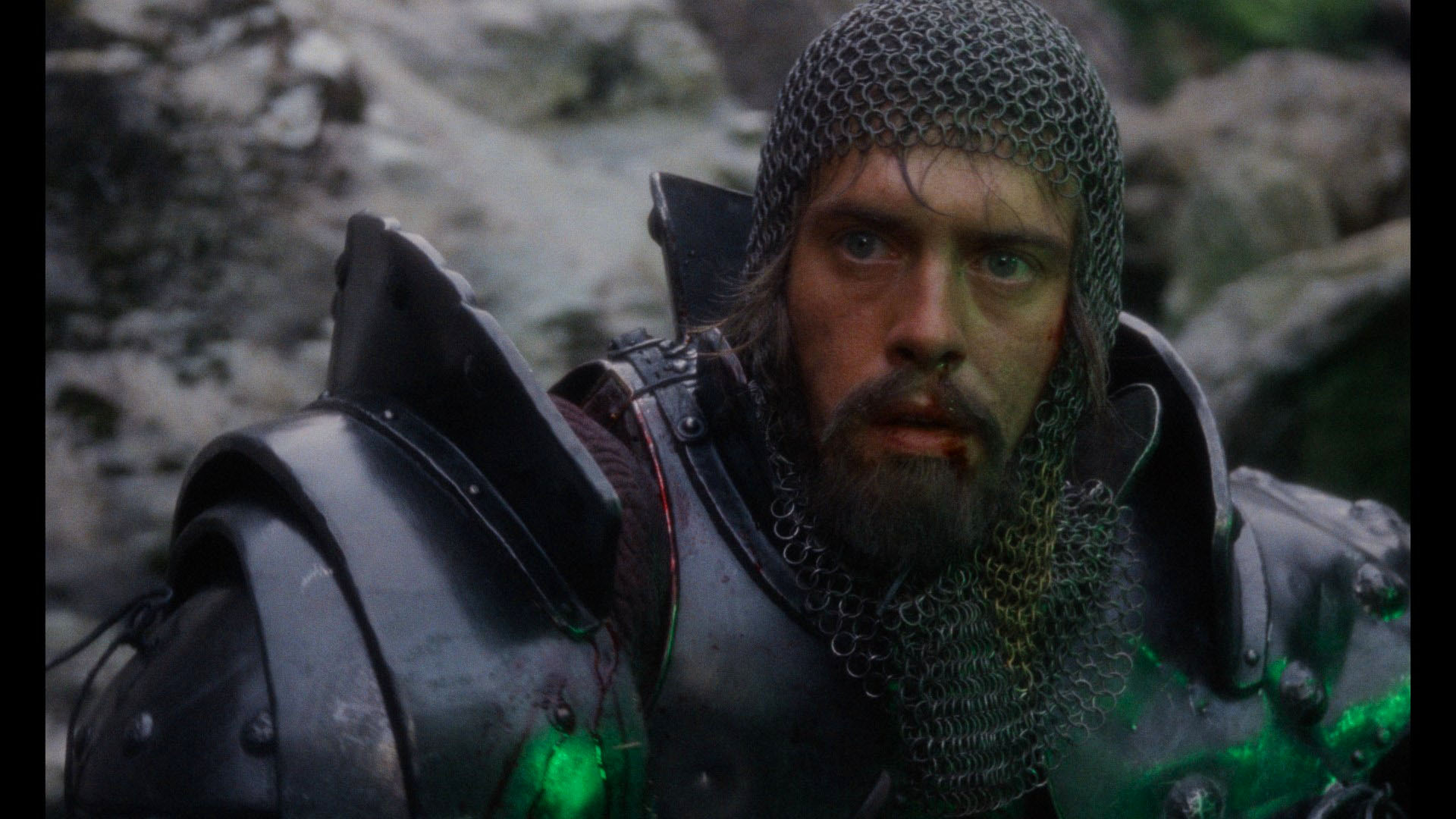 in French, German, Italian, Spanish, Portuguese, and Czech with subtitles in all those languages plus Swedish, Norwegian,
  and more. Extras include a fine, detailed John Boorman commentary (including how he basically used his whole family in different capacities on the film) and the theatrical trailer.
In 2026, Arrow Video answered a lot of prayers with a three-disc special limited edition of the film, either consisting of a UHD and two Blu-rays or a three Blu-ray option. The set also comes with an insert booklet with essays by Charlie Brigden, K.A. Laity, Kimberly Lindbergs, Josh Nelson, Philip Kemp, John Reppion, Icy Sedgwick and Jez Winship, plus a double-sided fold-out poster and six postcard-sized reproduction art cards. The new 4K restoration from the original 35mm negative is an absolute stunner, finally restoring the full 1.66:1 framing for the first time on home video and boasting incredibly rich colors. The blacks and those famous splashes of green accent lighting look gorgeous here, with the HDR10-compatible Dolby Vision grading making the UHD the preferable option. The extra vertical information makes a significant difference here with the compositions now looking much more elegant while showing off more of those great landscapes and costumes as well. The usual DTS-HD MA English 5.1 mix is here along with the LPCM 1.0 mono, with optional English SDH subtitles; both sound fine and comparable to what we've had before. The film itself is presented with no video extras on the first disc of both the UHD and Blu-ray choices, a wise decision as it allows the feature itself to get plenty of breathing room authoring-wise. The Boorman commentary is carried over here, but you also get two new ones starting off with Brian Hoyle, author of The Cinema of John Boorman, who does a thorough job of covering the aspect ratio issue, the Wagner music choices, Boorman's framing choices and propensity for shooting on location, the creation of the audio largely in post-production, other literary antecedents including Tennyson, the relatively new status of distributor Orion Pictures at the time, the film industry in Ireland, and more. You also get a new commentary by David Kittredge, director of Boorman and the Devil about Exorcist II: The Heretic, and it's a rich exploration of 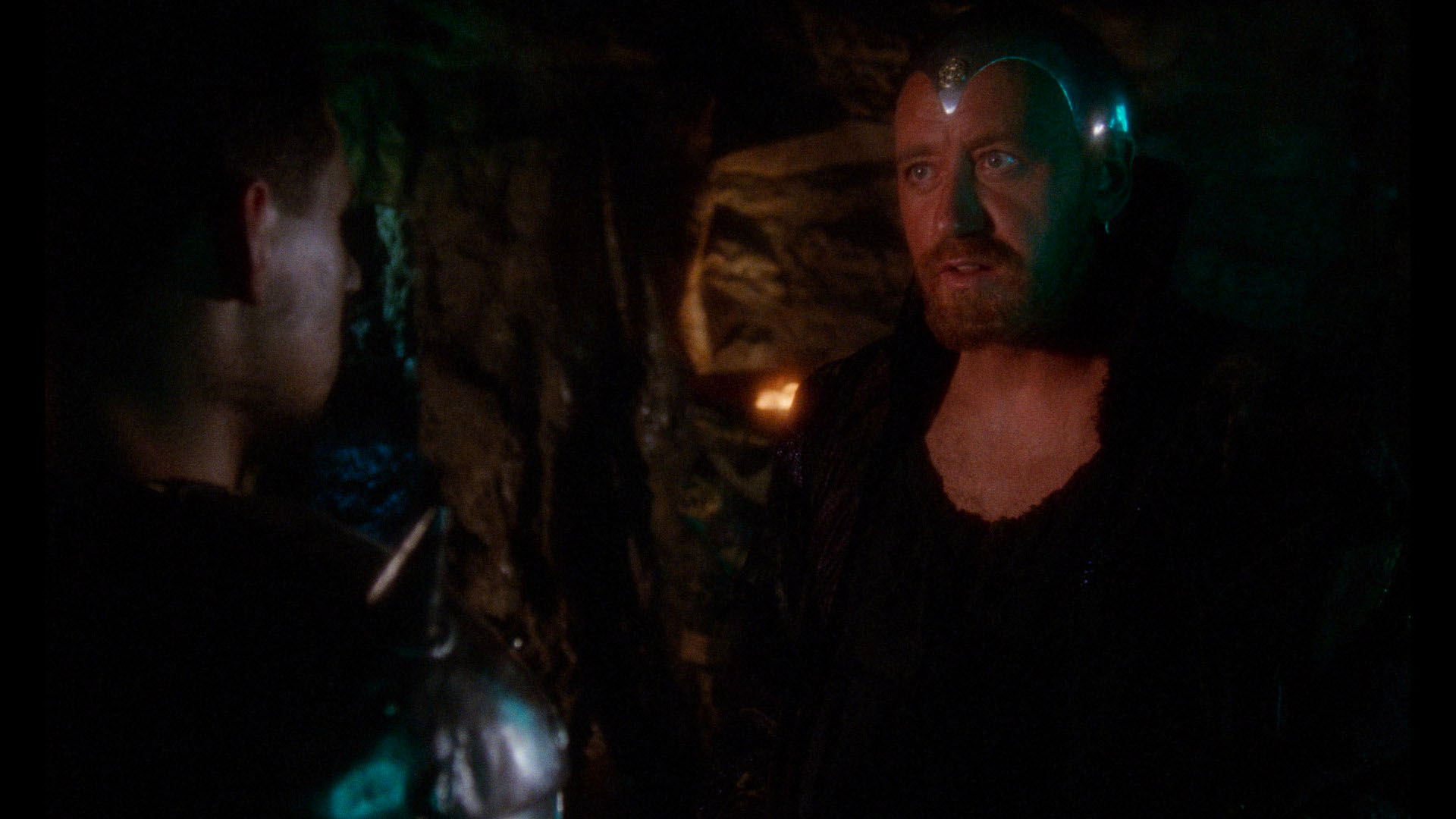 how the film fits in with the director's body of work, the incredible challenges he faced on the way to making this one and traumas on the lengthy shoot itself, common themes with other Boorman films like Zardoz, the backgrounds of many of the actors, and more.
The other two Blu-rays are a 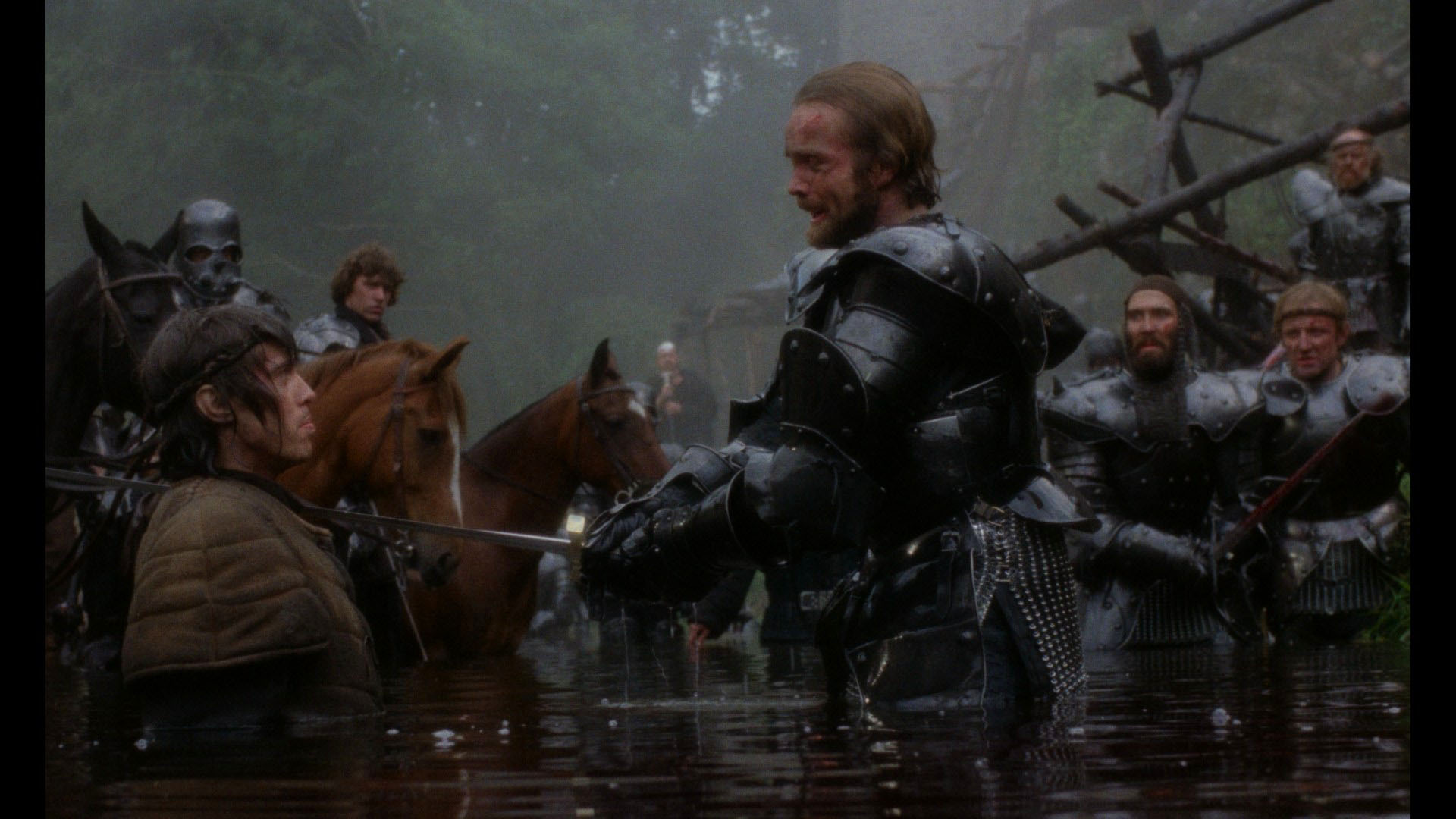 treasure trove of bonus material starting with a real, ahem, holy grail, "The Making of Excalibur: Myth into Movie" (48m19s), a fascinating documentary made by creative associate and future major Irish filmmaker Neil Jordan. Featuring extensive on-set footage and lots of Boorman talking about the film in the editing studio, it's a priceless piece of insight never before seen on video and barely shown anywhere at all before. For any fan of the film, this will be worth snapping up the set all by itself. In "To Be a Knight and Follow a King" (28m12s), Boorman and his son Charley Boorman (The Emerald Forest), who plays the young version of Mordred in the film before he turns into Robert Addie, are interviewed about their experiences on the film and have some very entertaining tales to tell. John also touches on his work with Lee Marvin on Point Blank, and Charley proves to be very funny and personable here. In fact, he scores the funniest moment here recalling how he wasn't aware until the film's premiere that his voice had been dubbed by his own sister. He also has some perceptive insights into his father's filmography and brings it all home on a touching note. In "When Death Was But a Dream" (25m7s), Jordan talks about his own background on the Irish film scene during the country's tumultuous political strife, his artistic family background, and how his love of movies led to his path through gigs like this one before becoming a director, plus numerous memories from being on the set and the lessons he took to heart later on. In "The Charm of Making" (26m11s), production designer Anthony Pratt discusses his extensive work with Boorman going back to films like Hell in the Pacific and Zardoz and his experiences on this film using the countryside as inspiration for the art department to come up with a fantasy world apart from any specific time period. In "Confessions of a Professional 'Pain-in-the-Arse'" (75m44s), second unit director and general movie jack of all trades Peter MacDonald appears via teleconferencing for a very extensive, career-spanning chat (cut down from over four hours!) including his work on this film, Zardoz, The Bliss of Miss Blossom, and plenty of others. In "Anam Cara" (37m34s), Pallenberg is interviewed in a combination career survey with Boorman and visual essay appraisal by Howard S. Berger showing how the partnership resulted in multiple creative watersheds including this film (evolved from a pitch to do The Lord of the Rings) and eventually fell apart with the final cut of The Emerald Forest. Berger and Kevin Marr also deliver "Divided Nature: The Death and Life of Cinematic Illusion in the Kingdom of John Boorman" (30m7s), which examines how societal constructs, violence, betrayal, and rebirth figure throughout the director's films, complete with numerous pertinent film clips. Also included are an open matte teaser trailer and the iconic standard trailer, plus five galleries: 99 black-and-white stills, 102 color stills, 27 poster designs, 23 pages of production notes from the press kit, and a 117-page draft screenplay.
The third disc is devoted to the PG-rated TV version (120m9s), in LPCM 1.0 English mono with optional English SDH subtitles; using the restoration as the primary source for a reconstruction, it's a fun bit of nostalgia if you saw this version during the day on HBO or in a classroom. The variations are interesting, too, including some added and alternate bridging voiceover from Williamson and one extra transition shot sourced here from tape. Also on the disc is "Excalibur: Behind the Movie" (52m24s), an archival 2013 doc for PBS with Lunghi, Neeson, Mirren, Stewart, Byrne, Jordan, Terry, Jones, Paul Geoffrey, Clive Swift, armorer Terry English, third assistant director John Lawlor, location manager Kevin Moriarty, and John, Katrine, and Charley Boorman presenting an engaging and more or less chronological account of the film, each with their own great stories and even showing off a prop or two. They also pay tribute to the key participants who had passed away by that point, and quite a bit of Jordan's making-of footage makes its way in here as well.
Reviewed on February 1, 2026