 known as the decade of the
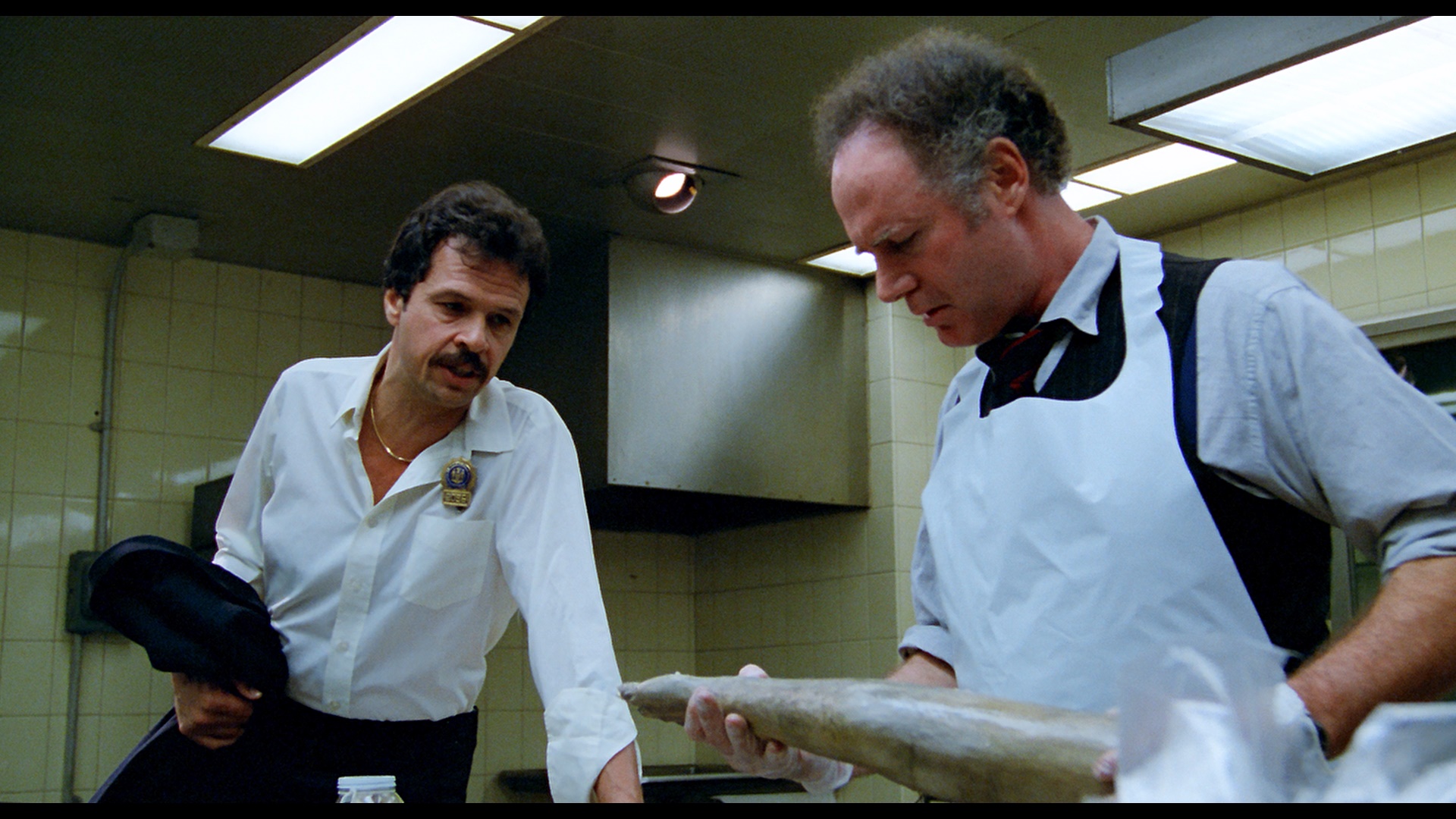
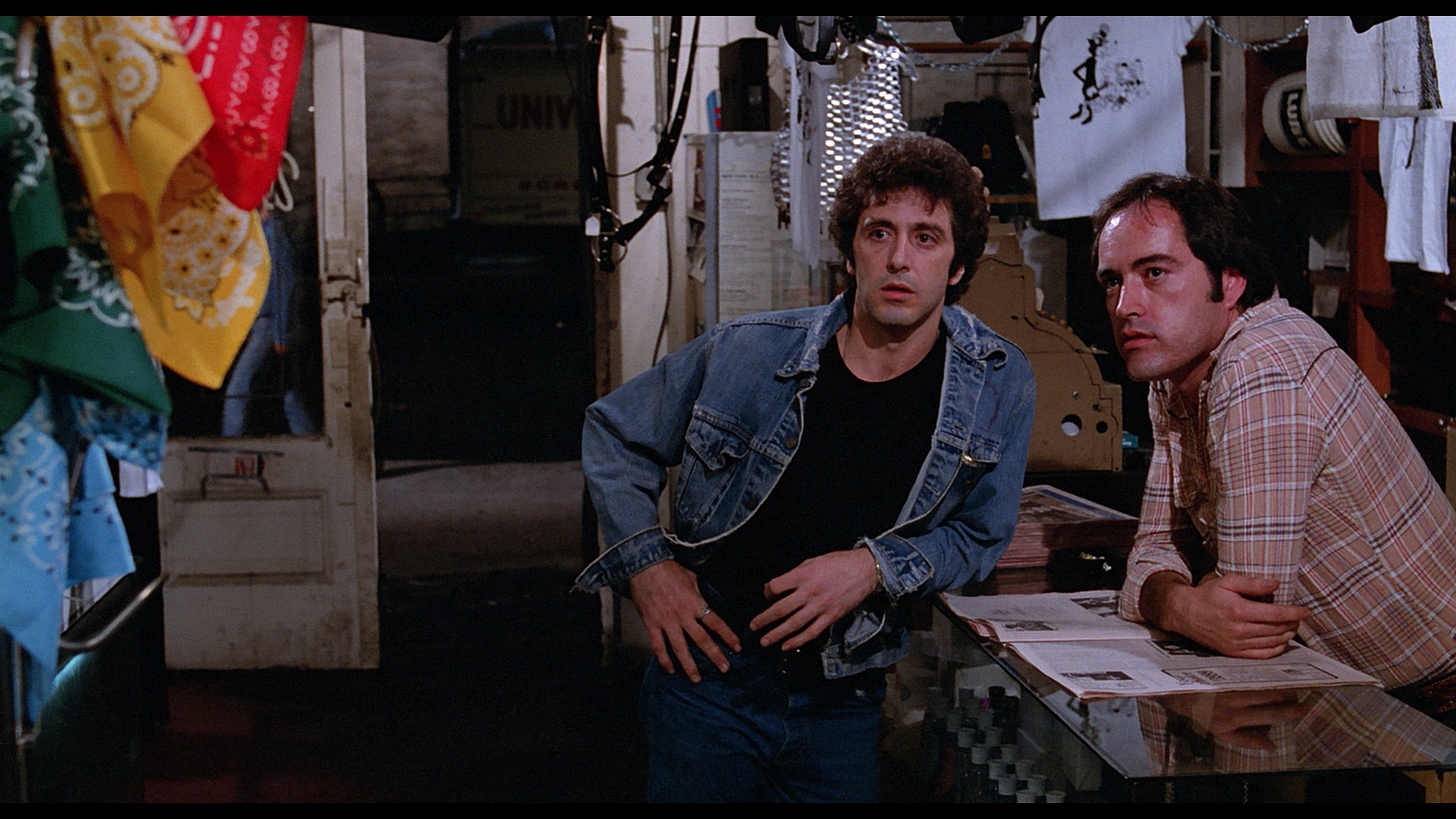
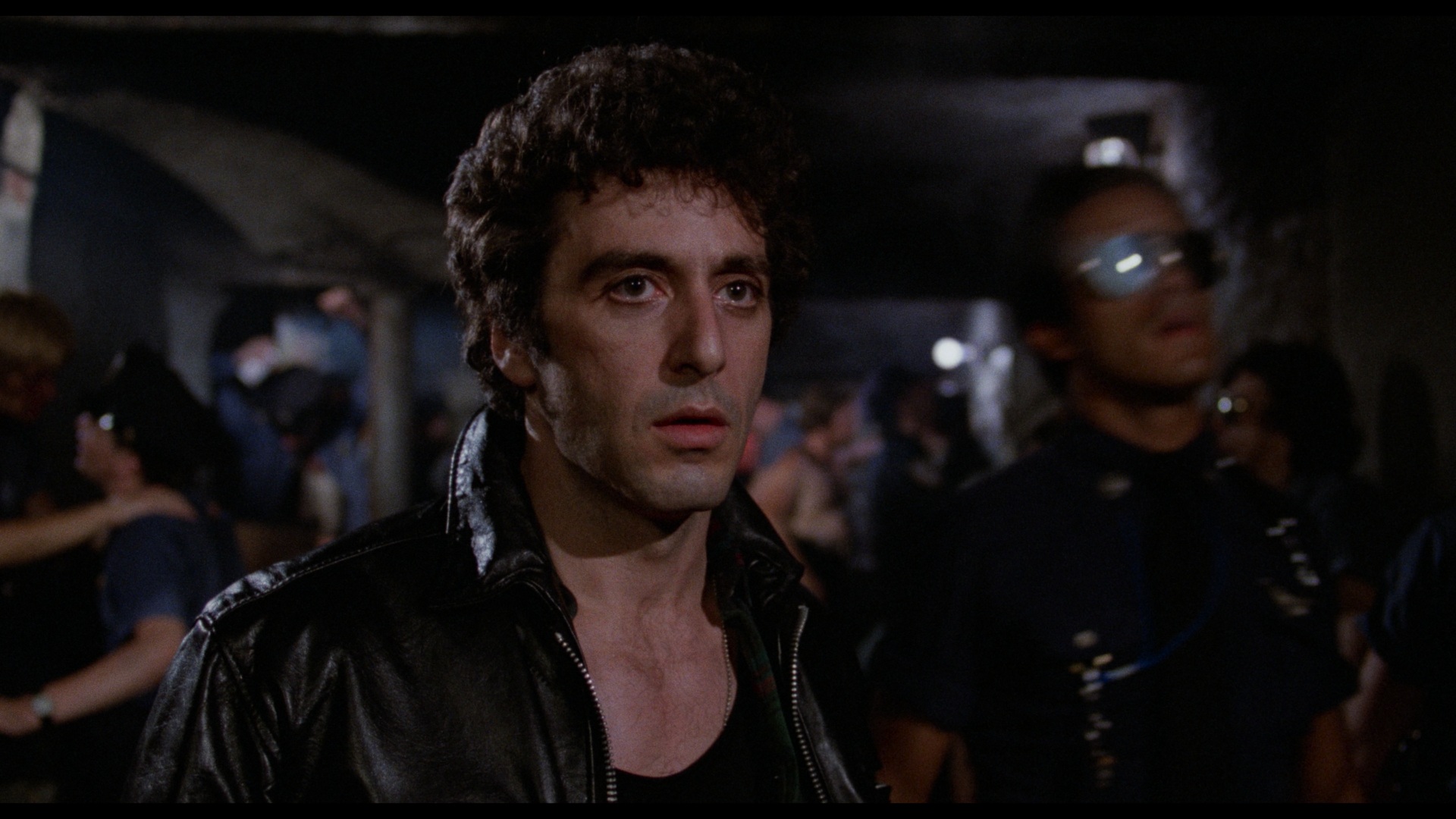
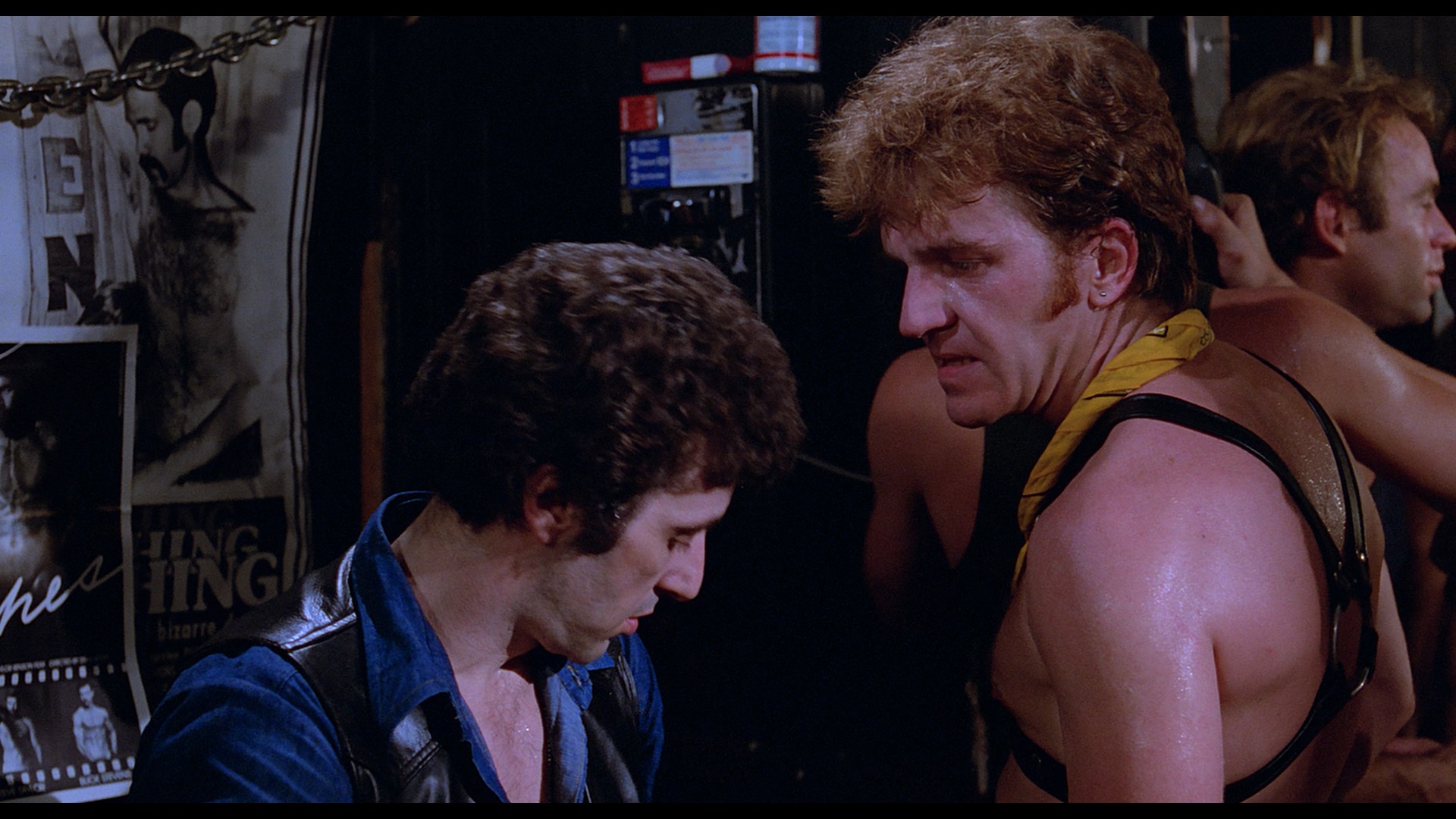
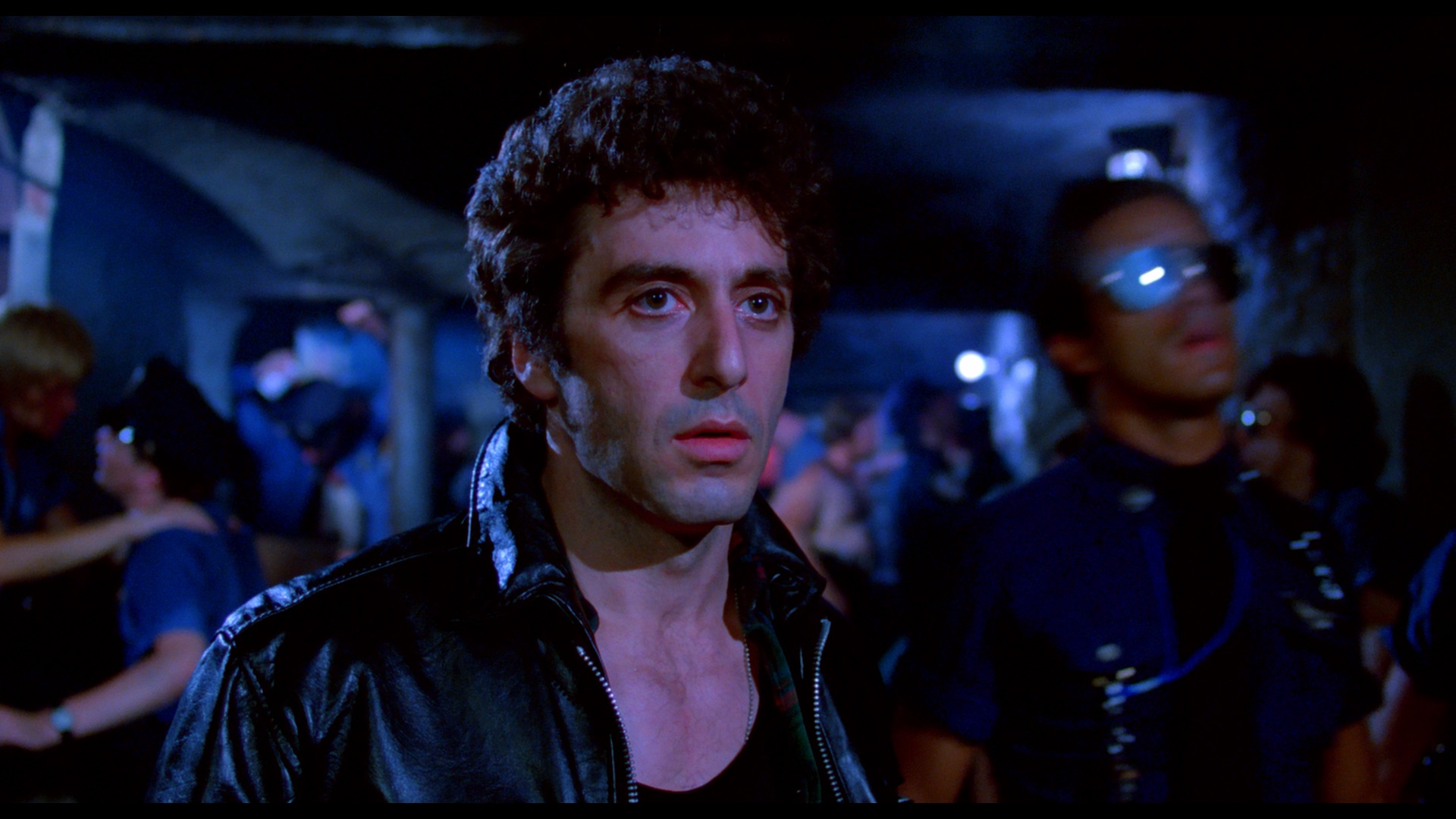
 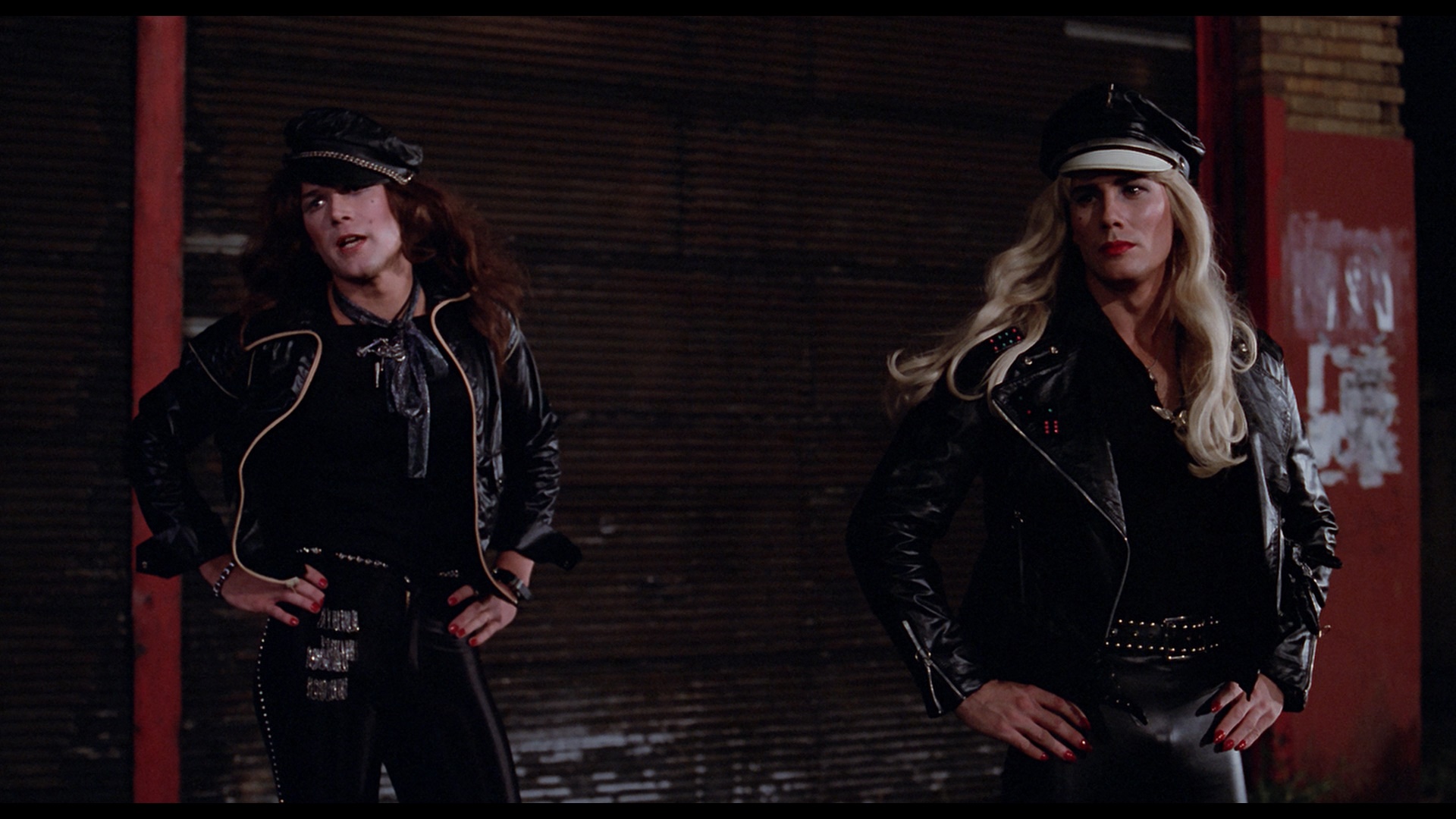 blockbuster, the 1980s started on an incredibly disturbing note with two thrillers that had the gay and lesbian community up in arms: the comparatively obscure Windows and one of the most controversial films of the decade, William Friedkin's Cruising. Beset by protests during its on-location production in New York City and legendary for its wrangling with the MPAA (including 40 minutes of graphic sex footage Friedkin added simply to give himself room to negotiate and get what he needed), the film was largely reviled upon its release but has since seen its reputation escalate considerably. Now a bona fide cult film, a compelling example of giallo-inspired American cinema, and a powerful showcase for star Al Pacino, this ambiguous and wildly rewatchable film has aged remarkably well and stands proudly in the pantheon of its creator.
  culture, but tracking
 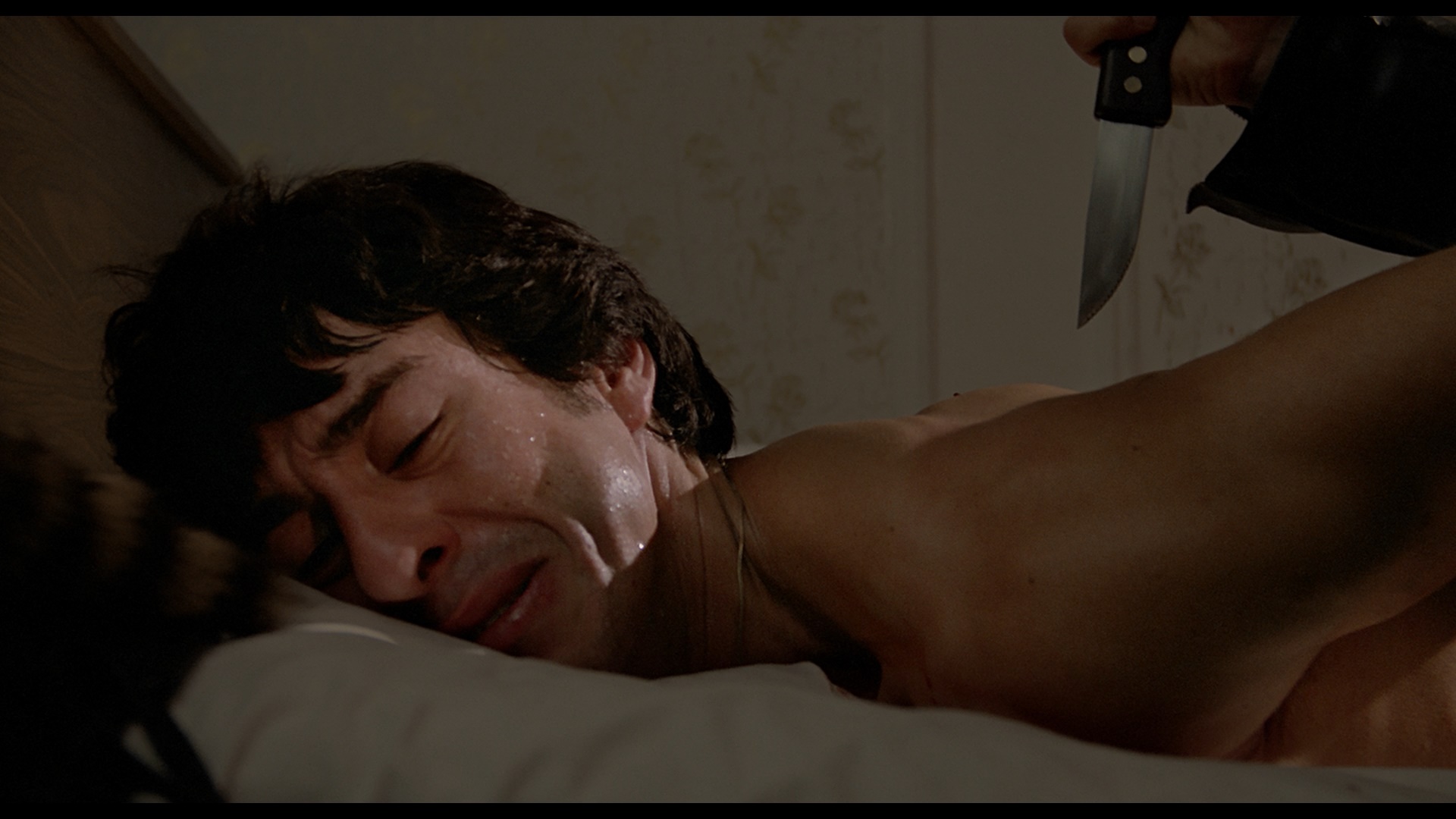 down the killer will come at a much higher cost than he could have anticipated.
 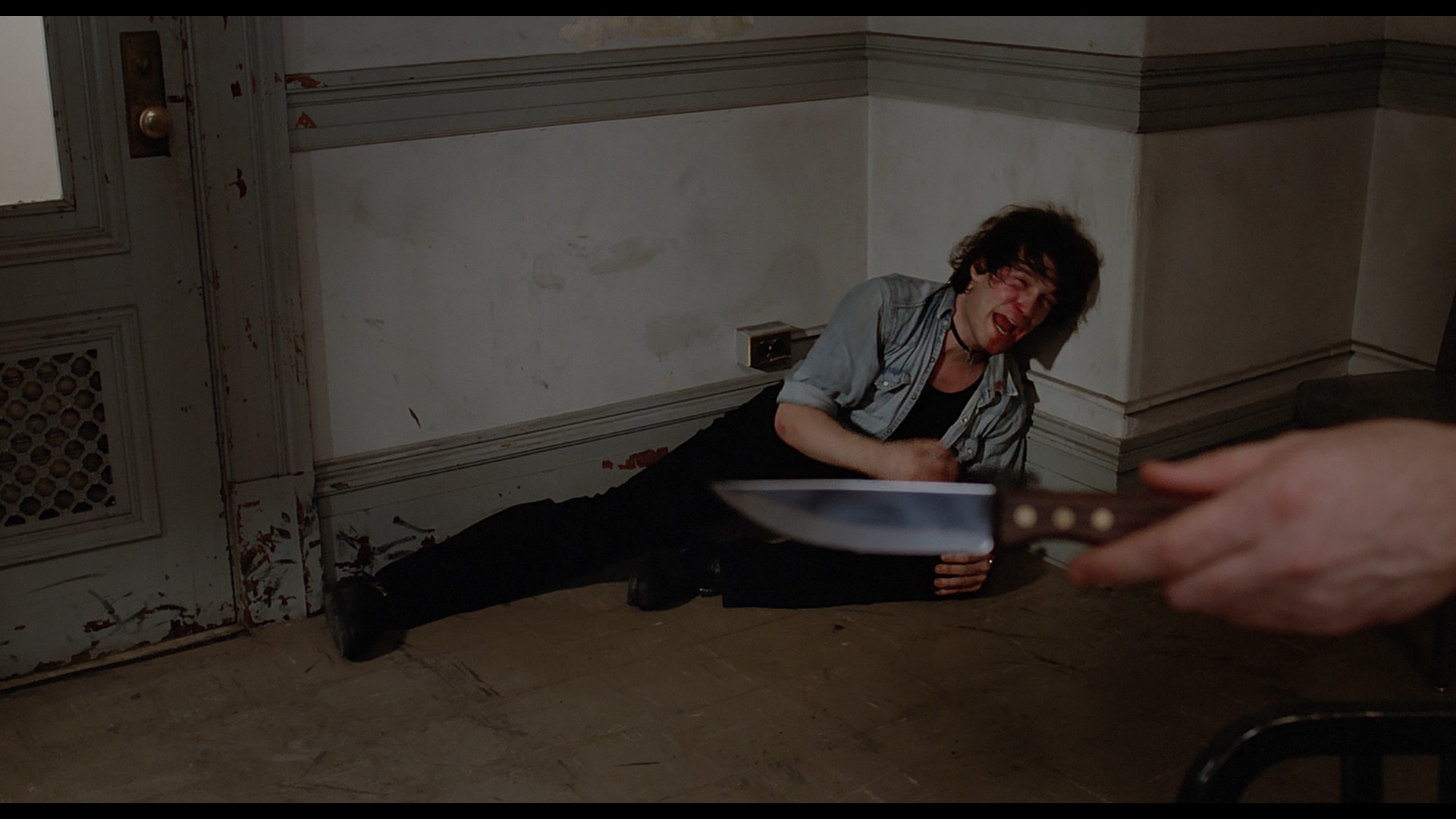 which draws all of its
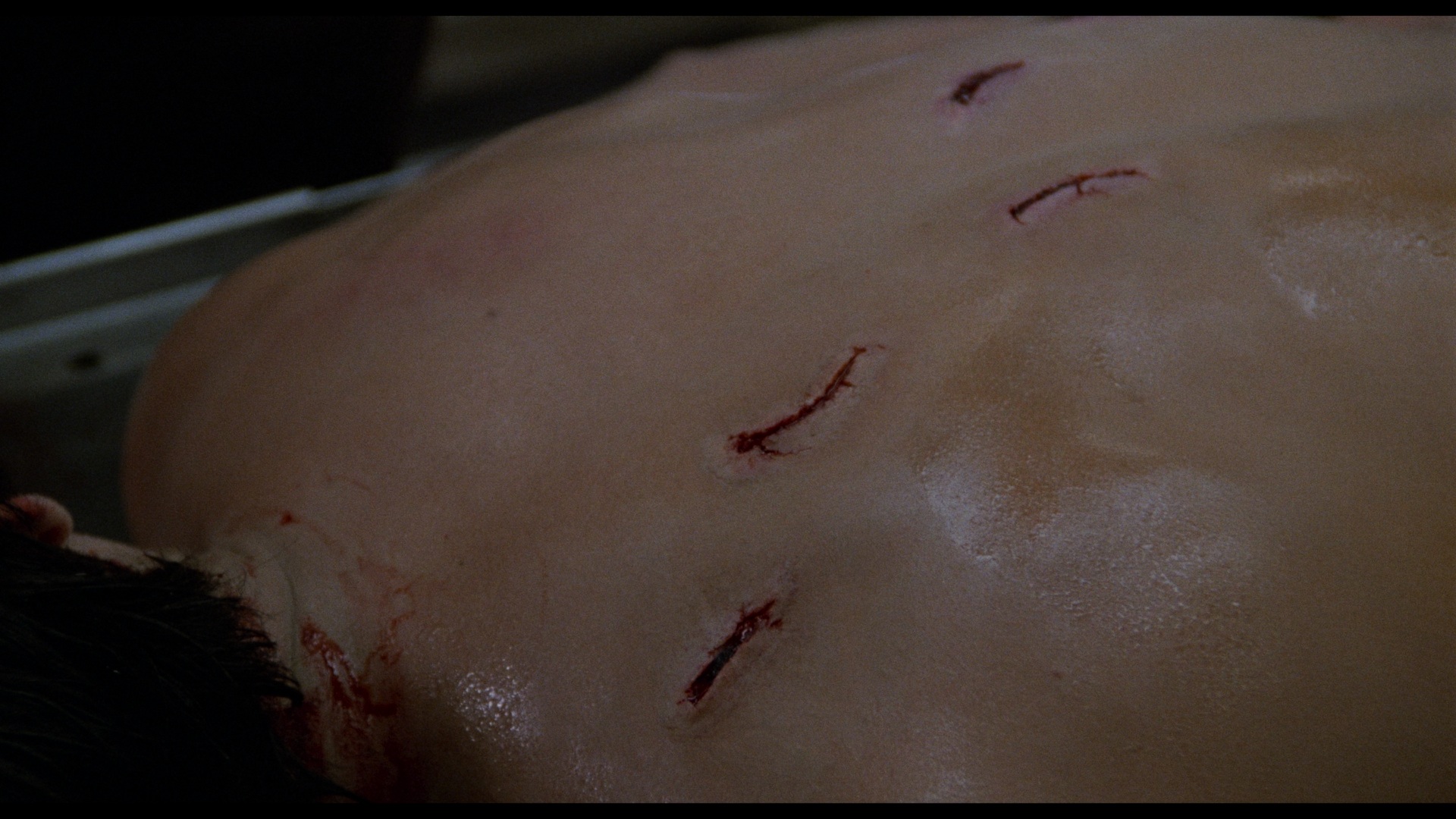
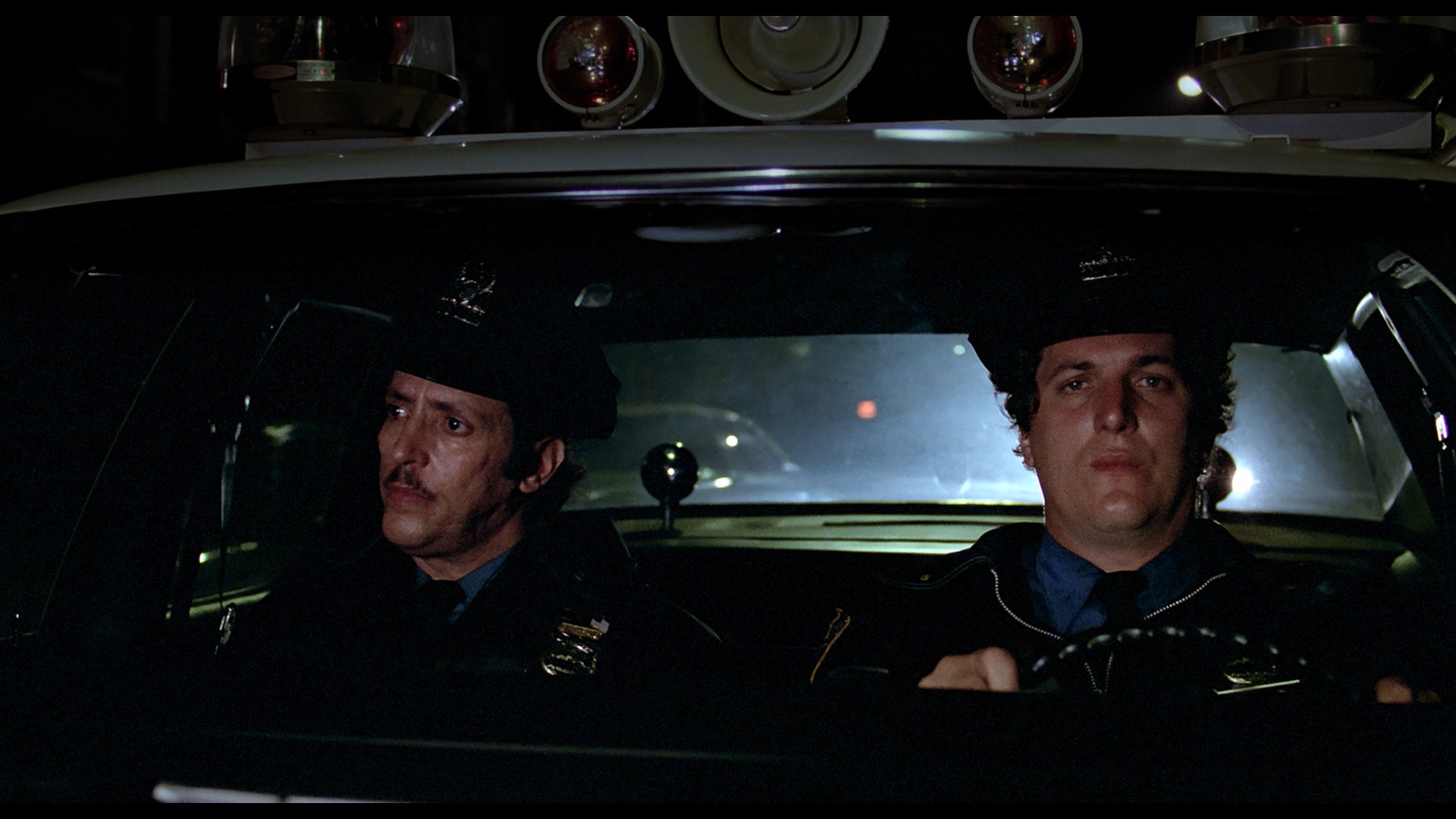
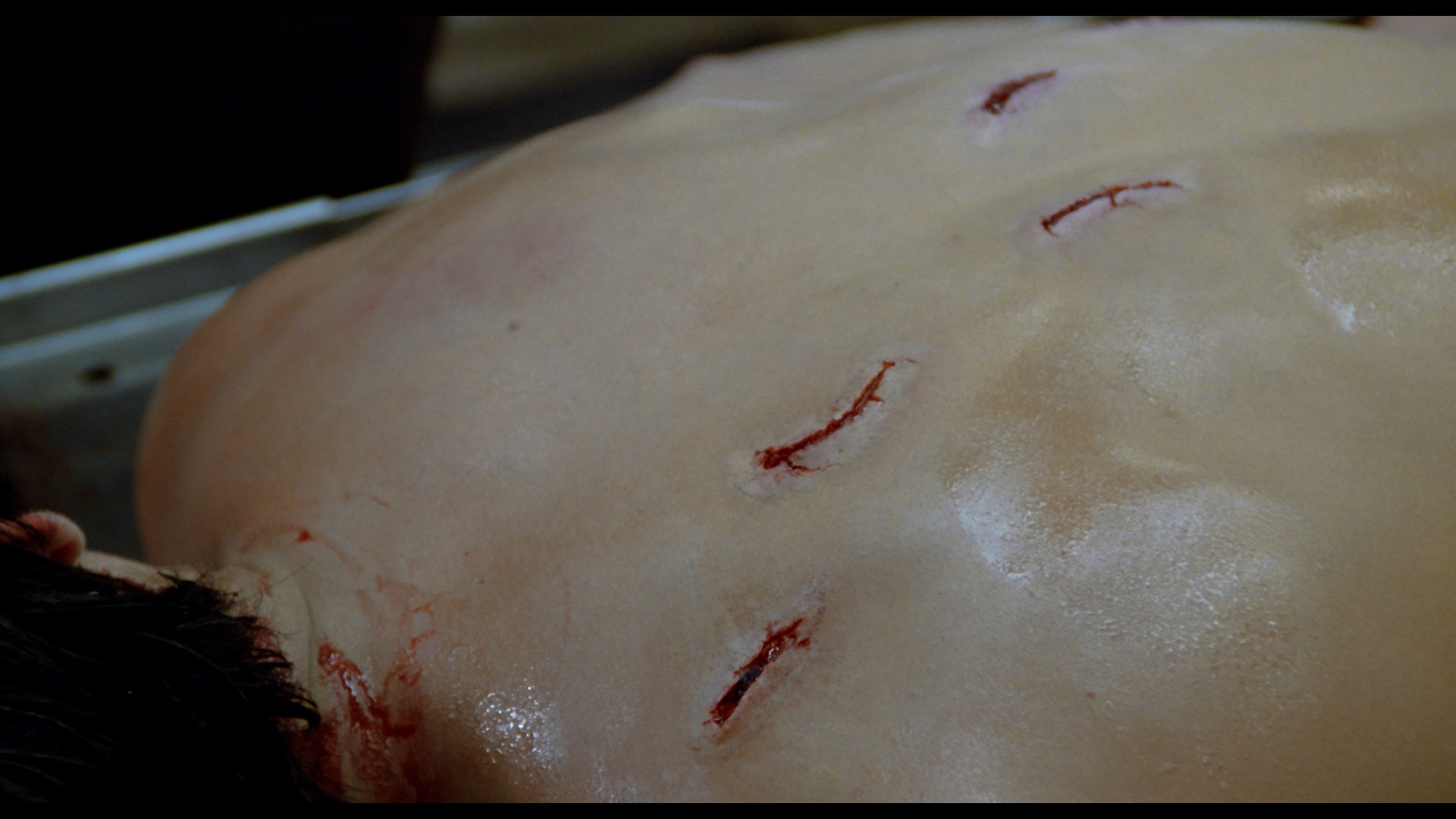
 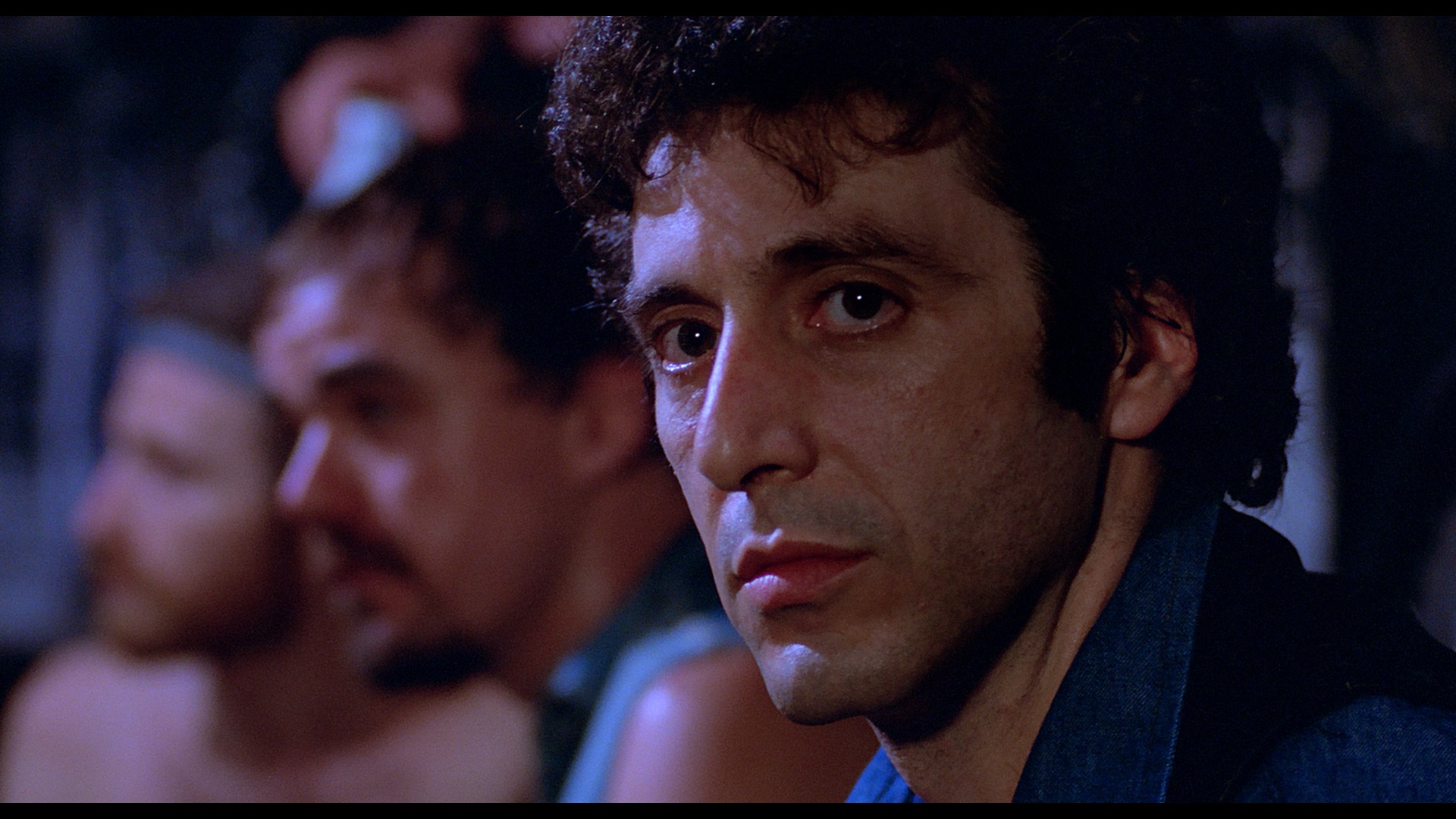 details from real-life crimes including Paul Bateson, the radiologist from Friedkin's The Exorcist who himself was convicted of murder in the gay kink scene and may have been a serial killer as well. The film did no favors for Friedkin's career at the time, coming off of the financial disappointments of Sorcerer and The Brink's Job; of course, all three films have since been reappraised to varying degrees and now hold up extremely well. Adding to this film's mystique is the wide variety of versions over the years, with Friedkin tweaking the MPAA by inserting fleeting, subliminal shots of hardcore-ish penetration into two of the murder scenes. At least one eagle-eyed video technician noticed and fogged the shots on the film's VHS release from CBS/Fox, though it did appear full strength on an early Magnetic Video VHS edition as well as a Hong Kong laserdisc. One of the stronger club sequences around the 38-minute mark was also cut in many prints and video editions (including the laserdisc and most tapes), though it was restored to its original length when the film was given a theatrical and DVD release by Warner Bros. in 2007. Unfortunately that version was essentially ruined by some baffling alterations including a hideous strong blue tint applied over the entire film and ridiculous digital filters applied over Pacino's frenetic, drug-induced dancing scene. The opening disclaimer was also removed and replaced with a looooong crawl of the film's title across the screen that awkwardly bled over into the opening shot. At least this marked the first correctly framed version of the film, which was shot hard matted at 1.85:1. An HD version
 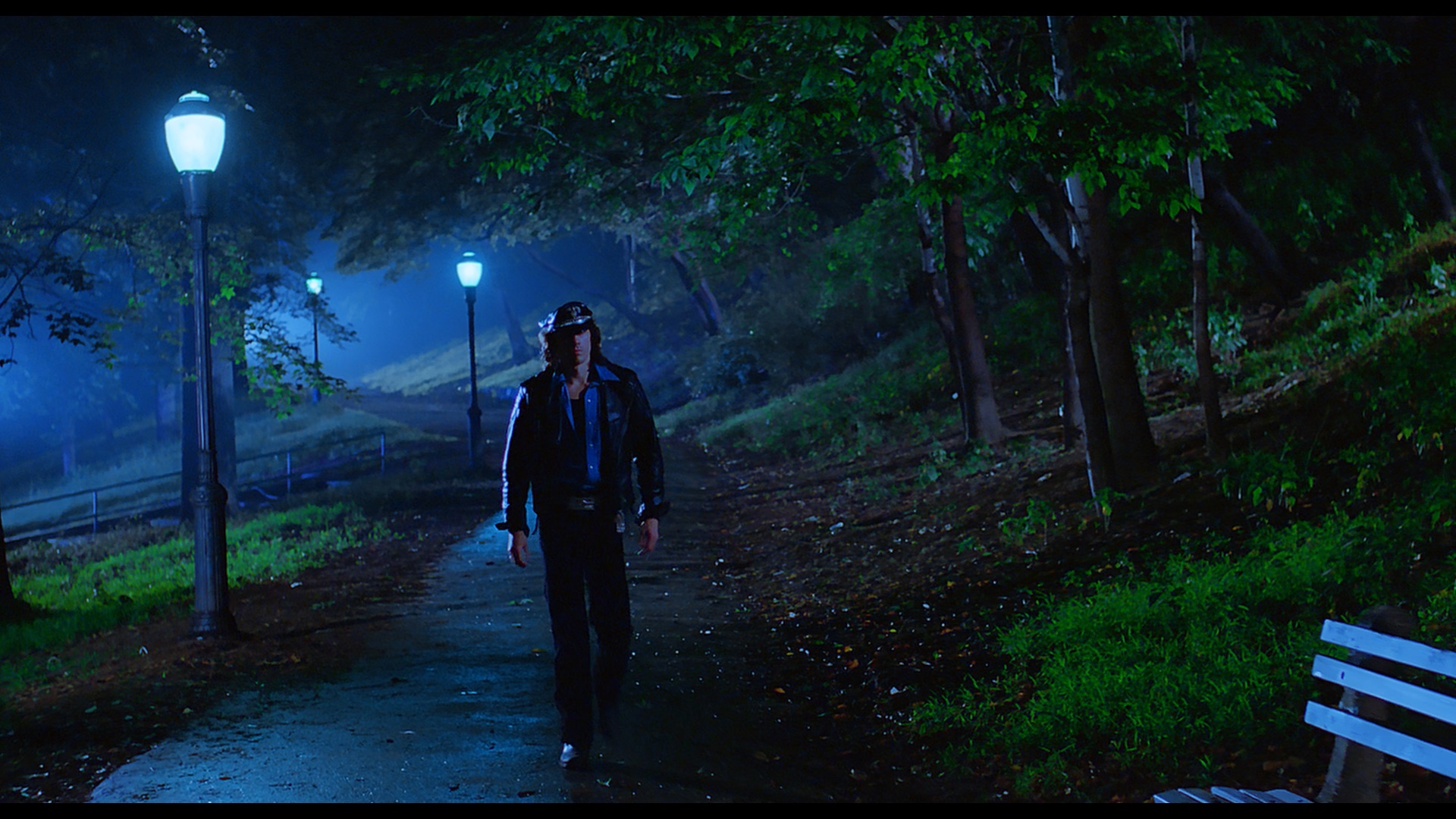 later popped up on Cinemax and various digital platforms, again with the irritating 2007 alterations.
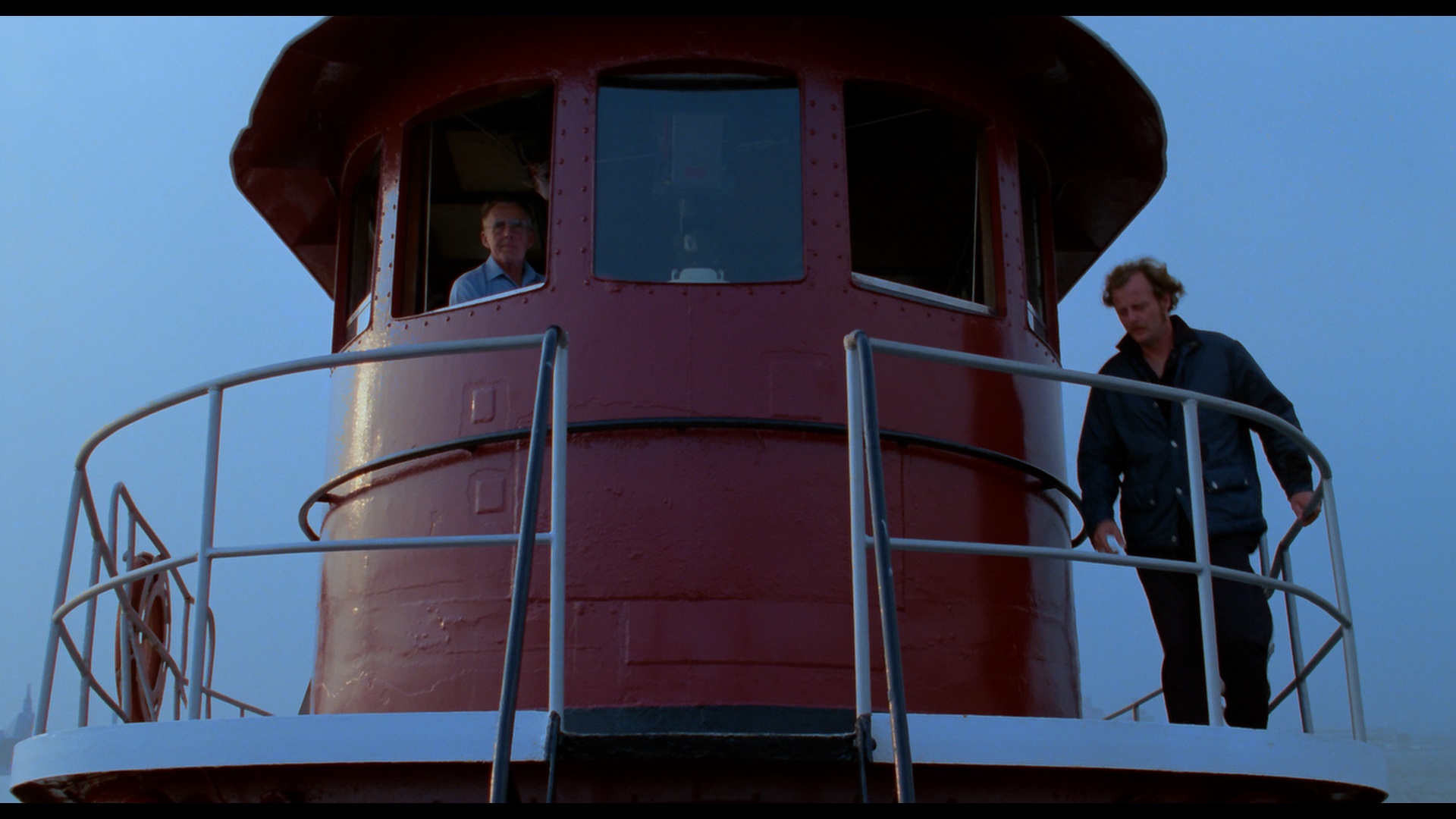
 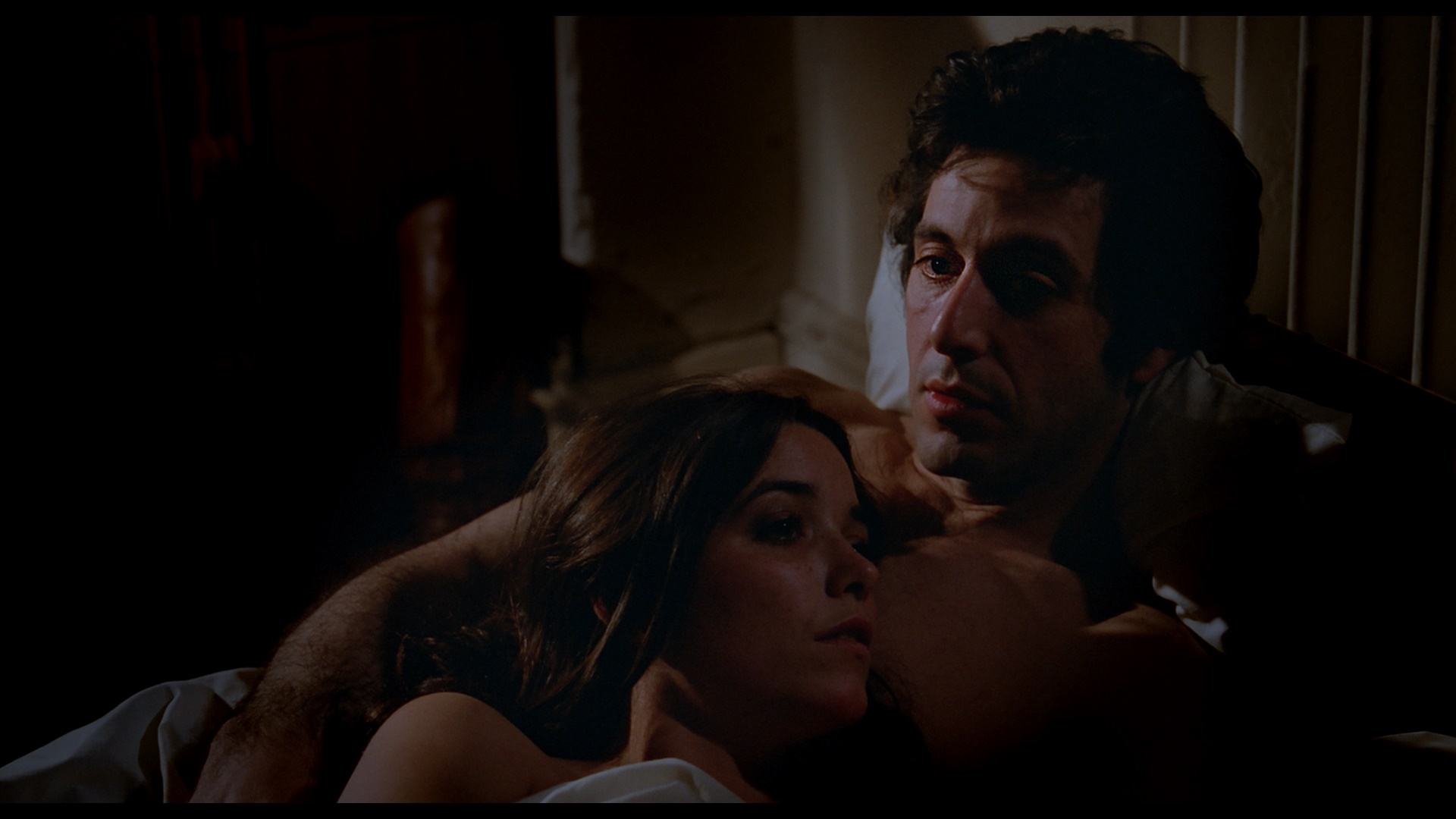 of what condition the film would be in given Friedkin's penchant for revising his films, most notoriously The Exorcist and the last scene of Sorcerer. Thankfully this is most definitely not the 2007 reworking of the film; the colors here shift away from that oppressive blue tint and have actual flesh tones, albeit with an aggressive overall intensity here that's quite different from how it looked theatrically. Pacino's dance scene is now back as it was originally filmed, and the film is completely uncut including the subliminal shots and the other odds and ends of footage that have drifted in and out over the years back in place. The opening disclaimer is gone again (as Friedkin prefers), this time replaced with a more organic pair of stylized title cards for Pacino and the film's title that thankfully don't demolish the opening scene. The DTS-HD MA audio options include the theatrical 2.0 stereo mix and a 5.1 mix supervised by Friedkin; the latter is subdued but effective with some of Nitzsche's score and the city sound effects nicely spread out discreetly to the front and rear channels. Optional English SDH subtitles are also provided. Ported over from the prior DVD are an audio commentary by Friedkin (mostly production-oriented and one of his stronger tracks
 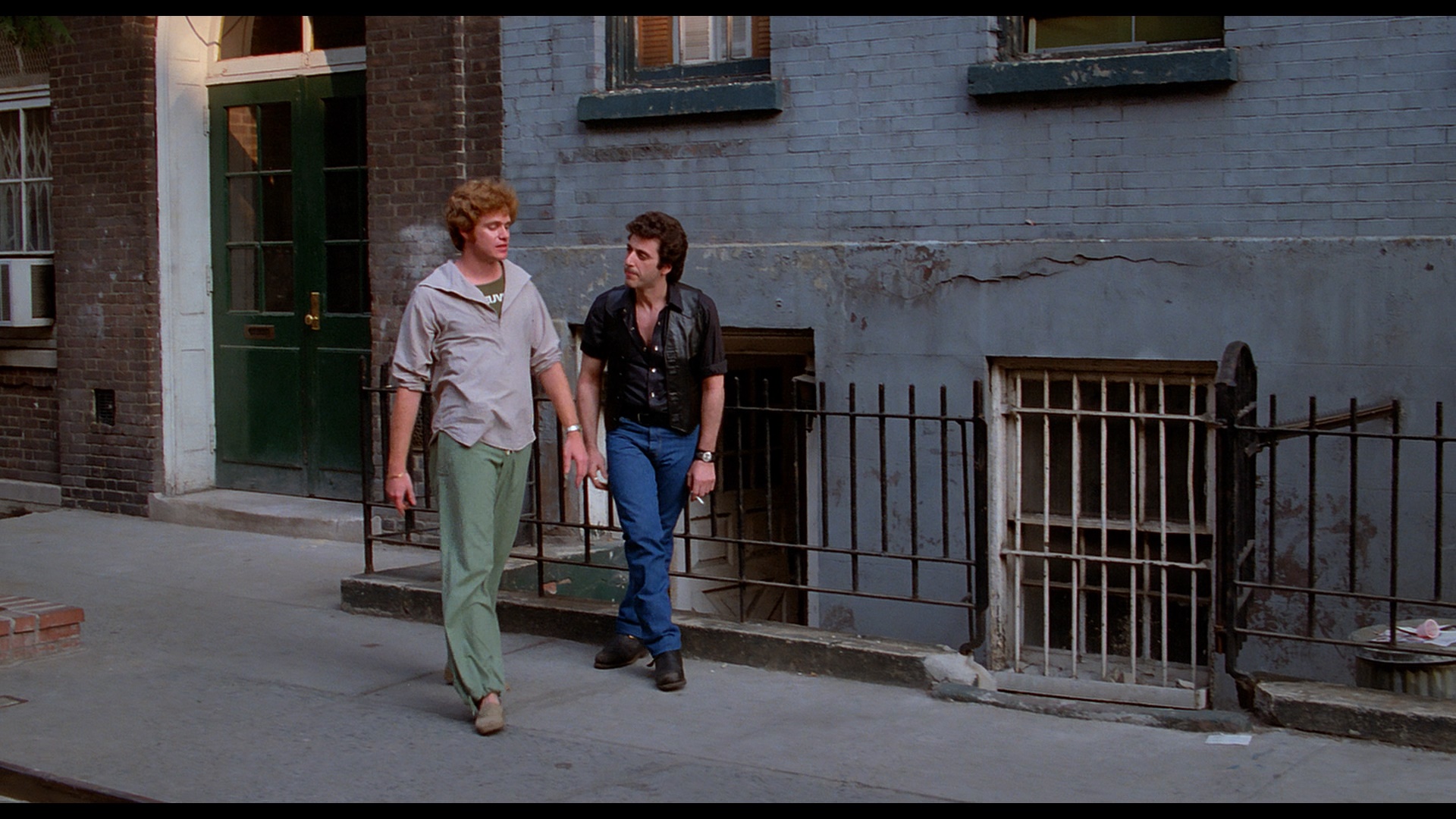 compared to the infamously absurd one he provided for The Exorcist), the trailer (now in HD and much better condition), and two Laurent Bouzereau featurettes, "The History of Cruising" (21m5) and "Exorcising Cruising" (22m31s) with Friedkin, producer Jerry Weintraub, Jurgensen, Scardino, Davis, Remar, actors Richard Cox and Jay Acovone, Sonny Grosso, James Contner, Bud Smith, Mark Johnson, and casting director Lou DiGiaimo. New to this release is an audio commentary by Friedkin and always welcome Mark Kermode, who provide a very engaging conversation about the film without overlapping very much with the prior track. They chat
 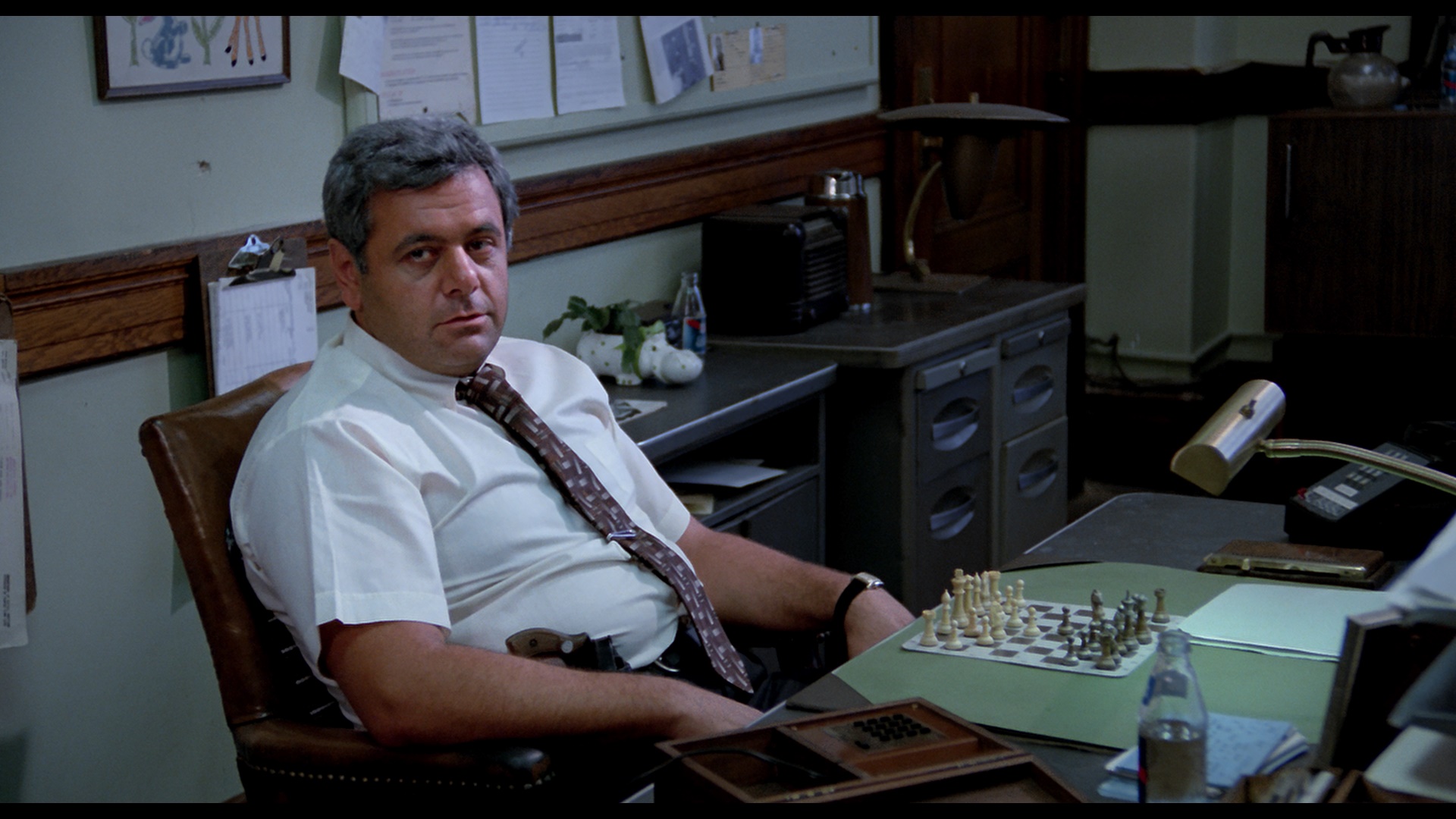 about everything from the original casting of Richard Gere to the ongoing protests, the censorship issues, and the amusing circumstances of James Franco and Travis Matthews' Interior. Leather Bar, an odd attempt to make a film about (but not recreating) the much-discussed missing 40 minutes from the film. It's also interesting to hear Friedkin's opinion of Pacino shift around over the course of these extras given the 12-year time gap, with the director either chiding his lack of preparation or praising the quality of innocence and discomfort he brought to the role. Either way, it's an important and endlessly absorbing film finally given its due and still one of the most transgressive films in mainstream American history.
 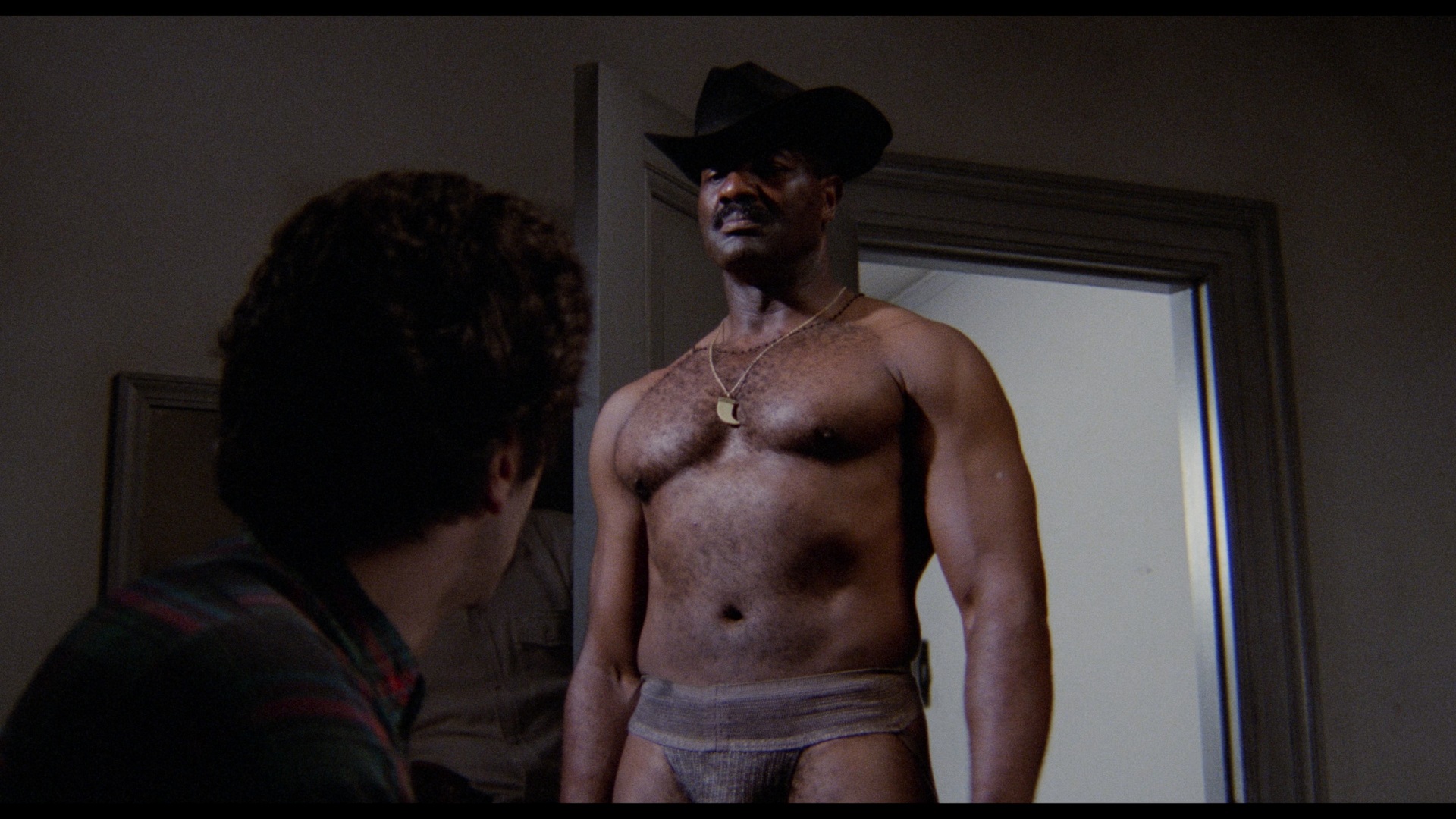 Ritz, and Shawn Casey O'Brien, with Fun City Editions' Jonathan Hertzberg. It's a must for any fans of the film's soundscape, starting with a memory about how The Germs' roots here go back to the creation of Sorcerer and then weaving through the various avant-garde, punk, and rock scenes at the time with Nitzsche overseeing most of the process. It's a great tour through New York City music history around the turn of the '80s with a lot of very different personalities bouncing off of each other. Finally you get another audio option, a 2019 alternate music score by Pentagram Home Video originally issued on vinyl by Death Waltz. The video extras on the UHD kick off with the essential "The Backroom," a collection of cut, alternate, and deleted scenes: "Why Take the Job?" (56s), a brief workprint chat with Allen and Pacino; an illustrated 3m35s recreation with surviving
 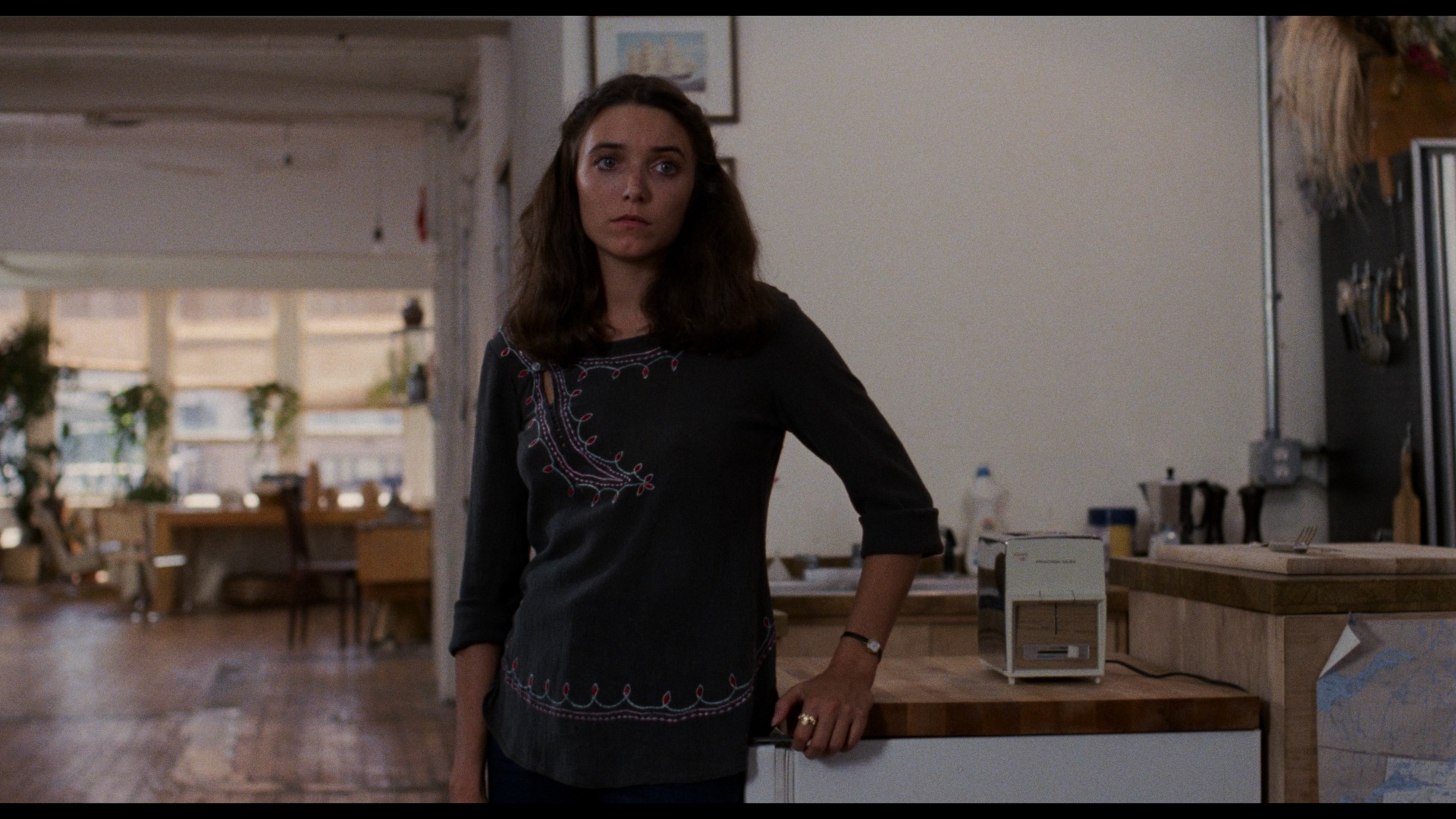 audio of the notorious cut scene with Spinell and Mike Starr involving some nightstick shenanigans; a slightly different 2m40s workprint edit of the porno booth murder; five samples of on-set audio with loud noise from protesters outside, plus a new interview with on-set sound mixer Kim Ornitz (10m38s) about the experience; the French disclaimer opening and credits, Spanish disclaimer, alternate "Lorimar has presented" end credits, and the alternate 2006 and 2018 openings cited above along with a brief 1m13s comparison. Finally you get comparisons between the two sequences that were censored in most presentations of the U.S. (apart from the legendary initial Magnetic Video VHS edition) to tone down some of the club friskiness. Also on the first disc are the archival "The History of Cruising" and "Exorcising Cruising" from the earlier Blu-ray, a teaser and trailer, four TV spots, five test TV spots, TV spot optical tests, and photo galleries devoted to promotional items, key art, musical releases, Jane Wechlser on-set sketches, and set items.
 ARROW FILMS (UHD)
ARROW FILMS (BLU-RAY)
WARNER BROS. (DVD)