 a belated return to the traditional
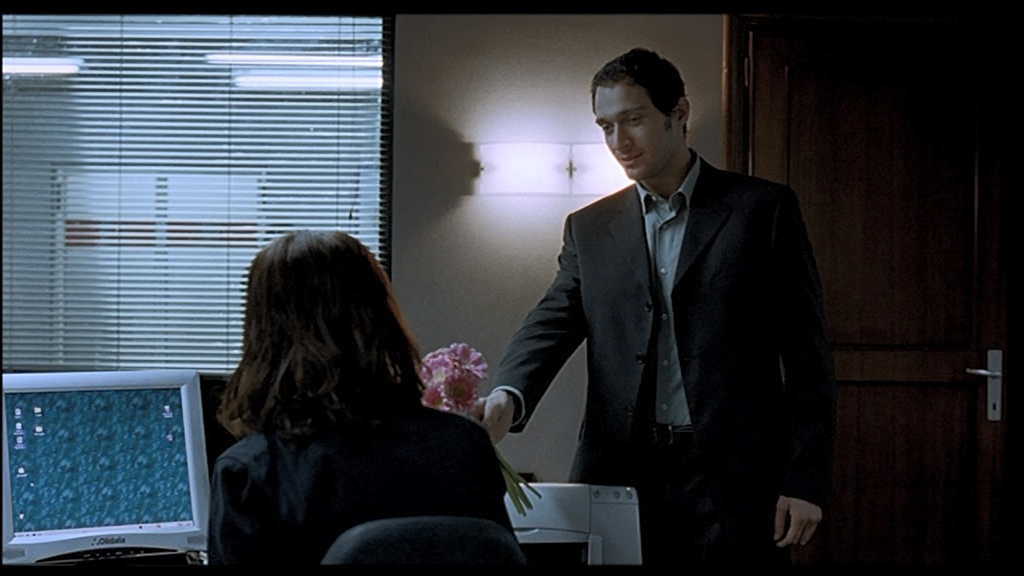
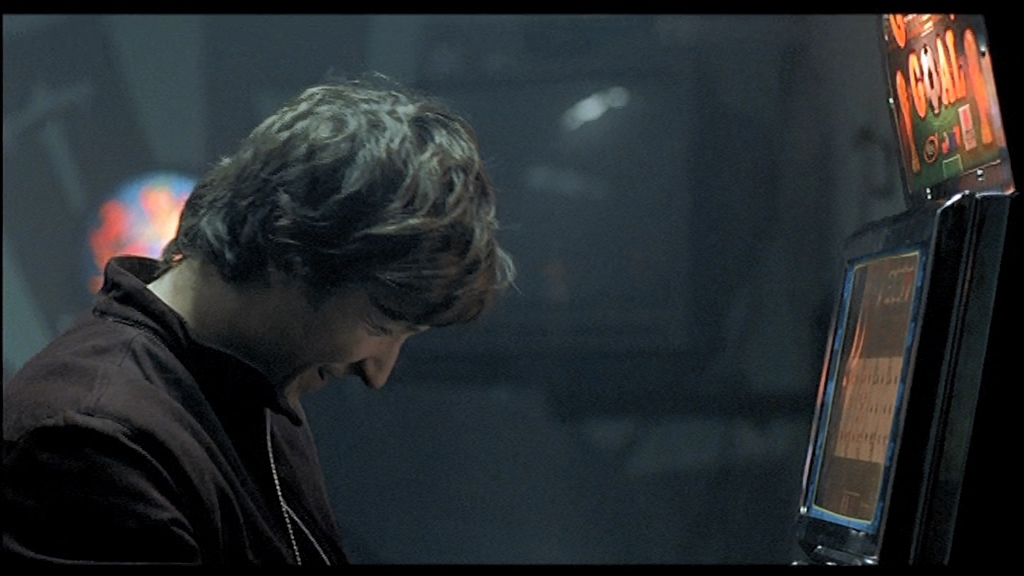
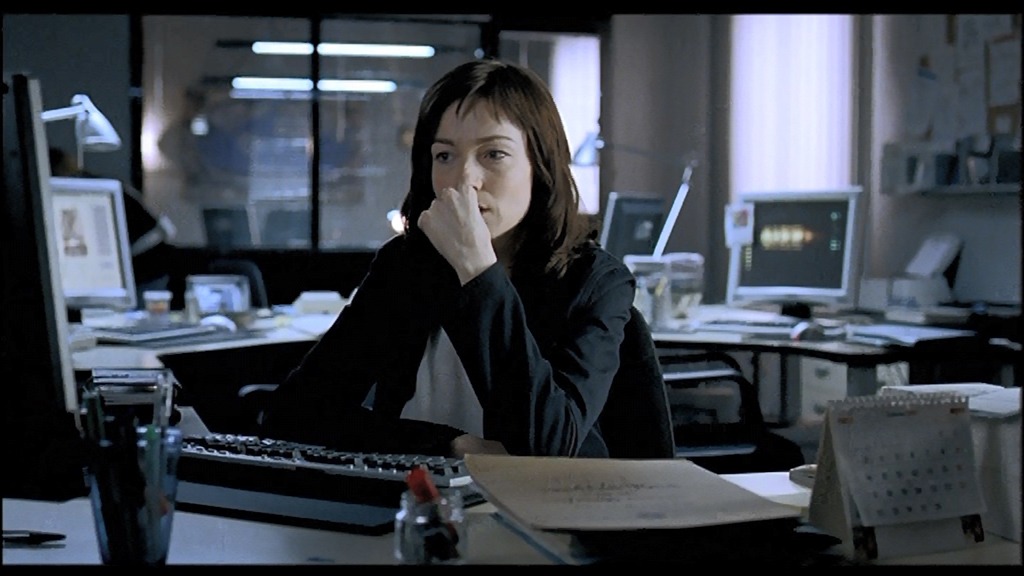
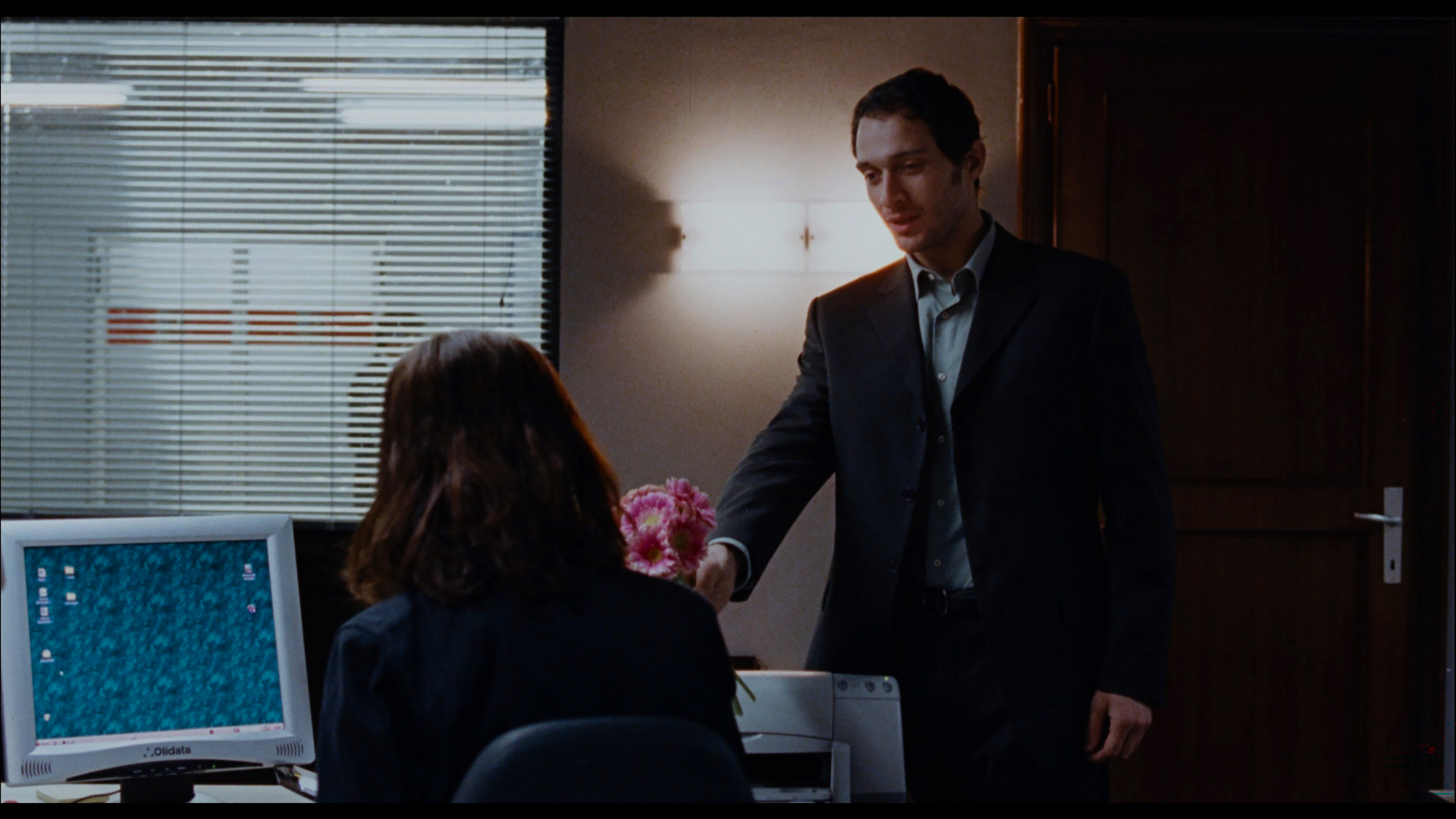
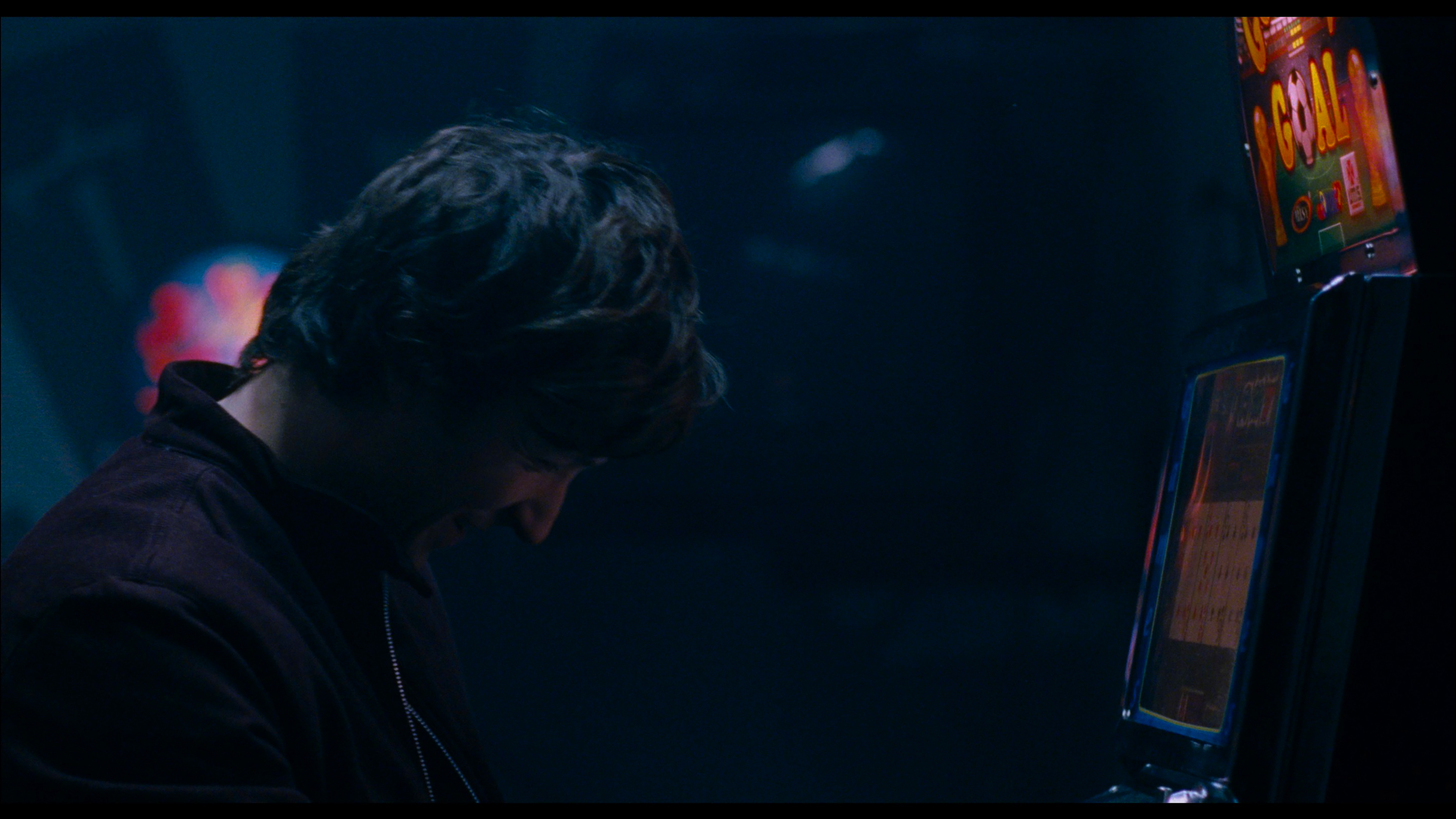
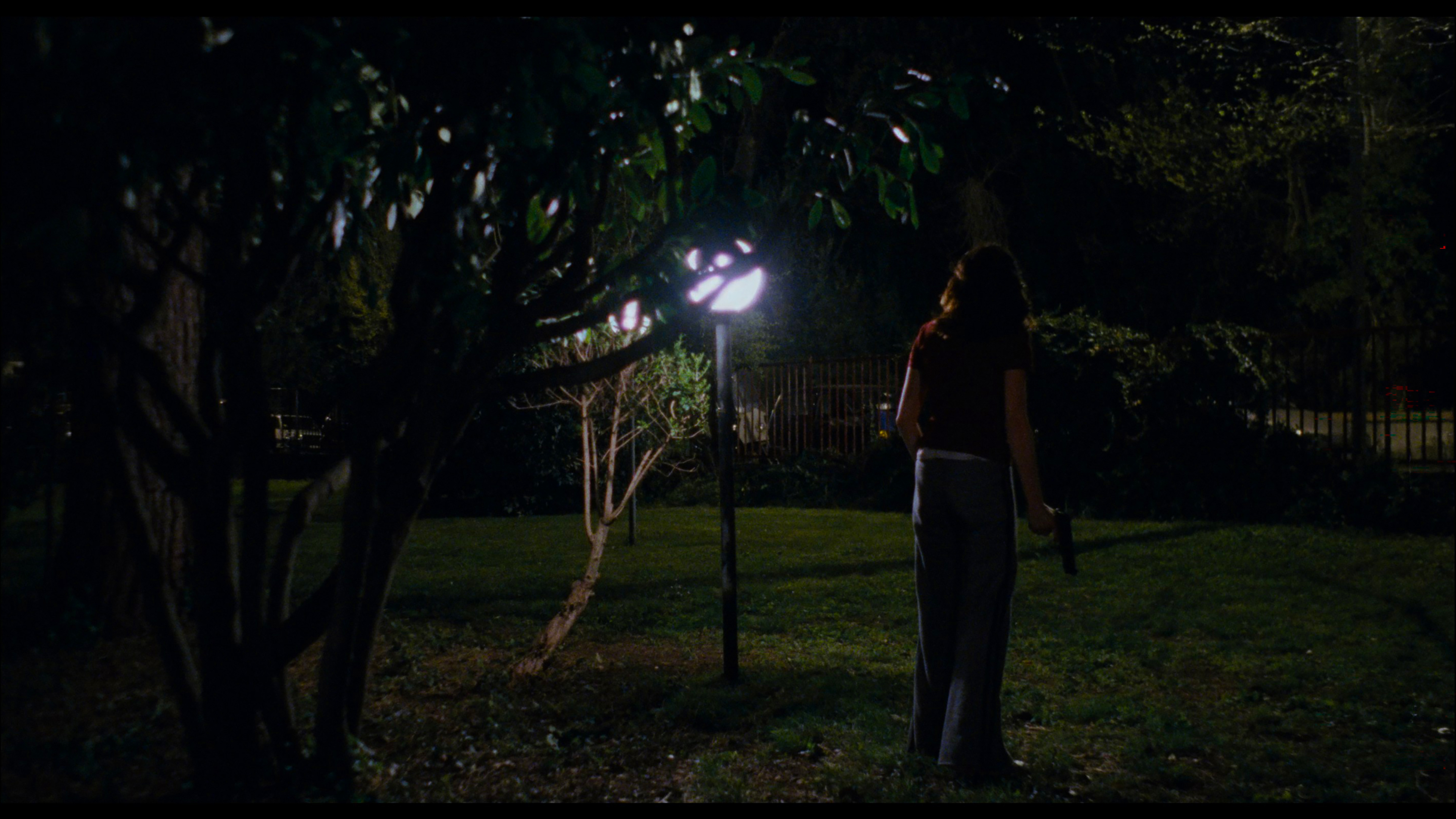
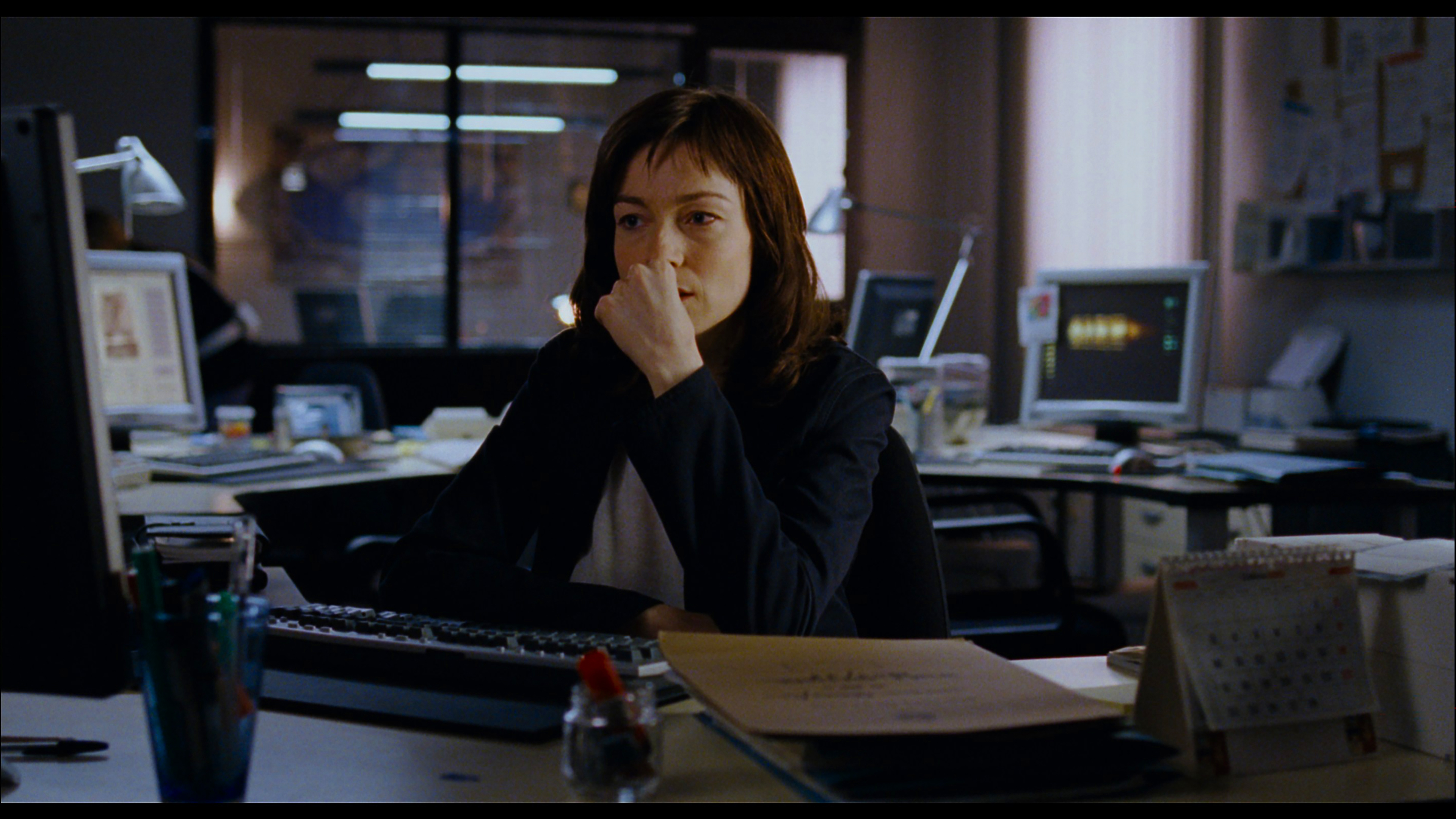
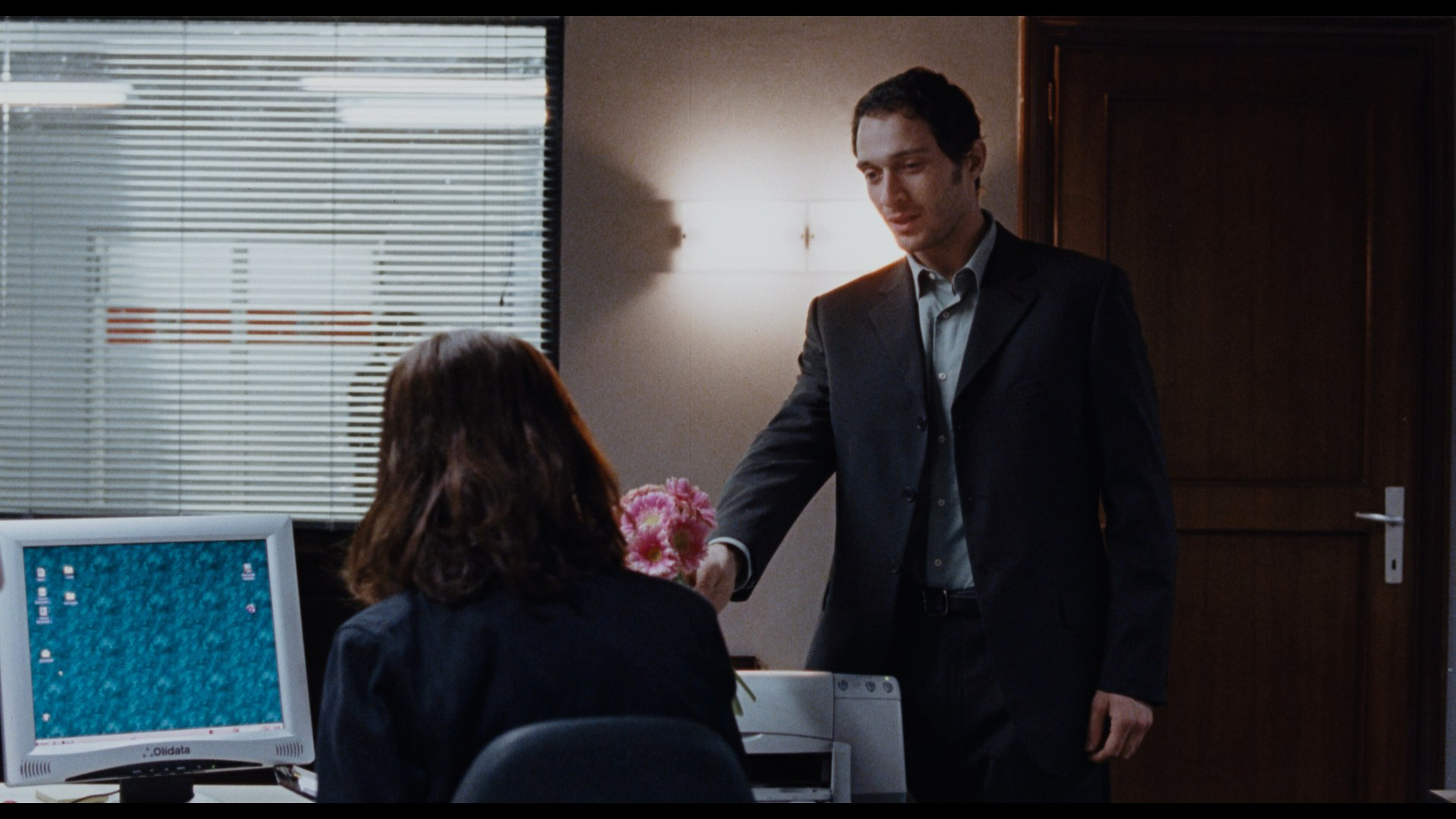
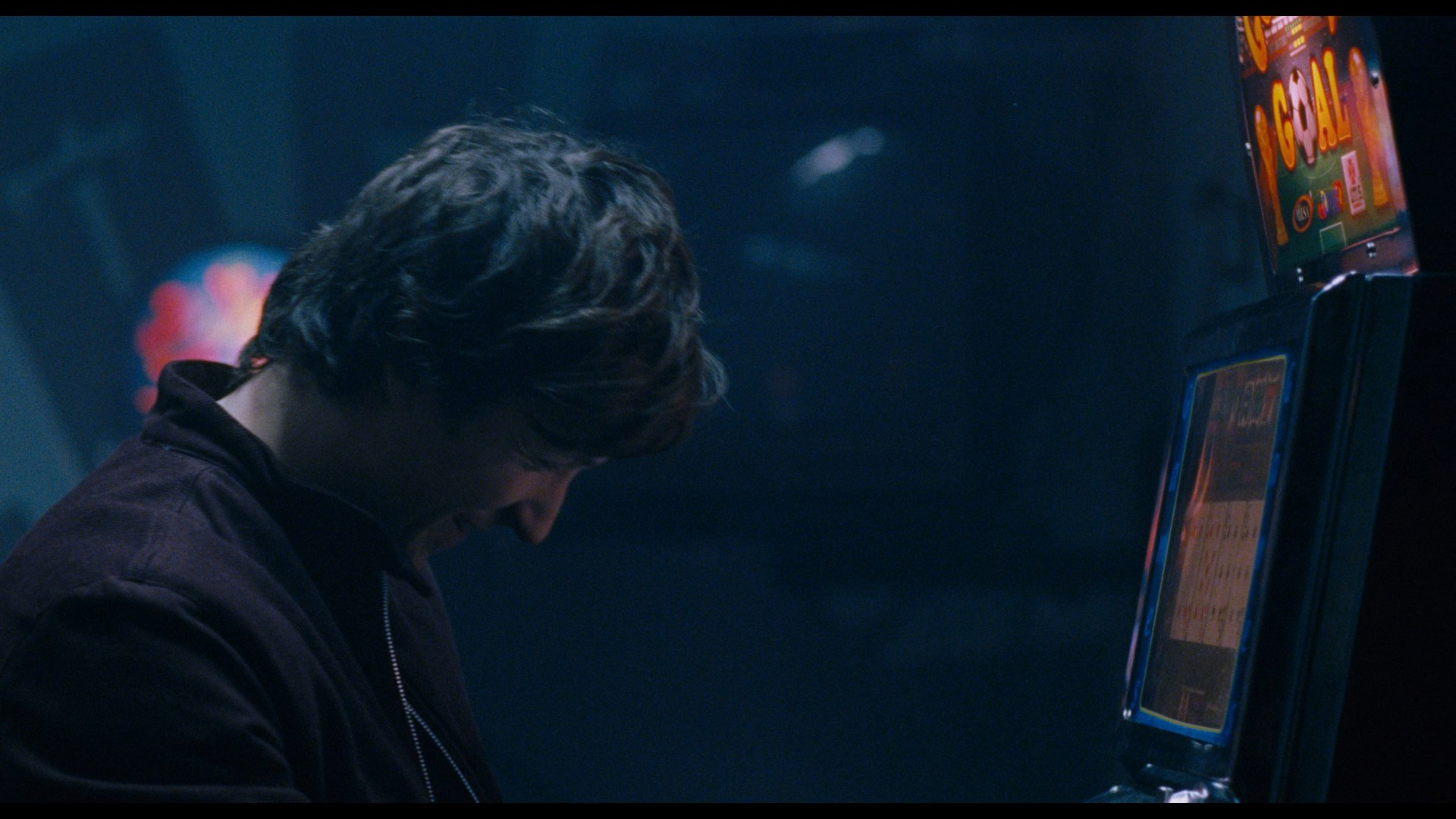
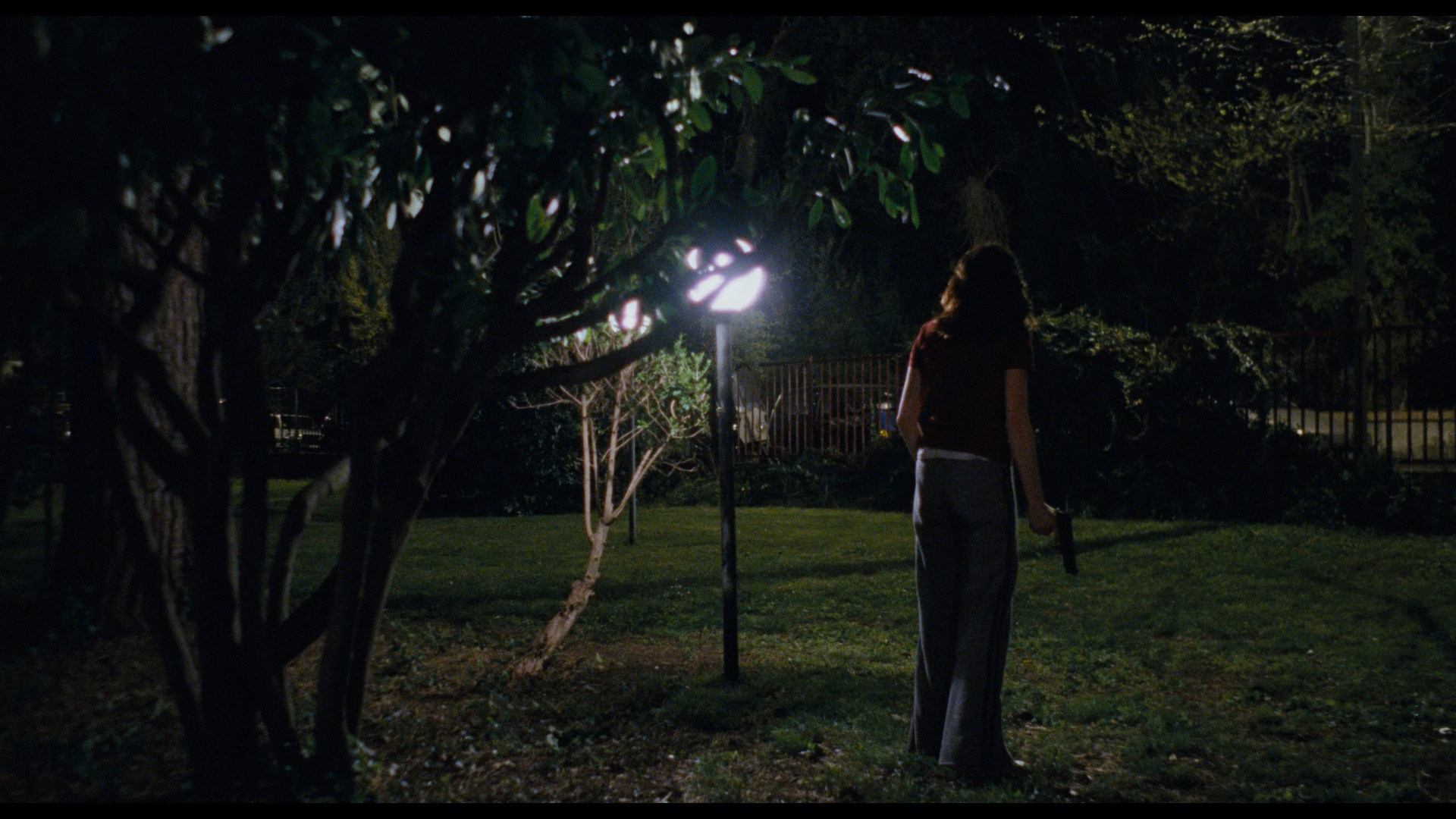
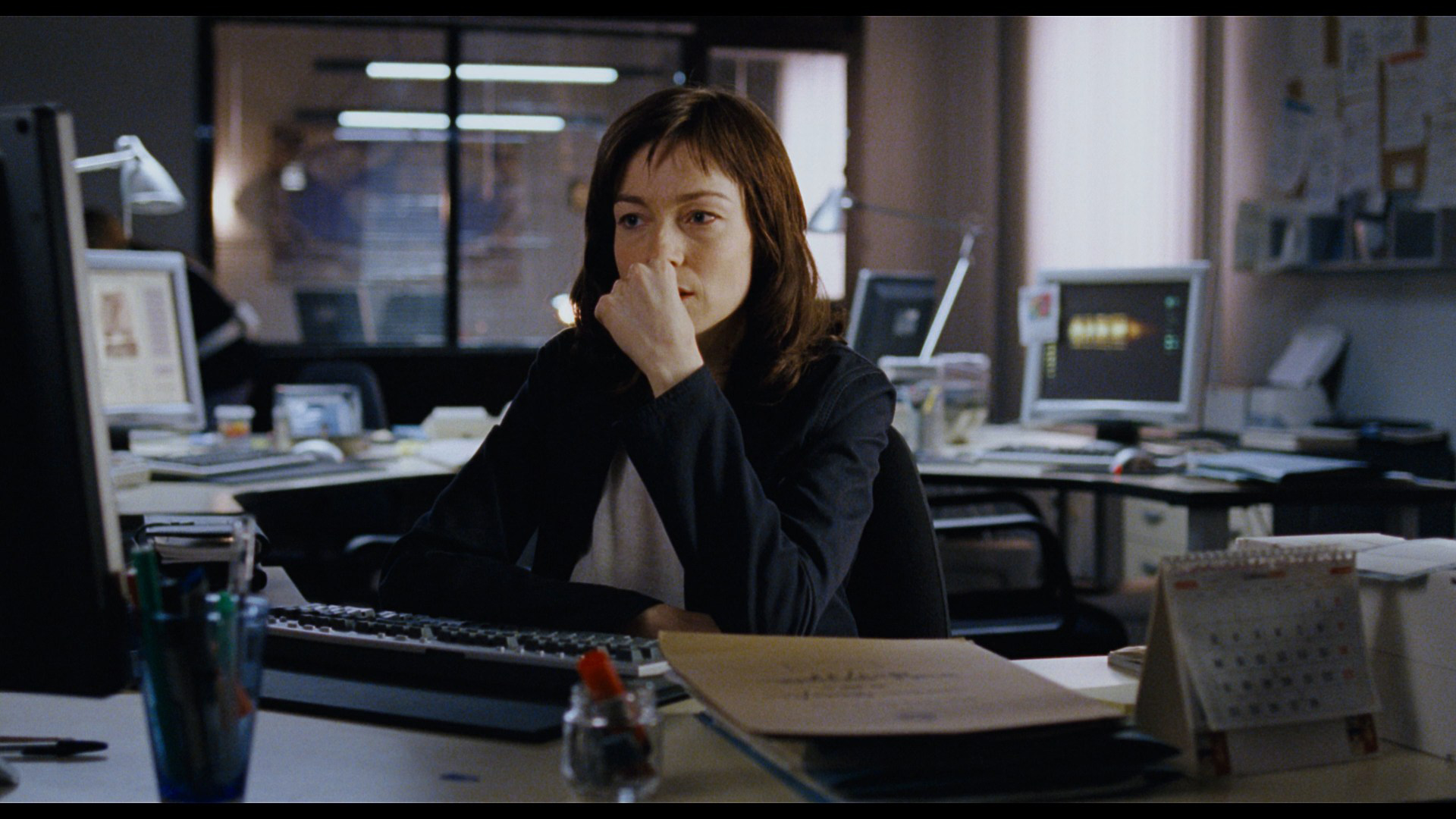
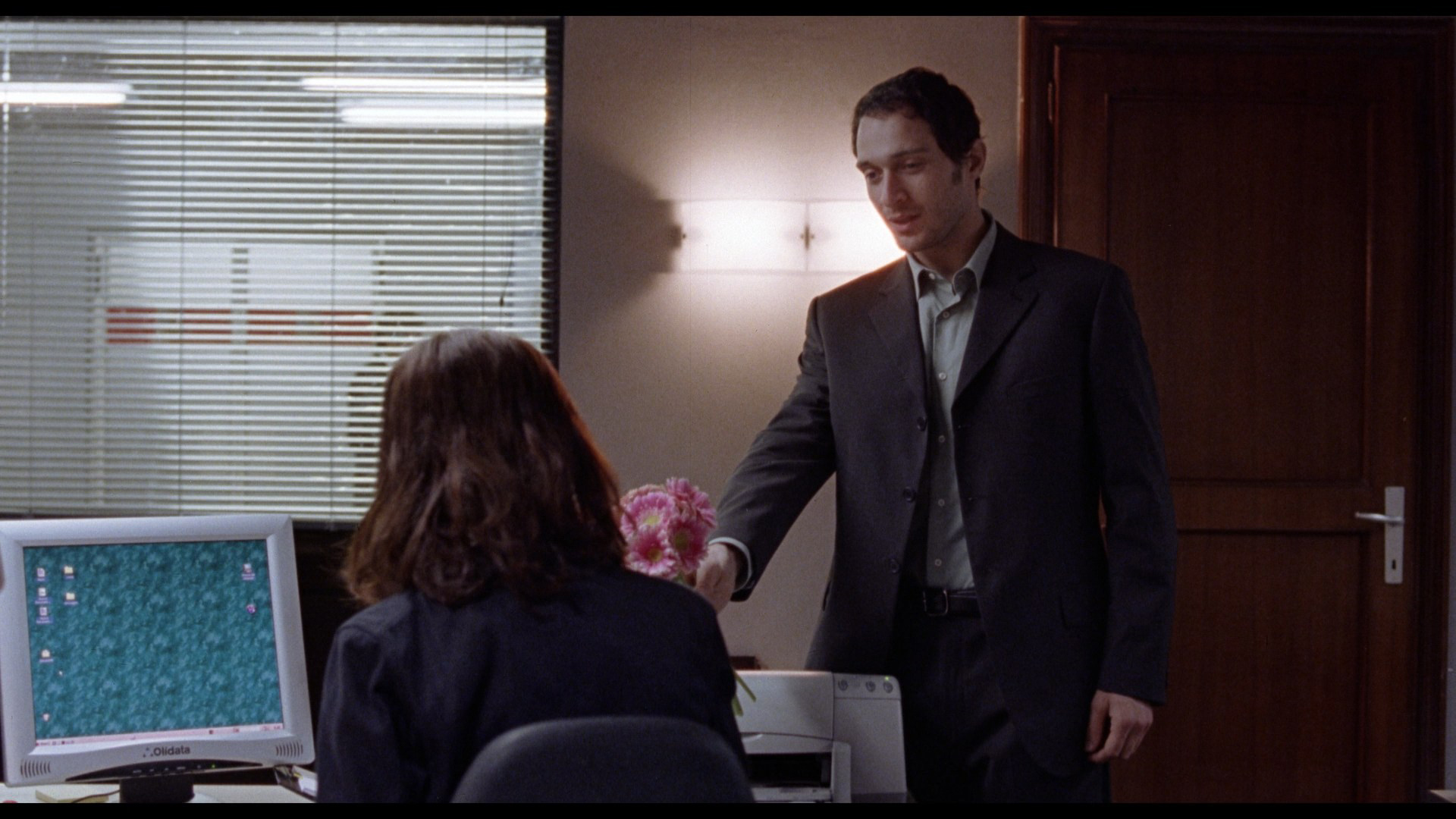
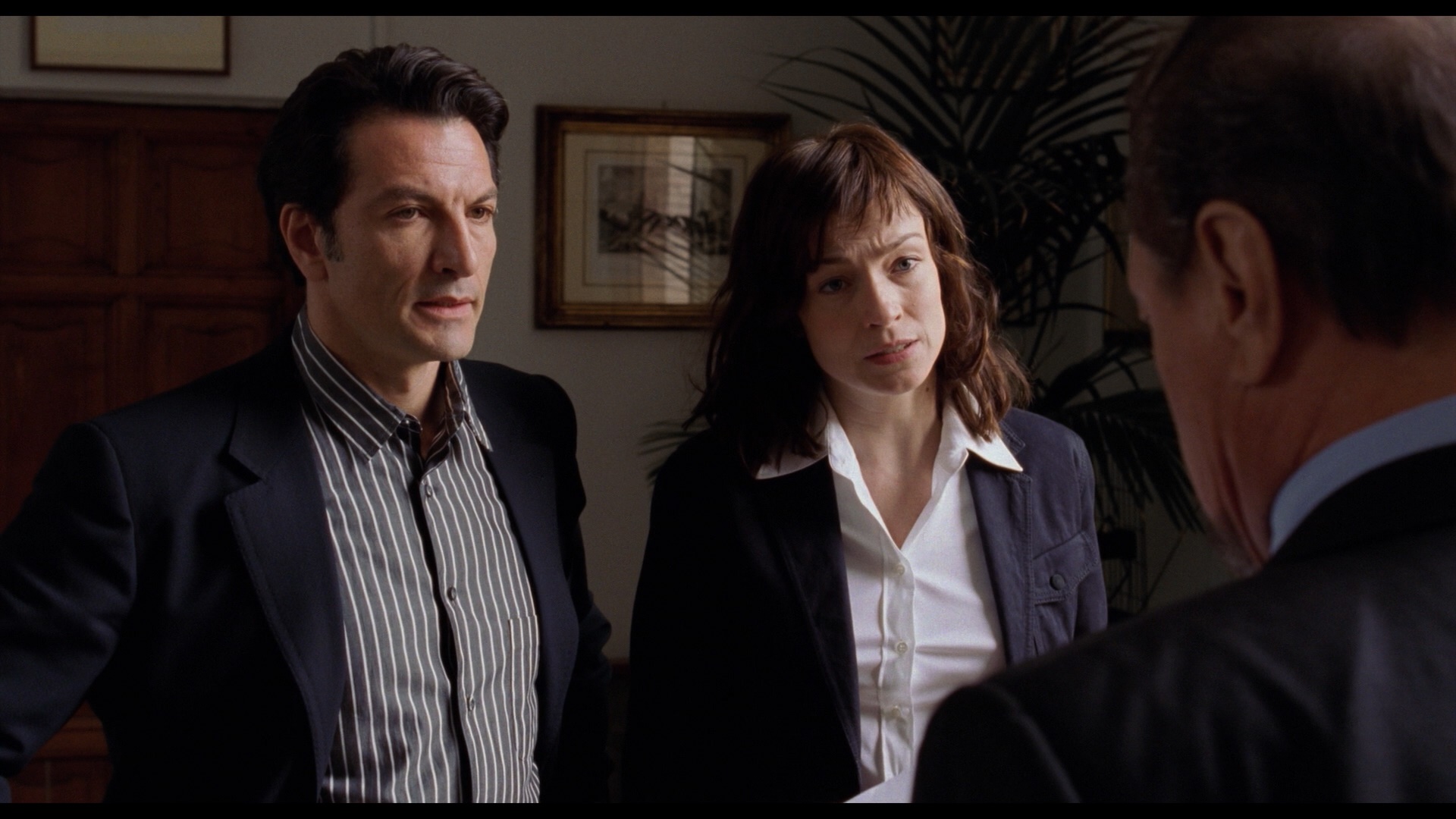
 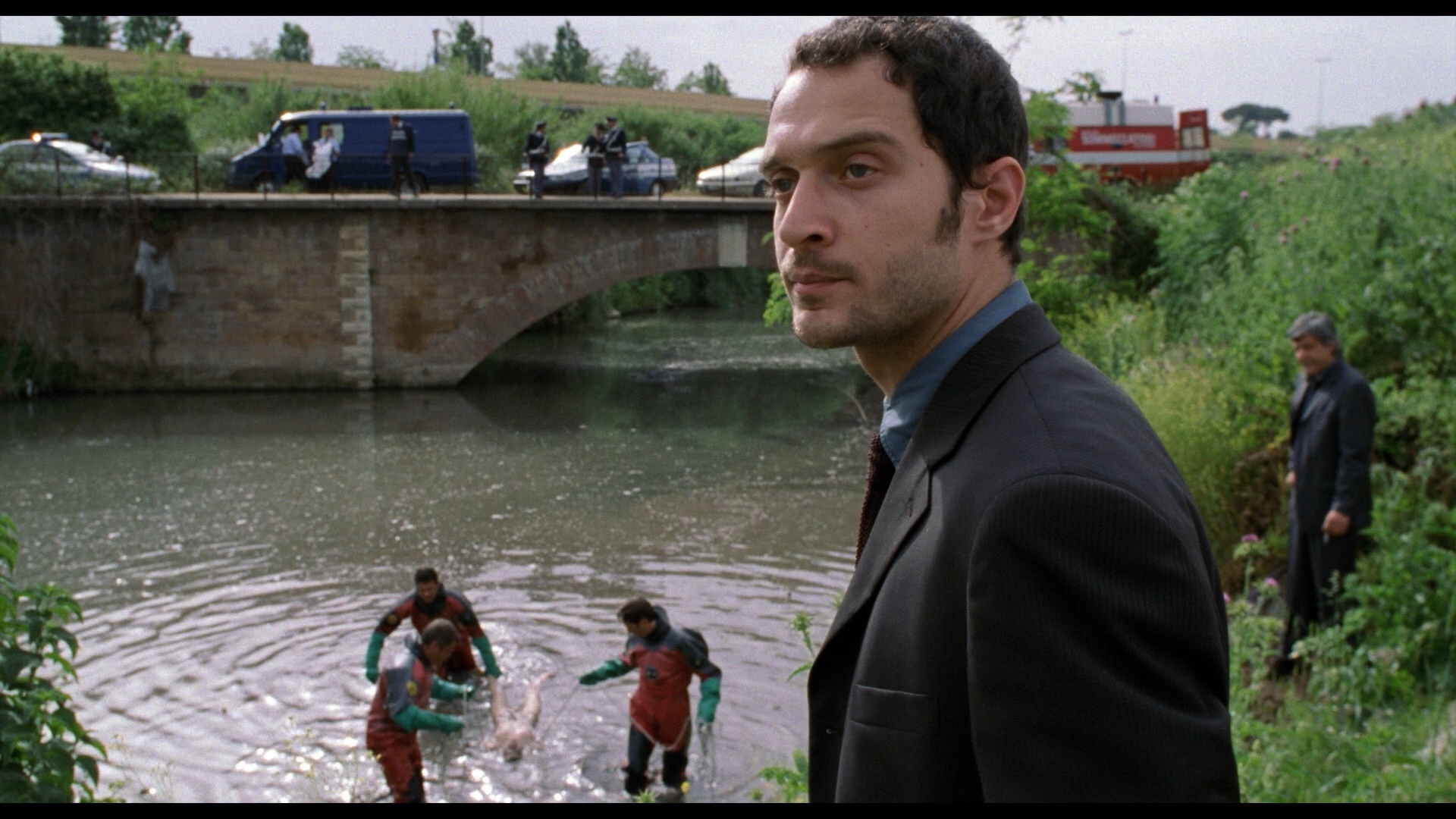 giallo with Sleepless in 2001, writer-director Dario Argento found himself essentially the sole artist carrying the torch for Italian horror after the movement had been driven into the ground by a variety of factors including financial backing, television, and the lack of decent international distribution. While Sleepless had proven he could still splash gore around like the old days, his next film stayed within the murder mystery tradition of the giallo but drew a lot of fire from fans by dispensing with bloodshed almost entirely. The result, The Card Player, was frequently derided as Argento's attempt at a CSI episode due to its police procedural aspects and far less flamboyant visual style than usual with more naturalistic, frequently hand-held camerwork by Benoît Debie (better known for his work with Gaspar Noé). However, taken on its own terms the film still has plenty going for it including one of the most engaging and warm relationships at its core, a handful of stylish suspense sequences, and one of the strongest solo scores from on-and-off Goblin member Claudio Simonetti.
 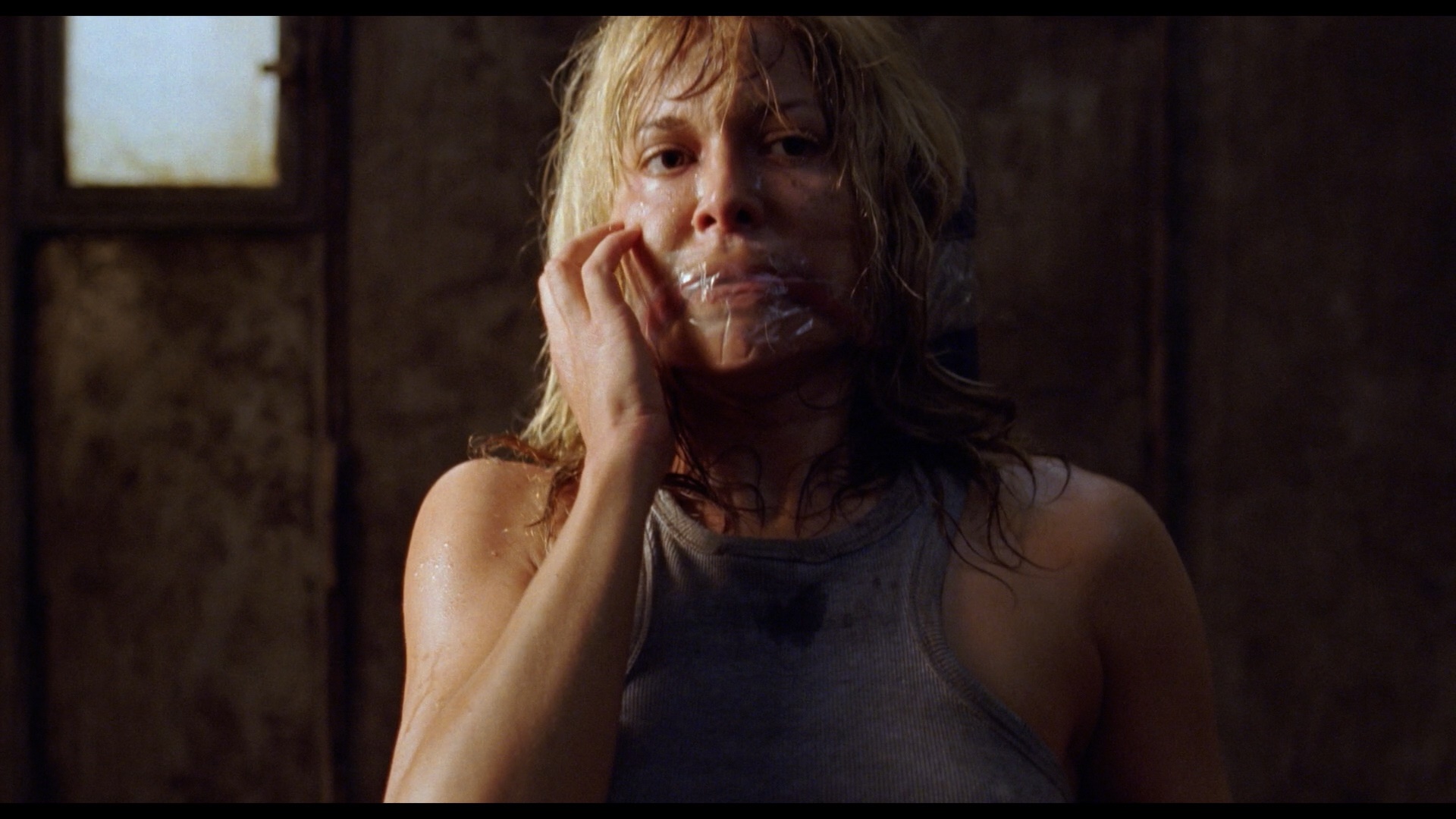 their attempts to beat the killer at his own game prove to be extremely hazardous.
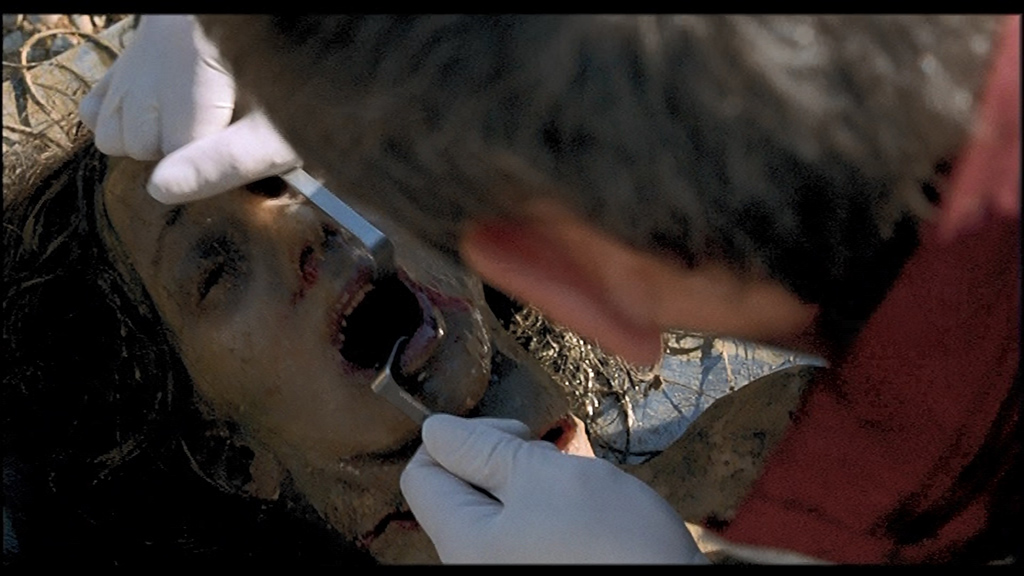
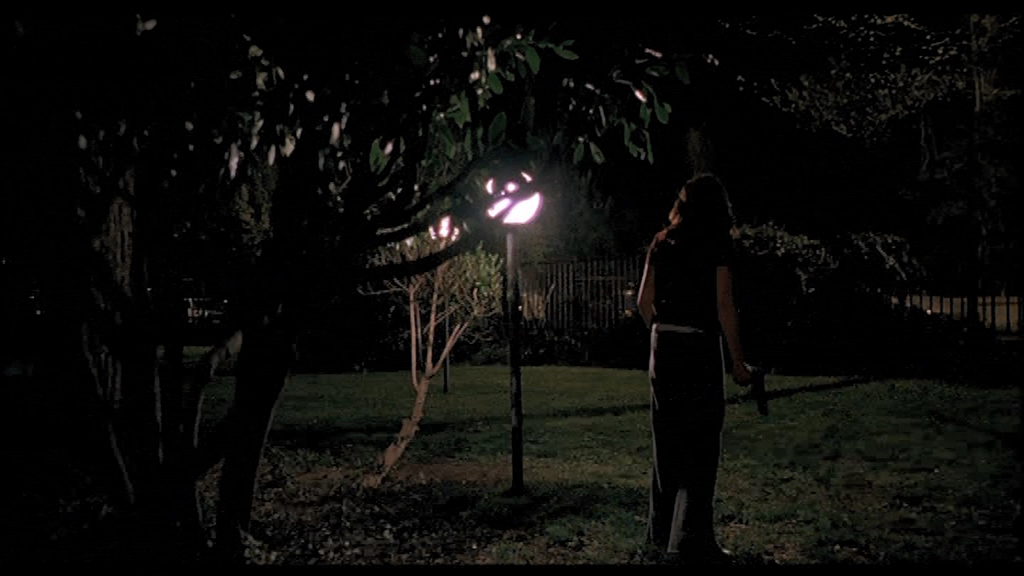
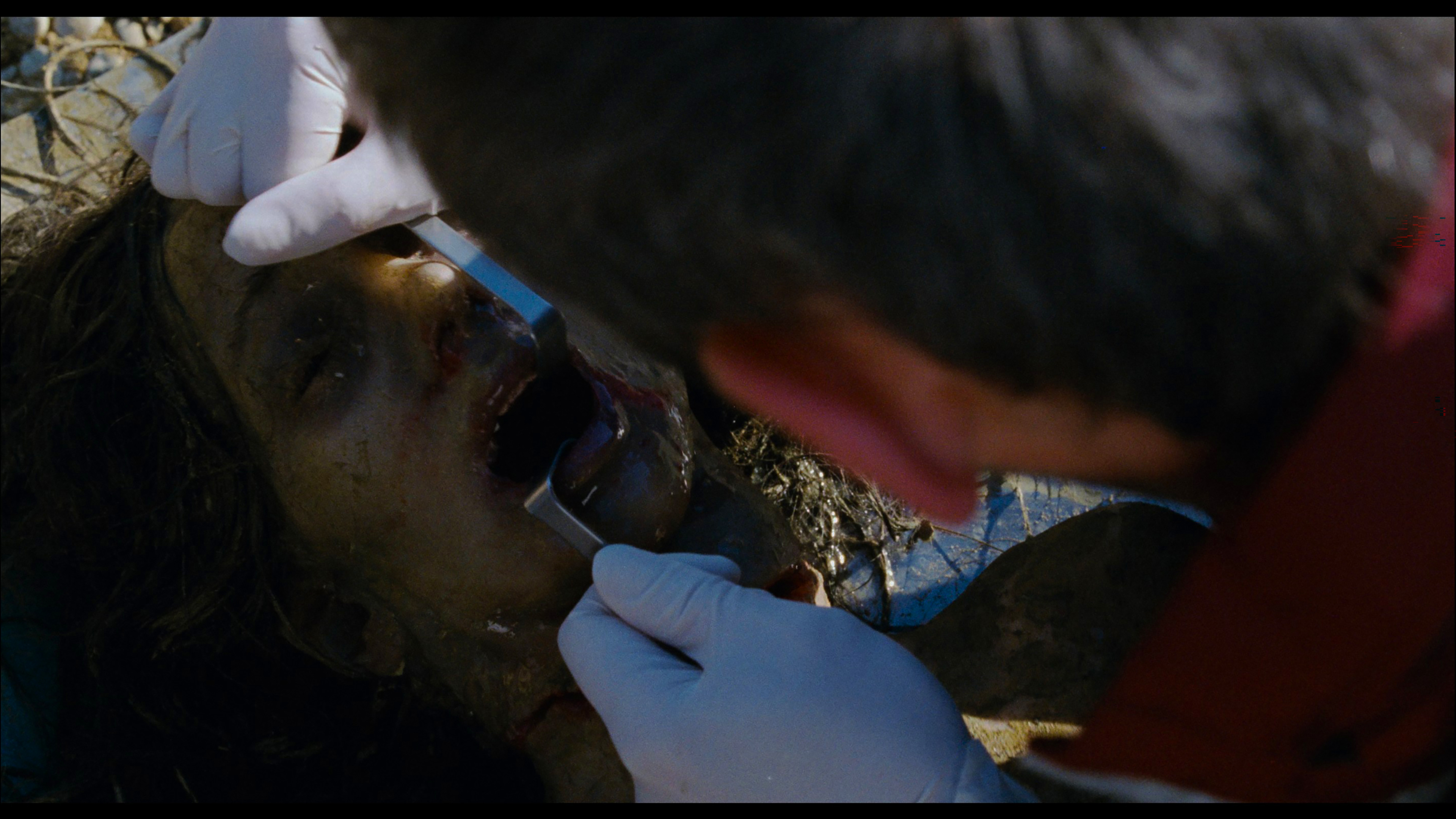
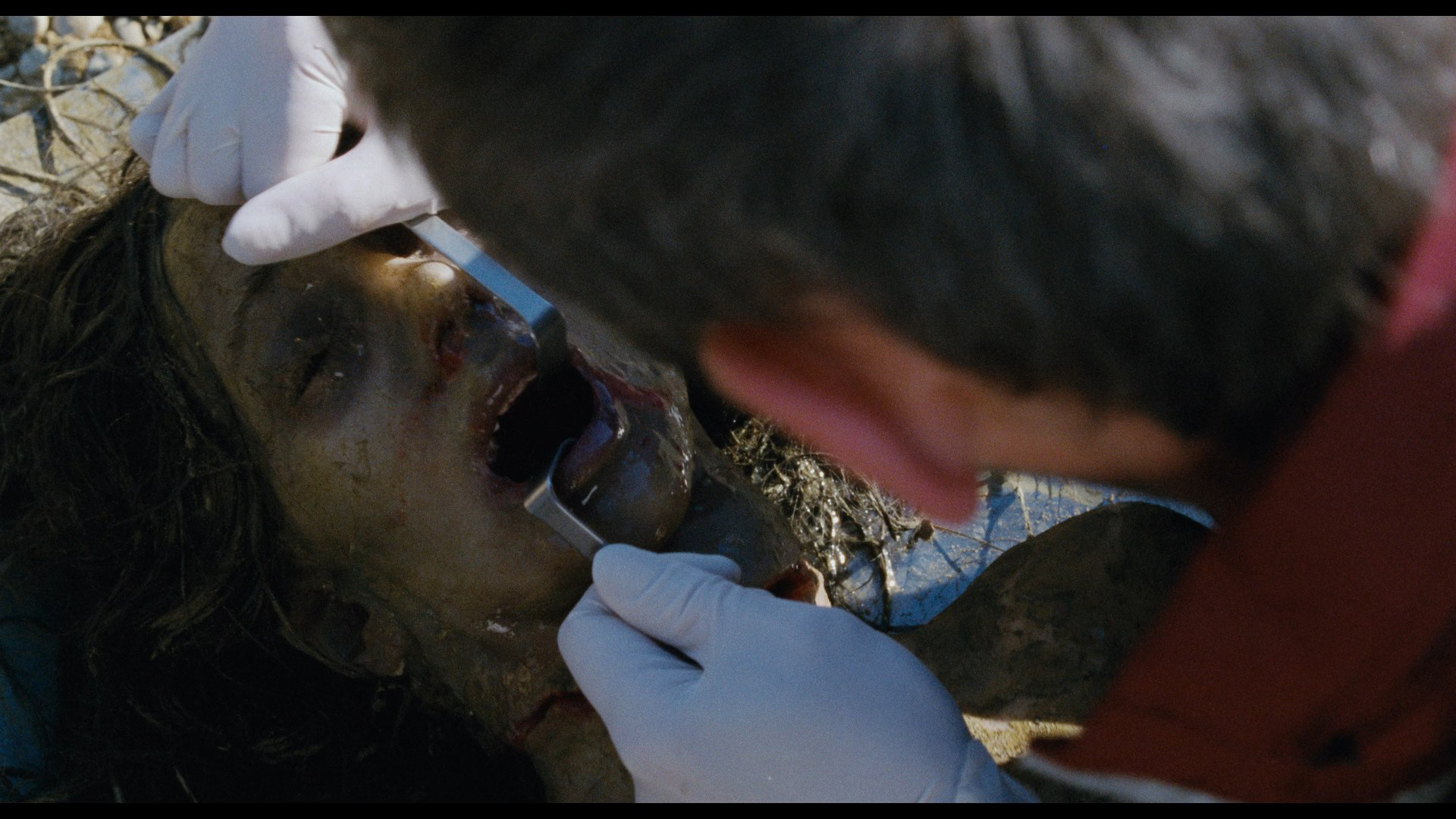
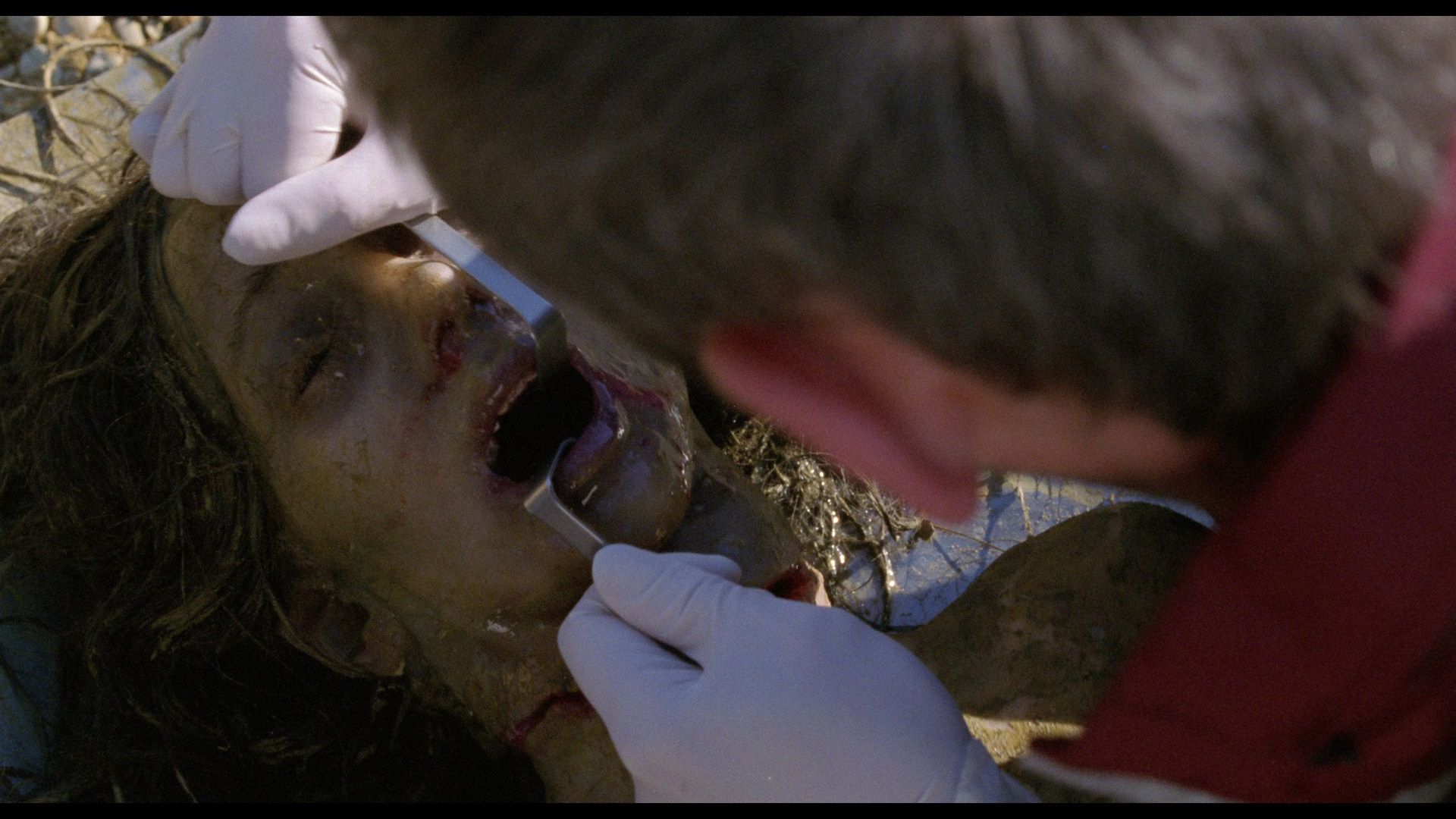
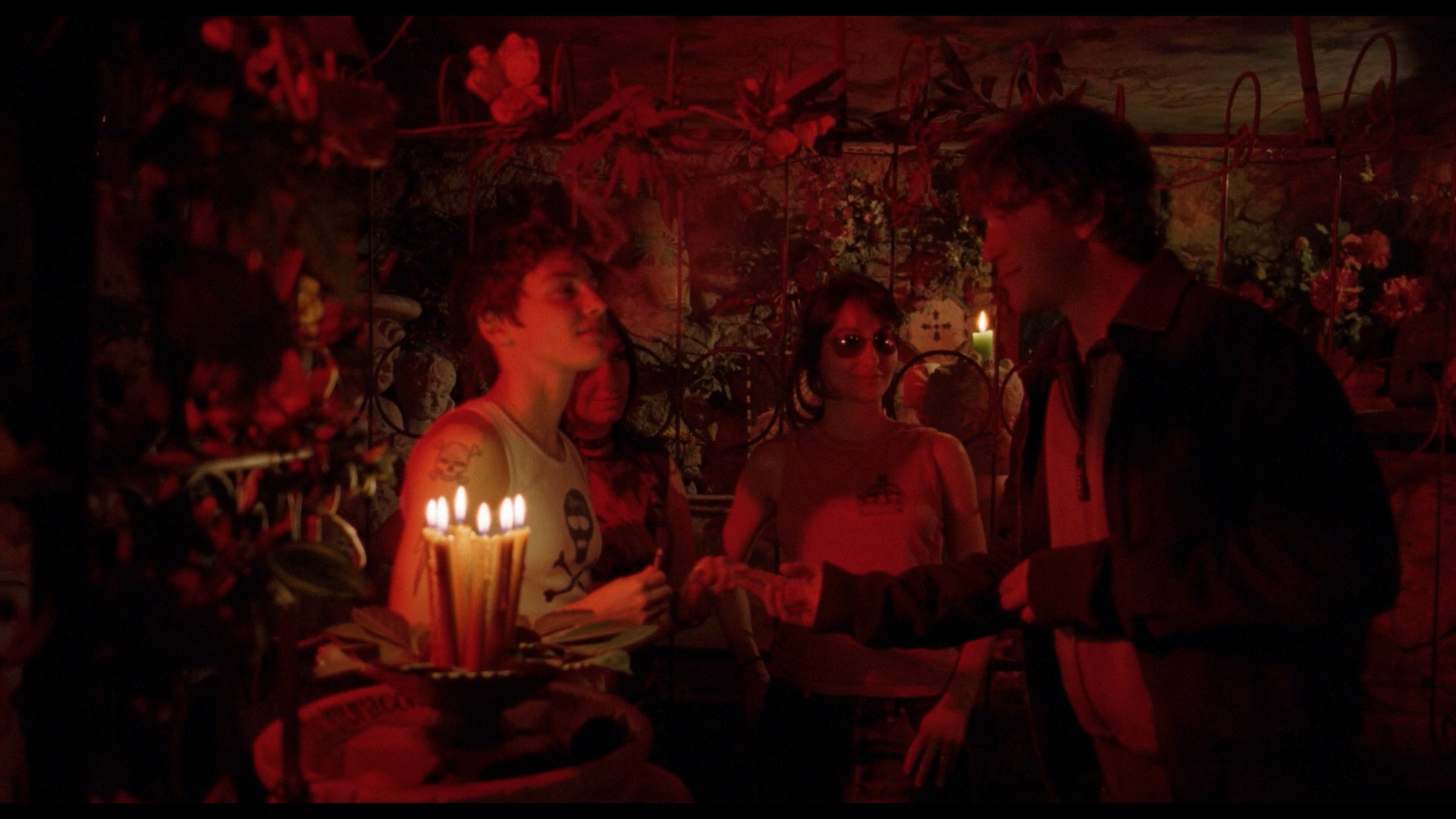
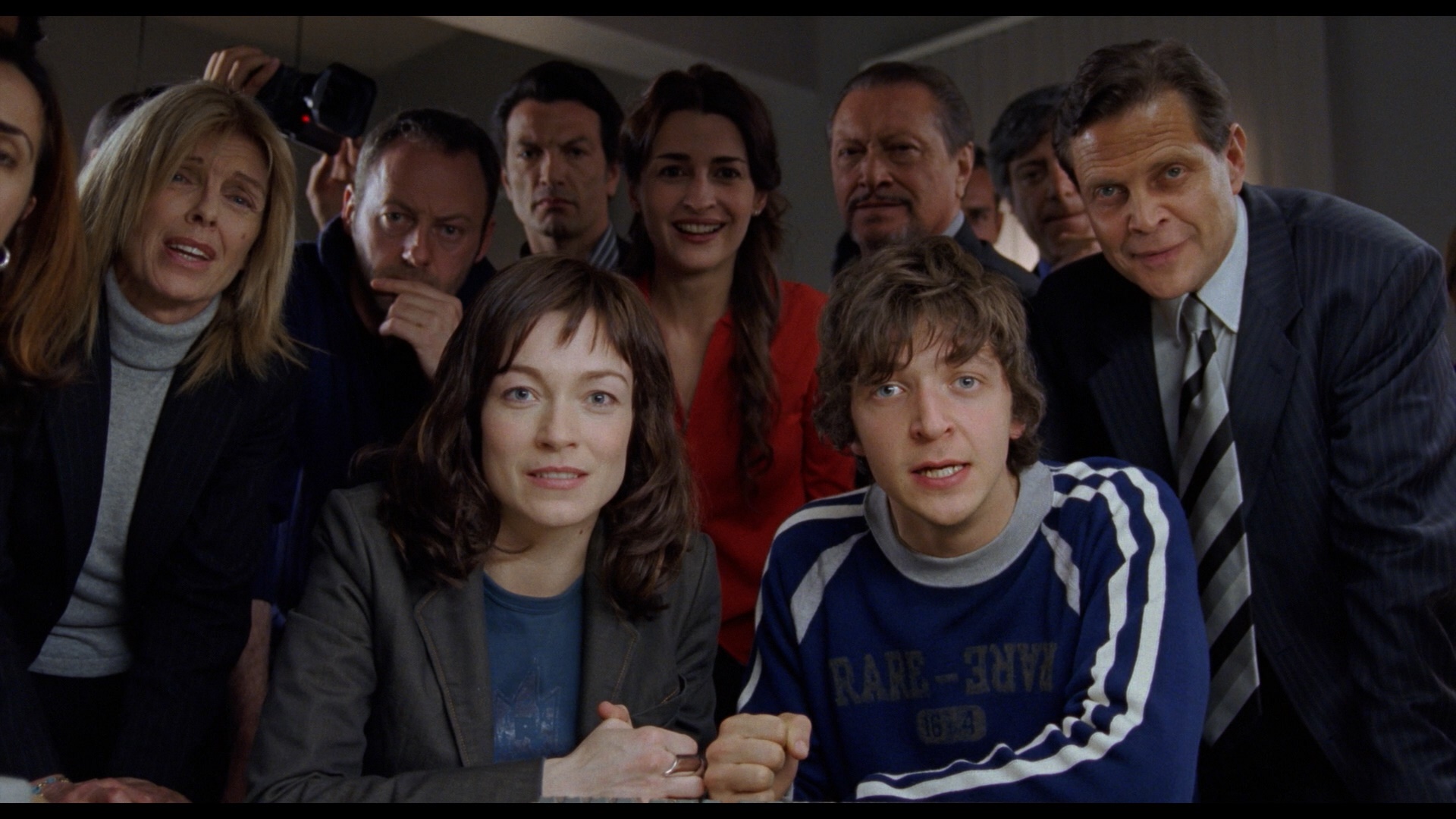
 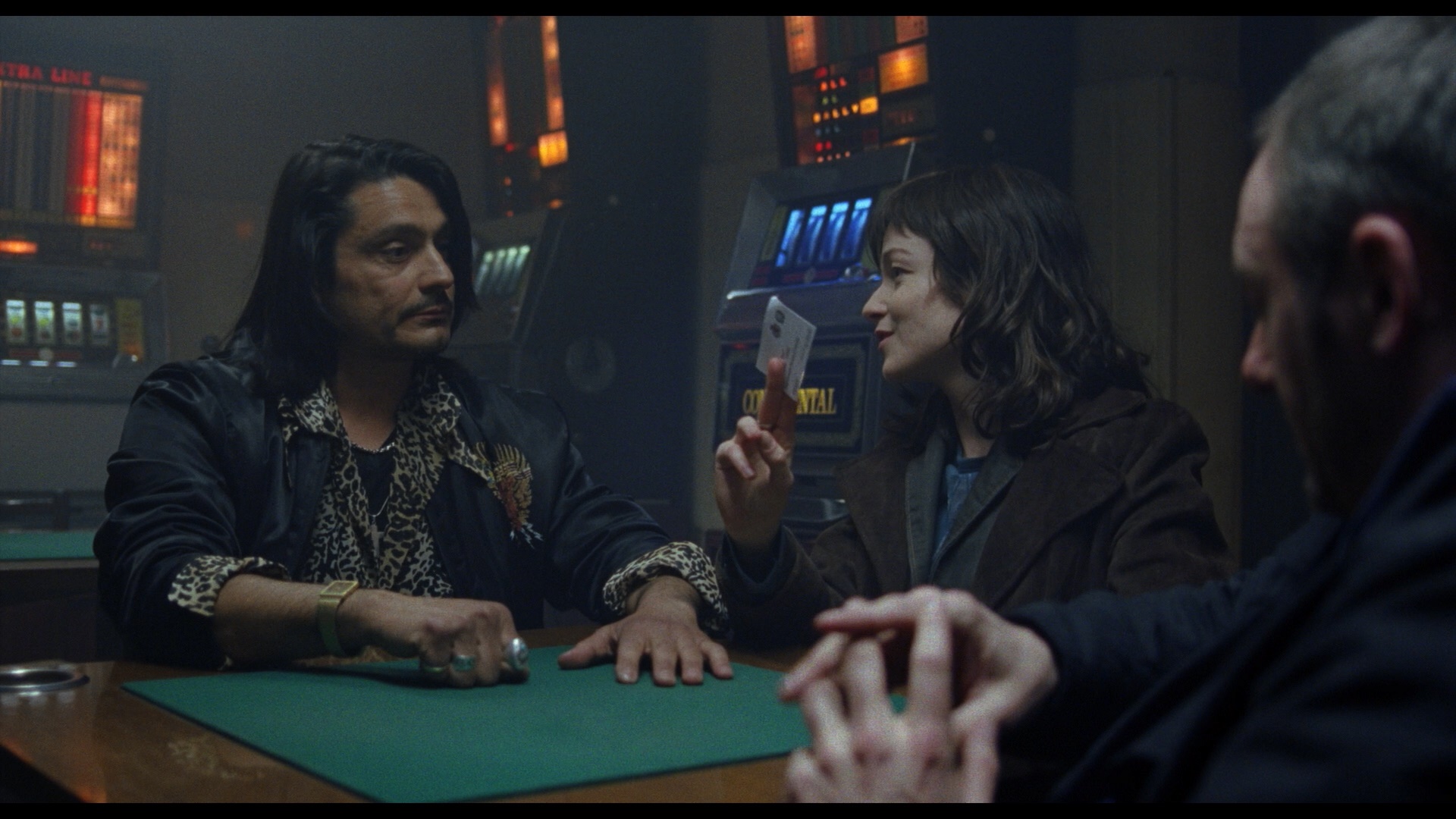 doubt that Argento was trying to keep up with the demands of audiences at the time, not only with the crime thriller vibe here but also the use of grisly postmortem scenes reminiscent of The Silence of the Lambs (a film Argento himself had taken issue with earlier in interviews). Where the film really shines is its sequences of pure suspense, often removed from the strict mechanics of the plot, including a tense nocturnal invasion of Anna's house, a beautifully executed stalking scene for Remo through a series of dark alleys, a Deep Red-style discovery of an old abandoned house that hides a pivotal clue, and a completely bonkers Perils of Pauline-style climax that has to be seen to be believed. Rocca and Cunningham deliver two of the strongest performances of Argento's later period (and Muccino is a really winning and charismatic presence as well who should have had more screen time), which manages to compensate for very awkward supporting turns from most of the other police force. As with several previous Argento films, this one uses the neat trick of letting the action continue under the closing credits but with a more emotional and positive twist here that plays like a nice change of pace.
 audio commentary with Alan Jones is also included. Still exclusive to that release to this day, it's an excellent track and proves once again that Jones (who has
  spent extensive time interviewing Argento and covering his productions in person for ages) is the one to beat when it comes to tracks about him with tons of detail about the production process and Italian cinema in general at the time. Also included are a "Playing with Death" (13m9s) Argento interview in Italian with English subtitles and a "Maestro with Death" (16m57s) Claudio Simonetti interview, both also exclusive to that DVD to this day. Also included are an English trailer, an Argento text bio, and a promo featurette (9m12s) and a behind the scenes featurette (5m25s), both poorly pulled from PAL sources and playing at the wrong speed. In 2010, Arrow Video bowed the film on British DVD from the same transfer (at PAL speed) with English 5.1 and 2.0 options, the promo and making-of, the trailer, and a reel of trailers for all of Argento's other features to that point (39m27s). The big draw here at the time was the inclusion of the Italian 5.1 track with English (translated) subtitles, which remained the only way to see it that way for a decade. The Italian version may not have the two leads' original performances, but it's worth checking out as it benefits the supporting cast far more and ends up being a bit of a toss up.
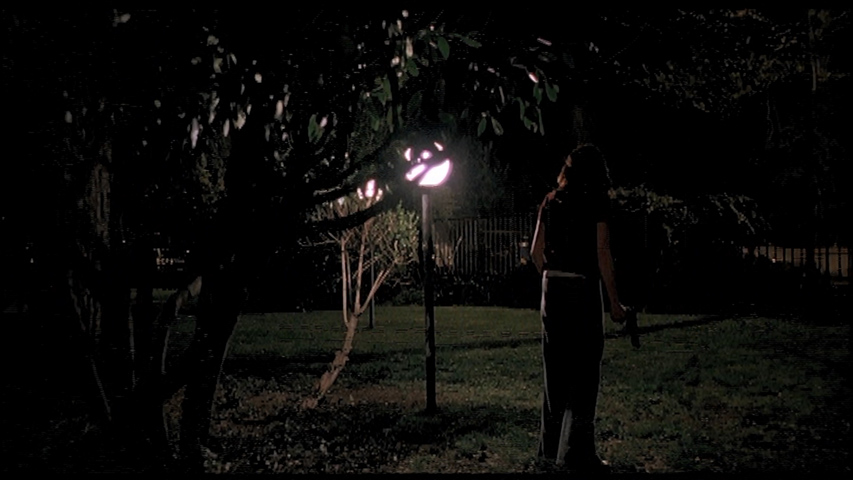
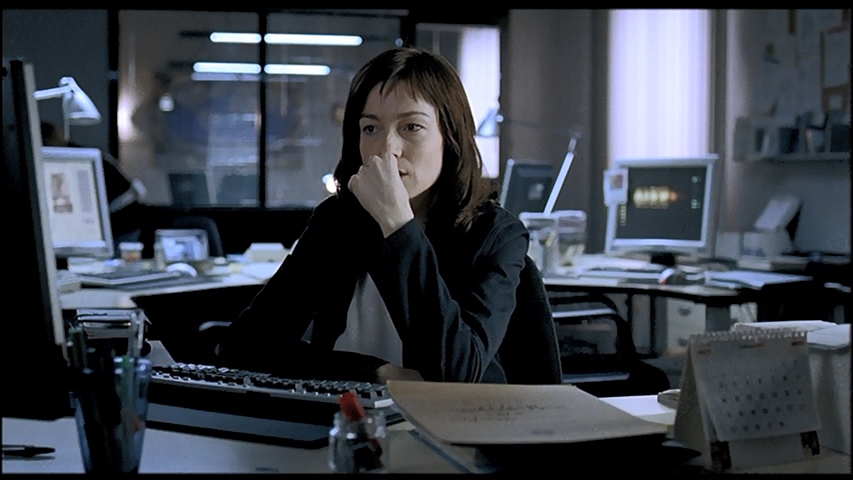
 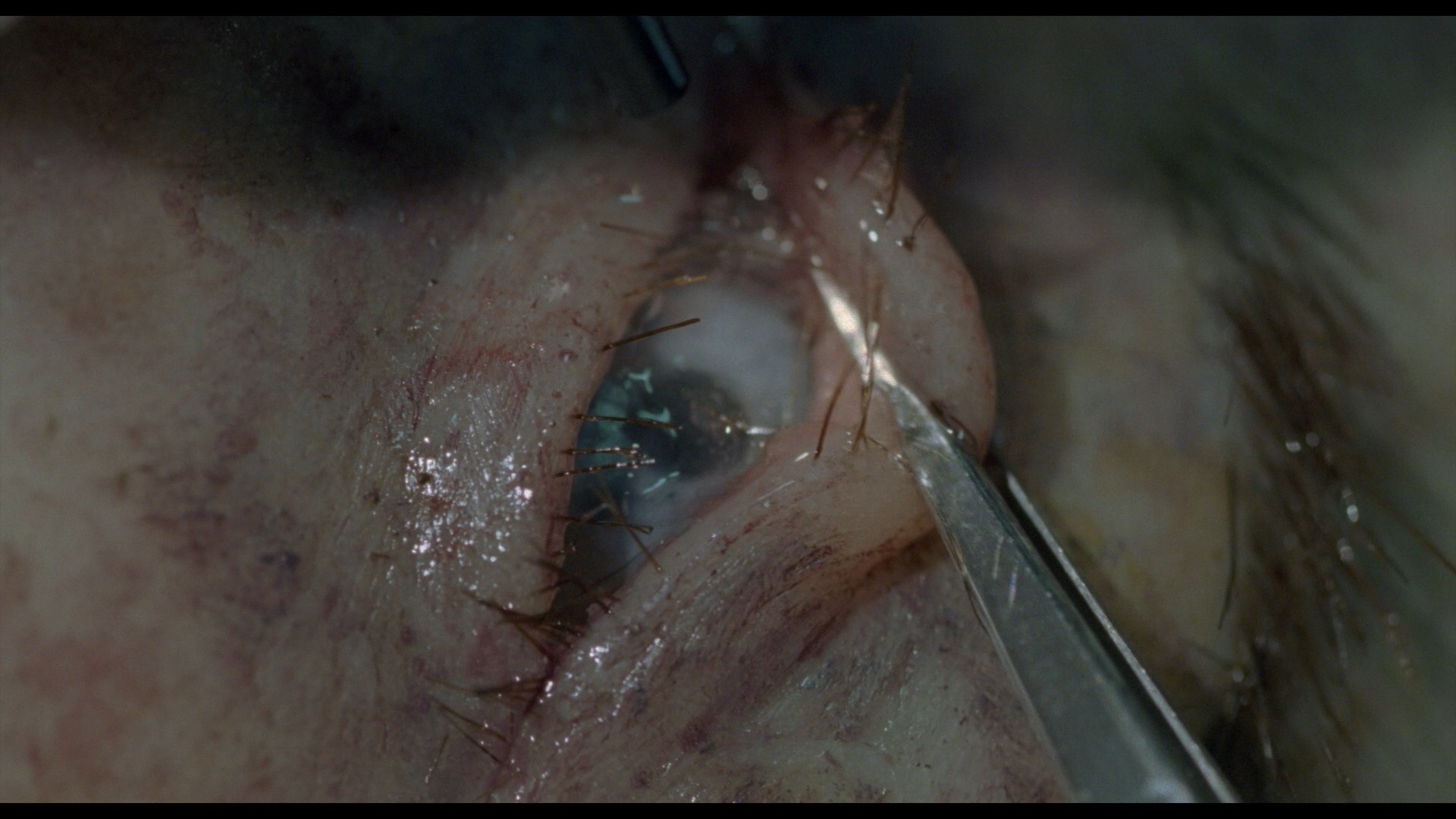 means there are some obvious drops in quality for all the nastier shots involving dead bodies (including the water mouth gush) as well as shifts in aspect ratio; see the second frame grab comparison below for an example. Extras on that disc include the promo and making-of featurettes (running the correct speed at 11m54s and 8m50s) in Italian w/German subs, a
  reel of English-language titles and insert shots (7m30s) for the film versus the Italian ones seen in the main feature (which makes the chat room scenes incomprehensible for English-speaking viewers), and a poor quality 4x3 English trailer. A subsequent German Blu-ray from Sunfilm was also briefly released but was reportedly censored and not available here for comparison.
 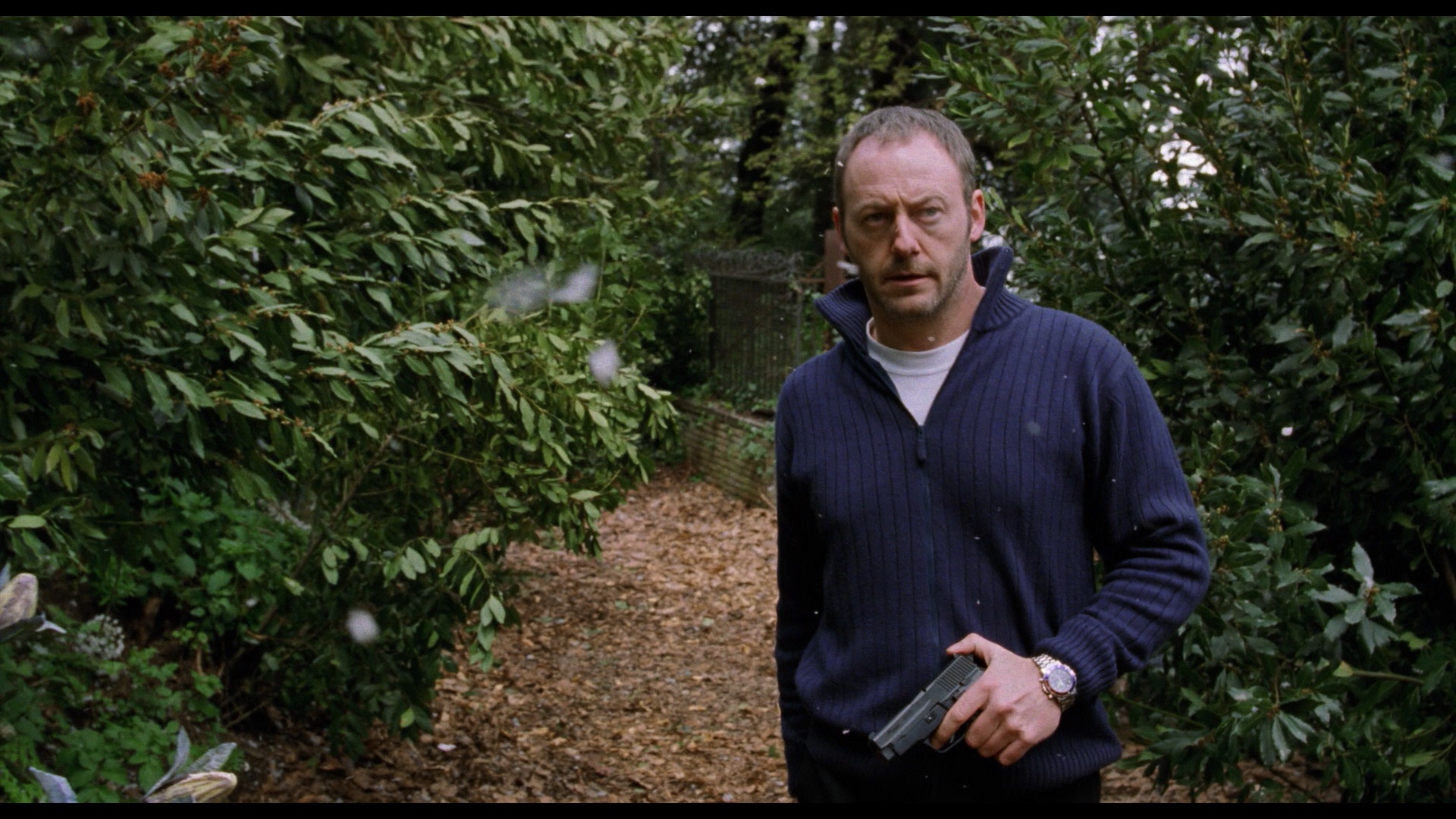 Argento used over the years, and the rewarding challenges of pulling off the cat and mouse scene in Anna's
  apartment. Finally, "Game Over" (8m31s) catches up with Fiore Argento (who reunited with her father on this film after getting killed off years earlier in Phenomena and Demons), including her thoughts on the visual perception of her character as an "element of light" and the strange circumstances of being tied up and gagged in a dentist's chair, as well as a helpful gesture Cunningham performed for her during a key scene.
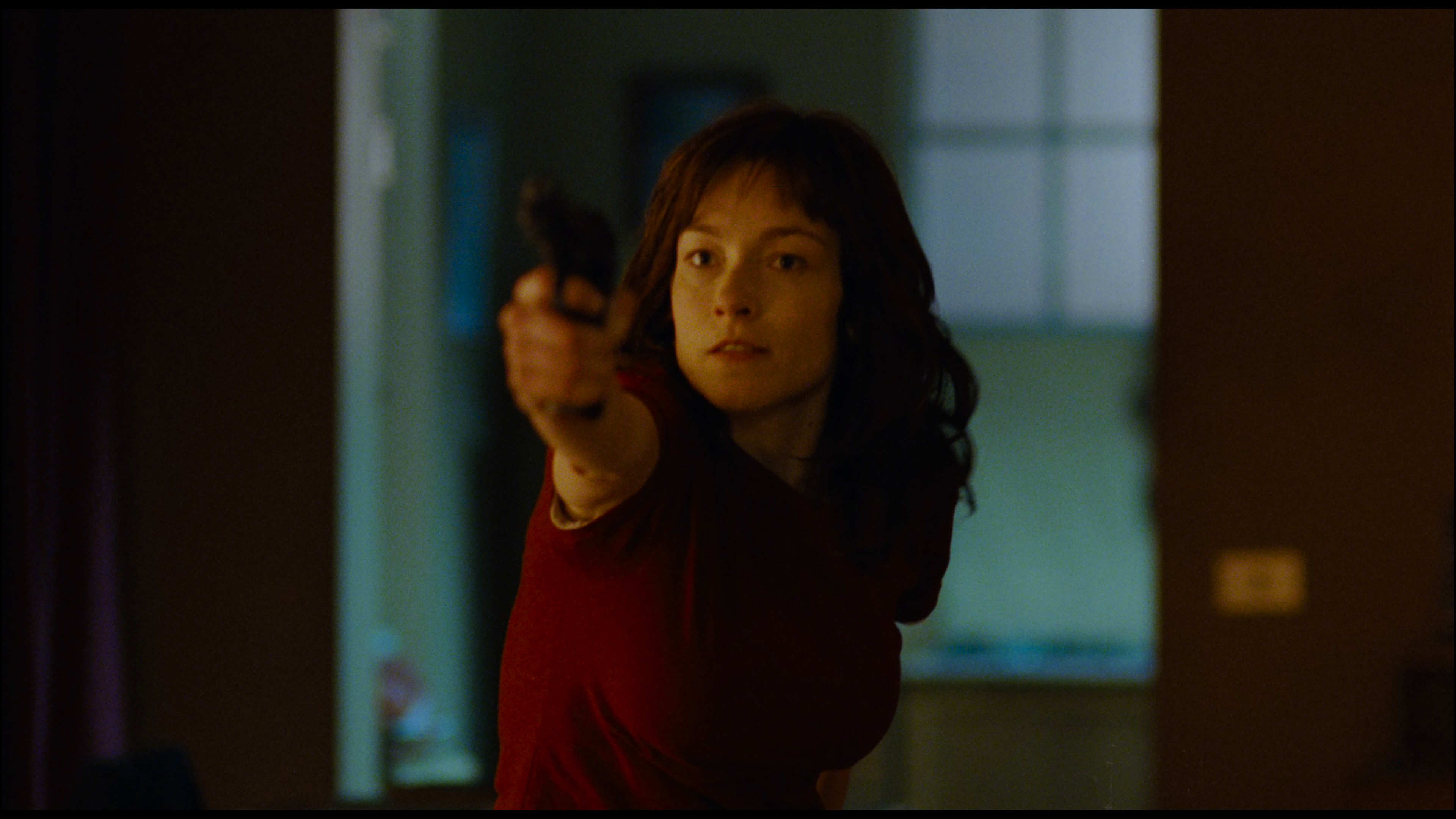 how the cinematography interacted with his work. Finally in "Sharp Cuts" (20m4s), editor Walter Fasano chats about his admiration of Argento, the impact of censorship on his films, his own cameo in this one, the arduous work hammering the film into shape after the first cut, the cop chatter material deleted along the way, and the precision of cutting the poker sequences so each one felt different.
 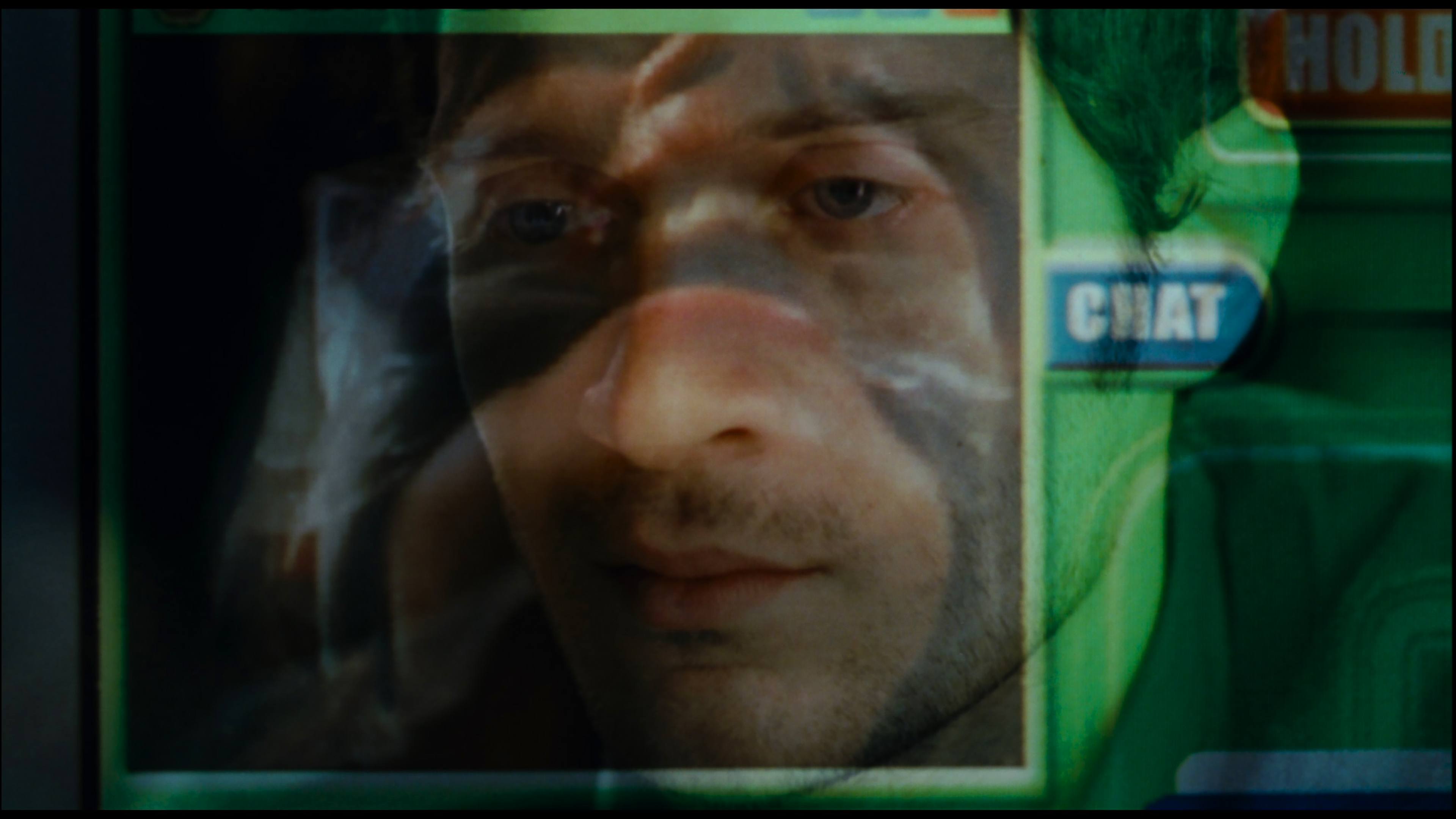 label Shameless Screen Entertainment presented Argento's film as separate UHD or Blu-ray editions, taken from the same scan with the Blu-ray looking comparable to but not identical to the Vinegar Syndrome one. Contrast varies a bit from scene to scene, with the color timing leaning more neural than the slightly rosy hue on the U.S. disc. The UHDs differ more dramatically, with the HDR-compatible Dolby Vision in the U.K. one pulling back on the color saturation quite a bit and looking closer to how this appeared theatrically; basically you're fine with either option but how much color intensity you want will be a matter of taste. (See below for comparisons; frame grabs in the body of this review are from the U.S. release.) The DTS-HD MA 5.1 English and Italian tracks both sound excellent and come with optional English SDH or English translated subtitles, plus the prior audio commentary. The making-of featurette and interviews with Dario and Fiore Argento, Rocca, Fasano, Geleng, and Ferrini are ported over here, with Shameless presenting cards at the beginning for some but otherwise the same content-wise. (The Simonetti and Stivaletti interviews remain exclusive to the U.S. edition.) In the new "The Killer's Choice" (7m10s), actress Elisabetta Rocchetti chats about her previous small role in Sleepless, the atmosphere in Turin vs. Rome for this one, the magic atmosphere on set, the logistics of shooting her online game murder scene, and being turned into a Stivaletti dead body. The package (with very obvious AI-generated cover art) also comes with a double-sided postcard, a folded mini-poster (with the striking artwork used to sell the film at international film markets), and an insert booklet with the in-depth "Stacking the Deck" by Alan Jones excerpted from his book, Dario Argento: The Man, the Myths & the Magic.
SHAMELESS (UHD)
SHAMELESS (Blu-ray)
VINEGAR SYNDROME (UHD)


VINEGAR SYNDROME (Blu-ray)
SCORPION RELEASING (Blu-ray)
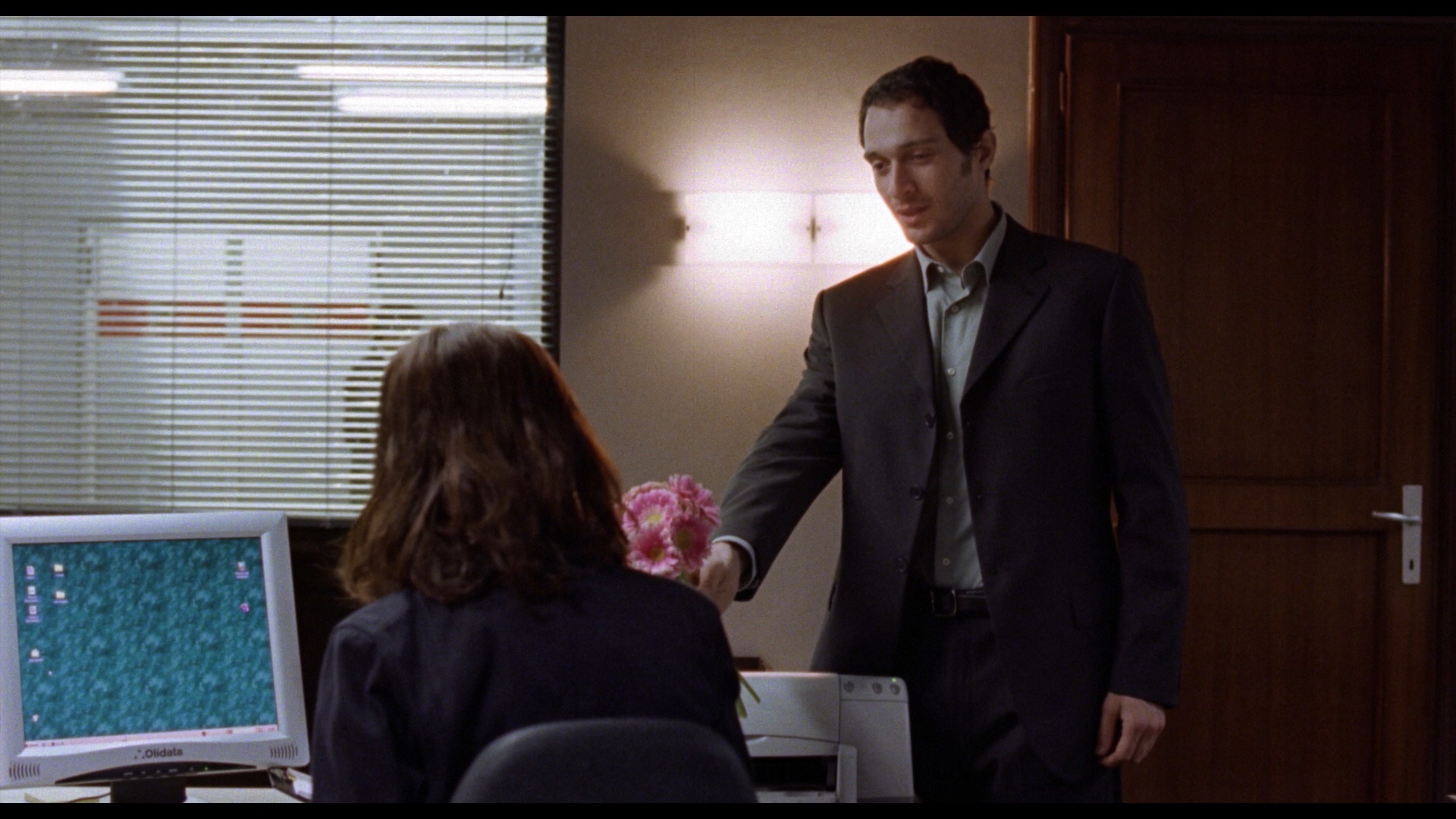
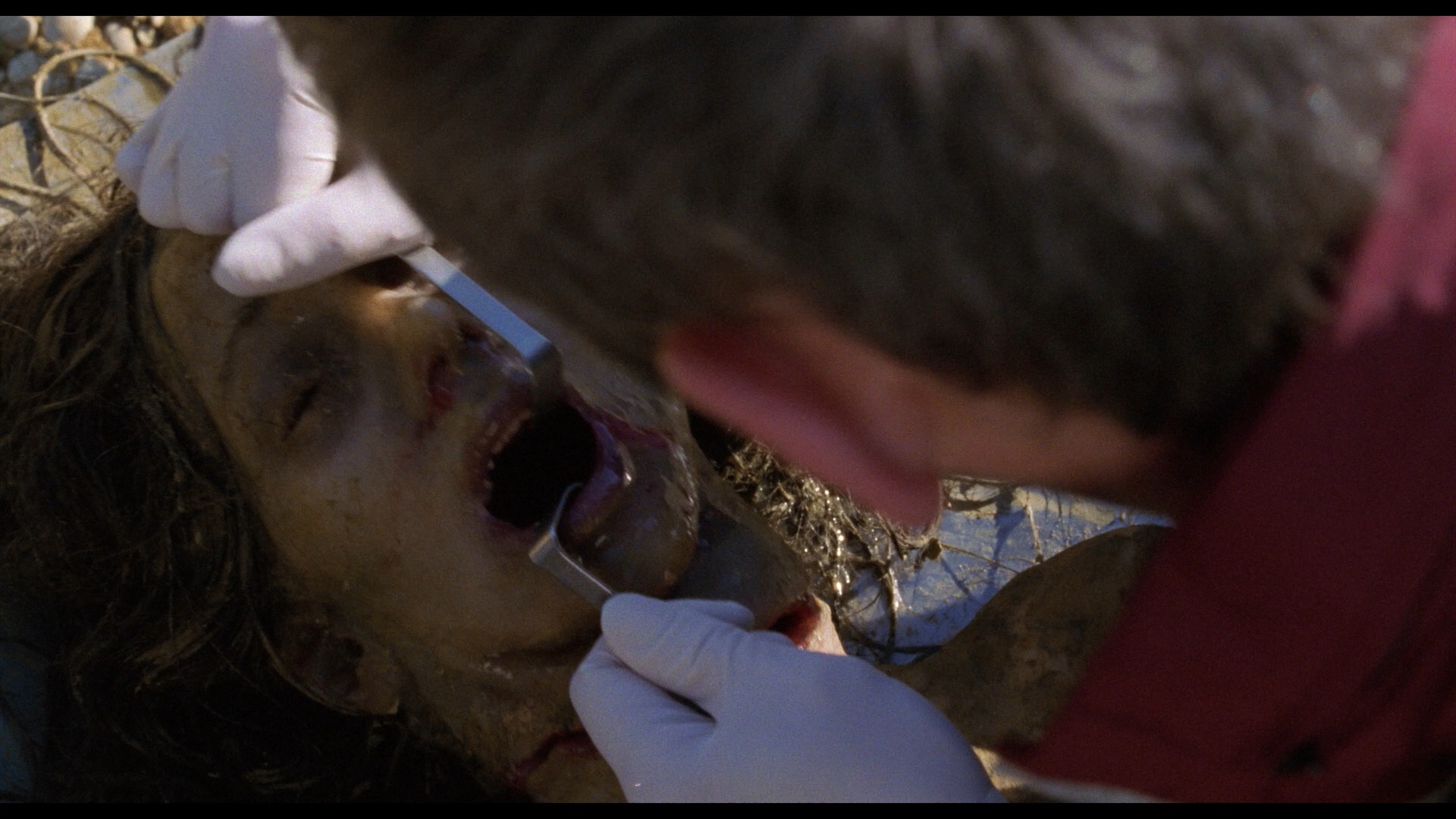


Tonfilm (Blu-ray)
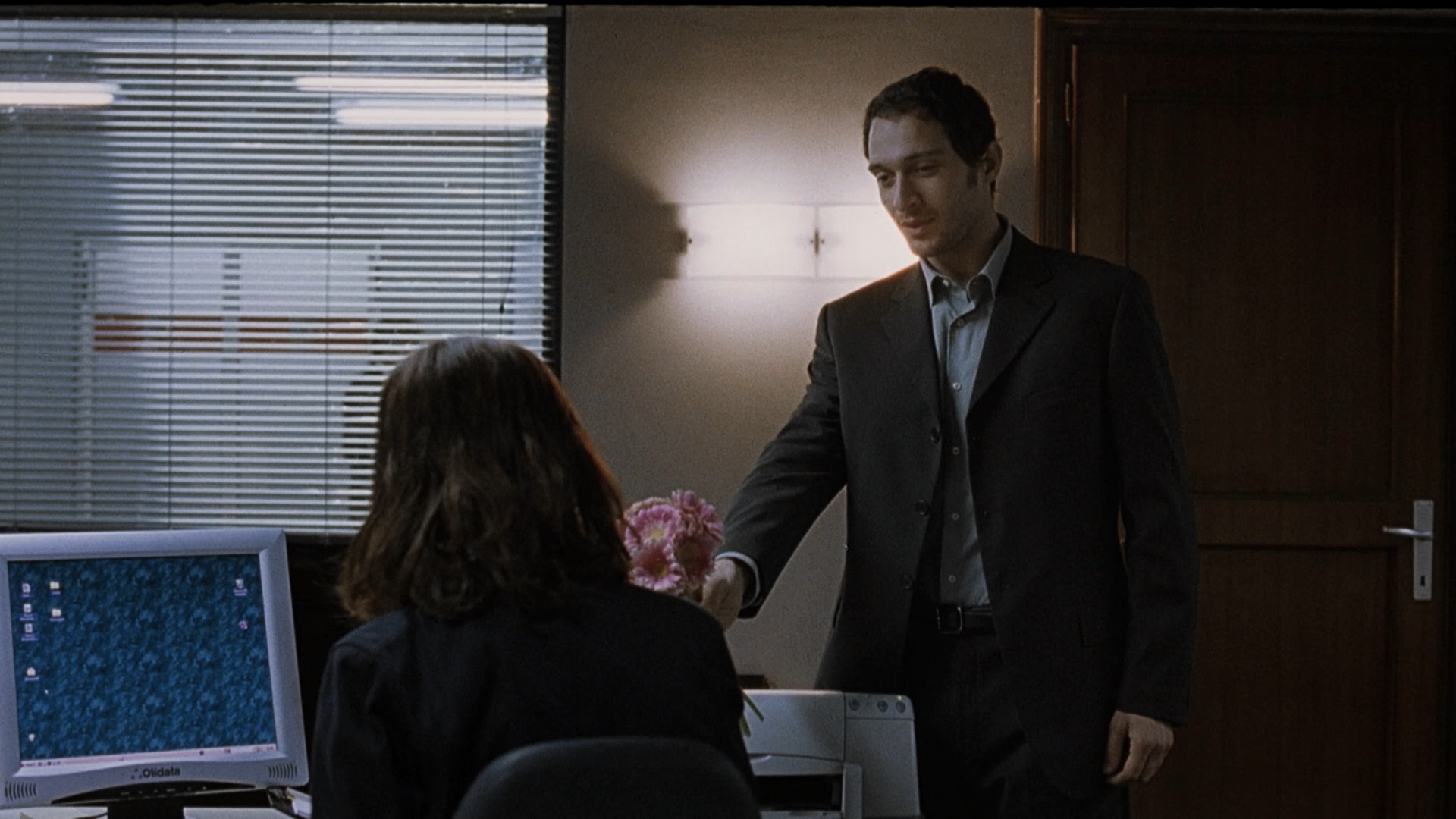
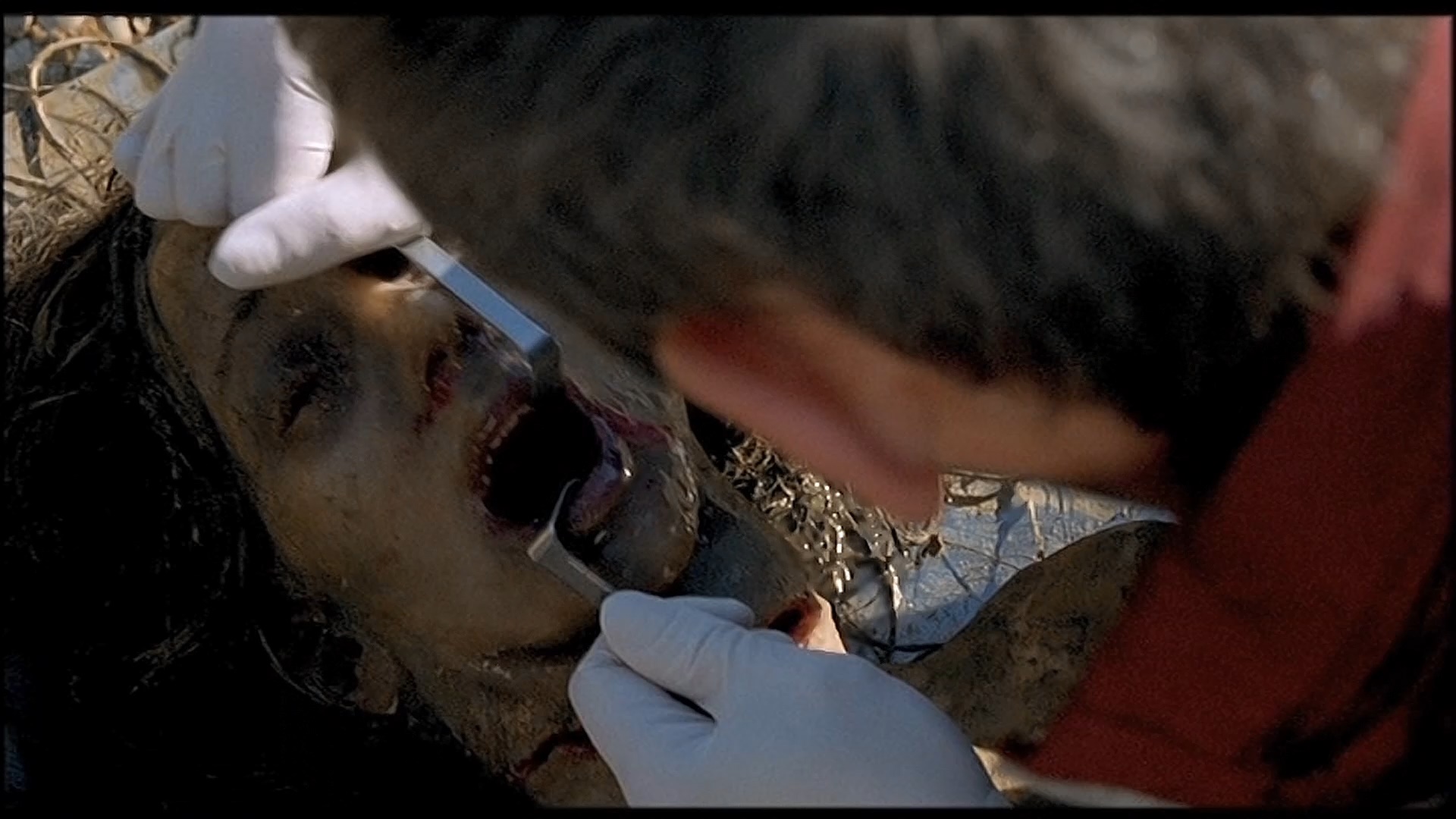

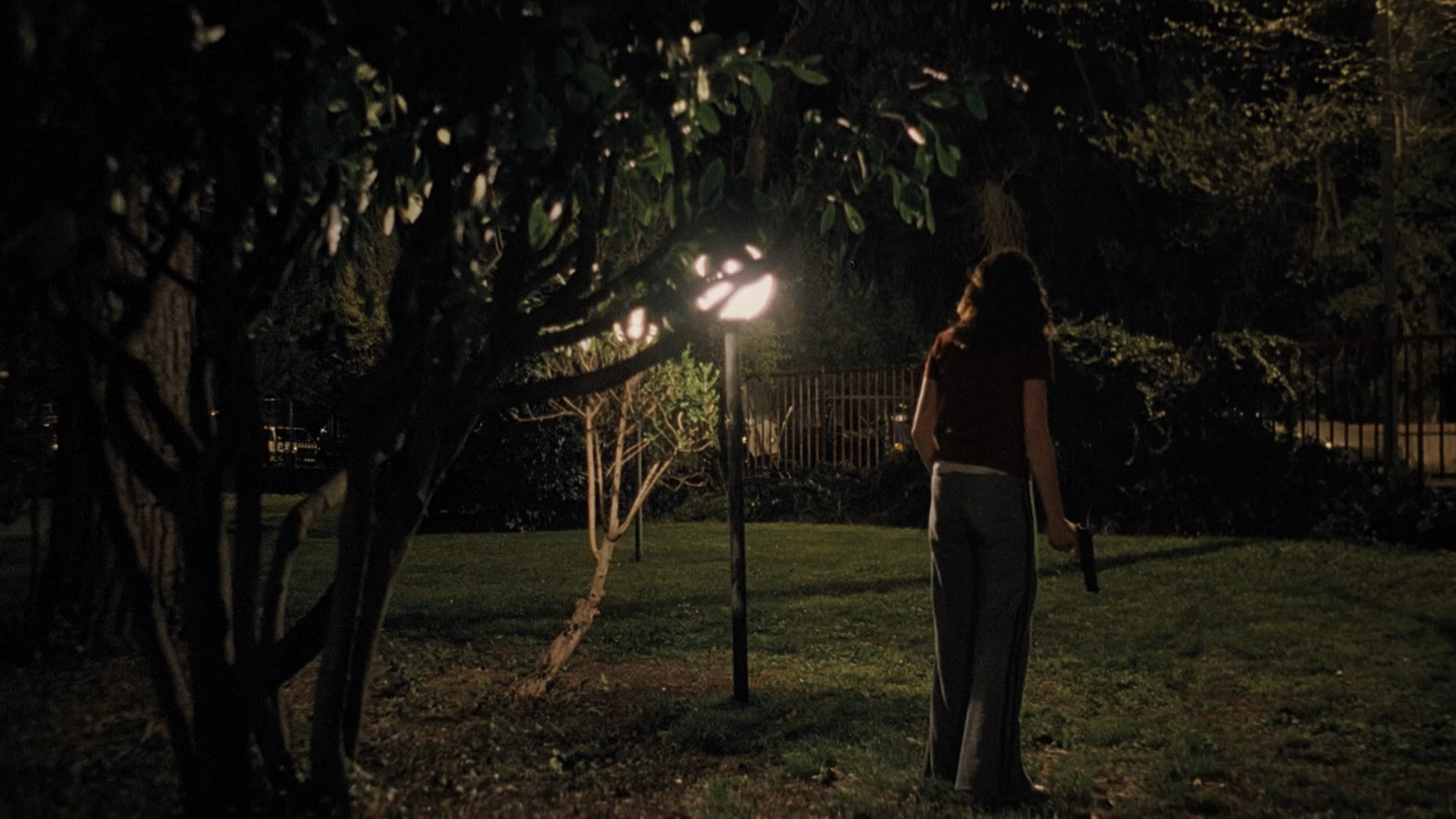
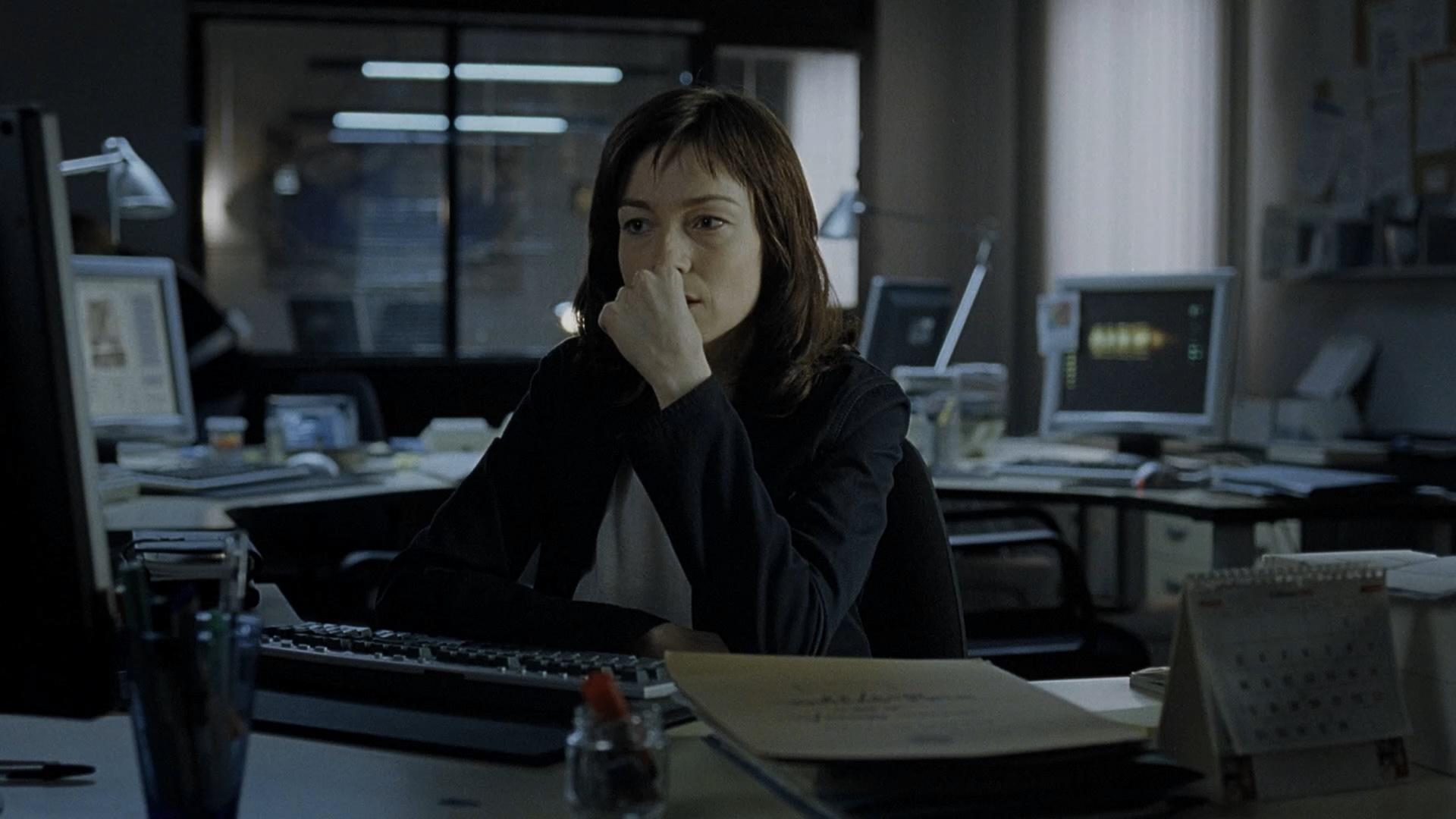
ANCHOR BAY (DVD)
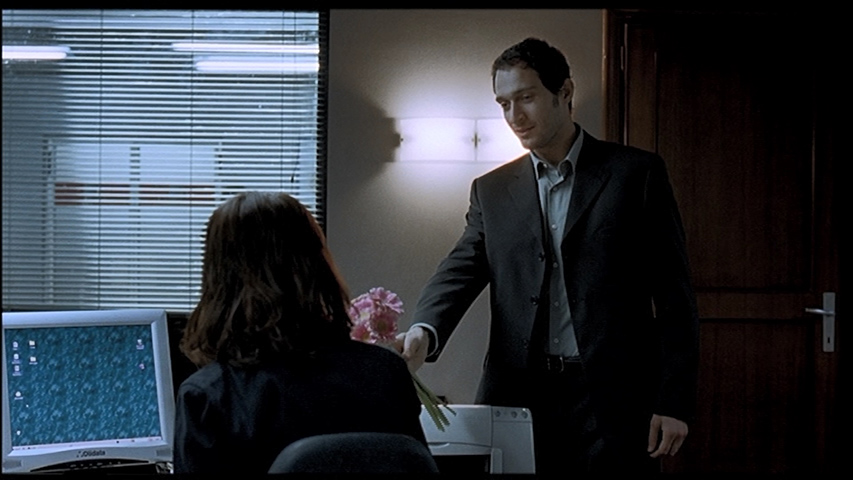
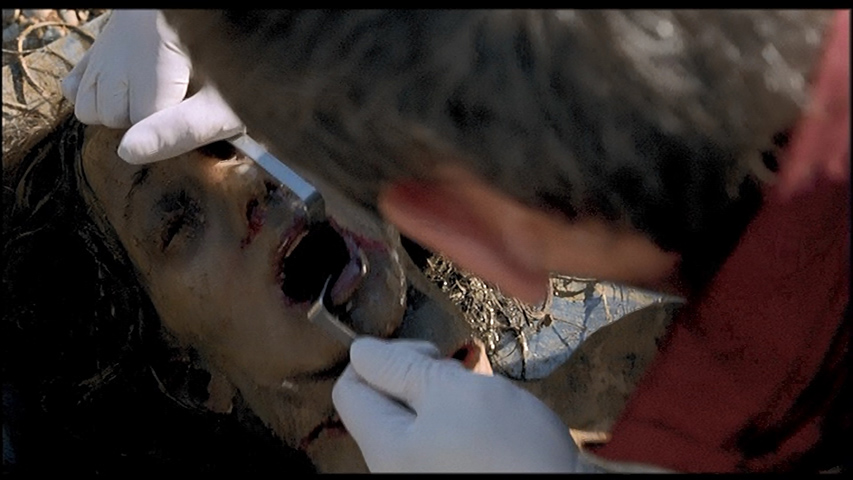
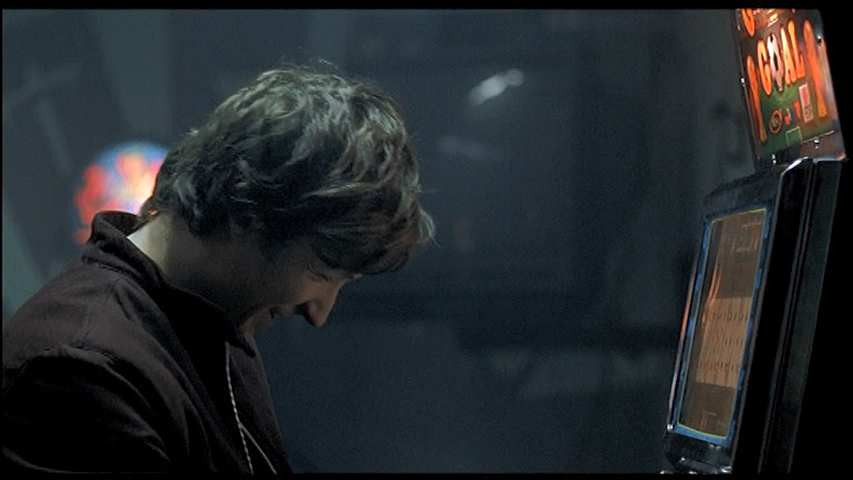
ARROW VIDEO (DVD)