
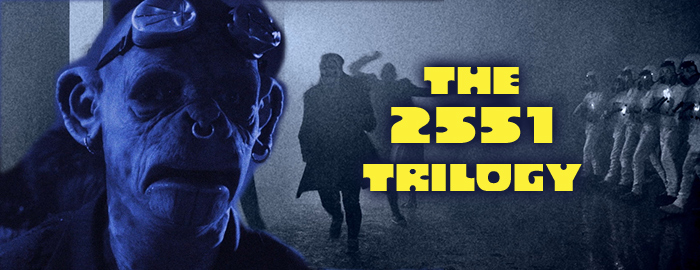
 the prize as the most extreme and bizarre release from Deaf Crocodile to date, the four-disc Blu-ray set The 2551 Trilogy delivers
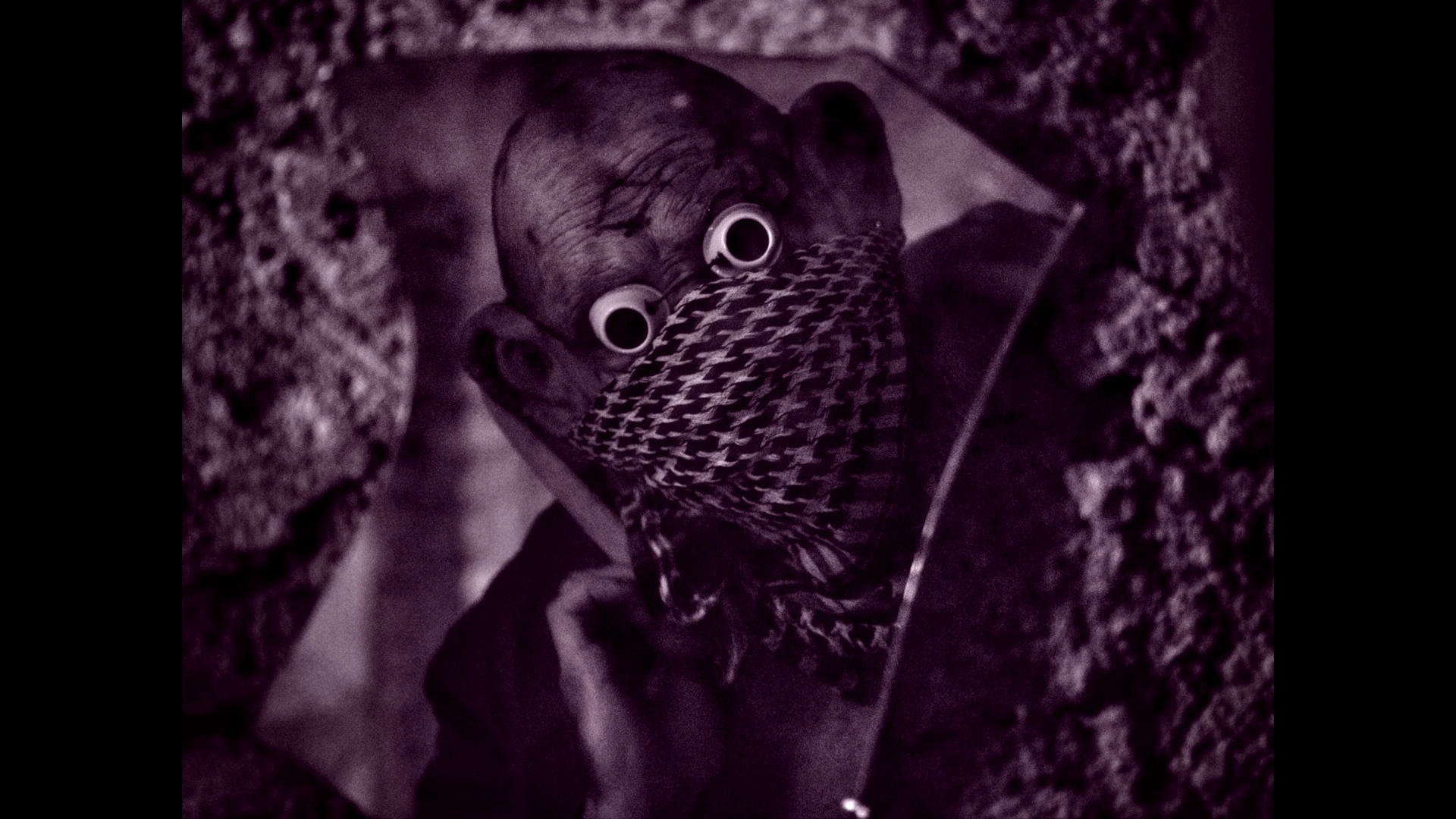
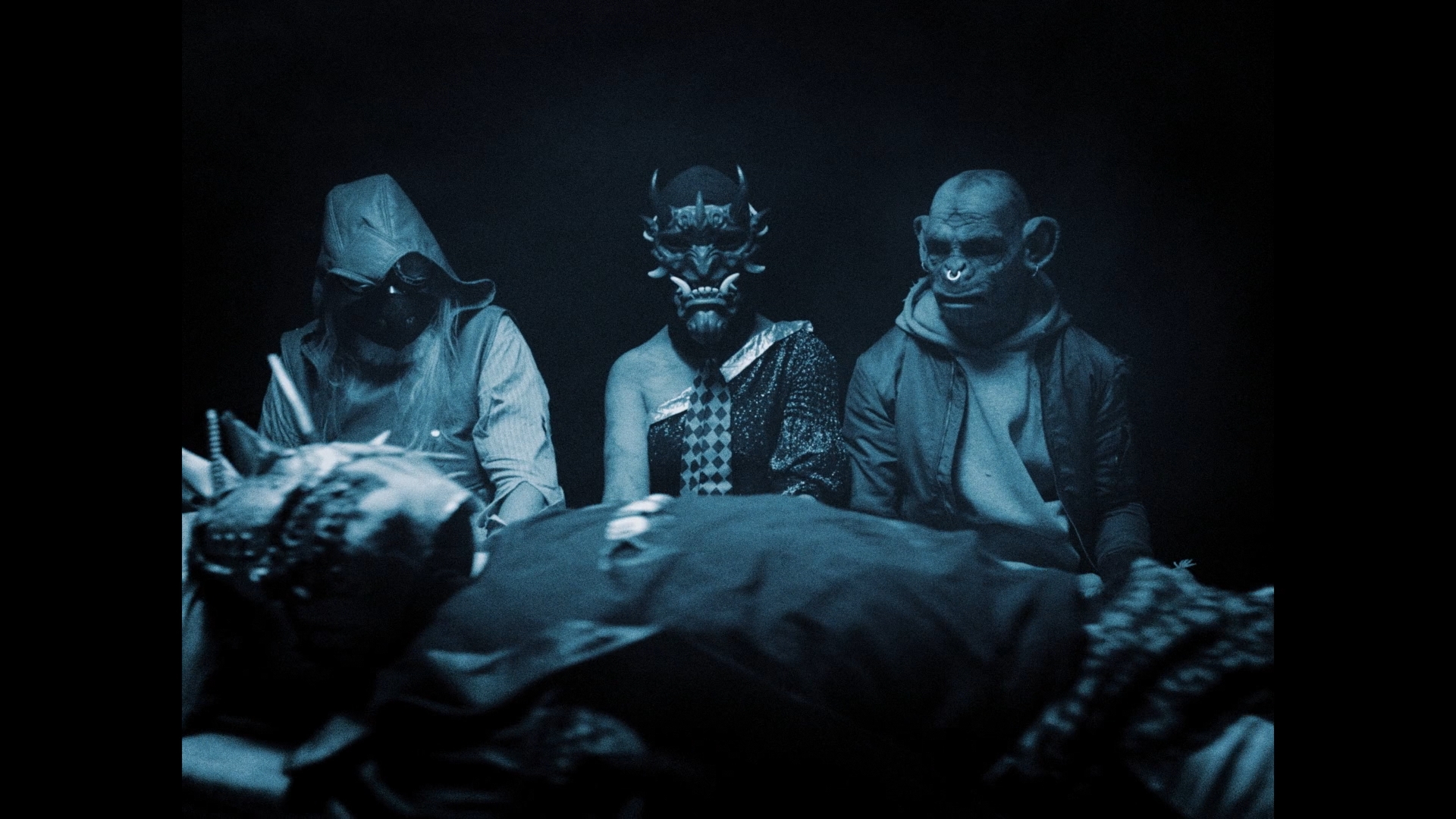
  an astoundingly extensive tribute to an epic sci-fi mind melter conceived by avant-garde artist and filmmaker Norbert Pfaffenbichler over a four-year period. With zero dialogue and a cast almost entirely in masks, the three films have a simple story summed up in one of the on-screen recaps: "2551 tells the story of an apeman and an orphan boy in a dystopian world, suppressed by a brutal police force. After the child gets kidnapped by the militant state, the apeman sets out to rescue him on a restless journey through the dark underground." The execution here will likely draw different comparisons depending on the viewer; you could conceivably tie this in to countless music videos, Derek Jarman, Begotten, Matthew Barney, or names listed on the packaging like George Miller, David Lynch, the Brothers Quay, and Jan Švankmajer.
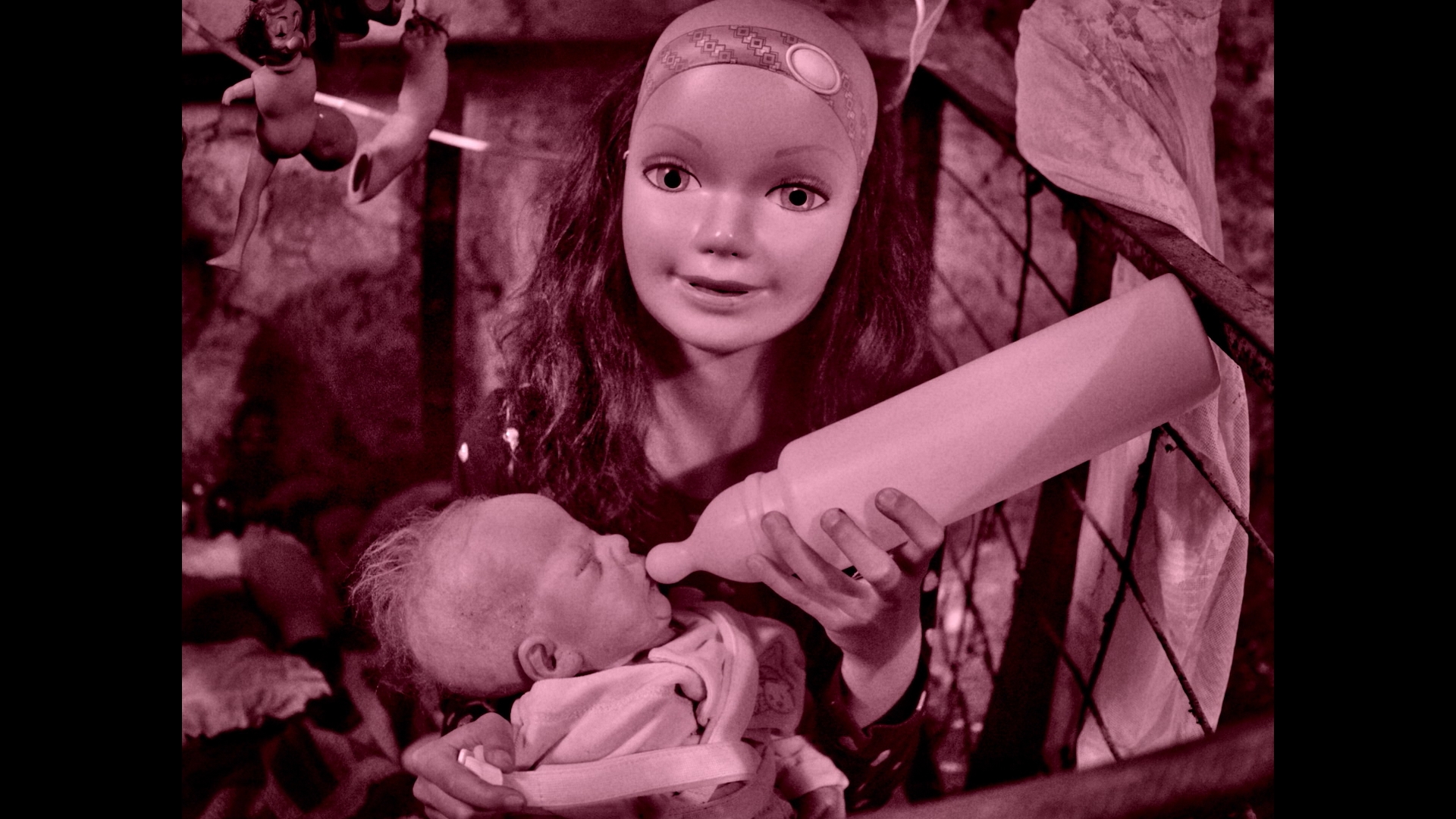
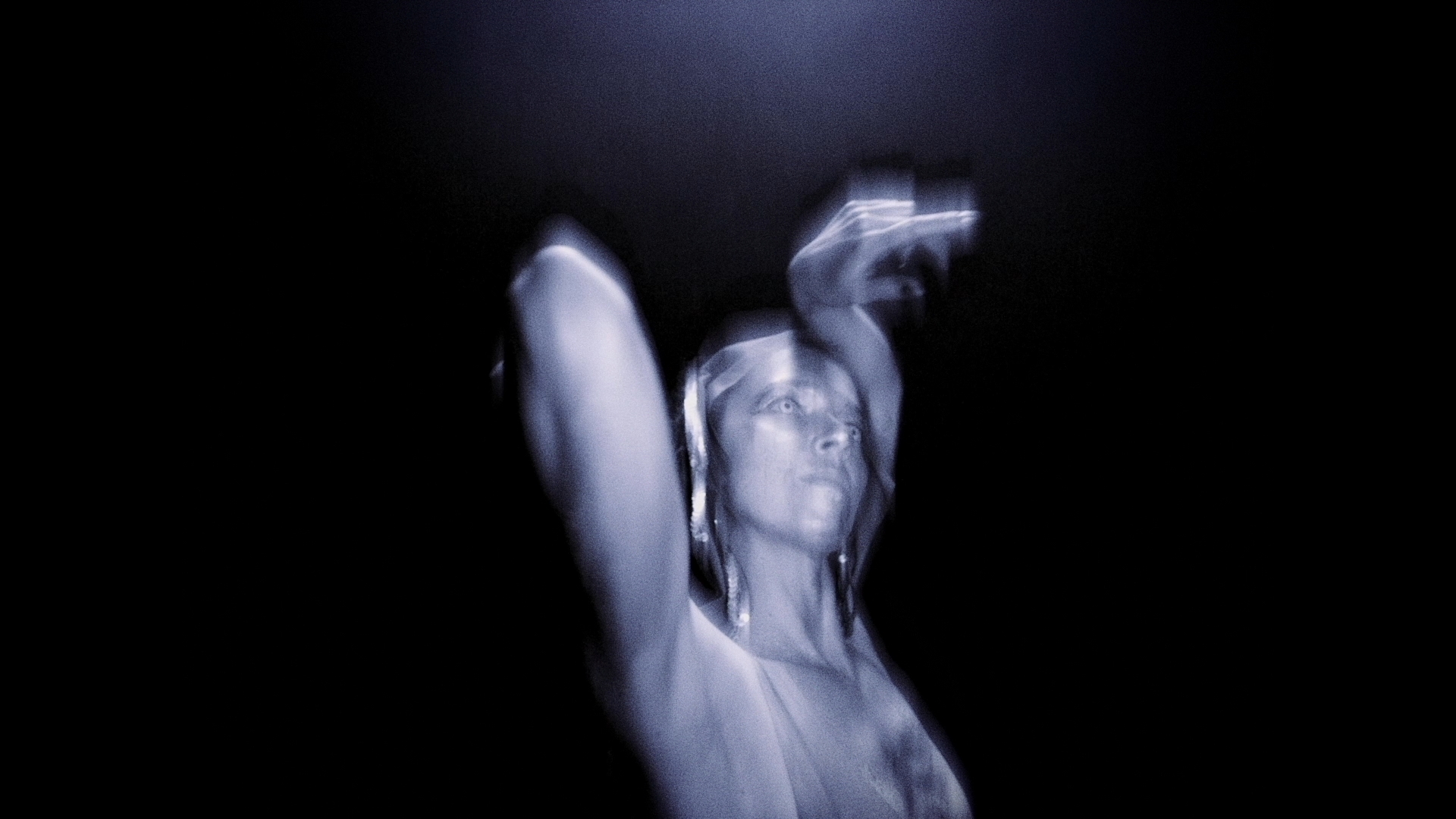
 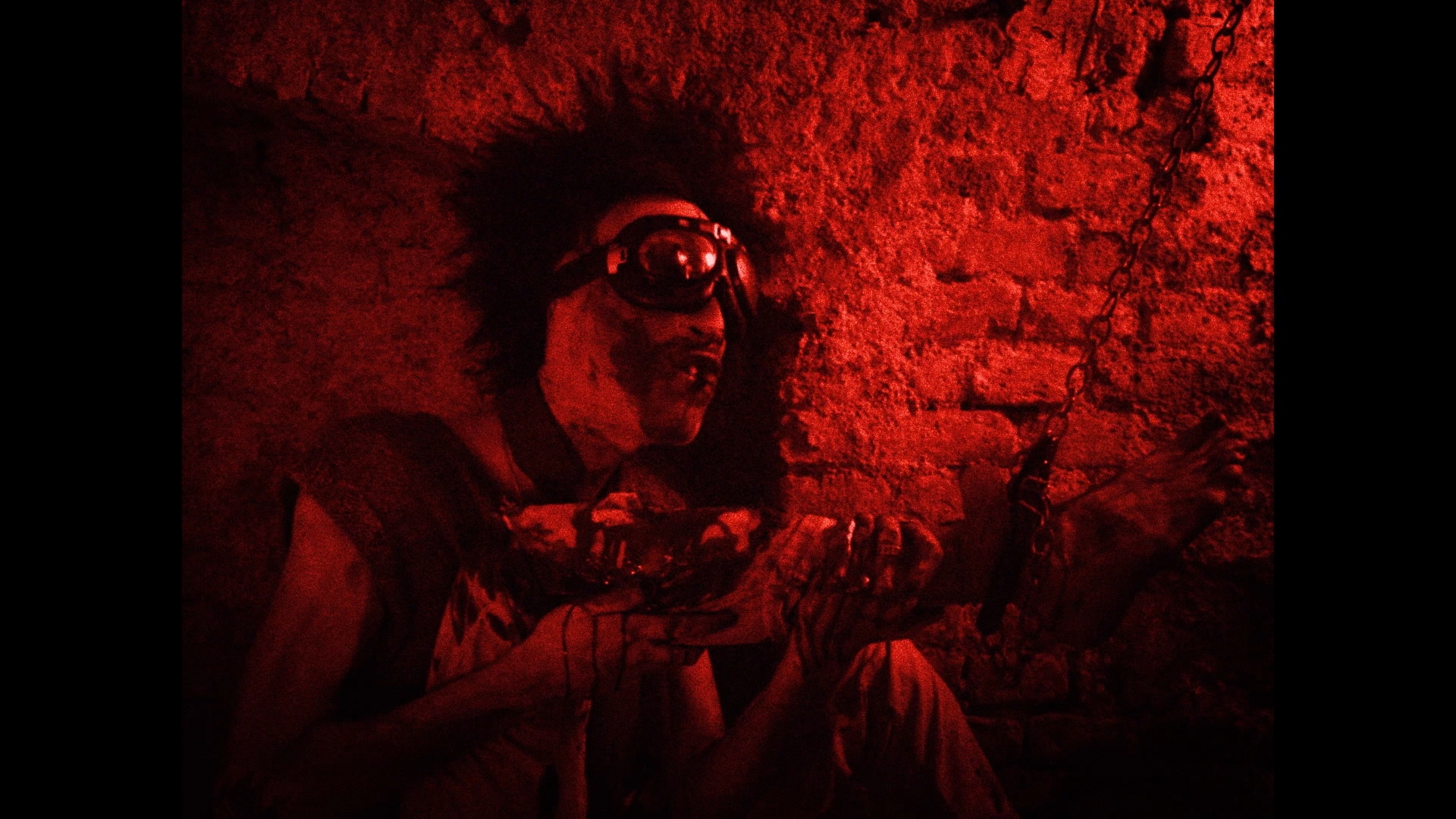 loose, picaresque structure shows the apeman forging through different areas of this nightmarish society as his destiny mirrors that of The Kid, who wears a fabric sack over his head and clutches a skeletal doll whose symbolic importance increases by the third film. Essentially it's a cavalcade of mutants and audacious cinematic devices, with the second film, The Orgy of the Damned, getting down and dirtiest as it involves a female luchadora (Veronika Herber) who faces off against the apeman, robs him, and leads up on a
  chase into a deranged red light district. It's also this film that explains why Deaf Crocodile has warning disclaimers all over the place for this title and even requires age confirmation to order it off their site, as it involves some stop-motion sexual activity unlike anything else you've ever seen. The final film, The End, jumps forward in time and sort of feels like a riff on El Topo with its main character being reinvented and seeing its "child" go through some massive changes as well on the way to a mind-bending finale.
  and Anne Golden handle commentary duties parsing a dense 84 minutes of enigmatic, multi-layered imagery while drawing parallels to filmmakers like David Cronenberg and Tobe Hooper and noting how unexpectedly poignant it gets at moments.
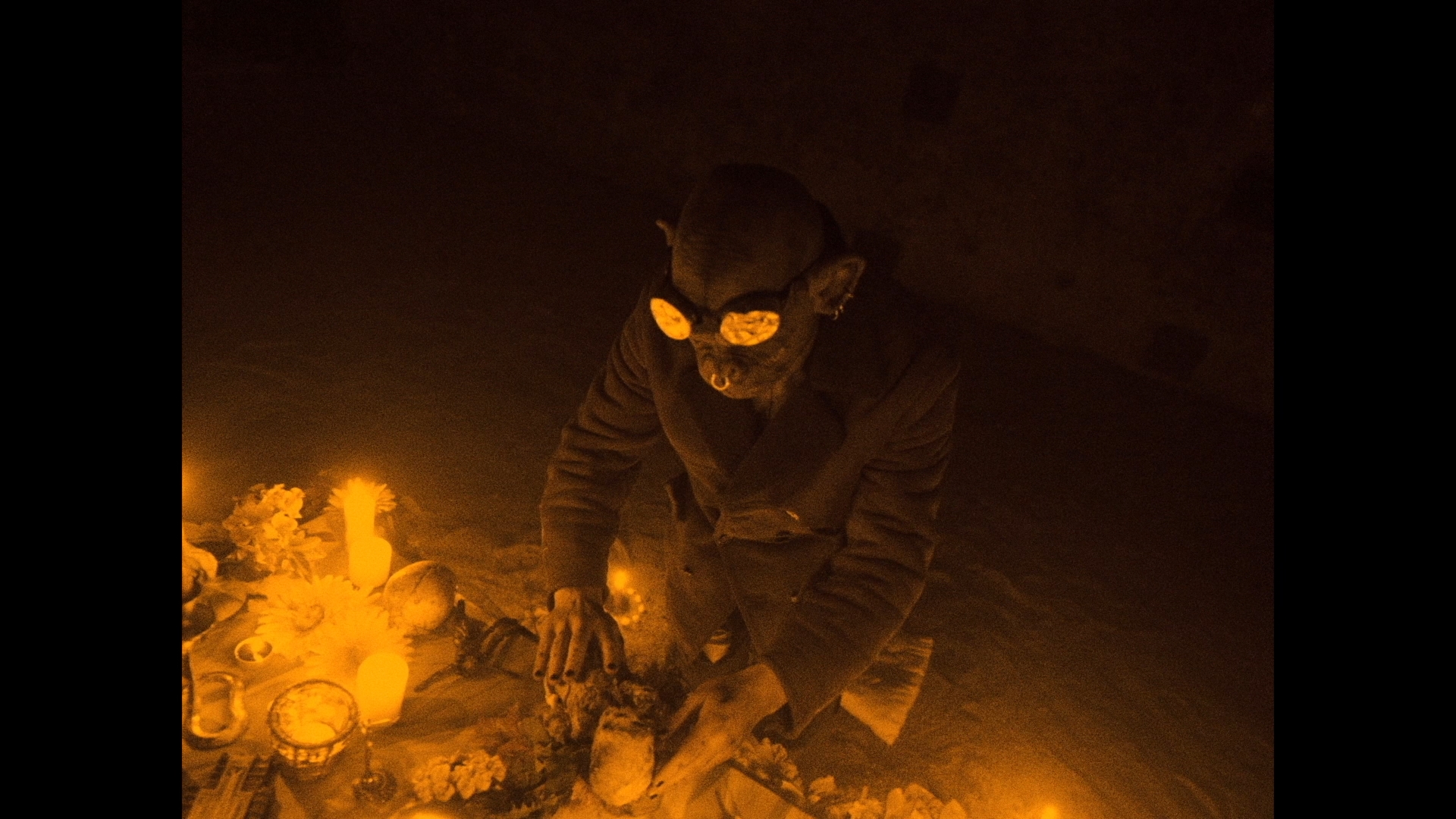 extras are collected on the fourth Blu-ray kicks off with two visual essays, Ryan Verrill and Dr. Will Dodson's "Don’t Let it Fester: (Anti)Sentimentality in 2551.01" (6m15s) studying the clear parallels to Charlie Chaplin's The Kid in the first film and Stephen Broomer's "Angel of the Abject: The 2551 Trilogy as a Necropolis of Cinema" (18m13s) exploring the Austrian avant-garde approach as a fusion of bodily breakdown and lacerating social analysis. Then you get separate interviews with Pfaffenbichler (30m37s), cinematographer Martin Putz (31m34s), visual effects supervisor Paul Lechmann (22m44s), and Erber (22m22s), plus a separate "Avant Garde Souls Are Charred" discussion with the director (37m33s) about his short experimental work with Danish filmmaker Reinert Kiil. All are worth checking out and shed some light on how these wild concoctions came together to create a strangely potent and singular vision as well as chronicling working relationships that in some cases go back to the '90s. "Jam of the Damned" (20m56s) is a raw collection of making-of footage from the third film (almost as crazy as the feature itself), including some great coverage of how the masks, props, and sets were created. A visual effects reel (12m46s) with Lechmann discussing on the audio track shows how some of the wilder achievements were pulled off with a focus on the second and third films, followed by two deleted scenes (5m8s) from the third film ("The Birthday" and "Slime"), the isolated scores for all three films (with crazier stereo separation than the film mixes), and three newly-created trailers. Also included are seven full experimental Pfaffenbichler shorts: 1998's Santora (5m), 2003's Notes on Film 1: Else (6m50s), 2011's Chaplin-inspired Notes on Film 4: Intermezzo (2m38s) and Hitler-themed Notes on Film 5: Conference (8m8s), 2014's Eistensteinian Notes on Film 9: Odessas Crash Test (5m42s), 2013's freaky surveillance nightmare Notes on Film 10: Camera (13m6s), and 2019's indescribable Notes on Noise 01: Hoffman's Hymn (2m33s). As usual the deluxe edition is beautifully packaged featuring new art by J.G. Jones and an 80-page book featuring production photos, an interview with the director by Rolf Giesen, and and the essays "Faces of Death: Masks and Dehumanization in 2551.01: The Kid" by Alexandra Heller-Nicholas, an untitled Walter Chaw breakdown of the second film.